

Free visual inspection and a written scope of work before any mitigation begins - photos, moisture readings, and drying logs go in your claim file
The scope we write is the scope we bill. Anything new gets shown to you, in writing, before we touch it.
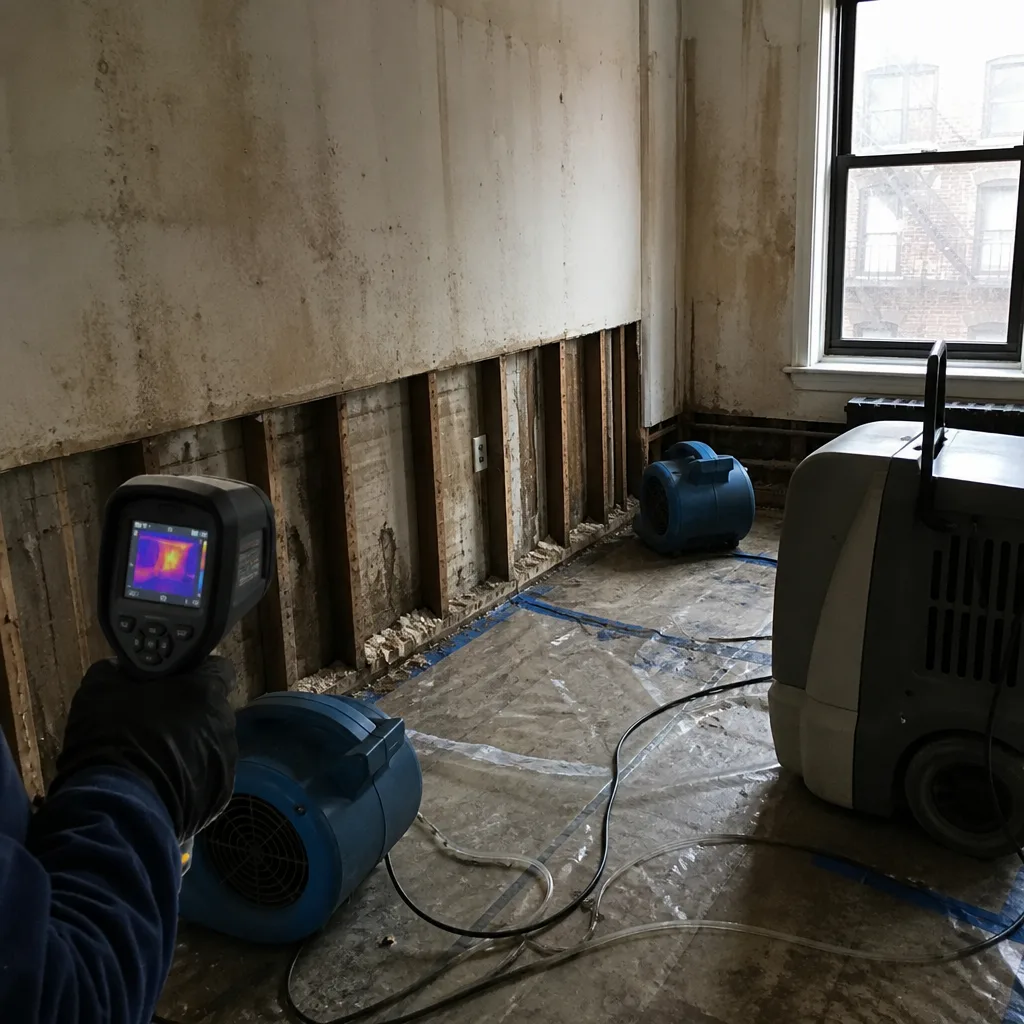 Before
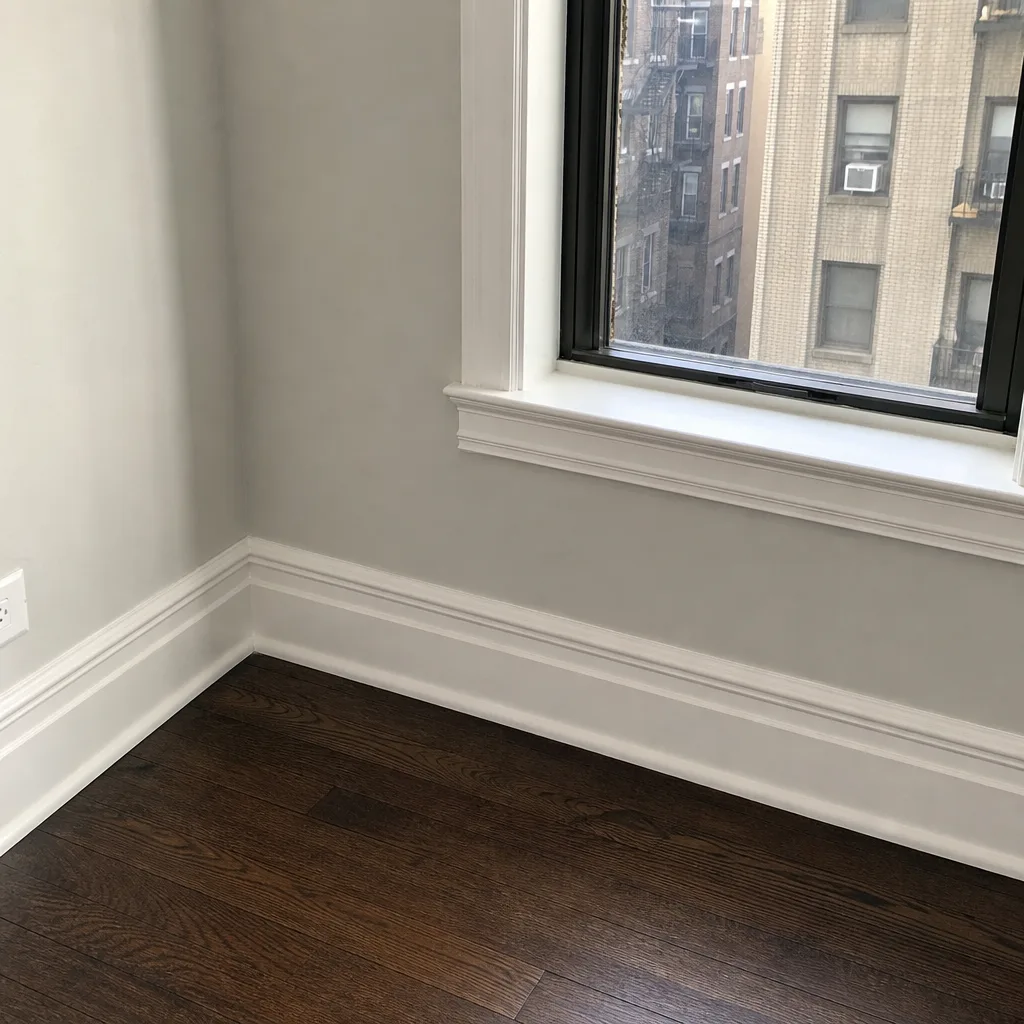 After
After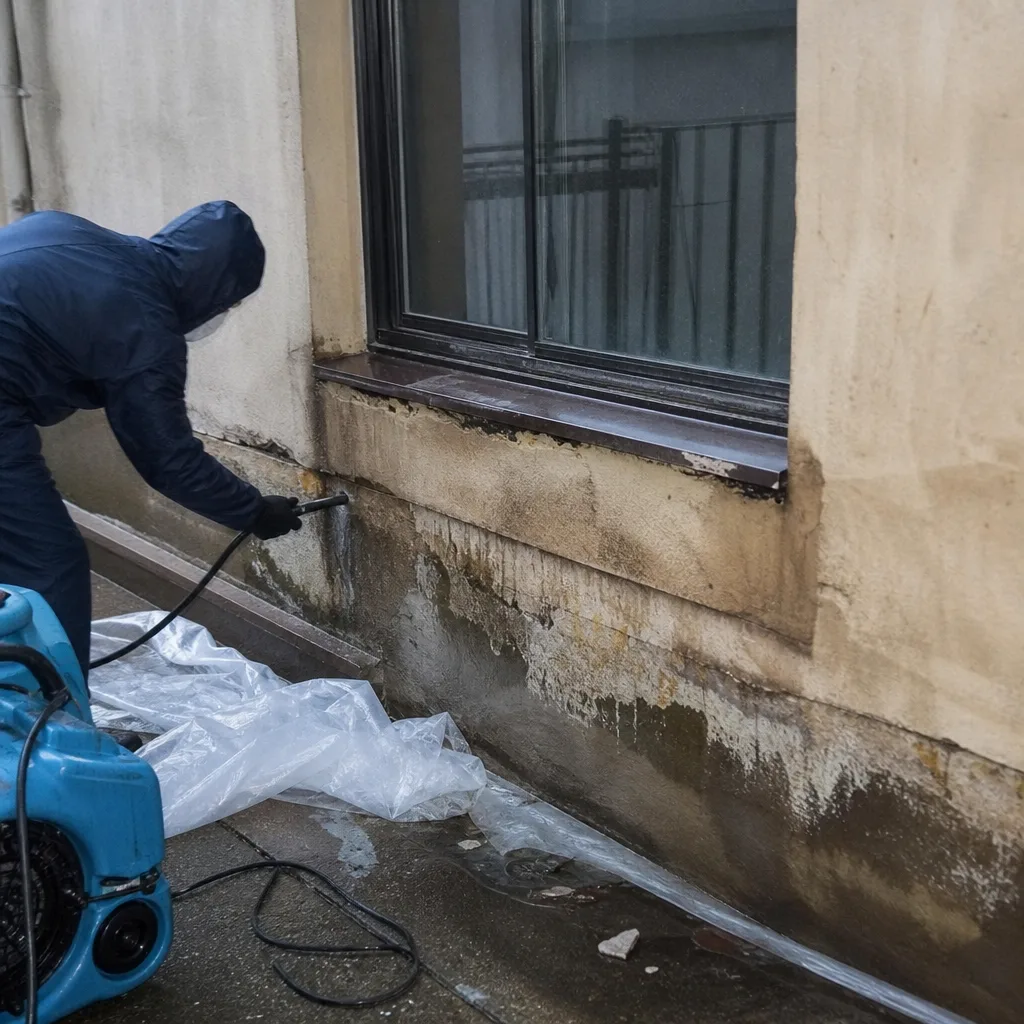 Before
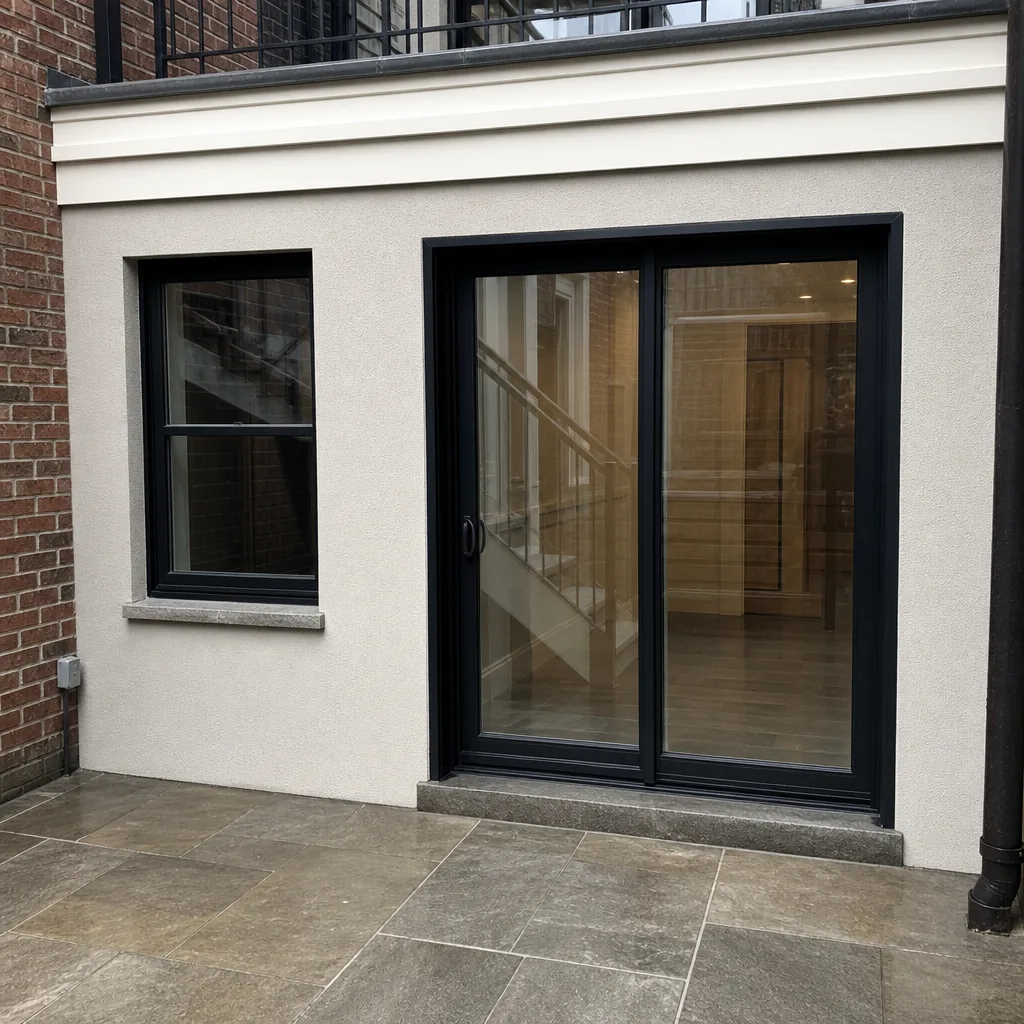 After
After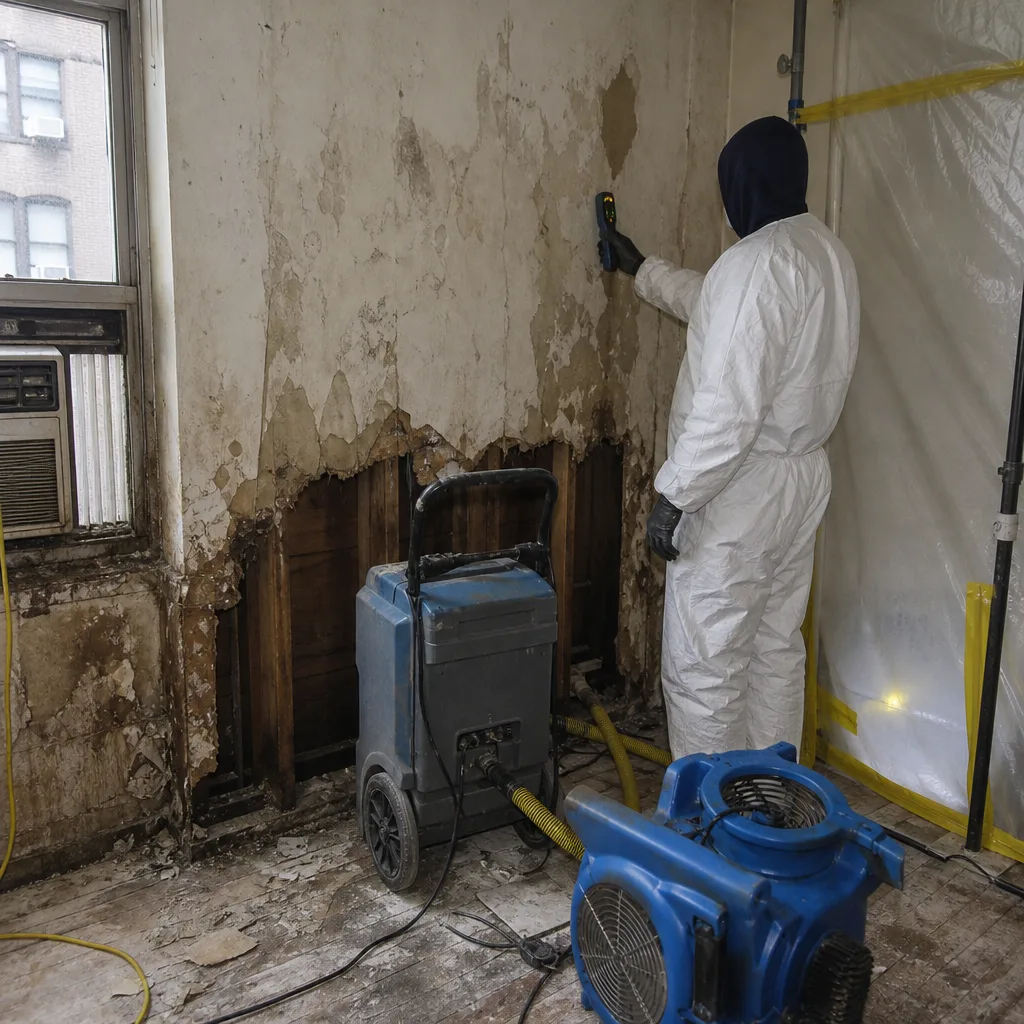 Before
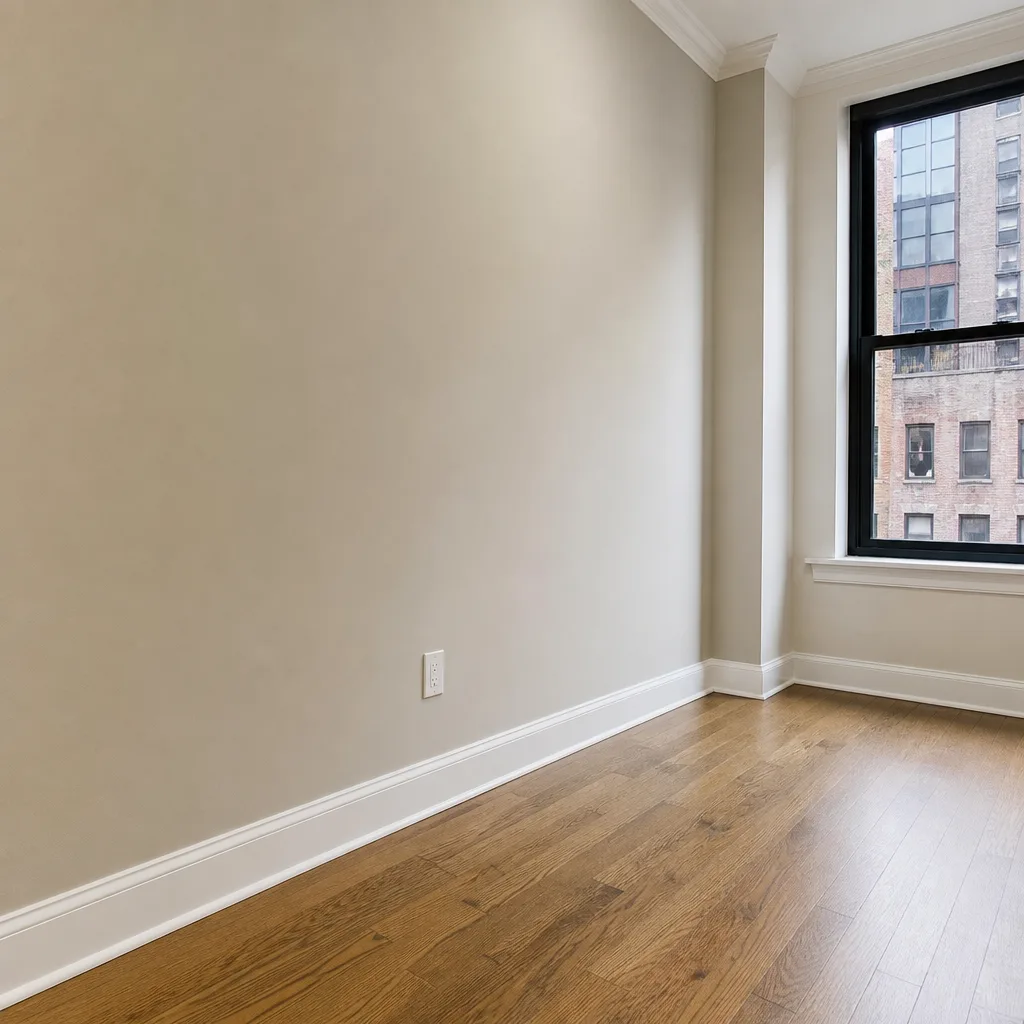 After
After24/7 Emergency Mold Remediation in Greenpoint
Mold remediation in Greenpoint costs $1,800 to $6,500 for a typical basement or single-room job, with whole-floor treatments at $8,000 to $15,000 depending on square footage and whether hydrocarbon testing is required. Floodline Restoration Co. answers the phone live at (518) 314-5660, 24 hours a day, and we dispatch crews to Greenpoint addresses within 45 minutes. The first hour matters because mold colonization begins within 24 to 48 hours of water intrusion, and in Greenpoint’s damp, low-lying air, that window is often shorter. If you call us at 2 a.m., a real person picks up, not a recording.
We’ve been standing behind our work in writing since 2010, when Curt Bowman built Floodline Restoration Co. around a dispatch board and a promise he could keep. Every Greenpoint job carries the 90-Day Done Right Promise, our Keystone Standard, which means if the mold returns or the moisture wasn’t fully dried, we return, no paperwork battles, no arguing. That’s a guarantee in writing, not a slogan on a truck.
Understanding Mold Remediation Severity in Greenpoint Properties
Mold remediation in Greenpoint follows a different playbook than in Williamsburg or Long Island City. The reason sits beneath the neighborhood. Greenpoint is built atop one of the largest underground petroleum plumes in American history, an estimated 17 to 30 million gallons of oil leaked from former refineries along Newtown Creek over a century of industrial use. When basements flood here, standing water can carry hydrocarbon contamination up through the slab, leaving an oily film on walls and floors. That water is classified as Category 3, the same category as sewage, and it requires environmental sampling and DEP coordination before remediation can legally proceed. A mold job in Greenpoint is very often a hazmat job wearing a mold job’s clothes.
The housing stock adds another layer. Greenpoint is dense with 1880s through 1920s brick rowhouses and three- to five-story tenement walk-ups. Most retain original horsehair plaster walls, galvanized or cast-iron pipes, and asbestos-containing floor tiles and pipe insulation. Any job that disturbs those materials triggers mandatory lead-paint and asbestos testing before restoration can legally begin. A standard mold removal in a newer building might take a day. The same job in a Greenpoint brownstone commonly takes three to five, because the plaster inspection, asbestos clearance, and environmental reporting are not optional. They’re code.
Containment, HEPA air scrubbers, and clearance testing are standard practice on every mold job we run in Greenpoint. We moisture-map with Dri-Eaz sensors before we touch a wall, because brick’s thermal mass hides moisture readings that a quick pin meter will miss. That’s how mold comes back. We don’t do jobs that come back.
Why Greenpoint Property Owners Choose Floodline Restoration Co.
- 45-minute response commitment. We’ll be there when we say. Greenpoint is our service area, not a distant market. A uniformed, background-checked crew reaches your block fast, day or night.
- 24/7 live answer, never an automated system. A live dispatcher picks up at any hour, including holidays. You talk to a person from the first ring, and that person can dispatch a crew.
- IICRC-certified crews. Our technicians hold WRT, FSRT, and AMRT certifications and train to RIA and IFA standards. The people in your home know exactly what they’re looking at.
- Free visual inspection. We walk the space, take moisture readings, and give you a written scope before any work begins. No pressure, no obligation, no surprises on the bill.
- Direct insurance billing. We handle the carrier directly, from first documentation to final invoice. You don’t play messenger between Floodline and your adjuster.
- One team from extraction to reconstruction. The same crew that sets containment on day one handles the rebuild. No mid-job handoff, no inherited contractor who wasn’t there for the hard part.
Our Mold Remediation Process
Mold remediation in Greenpoint is a sequence of deliberate steps, not a spray-and-paint routine. Here’s exactly what we do, in the order we do it:
Inspection & Assessment
We start with visual inspection and moisture mapping using Dri-Eaz sensors and thermal imaging. In Greenpoint, we also assess whether groundwater intrusion carried hydrocarbons. If the basement flooded with oily water, we order environmental sampling before anyone opens a wall.
Containment & Stabilization
We seal off affected areas with 6-mil poly sheeting and run HEPA air scrubbers to create negative pressure. This prevents mold spores from migrating through the rest of your rowhouse while we work. Stabilization includes stopping the moisture source, whether it’s a foundation seep, a leaking pipe, or groundwater pushing through the slab.
Drying & Dehumidification
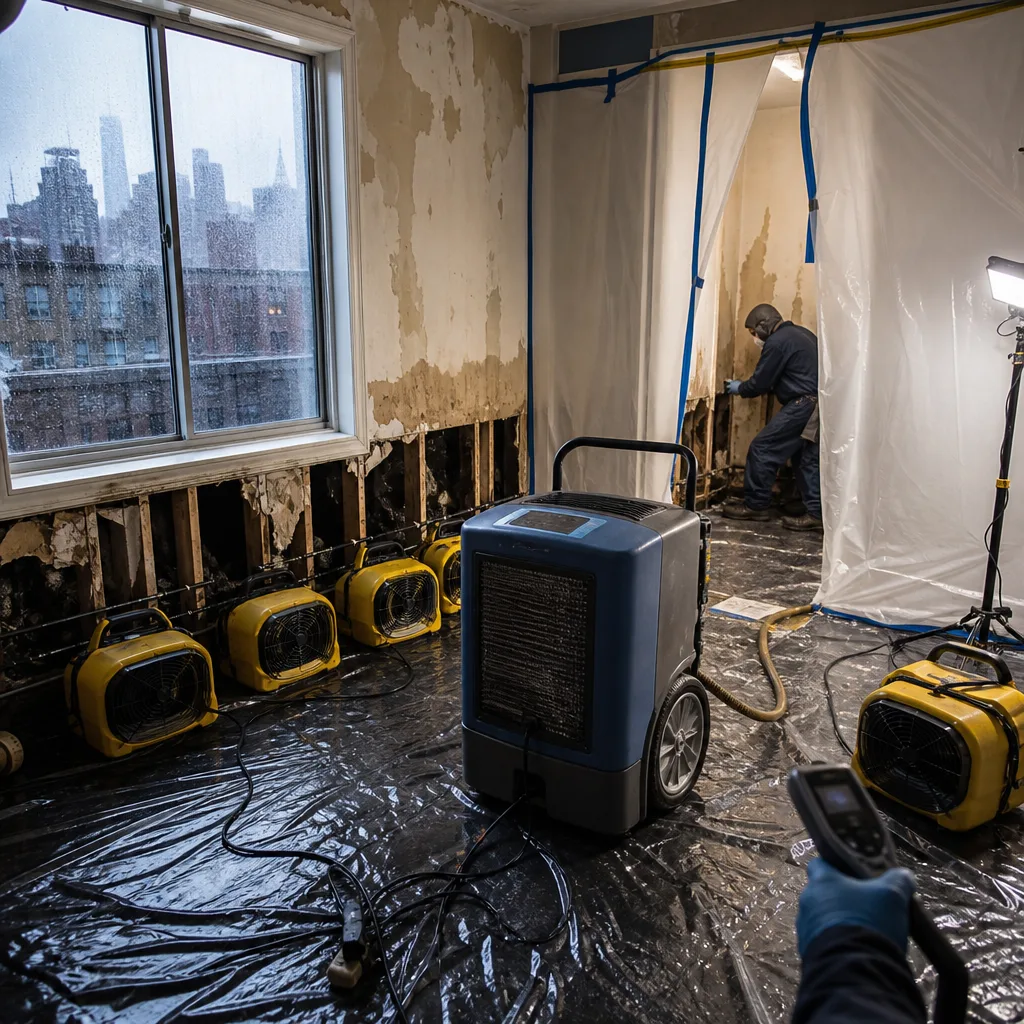
We set Phoenix and B-Air dehumidifiers and XPOWER air movers to pull moisture from air and building materials. In Greenpoint’s brick construction, we run daily moisture readings on plaster walls, not just once. Brick holds heat and hides moisture. We wait for the dry standard, not the calendar.
Cleaning & Sanitization
Affected surfaces get HEPA vacuuming, then antimicrobial treatment. In Greenpoint, we also address salt-air corrosion on interior fasteners that wick moisture into plaster and framing. Standard antimicrobial without fixing the corrosion pathway is a half-measure.
Source Treatment & Humidity Control
Mold in Greenpoint basements usually means a humidity problem. We install or upgrade dehumidification and vapor barriers where needed, especially in crawl spaces and sub-grade rooms. If we don’t control the moisture, the mold comes back. Our 90-Day Done Right Promise means we don’t let that happen.
Repairs & Restoration
We rebuild what we removed. Plaster repair, drywall replacement, insulation, flooring, paint. The same crew that started the job finishes it. When we leave, your home is back to pre-loss condition, with a moisture log and a written guarantee in your hands.
Need Emergency Mold Remediation in Greenpoint Now?
Crews minutes away, answering live 24 hours a day. The sooner we start, the less it costs.
Working With Your Insurance Company
We’ve handled enough Greenpoint mold claims to know that documentation is what separates a covered loss from a denied one. From the first hour, we photograph every surface, log every moisture reading, and note every material condition, including the presence of asbestos-containing tile or lead paint. Those details matter to your carrier. We write the scope in the language adjusters expect: line items, square footage, material classifications, and cause codes.
Floodline Restoration Co. bills your insurer directly. We communicate with your adjuster throughout the job, send photos and drying logs as they’re generated, and provide a final report with clearance testing results. You’re never waiting for a callback from a claims department and wondering what to say. We say it for you, with paperwork to back it up.
What We Provide Your Insurer
- Thorough documentation of the loss
- Photos of all damage, room by room
- Moisture readings and drying logs
- A detailed, line-item scope of work
- Direct coordination with your carrier
One note on Greenpoint specifically: if your flood involved groundwater with hydrocarbon contamination, your policy may have exclusions. We document the evidence and present it accurately to your carrier. We don’t inflate claims and we don’t hide findings. We give you a square deal, and we let the facts speak.
Built for Greenpoint’s Loss Calendar
Mold in Greenpoint has seasons, and we plan for them. January and February bring deep freezes that burst supply lines in unheated basements and behind exterior walls of pre-war rowhouses. When the thaw comes, a slow drip inside a wall cavity feeds mold for weeks before anyone notices. March and April bring basement seepage as groundwater rises, and in Greenpoint, that groundwater is the plume water we talked about. Summer thunderstorms overwhelm the combined sewer system along Newtown Creek, sending Category 3 water into basements on the low-lying western blocks. Nor’easters between November and January push East River surge into the waterfront blocks, the same blocks Sandy flooded in 2012.
Every one of those events carries the same lesson: in Greenpoint, a flooded basement is not just a wet basement. It’s a potential hydrocarbon exposure site that needs environmental testing before mold remediation starts. And the clock is always moving. In this neighborhood’s damp air, mold behind century-old plaster can establish itself within 48 hours. We answer the phone live at (518) 314-5660 because we know that when you call, the situation is already moving.
Mold Remediation Across Greenpoint’s Neighborhoods
Greenpoint’s blocks each have their own building fingerprint, and mold behaves differently in each one. The historic rowhouse district around Milton Street and the blocks near McGolrick Park is almost entirely 1880s to 1920s brick with horsehair plaster over wood lath. In these homes, mold colonizes the plaster keys themselves, not just the surface, which means removal often requires full plaster demolition to the studs. The loft conversions along West Street and by the East River waterfront, where Sandy’s surge pushed oily groundwater through slab foundations, need hydrocarbon testing before any wall comes down. The walk-up tenements along Manhattan Avenue and Franklin Street have shared party walls, so a mold problem in one unit can migrate through wall cavities into the neighbor’s unit, which means containment and clearance testing have to account for adjacent spaces.
The blocks around Newtown Creek, including the industrial edge near the wastewater treatment plant, sit lowest in the neighborhood and flood first in a storm surge or sewer backup. Homes here look at the creek, but they also sit on it, in the sense that the water table is close enough to the surface to push through slab cracks after heavy rain. We route crews through Greenpoint on a regular basis and know the choke points at the McGuinness Boulevard bridge and the Pulaski Bridge approach. That’s local knowledge with a practical payout: we get there faster.
Specialized Mold Remediation Services We Offer in Greenpoint
Mold Inspection & Testing
We inspect the visible and the invisible. In Greenpoint homes, that means probing behind plaster, checking rim joists, and sampling air quality in basements and crawl spaces. If there’s hydrocarbon residue from plume water, we flag it immediately and coordinate DEP testing before remediation begins. A standard mold inspection without that environmental layer will miss the thing that makes Greenpoint unique.
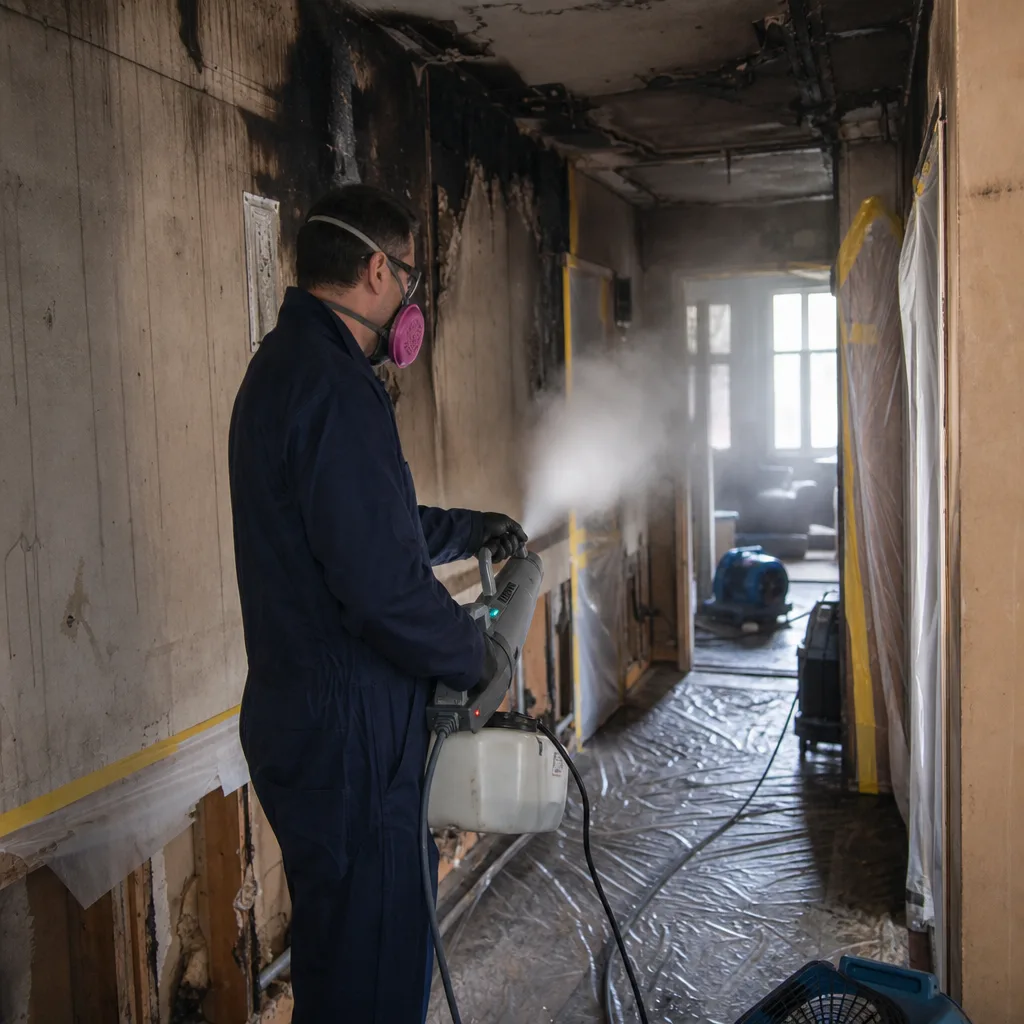
Mold Removal
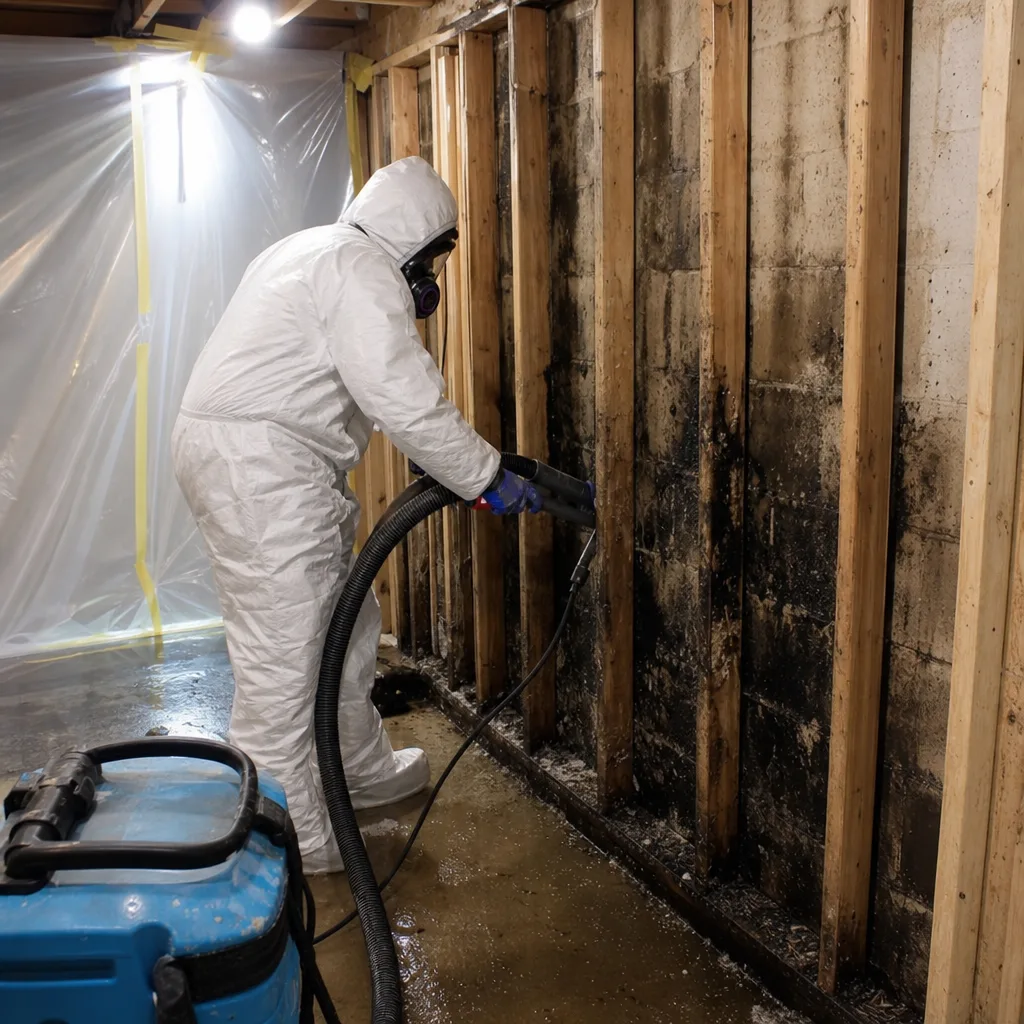
Removal means physical extraction, not just spraying. We HEPA-vacuum contaminated surfaces, bag and dispose of affected materials as regulated waste, and treat the remaining structure with antimicrobial. In Greenpoint’s brick rowhouses, we remove plaster to the studs when the mold is embedded behind the wall surface. Painting over mold is not remediation. We don’t do it.
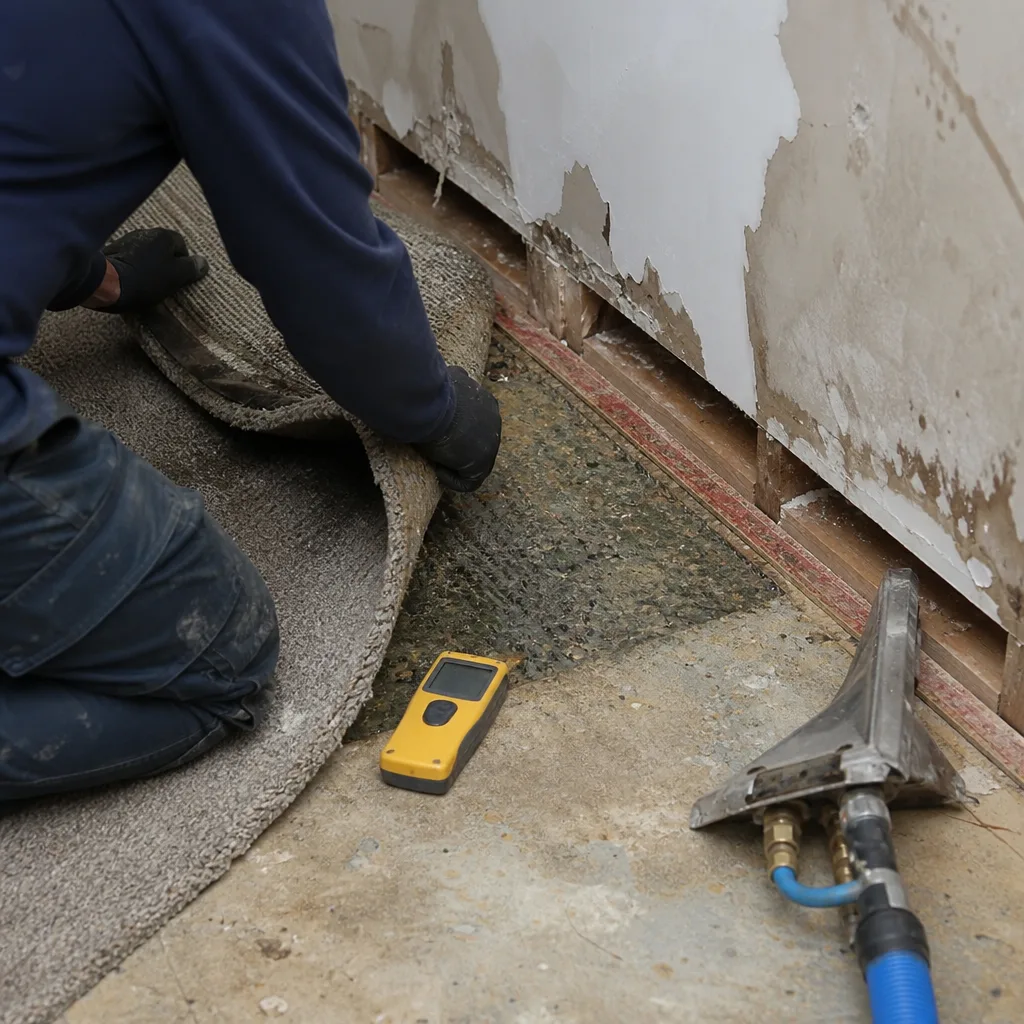
Black Mold Remediation
Stachybotrys, the species people call black mold, thrives on cellulose materials in warm, wet conditions, which describes a Greenpoint basement in August. We contain the affected area under negative pressure, remove contaminated materials, and run HEPA air scrubbing until clearance testing confirms the spore count is back to background levels. No shortcuts on containment for black mold. None.
Air Quality Restoration
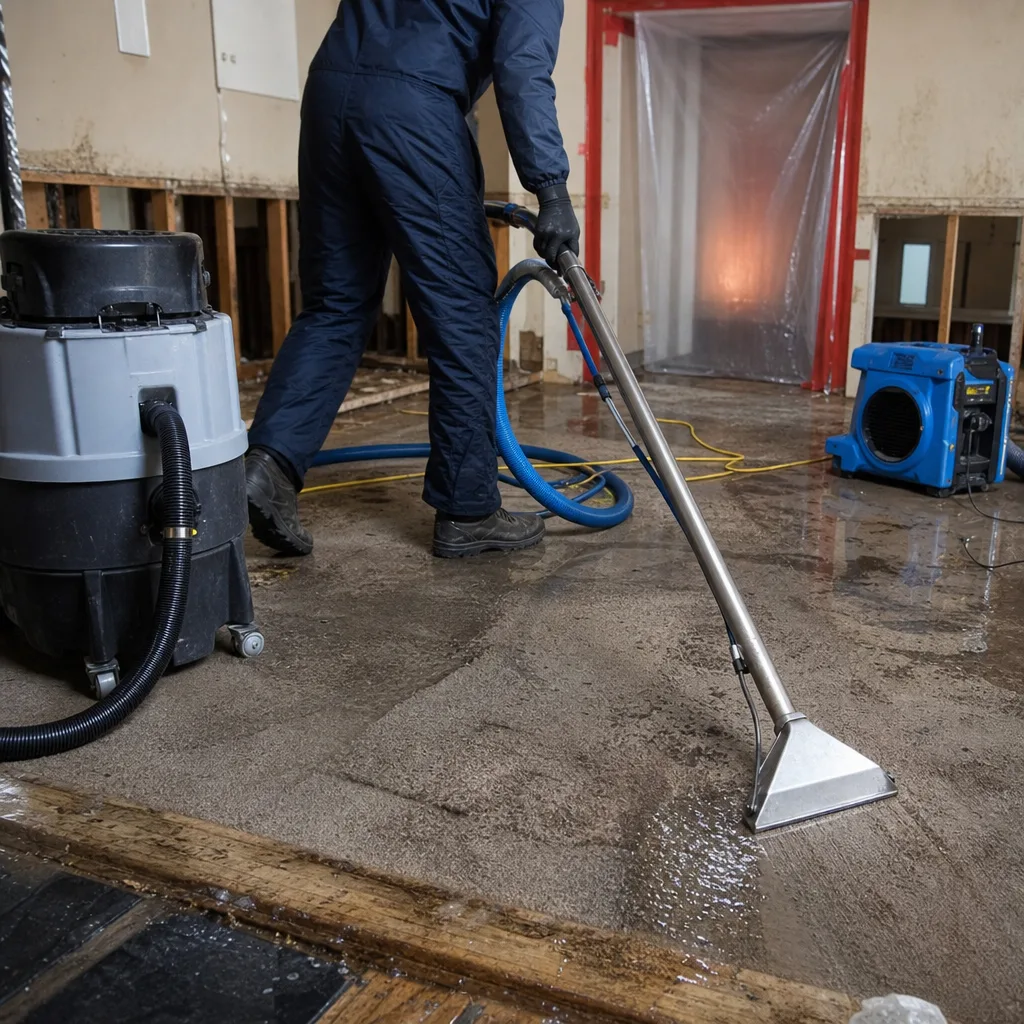
After physical remediation, the air is the last thing we fix. Unless you clear the airborne spore load, mold symptoms like musty odor and respiratory irritation persist. We run HEPA air scrubbers during the job and conduct post-remediation air sampling to verify the indoor air is clean. In Greenpoint’s humid air, we often recommend continuous dehumidification in basements, because the ambient moisture load is always working against you.
Crawl Space Treatment
Many Greenpoint rowhouses have dirt-floor crawl spaces that were never designed for modern moisture loads. We treat mold on joists and subflooring, then install vapor barriers and dehumidification to control the humidity that keeps the mold alive. Without that source control, the mold returns. Our 90-Day Done Right Promise holds us to this standard in writing.
What happens when you call
- 1
A real person answersNo phone trees - you reach a local pro.
- 2
You get an upfront price rangeHonest numbers before anyone is dispatched.
- 3
A background-checked tech heads outLicensed & insured, dispatched right away.
- 4
You approve before work beginsNothing starts until you say go.
Mold Remediation Costs in Greenpoint, NY
Here are real prices for the Greenpoint market, based on the jobs we’ve run in this neighborhood:
- Mold Inspection & Testing: $350 to $700, including air samples and lab analysis. Hydrocarbon testing, when required, adds $500 to $1,200.
- Single-room mold removal: $1,800 to $4,000, depending on whether plaster demolition is required.
- Basement mold remediation: $3,500 to $8,500 for a typical Greenpoint rowhouse basement. If groundwater hydrocarbon testing and DEP coordination are needed, expect the higher end.
- Black mold remediation: $4,000 to $12,000, with containment, negative air, and clearance testing included.
- Air quality restoration: $800 to $2,500, including air scrubbers, sampling, and post-remediation clearance.
- Crawl space treatment: $2,500 to $6,000, with vapor barrier installation and dehumidification.
What moves the price in Greenpoint specifically: whether the building is pre-war (asbestos and lead testing add $500 to $1,500 and several days of schedule), whether the flood brought plume water (environmental sampling and DEP coordination add $500 to $1,200), and whether horsehair plaster must be fully removed versus surface-cleaned. A free visual inspection gets you a written, line-item scope before any money changes hands. Call (518) 314-5660 to schedule one. We also offer $50 off any repair over $250, an $89 seasonal tune-up, and a 5% discount for seniors and veterans, always.
We Also Serve Cities Near Greenpoint
Floodline Restoration Co. runs mold remediation crews throughout the immediate area, including Greenpoint and the surrounding neighborhoods. We regularly serve Midtown Manhattan, Midtown West, Murray Hill, and Washington Square. Our New York City office coordinates dispatch for all of these areas, with crews stationed locally for fast response.
Greenpoint Mold Remediation Questions, Answered
Why does mold grow faster in Greenpoint basements after flooding compared to Williamsburg?
Mold grows faster in Greenpoint basements because the neighborhood sits low between the East River and Newtown Creek, with persistently elevated ambient humidity that accelerates colonization, and because the brick construction of pre-war rowhouses traps moisture behind plaster where it can’t evaporate. In Williamsburg, which sits slightly higher and has more new construction with modern vapor barriers, water tends to dry faster. In Greenpoint, we routinely find established mold within 48 hours of a flood event, which is why we recommend calling as soon as water appears.
Do I need to test for hydrocarbons before mold remediation in a Greenpoint basement?
Yes, if your basement flooded with groundwater rather than a clean supply line break. Greenpoint sits on a 17 to 30 million gallon petroleum plume from former refineries along Newtown Creek. Groundwater pushing up through your slab can carry hydrocarbon residue that leaves an oily film on walls and floors. That water is classified as Category 3, and remediation without environmental sampling risks cross-contamination and failed clearance testing. We coordinate DEP testing before we open any wall in those conditions. Skipping this step is the single biggest mistake we see from out-of-town remediation companies working Greenpoint jobs.
What happens if my Greenpoint brownstone has asbestos-containing floor tiles discovered during mold removal?
We stop and follow the law. Asbestos-containing floor tiles and pipe insulation are common in Greenpoint’s pre-war housing stock. If we encounter asbestos during mold remediation, we pause the affected area, notify you, and bring in a licensed asbestos abatement contractor before we continue. We don’t remove asbestos ourselves and we don’t work around it quietly. The cost and timeline change, but the alternative is illegal and dangerous. We handle the coordination with your insurer so the claim reflects the additional scope.
Can mold remediation alone fix the oily film left on my basement walls after a Greenpoint flood?
No. The oily film is hydrocarbon residue from the plume, and it requires environmental cleaning as part of the remediation process, not just mold treatment. If the film isn’t removed and the source water isn’t classified properly, the surface remains contaminated and mold will recolonize on the same substrate. In Greenpoint, mold remediation and hydrocarbon decontamination are sometimes the same job. Call (518) 314-5660 and we’ll assess exactly what you’re dealing with, free of charge.
How do you handle mold in old Greenpoint rowhouses with horsehair plaster?
We don’t assume the plaster is dry by looking at it. Brick walls hold thermal mass that hides moisture from surface-level inspections, so we take daily moisture readings with Dri-Eaz sensors deep into the plaster. If mold is embedded in the horsehair and lime, which it often is after prolonged dampness, we remove the plaster to the studs, treat the framing with antimicrobial, and rebuild. In a converted loft on West Street, our crew found black mold blooming behind horsehair plaster within 48 hours of a storm surge that pushed oily groundwater up through the slab. We set up containment, ran moisture mapping, coordinated DEP testing, removed the plaster, treated the framing, and restored pre-loss condition. That job taught us what we already knew: Greenpoint plaster hides problems until you look inside.
How fast can you actually get to a Greenpoint address in an emergency?
Within 45 minutes of your call, 24 hours a day. Call (518) 314-5660 and a live dispatcher answers, not an answering service. That dispatcher routes a crew from our New York City office to your Greenpoint address immediately, and the first moisture reading and visual assessment happen on that first visit. Floodline has been built around a dispatch board since 2010, not a sales desk. We answer the phone.
Will my insurance cover mold remediation in Greenpoint?
It depends on the source of the water and your policy. Standard homeowners policies in New York cover mold remediation when it results from a covered water event, such as a burst pipe or storm surge, but many policies have sub-limits on mold coverage, commonly $5,000 to $10,000. Groundwater floods that carry hydrocarbons may trigger exclusions. What helps you is our documentation, which starts the first hour we arrive. We bill your carrier directly and handle the adjuster communication so the claim gets the best honest presentation possible.
What should I do in the first 30 minutes after discovering mold in my Greenpoint home?
Stop the water source if you can do so safely. Don’t touch the mold or attempt to scrub it, which releases spores into the air. Close doors to contain the area. If water is present, shut off electricity to the affected room if the panel is accessible and dry. Then call (518) 314-5660. The first 30 minutes decide a lot about how much of this job becomes a full remediation versus a localized treatment. In Greenpoint’s humidity, every hour matters.
Serving Greenpoint, NY - Our Local Coverage Area
We’re based in the Greenpoint area and know this community well. Use the map below to see our service coverage - if you’re nearby, we can almost certainly help.
Done Right, and Backed in Writing
Mold remediation in Greenpoint is not a simple trade. The neighborhood’s underground oil plume, its salt-air coastal environment, its century-old brick and plaster housing stock, and its chronic humidity make this one of the most technically demanding mold markets in New York City. We’ve been doing this work here long enough to know what the big franchises don’t: that a flooded Greenpoint basement is an environmental project first and a mold project second.
Floodline Restoration Co. is led by Curt Bowman and staffed by background-checked, uniformed technicians certified to IICRC, RIA, and IFA standards. We use professional-grade Dri-Eaz, Phoenix, XPOWER, and B-Air equipment. We give you a written scope before work starts. We bill your insurer directly. We stand behind every job with the 90-Day Done Right Promise. And we answer the phone.
If you’re seeing mold, smelling must, or looking at an oily film on your basement walls after a flood, call (518) 314-5660 now. The estimate is free. The dispatch is live. The crew that starts your job finishes it.
Written by Curt Bowman, Owner at Floodline Restoration Co., serving Greenpoint and greater New York City since 2010.