

Free visual inspection and a written scope of work before any mitigation begins - photos, moisture readings, and drying logs go in your claim file
The scope we write is the scope we bill. Anything new gets shown to you, in writing, before we touch it.
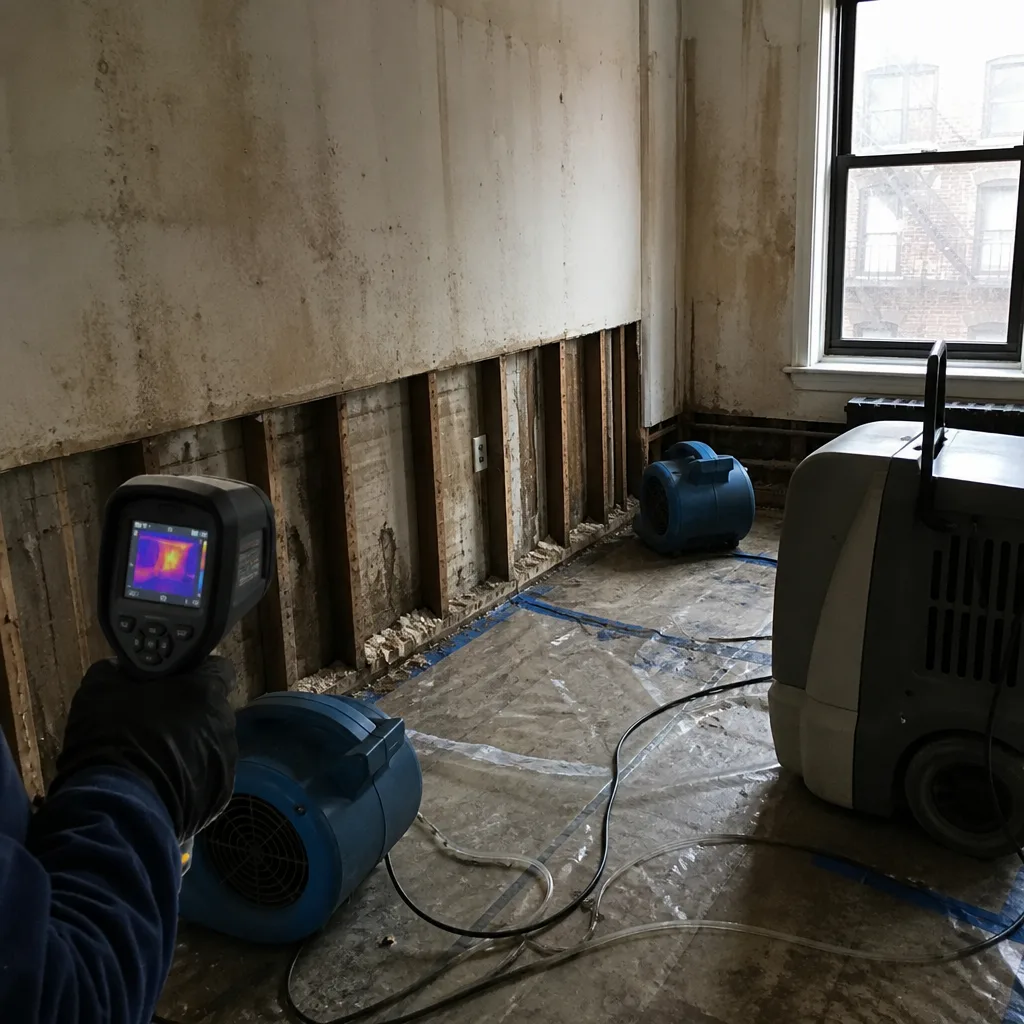 Before
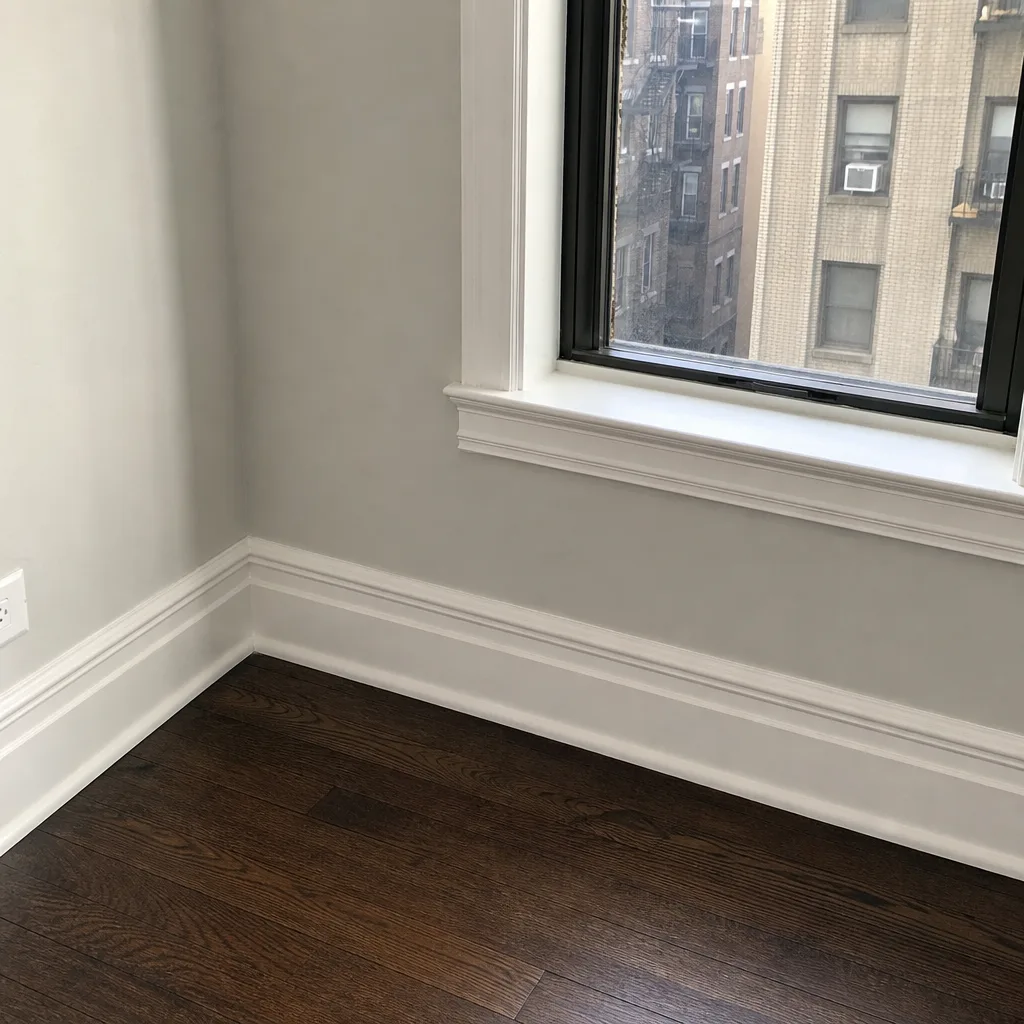 After
After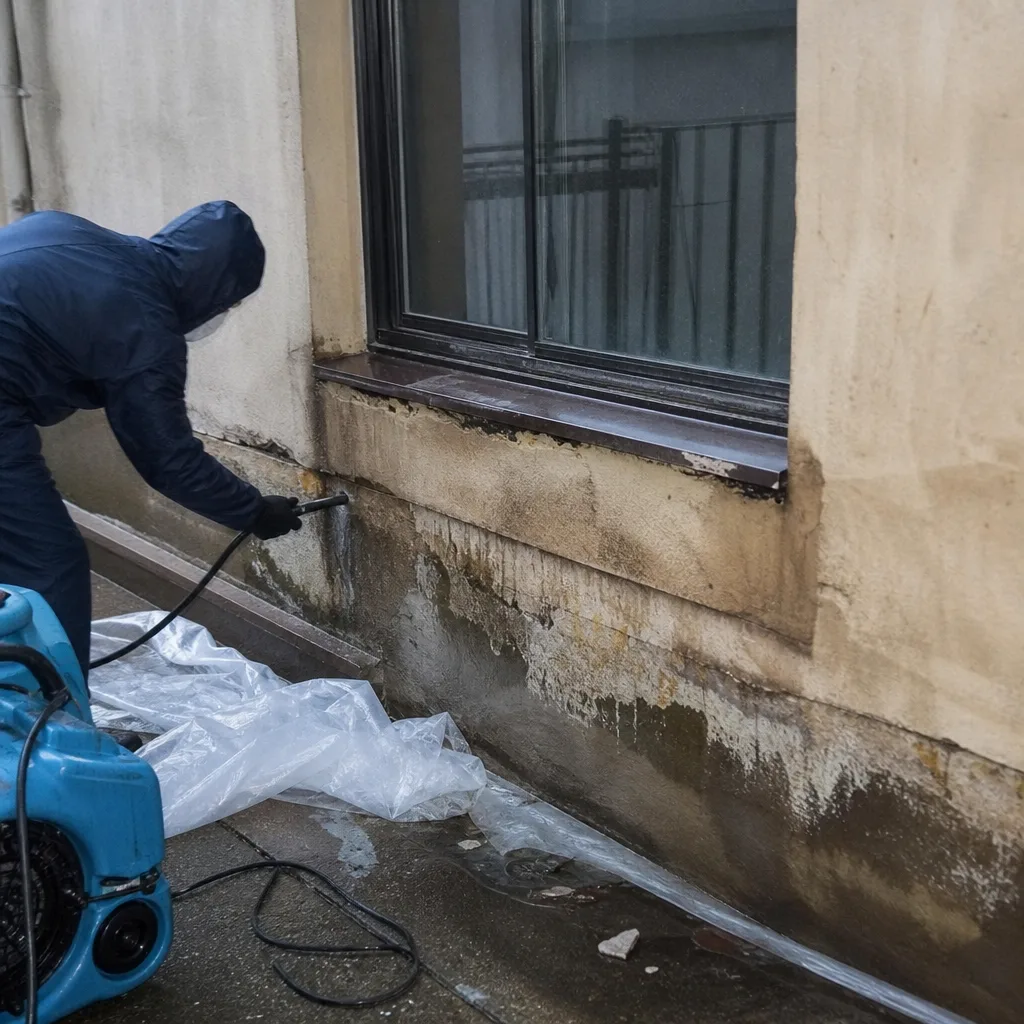 Before
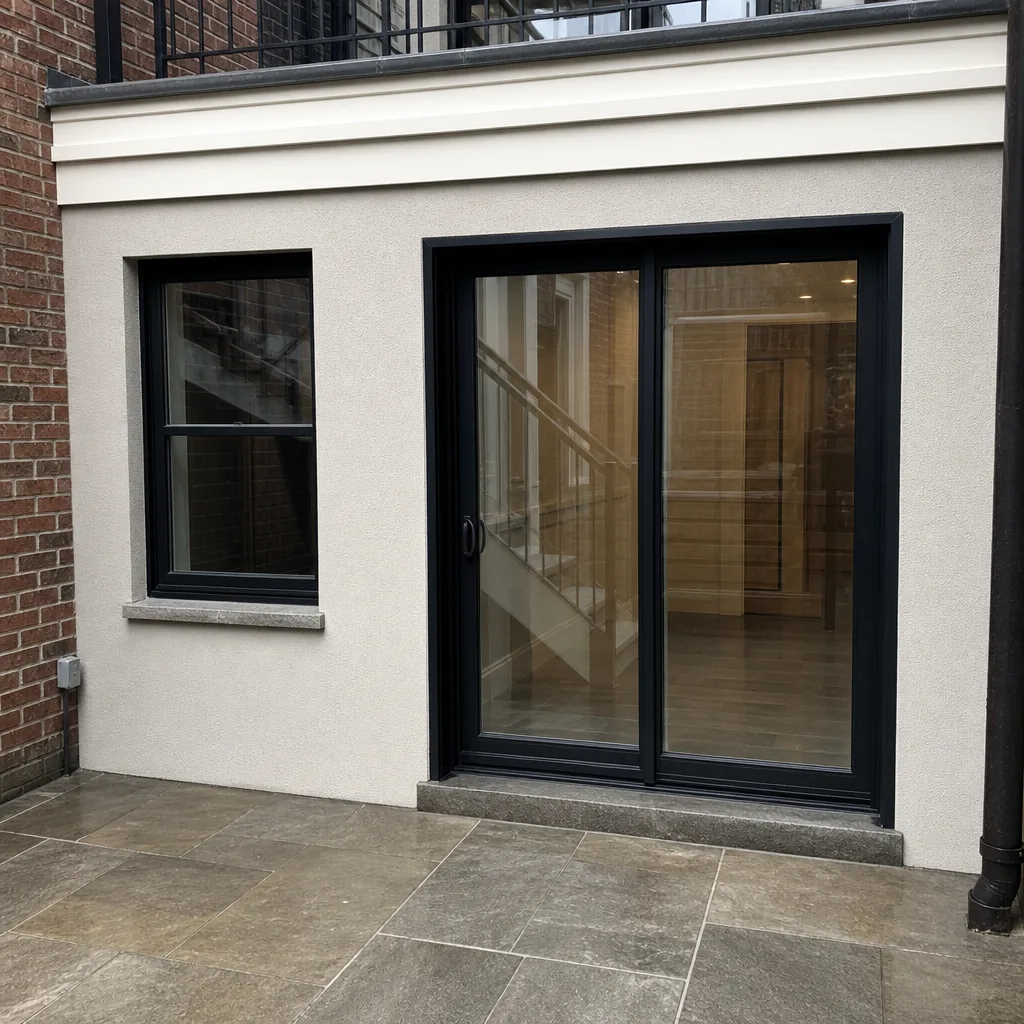 After
After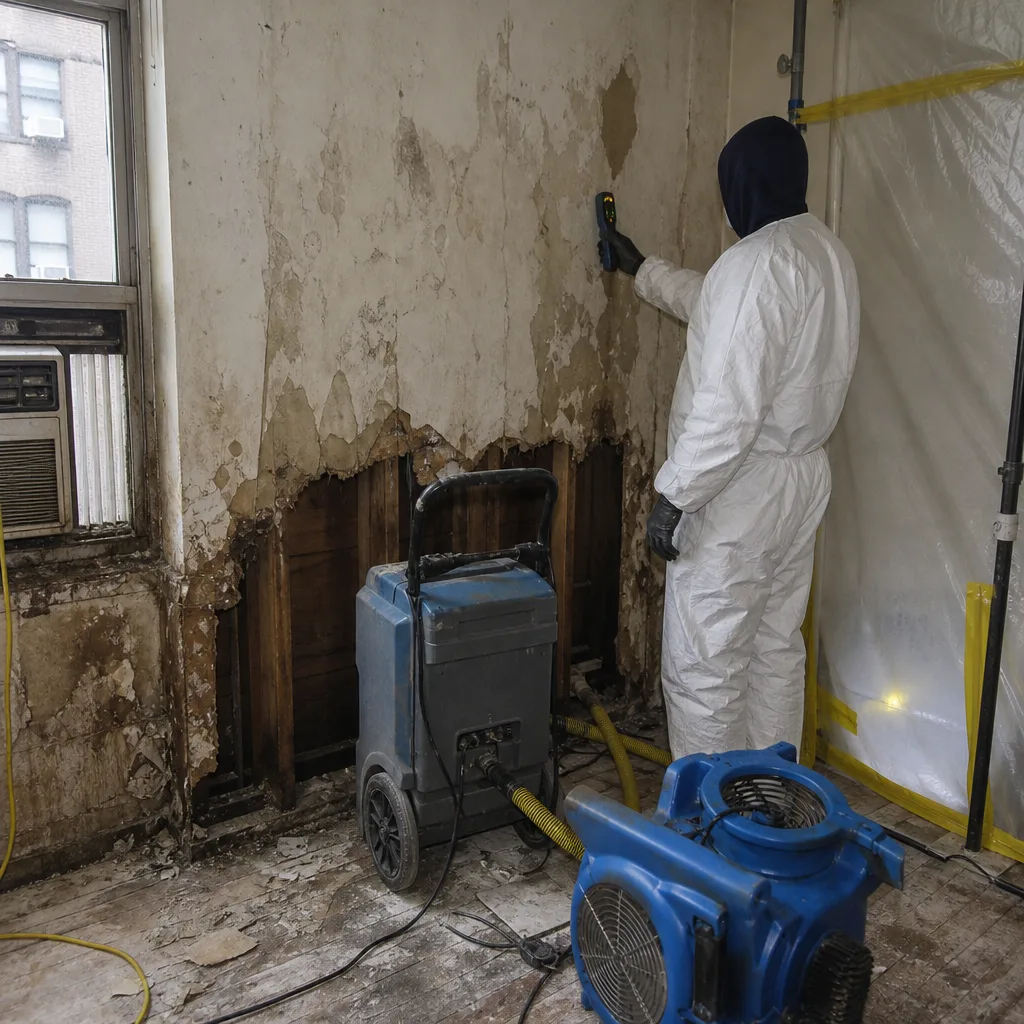 Before
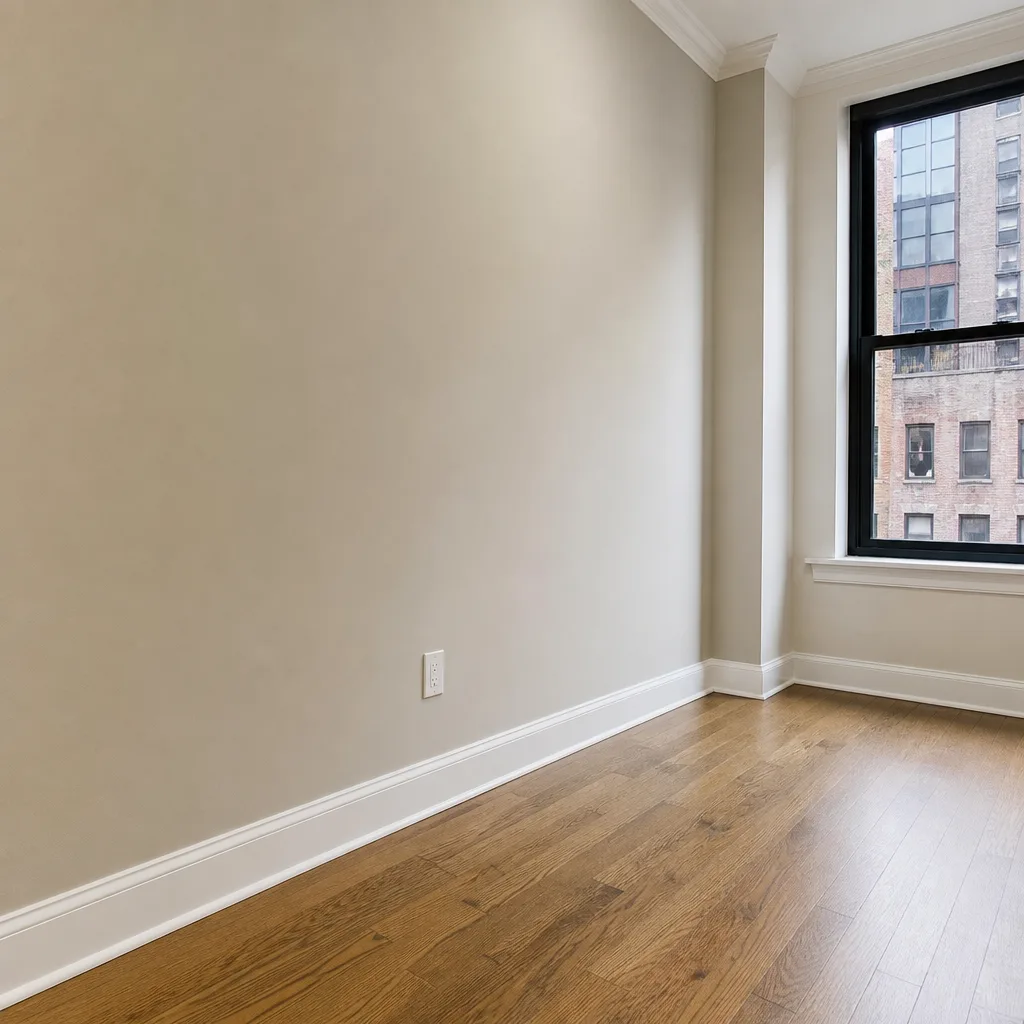 After
After24/7 Emergency Sewage Cleanup in Greenpoint
A sewage backup in a Greenpoint basement is a Category 3 water event, which means the water carries bacteria, viruses, and parasites from human waste. In this neighborhood specifically, it can carry something worse: petroleum hydrocarbons from the underground plume beneath Newtown Creek. The first hour determines whether you’re dealing with a cleanup or a gut renovation, and whether your finished basement is salvageable. Call (518) 314-5660 right now and a live dispatcher answers, not a recording. We send a certified crew to your Greenpoint address the same visit, with extraction running before the contamination spreads into plaster walls and under baseboards.
The longer sewage sits, the deeper it wicks into 1880s horsehair plaster, subflooring, and the porous brick common in Greenpoint’s rowhouses. We don’t schedule you for tomorrow. We answer at 2 a.m. and dispatch immediately. Every job starts with a free visual inspection so you know exactly what you’re facing before any money changes hands.
Understanding Sewage Cleanup Severity in Greenpoint Properties
Sewage damage falls into what the restoration trade calls Category 3 water: grossly contaminated, capable of causing severe illness or death if ingested, and requiring full PPE, containment, and antimicrobial treatment. That’s the baseline. But Greenpoint adds two complications that don’t exist in most neighborhoods. First, the housing stock: three-to-five-story brick tenements and converted loft buildings from the 1880s through the 1920s, most with original horsehair plaster, galvanized or cast-iron drain lines, and asbestos-containing floor tiles. Second, the petroleum plume. When a sewer line backs up through a basement slab here, groundwater pressure can push residual oil from the 17-30 million gallon Exxon leak into the mix.
That means sewage cleanup in Greenpoint is never just “extract and disinfect.” It’s a scene assessment that includes environmental sampling, containment before demolition, and coordination with the DEP when standing water shows hydrocarbon residue. A crew that skips those steps leaves behind contamination you’ll smell for years, and possibly a basement that fails a future air-quality test. We treat every Category 3 loss in Greenpoint as a potential hazmat scenario until sampling proves otherwise.
Why Greenpoint Property Owners Choose Floodline Restoration Co.
- 45-minute response commitment. When you call our Greenpoint dispatch line, a crew is rolling toward your block within 45 minutes, not the next morning.
- 24/7 live answer, always a person. No phone tree. No “leave a message.” A dispatcher picks up at 3 a.m. and knows the difference between a toilet overflow and a main line blowout.
- IICRC-certified crews. Our techs carry WRT, FSRT, and AMRT certifications and have handled sewage in every building type Greenpoint has, from India Street basements to Franklin Street walk-ups.
- Free visual inspection. Before any work is authorized, you see what we see and get a written scope with line-item pricing.
- Direct insurance billing. We deal with your adjuster, send the photos, the drying logs, the line-item estimate, so you’re not playing middleman.
- One team from extraction to reconstruction. We don’t hand you off to a third-party contractor. The same certified crew that extracts the sewage is the crew that rebuilds the wall.
Our Sewage Cleanup Process
Inspection & Assessment
We map the affected area with moisture meters and thermal imaging, identify the source (main line, branch line, toilet, or exterior seepage), and take environmental samples if there’s any sign of petroleum residue from the plume.
Extraction & Stabilization
Professional-grade Phoenix and B-Air extractors pull the Category 3 water out fast. In basements where groundwater is still pushing up through the slab, we stabilize the site and may install a temporary sump to stop the influx before it re-contaminates the area.
Containment & Controlled Demolition
Negative-air containment goes up before we remove sewage-soaked plaster, drywall, or flooring. This keeps aerosolized bacteria out of the upper floors of a three-story Greenpoint walk-up while we cut out what cannot be saved.
Drying & Dehumidification
Dri-Eaz dehumidifiers and air movers pull moisture from the remaining structure. In Greenpoint’s persistently humid basements, we run drying logs daily, not “when we get back to it.” The dry standard is a number, not a feeling.
Cleaning, Sanitization & Antimicrobial Treatment
Every affected surface gets cleaned, then treated with an EPA-registered antimicrobial. Crawl spaces get special attention in Greenpoint, where the shallow water table and century-old foundations mean sewage can pool in places you can’t see.
Repairs & Restoration
We rebuild what we removed: drywall, flooring, trim, paint. Because we’re a full-cycle restoration company, the same crew handles every step. You don’t get a “water guy” who disappears and a “contractor” who shrugs about what the water guy did.
Need Emergency Sewage Cleanup in Greenpoint Now?
Crews minutes away, answering live 24 hours a day. The sooner we start, the less it costs.
Working With Your Insurance Company
Sewage backup claims live or die on documentation. The insurance carrier needs to see exactly what was damaged, exactly what was done, and exactly what it cost. We’ve handled hundreds of these claims in Greenpoint, and we build the file from the first hour: photos before anything moves, moisture readings before and after drying, a line-item scope of work, and direct adjuster communication. You don’t chase anyone. We don’t bill you and tell you to “figure out the insurance later.” We bill the carrier directly, keep the paperwork straight, and make sure the adjuster sees the environmental sampling results when they matter.
What We Provide Your Insurer
- Thorough documentation of the loss
- Photos of all damage, room by room
- Moisture readings and drying logs
- A detailed, line-item scope of work
- Direct coordination with your carrier
Built for Greenpoint’s Loss Calendar
Greenpoint’s sewage problems follow the weather, and the weather here is not kind to old buildings on a low-lying peninsula. January deep freezes crack cast-iron drain lines in unheated basements, and the first thaw sends the result back up through floor drains. Spring brings heavy rain that overloads the combined storm-sewer system along the East River, pushing city sewage backward into the lowest basements on streets near the waterfront. Summer thunderstorms dump two inches in an hour, and Greenpoint’s flat topography means it has nowhere to go but down, into the same basements that sit atop the plume. Nor’easters in fall and winter drive storm surge up Newtown Creek, and the floodwater that comes back out of those basements isn’t just rainwater; it’s everything the city’s pipes were carrying.
That’s the reality of Sewage Cleanup here. It’s not a once-a-decade event. It’s a seasonal certainty for anyone in a 19th-century rowhouse with original plumbing. We plan our Greenpoint response around that calendar, with fully stocked trucks and crews who know which basements flood first on a given street when the wind comes off the creek.
Sewage Cleanup Across Greenpoint’s Neighborhoods
The buildings along Franklin Street and Manhattan Avenue, from the old textile lofts to the brick tenements, present a particular challenge: storing commercial-grade dehumidifiers in walk-ups with narrow stairwells and no service elevator. Our crews have done it hundreds of times. Over by McGolrick Park and the blocks off Nassau Avenue, we see smaller rowhouses with finished basements that hold decades of a family’s life, photos, tools, holiday decorations. Sewage there spreads under vinyl flooring fast, and the question is always the same: can you save the flooring? Near the waterfront along West Street and Kent Avenue, where Sandy flooded basements in 2012, the water table sits close enough to the surface that heavy rain pushes ground water up through slab cracks even without a sewer backup. And in the converted factories along Greenpoint Avenue close to Newtown Creek, sewage events carry the highest risk of hydrocarbon contamination from the plume, which is why we keep environmental sampling kits on the truck as standard equipment.
Wherever you are in Greenpoint, from the northern residential streets to the industrial edge along the creek, the response is the same: fast, certified, honest about what can be saved and what has to go.
Specialized Sewage Cleanup Services We Offer in Greenpoint
Black Water Extraction
Category 3 water out of a Brooklyn sewer line demands full PPE, proper disposal, and a level of caution that’s built into every Greenpoint job we run. If your basement holds a foot of black water, we start extraction the same visit. If that water carries the oily sheen of petroleum from the plume beneath the neighborhood, we stop and coordinate with DEP before it moves another inch.
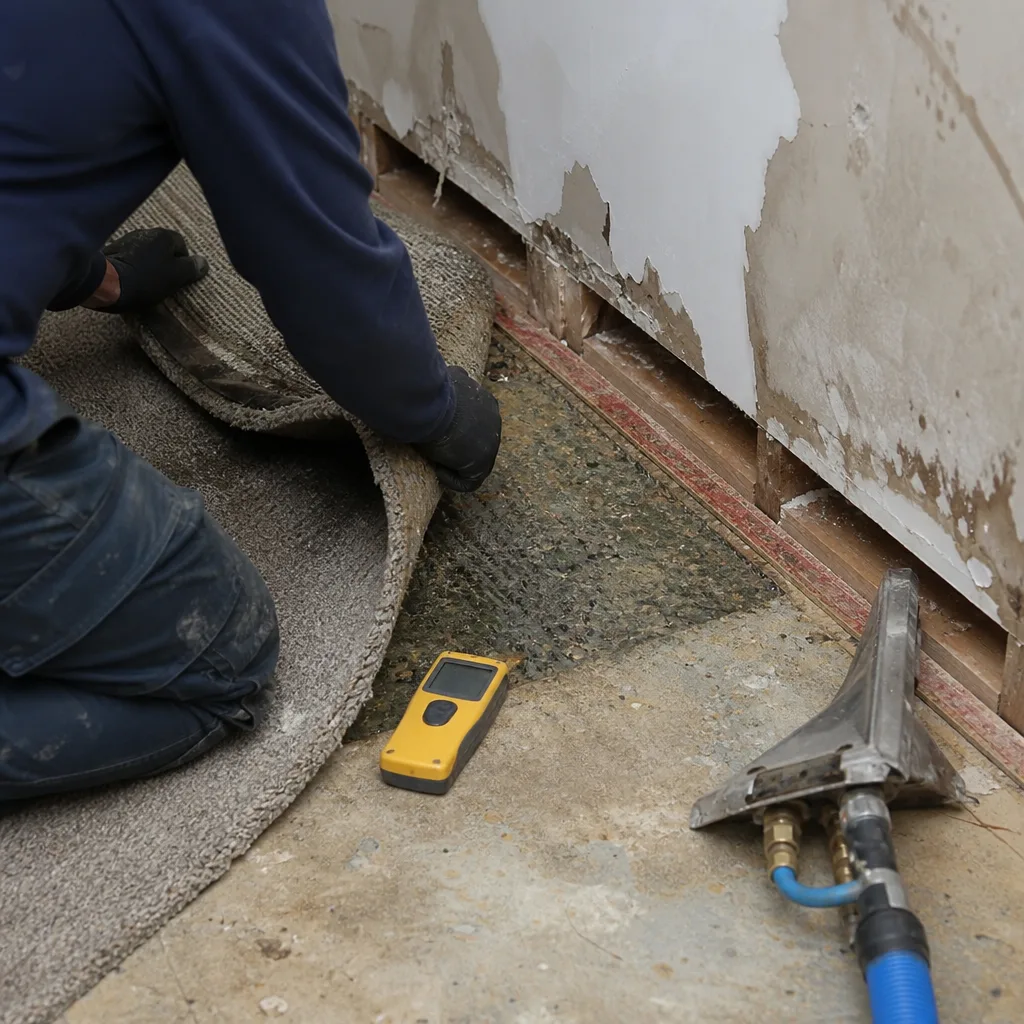
Sanitization & Disinfection
Extraction is only the first step. Bacteria and viruses cling to every surface black water touches, and in Greenpoint’s high-humidity basements, they multiply fast on century-old plaster and wood. We apply EPA-registered antimicrobials after cleaning, and we log it. If mold takes hold behind a wall anyway, we’re a full Greenpoint restoration company that can handle the remediation and the rebuild without handing you off.
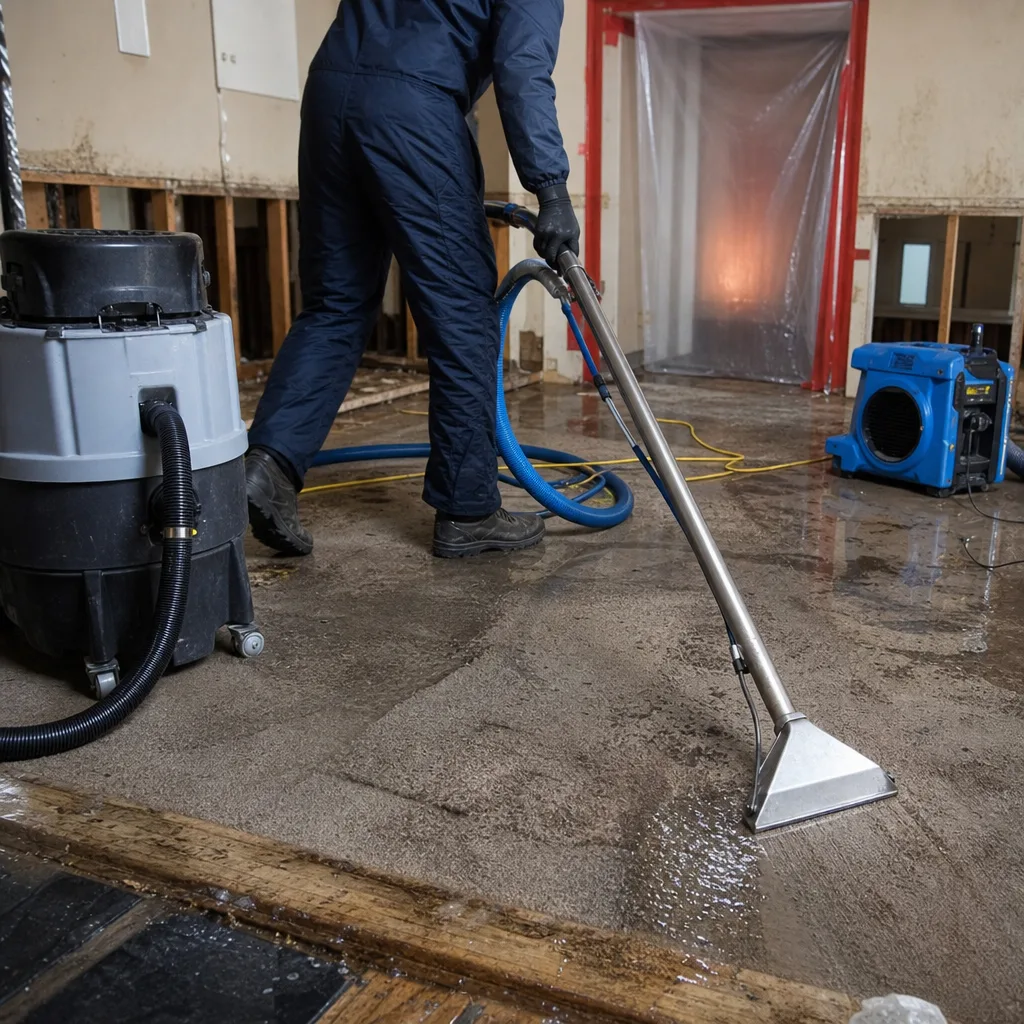
Crawl Space Sewage Removal
Greenpoint rowhouses often have shallow crawl spaces under the front parlor floor, tight, dark, and hard to reach. Those spaces fill with sewage when a main line backs up, and they are the most commonly skipped part of a cleanup. We don’t skip them. Our techs enter with full PPE, remove the contaminated material, dry the space to standard, and treat every surface. If we can’t reach it, we tell you why and what the next step is, not quietly leave it behind.
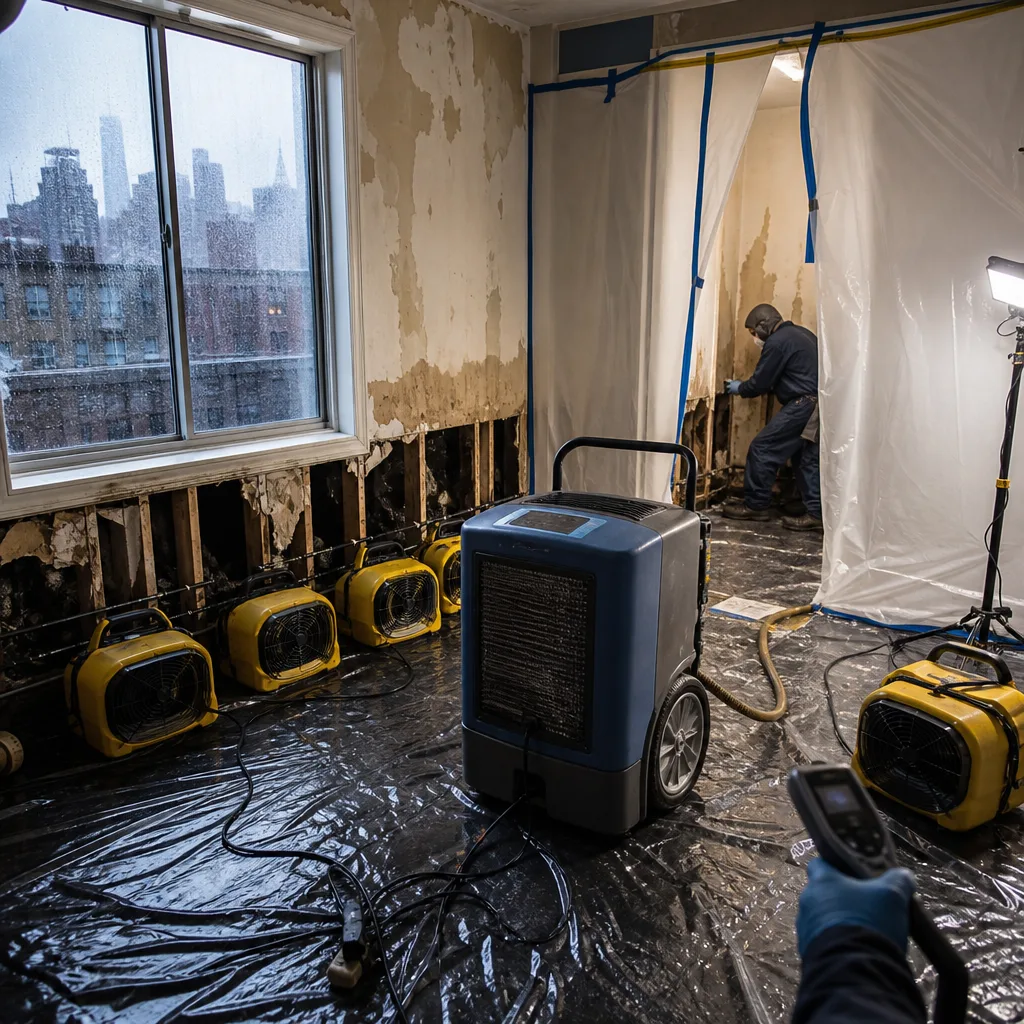
Sewage Backup Cleanup
Most backups in Greenpoint come from one of two places: a collapsed section of a century-old cast-iron waste line, or an overloaded city sewer surging back through a floor drain during heavy rain. Either way, the standing water in your basement is category 3, and it’s not going to get better on its own. We locate the source, stop the flow, and start extraction the same day.
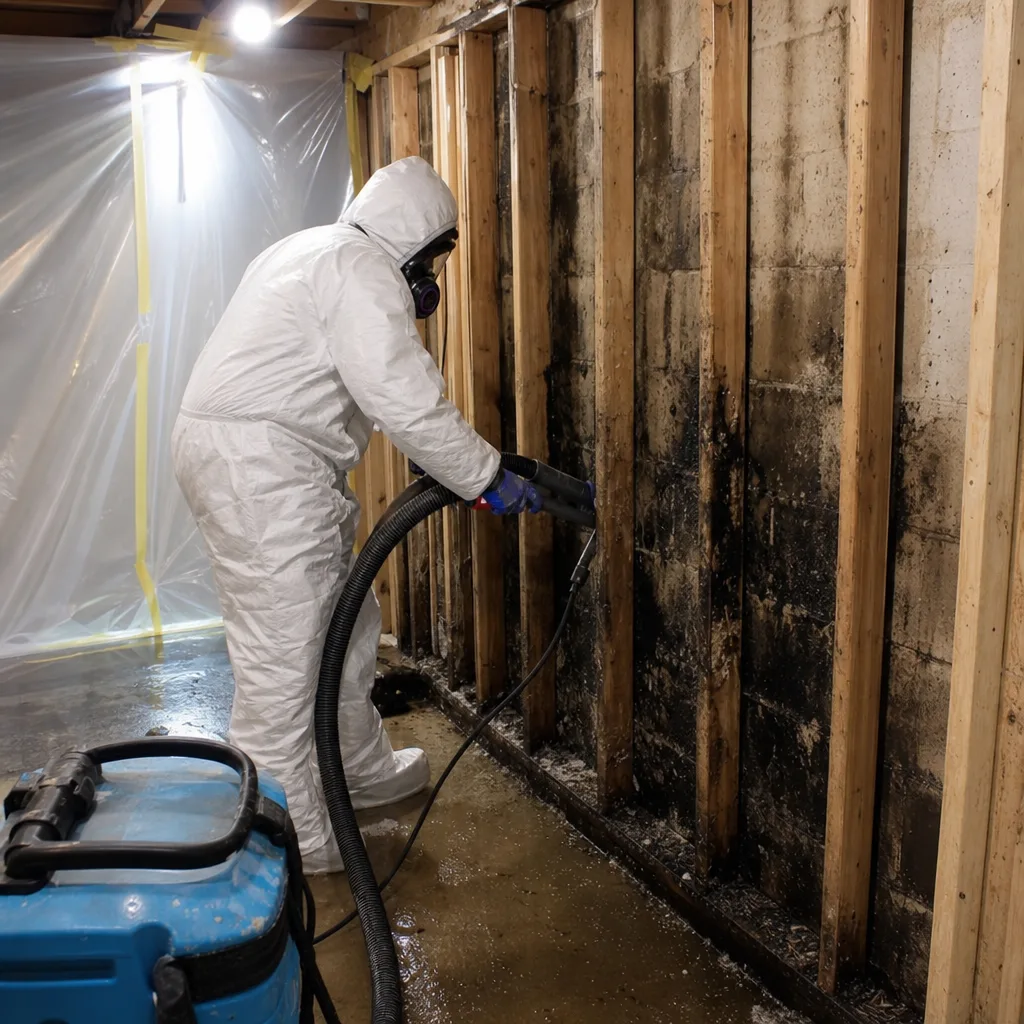
Toilet Overflow Cleanup
A toilet overflow in a single bathroom of a Greenpoint walk-up is smaller than a main line blowout, but the water is the same category. If it sat overnight before anyone noticed, it’s in the floor joists. We pull the toilet, extract the water, dry the subfloor to standard, and treat for bacteria. If the floor is gone, we replace it.
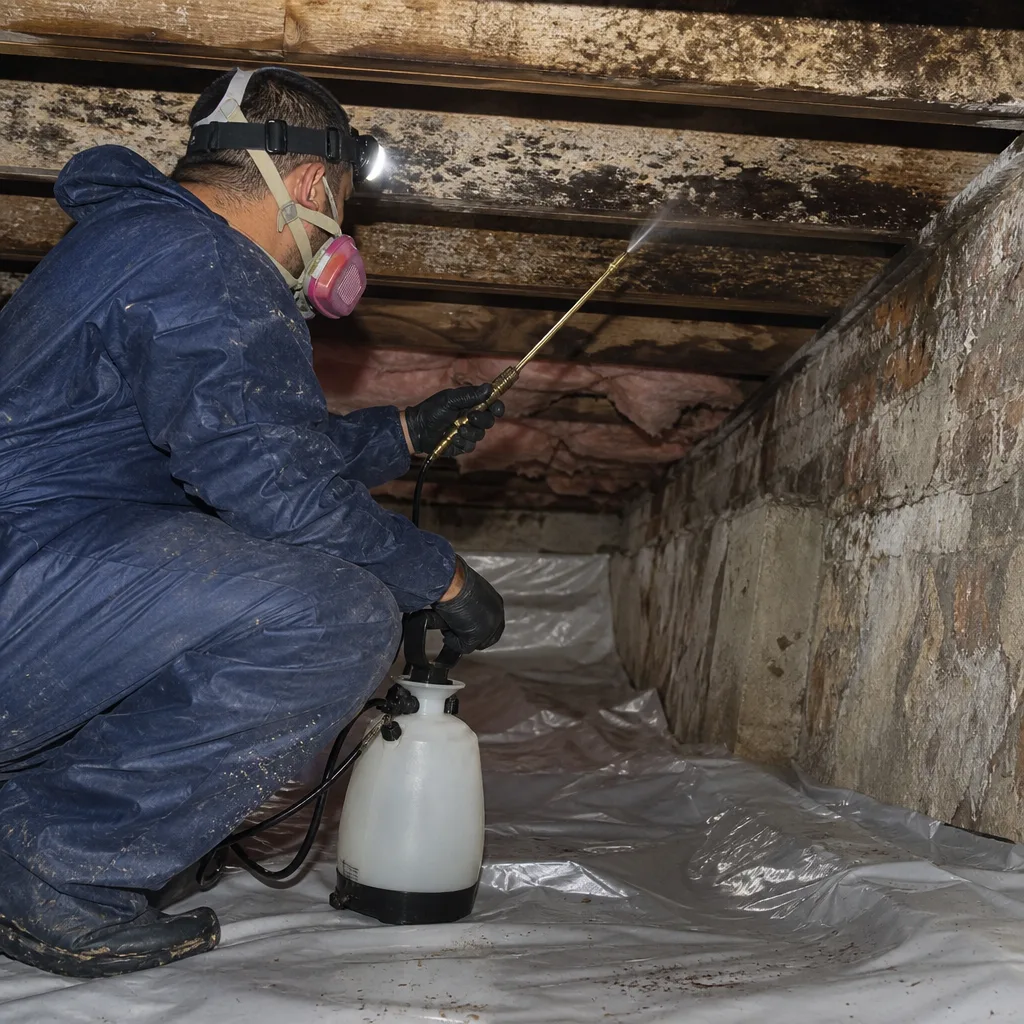
Septic Failure Cleanup
Most of Greenpoint is on city sewer, but a handful of older properties near the industrial edges still have private septic lines or combined systems that date back decades. When those fail, the sewage has nowhere to go but back. We handle the cleanup, and we know the local code requirements well enough to tell you whether you’re looking at a repair or a full line replacement with your rowhouse’s historic plumbing.
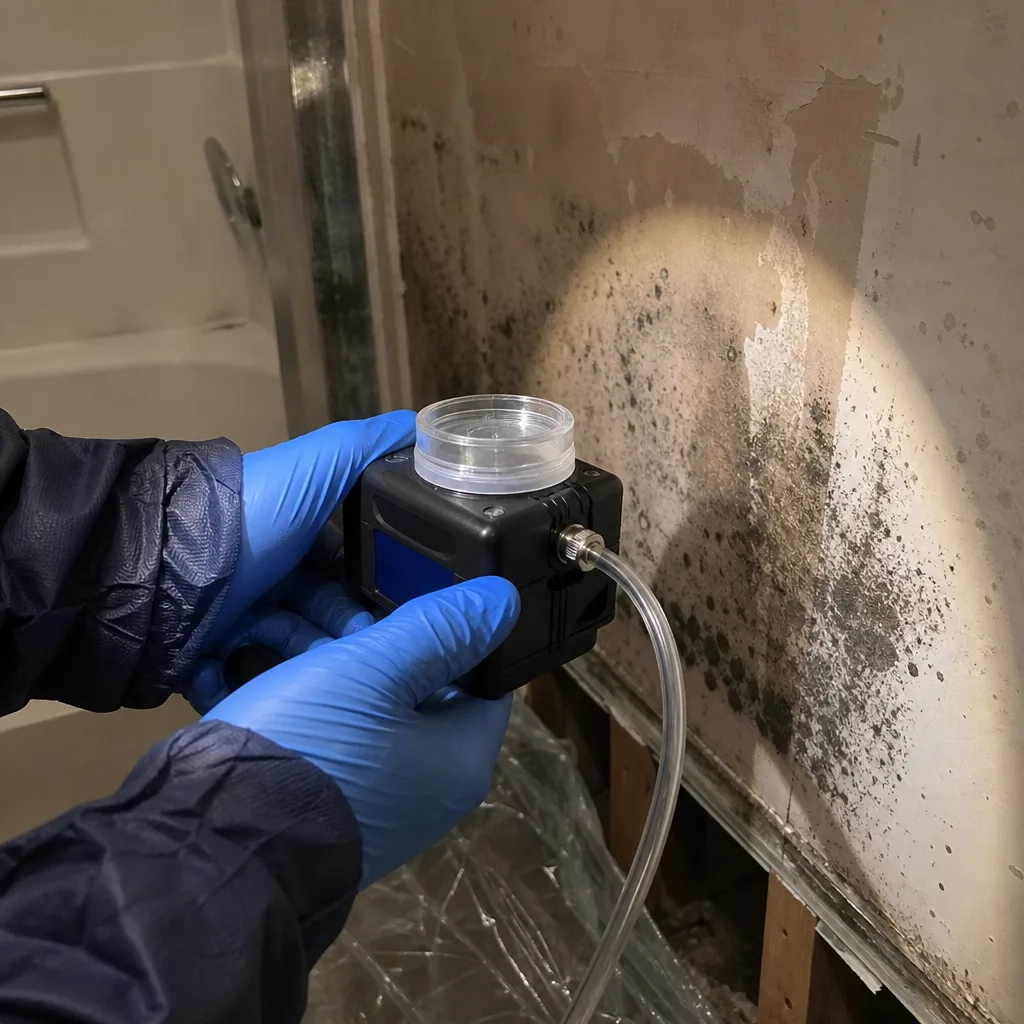
What happens when you call
- 1
A real person answersNo phone trees - you reach a local pro.
- 2
You get an upfront price rangeHonest numbers before anyone is dispatched.
- 3
A background-checked tech heads outLicensed & insured, dispatched right away.
- 4
You approve before work beginsNothing starts until you say go.
Sewage Cleanup Costs in Greenpoint, NY
A contained toilet overflow in a single bathroom of a Greenpoint apartment typically runs $1,800-$3,200. A basement backup that requires full extraction, containment, controlled demolition, drying, and antimicrobial treatment of 400-600 square feet in a rowhouse runs $5,500-$11,000. A catastrophic main-line blowout in a waterfront loft near Newtown Creek that requires DEP coordination, environmental sampling, hazmat disposal, and a full rebuild can run $18,000-$40,000+, but that’s a rare, worst-case scenario. The factors that move the price in Greenpoint specifically: whether the water has petroleum residue (hazmat protocols add cost), whether asbestos testing is required before demolition (it usually is in pre-1980 buildings), whether the basement is finished or raw, how fast the water was extracted, and whether mold has already taken hold behind walls. Insurance covers most sewage backups, and we bill your carrier directly so out-of-pocket cost is often just the deductible. The free visual inspection gives you a written scope before anything is authorized, so there are no surprises on the bill.
We Also Serve Cities Near Greenpoint
Our crews regularly run to Midtown Manhattan for high-rise sewage events, Midtown West for commercial backups, Murray Hill for pre-war apartment buildings, and Washington Square for historic brownstones. If you’re near Greenpoint but across the border, call us anyway. We know the whole area.
Serving Greenpoint, NY - Our Local Coverage Area
We’re based in the Greenpoint area and know this community well. Use the map below to see our service coverage - if you’re nearby, we can almost certainly help.
Greenpoint Sewage Cleanup Questions, Answered
Does a sewage backup in Greenpoint always require environmental testing?
Not always, but we default to it in Greenpoint because of the petroleum plume beneath the neighborhood. If there’s any sign of an oily sheen on the standing water, or if groundwater pushed up through the slab rather than from a clean line break, we sample and coordinate with DEP. The testing adds a modest cost and keeps you safe from leaving hydrocarbons sealed inside your basement.
Why does sewage cleanup in a Greenpoint brownstone take longer than in a newer building?
Because the building materials are heavier and the demolition rules are stricter. Horsehair plaster holds water longer than modern drywall, cast-iron pipes hide pinhole leaks for decades, and asbestos testing is mandatory before we can legally cut into pre-1980 floors or pipe insulation. Add in Greenpoint’s persistent humidity, and drying takes longer, too. We’d rather take an extra two days and hand you a dry standard that’s been logged and verified than rush it and leave mold.
How do you handle sewage cleanup in a converted industrial loft near the waterfront?
Carefully. Those buildings have concrete slabs, exposed brick, and often no vapor barrier between the floodwater and the living space above, which means sewage can push up through the slab and spread contamination beyond where the water is visible. We treat every waterfront loft job as a potential plume case until testing proves otherwise, and we use negative-air containment to keep aerosolized bacteria out of the rest of the unit while we work.
Can you save a finished basement after a sewage backup in Greenpoint, or does everything have to be torn out?
It depends on how long the water sat and what the basement is finished with. Vinyl plank flooring often traps sewage underneath and has to go. Tile on a concrete slab can usually be saved, cleaned, and disinfected. Drywall that wicked sewage up more than a few inches gets cut out, no question. We’ll tell you honestly what’s salvageable and what isn’t, and we’ll show you why, not just hand you a bigger demolition bill.
What’s the right response right now if a toilet backed up into my Greenpoint basement?
Stop flushing anything, shut the water off at the toilet supply valve if you can, keep children and pets away from the area, and call (518) 314-5660. Don’t run a box fan on it, don’t pour bleach on it, and don’t wait until morning. Sewage bacteria start multiplying within hours, and in a humid Greenpoint basement, mold has a 48-hour head start before you’ve even finished cleaning up.
How fast can you actually get to my Greenpoint address?
Our dispatch commitment is 45 minutes from your call to a crew rolling toward your block. In practice, most Greenpoint calls have a tech on site within 90 minutes to two hours. We answer live at every hour, including Sunday nights when a nor’easter is pushing storm surge up Newtown Creek.
Will my insurance cover sewage backup cleanup?
Most homeowners policies in Greenpoint cover sewage backup cleanup as part of water damage, but the specifics depend on your endorsements. Some policies limit sewer backup coverage unless you’ve added a rider. We bill the carrier directly, send them the full documentation package, and coordinate with your adjuster so you’re not interpreting policy language alone.
Are your techs actually certified for sewage work?
Yes. Our crews carry IICRC WRT, FSRT, and AMRT certifications, and they’re background-checked and uniformed on every job. Sewage cleanup is not a casual job, and we don’t send untrained labor to do it. You’ll see the certification when the tech arrives.
When sewage backs up into a Greenpoint basement, you don’t need a sales pitch. You need a live answer at 2 a.m., a certified crew that treats the job as a hazmat scenario until proven otherwise, and a written guarantee that the work is done right. That’s exactly what you get from Floodline Restoration Co. Call (518) 314-5660 now for a free estimate. We’ll be there when we say, and we’ll stand behind the work in writing.
Written by Curt Bowman, Owner at Floodline Restoration Co., serving Greenpoint since 2010.