
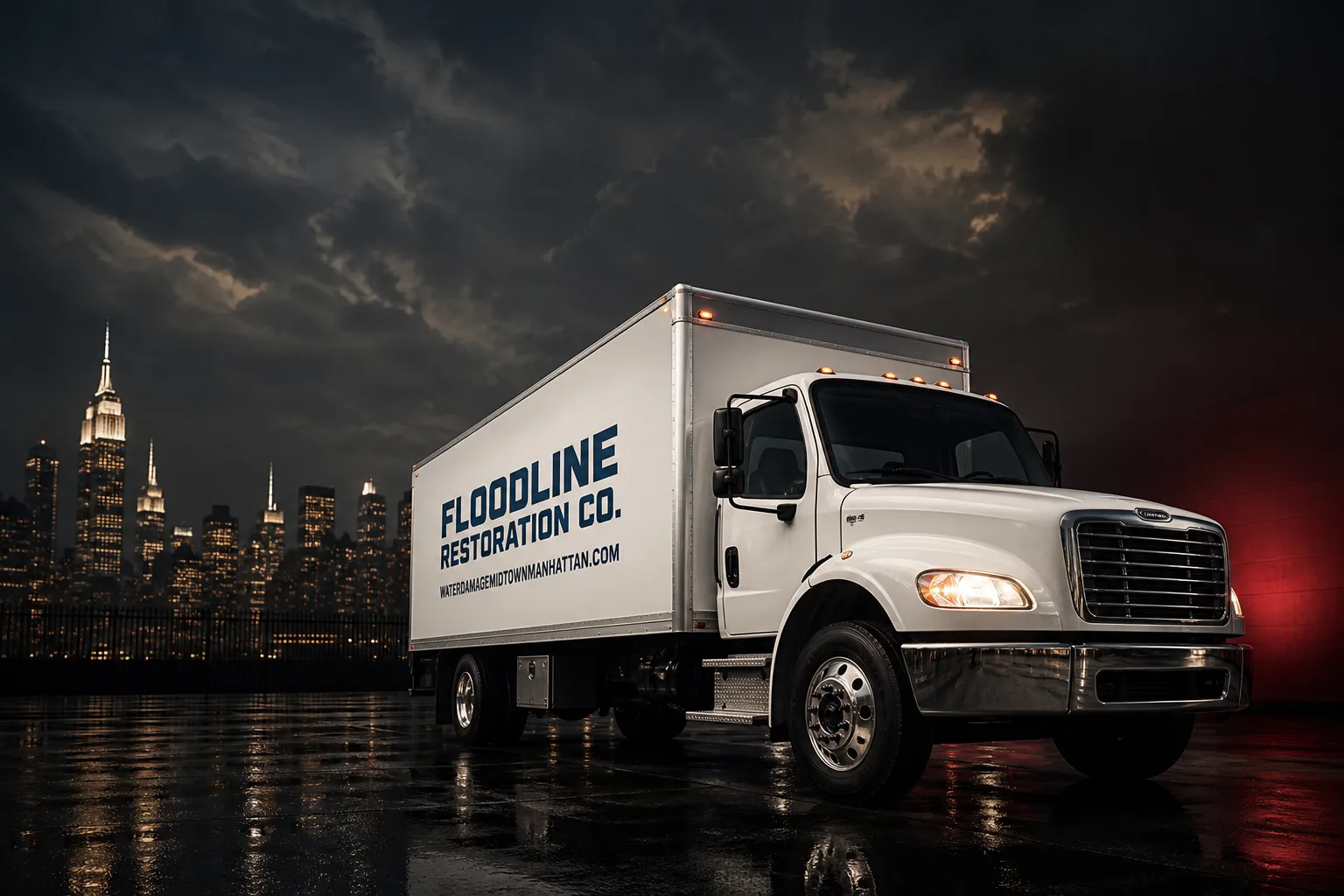
Free visual inspection and a written scope of work before any mitigation begins - photos, moisture readings, and drying logs go in your claim file
The scope we write is the scope we bill. Anything new gets shown to you, in writing, before we touch it.
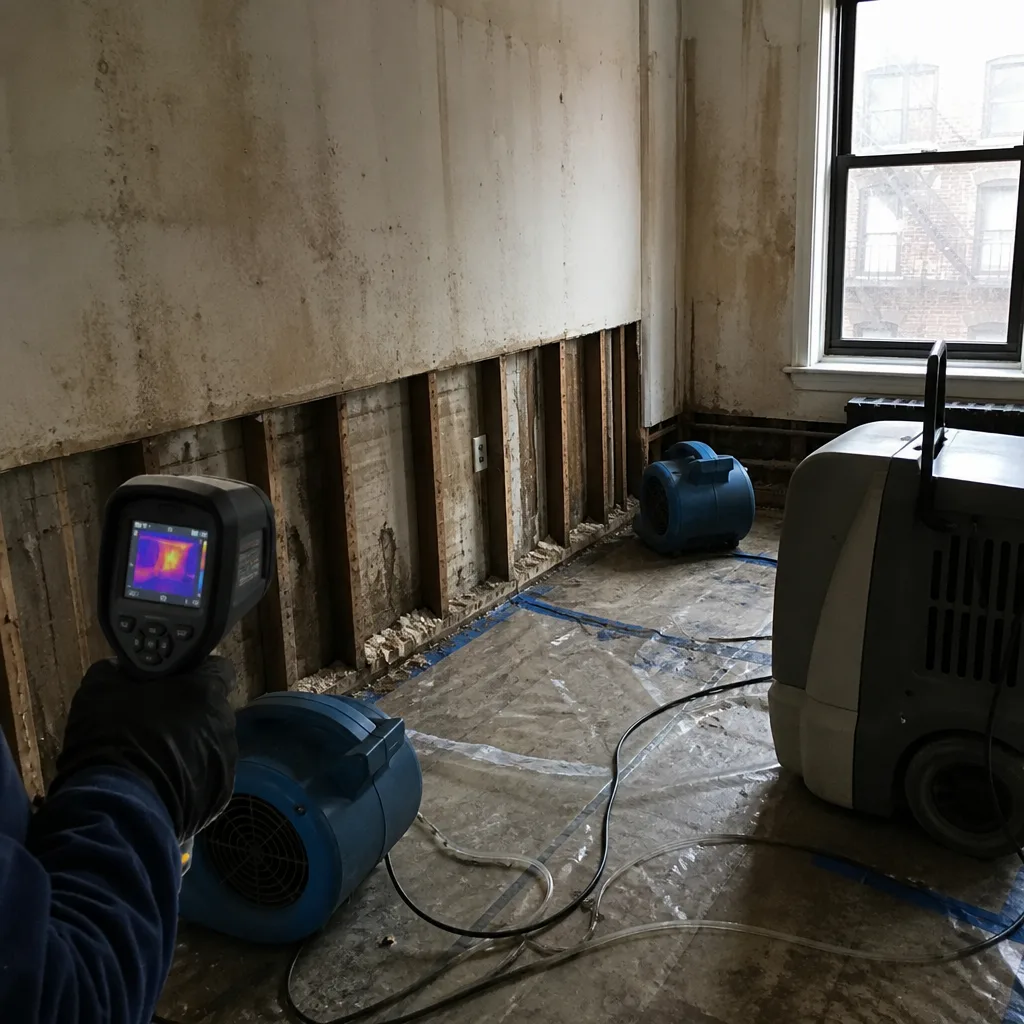 Before
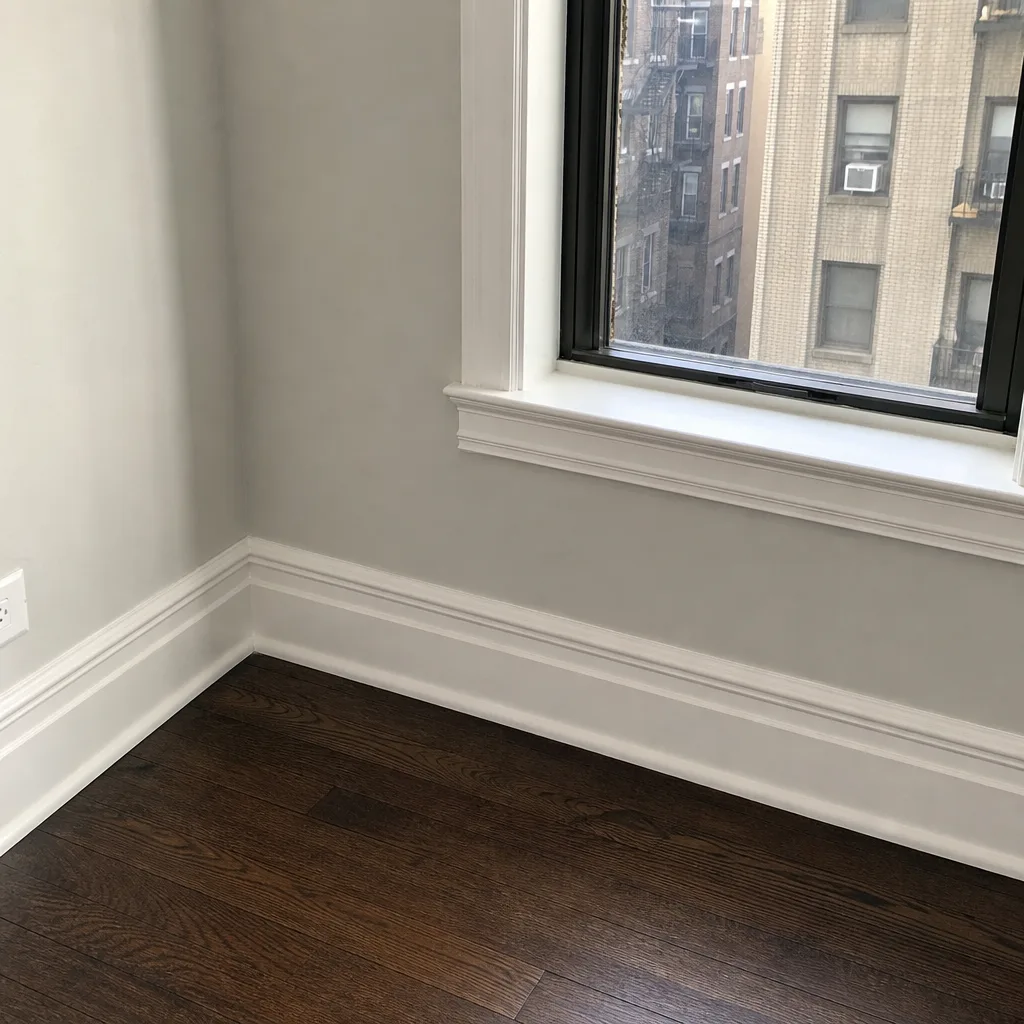 After
After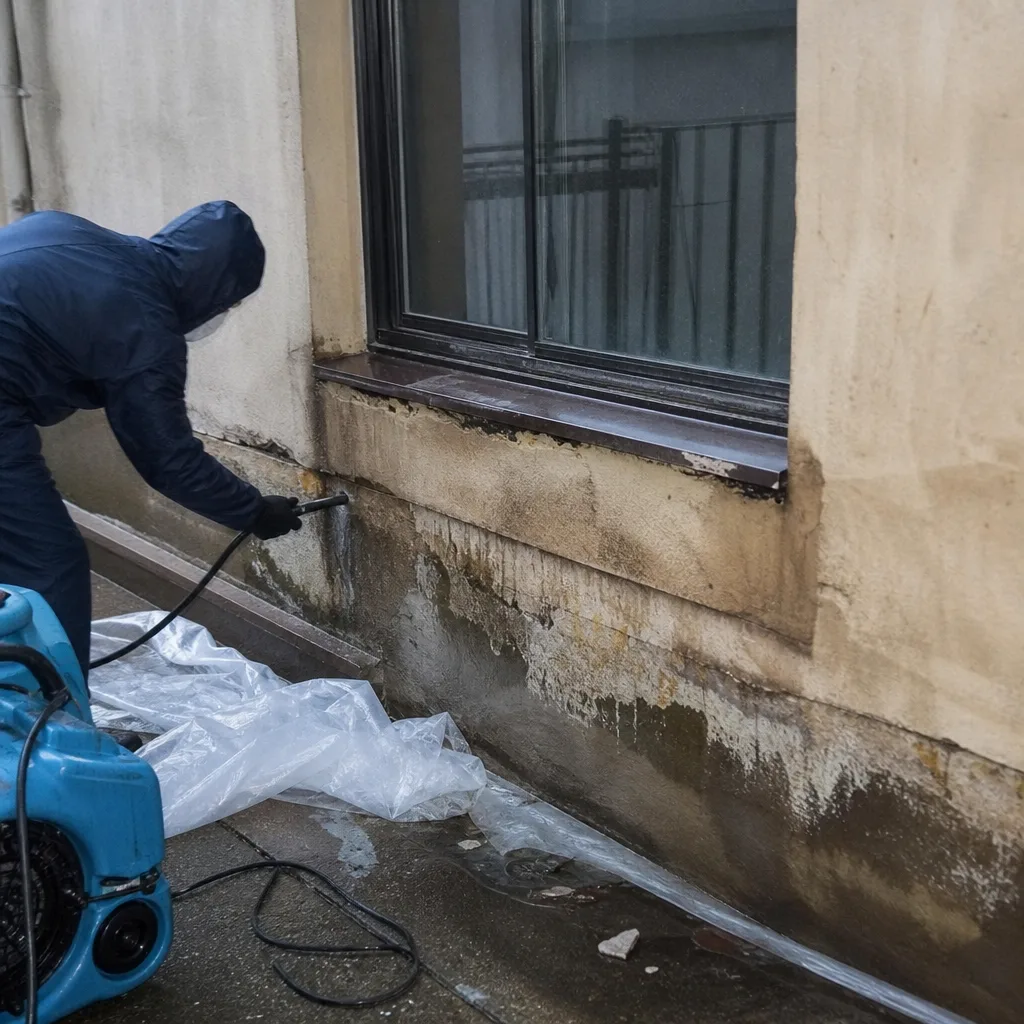 Before
 After
After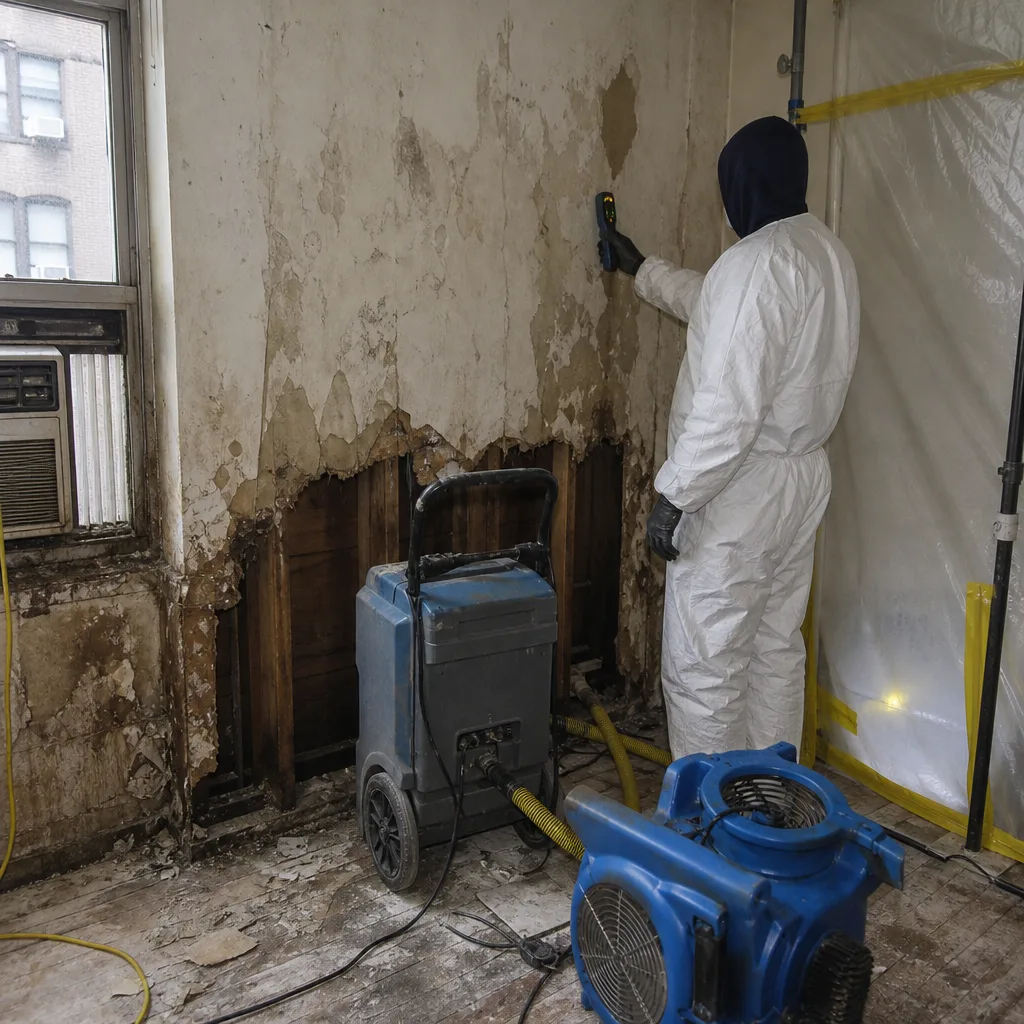 Before
 After
After24/7 Emergency Mold Remediation in Midtown West
Mold remediation in Midtown West typically runs $1,800 to $6,500 depending on how far the colony has spread and whether containment is required, and most jobs can be started within 24 to 48 hours of your call. A live dispatcher answers at (518) 314-5660 any hour of the day or night, and we’ll schedule a free visual inspection before anything gets torn open. The longer moisture sits behind a wall in a pre-war tenement or high-rise chase, the deeper the colony grows, so the first call is the one that saves you money.
Understanding Mold Remediation Severity in Midtown West Properties
Mold severity is measured in square footage of visible growth and the type of water that fed it. Category 1 water from a clean supply line is the easiest to dry; Category 3 water, the kind that backs up through Midtown West’s combined sewer system during a summer storm, carries sewage and requires full containment, HEPA air scrubbing, and antimicrobial treatment. The building stock here complicates every classification. A tenth-floor Hudson Yards unit with a leaking HVAC condensate line is a contained, straightforward job. A third-floor Hell’s Kitchen walk-up with a cracked cast-iron drain stack is not. Horsehair plaster and asbestos-era mastic hold moisture for weeks after the surface feels dry, and moisture mapping with thermal imaging and hygrometers is the only way to know what’s actually happening behind the lath. In buildings where vertical plumbing chases run floor to floor, one unit’s slow leak becomes three or four units’ problem, which is why containment is non-negotiable.
Why Midtown West Property Owners Choose Floodline Restoration Co.
- 45-minute response commitment: from the moment you call, we have a crew rolling toward Midtown West, not just a callback promise.
- 24/7 live answer: a real dispatcher picks up at 2 a.m., not a recording, and that dispatcher has access to the full crew schedule.
- IICRC-certified crews: our techs carry WRT, FSRT, and AMRT certifications and have worked in Hell’s Kitchen tenements and Hudson Yards high-rises alike.
- Free visual inspection: we’ll assess the colony, map the moisture, and give you a straight answer before any charge.
- Direct insurance billing: we bill your carrier and coordinate with the adjuster, so you’re not playing messenger.
- One team from extraction to reconstruction: the same crew that builds containment also handles the rebuild, with a written 90-Day Done Right Promise on the work.
Our Mold Remediation Process
Inspection & Assessment
We start with a visual inspection and moisture mapping using thermal imaging and hygrometers. In Midtown West’s older buildings, the first thing we check is whether pipe insulation or floor mastic contains asbestos, because NYC Local Law 76 may require a licensed abatement contractor before we can even stage equipment.
Containment & Stabilization
Once the area is cleared for work, we set up full containment with negative air pressure and HEPA filtration. This matters doubly in buildings with shared vertical chases, where airborne spores travel to adjacent units faster than you’d think.
Drying & Dehumidification
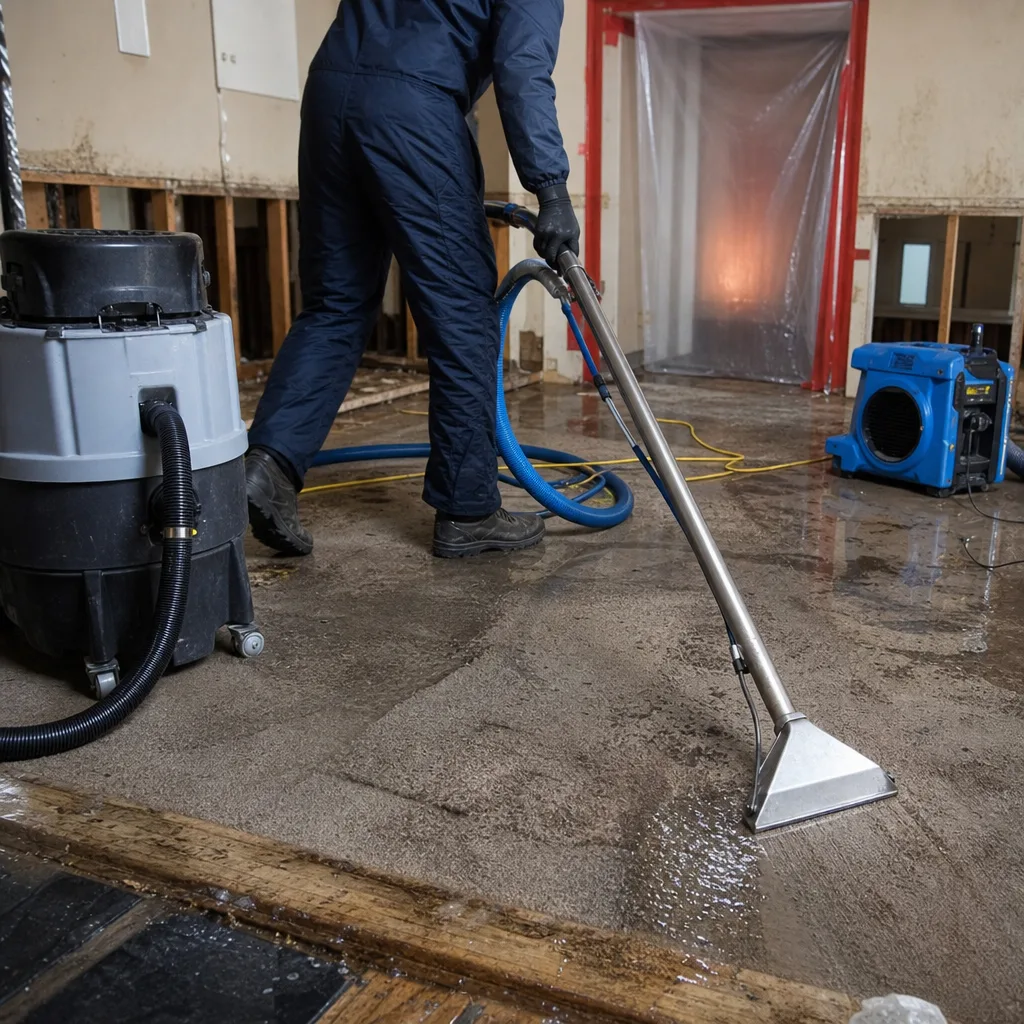
We run Dri-Eaz dehumidifiers and XPOWER air movers until the dry standard is met, taking daily readings and logging them. In horsehair plaster and behind baseboards, this can take five to eight days, not forty-eight hours.
Cleaning & Sanitization
Affected surfaces get HEPA vacuuming, antimicrobial treatment, and cleaning of studs, joists, and subfloor where accessible. We don’t paint over a problem; we remove the food source and the moisture first.
Clearance Testing
Before containment comes down, a third-party hygienist may run air and surface samples to confirm the colony is gone. We hand you the documentation, and your co-op board can see exactly what was done.
Repairs & Restoration
The same crew that removed the mold rebuilds the walls, re-plasters where needed, and matches finishes in pre-war units as closely as material availability allows. You get one name accountable for the whole job.
Need Emergency Mold Remediation in Midtown West Now?
Crews minutes away, answering live 24 hours a day. The sooner we start, the less it costs.
Working With Your Insurance Company
Mold claims in Midtown West are rarely simple. Carriers want to see that the moisture source was addressed, that drying logs were kept, and that the scope of work matches the actual loss. We document from the first hour: photos of the affected rooms, moisture readings before and after drying, containment setup, and a line-item scope your adjuster can read without a site visit. We bill the carrier directly and handle the back-and-forth. If your co-op board or building manager needs documentation, we provide the same package to them. You get one team doing the work and a written 90-Day Done Right Promise from Curt Bowman, our founder, standing behind it.
What We Provide Your Insurer
- Thorough documentation of the loss
- Photos of all damage, room by room
- Moisture readings and drying logs
- A detailed, line-item scope of work
- Direct coordination with your carrier
Built for Midtown West’s Loss Calendar
Mold in Midtown West follows the weather and the age of the building. January deep freezes split supply lines in uninsulated tenement walls, and the thaw in late February reveals what’s been soaking behind the plaster for weeks. March and April bring the first basement seepage as groundwater rises against foundations near the Hudson. Summer thunderstorms overwhelm the combined sewer system, sending Category 3 water into ground-floor commercial spaces and basement units, and that’s when we see the worst hidden contamination behind baseboards. Nor’easters in September and October can dump enough rain to push water through parapet walls and old roof flashings in walk-ups that haven’t been re-pointed in thirty years. Every season has a pattern, and knowing the pattern is how we find mold that a generic inspector would miss.
Mold Remediation Across Midtown West’s Neighborhoods
Midtown West spans two very different building cultures within a fifteen-minute walk. In Hell’s Kitchen, from 8th Avenue to the Hudson, we’re dealing with 1900s to 1940s walk-ups: horsehair plaster walls, cast-iron drain stacks, steam radiator systems, and asbestos-containing pipe insulation that triggers Local Law 76 requirements before we can place a single air mover. Response routes here are tight; double-parked cars on 9th Avenue mean our crew stages equipment on the sidewalk and carries what’s needed upstairs. The Garment District, with its converted loft buildings, has its own pattern: large open floors with dropped ceilings that hide slow roof or HVAC leaks for months before anyone notices a smell. Columbus Circle and the south end of Central Park West bring high-rise cooperatives where a single unit’s bathroom leak migrates down through the chase and involves two or three apartments by the time we’re called. Hudson Yards is the opposite end of the spectrum: new construction with modern mechanical systems, but enormous window walls that can sweat during seasonal temperature swings, creating condensation colonies on drywall behind furniture. Each neighborhood has a different route, a different building type, and a different way mold announces itself.
Specialized Mold Remediation Services We Offer in Midtown West
Mold Inspection & Testing
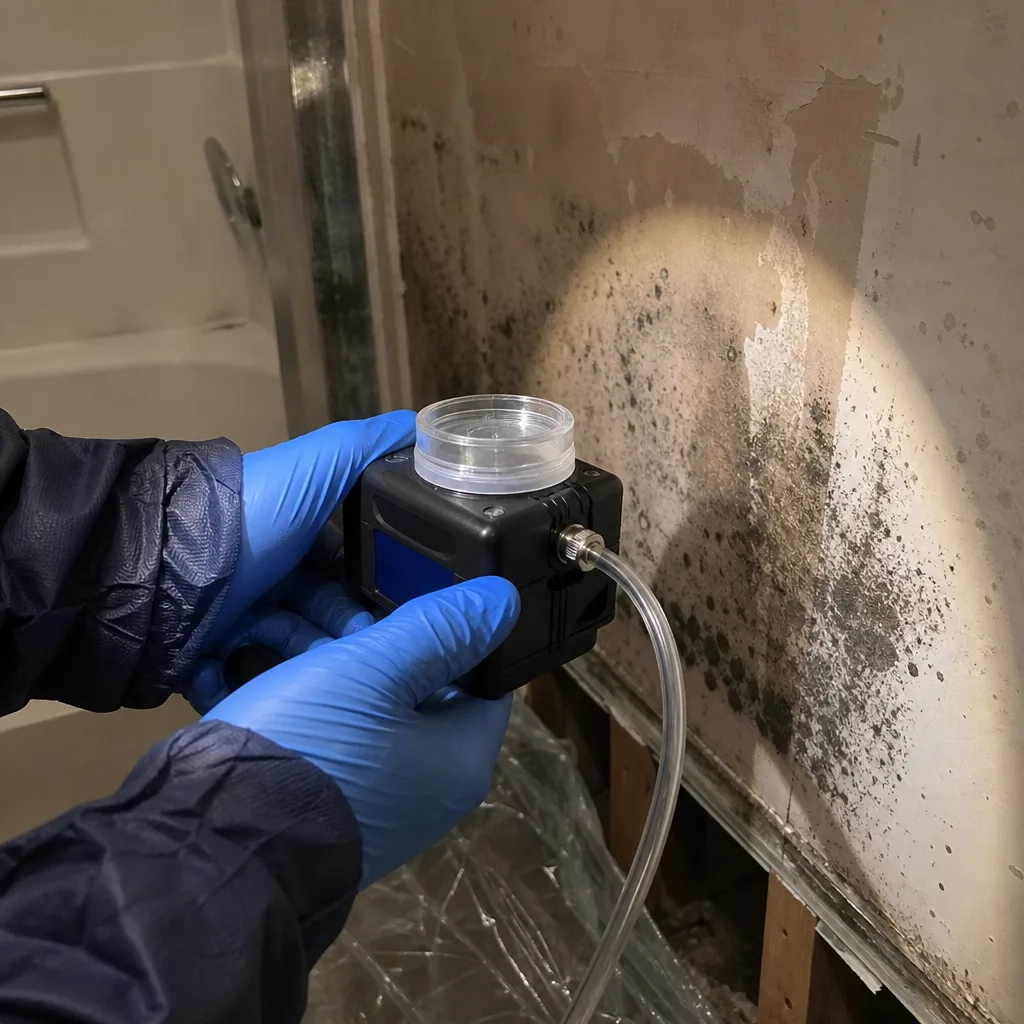
A visual inspection only gets you so far in a pre-war building. We run moisture mapping, air sampling, and surface testing to find colonies behind horsehair plaster and inside wall cavities that look dry. In Midtown West co-ops, we recommend documented testing before any work, so the board and your insurer both have a baseline.
Mold Removal
We remove mold from drywall, plaster, floor joists, and subfloor. In older buildings, that often means opening walls down to the studs, pulling wet plaster, and rebuilding clean. We don’t fog and paint; we remove the colony and the material that’s feeding it.
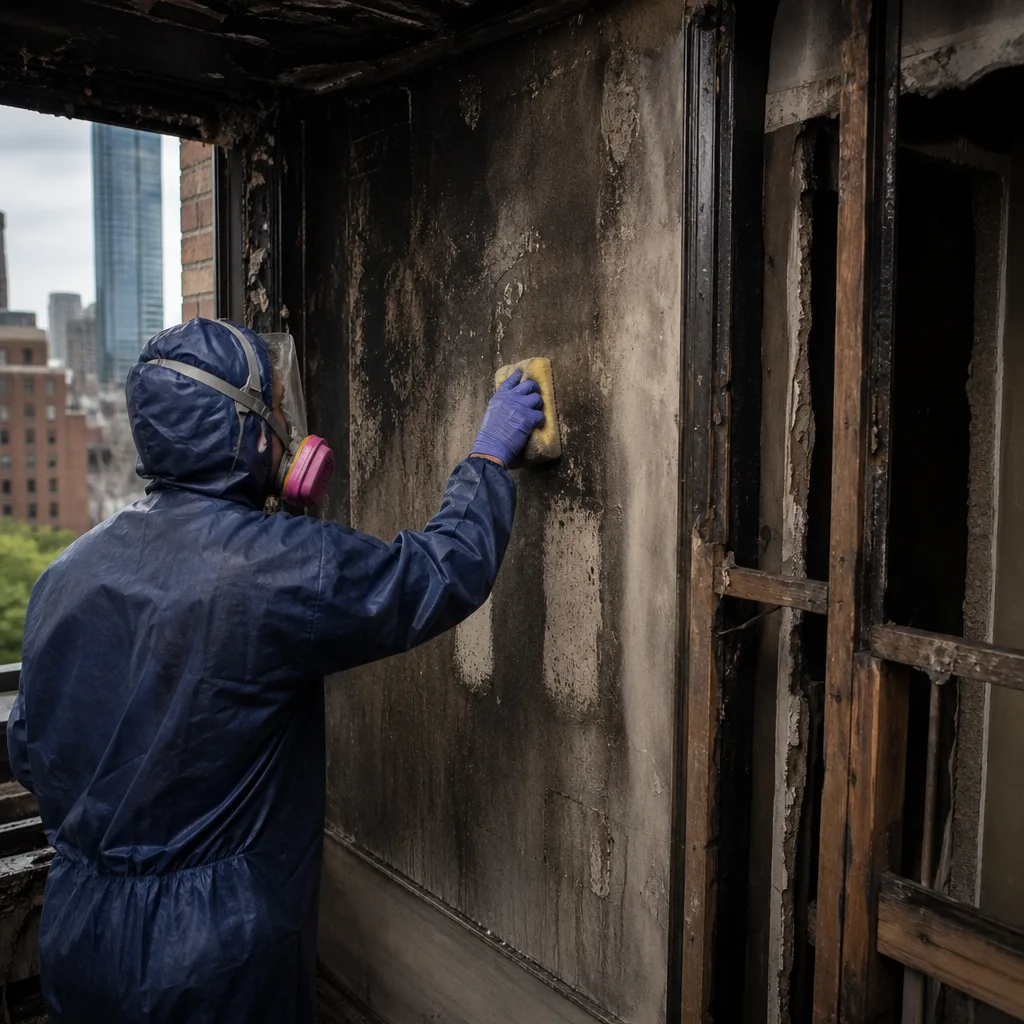
Black Mold Remediation
Stachybotrys, the black mold that terrifies homeowners, needs constant moisture to thrive. In Hell’s Kitchen, we most often find it behind baseboards in basement units after sewer surcharge events and inside wall cavities where drain stacks have been leaking slowly for years. Full containment, HEPA air scrubbing, and antimicrobial treatment are standard on every job, not an upsell.
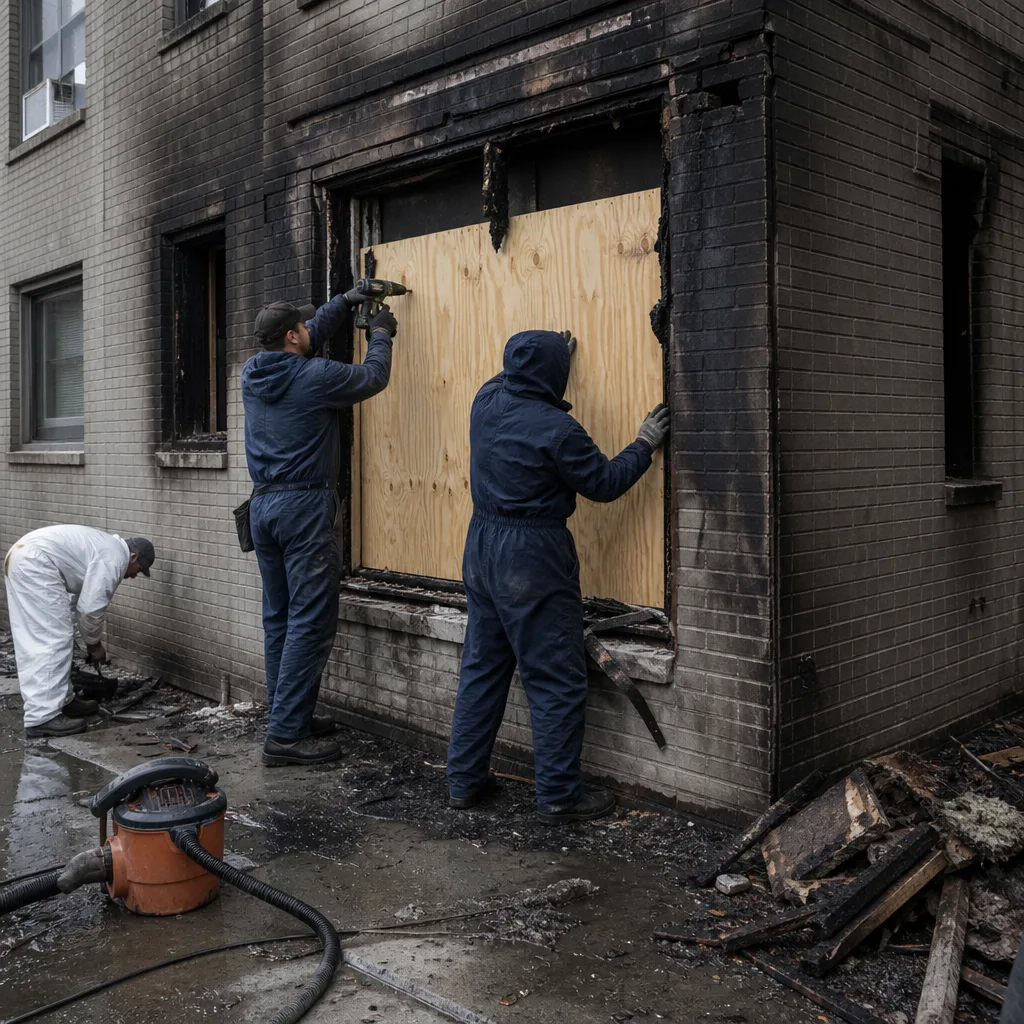
Containment & Air Quality Restoration
In buildings with shared vertical chases, airborne mold spores move between floors through the same paths as water. We set up negative-air containment with HEPA filtration before disturbing any affected material, and we run air scrubbers during the entire remediation. Post-remediation clearance testing documents that the air inside your unit is clean.
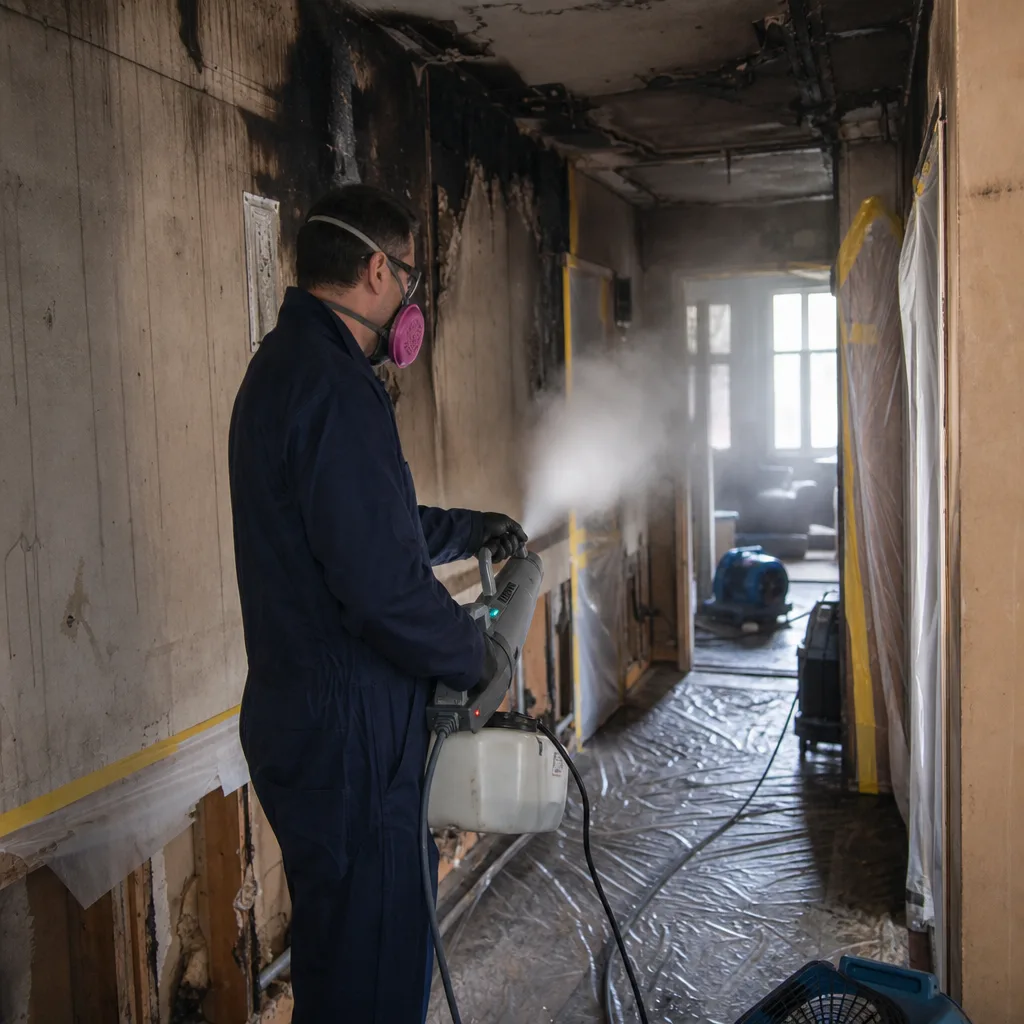
Moisture & Humidity Control
Most Midtown West mold problems start with a moisture problem: a sweating steam pipe, a cracked drain stack, a failed kitchen exhaust fan, or groundwater pressing against a basement foundation. We identify the source, fix what’s causing it, and recommend ventilation or dehumidification if the building’s mechanicals are contributing to the colony’s return.
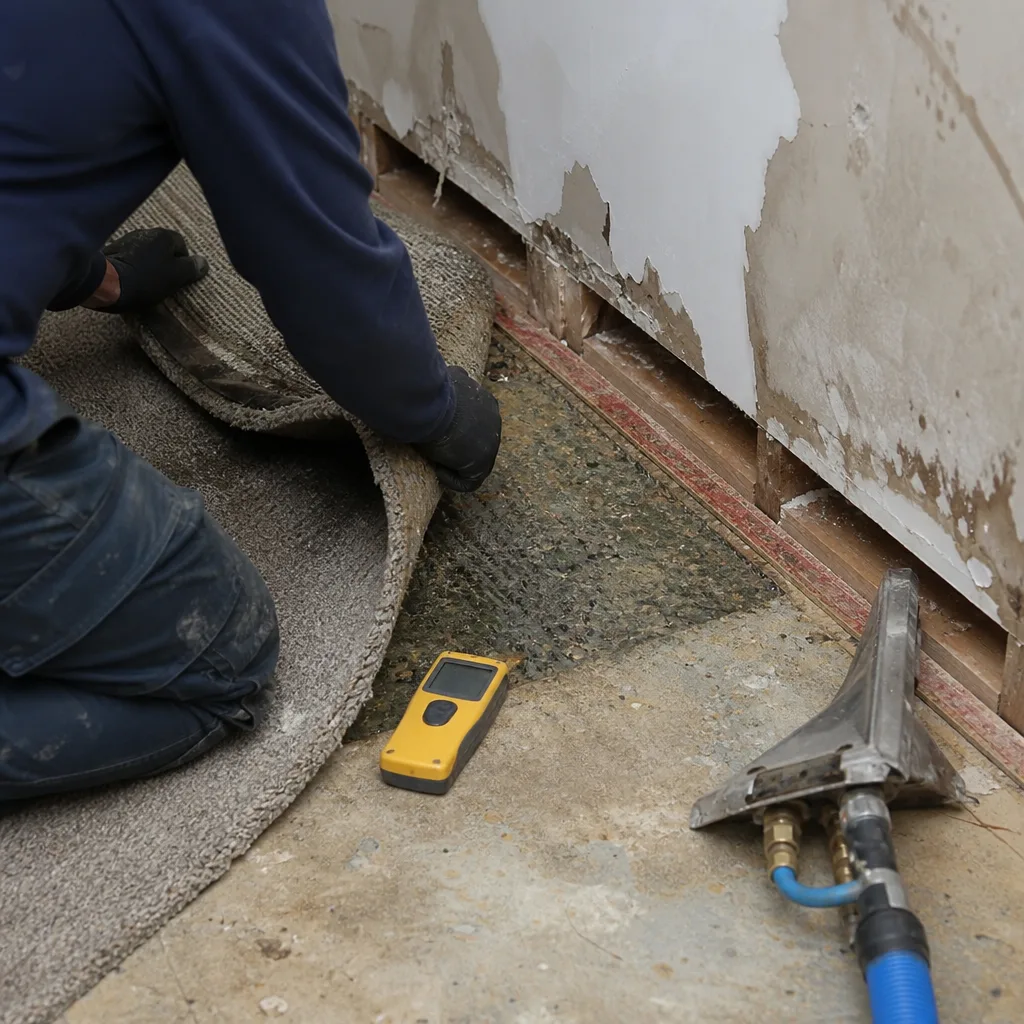
Crawl Space Treatment
Below-grade crawl spaces in Midtown West rowhouses face persistent groundwater intrusion given the area’s shallow bedrock-and-fill geology near the Hudson. We treat the space with antimicrobial agents, install or repair vapor barriers, and set up drying or dehumidification so the colony doesn’t come back in six months.
What happens when you call
- 1
A real person answersNo phone trees - you reach a local pro.
- 2
You get an upfront price rangeHonest numbers before anyone is dispatched.
- 3
A background-checked tech heads outLicensed & insured, dispatched right away.
- 4
You approve before work beginsNothing starts until you say go.
Mold Remediation Costs in Midtown West, NY
Here’s what homeowners and co-op owners actually pay in Midtown West’s market.
- Mold inspection with moisture mapping: $300-$600. Air sampling adds $150-$400 if you want lab results.
- Small containment and spot removal (single wall cavity or small bathroom): $1,200-$2,800.
- Mid-size remediation (one full room, including drywall removal and rebuild): $3,000-$7,000.
- Large or multi-floor jobs (shared chases, multiple units affected): $8,000-$25,000+.
- Moisture source repair (drain stack section, supply line, foundation crack sealing): $500-$4,000, often billed separately from the remediation.
What moves the price: whether Local Law 76 asbestos abatement is required before we can set up containment (adds two to four days and a separate licensed contractor’s fee), whether you’re in a fifth-floor walk-up requiring equipment staging by hand, and whether your co-op board requires third-party clearance testing. Insurance covers mold only when it’s tied to a covered sudden water loss, and carriers often cap mold-specific coverage. We bill your carrier directly and give you a clear, line-item scope before work starts, so you know what’s covered and what isn’t. Call (518) 314-5660 for a free inspection and an exact quote.
We Also Serve Cities Near Midtown West
Our crews cover Midtown West and the surrounding area, including Midtown Manhattan, Murray Hill, Washington Square, and Upper Manhattan. If you’re not sure whether your building falls inside our service area, call and ask; the dispatcher will tell you straight.
Midtown West Mold Remediation Questions, Answered
Why is mold remediation in Hell’s Kitchen pre-war buildings slower than in newer Midtown West high-rises?
Because most pre-war tenements contain asbestos in pipe insulation, floor-tile mastic, and textured plaster. NYC Local Law 76 and EPA NESHAP rules require a licensed abatement contractor to clear the affected area and pull a DOB permit before we can place containment or drying equipment. That regulatory sequence adds two to four days to a job that would be same-day in a Hudson Yards tower. It’s not a delay we can waive; it’s the law.
Can I stay in my Midtown West co-op unit while mold is being removed from a neighbor’s apartment?
Usually yes, but it depends on whether the affected area shares your air path. In buildings with shared vertical chases, negative-air containment and HEPA scrubbing in the affected unit protect most neighbors. If your unit shares a wall cavity with the contaminated space, you might need air sampling to confirm you’re not affected. We can coordinate that testing.
Does Midtown West’s combined sewer system make basement mold worse after heavy rain?
Yes. New York City’s combined sewer system surcharges during nor’easters and intense summer storms, backing raw sewage into basement units and ground-floor commercial spaces. That’s Category 3 water, and it leaves behind contamination that feeds mold inside baseboard cavities and under flooring. Any basement flood in Midtown West should be treated as a potential Category 3 loss until proven otherwise.
My pre-war apartment has original horsehair plaster walls. Can mold be removed without replacing all the plaster?
Sometimes. If the plaster is structurally sound and the moisture source is fixed, we can HEPA-clean, treat, and seal the surface. If the plaster is saturated and crumbling, it has to come out. On a 9th Avenue Hell’s Kitchen walk-up, we responded to a cast-iron drain stack leak that had saturated horsehair plaster walls on three floors. Our techs ran moisture mapping and found readings above 25% behind the original lath; we set up full containment, pulled the wet plaster, and ran Dri-Eaz dehumidifiers and XPOWER air movers for six days until every surface was back to pre-loss condition.
How do I know if the mold in my Midtown West rental is my responsibility or the landlord’s?
In New York City, landlords are responsible for maintaining habitable conditions, including addressing mold caused by leaks or building system failures. If the mold is tied to a slow plumbing leak or the building’s steam system, that’s the landlord’s obligation. If you caused the moisture, like an overflowing bathtub left unattended, you might be liable. We can document the source clearly enough that responsibility usually sorts itself out. Call (518) 314-5660 and we’ll help you figure out where the claim belongs.
How fast can you actually get to a Midtown West address?
A live dispatcher answers 24/7 at (518) 314-5660, and our crews are positioned to reach most Midtown West buildings within 45 minutes. For mold, the situation isn’t usually an emergency in the way a burst pipe is, but we still aim to inspect within 24 hours so the colony doesn’t spread while you wait.
Will my insurance cover mold remediation in Midtown West?
Insurance covers mold when it results from a covered sudden water loss, like a burst supply line or storm damage. Most policies exclude or cap mold coverage for long-term leaks, and New York policies often set a $10,000 sub-limit. We’ll bill your carrier directly and give you an honest read on what the policy covers before any work starts.
What should I do in the first 30 minutes after I find mold in my Midtown West apartment?
Don’t disturb it. Don’t wipe it, don’t spray bleach, don’t run fans on it. Disturbing the colony releases spores into the air, and in a building with shared chases, they’ll travel. Close the door to the affected room, turn off HVAC if you can, and call (518) 314-5660. We’ll talk you through the next step and schedule the free inspection.
Serving Midtown West, NY - Our Local Coverage Area
We’re based in the Midtown West area and know this community well. Use the map below to see our service coverage - if you’re nearby, we can almost certainly help.
Done Right in Midtown West, and Backed in Writing
Floodline Restoration Co. has spent 42 years learning how New York City buildings fail, and we’ve built our process around what we’ve found. Every Midtown West job gets background-checked, uniformed technicians certified to IICRC, RIA, and IFA standards. Every job gets a written scope before work starts. Every job is backed by the 90-Day Done Right Promise, the Keystone Standard, in writing and without argument. We answer the phone at (518) 314-5660. Call for a free inspection. We’ll be there when we say.
Written by Curt Bowman, Owner at Floodline Restoration Co., serving Midtown West and the greater New York City area.