
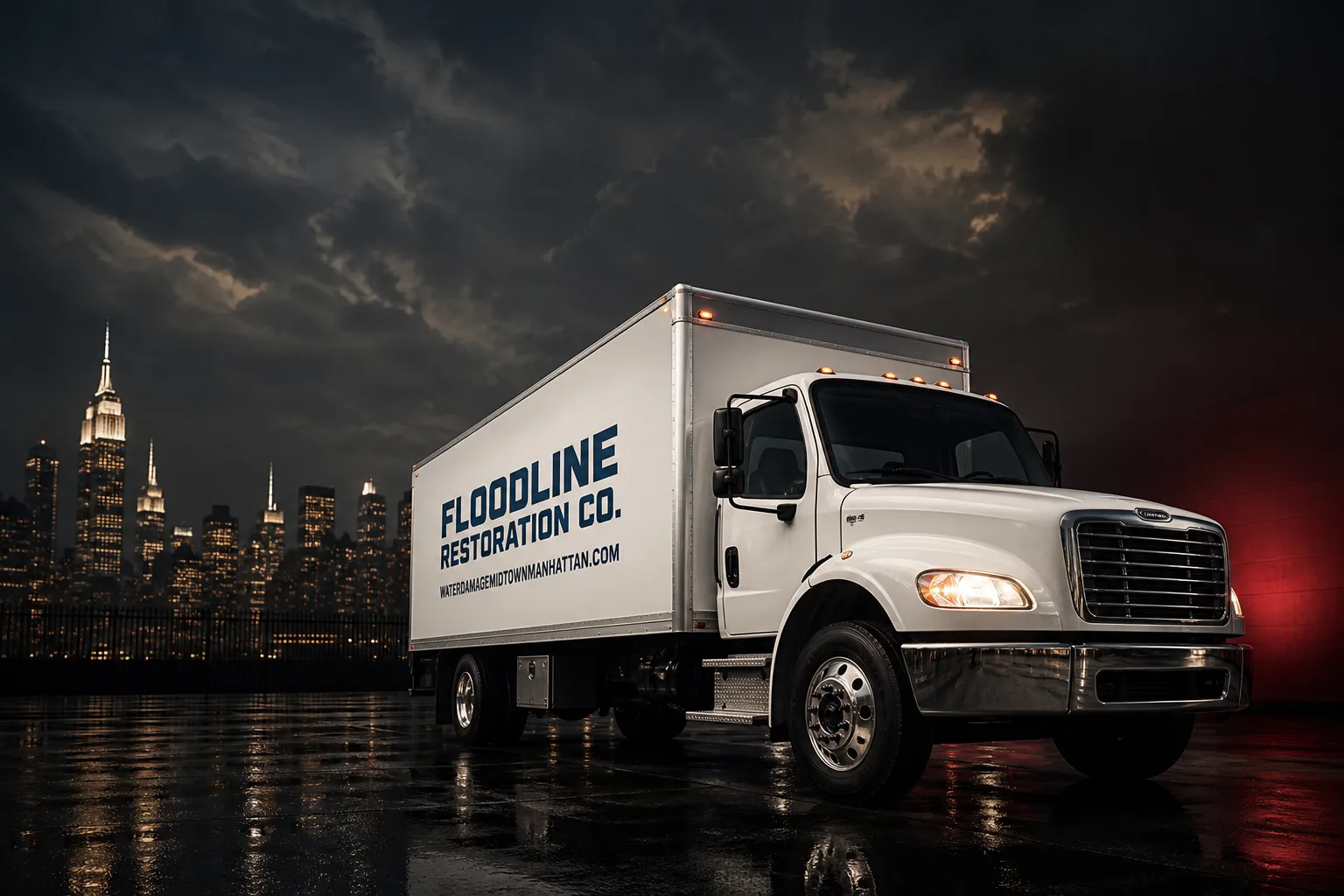
Free visual inspection and a written scope of work before any mitigation begins - photos, moisture readings, and drying logs go in your claim file
The scope we write is the scope we bill. Anything new gets shown to you, in writing, before we touch it.
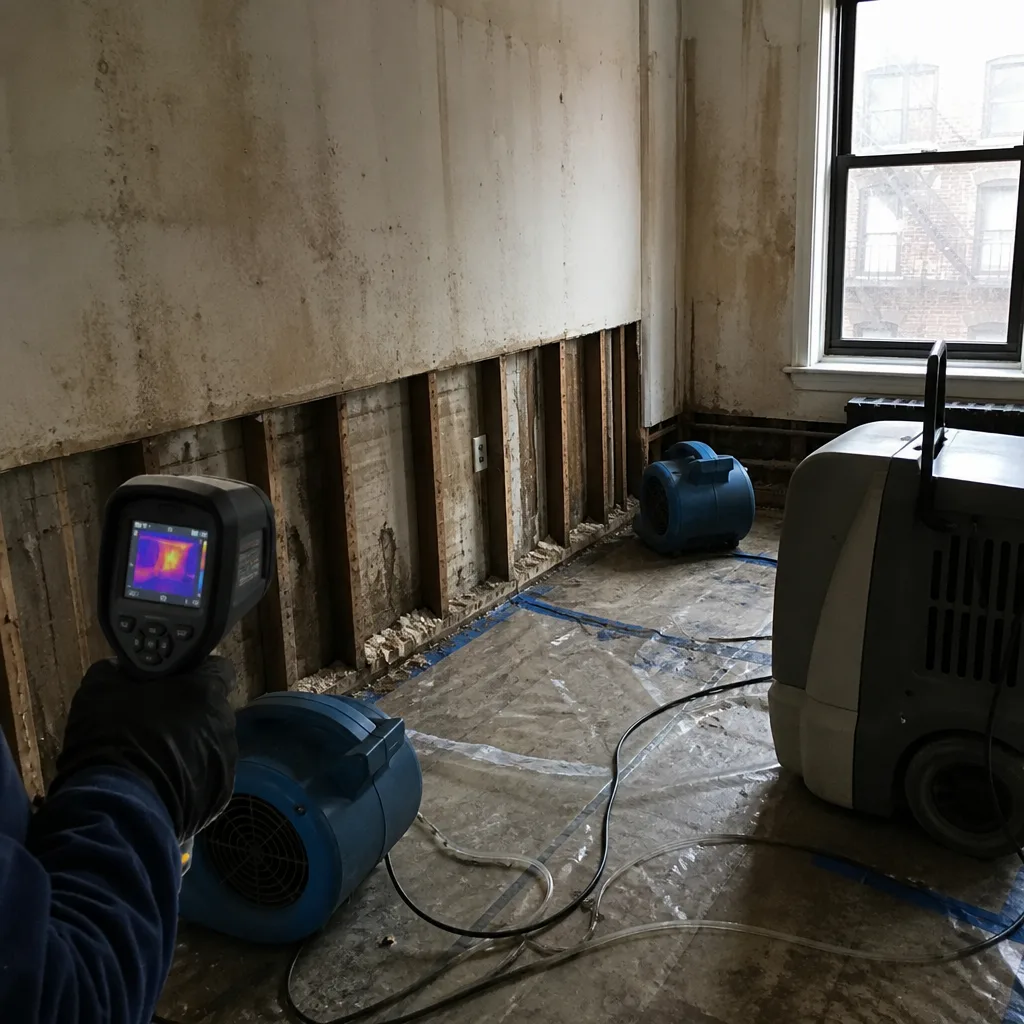 Before
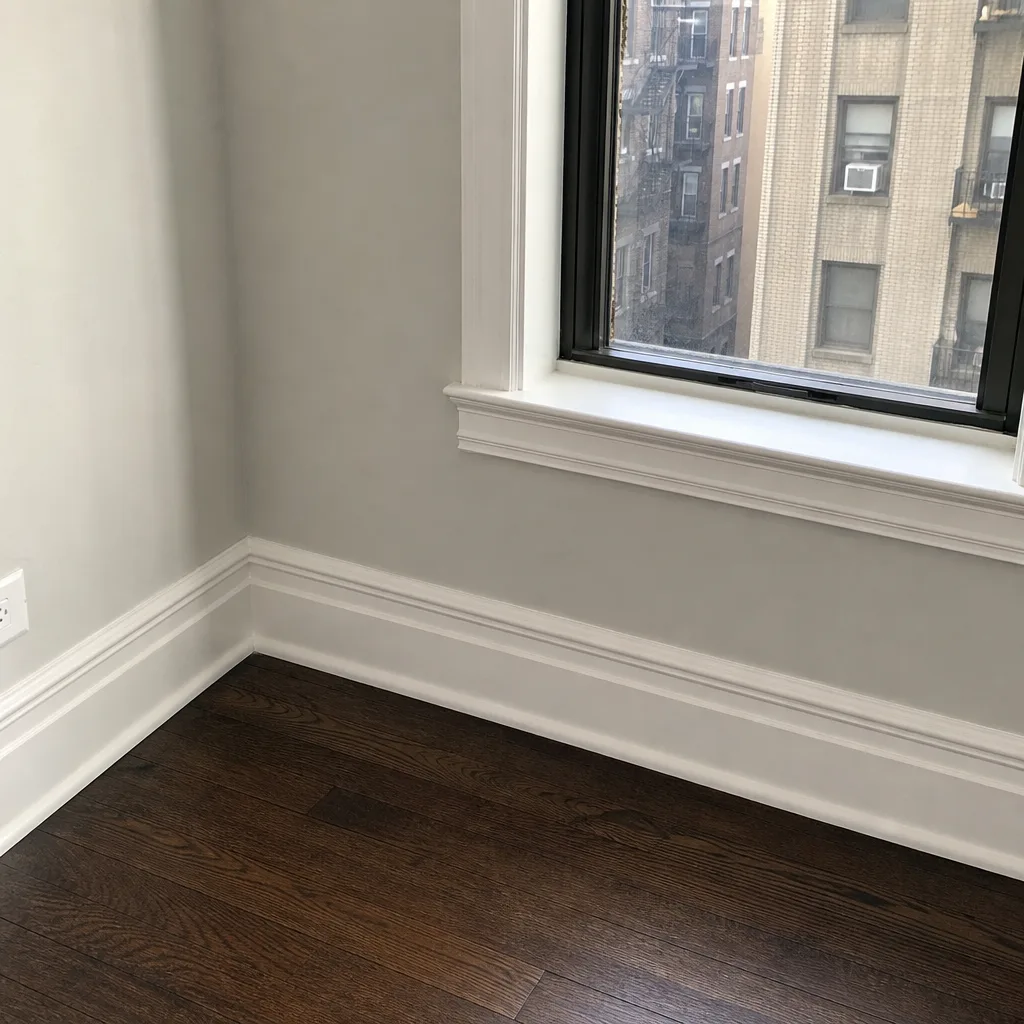 After
After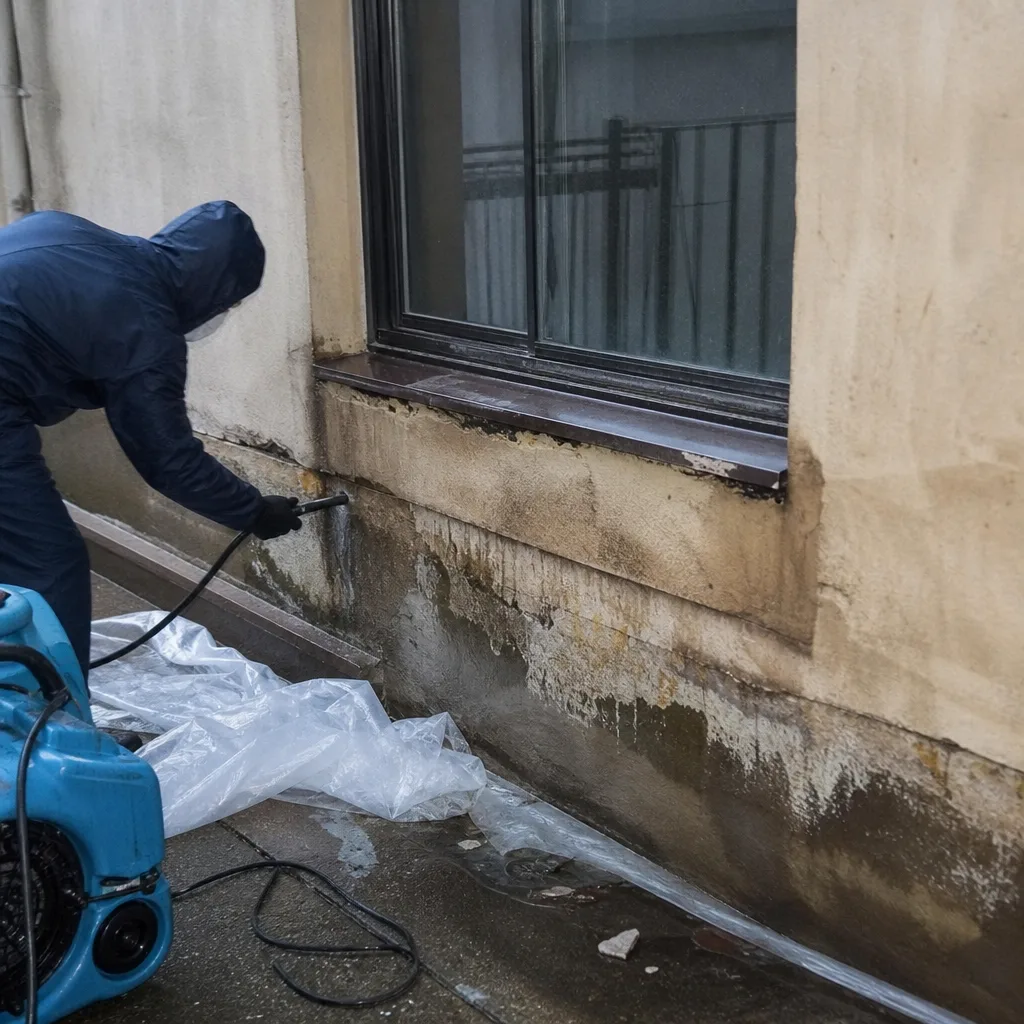 Before
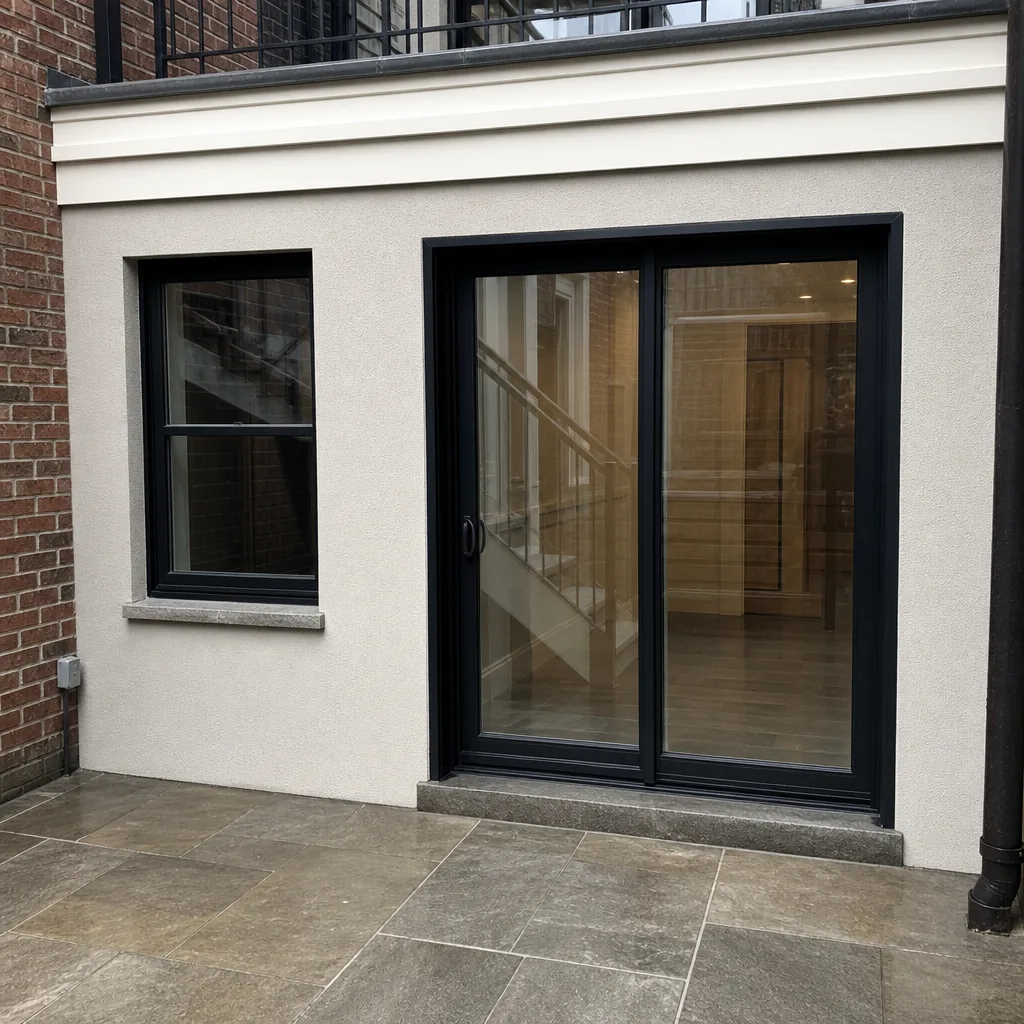 After
After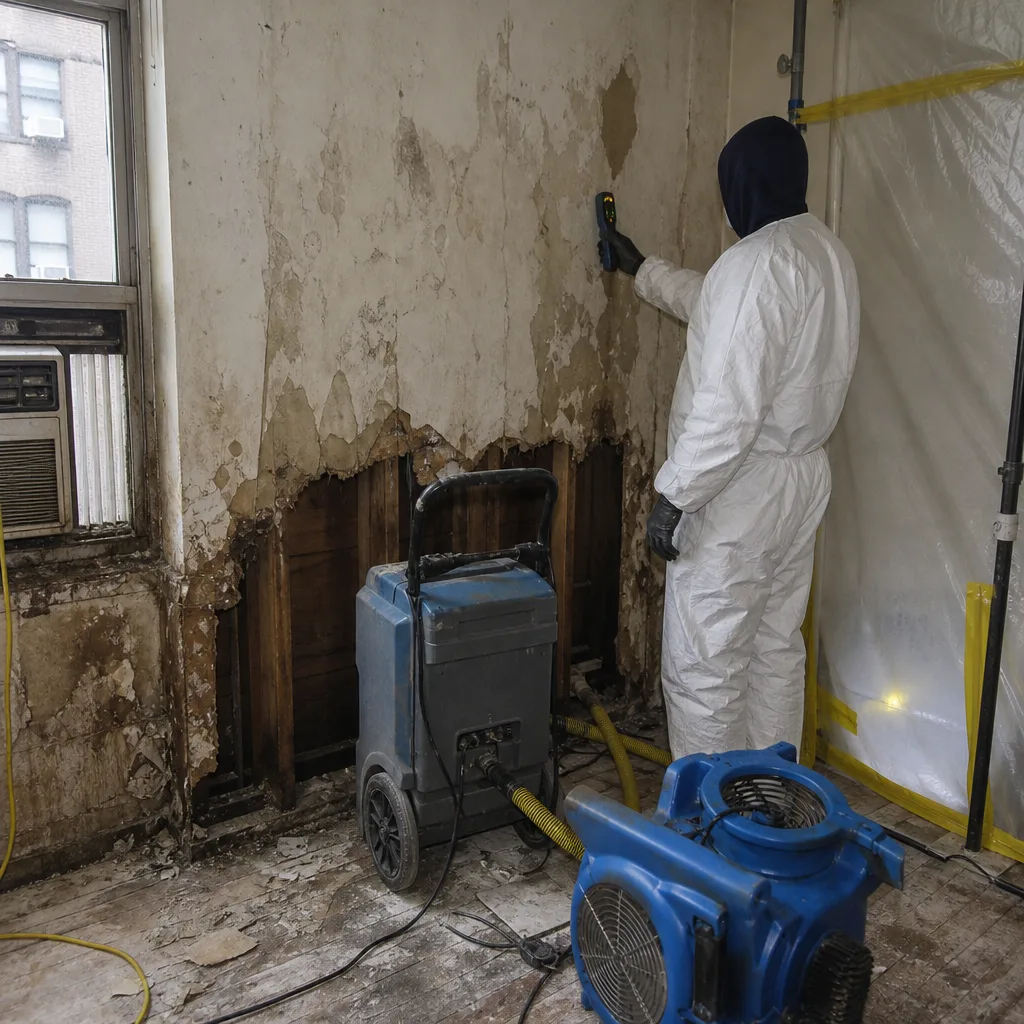 Before
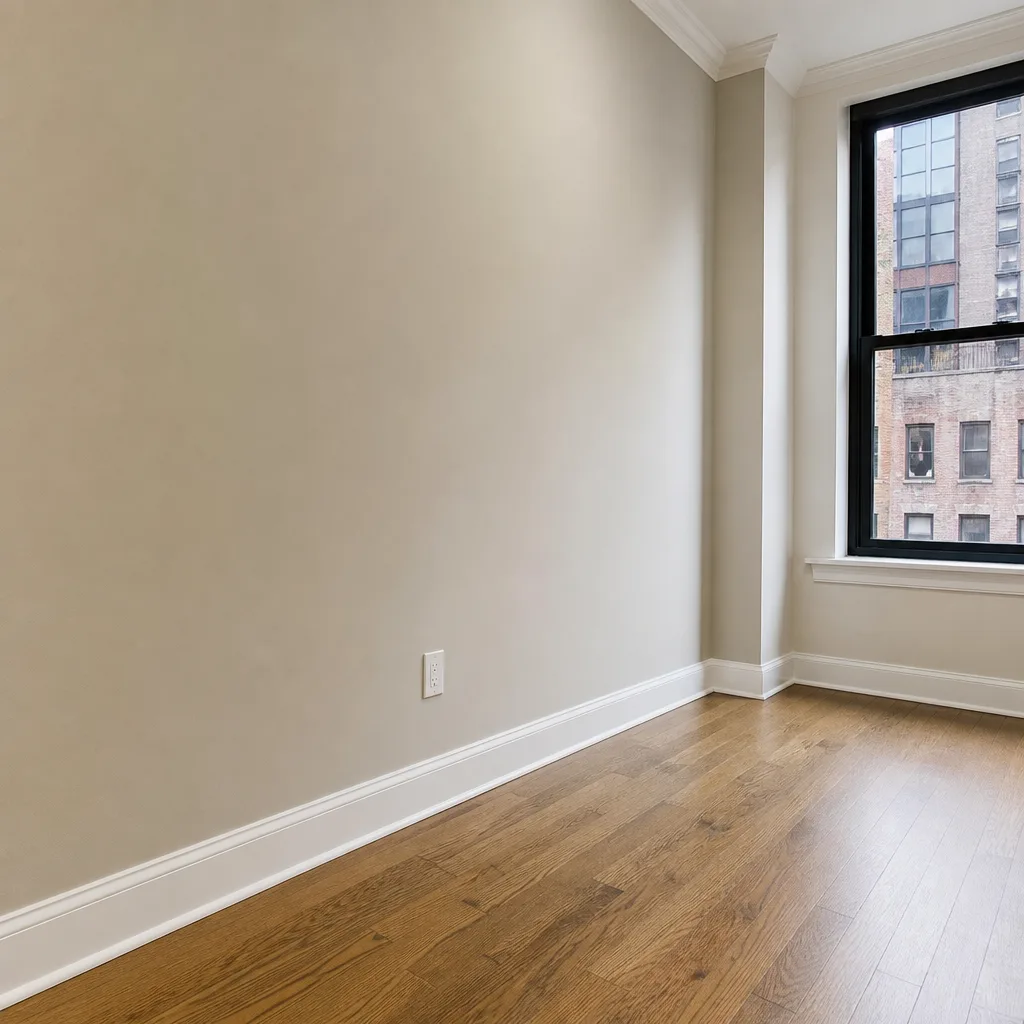 After
After24/7 Emergency Fire & Smoke Damage Restoration in Lower Manhattan
Fire and smoke damage in Lower Manhattan demands a fast, competent response, and ours is available around the clock. Call (518) 314-5660 and a live dispatcher answers, not a recording. We dispatch certified crews into every part of Lower Manhattan, from the Financial District to Battery Park City. The first hour after a fire matters because soot and acidic residue are already etching into surfaces. With 42 years in the business and a 90-Day Done Right Promise, we make sure the work is done right and backed in writing.
Understanding Fire & Smoke Damage Restoration Severity in Lower Manhattan Properties
Fire damage severity in Lower Manhattan isn’t only about visible soot. Here, the damage pathway is different because of salt. Lower Manhattan sits at the tip of an island surrounded on three sides by saltwater; FEMA has designated much of the area as Special Flood Hazard Zones AE and VE since Hurricane Sandy’s 2012 storm surge hit 14 feet at the Battery Park tidal gauge. That means many pre-war converted lofts in Tribeca and the Financial District, plus Battery Park City’s 1980s-2000s residential towers, carry hidden chloride residue in wall cavities, conduit, and sub-basement mechanical rooms. Soot from a kitchen fire bonds to that salt residue, and if a crew only wipes visible surfaces, corrosion continues for months. We classify soot residue types, map smoke migration through shafts and elevator pits, and test for chlorides before sealing. In Lower Manhattan’s deep sub-basements, which often sit at or below the local water table, a fire in one unit can force smoke through damp, salt-laden concrete. That’s a different job than the same fire in an upper-floor walk-up in Murray Hill.
Why Lower Manhattan Property Owners Choose Floodline Restoration Co.
- 45-minute response commitment: When you call, we give you a real arrival window and we keep it. We’ll be there when we say.
- 24/7 live answer: A person picks up at 2 a.m. and starts the crew’s route. No answering service, no call-back promise.
- IICRC-certified crews: Our technicians hold FSRT and OCT certifications, plus RIA and IFA training. Background-checked and uniformed, every job.
- Free visual inspection: Before any work is scoped, we walk the property and tell you what actually needs doing, in plain terms.
- Direct insurance billing: We send documentation and line-item estimates straight to your carrier. You don’t play messenger.
- One team from extraction to reconstruction: The same crew that cleans soot and neutralizes corrosion rebuilds what needs rebuilding.
Our Fire & Smoke Damage Restoration Process
Inspection & Assessment
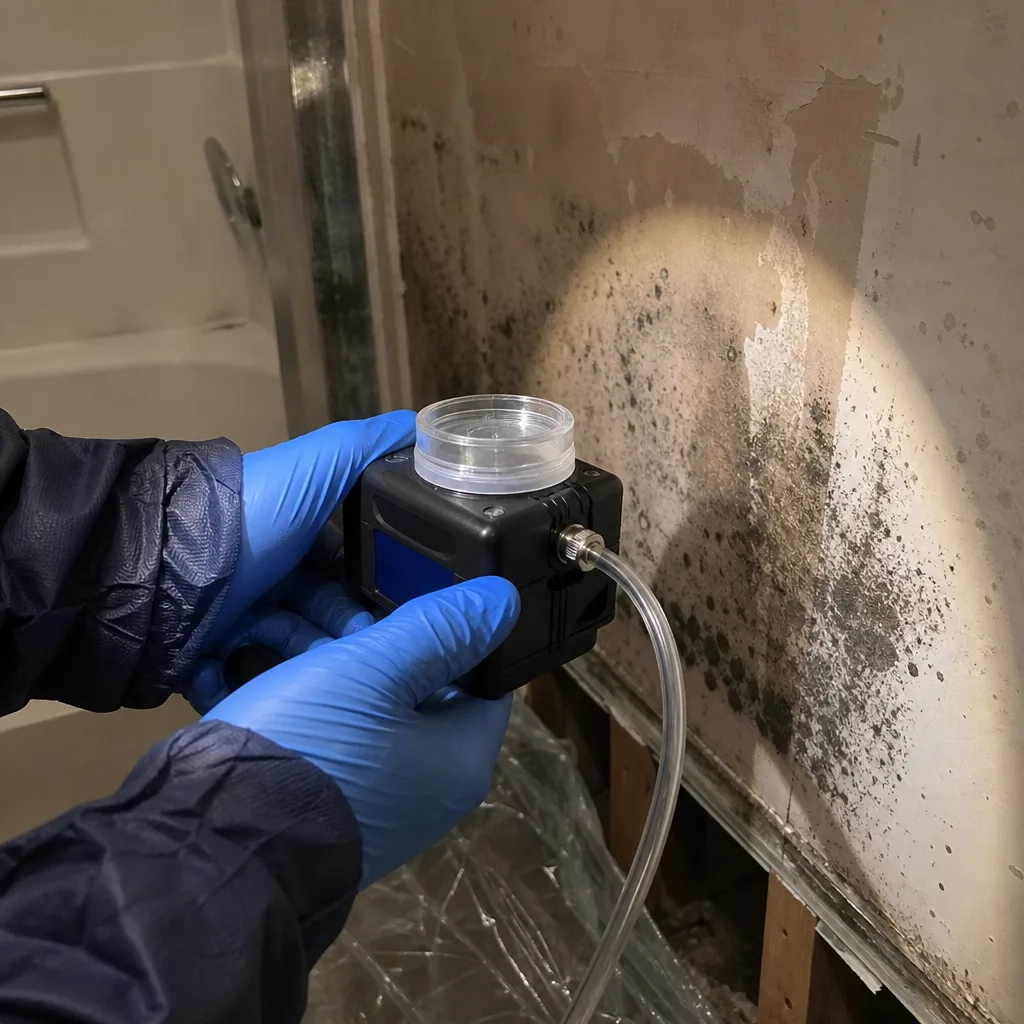
We map the fire’s full path, including hidden cavities and conduit. In Lower Manhattan, we run chloride tests on metal and masonry early, because salt contamination changes the treatment plan.
Stabilization & Board-Up
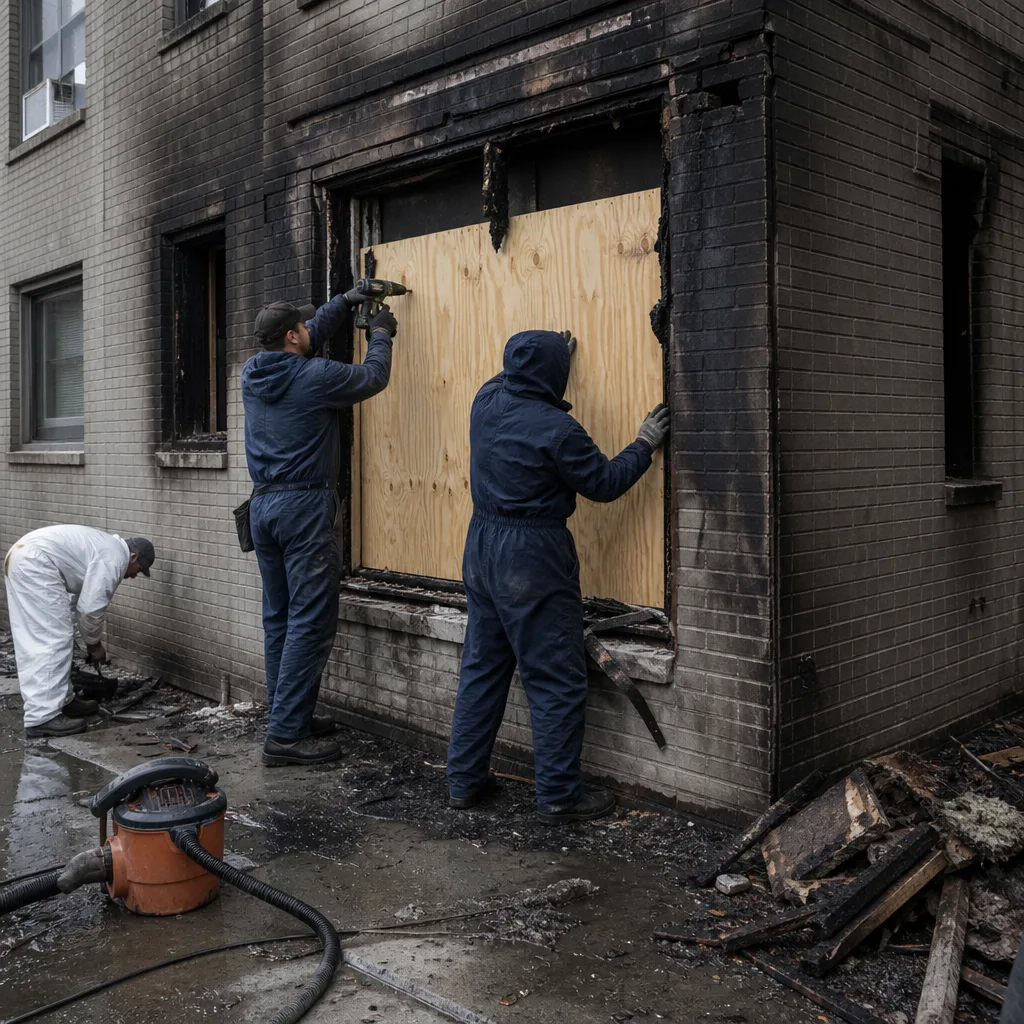
We secure openings and cut off utilities where needed. Emergency board-up and tarping stops further exposure to salt air and weather.
Corrosion Neutralization
This step is specific to coastal properties. We apply antimicrobial and anti-corrosion treatments to metal surfaces before drying begins, so salt doesn’t keep eating at what the fire spared.
Soot & Smoke Removal
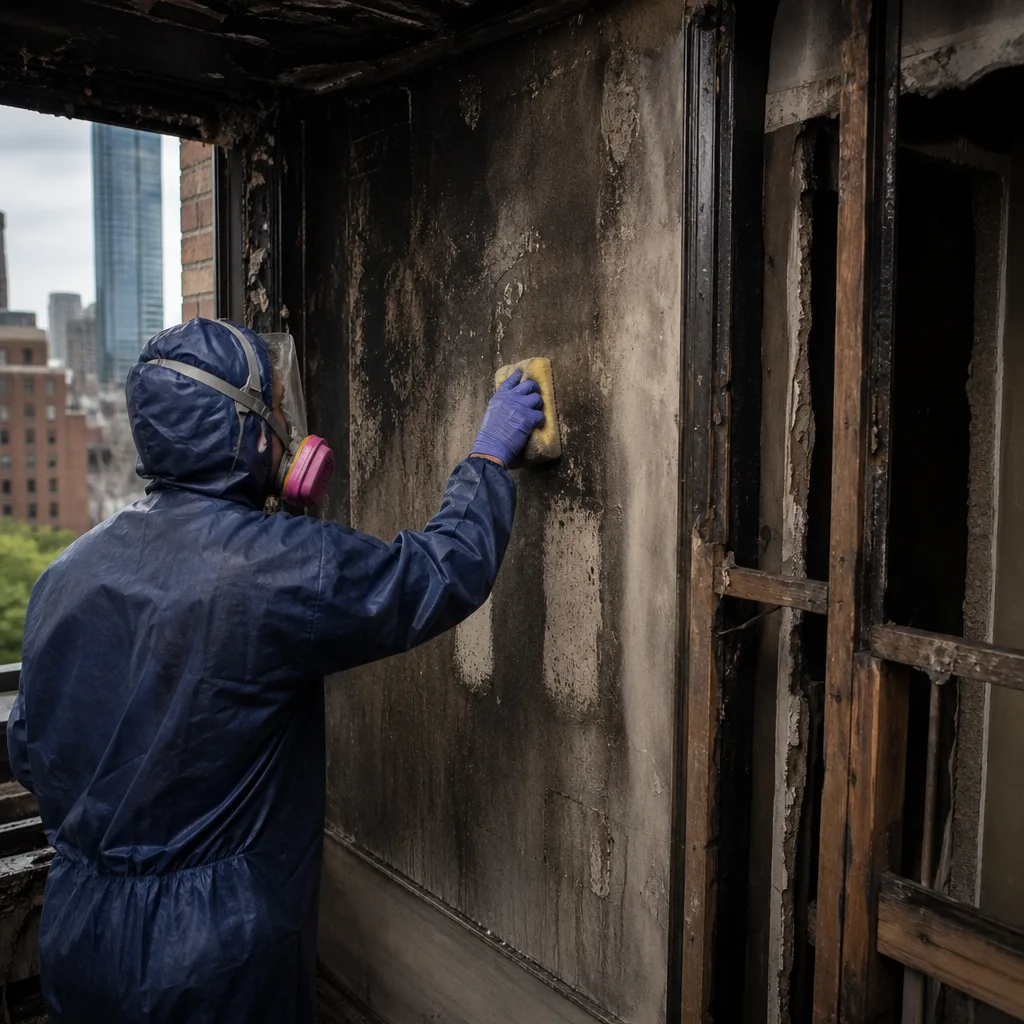
We use HEPA-filtered air scrubbers and dry-chem sponges appropriate to the soot type. We don’t smear soot into painted surfaces, drywall, or cast-iron columns.
Odor Removal & Deodorization
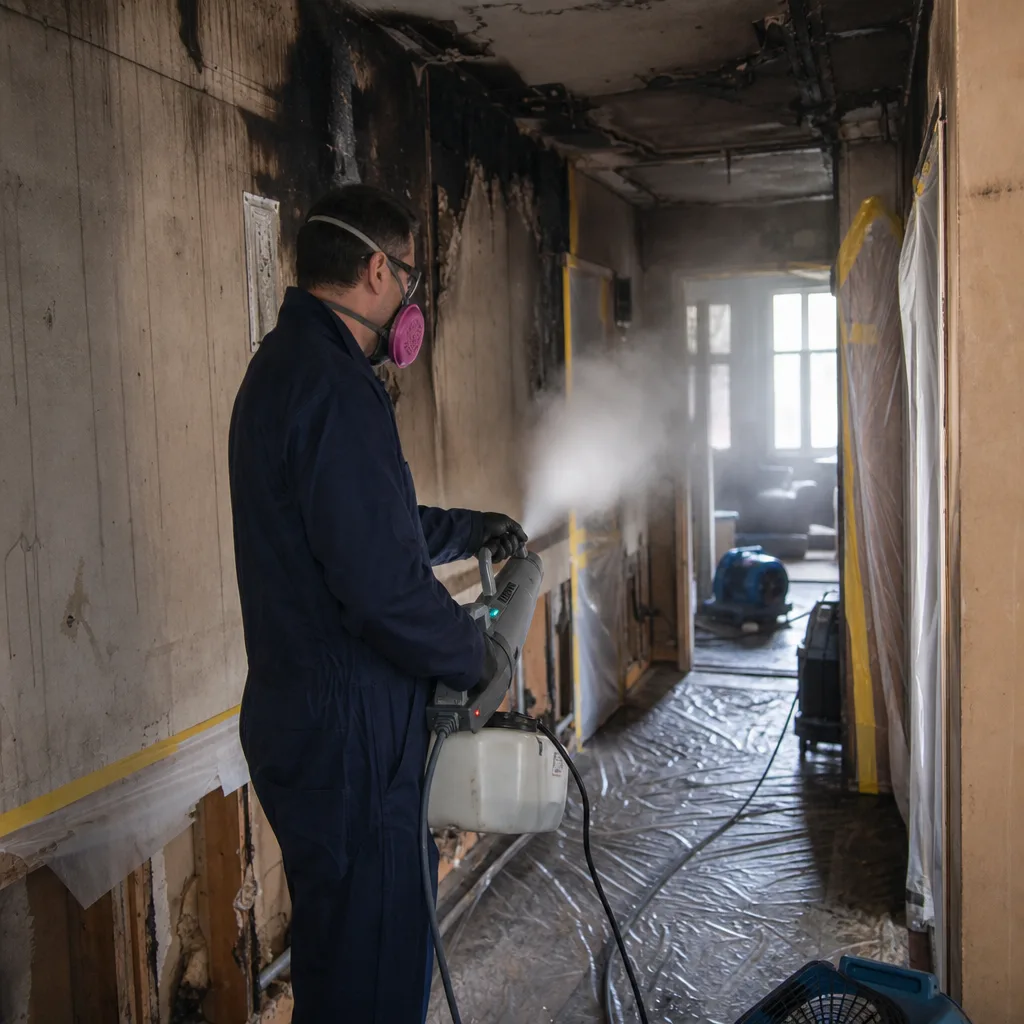
Thermal fogging and hydroxyl generation pull smoke molecules out of soft goods, ducts, and wall cavities. In loft buildings with open floor plates, we seal off floors to stop cross-unit odor drift.
Repairs & Restoration
The same Floodline crew rebuilds trim, drywall, and affected finishes. We stand behind it with the 90-Day Done Right Promise, in writing.
Need Emergency Fire & Smoke Damage Restoration in Lower Manhattan Now?
Crews minutes away, answering live 24 hours a day. The sooner we start, the less it costs.
Working With Your Insurance Company
Most Lower Manhattan policies cover fire and smoke damage, but salt corrosion is where claims get sticky. An adjuster may not understand why a small kitchen fire in Battery Park City requires chloride neutralization. Our documentation makes it plain. From the first hour, we record pre-loss condition, photo every affected surface room by room, and note water category if suppression systems ran. We write a line-item scope that matches carrier software, and our team communicates directly with your adjuster. You get a square deal: no surprises on the bill, and nobody leaves you holding paperwork.
What We Provide Your Insurer
- Thorough documentation of the loss
- Photos of all damage, room by room
- Moisture readings and drying logs
- A detailed, line-item scope of work
- Direct coordination with your carrier
Built for Lower Manhattan’s Loss Calendar
Lower Manhattan’s fire and smoke damage doesn’t follow a simple seasonal rhythm, but the coast shapes it. Late summer and early fall bring the highest humidity, and humid salt air accelerates corrosion on any surface left unsealed after a small fire. Winter is when overloaded circuits and space heaters in older Financial District conversions spark electrical fires; the deep freezes also test sub-basement switchgear already weakened by salt exposure. Nor’easters between October and March push harbor surge into Battery Park City’s mechanical rooms, which means a supposedly unrelated water event can predate a fire by weeks and leave salt that changes how soot bonds. Spring’s damp, cool air can reactivate latent smoke odor in Tribeca’s cast-iron buildings, where masonry holds moisture. Our crews know these local patterns and schedule the right treatment at the right time.
Fire & Smoke Damage Restoration Across Lower Manhattan’s Neighborhoods
Response times and building types vary block by block. In Battery Park City, we work in residential towers built on Hudson River landfill; their elevator pits and sub-basement mechanical rooms take on saltwater even during moderate nor’easters, so we coordinate chemical neutralization with the elevator contractor before systems are re-energized. In Tribeca, converted cast-iron and masonry lofts have open floor plates and old timber framing, which means smoke travels far and fast; we run containment along entire floors, not just the fire unit. The Financial District’s pre-war commercial-to-residential conversions often have deep sub-basements below the water table; after a fire, we document pre-loss condition and water category before sealing, because discovering saltwater intrusion later starts a dispute nobody wants. Around Washington Square and along Broadway, smaller walk-ups and mid-rise co-ops present tighter stairwells and shared duct risers, so we use hydroxyl generators instead of thermal fogging in occupied units.
Specialized Fire & Smoke Damage Restoration Services We Offer in Lower Manhattan
Smoke & Soot Removal
Soot in Lower Manhattan properties is rarely just soot. When it lands on salt-coated surfaces in converted lofts or high-rise shafts, it bonds in a way that dry-chem sponges alone can’t lift. We run chloride tests, apply anti-corrosion pretreatment, then clean soot from drywall, metal, glass, and millwork. The result is a surface that stays clean because the salt underneath has been handled.
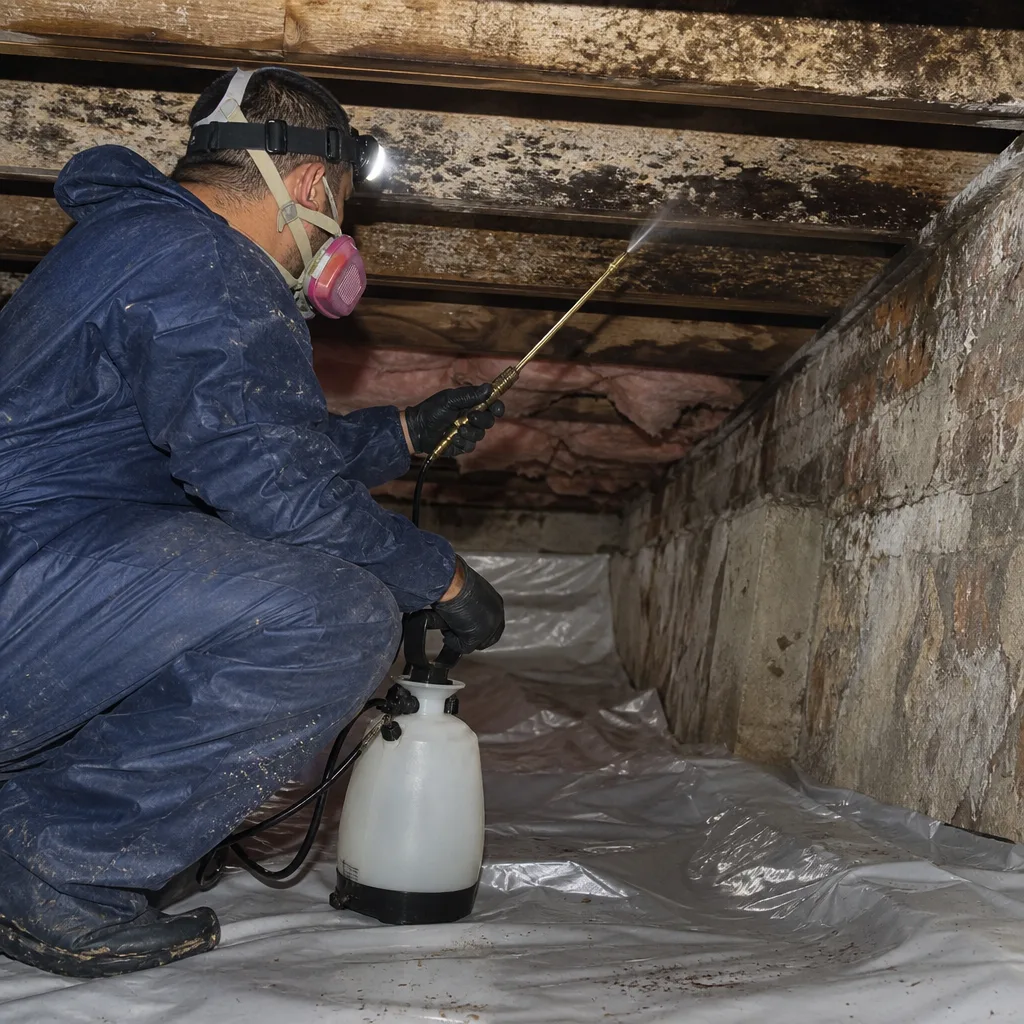
Odor Removal & Deodorization
Smoke odor lingers in the dense building stock down here because air moves through shared shafts and old masonry. A quick spray doesn’t fix it. We remove the odor source, then use thermal fogging or hydroxyl generation sized to the building’s footprint. In Tribeca lofts with open floor plates, we seal off floors; in Battery Park City towers, we pressurize hallways so smell doesn’t push into neighboring units.
Emergency Board-Up & Tarping
After a fire, exposed openings invite salt air, rain, and unauthorized entry. We board up and tarp the same day, often within hours of the call. The hardware we use is selected for coastal exposure, because standard fasteners corrode quickly down here. Board-up is not a temporary afterthought; it’s the first line of protection for the restoration work ahead.
Contents Cleaning & Pack-Out
When a unit in Lower Manhattan suffers smoke damage, the contents often need more than wiping down. We inventory, pack out, and clean furniture, clothing, electronics, and documents at our facility. Items are returned after the space is fully restored. For high-value electronics from converted Financial District offices or Battery Park City apartments, we note any prior salt exposure and flag it for the adjuster.
Structural Fire Repair
Fire can compromise framing, and in Lower Manhattan’s older buildings, that framing may already have decades of environmental wear. Our reconstruction crews repair or replace damaged studs, joists, and drywall, then refinish to match the building’s original character. This work falls under our Fire & Smoke Damage Restoration team, and it’s covered by the same 90-Day Done Right Promise.
What happens when you call
- 1
A real person answersNo phone trees - you reach a local pro.
- 2
You get an upfront price rangeHonest numbers before anyone is dispatched.
- 3
A background-checked tech heads outLicensed & insured, dispatched right away.
- 4
You approve before work beginsNothing starts until you say go.
Fire & Smoke Damage Restoration Costs in Lower Manhattan, NY
Expect emergency board-up and tarping in Lower Manhattan to run $500-$1,200 depending on the number of openings. Smoke and soot removal from a single kitchen fire in a typical one-bedroom runs $2,500-$6,500. Whole-unit odor removal and deodorization in a converted loft usually falls between $3,000 and $9,000 because of containment and equipment needs. Structural fire repair is project-priced; a small drywall and paint scope after a stovetop fire may cost $4,000-$12,000, while significant rebuilds go higher. Chloride testing and corrosion neutralization add $800-$2,500 depending on the size of the affected metal surfaces. These are real ranges for this market, not national averages. Call (518) 314-5660 and we’ll give you a free visual inspection and a firm written scope before any work starts.
We Also Serve Cities Near Lower Manhattan
Our crews cover the surrounding area, including Midtown Manhattan, Midtown West, Murray Hill, and Washington Square. If you’re just outside the neighborhood and need fire or smoke restoration, call and we’ll route the nearest available team.
Lower Manhattan Fire & Smoke Damage Restoration Questions, Answered
How does salt air in Battery Park City change the way you clean smoke-damaged electronics after a kitchen fire?
Salt air means electronics in Battery Park City have often been exposed to chloride residue long before any fire. We check for corrosion on circuit boards and connectors, then clean with electronics-safe agents that lift both soot and salt. Standard dry wiping can push chlorides further into contacts. We recommend a full inventory and testing report for the adjuster, because salt-related failure can appear months later.
Why do converted loft spaces in Tribeca need different smoke odor removal than newer high-rises in the Financial District?
Tribeca lofts have open floor plates, old timber, and cast-iron columns. Smoke travels across the entire floor and into masonry pores. We use hydroxyl generators and sometimes thermal fogging, but we have to seal off the whole floor to prevent cross-unit drift. Newer high-rises have tighter compartmentalization, so containment is more localized, but shared HVAC risers still require pressure management. The building’s construction dictates the method.
What does a Category 3 water classification mean for fire and smoke restoration in Lower Manhattan’s sub-basements?
Category 3 water is grossly contaminated, and in Lower Manhattan that often means saltwater from storm surge or groundwater intrusion. When a fire happens in a sub-basement already holding Category 3 moisture, we must treat the water as a biohazard and run chloride testing before drying. You cannot simply dry the space and then clean soot; the salt must be neutralized or corrosion continues behind the finish work.
Can you really neutralize salt corrosion without tearing out all the drywall after a small fire in a Battery Park City apartment?
In many cases, yes. If the fire and smoke exposure is limited, we can apply anti-corrosion agents to accessible metal and treat the drywall with antimicrobials, then seal with a stain-blocking primer. Full tear-out is only necessary when salt has penetrated deep into wall cavities or the drywall is structurally compromised. The key is chloride testing early, before anyone seals the wall and assumes the job is done.
How soon after a fire in a Financial District high-rise can you start the salt-specific corrosion control?
Immediately, if the building is safe to enter. We start chloride testing and anti-corrosion pretreatment during the initial inspection, often within hours of first response. The sooner we neutralize salt, the less damage it does. Waiting a week while deciding on a scope lets corrosion keep working on bus bars, conduit, and structural steel. Call (518) 314-5660 and we’ll start the same day.
How fast can you actually get a crew to Lower Manhattan for fire and smoke restoration?
Our goal is a 45-minute response commitment from the time you call. Crews are stationed to serve Lower Manhattan and surrounding neighborhoods, so a live dispatcher can have someone on site quickly, day or night. Emergencies never wait for business hours.
Will my insurance cover smoke damage from a kitchen fire in a Lower Manhattan co-op?
Most policies cover smoke and soot damage as part of fire coverage. The disputed part is often salt-related corrosion or Category 3 water from suppression systems. That’s why we document pre-loss condition and run chloride tests early, then send the carrier a line-item scope. We coordinate directly with your adjuster so you’re not stuck arguing technical points.
Do I need full restoration or just a cleaning after a small fire in my Lower Manhattan apartment?
If soot is light and confined to surfaces, a professional HEPA cleaning may be enough. If smoke entered wall cavities, ducts, or electrical panels, or if you see signs of salt corrosion, you need more. Our free visual inspection tells you which path is right. No overselling, no unnecessary demolition. We give you a written scope before any work starts.
Serving Lower Manhattan, NY - Our Local Coverage Area
We’re based in the Lower Manhattan area and know this community well. Use the map below to see our service coverage - if you’re nearby, we can almost certainly help.
Get Fire & Smoke Damage Restoration in Lower Manhattan, Right Now
If you’ve had a fire or smoke event in Lower Manhattan, call (518) 314-5660 for a free estimate and immediate dispatch. Floodline Restoration Co. has served Lower Manhattan property owners with honest, documented restoration work since 2010. We answer live, we show up, and we stand behind every job with the 90-Day Done Right Promise. A square deal: no surprises on the bill.
Written by Curt Bowman, Owner at Floodline Restoration Co., serving Lower Manhattan since 2010.