
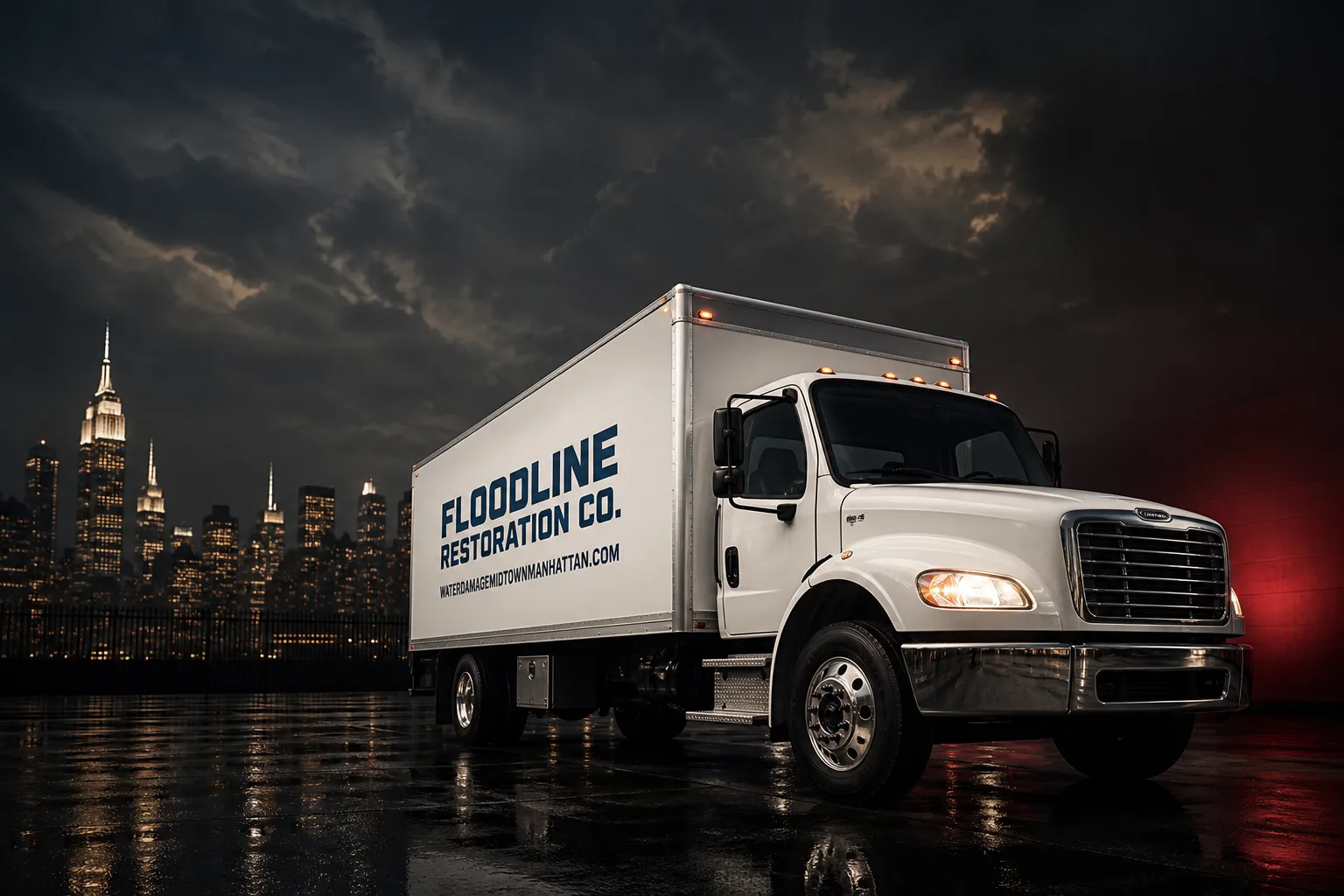
Free visual inspection and a written scope of work before any mitigation begins - photos, moisture readings, and drying logs go in your claim file
The scope we write is the scope we bill. Anything new gets shown to you, in writing, before we touch it.
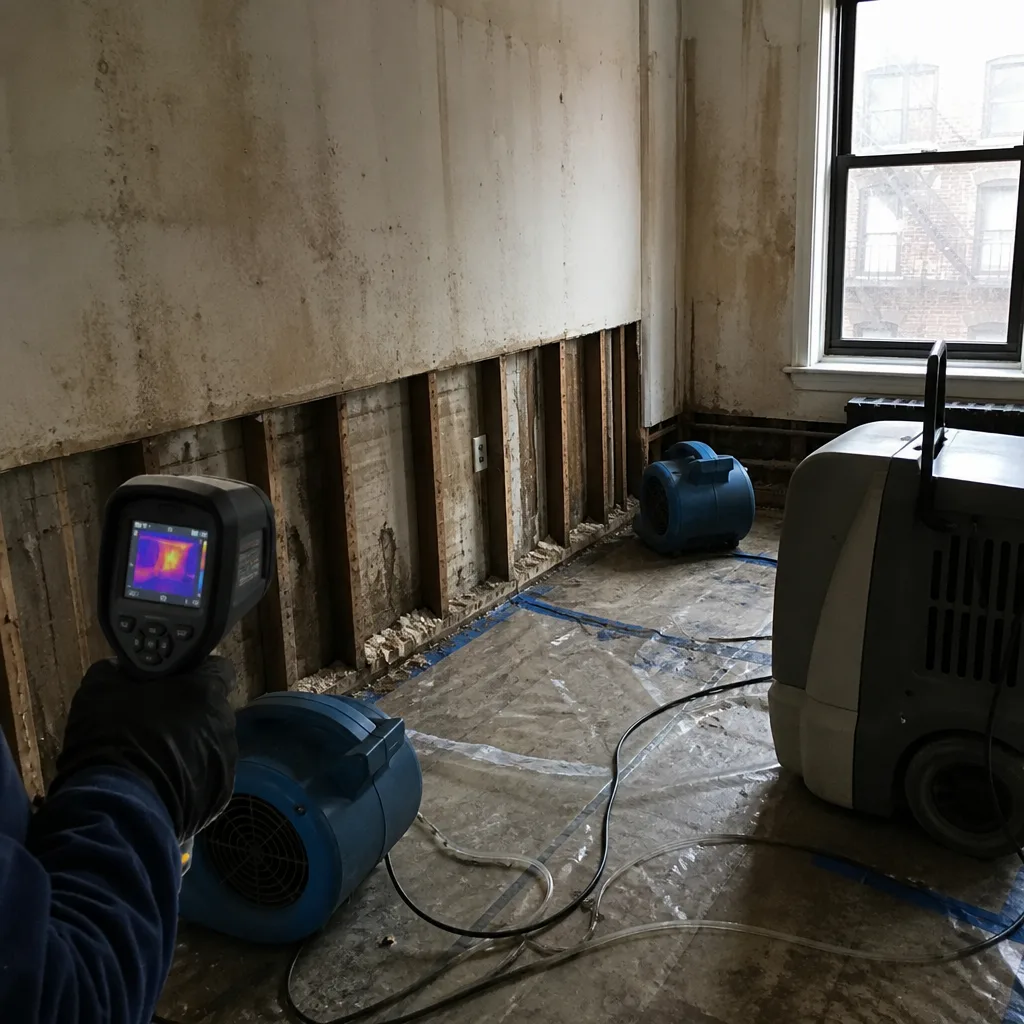 Before
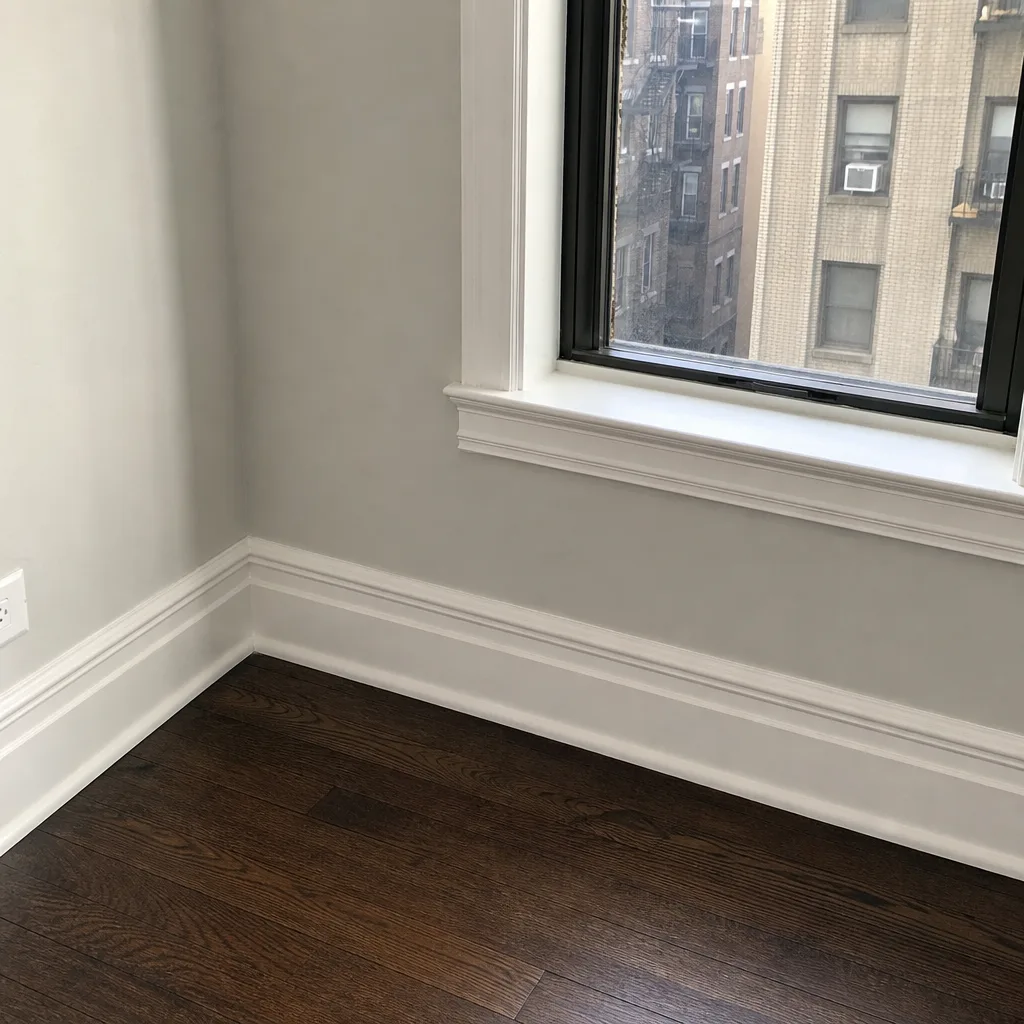 After
After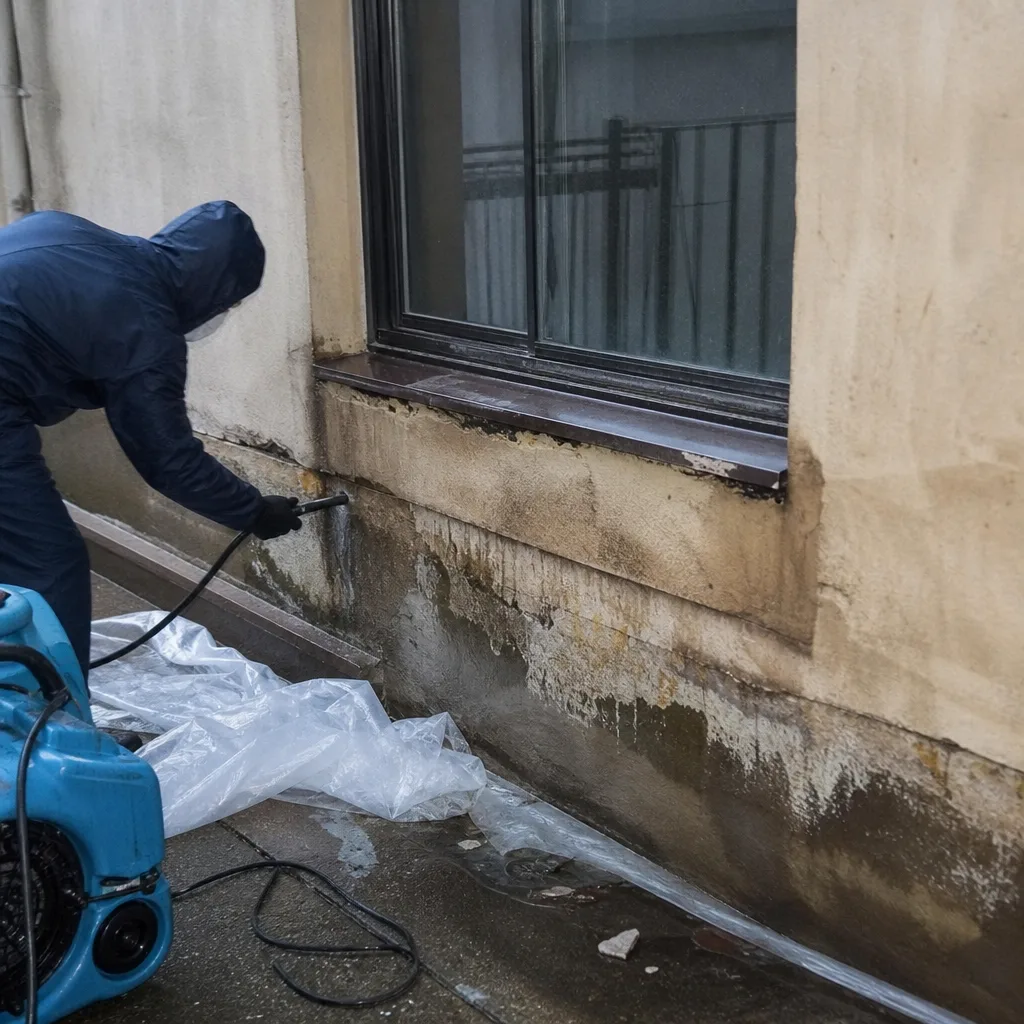 Before
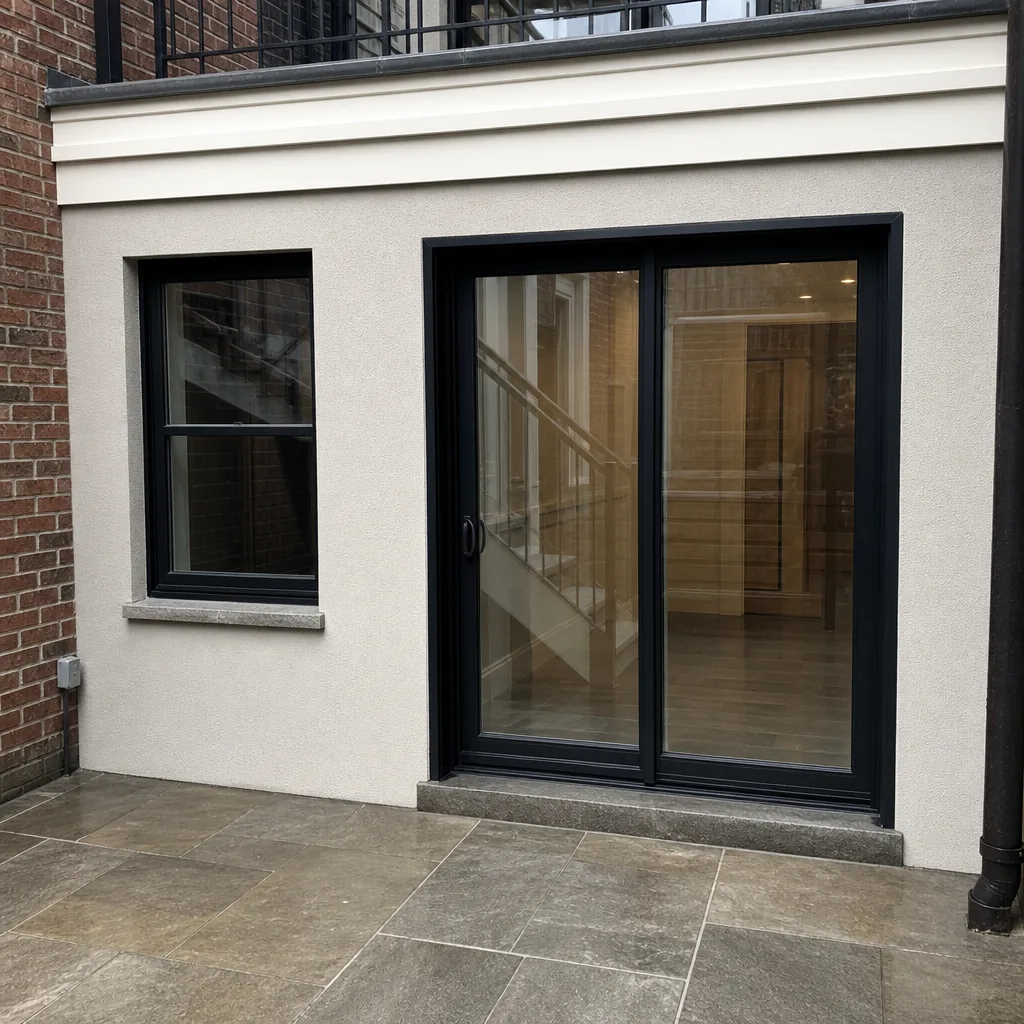 After
After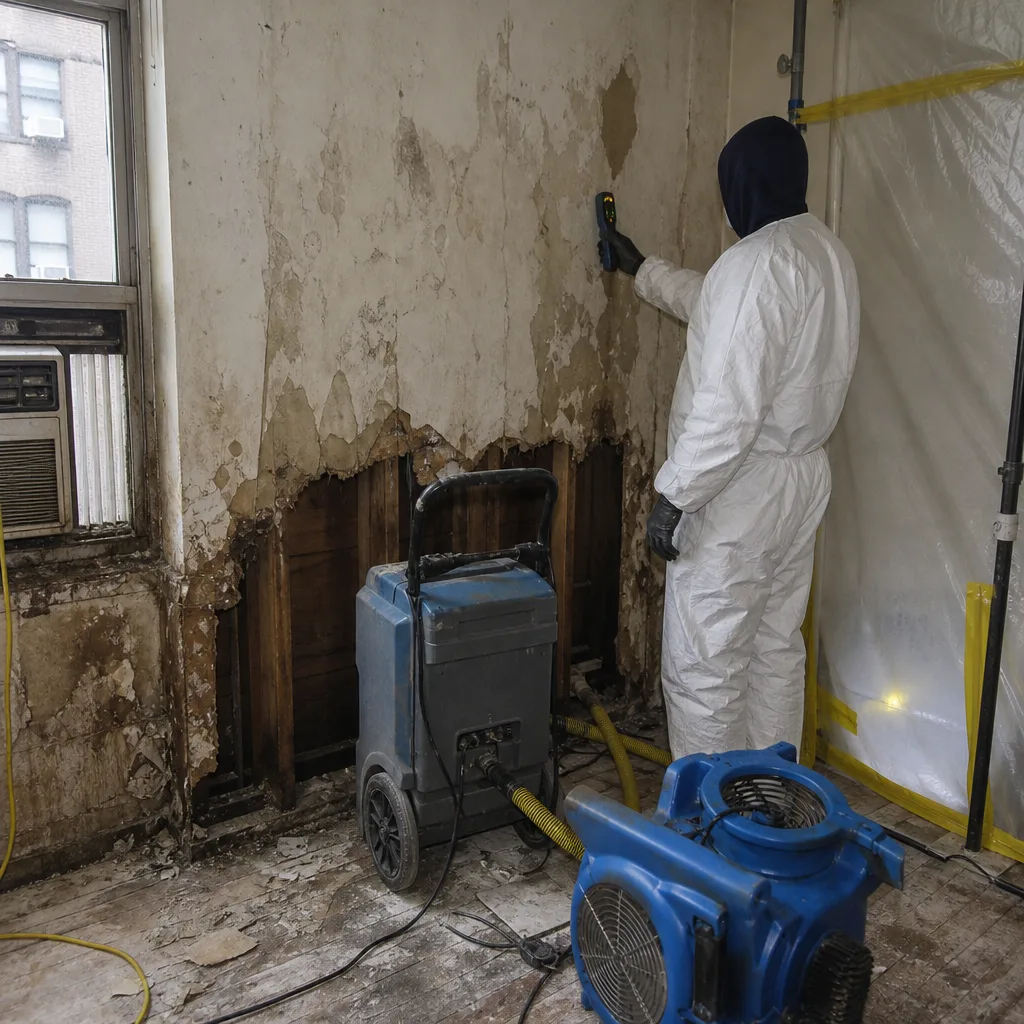 Before
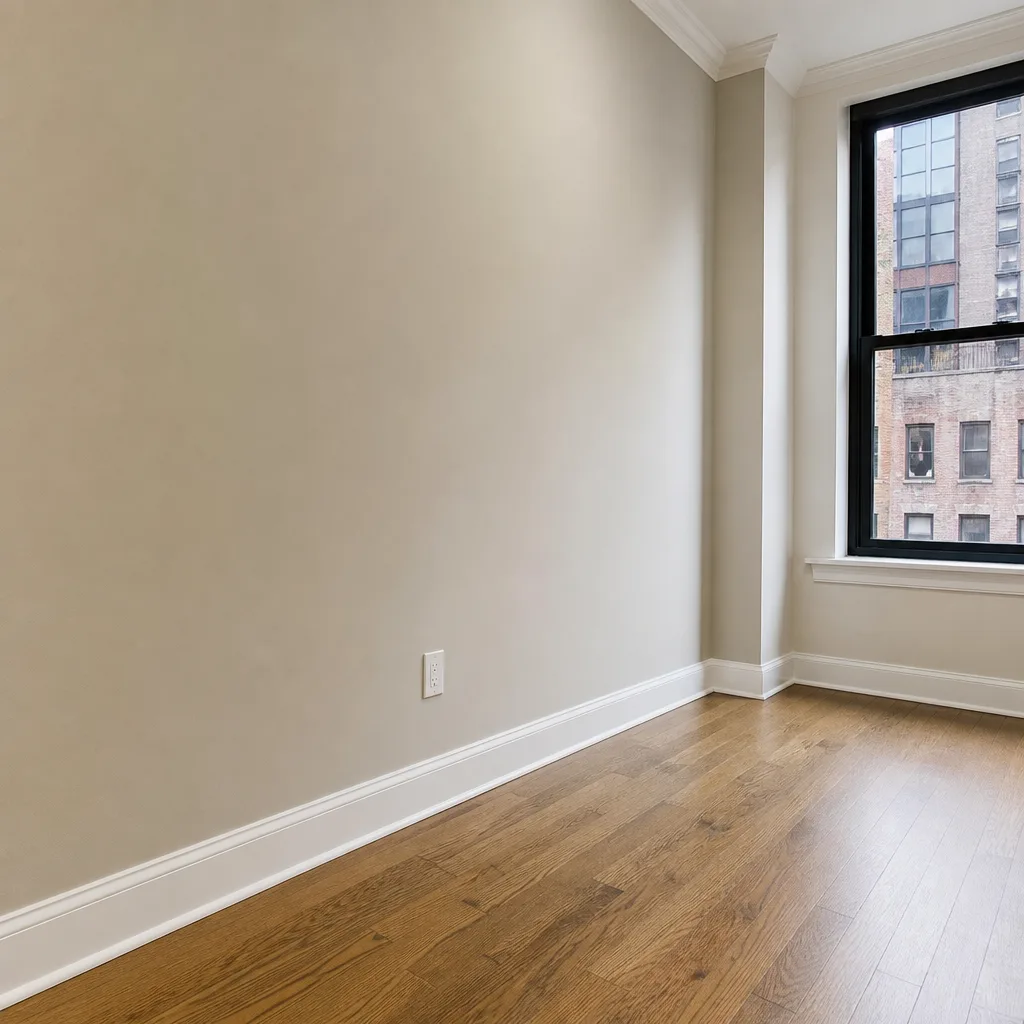 After
After24/7 Emergency Sewage Cleanup in Lower Manhattan
Sewage cleanup in Lower Manhattan runs $1,800 to $4,600 for a typical single-room backup, and $6,000 to $18,000 when a nor’easter surge floods a Battery Park City sub-basement with brackish black water. Crews from Floodline Restoration Co. are dispatched 24 hours a day, every day of the week, with a live person answering the phone no matter when you call. That matters because Category 3 water does not wait for business hours. Every hour sewage sits in wall cavities, subflooring, or an elevator pit, the contamination spreads deeper and the restoration cost climbs. Call (518) 314-5660 the moment you see sewage backing up. A certified crew reaches Lower Manhattan buildings, from Tribeca lofts to Financial District towers, the same visit. The first hour determines how much drywall, flooring, and mechanical equipment can be saved, and how much has to be torn out, contained, and rebuilt.
Understanding Sewage Cleanup Severity in Lower Manhattan Properties
Not every flood is the same, and in Lower Manhattan the difference often comes down to salt. Restoration professionals classify water damage into three categories. Category 1 is clean water from a broken supply line. Category 2 carries some contamination, like a washing machine overflow. Category 3 is black water, which includes raw sewage, and it is what most Lower Manhattan backups involve, especially anywhere below street level. In the Financial District and Battery Park City, buildings sit on Hudson River landfill, and their sub-basements frequently sit at or below the local water table. When a surge or a sewer main backs up here, the water filling mechanical rooms is rarely just sewage. It is a brackish mix that includes saltwater. That changes the entire restoration protocol. Salt residue left inside wall cavities, conduit, and elevator machinery keeps corroding metal for months after the visible mess is gone. A crew that treats a saltwater-sewage mix like an inland backup, with no chemical neutralization step, leaves behind a time-delayed failure. Lower Manhattan’s masonry buildings, many converted from early 20th-century commercial structures, have deep sub-basements that hold boilers, switchgear, and elevator machinery. Those spaces trap contamination and moisture longer than a suburban basement with a sump pit ever would. That is why our crews approach every sewage cleanup in Lower Manhattan with the assumption that they are dealing with Category 3 water plus salt, not one or the other.
Why Lower Manhattan Property Owners Choose Floodline Restoration Co.
- 45-minute response commitment: When you call about sewage backing into a Lower Manhattan building, we commit to having a crew onsite within 45 minutes. Sewage cleanup starts with speed because contamination migrates.
- 24/7 live answer, never an automated system: A real dispatcher picks up at 2 a.m., every single time. You will never press through a phone tree while raw sewage pools in your space.
- IICRC-certified crews: Our technicians hold IICRC certifications including WRT (Water Damage Restoration Technician) and AMRT (Applied Microbial Remediation Technician), the right credentials for sewage and black water work.
- Free visual inspection: Before any work begins, we assess the damage and walk you through what we found. You get a written scope before any equipment gets unloaded.
- Direct insurance billing: We coordinate with your carrier, handle the adjuster conversation, and bill them directly. You are not playing messenger between us and your insurance company.
- One team, extraction through reconstruction: Floodline Restoration Co. does not hand your job off to a sub after the water is gone. The same certified crew that extracts Category 3 water also handles the drying, sanitization, and full rebuild. One name, one standard, one guarantee.
Our Sewage Cleanup Process
Inspection & Assessment
We map the entire affected area with thermal imaging and moisture meters, then identify the source. In Lower Manhattan’s converted lofts and share-walled buildings, we determine immediately whether contamination spread through shared ductwork or party walls.
Extraction & Stabilization
We remove standing Category 3 water with truck-mounted extraction units, then stabilize the area to stop further migration. In elevator pits and sub-basement mechanical rooms, this is where minutes matter most.
Drying & Dehumidification
Professional-grade air movers and dehumidifiers run continuously, with daily moisture readings from equipment like Dri-Eaz and Phoenix. We do not declare a space dry until hygrometer readings meet the dry standard.
Cleaning & Sanitization
HEPA air scrubbers run throughout cleaning to control airborne contaminants. We apply antimicrobial treatment to every affected surface. In Lower Manhattan, this step always includes salt neutralization when brackish water was present.
Salt Neutralization
Here is the step most crews skip. After a saltwater-sewage mix, chemical neutralization of salt residue is performed on all metal surfaces, electrical panels, conduit, and any masonry that absorbed brackish water. Without this, corrosion reappears for months.
Repairs & Restoration
We rebuild what needed to be removed, from drywall and flooring to elevator pit linings. The whole job, extraction to reconstruction, stays with one crew and one written guarantee: the 90-Day Done Right Promise.
Need Emergency Sewage Cleanup in Lower Manhattan Now?
Crews minutes away, answering live 24 hours a day. The sooner we start, the less it costs.
Working With Your Insurance Company
Most Lower Manhattan homeowners and co-op shareholders filing a sewage or surge-related claim learn quickly that adjusters want documentation, not stories. That is where we step in. From the first hour onsite, we document everything: photos of every room and every piece of equipment, moisture readings from day one, daily drying logs, and a line-item scope of work that your carrier can review without calling you back for clarification. We work directly with your adjuster, send the documentation ourselves, and bill your insurance directly. You never carry messages between us and the carrier. Sewage cleanup in Lower Manhattan, especially anything involving Zone AE buildings or surge damage, generates more claim scrutiny than a suburban water heater leak. We have handled hundreds of those claims, and we know exactly what adjusters need to approve the work without weeks of back-and-forth.
What We Provide Your Insurer
- Thorough documentation of the loss
- Photos of all damage, room by room
- Moisture readings and drying logs
- A detailed, line-item scope of work
- Direct coordination with your carrier
Built for Lower Manhattan’s Loss Calendar
Lower Manhattan has a sewage damage calendar that repeats itself every year, and the worst of it starts in late fall. Nor’easter season runs roughly October through March, and those storms push water up the Hudson and East River into the harbor from multiple directions at once. Battery Park City and the Financial District waterfront take the brunt. A 4-foot surge is enough to put several inches of brackish black water into sub-basement mechanical rooms. That is not an exaggeration. We have seen it on River Terrace more than once. Winter brings a different problem: aging cast iron sewer lines under Tribeca and the Lower East Side, many of them a century old, crack under freezing cycles. The result is slow sewage seepage that homeowners do not notice until the smell is unmistakable. Spring brings groundwater pressure. Buildings on landfill, especially in Battery Park City, sit close enough to the water table that heavy spring rains force sewage backup through floor drains. Summer thunderstorms arrive fast and drop two inches an hour, overwhelming combined storm and sewer systems that date back generations. Every season has a failure mode. We schedule around all of them because we have been answering calls in Lower Manhattan long enough to know them by name.
Sewage Cleanup Across Lower Manhattan’s Neighborhoods
Response varies by neighborhood, because the buildings are not the same. In Tribeca, the issue is usually cast-iron era structures converted to luxury lofts. Sewage backups spread through shared ductwork and party walls faster than in any suburban home, which is why we set up containment and negative air before any wall is opened. In the Financial District, high-rise towers built in the 1920s and 1930s have deep sub-basements. The elevator pits sit below the water table, and when a sewer main backs up, the pit fills first. We respond knowing that the elevator contractor will be involved, and salt contamination will be in play. Battery Park City, from River Terrace to South End Avenue, is its own animal. Every residential tower there sits on Hudson River fill. When a nor’easter pushes even 4 feet of surge, the sub-basement mechanical rooms take on brackish Category 3 water, not clean groundwater. Over near the South Street Seaport, the older mercantile buildings have drainage systems that were installed before modern backflow prevention existed. Sewage finds the low point, and the low point usually holds the building’s electrical gear. That is exactly why we carry thermal imaging on every truck and why our first question is always: what is below street level here?
Specialized Sewage Cleanup Services We Offer in Lower Manhattan
Black Water Extraction
Black water is Category 3, meaning it carries sewage, bacteria, and in Lower Manhattan’s flood zones, salt. Our extraction is fast and complete, using truck-mounted and portable units that pull standing water out of sub-basements, elevator pits, and crawl spaces. In a Battery Park City tower sub-basement, this step usually happens while the elevator contractor is still on the phone. Speed is not optional when the water is black.
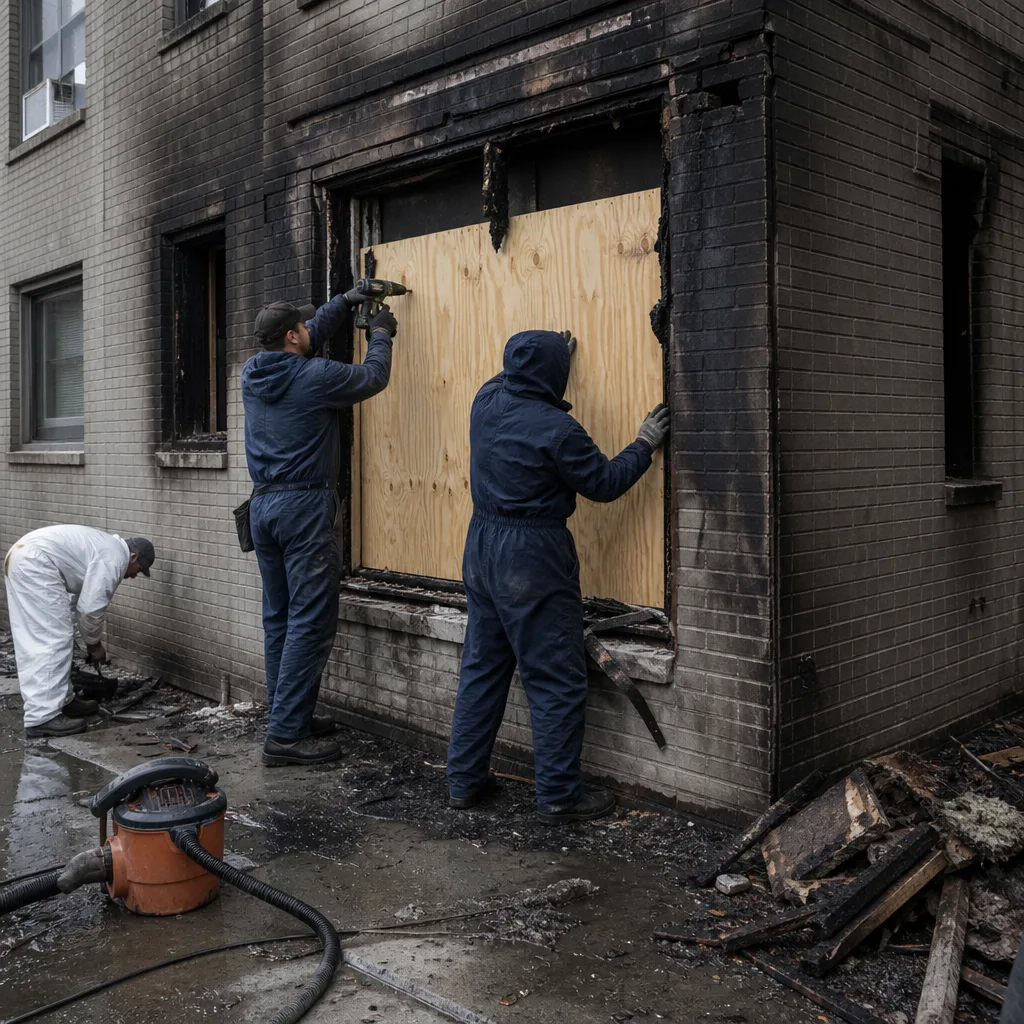
Sanitization & Disinfection
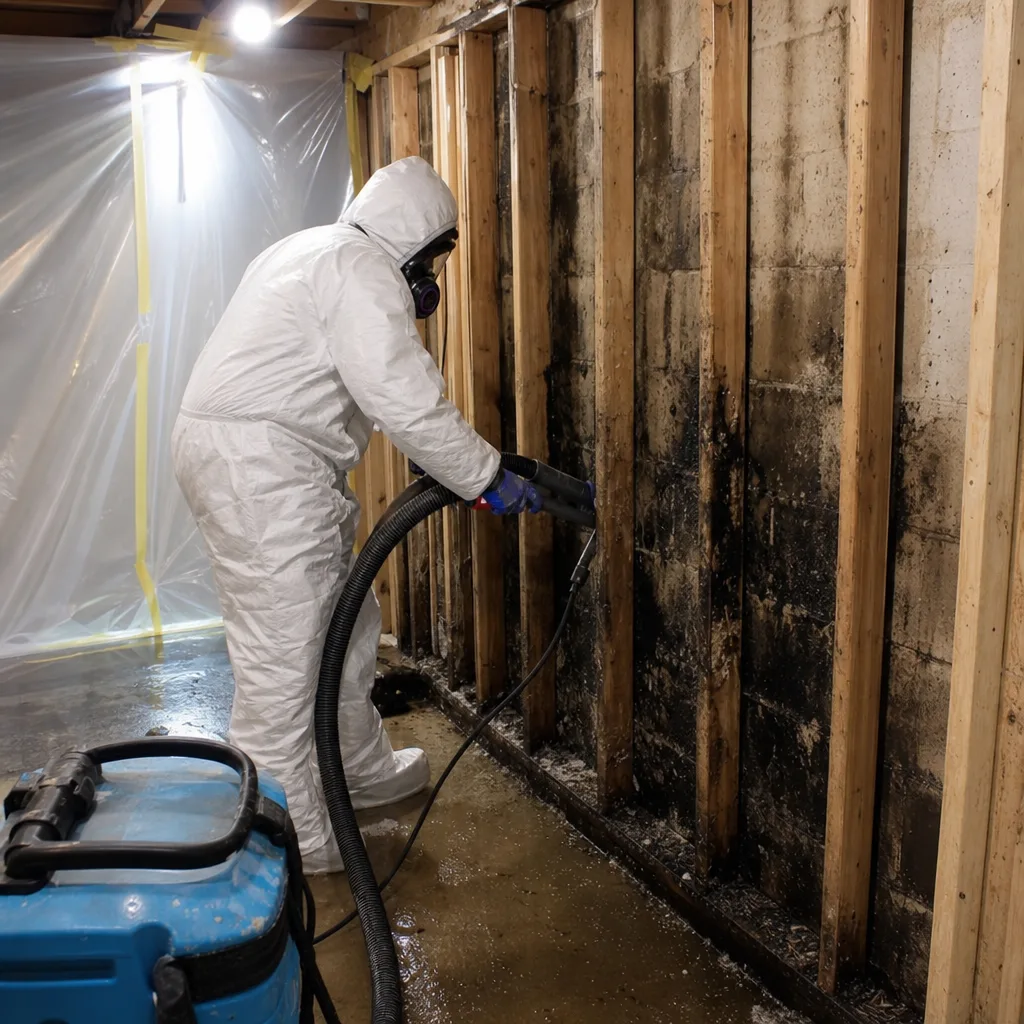
Extraction is only the beginning. We apply hospital-grade antimicrobial treatment to every surface that Category 3 water touched. HEPA air scrubbers run throughout the job to capture aerosolized sewage particles, and we set up containment before opening walls in any shared-building scenario. For Lower Manhattan properties, we also perform chemical salt neutralization on metal surfaces where brackish water was present. That step is what separates a restoration that lasts from one that looks fine for six months and then starts corroding.
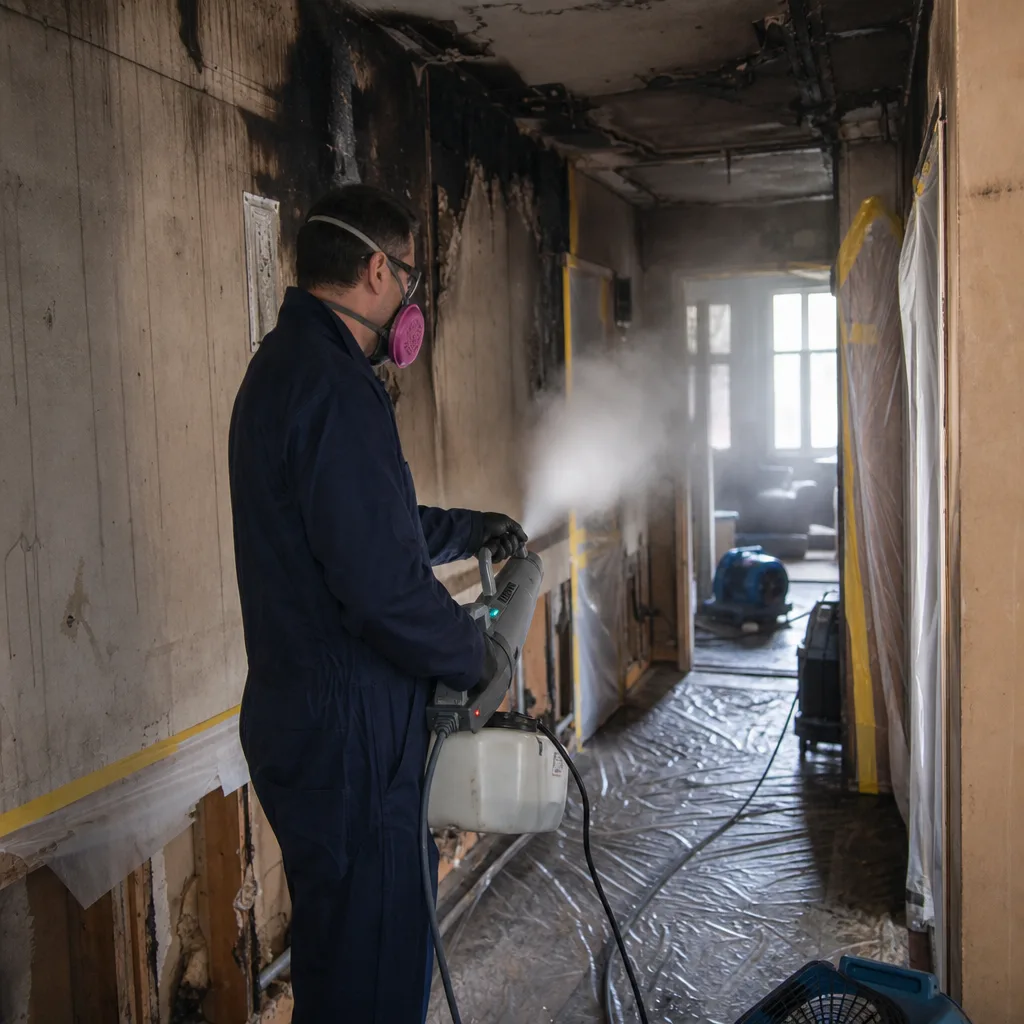
Sewage Backup Cleanup
Most backups in Lower Manhattan start in the sub-basement or a floor drain and are discovered when the smell reaches the lobby. We trace the source, stop it, then extract and sanitize everything down-line. In converted lofts and share-walled buildings, that frequently means treating not just your unit but a section of shared wall cavity. We would rather tell you that now than have you find out from a neighbor’s contractor three weeks later.
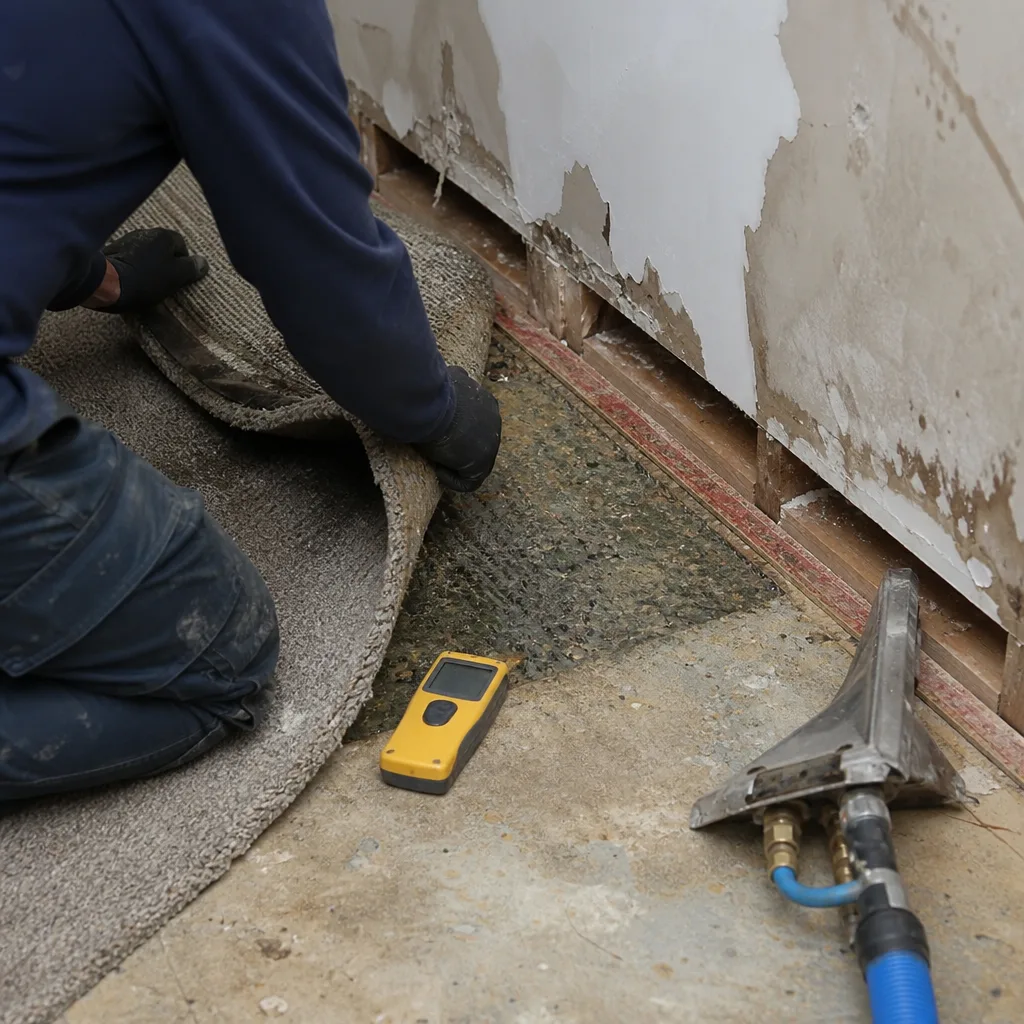
Toilet Overflow Cleanup
A toilet overflow on the 14th floor of a Financial District tower is not just a bathroom problem. Waste travels down through wall cavities and affects units below. We handle the extraction, the structural drying, and the sanitization, and we document each step for your co-op board or condo association, because they will ask.
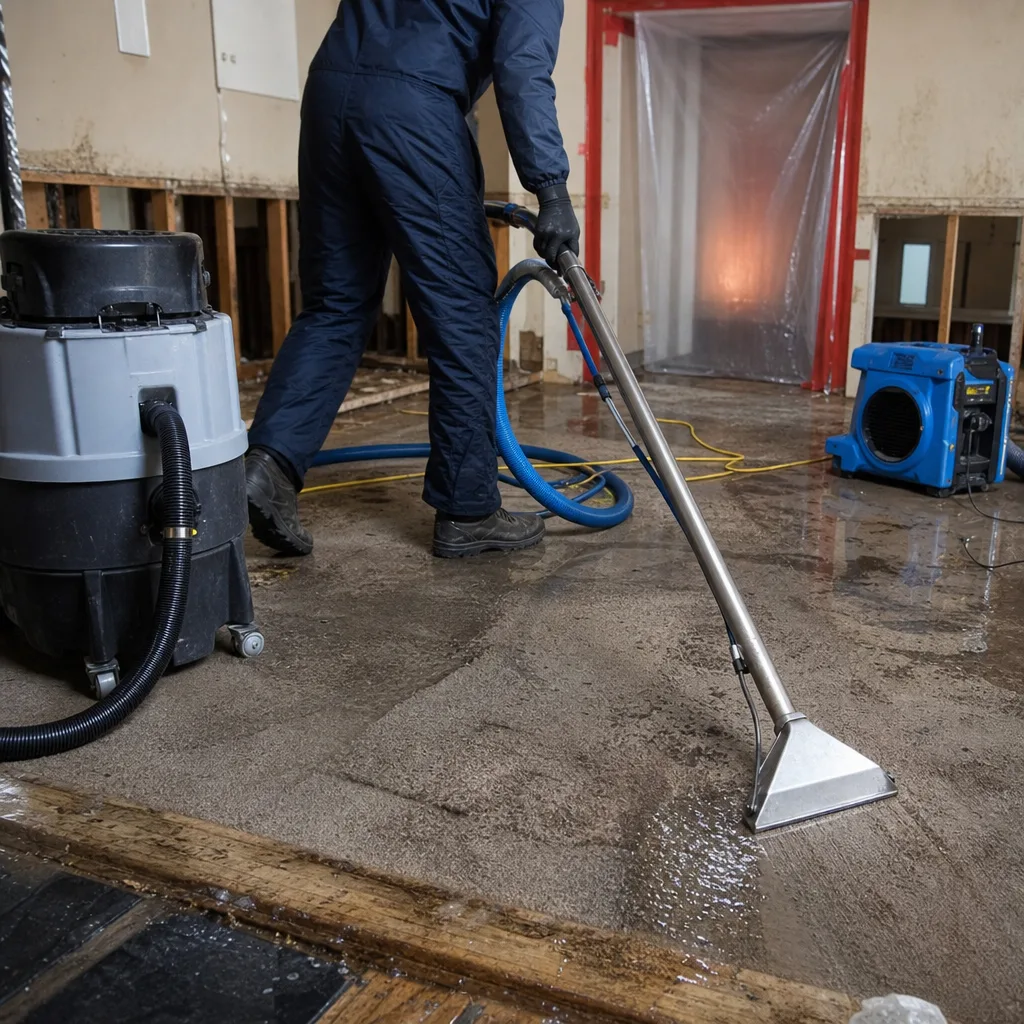
Septic Failure Cleanup
Rare in Lower Manhattan, but not unheard of in a few older buildings that were never connected to the municipal sewer. When a septic system fails, the cleanup is comparable to any Category 3 event. We extract, sanitize, and manage the rebuild. Same procedure, same guarantee.
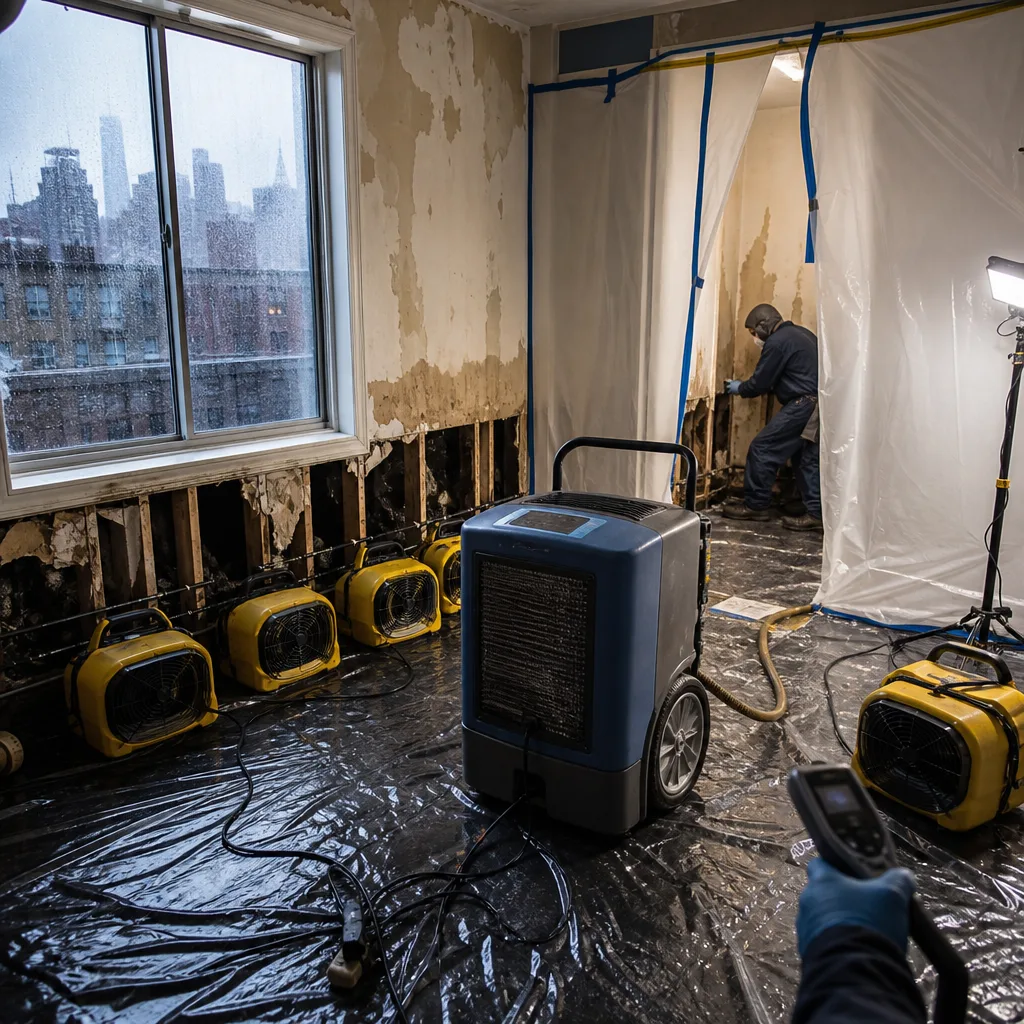
Crawl Space Sewage Removal
Some of Lower Manhattan’s oldest buildings have crawl spaces under the first floor, and sewage from a broken line settles there unnoticed. We remove the waste, dry the space, and treat it with antimicrobials so the building does not carry the smell for months. In those tight, low-clearance spaces, we use compact extraction equipment and a lot of patience.
What happens when you call
- 1
A real person answersNo phone trees - you reach a local pro.
- 2
You get an upfront price rangeHonest numbers before anyone is dispatched.
- 3
A background-checked tech heads outLicensed & insured, dispatched right away.
- 4
You approve before work beginsNothing starts until you say go.
Sewage Cleanup Costs in Lower Manhattan, NY
A straightforward sewage backup in a Lower Manhattan apartment or brownstone walk-up runs about $1,800 to $4,600. That covers extraction, sanitization, drying, and light drywall replacement. A toilet overflow that affects one bathroom and no shared wall typically runs $900 to $2,200. When a nor’easter surge floods a sub-basement mechanical room in Battery Park City or the Financial District with brackish black water, the number is different. Those jobs run $6,000 to $18,000, depending on how much electrical gear and elevator machinery took on water. The salt component matters here. Neutralizing salt from every wet metal surface adds time and chemical cost, but skipping it means a six-figure elevator replacement three years later. Insurance typically covers surge-related sewage intrusion in Zone AE buildings, and we bill the carrier directly, so your out-of-pocket is usually just your deductible. The free visual inspection is how we get you a firm number. Call (518) 314-5660 and we will come look, walk you through exactly what you are facing, and hand you a written scope before any work starts.
We Also Serve Cities Near Lower Manhattan
Floodline Restoration Co. provides Sewage Cleanup throughout the borough, including Midtown Manhattan, Midtown West, Murray Hill, and Washington Square. If you are in Lower Manhattan, a crew is already nearby and typically reaches any address in the covered area inside 45 minutes.
Lower Manhattan Sewage Cleanup Questions, Answered
After a nor’easter floods my Battery Park City tower’s sub-basement with sewage, how does saltwater change the cleanup?
Saltwater changes everything. The water is still Category 3, but it now carries dissolved salts that remain in wall cavities, conduit, and metal machinery after the water is extracted. Those salts pull moisture from the air and corrode metal for months. The cleanup must include chemical neutralization of salt residue on every metal surface the brackish water touched, plus coordination with your building’s elevator contractor if the pit flooded. Skip that step and the building looks dry but the elevator hydraulics fail weeks later.
Do I need a permit for sewage cleanup in a Lower Manhattan landmark building after a surge?
It depends on the building and the scope. Many Lower Manhattan buildings fall under Landmarks Preservation Commission jurisdiction, especially in Tribeca and the Financial District. Reconstruction work that changes finishes or materials often requires LPC review. Cleanup itself, the extraction and dry-out, does not. We have worked with co-op boards and management companies in landmarked buildings for years, and we will tell you honestly before work starts whether a permit applies to your situation.
How quickly can mold start in wet drywall after a sewage backup in my Tribeca loft?
Mold starts within 24 to 48 hours on wet drywall, and sewage adds nutrients that speed it up. In a Tribeca loft with shared walls, that window shrinks further because the wall cavity holds humidity and heat. Our goal is to have extraction running the same visit and drying equipment placed within hours of your call. The faster the drywall starts drying, the more of it can be saved and the less gets cut out.
If my building’s elevator pit floods with sewage and saltwater, who handles what?
We handle the water, the sewage, the drying, and the salt neutralization. Your building’s elevator contractor handles the electrical and mechanical commissioning. The coordination between us and them is the part that gets missed most often. We will not re-energize an elevator system that has been in Category 3 water, and neither should anyone else, until the pit is dry, chemically neutralized, and documented. We work directly with the elevator contractor so no one has to assign blame later.
Are there special disinfectant requirements for sewage cleanup in buildings over the Hudson River landfill?
The disinfectant requirements are the same as any Category 3 sewage cleanup: hospital-grade antimicrobials applied to all affected surfaces. The special requirement is the salt neutralization step. Buildings on Hudson River landfill are more prone to brackish water intrusion, and the mechanical rooms that flood there contain more metal, more conduit, and more electrical gear that needs chemical treatment after the disinfection is done.
How fast can you get to my building in Lower Manhattan after I call?
Our commitment is 45 minutes, and we hit it far more often than we miss it. Lower Manhattan is dense, and our dispatch coordinates from the New York City office to route the nearest crew. When a whole block loses sewer service during a nor’easter, that 45-minute target stretches, but we will tell you that on the phone, straight up, before you hang up.
Will insurance cover sewage cleanup after a storm surge in the Financial District?
In most cases, yes. FEMA has designated much of the Financial District and Battery Park City as Special Flood Hazard Areas, Zones AE and VE, and standard policies respond to surge-related intrusion. The documentation matters: photos from hour one, moisture readings, drying logs, and a line-item scope. We provide all of that directly to your adjuster and bill your carrier directly. You pay your deductible, not the messenger.
What should I do in the first 30 minutes after I discover sewage backing up?
Shut off power to the affected area if you can do so without stepping in standing water. Do not flush toilets or run water anywhere in the building. Do not attempt to extract sewage yourself. Call (518) 314-5660. Keep people and pets away from the affected area. Category 3 water contains pathogens that can make you sick on contact, and no amount of bleach will make standing sewage safe to handle without proper PPE and containment.
Serving Lower Manhattan, NY - Our Local Coverage Area
We’re based in the Lower Manhattan area and know this community well. Use the map below to see our service coverage - if you’re nearby, we can almost certainly help.
Call Floodline Restoration Co. for Sewage Cleanup in Lower Manhattan
When a nor’easter pushes the harbor into your sub-basement, or a century-old sewer line gives out under your building, you want a crew that knows Lower Manhattan and has handled this exact damage before. Floodline Restoration Co. combines 42 years of local experience, IICRC-certified technicians, direct insurance billing, and a written guarantee called the 90-Day Done Right Promise. We do not hand your job off. One crew, one standard, one name on the line. Call (518) 314-5660 for a free estimate. Our live dispatcher answers 24 hours a day, every day, and our crews are minutes away from any address in Lower Manhattan. The line the water left is where we start.
Written by Curt Bowman, Owner at Floodline Restoration Co., serving Lower Manhattan with 24/7 emergency sewage cleanup backed by the 90-Day Done Right Promise.