
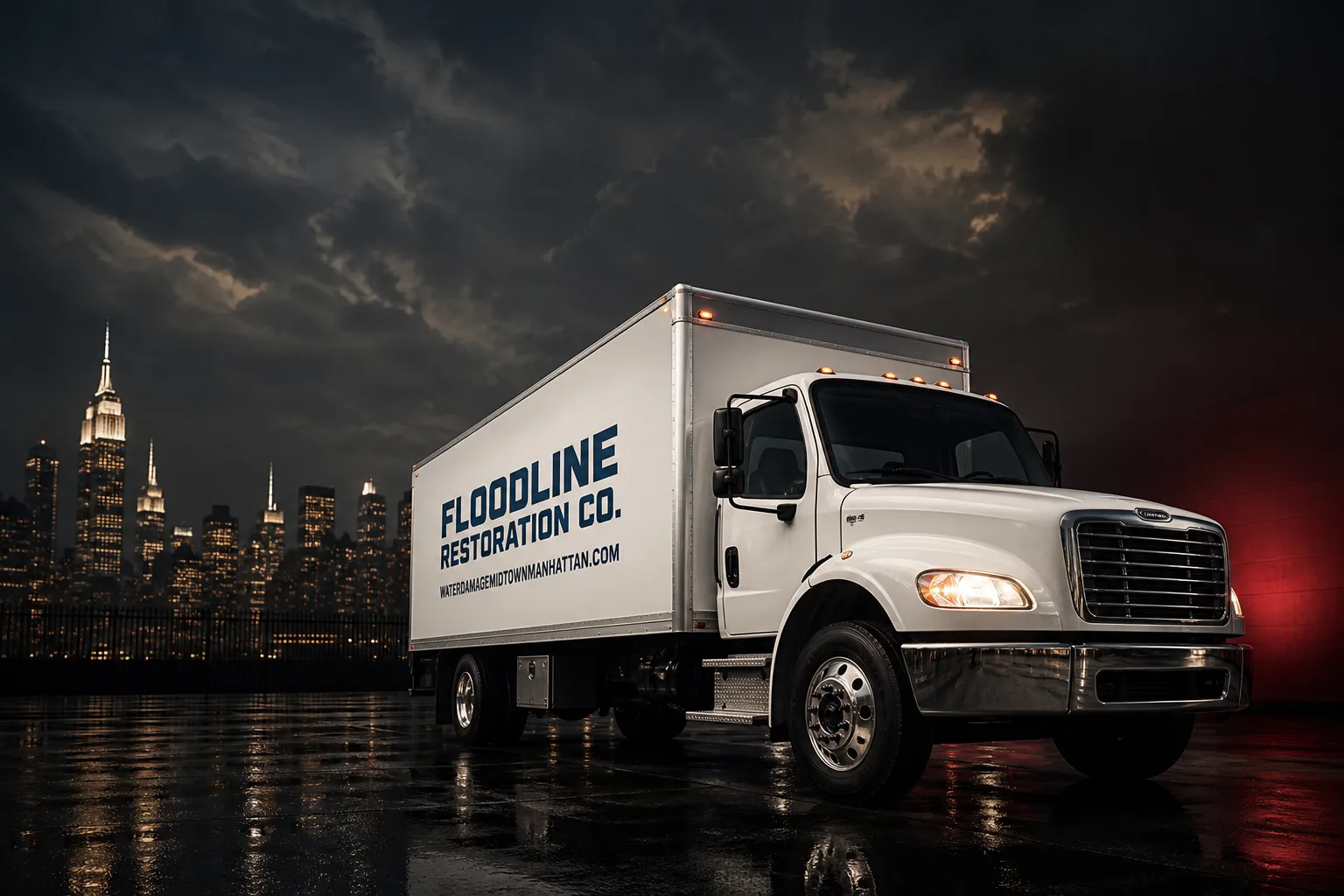
Free visual inspection and a written scope of work before any mitigation begins - photos, moisture readings, and drying logs go in your claim file
The scope we write is the scope we bill. Anything new gets shown to you, in writing, before we touch it.
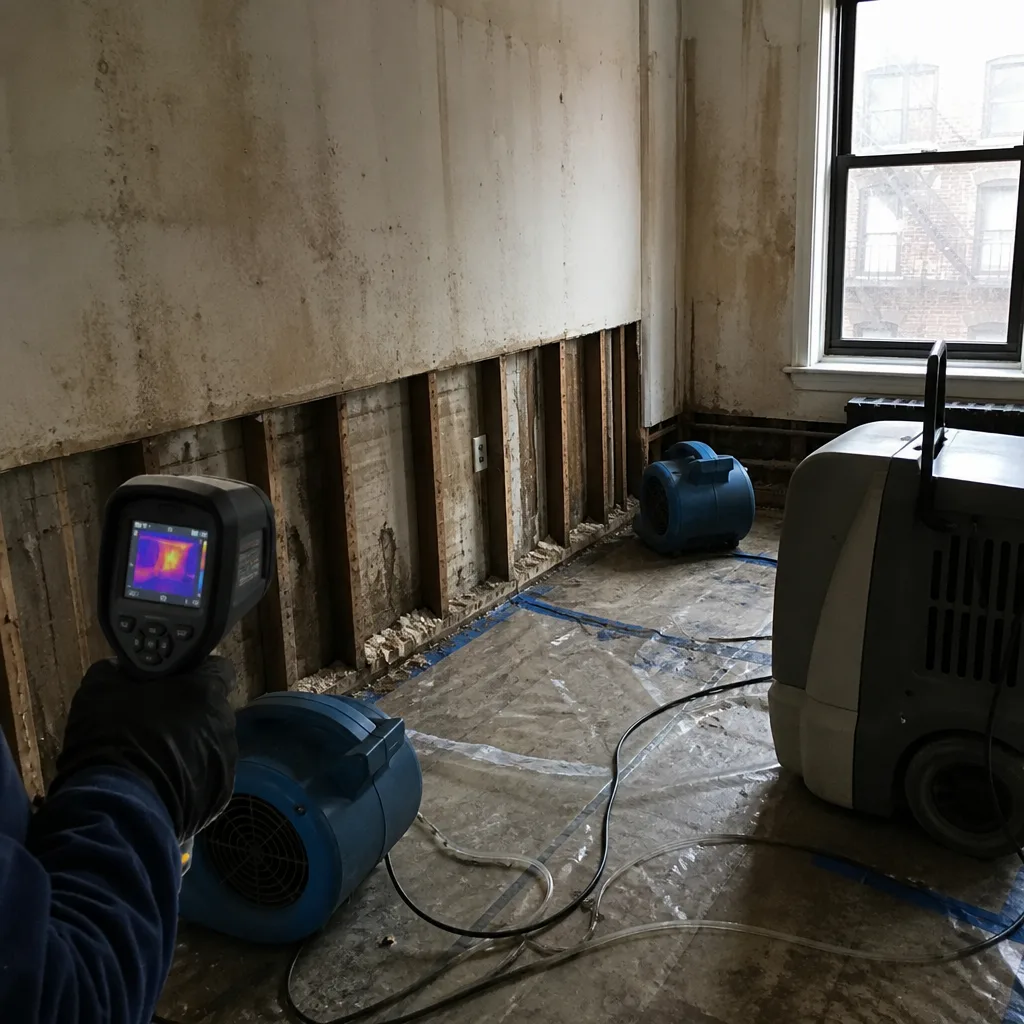 Before
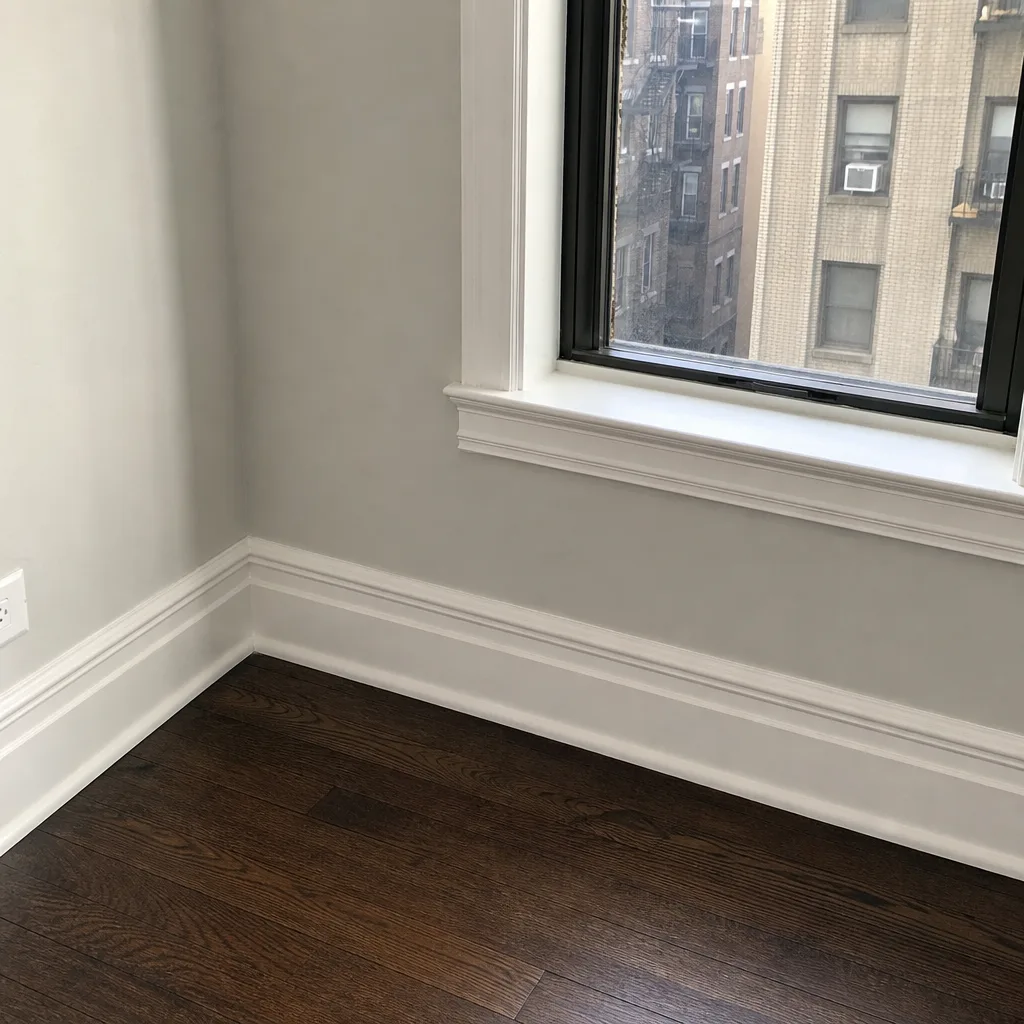 After
After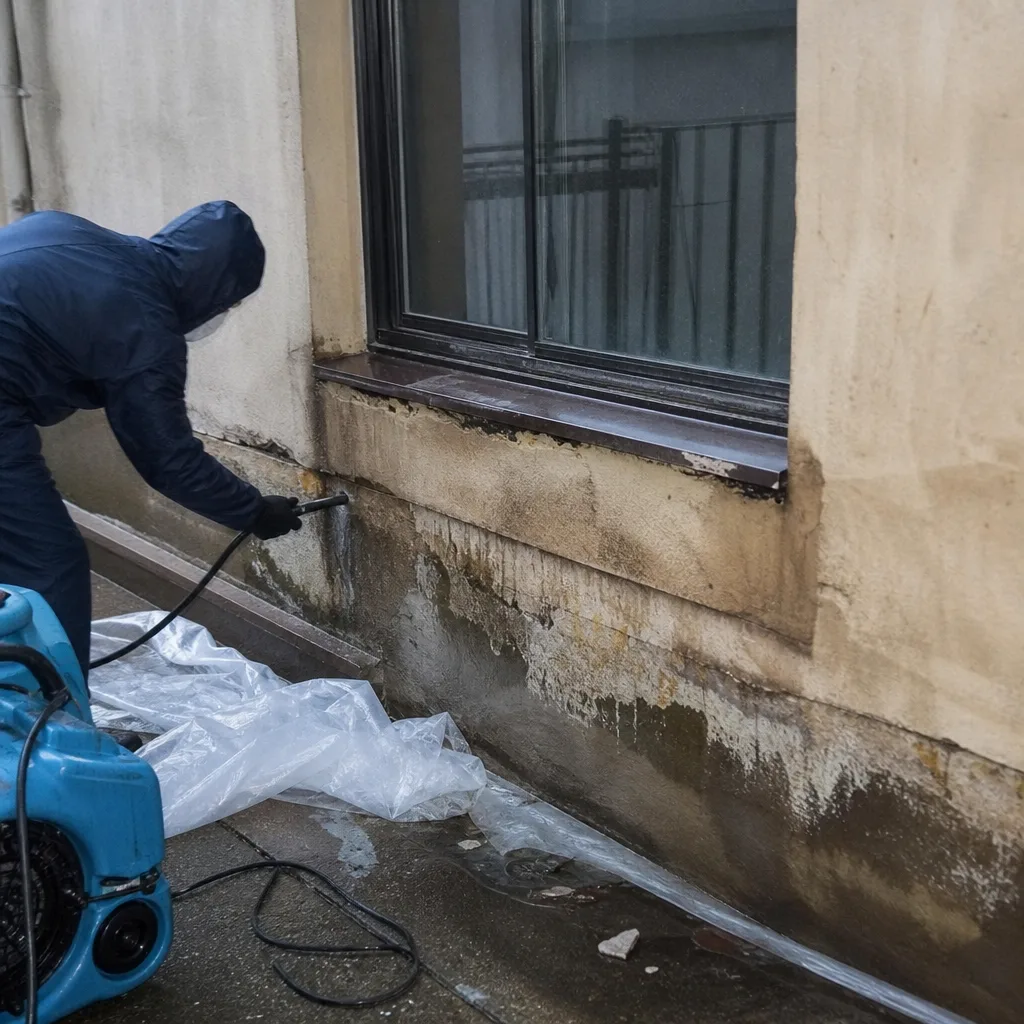 Before
 After
After Before
 After
After24/7 Emergency Reconstruction & Cleanup in Lower Manhattan
When a nor’easter pushes harbor water into a Battery Park City sub-basement or a burst supply line floods a Tribeca loft, the first call should reach a live person. Ours does, at (518) 314-5660, any hour of any day. We dispatch crews from our New York City office into Lower Manhattan within 45 minutes, and the first visual inspection is free. The first hour after saltwater intrusion matters more here than almost anywhere else in the city: salt begins corroding electrical conduit, elevator machinery and cast-iron structural members the moment surfaces dry enough to expose them to air. Extraction running the same visit is the difference between a cleanup and a rebuild. We start at the floodline, the mark the water left, and we do not hand the job off until the space is dry, the scope is documented, and the reconstruction is finished by the same certified crew.
Understanding Reconstruction & Cleanup Severity in Lower Manhattan Properties
Lower Manhattan’s building stock creates damage profiles you won’t find in the outer boroughs. The pre-1980s cast-iron and masonry loft buildings in Tribeca and the Financial District sit on deep sub-basements that hold boilers, electrical switchgear, elevator machinery, and often groundwater that never fully left after the last storm. When a 4 to 5 foot surge comes up the East River or across New York Harbor, that water isn’t category 2. Harbor water mixing with aging sewage laterals below Water Street, Pearl Street and Front Street frequently makes it category 3: contaminated water requiring full containment, removal of affected porous materials, and chemical neutralization before structural drying can begin. In Battery Park City’s residential towers, built on compacted Hudson River landfill, sub-basement mechanical rooms take on saltwater even during moderate nor’easters. Elevator pit flooding there almost always means salt contamination. The elevator company won’t re-energize hydraulic or traction systems until every surface has been chemically treated and moisture readings log below 15% wood moisture equivalent. Skip that step and corrosion failures appear weeks after the drying logs look clean.
Why Lower Manhattan Property Owners Choose Floodline Restoration Co.
- 45-minute response commitment. Our New York City dispatch is minutes from the Financial District, Tribeca, Battery Park City and the Seaport. A live person answers, a crew is rolling, and extraction starts the same visit.
- Live answer, 24/7. Not a recording, not a call center. A dispatcher who knows Lower Manhattan’s buildings picks up at 2 a.m. and starts the process.
- IICRC-certified crews. Our technicians hold WRT, FSRT and AMRT certifications and are background-checked, uniformed, and trained to RIA and IFA standards.
- Free visual inspection. We assess the damage in person before any work is authorized, so you know the scope before a single dollar is committed.
- Direct insurance billing. We bill your carrier directly and never make you play messenger between Floodline and the adjuster.
- One team, start to finish. The same crew that reads the moisture map on day one handles daily readings, hands the log to your board or carrier, and rebuilds what needs rebuilding. No mid-job handoff, no inherited crew.
Our Reconstruction & Cleanup Process
Inspection & Assessment
We arrive with thermal imaging cameras and moisture meters, map every affected surface, and identify whether the water is category 1, 2 or 3. In Lower Manhattan, we specifically check for salt residue in wall cavities, under subflooring, and in electrical panels. The assessment produces a written scope of work before anything is torn out.
Extraction & Stabilization
Standing water comes out with professional-grade extraction equipment. We stabilize the structure, shut down affected electrical systems where necessary, and set up containment if the water is category 3. In sub-basement mechanical rooms, this is where we begin saltwater chemical neutralization on all metal surfaces.
Drying & Dehumidification
Dri-Eaz dehumidifiers and Phoenix air movers run on a moisture map we establish on day one. We take daily readings with hygrometers and log them until every surface meets the dry standard. In Lower Manhattan’s deep sub-basements, this often means running equipment longer than an upper-floor residential job would require, because the surrounding soil stays wet.
Cleaning & Sanitization
Every affected surface is cleaned, sanitized and treated. Where saltwater was present, we apply chemical neutralization to prevent efflorescence and corrosion. HEPA air scrubbers run where containment is active, and we clearance-test the air before anyone reoccupies the space.
Reconstruction & Cleanup Specialized Treatment
This is the step that separates us from a mitigation-only contractor. We repair drywall, replace flooring, restore contents, and rebuild what was torn out as part of our Lower Manhattan Commercial Restoration services. In cast-iron and masonry loft buildings, we treat original plaster walls with salt-neutralizing agents before any new drywall goes up, so the job doesn’t fail six months later.
Repairs & Restoration
The final scope is completed by the same crew that started the job. We coordinate with building engineers, elevator companies and co-op boards, deliver a complete documentation package to your insurer, and stand behind the work with the 90-Day Done Right Promise, given in writing.
Need Emergency Reconstruction & Cleanup in Lower Manhattan Now?
Crews minutes away, answering live 24 hours a day. The sooner we start, the less it costs.
Working With Your Insurance Company
Lower Manhattan claims are not like suburban house claims. You may be filing through a co-op or condo board’s master policy, your own unit policy, or both. We’ve handled enough Battery Park City tower claims and Tribeca loft losses to know exactly what your carrier and your board need. From the first hour, we document everything: photos of the loss, room by room, moisture readings and drying logs, and a line-item scope of work that uses the same estimating language your adjuster uses. We communicate with your adjuster directly, so you’re not relaying messages between a restoration crew and an insurance desk. The documentation we build on day one is the same documentation that supports your rebuild at the end of the job.
What We Provide Your Insurer
- Thorough documentation of the loss
- Photos of all damage, room by room
- Moisture readings and drying logs
- A detailed, line-item scope of work
- Direct coordination with your carrier
Built for Lower Manhattan’s Loss Calendar
Lower Manhattan’s damage calendar follows the harbor. January deep freezes burst supply lines in older Financial District buildings where original plumbing has never been replaced and interior temperatures drop below freezing during extended cold snaps. Spring thaw brings groundwater seepage into sub-basements already sitting below the water table. Summer thunderstorms overwhelm aging combined sewer outfalls along the East River, and flash flooding pushes contaminated water up through floor drains in the Seaport and Two Bridges. Nor’easters from September through April are the big one: they funnel water into New York Harbor from multiple directions, and a 4 to 5 foot surge at the Battery is enough to put saltwater into sub-basement mechanical rooms. FEMA’s Special Flood Hazard Area maps put large portions of Lower Manhattan in Zones AE and VE for exactly this reason. None of these events follow a calendar you can plan around, which is why we answer live around the clock.
Reconstruction & Cleanup Across Lower Manhattan’s Neighborhoods
In the Financial District, we work in converted pre-war office towers where the elevator machinery and main electrical rooms sit in deep sub-basements below the water table. A nor’easter surge there doesn’t just mean water in a utility closet; it means coordinating with building management, the elevator contractor, and the board before re-energizing anything. Tribeca’s cast-iron lofts bring a different set of problems: original brick and plaster walls absorb saltwater differently than drywall, and restoring them demands a slower, more deliberate drying schedule. Battery Park City’s residential towers, built on Hudson River landfill, take on groundwater even without a named storm. Our crew was called to a Battery Park City tower after a nor’easter pushed saltwater into the sub-basement elevator pit. The pit had standing category 3 water, and the elevator company wouldn’t re-energize the traction system until we chemically neutralized every surface and logged moisture readings under 15% wood moisture equivalent. We contained the elevator lobby with negative air pressure, used Dri-Eaz air movers and dehumidifiers, and documented the entire scope for the building’s insurance claim. Over in the Seaport, older masonry storefronts and residential conversions show a pattern of sewer backflow during heavy summer rains, when the combined system can’t keep up.
Specialized Reconstruction & Cleanup Services We Offer in Lower Manhattan
Full-Service Reconstruction
When water or fire damage requires more than drying and cleaning, we rebuild. From cast-iron loft interiors in Tribeca to modern apartments in Battery Park City, our Reconstruction & Cleanup team handles framing, drywall, millwork and finishes, all under one roof and one warranty: the 90-Day Done Right Promise, in writing.
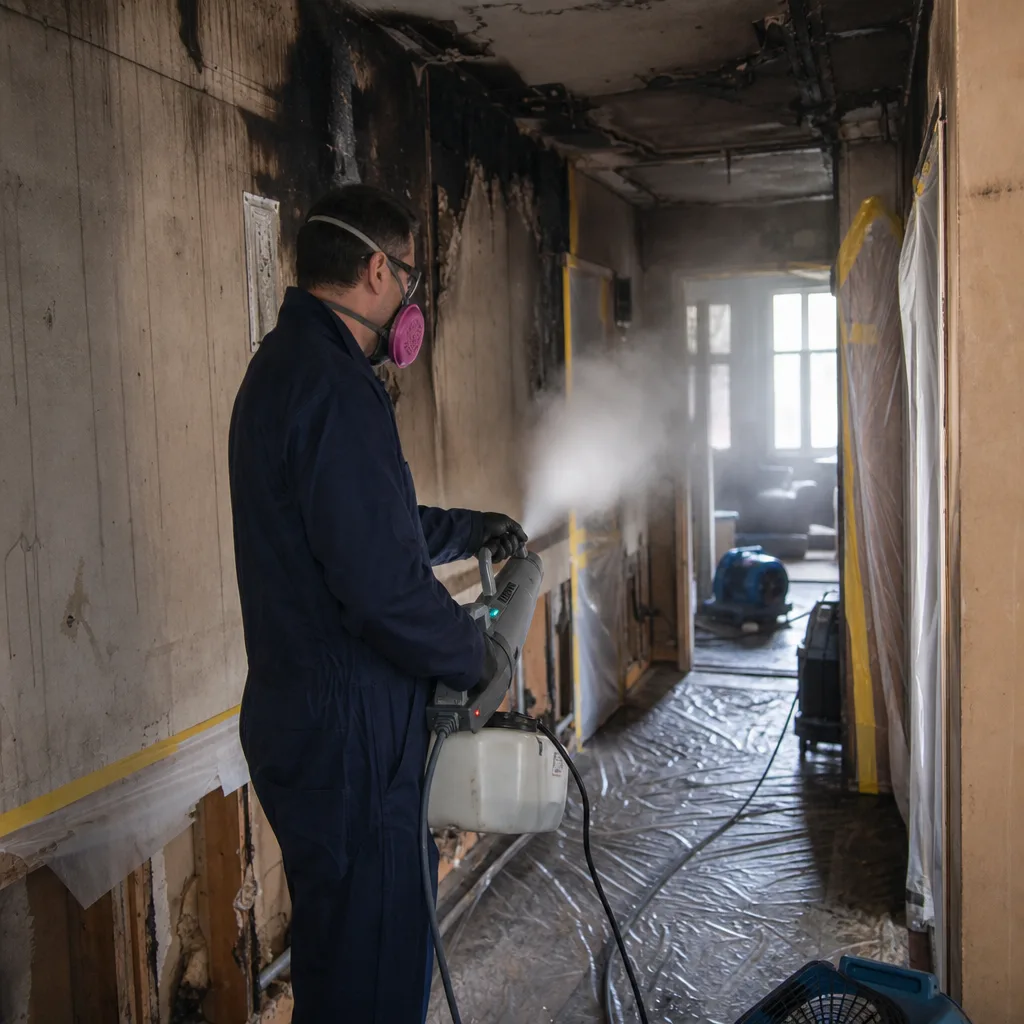
Drywall & Flooring Repair
Saltwater-soaked drywall and subflooring in Lower Manhattan can’t just be dried and painted over. Salt stays in the material and moves through it for months, pushing efflorescence through new paint and buckling new flooring. We remove and replace affected materials with a scope that accounts for the building’s age and construction.
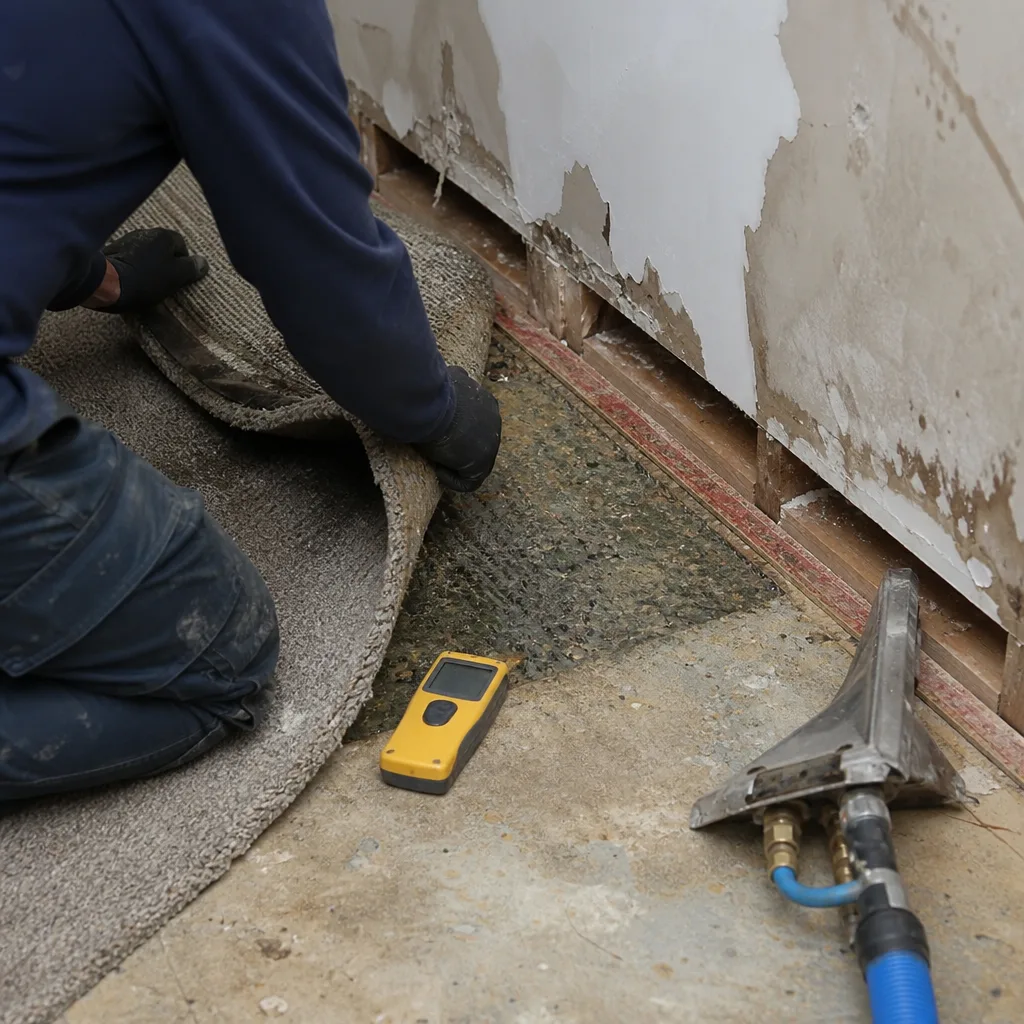
Contents Restoration & Pack-Out
When a Tribeca loft or Financial District apartment floods, the contents matter as much as the walls. We inventory, pack out, clean and store affected belongings, and we restore what can be restored rather than replacing everything by default. Documentation is provided to your carrier for every item.
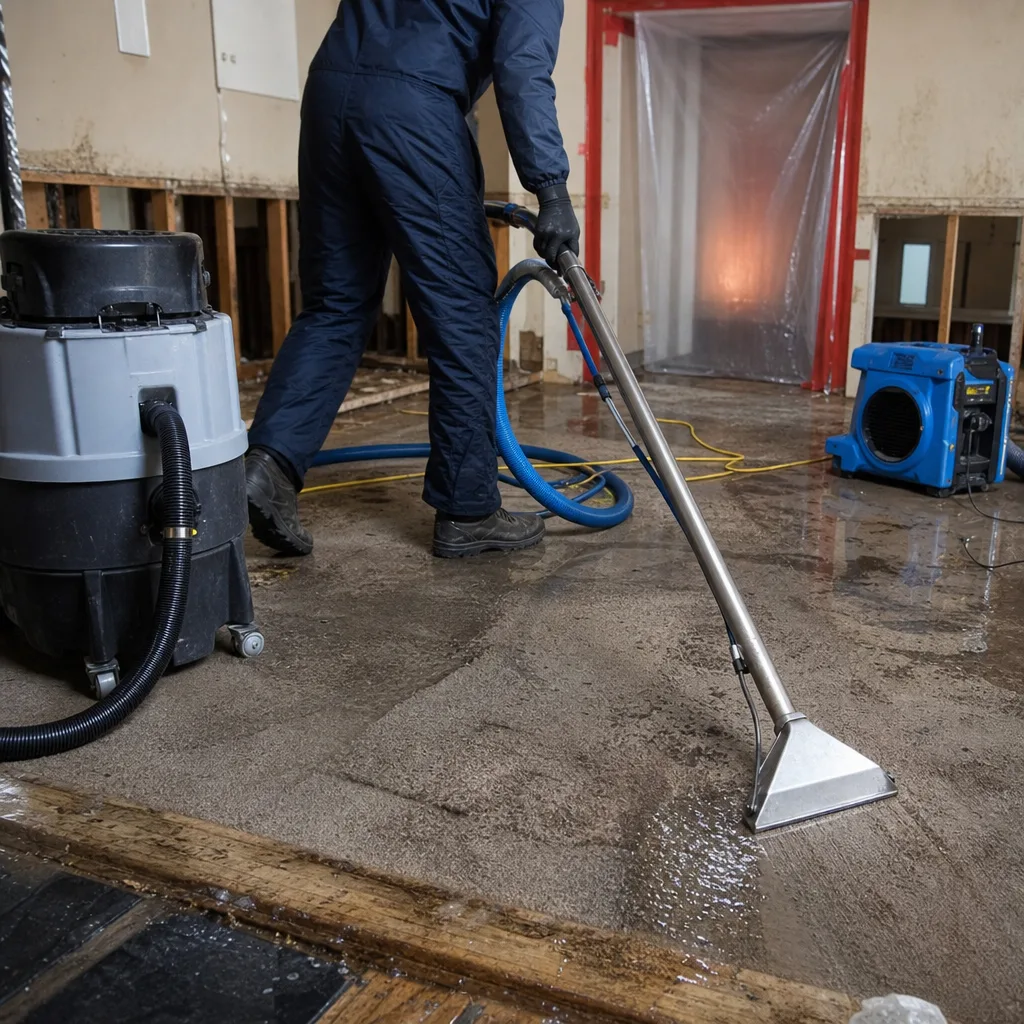
Carpet & Upholstery Cleaning
Category 1 water losses in Lower Manhattan apartments often leave carpeting and upholstery that can be saved with professional cleaning. We treat and clean on site where possible and coordinate with the broader drying plan so nothing is cleaned before the environment is dry enough to keep it clean.
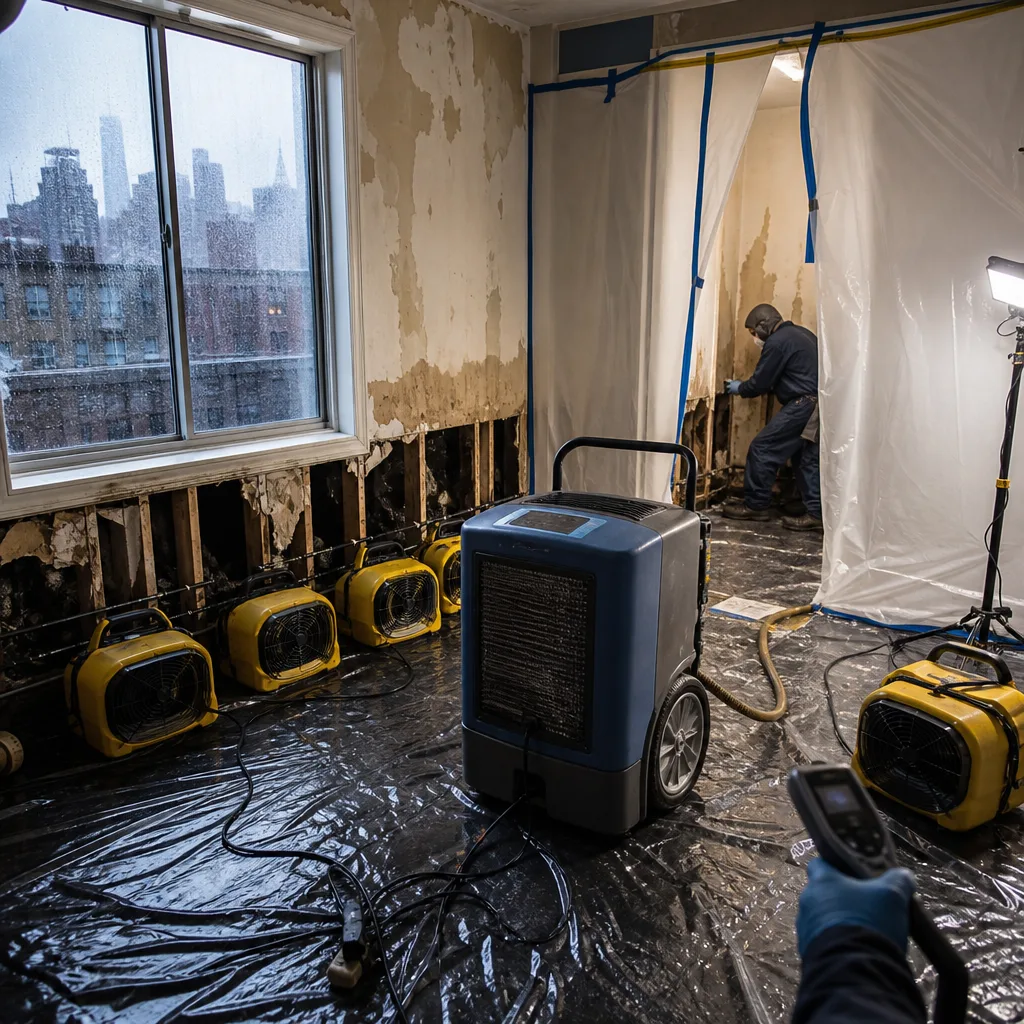
Post-Construction Cleanup
After we finish a reconstruction job, we don’t leave dust behind. Our crews handle post-construction cleaning to the same standard the rest of the job was built to. In pre-war buildings, that includes HEPA vacuuming of every surface, because construction dust settles into every crevice of original flooring and trim. For property owners across Lower Manhattan, it’s the difference between a finished job and a job that still feels unfinished.
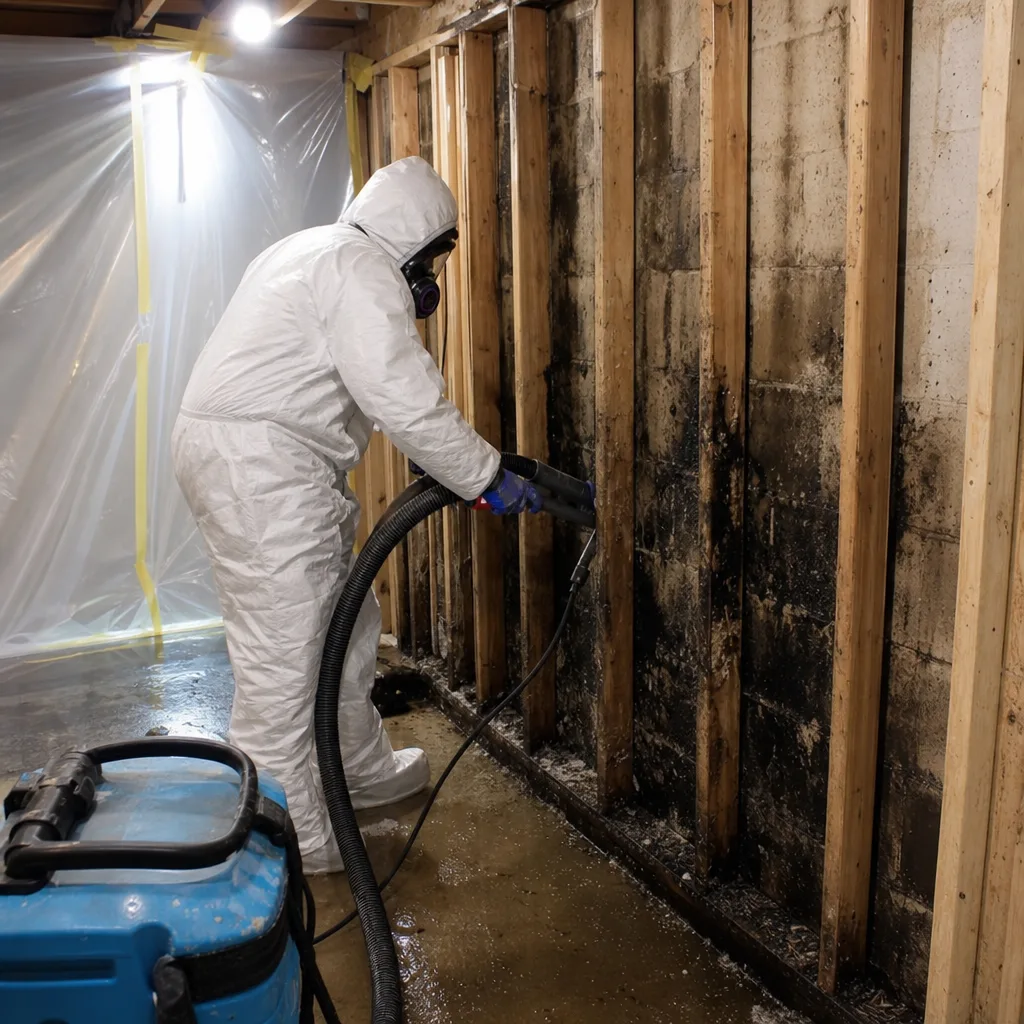
What happens when you call
- 1
A real person answersNo phone trees - you reach a local pro.
- 2
You get an upfront price rangeHonest numbers before anyone is dispatched.
- 3
A background-checked tech heads outLicensed & insured, dispatched right away.
- 4
You approve before work beginsNothing starts until you say go.
Reconstruction & Cleanup Costs in Lower Manhattan, NY
Reconstruction costs in Lower Manhattan run higher than in the outer boroughs for specific reasons: access into high-rise residential towers, coordination with co-op and condo boards, elevator usage fees, and the saltwater-specific steps most of our competitors skip. A straightforward post-flood drywall and flooring repair in a Financial District apartment typically runs $4,500 to $12,000 depending on square footage and material grade. Full sub-basement mechanical room reconstruction after saltwater intrusion runs $18,000 to $65,000 or more, driven by electrical panel replacement, conduit replacement, and elevator coordination. Contents restoration and pack-out for a one-bedroom unit runs $2,500 to $7,000. Carpet and upholstery cleaning runs $400 to $1,200. The free visual inspection is the only honest way to get a firm number, because every building in this neighborhood is different once you open the walls. Call (518) 314-5660 for an exact quote. Estimates are free, and the 90-Day Done Right Promise applies to every job we do.
We Also Serve Cities Near Lower Manhattan
Our crews serve Lower Manhattan and the surrounding neighborhoods of Midtown Manhattan, Midtown West, Murray Hill and Washington Square. If your building sits just north of Canal Street or along the West Side, call us. The same live dispatch, the same certified crews, the same written guarantee.
Lower Manhattan Reconstruction & Cleanup Questions, Answered
Why does reconstruction in Lower Manhattan require salt-specific protocols that other NYC neighborhoods don’t?
Lower Manhattan sits at the tip of a narrow island surrounded by saltwater on three sides, with Battery Park City and parts of the Financial District built directly on Hudson River landfill. When floodwater enters these buildings, it carries salt, and salt corrodes metal for months after surfaces feel dry. Chemical neutralization before Water Damage Restoration - Lower Manhattan is non-negotiable here. Call (518) 314-5660 and we’ll explain exactly what your building needs.
Do we need to coordinate with the elevator company before drying a flooded sub-basement in Battery Park City?
Yes, almost always. Elevator pits in Battery Park City towers flood during moderate nor’easters, and the elevator company will not re-energize hydraulic or traction systems until salt contamination has been chemically neutralized and moisture readings are logged under 15% wood moisture equivalent. Our crew handles that coordination from the first visit.
What category of water does a 4-5 foot nor’easter surge in Lower Manhattan typically create?
Category 3. Harbor water mixing with aging sewage laterals under Lower Manhattan’s streets makes floodwater contaminated, not just wet. Category 3 water requires full containment, removal of affected porous materials, and Mold Remediation in Lower Manhattan if needed, plus sanitization-not just extraction and drying. We assess and document the category on every job, because your insurance claim depends on it.
How do we document reconstruction work for a Lower Manhattan co-op or condo board’s insurance claim?
We provide the board and the carrier with photos of every affected area, moisture readings and drying logs from day one through completion, a line-item scope of work, and direct coordination with the adjuster. We bill the carrier directly, and the documentation package is built to survive the scrutiny of a board’s insurance review. Call (518) 314-5660 after any loss and we’ll start the documentation the same day.
Can original plaster walls in an 1800s Tribeca loft be saved after saltwater intrusion, or do they need to come out?
Often they can be saved, but only with salt-neutralizing treatment before drying begins. Original plaster and lath in cast-iron loft buildings absorb saltwater deeply, and treating the surface isn’t enough. We assess the wall cavities, treat the affected material, and only remove what can’t be saved. It’s slower, but it preserves the building.
How fast can you actually get to a building in Lower Manhattan?
Our dispatch is in New York City, minutes from the Financial District, Battery Park City, Tribeca and the Seaport. We commit to a 45-minute response time, and a live person answers the phone 24 hours a day at (518) 314-5660. Extraction typically begins the same visit.
Will my insurance cover saltwater reconstruction in a flood zone?
That depends on your policy. Many Lower Manhattan buildings carry flood insurance through NFIP or a private carrier, and most co-op and condo boards carry master policies that cover common areas and building systems. We bill carriers directly and document every step so your claim has what it needs. Bring us your policy, and we’ll tell you what’s covered before work starts.
What should I do in the first 30 minutes after water enters my building in Lower Manhattan?
Call us at (518) 314-5660. Then, if it’s safe, shut off power to affected areas, but do not enter standing water in a sub-basement or mechanical room. Saltwater and electricity don’t mix. We’ll guide you through the first steps and have a crew on the way while you’re still on the phone.
Serving Lower Manhattan, NY - Our Local Coverage Area
We’re based in the Lower Manhattan area and know this community well. Use the map below to see our service coverage - if you’re nearby, we can almost certainly help.
Call Floodline Restoration Co. in Lower Manhattan
If water, fire, or storm damage has hit your building in Lower Manhattan, call (518) 314-5660 now. A live person answers, day or night, and a certified crew is dispatched within 45 minutes. We serve the Financial District, Tribeca, Battery Park City, the Seaport, and every block between, with documented work, direct insurance billing, and the 90-Day Done Right Promise in writing. Done right, and backed in writing. Call today for a free estimate.
Written by Curt Bowman, Owner at Floodline Restoration Co., serving Lower Manhattan since 2010.