
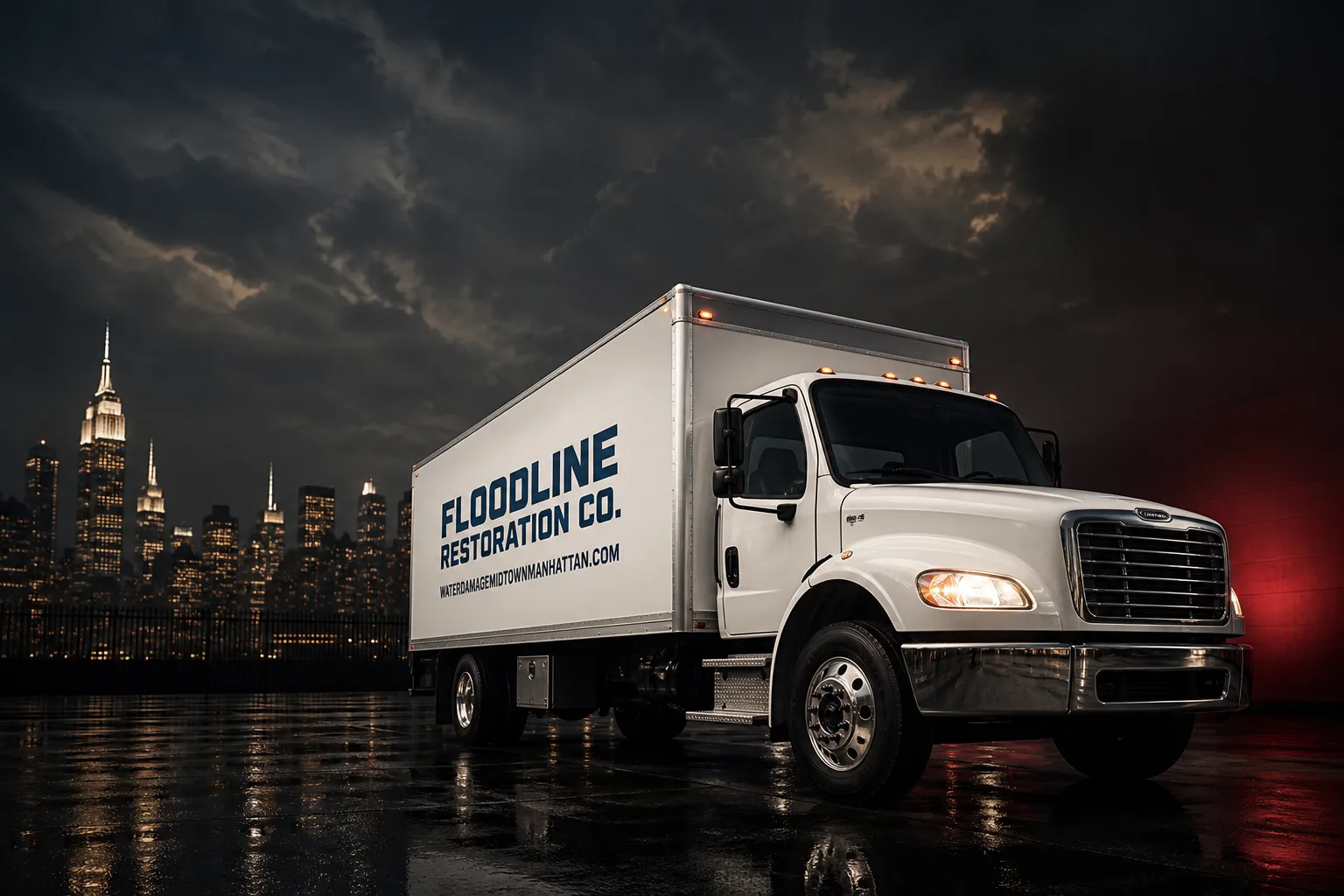
Free visual inspection and a written scope of work before any mitigation begins - photos, moisture readings, and drying logs go in your claim file
The scope we write is the scope we bill. Anything new gets shown to you, in writing, before we touch it.
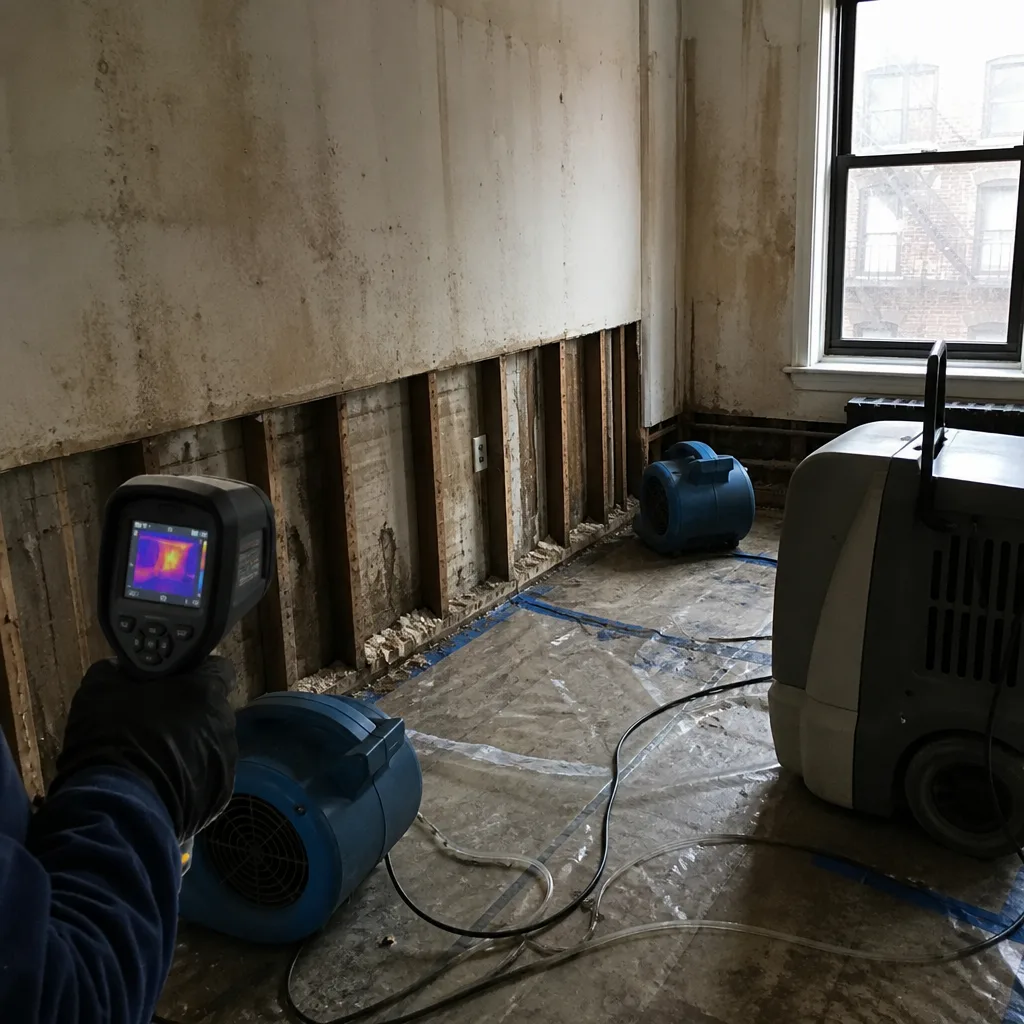 Before
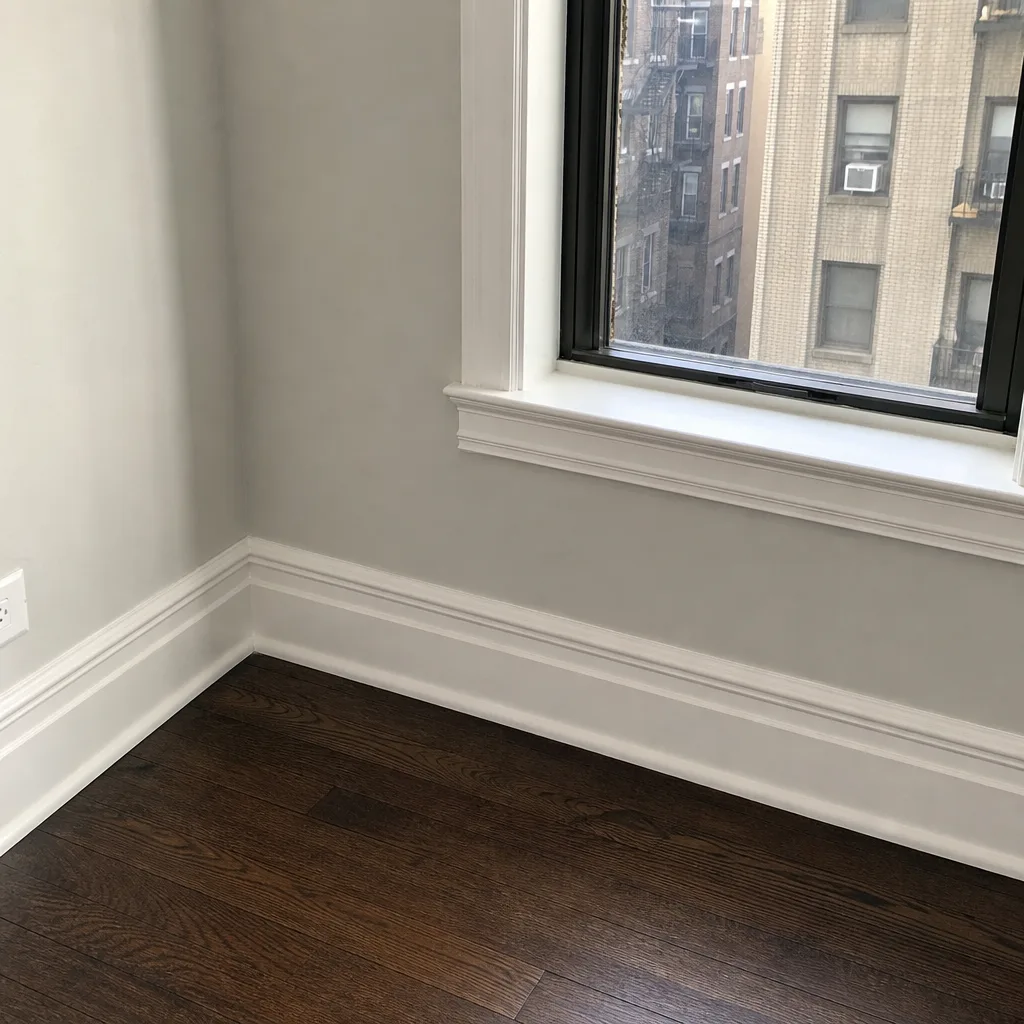 After
After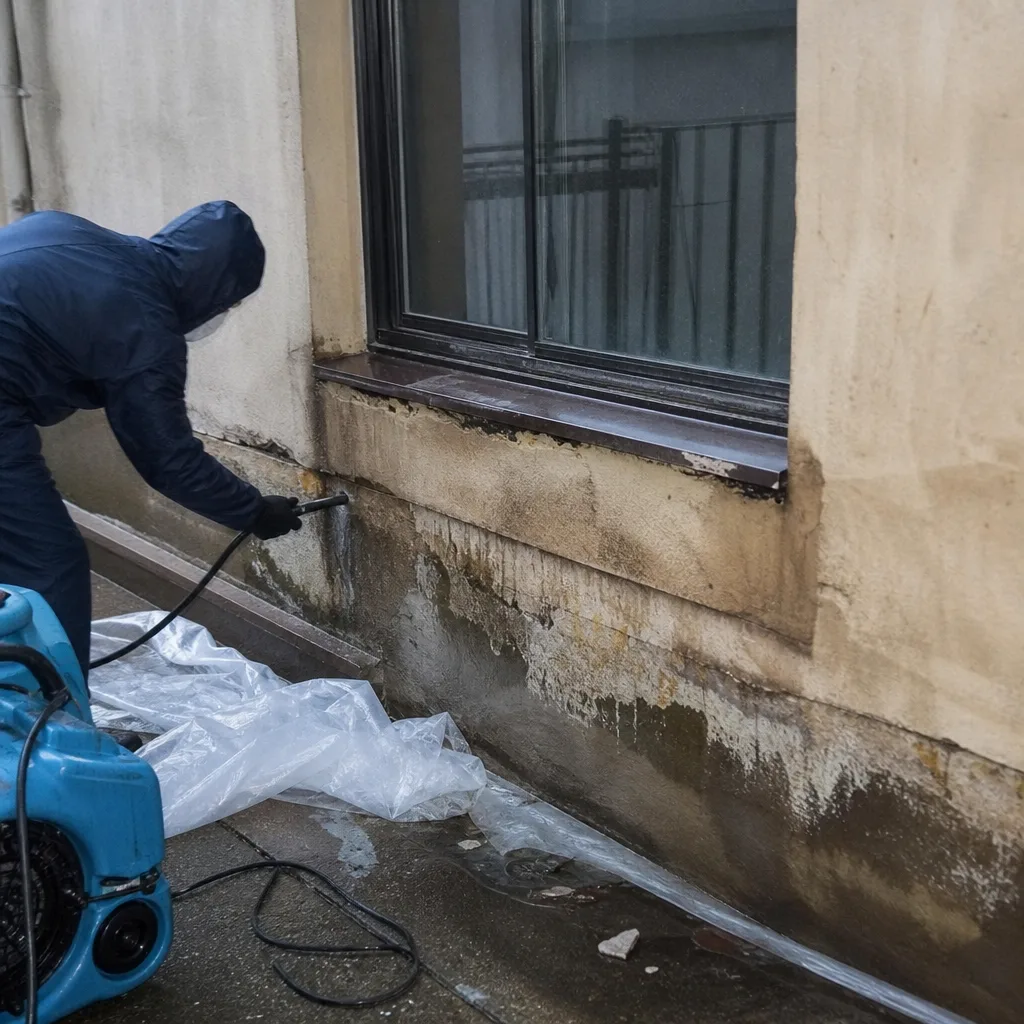 Before
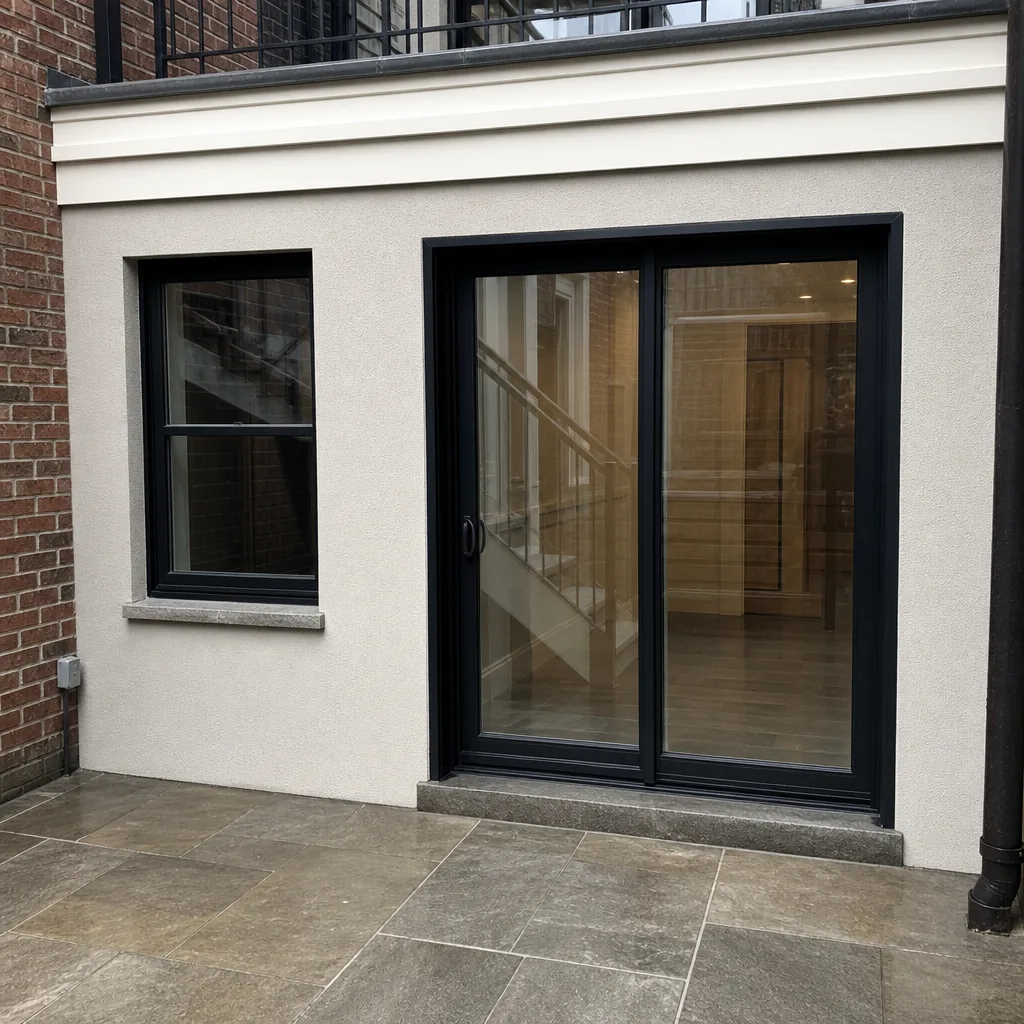 After
After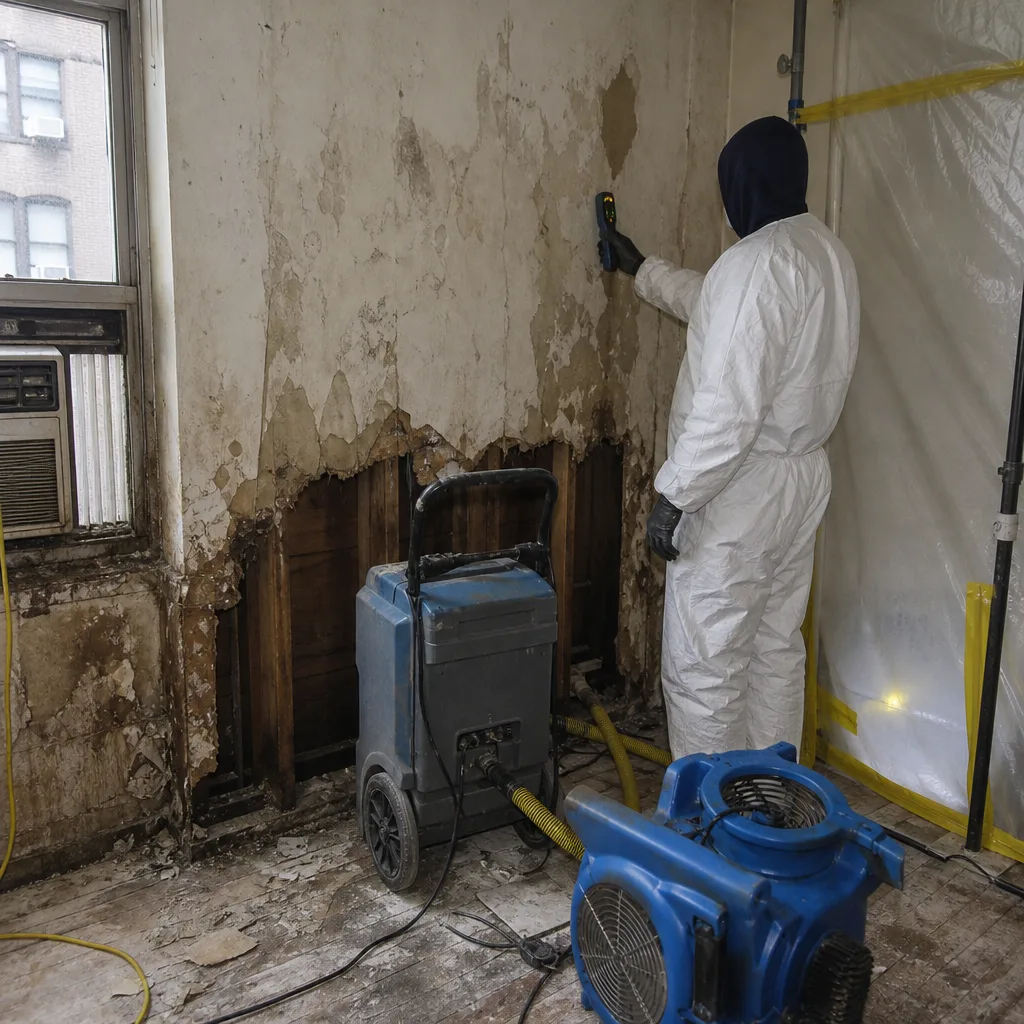 Before
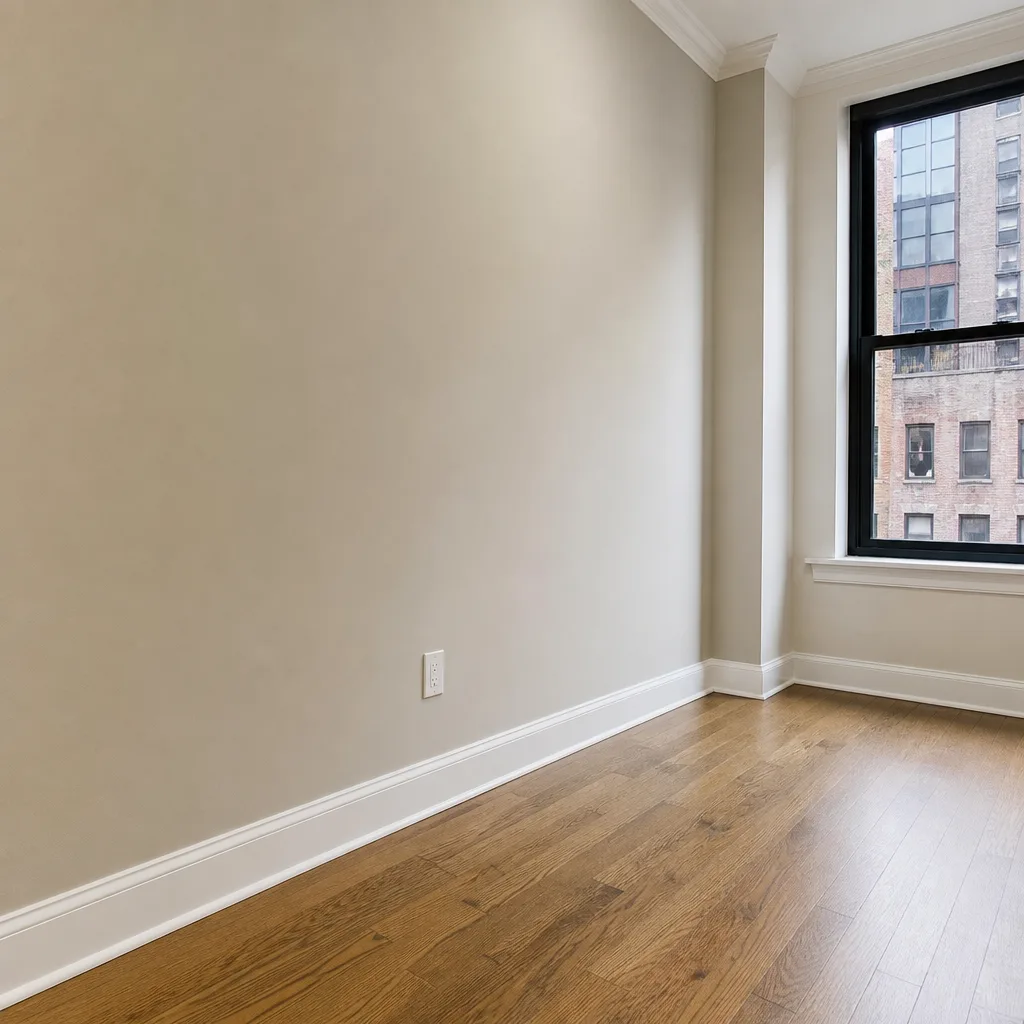 After
After24/7 Emergency Sanitization Services in Lower Manhattan
Sanitization services in Lower Manhattan after a flood, sewage backup, or illness event generally run between $450 and $1,800 for a single residence, with commercial-grade fogging and saltwater-specific chemical neutralization pushing toward the upper end. That work is urgent, and it cannot wait until morning. Our crews answer live at (518) 314-5660 around the clock, every day of the year, and we dispatch into Battery Park City, Tribeca, the Financial District, and every other Lower Manhattan neighborhood within the hour. The first call matters because Category 3 black water and brackish surge don’t just dry out on their own. They leave salt, bacteria, and corrosive residues behind in wall cavities, sub-basement mechanical rooms, and elevator pits. We get there fast, read the moisture, and start the right sanitization the same visit. Done right, and backed in writing.
What happens when you call
- 1
A real person answersNo phone trees - you reach a local pro.
- 2
You get an upfront price rangeHonest numbers before anyone is dispatched.
- 3
A background-checked tech heads outLicensed & insured, dispatched right away.
- 4
You approve before work beginsNothing starts until you say go.
Understanding Sanitization Services Severity in Lower Manhattan Properties
Not all sanitization is the same job. The severity level depends on what entered the building, how long it sat, and what the building is made of. Category 1 water, clean supply-line water, needs drying and basic antimicrobial treatment. Category 2, grey water from washing machines or sink overflows, carries bacteria and requires stronger disinfection. Category 3 is black water: sewage, harbor surge, or standing water that has gone septic. In Lower Manhattan, Category 3 water is almost always brackish or saltwater, because FEMA’s Zone AE and VE flood maps run through the Financial District, Battery Park City, and the South Street Seaport. The 14-foot surge at the Battery during Hurricane Sandy set the standard here. Saltwater intrusion is a different animal than a freshwater basement seep in the outer boroughs. The salt left behind in a cast-iron-era loft’s brick party wall or a Battery Park City tower’s sub-basement keeps corroding metal for months unless chemically neutralized. That is why we test, map moisture, and treat every affected cavity with chloride-neutralizing antimicrobials, not just a surface wipe-down. A building that was wet for 48 hours is not the same job as one that was wet for six. Lower Manhattan’s masonry conversions and landfill-built towers hide water longer than most property owners realize.
Why Lower Manhattan Property Owners Choose Floodline Restoration Co.
- 45-minute response commitment: We dispatch from our New York City office, and a uniformed, background-checked technician reaches most Lower Manhattan addresses within 45 minutes of your call. A real person answers the phone at 2 a.m., not a recording.
- 24/7 live answer: The dispatch board at Floodline Restoration Co. has been staffed by live people since 2010. You call, a person picks up, and a crew gets moving. No automated tree, no waiting for a callback.
- IICRC-certified crews: Our technicians train and certify to IICRC standards including WRT (Water Restoration Technician), FSRT (Fire & Smoke Restoration Technician), and AMRT (Applied Microbial Remediation Technician). The crew that reads your moisture map on day one handles daily readings until the dry standard is met.
- Free visual inspection: We walk the affected area, show you what we are seeing, and write a scope before any work begins. No pressure, no surprise line items. A square deal: no surprises on the bill.
- Direct insurance billing: We bill your carrier directly and talk to your adjuster for you. Photo documentation from the first hour, room by room, goes straight into your claim file. You never play messenger between Floodline and the insurance company.
- One team from extraction to reconstruction: Floodline Restoration Co. does not hand your job off to a subcontractor after the drying is done. The same certified crew handles remediation, sanitization, and rebuild, and every job carries the 90-Day Done Right Promise in writing.
Our Sanitization Services Process
Inspection & Assessment
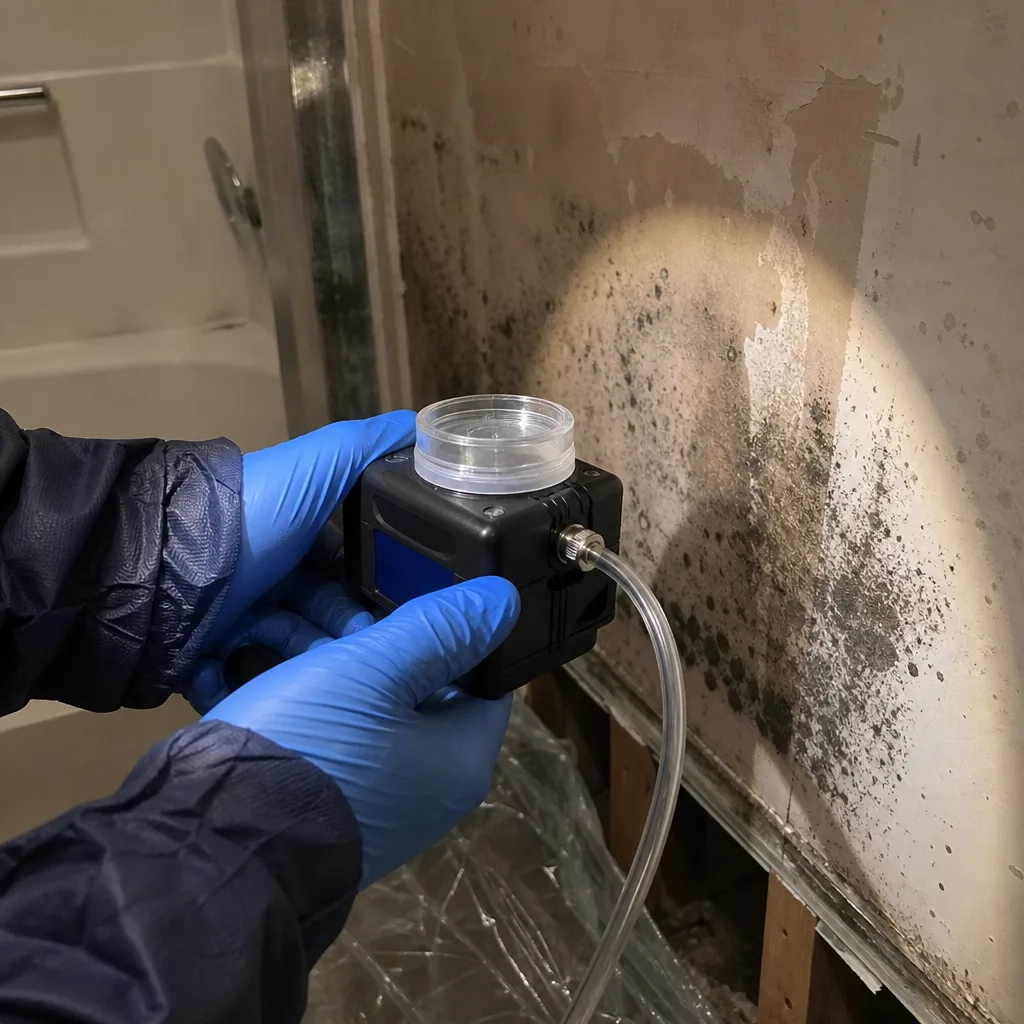
We start with a full walk-through using thermal imaging and moisture meters to find water that is hidden in wall cavities, under flooring, and inside sub-basement mechanical rooms. In Lower Manhattan’s masonry loft buildings, brick party walls wick saltwater upward in ways surface inspection cannot see. We map it all and write a scope before we start.
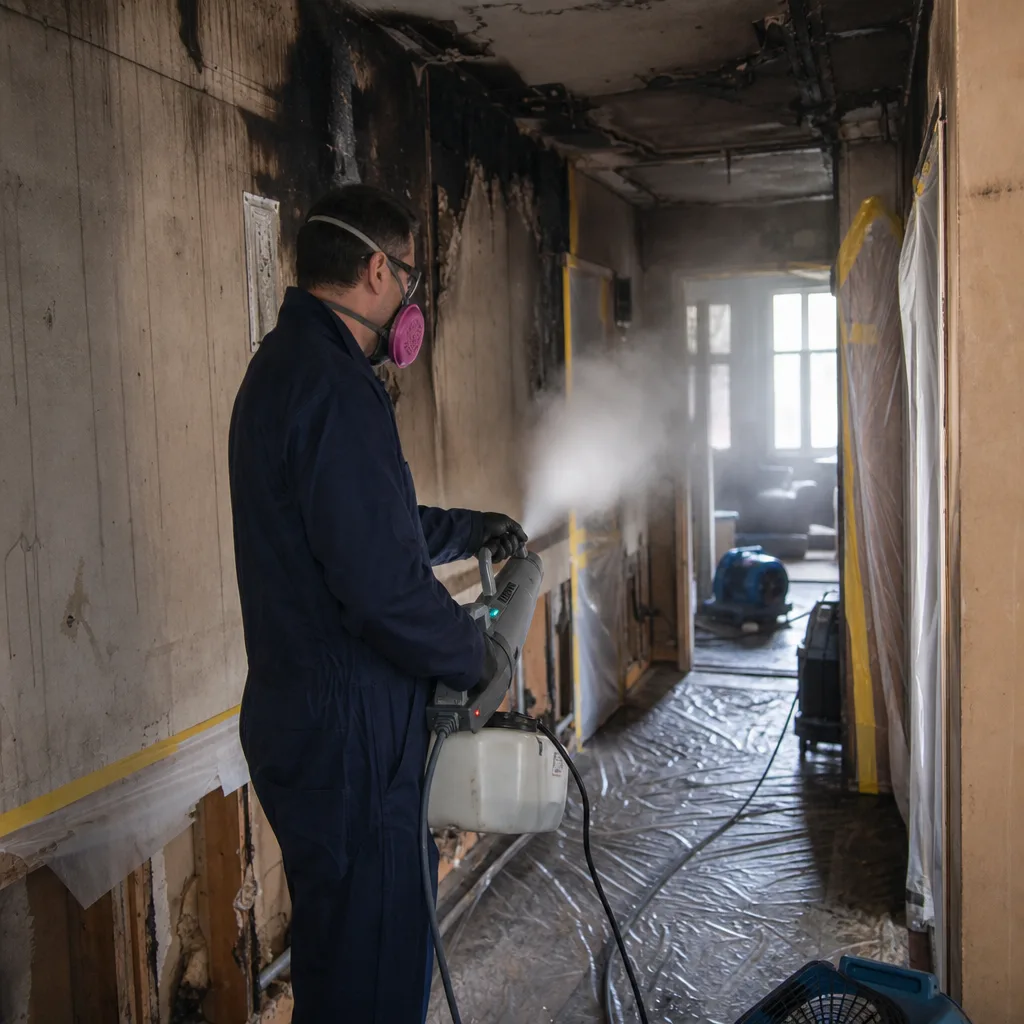
Extraction & Stabilization
Standing water comes out first. We use professional-grade extraction equipment to remove water from floors, elevator pits, and low-lying mechanical rooms, then stabilize the area to stop further migration. Saltwater and Category 3 water are handled as contaminated from the first minute.
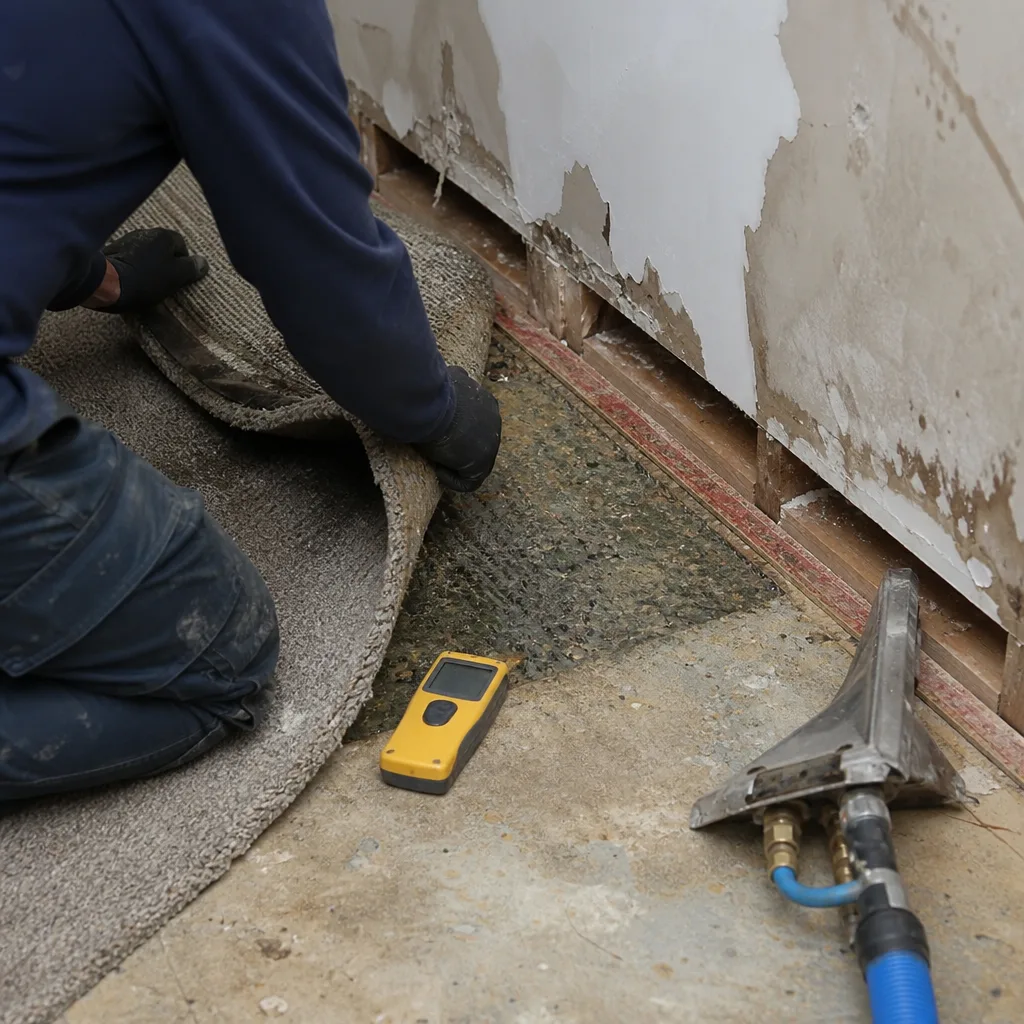
Drying & Dehumidification
Commercial Dri-Eaz and Phoenix dehumidifiers plus XPOWER air movers are placed according to the moisture map, not by guesswork. We take daily readings and log them until the structure hits the IICRC S500 dry standard. Lower Manhattan’s deep sub-basements frequently sit at or below the local water table, so we monitor long after surface areas look dry.
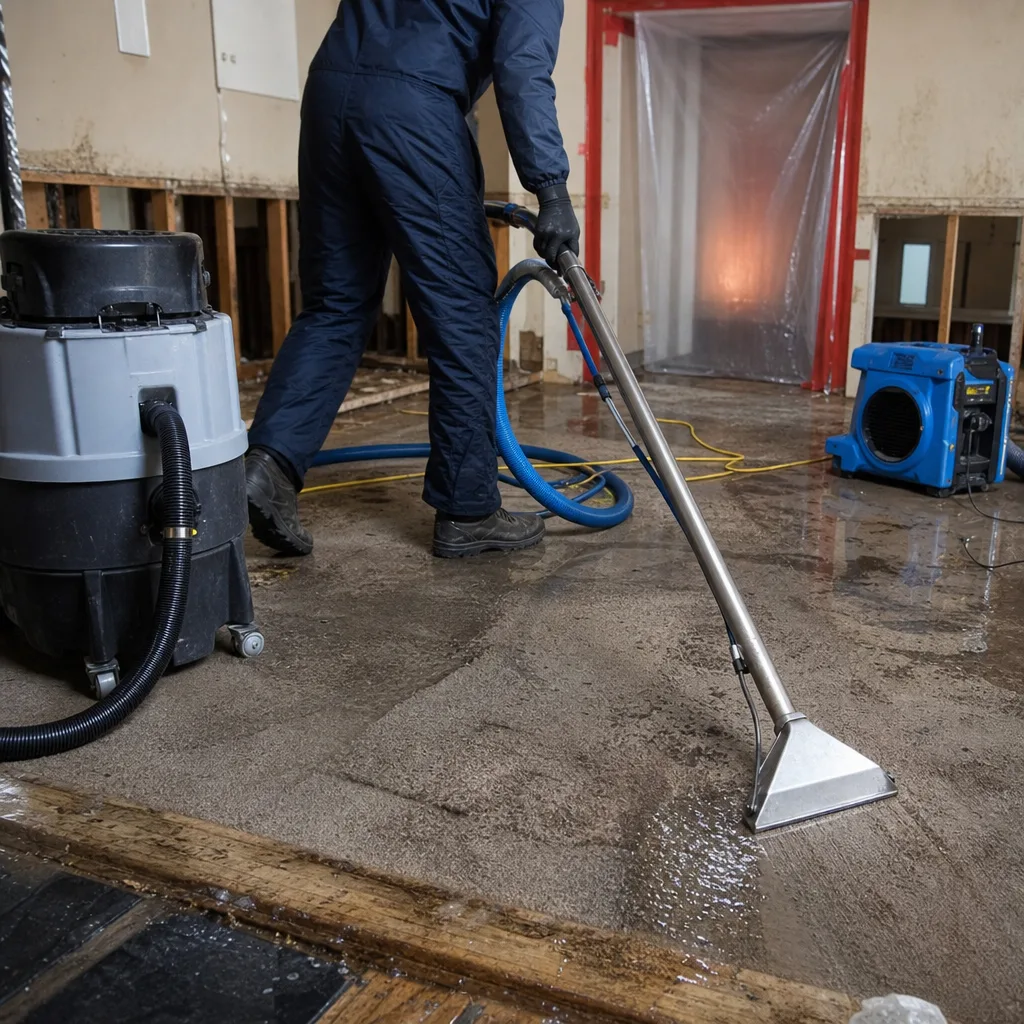
Cleaning & Sanitization
Contaminated surfaces are cleaned, then treated. For saltwater events, that means chloride-neutralizing antimicrobials applied to every affected surface, including inside electrical panels, HVAC components, and switchgear housings. A freshwater-only protocol leaves salt behind. We do not let that happen.
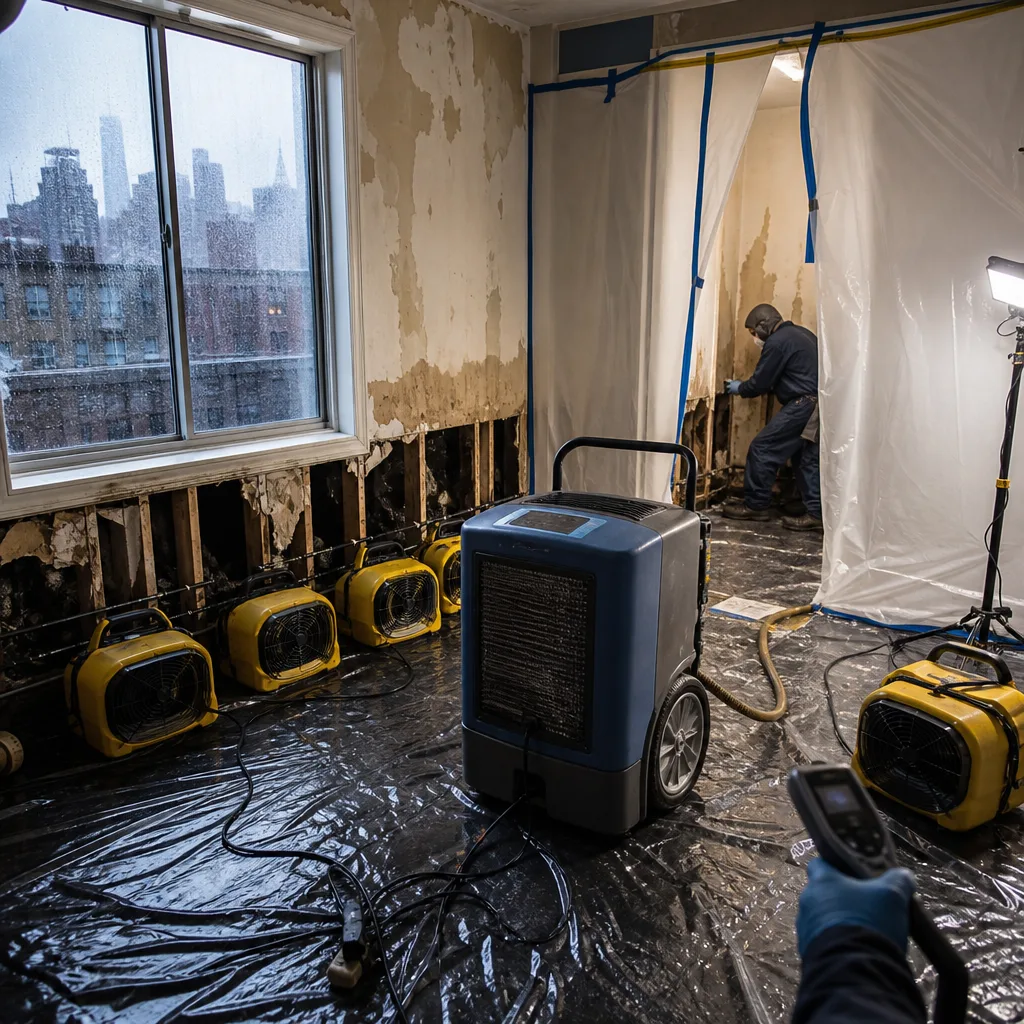
Specialty Treatment: Fogging & Decontamination
Where the local failure modes require it, we deploy commercial-grade fogging to reach cavities, ductwork, and structural voids in cast-iron and masonry construction. This is especially critical in Tribeca loft conversions where hidden cavities off-gas odors for weeks after visible surfaces look clean. Virus and bacteria decontamination follows the same containment and air-scrubbing discipline as mold remediation.
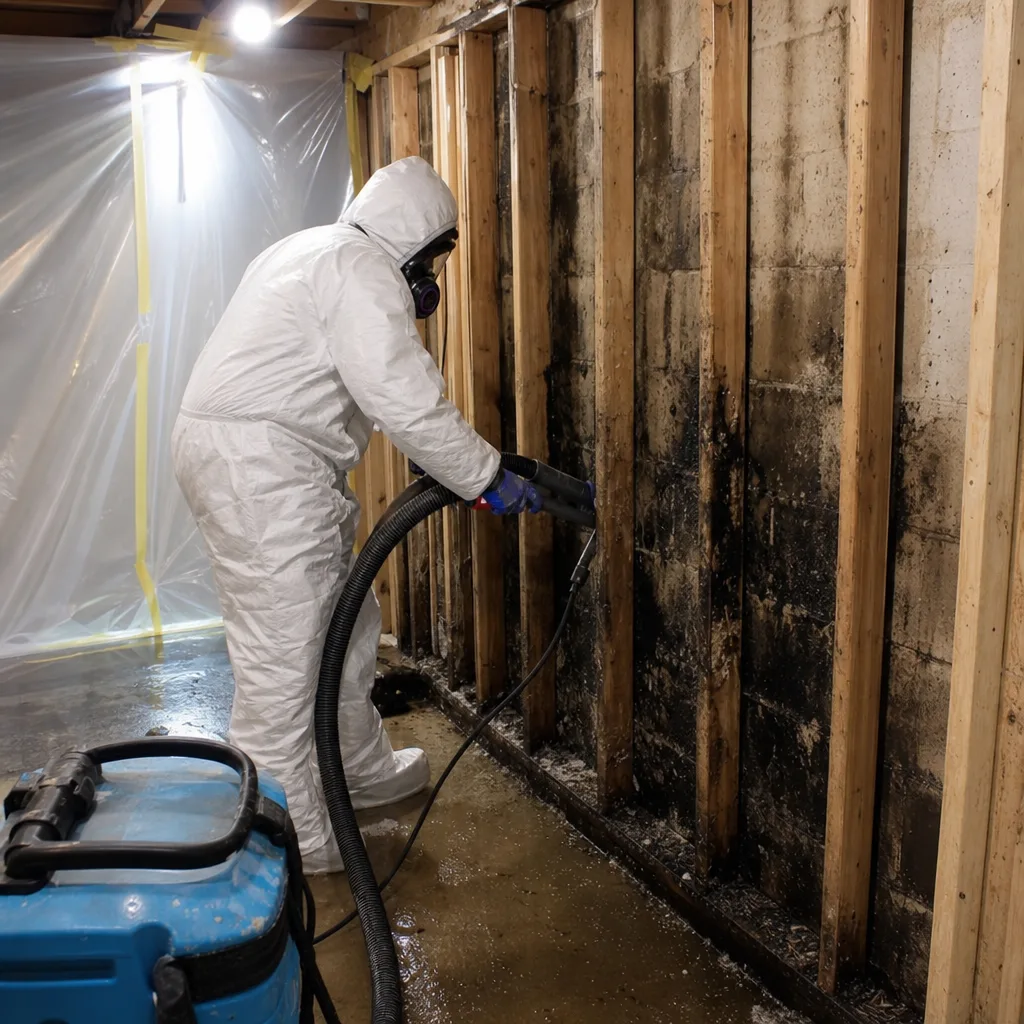
Repairs & Restoration
Once the sanitization clears, the same Floodline crew handles repairs: drywall, flooring, electrical coordination, elevator pit restoration coordination, and any rebuild work. We hand you the moisture log, the scope, and the 90-Day Done Right Promise. The line the water left is where we start. We stand behind it.
Need Emergency Sanitization Services in Lower Manhattan Now?
Crews minutes away, answering live 24 hours a day. The sooner we start, the less it costs.
Working With Your Insurance Company
Saltwater sanitization and flood remediation are covered under most standard homeowners and commercial policies when the loss is sudden and accidental, but Lower Manhattan’s FEMA flood zone designations add a layer. If your building carries a separate NFIP or private flood policy, the adjuster will want proof of what was wet, for how long, and what was done about it. We provide that proof from the first hour. Our crews photograph every affected room before and after treatment, log moisture readings daily, and write a line-item scope that speaks the adjuster’s language. We talk to your carrier directly, so you do not have to translate drying logs or argue about chemical neutralization line items. In a Battery Park City tower or a Financial District converted loft, the difference between a paid claim and a disputed one often comes down to documentation. We give you the file that stands up. Call (518) 314-5660 and we will start it before the adjuster ever calls you back.
What We Provide Your Insurer
- Thorough documentation of the loss
- Photos of all damage, room by room
- Moisture readings and drying logs
- A detailed, line-item scope of work
- Direct coordination with your carrier
Built for Lower Manhattan’s Loss Calendar
Lower Manhattan’s sanitization needs follow the water, and the water here follows a calendar. January and February deep freezes burst supply lines in pre-war masonry buildings along Broadway and in converted lofts near Chambers Street, sending clean water through floors and into the commercial space below. Spring thaw and heavy rain push groundwater up through the compacted Hudson River fill under Battery Park City, filling sub-basements that house boilers and elevator machinery. Summer thunderstorms overwhelm 100-year-old combined sewer lines downtown, sending sewage backup into basements along Water Street and Pearl Street. Fall nor’easters and tropical systems are the real test: storm surge funnels into New York Harbor from multiple directions, and a moderate 4 to 5 foot surge puts saltwater into sub-basement mechanical rooms across the Financial District. Each of these events leaves a different sanitization problem behind. Clean water needs drying. Sewage needs full Category 3 protocols including containment and fogging. Saltwater needs chloride neutralization on top of everything else. Lower Manhattan has all three, sometimes in the same building, in the same year. Our Sanitization Services team reads the water first, then treats it for what it actually is.
Sanitization Services Across Lower Manhattan’s Neighborhoods
We work every corner of Lower Manhattan, and the building stock changes block to block. In Battery Park City, the residential towers sit on landfill with sub-basement mechanical rooms that take on saltwater even in moderate nor’easters. Response routes there are tight: West Street, South End Avenue, and the Battery Place corridor all feed crews into tower service entrances that require coordination with building management. In Tribeca, cast-iron-era and masonry loft buildings hold water in brick party walls and timber structural cavities that off-gas odors long after floors look dry. Greenwich Street and Hudson Street addresses need containment and fogging more often than not. The Financial District mixes 1920s office-to-residential conversions with newer towers around Wall Street and Broad Street; pre-war riser closets and old elevator pits hide water and salt where no one looks. Over by the South Street Seaport and along Fulton Street, older buildings near the East River sit close to the bulkhead and deal with brackish surge more often than most owners expect. In each of these neighborhoods, Lower Manhattan buildings share one thing: saltwater is always in the room, and generic disinfection is not enough.
Specialized Sanitization Services Services We Offer in Lower Manhattan
Deep Disinfection
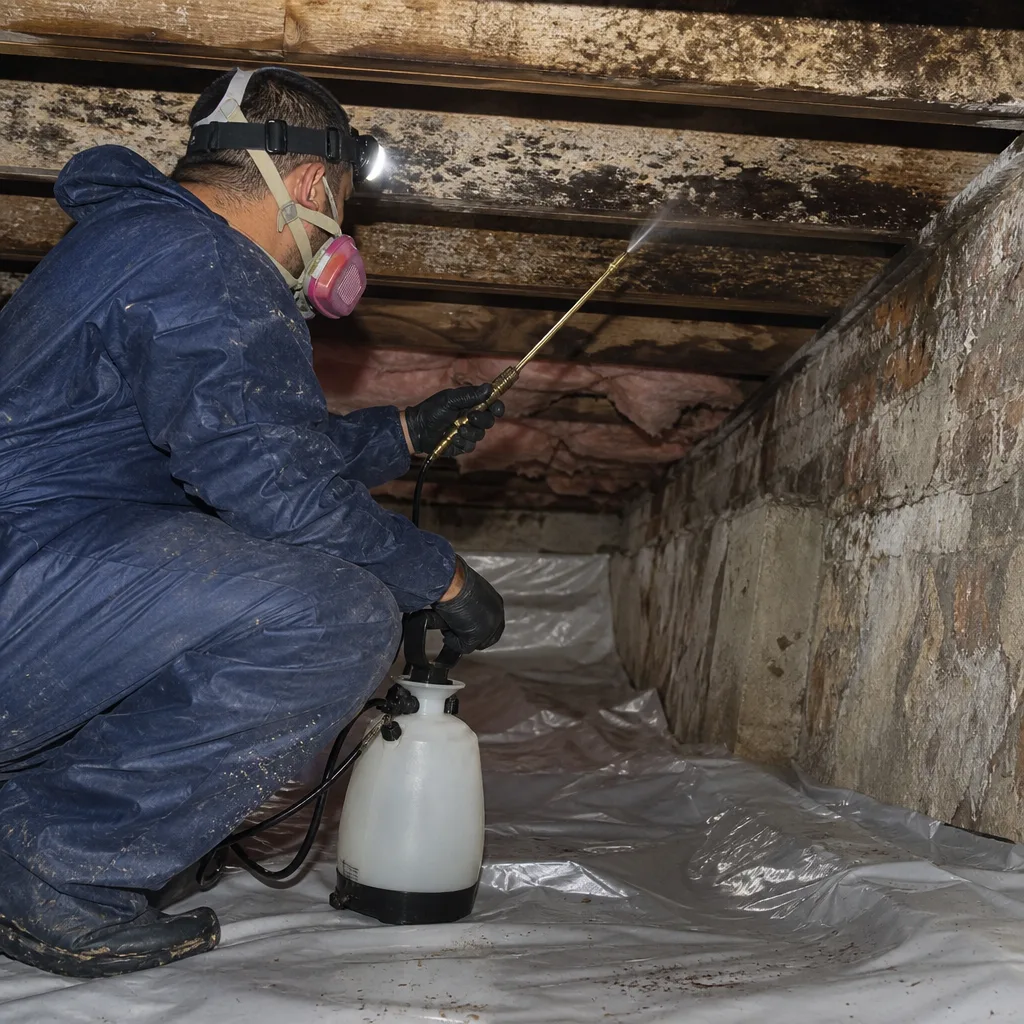
A standard cleaning does not reach what a Category 2 or Category 3 event leaves behind. Deep disinfection in Lower Manhattan means treating every affected surface with hospital-grade antimicrobials appropriate for the contaminant, whether that is sewage bacteria from a combined sewer backup on Water Street or grey water from a burst riser in a converted loft. We work room by room and log every treated surface so you and your insurer know exactly what was done.
Virus & Bacteria Decontamination
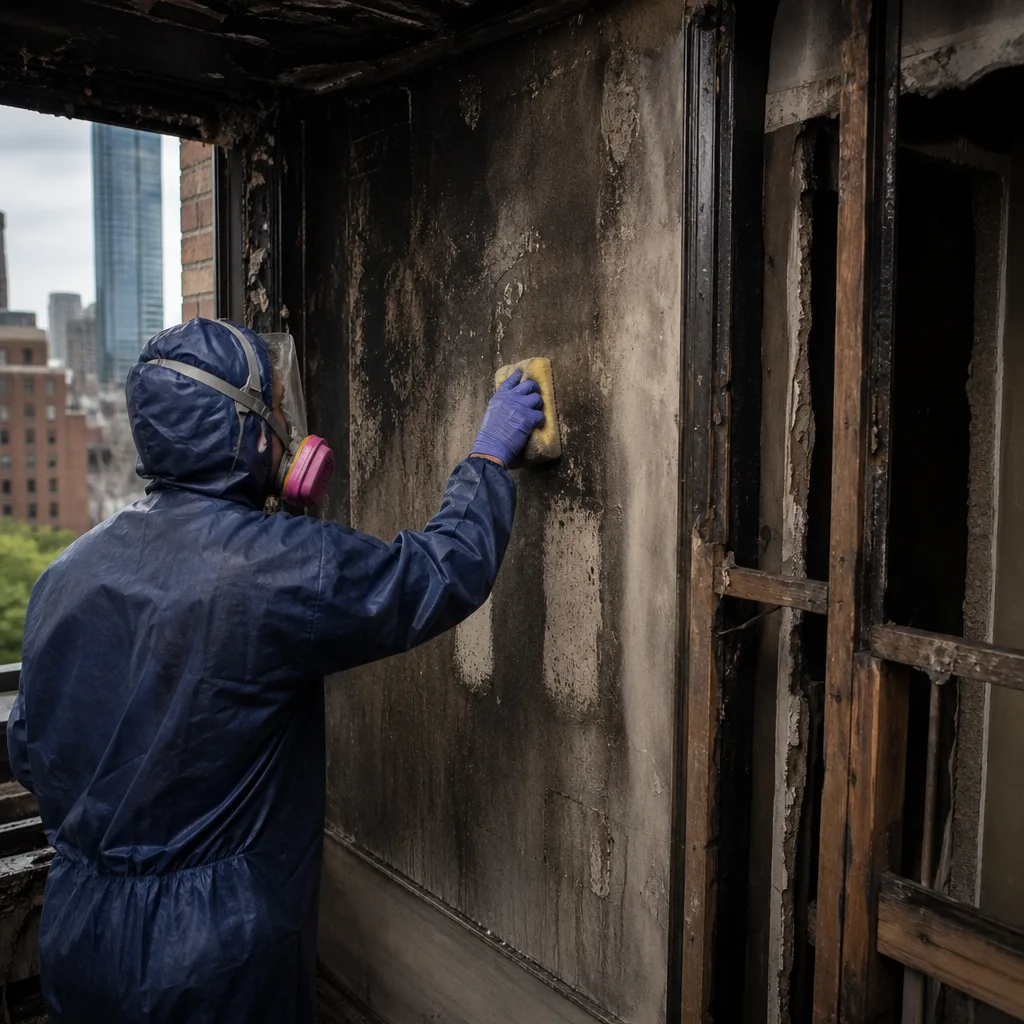
Post-illness cleanup and confirmed bacterial contamination require containment, air scrubbing, and systematic surface treatment, not a wipe-down. In Lower Manhattan’s dense residential buildings with shared corridors, elevator cabs, and HVAC systems, bacteria and viruses move fast between units. Our crews establish a containment perimeter, run HEPA air scrubbers, and treat all touch surfaces, then document the process for building management and your carrier.
Odor Neutralization
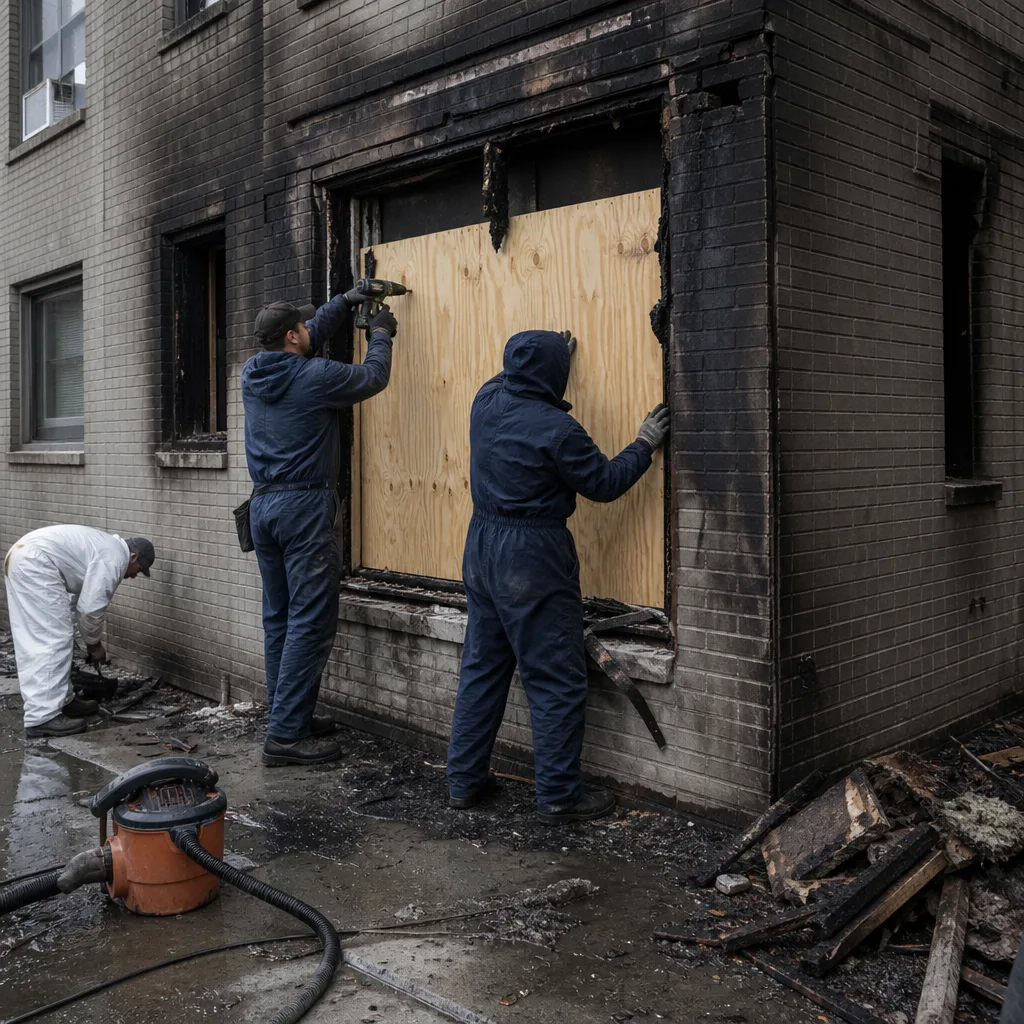
Odors in Lower Manhattan buildings rarely live on the surface. They live in brick party walls, under old flooring, and inside cast-iron column enclosures that wick water upward. After the visible water is gone, off-gassing can continue for weeks. We treat the source cavities with odor-neutralizing agents and fog structural voids where necessary, so the smell does not come back the first humid week in August.
Air Duct Sanitization
Ductwork in pre-war Lower Manhattan buildings runs through walls that have been wet more than once. When sub-basement flooding sends salt-laden aerosolized particles into riser shafts and return-air paths, the ducts themselves become a contamination source. We sanitize duct interiors after the source area is dry and confirmed clean, so the building is not recirculating what the flood left behind.
Commercial-Grade Fogging
Fogging is the tool that reaches what wiping cannot: the inside of wall cavities, the space above drop ceilings, the hidden end of a ventilation run. In Tribeca loft conversions and FiDi pre-war towers, those spaces are everywhere. Our commercial-grade fogging uses UL-listed antimicrobials applied with equipment calibrated for the space. It is the step that separates a job that looks done from a job that is done.
Sanitization Services Costs in Lower Manhattan, NY
A straightforward deep disinfection of a single apartment in Lower Manhattan runs between $450 and $800. Virus and bacteria decontamination with containment and air scrubbing typically runs $900 to $1,500 depending on square footage and the number of rooms treated. Commercial-grade fogging adds $300 to $700 per treated area. Saltwater-specific jobs, including chloride-neutralizing antimicrobial treatment of sub-basement mechanical rooms and elevator pits, run $1,200 to $1,800 for a residential tower unit and scale up for full mechanical rooms. What moves the price is access, contamination category, and building material density. Masonry party walls take longer to dry and treat than modern drywall partitions. If your carrier approves the claim, we bill them directly. If it is out-of-pocket, you get the written scope before work starts, and you still get the 90-Day Done Right Promise in writing. The free visual inspection is the clearest path to a firm number. Call (518) 314-5660 and we will give you a price you can hold us to.
We Also Serve Cities Near Lower Manhattan
Our crews live and work throughout the borough. Along with Lower Manhattan, we provide the same 24/7 sanitization response in Midtown Manhattan, Midtown West, Murray Hill, and Washington Square. The same live dispatch, the same certified crews, the same written guarantee.
Serving Lower Manhattan, NY - Our Local Coverage Area
We’re based in the Lower Manhattan area and know this community well. Use the map below to see our service coverage - if you’re nearby, we can almost certainly help.
Lower Manhattan Sanitization Services Questions, Answered
After a Lower Manhattan saltwater flood, can I just run dehumidifiers and then sanitize, or do I need chemical neutralization?
You need chemical neutralization, not just dehumidifiers and a surface sanitizer. Saltwater leaves chloride residue inside wall cavities, electrical panels, and HVAC components that keeps corroding metal for months after the area tests dry. Running residential dehumidifiers without treating the chloride residue will leave a hidden corrosion problem in place. Our crews apply chloride-neutralizing antimicrobials after extraction and drying, then confirm with moisture readings and clearance testing. Call (518) 314-5660 for a free inspection before the salt gets a chance to sit.
Why does FEMA’s flood zone designation change the sanitization scope in the Financial District compared to Midtown?
FEMA’s Zone AE and VE designations through the Financial District mean floodwater here is assumed to be Category 3: contaminated, often brackish, and salt-laden. Midtown addresses outside those zones typically see freshwater supply-line breaks or roof leaks that need Category 1 or Category 2 treatment. The salt changes everything. A freshwater-only antimicrobial protocol in a Zone AE building leaves chloride behind, and that chloride causes electrical and elevator failures weeks later. Sanitization scope in the Financial District therefore includes chloride neutralization, salt-specific cavity treatment, and often fogging of mechanical rooms.
If my building’s elevator pit flooded with brackish water, what sanitization has to happen before the elevator company can restart it?
The elevator pit has to be extracted, dried to the IICRC S500 standard, and chemically neutralized for salt before the elevator company will re-energize hydraulic or traction systems. Salt residue inside the pit corrodes sheaves, guides, and electrical controls after restart, and failures can appear weeks later. We coordinate directly with the elevator contractor: we map moisture, confirm pre-loss dryness, apply chloride-neutralizing treatment, and provide the documentation the elevator company requires before touching the controls. This coordination is standard practice in Battery Park City towers and we handle it start to finish.
Does Hurricane Sandy-era corrosion still affect sanitization decisions in Battery Park City towers built on landfill?
Yes. Buildings that took saltwater during Sandy, or that sit on compacted Hudson River fill where saltwater still intrudes during moderate surges, carry corrosion risk in structural and mechanical components that are not visible. Sanitization decisions have to account for what is behind the walls and under the slabs. A tower on landfill with a sub-basement mechanical room at or below the water table needs a different scope than a Midtown high-rise on rock. We test for chloride presence and treat accordingly.
Can commercial-grade fogging reach the kind of dense masonry and cast-iron structural voids common in Tribeca loft conversions?
Yes, when done correctly. Fogging pushes an antimicrobial mist into voids that wiping and spraying cannot reach: brick party wall interiors, cast-iron column enclosures, and the space behind plaster-over-masonry walls. The key is doing it after the area is dry and contained, not as a substitute for extraction and cleaning. In Tribeca buildings, those hidden cavities are where odor and bacteria persist after visible surfaces look clean. We fog them after the moisture map confirms dryness, not before.
How fast can Floodline Restoration Co. actually get to a Lower Manhattan address?
We commit to a 45-minute response for most Lower Manhattan addresses, from Battery Park City up through Tribeca and the South Street Seaport. A live dispatcher answers your call at any hour and starts the crew moving immediately. In a sanitization emergency, that first hour determines how far the contamination spreads and how much hidden corrosion gets a head start. Call (518) 314-5660 and the clock starts.
Will my insurance cover sanitization after a Lower Manhattan flood or sewage backup?
Most homeowners and commercial policies cover sanitization when the loss is sudden and accidental, and flood-specific policies on Lower Manhattan buildings add coverage for saltwater surge events. The claim gets approved when the documentation is thorough: photos from hour one, moisture logs, and a line-item scope that names the specific treatments used. We build that file and bill the carrier directly. If the loss is out-of-pocket, you get a written scope before work starts, and the $50 Off Any Repair Over $250 offer, the Senior & Veteran 5% discount, and other standing offers apply.
What should I do in the first 30 minutes after a Category 3 water event in Lower Manhattan?
Shut off power to the affected area if it is safe to do so, keep people and pets away from standing water, and call us at (518) 314-5660. Do not run your own fans or household dehumidifiers on contaminated water, because that spreads salt-laden particles and bacteria into upper floors and ductwork. Take photos from the doorway if you can. Then let the extraction start. The faster the contaminated water is out and the drying begins, the less the final sanitization scope will be.
When saltwater, sewage, or contamination hits a Lower Manhattan building, the sanitization has to match what the water actually was. Floodline Restoration Co. has answered live at (518) 314-5660 since 2010. Curt Bowman and our certified crews serve every neighborhood from Battery Park to Tribeca with one team, one written scope, and the 90-Day Done Right Promise in your hands. Call now for a free inspection and a price you can hold us to.
Written by Curt Bowman, Owner at Floodline Restoration Co., serving Lower Manhattan since 2010.
Why Lower Manhattan Chooses Floodline Restoration Co.
We set the standard for sanitization services in Lower Manhattan.
Documented for Your Claim
Every job is photographed before, during and after, with moisture logs where they apply. We hand the full file to your adjuster and bill your insurance directly - you are never the one relaying it.
Licensed & Insured
Fully certified technicians who meet all local and state licensing requirements.
Upfront Pricing
No hidden fees, no surprises. You approve the price before any work begins.
Guaranteed Work
Every repair and installation is backed by our workmanship warranty and satisfaction guarantee.
How It Works in Lower Manhattan
Getting your sanitization services handled is simple and fast.
Call or Request a Free Estimate
Tell us about your sanitization services needs and we provide an upfront, transparent quote - no obligation, no hidden fees.
Licensed Technician Dispatched
A background-checked, certified technician arrives in Lower Manhattan - typically within 30-60 minutes, with parts stocked on the truck.
Problem Solved, Guaranteed
We complete the job to your full satisfaction, backed by our warranty and 100% satisfaction guarantee.
What happens when you call
- 1A real person answersNo phone trees - talk to a local sanitization services pro.
- 2You get an upfront price rangeHonest numbers before anyone is dispatched. No surprises.
- 3We come out and measureLicensed & insured, at a time that suits you - the visit and the quote are both free.
- 4You get the price in writingLine-itemed, yours to keep, and nothing starts until you say go.
What Lower Manhattan Customers Say
Trusted by homeowners across Lower Manhattan and surrounding areas.
"Washing machine hose let go while we were at work and the ceiling below was sagging by the time I got home. They had extraction running within the hour and fans placed before dinner. The tech took moisture readings every day and showed me the numbers coming down until they hit dry."
"Another company told me the whole attic needed mold remediation at a terrifying price. These guys tested, showed me it was surface growth on one sheet of plywood, and charged me for a cleaning instead. That kind of honesty buys a customer for life."
"Ice maker line had been leaking under the floor for who knows how long. They mapped how far the water had traveled with a thermal camera, dried it from underneath, and saved a hardwood floor two other companies wanted to tear out."
Our Work in Lower Manhattan
A look at recent damage restoration projects across Lower Manhattan and surrounding areas.
Ready for Sanitization Services in Lower Manhattan?
Call now for a free estimate - or request one below. Licensed, insured, and here with fast after-hours help in Lower Manhattan.
(518) 314-5660Request a Free Estimate in Lower Manhattan
Tell us about your sanitization services needs - we'll respond within the hour.