
Free visual inspection and a written scope of work before any mitigation begins - photos, moisture readings, and drying logs go in your claim file
The scope we write is the scope we bill. Anything new gets shown to you, in writing, before we touch it.
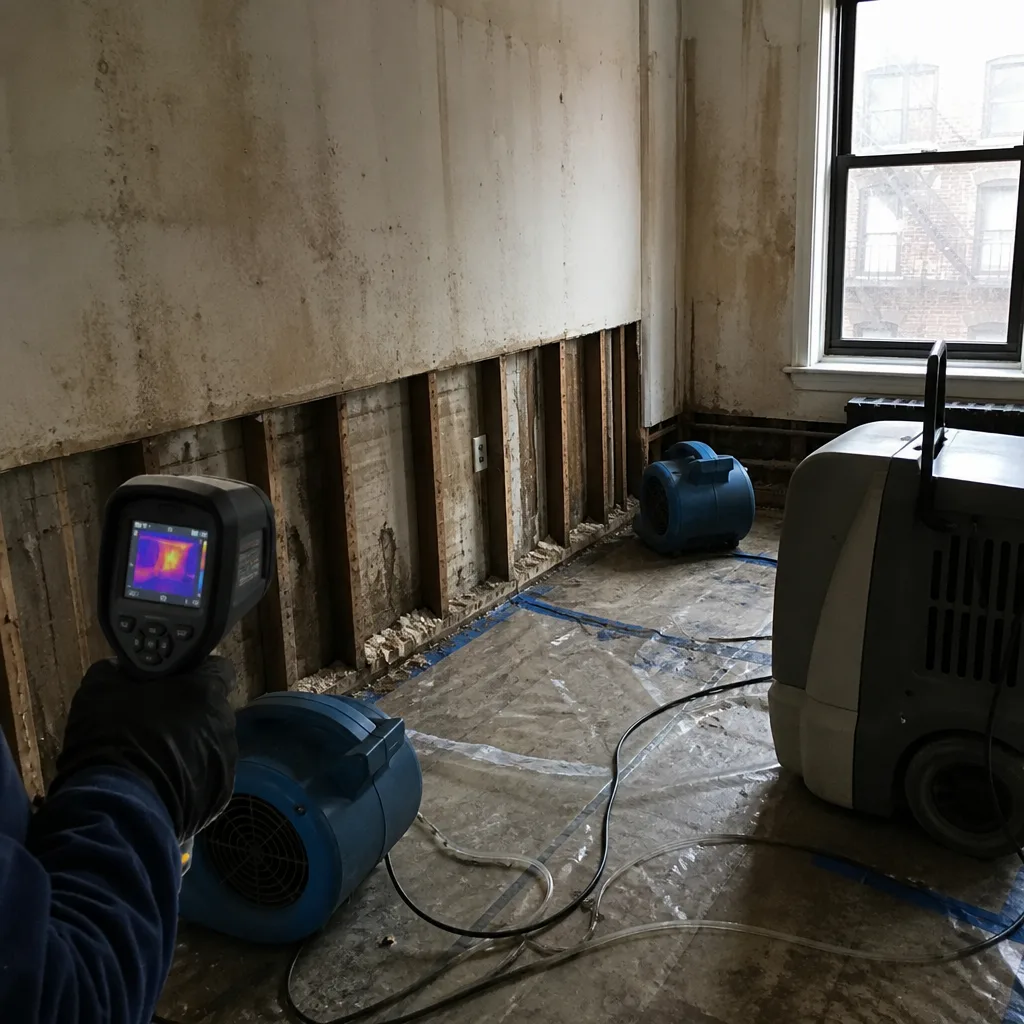 Before
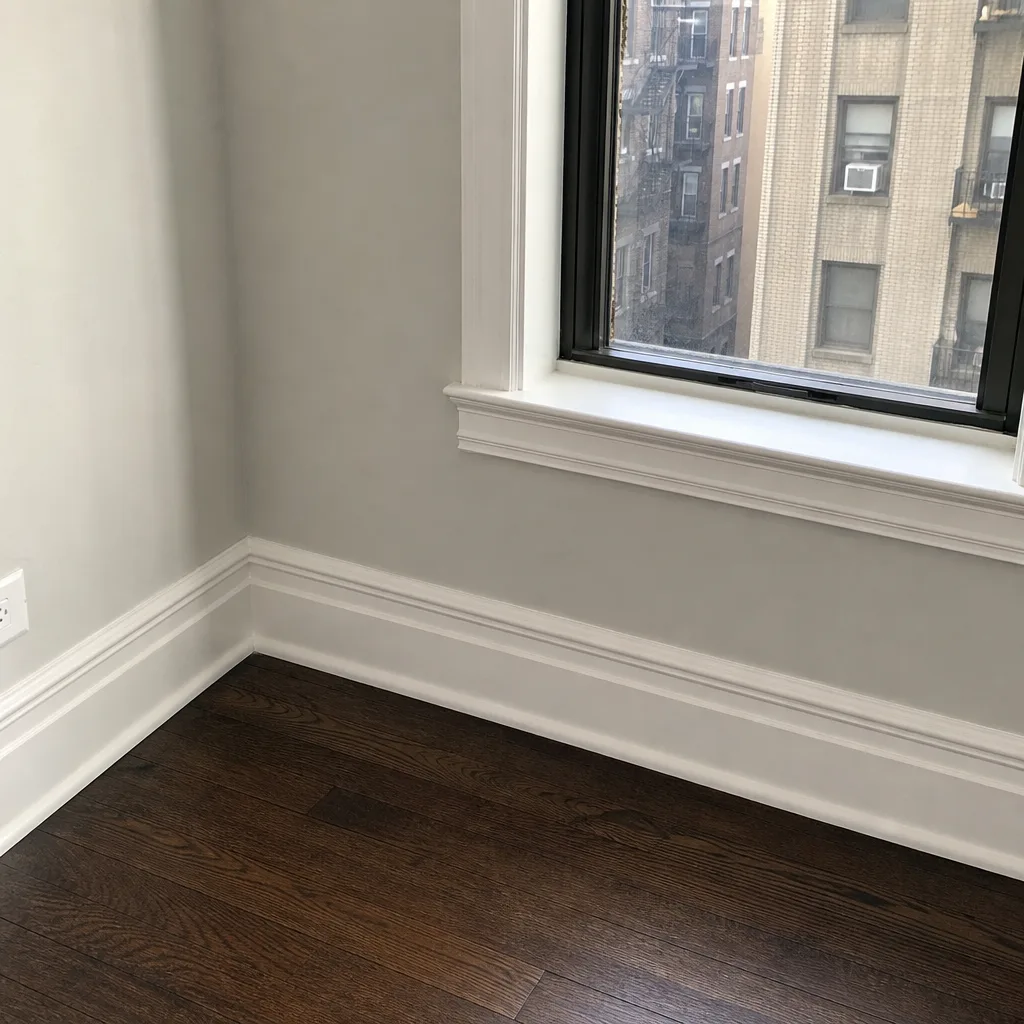 After
After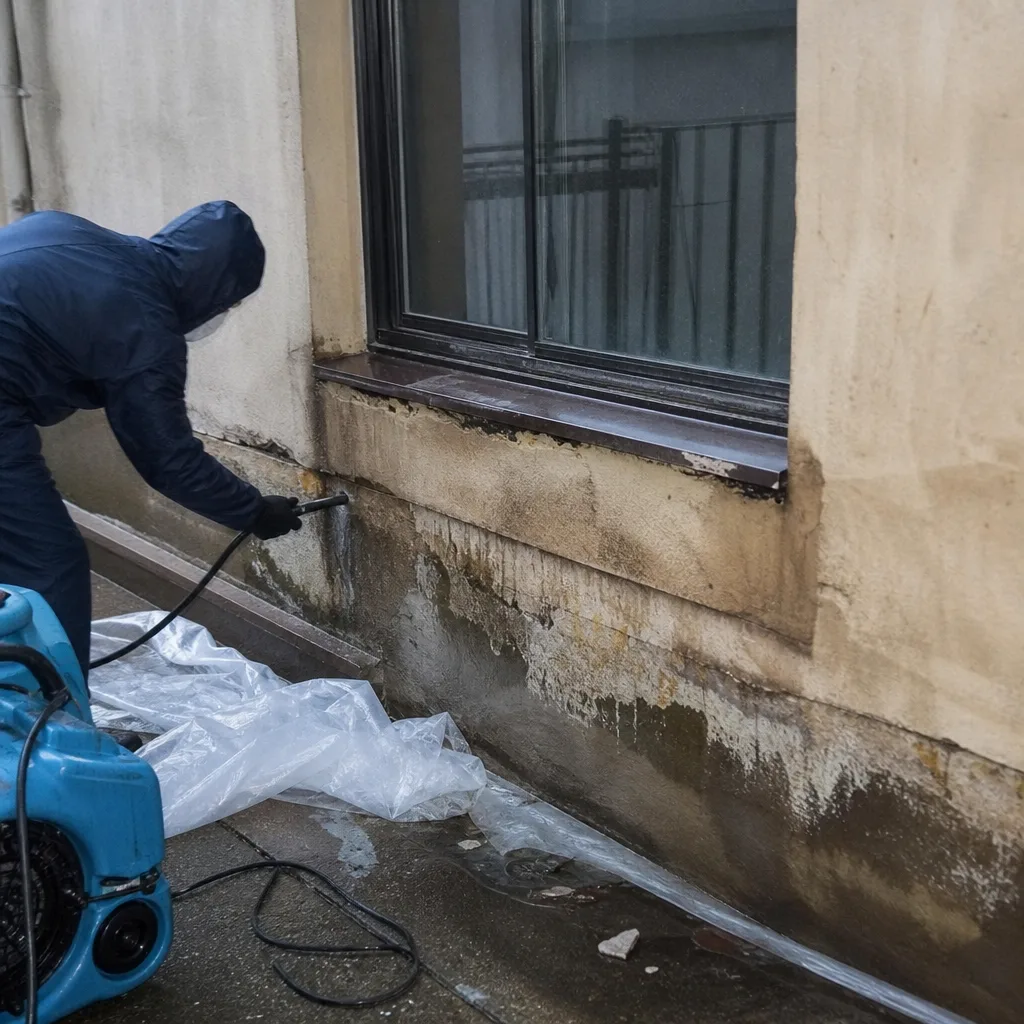 Before
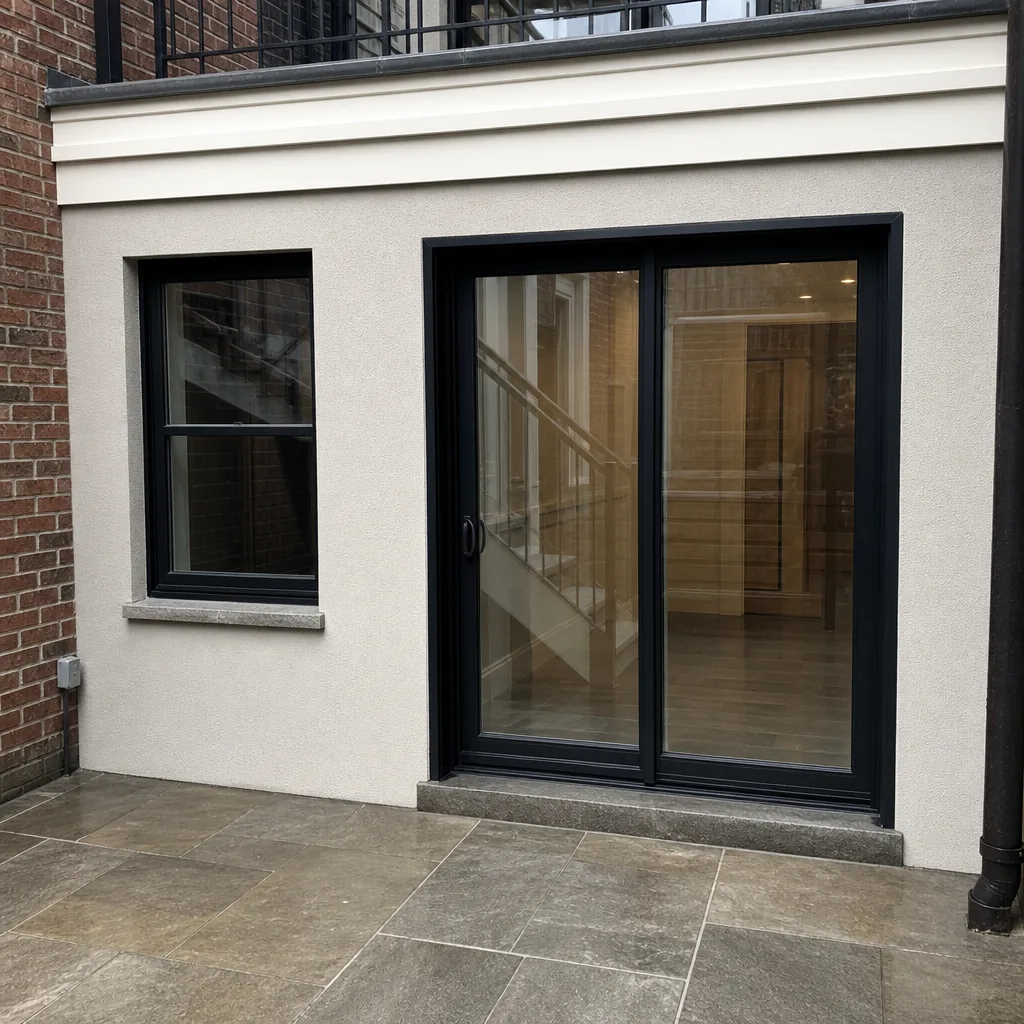 After
After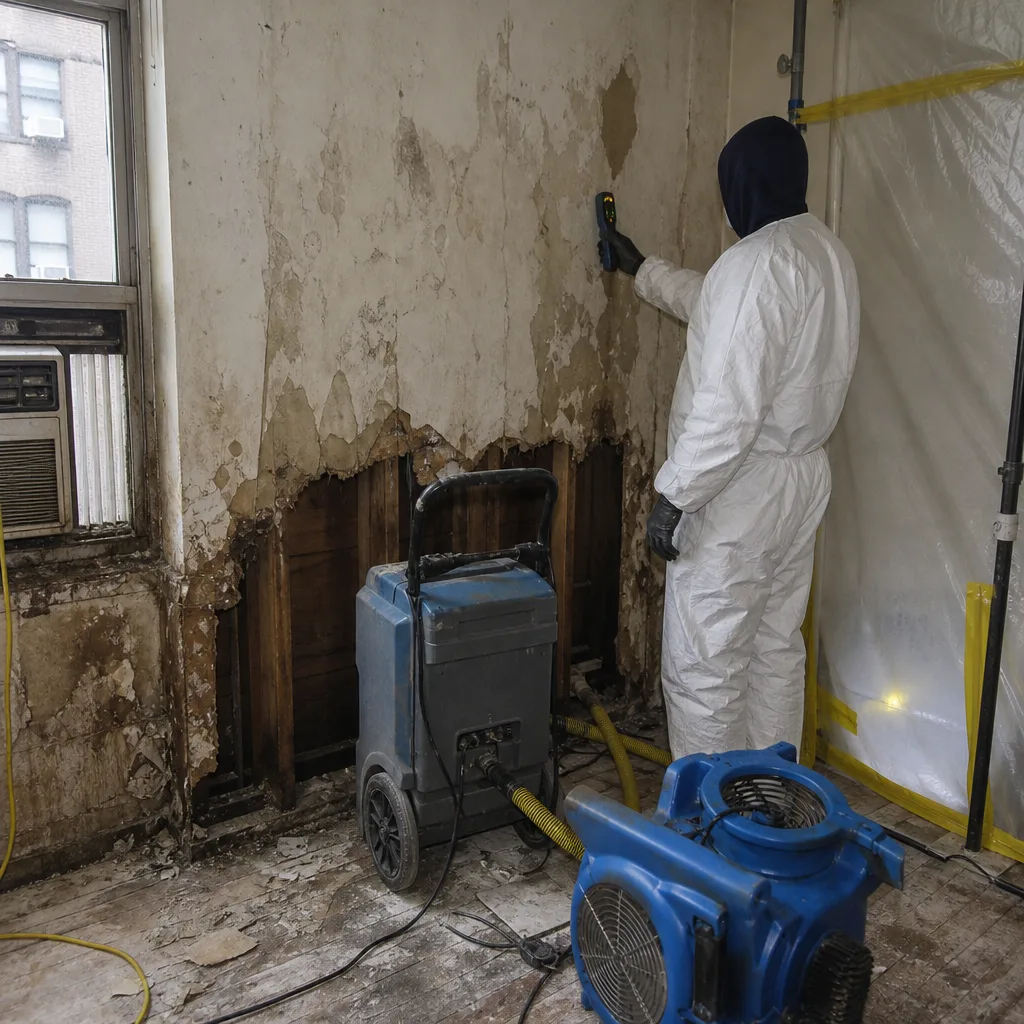 Before
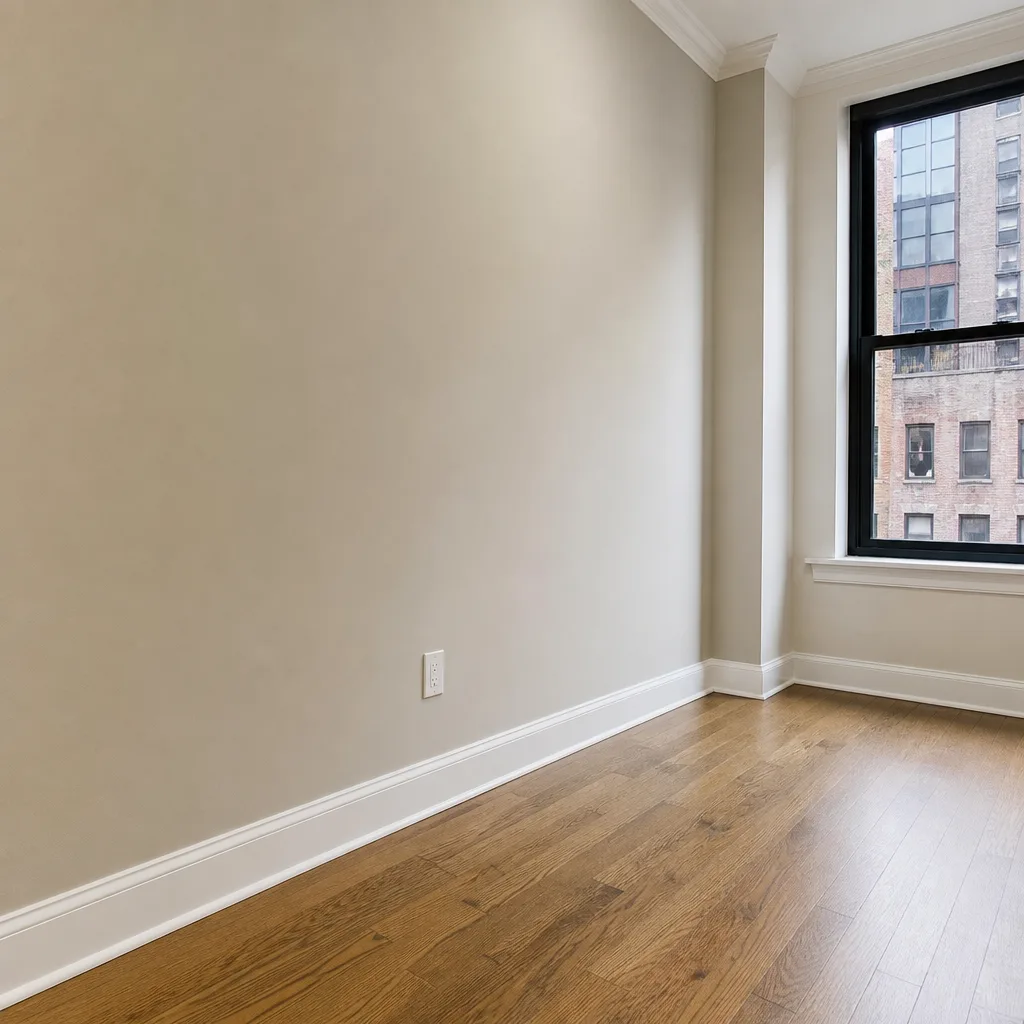 After
After24/7 Emergency Storm & Disaster Restoration in Long Island City
Storm damage in Long Island City moves fast, and so do we. A live dispatcher answers at (518) 314-5660 any hour, any day, and a uniformed Floodline Restoration Co. crew can be on site inside this neighborhood usually within 45 minutes. The first hour after a nor’easter pushes East River surge into a basement, or wind-driven rain finds a curtain-wall seam on a waterfront tower, is when the damage is cheapest to contain. We start with a free visual inspection, tell you plainly what we’re seeing, and get extraction running the same visit. No call center, no answering service, no waiting until morning.
Understanding Storm & Disaster Restoration Severity in Long Island City Properties
Long Island City’s building stock makes storm damage behave differently block by block. In the converted factories around Court Square and Hunters Point, original concrete slabs were poured directly on grade with no vapor barrier. When Category 3 flood water from the East River or backed-up storm sewers enters those buildings, the slab wicks moisture upward indefinitely. That water can sit invisible under flooring and behind baseboards, feeding mold within 24 to 48 hours, long after extraction seems complete. We read moisture deep into the slab with penetrating meters before we call any job dry.
In the glass curtain-wall high-rises along the waterfront, Category 1 water intrusion sneaks in through construction-defect transitions at window-wall joints during wind-driven rain. It pools inside wall cavities, saturates drywall, and never announces itself with a visible puddle. Moisture mapping with thermal imaging finds what eyes miss. And in pre-1974 industrial conversions, storm-damaged walls and floors often hide asbestos in pipe insulation, transite panels, or 9-inch floor tiles, which triggers DEP abatement requirements before drying can even begin. The severity of a storm loss here isn’t measured only by the water, it’s measured by the building that took it.
Why Long Island City Property Owners Choose Floodline Restoration Co.
- 45-minute response commitment. We dispatch crews from right inside the Long Island City area, not from an hour away. The clock starts when you hang up the phone.
- A live person answers, 24/7. At 2 a.m. during a January nor’easter, you get a dispatcher who knows the difference between a sump-pump failure and storm surge. Not a recording.
- IICRC-certified crews. Our technicians hold WRT, FSRT, and AMRT certifications and train to IICRC, RIA, and IFA standards. They’re background-checked and uniformed.
- Free visual inspection. Before any work begins, we walk the property, identify the category of water, and explain the scope in plain language. No charge, no pressure.
- Direct insurance billing. We deal with your carrier directly, send adjusters our documentation, and never make you play messenger between two desks.
- One team from extraction to rebuild. The same crew that extracts the water dries the structure and rebuilds what was lost. No mid-job handoff to a third party.
Our Storm & Disaster Restoration Process
Inspection & Assessment
We arrive, walk the property, and map every wet surface with penetrating and non-penetrating meters. In Long Island City’s slab-on-grade lofts, we take baseline readings deep into the concrete so we know what “dry” looks like before we start. You get a written scope of work, agreed before any equipment rolls in.
Extraction & Stabilization
Truck-mounted extraction pulls standing water out fast. Where storm surge pumped into low-lying 11101 basements, any delay lets groundwater keep pushing back in, so we stage pumping and hold a wet-vac line until the water table settles. Then we stabilize: board-up, tarp, and secure the envelope against more weather.
Drying & Dehumidification
Professional-grade Dri-Eaz and Phoenix dehumidifiers, XPOWER air movers, and Injectidry mat systems pull moisture from air, framing, and concrete. For slab-on-grade lofts, we run injections and take readings every 12 hours. Drying timelines here run nearly double framed buildings, and we don’t cut that corner.
Cleaning & Sanitization
Storm water in Long Island City can carry contaminated water from the East River, storm sewers, or both. We treat affected surfaces with proper antimicrobial agents, HEPA-vacuum where needed, and run air scrubbers to get airborne particulates down before we consider the space habitable, following the same rigorous standards as our our Sanitization Services in Long Island City.
Slab & Structure-Specific Treatment
This is where Long Island City separates the professionals. On slab-on-grade loft buildings with no vapor barrier, we keep drying until sub-slab moisture readings match the building’s pre-loss baseline. On high-rise curtain-wall leaks, we open only what’s needed, treat hidden pockets, and dry behind the walls without unnecessary demolition.
Repairs & Restoration
Once the structure is dry, we rebuild through our Reconstruction & Cleanup - Long Island City process. Drywall, flooring, trim, paint, whatever it takes to put the property back. If pre-1974 asbestos abatement was required, we coordinate it so the project flows in order: safety first, then repair, then finish. Every job closes with our 90-Day Done Right Promise in your hands.
Need Emergency Storm & Disaster Restoration in Long Island City Now?
Crews minutes away, answering live 24 hours a day. The sooner we start, the less it costs.
Working With Your Insurance Company
Storm and flood claims in Long Island City are rarely straightforward. FEMA flood zones in ZIP 11101 often mean a separate flood policy sits behind your homeowner’s coverage, and wind damage from a nor’easter may fall under a different deductible than the water that came through the window afterward. We document everything from the first hour, photograph every affected room, log moisture readings daily, and write a detailed line-item scope of work that adjusters recognize. Our team talks to your carrier directly, answers their questions, and handles the paperwork so you don’t have to become an expert in claims mid-crisis. Written proof is how honest restoration work gets paid without argument, and we provide that proof on every job.
What We Provide Your Insurer
- Thorough documentation of the loss
- Photos of all damage, room by room
- Moisture readings and drying logs
- A detailed, line-item scope of work
- Direct coordination with your carrier
Built for Long Island City’s Loss Calendar
Long Island City’s position on the East River dictates when storm restoration calls spike. January and February bring coastal nor’easters that drive surge into low-lying 11101 basements, plus deep freezes that burst supply lines in under-insulated converted lofts. March and April mean snowmelt and spring rain meeting groundwater that already sits close to the surface, pushing water into sub-grade spaces even without a storm. Summer brings fast thunderstorms that overwhelm storm sewers in the flats and flood intersections along Jackson Avenue. Autumn is the second nor’easter season, with wind-driven rain finding every seam in waterfront curtain-wall towers. We staff and dispatch around this calendar, because we have watched it for years.
Storm & Disaster Restoration Across Long Island City’s Neighborhoods
Each part of Long Island City has its own storm profile. Hunters Point, with its mix of early-20th-century row houses and converted warehouses, sees the worst of the surge-driven basement flooding: slab-on-grade construction with no vapor barrier, and groundwater that arrives right behind the storm. Court Square’s pre-war industrial conversions carry the asbestos complication, which means DEP abatement protocols before we can open a single wall. The waterfront corridor from Gantry Plaza State Park north to Queensbridge deals with wind-driven rain and curtain-wall leaks in the newer towers, plus storm surge on the ground floors. ZIP codes 11101 and 11109 both sit vulnerable, though 11120, which overlays the towers near the river, often sees damage show up not as flooding but as hidden water intrusion behind interior drywall. When we send a crew to Long Island City, we know which block they’re headed to before they turn onto it.
Specialized Storm & Disaster Restoration Services We Offer in Long Island City
Flood Damage Restoration
Storm surge and groundwater flooding in low-lying Long Island City basements leave more than standing water. Category 3 water from the East River carries salt, sewage, and whatever the storm picked up along the waterfront, which is why we follow Biohazard & Crime Scene Cleanup - Long Island City protocols for safe handling. We extract, treat, and dry, then read the slab to confirm it actually stopped wicking. In the loft conversions near Hunters Point, that slab reading is the difference between a closed job and a mold problem six weeks later.
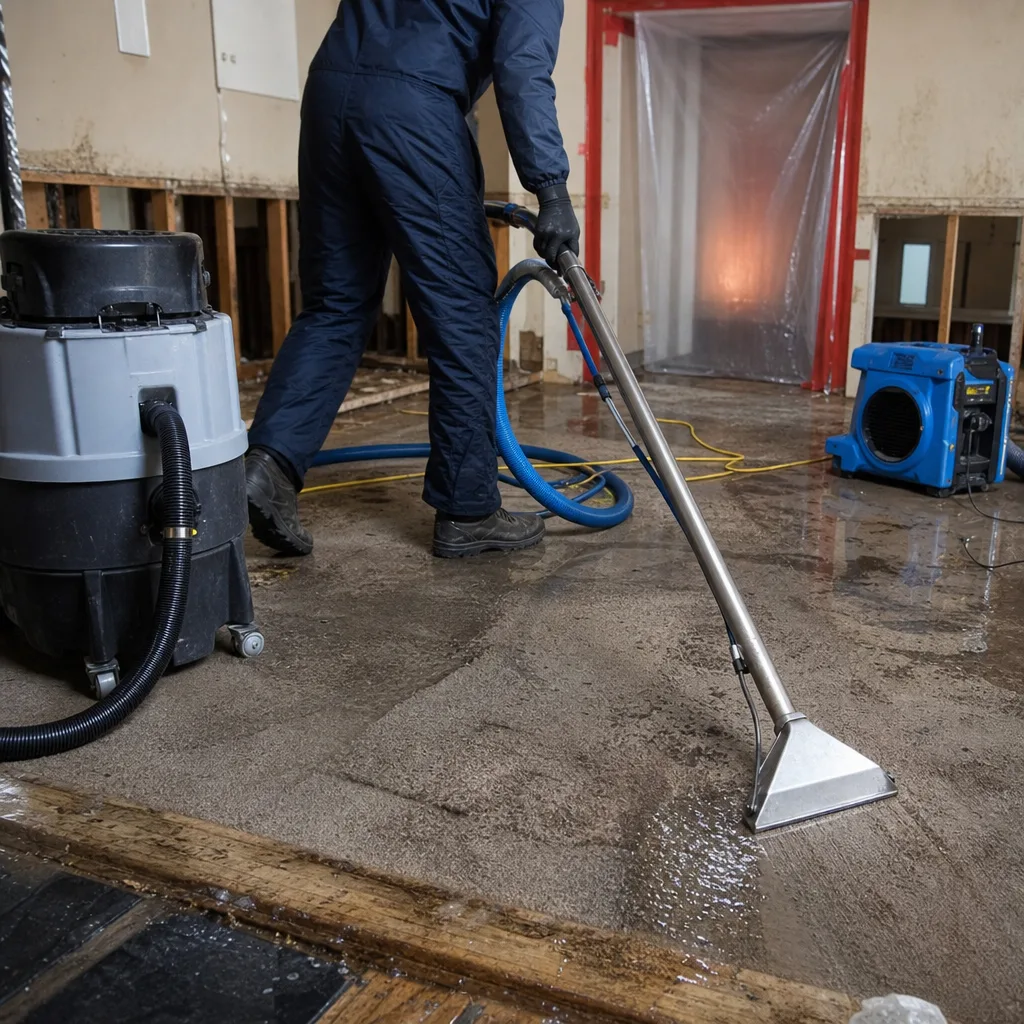
Storm Damage Cleanup
Debris, wet drywall, ruined flooring, broken glass, and mangled storefronts all need to come out before repair can begin. We clear what the storm left, separate what can be saved from what cannot, and get the site safe for further work. In Long Island City’s converted factories, we also stop to check for asbestos before demolition starts, because pre-1974 buildings trigger DEP requirements the moment we touch wall cavities or old flooring.
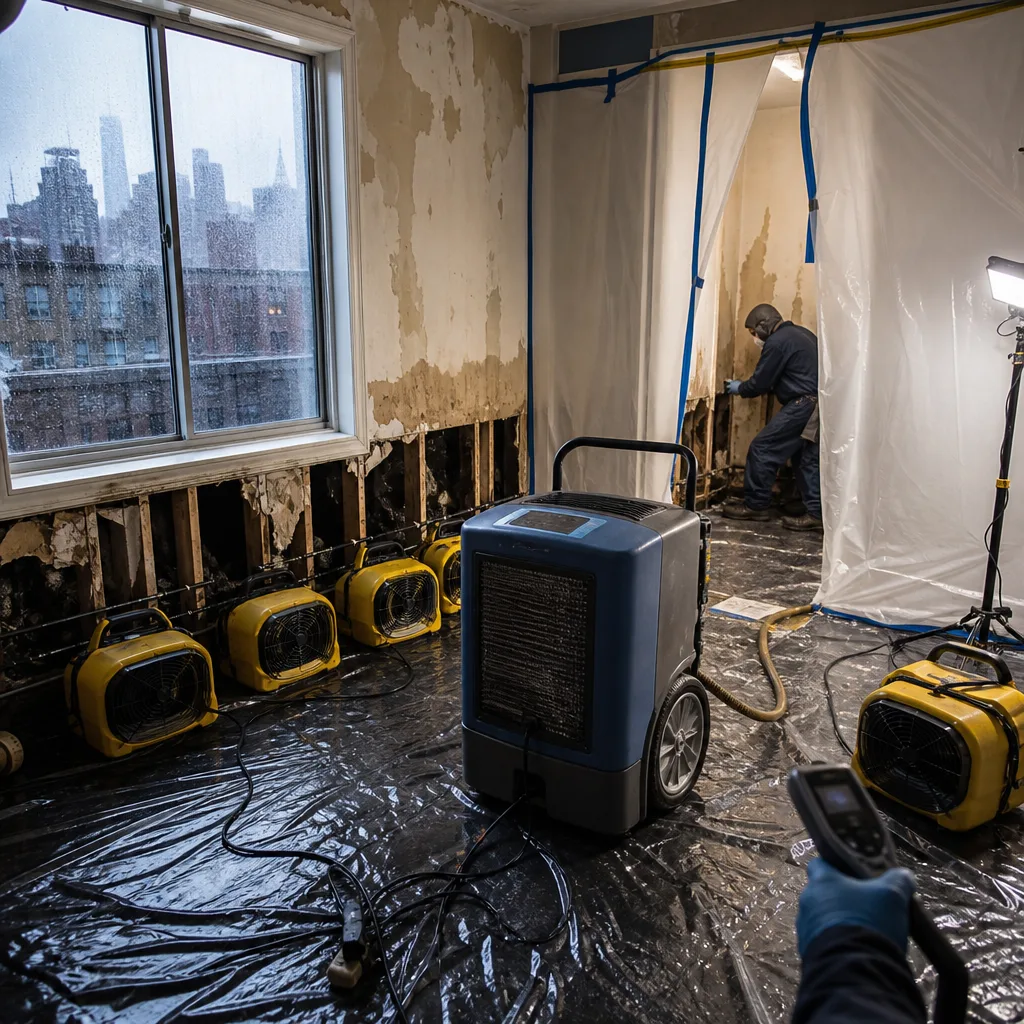
Emergency Board-Up
A broken window or a torn-off door on a Court Square loft or a Jackson Avenue retail space is an open invitation to looters, weather, and more damage. We board up using plywood and proper fasteners, not a sheet of OSB and hope. The board-up is temporary, but it has to hold through the next storm, because in Long Island City the next storm is probably closer than you think.
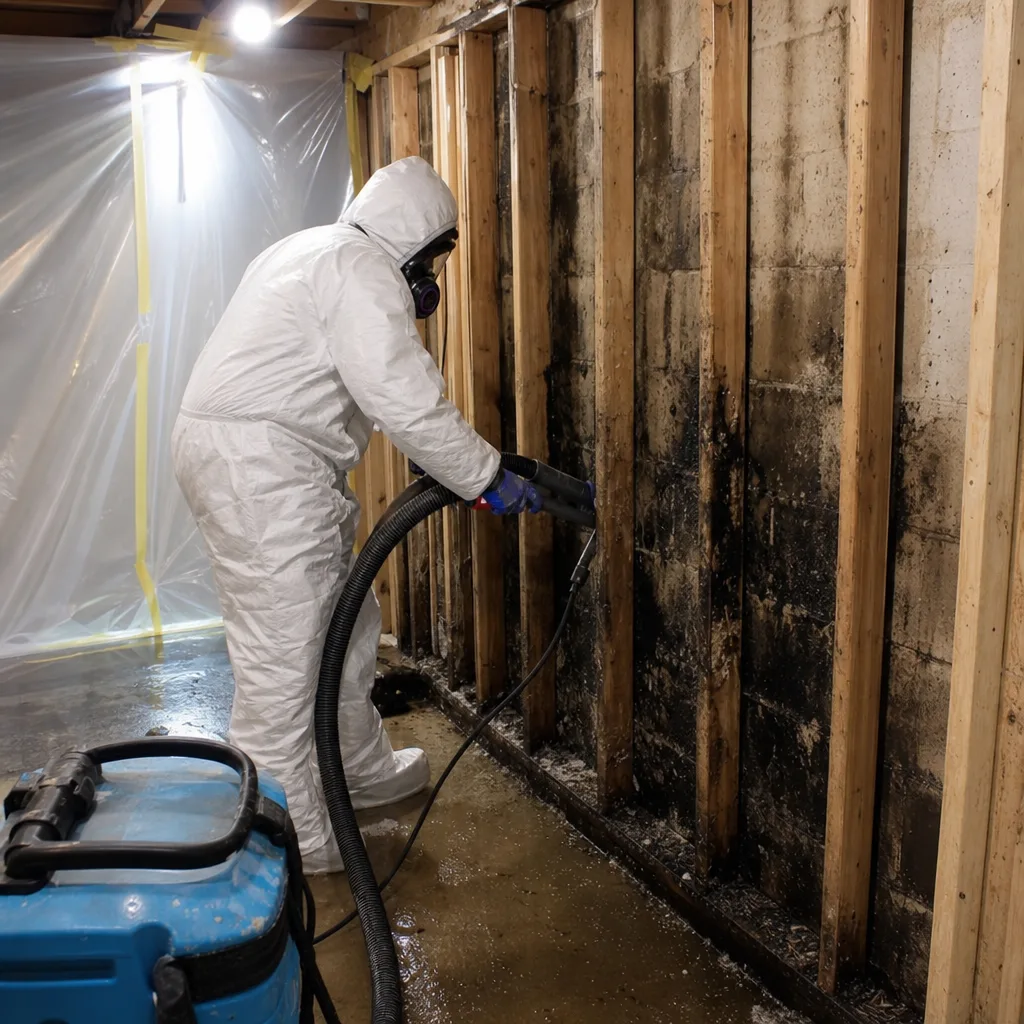
Roof Tarping
Wind-driven rain tears roof membranes on old industrial buildings and rips flashing off tower edges along the waterfront. We tarp the affected areas fast, using weighted and screwed-in systems that survive the next nor’easter. A proper tarp buys time for a real repair, and in a city where a second storm can hit before the insurance adjuster returns your call, that time matters.
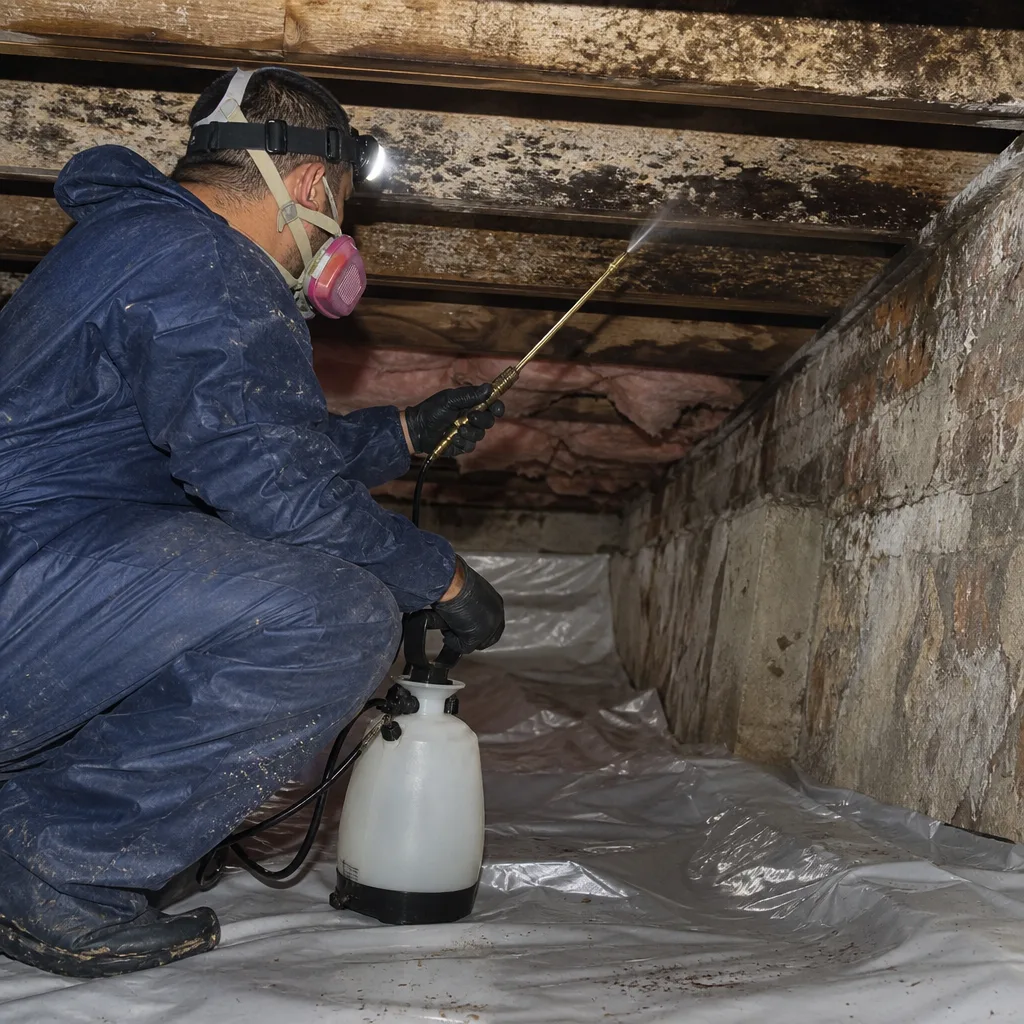
Debris Removal
Storm debris in Long Island City ranges from branches along Vernon Boulevard to window glass, roof aggregate, and soaked insulation blown from construction sites. We haul it, separate it, and dispose of it properly. If asbestos-containing material is mixed in, we handle it through the required channels, because cutting that corner is illegal and dangerous.
What happens when you call
- 1
A real person answersNo phone trees - you reach a local pro.
- 2
You get an upfront price rangeHonest numbers before anyone is dispatched.
- 3
A background-checked tech heads outLicensed & insured, dispatched right away.
- 4
You approve before work beginsNothing starts until you say go.
Storm & Disaster Restoration Costs in Long Island City, NY
What you can expect to pay for storm restoration in Long Island City depends on the building, the water category, and how quickly we get in. A standard storm water extraction and drying job in a framed building typically runs $1,800 to $3,400, but a flooded basement in a Hunters Point loft with slab-on-grade construction, saturated drywall, and a nine-day drying timeline usually lands between $4,500 and $9,000. Emergency board-up on a single storefront or window averages $450 to $900. Roof tarping on an industrial loft runs $1,200 to $2,800, while larger high-rise sections can exceed $4,000. Pre-1974 buildings that need DEP asbestos abatement before drying can push a $5,000 job to $8,000 or more depending on the material location. If storm damage is covered by insurance, your only out-of-pocket is typically the deductible, and we bill your carrier directly. The fast way to a firm price is a free visual inspection, which we schedule the moment you call (518) 314-5660.
We Also Serve Cities Near Long Island City
Our crews cover Long Island City and the surrounding area, including Astoria. Same dispatch, same live answer, same 90-Day Done Right Promise. If you’re just outside LIC and took storm damage, call and ask, we will tell you straight whether we can be there.
Serving Long Island City, NY - Our Local Coverage Area
We’re based in the Long Island City area and know this community well. Use the map below to see our service coverage - if you’re nearby, we can almost certainly help.
Long Island City Storm & Disaster Restoration Questions, Answered
Why do drying times in Long Island City loft conversions run so much longer than in houses?
The converted factory slabs in Court Square and Hunters Point were often poured directly on grade with no vapor barrier, no gravel bed, and no moisture break between the concrete and the soil below. When water gets into those slabs it wicks upward indefinitely until we dry the slab itself, not just the surface. That means running Injectidry mat drying and dehumidification for nine to twelve days where a framed wood-floor house would be dry in five. We cannot close the job until sub-slab moisture readings match the building’s pre-loss baseline, and that baseline took years to reach. Call (518) 314-5660 and we’ll explain what that means for your specific building.
What DEP asbestos rules apply to storm-damaged pre-1974 buildings in LIC?
New York City DEP requires an asbestos survey before any renovation or demolition in buildings constructed before 1974. That means if storm water damaged walls or flooring in a pre-war factory conversion, and the material may contain asbestos pipe insulation, transite panels, or 9-inch vinyl floor tiles, we cannot open those areas until a certified inspector tests and, if needed, an abatement crew removes it. It adds time and cost, but skipping it is illegal and puts your health at risk. We coordinate the entire sequence so mitigation does not stall while you wait.
Does the East River flood zone in ZIP 11101 affect what category of water we are dealing with after a storm?
Yes. Flood water that comes from the East River, storm surge, or backed-up storm sewers is Category 3 water: it carries sewage, salt, and contaminants. It is not clean water, even if it looks clear. That changes how we treat surfaces, what we tear out versus dry, and how we protect the rest of the home from cross-contamination. If groundwater pushed into your basement even without a visible storm, it likely picked up what was already in the soil, which can also mean treatment above typical clean-up. Call us and we will tell you what category you’re dealing with before we quote.
How do you keep mold from starting in a LIC basement that floods every time the groundwater rises?
The key in Long Island City is not just extracting the water; it is drying the slab and reducing the ambient moisture level fast enough to beat the 24-to-48-hour mold window. We run desiccant and low-grain refrigerant dehumidifiers, cut away saturated drywall quickly, and treat stud bays and concrete with proper antimicrobial agents. In repeat-flooding basements, we also talk to the owner about drainage fixes, sump pump upgrades, and whether a vapor barrier retro-fit is possible, because recurring groundwater problems will not forgive a half fix. The first call is free: (518) 314-5660.
Can you tarp a high-rise curtain-wall leak in LIC without full scaffold?
Sometimes. For a single window-wall transition leak below about six stories, we can usually tarp from a boom lift or rope-access if conditions allow. Above that or when the leak spans multiple floors, a proper scaffold or swing stage is the right answer, and we coordinate that through a licensed contractor. The goal of the tarp is to stop more water coming in while the leak diagnosis and repair are planned. We will tell you honestly what your building needs and what it will take to make it watertight.
How fast can someone actually get here when Long Island City takes a direct hit?
Our dispatch team works directly out of the New York City area and crews are staged to reach Long Island City typically within 45 minutes of your call. That is not a recorded message, that is a live person sending a truck while you are still on the phone. During the worst storms, demand spikes and we triage by severity, but the sooner you call (518) 314-5660, the sooner your name hits the board, and the board is watched all night.
Will my insurance cover storm damage in Long Island City or am I paying out of pocket?
It depends on your policy. Standard homeowners insurance often covers wind damage and water that entered through storm damage, like a broken window or torn roof. But groundwater and surge flooding in FEMA-designated flood zones typically require a separate NFIP flood insurance policy. In ZIP 11101, many property owners carry both. We file directly with your carrier, providing photos, moisture logs, and a detailed line-item scope. You pay your deductible; we handle the rest. If you’re not sure what your policy says, call us and we will help you parse it.
What should I do in the first 30 minutes after storm water gets into my Long Island City property?
Get to a safe place and turn off electricity to any affected area if you can do so without standing in water. Do not wade through flood water from the East River or sewer systems. Move what you can to higher ground, but leave the restoration to professionals. Then call (518) 314-5660. The first 30 minutes are about safety and getting a crew dispatched. The next 24 hours decide how much of the damage becomes permanent.
Written by Curt Bowman, Owner at Floodline Restoration Co., serving Long Island City and the surrounding area since 2010.