
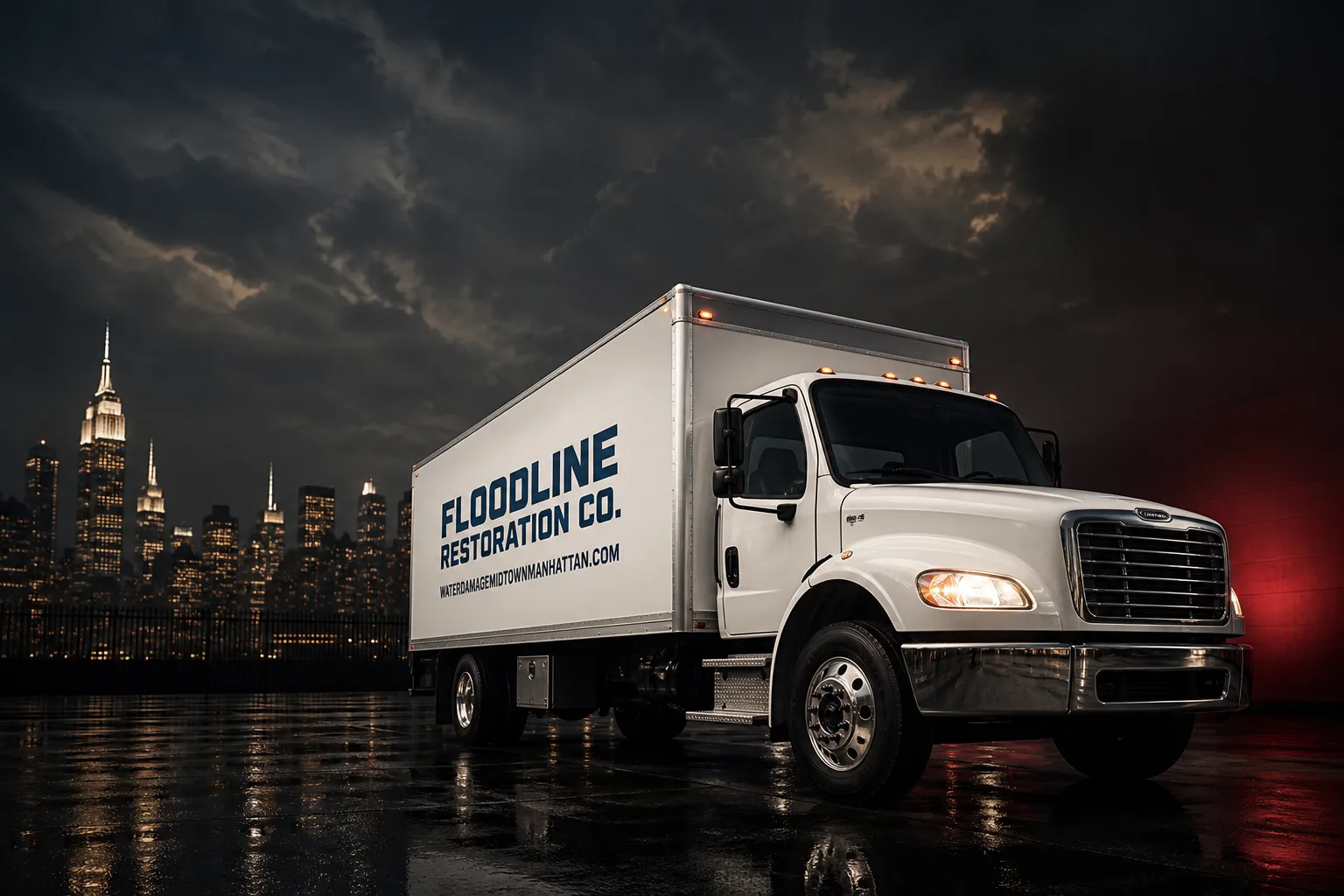
Free visual inspection and a written scope of work before any mitigation begins - photos, moisture readings, and drying logs go in your claim file
The scope we write is the scope we bill. Anything new gets shown to you, in writing, before we touch it.
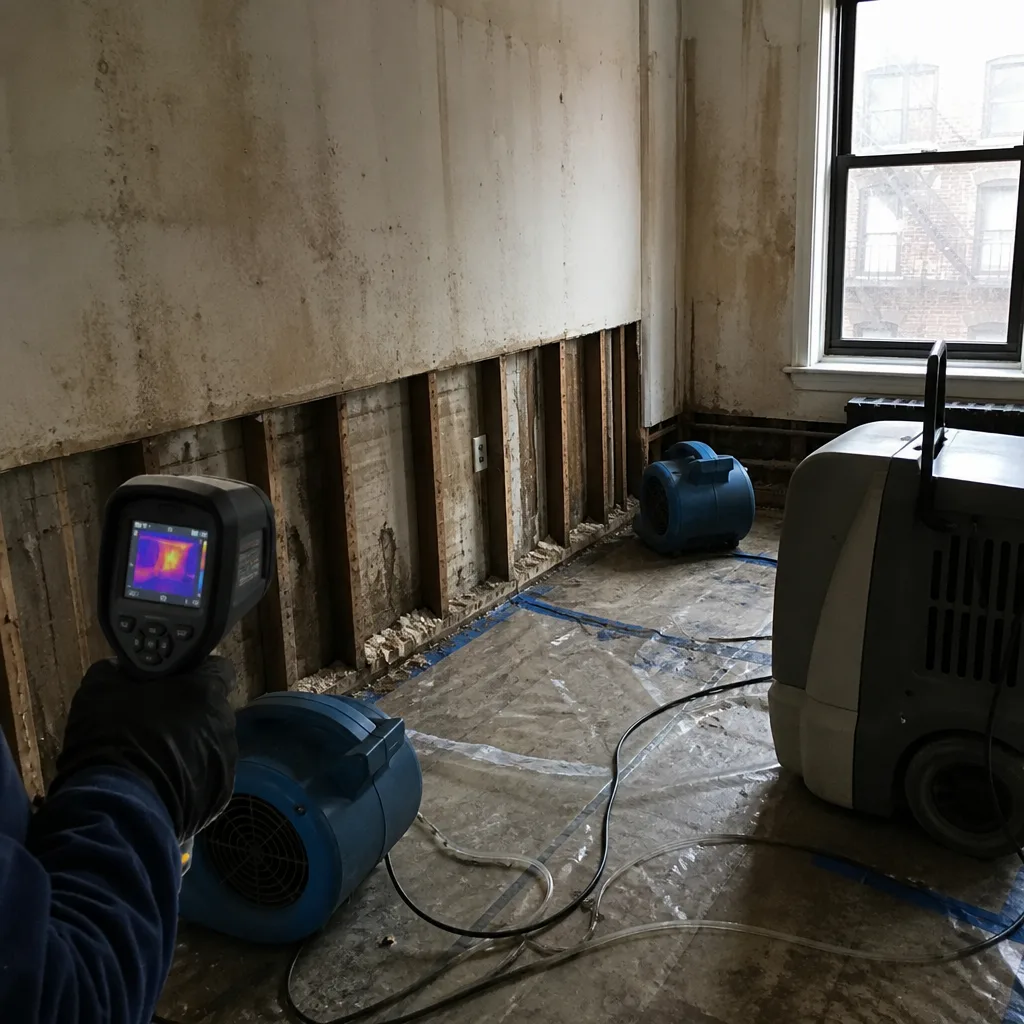 Before
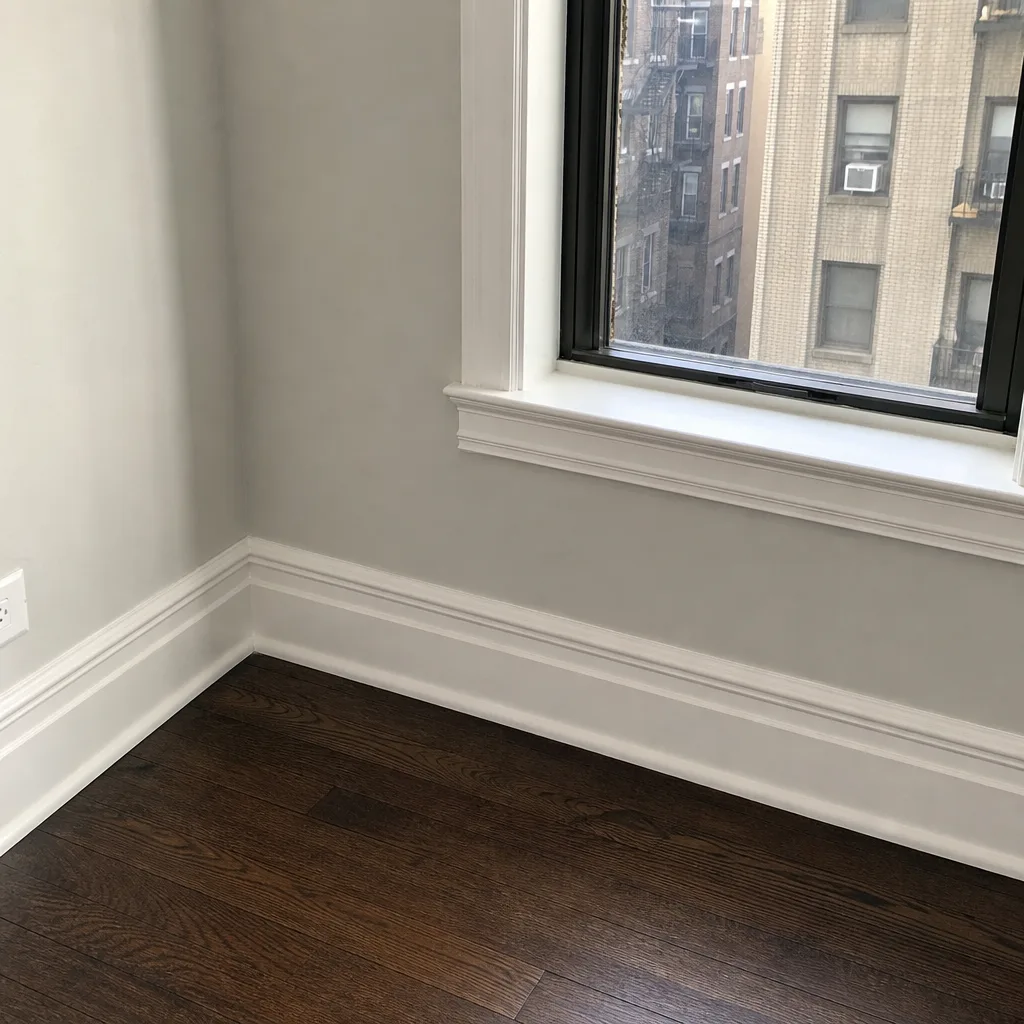 After
After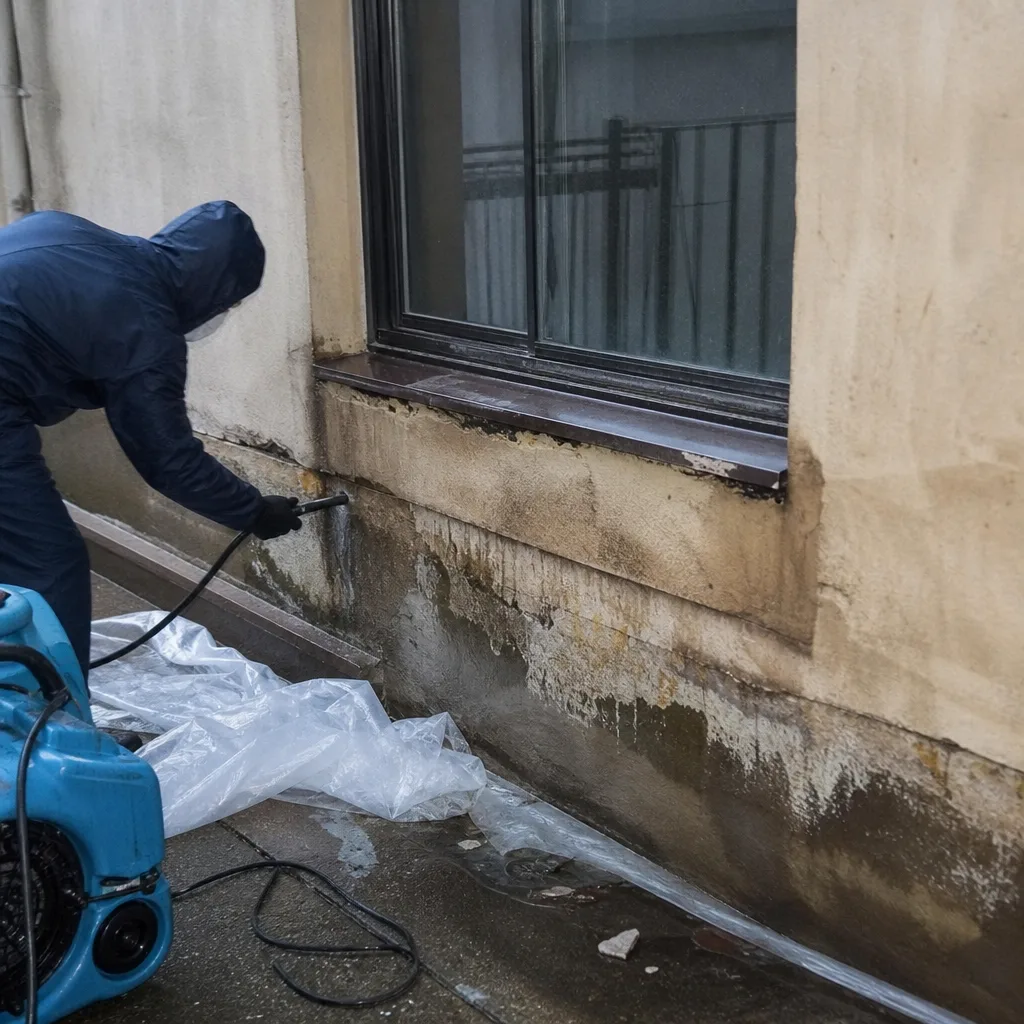 Before
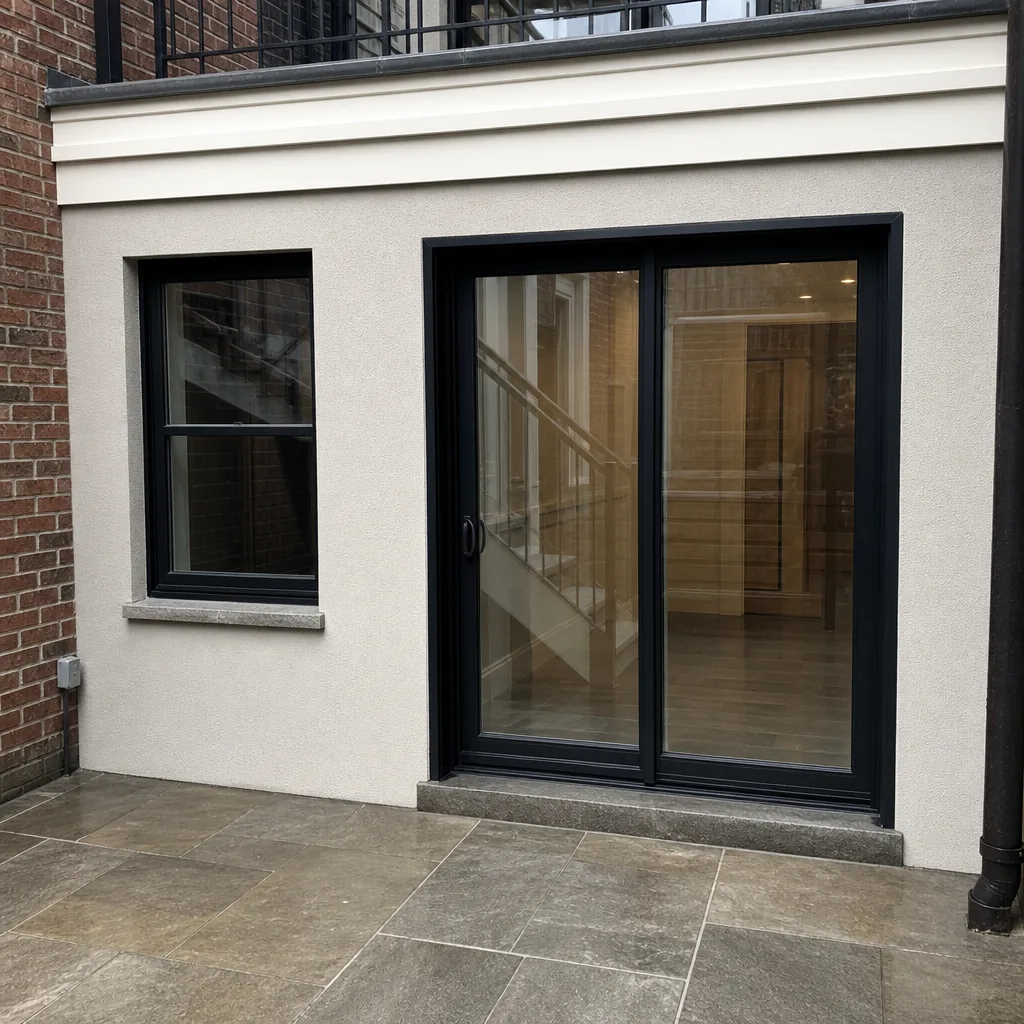 After
After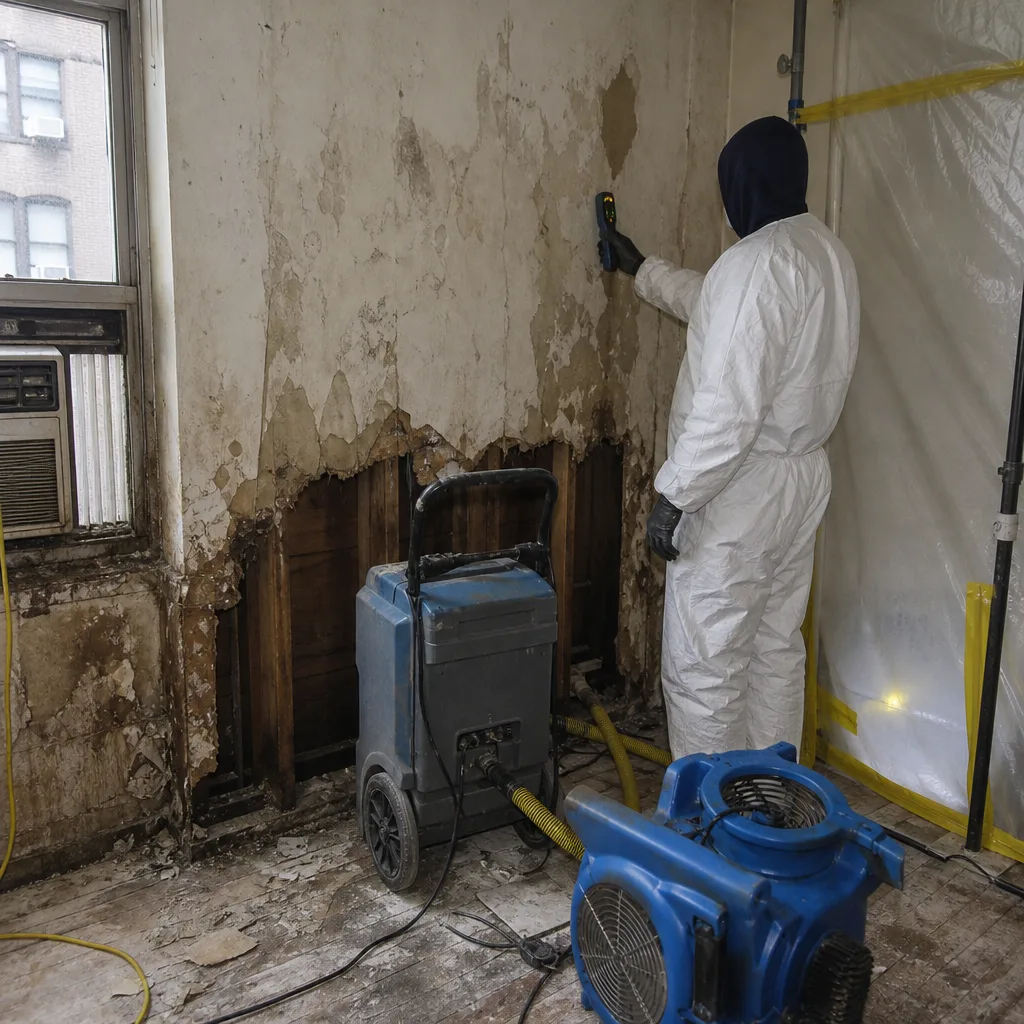 Before
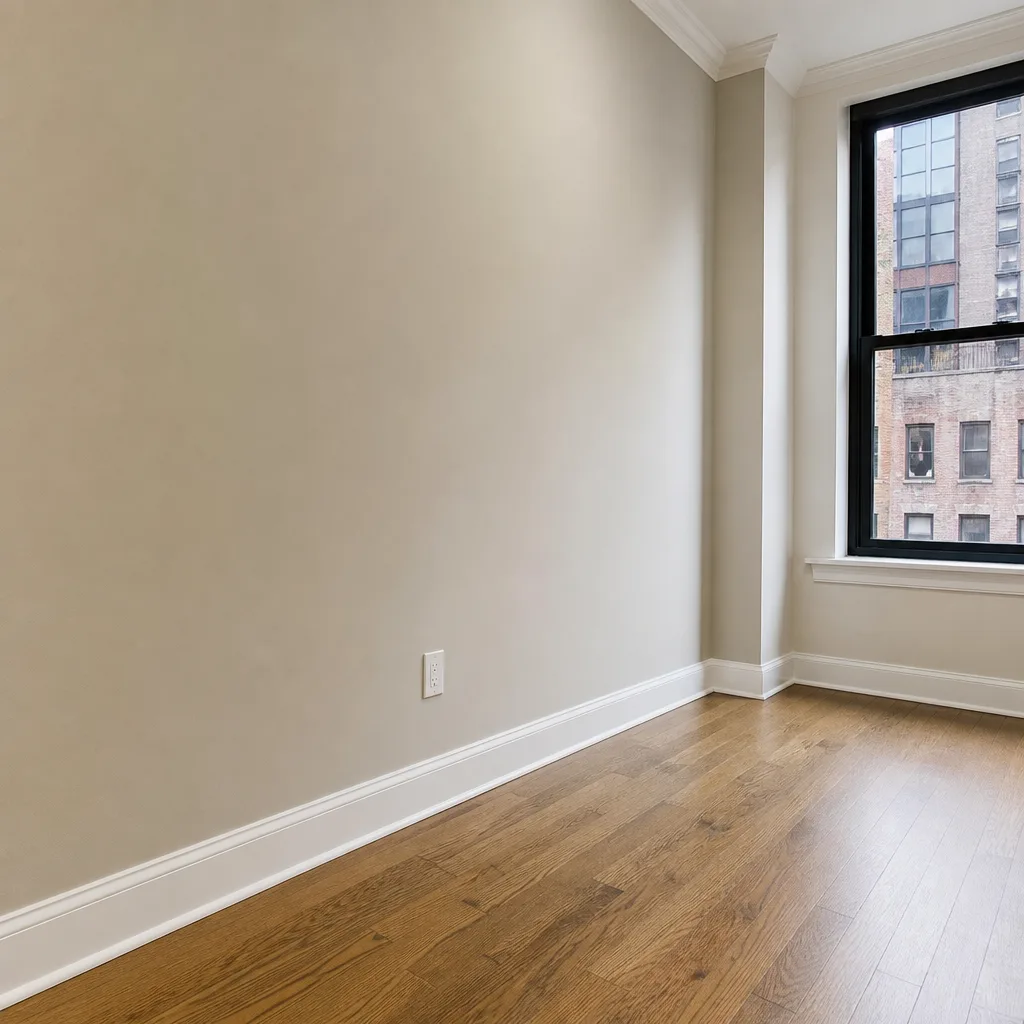 After
After24/7 Emergency Reconstruction & Cleanup in Long Island City
Water, fire, or storm damage in Long Island City moves fast. Call (518) 314-5660 and a live dispatcher answers, any hour, any day. We send skilled crews into Long Island City immediately, not after a call-back. Our restoration specialists reach most LIC addresses within 45 minutes to begin emergency extraction and stabilize the damage before it spreads into structural framing, subflooring, or drywall. Every hour of standing water in a Long Island City property pushes moisture deeper into concrete slabs and building materials, which turns a $4,000 cleanup into a $30,000 rebuild faster than most homeowners realize. The first visit includes a free visual inspection and a written scope so you know exactly what we found and exactly what we plan to do, line by line. We arrive with the equipment running and paperwork in hand.
Understanding Reconstruction & Cleanup Severity in Long Island City Properties
Long Island City does not present one building type. It presents three, and each fails differently. Converted factory lofts near Court Square and Hunters Point sit on original poured concrete slabs, many poured before vapor barriers were standard. When water enters, the slab becomes a sponge. You may dry the surface in four days and still have moisture wicking upward through the concrete, feeding hidden mold behind baseboards and under vinyl flooring. Post-2010 glass curtain-wall towers fail at sill flashing and sealant joints. Water gets behind the drywall and sits there, hidden, until mold blooms inside the wall cavity within 24 to 48 hours. And century-old brownstones and rowhouses along the avenues have steam risers and supply lines that were installed when Theodore Roosevelt was police commissioner. A burst supply line in a third-floor bathroom sends water down two stories of original lath and plaster, and that requires true Reconstruction & Cleanup, not just a dry-out. Severity here is a function of building age, slab design, proximity to the East River, and how long the water sat before anyone noticed.
Why Long Island City Property Owners Choose Floodline Restoration Co.
- 45-minute response commitment. We tell you when the crew will arrive, and we show up then. You will never sit watching a wet floor spread while waiting for a vague ETA.
- A live person answers at 2 a.m. Not a recording. Not a triage service. A dispatcher who can put a Long Island City crew in motion while you are still on the phone describing the damage.
- IICRC-certified crews. Our technicians hold WRT, FSRT, and AMRT certifications. They have handled thousands of Category 1, 2, and 3 water losses in buildings like yours.
- Free visual inspection, always. We walk the site, take moisture readings, and give you a written scope before any repair work begins. You approve the plan before we open a wall.
- Direct insurance billing. We handle the paperwork, the photos, the moisture logs, and the adjuster calls. You are not the middleman between us and your carrier.
- One team from extraction to reconstruction. The same Floodline Restoration Co. crew that extracts the water rebuilds the drywall. No subcontracted handoff, no inherited crew you have never met.
Our Reconstruction & Cleanup Process
Inspection & Assessment
We walk the site with thermal imaging cameras and penetrating moisture meters. For Long Island City slab-on-grade lofts, we take readings four inches into the concrete, not just at the surface. You get a written report of the loss, the classification, and the required scope.
Extraction & Stabilization
Standing water comes out first. We use truck-mounted and portable extraction units to pull water from floors, carpets, and wall cavities. Where sewage is present, we classify it as Category 3 and contain the area immediately.
Drying & Dehumidification
We position XPOWER air movers, B-Air and Phoenix dehumidifiers, and Injectidry systems where wall cavities or under-slab moisture demand aggressive drying. Daily moisture readings are logged and given to you and your insurer until the dry standard is met.
Cleaning & Sanitization
We clean all affected surfaces, apply antimicrobial treatments where required, and run HEPA air scrubbers to remove airborne contaminants. Contents that can be saved are cleaned, dried, and documented. Contents that cannot are itemized for your claim.
Asbestos & Lead Protocol
In pre-1974 Long Island City buildings, we inspect for transite panels, pipe insulation, and 9-inch vinyl tiles before opening walls or pulling flooring. If asbestos-containing materials are present, we stop and coordinate NYC DEP abatement with a licensed contractor before reconstruction proceeds.
Repairs & Restoration
Drywall, flooring, paint, trim, and structural repairs are completed by the same certified crew that handled the dry-out. We rebuild to match your existing finishes and provide a final walkthrough with documentation.
Need Emergency Reconstruction & Cleanup in Long Island City Now?
Crews minutes away, answering live 24 hours a day. The sooner we start, the less it costs.
Working With Your Insurance Company
Long Island City homeowners rarely carry a claim from start to finish with confidence. That changes when the restoration company treats documentation as part of the job. We photograph every affected room from corner to corner, capture moisture readings with calibrated meters, and maintain a daily drying log that shows what we did and when. Our estimates follow industry-standard pricing software that your adjuster recognizes. We call the carrier, not the other way around. When the adjuster visits, a Floodline Restoration Co. lead technician walks the site with them so nothing is missed or undervalued. You get the same report the insurer gets. Curt Bowman, who founded this company in 2010, built the dispatch and documentation system around a simple idea: the homeowner should never have to argue with an insurance company about a loss we can photograph, measure, and explain in plain English.
What We Provide Your Insurer
- Thorough documentation of the loss
- Photos of all damage, room by room
- Moisture readings and drying logs
- A detailed, line-item scope of work
- Direct coordination with your carrier
Built for Long Island City’s Loss Calendar
Reconstruction & Cleanup calls in Long Island City follow a rhythm tied to the East River, the age of the pipes, and the building calendar. January deep freezes snap supply lines in unheated mechanical rooms in century-old factory conversions. The thaw that follows sends groundwater rising against basement slabs in ZIPs 11101 and 11109, where no vapor barrier exists to stop it. Spring brings heavy rains that find every failed sealant joint in post-2010 curtain-wall towers. Summer thunderstorms overwhelm roof drains on flat-roofed loft buildings, sending water down interior columns and into finished units below. Nor’easters and tropical systems push storm surge over the bulkheads and into parking entrances and mechanical rooms near the waterfront, just as Hurricane Sandy did in 2012. Our Long Island City crews stock extraction units, submersible pumps, and HEPA air scrubbers year-round because we know which month brings which disaster. We do not have a season. We have a calendar.
Reconstruction & Cleanup Across Long Island City’s Neighborhoods
Our crews work every corridor of Long Island City, and the response routes tell the story of the building stock. Around Hunters Point, the new towers along the waterfront demand precision work: water travels behind drywall and above ceiling lines in high-rises, and drying requires access to plenum spaces and elevator lobbies that a single-family home would never have. Near Court Square, the converted loft buildings are our most frequent Category 3 losses, because 100-year-old cast-iron drain lines fail and let sewage into lower-level commercial spaces and residential units. Over by Queens Plaza and the Queensboro Bridge approaches, mixed-use buildings combine retail storefronts and residential units, and a kitchen fire on the commercial floor drives smoke into the apartments above it. Along Vernon Boulevard and the blocks around Gantry Plaza State Park, salt-laden air from the East River accelerates corrosion on every piece of metal from garage door springs to HVAC fasteners, and we routinely pull corroded hardware that no one had looked at in years. In the older blocks of Dutch Kills, pre-war rowhouses hold original plumbing and oil tanks, and a slow leak behind a plaster wall is often discovered only after the floor has started to sag.
Specialized Reconstruction & Cleanup Services We Offer in Long Island City
Full-Service Reconstruction
After the water is out and the structure is dry, the rebuild begins. In Long Island City, that often means matching original exposed brick, restoring hardwood that has cupped, replacing plaster with a compatible finish, and rebuilding finished basements that took on groundwater. Our crews perform the structural repair with the same IICRC training that guided the mitigation. No separate contractor. No new crew learning the job from scratch.
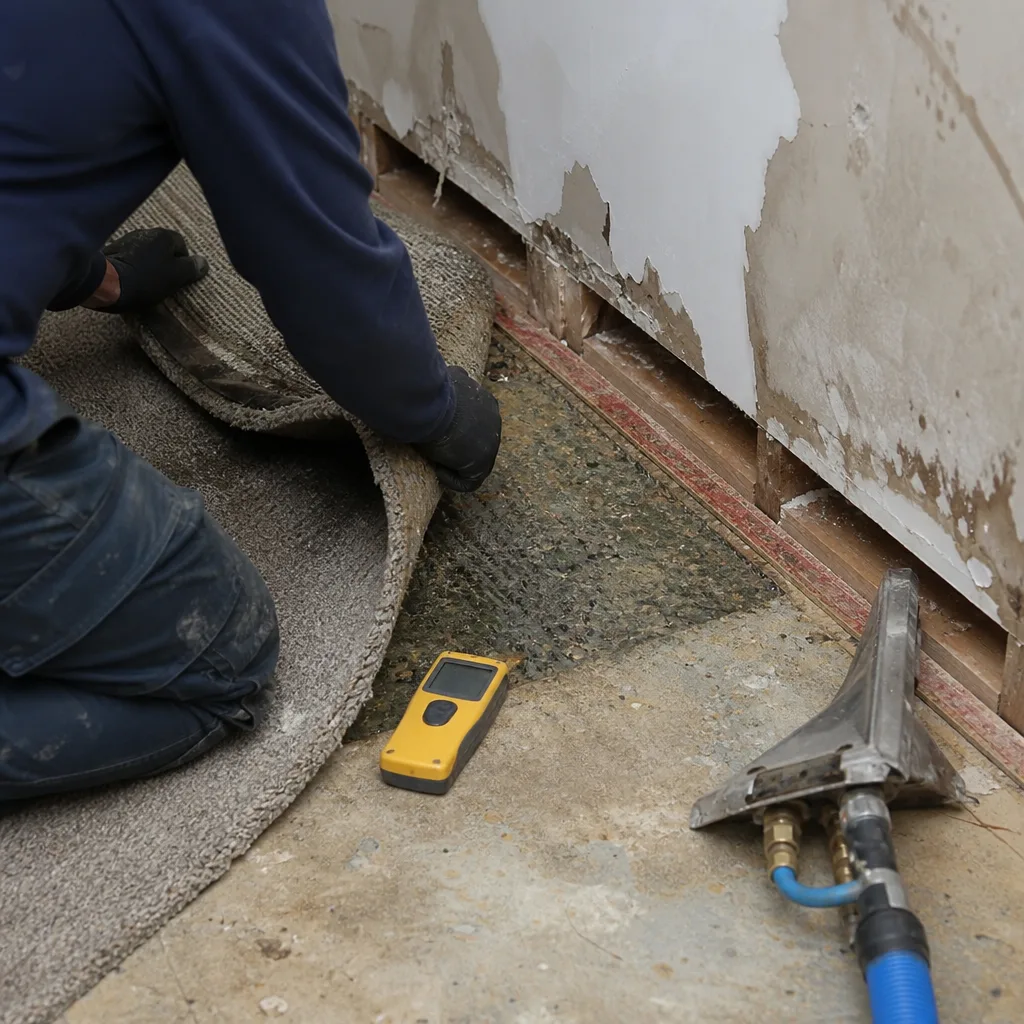
Drywall & Flooring Repair
Long Island City homes range from 19th-century plank subfloors to engineered flooring in new towers. We cut drywall at two feet or four feet depending on the moisture line, replace affected insulation, install new drywall, tape, finish, and paint. Flooring is matched by style, age, and elevation. Where asbestos tile must come out, we stop and coordinate abatement before any new material goes down.
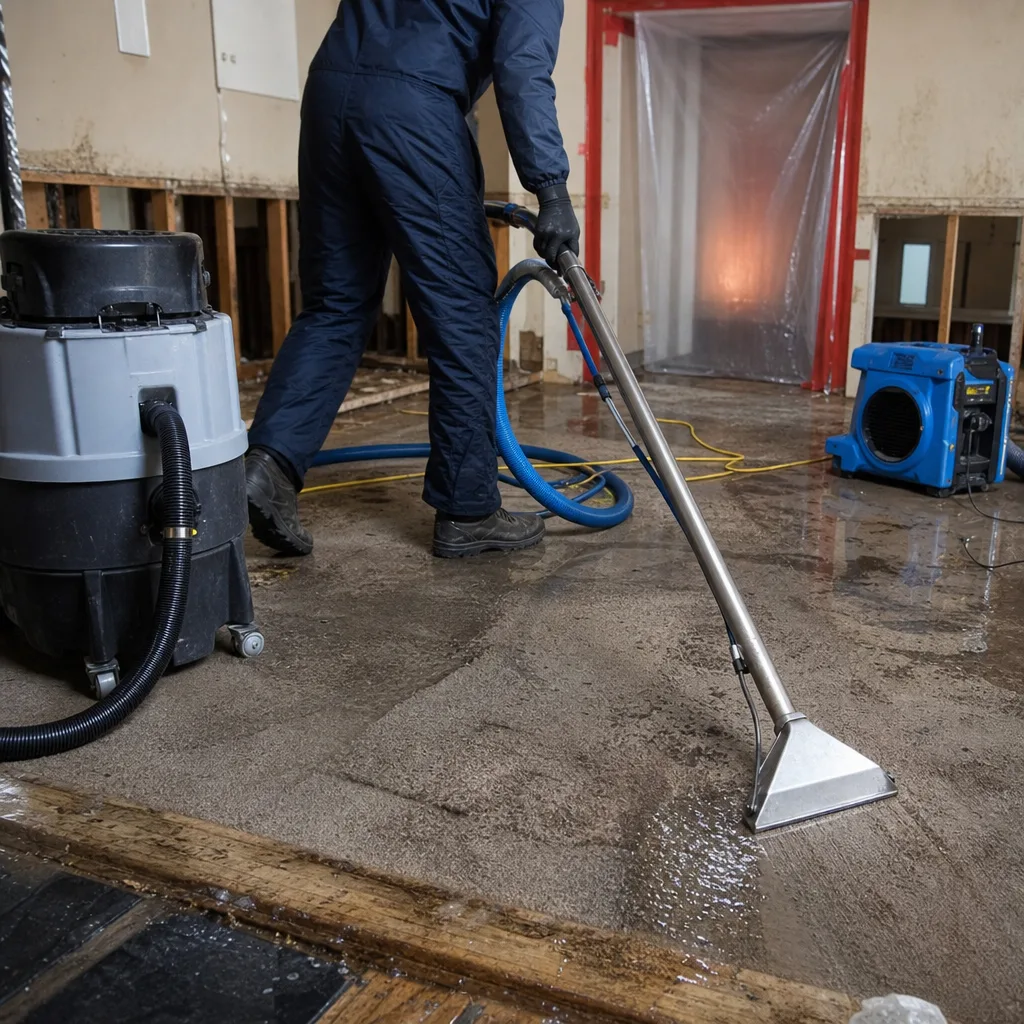
Contents Restoration & Pack-Out
When a Long Island City loft floods, the contents are part of the loss too: rugs, sofas, books, electronics, art, clothing. We inventory everything, pack it, and move it to our climate-controlled facility where it is cleaned, deodorized, and stored until your unit is ready. Your full claims list is generated as we go, not pieced together from memory later. For high-rise owners with limited elevator access, we coordinate building management, service elevators, and loading docks in advance.
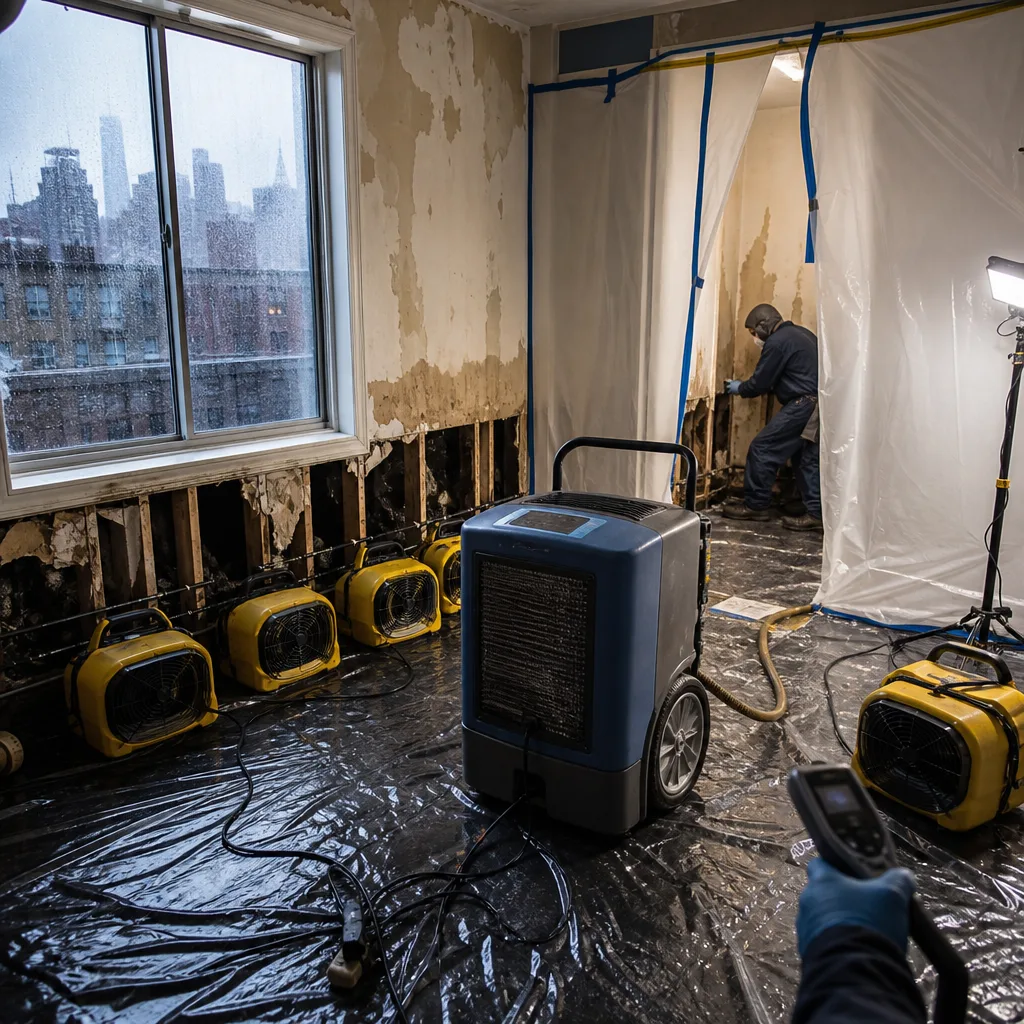
Carpet & Upholstery Cleaning
Clean water losses sometimes leave no structural damage, just soaked carpet and a wet dog smell. We extract, steam-clean, and deodorize on site where salvageable. Category 2 or 3 carpet gets cut, bagged, and disposed of under containment, not dragged through the building in the open.
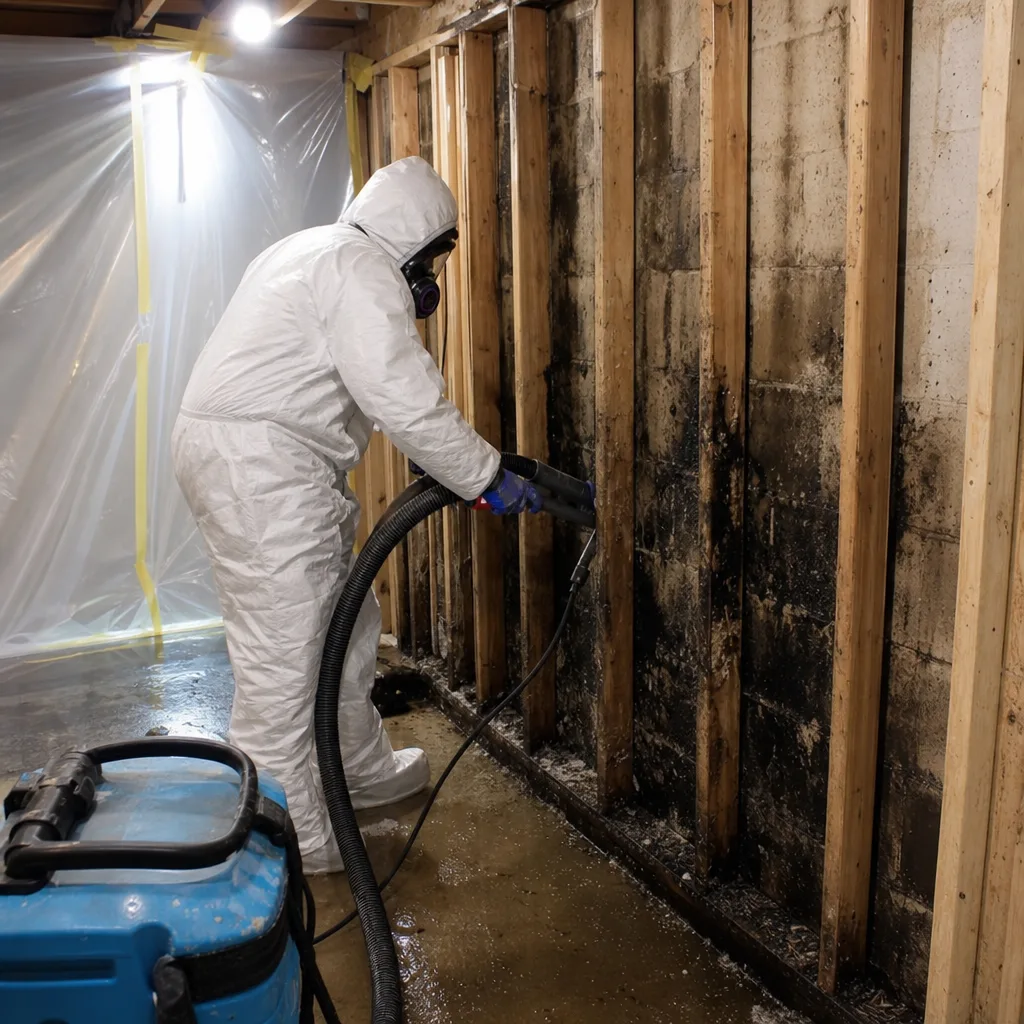
Post-Construction Cleanup
After our own crews finish or after another contractor’s work, we perform fine dust removal, HEPA vacuuming of wall and floor surfaces, and detailed cleaning of millwork, fixtures, and HVAC registers. On Long Island City loft renovations, post-construction cleanup includes removing silica dust from concrete sanding and residue from joint compound, which settles into every exposed brick crevice.
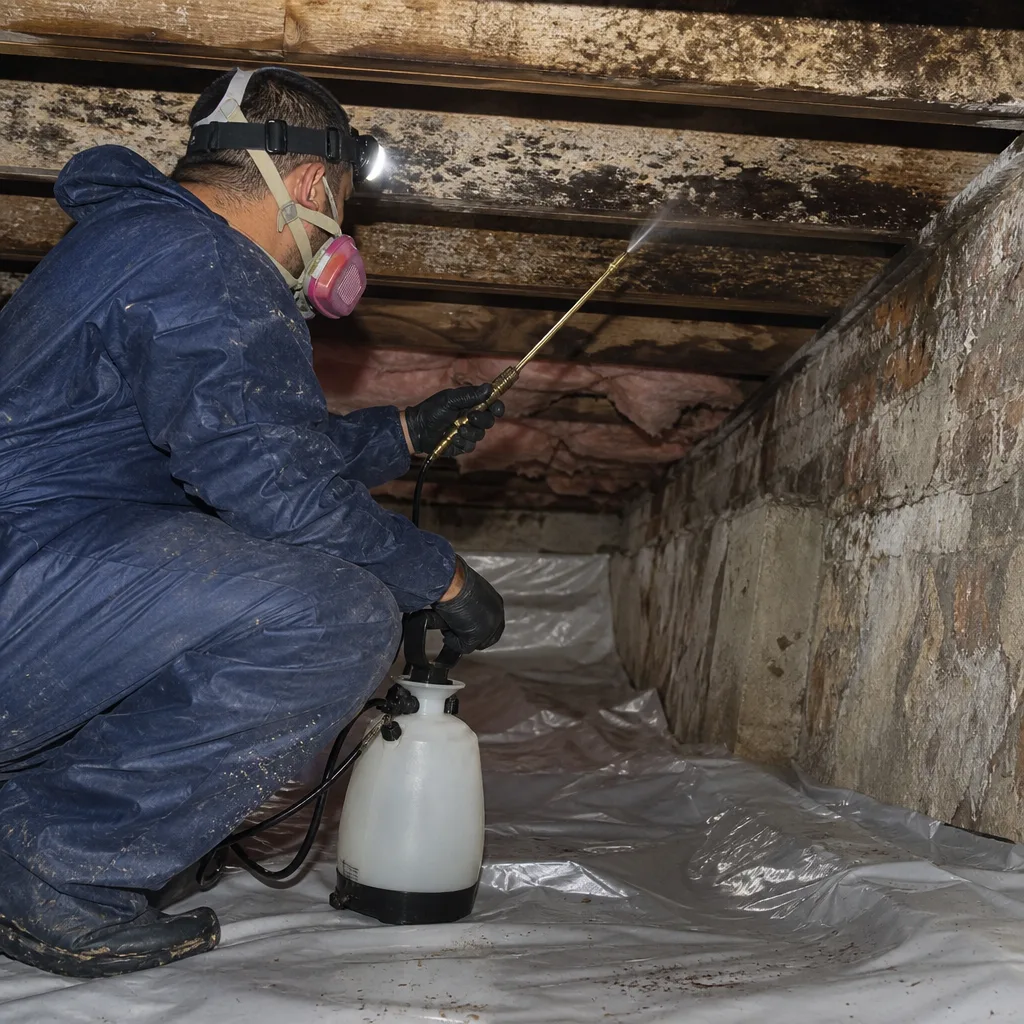
What happens when you call
- 1
A real person answersNo phone trees - you reach a local pro.
- 2
You get an upfront price rangeHonest numbers before anyone is dispatched.
- 3
A background-checked tech heads outLicensed & insured, dispatched right away.
- 4
You approve before work beginsNothing starts until you say go.
Reconstruction & Cleanup Costs in Long Island City, NY
A typical water extraction and dry-out in a Long Island City apartment runs $1,800 to $4,500 depending on the affected square footage and whether wall cavities need to be opened. Full reconstruction after a Category 3 loss, including drywall, flooring, painting, and trim, commonly runs $8,000 to $35,000 in LIC. Sewage backups in converted loft buildings often push higher because asbestos abatement alone can run $3,000 to $8,000 before construction can begin. Contents pack-out and restoration for a full one-bedroom unit typically runs $2,500 to $6,000. The single biggest cost variable in Long Island City is slab moisture: a framed floor dries in four days; a slab-on-grade loft near Court Square can take nine to fourteen days. Insurance typically covers most of these costs when the loss is sudden and accidental. The free visual inspection comes first, then a written scope with firm numbers. No work begins without your signature. Call (518) 314-5660 for an exact quote.
We Also Serve Cities Near Long Island City
Floodline Restoration Co. serves Long Island City and the surrounding Queens communities with the same live dispatch and 90-Day Done Right Promise. We work regularly in Astoria, a few minutes north along the East River, handling the same mix of pre-war rowhouses, converted industrial buildings, and water intrusion from coastal storms. Our crews move between Long Island City and Astoria all day; call (518) 314-5660 and we will be there fast.
Serving Long Island City, NY - Our Local Coverage Area
We’re based in the Long Island City area and know this community well. Use the map below to see our service coverage - if you’re nearby, we can almost certainly help.
Long Island City Reconstruction & Cleanup Questions, Answered
Why does water extraction take longer in Long Island City loft buildings than in typical Queens wood-frame homes?
Because the original concrete slabs in many converted factory lofts were poured directly on grade with no vapor barrier, so moisture wicks upward through the concrete indefinitely. Surface drying may finish in four days, but moisture readings taken four inches into the slab often show elevated levels for nine to fourteen days. We do not close a job in these buildings until deep-slab readings match pre-loss moisture levels. Call (518) 314-5660 and we will explain the timeline for your specific building.
Do I need asbestos abatement before reconstruction in an older Long Island City building?
If your building predates 1974, the answer is often yes. Many pre-war LIC conversions still contain asbestos pipe insulation, transite panels, or 9-inch vinyl floor tiles. NYC DEP regulations require licensed abatement before any restoration work disturbs those materials. We inspect before we open walls or pull flooring, and we coordinate the abatement with a licensed contractor so your reconstruction is not delayed by surprise findings. Call (518) 314-5660 and we will review your building’s age and likely materials.
How does salt air from the East River affect reconstruction work near my garage?
Salt-laden air corrodes steel garage door springs, hinges, rollers, and opener chains two to three times faster in Long Island City than in inland Queens. During reconstruction, we replace failed hardware with galvanized or coated springs and stainless fasteners, and we can install nylon rollers that resist the coastal environment. A corrosion inspection should be part of any East River-adjacent garage rebuild. Call (518) 314-5660 for a full hardware assessment.
What documentation do I need for insurance after a Category 3 water loss in Long Island City?
Your carrier will require photos of the damage, a written scope of work, moisture readings and drying logs, and proof of what was removed and why. Floodline Restoration Co. provides every item, and we communicate directly with your adjuster so you are not assembling the file yourself. The documentation starts during the first visit, before anything is moved or cleaned. Call (518) 314-5660 and we will start the file while the water is still being extracted.
Can you handle pack-out and contents restoration in a LIC high-rise with limited elevator access?
Yes. We coordinate service elevator reservations and loading dock access with building management before we arrive, and our crew moves furniture, rugs, boxes, and electronics without disrupting your neighbors. Items are inventoried, packed, and taken to our climate-controlled facility for cleaning, drying, and storage until your unit is ready for move-back. Call (518) 314-5660 to schedule a pack-out assessment.
How fast can a Floodline Restoration Co. crew actually get to my Long Island City address?
Most Long Island City locations are reached within 45 minutes of your call. Our dispatch is live 24/7, and our local crews are staged across western Queens specifically to keep response times this tight. Call (518) 314-5660 and the dispatcher will give you a specific arrival window before you hang up.
Can we stay in our home during reconstruction work in Long Island City?
It depends on the scope and the category of the loss. For clean water losses isolated to one room, many Long Island City owners stay put and we seal off the work area with containment. For Category 3 sewage losses or widespread asbestos abatement, we usually recommend temporary relocation until the area is cleared and sanitized. We can help you document the additional living expense for your insurer. Call (518) 314-5660 and we will give you a straight answer based on your specific situation.
What should I do in the first 30 minutes after discovering water damage in Long Island City?
Call (518) 314-5660 first, while the water is still running or standing. If it is safe, shut off the water supply at the main valve. Do not use a shop vac on standing water if sewage may be present. Move small valuables to dry ground if you can do so without walking through contaminated water. Take photos from the doorway before anything is touched. The dispatcher will give you the next steps while the crew is already en route.
Written by Curt Bowman, Owner at Floodline Restoration Co., serving Long Island City and the surrounding Queens communities.