
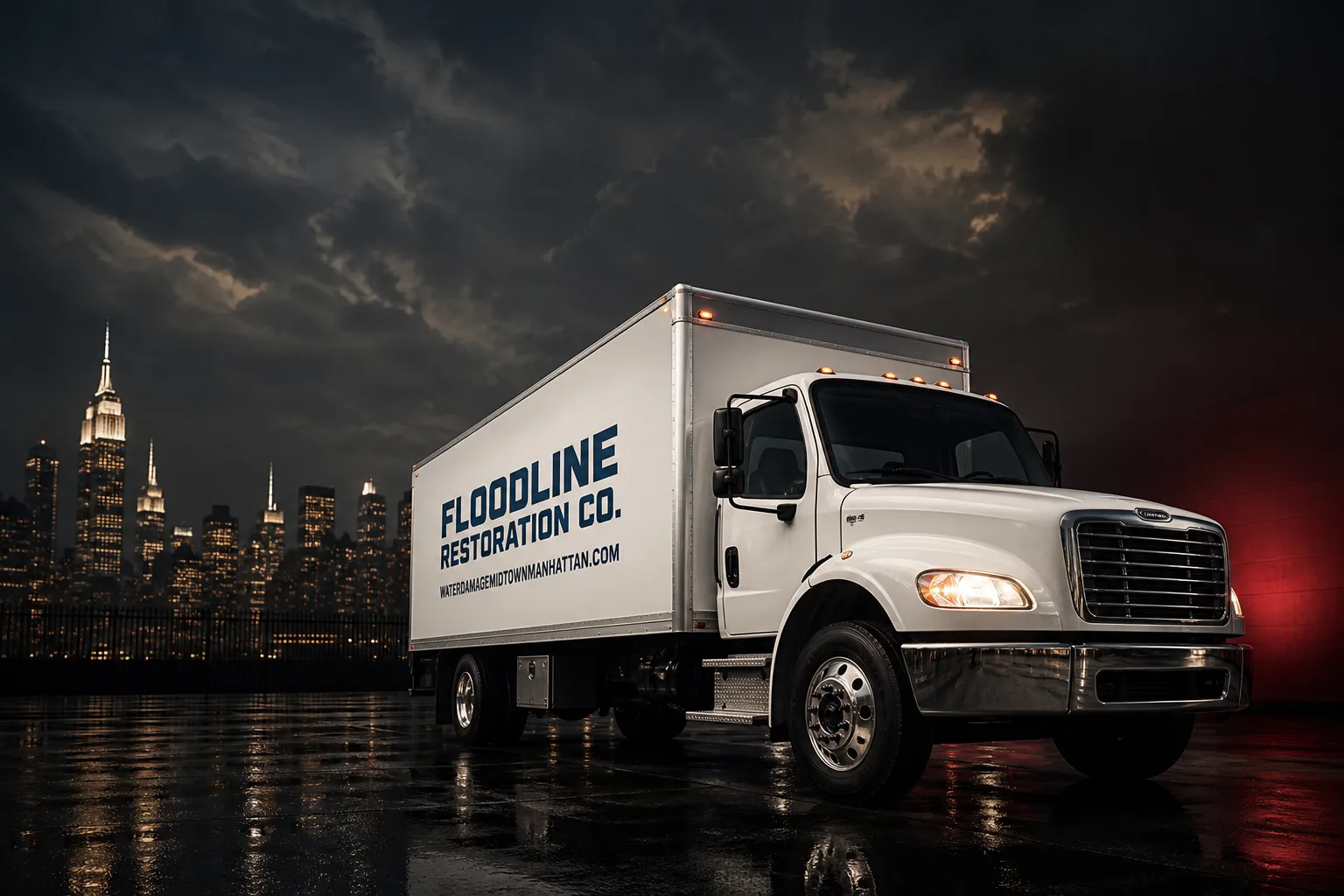
Free visual inspection and a written scope of work before any mitigation begins - photos, moisture readings, and drying logs go in your claim file
The scope we write is the scope we bill. Anything new gets shown to you, in writing, before we touch it.
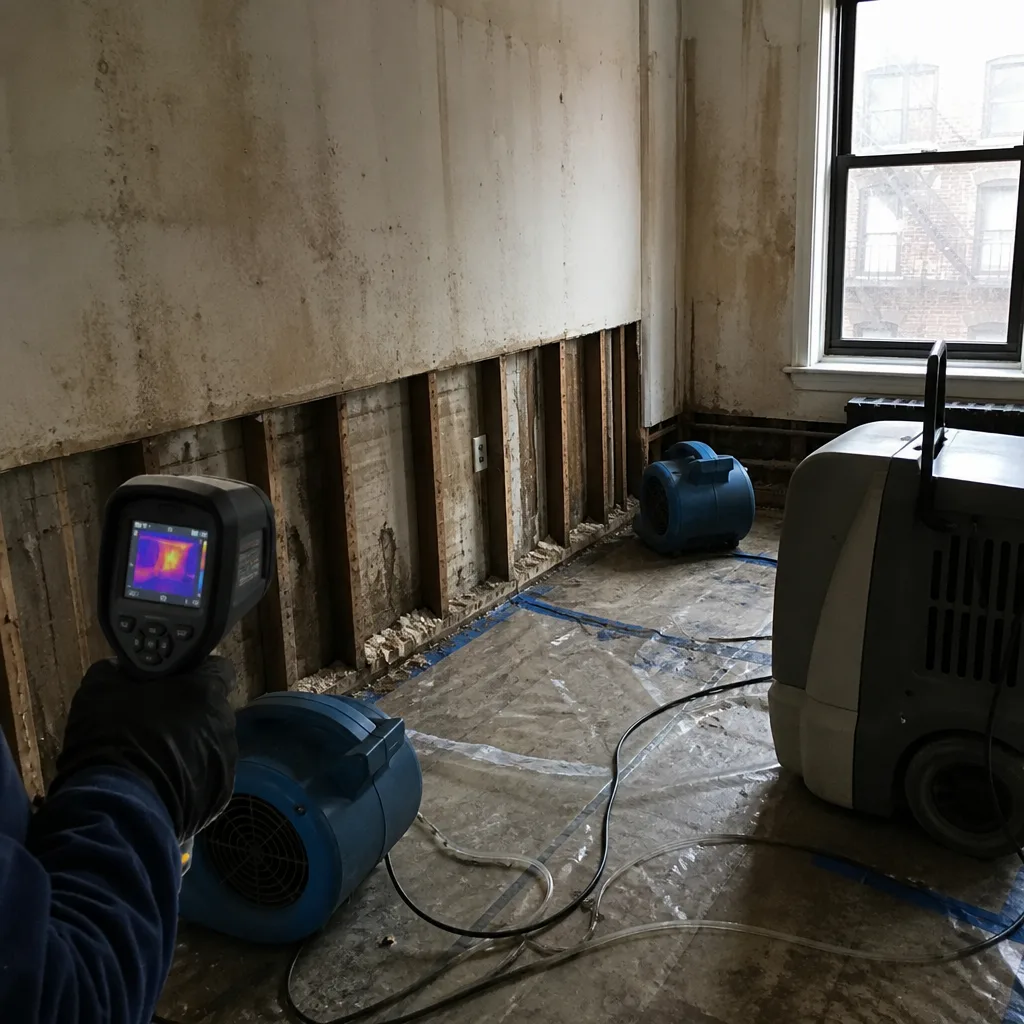 Before
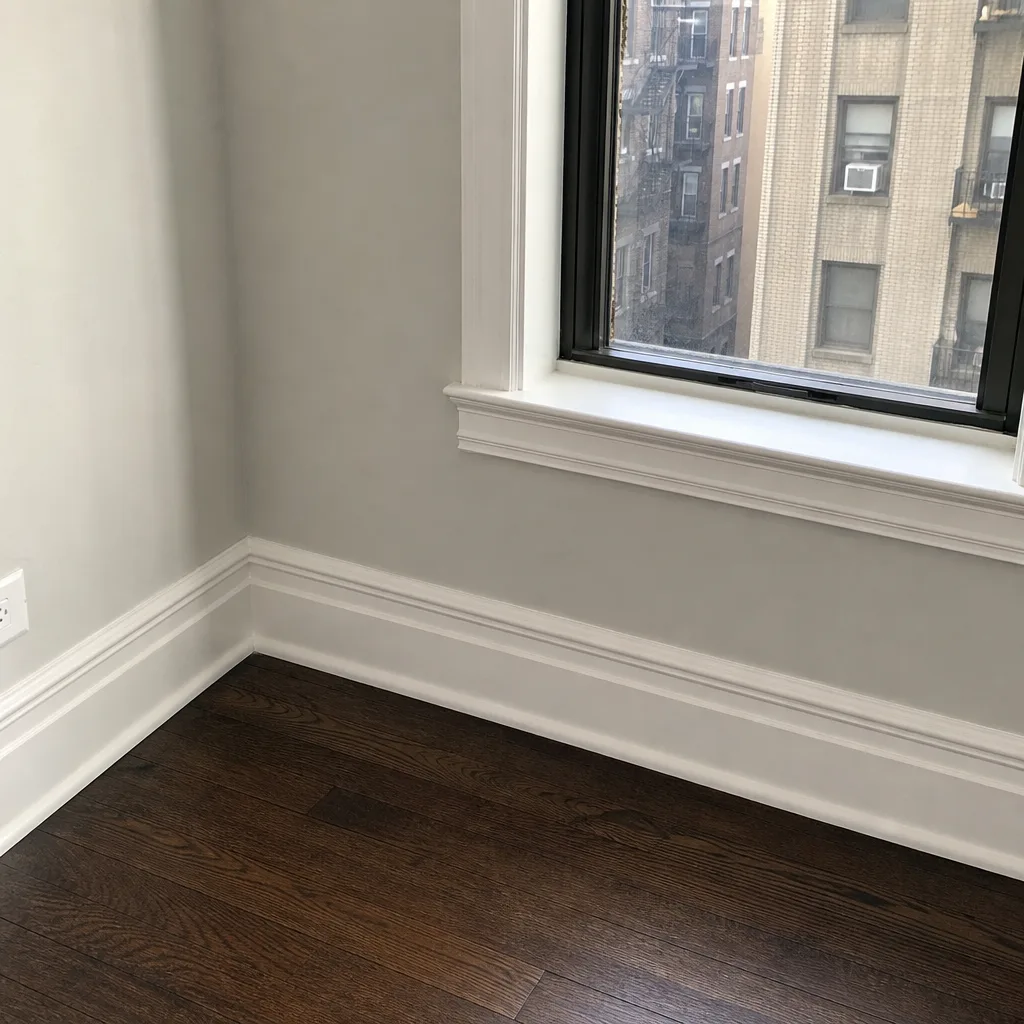 After
After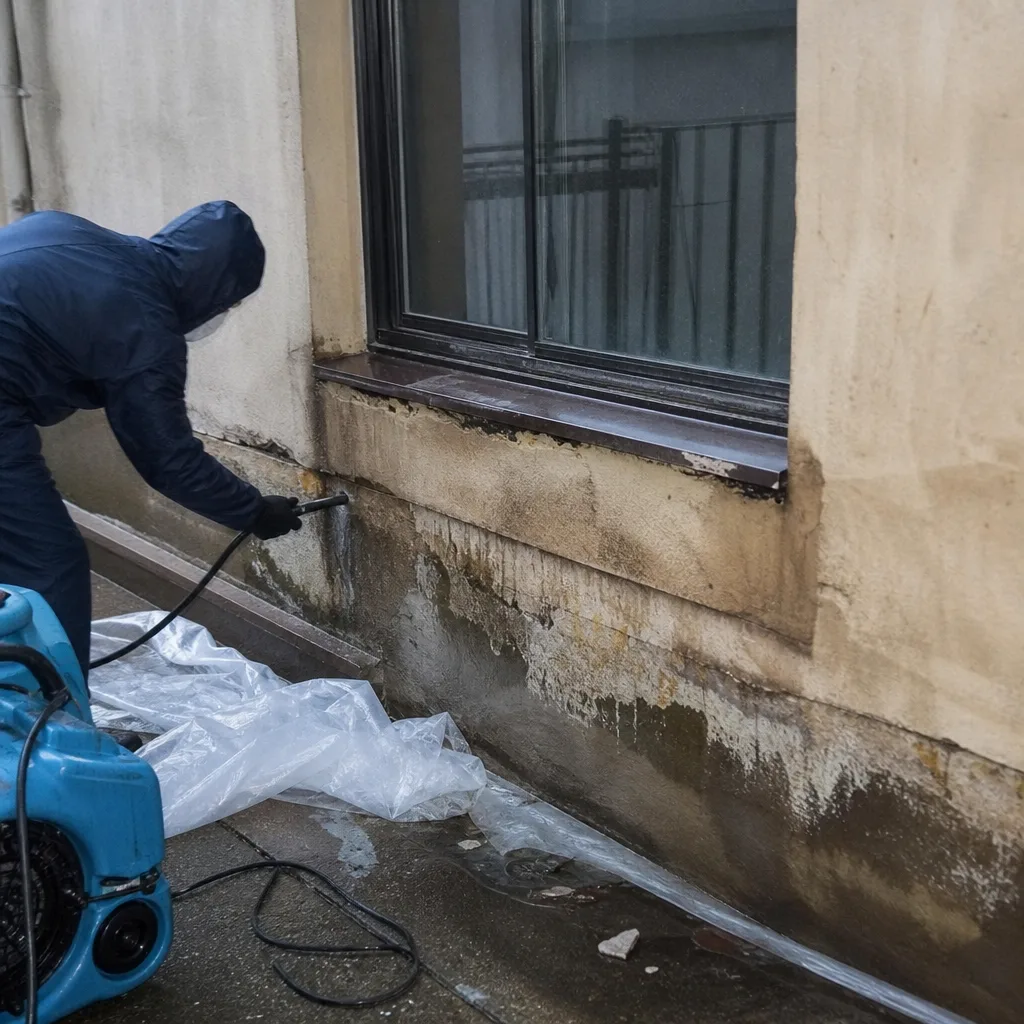 Before
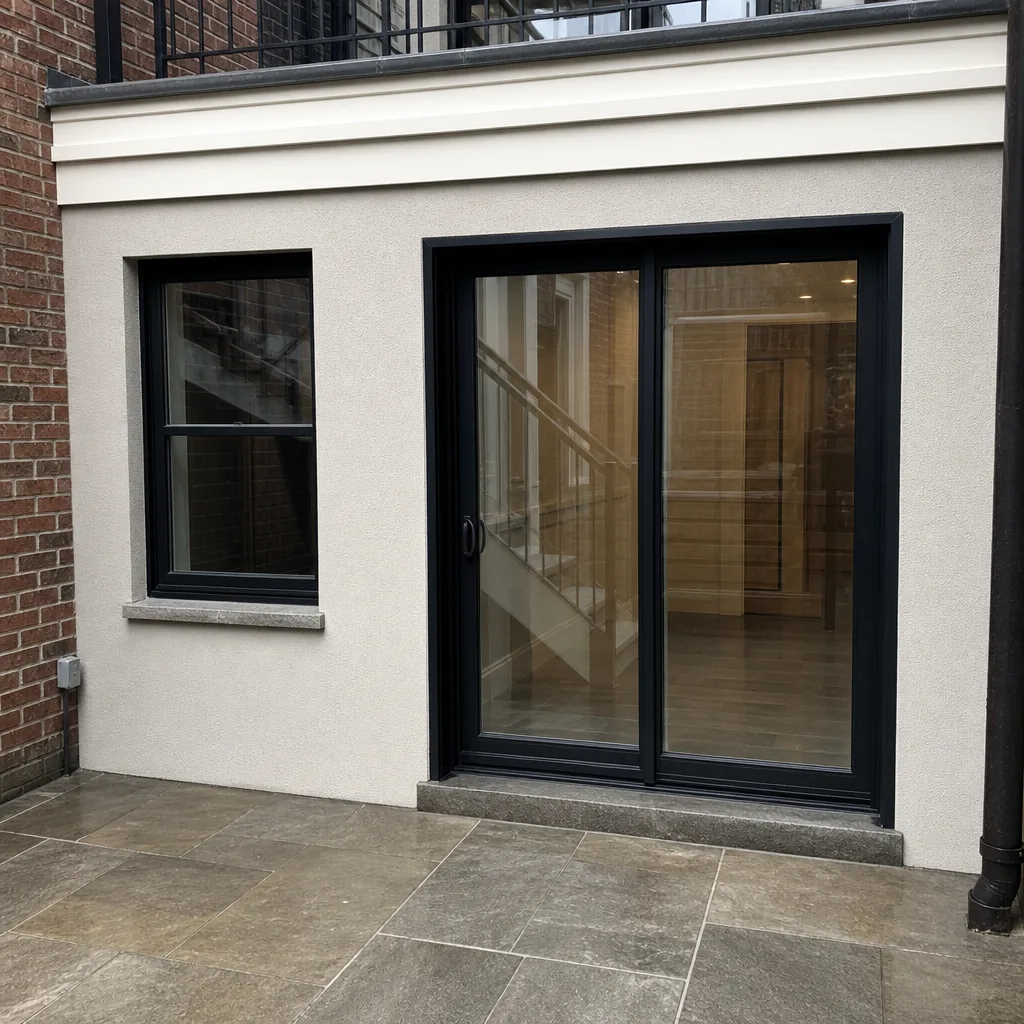 After
After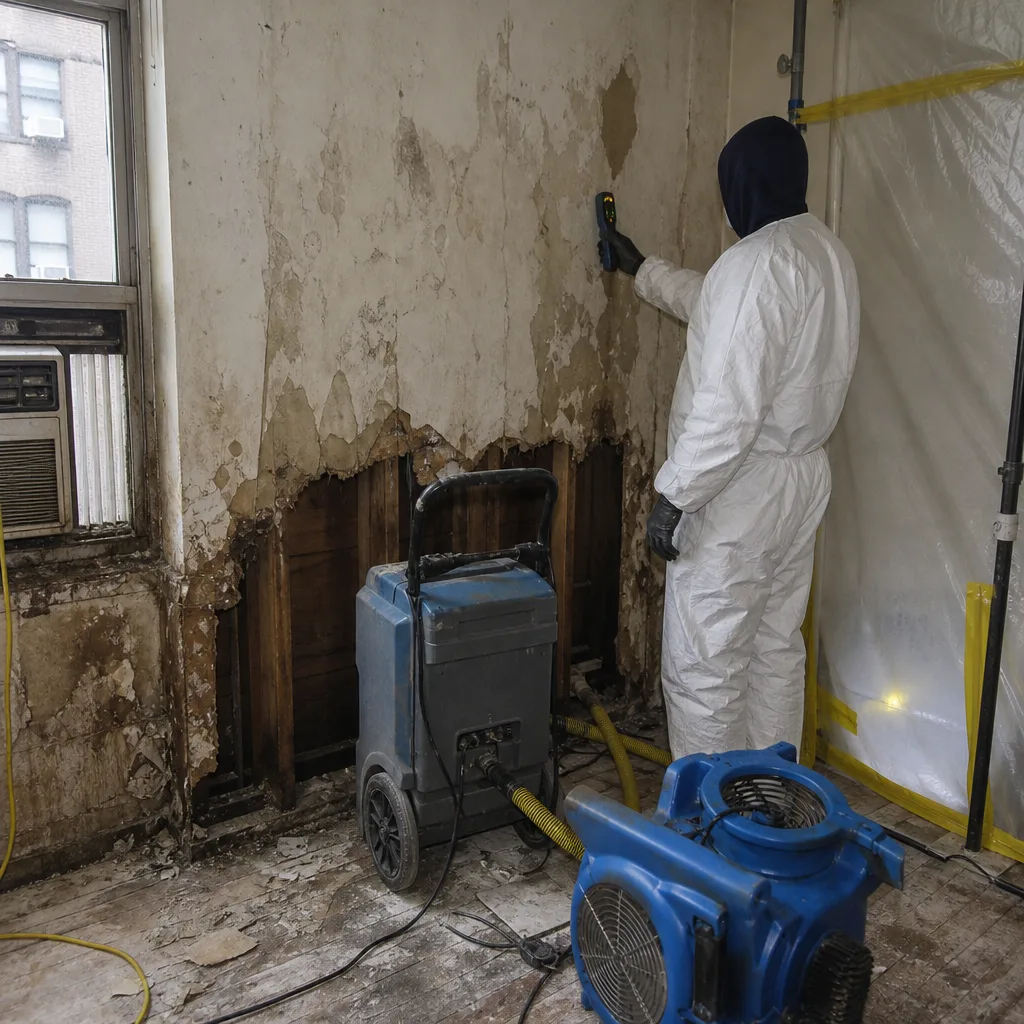 Before
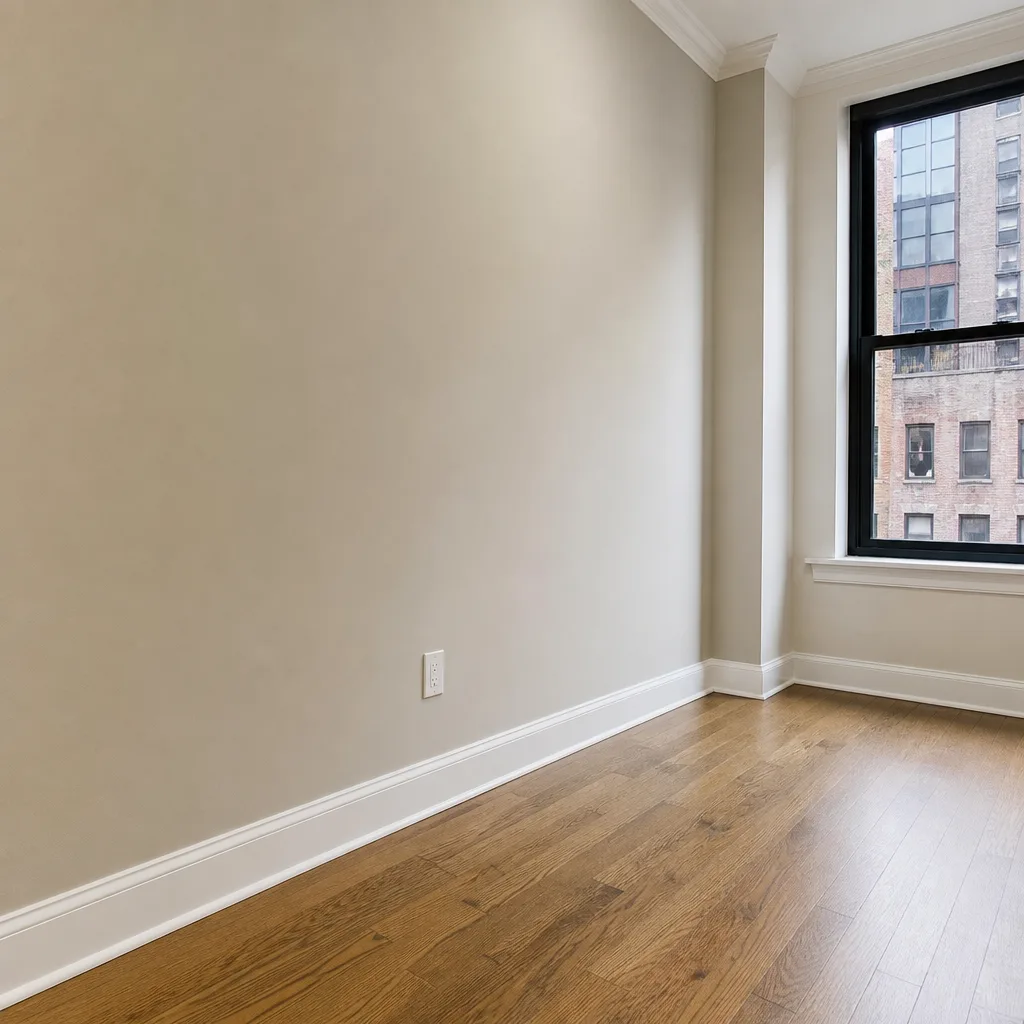 After
After24/7 Emergency Biohazard & Crime Scene Cleanup in Long Island City
Biohazard and crime scene cleanup in Long Island City demands immediate, professional attention, and our crews are ready around the clock. Call (518) 314-5660 any hour, any day. A live dispatcher answers, not a recording, and a background-checked, uniformed technician can be on site quickly to begin containment and assessment. The first hour matters because biological fluids, pathogens, and contaminated materials spread and harden quickly, especially in Long Island City’s dense building stock where a single unit’s damage can affect neighbors through shared walls and floor assemblies. Our Biohazard & Crime Scene Cleanup team provides a free visual inspection and a written scope before any work begins, so you know exactly what’s needed and what it will cost.
Understanding Biohazard & Crime Scene Cleanup Severity in Long Island City Properties
Severity in this line of work isn’t only about what happened; it’s about the building where it happened. Long Island City’s housing stock splits hard between century-old industrial conversions and glass towers built after 2010. In the pre-1974 factory buildings around Court Square and Hunters Point, original concrete slabs were often poured directly on grade with no vapor barrier underneath. Blood, decomposition fluids, or cleaning agents can wick down into that porous concrete and stay there. Surface cleaning won’t resolve it. We use subsurface moisture readings and category 3 water protocols to track how far contamination has migrated, because if fluids remain in the slab, odor and bacteria return weeks later. In high-rise curtain-wall buildings, the concern shifts to shared ventilation shafts and plumbing chases that can carry odor between floors during a trauma or unattended death cleanup. Both require containment, negative air pressure, and HEPA air scrubbing before, during, and after the work.
Why Long Island City Property Owners Choose Floodline Restoration Co.
- 45-minute response commitment for emergency calls in the Long Island City area, with live dispatch locating the nearest available crew.
- 24/7 live answer with a real person, not an automated system. At 2 a.m. you reach a dispatcher who can move a crew.
- IICRC-certified crews trained to WRT, FSRT, and AMRT standards, so the work meets the strictest industry protocols.
- Free visual inspection with a written scope agreed before any work begins. No surprises on the bill.
- Direct insurance billing with adjuster coordination handled by us, so you’re not playing messenger with your carrier.
- One team from contamination to reconstruction. We don’t hand the job off to an unfamiliar crew mid-project.
Our Biohazard & Crime Scene Cleanup Process
Inspection & Assessment
We walk the affected area, identify all affected materials, and take moisture readings from surfaces and, in Long Island City’s slab-on-grade lofts, from the concrete itself. The assessment determines containment requirements and the scope of removal.
Containment & Stabilization
We seal the work area with plastic sheeting and set up negative air pressure with HEPA scrubbers. This stops cross-contamination into adjacent units and shared building corridors, which is critical in multi-family buildings across Long Island City.
Removal of Affected Materials
Contaminated flooring, drywall, insulation, and personal items are bagged, sealed, and removed for regulated disposal. For concrete slabs in older buildings, we track how deep fluids have wicked before deciding what must be abated.
Drying & Dehumidification
Professional-grade air movers and dehumidifiers from Phoenix and XPOWER run until moisture levels reach the dry standard. Subsurface slab readings often extend this phase in Long Island City’s on-grade loft buildings.
Cleaning & Antimicrobial Treatment
Hard surfaces are cleaned with hospital-grade antimicrobials during our Sanitization Services - Long Island City, and affected structual materials are treated or removed. We treat slab surfaces and any remaining porous material after moisture levels confirm readiness.
Repairs & Restoration
Through our Commercial Restoration in Long Island City, we rebuild what was removed: flooring, drywall, paint, trim. The same crew that started the cleanup finishes the restoration, so no one inherits a half-documented job. All work is backed by our 90-Day Done Right Promise.
Need Emergency Biohazard & Crime Scene Cleanup in Long Island City Now?
Crews minutes away, answering live 24 hours a day. The sooner we start, the less it costs.
Working With Your Insurance Company
Most biohazard and crime scene cleanup in Long Island City is covered under homeowner or commercial property policies, but the claim depends on documentation. We provide everything your adjuster needs from the first hour: time-stamped photos, room-by-room damage logs, moisture readings, and a line-item scope of work written in industry-standard estimating format. Our team coordinates directly with your carrier, so you’re not interpreting coverage language alone at 11 p.m. while the damage sits. This direct insurance billing approach removes the back-and-forth that drains time from a cleanup that must move fast. If the loss involves a crime scene, we also coordinate with the responding law enforcement agency to ensure all investigative release requirements are met before work begins.
What We Provide Your Insurer
- Thorough documentation of the loss
- Photos of all damage, room by room
- Moisture readings and drying logs
- A detailed, line-item scope of work
- Direct coordination with your carrier
Built for Long Island City’s Loss Calendar
Long Island City’s waterfront location on the East River gives it a threat profile that inland Queens neighborhoods don’t share. Significant portions of ZIP 11101 sit within FEMA-designated AE and VE flood zones, meaning storm-surge flooding from nor’easters and tropical systems is not theoretical here. When sewage-laden category 3 water fills a sub-grade space, it doesn’t just soak possessions; it mixes with whatever biohazard material was already present, creating a contamination problem that standard disinfection won’t fix. Groundwater sits close to the surface in much of Long Island City, and basement moisture intrusion persists even without a named storm. In the older converted industrial buildings clustered around Court Square, every coastal flood or sewer backup carries the risk of contaminated water wicking up through original concrete slabs, where it gets trapped without a vapor barrier to stop it. Winter deep freezes burst supply lines in these same old buildings, and spring thaw brings seepage into sub-grade spaces as groundwater rises. Summer thunderstorms overwhelm the combined sewer system, forcing backups into basement drains. Each of these events can create a biohazard condition, not just a water event.
Biohazard & Crime Scene Cleanup Across Long Island City’s Neighborhoods
Response patterns differ block by block. In Hunters Point, the post-2010 glass towers dominate, and work there often involves contained floor-by-floor cleanup with HEPA negative air because residents in adjacent units keep living at home. Around Court Square, the pre-war factory conversions crowd in, and crews face asbestos-containing transite panels, 9-inch vinyl floor tiles, and the slab-on-grade wicking problem that defines the area’s harder jobs. Over along 46th Avenue and the industrial blocks west of Jackson Avenue, we see a mix of old warehouses with undersized drains and newer commercial build-outs, where an unattended death in a second-floor office can send fluids into ceilings and wall cavities a floor below. In the Queensboro Bridge area and near the 21st Street corridor, high-occupancy rental buildings mean shared ventilation and tight access, so containment is set up before anyone starts opening walls. We serve all of Long Island City’s ZIP codes: 11101, 11109, and 11120.
Specialized Biohazard & Crime Scene Cleanup Services We Offer in Long Island City
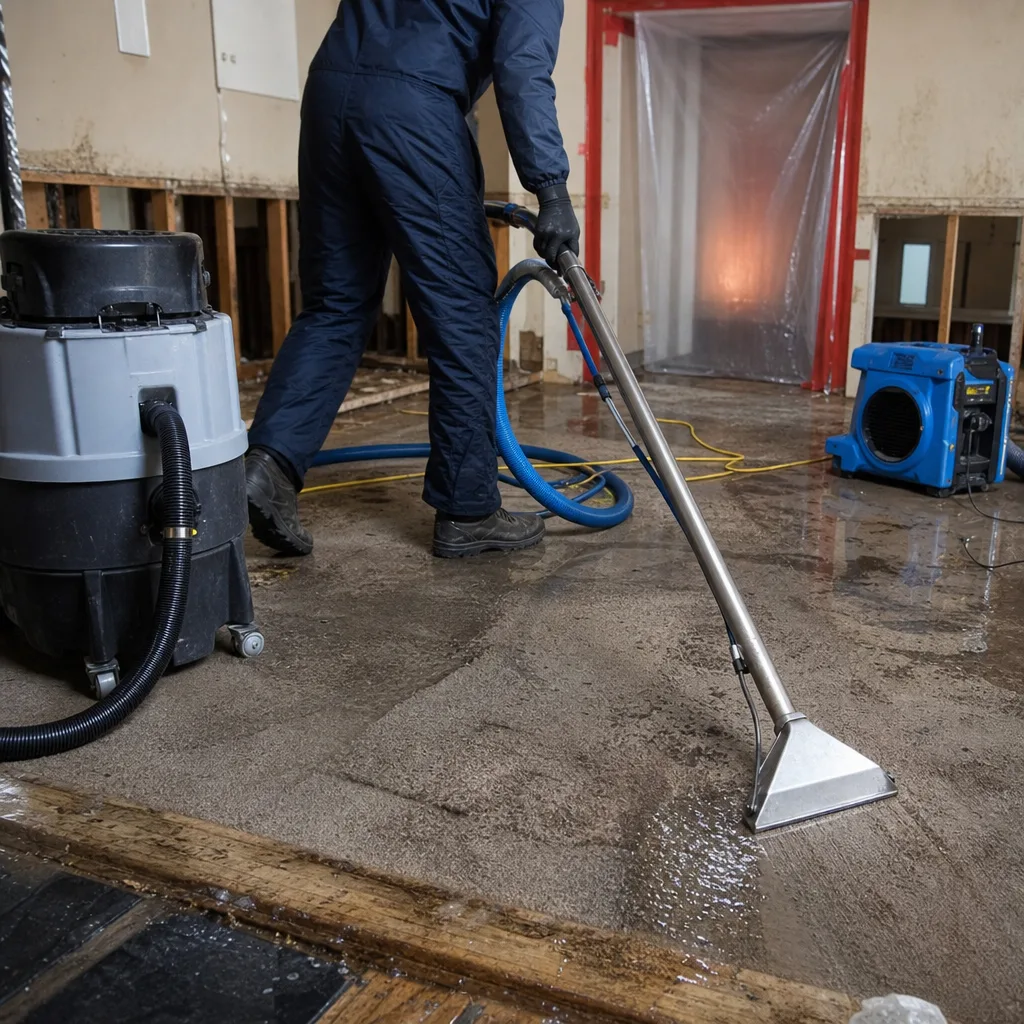
Crime Scene Cleanup
After law enforcement releases the scene, we remove blood, tissue, and any other biological remnants, then decontaminate all affected surfaces. In Long Island City’s older buildings, this often means cutting out contaminated flooring down to the concrete slab and taking subsurface moisture readings to confirm no fluids have wicked deeper where they can persist and cause odor.
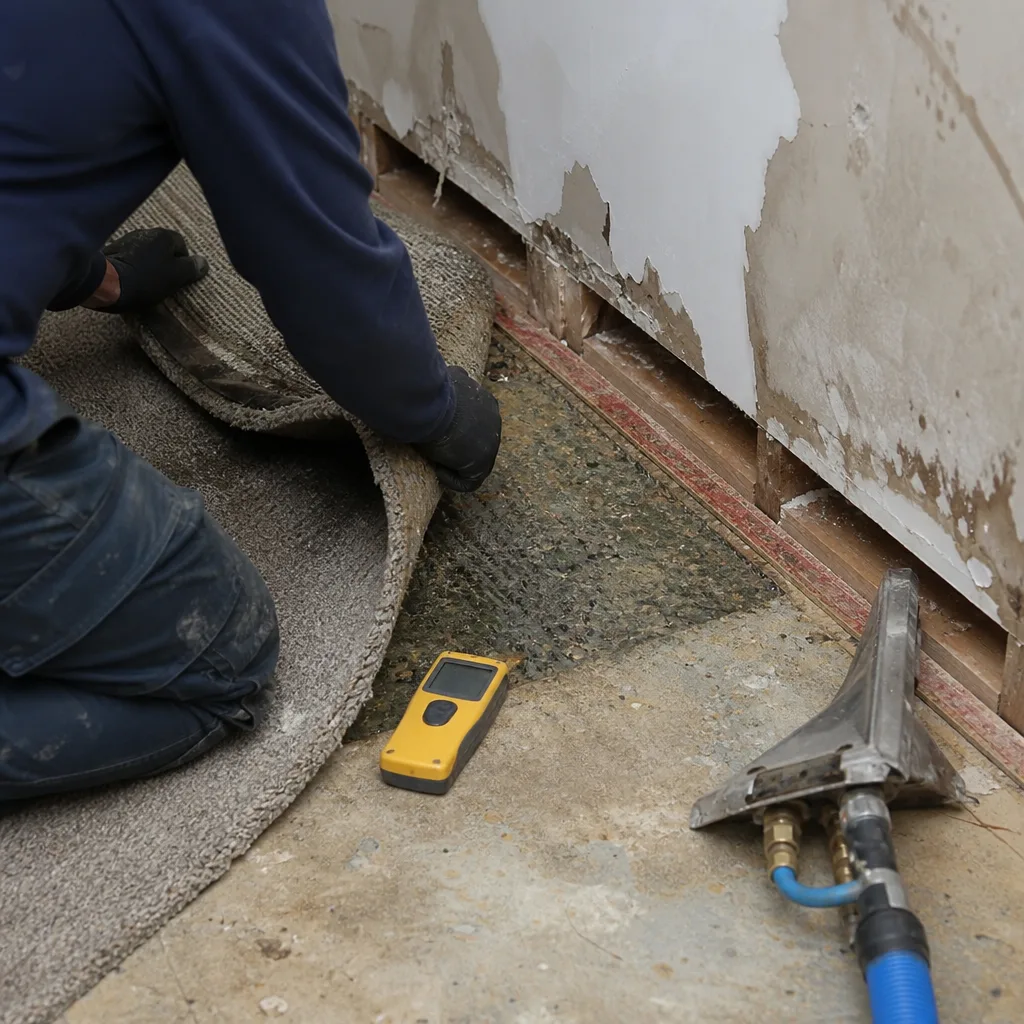
Trauma & Unattended Death Cleanup
Decomposition fluids are among the most difficult contaminants. In a Long Island City loft with an original on-grade slab, those fluids find their way down. On a 46th Avenue loft conversion near the East River, our crew handled an unattended death cleanup where decomposition fluids had seeped into a 1920s concrete slab with no vapor barrier. We set up containment with negative air, removed contaminated flooring, then used moisture mapping and subsurface moisture readings to track category 3 water migration deep into the slab. Antimicrobial treatment was applied after the slab reached acceptable moisture levels, which took nearly twice as long as a standard wood-framed structure in Sunnyside would have.
Hoarding Cleanup
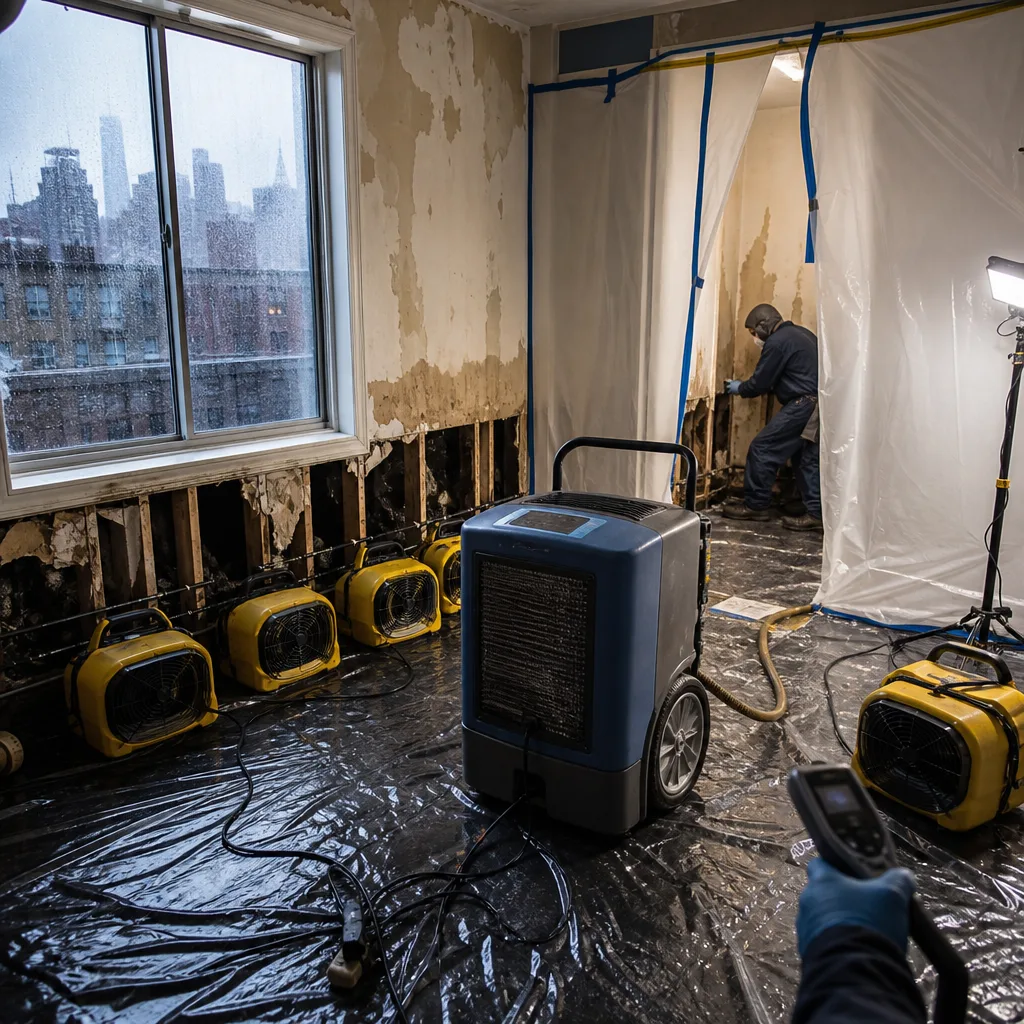
Hoarding conditions in Long Island City’s high-rise towers require different logistics than those in ground-level lofts. Elevator access, service entrances, and building management coordination become central. We work discreetly, remove debris in labeled containers, and separate salvageable items from contaminated waste, all while maintaining containment so no debris spreads into building common areas.
Blood & Bodily Fluid Cleanup
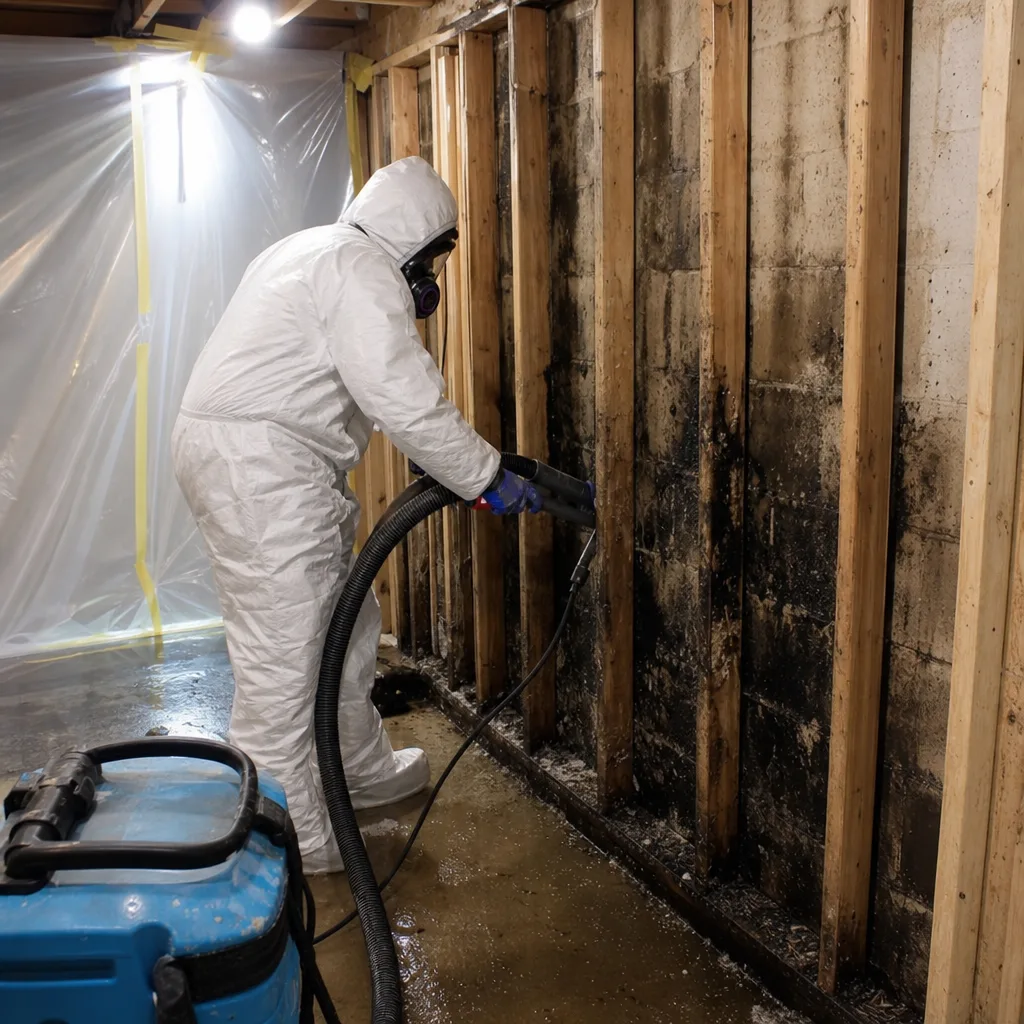
Blood and bodily fluids carry bloodborne pathogens that require strict OSHA protocols, not just strong cleaning products. Our crews wear full PPE, remove saturated porous materials, and disinfect hard surfaces with hospital-grade antimicrobials. On Long Island City’s concrete slab floors, we submit subsurface readings to verify the contamination hasn’t gone beyond surface level.
Infectious Disease Disinfection
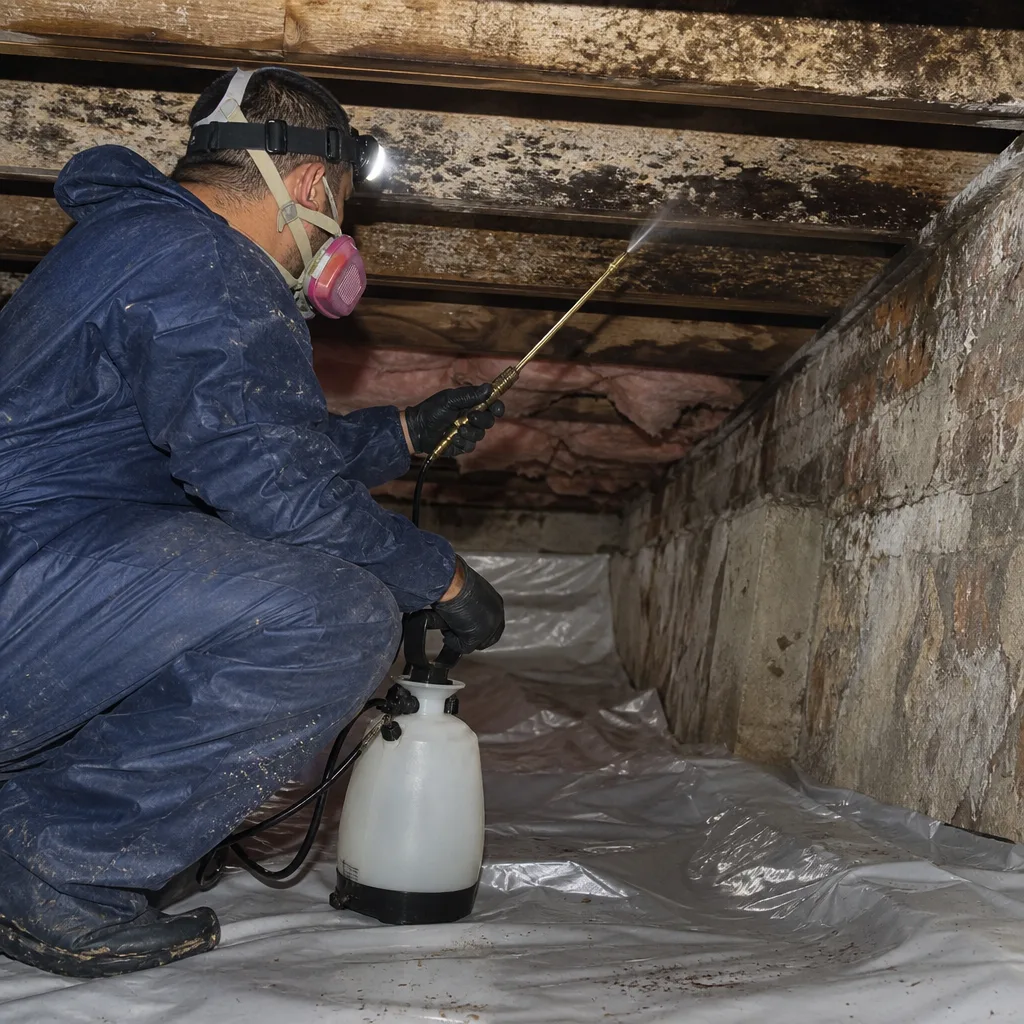
When a Long Island City apartment or commercial space needs disinfection after an infectious disease exposure, we follow CDC-aligned protocols for the specific pathogen involved. We fog, wipe down every touched surface, and run HEPA filtration before the space is cleared. For buildings with shared HVAC, we isolate the affected unit first so the building’s systems don’t circulate pathogens to neighbors.
What happens when you call
- 1
A real person answersNo phone trees - you reach a local pro.
- 2
You get an upfront price rangeHonest numbers before anyone is dispatched.
- 3
A background-checked tech heads outLicensed & insured, dispatched right away.
- 4
You approve before work beginsNothing starts until you say go.
Biohazard & Crime Scene Cleanup Costs in Long Island City, NY
A straightforward blood cleanup in a single Long Island City apartment, with no slab contamination, typically runs $800 to $1,600. Unattended death cleanup, where decomposition has had time to saturate flooring and wick into concrete, runs $2,500 to $7,000 depending on how far fluids have migrated and whether asbestos abatement is triggered in a pre-1974 building. Infectious disease disinfection of a one-bedroom unit often lands between $600 and $1,400. Hoarding cleanup runs $2,000 to $10,000 or more depending on volume, contamination level, and building access constraints. The biggest cost driver in Long Island City is the subsurface slab problem: if moisture readings show contamination deep in the concrete, drying and treatment time can double compared to a wood-framed Queens house. Most policies cover these losses, and we bill your carrier directly. Start with a free visual inspection, and we’ll put a firm written scope in your hands, so the number isn’t a guess. Call (518) 314-5660 to schedule it.
We Also Serve Cities Near Long Island City
Our crews also serve Long Island City neighbors in Astoria, just north of Queensboro Bridge. If your property is in that area, we’ll route the nearest available crew to you.
Serving Long Island City, NY - Our Local Coverage Area
We’re based in the Long Island City area and know this community well. Use the map below to see our service coverage - if you’re nearby, we can almost certainly help.
Long Island City Biohazard & Crime Scene Cleanup Questions, Answered
How does the lack of a vapor barrier in Long Island City loft slabs affect biohazard cleanup timelines?
It can nearly double the drying and treatment phase. In older Long Island City loft conversions, original concrete slabs poured on grade have no vapor barrier, so biohazard fluids wick into the porous concrete instead of pooling on top. We must take subsurface moisture readings and keep drying equipment running until the slab reaches acceptable moisture levels, whereas a wood-framed Astoria house might dry in three to five days, not seven to ten.
If a violent crime occurs in a pre-1974 LIC factory conversion, what extra steps are required before cleanup?
Pre-1974 buildings often contain asbestos in transite panels, pipe insulation, and 9-inch vinyl floor tiles. If trauma cleanup requires cutting into walls or flooring that might contain asbestos, we halt work and coordinate with a licensed asbestos abatement contractor before any biohazard removal continues. This applies to many Long Island City lofts around Court Square, and it adds time but prevents a more serious contamination problem.
Can storm-surge flooding in LIC’s FEMA flood zones create a biohazard risk separate from the original incident?
Yes. When storm surge from the East River floods basements and sub-grade spaces in ZIP 11101, it carries sewage and category 3 water. That water mixes with whatever biohazard material was already present, and standard disinfection won’t fix the combination. We address the Water Damage Restoration - Long Island City flood contamination first, then treat the biohazard layer as a separate remediation step.
Why do odor issues persist in converted warehouses after a standard biohazard cleanup?
Odor persists when contamination has wicked into the original concrete slab and only the surface was cleaned. Fluids trapped in porous concrete release odor as they off-gas, even after floors are replaced. Long Island City converted warehouses are notorious for this because many lack a vapor barrier. Our subsurface moisture readings catch this before it becomes a recurring problem.
Do you handle hoarding cleanup in LIC’s high-rise towers differently than in lofts?
Yes. High-rise cleanup requires elevator scheduling, service entrance access, and building management approval. We work with your building’s management from the first call so debris removal doesn’t interfere with residents, and we keep containment airtight so no debris spreads through corridors or shared air shafts.
How fast can someone actually get here for a biohazard emergency in Long Island City?
Our response commitment in Long Island City is 45 minutes once a call is placed to (518) 314-5660. A live dispatcher locates the nearest crew and sends them directly. For unattended death scenes, we understand the urgency and the sensitivity, and we move without drawing attention.
Will insurance cover crime scene cleanup in Long Island City?
Most homeowner and commercial policies cover biohazard remediation as part of the loss, especially after a crime or unattended death. We provide the photos, moisture readings, and line-item scope your adjuster expects, and we bill the carrier directly so you don’t front the full cost waiting on a check.
What should I do in the first 30 minutes after discovering an unattended death or crime scene in Long Island City?
Call 911 if law enforcement hasn’t been notified. Once the scene is released, call us at (518) 314-5660. Don’t try to clean it yourself; biological fluids carry pathogens that require proper PPE and containment. Close the door, keep others away from the area, and do not turn on HVAC systems that could circulate contaminants through the building.
Written by Curt Bowman, Owner at Floodline Restoration Co., serving Long Island City and the wider New York City metro with certified biohazard and crime scene cleanup crews.