
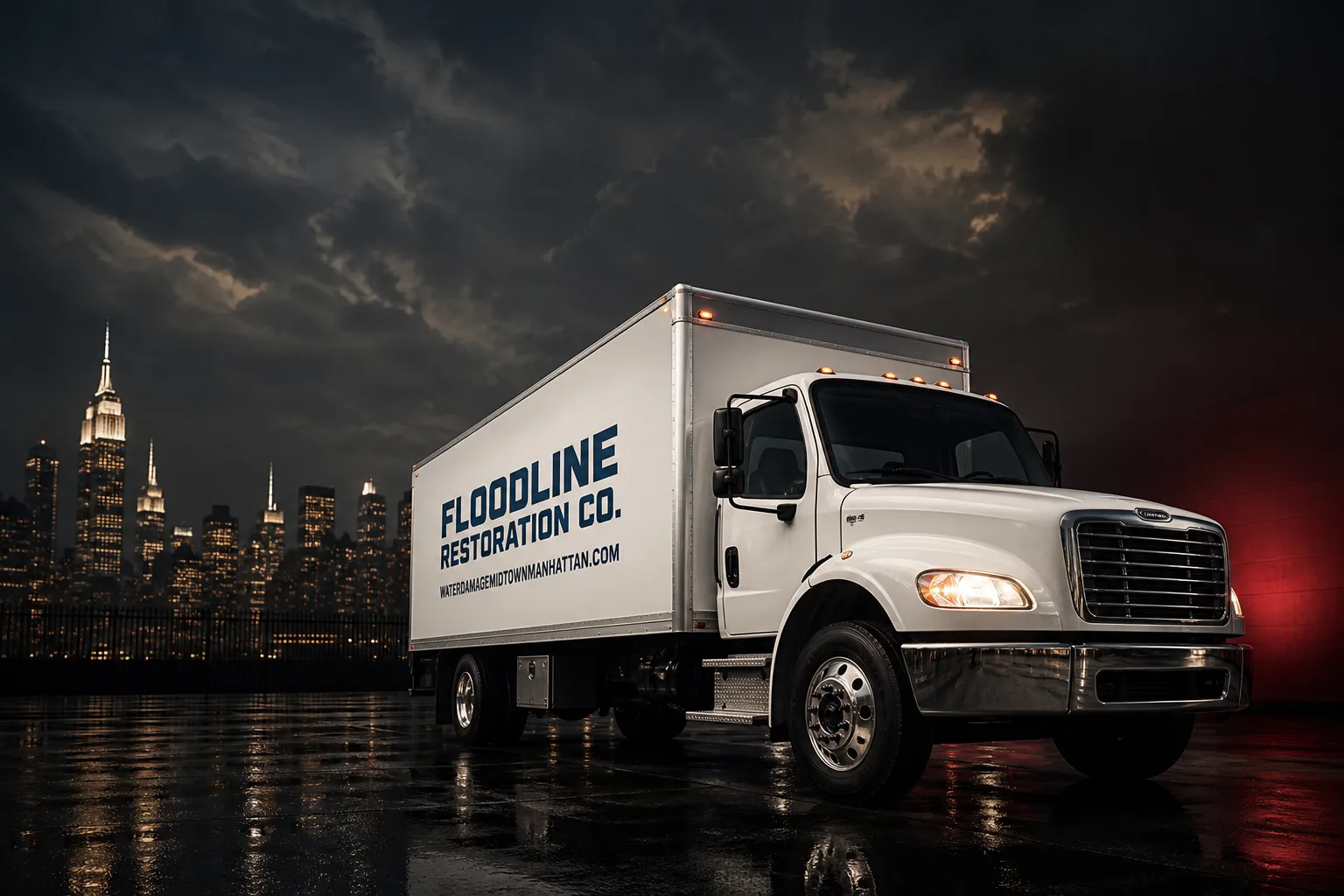
Free visual inspection and a written scope of work before any mitigation begins - photos, moisture readings, and drying logs go in your claim file
The scope we write is the scope we bill. Anything new gets shown to you, in writing, before we touch it.
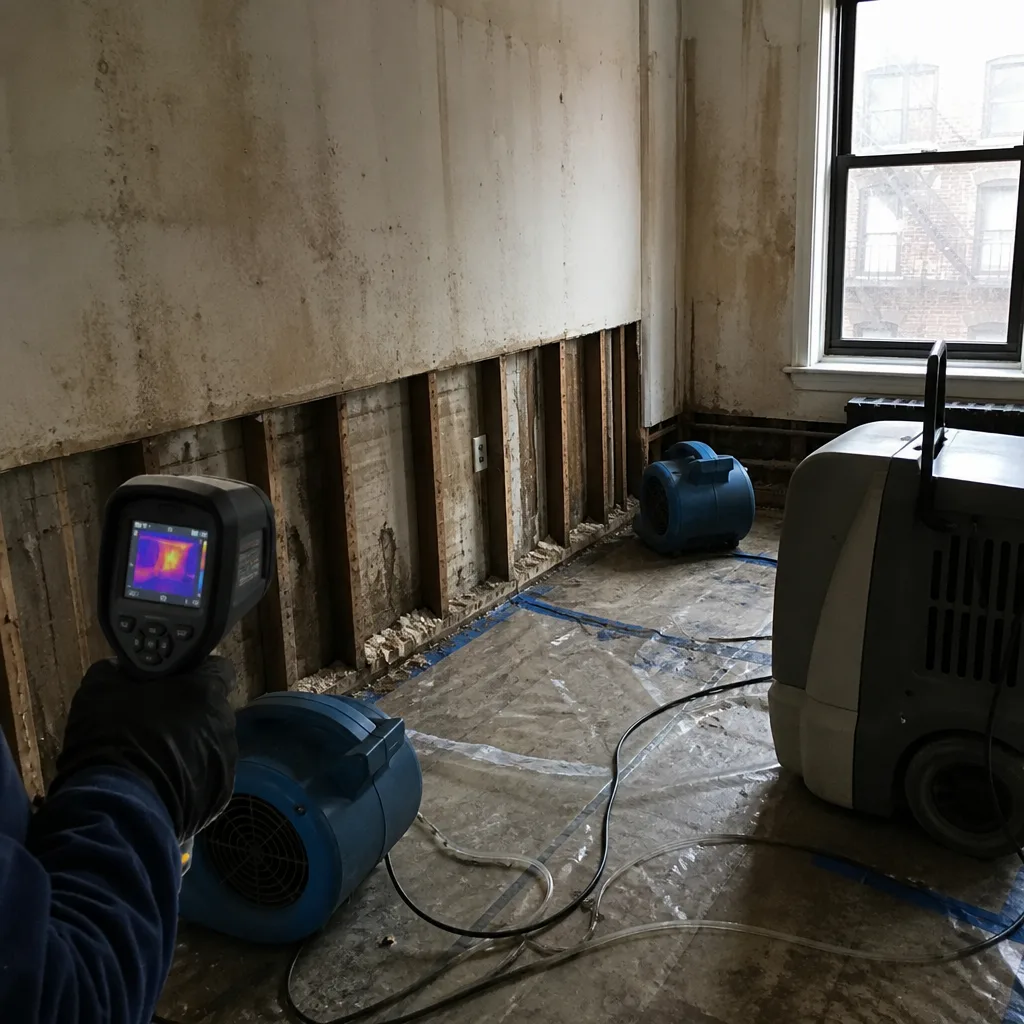 Before
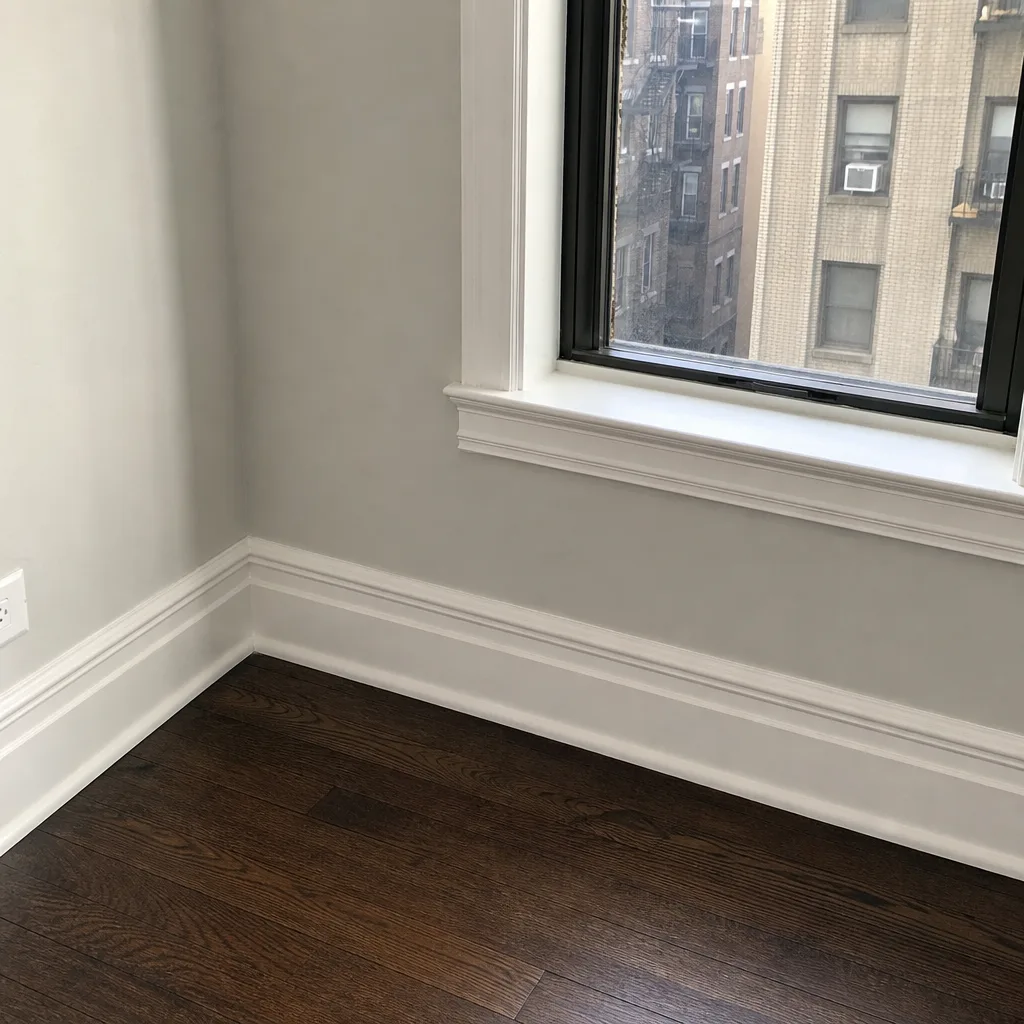 After
After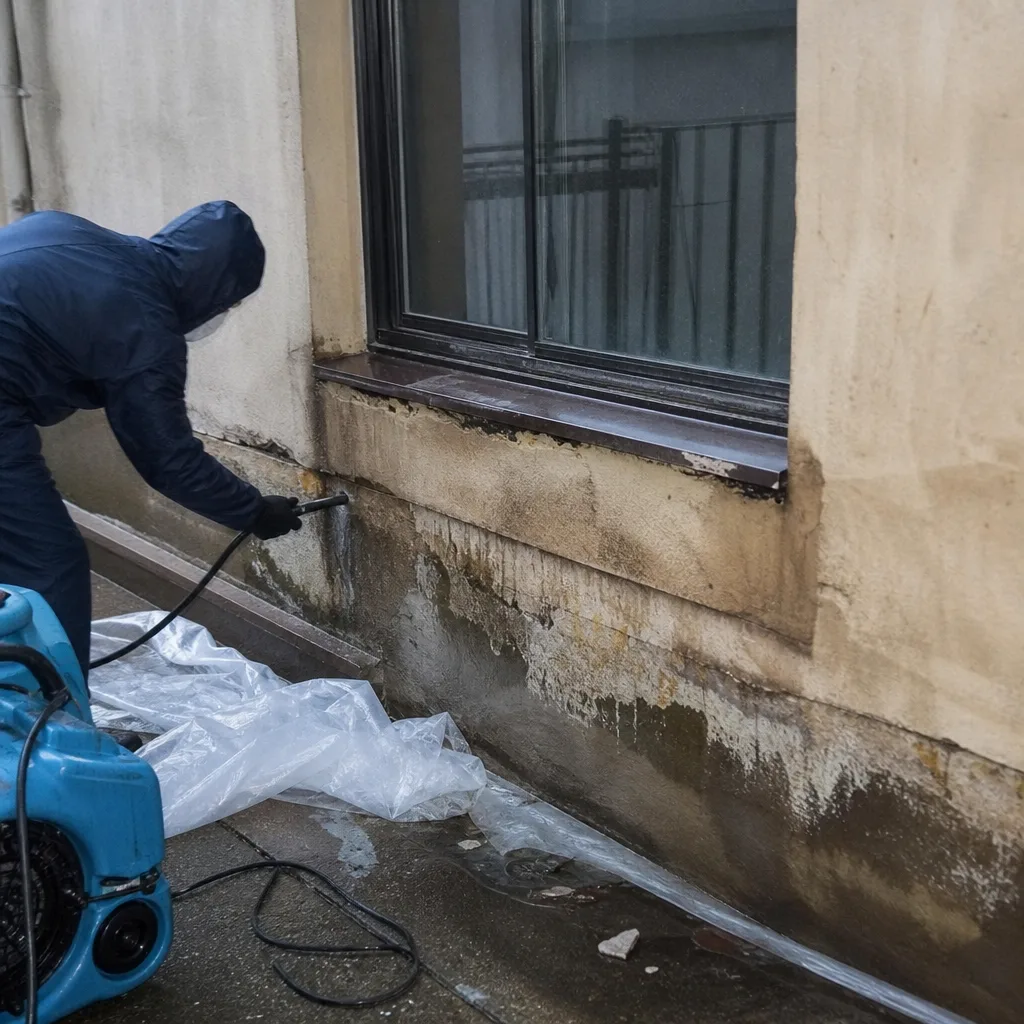 Before
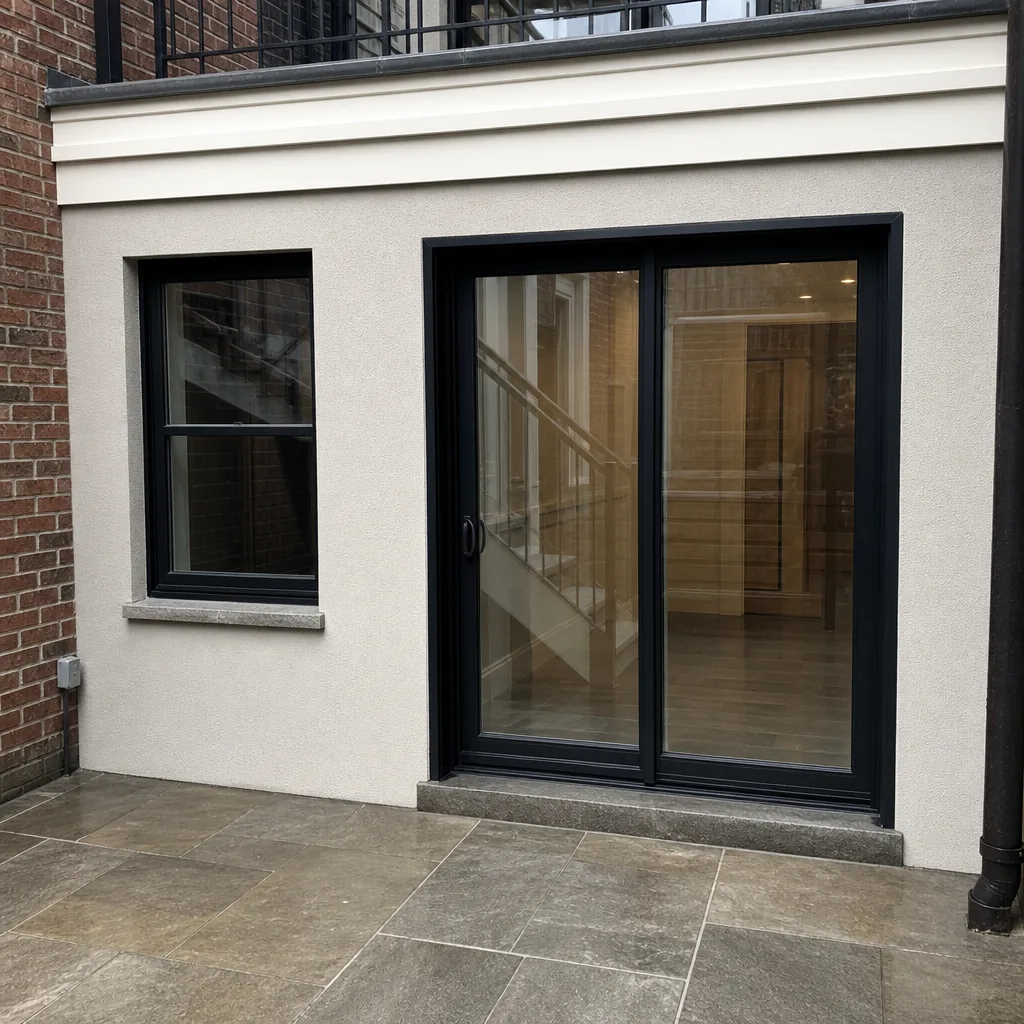 After
After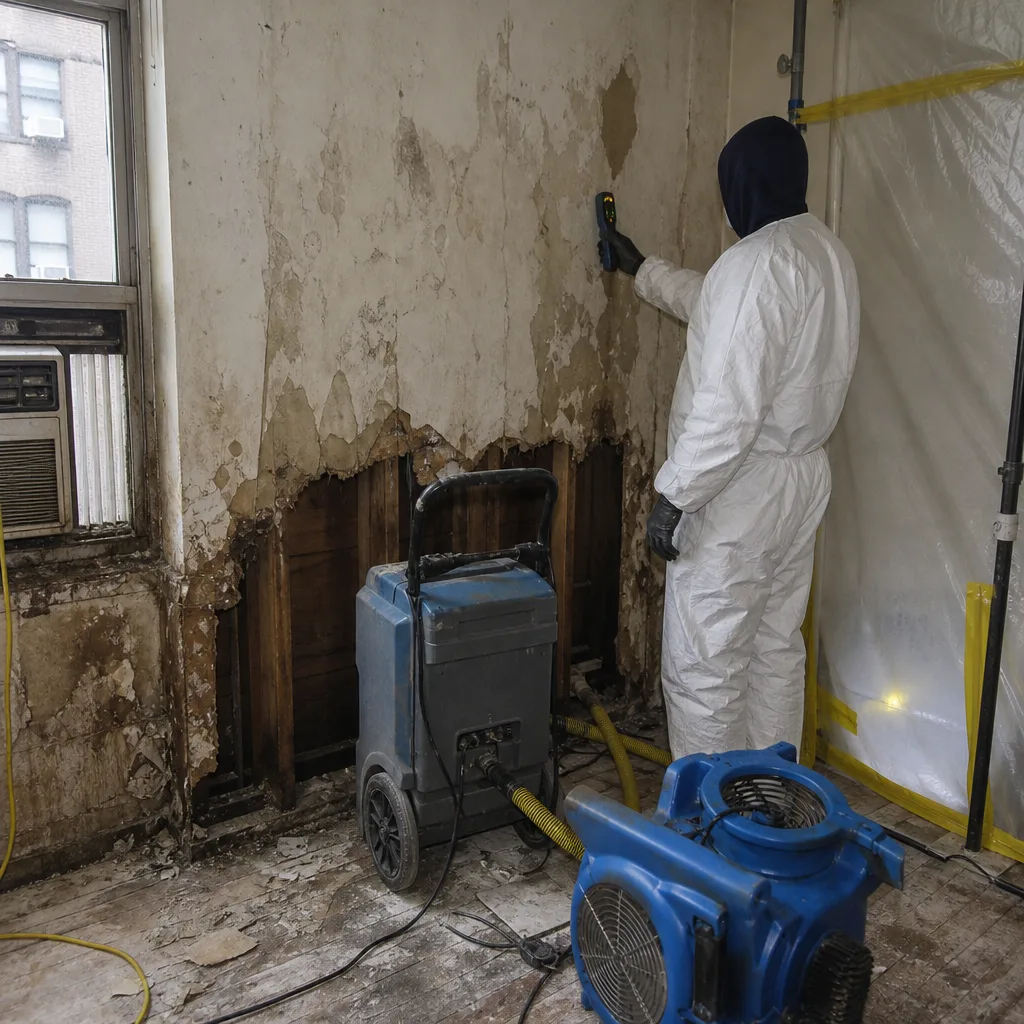 Before
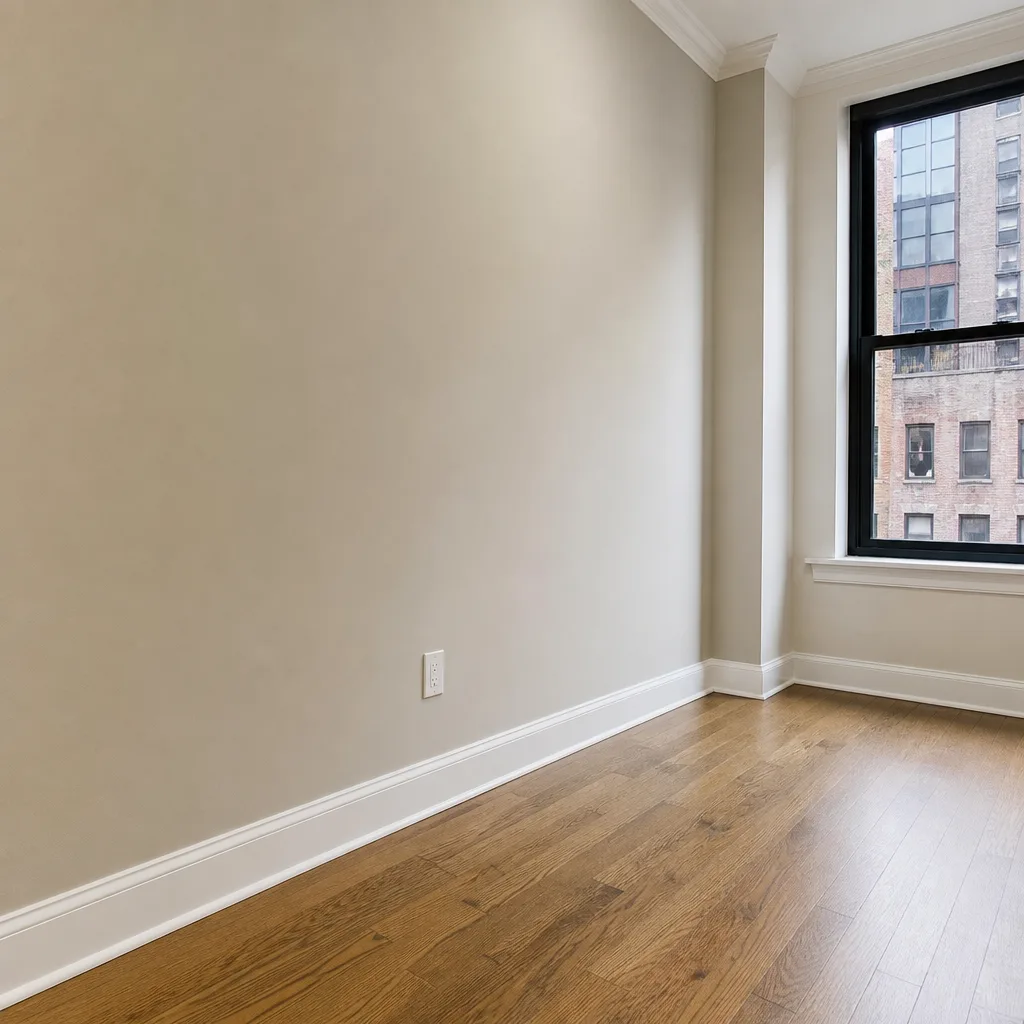 After
After24/7 Emergency Commercial Restoration in Lower Manhattan
Commercial restoration in Lower Manhattan usually starts with a phone call at an inconvenient hour. We answer it. A live dispatcher picks up 24 hours a day, every day, and a certified crew is dispatched to your building immediately. Call (518) 314-5660 the moment you see standing water, smell smoke, or suspect mold in a commercial space, because the first hour determines how much of your inventory, equipment, and structure survives. Lower Manhattan’s salt-air environment and flood-exposed building stock mean damage moves faster here than inland. We arrive, assess the full scope at no cost, and begin extraction or stabilization the same visit. No answering service. No callback queue. A person, then a crew, then the work.
Understanding Commercial Restoration Severity in Lower Manhattan Properties
Lower Manhattan commercial buildings carry damage profiles that don’t exist uptown or in the outer boroughs. The density of early-to-mid-20th-century masonry structures converted to office and retail use means deep sub-basements housing boilers, electrical switchgear, and elevator machinery. These mechanical rooms frequently sit at or below the local water table, so any storm or pipe failure introduces Category 2 or Category 3 water into spaces where moisture mapping and structural drying need to be handled differently than a residential drywall job. Saltwater intrusion, especially after a nor’easter or coastal surge, leaves chloride residue inside wall cavities and electrical panels. That residue keeps corroding metals for months if not chemically neutralized. The severity of a commercial loss here is rarely just about how much water entered. It’s about where it entered, what it saturated, and whether the crew treating it understands salt chemistry, sub-basement airflow, and the drying standards required before a building can be safely re-energized and reoccupied.
Why Lower Manhattan Property Owners Choose Floodline Restoration Co.
- 45-minute response commitment to Lower Manhattan addresses. We dispatch from our New York City office and crews know the Financial District, Tribeca, and Battery Park City routes without GPS guesswork.
- 24/7 live answer, every single call. A real dispatcher picks up at 2 a.m. on a Sunday, not a voicemail. You speak to a person who can commit a crew, not a menu.
- IICRC-certified crews trained in WRT, FSRT, and AMRT standards. That means water damage, fire and smoke, and applied microbial remediation are handled by people certified in exactly the protocols your building needs.
- Free visual inspection before any work begins. We scope it, show you what we found, and agree on a written plan. No pressure. No surprise line items later.
- Direct insurance billing with adjuster coordination. We document everything, send it to your carrier, and handle the back-and-forth. You’re not the messenger.
- One team from extraction to reconstruction. The same Floodline crew that reads the moisture map on day one handles the drying log, the repairs, and the rebuild. No mid-job handoff to strangers.
Our Commercial Restoration Process
Inspection & Assessment
We arrive with thermal imaging cameras and hygrometers, map the full affected area, and document everything with photos. For saltwater events, we check wall cavities, electrical panels, and elevator pits for chloride residue. You get a written scope of work before we start.
Extraction/Stabilization
Truck-mounted extractors remove standing water fast. For saltwater, extraction is only step one, because salt left behind keeps attracting moisture. We stabilize the space to stop damage from spreading while we plan the full dry-out.
Drying & Dehumidification
Dri-Eaz dehumidifiers and Phoenix air movers run continuously, with daily moisture readings logged until we hit the dry standard your insurer will accept. Lower Manhattan’s sub-basements often need longer run times because groundwater pressure keeps pushing moisture back in.
Cleaning & Sanitization
HEPA air scrubbers filter particulate from the air while we clean surfaces, treat for microbial growth, and apply antimicrobial agents where the loss requires them. In a saltwater commercial loss, this stage includes corrosion-neutralization on exposed metals.
Specialty Treatment
Elevator pits, electrical rooms, and HVAC systems get targeted chemical treatment for salt residue. We coordinate with your elevator contractor so hydraulic and traction systems are not re-energized until neutralization is confirmed. This is the step most restoration companies skip in Lower Manhattan, and it’s the one that prevents corrosion failures weeks later.
Repairs & Restoration
The same certified crew rebuilds what needs rebuilding, from drywall to flooring to mechanical components. We hand you a completed moisture log and the 90-Day Done Right Promise in writing. If it’s not done right, we make it right. No arguing.
Need Emergency Commercial Restoration in Lower Manhattan Now?
Crews minutes away, answering live 24 hours a day. The sooner we start, the less it costs.
Working With Your Insurance Company
The insurance claim for a commercial restoration loss in Lower Manhattan rises or falls on documentation. We start building the file from the first hour: photos of the standing water or char, room-by-room records, moisture readings from day one through the final dry-out log. Our estimates follow industry-standard formatting that adjusters recognize, and we talk to your carrier directly so you’re not relaying messages between a claims office and a crew chief. For flood or surge events in FEMA Zones AE and VE, we also document the specific saltwater component, which matters when claim distinctions hinge on whether the water was fresh or salt. Your insurer gets everything they need. You get a single point of contact.
What We Provide Your Insurer
- Thorough documentation of the loss
- Photos of all damage, room by room
- Moisture readings and drying logs
- A detailed, line-item scope of work
- Direct coordination with your carrier
Built for Lower Manhattan’s Loss Calendar
Lower Manhattan’s damage season runs on saltwater and extreme weather patterns that inland New York neighborhoods never feel. January deep freezes burst supply lines in pre-war commercial buildings along Water Street and Broadway, sending water down through multiple occupied floors before anyone notices. Spring thaw brings groundwater pressure up against sub-basement walls in the Financial District, where the water table sits unnervingly close. Summer thunderstorms overwhelm drainage on narrow lower streets, and flash flooding pushes into storefronts on Fulton Street and Nassau Street faster than pumps can respond. Nor’easters are the big one here. The harbor’s geometry funnels surge from the Hudson River, East River, and New York Harbor simultaneously, which is how a 4-to-5-foot surge puts saltwater into Battery Park City mechanical rooms and the Battery Tunnel approaches. This isn’t a seasonal business. It’s a year-round exposure pattern specific to a three-sided saltwater island.
Commercial Restoration Across Lower Manhattan’s Neighborhoods
Our Commercial Restoration team knows the building stock in the Financial District, where early-20th-century masonry towers sit on deep sub-basements that flood from below during any significant surge. These are the jobs where groundwater intrusion, not a burst pipe, is the primary moisture source, and where active dehumidification has to run longer than a standard commercial dry-out. In Tribeca, cast-iron-era buildings converted to offices and galleries have columns and beams hidden behind layers of finish material; we know where moisture hides in those assemblies and how to reach it without unnecessary demolition. Battery Park City towers built on Hudson River landfill have their own failure mode: compacted fill allows saltwater into sub-grade mechanical rooms during moderate nor’easters, which means we start chemical neutralization for elevator pits and switchgear immediately. And along Canal Street and the South Street Seaport corridor, older retail spaces with basement storage feel every Coastal storm, which is why our response routes to Lower Manhattan prioritize exact block placement as much as the severity of the call.
Specialized Commercial Restoration Services We Offer in Lower Manhattan
Office & Retail Restoration
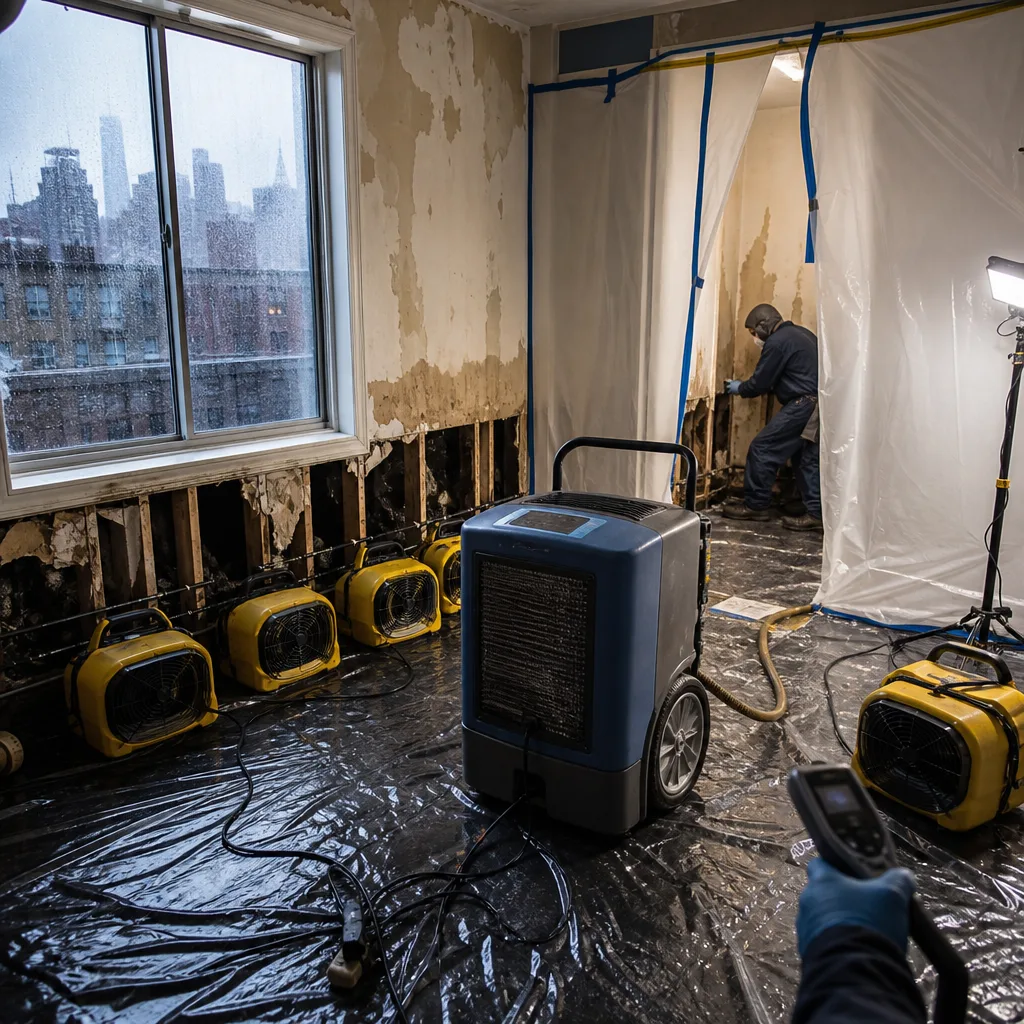
When a pipe bursts above a Fulton Street storefront or a water event hits a Broad Street office floor, the business cannot pause while the space dries. We set containment so occupied areas stay usable, run drying equipment behind plastic barriers where possible, and get commerce back to normal as fast as the drying logs allow. The goal is restoration that respects the rent.
Multi-Unit & HOA Restoration
Co-op and condo buildings in the Financial District and Battery Park City bring multiple stakeholders to every loss. We work directly with property managers and boards, provide the documentation HOAs need for common-area claims, and handle unit-to-unit moisture migration without turning a single loss into a building-wide dispute. One crew. One point of contact. One written scope.
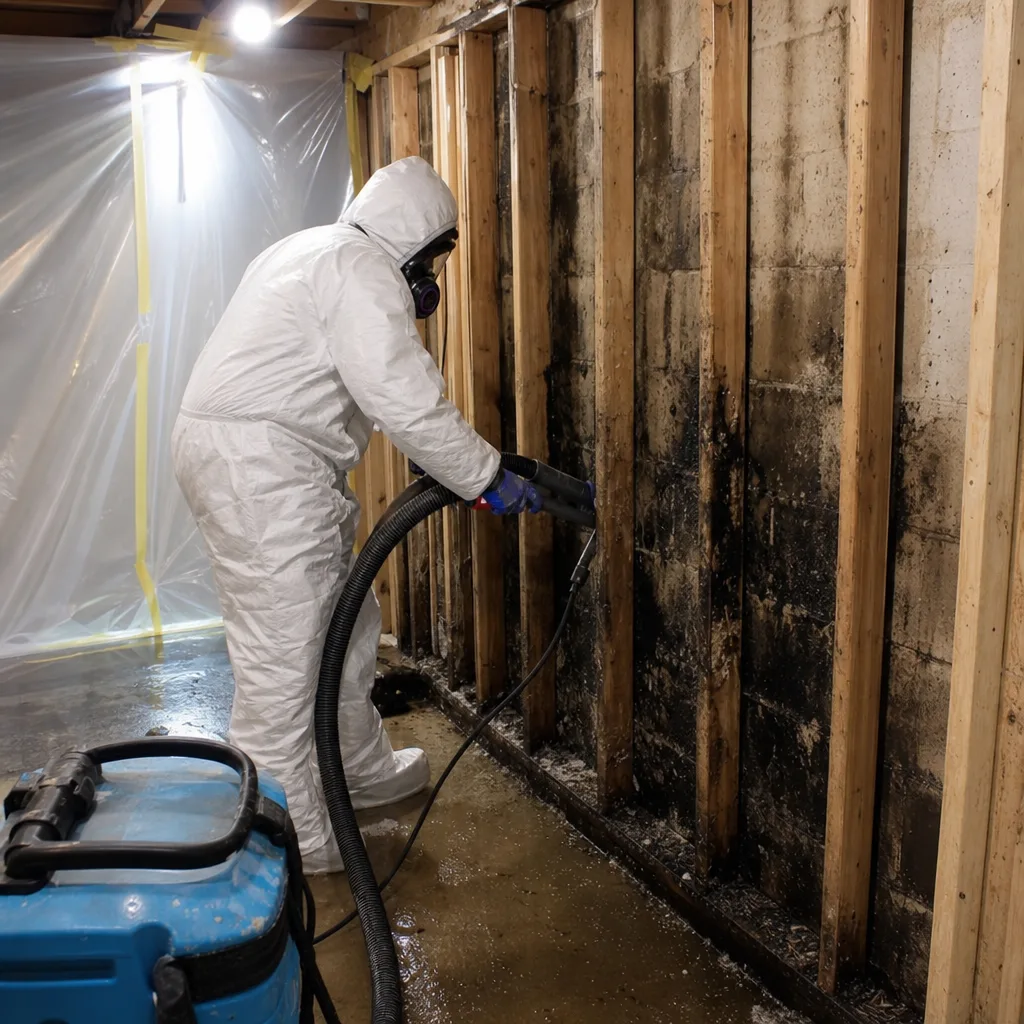
Industrial Facility Cleanup
Lower Manhattan still has active industrial and logistics spaces, many housed in century-old structures with outdated drainage. We handle spills, sewage backups, and post-storm water removal in loading docks, mechanical plants, and in sub-grade utility spaces where Category 3 water demands full containment and disinfection.
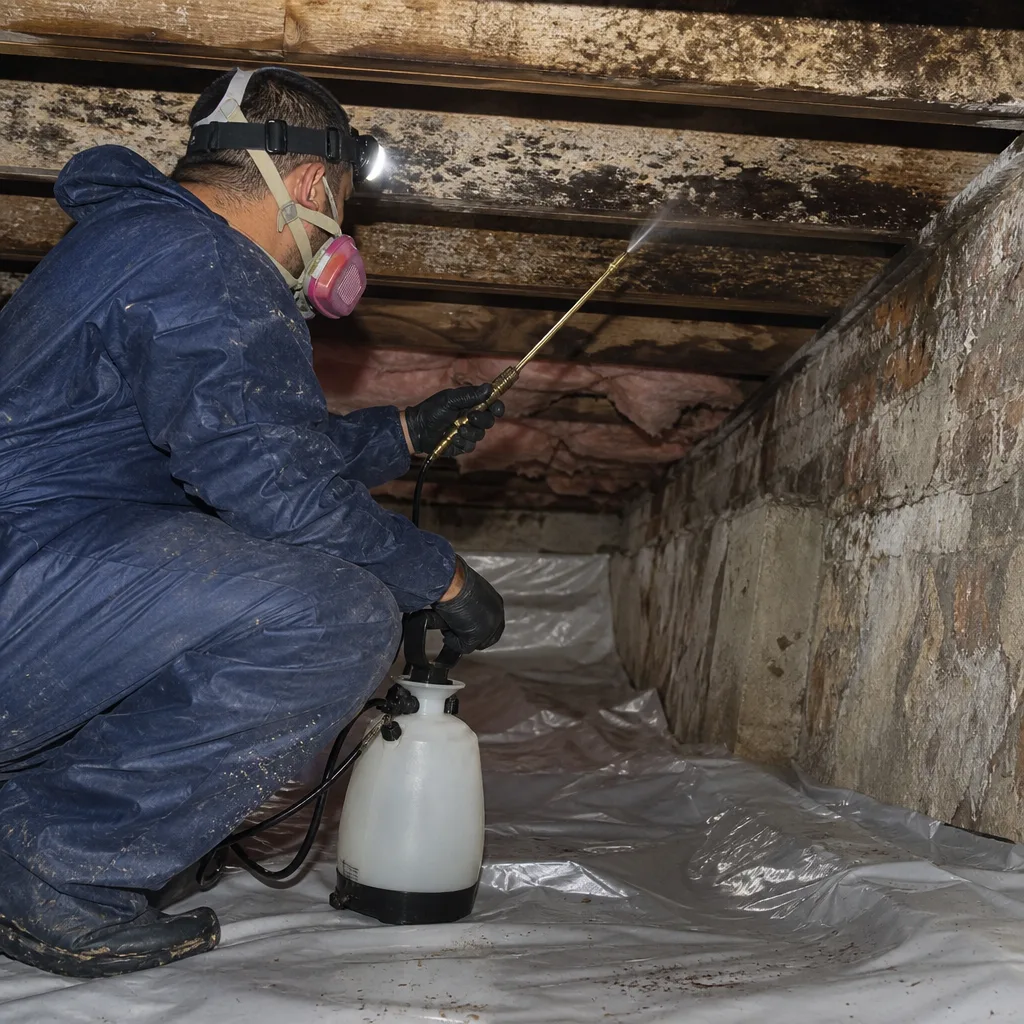
Large-Loss Response
Saltwater surge events don’t produce small losses. When a nor’easter puts a foot of harbor water into a Battery Park City tower’s sub-basement, or a 12-inch supply line lets go in a Financial District high-rise, you need multiple extraction teams, serious dehumidification capacity, and someone who’s run large-loss logistics before. We run those jobs. This is where our Saltwater-specific drying protocols and our direct insurance billing save owners months of grief.
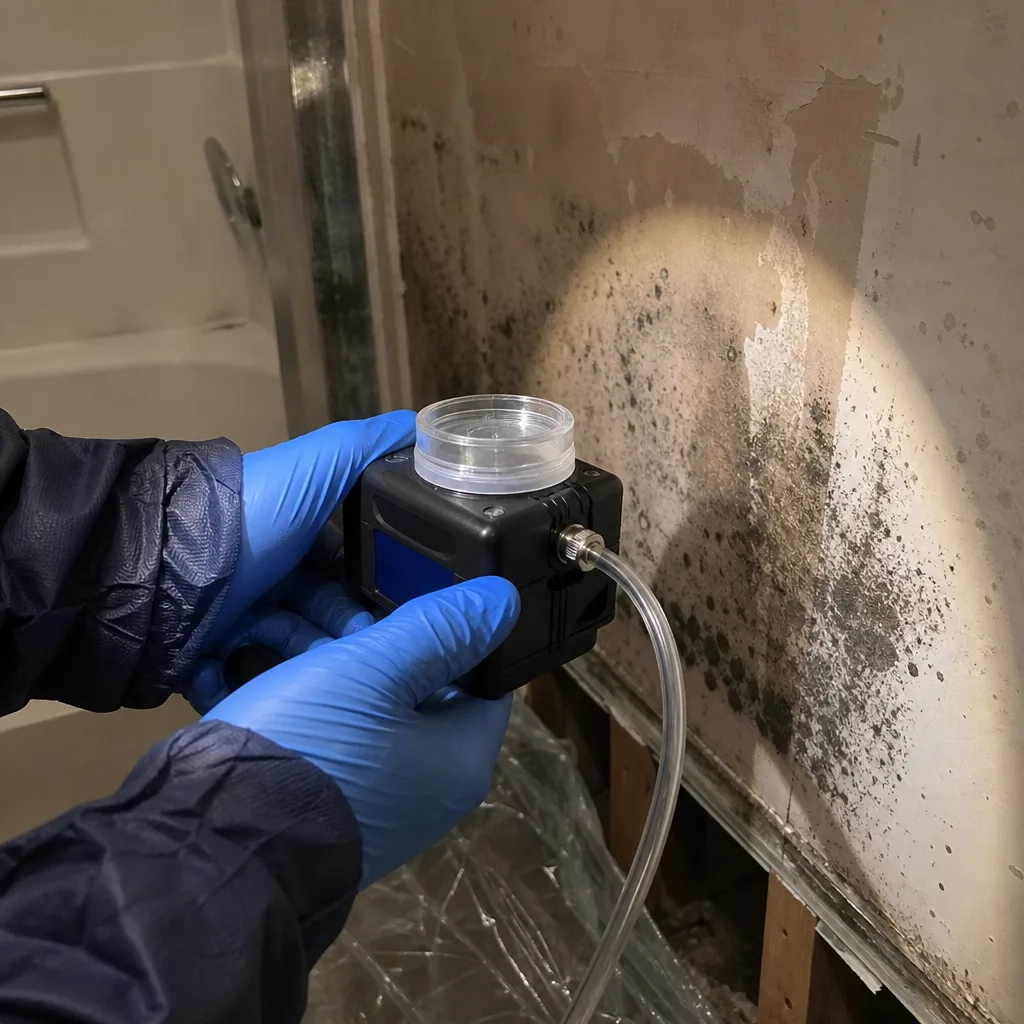
Business Interruption Minimization
Every day a Lower Manhattan business is closed is revenue that doesn’t come back. We work fast on occupied spaces, set up negative air containment to keep dust and odor out of functioning zones, and coordinate with your operations so partial occupancy continues during restoration. We know what the lease says, we know what the carrier needs, and we know that the fastest defensible dry-out is the one that gets doors back open.
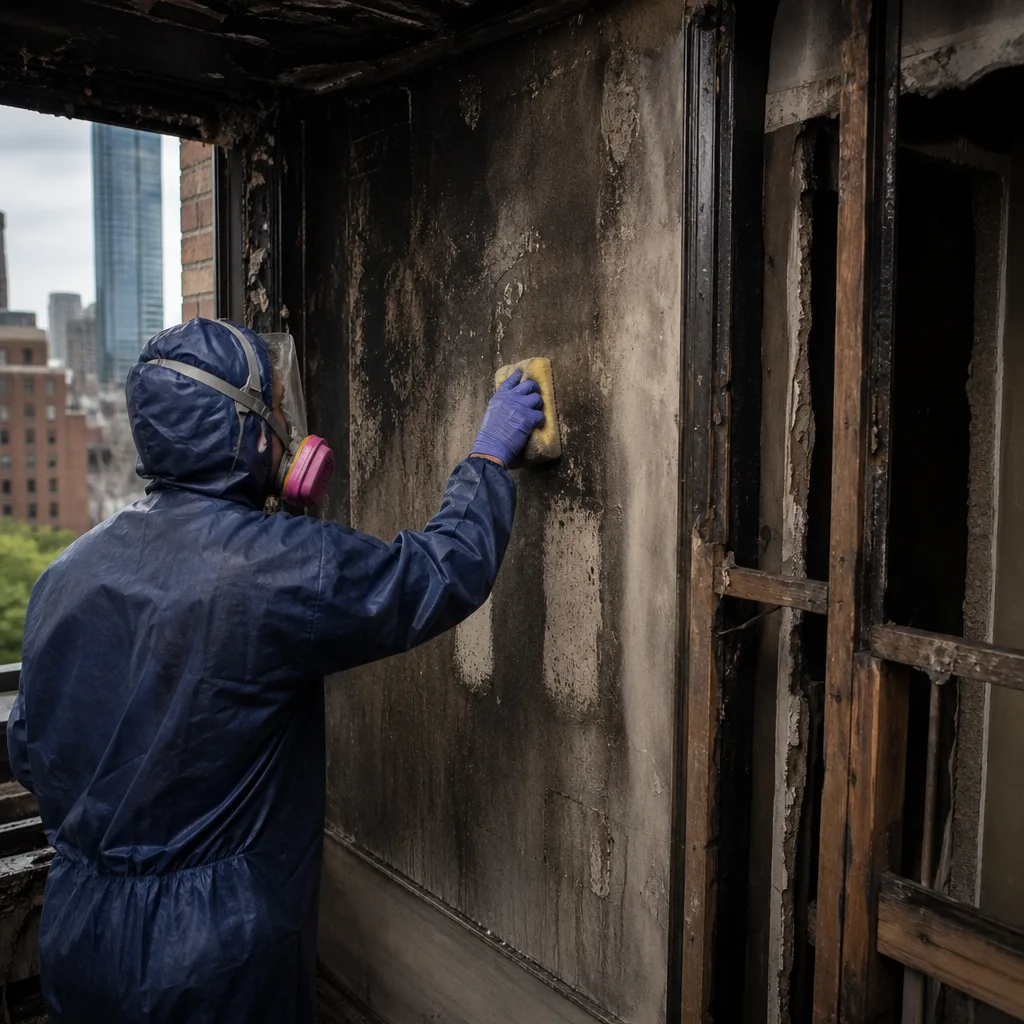
What happens when you call
- 1
A real person answersNo phone trees - you reach a local pro.
- 2
You get an upfront price rangeHonest numbers before anyone is dispatched.
- 3
A background-checked tech heads outLicensed & insured, dispatched right away.
- 4
You approve before work beginsNothing starts until you say go.
Commercial Restoration Costs in Lower Manhattan, NY
Commercial restoration in Lower Manhattan runs higher than the citywide average because the building stock is older, the sub-basements go deeper, and saltwater events require extra chemistry. A small Category 1 water loss in an office or retail space, such as a supply line leak caught quickly, typically runs $3,500 to $9,000. A moderate Category 2 loss with drywall and flooring replacement in a Financial District commercial unit lands between $12,000 and $35,000. A saltwater surge event affecting a sub-basement mechanical room, with extraction, chemical neutralization, elevator pit coordination, and structural drying, often starts at $50,000 and can exceed $150,000 depending on the size of the space and what got wet. The free visual inspection turns these ranges into a firm, line-item number before work starts. Insurance usually covers most of it. We bill your carrier directly.
We Also Serve Cities Near Lower Manhattan
Our Lower Manhattan crews regularly respond to commercial losses in Midtown Manhattan, Midtown West, Murray Hill, and Washington Square. Same live answer, same certified techs, same 90-Day Done Right Promise. If your property sits within 25 minutes of the Battery, we can be there.
Serving Lower Manhattan, NY - Our Local Coverage Area
We’re based in the Lower Manhattan area and know this community well. Use the map below to see our service coverage - if you’re nearby, we can almost certainly help.
Lower Manhattan Commercial Restoration Questions, Answered
What makes saltwater flooding in Lower Manhattan different from freshwater damage in other NYC neighborhoods?
Saltwater carries dissolved chlorides that remain behind after the water is extracted, and those chlorides continue corroding metals inside wall cavities, electrical panels, and HVAC systems for months. Lower Manhattan’s exposure to nor’easter and tropical surge means commercial losses here frequently involve Category 3 saltwater that requires chemical neutralization, not just drying. Inland freshwater losses don’t demand that step. Our crews treat saltwater as a separate restoration category from minute one.
How quickly can mold start growing in a Lower Manhattan commercial space after a flood?
Mold can begin colonizing wet organic materials in 48 to 72 hours. In Lower Manhattan’s coastal humidity, that window can compress further, especially in enclosed sub-basements with limited airflow. That’s why we start extraction the day you call and run HEPA air scrubbers during the dry-out. Fast water removal is cheaper than mold remediation. Call (518) 314-5660 as soon as you see water.
Why do Battery Park City elevator pits need special attention after even a moderate nor’easter?
Battery Park City towers sit on Hudson River landfill, and their sub-basement mechanical rooms and elevator pits can take on saltwater even during a 4-to-5-foot surge. The critical step is chemical neutralization of the salt residue in the lift pit before the hydraulic or traction system is re-energized. If a restoration crew skips that step, corrosion failures appear weeks later and the elevator company blames the water damage. We coordinate directly with the elevator contractor so the pit is neutralized, documented, and cleared before power is restored.
Does Lower Manhattan commercial restoration require different dehumidification than inland jobs?
Yes. Lower Manhattan’s sub-basements often sit at or below the water table, and that means groundwater keeps pushing moisture back into the space even after standing water is extracted. We run Dri-Eaz dehumidifiers and Phoenix air movers longer and take daily moisture readings against the building’s specific dry standard. Inland jobs dry faster. Here, we don’t cut the process short just because the calendar says it’s been three days.
How do you handle a commercial flood in a Lower Manhattan building that remains partially occupied during restoration?
We set containment barriers and run negative air pressure to keep dust, odors, and airborne contaminants out of occupied zones. Drying equipment runs in the affected area while tenants or employees continue working elsewhere in the building. We work around your hours of operation where possible, and we document everything so your insurer sees exactly what was done and when.
How fast can a crew actually get to my Lower Manhattan commercial property?
Our goal is 45 minutes from your call to wheels at the door. We dispatch from our New York City office, and our crews know the Financial District, Tribeca, and Battery Park City routes without relying on turn-by-turn directions in the middle of a storm. Call (518) 314-5660 and a live dispatcher commits a crew immediately.
Will my insurance cover commercial restoration in Lower Manhattan?
Most commercial property policies in Lower Manhattan cover water damage from burst pipes, sewage backups, and fire. Flood and storm surge coverage depends on whether the property carries a separate NFIP or private flood policy, especially in FEMA Zones AE and VE. We work directly with your adjuster, provide the documentation they need, and bill your carrier so you’re not out-of-pocket while the claim moves.
What should I do in the first 30 minutes after water enters my commercial space?
Shut off power to the affected area if it’s safe to do so. Move inventory, documents, and electronics out of the water. Call us at (518) 314-5660. Don’t use shop vacs or fans, because the wrong equipment can spread contaminated water and make the loss worse. The first hour sets the ceiling on what your restoration costs.
Written by Curt Bowman, Owner at Floodline Restoration Co., serving Lower Manhattan since 2010.