
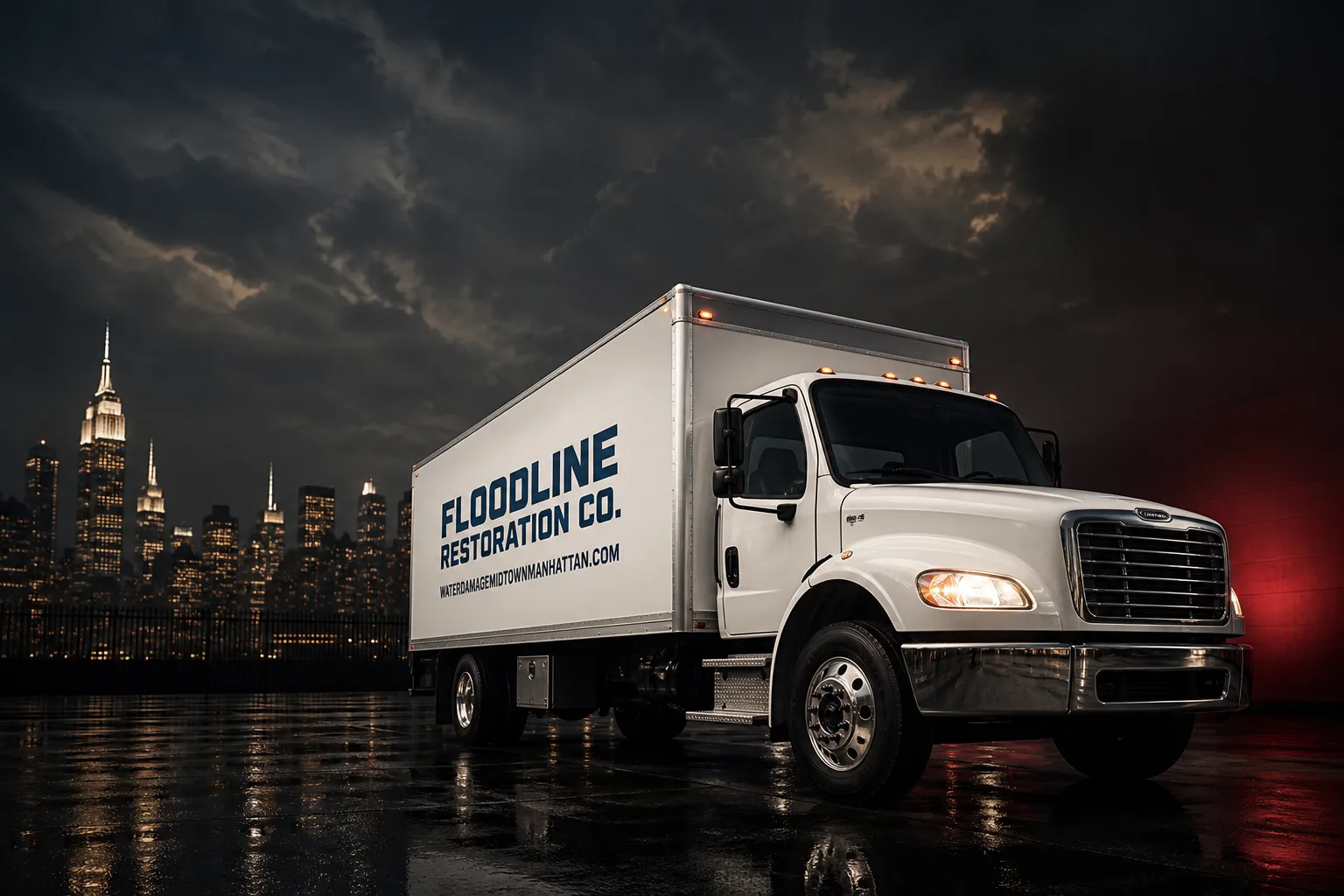
Free visual inspection and a written scope of work before any mitigation begins - photos, moisture readings, and drying logs go in your claim file
The scope we write is the scope we bill. Anything new gets shown to you, in writing, before we touch it.
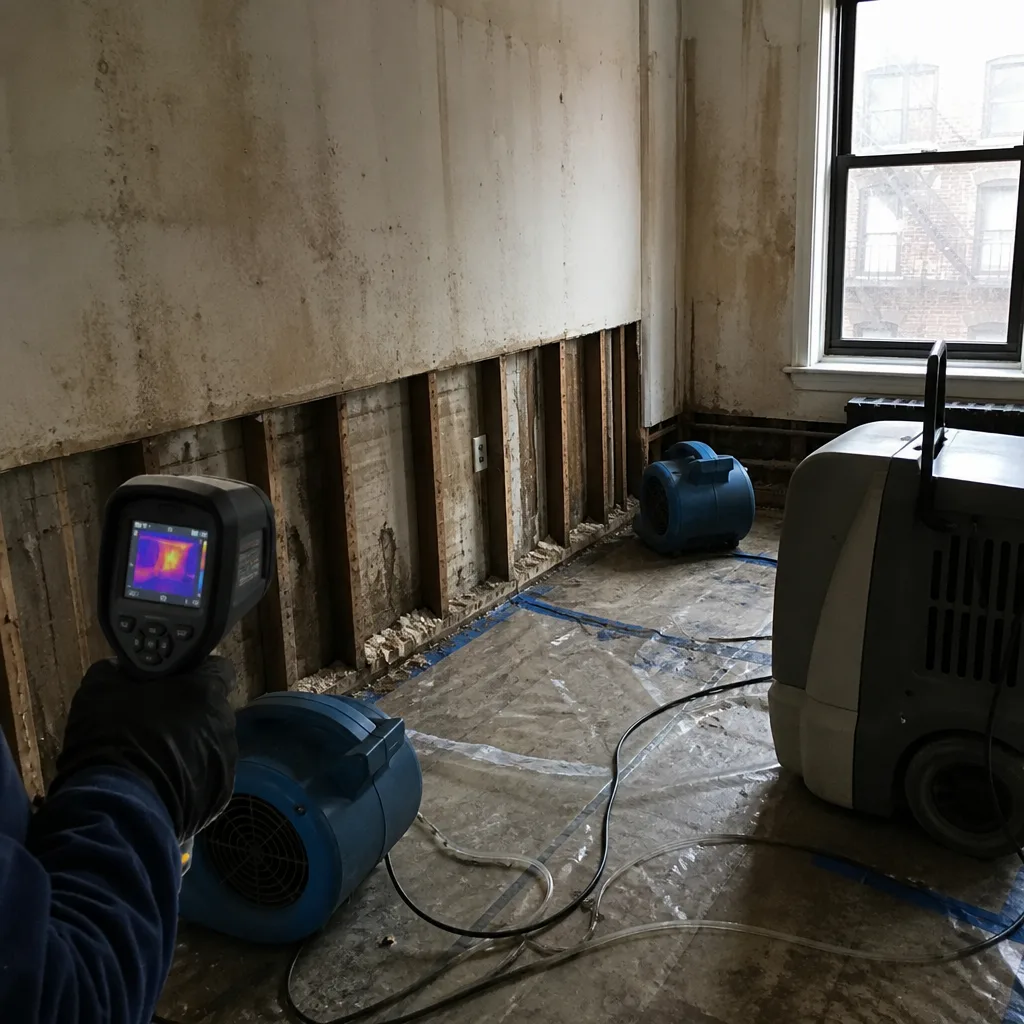 Before
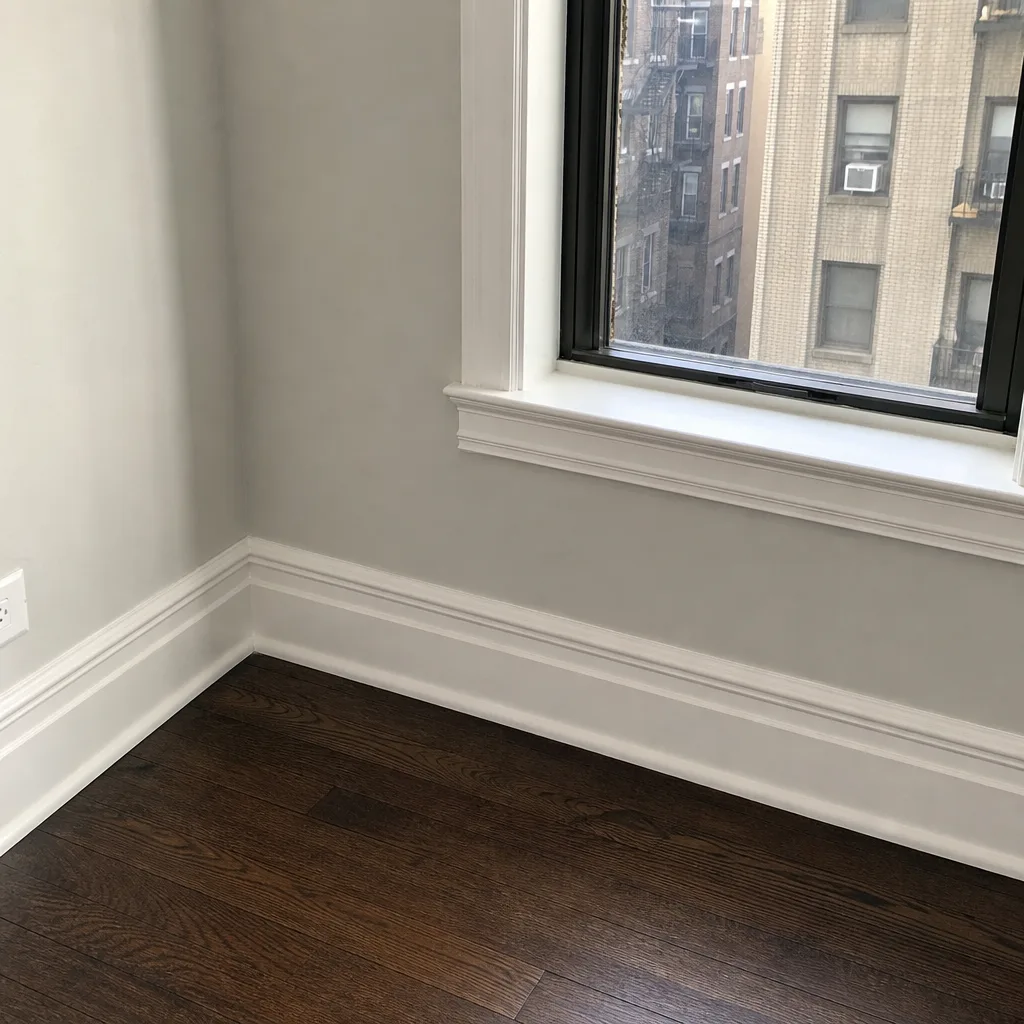 After
After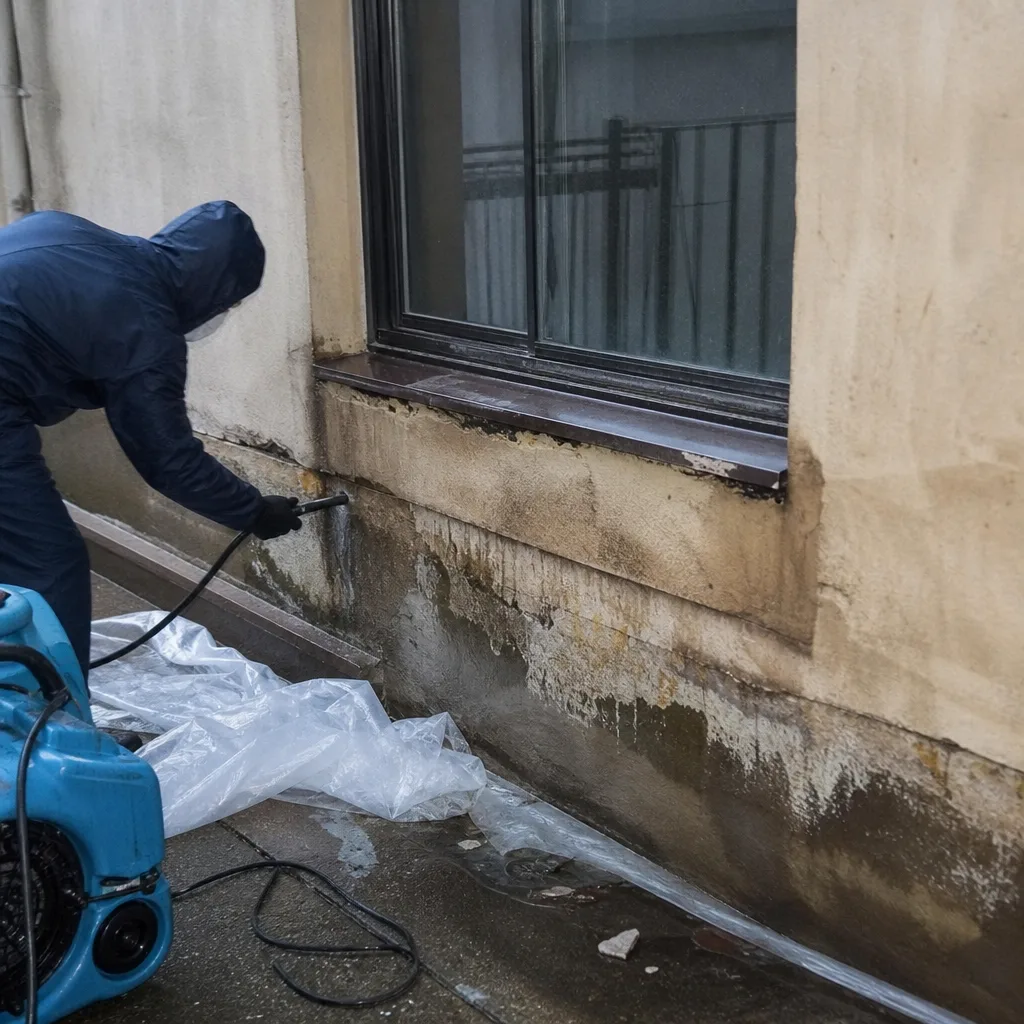 Before
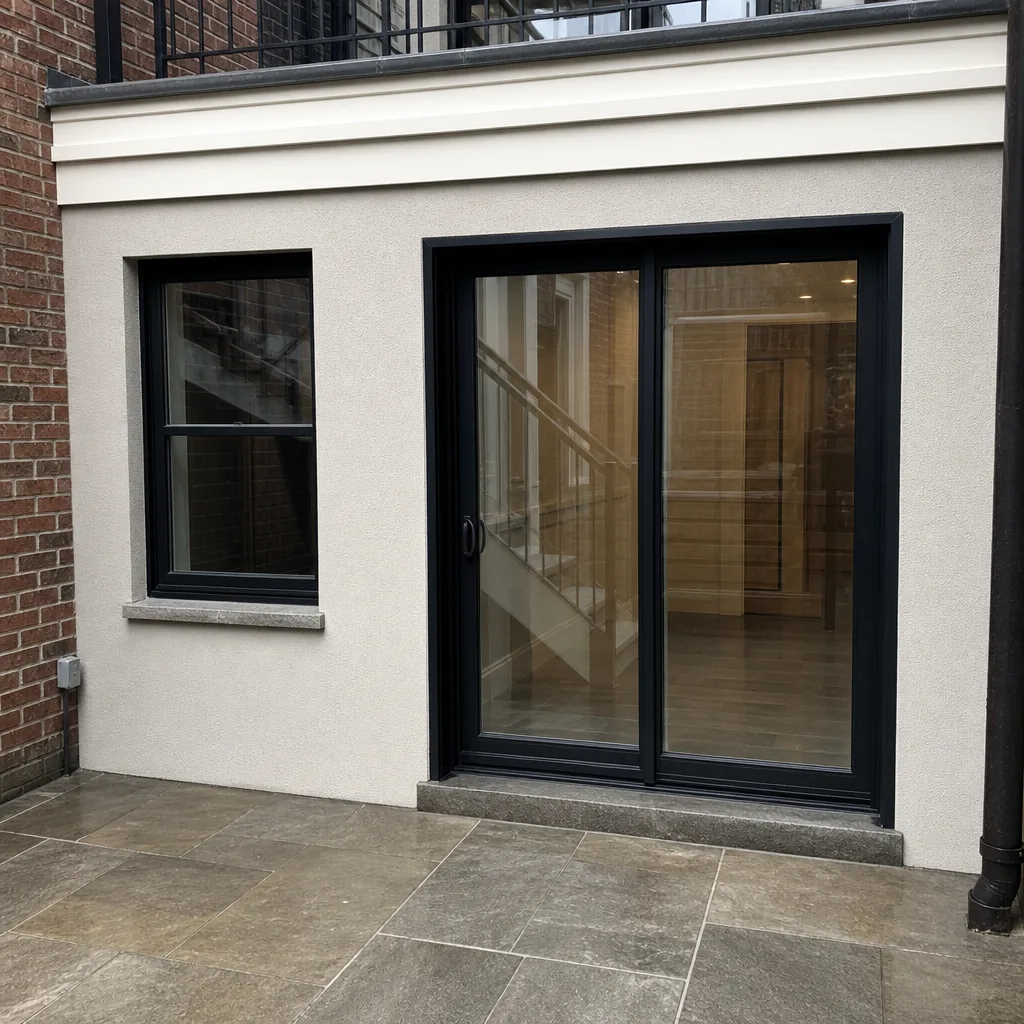 After
After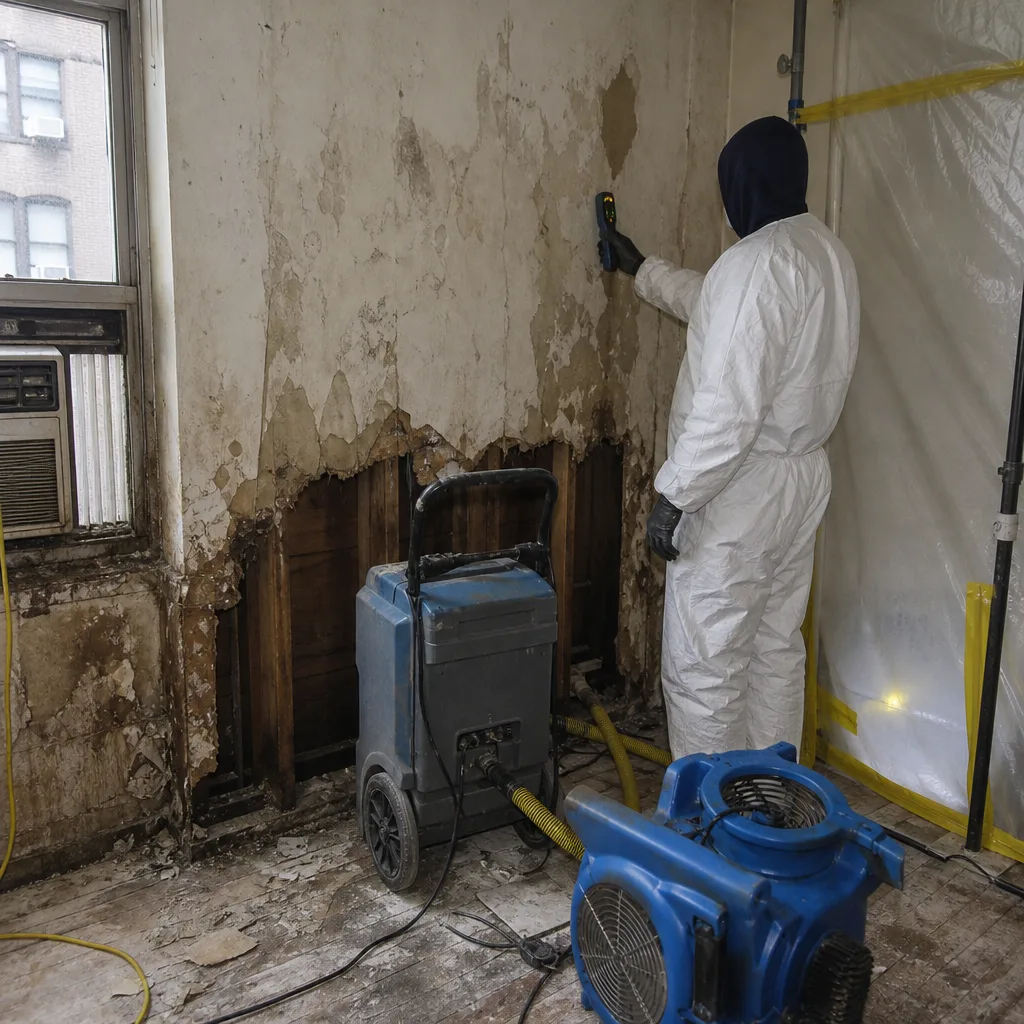 Before
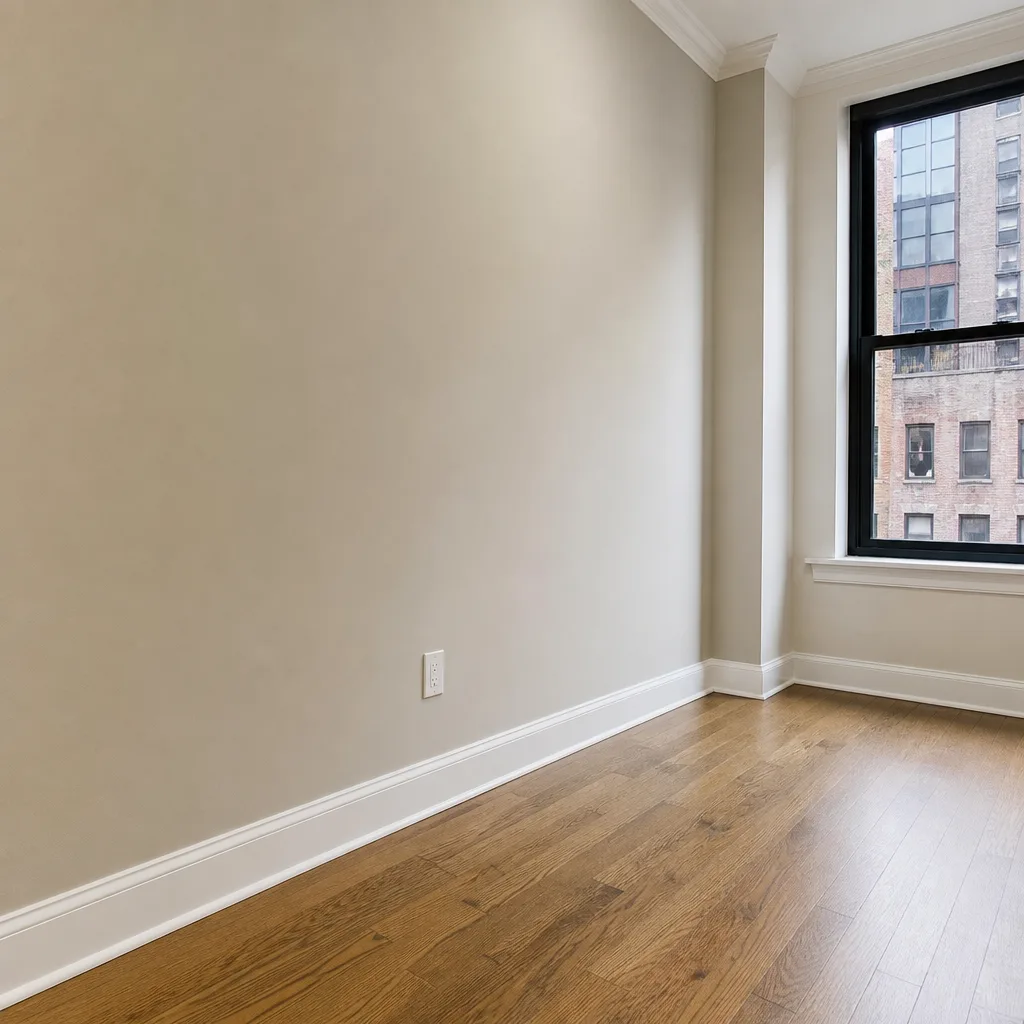 After
After24/7 Emergency Sewage Cleanup in West New York
Sewage backup in a West New York walk-up is a three-floor problem, not a one-unit problem. We know because we’ve traced it through plaster-and-lath ceilings on Bergenline Avenue more times than we can count. A toilet overflow on the fourth floor follows the shared stack down, and within hours a tenant on the second floor is calling with sewage staining through the ceiling. Call (518) 314-5660 and a live dispatcher answers, day or night. Our crews respond inside 45 minutes to most West New York addresses, run a free visual inspection, and start extraction the same visit.
The first hour matters because category 3 water, the kind carrying raw sewage, soaks into unreinforced plaster and old-growth framing fast. Once it moves behind the walls, the job stops being a cleanup and starts being a reconstruction. The sooner we get containment up and pumps running, the less ceiling comes down.
Understanding Sewage Cleanup Severity in West New York Properties
West New York’s housing stock turns what might be a contained mess in a suburban house into a building-wide event. Most of the apartments here rise four to eight stories, built between the 1920s and 1960s with cast-iron drains and shared plumbing stacks. When that stack backs up, water follows gravity through original plaster-and-lath, and every floor between the source unit and the street becomes a potential contamination zone.
We classify sewage by category. Category 1 is clean water from a supply line. Category 2 carries some contamination, like a washing machine discharge. Category 3 is black water: raw sewage, toilet overflow, anything that came out of a drain that wasn’t supposed to. In West New York, what starts as a category 1 pipe break on the fifth floor often degrades to category 3 before our crew ever arrives, because it has already passed through three other apartments’ ceiling cavities. Moisture mapping with thermal imaging shows us the full path, which is almost never visible from the source unit alone. The building’s age means plaster dries slowly, and that means hidden mold risk if drying is rushed or skipped. This is not a job for a carpet cleaner with a shop vac.
Why West New York Property Owners Choose Floodline Restoration Co.
- 45-minute response commitment: We dispatch crews from mobile units stationed around the Hudson County corridor, so a live team reaches most West New York buildings within 45 minutes of your call.
- 24/7 live answer, not a recording: A real person picks up at (518) 314-5660 at 2 a.m. the same way they do at 2 p.m. You’ll never talk to a phone tree.
- IICRC-certified crews: Our technicians hold IICRC Water Damage Restoration Technician (WRT), Fire & Smoke Restoration Technician (FSRT), and Applied Microbial Remediation Technician (AMRT) certifications. They are background-checked and uniformed on every job.
- Free visual inspection: Before any work begins, we walk the affected units with you, map the moisture, and tell you plainly what needs removal and what can be dried in place. No obligation.
- Direct insurance billing: We document everything from hour one, bill your carrier directly, and coordinate with adjusters so you don’t have to play middleman.
- One team from extraction to reconstruction: The same Floodline crew that pulls the sewage out is the crew that rebuilds the ceiling, the flooring, and the wall cavities. No mid-job handoff to a subcontractor you’ve never met.
Our Sewage Cleanup Process
Inspection & Assessment
We walk every affected unit, not just the source floor. Using thermal imaging and moisture meters, we map the full path of category 3 water through ceilings, wall cavities, and floor assemblies. You get a written scope before we put a single piece of equipment in the building.
Extraction & Stabilization
Truck-mounted extraction pulls standing sewage from floors, crawl spaces, and basement boiler rooms. We set up containment barriers to stop cross-contamination to unaffected units, then begin removing saturated materials that cannot be salvaged.
Drying & Dehumidification
Dri-Eaz dehumidifiers and XPOWER air movers run continuously, with daily moisture readings logged until the dry standard is met. Plaster-and-lath dries slower than drywall, so we monitor wall cavities with penetrating meters, not just surface probes.
Cleaning & Sanitization
All affected surfaces are cleaned with hospital-grade antimicrobial agents. Hard surfaces are wiped, soft goods are evaluated for salvage or disposal, and HEPA air scrubbers run to capture airborne particulate from the contamination event.
Specialty Sewage Treatment
For crawl spaces and sub-floor areas, we use Injectidry systems to dry tight cavities without tearing out finished ceilings above. Cast-iron drain scopes determine whether the backup source needs repair or replacement before we close any wall.
Repairs & Restoration
We rebuild what was removed: plaster ceilings, flooring, baseboards, paint, and trim. The final walkthrough includes a moisture log and a written guarantee that the job was done right.
Need Emergency Sewage Cleanup in West New York Now?
Crews minutes away, answering live 24 hours a day. The sooner we start, the less it costs.
Working With Your Insurance Company
Most West New York property owners carry insurance, but sewage damage claims fail or get reduced for one reason: weak documentation. We fix that from the first phone call. Our crew photographs every affected room before we move anything, logs moisture readings daily through the drying cycle, and creates a line-item scope of work in the format insurance carriers expect. We’ve coordinated claims for tenants, condo owners, and landlords across Hudson County, including jobs where two or three different policies covered different parts of the same building. Our team talks directly to your adjuster, answers their questions, and handles the paperwork so the claim moves while we work.
What We Provide Your Insurer
- Thorough documentation of the loss
- Photos of all damage, room by room
- Moisture readings and drying logs
- A detailed, line-item scope of work
- Direct coordination with your carrier
Built for West New York’s Loss Calendar
Sewage backup in West New York doesn’t happen randomly. It follows a schedule, and we know it well. January and February bring deep freezes that crack aging galvanized supply lines and stress cast-iron waste stacks in pre-1960 buildings. Frozen pipes burst on upper floors of walk-ups, and the resulting water follows the same vertical path as a sewage backup. March and April arrive with thaw cycles and heavy rain, and the flat-roofed buildings along the Palisades start leaking into wall cavities, softening plaster and adding moisture to already-compromised drain systems.
Summer thunderstorms hit the Hudson River bluff hard, overwhelming storm drains along River Road and Boulevard East, sending runoff into basement utility rooms and crawl spaces. Autumn nor’easters bring wind-driven rain through aging roof membranes on 1920s-era tenements. Year-round, the common thread is this: a building with cast-iron drains, plaster walls, and shared stacks doesn’t shed water fast. When moisture lingers, sewage bacteria thrive. That’s why we don’t wait for visible staining to tell us where the problem is. We map it.
Sewage Cleanup Across West New York’s Neighborhoods
Bergenline Avenue is the commercial spine of West New York, and the blocks off it are almost entirely brick walk-ups with shared stacks and rooftop bulkheads. When a third-floor toilet overflows above a storefront on Bergenline, the sewage travels through the ceiling cavity and threatens both the residential unit below and the commercial space at street level. We’ve worked those jobs from Park Avenue to 60th Street, coordinating with business owners, tenants, and building management in a single visit.
Down along River Road, the lower-elevation parcels sit in the Hudson River storm-surge footprint. Basements and ground-floor units here flood with a mix of storm surge and backed-up sewer discharge during heavy rain events. These jobs require heavy extraction, full containment, and often full removal of soaked finishes to the studs. Up on Boulevard East, the buildings sit higher and drier, but many are pre-war co-ops with original cast-iron waste lines that have been patched for decades. A cracked hub behind a plaster wall leaks slowly for weeks before staining appears, and by then the cavity is saturated with category 3 water. The neighborhoods are different; the pattern is the same: multi-floor, multi-policy, and never as simple as the source unit.
Specialized Sewage Cleanup Services We Offer in West New York
Sewage Backup Cleanup
When a shared stack backs up in a West New York walk-up, every unit below the blockage is at risk. We trace the backup’s full path, contain each affected floor separately, and run extraction and drying scopes for each unit with its own documentation for its own insurance policy. Most backup jobs in this building type require coordination across at least two tenants and one landlord before we even start extracting. That’s a reality of the housing stock here, and we’ve been doing it long enough that it doesn’t slow us down.
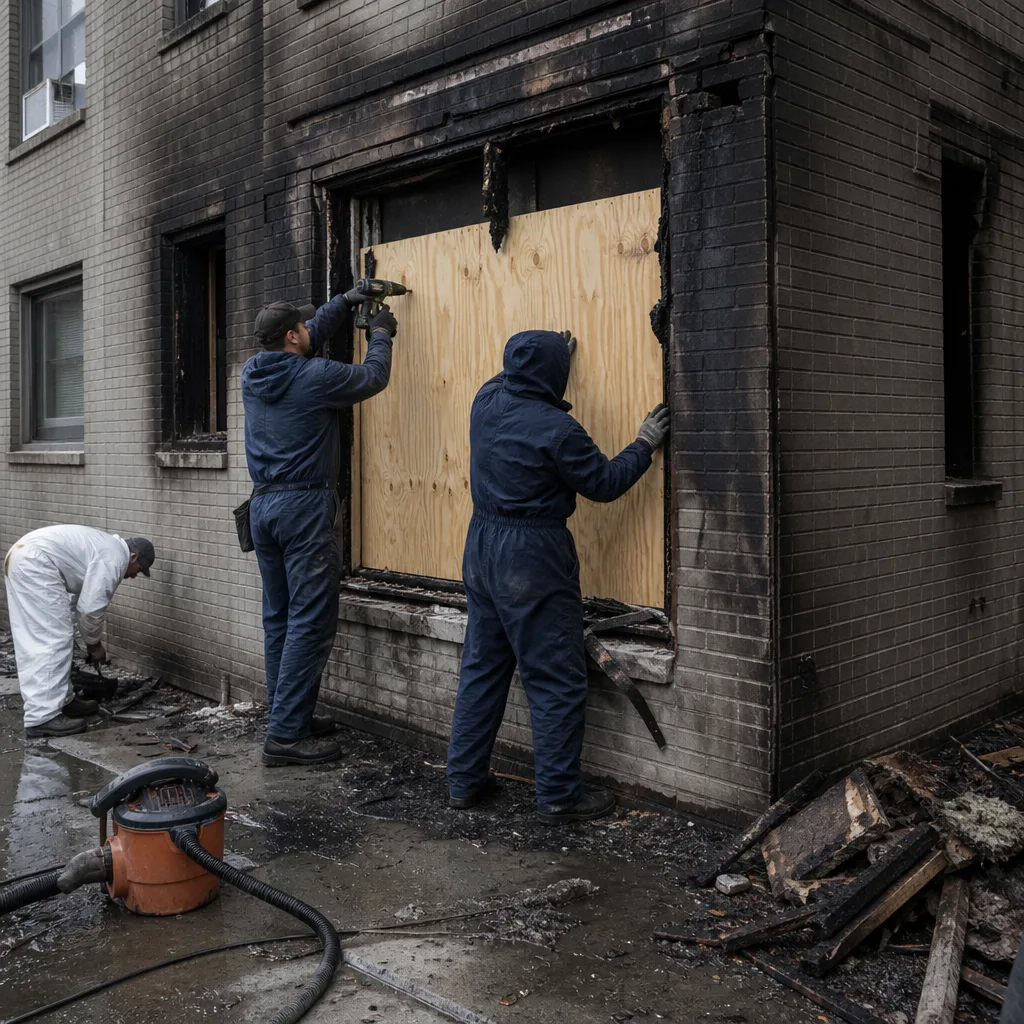
Toilet Overflow Cleanup
Toilet overflow is the most common call we get from West New York apartments, especially in buildings with original low-flow retrofits and aging wax seals. The overflow itself is quick; the damage is not. Once the water saturates the plaster ceiling below, containment, extraction, drying, and in most cases ceiling removal and rebuild are all required. We set up negative air pressure to keep the contamination zone from spreading, then remove only what cannot be saved. If the ceiling is original plaster-and-lath, we dry it in place whenever our moisture readings support it.
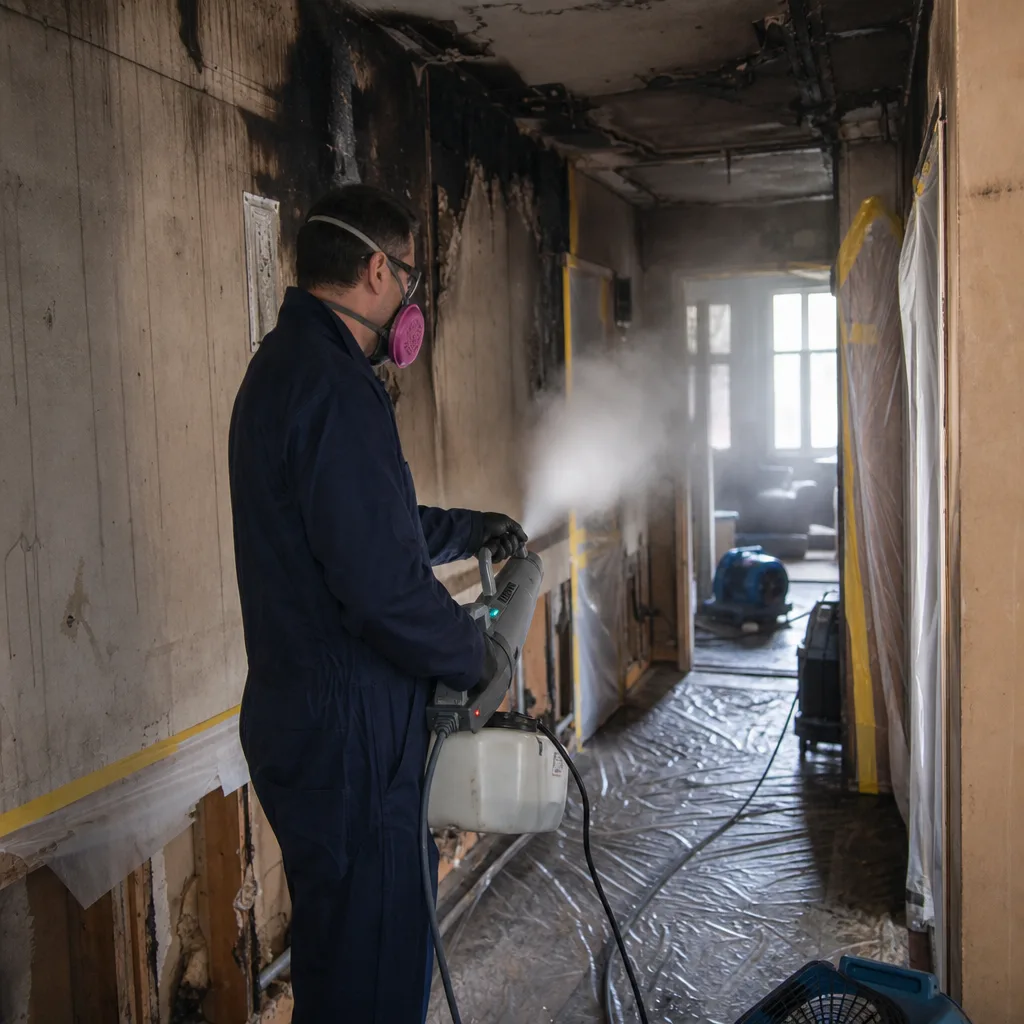
Septic Failure Cleanup
Fewer West New York buildings run on septic than in the outer suburbs, but the pre-war converted houses on the western edge of town still have original cesspool systems that fail in heavy rain. When a cesspool backs up into a basement or crawl space, the sewage is mixed with groundwater and requires category 3 treatment. We pump, sanitize, and dry, then coordinate with your plumber or septic contractor to repair the source so it doesn’t happen again next month.
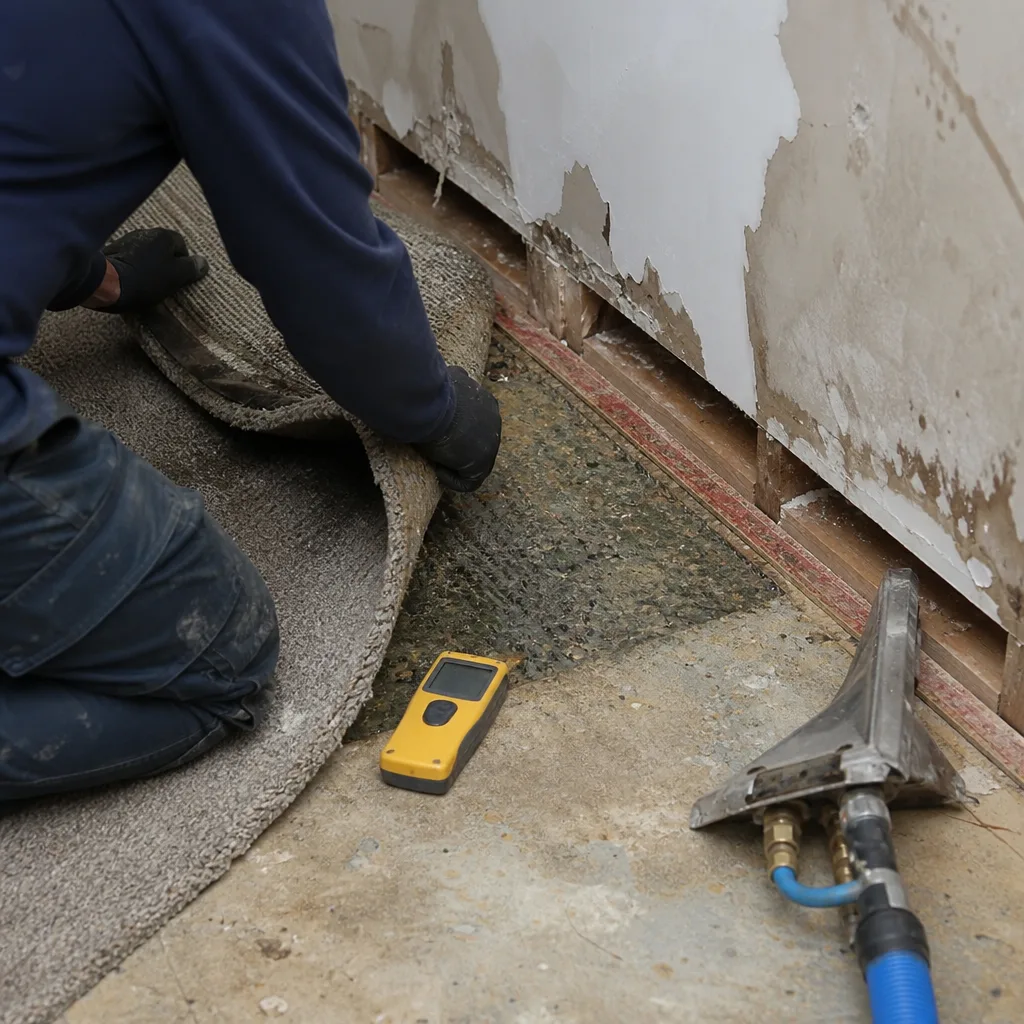
Black Water Extraction
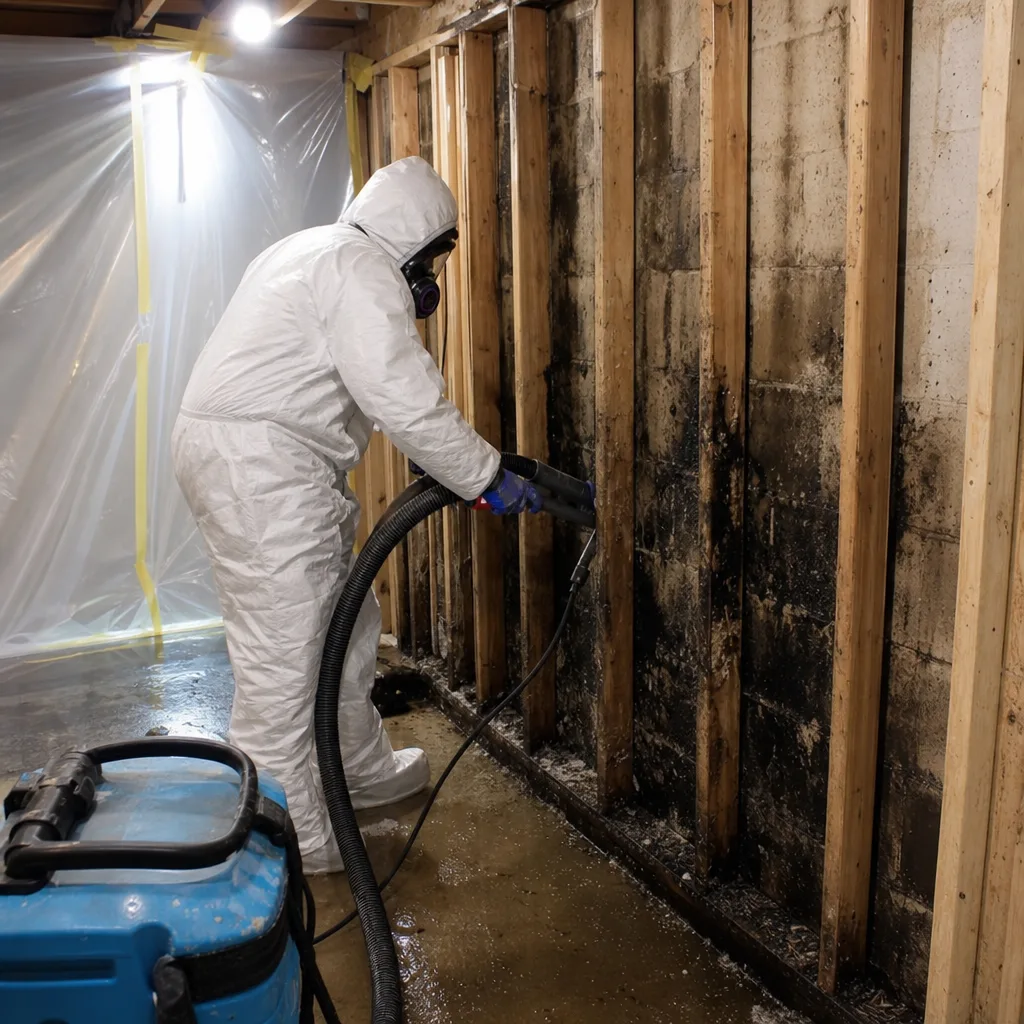
Category 3 water demands immediate containment and professional extraction. Our truck-mounted extractors remove standing black water from floors, basements, and crawl spaces faster than any portable unit, and our crews suit up in full PPE every time. In West New York’s multi-unit buildings, we establish containment on every affected floor, not just the source unit, because the contamination path is vertical.
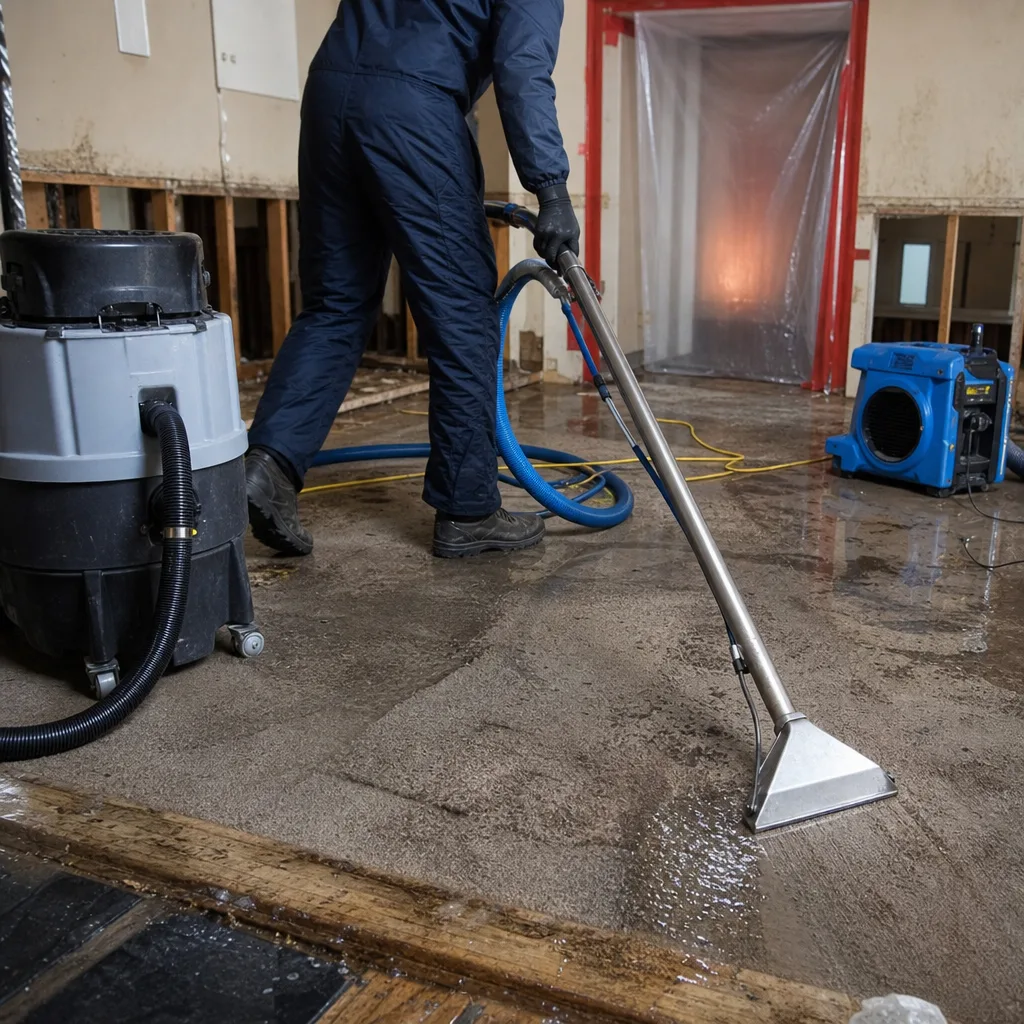
Sanitization & Disinfection
After extraction and drying, every contaminated surface gets hospital-grade antimicrobial treatment. We fog affected cavities where we can’t wipe directly, run HEPA air scrubbers to capture airborne bacteria, and test with ATP meters to confirm the space is safe before we close any wall or ceiling. This is the step that separates a real sewage cleanup from a cleaning service with a mop.
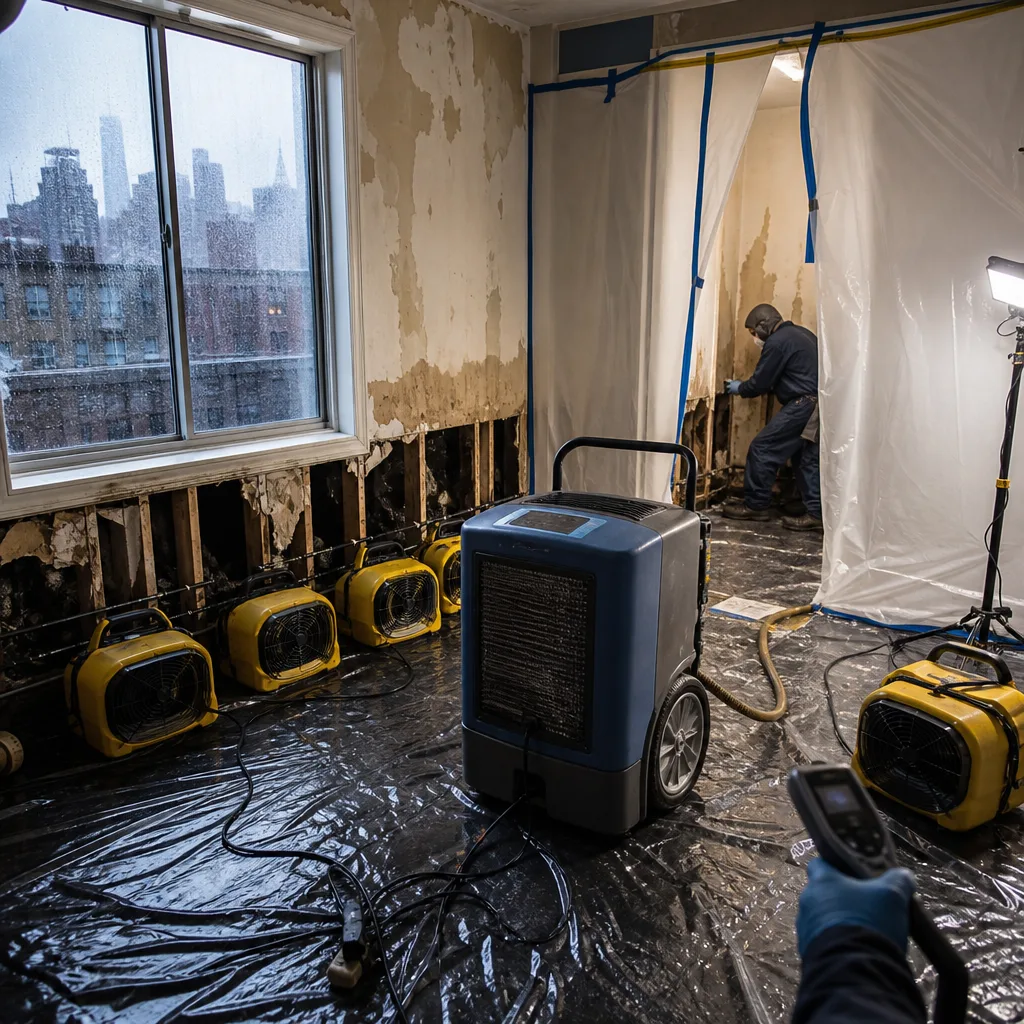
Crawl Space Sewage Removal
Many West New York buildings have tight crawl spaces under first-floor units, accessed through a small door in the basement or a hatch in the floor. When sewage pools in a crawl space, the odor rises through the floorboards and the contamination spreads under joists. We use low-profile extraction and Injectidry systems to dry those cavities without tearing up the first-floor flooring. It’s slower than opening the floor, it’s harder work, and it saves you a full rebuild.
What happens when you call
- 1
A real person answersNo phone trees - you reach a local pro.
- 2
You get an upfront price rangeHonest numbers before anyone is dispatched.
- 3
A background-checked tech heads outLicensed & insured, dispatched right away.
- 4
You approve before work beginsNothing starts until you say go.
Sewage Cleanup Costs in West New York, NJ
What does sewage cleanup actually cost in West New York? For a contained single-unit toilet overflow with quick response, expect $1,800 to $3,800 for extraction, sanitization, drying, and minor repairs. A multi-floor backup in a walk-up with plaster ceiling removal and rebuild typically runs $6,000 to $14,000, depending on how many units are affected and whether the cast-iron stack needs repair. Crawl space sewage removal under a first-floor unit usually falls between $3,500 and $8,500, including drying and sanitization. If the backup reached a finished basement on River Road, you’re looking at $8,000 to $18,000 because the lower-elevation moisture means longer drying times and more removed finishes.
What moves the price: the number of affected floors, the presence of original plaster-and-lath, whether asbestos abatement is needed before ceiling removal, and how long the sewage sat before we arrived. Insurance covers most sewage backup claims when the backup was sudden and accidental, not the result of long-term neglect. Our free visual inspection gives you a firm, written scope before any work begins, so you know exactly what you’re paying and what your carrier is covering. Call (518) 314-5660 for an exact quote today.
We Also Serve Cities Near West New York
Floodline Restoration Co. runs sewage cleanup crews throughout Hudson County and the surrounding area, including Weehawken, Hoboken, Union City, and North Bergen. If you manage or own property in any of these nearby cities, the same live dispatch number reaches us: (518) 314-5660.
Serving West New York, NJ - Our Local Coverage Area
We’re based in the West New York area and know this community well. Use the map below to see our service coverage - if you’re nearby, we can almost certainly help.
West New York Sewage Cleanup Questions, Answered
How do you handle a sewage backup in a West New York walk-up when the source unit is on the 5th floor and the contamination reaches the 2nd floor?
The short answer: we treat every affected floor as its own containment and drying project, and we document each one for its own insurance policy. The longer version involves sealing the vertical chase, setting containment on every floor where category 3 water has traveled, running separate drying scopes for each unit’s ceiling cavity, and coordinating with each tenant and landlord directly. We’ve done this exact job on multiple buildings off Bergenline Avenue. The key is that the source unit’s policy doesn’t cover the units below; each owner’s policy does. We bill and document accordingly. Call (518) 314-5660 and we’ll walk the building with you the same day.
In West New York, do you need to remove plaster ceilings after a sewage overflow, or can they be dried in place?
It depends on saturation and the plaster’s condition, and our moisture readings tell us which. Modern drywall that’s been soaked with category 3 water usually comes out; it’s porous, loses structural integrity, and holds sewage bacteria. Original plaster-and-lath, the kind in most pre-1960 West New York buildings, is harder and denser. If our penetrating meters show the cavity behind the plaster is dry and the plaster itself is still bonded to the lath, we can often dry it in place with Injectidry systems and seal it. If the plaster is sagging, crumbling, or saturated through, we remove it to the nearest break line and rebuild. We’ll show you the readings before we cut anything.
Who coordinates with the three different landlords and insurance carriers when a sewage backup crosses multiple units?
We do. That’s not something most restoration companies volunteer for, but in West New York’s stacked brick walk-ups it’s the only way a multi-unit sewage job gets finished properly. Our team talks to each affected tenant, each landlord, and each insurance adjuster. We document each unit’s damage separately, write separate scopes of work, and bill each carrier according to what its policy covers. You don’t play messenger. If you’re the property owner or manager, you get one contact for the whole building: us. Floodline Restoration Co. has been doing this kind of multi-policy coordination for over 42 years.
What’s the risk of waiting to call for sewage cleanup in a building with cast-iron drains on River Road?
The risk is that the sewage keeps moving. Cast-iron drains from the pre-war era crack at the hubs and leak behind walls for days before any staining appears. Down on River Road, the lower elevation means groundwater pressure and storm surge push back against those old pipes, so a slow leak becomes a full backup during the next heavy rain. While you wait, category 3 water is saturating the wall cavity, the floor joists, and the unit below. Mold follows within 48 to 72 hours. The cleanup cost triples, and the insurance claim gets harder to justify. Call (518) 314-5660 the moment you see the first sign: slow drains, sewage smell, or staining on a ceiling below a wet wall.
Can you remove sewage from a crawl space under a West New York walk-up without tearing up the first-floor joists?
Yes, in most cases. We use low-profile extraction to pull standing sewage from the crawl space, then run HEPA air scrubbers and targeted drying with Injectidry systems positioned in the cavity. The first-floor flooring above doesn’t need to come out unless the subfloor or joists are severely saturated. We drill small, discrete access points where needed, get our equipment in, and dry the cavity from inside. The catch is that this takes longer than opening the floor, because we’re drying through a small opening rather than exposing the whole area. But when it works, it saves you thousands in flooring and finish rebuild.
How fast can a crew actually get to West New York when I call?
Our average response time to West New York addresses is 45 minutes from your call. We keep mobile dispatch units positioned along the Hudson County corridor so crews aren’t driving in from across the river when you need them. A live dispatcher answers (518) 314-5660 24 hours a day, confirms your exact address and access instructions, and sends the nearest available team. Extraction equipment arrives on the same truck. We don’t send a salesperson first and a crew later; the crew that shows up is the crew that works.
Is sewage cleanup covered by my insurance in West New York?
Most property insurance policies cover sudden and accidental sewage backup, but sub-limits vary. A standard homeowner’s policy might cover $5,000 to $10,000 in sewage damage unless you’ve added a higher endorsement. Landlord policies for multi-unit buildings often have separate per-unit and common-area limits. We document everything from hour one, photograph every affected room, and send your carrier a line-item scope in their format. We also talk to your adjuster directly. If the backup crossed multiple units, each policy responds separately, and we handle that coordination so no owner gets stuck holding the full bill.
What should I do in the first 30 minutes after a sewage backup in my West New York apartment?
Stop using water. Turn off the water supply to the building or at least to the affected unit if you can access it safely. Evacuate anyone with respiratory issues, children, or elderly residents from the contaminated area. Don’t flush, don’t run sinks, don’t use the washing machine, and don’t try to vacuum the sewage with a household vacuum. Open windows if weather allows to ventilate. Then call (518) 314-5660. Our dispatcher will tell you what to do next based on your specific building type, and our crew will be there in about 45 minutes.
Written by Curt Bowman, Owner at Floodline Restoration Co. Our Sewage Cleanup team serves property owners across West New York with 24/7 live dispatch and written guarantees on every job.