
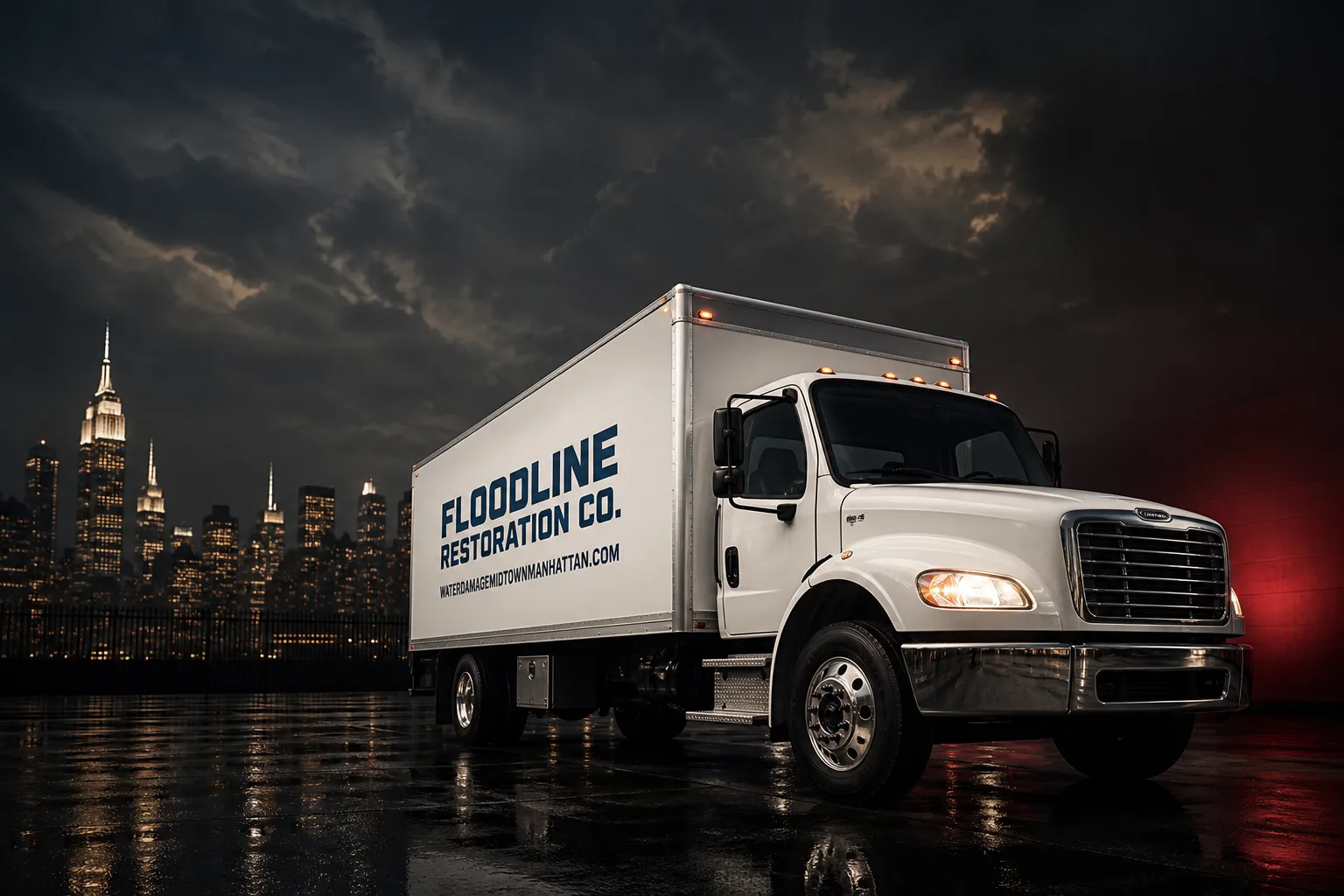
Free visual inspection and a written scope of work before any mitigation begins - photos, moisture readings, and drying logs go in your claim file
The scope we write is the scope we bill. Anything new gets shown to you, in writing, before we touch it.
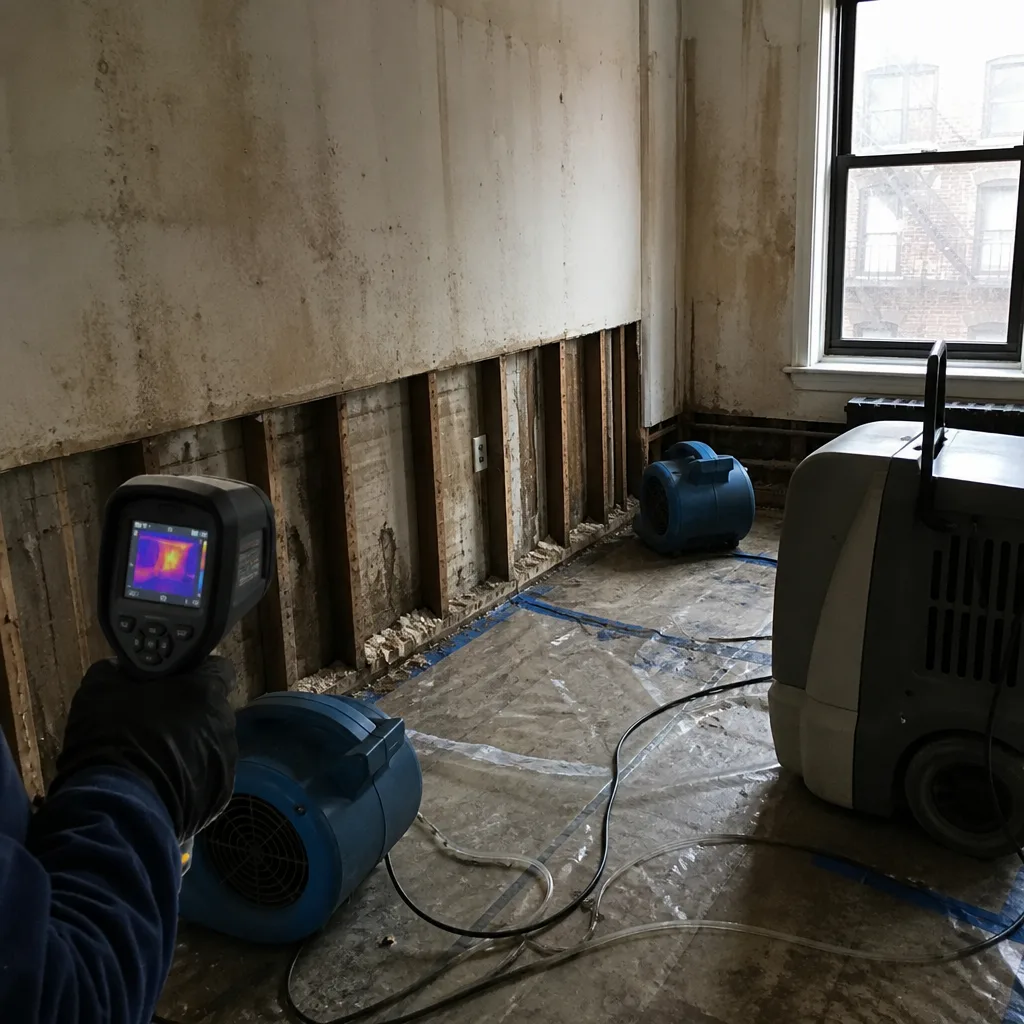 Before
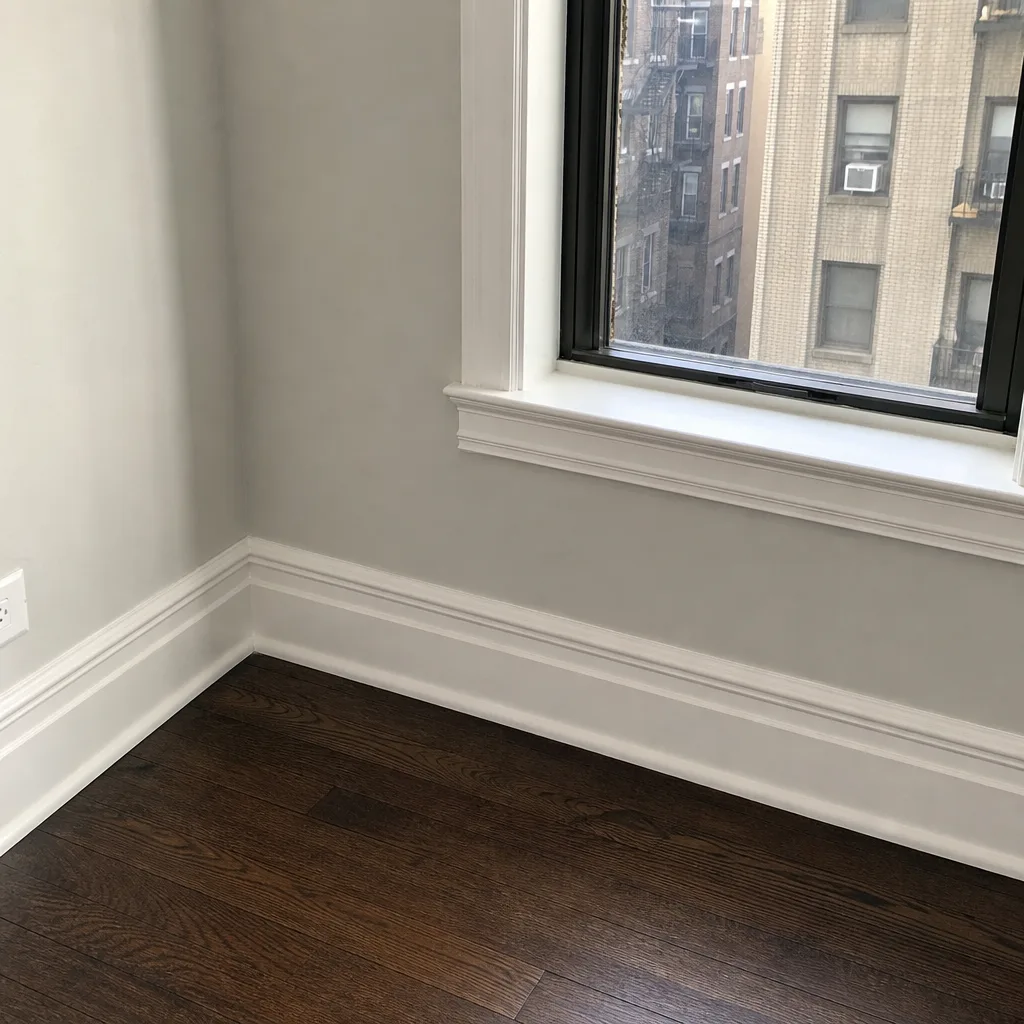 After
After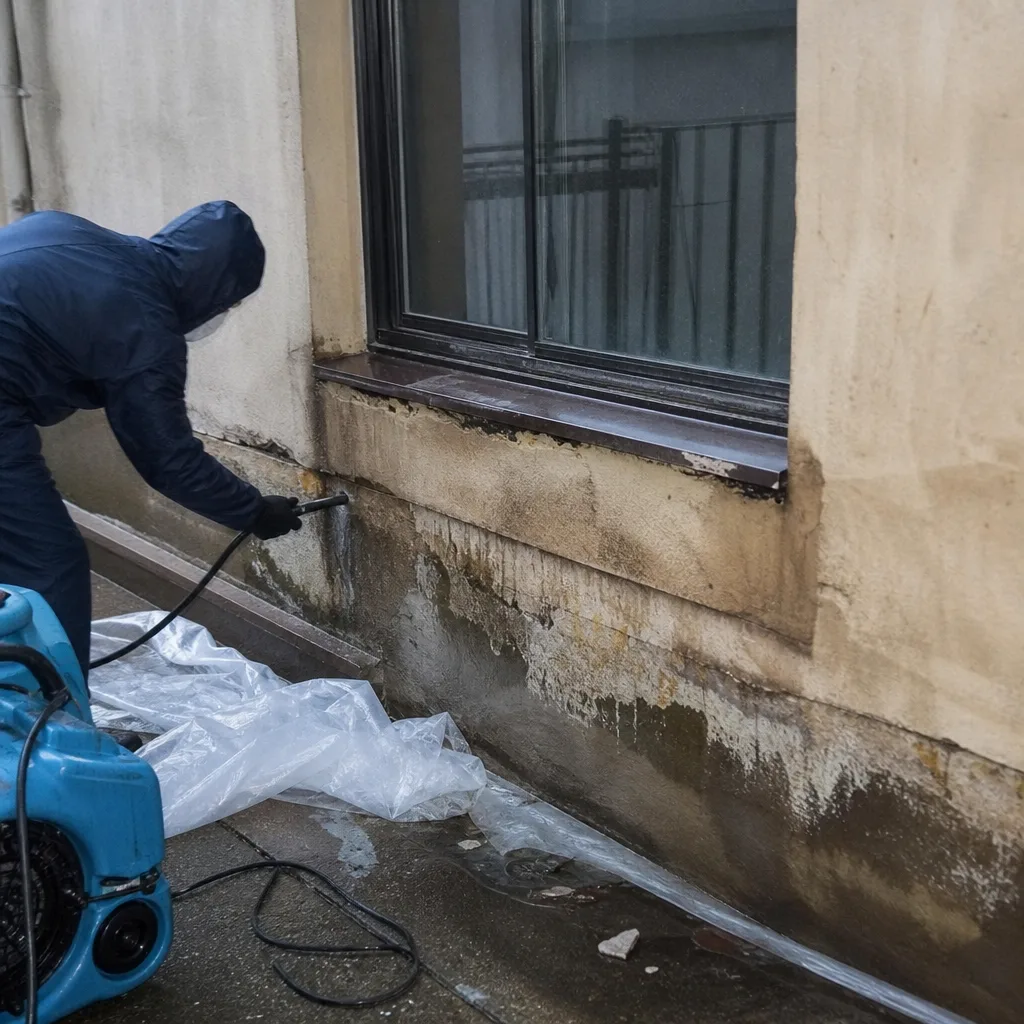 Before
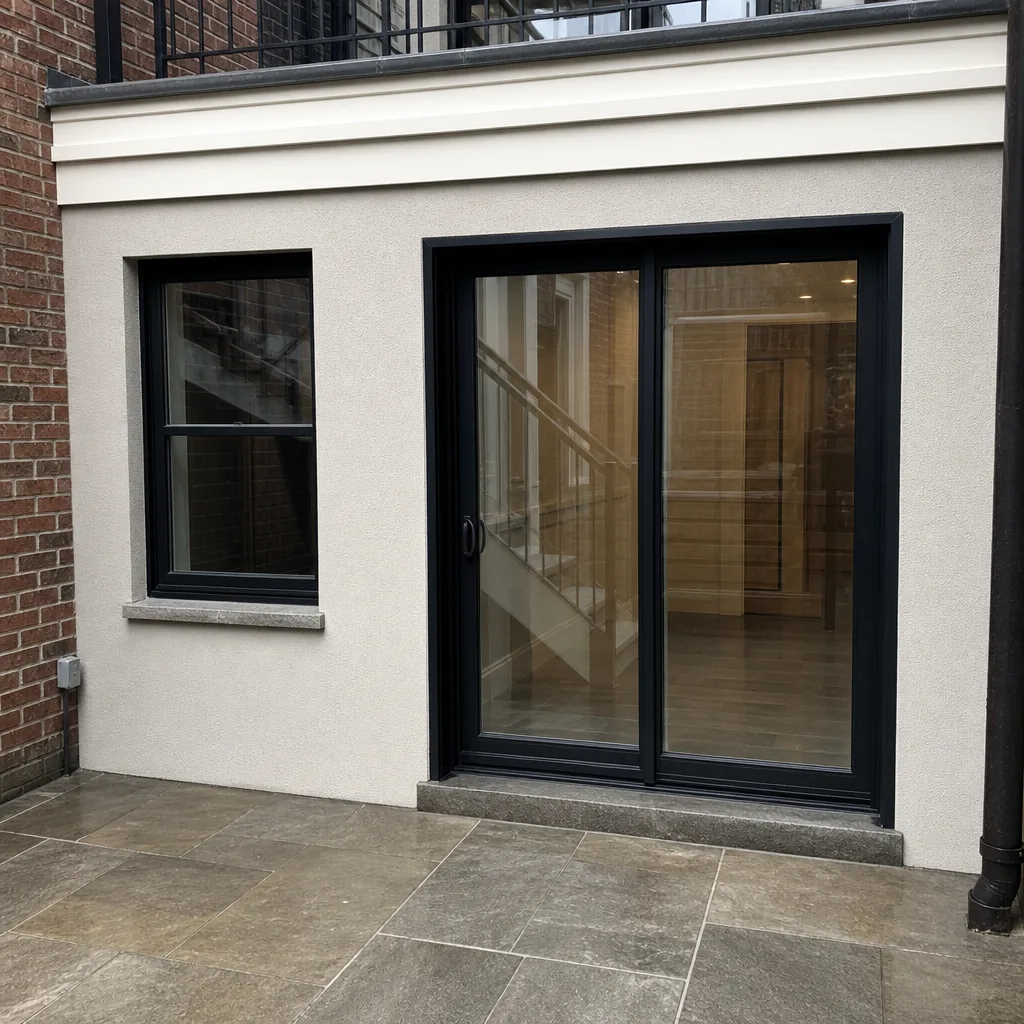 After
After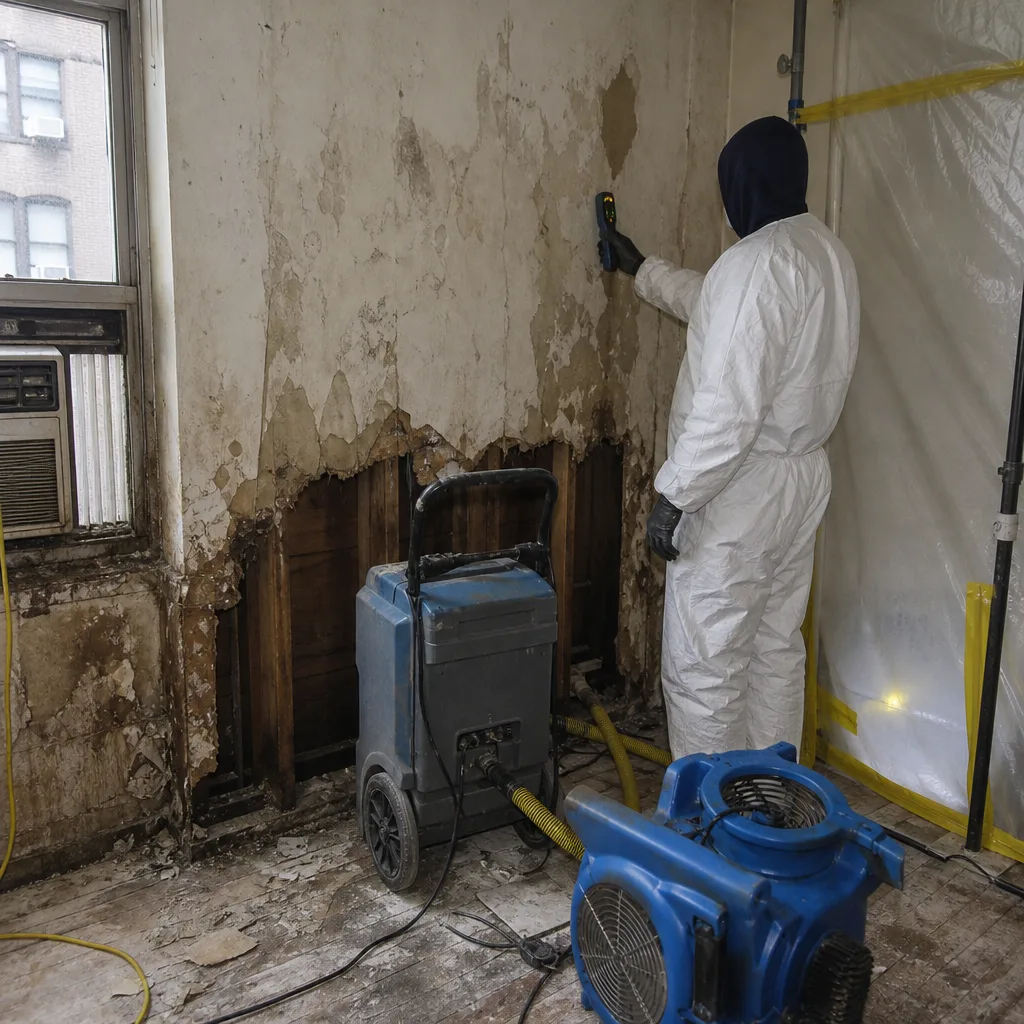 Before
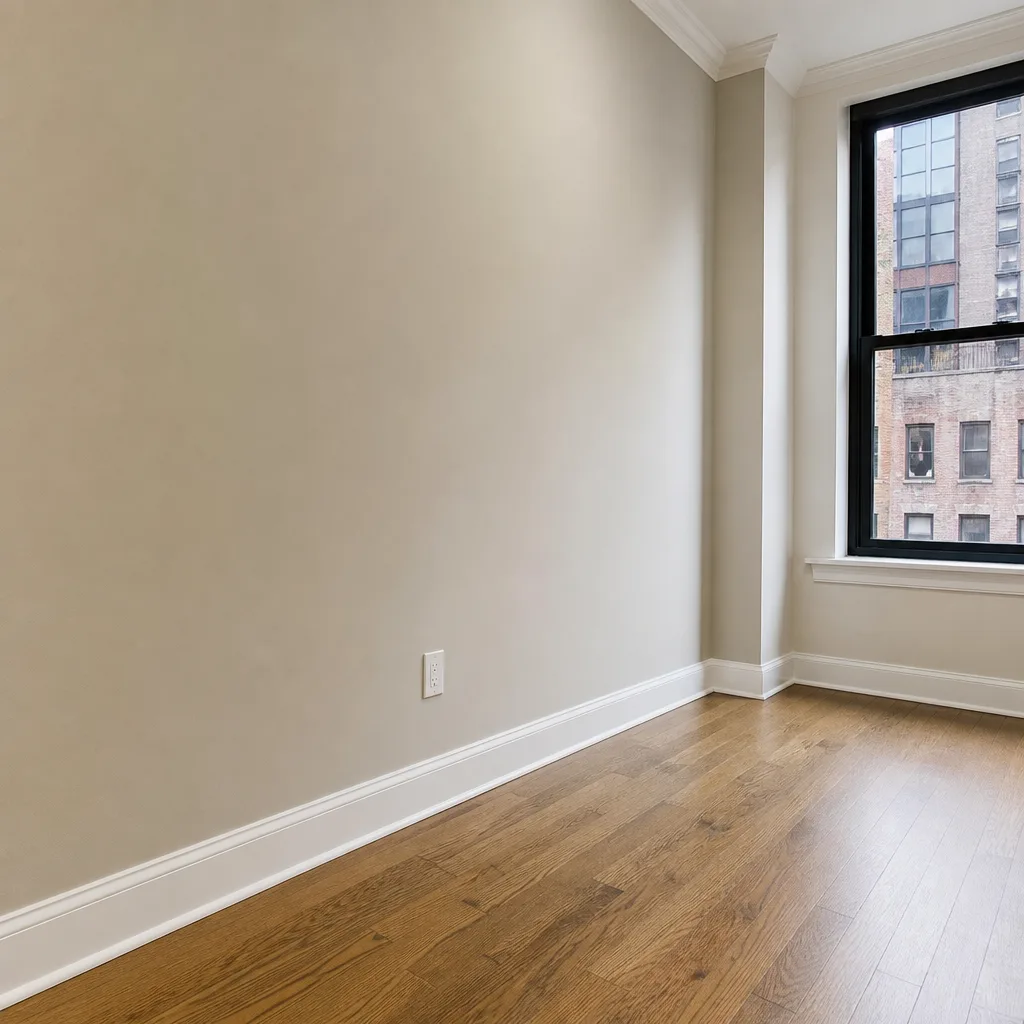 After
After24/7 Emergency Commercial Restoration in West New York
Commercial restoration in West New York means responding to water, fire, or Storm & Disaster Restoration in West New York in dense brick walk-ups where a loss on one floor rarely stays on one floor. The first call should be to (518) 314-5660, because the faster we can run moisture readings and set containment, the less damage spreads through shared plumbing stacks and plaster ceilings. We answer live at all hours, and our crews move into position across West New York without delay. The first hour decides whether a storefront off Bergenline Avenue reopens in days or sits dark for weeks.
Understanding Commercial Restoration Severity in West New York Properties
Water damage in West New York commercial buildings carries a severity most restoration firms in suburban New Jersey rarely encounter, and the age of the stock drives it. The town’s 4-to-8 story brick walk-ups built between the 1920s and 1960s hold original plaster and lath, thick mortar beds, and party walls that share plumbing stacks across three or four units. A category 2 gray-water release from a failed toilet supply line can present as category 3 by the time it has filtered through three layers of plaster, picking up contaminants from old framing, dust pockets, and decades of layered finishes. Moisture mapping here is not a surface exercise. Behind plaster walls, retention is dramatically higher than gypsum, so hidden cavities stay wet for 24 to 48 hours longer than a standard reading at the wall face suggests. We run thermal imaging and pin-type meters, log daily readings, and do not call a building dry until the data says it is dry. Fire losses bring a different severity: soot residue from a kitchen fire in a 1940s retail space migrates through duct runs, stairwells, and floor penetrations into apartments above, and the cleaning scope has to account for both the burn area and the smoke path. Commercial restoration in West New York is a whole-building discipline, not a single-unit patch job.
Why West New York Property Owners Choose Floodline Restoration Co.
- 45-minute response commitment: Commercial losses off Bergenline Avenue or near the Palisades get a crew dispatched fast, and we are on site taking readings within the hour.
- 24/7 live answer: A real dispatcher picks up at 2 a.m., not an automated system, so a certified crew reaches the job and extraction is running the same visit.
- IICRC-certified crews: Our background-checked technicians are certified to IICRC standards, including WRT and FSRT where the loss requires, using Dri-Eaz, Phoenix, XPOWER, B-Air, and Injectidry equipment as appropriate.
- Free visual inspection: A thorough look at the affected units and the source area before any scope is written; you will see exactly what we see.
- Direct insurance billing: We communicate with your carrier and adjuster directly, so you never play messenger between two offices.
- One team from extraction to reconstruction: The same certified crew that maps moisture on day one dries the structure and handles the rebuild; no mid-job handoff to a subcontractor.
Our Commercial Restoration Process
Inspection & Assessment
We walk the source unit first, then check every unit below and the common areas. Moisture mapping with thermal imaging and pin-type meters tells us how far the water moved through the floor assembly and plaster walls.
Extraction & Stabilization
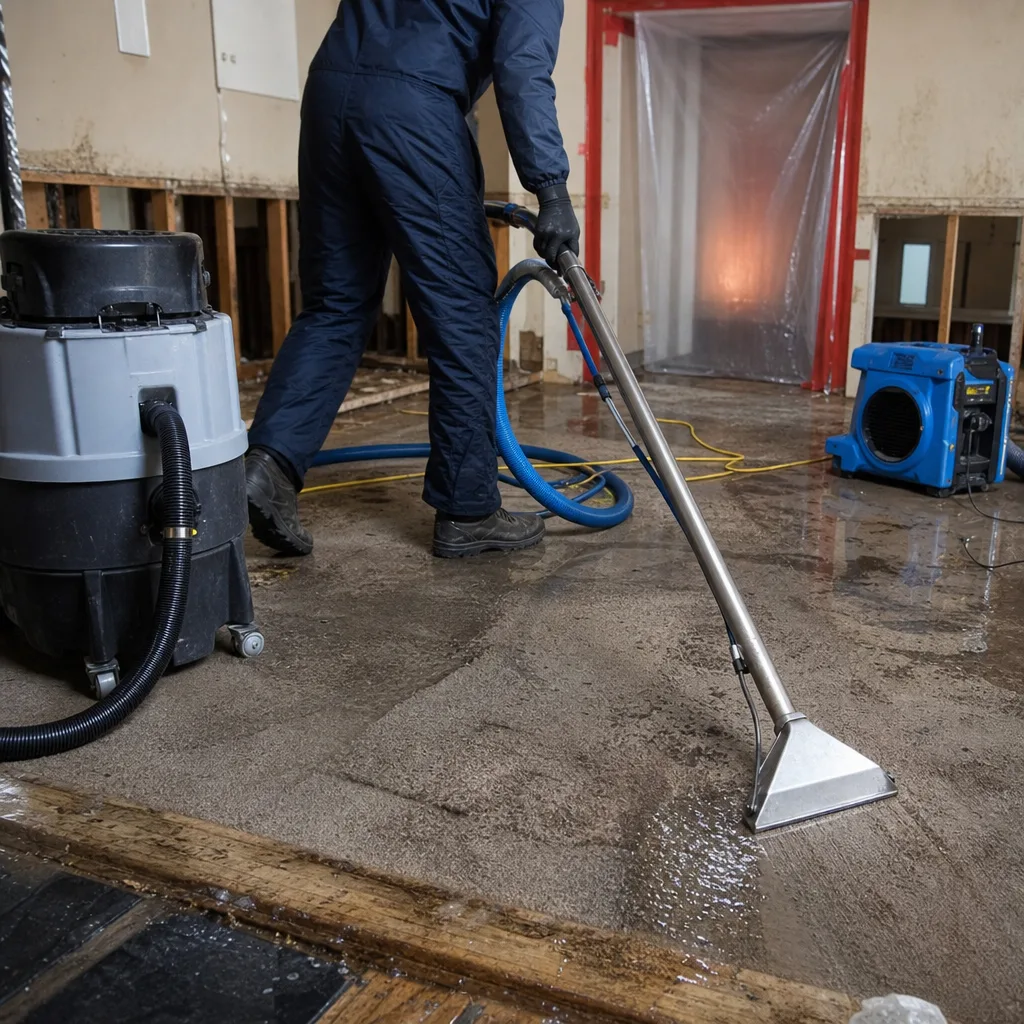
We stop the leak at the source, then run truck-mounted and portable extraction against the water present. The immediate focus is preventing further saturation into lower floors, which is the defining concern in stacked construction.
Drying & Dehumidification
Dri-Eaz and XPOWER air movers create the evaporative gradient while low-grain refrigerant dehumidifiers pull moisture from the air. Daily readings get logged, and the log is available to the building owner and the carrier. In old plaster buildings, this phase usually runs longer than industry averages.
Cleaning & Sanitization
Once the dry standard is met, HEPA filtration and air scrubbers run against any particulate and odor. Hard surfaces get antimicrobial treatment appropriate to the water category. Duct runs and common stairwells get checked for cross-contamination.
Specialty Content & Inventory Recovery
For offices, retail spaces, and residential units alike, we pack out salvageable inventory, documents, and fixtures. Document recovery uses freeze drying where water-sensitive records require it. Photos are logged throughout for both insurance and owner records.
Repairs & Restoration
We rebuild what the water took. Plaster repair, subfloor replacement, drywall, paint, trim, and any retrofitting of the legacy supply lines that caused the failure. The same crew that handled extraction sees the build-back through, and the finished job is backed by the 90-Day Done Right Promise in writing.
Need Emergency Commercial Restoration in West New York Now?
Crews minutes away, answering live 24 hours a day. The sooner we start, the less it costs.
Working With Your Insurance Company
We handle the carrier conversation from the first hour, and that matters in West New York because most commercial losses here involve multiple policies: the unit owner’s, the building owner’s, and often the tenant’s. We document the loss before demo starts, then keep a single, consistent set of records that any adjuster can review. Our estimates use industry-standard line-item software, so carriers recognize the format and process claims without back-and-forth. We photograph every affected room, log moisture readings daily, and speak to adjusters directly about the sequence of damage, because in a stacked building, showing how category 2 water on a third floor became a category 3 concern two floors down is the difference between a covered claim and a disputed one. No homeowner or storefront operator should be left translating between their building manager’s insurance and their own. That is what Commercial Restoration teams handle on your behalf.
What We Provide Your Insurer
- Thorough documentation of the loss
- Photos of all damage, room by room
- Moisture readings and drying logs
- A detailed, line-item scope of work
- Direct coordination with your carrier
Built for West New York’s Loss Calendar
West New York’s location on the Hudson River Palisades creates two distinct flood-risk geographies in the same town, and property owners should know which one they occupy. The building-dense blocks along Bergenline Avenue and uphill from Boulevard East sit above the ordinary flood elevation, but their flat roofs and aging membranes pool water during nor’easters and summer downpours, then push it downward through roof penetrations, ceilings, and interior walls. The lower elevation parcels along River Road at the base of the escarpment sit inside the Hudson River storm surge footprint documented during Superstorm Sandy, and ground-floor commercial spaces there remain exposed to repeat storm-surge flooding and sewer backup events. Through a typical year, January deep freezes burst supply lines in uninsulated exterior walls; spring thaw reveals seepage through old foundation walls; summer thunderstorms overwhelm flat-roof drainage; and autumn nor’easters drive wind-driven rain into parapets, window frames, and aging brick lintels. Businesses in West New York do not get one “flood season.” They get twelve months of recurring water entry points that shift by season, and the restoration plan has to shift with them.
Commercial Restoration Across West New York’s Neighborhoods
The blocks around Bergenline Avenue form the commercial spine of West New York, and that avenue’s storefronts sit almost universally on the first floors of apartment buildings, meaning a retail flood is a residential flood and a common-area flood all at once. The older brick walk-ups east of Bergenline toward Boulevard East run on legacy supply lines and cast-iron drains, and our crew calls there are dominated by plumbing failures and chronic roof membrane leaks that make their way down through four floors of plaster before a tenant sees staining. Down at the base of the bluff, River Road commercial spaces face the storm-surge and sewer backup profile and need a restoration response built around contamination risk and fast drying of ground-floor slab and storefront assemblies. Uphill in the dense residential corridors off 60th Street and 59th Street, multi-unit buildings house professional offices, medical offices, and storefront clinics in converted walk-ups where any single-unit water loss quickly involves the landlord, the downstairs tenant, and usually the upstairs neighbor as well. Each of these sections of West New York presents its own restoration profile, but they all share one characteristic: the building stock predates modern containment and waterproofing standards, so every job is a coordination exercise across shared plumbing, shared walls, and shared liability.
Specialized Commercial Restoration Services We Offer in West New York
Multi-Unit & HOA Restoration
In a 5-story brick walk-up off Bergenline Avenue, a failed toilet supply line on the third floor sent category 2 water through original plaster-and-lath ceilings into two units below before anyone called. We set containment on three floors, ran structural drying with Dri-Eaz air movers and dehumidifiers, and coordinated pack-out and drying logs across three separate tenants and two landlords. That is the standard Commercial Restoration in West New York requires, because the density of leases and policies is part of the damage picture. We scope for the whole building, not just the unit where the call came from.
Office & Retail Restoration
Storefronts, clinics, and offices in West New York’s ground-floor spaces need fast drying and a fast path back to business, because a closed storefront on Bergenline Avenue loses revenue by the day. We prioritize business-critical areas first: the customer-facing floor, the inventory, the server closet, the point of sale. Our crews run after-hours work where needed and keep one point of contact on the job so a business owner deals with one person from first extraction to final paint.
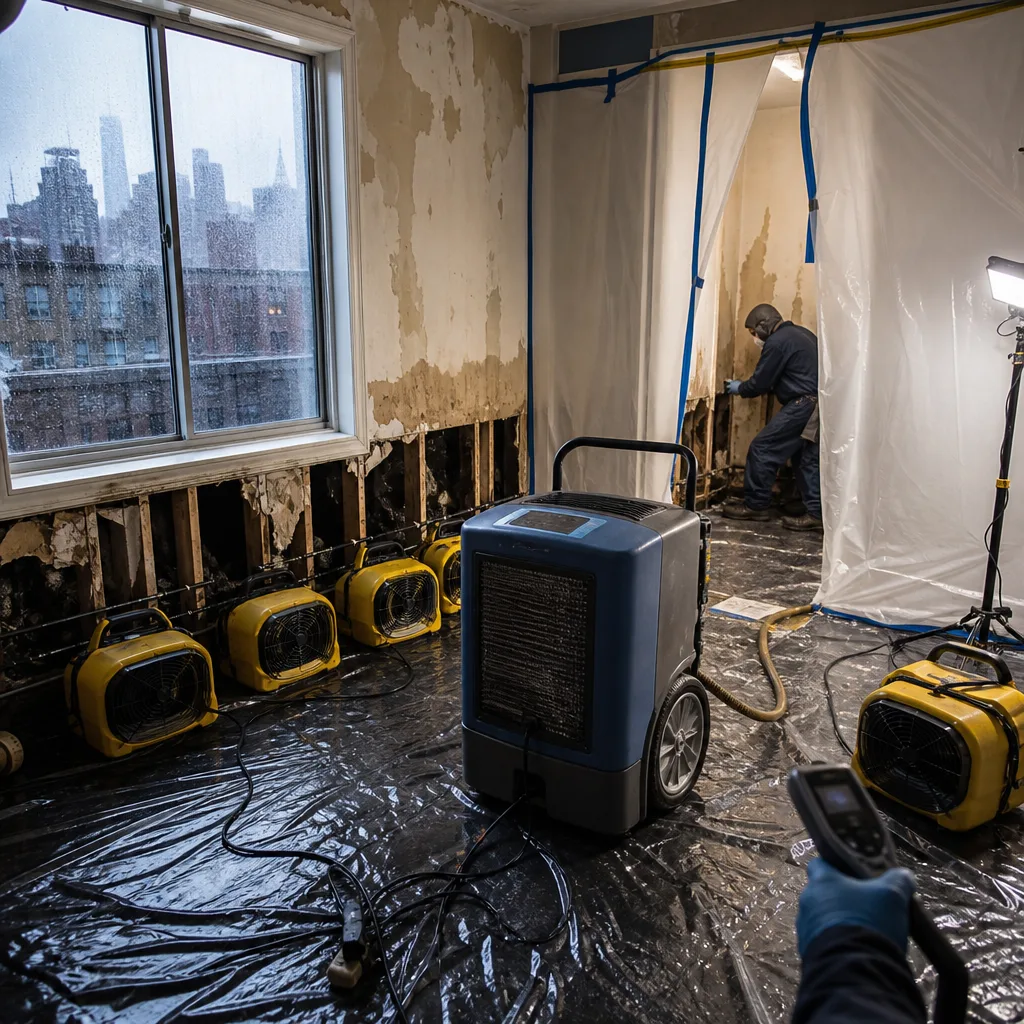
Industrial Facility Cleanup
Industrial spaces along the lower-elevation parcels near River Road face the town’s most aggressive water profile, including storm surge and sewer backflow. Contamination risk is higher, so our crews run full containment, HEPA air scrubbing, category 3 water protocols, and clearance testing where the scope calls for it. We coordinate with facility managers and environmental consultants where required, and we provide the moisture log and scope documentation that lets an industrial tenant get back to work without an open liability question.
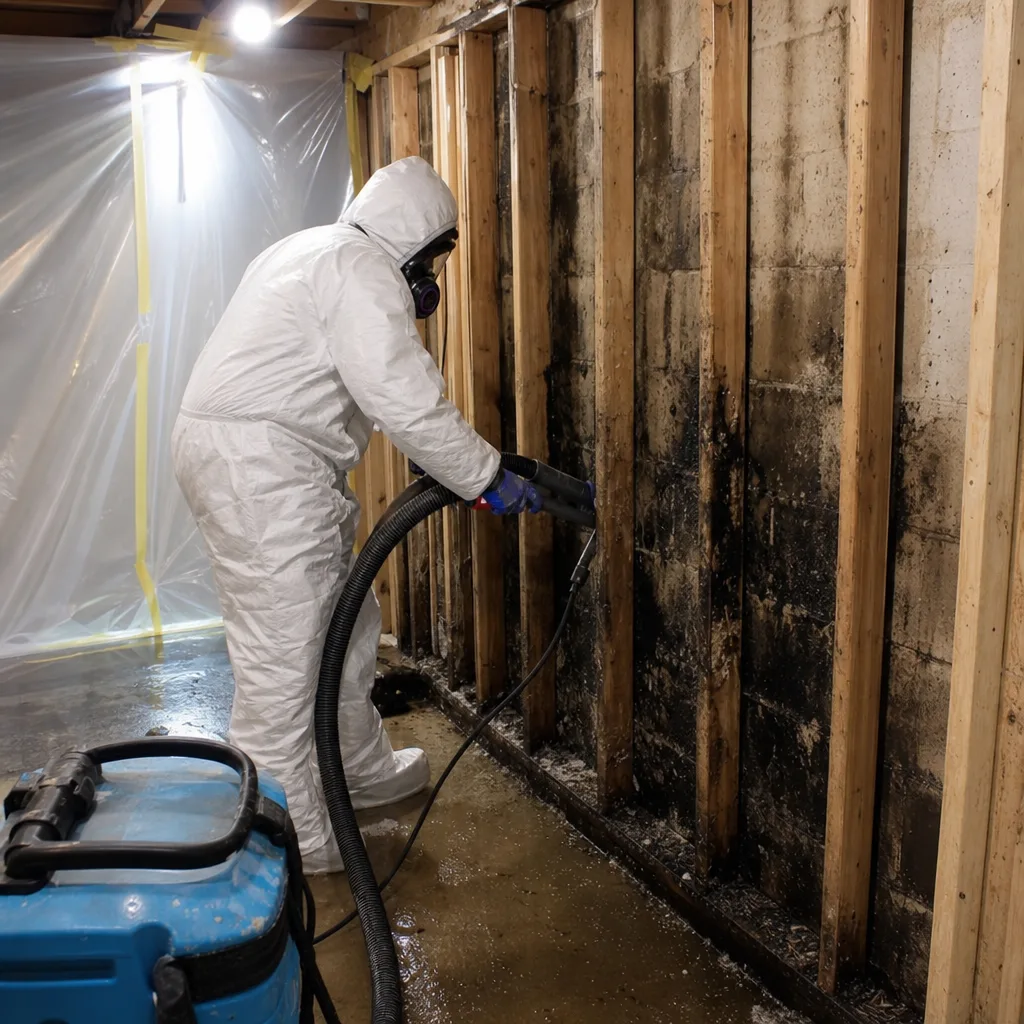
Large-Loss Response
When a water or fire loss spans multiple floors in a 1960s brick apartment building or knocks out multiple storefronts, the response cannot wait on next-day scheduling. We stage equipment and crew capacity for large-loss response, run multiple drying zones concurrently, and assign dedicated project management to keep the scope moving. In a town where a “small” fire or flood routinely spans three floors and three leases, large-loss response is not a premium add-on; it is the baseline.
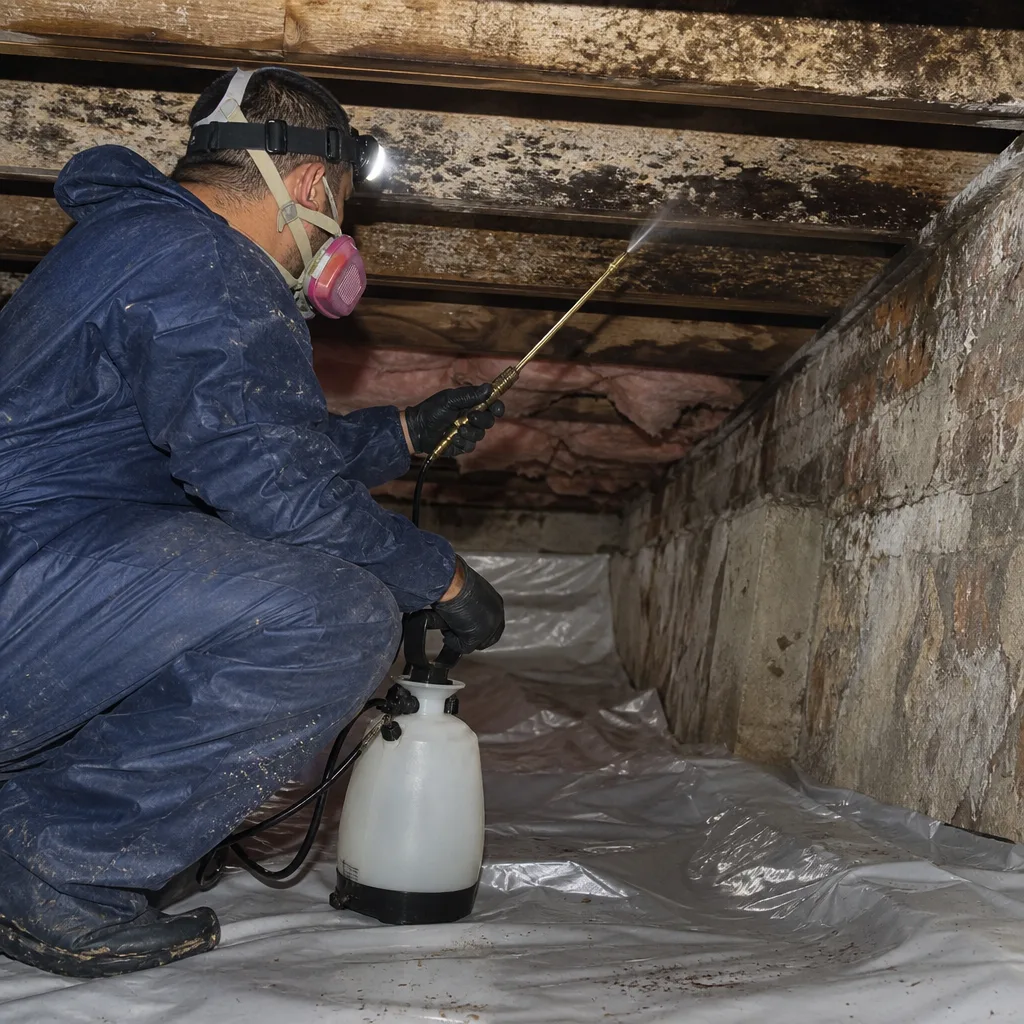
Business Interruption Minimization
The real cost of a West New York commercial restoration is rarely the water or the fire. It is the empty storefront, the unserved tenant, the rent abatement, and the lost revenue while restoration drags on. We compress the timeline through immediate extraction, aggressive drying with professional-grade equipment, and a single crew that moves from mitigation to rebuild without a handoff. The 90-Day Done Right Promise is in writing, and the practical deliverable is a faster return to profitable operation.
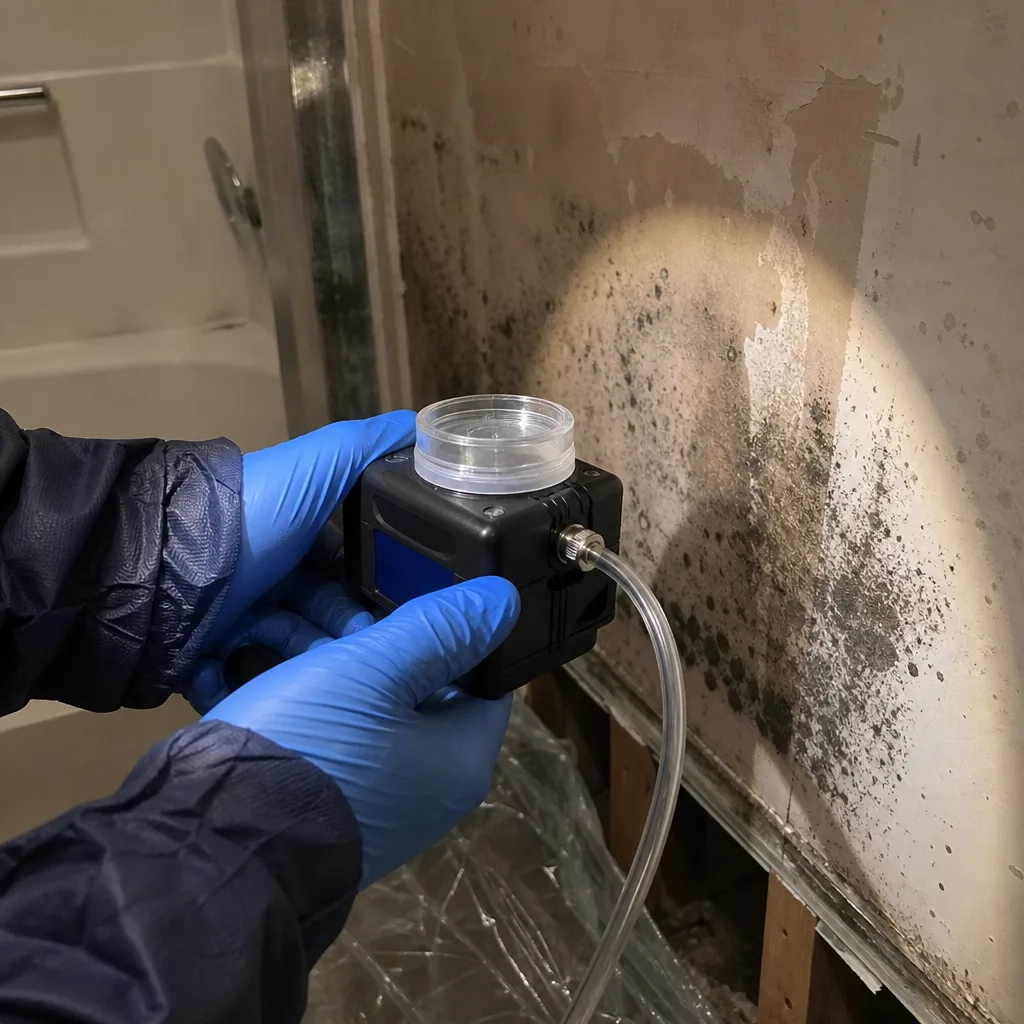
What happens when you call
- 1
A real person answersNo phone trees - you reach a local pro.
- 2
You get an upfront price rangeHonest numbers before anyone is dispatched.
- 3
A background-checked tech heads outLicensed & insured, dispatched right away.
- 4
You approve before work beginsNothing starts until you say go.
Commercial Restoration Costs in West New York, NJ
Commercial restoration pricing in West New York runs higher than the suburban New Jersey average because the construction is older, the access is tighter, and the containment scope is almost always multi-unit. A small single-unit water mitigation with extraction, drying, and minor plaster repair typically runs $2,400 to $5,800. A multi-floor water loss off Bergenline Avenue, where containment must run on three levels and multiple tenants’ contents need pack-out and drying, runs $9,000 to $28,000. Our Fire & Smoke Damage Restoration in West New York, including soot cleaning, odor mitigation, and rebuild of a storefront or office space, runs $12,000 to $55,000 depending on how far smoke migrated into the building above. Sewage backup in a ground-floor commercial space near River Road commonly falls between $6,000 and $22,000 due to contamination protocols and disposal costs. Any number that sounds alarming should be weighed against what is at stake: the longer a building sits wet, the more the cost compounds. The free visual inspection is the fast, honest way to get a firm number rather than a vague range, and we will walk the building with the owner or manager before any work is scoped.
We Also Serve Cities Near West New York
We run crews across the Hudson County towns that share West New York’s building profile and water-loss patterns: Weehawken, with the same bluff-top and river-level split; Hoboken, with its older storefront stock and flood exposure along the river; Union City, dense with brick walk-ups off Bergenline; and North Bergen, spanning from the cliffs down to its own flood vulnerable lower streets. The same crews, the same equipment, and the same live phone answer cover the whole area.
West New York Commercial Restoration Questions, Answered
How does a water loss in one West New York storefront usually affect the units above or below it?
A water loss in a West New York storefront almost always moves vertically through the building because the floors are unreinforced plaster and lath over shared plumbing stacks. Water from a second-floor appliance or fixture saturates through the ceiling into the unit below, then often into the unit below that, before anyone calls it in. So a ground-floor or lower-level storefront loss is frequently the visible result of a leak that started two or three floors up, and the restoration scope must cover every unit the water passed through, not just the one that shows damage. Call (518) 314-5660 and we will map the full path before we touch a wall.
Why does structural drying take longer in West New York’s older brick walk-ups than in newer commercial buildings?
Older plaster and lath walls hold dramatically more water than modern gypsum board, and they hold it deeper. In a 1920s walk-up, moisture gets trapped behind thick plaster, in the mortar beds, and in the wood lath itself. Surface readings can look dry while the cavity behind the wall is still wet, and that hidden moisture is where Mold Remediation - West New York becomes necessary as mold blooms within 24 to 48 hours. We run daily moisture readings until a true dry standard is met, not a cosmetic one, and we show the log to the property owner and the carrier. Call (518) 314-5660 to have us check a building before hidden moisture becomes a bigger problem.
Can you restore an office or retail space in a West New York walk-up without shutting down the whole building?
In most cases, yes. We contain the affected area, run negative air pressure and HEPA air scrubbing as needed, and route work so common entrances, stairwells, and neighboring units stay usable. A storefront restoration on Bergenline Avenue often runs behind a temporary containment barrier while the rest of the building operates normally. There are exceptions, such as when the building’s water or gas service has to be shut down, but the default is a tight, contained work area rather than a closed building. Call (518) 314-5660 and we can tell you what your specific building will require.
When should a commercial property owner in West New York retrofit aging plumbing rather than just repair after a leak?
If a building still has its original galvanized supply lines, and especially if the last two leaks came from different floors but the same piping era, a retrofit is usually cheaper than repeat restoration. Galvanized lines fail from the inside out, and a 60-year-old line is past its service life. We will not push a full repipe on every job, but we will show you the pipe condition during the repair and give you a straight answer on whether the next leak is a matter of months or years away. The 90-Day Done Right Promise covers the repair; the advice on when to replace is part of the inspection. Call (518) 314-5660 for a free visual inspection.
What does category 3 water from a broken sewer line mean for a ground-floor commercial unit near River Road in West New York?
Category 3 water is grossly contaminated: sewage, pathogens, bacteria, and everything that comes with a broken sewer line or storm-surge backflow. A ground-floor commercial unit near River Road sits in the town’s lower-elevation flood footprint, so category 3 events there are a recurring reality. The restoration has to include full containment, removal of saturated porous materials, antimicrobial treatment of structural members, and clearance testing before the space returns to use. This is not a mop-and-fan job, and trying to save money by skipping the contamination protocol creates a liability. Call (518) 314-5660 and we will scope it correctly the first time.
How fast can a crew actually get to a West New York commercial building?
We commit to a 45-minute response for commercial losses in West New York. The dispatch board is live, and a real person answers at all hours, so a caller at 2 a.m. reaches a human, not a recording or a call center that promises a return call. Crews are already based around the county, not driving in from across two bridge crossings, so the commitment is a practical one, not a marketing line. Call (518) 314-5660 and the clock starts.
Will my commercial insurance cover restoration in a multi-unit West New York building?
Usually yes, but the coverage question is more complicated in West New York because a single loss often involves multiple policies: the unit owner’s, the building owner’s, and the tenant’s. The key to a covered claim is documentation that shows the full path of the water and the full scope of the damage, not just the source unit. We provide that documentation from the first hour, with photos, moisture readings, and line-item scopes that carriers recognize. We communicate with your adjuster directly. Call (518) 314-5660 to have us walk the building and map the loss before you file.
Do I need full restoration, or can a commercial space just be cleaned and reopened?
For clean-water spills that were caught quickly and dried properly, a thorough cleaning and drying may be all a space needs. But in West New York’s older buildings, what looks like a “small” clean-water leak often turns out to have soaked through a plaster ceiling into hidden cavities, and hidden moisture is what produces mold and structural weakening. The honest answer comes from moisture readings, not from looking at a stain on the wall. Our free visual inspection includes those readings, and you will get a straight recommendation: dry and clean, or full restoration. Call (518) 314-5660 to schedule it.
Serving West New York, NJ - Our Local Coverage Area
We’re based in the West New York area and know this community well. Use the map below to see our service coverage - if you’re nearby, we can almost certainly help.
West New York’s One True Restoration Insight
We will put this plainly, because it is the single fact that defines commercial restoration in West New York more than any other: in this town’s dense walk-up blocks, a second-floor appliance leak routinely saturates through unreinforced plaster ceilings into two or three units below before anyone calls it in. By the time a property manager notices the staining or a tenant hears the dripping, the “small” leak has become a multi-tenant, multi-landlord, multi-insurance coordination job that already spans three floors and at least three separate leases. Suburban restoration companies across the Bergen County line do not encounter this at the same frequency, because their stock is newer, their buildings are shorter, and their walls are gypsum rather than plaster. Here, every water loss is a structural event in a building that may be 60 to 100 years old with shared plumbing stacks, original cast-iron drains, and plaster lath assemblies that hold water long after the surface looks dry. Starting demo on one of these jobs without asbestos and lead-paint sampling is a mistake, because the 1920s to 1960s original plaster and layered finishes nearly always trigger containment and abatement scope. Underestimating drying time behind thick plaster walls is the other common failure, and it is the one that turns a quick restoration into a mold remediation three weeks later. This is the work we do in West New York, and it is the work our crews were built for. Done right, and backed in writing.
Written by Curt Bowman, Owner at Floodline Restoration Co., serving the restoration needs of commercial property owners and managers across the region since 2010.