
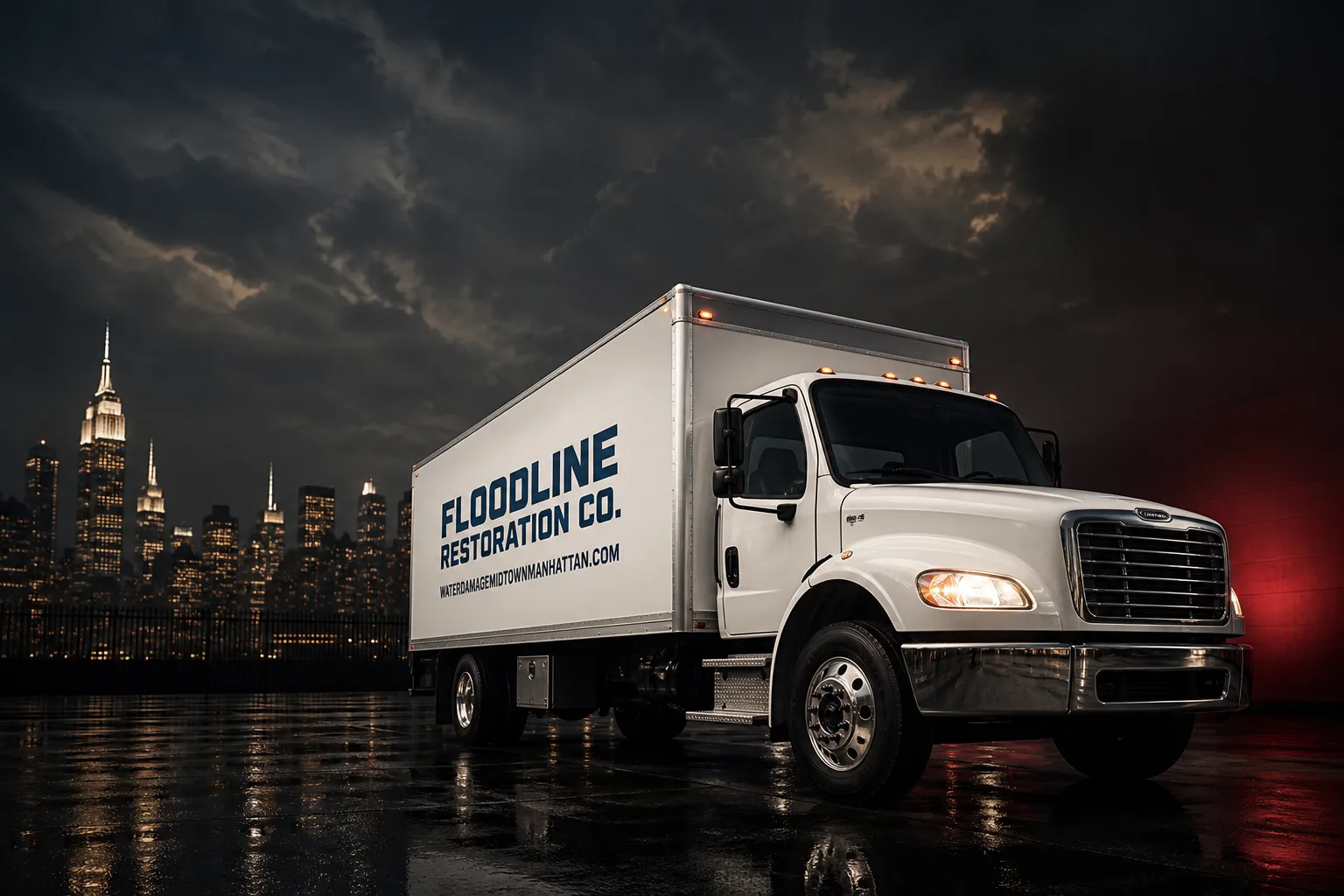
Free visual inspection and a written scope of work before any mitigation begins - photos, moisture readings, and drying logs go in your claim file
The scope we write is the scope we bill. Anything new gets shown to you, in writing, before we touch it.
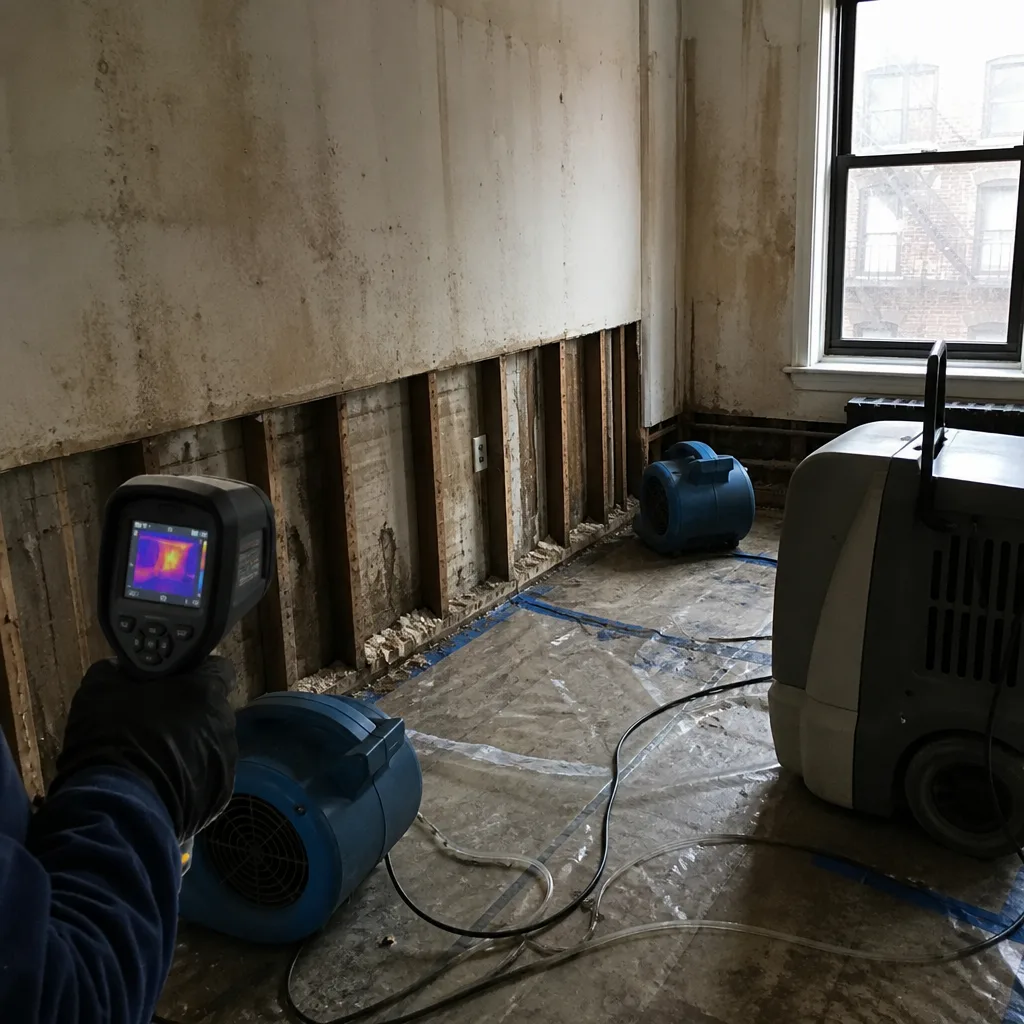 Before
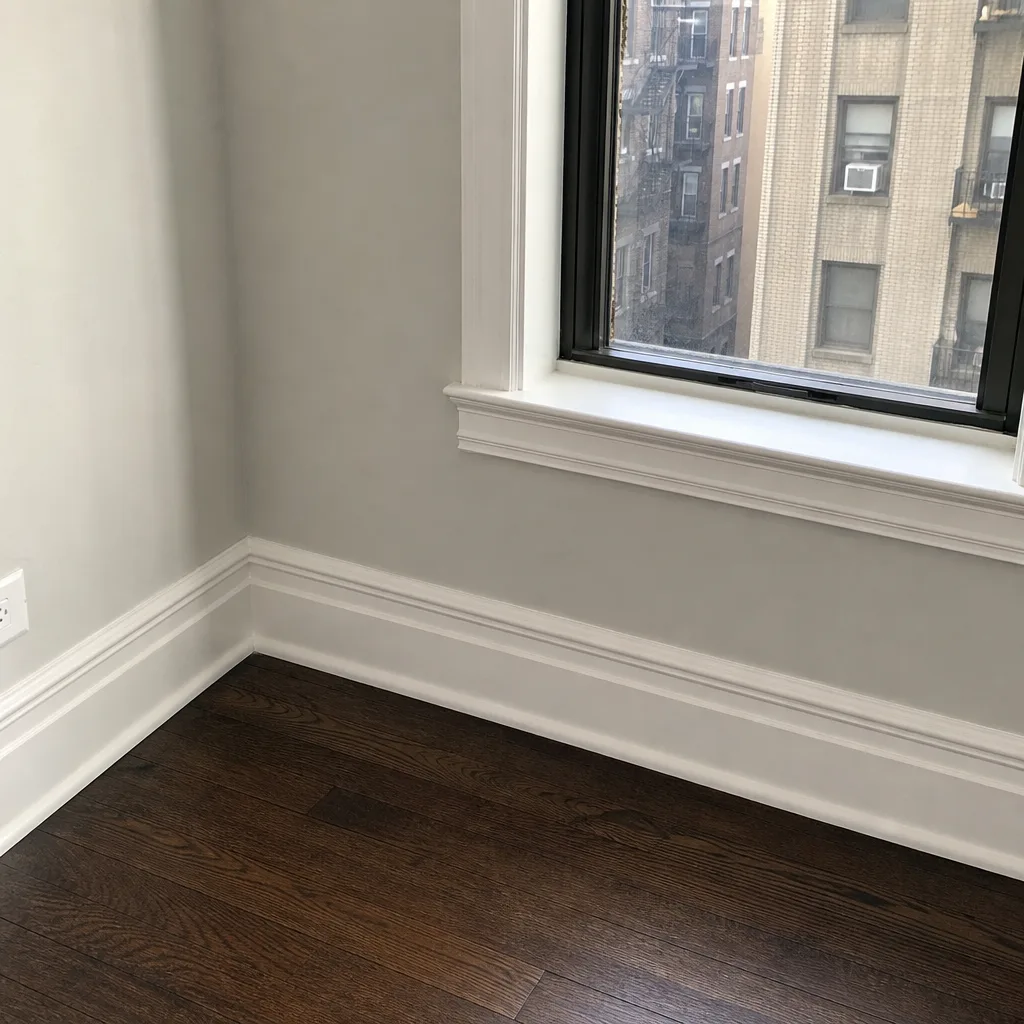 After
After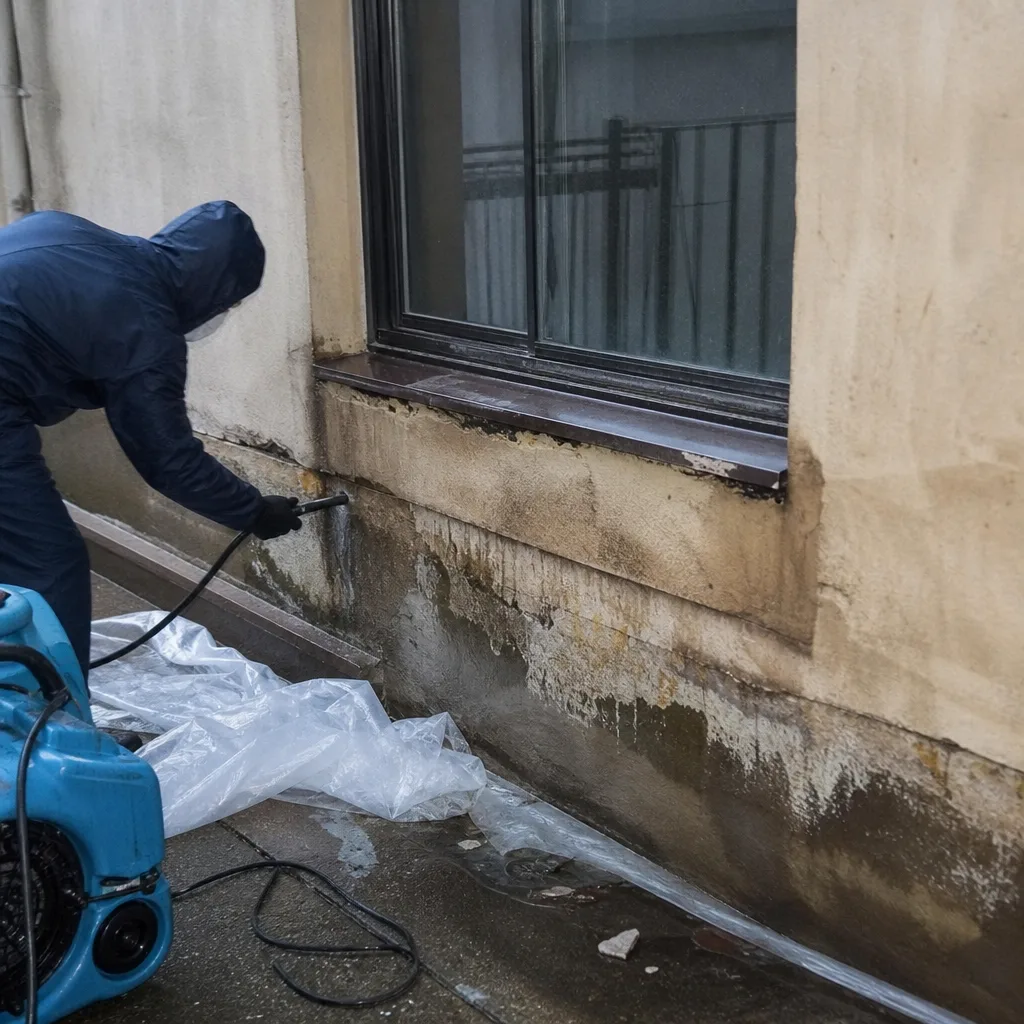 Before
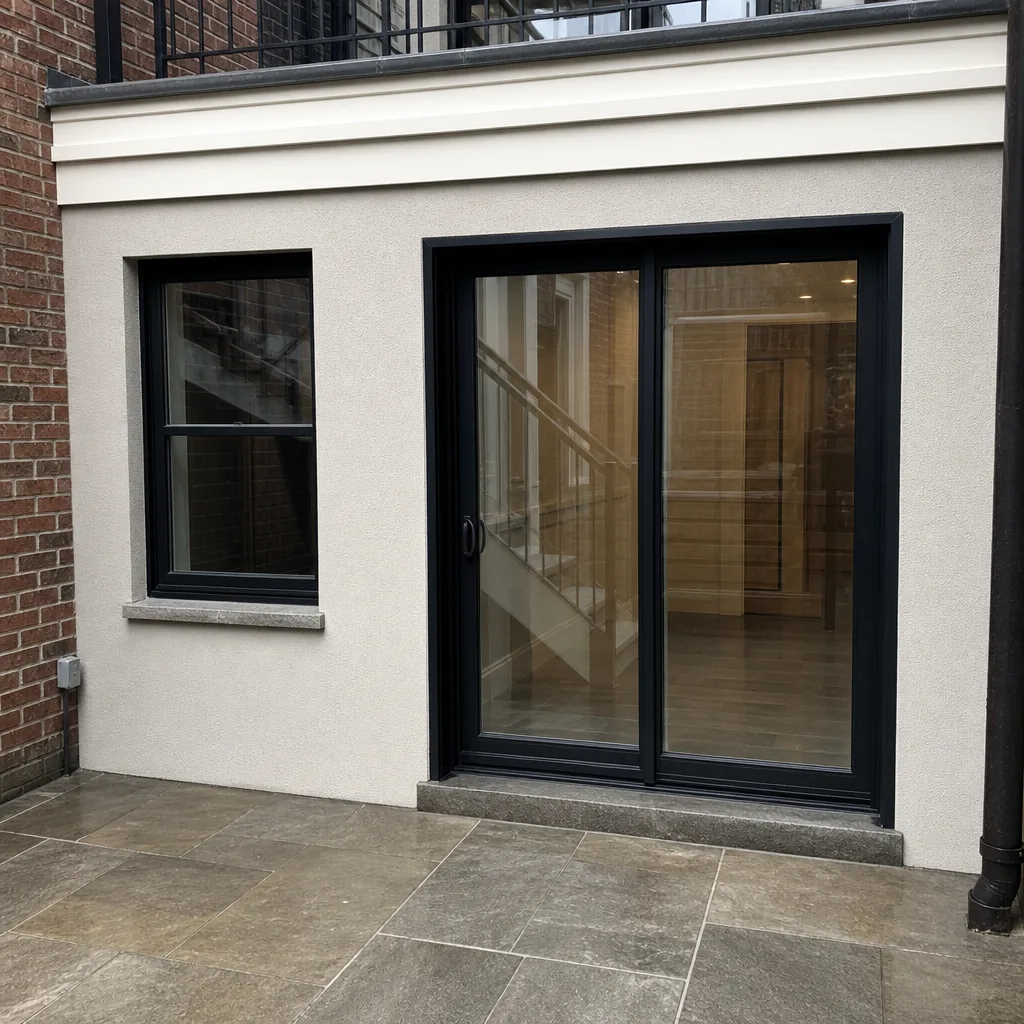 After
After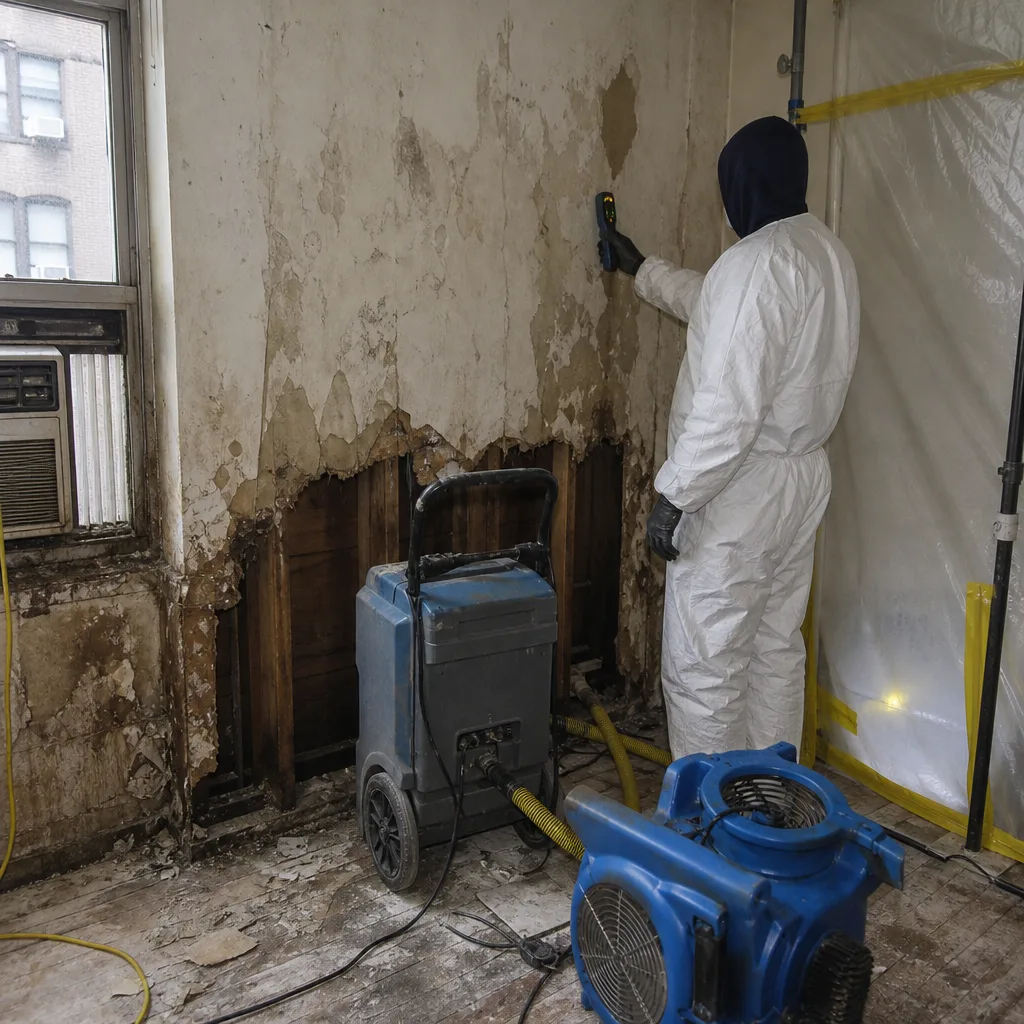 Before
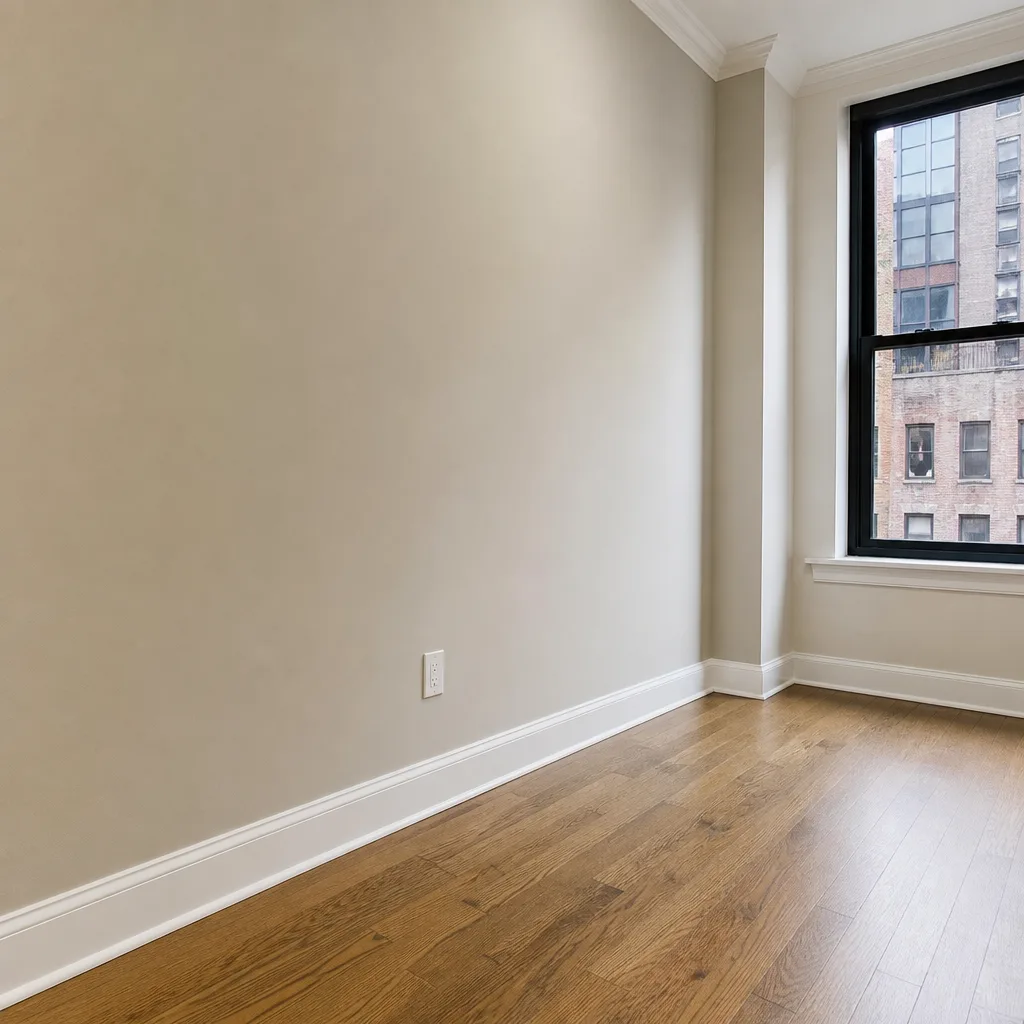 After
After24/7 Emergency Fire & Smoke Damage Restoration in West New York
Fire and smoke damage restoration in West New York typically costs between $2,800 and $9,500 depending on how far the smoke traveled and how many units were affected. Our crews reach most West New York addresses within 45 minutes and start extraction and soot containment on the first visit. If you’re standing in a smoke-damaged apartment right now, call (518) 314-5660 before you touch anything. The first hour determines whether soot sets permanently into plaster or wipes clean.
We answer live around the clock. Not a recording, not a callback service. A dispatcher picks up at 2 a.m., asks what happened, and sends a certified crew from our metro dispatch office to your building. In West New York’s dense walk-ups, a kitchen fire on the fourth floor becomes a third-floor problem and a second-floor problem within minutes. Smoke moves through shared chases, stairwells, and original plaster-and-lath floors faster than most people think. Waiting until morning usually means the difference between cleaning and full gut rehabilitation.
Understanding Fire & Smoke Damage Restoration Severity in West New York Properties
West New York’s 4-8 story brick walk-ups, built mostly between the 1920s and 1960s, present a specific set of fire restoration challenges that single-family suburban homes simply don’t. The original plaster-and-lath assemblies act like a sponge for smoke particulate. Wet soot from the fire department’s suppression water bonds with the old lime plaster, leaving a yellow-brown residue that standard cleaning compounds won’t lift. Dry soot from a smoldering stovetop fire migrates upward through shared plumbing chases, settling as a fine black film on every surface in adjacent units.
Soot residue falls into distinct categories that govern the restoration approach. Protein-based soot from kitchen fires leaves a thin, nearly invisible film that stinks for months. Oil-based soot from grease fires clings to vertical surfaces and requires solvent-based cleaning. Dry soot from structural fires is the most aggressive, working its way into the pores of unpainted brick, old wood, and the air gap behind radiators. In a West New York walk-up, we’re almost always dealing with all three types in different units simultaneously, because the fire never respects the lease line.
Why West New York Property Owners Choose Floodline Restoration Co.
- 45-minute response commitment. We dispatch from the metro office with crews stationed to reach West New York fast. Live answer means no pager roulette.
- A real person answers 24/7. Curt Bowman built the company around a dispatch board in 2010. That board is still staffed by a human at every hour.
- IICRC-certified crews. Our technicians hold FSRT (Fire & Smoke Restoration Technician) and OCT (Odor Control Technician) certifications. Not trainees on their first job.
- Free visual inspection. We walk the entire affected footprint, including adjacent units, before quoting anything. You get a written scope, not a verbal ballpark.
- Direct insurance billing. We deal with the carrier, the adjuster, and the paperwork. You don’t play messenger between three landlords and four policies.
- One team from extraction to reconstruction. The crew that reads the moisture map on day one handles daily readings, packs out contents, and rebuilds what needs rebuilding.
Our Fire & Smoke Damage Restoration Process
Inspection & Assessment
We document the source unit first, then trace smoke migration through shared plumbing chases, stairwells, and original plaster assemblies. Thermal imaging and moisture meters show us where the fire department’s water went, including the unit below.
Emergency Stabilization
Board-up and tarping happen before cleanup, especially in West New York where an open fourth-floor window invites rain through the same path the smoke took out. We secure the envelope and set up containment in common hallways.
Soot & Residue Removal
HEPA air scrubbers run from the first hour we’re on site. We use professional-grade XPOWER and B-Air air movers plus HEPA-filtered vacuums to capture particulate, not redistribute it through the building’s central stairwell.
Odor Removal & Deodorization
Smoke odor in brick walk-ups lives in the shared cavities. We treat wall chases, the air gap behind radiators, and the original lath with thermal fogging and vapor-phase odor counteractants, then seal what can’t be cleaned.
Contents Cleaning & Pack-Out
In buildings without elevators, we carry out contents by hand, staging them street-side in sealed, labeled boxes. Soft goods go to our contents facility for ultrasonic cleaning; hard goods get cleaned on site when possible.
Structural Repairs & Restoration
We rebuild charred lath, patch plaster, and refinish floors as part of our Reconstruction & Cleanup in West New York. If the old plaster reads clean after treatment, we keep it. If it doesn’t, we replace it with code-compliant materials and manage the lead and asbestos protocols properly.
Need Emergency Fire & Smoke Damage Restoration in West New York Now?
Crews minutes away, answering live 24 hours a day. The sooner we start, the less it costs.
Working With Your Insurance Company
In West New York, a single kitchen fire routinely involves three or four insurance policies: the fire unit’s owner, the tenants below, and sometimes the building’s master policy. We coordinate all of it. From the first hour, we document every affected square foot with photos, moisture readings, and a line-item scope that follows industry-standard pricing. Our adjuster communication happens directly, so you’re not forwarding emails between your landlord’s carrier and yours at 11 p.m.
The 90-Day Done Right Promise is in writing. If something isn’t right within 90 days of completion, we make it right. No arguing, no paperwork battles. That’s the Keystone Standard, and it applies whether the bill goes to State Farm, Travelers, or a building co-op board.
What We Provide Your Insurer
- Thorough documentation of the loss
- Photos of all damage, room by room
- Moisture readings and drying logs
- A detailed, line-item scope of work
- Direct coordination with your carrier
Built for West New York’s Loss Calendar
Fire restoration in West New York follows its own seasonal logic. January and February bring space-heater fires in older units where the original radiators can’t keep up with the Palisades wind off the Hudson. March through May, we see electrical fires in aging wiring runs that were never designed for modern loads: air conditioners, induction burners, and space heaters all pulling through pre-war junction boxes. Summer brings stovetop fires, especially in the packed apartments along Bergenline Avenue where kitchens are windowless and ventilation is whatever a fan can manage. Fall and winter bring candle fires and the occasional cooking fire that gets out of hand during the holiday rush.
Every one of these follows the same pattern in dense brick walk-ups: the fire itself is small, the smoke migration is not. That’s why our restoration teams treat the entire vertical assembly, not just the burn room, and why we moisture-map after every fire. The fire department puts water on the fire, but that water finds its own way down through plaster-and-lath floors and into the unit below, where it sits on old subfloor until someone opens the ceiling. We open it on day one, with containment in place, and dry it properly.
Fire & Smoke Damage Restoration Across West New York’s Neighborhoods
West New York is one of the most densely populated square miles in the United States, and that density defines how Fire & Smoke Damage Restoration in West New York actually gets done. In the blocks around Donnelly Memorial Park, the pre-war brick buildings share party walls and chimney chases, which means smoke from a first-floor unit vents directly into the apartments above. Off Bergenline Avenue, where stores occupy ground floors and apartments sit above, a storefront fire sends soot into residential units through the original dry-goods elevator shafts and interior stairwells.
Up near Hudson Avenue and the higher-elevation blocks toward the Palisades, the buildings are slightly newer but still feature the same flat-roof, brick-cavity construction that holds smoke and odors for months if not treated properly. Along Boulevard East, the larger co-op buildings have central stairwells that act as chimneys during a fire, spreading smoke from the burn floor to every landing above. Each area has a different reaction time, a different set of building codes, and a different mix of owner-occupied and rented units. Our crews know the difference because we’ve been working these blocks for over forty years as a company.
Specialized Fire & Smoke Damage Restoration Services We Offer in West New York
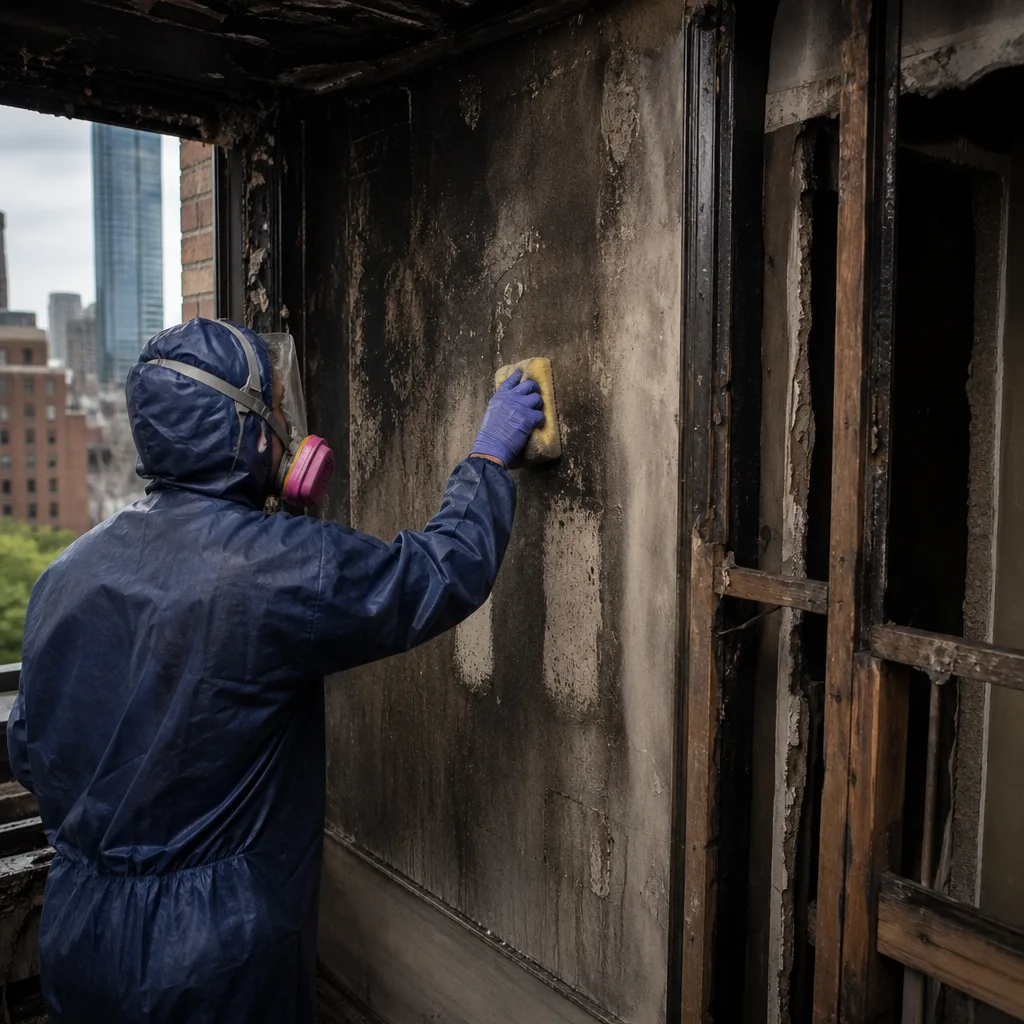
Fire Damage Cleanup
We remove charred drywall, floor coverings, and contents, separating salvageable material from debris on site. In West New York’s multi-tenant buildings, cleanup includes the common stairwell and hallway, not just the burn unit, because smoke traveled there too. For situations involving hazardous contamination, we also offer our Biohazard & Crime Scene Cleanup in West New York. A cleanup in a fourth-floor walk-up off Bergenline Avenue runs between $1,200 and $3,800 depending on how much material must be removed and hauled.
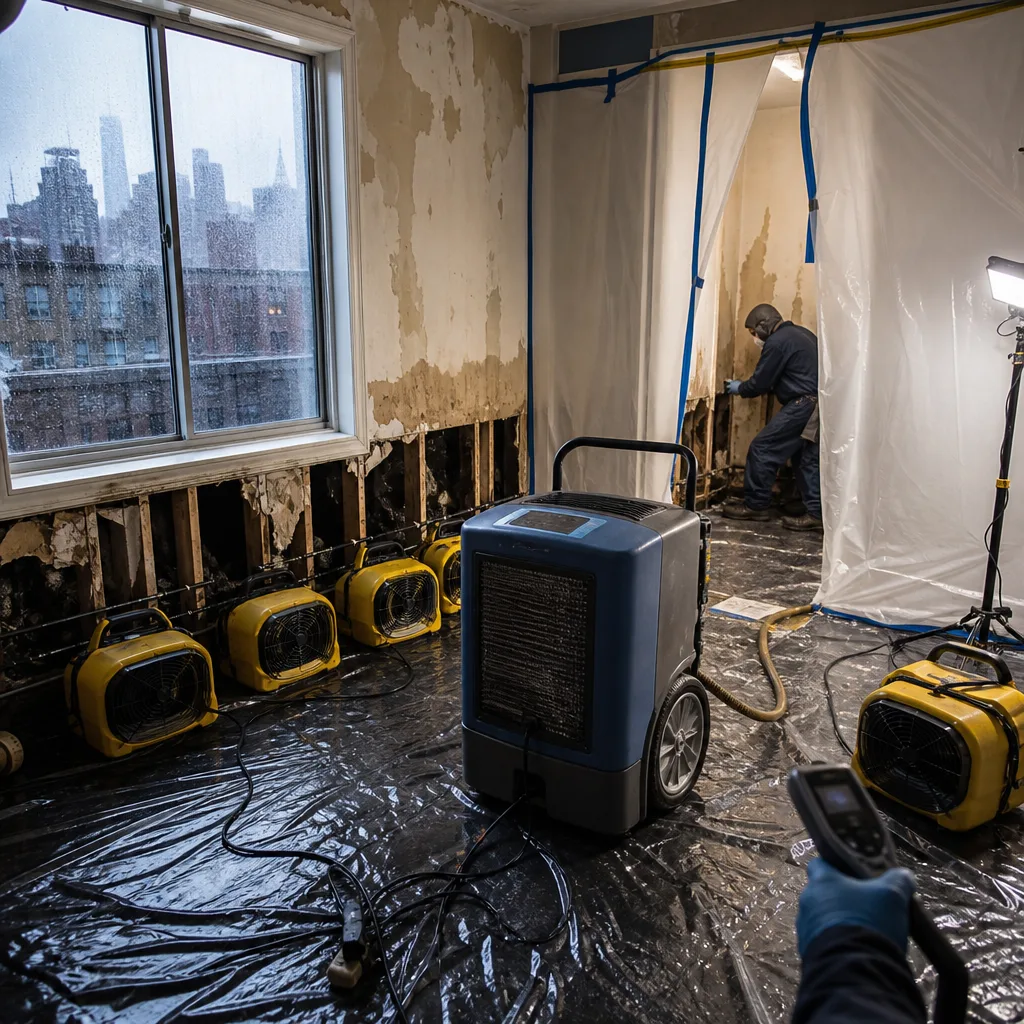
Smoke & Soot Removal
Wet soot and dry soot require different chemistry. We use solvent-based cleaners for the greasy residue from kitchen fires and HEPA-vacuum all horizontal surfaces first, before any wet cleaning, to keep particulate out of the air. In buildings with original unpainted brick, we hand-clean each brick face rather than sandblasting, preserving the historic character most West New York landlords want to keep. Expect this service to run $2,500 to $6,500 for a typical unit.
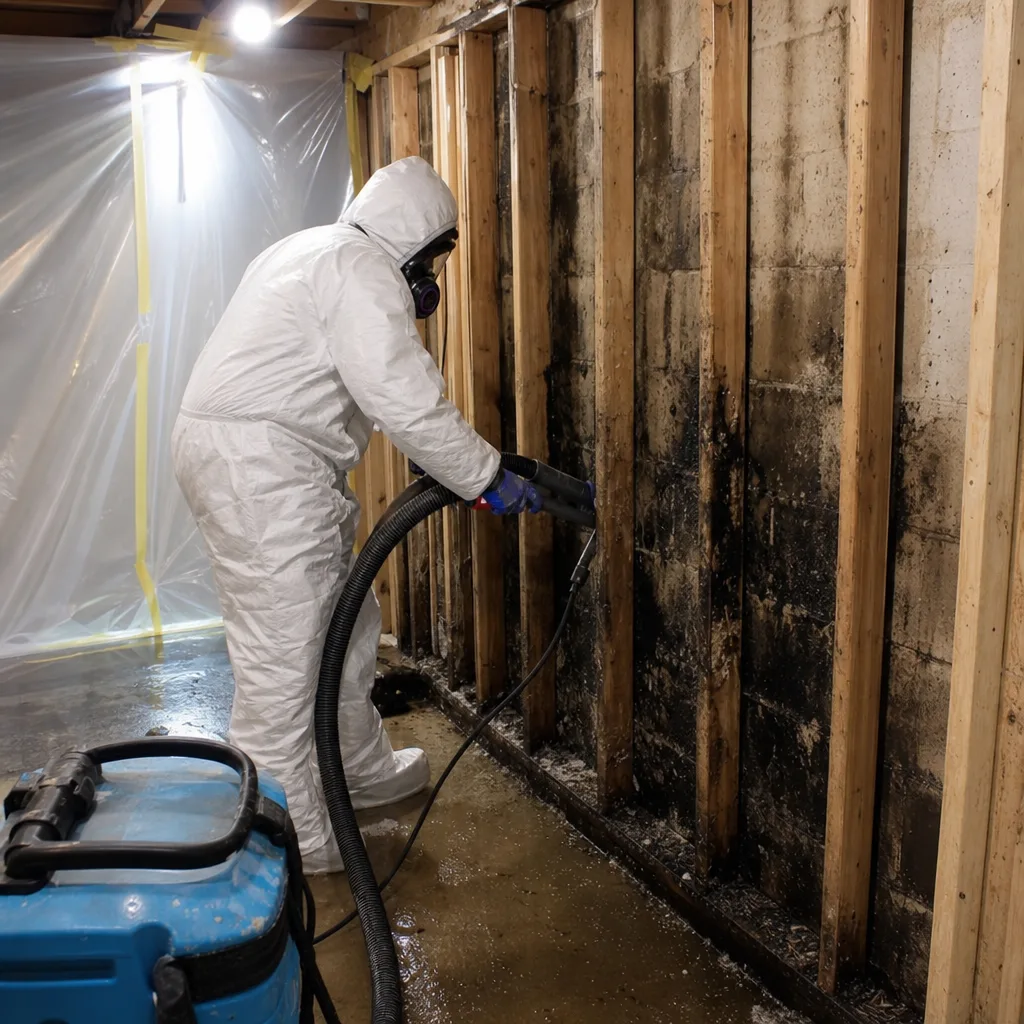
Odor Removal & Deodorization
Smoke odor in a brick walk-up is a shared problem. The odor lives in the plumbing chases, the old lath, and the air gap behind original radiators. We use vapor-phase deodorization, injecting odor counteractants into the same cavities the smoke used to travel, and follow with hydroxyl generators in occupied units where tenants remain. A single-unit odor job runs $1,800 to $4,200. A full building chase treatment runs more because we must access multiple units and the common areas.
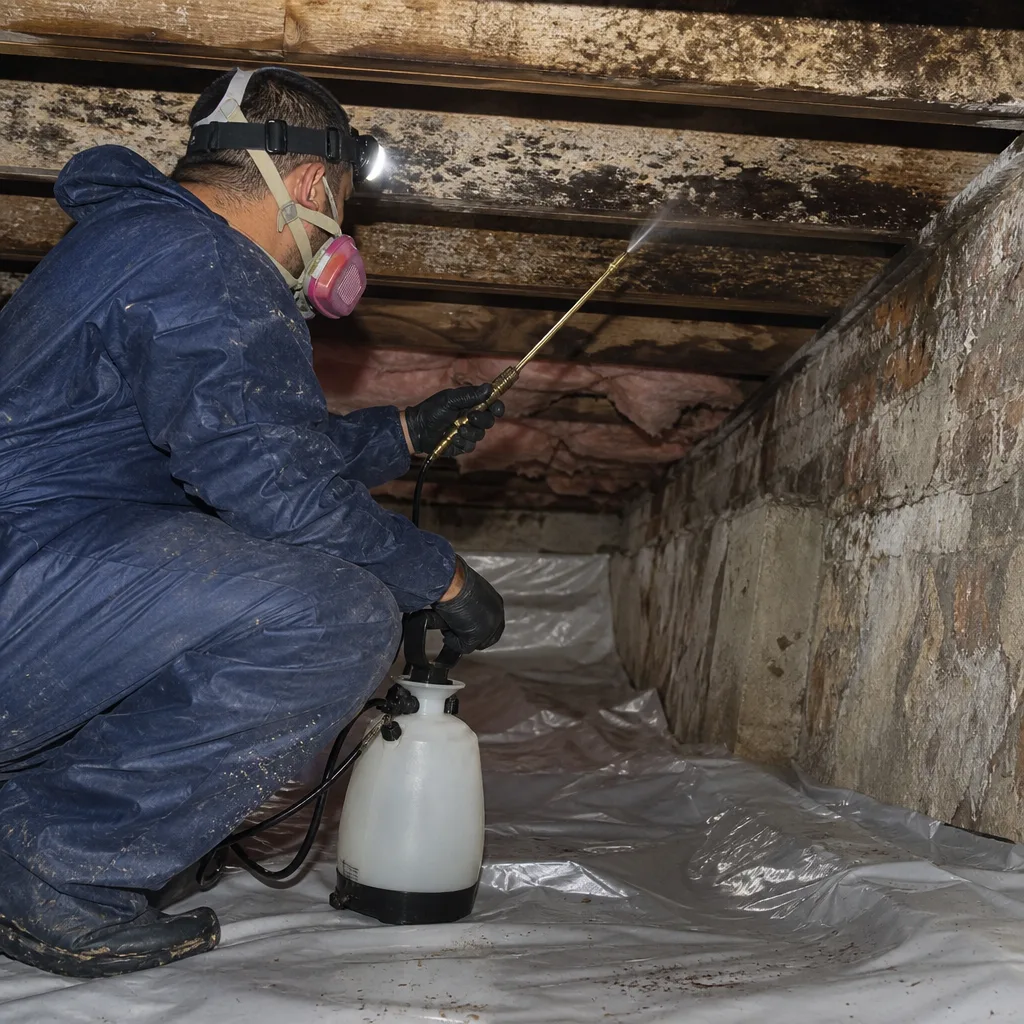
Contents Cleaning & Pack-Out
In West New York’s walk-ups, pack-out means carrying contents down four or five flights with no elevator. We label every box by room and unit, photograph each item, and move soft goods to our contents facility for ultrasonic cleaning. Electronics get specialized soot removal. The labor for a no-elevator pack-out adds roughly $2,000 to $4,500 to the job, but it’s the difference between saving your tenant’s belongings and throwing them away.
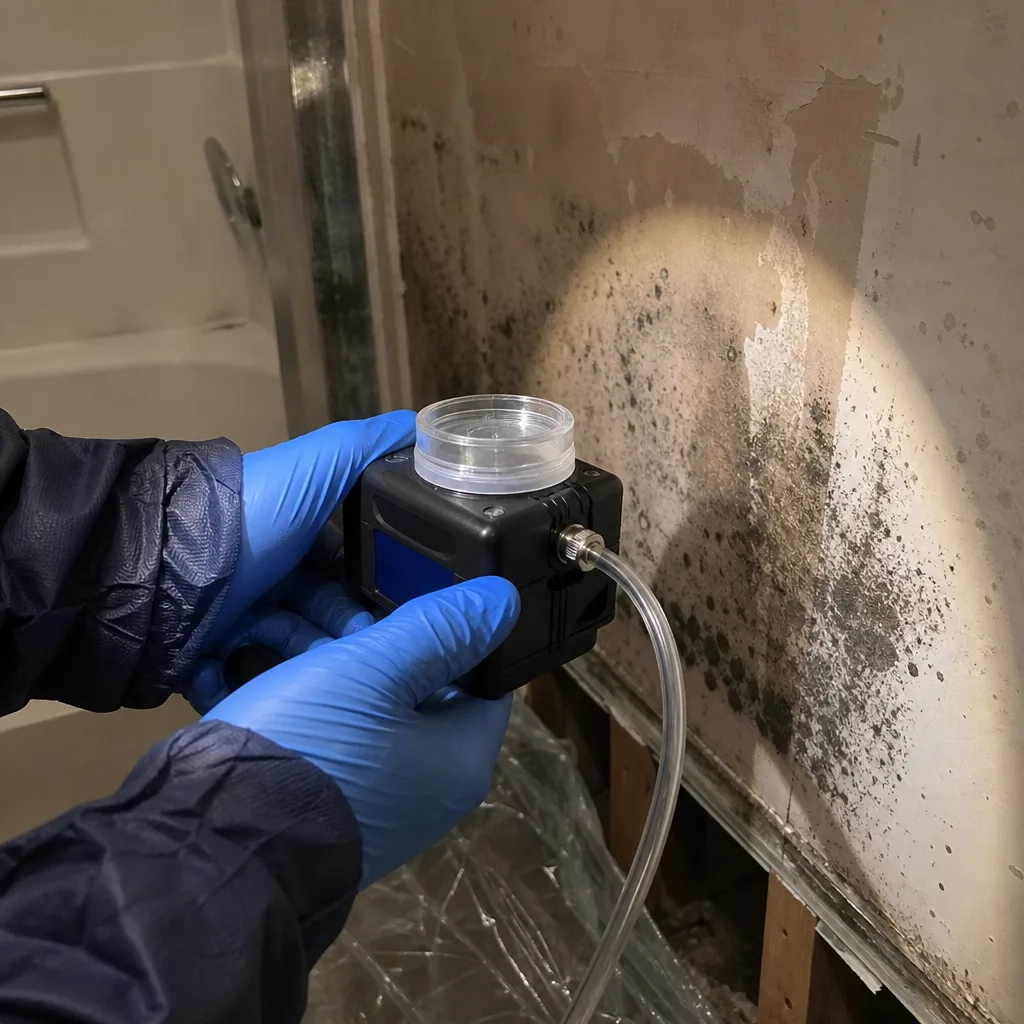
Emergency Board-Up & Tarping
Within two hours of a fire, we can have plywood and poly over broken windows, doors, and any compromised section of the flat roof. In West New York, this matters because rain off the Hudson River Palisades enters through the same openings the fire left, compounding the loss. Board-up runs $800 to $1,800 for a typical apartment. Tarping a damaged roof section runs $1,200 to $2,500.
What happens when you call
- 1
A real person answersNo phone trees - you reach a local pro.
- 2
You get an upfront price rangeHonest numbers before anyone is dispatched.
- 3
A background-checked tech heads outLicensed & insured, dispatched right away.
- 4
You approve before work beginsNothing starts until you say go.
Fire & Smoke Damage Restoration Costs in West New York, NJ
Here’s what we actually see on West New York jobs. Smoke and soot removal in a single apartment without structural repair: $2,800 to $6,500. Odor removal involving shared plumbing chases or multiple units: $4,000 to $9,000. Full restoration including plaster replacement, floor refinishing, and contents cleaning: $9,500 to $22,000 or more for heavily involved fires. The numbers stretch when the fire is in a pre-war building with original materials, because lead and asbestos protocols apply and demolition must be controlled room by room.
What moves the price: how many units were affected, whether the original plaster can be saved, whether the building has an elevator, and how far the smoke traveled up the stairwell. Insurance coverage handles most of this in West New York, but the deductible and any excluded items are yours. We give a free visual inspection and a written scope before any work starts, so you’ll know your number before you sign anything. Call (518) 314-5660 for a firm quote on your specific building.
We Also Serve Cities Near West New York
Floodline Restoration Co.’s crews cover the broader Hudson County area including West New York, Weehawken, Hoboken, Union City, and North Bergen. If your building sits within a few blocks of any of these lines, we treat the call the same way: live answer, 45-minute response, and a certified crew that knows the difference between a Weehawken co-op and a Union City row house.
Serving West New York, NJ - Our Local Coverage Area
We’re based in the West New York area and know this community well. Use the map below to see our service coverage - if you’re nearby, we can almost certainly help.
West New York Fire & Smoke Damage Restoration Questions, Answered
How fast can you get to West New York after a fire?
We typically reach West New York addresses within 45 minutes of your call. Our dispatch is live 24/7, so a certified crew can be rolling before you hang up. For a fire that’s still smoking or actively damaging shared cavities, that speed is the difference between a cleanup and a rehab.
Will my West New York landlord’s insurance cover the smoke damage to my tenant unit from a fire next door?
Usually the fire unit’s owner policy or the building’s master policy covers adjacent unit damage, but every carrier handles it differently. We document your unit’s damage separately, provide photos and a line-item scope to your adjuster, and coordinate directly so you’re not stuck negotiating between landlords. Call us and we’ll walk you through what we see.
How fast do you need to start structural drying after a fire in a West New York apartment?
Within 24 hours, ideally sooner. The fire department’s suppression water saturates the original plaster-and-lath floors and wicks down through the cast-iron plumbing stack into the unit below. If that water sits for more than a day or two, you’re looking at mold in the hidden cavities, which doubles the scope and may require our Sewage Cleanup in West New York. We start extraction and drying on the first visit.
What’s the protocol for pack-out in a fire-damaged West New York walk-up with no elevator?
We carry everything by hand, box by box, through the stairwell. Every item gets photographed, logged, and labeled by unit and room. Soft goods go to our contents facility for ultrasonic cleaning. Hard goods are cleaned on site when possible. The labor is significant, but it’s the only way to actually save tenant belongings in a no-elevator building.
Do you need to remove all the original plaster after a fire in these old buildings?
No. We test the plaster for structural integrity and smoke saturation. Original plaster-and-lath that reads clean gets sealed and preserved. Plaster that’s charred, water-damaged beyond repair, or saturated with smoke gets removed under containment, with proper lead and asbestos protocols. We save what can be saved.
Why does smoke odor linger in West New York brick walk-ups even after cleaning the fire unit?
Because the smoke didn’t stay in the fire unit. It traveled through the shared plumbing chases, the original lath, and the air gap behind radiators. If your contractor only cleans the visible surfaces in the burn unit, the odor in those shared cavities seeps back into every adjacent apartment within weeks. We treat the entire vertical assembly, not just the room that burned.
What certifications do your fire restoration crews hold?
Our technicians hold IICRC FSRT (Fire & Smoke Restoration Technician) and OCT (Odor Control Technician) certifications, plus RIA and IFA training. Every technician is background-checked and uniformed. The crew lead carries a thermal imaging camera and moisture meters on every fire job.
What should I do in the first 30 minutes after a fire in my West New York apartment?
Get everyone out and call the fire department if they’re not already on site. Then call us at (518) 314-5660. Don’t touch anything, don’t open windows, don’t try to clean soot off the walls with a household cleaner. Soot sets permanently into plaster when it’s disturbed incorrectly. Let our certified crew handle the first contact.
If you’re dealing with a fire in West New York right now, call (518) 314-5660 for a free visual inspection. We answer live, 24 hours a day, every day. A certified crew from our Fire & Smoke Damage Restoration team can reach your building within 45 minutes. We’ll document everything, coordinate with every insurance carrier involved, and stand behind the work in writing with the 90-Day Done Right Promise. Done right, and backed in writing.
Written by Curt Bowman, Owner at Floodline Restoration Co., coordinating fire and smoke restoration for West New York since 2010.