
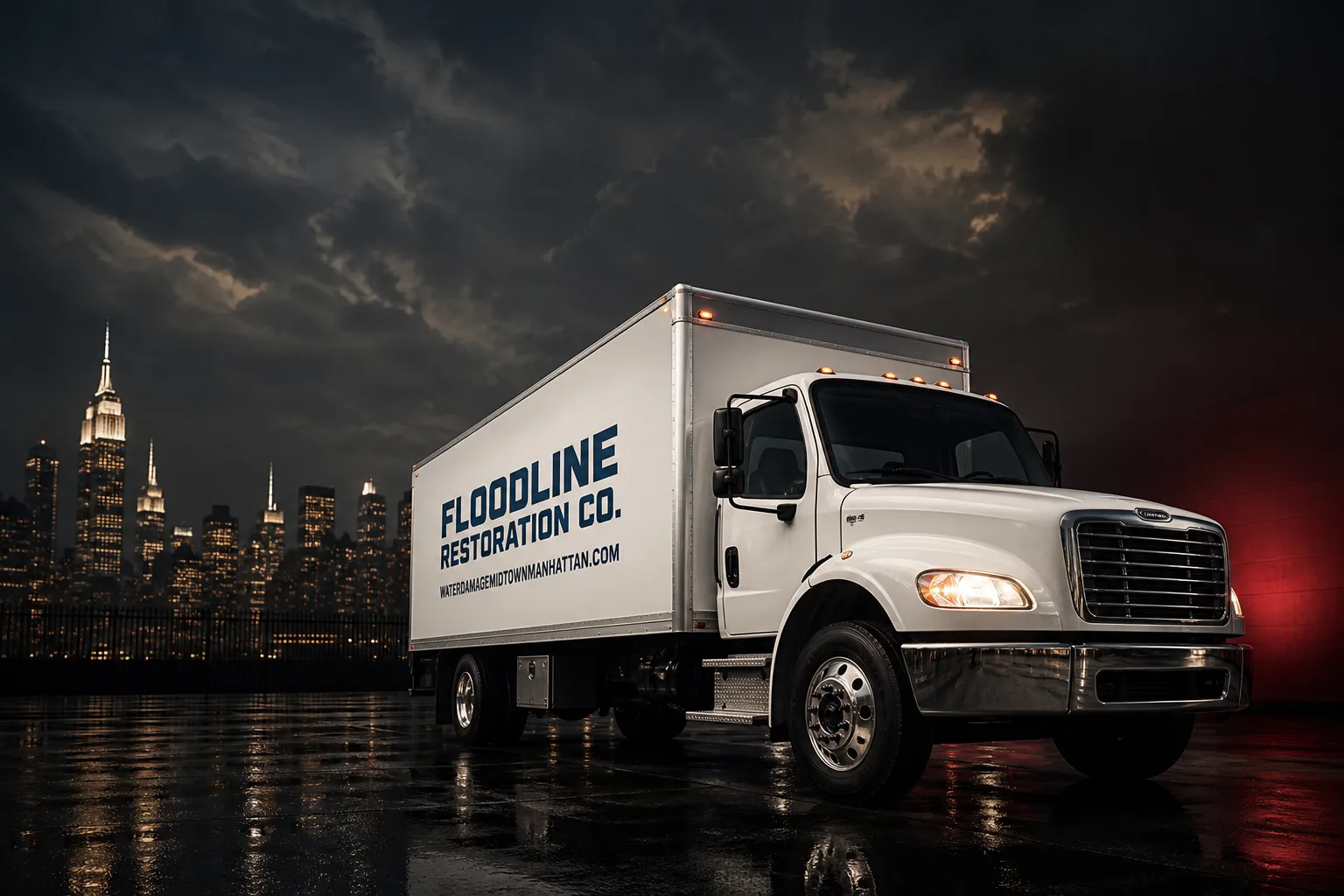
Free visual inspection and a written scope of work before any mitigation begins - photos, moisture readings, and drying logs go in your claim file
The scope we write is the scope we bill. Anything new gets shown to you, in writing, before we touch it.
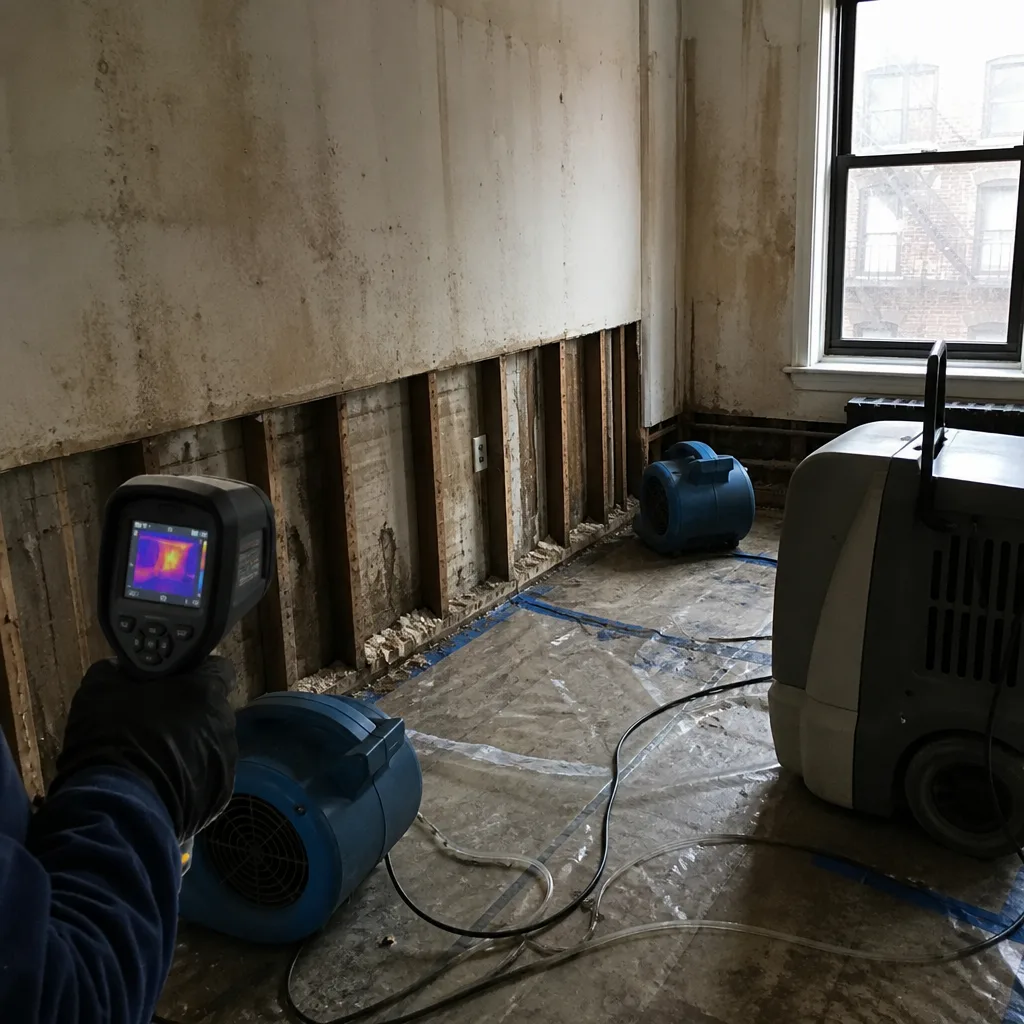 Before
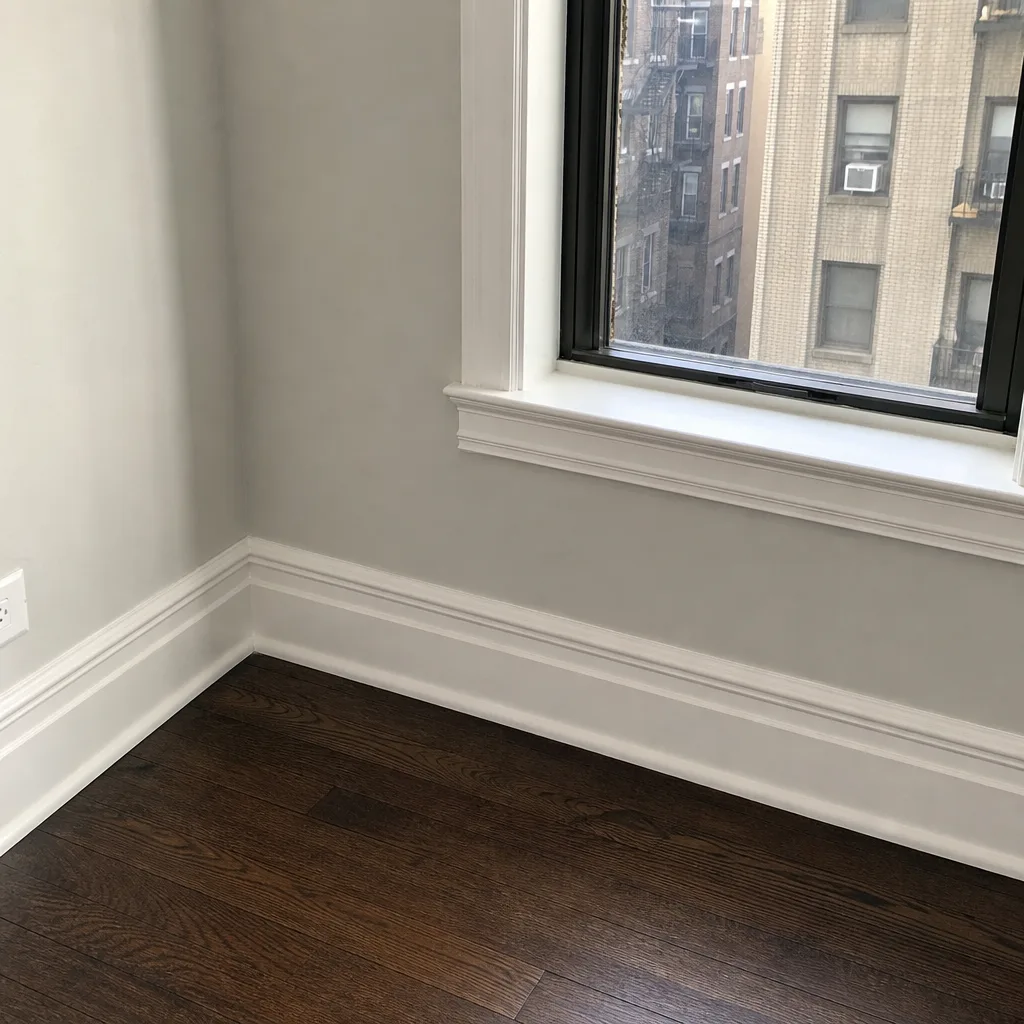 After
After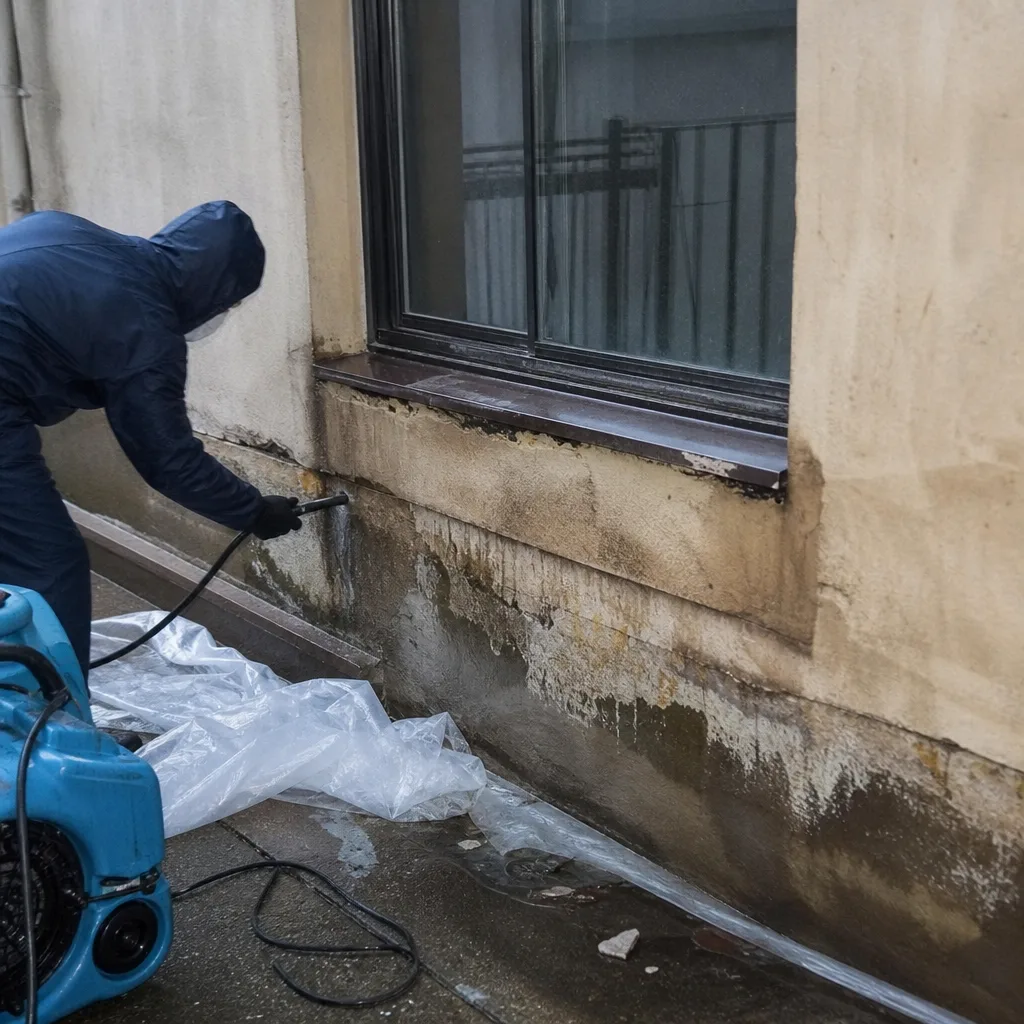 Before
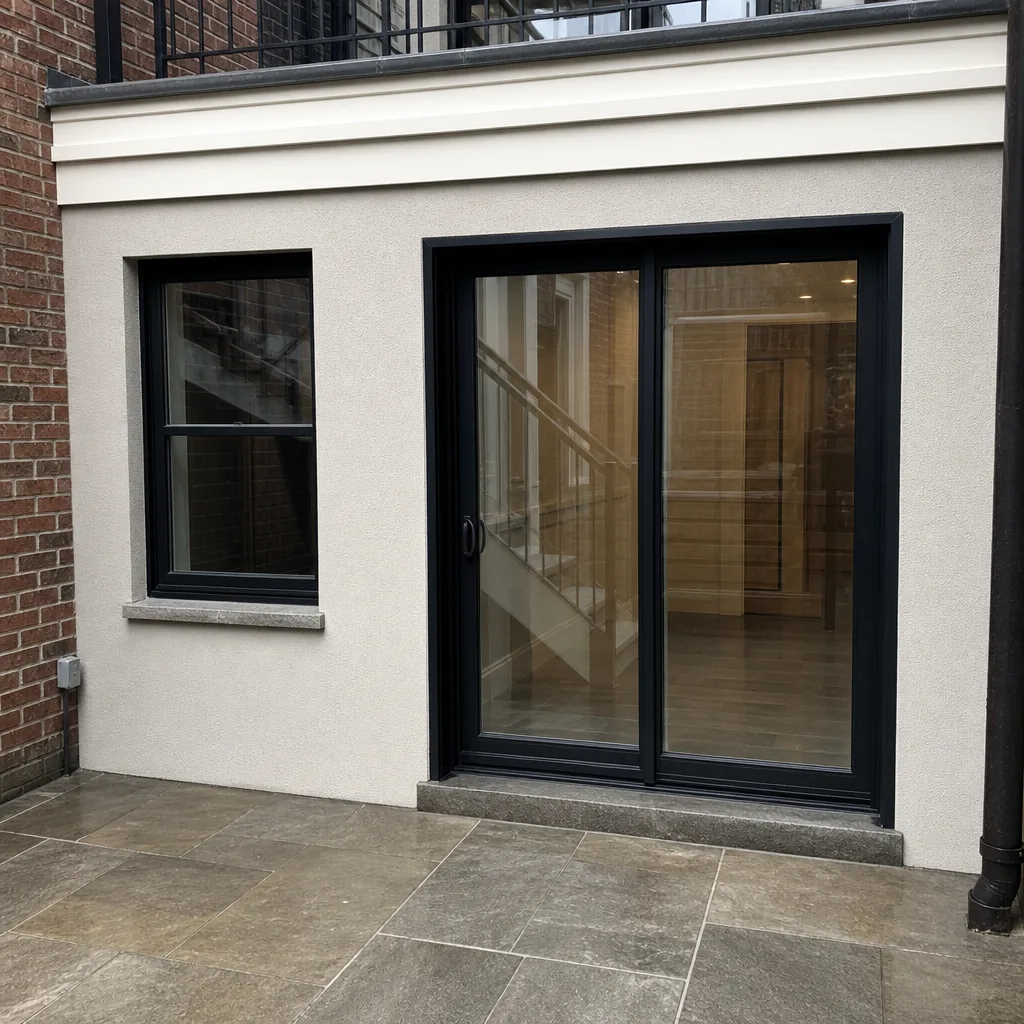 After
After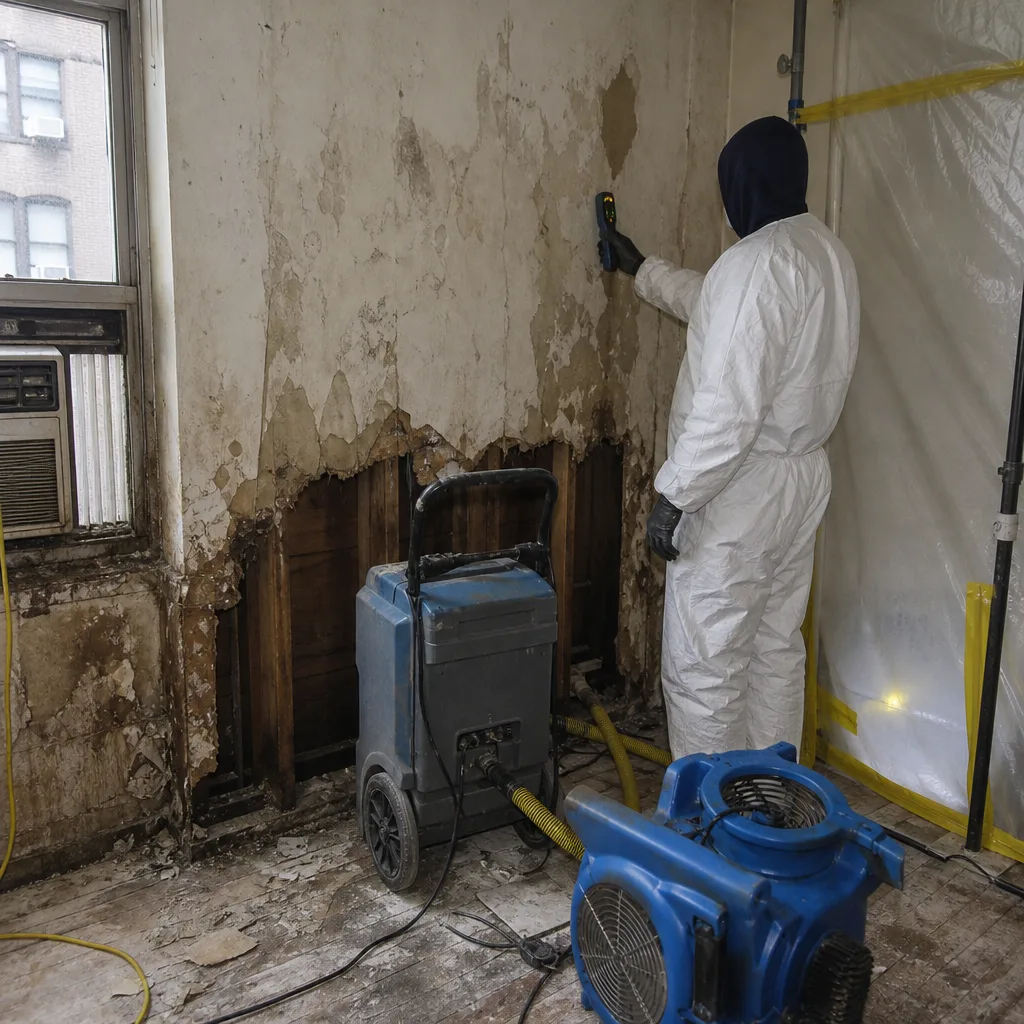 Before
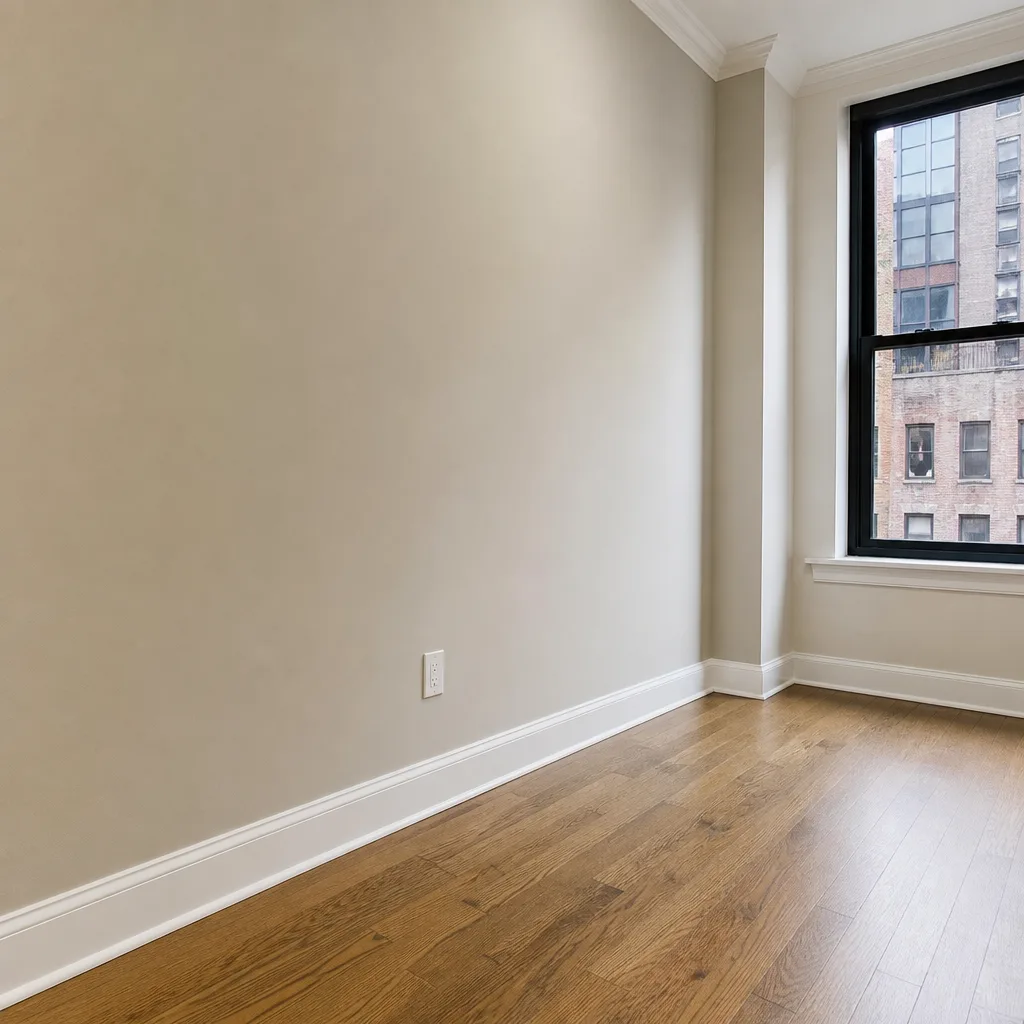 After
After24/7 Emergency Reconstruction & Cleanup in West New York
A burst supply line in a fourth-floor walk-up on Bergenline Avenue rarely stays a fourth-floor problem. West New York’s brick apartment buildings share plumbing stacks, and water follows gravity through plaster-and-lath floors until someone stops it. Our crews answer live at (518) 314-5660 any hour, day or night, and dispatch into West New York immediately. The first hour determines whether you’re drying one ceiling or rebuilding three. We arrive, map the moisture, contain the damage, and start extraction the same visit. Free visual inspection, a written scope before any work begins, and one team that stays from first cut to final coat of paint. Done right, and backed in writing.
Understanding Reconstruction & Cleanup Severity in West New York Properties
The severity scale in West New York is shaped by the building stock itself. Category 1 water from a failed supply line is clean at the source but degrades within 48 hours as it saturates plaster, lath, and neighboring drywall into Category 2. Category 3 water, the kind that backs up through cast-iron drains in aging buildings or pushes in from storm surge along River Road, carries bacteria and requires full containment, disposal of saturated porous materials, and antimicrobial treatment before rebuild can start. Moisture mapping behind original plaster walls from the 1920s through 1960s is slow work because thick plaster holds water differently than modern gypsum board. Soot from kitchen fires in these walk-ups migrates through shared wall cavities, and smoke odor settles into lathe and plaster in ways that demand HEPA air scrubbing and thermal fogging rather than surface cleaning alone. Severity here is rarely contained to one unit. That’s the defining reality of Reconstruction & Cleanup work in this town.
Why West New York Property Owners Choose Floodline Restoration Co.
- 45-minute response commitment. Our dispatch board tracks West New York crews by neighborhood. We commit to a 45-minute arrival window, and Curt Bowman holds the board personally accountable when we miss it.
- Live answer, every hour, every day. A dispatcher picks up at 2 a.m. Not a recording. You speak to a person who knows the difference between River Road floodwater and a fifth-floor toilet overflow.
- IICRC-certified crews, specifically WRT and FSRT. Water restoration and fire/smoke restoration technicians trained to the standards this housing stock demands. Background-checked, uniformed, and familiar with pre-war construction.
- Free visual inspection before anything is signed. We assess the source, the spread, and the scope. You get a written plan. No surprises on the bill, ever.
- Direct insurance billing. We document, photograph, itemize, and talk to your adjuster directly. You’re not the messenger between us and the carrier.
- One team from extraction to reconstruction. The same certified crew that maps moisture on day one handles daily readings, hands you the log, and rebuilds what needs rebuilding. No mid-job handoff, no inherited crew.
Our Reconstruction & Cleanup Process
Inspection & Assessment
We start with thermal imaging and hygrometer readings throughout the affected area, including the units above and below. In a West New York walk-up, the source unit is often the smallest part of the job. We document every affected leasehold before we touch a wall, so the insurance file is complete from hour one.
Extraction & Stabilization
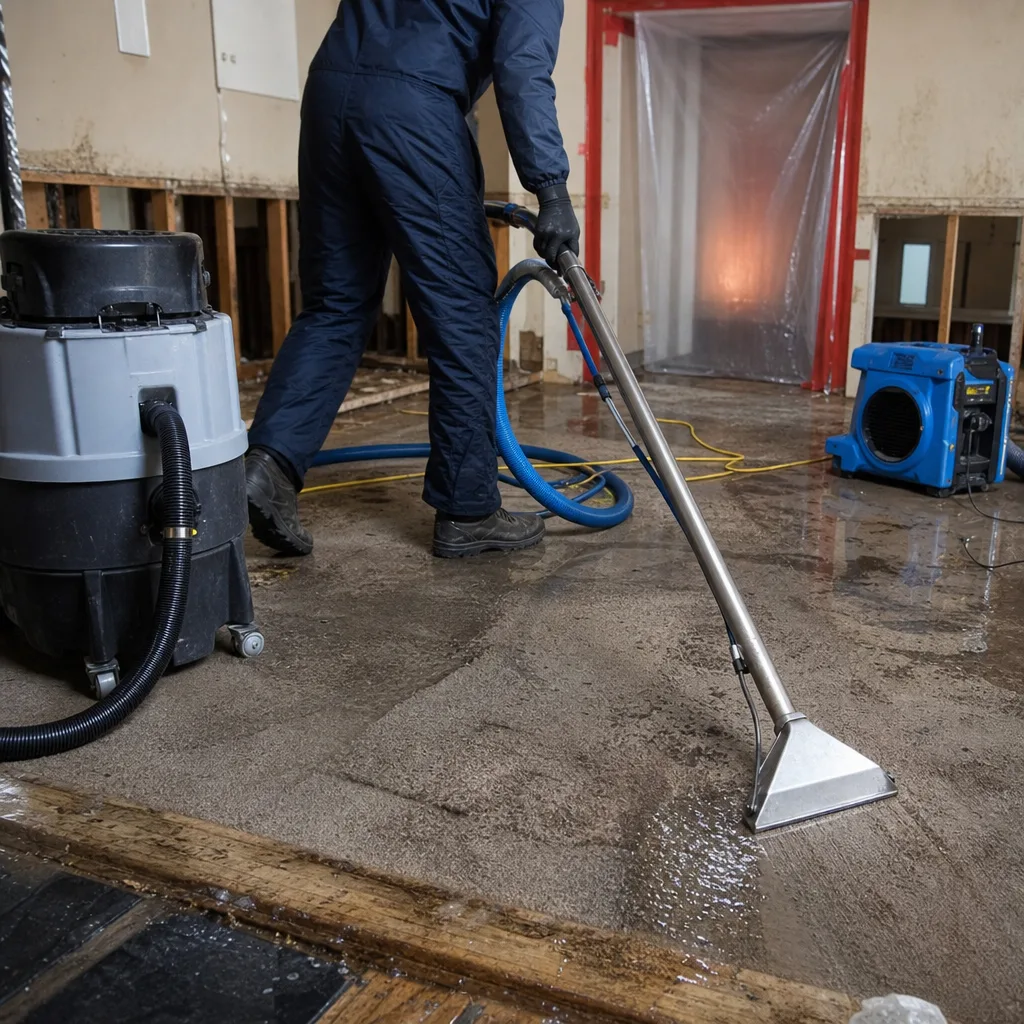
Standing water comes out first with truck-mounted extraction equipment. We stabilize ceilings at risk of collapse, shut off compromised supply lines, and set containment barriers. If there’s a freight elevator, we use it. If there’s a 28-inch stairwell, we carry the equipment up by hand. Either way, extraction starts the same visit.
Drying & Dehumidification
We run Dri-Eaz dehumidifiers and air movers sized to the cubic footage of each affected room. In plaster-and-lath construction, drying times run longer than drywall because the material holds moisture deep. We take daily readings and log them until the dry standard is met. The log goes to you and your carrier.
Cleaning & Sanitization
Porous materials too saturated to dry are removed under containment. Hard surfaces get antimicrobial treatment. For fire losses, we run HEPA air scrubbers and clean soot residue before it etches into glass and metal. For water losses, we address the bacterial load Category 2 and 3 water leaves behind.
Contents Restoration & Pack-Out
Furniture, clothing, documents, and personal items get packed out, inventoried, and restored off-site when the unit is too compromised for in-place work. In buildings without freight elevators, our crews pack and carry items down stairwells by hand, with photographic inventory for your claim.
Repairs & Restoration
Drywall, plaster, flooring, paint, trim, and whatever else was torn out gets rebuilt. This is where the job finishes, not where a new contractor starts. The Keystone Standard applies to every phase: if it’s not done right, we make it right. In writing, with no argument.
Need Emergency Reconstruction & Cleanup in West New York Now?
Crews minutes away, answering live 24 hours a day. The sooner we start, the less it costs.
Working With Your Insurance Company
West New York multi-unit losses involve multiple policies, multiple landlords, and sometimes multiple carriers for a single ceiling. We handle the documentation so you’re not assembling a file at your kitchen table. From the first hour, we photograph room by room, log moisture readings daily, and write a line-item scope that speaks the carrier’s language. Our team talks to adjusters directly, schedules joint inspections, and provides the technical detail insurers need to process multi-tenant claims without dragging. The 90-Day Done Right Promise matters here too: we stand behind the reconstruction, and we document everything so the carrier sees exactly what was done and why.
What We Provide Your Insurer
- Thorough documentation of the loss
- Photos of all damage, room by room
- Moisture readings and drying logs
- A detailed, line-item scope of work
- Direct coordination with your carrier
Built for West New York’s Loss Calendar
January deep freezes burst supply lines in unheated stairwells and along exterior walls of 1920s brick walk-ups. The pipe lets go on the fourth floor, and by morning the water has found its way through three ceilings. Spring brings thaw and rain that pools on flat roofs, soaking parapet walls and dripping through top-floor units. Summer thunderstorms overwhelm aging roof drains and send water down interior walls. Fall nor’easters drive rain sideways into brick facades already saturated from decades of exposure, and lower River Road parcels sit in the storm-surge footprint that Superstorm Sandy made visceral for everyone in Hudson County. Every season has a failure mode here, and all of them lead to the same place: a unit that needs drying, a claim that needs documentation, and a rebuild that needs to be scoped right the first time. That’s the work we do in West New York.
Reconstruction & Cleanup Across West New York’s Neighborhoods
The blocks off Bergenline Avenue between 49th and 60th Streets are dense walk-ups where a second-floor laundry overflow is a three-floor event. Our crews know which buildings have narrow stairwells that slow equipment movement and which have rear fire escapes that provide secondary access. Down along Boulevard East, the older pre-war co-ops have original plaster walls and hard-to-match trim profiles; reconstruction there demands finish carpenters who can match 90-year-old moldings rather than slap up modern drywall. The blocks near James J. Braddock North Hudson Park see more ground-level water intrusion from saturated soils during heavy rain. Over on 60th Street near the Union City line, mixed-use buildings put retail or storage on the ground floor, which changes containment and pack-out sequencing when water runs down from residential above. And along River Road at the base of the Palisades, ground-floor and basement units carry the storm-surge risk that residents have understood clearly since Sandy. Each area has its own building rhythm, and we dispatch crews who know the difference.
Specialized Reconstruction & Cleanup Services We Offer in West New York
Full-Service Reconstruction
When we tear out saturated plaster and lath in a pre-1960 West New York building, the rebuild scope has to account for lead paint and asbestos. We sequence abatement before framing, which prevents the stop-work orders that drain budgets and stall projects. From rough framing to final trim, the same crew finishes what it started.
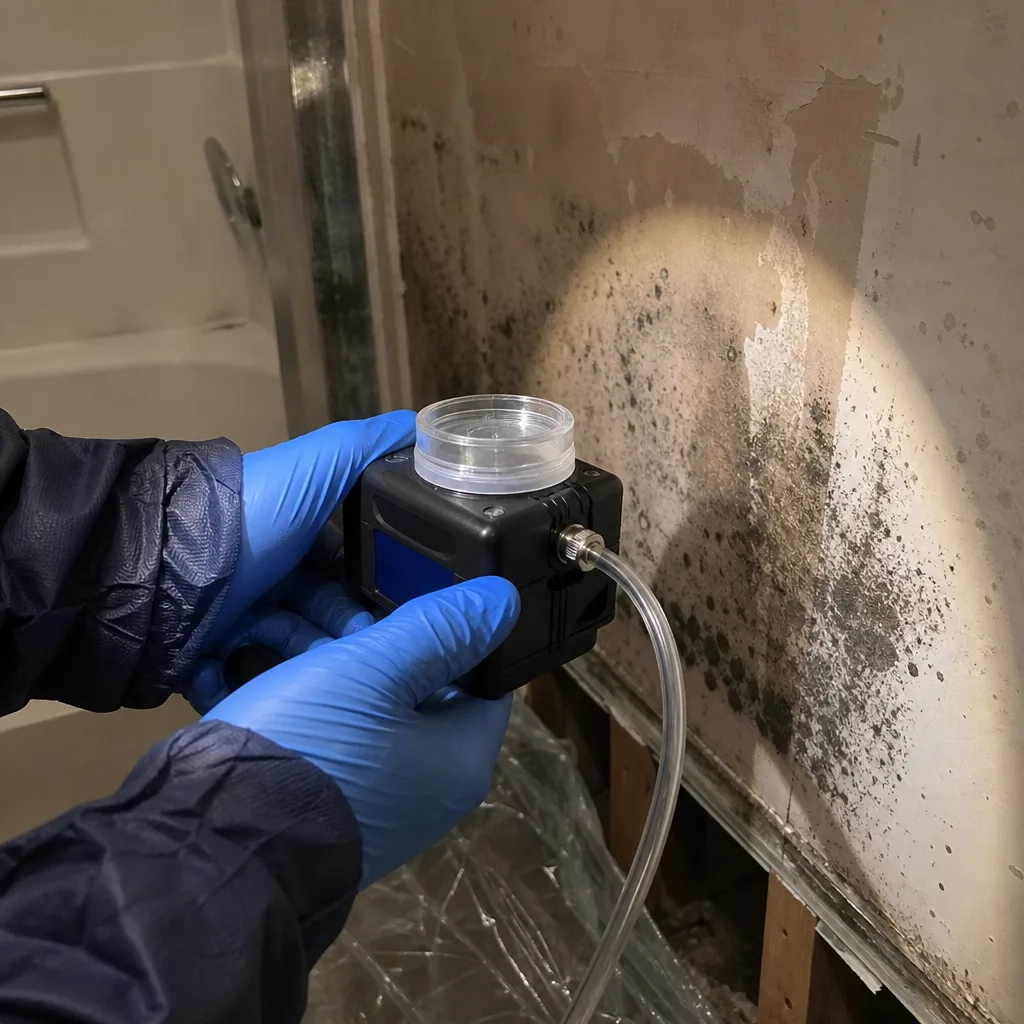
Drywall & Flooring Repair
Ceiling repair in a 1930s walk-up isn’t a matter of hanging new board. We match plaster thickness, restore original profiles where the owner wants them, and install new drywall where that’s the better call. For flooring, we handle hardwood that’s cupped or buckled after soaking, tile that’s loose after subfloor movement, and subflooring that needs replacement before anything goes back on top.
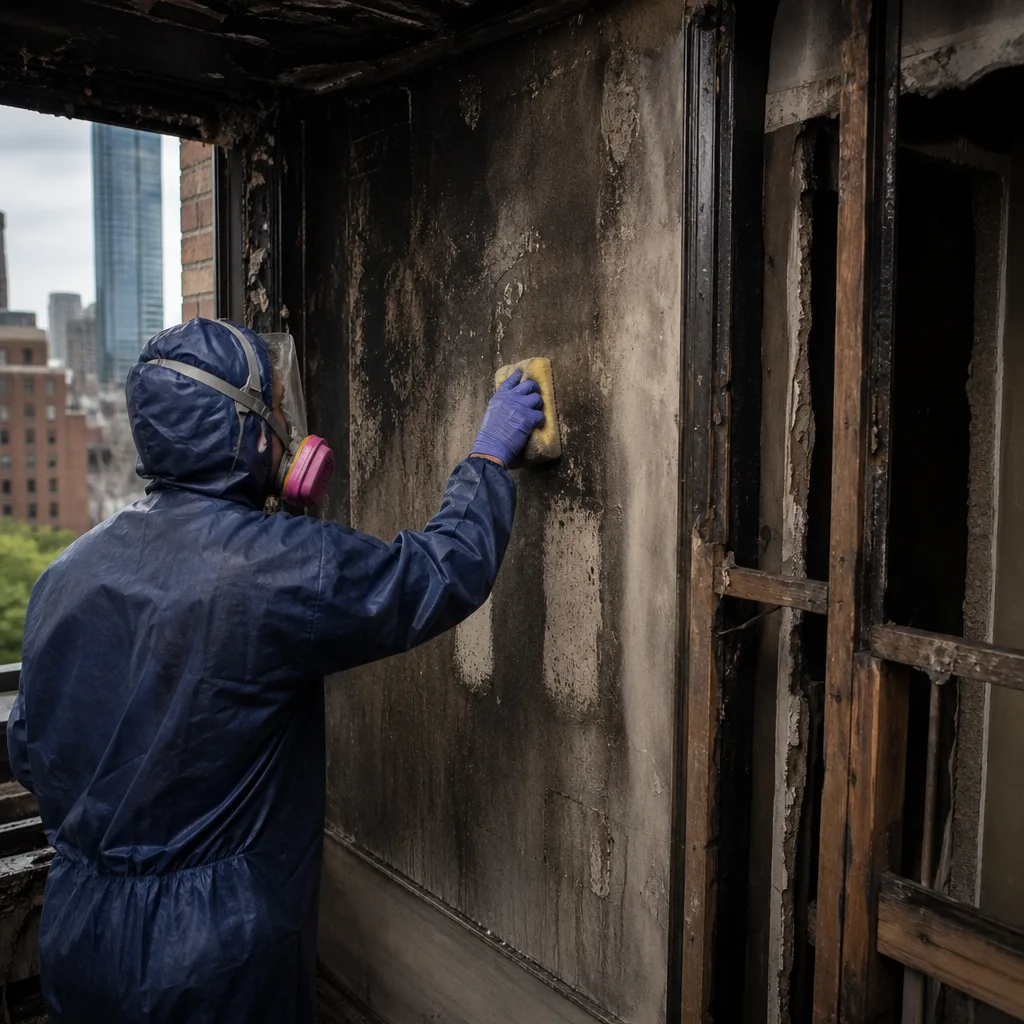
Contents Restoration & Pack-Out
Walk-up buildings without freight elevators present a specific problem: a 28-inch stairwell and a sofa don’t mix. Our crews pack, carry, inventory, and photograph every item, then restore what’s restorable off-site. For landlords managing three affected units, the inventory doubles as claim documentation, and we coordinate so nothing gets lost between leaseholds.
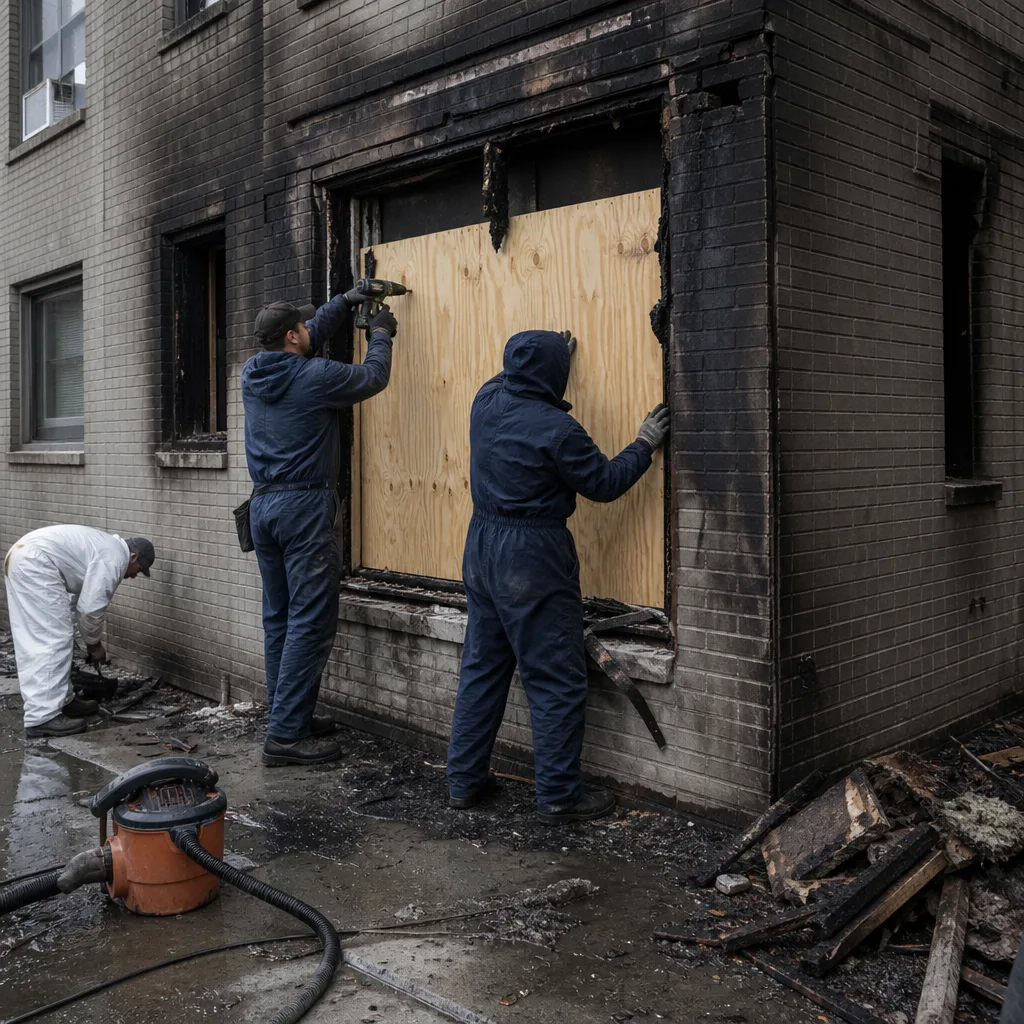
Carpet & Upholstery Cleaning
After a Category 2 loss, the carpet in the affected unit and the one below it often needs deep extraction and drying. We use truck-mounted equipment where the building allows, portable units where stairwells force the issue. Upholstery that sat in humid air gets cleaned and deodorized to prevent must and mold.
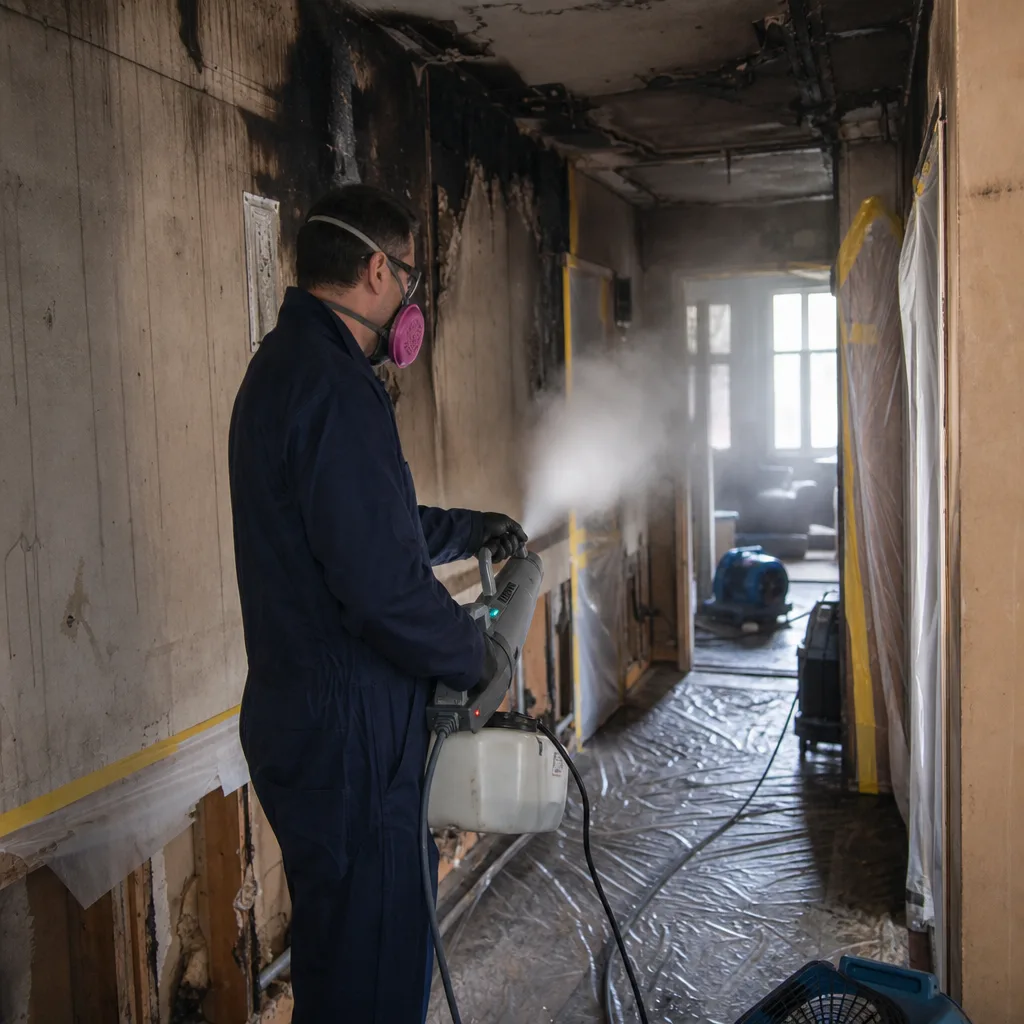
Post-Construction Cleanup
Reconstruction leaves dust in wall cavities, on windowsills, and in every room that shared air with the work area. We run HEPA air scrubbers during the build, then do a full clean-down before you walk back in. No dust ghost, no debris pile in the stairwell.
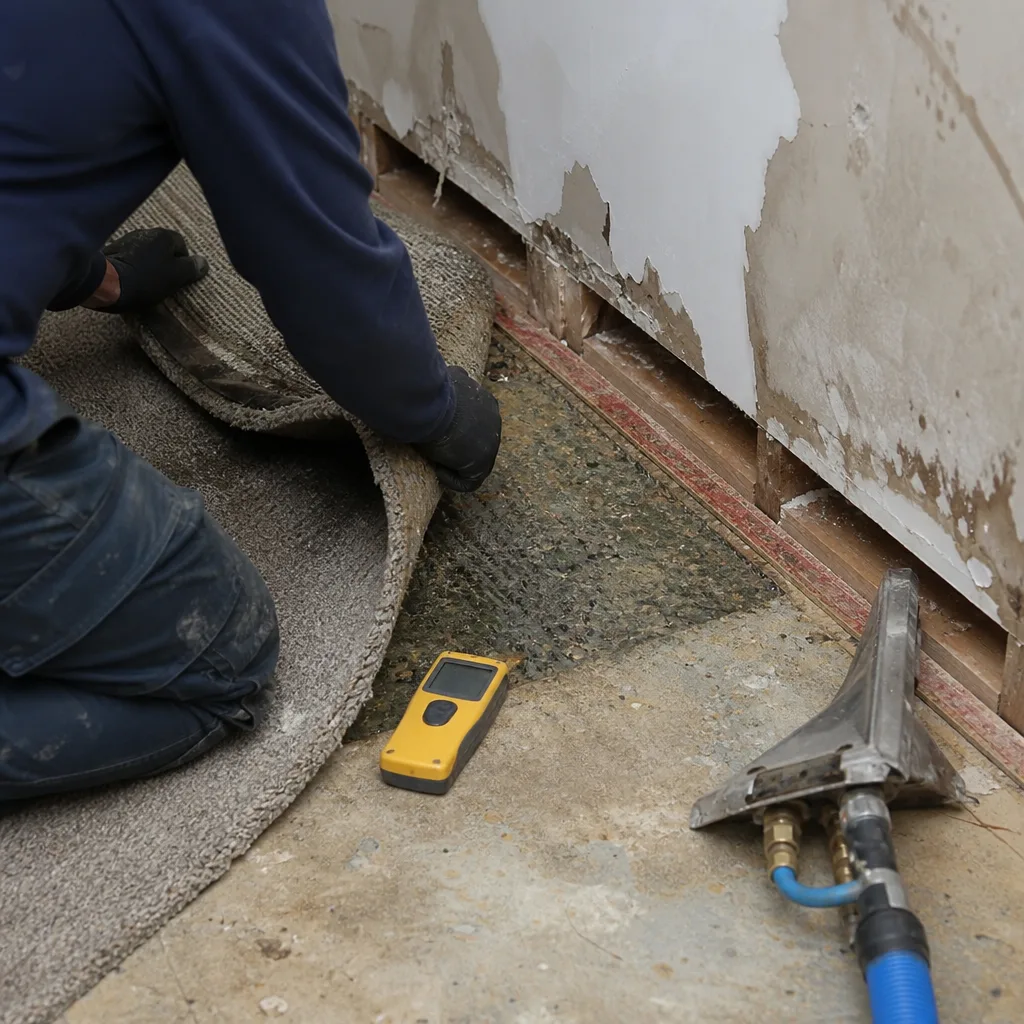
Insurance Claim Documentation
Multi-unit water damage in West New York means multiple policies, multiple landlords, and sometimes multiple carriers for one ceiling. We photograph everything, log moisture readings daily, and write a line-item scope in carrier language. Your adjuster gets a file that answers questions before they’re asked.
What happens when you call
- 1
A real person answersNo phone trees - you reach a local pro.
- 2
You get an upfront price rangeHonest numbers before anyone is dispatched.
- 3
A background-checked tech heads outLicensed & insured, dispatched right away.
- 4
You approve before work beginsNothing starts until you say go.
Reconstruction & Cleanup Costs in West New York, NJ
A straightforward single-room drywall replacement with paint and trim in West New York typically runs $1,800 to $4,500. Full ceiling restoration after a toilet supply line failure on an upper floor, including plaster removal, drying, antimicrobial treatment, and rebuild, usually lands between $6,000 and $14,000 depending on how many ceilings got wet. Pack-out and contents restoration for a two-bedroom walk-up unit generally starts around $3,000 and climbs with contents volume and stairwell difficulty. Carpet and upholstery cleaning after water damage runs $350 to $900 per room. Post-construction cleanup on a multi-room rebuild typically costs $800 to $2,500. What moves the price: how many units are affected, whether plaster or drywall needs replacement, whether asbestos or lead abatement is required, and whether access means stairwell carry or freight elevator. Insurance covers most of these costs when the loss is sudden and accidental. The free inspection gives you a firm number before anything is signed. Call (518) 314-5660 and we’ll walk the scope with you.
We Also Serve Cities Near West New York
Our crews run the same routes through Weehawken, Hoboken, Union City, and North Bergen. The building stock shifts slightly from block to block, but the fundamentals hold: dense housing, shared plumbing, stairs that slow equipment, and owners who want the job done right once. If you’re in one of those towns and watching water run through a ceiling, call the same number.
Serving West New York, NJ - Our Local Coverage Area
We’re based in the West New York area and know this community well. Use the map below to see our service coverage - if you’re nearby, we can almost certainly help.
West New York Reconstruction & Cleanup Questions, Answered
If my upstairs neighbor’s water damage spreads into my West New York walk-up unit, who hires the reconstruction contractor and who pays?
Usually the owner of the source unit’s policy pays for the damage to your unit under liability coverage, but in practice West New York multi-unit losses often involve three policies and two adjusters before anyone agrees on scope. You hire the contractor for your own unit if your carrier is covering the claim; the upstairs owner’s carrier may reimburse. We document the source, the spread, and the scope so the carriers can sort out responsibility without you playing mediator. Call (518) 314-5660 once you see water or staining, and we’ll start the file.
How do you dry a pre-war plaster-and-lath ceiling after a toilet supply line failure on Bergenline Avenue?
Plaster-and-lath holds water differently than drywall, so we don’t rely on surface readings alone. We use thermal imaging to find the full wet footprint inside the plaster, set containment below the affected ceiling, and run Dri-Eaz dehumidifiers with air movers positioned to pull moisture out of the plaster rather than just across its face. Drying times on thick original plaster run longer than drywall, often three to five days or more depending on saturation. Daily readings are logged and given to you and your carrier until the dry standard is met.
Can you do pack-out and contents restoration when a walk-up apartment has no freight elevator and a 28-inch stairwell?
Yes. Our crews carry packed and inventoried items down the stairs by hand, photographing everything as it leaves for the claim file. Large furniture gets wrapped and carried carefully; if an item can’t physically navigate the stairwell, we document that in writing for the carrier rather than force it and damage both the stairs and the furniture. The inventory doubles as your contents claim documentation.
How do you handle water damage in ground-floor retail or basement units along River Road that see storm-surge flooding?
Storm surge brings Category 3 water, which means full containment, removal of saturated porous materials, antimicrobial treatment, and drying before any rebuild starts. Ground-floor and basement units in the River Road flood footprint need a different sequence than an upper-floor pipe break because the water carries contaminants. We document the storm event for the claim, coordinate with your flood carrier and property policy, and rebuild with materials appropriate for a space that may see water again.
What documentation do West New York landlords need for insurance claims on multi-unit water damage?
Carriers need proof of source, proof of spread, and proof of scope. That means photos of every affected unit, moisture readings from day one through the dry standard, a line-item scope of work separated by leasehold, and a log of what was removed and why. We build that file as we work and hand it to you and the carrier. For landlords managing multiple affected units, the documentation also protects against disputes about which unit’s policy covers which damage. Call (518) 314-5660 and we’ll start the file the day you report the loss.
How fast can you actually get to a West New York address?
We commit to a 45-minute arrival window for emergency calls in West New York. A live dispatcher answers at (518) 314-5660, gets your cross street, and assigns the crew already working closest to you. We don’t route calls through a national call center, and we don’t put you on hold while water keeps running. Same-visit extraction is the standard, not the exception.
Can I stay in my unit while you’re doing reconstruction?
It depends on the scope. Small one-room drywall repairs usually allow you to stay, though you’ll deal with dust and noise during working hours. Larger jobs with containment, air scrubbers, and reconstruction across multiple rooms often make staying impractical, especially in the smaller apartments common in West New York. We give you a straight answer at the inspection and include temporary relocation support in the claim when the carrier covers it.
What should I do in the first 30 minutes after water starts coming through my ceiling?
Call (518) 314-5660 first. Then shut off the water supply if you can reach the shutoff without going into a wet area with electrical fixtures. Put a bucket or bin under active water, and move small valuables out of the path if it’s safe. Don’t turn on ceiling lights in the wet area, and don’t poke the ceiling to drain it, that usually pieces the plaster and makes the repair bigger. The faster we get moisture mapping started, the less removal and rebuild you’ll face.
Written by Curt Bowman, Owner at Floodline Restoration Co., serving West New York and the surrounding Hudson County communities.