
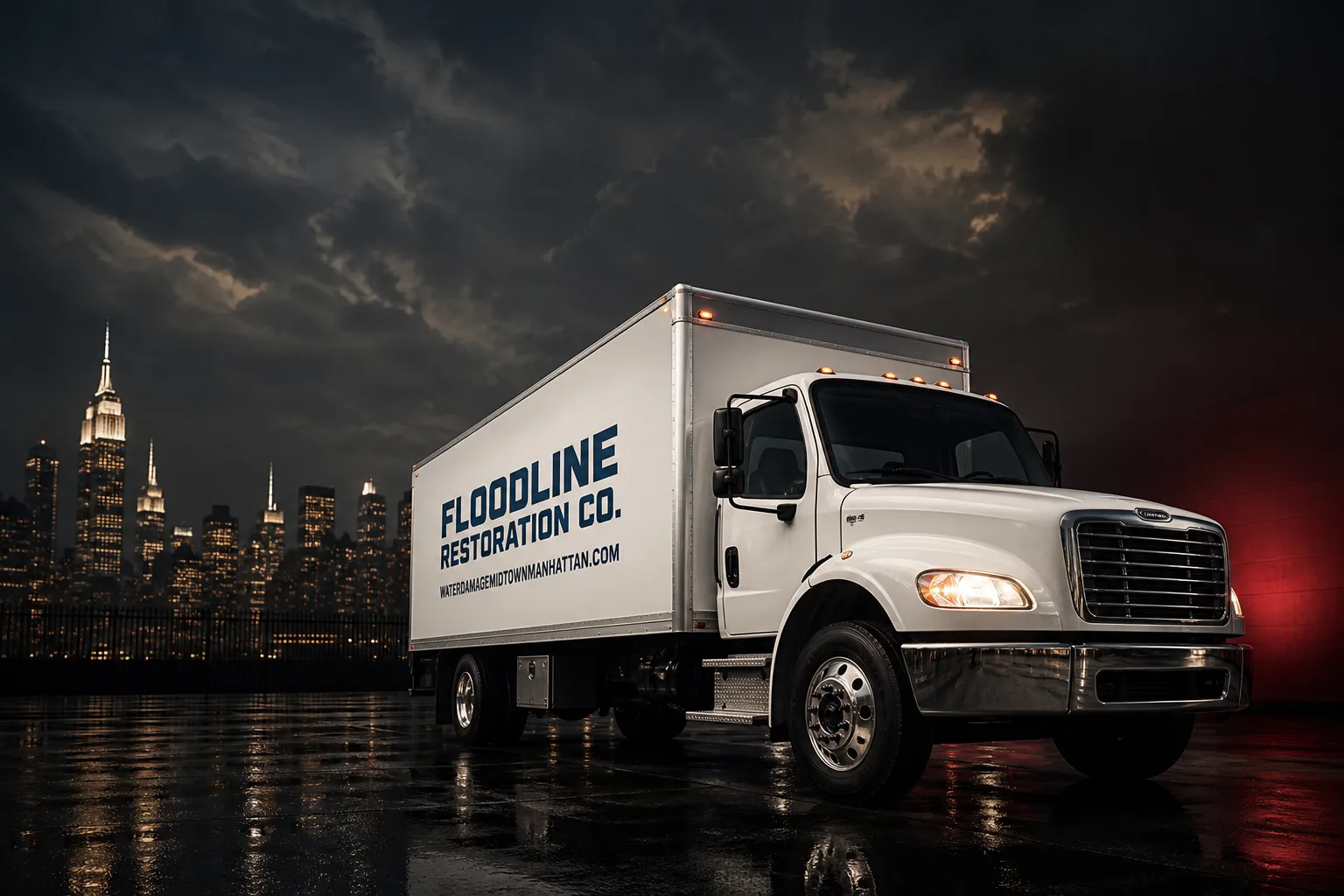
Free visual inspection and a written scope of work before any mitigation begins - photos, moisture readings, and drying logs go in your claim file
The scope we write is the scope we bill. Anything new gets shown to you, in writing, before we touch it.
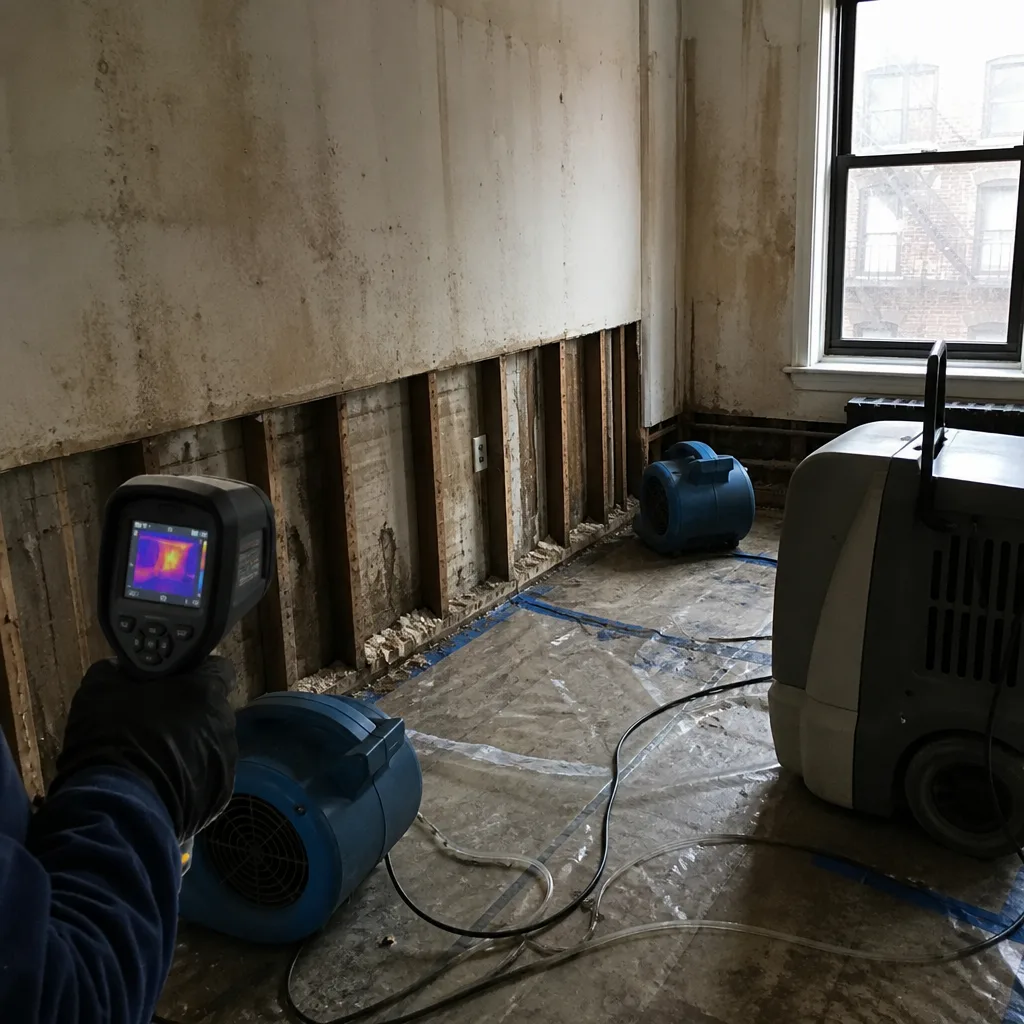 Before
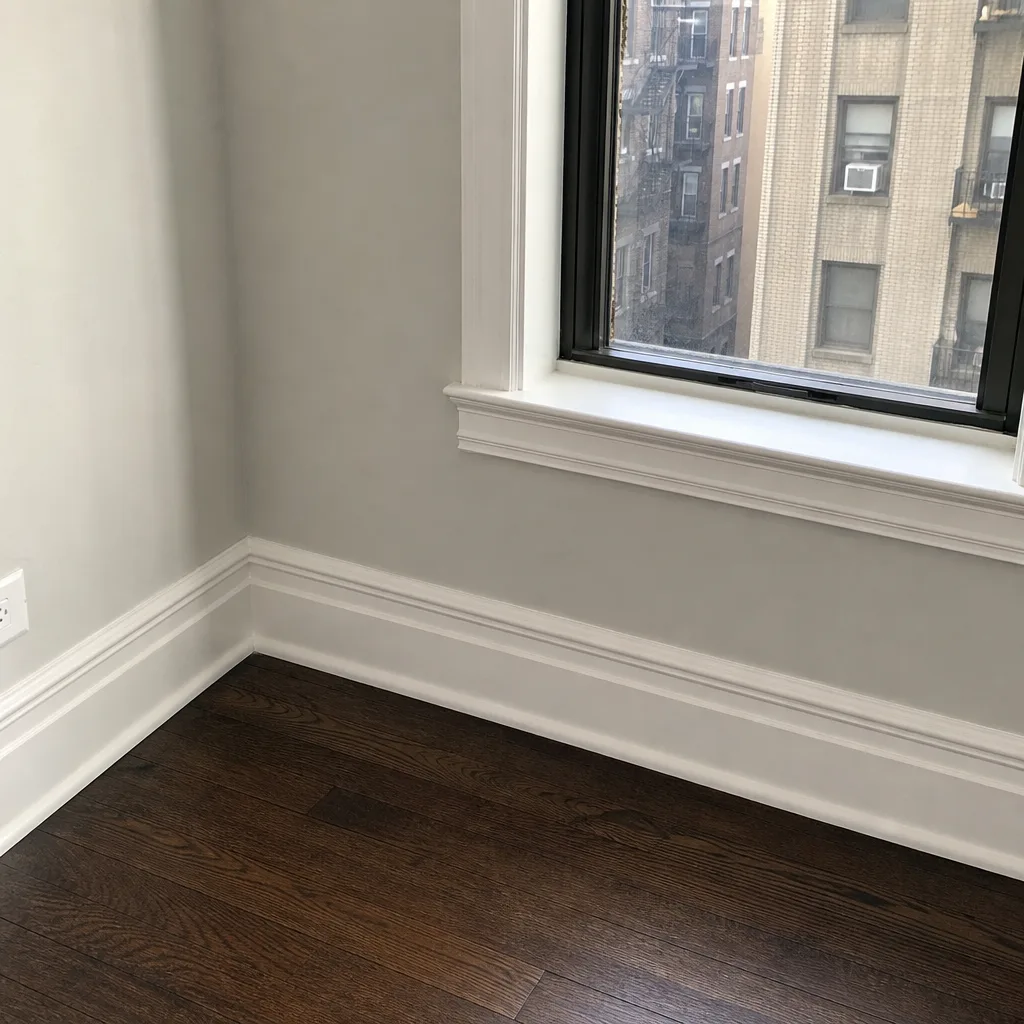 After
After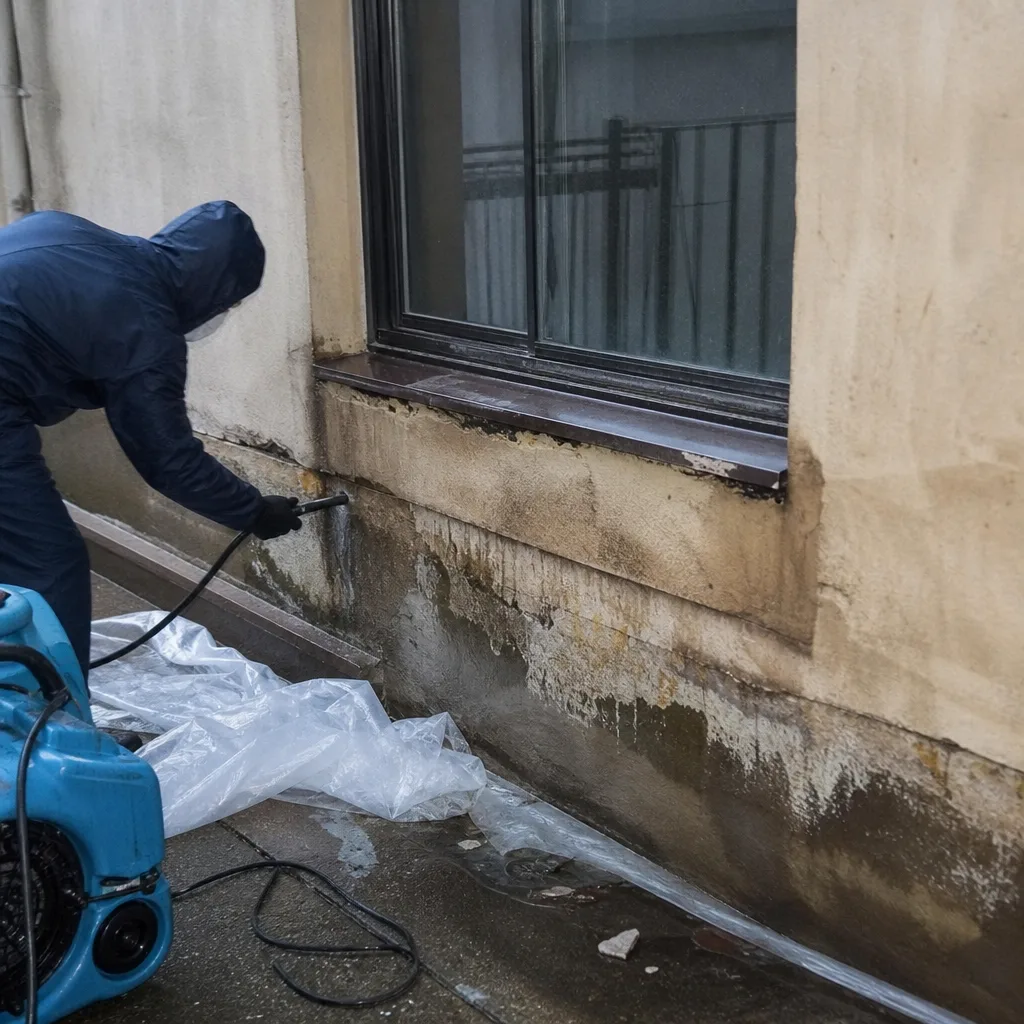 Before
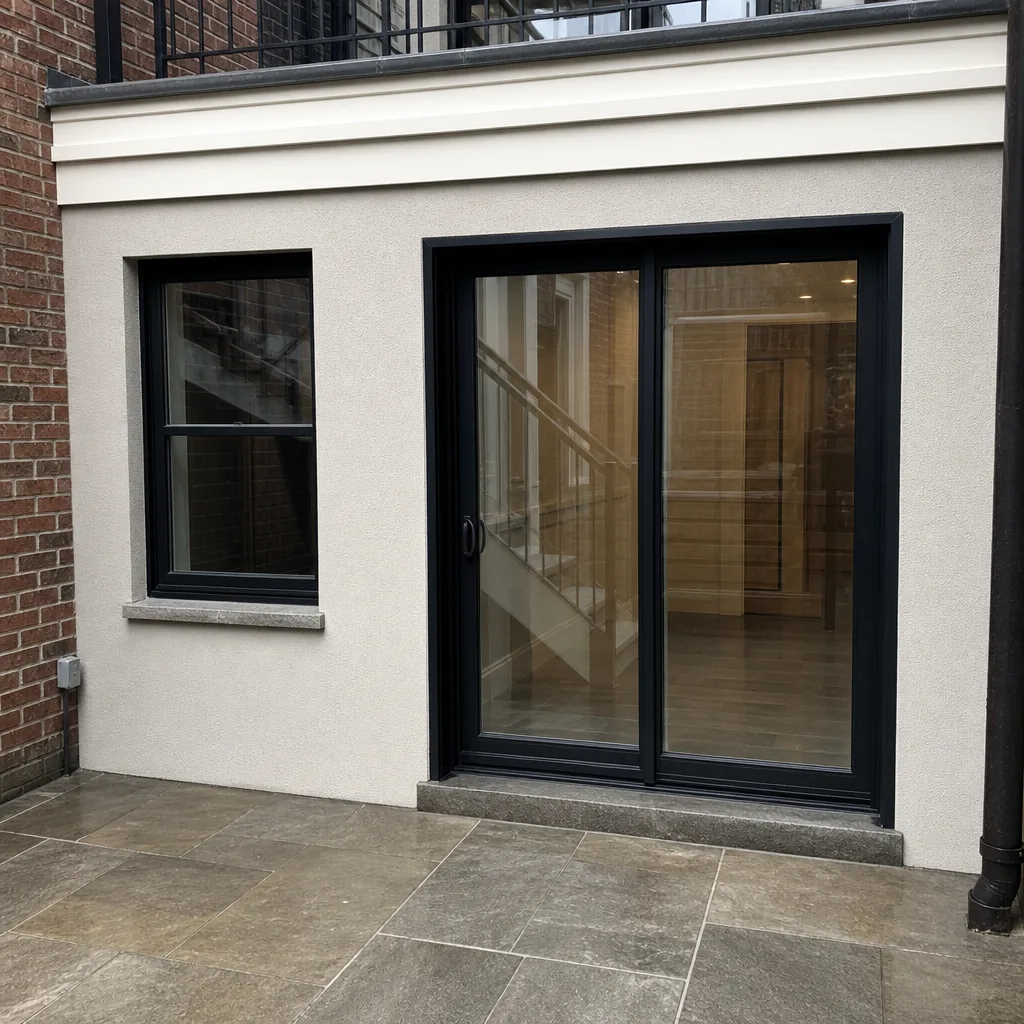 After
After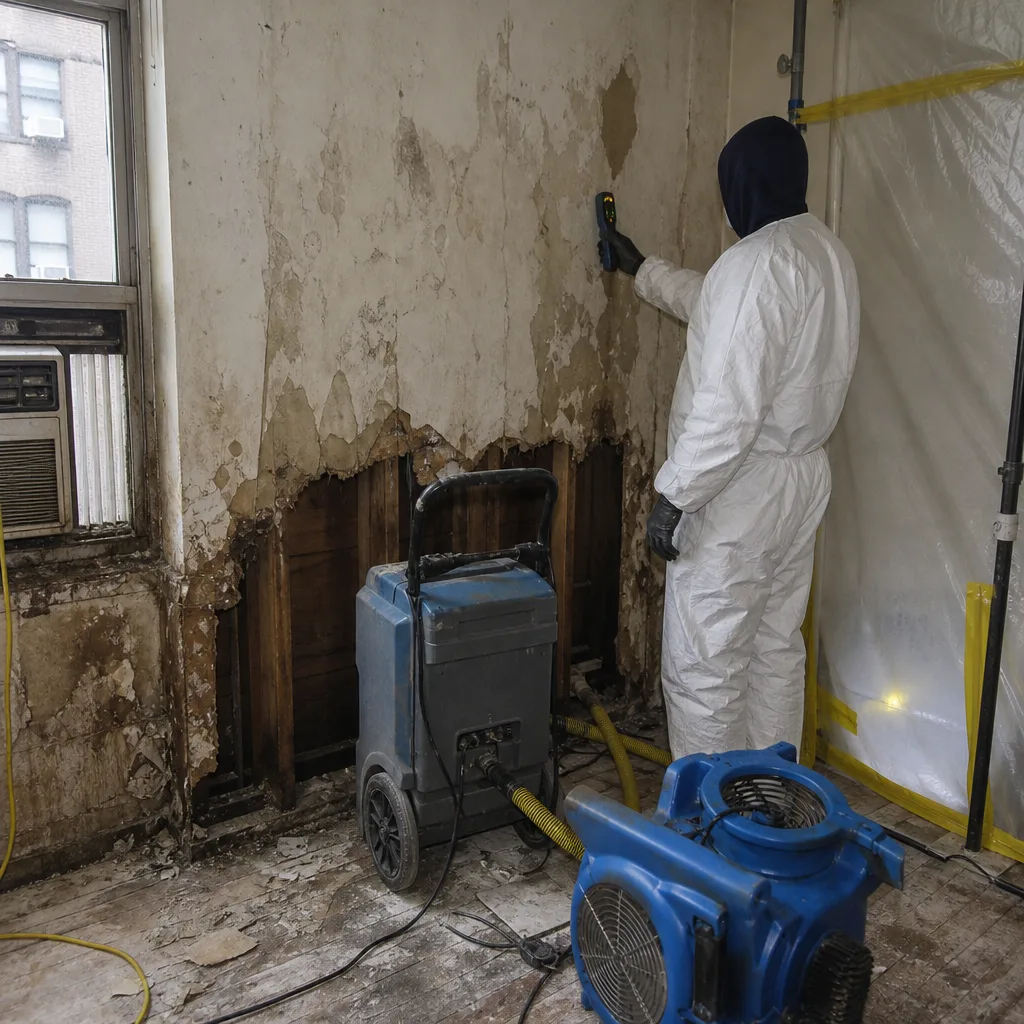 Before
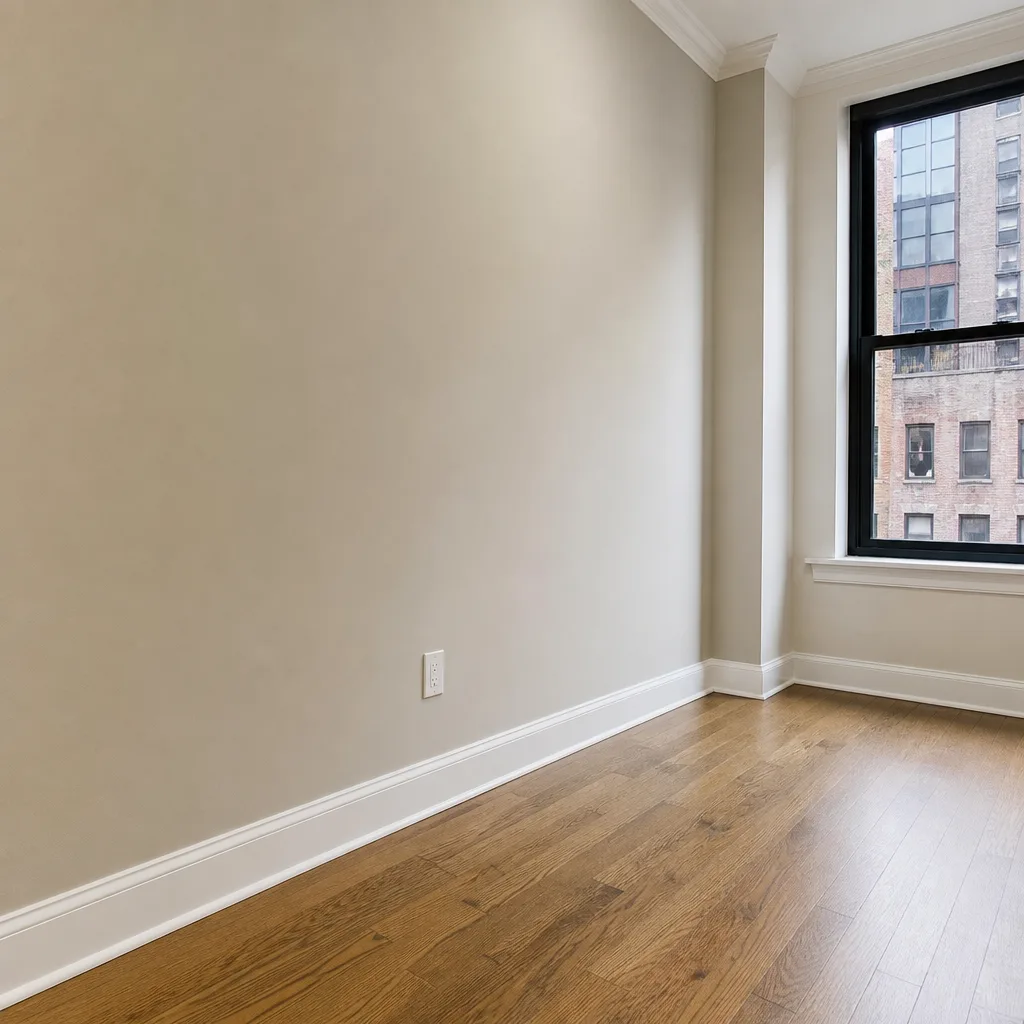 After
After24/7 Emergency Mold Remediation in Williamsburg
Mold remediation in Williamsburg typically costs between $1,800 and $6,500 depending on the extent of the contamination and whether structural drying of masonry assemblies is required. Live crews answer the phone at (518) 314-5660 around the clock, and we dispatch into Williamsburg the same day you call. If you’re seeing mold on walls, smelling that musty odor in a basement unit, or dealing with a recent water event near the East River, the first 24 hours determine whether this is a contained cleanup or a full-scale remediation. We start with a free visual inspection, and our team never leaves a voicemail between you and a dispatcher. Floodline Restoration Co. has been built around a dispatch board, not a sales desk, which means a real person picks up at 2 a.m. and a certified crew reaches your building with containment equipment on the truck, ready to work.
Understanding Mold Remediation Severity in Williamsburg Properties
Mold remediation severity breaks down into three practical tiers. Tier one is surface contamination: visible mold on non-porous surfaces like tile, glass, or sealed concrete, typically under 10 square feet. Tier two involves porous materials: drywall, plaster, or wood that has absorbed moisture and now supports active fungal growth. Tier three is the Williamsburg special: saturated masonry assemblies, brick party walls, and structural members where water has wicked deep into dense material and the mold is feeding inside, not just on the surface. This third tier is where containment becomes non-negotiable, HEPA air scrubbers run continuously, and clearance testing determines when the space is safe. Williamsburg’s pre-war tenements and converted factories add another layer: original brick with no vapor barrier soaks up water like a sponge, and decades of industrial paint on those walls can fool standard moisture meters into reading dry when the masonry is still wet. A crew that’s never worked the waterfront corridor will close out too early; we’ve seen it happen, and we get called to fix it.
Why Williamsburg Property Owners Choose Floodline Restoration Co.
- 45-minute response commitment. We tell you when the crew leaves the yard, and we’ll be there when we say. For Williamsburg addresses, that’s typically 45 minutes from dispatch.
- 24/7 live answer, every time. A dispatcher picks up at 3 a.m. Not a machine. Not a callback queue. You talk to a person who can put a crew on the road.
- IICRC-certified crews, WRT and AMRT trained. Every technician on a Williamsburg mold job holds the applied microbial remediation certification and knows brick party wall behavior.
- Free visual inspection. We’ll look at the problem before quoting a dollar figure. No charge, no obligation, and we’ll tell you honestly whether you have a cleanup or a full remediation.
- Direct insurance billing. We bill your carrier directly on covered losses and handle adjuster communication so you’re never the messenger.
- One team from start to finish. The same crew that sets up containment tears it down, performs clearance testing, and rebuilds what was removed. No mid-job handoff to a different company.
Our Mold Remediation Process
Inspection & Assessment
We map the moisture across every affected surface, not just where mold is visible. In Williamsburg’s converted lofts, that means testing brick party walls, piers, and slab edges with penetrating meters calibrated for dense substrates.
Containment Setup
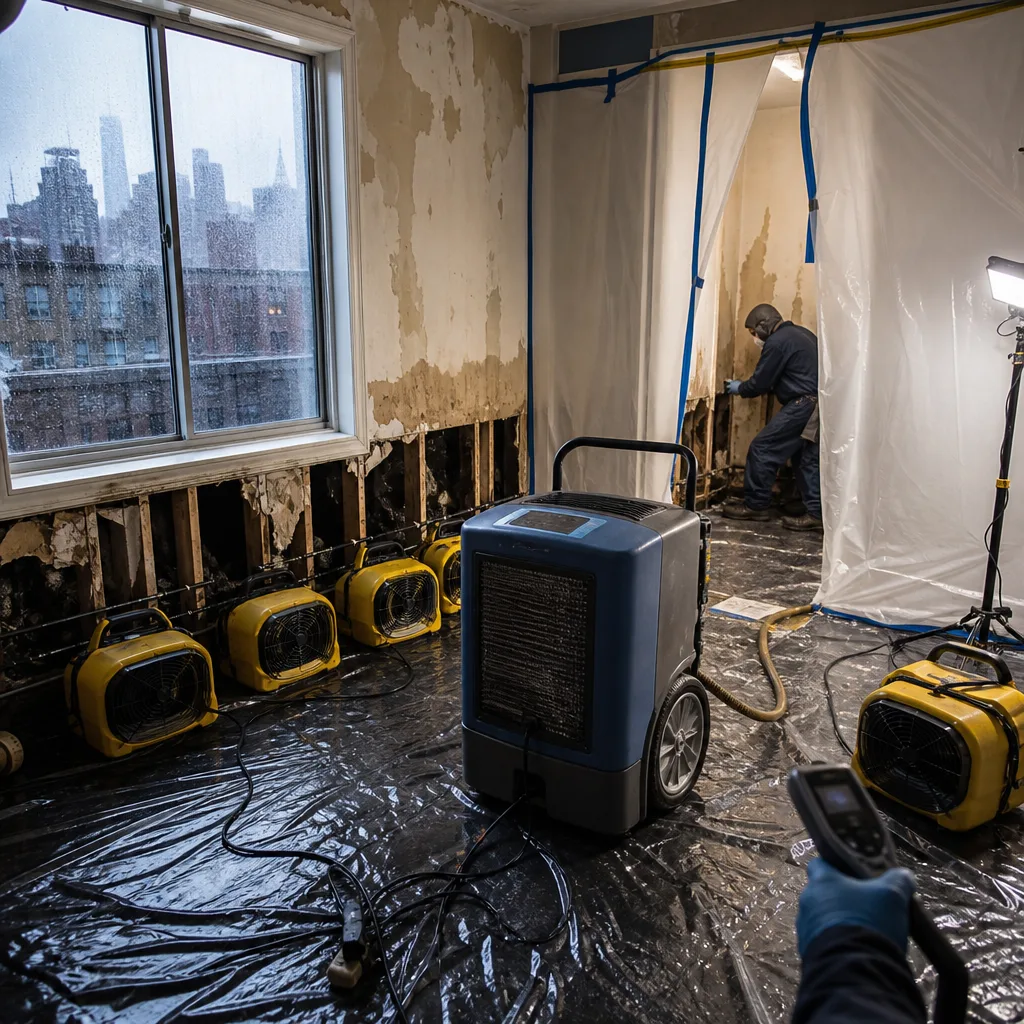
We erect full containment with negative air pressure before any demolition starts. HEPA air scrubbers run throughout the job so spores don’t migrate to clean rooms or neighboring units.
Source Removal & Demolition
Affected drywall, plaster, and insulation are removed and bagged. In pre-war buildings, we test for asbestos and lead paint before opening any wall cavity, because Williamsburg’s housing stock demands it.
Drying & Dehumidification
We run LGR dehumidifiers and high-velocity air movers until moisture readings hit the dry standard. For waterfront brick assemblies, we log daily readings and don’t close out until the masonry itself reads dry, not just the surface.
Antimicrobial Treatment & Air Scrub
We apply EPA-registered antimicrobial treatments to all affected framing and masonry. HEPA air scrubbers run for a minimum of 24 hours after demolition is complete. Air quality testing confirms the space is clear.
Repairs & Restoration
The same crew rebuilds walls, primes with vapor-retardant sealers, and restores finishes. You get a written moisture log, clearance test results, and the 90-Day Done Right Promise in your hand before we consider the job closed.
Need Emergency Mold Remediation in Williamsburg Now?
Crews minutes away, answering live 24 hours a day. The sooner we start, the less it costs.
Working With Your Insurance Company
Water damage that leads to mold is usually a covered loss, but the claim lives or dies on documentation from the first hour. We photograph everything before we touch it. We log moisture readings daily. We produce a line-item scope of work that your adjuster can verify against our drying logs and containment protocols. Curt Bowman founded this company on the principle that the homeowner should never have to translate between a restoration crew and an insurance carrier. We talk to your adjuster directly, we send reports as they’re generated, and we don’t wait for pre-approval to start emergency mitigation on covered losses. The 90-Day Done Right Promise stays in place whether the carrier pays the bill or you do.
What We Provide Your Insurer
- Thorough documentation of the loss
- Photos of all damage, room by room
- Moisture readings and drying logs
- A detailed, line-item scope of work
- Direct coordination with your carrier
Mold Remediation Across Williamsburg’s Neighborhoods
Williamsburg’s building stock changes block to block, and mold behaves differently in each. Along Kent Avenue and the North 1st through 12th Street corridor, converted factory buildings with brick party walls and original timber framing hold moisture longer than anywhere else in the neighborhood. We run longer drying cycles here because the masonry reads wet weeks after a water event, even when the surface feels dry. South Williamsburg, from Broadway down to Division Avenue, is dominated by pre-war tenements where steam risers in shared walls create chronic condensation and hidden mold growth behind plaster. East Williamsburg, east of the BQE near Graham and Bushwick Avenues, has more wood-frame construction and basement crawl spaces where humidity control is the real problem, not floodwater. The Grand Street corridor and the blocks around McCarren Park see higher rates of tenant turnover in rental buildings, which means maintenance water events often go unreported for months before mold breaks the surface. Our response routes cover all of it: we stage crews so a team can reach the Northside waterfront, the Hasidic district south of the Williamsburg Bridge, and the eastern industrial blocks without delay.
Specialized Mold Remediation Services We Offer in Williamsburg
Mold Inspection & Testing
A visual inspection catches visible mold, but Williamsburg’s hidden mold problems live inside wall cavities, behind cabinetry, and under flooring where a water event happened months ago. We sample air and surfaces, then get results from an independent lab so there’s no conflict of interest in the numbers you receive. If you’re buying or selling a converted loft on Kent Avenue, a pre-purchase mold inspection can be the difference between a clean close and a negotiated remediation credit.
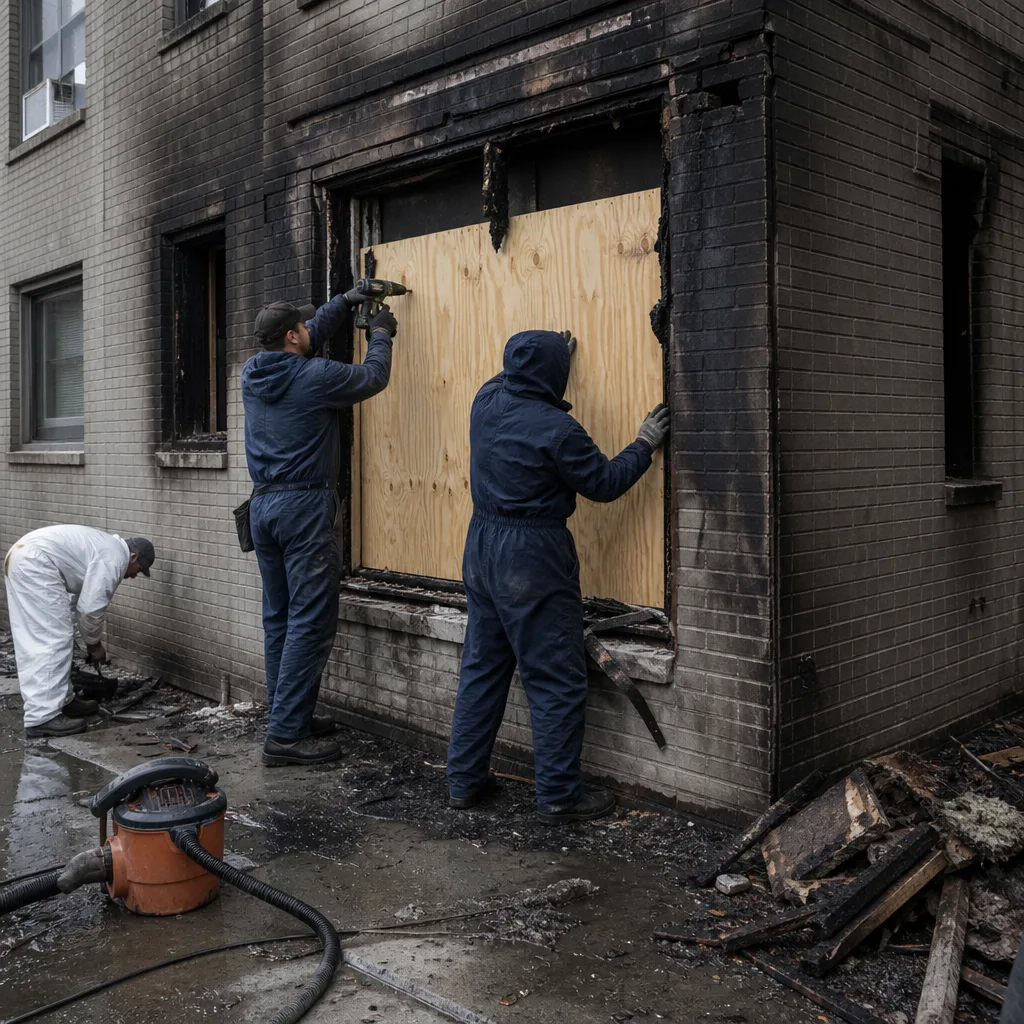
Moisture & Humidity Control
Basement units and ground-floor apartments within blocks of the East River face year-round elevated humidity, even when no flood event has occurred. We install and service whole-unit dehumidification, crawl space encapsulation, and vapor retarders that keep relative humidity below the threshold where mold colonies take hold. For waterfront buildings, we recommend continuous humidity monitoring with data logging so you catch a spike before it becomes a colony.
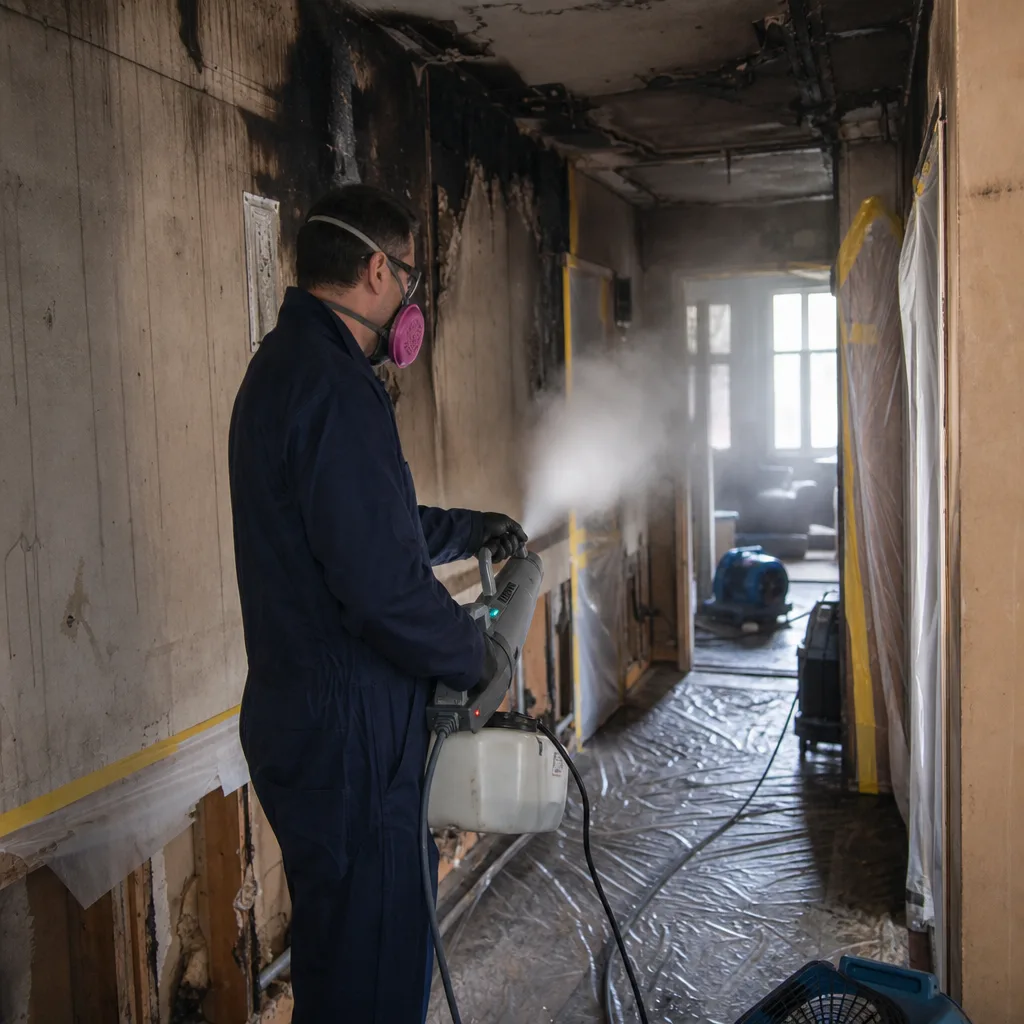
Black Mold Remediation
Stachybotrys chartarum, the mold commonly called black mold, thrives in the chronically damp conditions Williamsburg’s waterfront basements are known for. It requires full containment, negative air pressure, and HEPA filtration because the spores are mycotoxin-producing and pose a genuine respiratory hazard. We treat black mold with the same protocol as our Biohazard & Crime Scene Cleanup in Williamsburg: sealed containment, air scrubbers, removal of affected porous material, antimicrobial application, and clearance testing before anyone reoccupies the space.
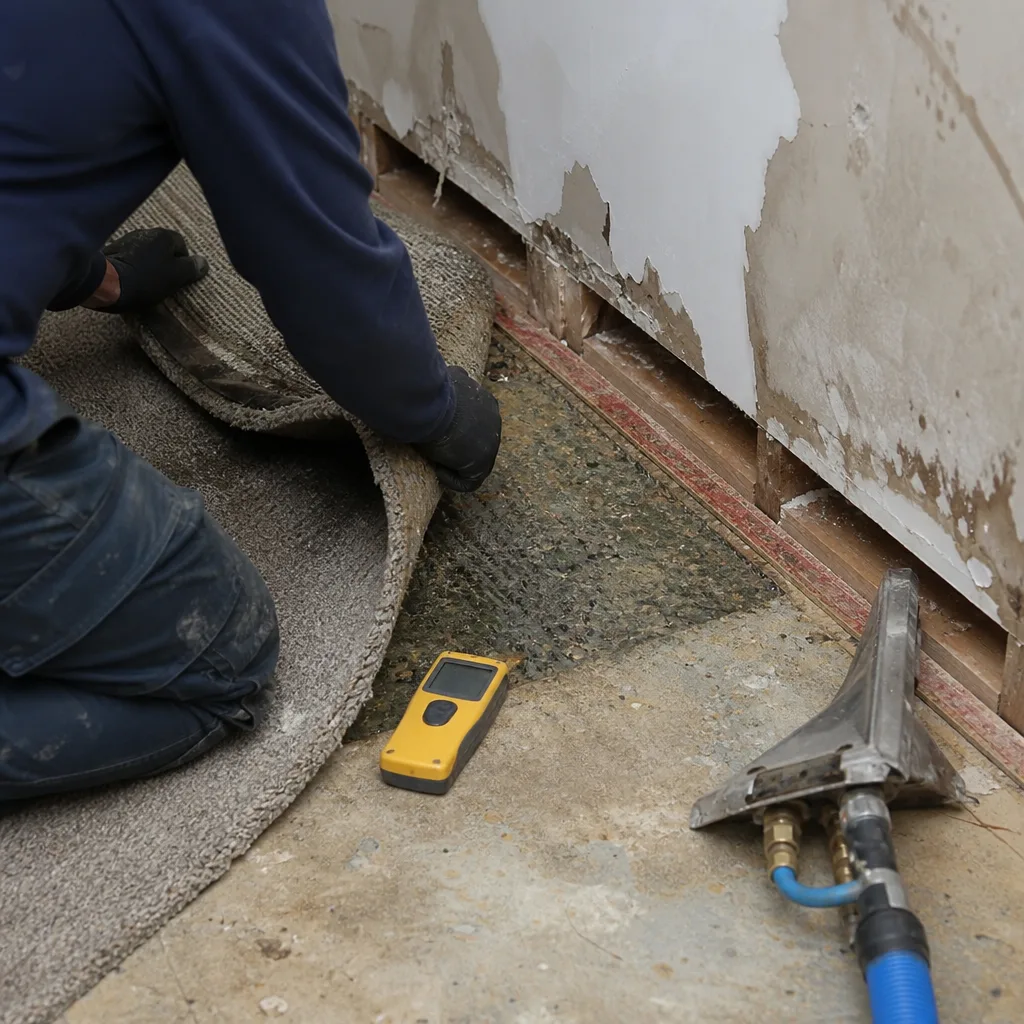
Air Quality Restoration
After a water event in a Williamsburg pre-war building, even rooms that never got wet can test positive for elevated spore counts. Spores move through shared ventilation stacks, elevator shafts, and the open plenums common in converted warehouses. We run air scrubbers in affected and adjacent spaces, then test to verify post-remediation air quality meets the same standard as outdoor ambient air.
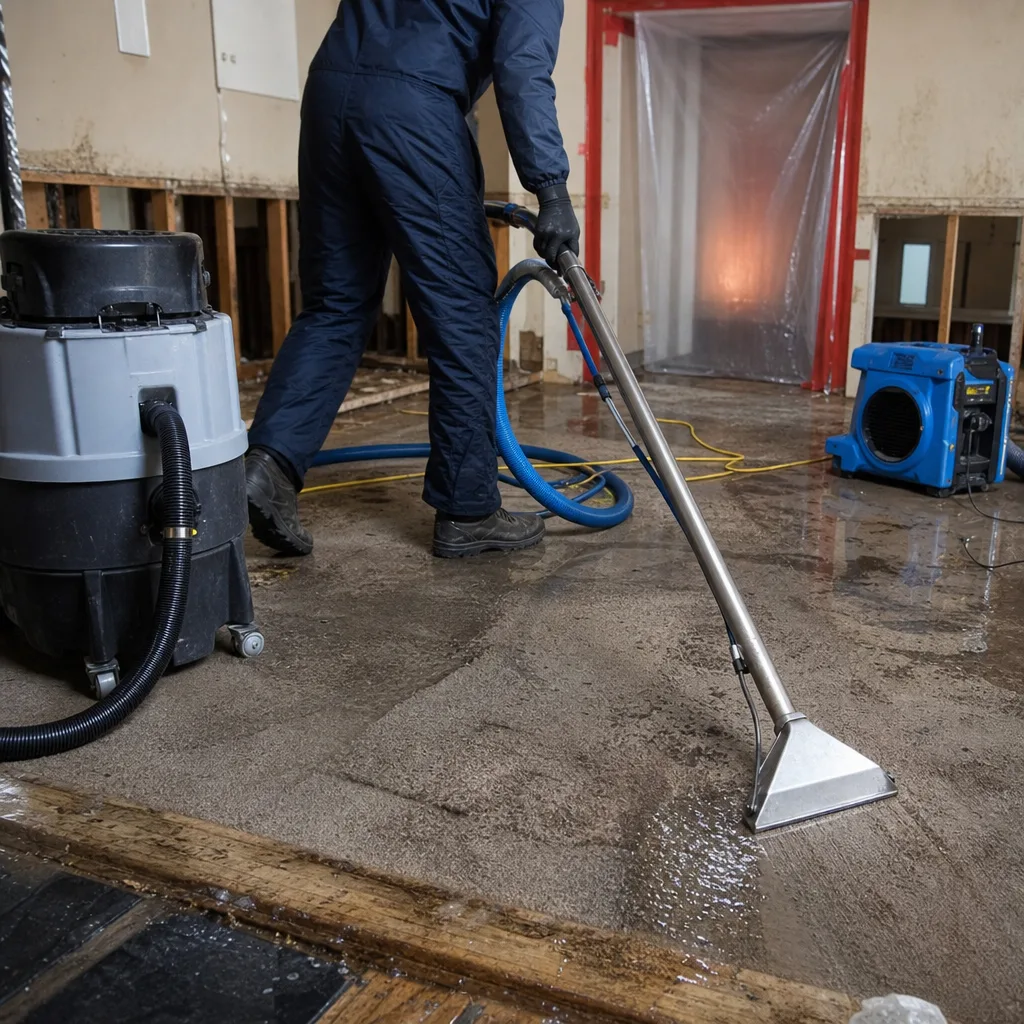
Crawl Space Treatment
Brownstones and row houses along the southern edge of Williamsburg often have open dirt crawl spaces that feed moisture and mold spores up into living spaces. We install encapsulation systems, vapor barriers, and dehumidification that break the moisture cycle at the source. In crawl spaces with active fungal growth, we apply antimicrobial treatments and remove contaminated insulation before sealing the space.
What happens when you call
- 1
A real person answersNo phone trees - you reach a local pro.
- 2
You get an upfront price rangeHonest numbers before anyone is dispatched.
- 3
A background-checked tech heads outLicensed & insured, dispatched right away.
- 4
You approve before work beginsNothing starts until you say go.
Mold Remediation Costs in Williamsburg, NY
What you’ll pay in Williamsburg tracks the complexity of the building more than the square footage of visible mold. A contained mold cleanup with no structural drying runs $1,800 to $3,200. Remediation that involves removing saturated drywall and treating framing behind it typically lands between $3,500 and $6,000. If you’re in a converted warehouse on the Northside waterfront and the brick party wall needs three weeks of LGR dehumidification before we can rebuild, the cost can reach $10,000 or more, not because the remediation is bigger, but because the drying time in dense masonry is three times what a wood-frame building requires. Insurance covers most water-related mold losses when the source is a sudden event, not chronic neglect. The free visual inspection gives us the information to write a firm scope, and you’ll have that number in writing before you decide anything. For exact figures, call (518) 314-5660 and we’ll schedule the walkthrough.
Built for Williamsburg’s Loss Calendar
Williamsburg’s mold season doesn’t follow the calendar. The first deep freeze in January bursts supply lines in pre-war tenements where pipes run through uninsulated exterior walls; the thaw that follows sends water down into basements and party wall cavities that stay damp through February and March. Spring brings the nor’easter season, and when storm surge pushes up the East River, the lowest blocks near the waterfront see saltwater intrusion that creates a corrosion profile on top of the mold risk. Summer thunderstorms overwhelm combined sewers and send water into cellar units through floor drains, sometimes requiring Sewage Cleanup in Williamsburg. Fall is when we do the most proactive work: humidity control, crawl space encapsulation, and post-summer air quality testing before windows close and heat systems cycle on, pushing trapped moisture through every room. No two buildings in Williamsburg behave the same way, but the patterns are consistent enough that we schedule our humidity-control work before the first nor’easter, not after the water shows up.
What Makes Williamsburg Mold Remediation Different
Mold remediation in Williamsburg has to account for chronic moisture in waterfront brick party walls. That’s the single biggest differentiator between this neighborhood’s work and mold jobs anywhere else in the borough. In the converted lofts along Kent Avenue and the Northside waterfront, original brick party walls have no vapor barrier and decades of oil-based industrial paint sealing the surface. When storm surge or a burst riser saturates one of these assemblies, a standard moisture meter reads the dense masonry inconsistently. The surface may read dry while the interior of the wall is still holding 30% moisture content. A crew that trusts the first reading closes out the job, rebuilds the wall, and the mold comes back in four months. We use penetrating meters calibrated for masonry, we log daily readings, and we don’t close out until every reading through the full depth of the assembly hits the dry standard. That often means running LGR dehumidifiers and air movers for two to three weeks on a single party wall. It’s slower, it’s more expensive, and it’s the only way to actually finish the job in these buildings.
We handled a Category 3 water extraction in a converted warehouse loft on North 6th Street near Kent Avenue, where the original brick party wall had soaked up storm surge from a nor’easter. Our crew set up containment with Dri-Eaz HEPA 500s and ran moisture mapping daily, but the masonry’s inconsistent readings forced us to extend structural drying with LGR dehumidifiers and air movers for three weeks. After antimicrobial treatment and removal of saturated plaster, we restored the wall to pre-loss condition, including encapsulating remnant mold spores behind a vapor-retardant primer. That’s what a full Williamsburg mold job looks like when it’s done by a crew that knows these buildings. Out-of-neighborhood franchises underestimate the drying time, close out early, and the mold regrows behind new drywall. We stand behind our work with the 90-Day Done Right Promise because we do it right the first time.
Why Our Mold Remediation Team Works Differently
Floodline Restoration Co. has served communities for over 42 years with a simple rule: do the whole job, do it right, and back it in writing. Curt Bowman founded this company around a dispatch board, not a sales desk, and every Williamsburg job gets the same treatment: background-checked, uniformed technicians trained to IICRC, RIA, and IFA standards. We use professional-grade equipment from Dri-Eaz, Phoenix, XPOWER, B-Air, and Injectidry. The 90-Day Done Right Promise, our Keystone Standard, says if it’s not done right, we make it right. No arguing, no paperwork battles. That promise is in writing on every job we do in Williamsburg, from a one-room cleanup in a pre-war tenement to a full remediation in a waterfront loft. We also extend three standing offers to every Williamsburg customer: $50 off any repair over $250, an $89 seasonal tune-up, and a 5% discount for seniors and veterans. Always. Square deal, no surprises on the bill.
We Also Serve Cities Near Williamsburg
Mold Remediation in Williamsburg is our primary service area, but crews dispatch daily to surrounding neighborhoods: Midtown Manhattan, Midtown West, Murray Hill, and Washington Square. Same live answer, same certified crews, same written guarantee.
Serving Williamsburg, NY - Our Local Coverage Area
We’re based in the Williamsburg area and know this community well. Use the map below to see our service coverage - if you’re nearby, we can almost certainly help.
Williamsburg Mold Remediation Questions, Answered
How does the East River waterfront affect mold growth in Williamsburg basements?
The East River’s proximity drives up ambient humidity and pushes groundwater into the lowest-lying blocks, which keeps basement masonry chronically damp even without a flood event. This means mold colonies can establish in basement units and crawl spaces that have never had a visible water leak. We treat waterfront basements with year-round humidity control and moisture monitoring, not just remediation after visible growth appears. Call (518) 314-5660 for a free inspection if your building sits within a few blocks of the river.
What makes mold remediation in converted Williamsburg lofts more complex than in standard homes?
Converted lofts were built as warehouses and factories with no residential vapor barriers. Original brick party walls, raw concrete slab floors, and repurposed freight elevator shafts create pathways for water and spores that standard wood-frame homes simply don’t have. Dense masonry reads inconsistently on standard moisture meters, so we use penetrating meters and extend drying timelines until the full wall assembly is dry, not just the surface.
Can you remediate black mold in a pre-war Williamsburg tenement without disturbing lead paint?
Yes, but it requires testing before demolition. We test for lead paint and asbestos on every pre-war tenement job before opening any wall. If lead paint is present and the wall cavity needs to be opened for mold removal, we work with certified lead-safe protocols and full containment, coordinating with your building management or landlord as required. The mold gets removed; the lead stays sealed.
Why does drying a water-damaged brick party wall take longer in Williamsburg’s waterfront buildings?
Brick party walls near the East River stay saturated longer because the surrounding soil holds high moisture and the masonry has no capillary break. Combined with oil-based industrial paint sealing the surface so moisture can’t evaporate outward, drying times run two to three weeks where a wood-frame wall might dry in four days. We run LGR dehumidifiers and log daily moisture readings until the dry standard is met through the full depth of the wall.
Do you provide mold remediation for crawl spaces in Williamsburg’s brownstones?
Yes. Brownstones in southern Williamsburg frequently have open dirt crawl spaces that pump moisture and mold spores up into first-floor living spaces. We remove contaminated insulation, apply antimicrobial treatment to framing and foundation walls, install vapor barriers, and add dehumidification sized for the square footage. The goal is to break the moisture cycle permanently, not just clean up the visible mold.
How fast can a crew get to a Williamsburg mold job?
Most Williamsburg addresses have a crew on site within 45 minutes of your call. Our dispatcher is live at (518) 314-5660 around the clock, and trucks staged in the area mean we don’t route through a central yard on the other side of the city. For active water events with visible mold, same-visit containment setup is standard.
Will my insurance cover mold remediation in Williamsburg?
If the mold results from a sudden and accidental water event like a burst pipe or storm surge backup, most Williamsburg policies cover remediation under the water damage provision. Chronic moisture or long-standing mold without a qualifying event often falls outside coverage. We document everything from the first hour, bill your carrier directly, and coordinate with your adjuster so the claim is as strong as it can be.
Can we stay in our Williamsburg apartment during mold remediation?
It depends on the extent. For contained surface mold under 10 square feet with proper HEPA air scrubbers running, occupants can often remain in unaffected rooms. For full-scale remediation of a converted loft with black mold or saturated party walls, we recommend relocating until clearance testing confirms the air is safe. We’ll give you a straight answer during the inspection, not a sales pitch.
If you’ve found mold in your Williamsburg apartment, loft, or brownstone, call (518) 314-5660. A live person answers. We’ll schedule a free inspection, give you a firm written scope, and if you want us on the job, we’ll be there when we say. Done right, and backed in writing.
Written by Curt Bowman, Owner at Floodline Restoration Co., serving Williamsburg, NY and the surrounding area.