
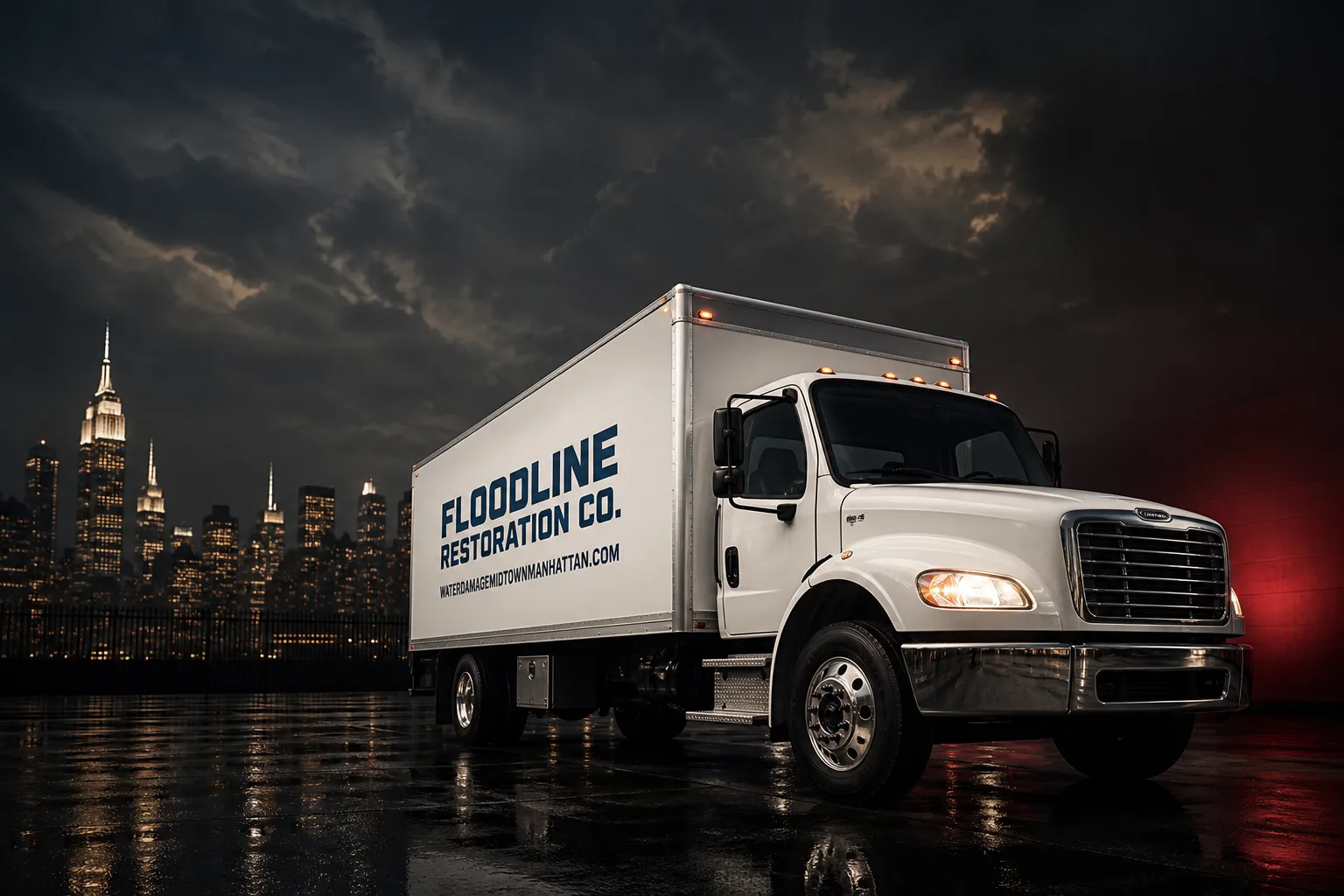
Free visual inspection and a written scope of work before any mitigation begins - photos, moisture readings, and drying logs go in your claim file
The scope we write is the scope we bill. Anything new gets shown to you, in writing, before we touch it.
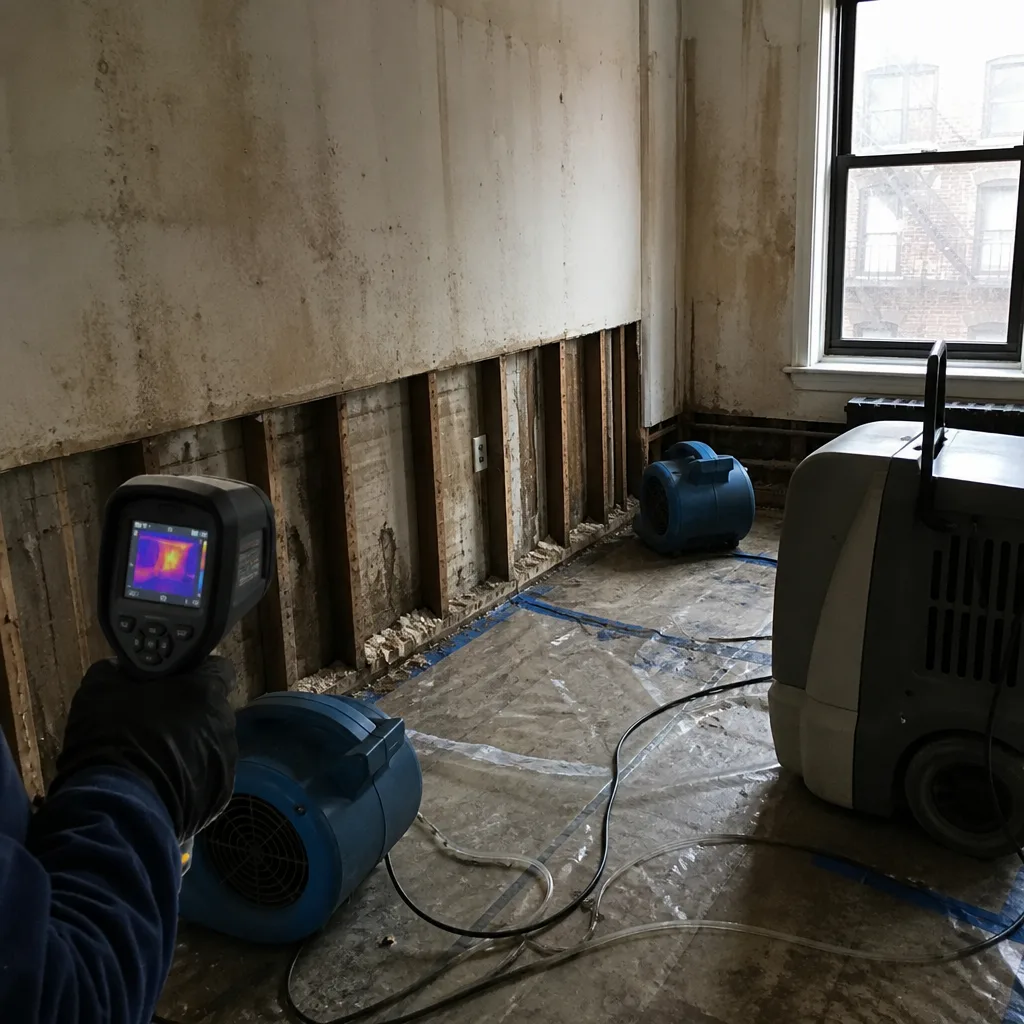 Before
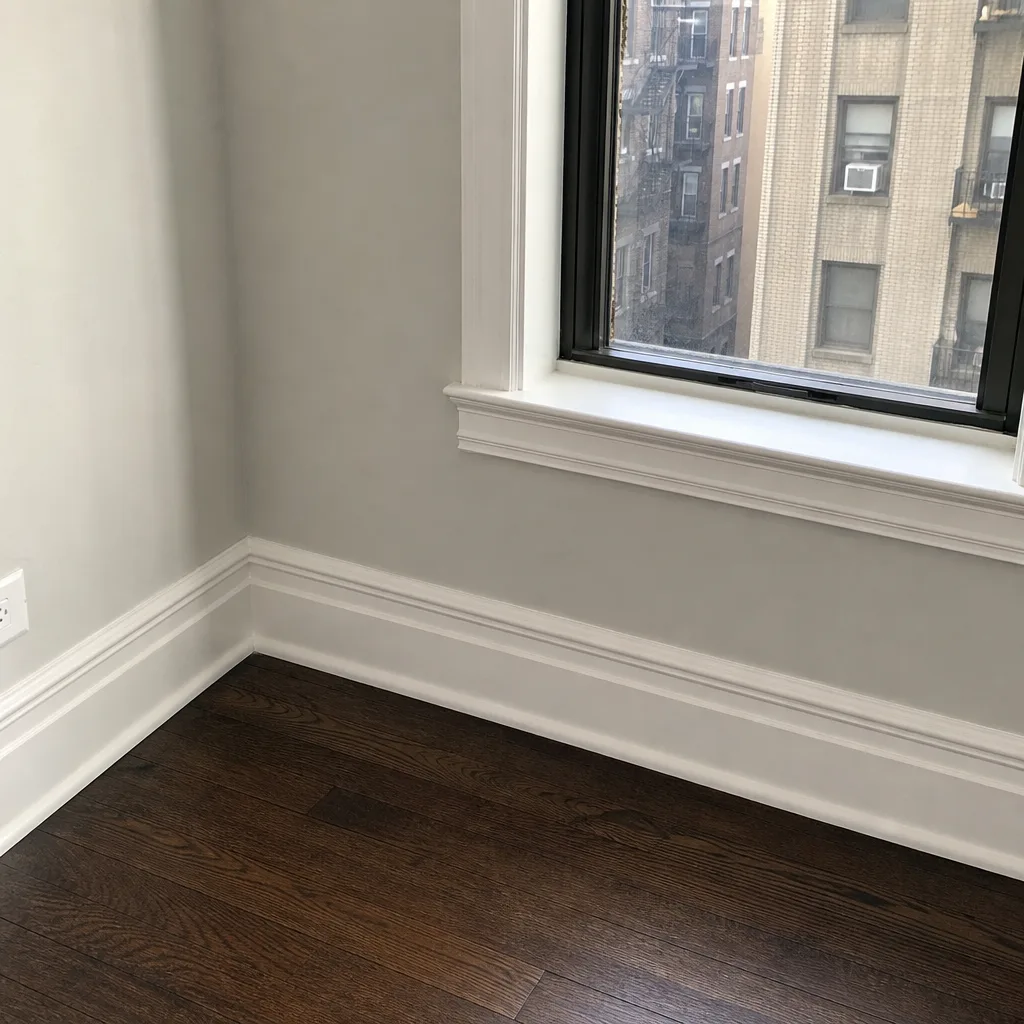 After
After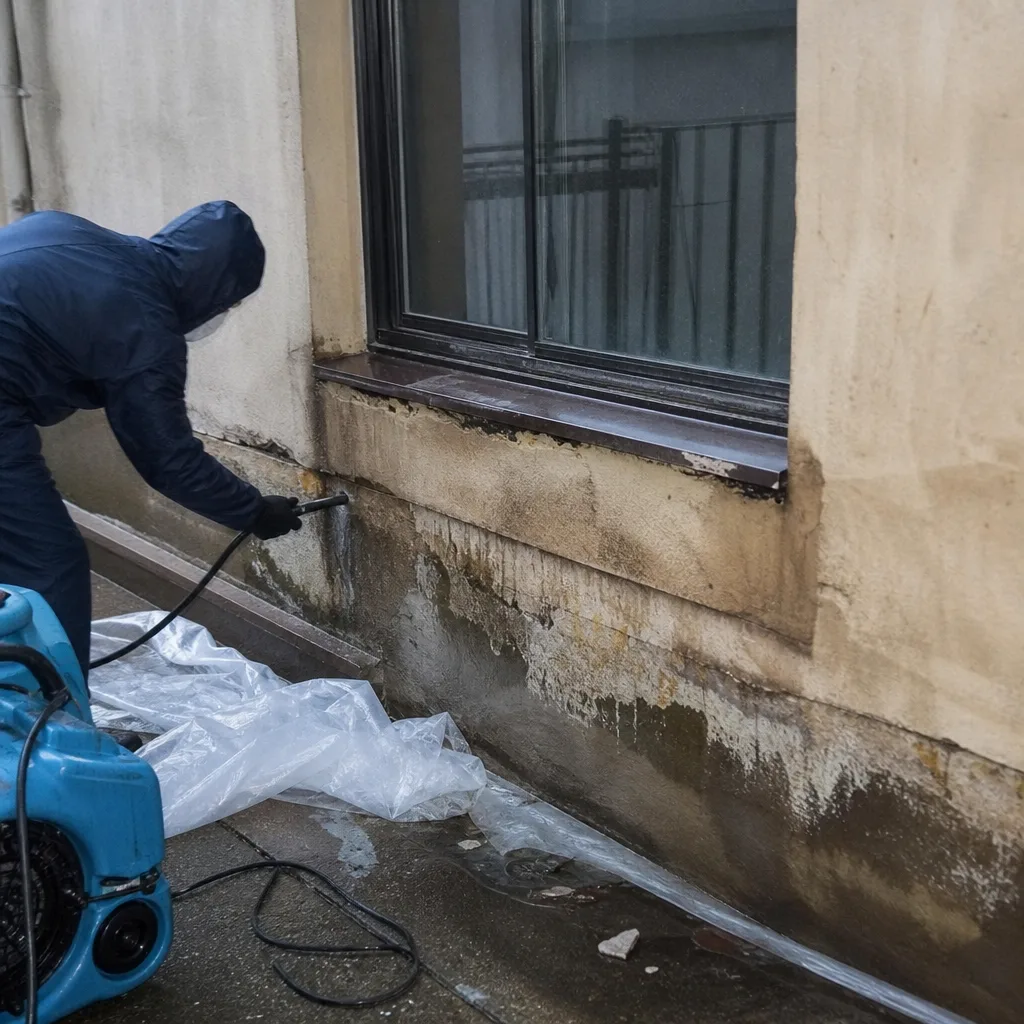 Before
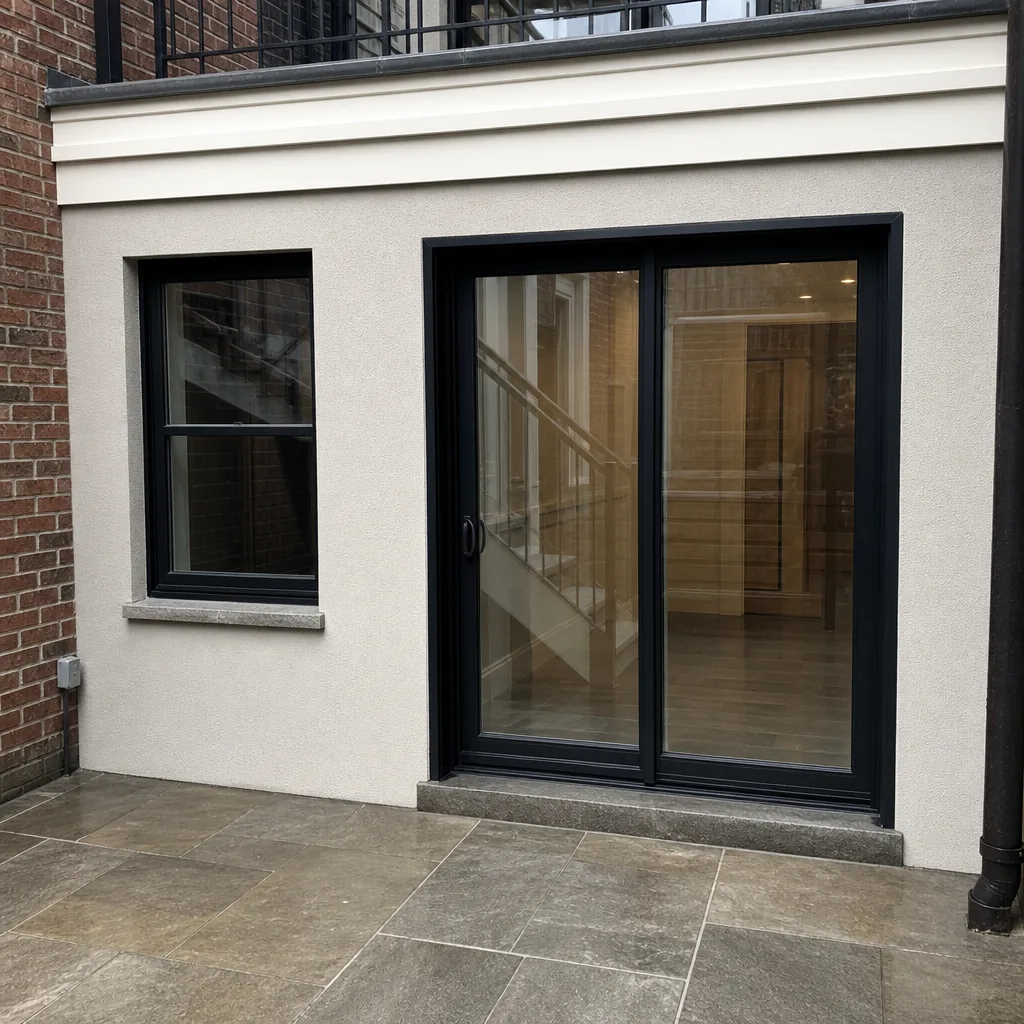 After
After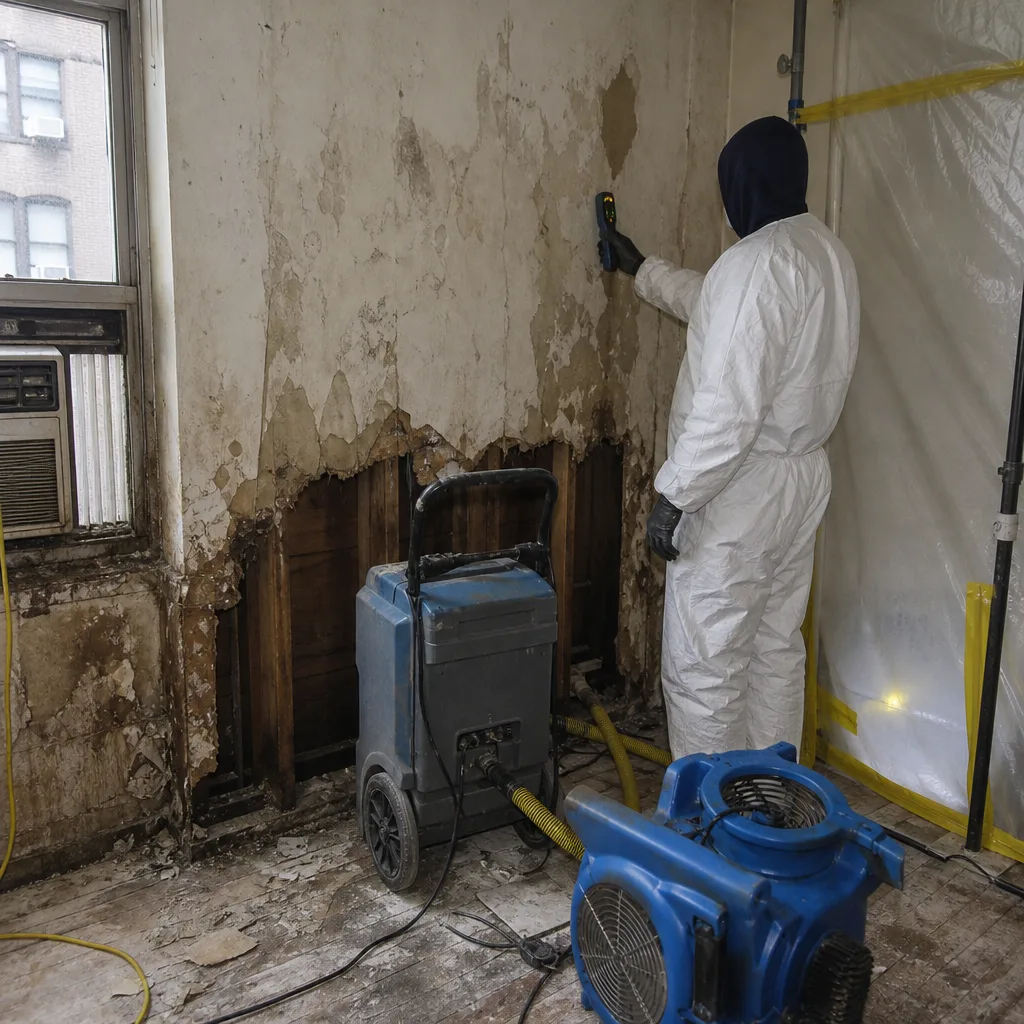 Before
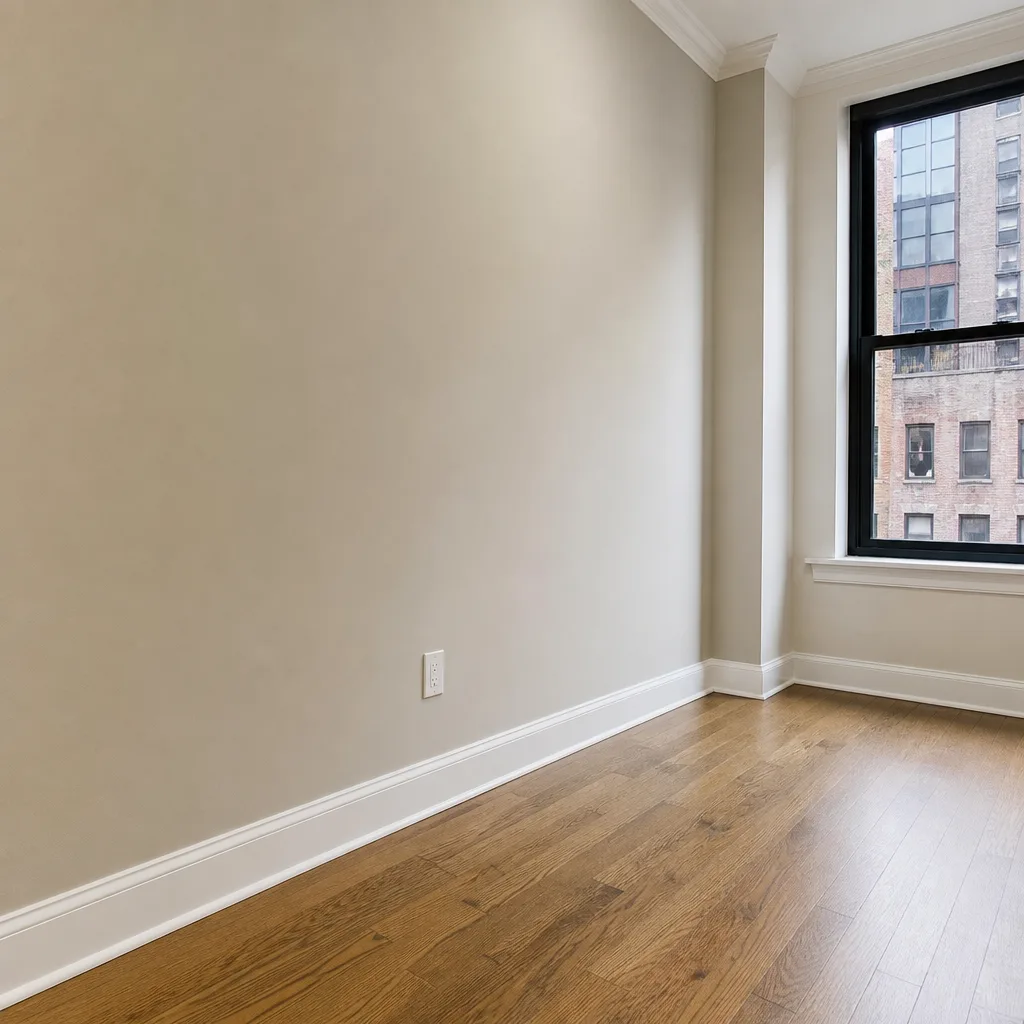 After
After24/7 Emergency Sewage Cleanup in Williamsburg
A sewage backup in Williamsburg needs to be handled within the first hour, not the next morning. Category 3 water carries bacteria, viruses, and parasites that migrate through porous building materials fast, and in this neighborhood’s older brick and converted loft stock, the damage spreads into masonry assemblies that are unforgiving to dry. Our crews answer live at (518) 314-5660 any hour, any day of the week. We dispatch into Williamsburg immediately, start extraction the same visit, and scope the full cleanup before we leave. The first hour determines whether a backup stays contained in one floor assembly or migrates into party walls, subfloor cavities, and the chases that run through these pre-war buildings. Call now and a certified crew reaches your block with professional-grade extraction equipment, not a mop and a fan.
Understanding Sewage Cleanup Severity in Williamsburg Properties
Sewage releases are classified as Category 3 water, the most hazardous water class defined by the IICRC. It means the water contains pathogenic, toxigenic, or other harmful agents from toilet backflows, sewer main failures, or septic system overflows. In Williamsburg, the severity is compounded by building stock that predates modern vapor barriers and waterproofing. Pre-war brick tenements from the 1890s through the 1930s, many concentrated along Kent Avenue and the North 1st through 12th Street corridor, absorb Category 3 water into solid masonry walls that hold moisture for days. Converted warehouse lofts add another layer of difficulty: original brick party walls carry decades of industrial paint layers, raw concrete slab floors have no subfloor to access, and repurposed freight elevator shafts often serve as plumbing chases with limited entry. Standard moisture meters read inconsistently through dense brick, so crews who don’t know Williamsburg buildings often miss hidden saturation. That missed water becomes mold inside lath and plaster within 48 to 72 hours. Technicians on our team train specifically on these building types before they ever enter a Williamsburg basement or loft unit.
Why Williamsburg Property Owners Choose Floodline Restoration Co.
- 45-minute response commitment - we stage crews near Williamsburg and commit to reaching most blocks within 45 minutes of your call, with extraction running the same visit.
- 24/7 live answer - a real person picks up at 2 a.m., not an automated menu. Our dispatch board is staffed around the clock, every day.
- IICRC-certified crews - our technicians hold WRT and ASD certifications and train specifically on sewage decontamination and Category 3 water protocols.
- Free visual inspection - before any work begins, we walk the affected area with you, explain what we found, and give you a written scope.
- Direct insurance billing - we bill your carrier directly and handle adjuster communication so you never carry paperwork between parties.
- One team from extraction to reconstruction - the same crew that extracts the sewage also dries, sanitizes, and rebuilds. No mid-job handoff to a stranger.
Our Sewage Cleanup Process
Inspection & Assessment
We locate the sewage source, classify the water category, and map moisture through walls, floors, and any adjacent chases. Thermal imaging and hygrometers help us find water that standard meters miss in Williamsburg’s dense brick construction.
Extraction & Stabilization
We remove standing sewage using truck-mounted and portable extraction units, then contain the affected zone with HEPA-filtered negative air to prevent cross-contamination into clean areas of the home.
Drying & Dehumidification
Professional-grade Phoenix dehumidifiers and XPOWER air movers run continuously with daily moisture readings logged. In no-vapor-barrier brick assemblies, we extend drying schedules and use Injectidry systems to pull water from wall cavities that passive drying cannot reach.
Cleaning & Sanitization
All affected surfaces are cleaned with antimicrobial treatments appropriate for Category 3 water. Porous materials that cannot be fully sanitized, like saturated drywall or carpet pad, are removed and disposed of under containment.
Crawl Space & Chases Treatment
We inspect repurposed freight elevator shafts and other enclosed chases that often hide sewage in Williamsburg loft conversions. These spaces get dedicated drying equipment, HEPA air scrubbing, and sanitization before any rebuild begins.
Repairs & Restoration
The same certified crew rebuilds what was removed, matching finishes where possible and coordinating with your carrier on scope. Every job is backed by our 90-Day Done Right Promise in writing.
Need Emergency Sewage Cleanup in Williamsburg Now?
Crews minutes away, answering live 24 hours a day. The sooner we start, the less it costs.
Working With Your Insurance Company
Sewage backup coverage in Williamsburg depends on your policy, and many homeowners don’t know until the adjuster arrives whether their loss is covered. We document everything from the first hour: photos of the affected area before and during extraction, moisture readings logged daily, and a line-item scope of work that matches what your carrier expects. Our team coordinates directly with your adjuster, so you do not carry messages between us and the insurance company. This matters in Williamsburg where claims on pre-war buildings often get scrutinized more heavily, especially when original brick and lath assemblies are involved. We have handled enough waterfront loft claims to know what the carrier needs to approve a sewage loss, and we provide it in the format they require.
What We Provide Your Insurer
- Thorough documentation of the loss
- Photos of all damage, room by room
- Moisture readings and drying logs
- A detailed, line-item scope of work
- Direct coordination with your carrier
Built for Williamsburg’s Loss Calendar
Williamsburg’s position on the East River shapes when and how sewage losses happen here. Nor’easter season from late fall through early spring pushes storm surge into the waterfront’s lowest blocks, overwhelming combined sewer systems and backing sewage into ground-floor and cellar units in FEMA flood zones along the Kent Avenue corridor. Hard freezes in January and February burst supply lines in unheated basements of older brick tenements, and when the thaw comes, the melt adds to the hydraulic load. Summer thunderstorms drop flash volumes that the aging combined sewers under Williamsburg cannot carry, causing backups through floor drains and toilets in buildings that sit at or below street grade. Every season has a signature loss pattern here, and our crews plan response capacity around it. When a nor’easter is tracking toward the East River, we pre-stage equipment and crews so response to Williamsburg blocks does not wait on bridge traffic from elsewhere.
Sewage Cleanup Across Williamsburg’s Neighborhoods
Kent Avenue’s converted warehouse lofts produce the most technically demanding sewage losses in Williamsburg. These buildings were built for freight, not plumbing, and the original layout still shapes every job: piping runs through repurposed elevator shafts, floors are raw concrete without subfloor access, and adjacent units often share original brick party walls with no vapor barrier. North 1st through North 12th Streets along the waterfront add saltwater intrusion history from Hurricane Sandy, which left basement mechanical systems and masonry with corrosion that complicates drying and sanitization today.
South Williamsburg’s pre-war tenements, many built before 1910, bring lath-and-plaster walls and cast-iron drain lines that have been patched for generations. Sewage backups here often start with a failed line in a shared wall, and the water travels down through ceilings and floor assemblies before anyone notices. The Broadway corridor’s mixed-use buildings put commercial sewage risk directly under residential units. Over on the east side near the Brooklyn-Queens Expressway, postwar frame buildings dry faster than the brick stock near the river, but they are not immune to backup events when the combined sewer system overloads during storms. Each area responds differently to Category 3 water, and our crews know which drying approach fits which building type before the first air mover is placed.
In Williamsburg’s converted waterfront lofts, many original freight elevator shafts are now used as plumbing chases with limited access. When a sewage backup occurs in one of these buildings, standard moisture mapping and containment procedures fail because moisture meters read inconsistently through the dense original brick party walls that lack any vapor barrier. Drying times run two to three times longer than a comparable wood-frame building in Bushwick. We plan for that from the start, not halfway through a job when mold has already established.
Our crew responded to a sewage backup in a converted loft on Kent Avenue where a Category 3 water release saturated an original brick party wall with decades of industrial paint layers. We ran moisture readings that were inconsistent through the masonry, so we set up containment and used Injectidry to pull water from the saturated assembly. The drying logs showed it took nearly four days to reach pre-loss condition, twice as long as a wood-frame building in Greenpoint would take. That is the standard we hold Williamsburg jobs to, because anything less leaves hidden water and a delayed mold bloom.
Specialized Sewage Cleanup Services We Offer in Williamsburg
Black Water Extraction
Category 3 water migration through Williamsburg’s building assemblies demands extraction equipment that can pull water from dense materials. We run truck-mounted extractors in accessible areas and Injectidry systems inside wall cavities and under cabinetry where standing water hides. The first extraction pass determines whether adjacent units and shared walls remain safe.
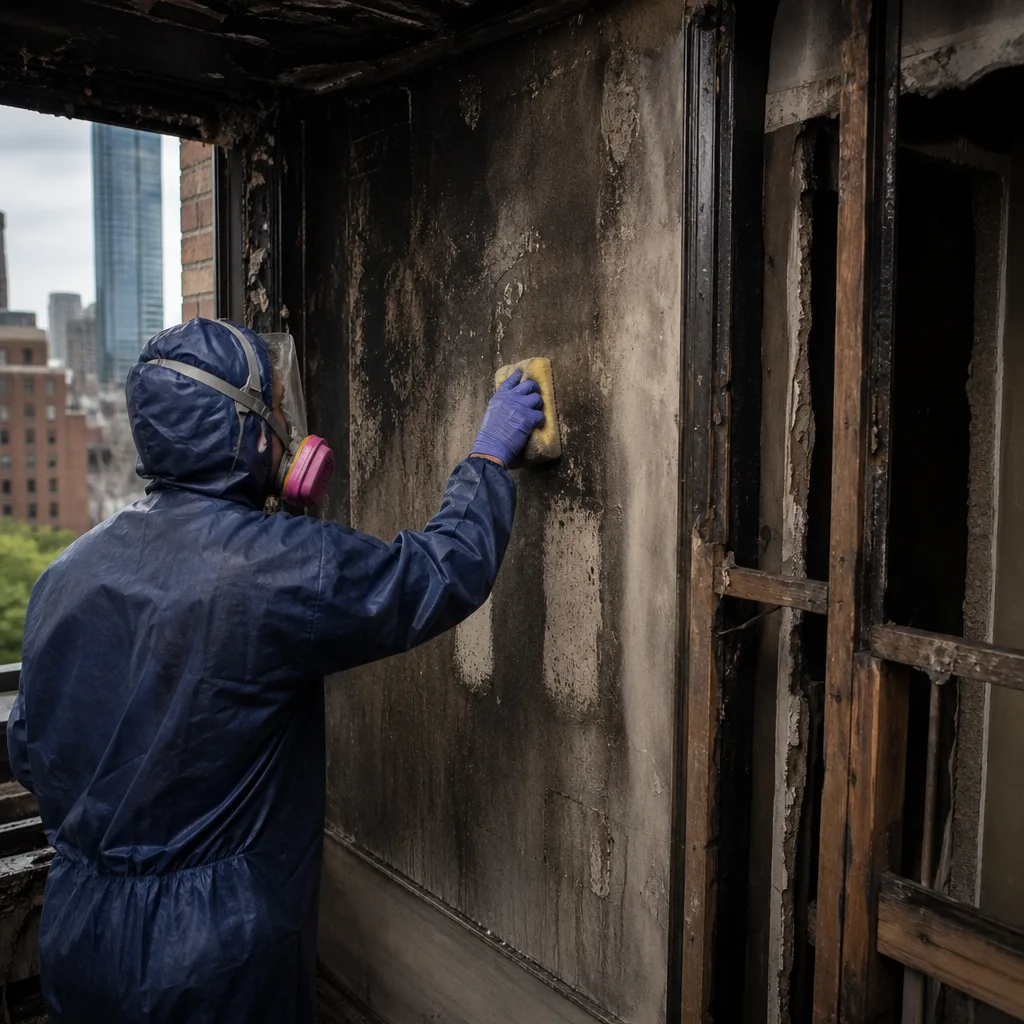
Sanitization & Disinfection
After sewage contact, every affected surface gets treated with hospital-grade antimicrobials appropriate for the material. In Williamsburg’s lath-and-plaster walls and original brick assemblies, we apply treatments that penetrate porous masonry rather than sitting on the surface. HEPA air scrubbers run throughout containment so airborne pathogens do not spread through HVAC systems shared between loft units.
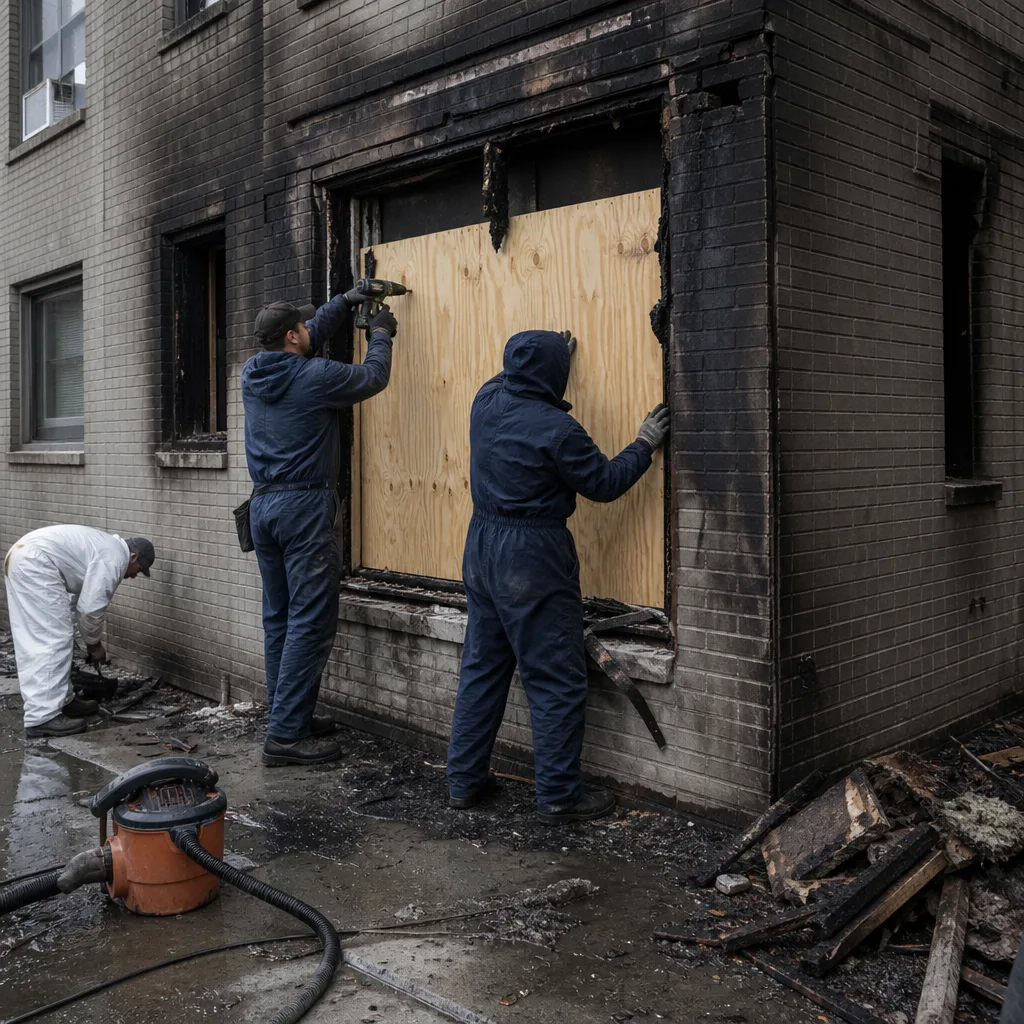
Crawl Space Sewage Removal
Many Williamsburg brownstones and converted buildings have crawl spaces that accumulate sewage during backups, often unseen because access is through a narrow hatch or basement utility closet. We remove contaminated soil and debris, dry the space with forced air and dehumidification, and sanitize before fresh vapor barrier is installed. Skip this step and the smell returns within weeks.
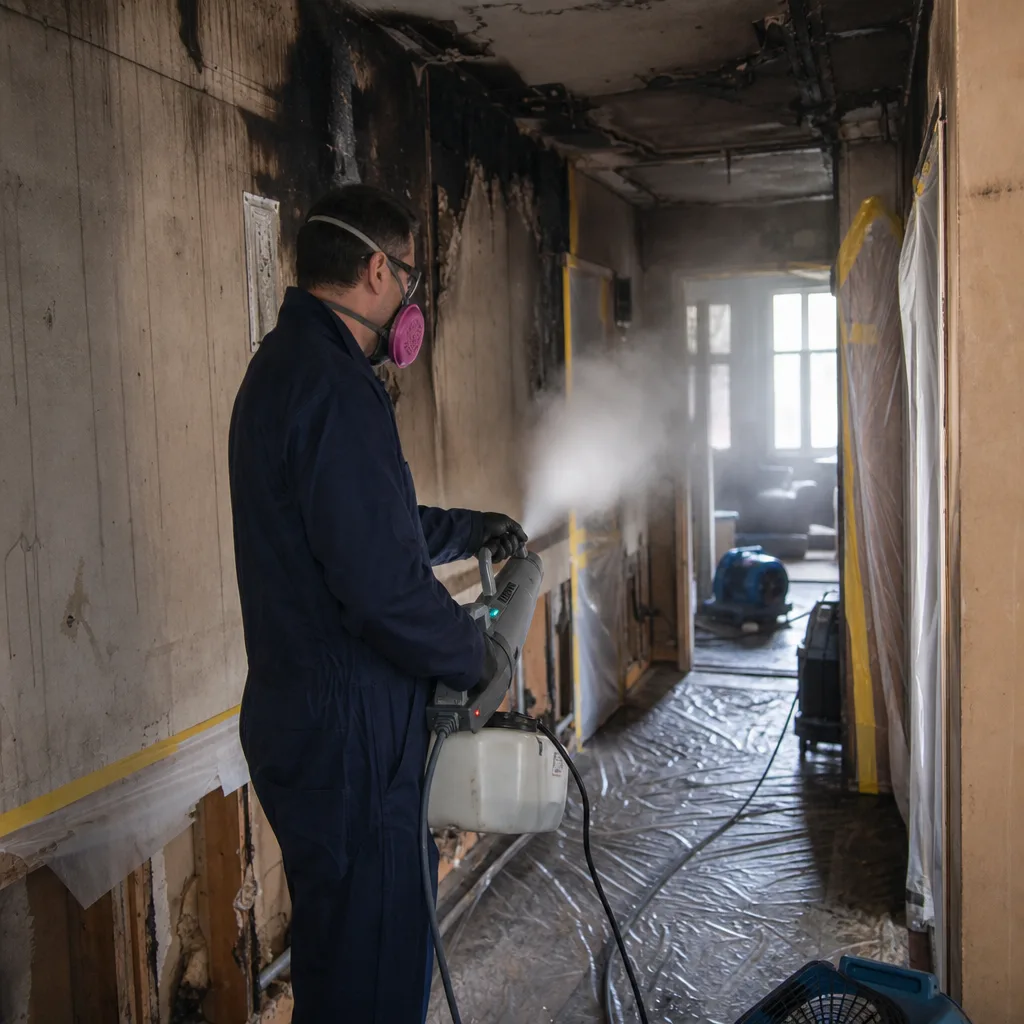
Sewage Backup Cleanup
When a floor drain, toilet, or shower pan backs up, the sewage moves fast through whatever is below it: finished ceilings, custom cabinetry, storage. We contain the zone first, extract next, and document every affected material for your carrier. In buildings with shared infrastructure, we coordinate with building management so the cleanup does not push water into a neighboring unit.
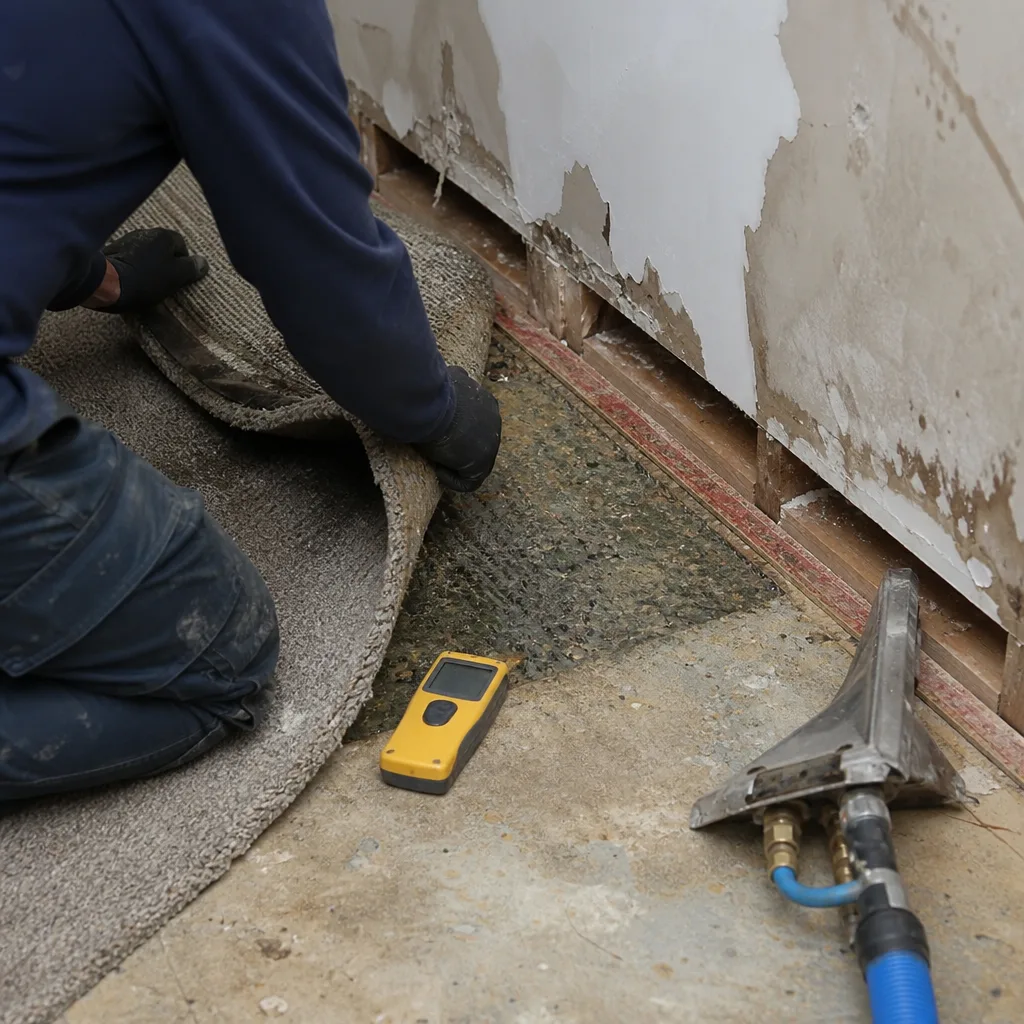
Toilet Overflow Cleanup
A toilet overflow may look contained, but water travels through the floor assembly and into whatever is below. In Williamsburg’s pre-war buildings, that often means a neighbor’s ceiling or a commercial tenant’s space. We trace the water path, remove affected finishes, and dry the assembly from both sides where access allows.
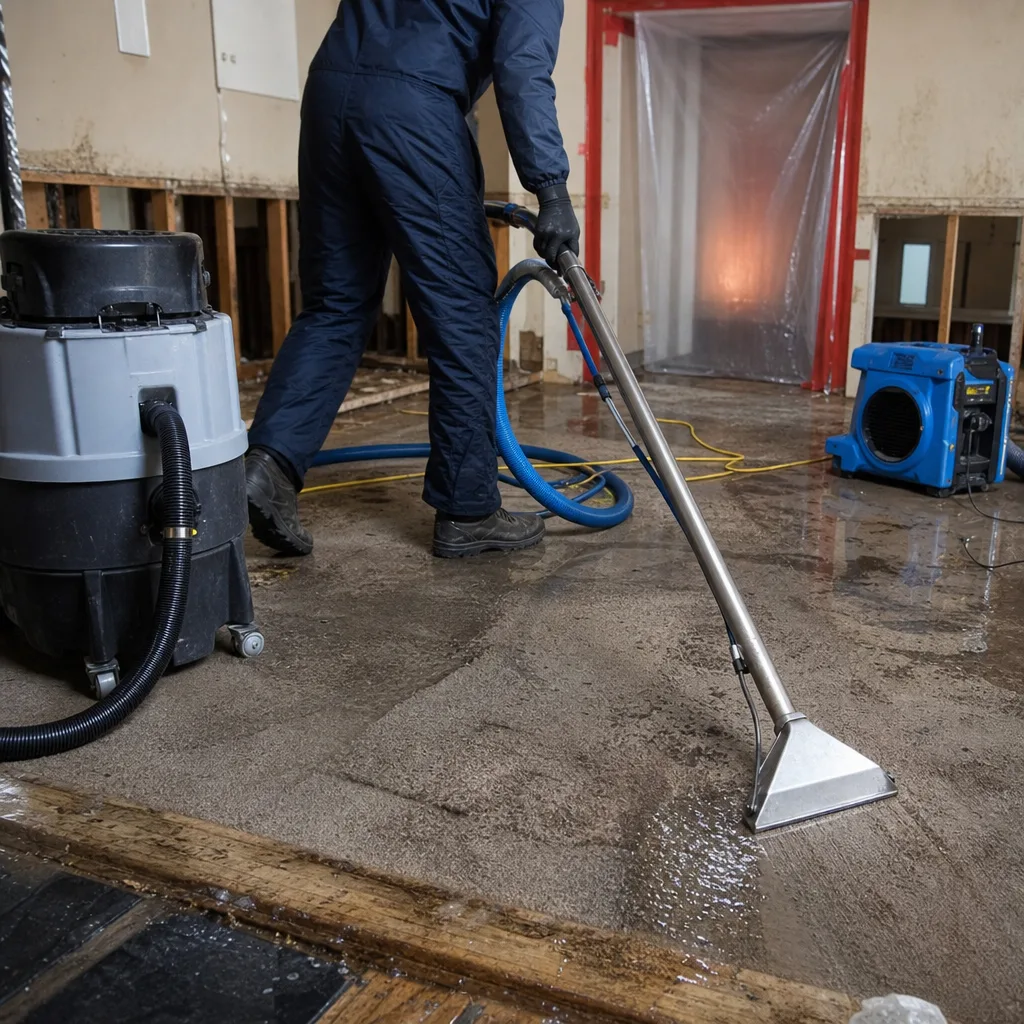
What happens when you call
- 1
A real person answersNo phone trees - you reach a local pro.
- 2
You get an upfront price rangeHonest numbers before anyone is dispatched.
- 3
A background-checked tech heads outLicensed & insured, dispatched right away.
- 4
You approve before work beginsNothing starts until you say go.
Sewage Cleanup Costs in Williamsburg, NY
Sewage cleanup pricing in Williamsburg typically runs higher than inland Brooklyn neighborhoods because the housing stock is harder to dry and takes longer to reach pre-loss condition. Expect these ranges for common sewage jobs here:
- Toilet overflow cleanup: $900-$2,200, depending on how far the water traveled through floor assemblies
- Sewage backup extraction and drying: $2,500-$6,500 for a contained basement or single-unit loss
- Converted loft with saturated brick party wall: $5,000-$12,000+, driven by extended drying timelines, containment, and injectidry systems
- Crawl space sewage removal: $1,800-$4,500, including soil removal, sanitization, and re-lining
What moves the price is building type. A postwar frame building near the BQE dries predictably. A pre-war brick tenement near the waterfront does not. Your insurance may cover much of the cost depending on your policy and the source of the backup. The fastest path to a firm number is a free visual inspection where we assess what is wet, what is contaminated, and what needs removal before any work begins. Call (518) 314-5660 and we’ll walk the space with you and give you a written scope. Our current offers, including $50 Off Any Repair Over $250 and the Senior & Veteran 5% Discount, apply to the out-of-pocket portion.
We Also Serve Cities Near Williamsburg
Our crews cover Williamsburg and the surrounding Brooklyn and Manhattan neighborhoods. We regularly respond to sewage losses in Midtown Manhattan, Midtown West, Murray Hill, and Washington Square. If you’re in one of those areas and dealing with a backup, the same certified team and the same 90-Day Done Right Promise apply. Sewage Cleanup from Floodline Restoration Co. covers the full arc from the first extraction to the finished rebuild anywhere we serve.
Serving Williamsburg, NY - Our Local Coverage Area
We’re based in the Williamsburg area and know this community well. Use the map below to see our service coverage - if you’re nearby, we can almost certainly help.
Williamsburg Sewage Cleanup Questions, Answered
Why does sewage cleanup in Williamsburg’s Kent Avenue lofts take longer than in neighboring Greenpoint?
Kent Avenue lofts sit on original brick party walls with no vapor barrier, and those walls absorb Category 3 water deeply while reading inconsistently on standard moisture meters. Drying a saturated brick assembly takes two to three times longer than drying a wood-frame building in Greenpoint, and crews that rush the dry leave hidden water that becomes mold inside the wall.
How do you prevent mold after a sewage backup in a pre-war Williamsburg tenement with lath-and-plaster walls?
You prevent mold by finding all the water, including saturation inside lath-and-plaster that looks dry on the surface. We use thermal imaging, penetrating moisture meters, and extended drying schedules with daily readings. Lath strips hold water against plaster, and if that moisture isn’t pulled out, mold establishes within 48 to 72 hours. We do not schedule rebuild until the dry standard is met and logged.
Can you clean sewage from a former freight elevator shaft in a Williamsburg loft conversion?
Yes. Repurposed freight elevator shafts often serve as plumbing chases with limited access, and sewage that ends up there causes recurrent odors and hidden migration into adjacent units if unaddressed. We open the available access points, inspect the full shaft run, extract standing water, set up contained drying, and sanitize the shaft before closing anything up.
What’s the difference between a sewage backup in a waterfront loft and one in an inland Bushwick frame house?
The building assembly is the difference. A Bushwick frame house is wood on a foundation, and standard moisture meters read the framing accurately. A waterfront loft in Williamsburg sits on dense brick party walls that baffle standard meters, holds water longer, and often shares walls with neighboring units. Drying takes longer, containment matters more, and hidden moisture is the biggest risk.
Do you coordinate pack-out for custom furniture in Williamsburg condos during sewage cleanup?
Yes. When Category 3 water affects finished spaces with custom furniture, we coordinate pack-out and content cleaning as part of the scope. We document each item for your claim, move it to a clean zone or off-site storage, and coordinate its return after the space is sanitized and rebuilt. Your adjuster gets the same documentation we do.
How fast can a crew reach Williamsburg after I call?
We commit to reaching most Williamsburg blocks within 45 minutes of your call. A live dispatcher answers at (518) 314-5660, confirms your address, and sends the nearest certified crew. Extraction starts the same visit, not on a follow-up appointment.
Will my insurance cover sewage cleanup in Williamsburg?
Coverage depends on your policy and the source of the backup. Many policies cover sudden and accidental sewage backup, but exclusions exist for flooding and long-term maintenance failures. We document everything from the first hour and communicate directly with your adjuster to give your claim the best chance of approval. We also bill your carrier directly for covered work.
What should I do in the first 30 minutes after a sewage backup in Williamsburg?
Turn off water to the affected fixture if you can do so safely, keep people and pets away from the affected area, and call us at (518) 314-5660. Do not run fans or HVAC systems, which can spread contaminated air through the building. Do not try to dry the area yourself. Keep doors closed to the affected room. The less sewage moves through the building, the smaller and cheaper the cleanup is.
Written by Curt Bowman, Owner at Floodline Restoration Co., serving Williamsburg and the surrounding boroughs with full-cycle restoration since 2010.