
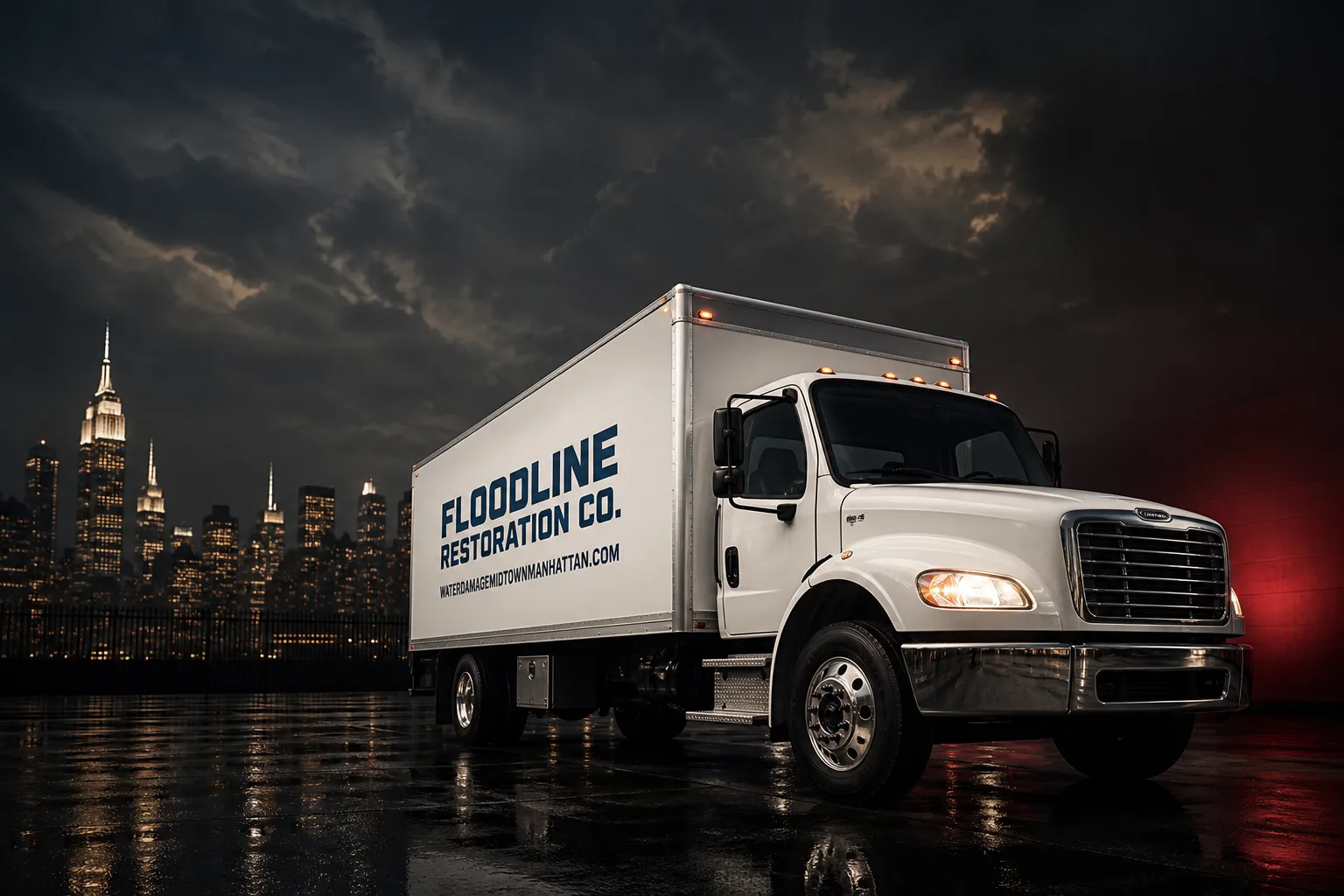
Free visual inspection and a written scope of work before any mitigation begins - photos, moisture readings, and drying logs go in your claim file
The scope we write is the scope we bill. Anything new gets shown to you, in writing, before we touch it.
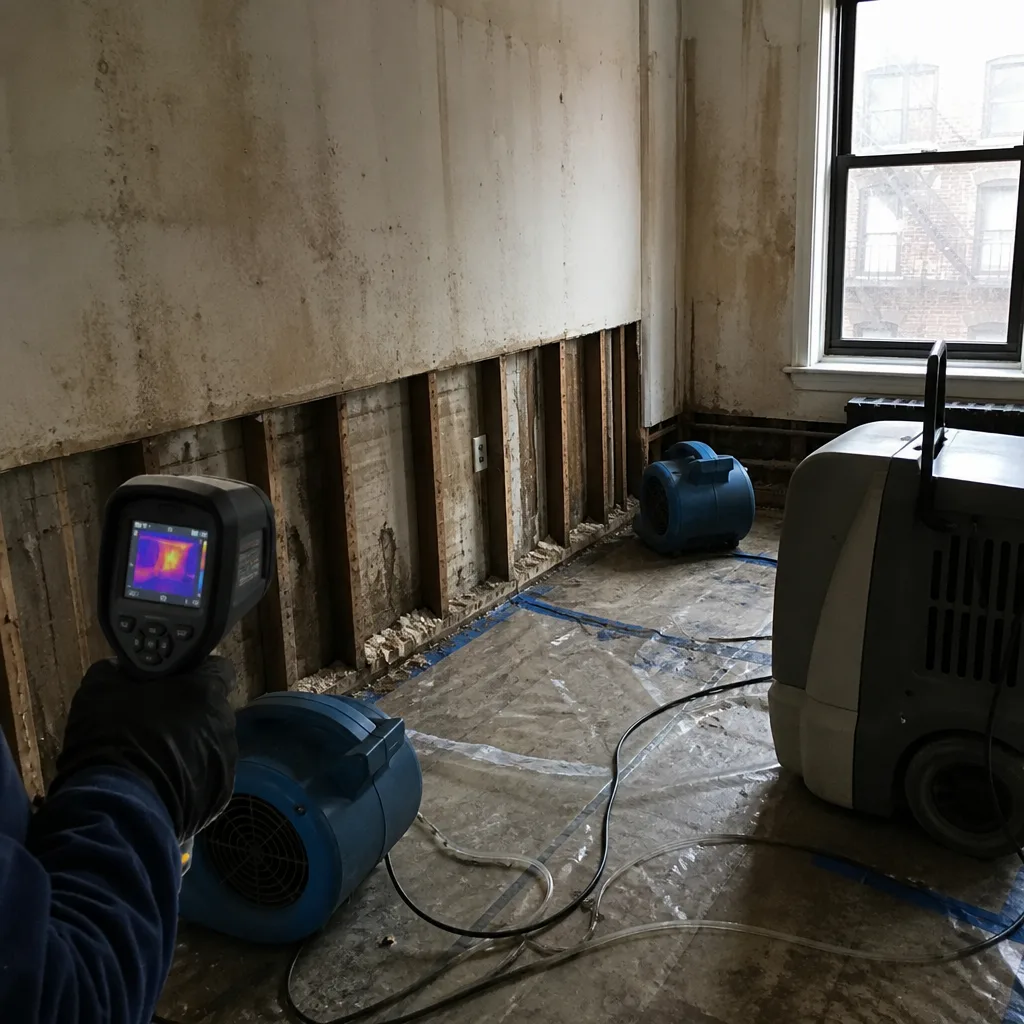 Before
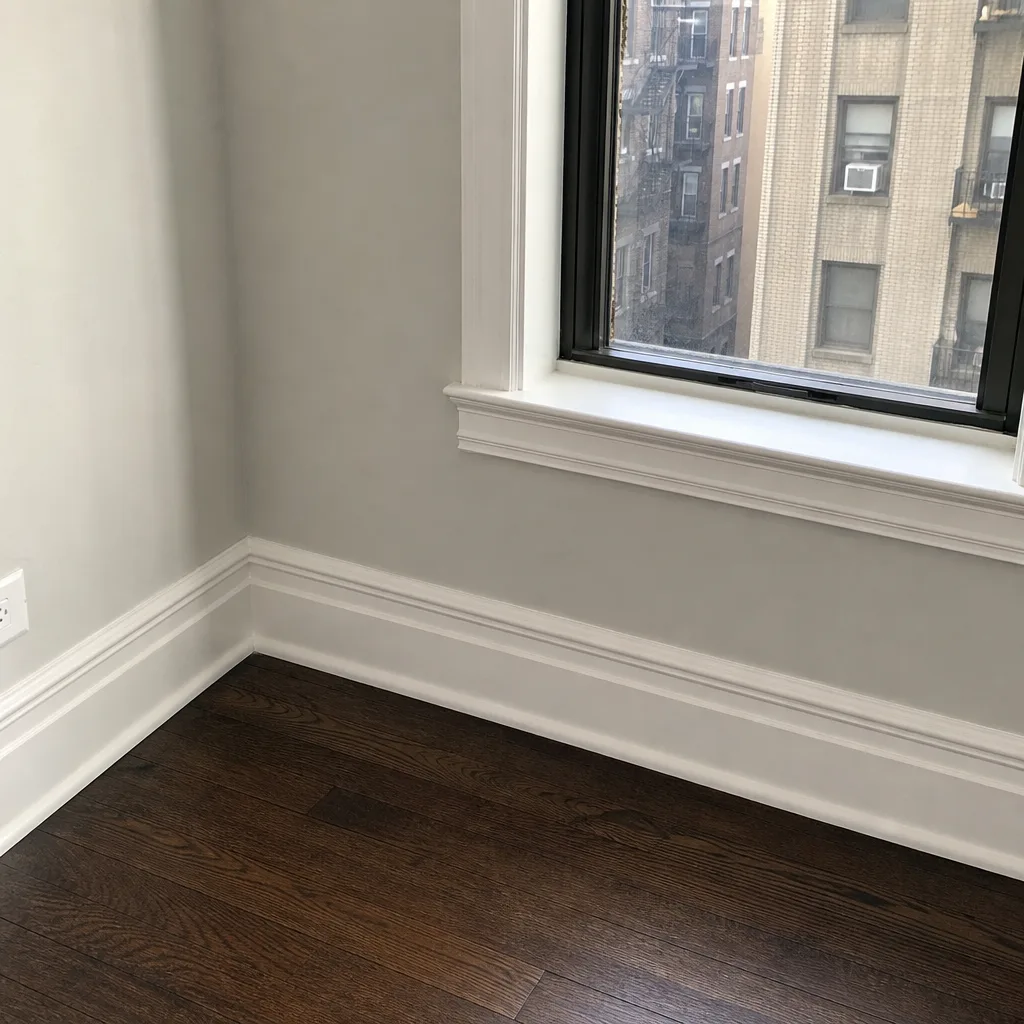 After
After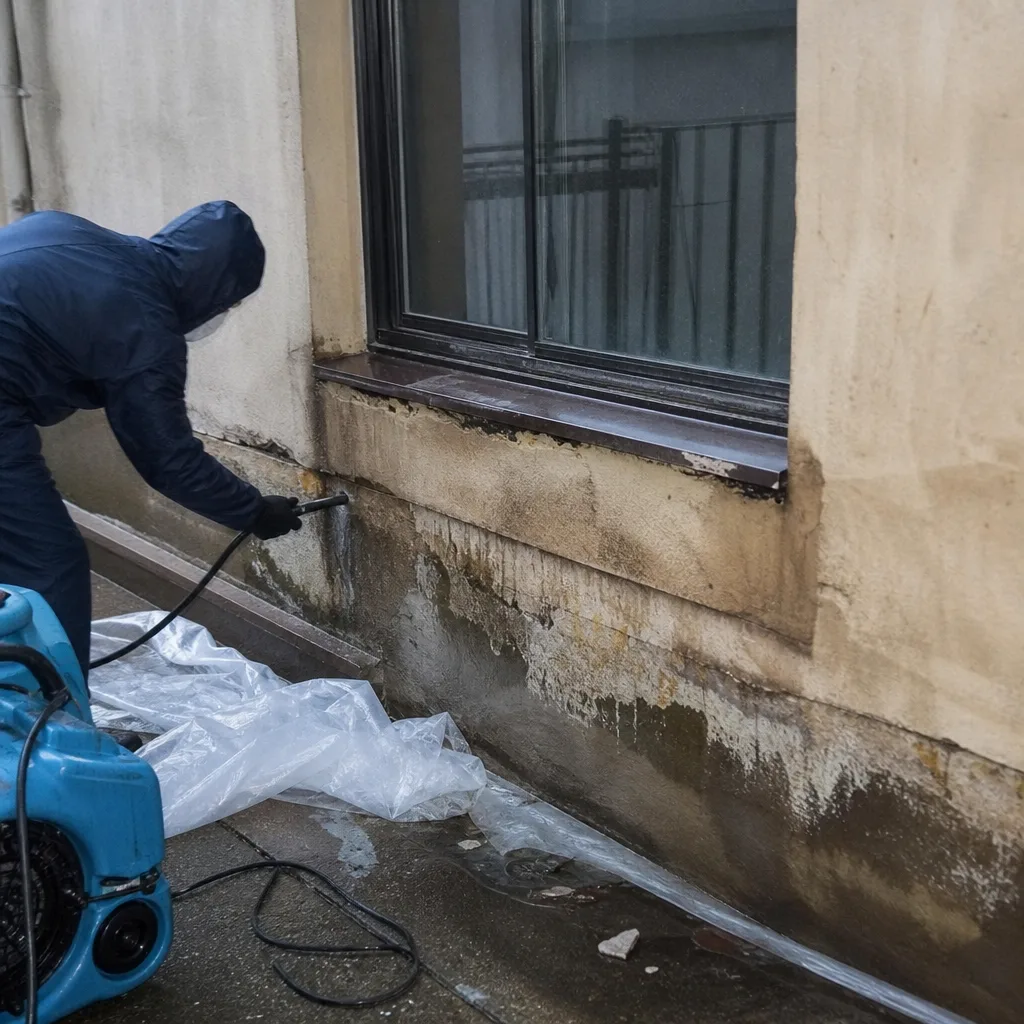 Before
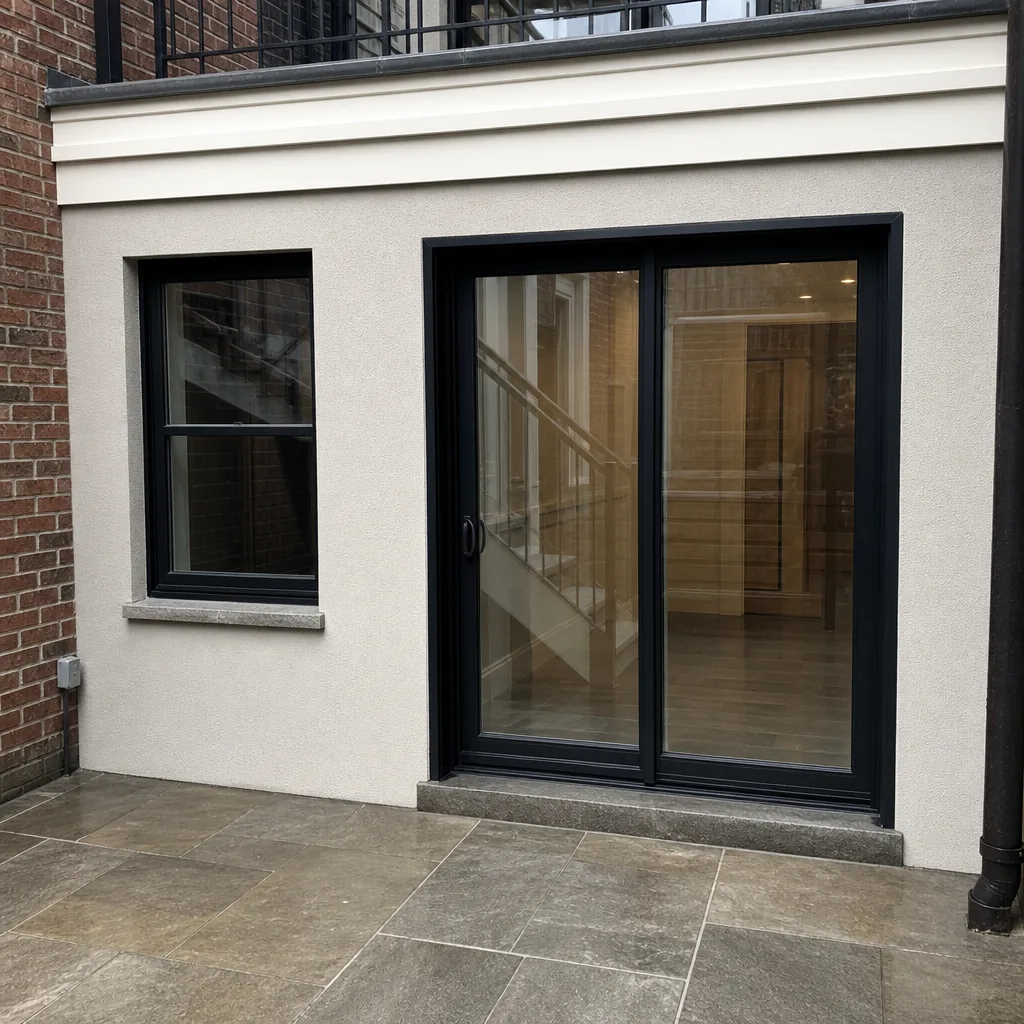 After
After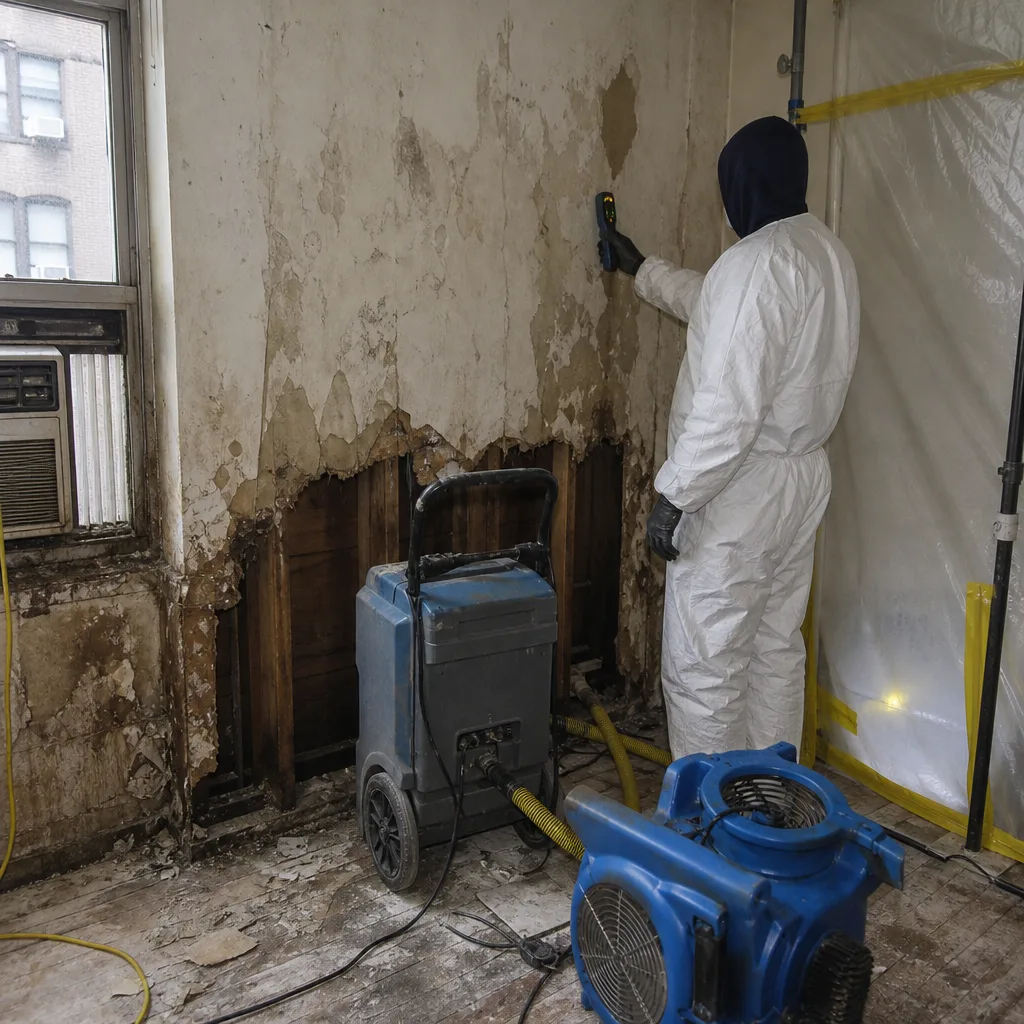 Before
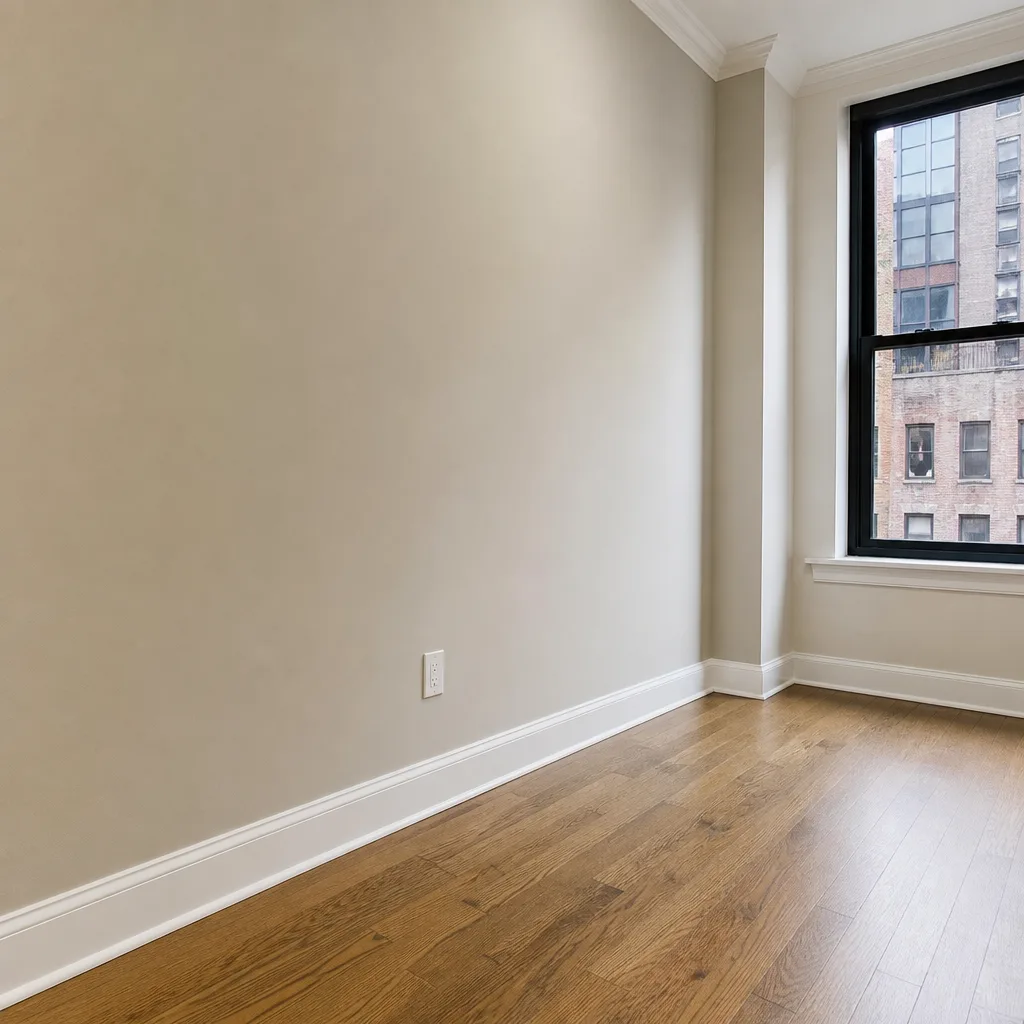 After
After24/7 Emergency Storm & Disaster Restoration in Williamsburg
Storm and disaster restoration in Williamsburg means fighting water that carries salt, debris, and whatever the East River pushed in with it. The first 24 hours decide whether a flooded cellar stays a cleanup job or becomes a gut renovation. Our crew answers live at (518) 314-5660, every hour of every day, and we dispatch into Williamsburg immediately, not after a callback list. One call starts extraction, board-up, or tarping, and we bring the equipment to read moisture in brick, concrete, and the converted loft assemblies that make this neighborhood different. Don’t wait. The water is still working while you think it over.
Understanding Storm & Disaster Restoration Severity in Williamsburg Properties
Williamsburg’s housing stock splits into three rough categories, and each fails differently in a storm. Pre-war brick tenements from the 1890s through the 1930s hold water in lime mortar and plaster, which reads dry at the surface while staying saturated a half-inch in, so standard moisture meters give false comforts. Converted warehouse and factory lofts along Kent Avenue and the North 1st through 12th Street corridor bring their own hazards: raw concrete slab floors with no subfloor, repurposed freight elevator shafts used as plumbing chases, and original brick party walls with no vapor barrier and decades of industrial paint layers. Post-2000s glass towers present a third profile: floor-to-ceiling glazing systems that fail at weep holes and sills, sending water down interior wall cavities where it pools until drywall swells. None of these buildings forgives a generic drying plan. We moisture-map each affected assembly, set daily drying goals, and log readings until we hit the dry standard, because guessing in Williamsburg is how mold gets a head start and a homeowner gets a second loss inside the first one.
Why Williamsburg Property Owners Choose Floodline Restoration Co.
- 45-minute response commitment. We tell you when the crew leaves and when they arrive. Live dispatch means no answering service relay and no waiting for a supervisor to call back.
- A real person answers, any hour. Not a recording, not a triage bot. A live dispatcher picks up at 2 a.m. and starts the job. We plan to be in town in thirty years, so we answer like it.
- IICRC-certified crews on every job. WRT, FSRT, and AMRT designations, trained to RIA and IFA standards, background-checked and uniformed before they step inside your Williamsburg building.
- Free visual inspection before work starts. We look, measure, and hand you a written scope with line-item pricing. No pressure, no surprise add-ons later.
- Direct insurance billing. We talk to your carrier, send the photos, the drying logs, the moisture map. You don’t play messenger between us and the adjuster.
- One crew from first extraction to finished rebuild. The same technicians who set the drying chamber handle the repairs. No mid-job handoff, no inherited crew, no lost context.
Our Storm & Disaster Restoration Process
Inspection & Assessment
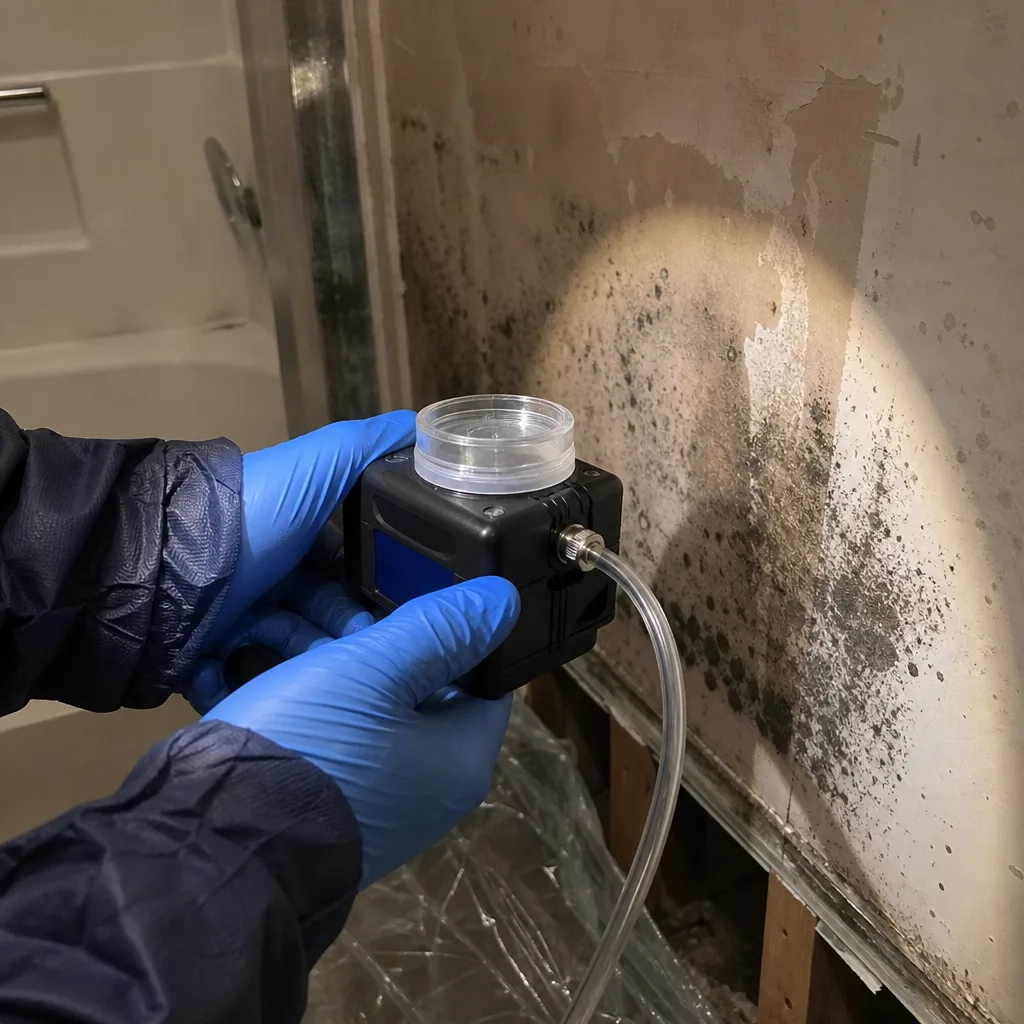
We walk the loss inside a full containment perimeter and after, not before. Thermal imaging and penetrating moisture meters identify hidden water in masonry, floor assemblies, and chases. You get a written scope and a straight estimate.
Extraction & Stabilization
Submersible and truck-mounted extraction pulls standing water fast. For Williamsburg’s ground-floor and cellar units, we prioritize electrical disconnects and structural triage before we move any equipment in.
Drying & Dehumidification
Dri-Eaz dehumidifiers and XPOWER air movers are set on a calculated layout, not scattered. Daily moisture readings are logged against the dry standard, and we adjust airflow until dense brick and concrete actually reach it.
Cleaning & Sanitization
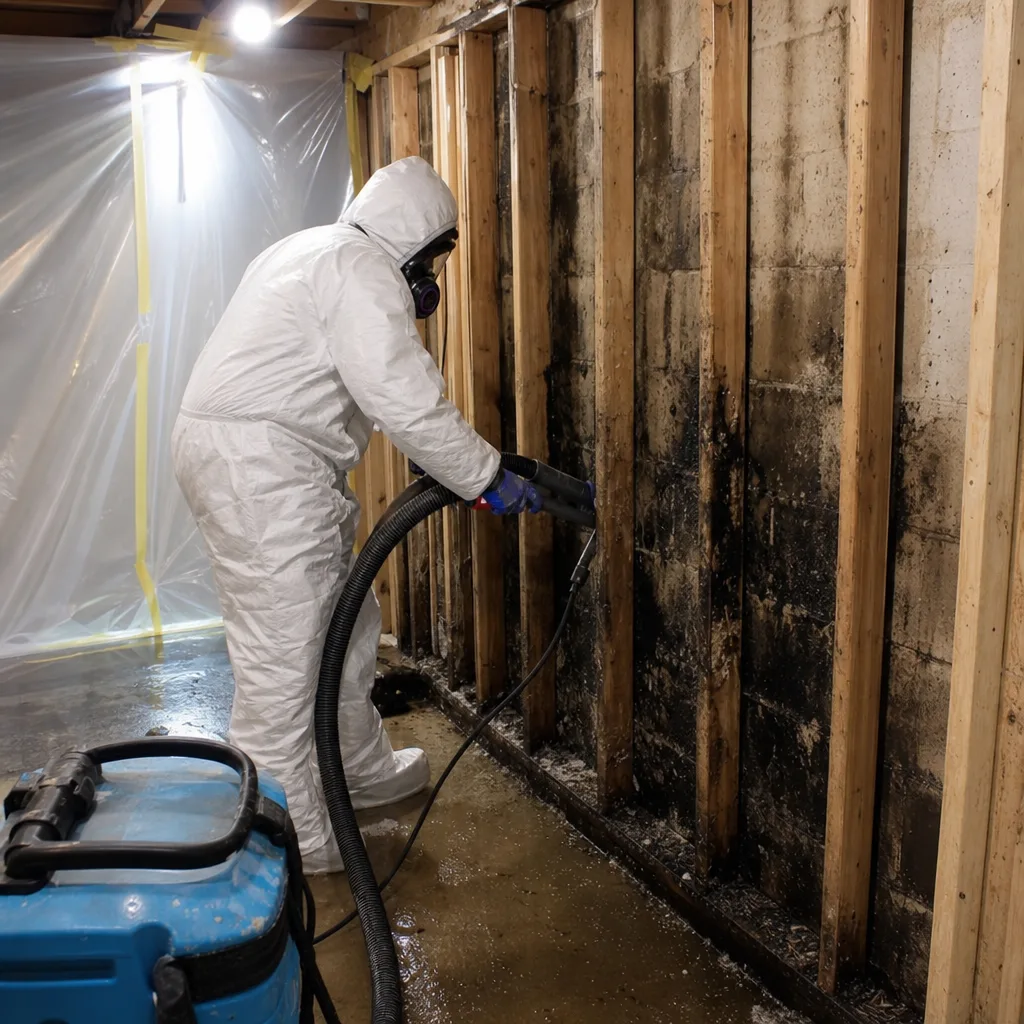
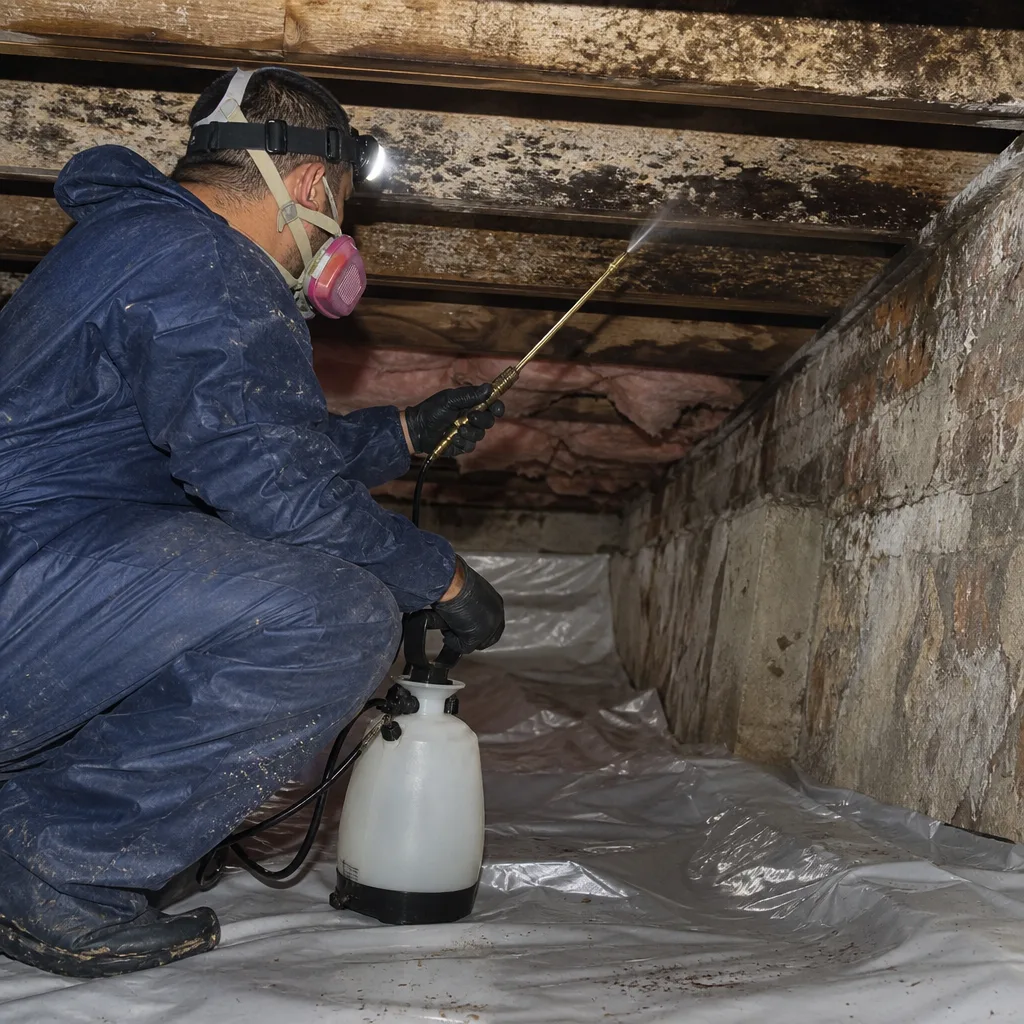
Saltwater-driven corrosion and microbial growth get antimicrobial and corrosion-inhibitor treatment, not just a mop. HEPA air scrubbers run through cleanup to catch whatever demolition kicked loose.
Storm-Specific Treatment
For wind and flood damage in Williamsburg, this means board-up with custom-cut panels sized to non-standard loft openings, roof tarping with anchored batten seals, and debris removal that respects narrow access alleys.
Repairs & Restoration
The same crew rebuilds what was torn out. Drywall, framing, flooring, paint. We don’t hand the job off, and we don’t leave until the 90-Day Done Right Promise is in your hand, in writing.
Need Emergency Storm & Disaster Restoration in Williamsburg Now?
Crews minutes away, answering live 24 hours a day. The sooner we start, the less it costs.
Working With Your Insurance Company
Storm and flood claims move faster when the documentation is already in the adjuster’s inbox. We start building the file in the first hour: photos of the loss before anything moves, moisture readings across every affected assembly, and a line-item scope that matches the language carriers expect. Floodline Restoration Co. coordinates directly with your adjuster, your carrier, and your broker if you have one, so you’re not forwarding emails at midnight. Saltwater claims get special attention, because the corrosion profile changes what’s considered damage versus what’s considered maintenance, and we document that distinction in writing from day one. For Williamsburg’s older-tenement losses, that documentation is often the difference between a covered claim and a dispute, and we’ve handled enough East River flood events to know exactly what evidence to preserve.
What We Provide Your Insurer
- Thorough documentation of the loss
- Photos of all damage, room by room
- Moisture readings and drying logs
- A detailed, line-item scope of work
- Direct coordination with your carrier
Built for Williamsburg’s Loss Calendar
Williamsburg’s storm damage calendar doesn’t wait for hurricane season. January and February deep freezes burst supply lines in unheated stair landings and older cellar mechanical rooms, especially in pre-war buildings where plumbing runs through exterior brick. Spring thaw and heavy nor’easter rain drive groundwater into the neighborhood’s lowest blocks, where cellar slabs sit below the water table and sump pumps fail mid-storm. Summer thunderstorms drop intense short-duration rain on the East River waterfront, overwhelming the combined sewer system and pushing street water into areaways and below-grade entryways. Then comes late summer and fall, when coastal systems and the remnant energy of tropical storms bring surge up the East River and onto the waterfront blocks. For the converted lofts along Kent Avenue and the Northside streets, every one of these events lands different: water rises through slab penetrations, backs up through freight elevator pits, and saturates brick party walls that hold moisture for weeks. Floodline Restoration Co. built our Williamsburg response around this calendar, not around a generic storm plan.
Storm & Disaster Restoration Across Williamsburg’s Neighborhoods
Northside’s pre-war walk-ups and the high-foot-traffic blocks around Bedford Avenue tend to show storm damage as basement flooding and compromised entryways, and our crews know the freight access points that don’t block sidewalks or bus stops. Along the Williamsburg waterfront, the Kent Avenue lofts and the converted industrial buildings between North 1st and North 12th are where we see the most complex saltwater losses: masonry saturation, corrosion on mechanical systems, and mold profiles that move fast when brick stays damp. South Williamsburg’s older tenements and mixed-use buildings put us in tight cellar stairways and narrow rear yards where equipment staging requires planning, not improvisation. East Williamsburg’s warehouse blocks and newer steel-frame buildings present wind damage at rooftop units and parapet walls, and the access alleys between Grand Street and Metropolitan Avenue mean our roof tarping and debris removal has to be surgical. Every Williamsburg neighborhood has a different on-street parking reality, a different building official to coordinate with, and a different first call when water shows up where it shouldn’t.
Specialized Storm & Disaster Restoration Services We Offer in Williamsburg
Storm Damage Cleanup
When high winds and heavy rain tear through Williamsburg, the damage is rarely a single thing. We remove fallen limbs, broken glass, and wind-driven debris from entryways, sidewalks, and building interiors, then start the moisture-read process on whatever the water touched. For owners of older tenements, we check the roof drains and parapet flashing that wind storms loosen, because that’s where the next leak comes from.
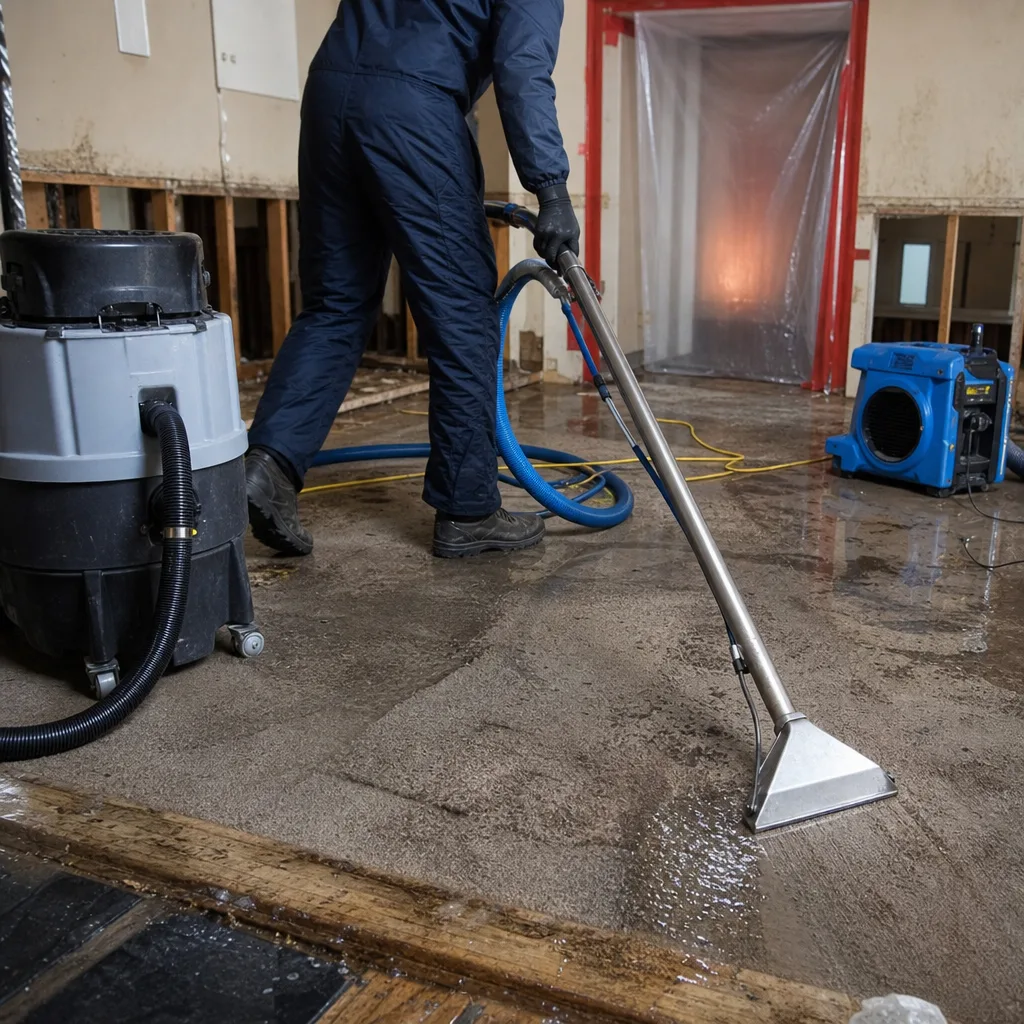
Flood Damage Restoration
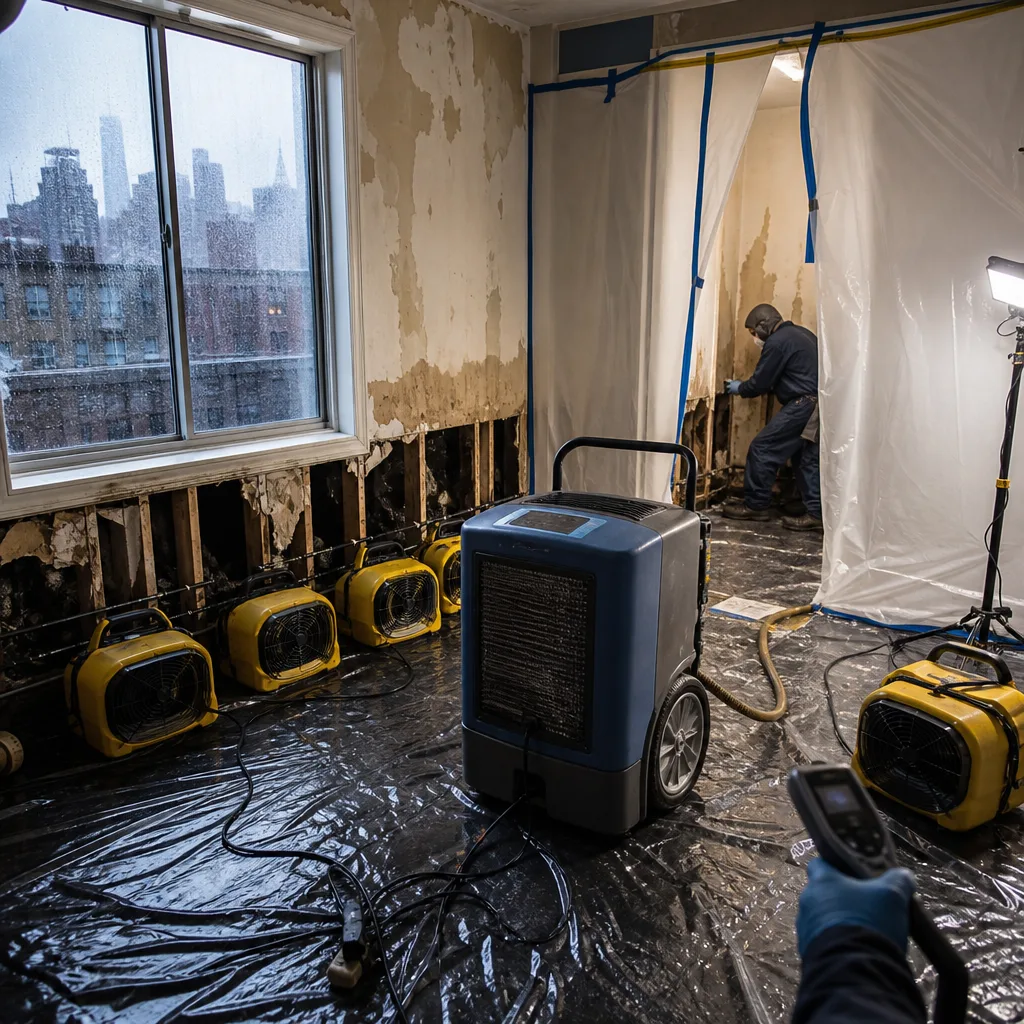
East River flooding isn’t freshwater, and that changes everything. Saltwater wicks higher into masonry, corrodes metals faster, and leaves a residue that keeps pulling moisture back out of the air. In Williamsburg waterfront loft conversions, our team runs longer drying schedules, treats for salt-driven corrosion, and logs every reading until the assembly actually reaches the dry standard. When a nor’easter pushed storm surge into a Kent Avenue loft conversion, our crew set up containment and used Dri-Eaz dehumidifiers and XPOWER air movers to dry saturated brick party walls. Because the masonry had no vapor barrier and decades of industrial paint layers, moisture readings stayed elevated for 11 days, and we logged every step in drying logs until the space reached pre-loss condition.
Emergency Board-Up
Converted Williamsburg warehouses don’t have standard door and window openings, and off-the-shelf plywood kits don’t fit. We cut board-up panels on site to match the actual rough openings, including the freight elevator shafts and oversize loading-dock bays that became windows during conversion. Security is the point: a boarded opening is a deterrent, and a sloppy board-up is an invitation.
Roof Tarping
Wind damage on Williamsburg rooftops usually shows up at the edges: lifted membranes, torn flashings, and parapet caps that pull away from the wall. We anchor tarps with batten screws, not just sandbags, and we tie into structural points that hold through the next storm. For the flat roofs common on the neighborhood’s converted warehouses, proper tarping means field seams that shed water instead of trapping it.
Debris Removal
Storm debris in Williamsburg isn’t just tree limbs. It’s rooftop gravel, displaced HVAC louvers, broken skylight glass, and whatever the East River deposited on the streets below. We clear access paths first, then handle the rest, and we keep our staging tight in alleys and narrow streets so the building stays open and the sidewalk stays passable.
What happens when you call
- 1
A real person answersNo phone trees - you reach a local pro.
- 2
You get an upfront price rangeHonest numbers before anyone is dispatched.
- 3
A background-checked tech heads outLicensed & insured, dispatched right away.
- 4
You approve before work beginsNothing starts until you say go.
Storm & Disaster Restoration Costs in Williamsburg, NY
Emergency board-up and tarping in Williamsburg typically runs $400 to $900 for an entry door or standard window, and $800 to $1,800 for a full storefront or oversized loft opening, depending on custom cutting and anchorage. Storm damage cleanup in a typical ground-floor unit starts around $900 and can run to $3,500 when demolition, debris hauling, and dehumidification enter the scope. Flood damage restoration in Williamsburg’s waterfront buildings generally runs $4,000 to $12,000 for a basement or ground-floor loss, and $14,000 or more when a converted loft’s brick party walls and slab assemblies are saturated. The things that push a Williamsburg job higher are saltwater treatment, asbestos abatement in older warehouse conversions, and extended drying timelines on dense masonry. Insurance covers most storm and flood losses, and we bill the carrier directly, so the out-of-pocket piece is usually your deductible and any upgrade you choose to make. The free visual inspection gets you a firm written scope, not a ballpark and a shrug. Call (518) 314-5660 and we’ll put numbers on paper.
We Also Serve Cities Near Williamsburg
Floodline Restoration Co. keeps crews staged across the broader Brooklyn and Manhattan grid, so a Storm & Disaster Restoration response in Williamsburg also reaches the neighborhoods around us. We serve Williamsburg plus Midtown Manhattan, Midtown West, Murray Hill, and Washington Square, with the same live answer and the same written guarantee on every job.
Serving Williamsburg, NY - Our Local Coverage Area
We’re based in the Williamsburg area and know this community well. Use the map below to see our service coverage - if you’re nearby, we can almost certainly help.
Williamsburg Storm & Disaster Restoration Questions, Answered
Why does flood damage restoration take longer in Williamsburg’s waterfront loft buildings than in other Brooklyn neighborhoods?
Because the East River brings saltwater and the buildings themselves are built from dense, moisture-retentive materials. Brick party walls with no vapor barrier and decades of paint saturate deeply and dry slowly, so proper restoration in Williamsburg’s converted lofts routinely runs two to three times longer than a comparable wood-frame job. Salt corrosion also demands antimicrobial and corrosion-inhibitor treatment that freshwater losses don’t. We don’t cut drying short, and we log every reading until the dry standard is met. Call (518) 314-5660 for a factual timeline on your building.
How do you handle emergency board-up in Williamsburg’s warehouse-to-loft buildings with non-standard freight elevator shafts?
We cut panels on site to fit the actual opening, including freight elevator shafts and the oversized loading-dock bays that became windows during conversion. Off-the-shelf plywood won’t fit, and a loose board-up in Williamsburg is an open invitation. We anchor to structural points and make sure the closure holds until permanent repair.
Does saltwater from East River flooding require different water extraction or treatment than freshwater in Williamsburg?
Yes. Saltwater wicks higher into masonry, corrodes metals aggressively, and leaves a hygroscopic residue that keeps pulling moisture from the air. We treat for salt-driven corrosion and run longer drying cycles because the building materials in Williamsburg’s waterfront blocks demand it. Skipping that treatment is how mold comes back weeks after the crew leaves.
Can you remove wind-damaged rooftop equipment and debris in Williamsburg without blocking narrow access alleys?
Yes. Our crews stage equipment in tight footprints and coordinate rooftop removal around alley access. For the converted warehouses and older tenements between Grand Street and the waterfront, that means planning crane or hoist work around parking and pedestrian flow, not stopping to figure it out on site. We clear the access path first, then remove the debris.
What’s the typical mold risk after a Williamsburg basement flood in a pre-war tenement?
High, and it starts faster than most people expect: 48 to 72 hours with visible mold on organic material once dampness takes hold. In pre-war tenements, the lime mortar and plaster hold moisture, so the air may read dry while the wall cavity does not. We moisture-map the full assembly and set drying goals that account for that lag. The 90-Day Done Right Promise rides on getting this right the first time.
How fast can someone actually get to my Williamsburg building in a storm emergency?
Our dispatch commitment is 45 minutes to arrival for emergency calls in Williamsburg. Live dispatchers, not a recording. The crew leaves with the equipment and the drying plan starts on the first visit. Call (518) 314-5660 and the clock starts now.
Will insurance cover East River storm surge damage to my Williamsburg property?
Most storm-related water intrusion is covered under a standard policy, but East River saltwater claims get scrutinized harder because corrosion damage can be mischaracterized as pre-existing maintenance. That’s exactly why we document everything from the first hour, with photos, moisture maps, and line-item scopes. We coordinate directly with your carrier and stand behind what we document. The written scope you get before work starts is the evidence both you and the insurer need.
Should I stay in my Williamsburg home while storm restoration work is done?
It depends on the loss. For basic water cleanup in an isolated area, you can usually stay. For saltwater intrusion in a ground-floor or cellar unit, for wind-damaged spaces with exposed structural members, or for properties with asbestos abatement in older warehouse conversions, we recommend temporary relocation. We’ll tell you straight, with the reason, before any work starts.
Written by Curt Bowman, Owner at Floodline Restoration Co., serving Williamsburg with storm and disaster restoration since 2010.