
Free visual inspection and a written scope of work before any mitigation begins - photos, moisture readings, and drying logs go in your claim file
The scope we write is the scope we bill. Anything new gets shown to you, in writing, before we touch it.
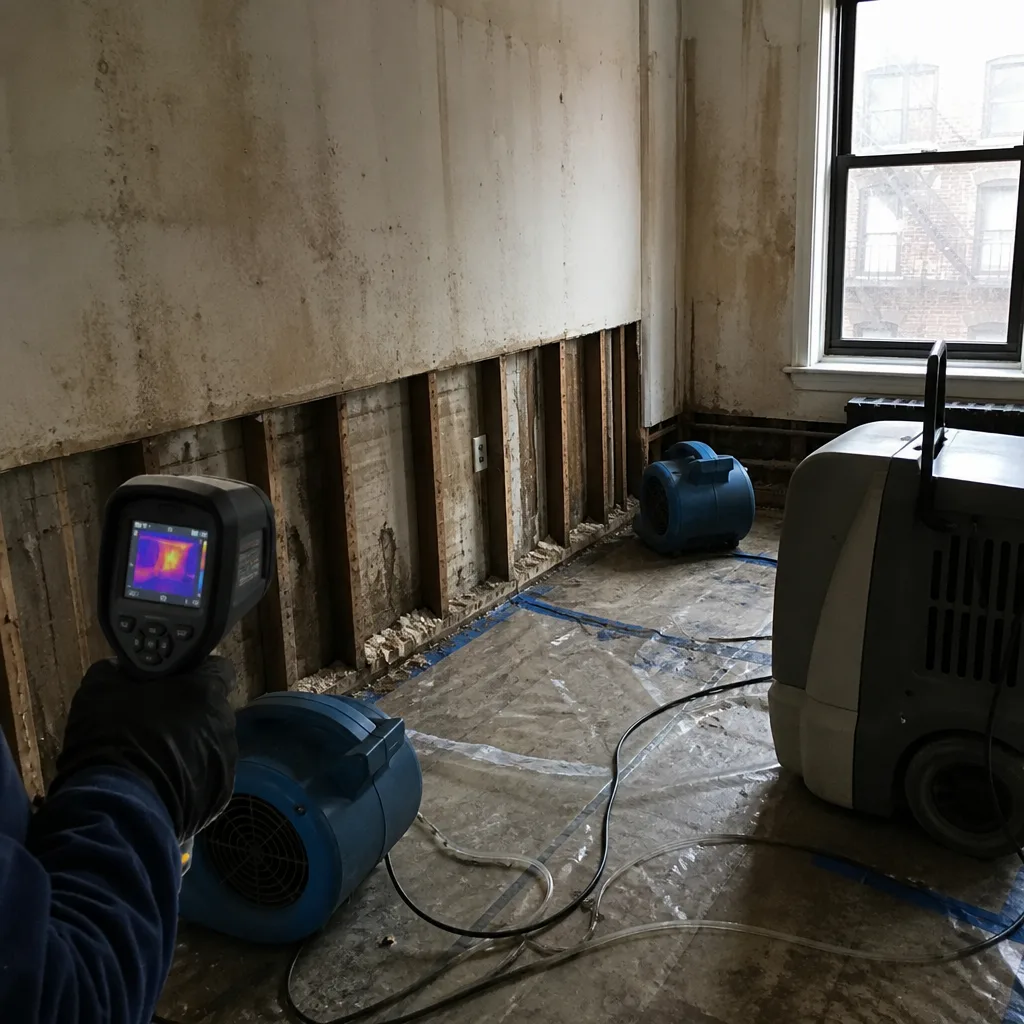 Before
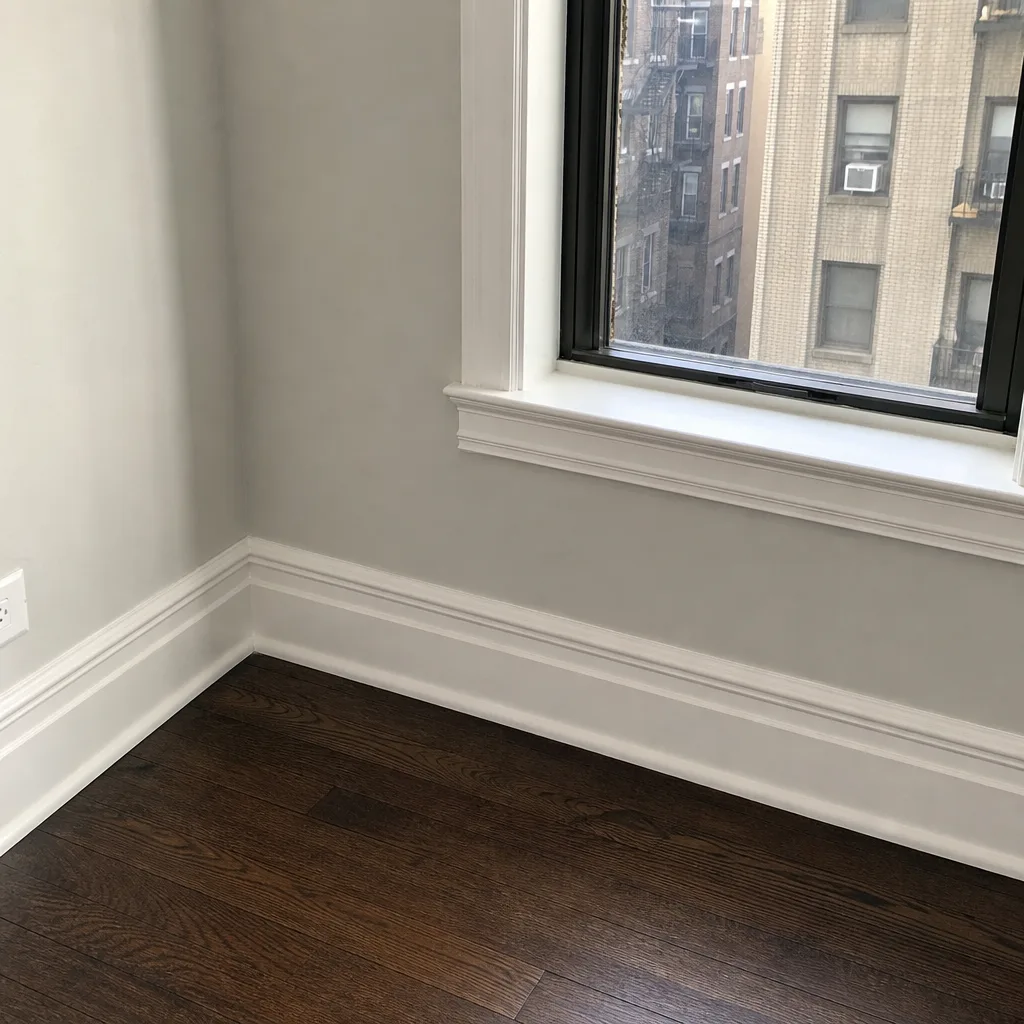 After
After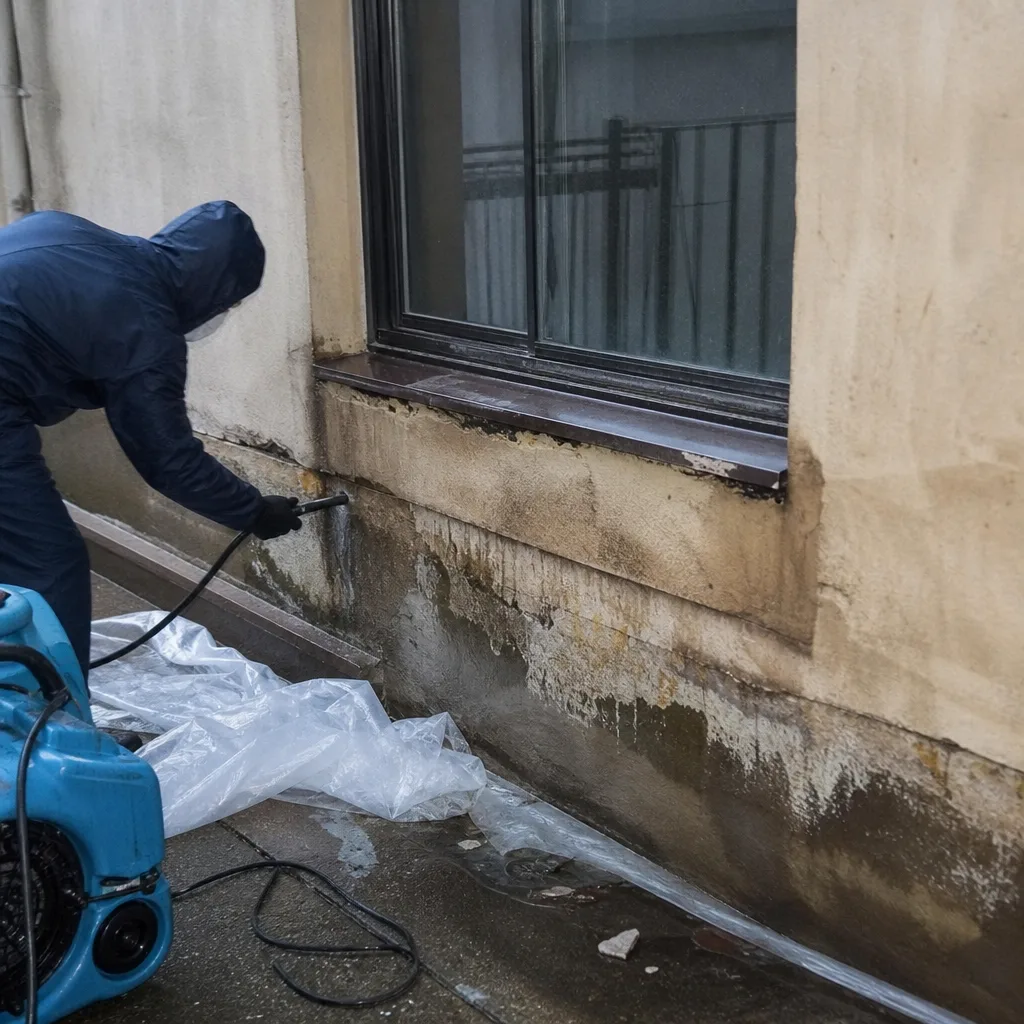 Before
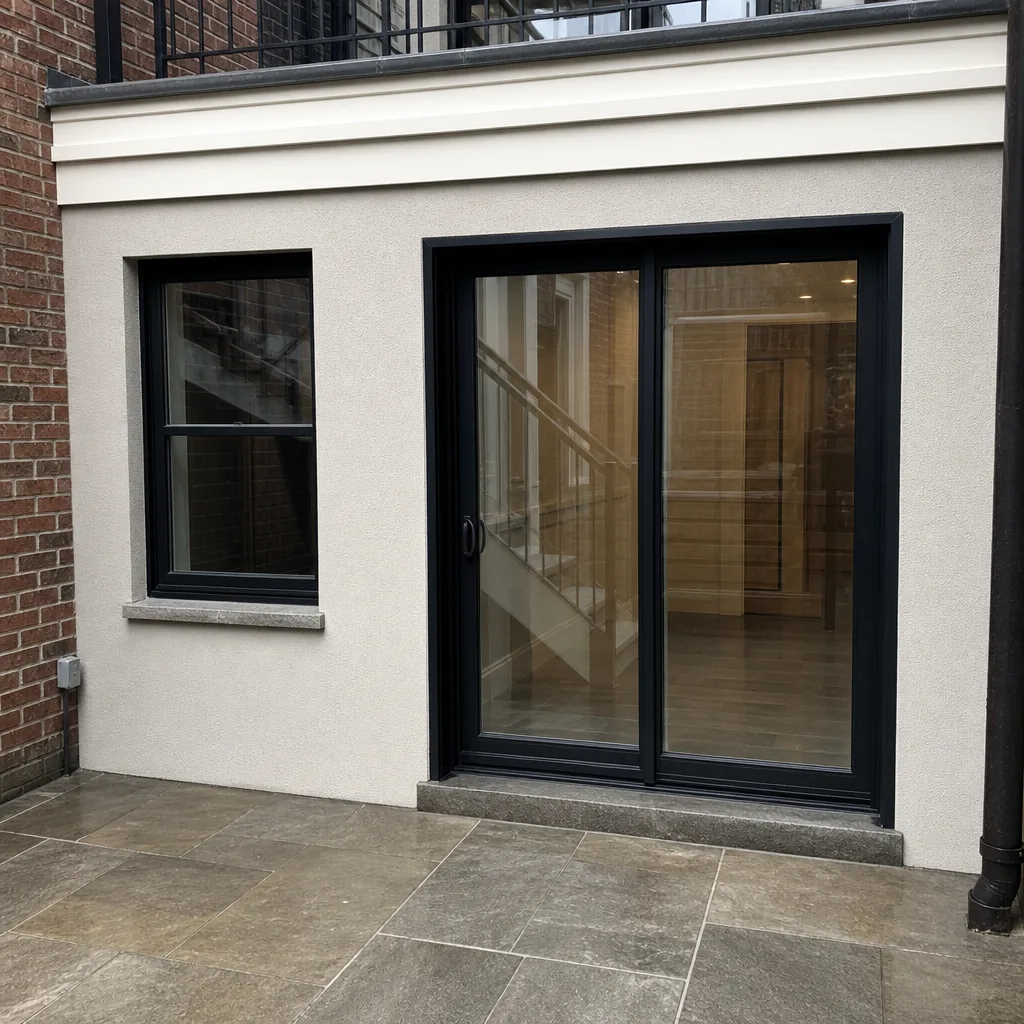 After
After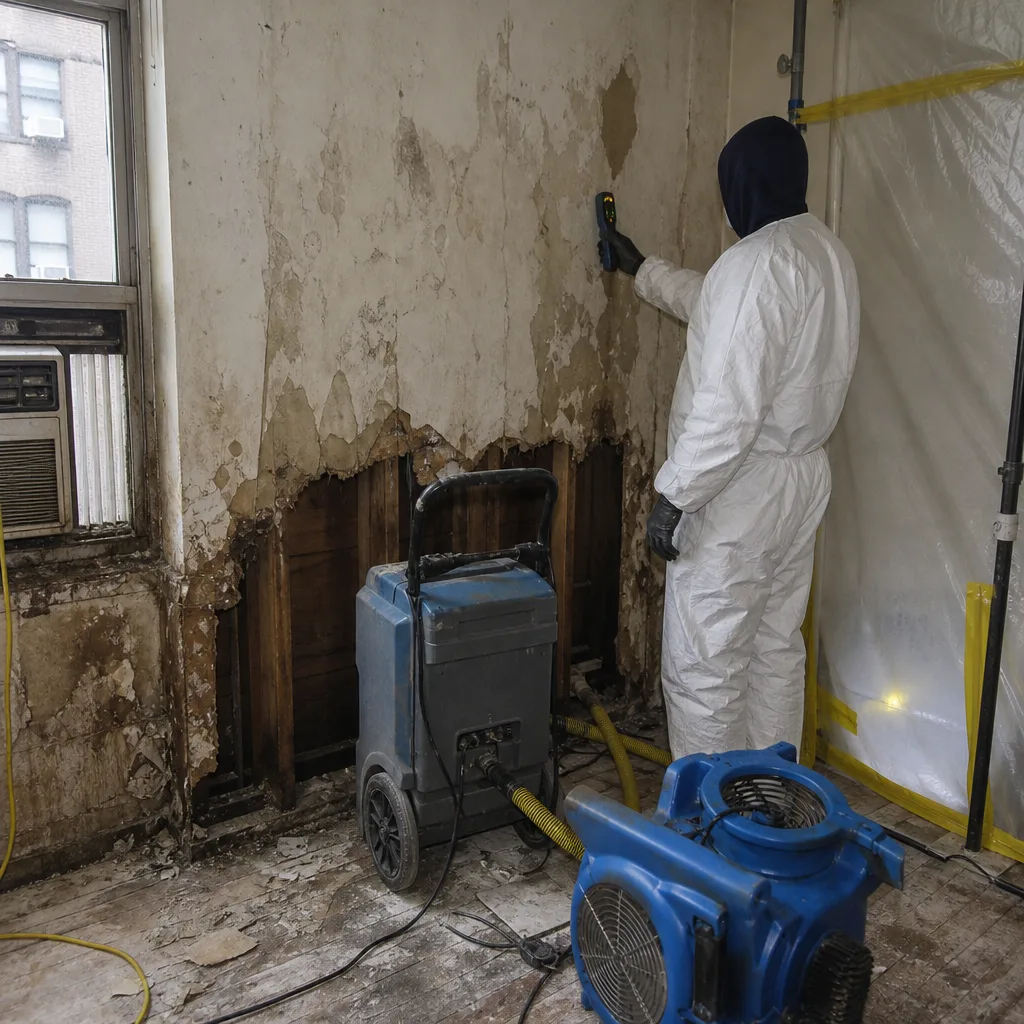 Before
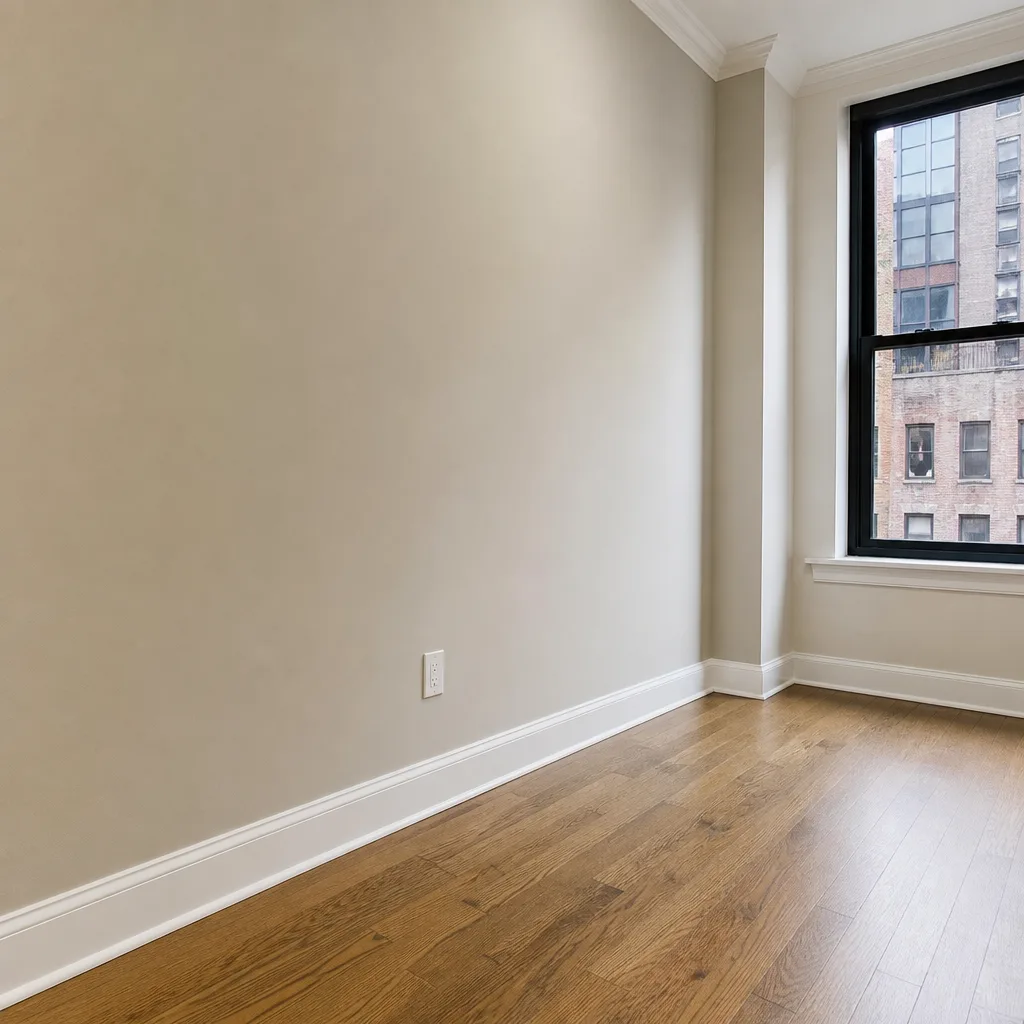 After
After24/7 Emergency Fire & Smoke Damage Restoration in Midtown West
Fire and smoke damage in Midtown West moves fast. Soot from a kitchen fire in Hell’s Kitchen can travel up a shared plumbing chase and into apartments five floors above within hours, and the longer acidic soot sits on surfaces, the deeper it etches into plaster, metal, and stone. We answer live around the clock at (518) 314-5660, with crews dispatched from our New York City office directly into Midtown West, and a free visual inspection that tells you exactly what you’re facing before any work is authorized. If you’re standing in a smoke-damaged unit right now, the first hour is the one that saves the most.
Understanding Fire & Smoke Damage Restoration Severity in Midtown West Properties
Not all fire damage is the same, and in Midtown West the building’s age usually decides what we’re dealing with before we even open the door. In Hell’s Kitchen’s 1900s-1940s walk-ups, we routinely find dry smoke residue from fast-burning paper and wood, which brushes off relatively easily but fine soot still works into horsehair plaster and behind steam radiator covers. Grease fires produce wet smoke residue, a sticky, smeary film that requires chemical cleaning and resurfacing, and it’s common in the galley kitchens of pre-war tenements and modern Hudson Yards units alike. Protein smoke from cooking fires is nearly invisible but leaves a sharp, permanent odor that lingers in paint and cabinet interiors. The real differentiator in Midtown West is smoke migration: vertical plumbing chases, vent risers, and old shaft ways carry soot to floors and units far from the original fire, so a “small” kitchen fire on the fourth floor often means odor and residue complaints on the seventh. That’s why our first move is always a full migration assessment, not just a look at the burned room.
Why Midtown West Property Owners Choose Floodline Restoration Co.
- 45-minute response commitment: For emergency board-up, soot containment, and initial assessment, a crew is typically on scene within 45 minutes of your call. Live dispatch coordinates the closest Midtown West team.
- 24/7 live answer, always a real person: You’ll never reach voicemail at 2 a.m. A dispatcher answers, logs the job, and starts routing the crew while you’re still on the line.
- IICRC-certified fire and smoke technicians: Our crews hold IICRC FSRT (Fire & Smoke Restoration Technician) and OCT (Odor Control Technician) certifications, plus RIA and IFA training. They carry written verification, not just a truck magnet.
- Free visual inspection with a written scope: Before any equipment is staged or demolition begins, you get a line-item scope in writing. No open-ended authorizations, no surprises on the bill.
- Direct insurance billing with adjuster coordination: We document everything from hour one, bill the carrier directly, and talk to the adjuster so you don’t have to play messenger between two parties.
- One team from first response to final rebuild: The same Floodline Restoration Co. crew that boards up the window and sets containment also handles the pack-out, odor removal, and reconstruction. No mid-job handoff to a subcontractor you’ve never met.
Our Fire & Smoke Damage Restoration Process
Inspection & Assessment
We document every affected surface with thermal imaging and hygrometers, map smoke migration through chases and ductwork, and flag any pre-war materials that may require asbestos testing before equipment is placed. You receive a written scope and a clear explanation of what’s salvageable and what’s not.
Emergency Board-Up & Stabilization
Broken windows, fire-damaged entry doors, and roof openings get boarded and tarped immediately. In Midtown West’s storefronts and walk-ups, we stage materials to keep sidewalks passable and access lanes clear for the FDNY.
Smoke & Soot Removal
Dry soot is vacuumed with HEPA-filtered equipment and wiped with dry chemical sponges. Wet smoke residue requires degreasing agents and agitation on walls, ceilings, and trim. We work surface by surface so nothing gets painted over with soot still beneath it.
Odor Removal & Deodorization
True smoke odor lives in porous materials, so we treat the source, not the air. This means ozone treatment, thermal fogging, hydroxyl generators, and HEPA air scrubbing with Dri-Eaz and XPOWER units running until the smell is gone, not just masked.
Contents Cleaning & Pack-Out
Salvageable belongings are inventoried, packed out, and cleaned off-site where necessary. In multi-unit Midtown West buildings, we coordinate pack-out with tenants, supers, and co-op boards so no unit is left mid-process.
Structural Repair & Restoration
Replacement drywall, plaster repair, flooring, cabinetry, and paint. When the soot is gone and the odor is cleared, our reconstruction team rebuilds to pre-loss condition. It’s the same crew that started the job, and the Fire & Smoke Damage Restoration team stands behind every phase.
Need Emergency Fire & Smoke Damage Restoration in Midtown West Now?
Crews minutes away, answering live 24 hours a day. The sooner we start, the less it costs.
Working With Your Insurance Company
Most Midtown West fire losses involve at least two insurance parties: the unit owner’s carrier and the building’s master policy, and often a co-op board or commercial lessee on top of that. We deal with all of them. Our documentation starts with photos from the first hour, includes line-item scopes in industry-standard Xactimate format, and covers every moisture reading, containment log, and pack-out inventory your adjuster will ask for. You don’t sit on hold with the carrier; we call them directly and keep the file moving while you tend to your family, tenants, or business.
What We Provide Your Insurer
- Thorough documentation of the loss
- Photos of all damage, room by room
- Moisture readings and drying logs
- A detailed, line-item scope of work
- Direct coordination with your carrier
Built for Midtown West’s Loss Calendar
Fire losses in Midtown West don’t follow a single season, but they cluster. January and February bring space-heater fires in pre-war tenements where steam heat is uneven and old wiring runs through horsehair plaster walls. Summer thunderstorms drive lightning-strike fires and electrical-surge damage in the high-rise corridors of Hudson Yards and along Tenth Avenue. The holiday season sees an uptick in kitchen fires in Hell’s Kitchen walk-ups, where tight galley layouts and aged gas lines are just part of the building’s bones. And year-round, the same feature that makes Midtown West dense and walkable also makes it vulnerable: shared vertical plumbing chases, vent risers, and stacked units mean one unit’s small fire can become three floors’ smoke problem. Our crews plan for all of it, with board-up materials sized for narrow sidewalks, pre-negotiated street-use permits, and a process that keeps your building compliant while the work gets done. That’s why we built our Midtown West response plan around the way these buildings actually fail, not a generic disaster script. Founded in 2010 by Curt Bowman, Floodline Restoration Co. is built around a dispatch board, not a sales desk, and the 90-Day Done Right Promise means every job we finish is backed in writing.
Fire & Smoke Damage Restoration Across Midtown West’s Neighborhoods
Midtown West isn’t one market. The response on West 46th Street in Hell’s Kitchen looks nothing like the job on Eleventh Avenue beside Hudson Yards, and our crews run both on the same afternoon. In Hell’s Kitchen, from 34th Street up to 57th, the walk-up tenements and mid-rise co-ops mean narrow doorways, steep stair runs, and equipment staged in the street. We board up storefronts on Ninth Avenue to keep foot traffic moving, and we know which buildings still have cast-iron drain stacks that soot travels through fast. Along West 42nd Street and the Theatre District, the pressures are different: commercial leases, landmarked facades, and FDNY access lanes that absolutely cannot be blocked. In Hudson Yards and the far west side, the Class-A high-rises have modern fire suppression but sealed curtain-wall construction that traps smoke and demands HEPA-pressurized containment. Around Columbus Circle and the southern edge of the district, mixed-use buildings combine ground-floor retail with residential above, so a storefront fire means coordinating with the Department of Transportation for sidewalk permits while we tarp and board. The response route through Midtown West’s crosstown streets is never a straight line, and dispatch plans for it every time.
Specialized Fire & Smoke Damage Restoration Services We Offer in Midtown West
Fire Damage Cleanup
We remove burned materials, charred framing, and compromised drywall or plaster, then stabilize the remaining structure. In Midtown West pre-war buildings, this always starts with an asbestos check on pipe insulation and textured plaster before any demolition or air movement begins.
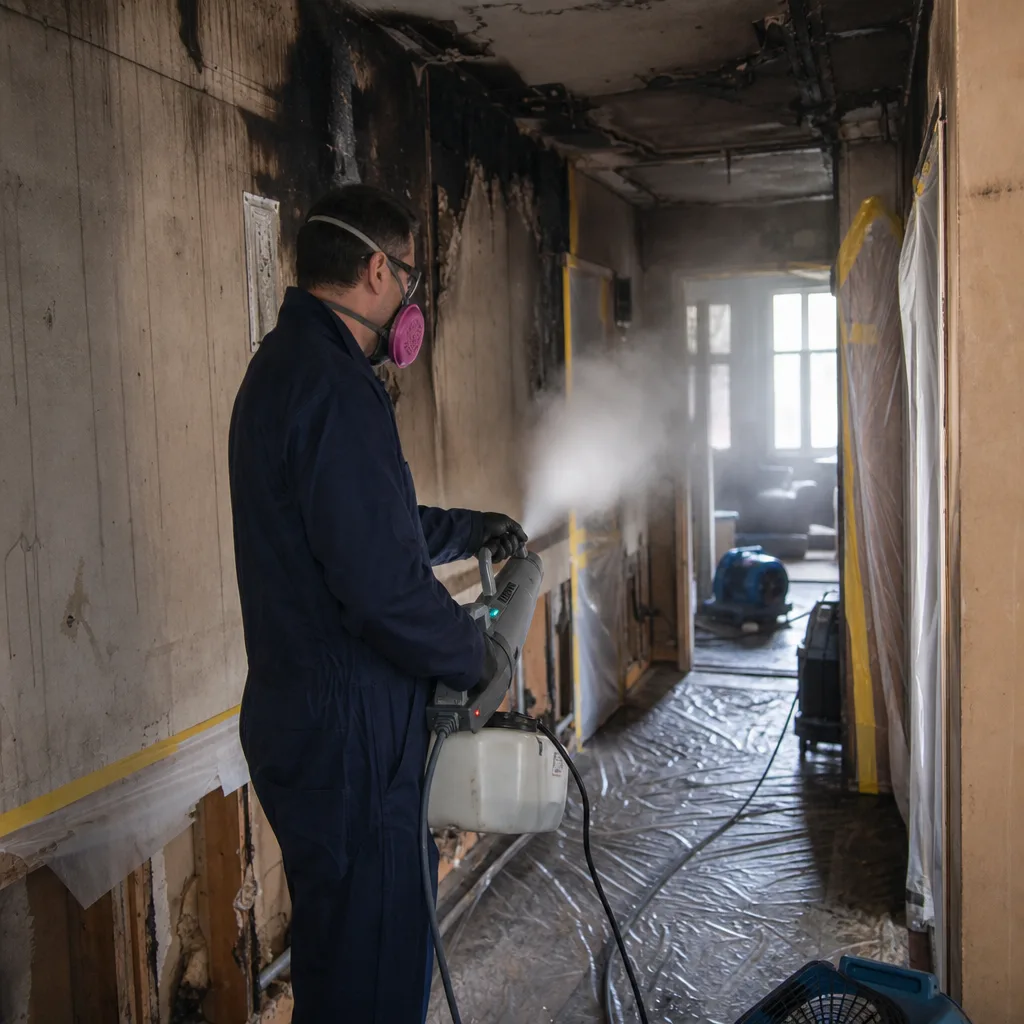
Smoke & Soot Removal
Soot removal here is a chase-by-chase job. We trace vertical plumbing risers and vent shafts from the fire unit upward and downward, cleaning residue wherever it settled. Skipping a single floor means odor complaints hit the co-op board within a week.
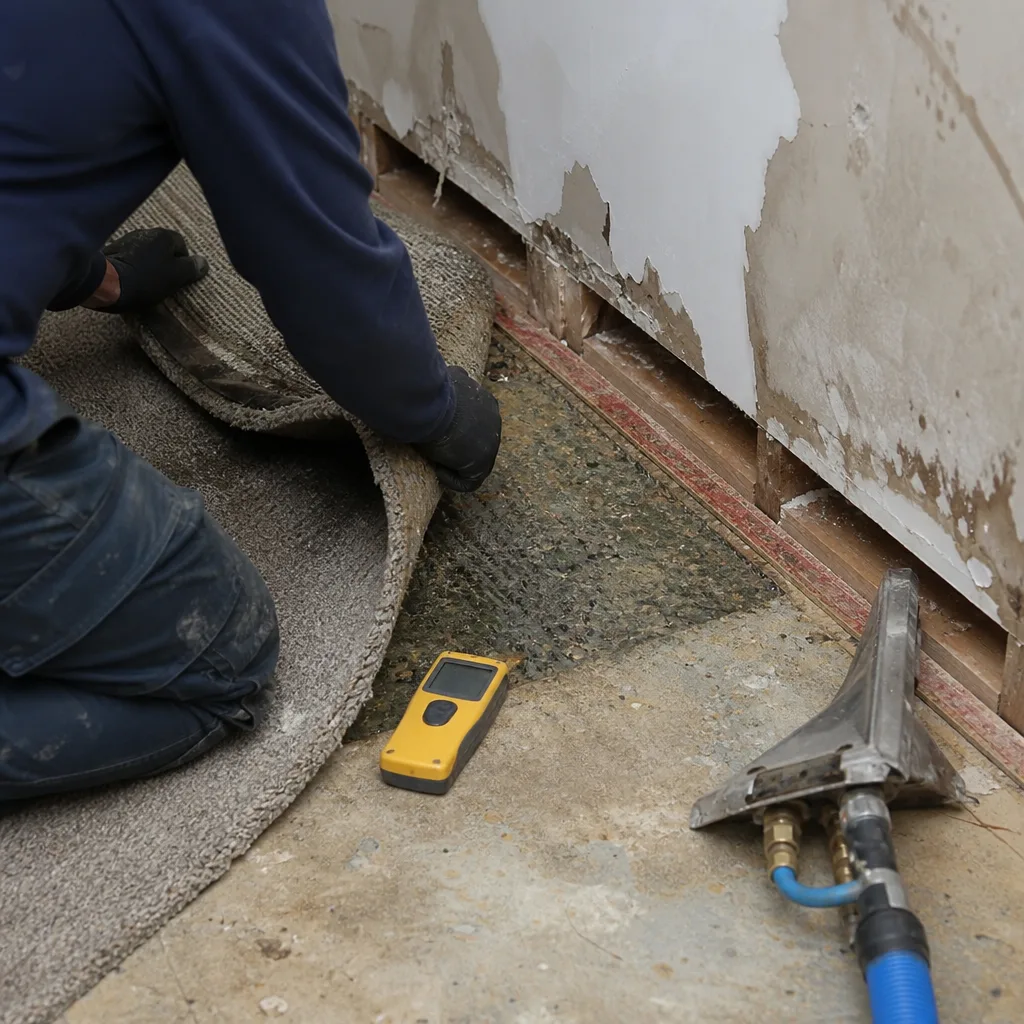
Odor Removal & Deodorization
Ozone, thermal fogging, and hydroxyl generators, plus B-Air and Dri-Eaz air scrubbers running continuously until the space tests clear. We don’t spray fragrance over smoke smell. We remove the source, then verify it’s gone.
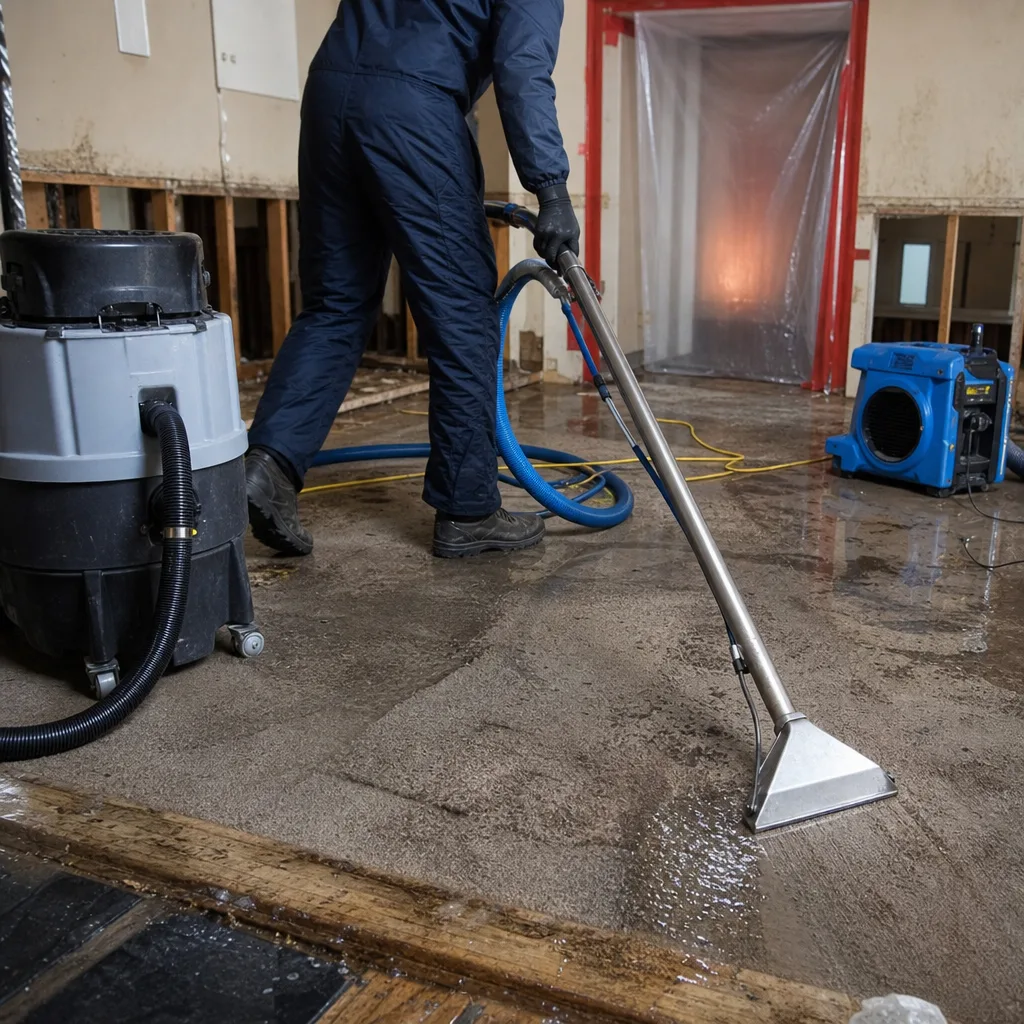
Contents Cleaning & Pack-Out
Clothing, furniture, books, and kitchen goods get inventoried, packed, and cleaned at our facility. For Midtown West co-ops and rentals, we provide a full pack-out log to the board and the insurer so every item is accounted for.
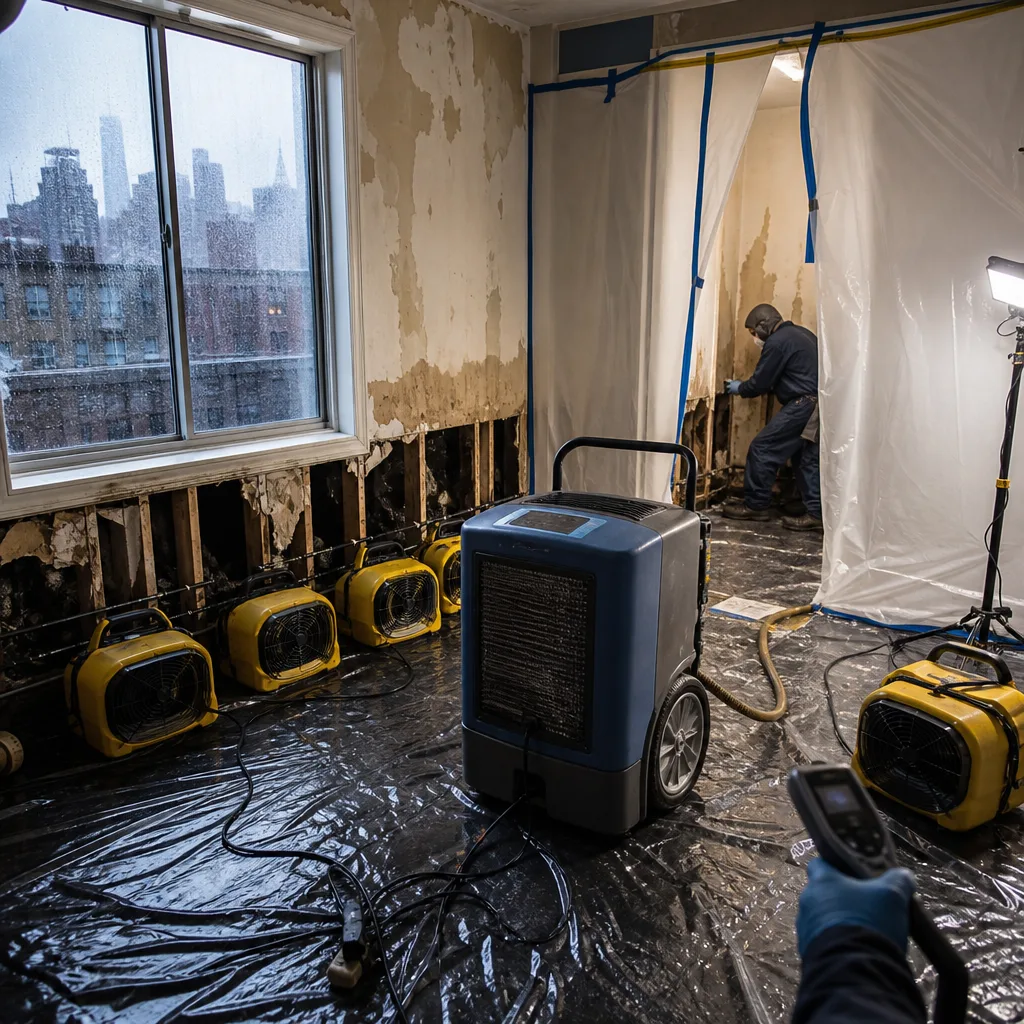
Emergency Board-Up & Tarping
A fire-damaged storefront on Ninth Avenue or a blown-out third-floor window in Hell’s Kitchen needs secure board-up fast, and it needs to not block the sidewalk or the fire lane. We handle the permits, the staging, and the security. Most emergency board-ups in Midtown West are complete within hours of the call.
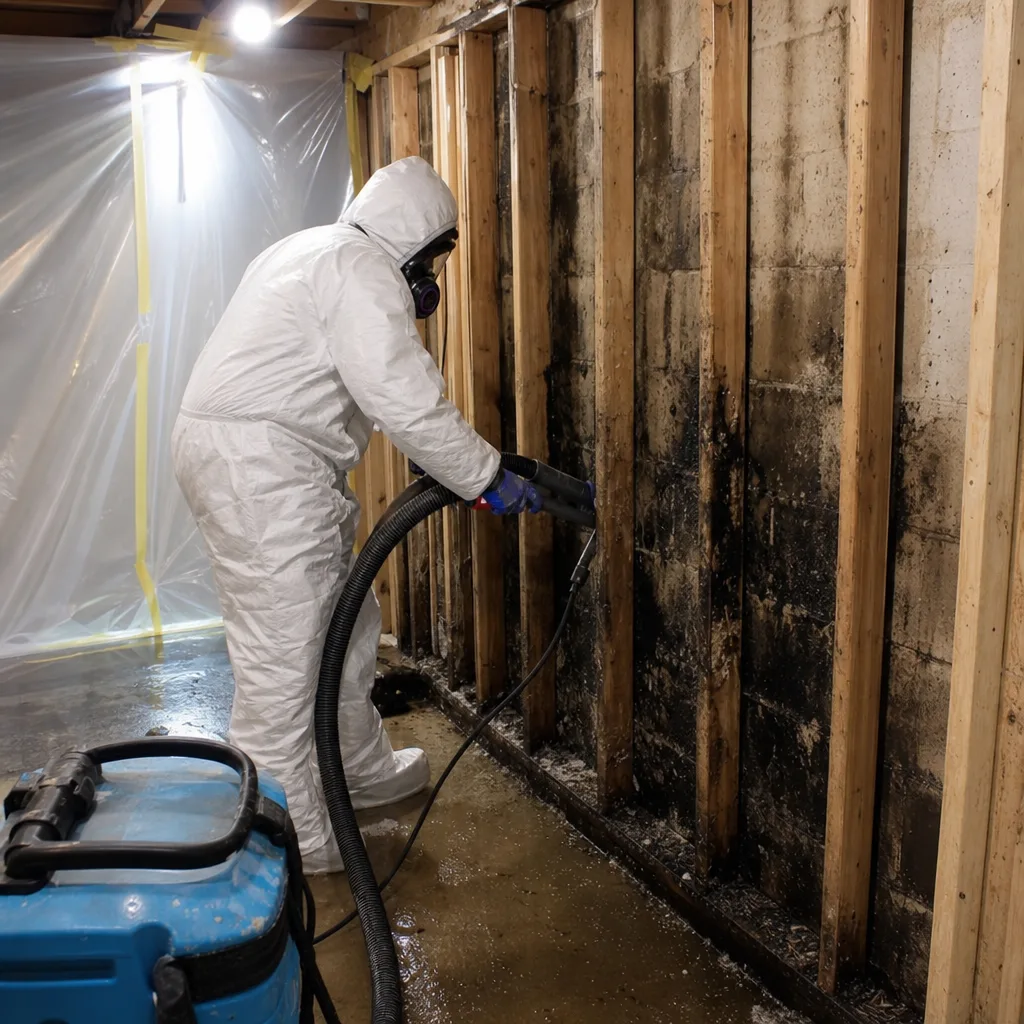
What happens when you call
- 1
A real person answersNo phone trees - you reach a local pro.
- 2
You get an upfront price rangeHonest numbers before anyone is dispatched.
- 3
A background-checked tech heads outLicensed & insured, dispatched right away.
- 4
You approve before work beginsNothing starts until you say go.
Fire & Smoke Damage Restoration Costs in Midtown West, NY
Fire and smoke restoration in Midtown West runs a wider range than almost anywhere else in the city, because the building stock swings from 1910 tenement to 2019 tower. A typical smoke and soot cleanup in a one-bedroom Hell’s Kitchen walk-up, with HEPA air scrubbing and deodorization, runs $2,200 to $5,500. Full fire damage cleanup with board-up, contents pack-out, and structural repair in a Midtown West apartment commonly starts around $8,000 and reaches $35,000 or more when walls, flooring, and cabinetry require replacement. Emergency board-up and tarping on its own runs $800 to $2,500 depending on window count and street-level permits. What moves the price most in Midtown West: asbestos abatement if pre-war materials test positive, chase contamination that extends smoke damage beyond the original unit, and access constraints that slow equipment staging in elevator buildings or pedestrian-dense corridors. Most fire losses are covered by insurance, and we bill the carrier directly. Call (518) 314-5660 for a free visual inspection and a firm scope in writing before you spend a dollar.
We Also Serve Cities Near Midtown West
Our crews cover Midtown West and the surrounding blocks, including Midtown Manhattan, Murray Hill, Washington Square, and Upper Manhattan. Same live dispatch, same 45-minute response commitment.
Serving Midtown West, NY - Our Local Coverage Area
We’re based in the Midtown West area and know this community well. Use the map below to see our service coverage - if you’re nearby, we can almost certainly help.
Midtown West Fire & Smoke Damage Restoration Questions, Answered
If my Midtown West pre-war building has original pipe insulation, can your techs start drying equipment the same day after a fire?
No, and any contractor who says otherwise is putting you at risk of a DOB stop-work order. NYC Local Law 76 and EPA NESHAP rules require a licensed asbestos abatement contractor to test and clear affected pre-war materials before air movers or dehumidifiers are placed. In Hell’s Kitchen buildings, pipe insulation, floor-tile mastic, and textured plaster routinely test positive, and the clearance process typically adds two to four days. We coordinate the abatement contractor and the DOB permit so the delay is as short as possible. Call (518) 314-5660 and we’ll walk you through the sequence.
How does your crew handle soot that traveled from a fire on a lower floor into multiple Hell’s Kitchen rental units through shared plumbing chases?
We trace the chase from the fire unit upward, opening access points and testing each affected unit for soot residue and odor. Then we run HEPA air scrubbers and containment on every impacted floor, not just the fire floor. Treating only the source unit leaves odor complaints that trigger co-op board claims within days, and we’d rather solve it once.
What is the typical regulatory delay before recovery equipment can be staged in a Hudson Yards high-rise after a fire?
In Hudson Yards buildings with modern construction, the delay is usually minimal: no asbestos testing is needed for post-2010 materials, and building management typically approves same-day staging once the FDNY has released the scene. The main constraint is freight elevator scheduling and pressure-containment protocols in sealed curtain-wall units. We handle that coordination with the building manager directly.
Can your team board up a ground-floor storefront on Ninth Avenue without closing the sidewalk or violating Department of Transportation street-use permits?
Yes. We pull the required street-use permits before staging, and our crews board up from inside the storefront shell whenever possible so pedestrian flow on Ninth Avenue stays open. If temporary sidewalk closure is unavoidable, we coordinate the permit hours with the DOT. Blocking a sidewalk or fire lane without a permit gets a Midtown West job towed and delayed by hours, and we won’t risk it.
How do you document fire restoration work for a co-op board or insurance company in Midtown West when multiple parties are involved?
Every job gets a photo log from the first hour, a line-item scope in Xactimate format, moisture and deodorization readings at each phase, and a final pack-out inventory if contents were removed. We deliver the documentation to the unit owner, the building’s master-policy carrier, and the co-op board or managing agent simultaneously. Then we bill the carrier directly, so the owner never has to front money and chase reimbursement.
How fast can you actually get to a fire-damaged unit in Midtown West?
Our dispatch commits to a 45-minute response for emergency board-up and assessment within Midtown West, and usually faster when a crew is already in Hell’s Kitchen or near Hudson Yards. The call is answered by a live person at any hour, and the crew that arrives is the same one that handles the job through cleanup and rebuild. Call (518) 314-5660 for the current response time on your street.
Will my insurance cover fire and smoke restoration in Midtown West?
Most homeowner, co-op, and commercial policies cover fire and smoke damage, including board-up, soot removal, deodorization, contents cleaning, and structural repair. The coverage question in Midtown West is usually multi-party: the unit owner’s policy, the building’s master policy, and a commercial lessee’s coverage all have to coordinate. We document to industry standards, talk to the adjuster directly, and bill the carrier so you’re not stuck in the middle.
Do I really need full remediation, or just a cleaning after a small fire in my Midtown West apartment?
If the fire was small and contained, with no soot migration into wall cavities, chases, or adjacent units, a surface cleaning with HEPA vacuuming and deodorization may be sufficient. But in Midtown West pre-war buildings, what looks like a small kitchen fire often means soot in the plaster walls and the shared vent chase. We’ll tell you honestly which one you have, and we give you a written scope before any work starts. Call (518) 314-5660 for a free visual inspection.
Written by Curt Bowman, Owner at Floodline Restoration Co., serving Midtown West since 2010.