
Free visual inspection and a written scope of work before any mitigation begins - photos, moisture readings, and drying logs go in your claim file
The scope we write is the scope we bill. Anything new gets shown to you, in writing, before we touch it.
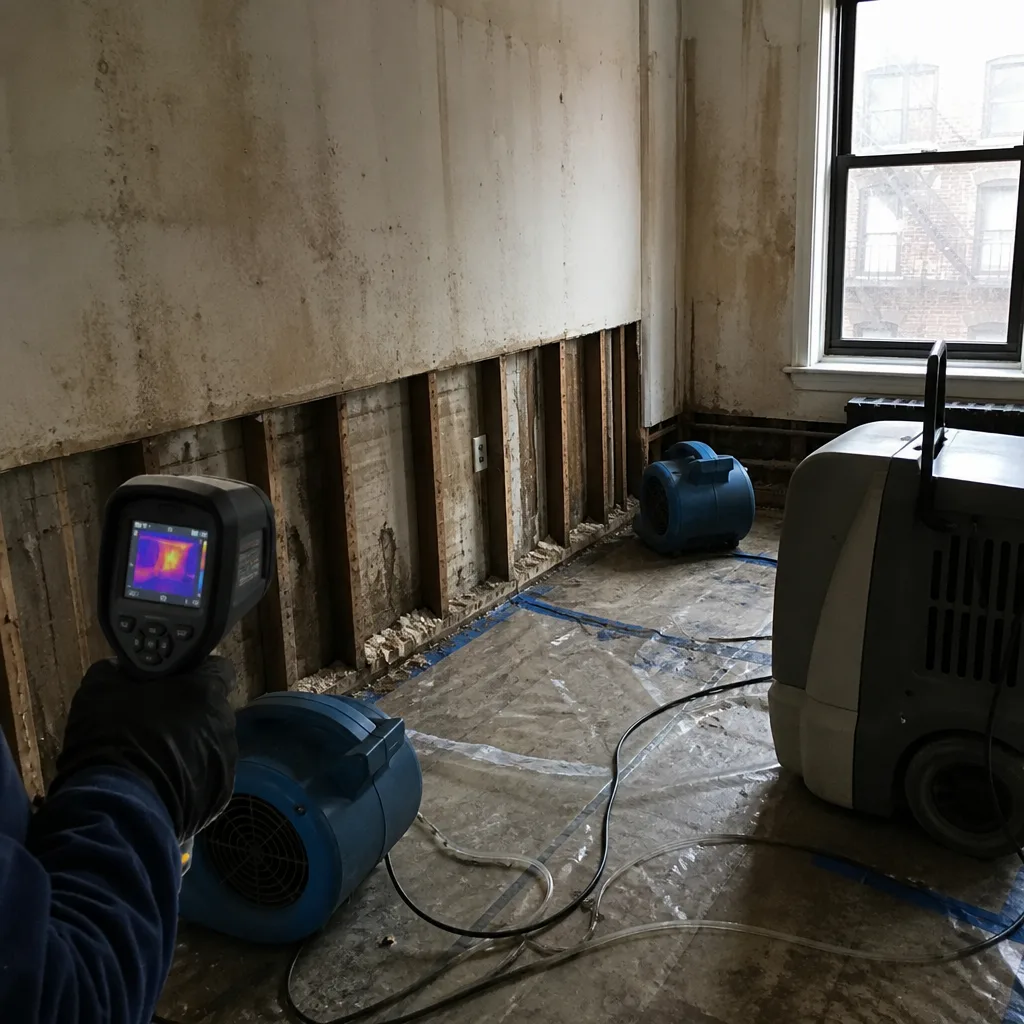 Before
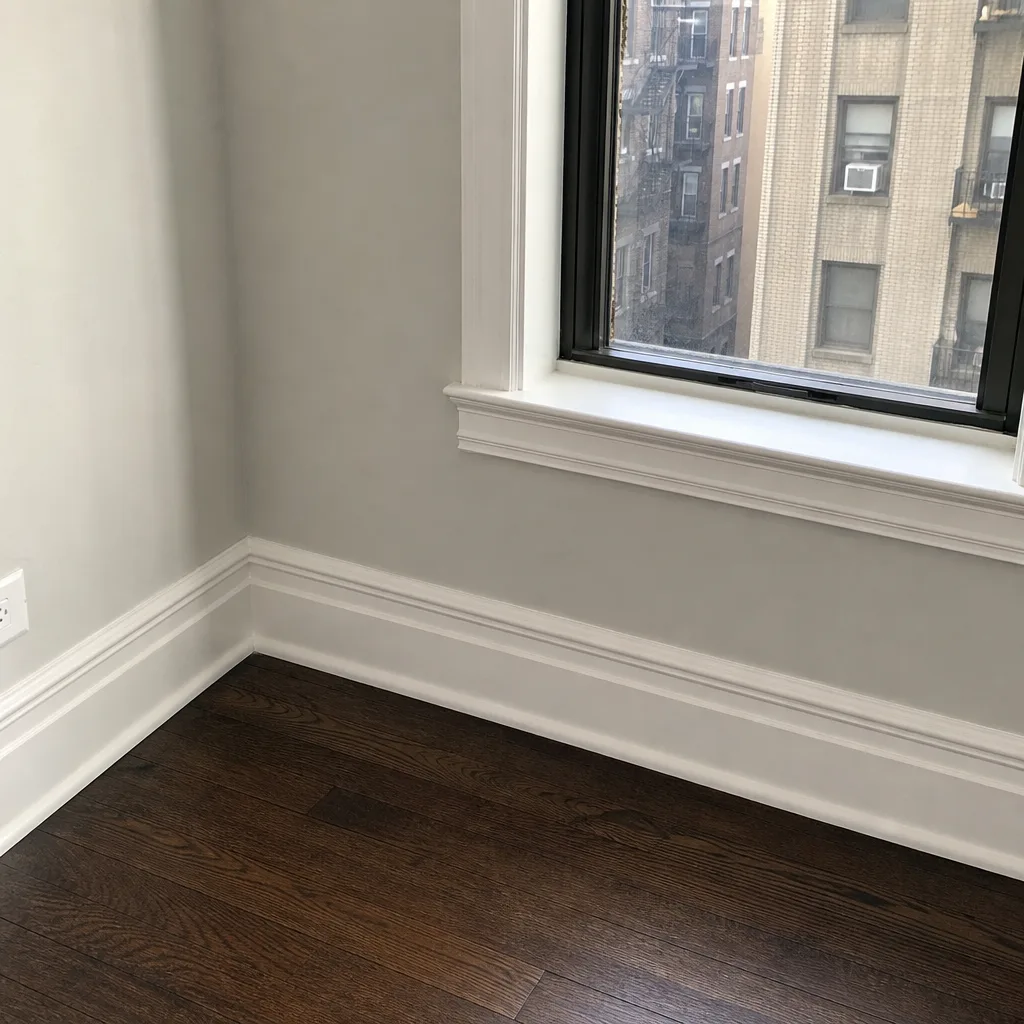 After
After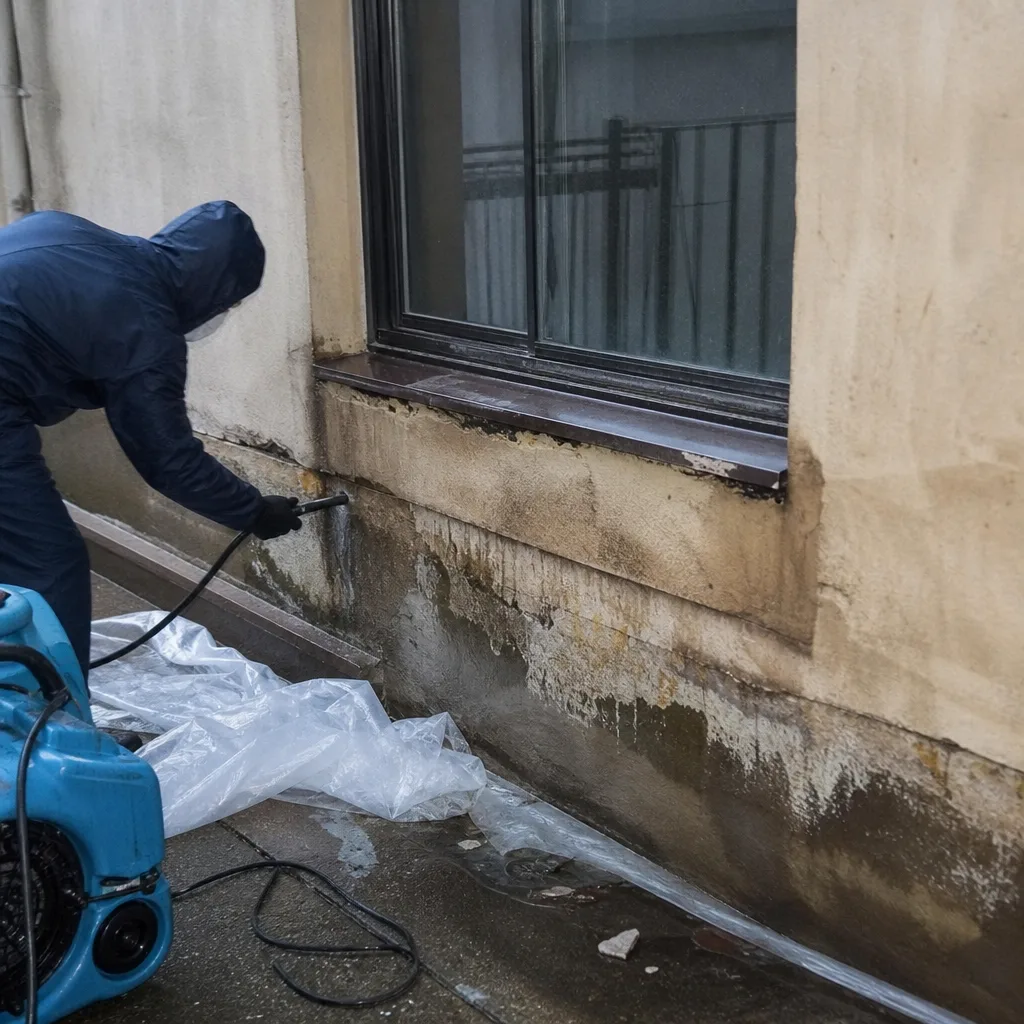 Before
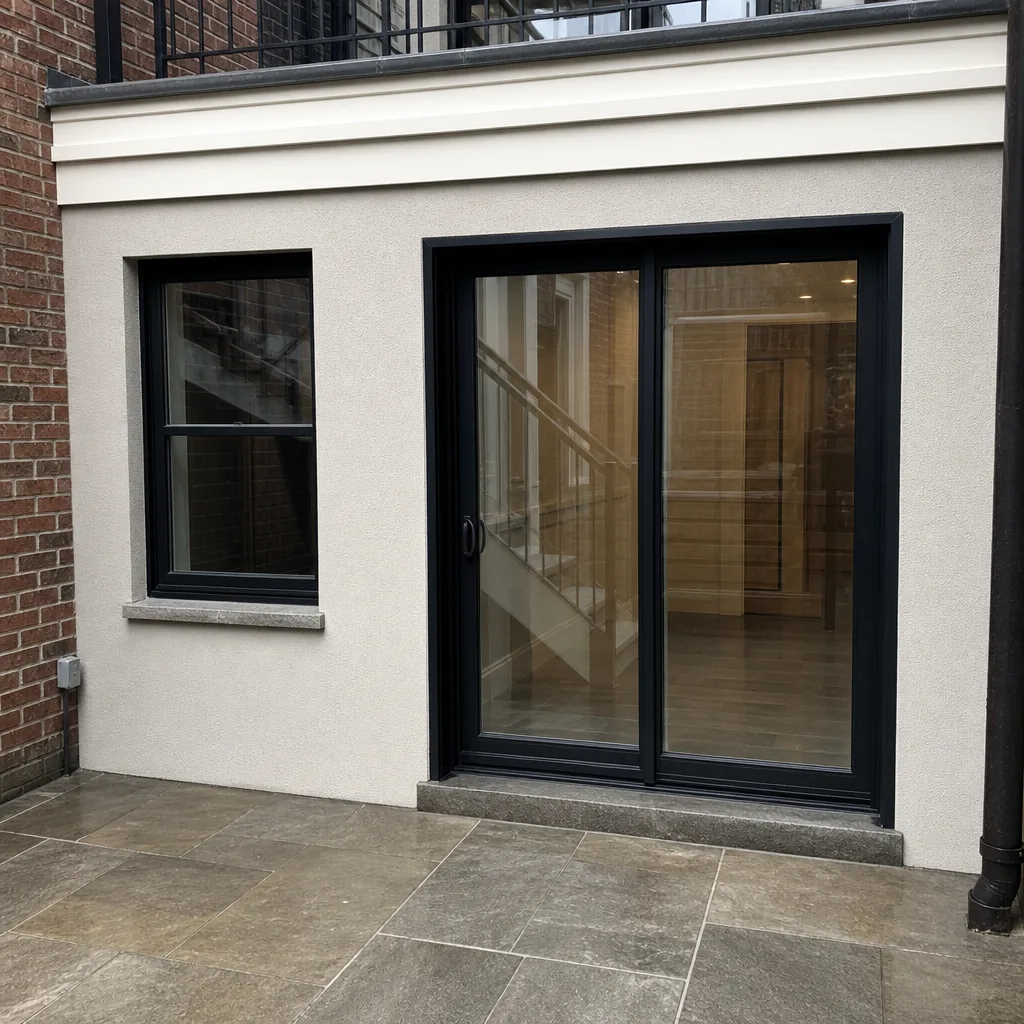 After
After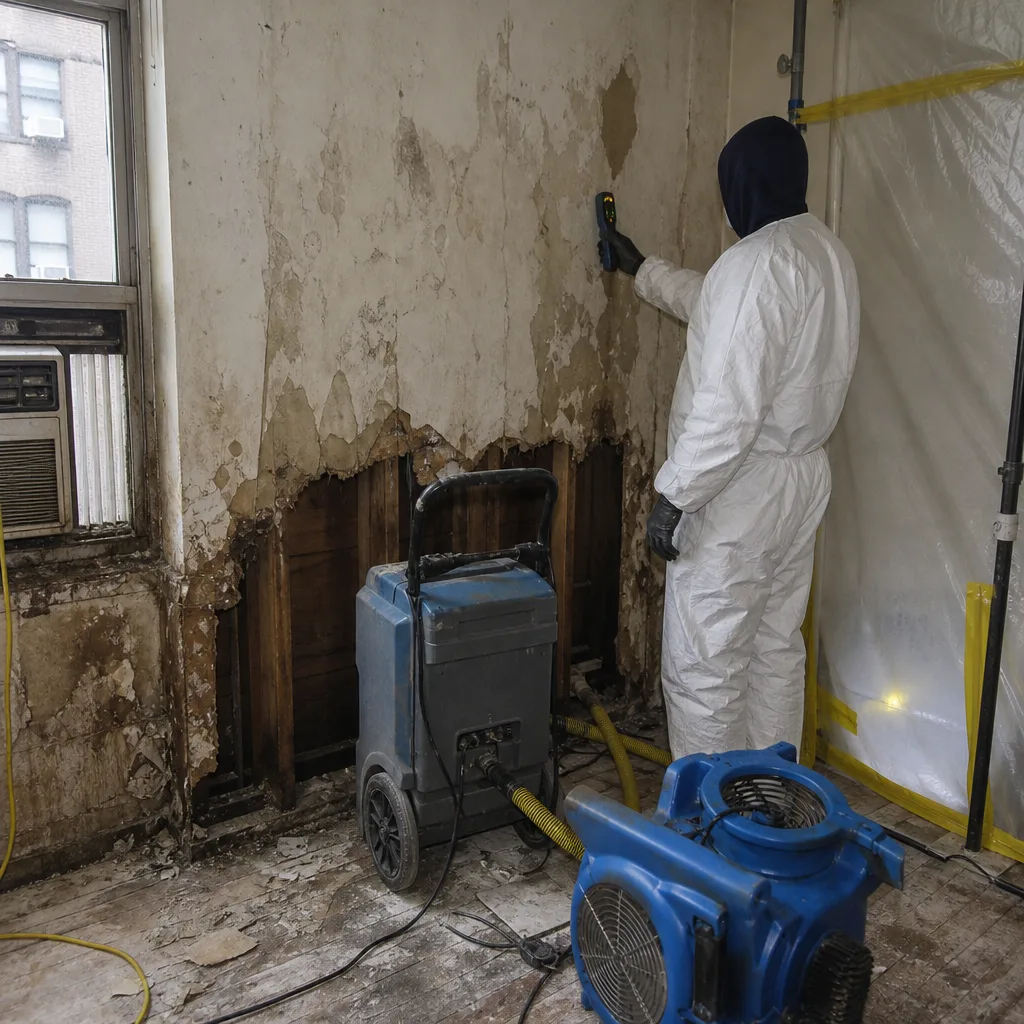 Before
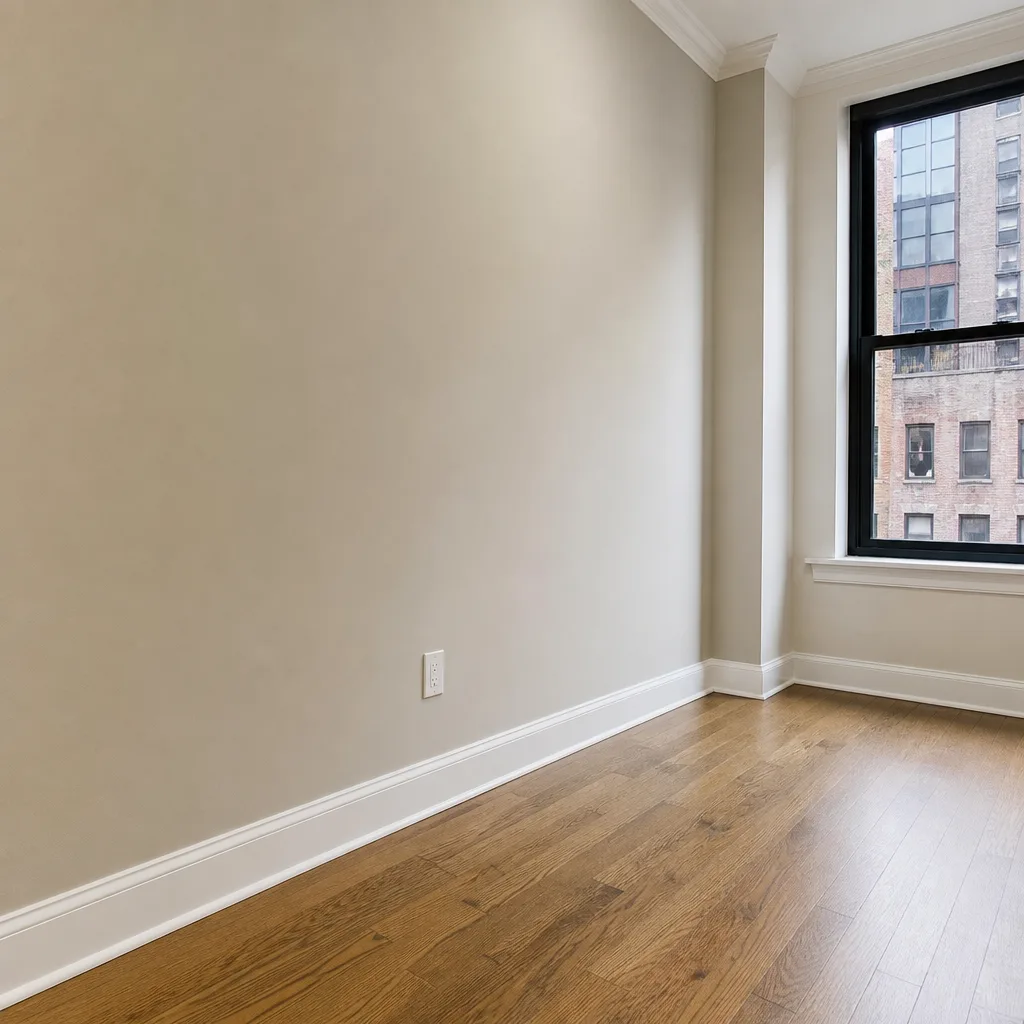 After
After24/7 Emergency Fire & Smoke Damage Restoration in Upper Manhattan
When a fire hits a pre-war walk-up or a sixth-floor apartment off Broadway, the clock starts before the trucks leave the station. Smoke moves through interior air shafts, ductwork, and stairwells within minutes of the first flame. Soot settles into lathe-and-plaster walls that were built when Calvin Coolidge was president. Every hour of delay drives that residue deeper, makes odor harder to pull out, and turns a cleanup into a reconstruction. Our crews reach Upper Manhattan fast, day or night, every day of the year. Call (518) 314-5660 and you’ll get a live person, not a recording. We run free visual inspections on every fire job. The sooner we see the damage, the less it costs you to fix it.
Understanding Fire & Smoke Damage Restoration Severity in Upper Manhattan Properties
Fire damage restoration in Upper Manhattan is not one problem. It is three problems stacked on top of each other, each with its own failure mode. First, there is the burn itself: charred framing, compromised joists, melted wiring. Then there is soot, which comes in distinct residues. Protein soot from a kitchen fire is nearly invisible but greasy and aggressively adhesive. Synthetic soot from burned upholstery or electronics leaves a black, smeary film that smears further if you wipe it. Finally there is smoke migration, the problem that defines this borough. In a 1900-1945 tenement or elevator building, smoke does not stay in the unit of origin. It moves into hallways, through pipe chases, and up interior air shafts, carrying odor and acids into apartments that never saw a flame. Severity in Upper Manhattan is rarely about the square footage of fire. It is about how far the smoke traveled and what it touched on the way. Cast-iron plumbing stacks and original plaster walls hold smoke residue differently than drywall in a 1990s condo, and that changes both the chemistry of the cleaning and the time it takes to be finished.
Why Upper Manhattan Property Owners Choose Floodline Restoration Co.
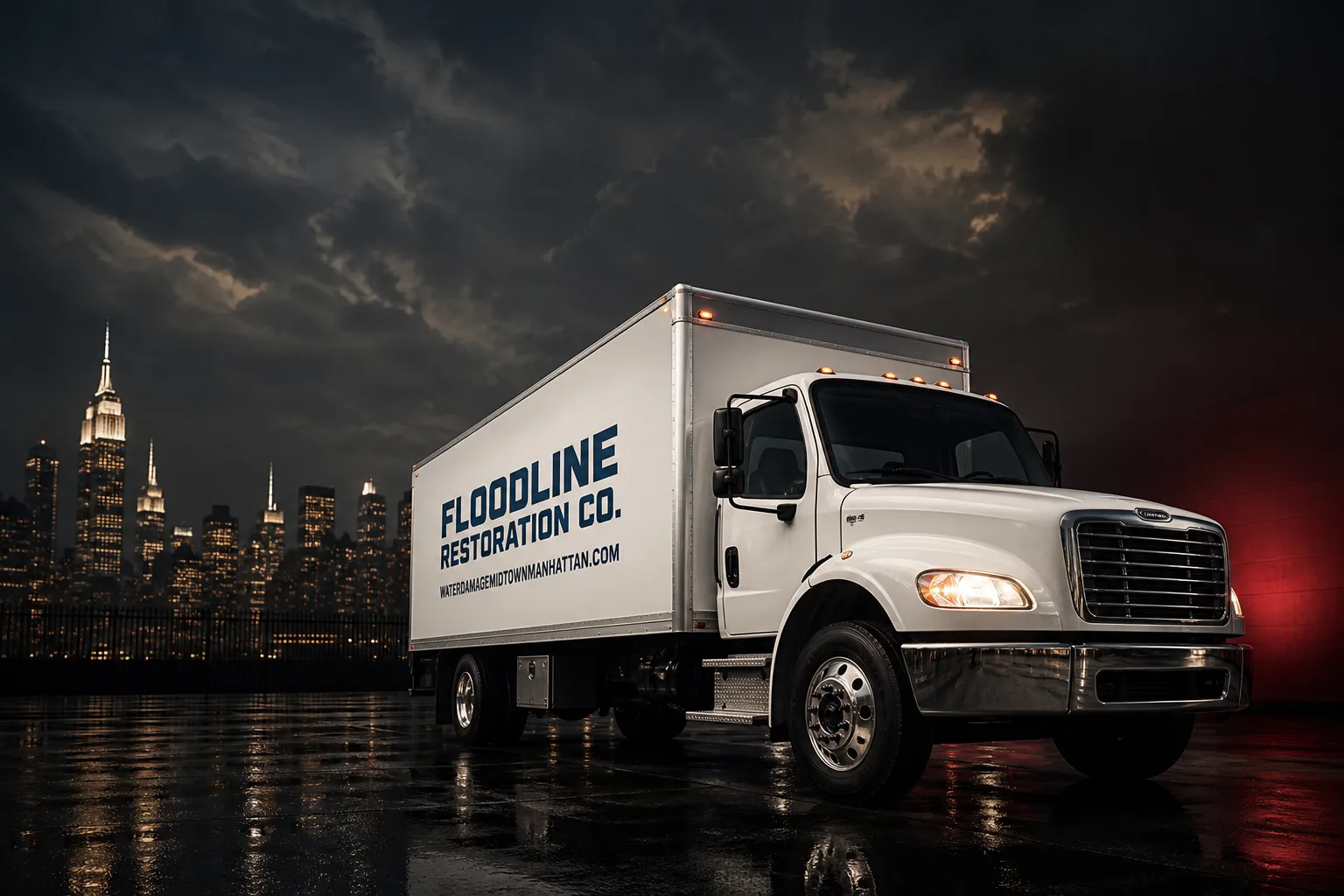
We have been restoring fire-damaged buildings in New York City since 2010. Curt Bowman built this company around a dispatch board, not a sales desk, and you can hear it in how the phone is answered. A description of how we work belongs in plain terms:
- 45-minute response commitment for fire calls in Upper Manhattan. Crews are staged in the metro area and know the bridges, the boulevards, and the parking reality of narrow uptown streets.
- 24/7 live answer. A dispatcher picks up at 2 a.m. Not a voicemail tree. You speak to a person who can move trucks.
- IICRC-certified crews, including FSRT (Fire & Smoke Restoration Technician) and OCT (Odor Control Technician) certifications, plus IICRC, RIA, and IFA standards training.
- Free visual inspection before any work is committed. You get a written scope and a firm number. No open-ended invoices.
- Direct insurance billing. We bill your carrier and talk to your adjuster from first inspection to final invoice. You do not become the messenger.
- One team from extraction to reconstruction. The same uniformed, background-checked crew that packs out contents on day one handles the structural fire repair and final coat of paint. No mid-job handoff to a subcontractor you have never met.
Our Fire & Smoke Damage Restoration Process
Inspection & Assessment
We walk the fire unit first, then the shafts, hallways, and adjacent apartments. Thermal imaging shows heat damage behind walls and above ceilings that a visual inspection misses. Every opening to a shared interior air shaft gets flagged in the report.
Extraction & Stabilization
Water damage from fire suppression equipment gets extracted immediately. We board up broken windows, tarp damaged roofs, and cut power to compromised circuits. The building gets secured so work can begin safely.
Drying & Dehumidification
Every fire is also a water event. Water from the FDNY hydrant line, sprinkler system, or burst supply pipe saturates floors and walls. We place Phoenix and B-Air air movers with Dri-Eaz dehumidifiers, produce daily moisture logs, and confirm a dry standard before reconstruction starts.
Cleaning & Sanitization
Surfaces are cleaned by soot type. Dry chem sponge for protein residue. HEPA vacuuming and appropriate detergents for synthetic soot. We run HEPA air scrubbers to capture airborne particulates while cleaning is underway.
Odor Removal & Deodorization
In pre-war construction, odor gets into plaster, into original wood floors, into the throat of an interior air shaft. Ozone, hydroxyl generators, thermal fogging, and sealants are used as the chemistry of the building requires. We do not mask. We remove.
Repairs & Restoration
Reconstruction is scoped in writing and priced before a hammer swings. We rebuild the unit of origin, restore affected adjacent units, and hand you a complete scope. Every job carries the 90-Day Done Right Promise in writing.
Need Emergency Fire & Smoke Damage Restoration in Upper Manhattan Now?
Crews minutes away, answering live 24 hours a day. The sooner we start, the less it costs.
Working With Your Insurance Company
Most fire claims in Upper Manhattan are covered, but what the carrier pays depends on documentation from the very first hour. We photograph every room before we touch anything. We tag pack-out contents, inventory them, and store them. We produce industry-standard line item estimates using the same software your adjuster uses, and we speak to the adjuster directly so you do not have to interpret mitigation language at 10 p.m. after the third damage call of your week. The homeowner never becomes the messenger between us and the carrier. That has been our policy since Curt Bowman founded the company in 2010, and it applies to every fire we respond to in Harlem, Washington Heights, and Inwood.
What We Provide Your Insurer
- Thorough documentation of the loss
- Photos of all damage, room by room
- Moisture readings and drying logs
- A detailed, line-item scope of work
- Direct coordination with your carrier
Built for Upper Manhattan’s Loss Calendar
Every borough has its own fire season. Upper Manhattan’s is winter. The deep weeks of January and February are when space heaters come out, overloaded circuits give way in century-old wiring, and radiators hiss in apartments that have not been re-piped since the Truman administration. The river-adjacent streets near the Harlem River add cold-weather moisture that drives boards into settlement and exposes gaps around gas lines and electrical penetrations. Spring brings the next wave: thawing and rain forcing water into roof membranes that were already brittle, shorting junction boxes in air shafts that have not been inspected in decades. Summer thunderstorms hit low-lying blocks hard with sewer backup into cellar apartments that hold decades of stored belongings. Every fire we respond to in Upper Manhattan happens inside a building that has already absorbed decades of those seasonal stresses. Our Fire & Smoke Damage Restoration work in Upper Manhattan starts with reading the building, not just the burn.
Fire & Smoke Damage Restoration Across Upper Manhattan’s Neighborhoods
From the six-story walk-ups along St. Nicholas Avenue to the NYCHA towers east of Lenox and the elevator buildings rising above 181st Street, Upper Manhattan’s fire damage patterns follow its architecture. In Central Harlem, a kitchen fire in a brownstone with original balloon framing can travel through wall cavities into a parlor floor before the first engine arrives. In Washington Heights, pre-war brick apartments with interior air shafts send smoke into four, five, or six units stacked vertically. In Inwood, garden-level apartments on low blocks between Broadway and the river combine fire and sewer-risk water in a single event. Each of these neighborhoods needs a different first response, different containment, and a different negotiation about access. We know the difference between the 1905 tenement and the 1962 high-rise, and we scope accordingly.
Specialized Fire & Smoke Damage Restoration Services We Offer in Upper Manhattan
Fire Damage Cleanup
After the FDNY clears the scene, we remove compromised building materials, clean char framing, and secure the structure. In pre-war Upper Manhattan buildings, demolition is surgical: plaster, trim, and original wood flooring are preserved where preservation is possible, because a gut renovation in a landmarked district is not a cleanup, it is a zoning variance.
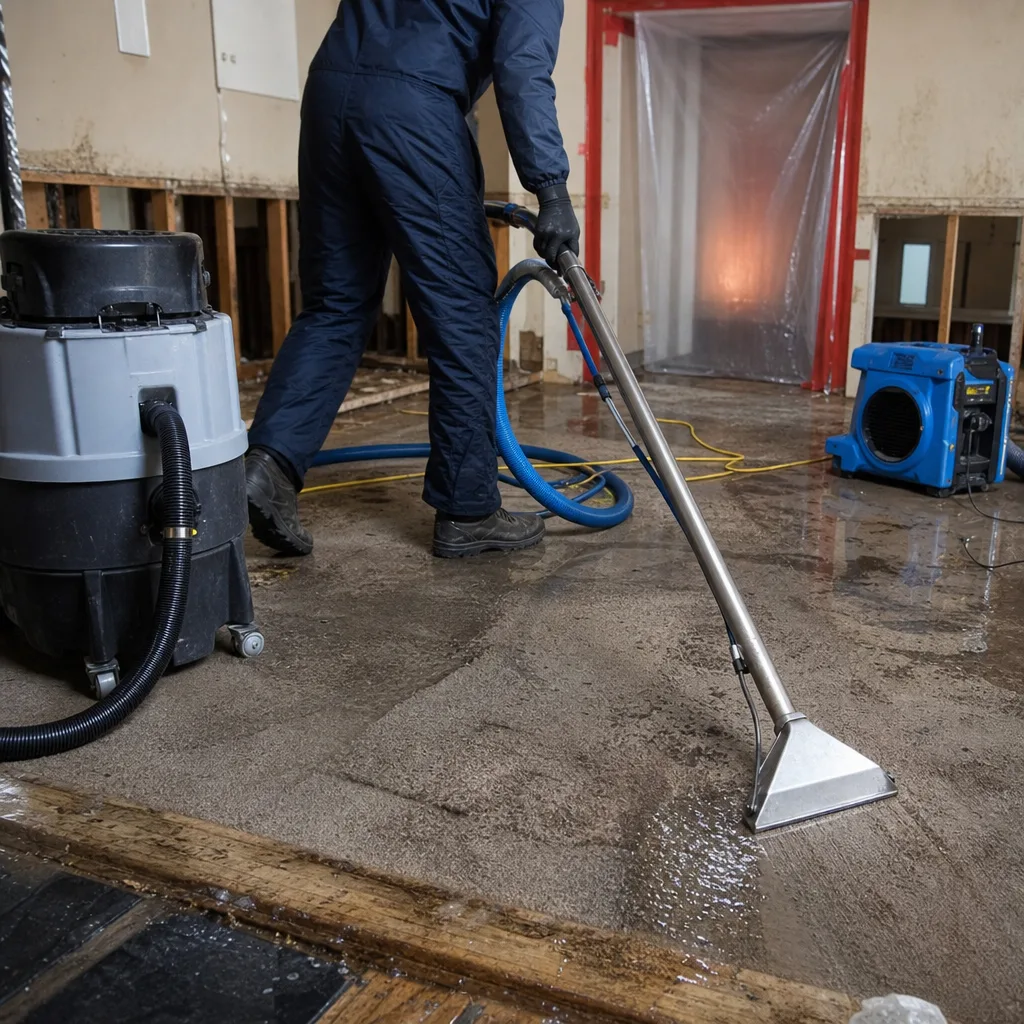
Smoke & Soot Removal
Soot is acidic. Left on marble, it etches. Left on plaster, it bonds. In Upper Manhattan, where walls are lathe and plaster from the 1920s and 1930s, the work is delicate by nature. We match the cleaning method to the soot type and the surface age, and we document every surface we touch.
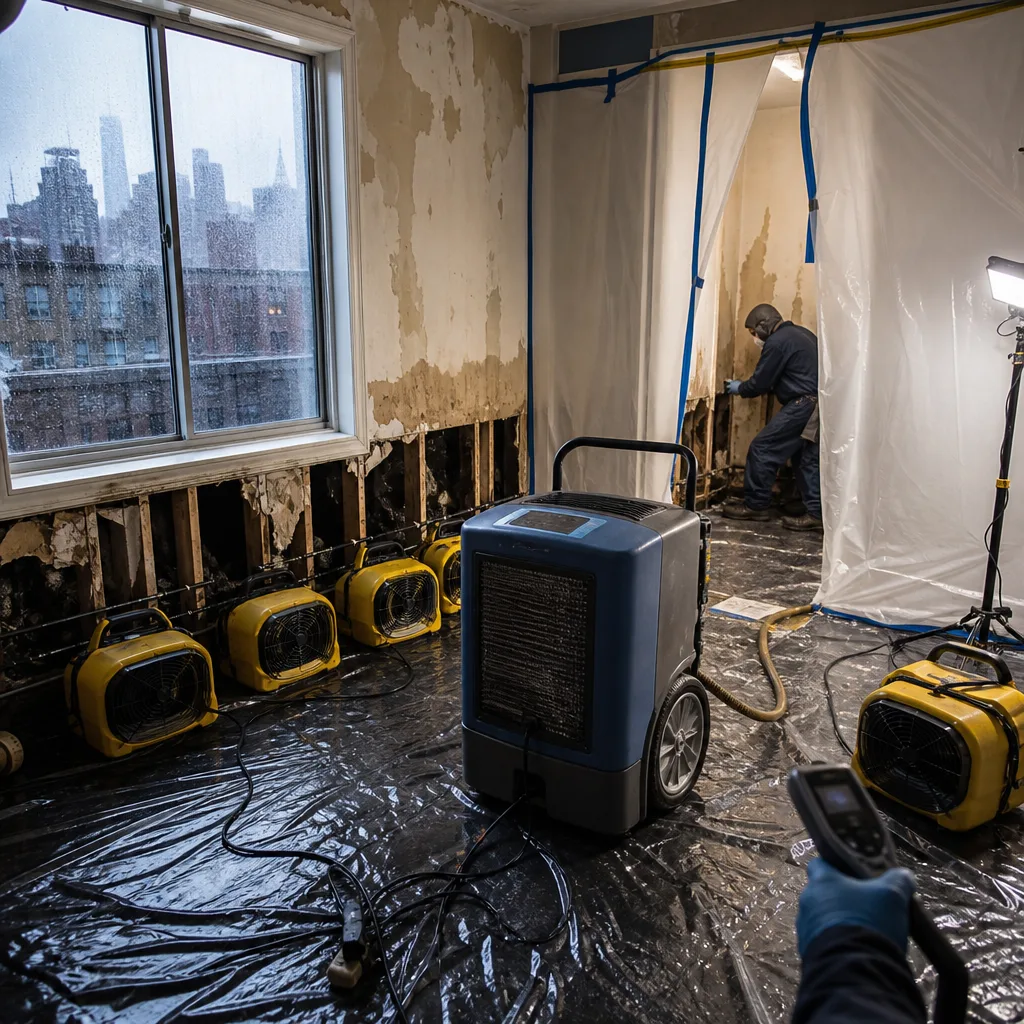
Odor Removal & Deodorization
Smoke odor in an interior air shaft in Washington Heights travels like warm air in a chimney: up, through, into every unit with an open shaft window. We treat the shaft as a distinct volume, seal it at each opening, scrub the air, and treat surfaces so odor does not return when weather changes reopen old pathways.
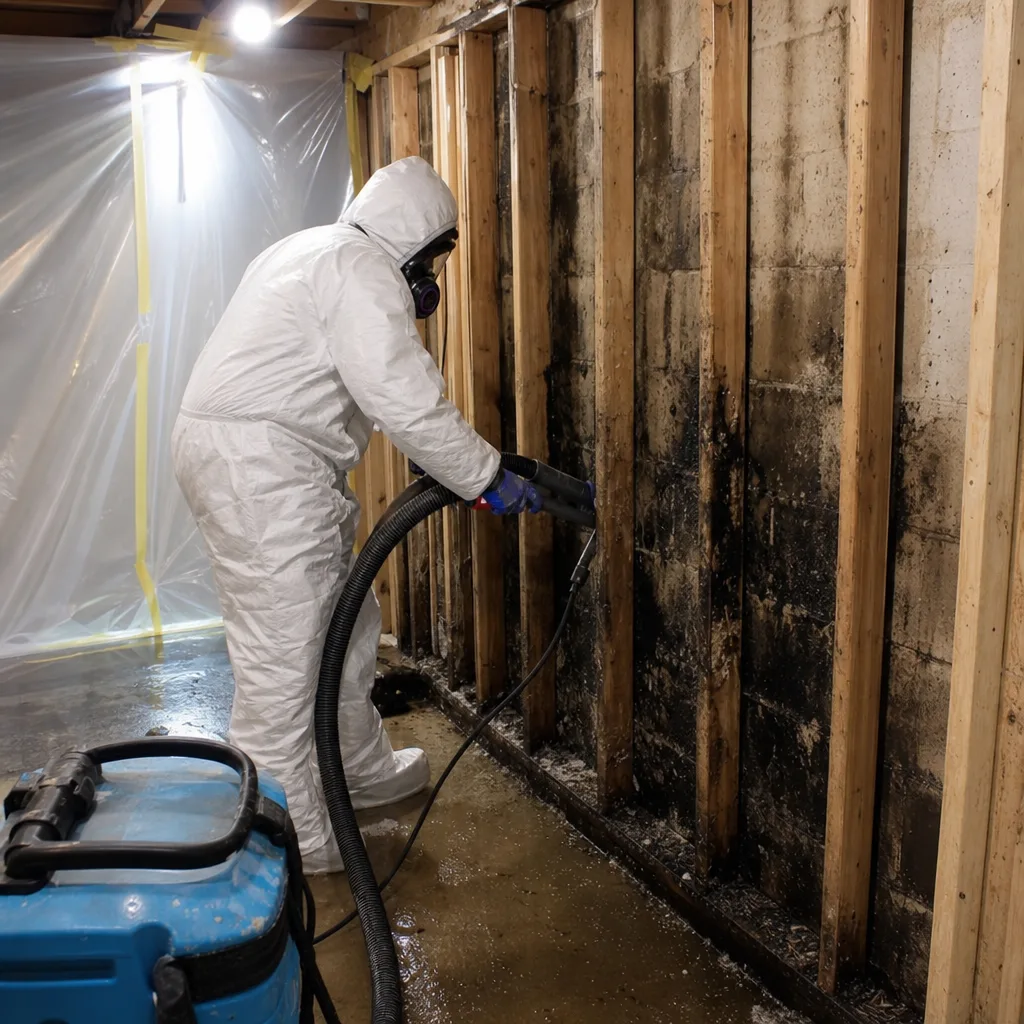
Contents Cleaning & Pack-Out
When one fire affects several apartments in a Harlem building, pack-out is a tenant-by-tenant operation. We inventory every item, photograph it twice, wrap it, box it, transport it, clean it, store it, and return it. Rent-stabilized tenants and landlords each get a clean inventory with their own line items, because each has an insurance claim.
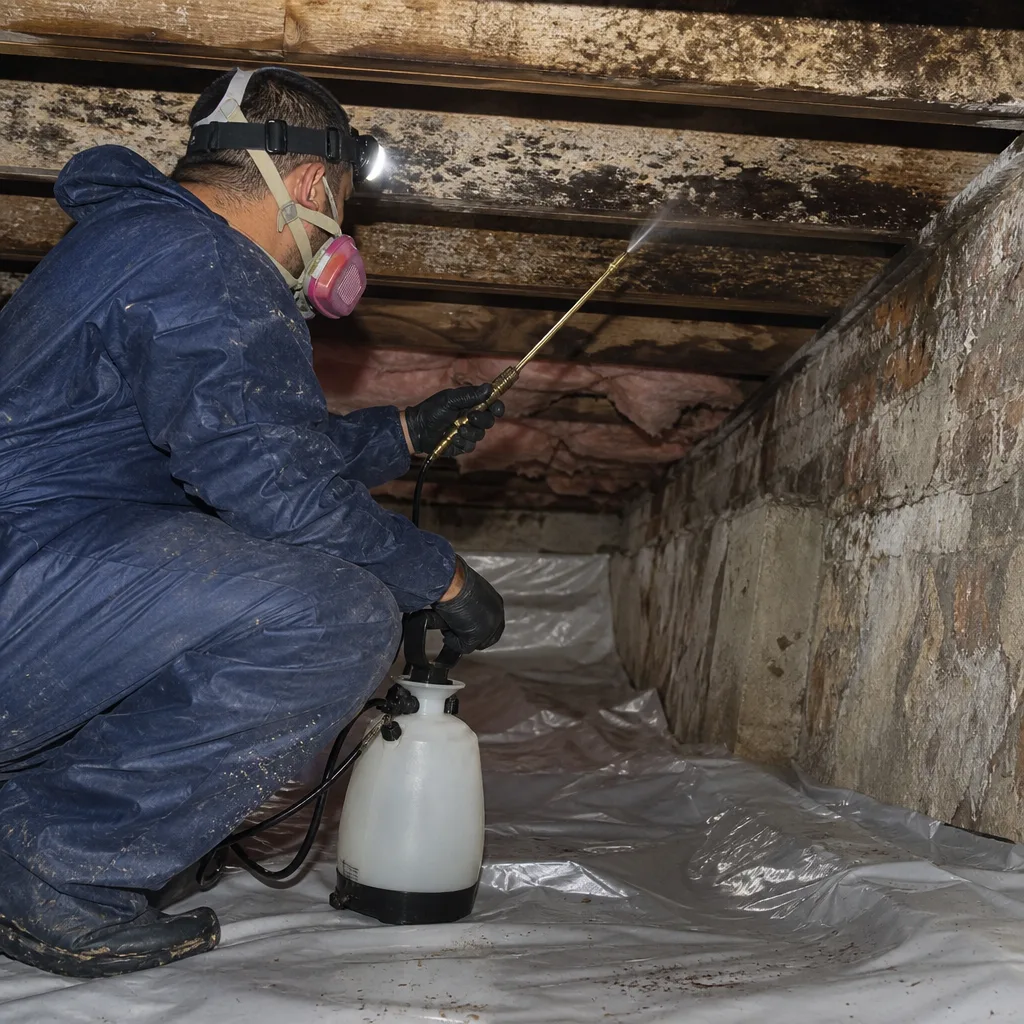
Emergency Board-Up & Tarping
A broken sixth-floor window on a Washington Heights air shaft is an invitation for water, pests, and curious hands. We board windows and tarp roofs within hours of the fire, so the building waits for restoration without getting worse while the scope is written.
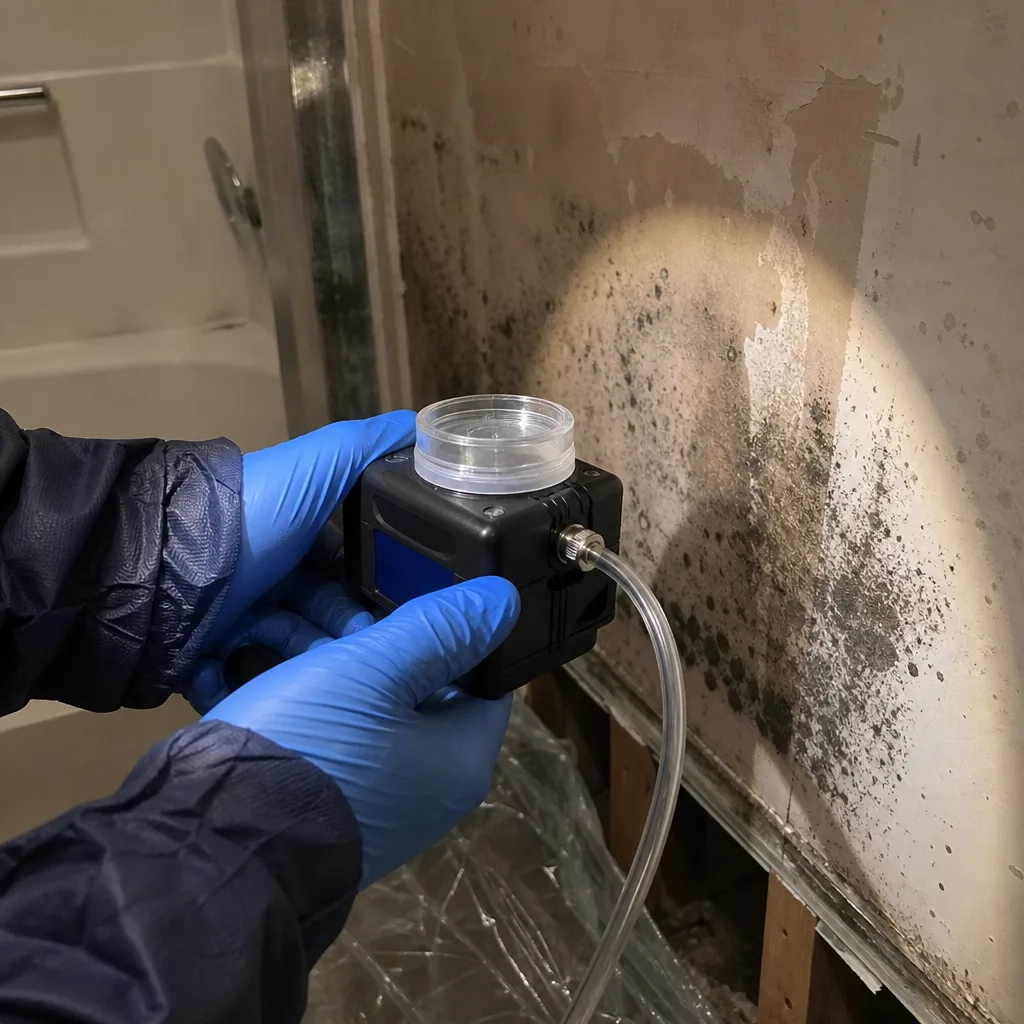
What happens when you call
- 1
A real person answersNo phone trees - you reach a local pro.
- 2
You get an upfront price rangeHonest numbers before anyone is dispatched.
- 3
A background-checked tech heads outLicensed & insured, dispatched right away.
- 4
You approve before work beginsNothing starts until you say go.
Fire & Smoke Damage Restoration Costs in Upper Manhattan, NY
Upper Manhattan pricing runs a bit higher than the outer boroughs, but not because of the cleaning itself. It is access, abatement, and building rules. Fire damage cleanup alone typically runs $2,800 to $6,500 for a smoke event confined to one room. Full smoke and soot removal across a single pre-war apartment usually lands between $5,000 and $12,000. When an interior air shaft carries smoke into five or six units, a building-wide scope can reach $25,000 to $80,000, depending on the number of rent-stabilized tenants, asbestos-containing materials, and whether contents pack-out is required. Every project starts with a free visual inspection, a written scope, and a line-item number. No ballpark figures turned into change orders. Call (518) 314-5660 and we will walk the building and tell you what we see.
We Also Serve Cities Near Upper Manhattan
Our teams move through the whole island when fire season hits. We regularly serve fire damage restoration jobs in Midtown Manhattan, Midtown West, Murray Hill, and Washington Square. Same live dispatch, same crews, same standards.
Upper Manhattan Fire & Smoke Damage Restoration Questions, Answered
How do interior air shafts in Washington Heights tenements affect fire and smoke damage restoration?
Interior air shafts in Washington Heights tenements act as vertical chimneys that carry smoke and soot from the fire unit into every apartment sharing that shaft. Restoration must include full-shaft inspection, containment at every shaft opening, and deodorization in all affected units, not just the one where the fire started. Call (518) 314-5660 if a fire has left odor in your building’s shaft, and we will scope every opening.
Why is asbestos abatement often required before structural fire repair in Upper Manhattan’s pre-war buildings?
Many Upper Manhattan buildings constructed before 1945 contain asbestos in pipe insulation, plaster, and floor tile. NYC DEP regulations require licensed asbestos abatement before demolition or repair work that disturbs those materials. We coordinate the abatement sequence so the fire restoration is not delayed by a stop-work order. We can explain the DEP process during a free inspection.
What does a fire in a rent-stabilized Upper Manhattan apartment mean for neighboring units?
It means smoke and odor often migrate into adjacent apartments through shared air shafts, pipe chases, and hallway doors. Tenants in those units may need contents cleaning or pack-out even when no flames touched their apartment. Landlords and tenants each have their own insurance claims, and our documentation gives each side what it needs. Call (518) 314-5660 and we will coordinate access with the landlord directly.
How do restoration crews handle contents cleaning and pack-out when a fire affects several apartments in one Harlem building?
We treat each apartment as its own claim. Every item is inventoried, photographed, wrapped, boxed, transported, cleaned, stored, and returned with a line-item inventory for that tenant and that carrier. Rent-stabilized units are handled tenant-by-tenant, because each household is a distinct insurance claim. Free visual inspection starts the process.
Why is odor removal more difficult in pre-war Upper Manhattan buildings than in newer construction?
Pre-war buildings are lathe and plaster, which is more porous than modern drywall, and interior air shafts create vertical pathways that hold smoke residue. Odor gets into the plaster matrix and returns when humidity spikes. Full odor removal often requires air scrubbing, hydroxyl treatment, and surface sealing inside the shaft itself. Call (518) 314-5660 for an inspection that reads the building correctly.
How fast can a crew reach Upper Manhattan after a fire?
Crews are staged in the metro area and committed to a 45-minute response for fire calls in Upper Manhattan. A live dispatcher answers the phone 24 hours a day and moves the nearest truck. The sooner we start, the less soot and odor set in, and the less it costs to restore. Call (518) 314-5660 as soon as the FDNY clears the scene.
Will my insurance cover fire and smoke damage in Upper Manhattan?
Most fire and smoke damage in Upper Manhattan is covered by standard homeowners or renters policies, including neighbor units affected through air shafts. Coverage depends on the cause and the policy, but we bill your carrier directly and coordinate with the adjuster from the first inspection. Free visual inspection, written scope, direct carrier contact.
Can I stay in my Upper Manhattan apartment during fire damage restoration?
It depends on the severity of the fire, the presence of airborne soot, and the condition of shared air shafts. A small kitchen fire with light smoke may allow for continued occupancy during cleaning. A building-wide shaft event usually requires relocation of affected tenants while HEPA air scrubbers run and containment is in place. We will tell you straight what is safe.
Serving Upper Manhattan, NY - Our Local Coverage Area
We’re based in the Upper Manhattan area and know this community well. Use the map below to see our service coverage - if you’re nearby, we can almost certainly help.
Fire and Smoke Damage Restoration, Done Right in Upper Manhattan
We are Floodline Restoration Co., a full-cycle restoration company serving Upper Manhattan from the Bronx line to 110th Street. We have been doing this since 2010, and we stand behind every job with the 90-Day Done Right Promise in writing. If it is not done right, we make it right. No arguments, no paperwork battles. That is the Keystone Standard, and it has our name on it. We answer the phone with a live person at 2 a.m., we send background-checked, uniformed crews, and we never hand a job off to a crew you have not met. $50 off any repair over $250. $89 seasonal tune-up. Senior and veteran 5% discount, always. Call (518) 314-5660 now, get a free inspection, and get the building back to pre-loss condition. The smoke damage in your building is specific to these pre-war walls and shafts. So is the way we fix it.
Written by Curt Bowman, Owner at Floodline Restoration Co., serving Upper Manhattan since the company was founded in 2010.