
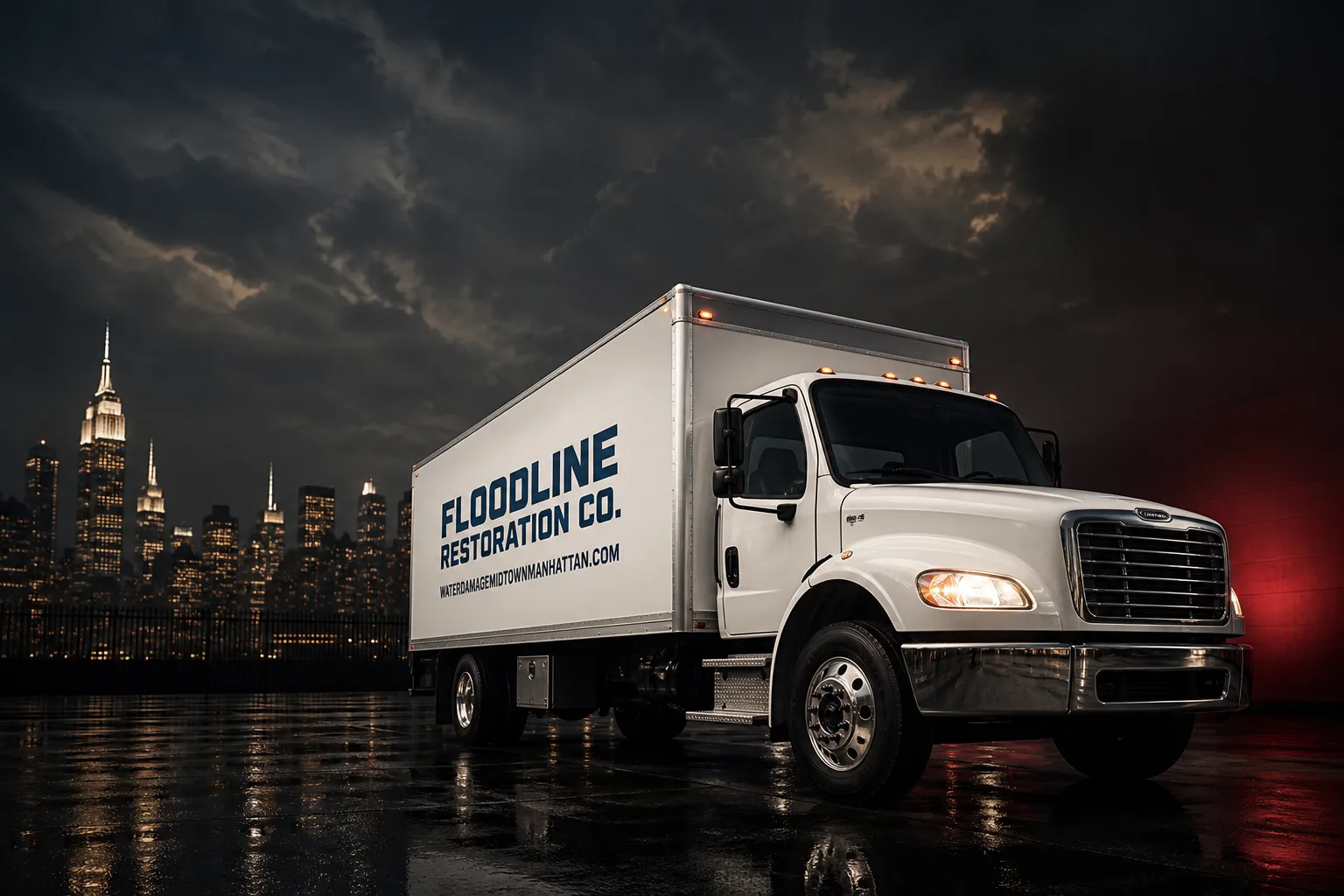
Free visual inspection and a written scope of work before any mitigation begins - photos, moisture readings, and drying logs go in your claim file
The scope we write is the scope we bill. Anything new gets shown to you, in writing, before we touch it.
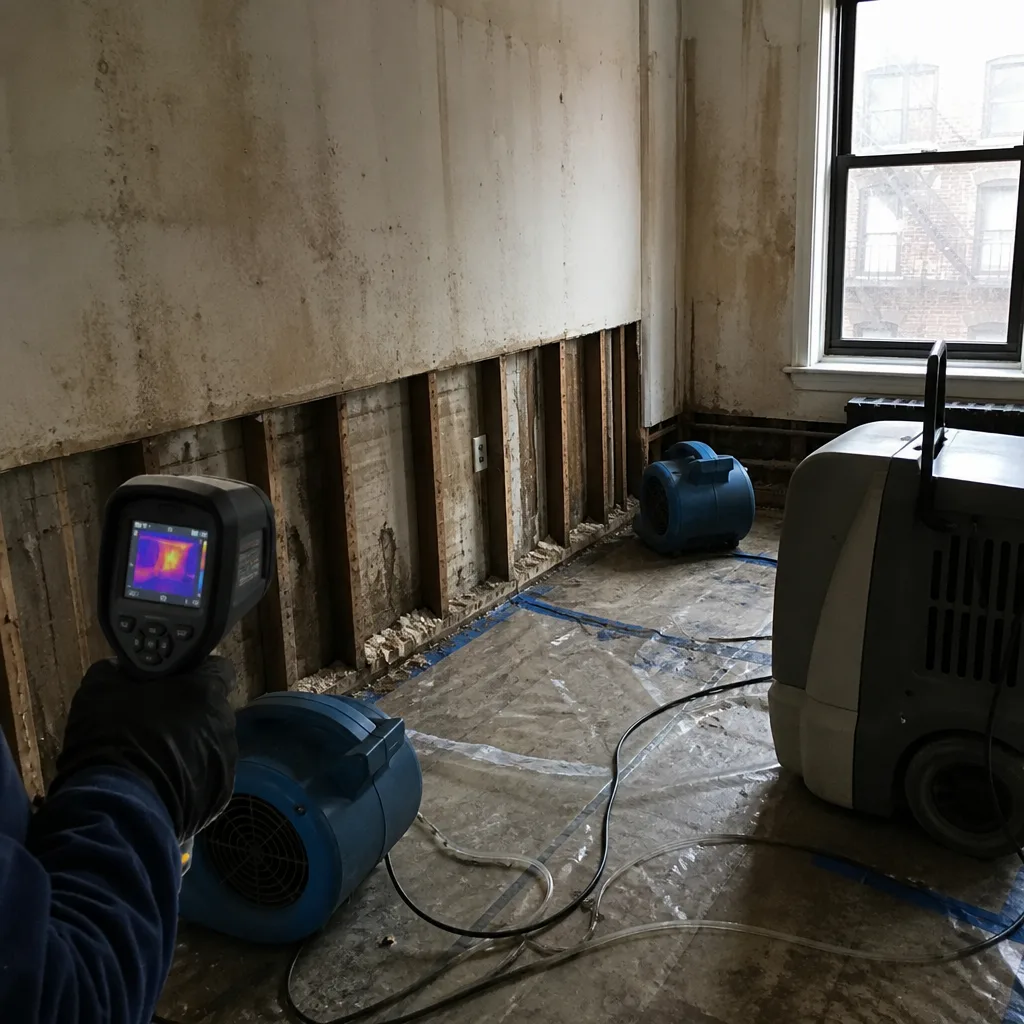 Before
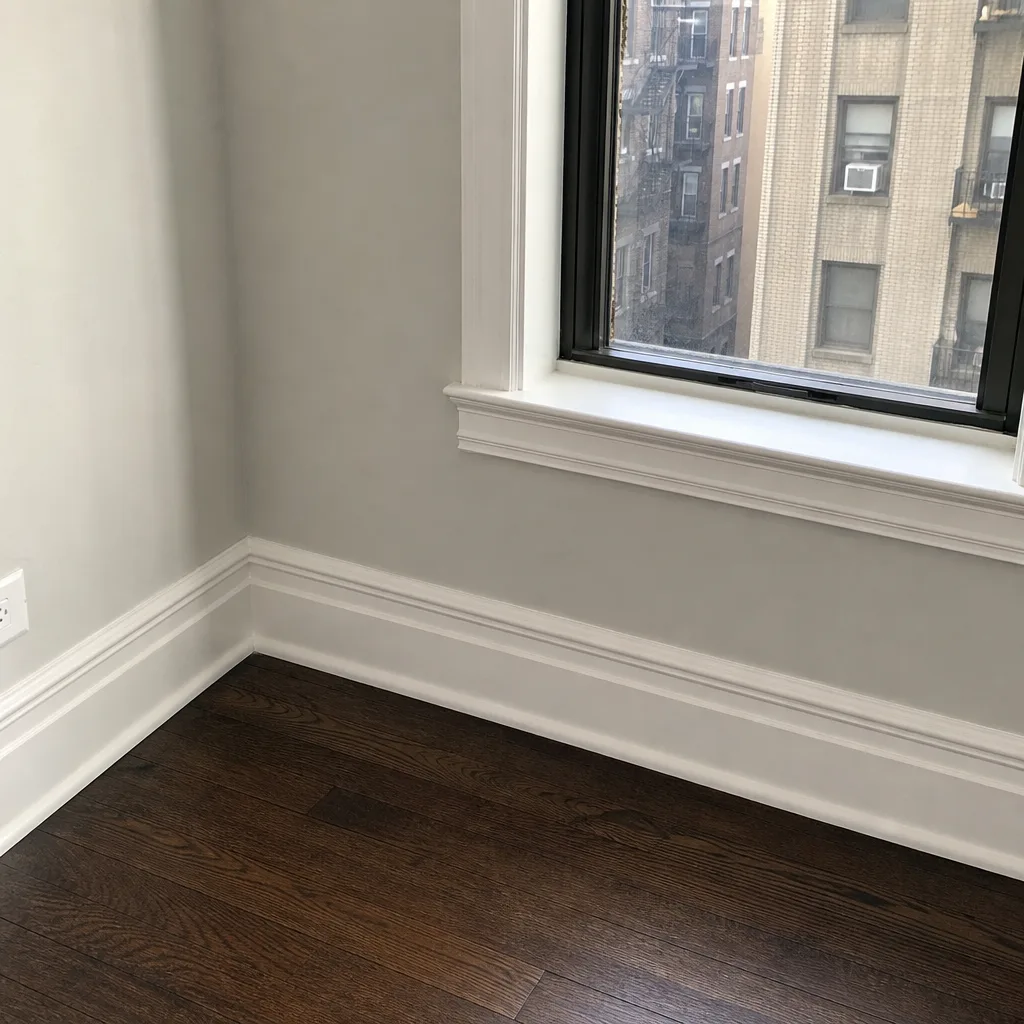 After
After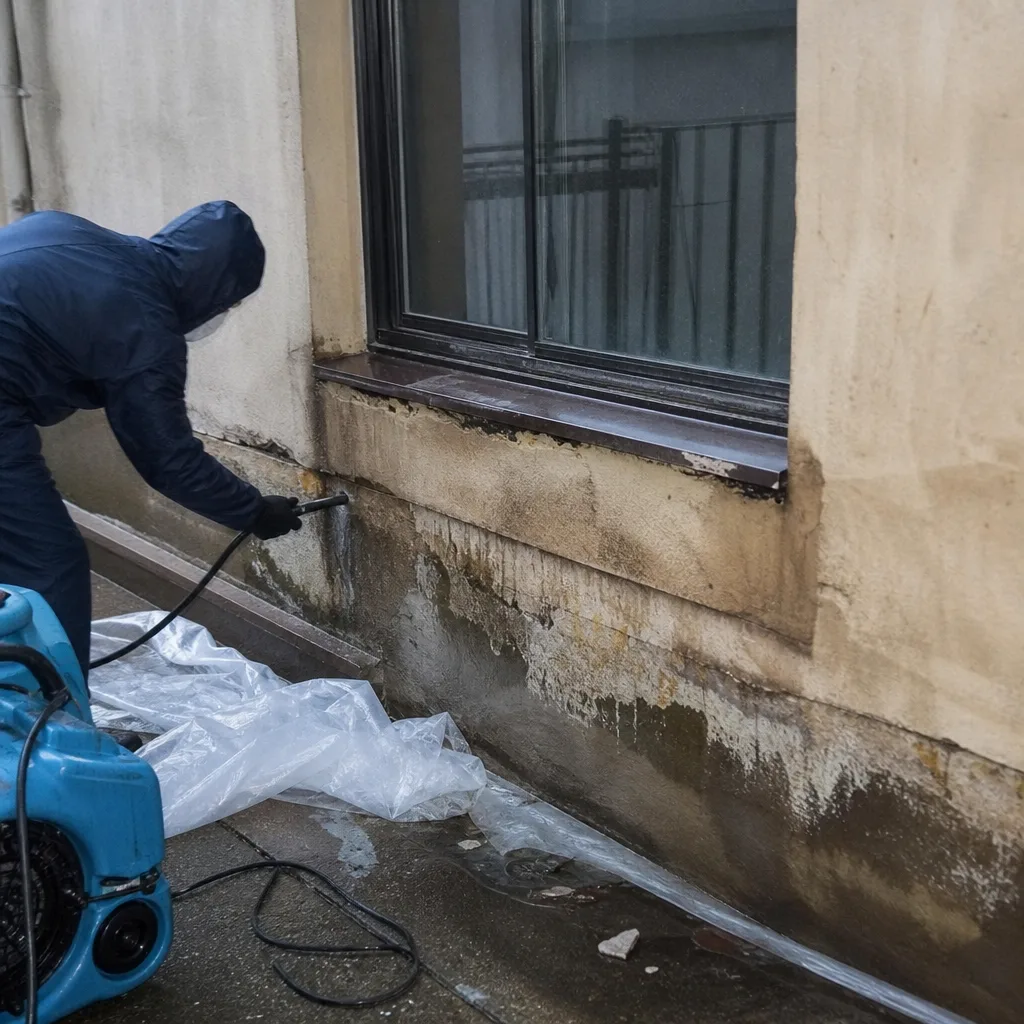 Before
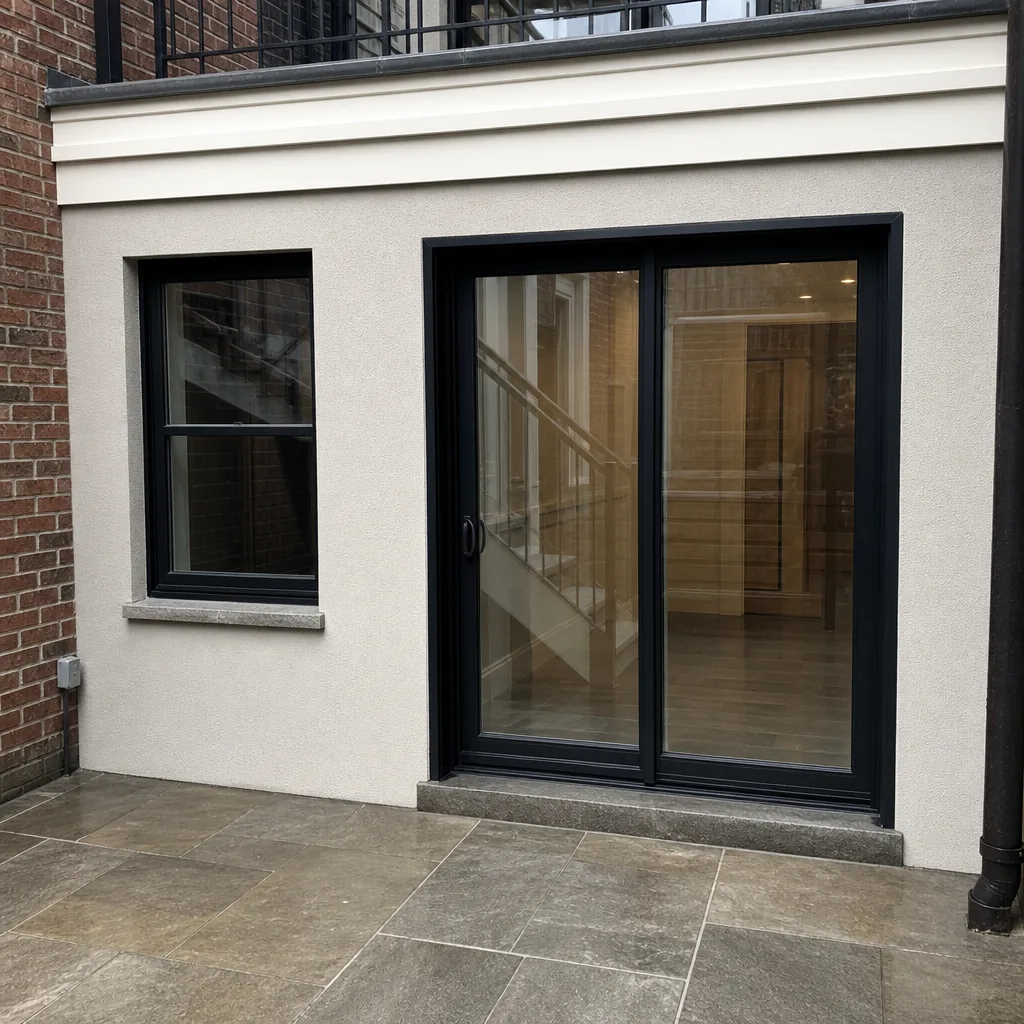 After
After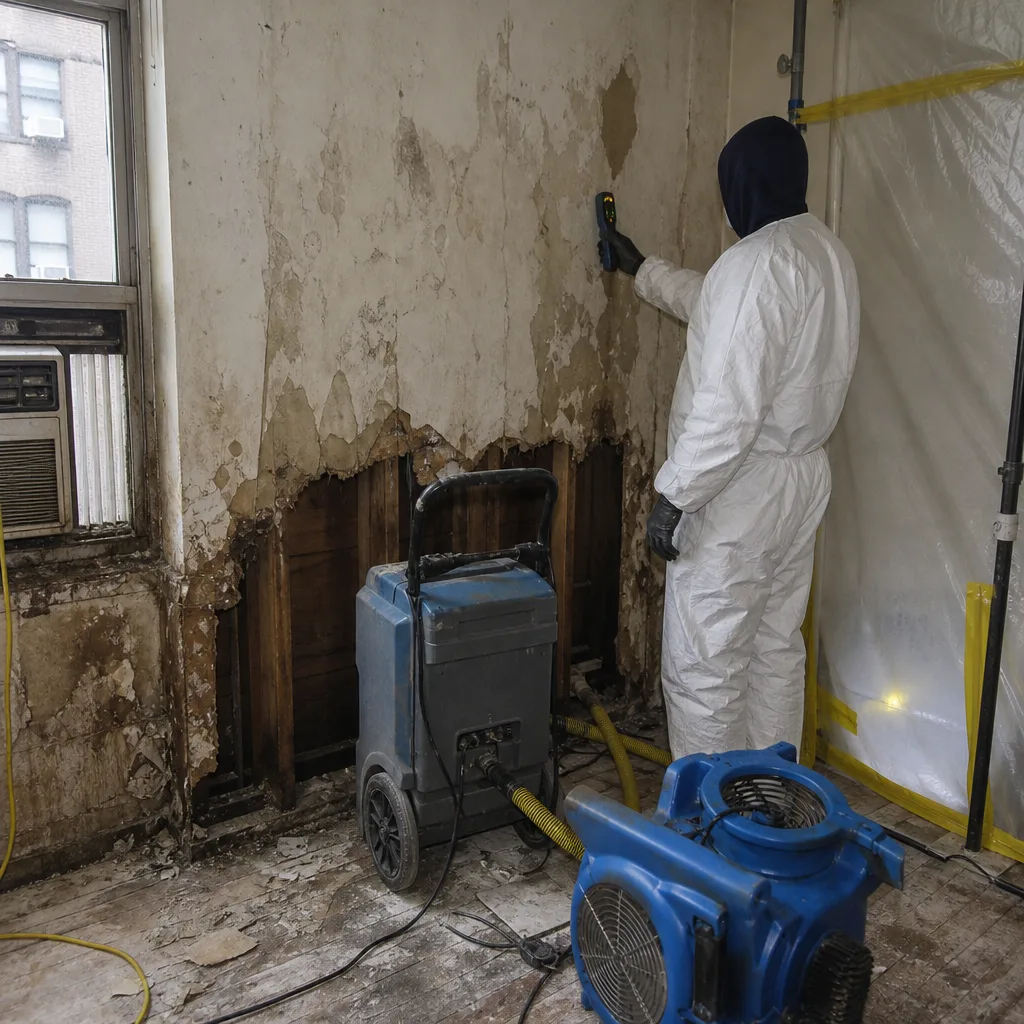 Before
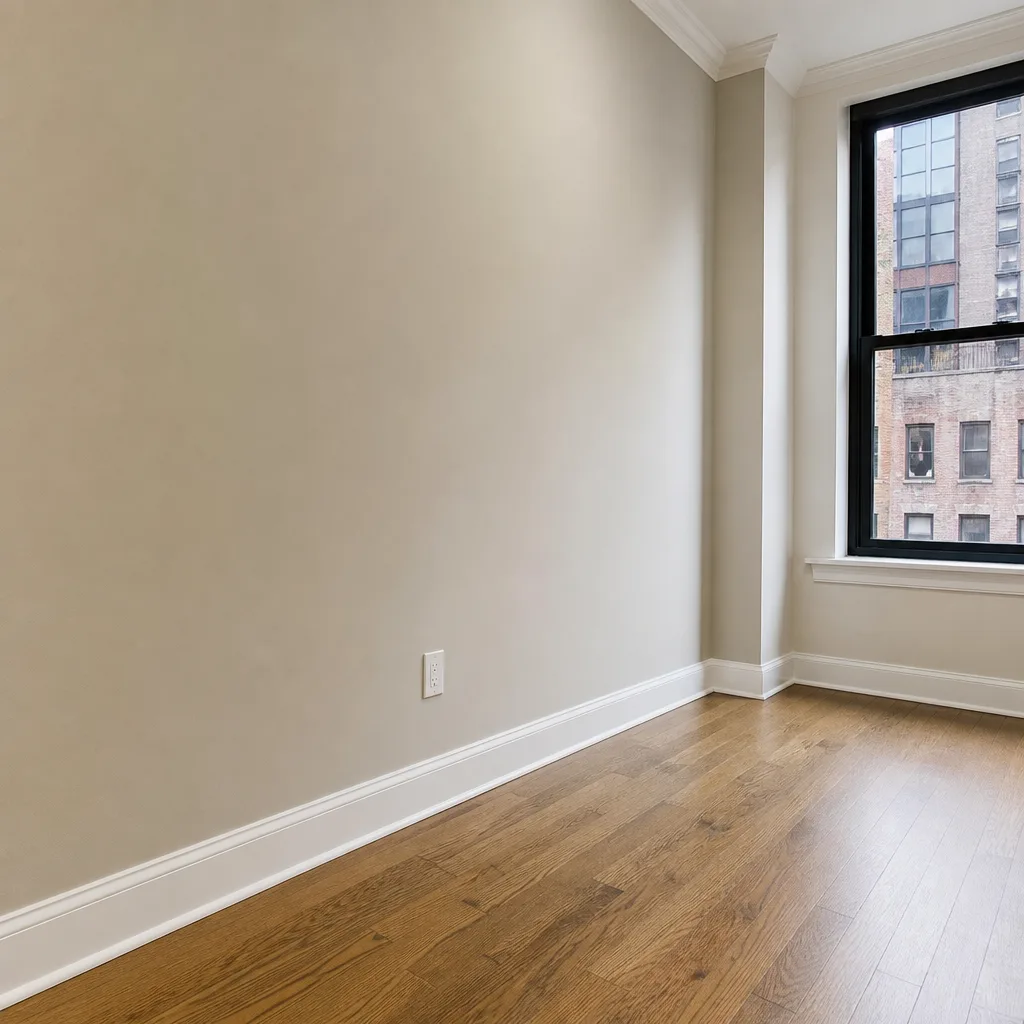 After
After24/7 Emergency Water Damage Restoration in West New York
Water damage in West New York moves fast, and so do we. A burst supply line in a 1930s walk-up off Bergenline Avenue can saturate three floors of plaster-and-lath before the first call gets made. When you call (518) 314-5660, a live dispatcher answers, day or night, and a certified crew is dispatched into West New York within 45 minutes. We arrive with professional-grade extraction and drying equipment, identify the full extent of the water’s path, and start pulling moisture out the same visit. The first hour determines whether you’re dealing with a drying job or a full reconstruction, and in stacked brick buildings, every hour that passes pushes water deeper into shared walls and floor cavities.
Understanding Water Damage Restoration Severity in West New York Properties
Water damage is classified by how contaminated the water is, and in West New York’s dense housing, that classification drives everything. Category 1 water comes from a clean source like a burst supply line or an overflowing sink. Category 2 carries significant contamination - think washing machine discharge or a failed dishwasher line. Category 3 is grossly contaminated, including storm surge from the Hudson River that pushes up into the lower streets near River Road during a nor’easter or a Sandy-type event. In a 1920s or 1960s brick walk-up, moisture mapping becomes critical because water hides behind thick plaster walls, inside shared plumbing chases, and under layers of flooring you can’t see from the surface. We use thermal imaging and moisture meters to find every wet pocket, not just the visible stain on the ceiling. In older buildings with cast-iron drains and galvanized supply lines, a single plumbing failure can pull in years of accumulated sediment and scale, turning what looks like clean water into something far less predictable. That’s why we test, map, and document before we commit to a drying plan.
Why West New York Property Owners Choose Floodline Restoration Co.
- 45-minute response commitment: Our crews reach West New York properties fast - from the top of the Palisades bluff down to River Road - because local dispatch means we’re already circling the area.
- A real person answers, always: Call at 2 a.m. and Curt Bowman’s live dispatch team picks up. No automated tree, no “leave a message.” You talk to someone who can move a crew.
- IICRC-certified technicians: Our teams hold IICRC WRT and ASD certifications and work to RIA and IFA standards. They know what moisture mapping behind 1930s plaster requires.
- Free visual inspection, no obligation: We look at the damage, explain what we see in plain English, and give you a written scope before any work begins.
- Direct insurance billing: We bill your carrier directly and document every phase with photos and moisture logs, so you never play messenger between us and the adjuster.
- One team, start to finish: The same certified crew that extracts and dries also handles the reconstruction. No handoff, no inherited crew, no gap between drying and rebuild.
Our Water Damage Restoration Process
Inspection & Assessment
We start with a full walkthrough of every affected floor, using thermal imaging to find water that isn’t visible. In West New York’s multi-tenant buildings, this means checking the unit above and below the source, not just the room where you saw water.
Extraction
Standing water is removed using truck-mounted and portable extraction units. In walk-up buildings with narrow stairwells and no freight elevator, we carry professional equipment up the stairs - this is not a job for a shop vac.
Drying & Dehumidification
We position air movers and LGR dehumidifiers based on the moisture map, not guesswork. In plaster-and-lath walls and shared plumbing chases, drying takes longer than in modern drywall, and we track daily readings until the dry standard is met.
Cleaning & Sanitization
Category 2 and 3 water requires antimicrobial treatment and controlled demolition of saturated porous materials. We contain affected areas with HEPA air scrubbers where needed, especially in occupied units where dust control matters.
Moisture Verification
We don’t call a structure dry when the surface feels dry. We log daily moisture readings, compare against ambient conditions, and only sign off when the numbers match the dry standard - and we hand that log to you and your carrier.
Repairs & Restoration
The same crew that dried the building now handles the rebuild - plaster repair, flooring replacement, paint, trim. In older West New York buildings, this often includes coordinating with building management on asbestos and lead-paint protocols.
Need Emergency Water Damage Restoration in West New York Now?
Crews minutes away, answering live 24 hours a day. The sooner we start, the less it costs.
Working With Your Insurance Company
Water damage claims in West New York are rarely simple. A burst pipe in one unit often means three landlords, three tenants, and three separate policies. We’ve handled enough of these to know what adjusters need: documentation from the first hour, a clear scope of work that separates source-unit damage from collateral damage, and moisture logs that prove the drying was done correctly. We photograph every room before, during, and after work. We write line-item estimates that use standard insurance pricing software. And we talk to your adjuster directly, so you don’t have to translate restoration language into insurance language at 9 p.m.
What We Provide Your Insurer
- Thorough documentation of the loss
- Photos of all damage, room by room
- Moisture readings and drying logs
- A detailed, line-item scope of work
- Direct coordination with your carrier
Built for West New York’s Loss Calendar
West New York’s water damage season doesn’t follow the calendar - it follows the building stock. January deep freezes burst galvanized supply lines in unheated stairwells and under flat roofs, sending water down through four or five floors of occupied apartments. March and April thaw cycles bring seepage into cellars and ground-level units along the lower streets. Summer thunderstorms overwhelm aging roof drains on flat-roofed tenements, pooling water until it finds a seam in the membrane. Then comes nor’easter season, when the Hudson River surge pushes up into the basement-level apartments and mechanical rooms near River Road, and every restoration call becomes a Category 3 contamination job. We plan our dispatch coverage around these patterns, and we keep equipment staged for the multi-floor, multi-tenant events that define this town’s worst weeks.
Water Damage Restoration Across West New York’s Neighborhoods
The geometry of water damage changes block by block in West New York. Along Boulevard East, the buildings face the Hudson and take wind-driven rain directly against aging brick and window frames, so ceiling and wall intrusion often starts at the facade. Over on the densely packed blocks off Bergenline Avenue, the walk-ups are shoulder-to-shoulder, and a washing machine overflow on the third floor rarely stops at the second - it travels through the shared plumbing chase and presents as brown ceiling stains two floors down before anyone in the source unit notices. Down toward River Road and the lower elevations near the base of the Palisades, basement and ground-floor units sit inside the storm-surge footprint, and flood restoration here is not a hypothetical; it’s a repeating reality after every serious coastal event. The 07093 zip code covers all of it, and our crews know the parking constraints, the narrow stairwells, and the fact that in a fourth-floor walk-up, every piece of drying equipment travels up the stairs on someone’s back.
Specialized Water Damage Restoration Services We Offer in West New York
Emergency Water Extraction
Standing water in a West New York apartment starts damaging baseboards, flooring, and wall cavities within hours. We arrive fast, extract using truck-mounted and portable units, and map the full moisture path before the water has a chance to migrate further through shared walls. Most emergency extraction jobs in West New York are done in a single visit, with drying equipment left running and monitored daily.
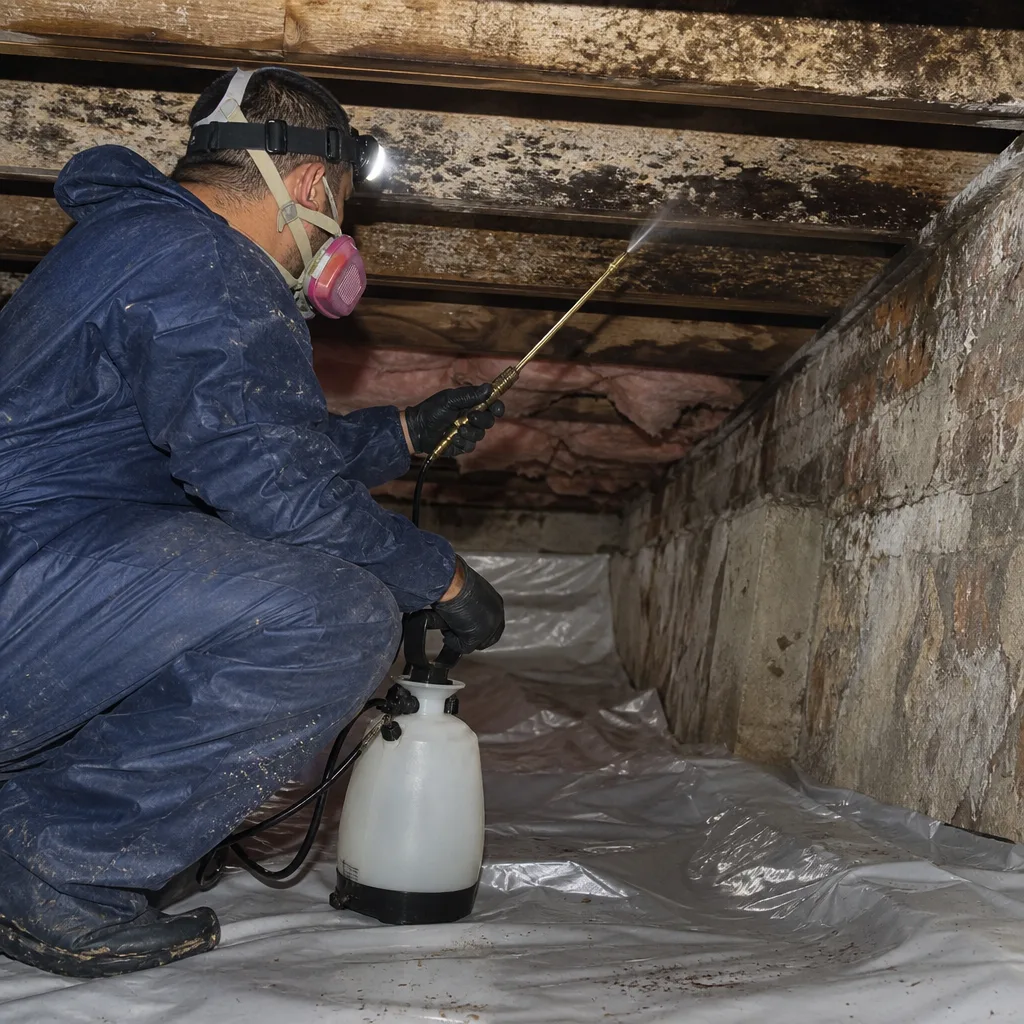
Structural Drying & Dehumidification
Drying a 1930s brick walk-up is different from drying a suburban drywall house. Plaster-and-lath walls hold water longer, and shared plumbing chases create vertical moisture pathways that skip entire rooms. We use XPOWER air movers and B-Air dehumidifiers positioned according to the moisture map, and we log daily readings until every cavity meets the dry standard.
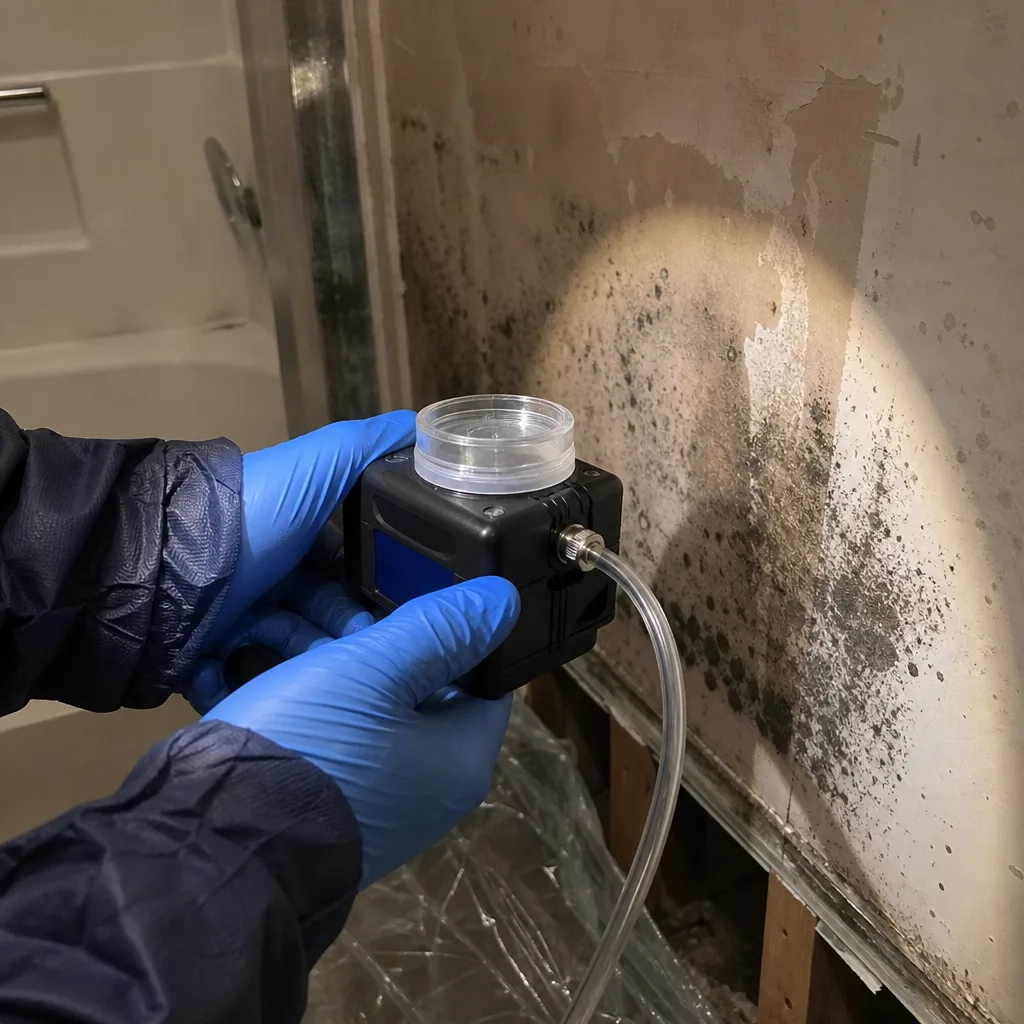
Flood Cleanup
Basement and ground-floor flooding near River Road and the lower-elevation parcels along the Hudson storm-surge footprint often involves Category 3 water. That means more than pumping and mopping: containment, controlled demolition of saturated materials, antimicrobial treatment, and air scrubbing before anyone considers rebuilding. We handle the full sequence.
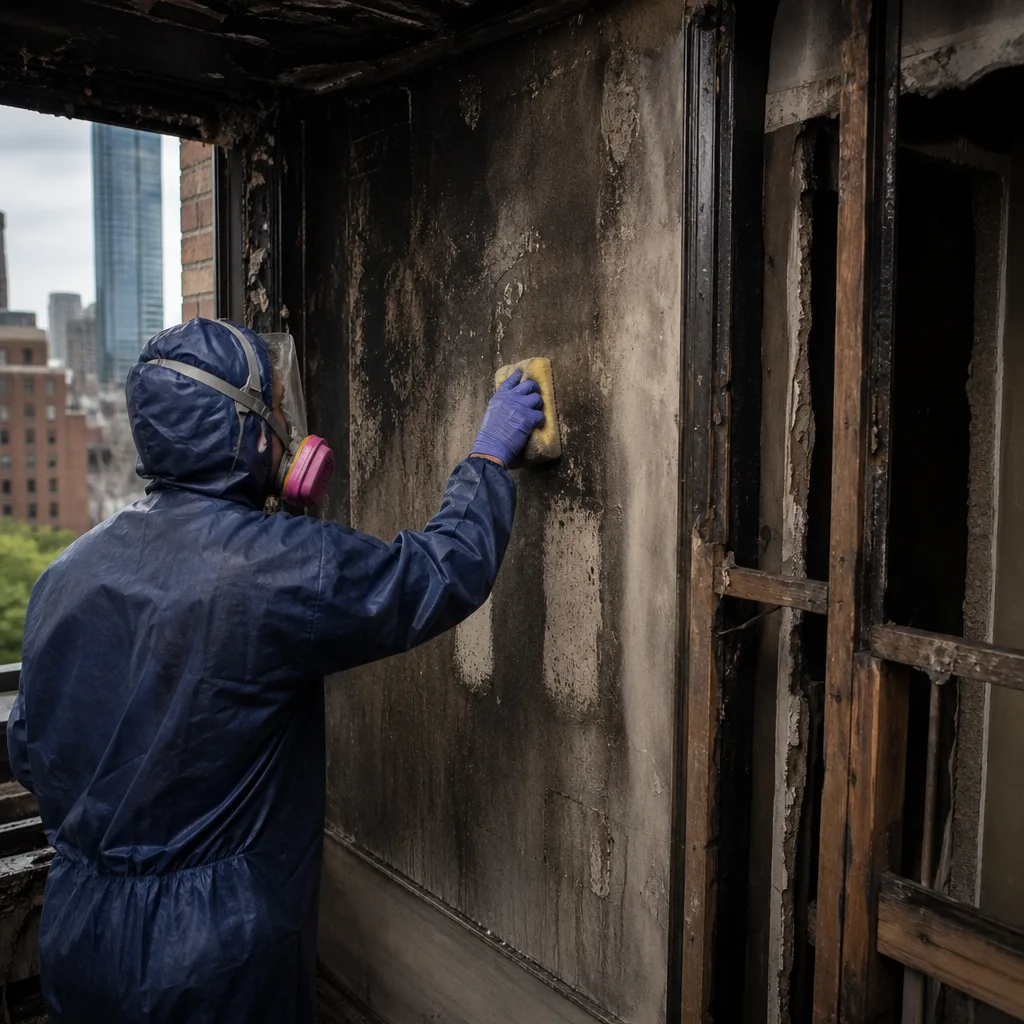
Burst Pipe Restoration
A burst pipe in a top-floor unit off Bergenline Avenue is never a one-unit job. We trace the water through shared plumbing stacks, document every affected floor, and draft separate scopes of work for each landlord and each insurance policy. One crew, one plan, three floors accounted for.
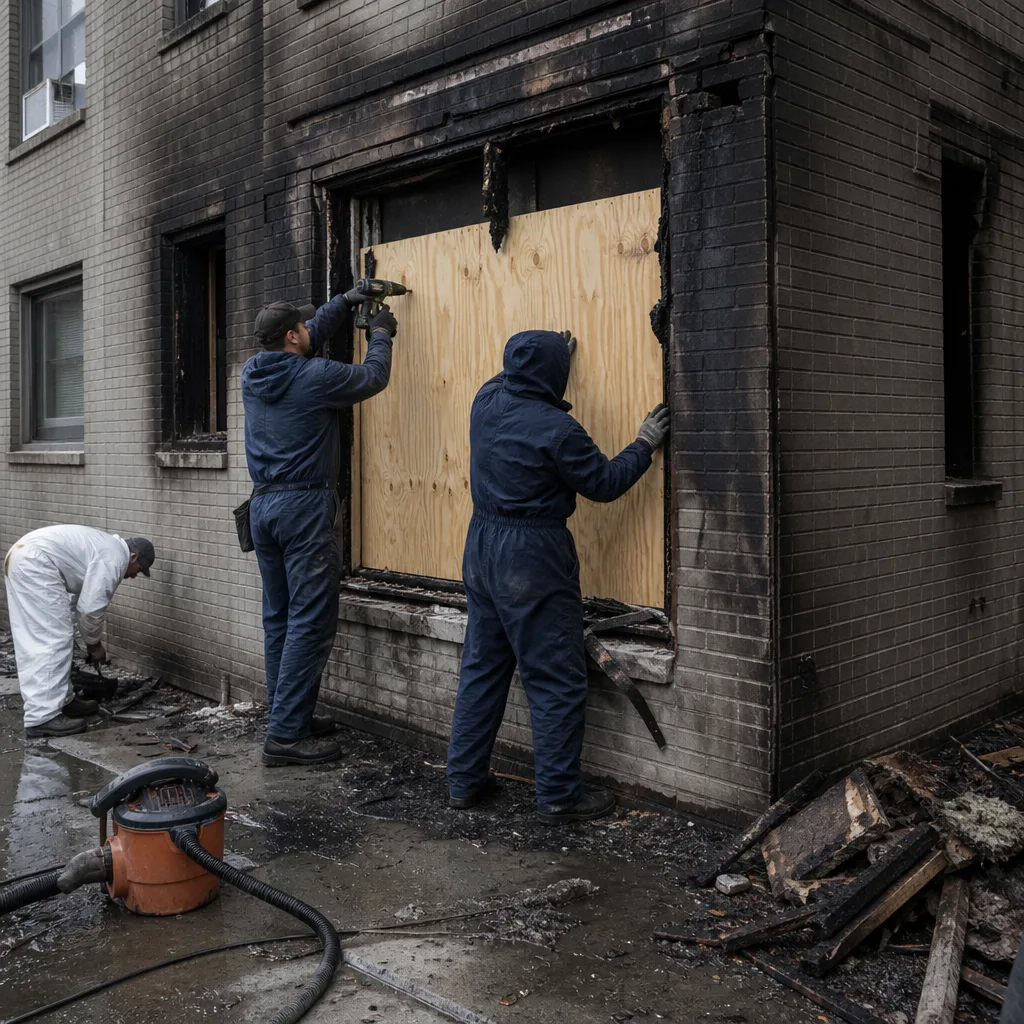
Basement Water Removal
Basements in West New York are tight, often finished, and frequently converted to rental units. We extract quickly, inspect behind paneling and under vinyl flooring for hidden saturation, and dry the structural framing, not just the surface. If asbestos tile or lead paint is present, we coordinate with licensed abatement before cutting into anything.
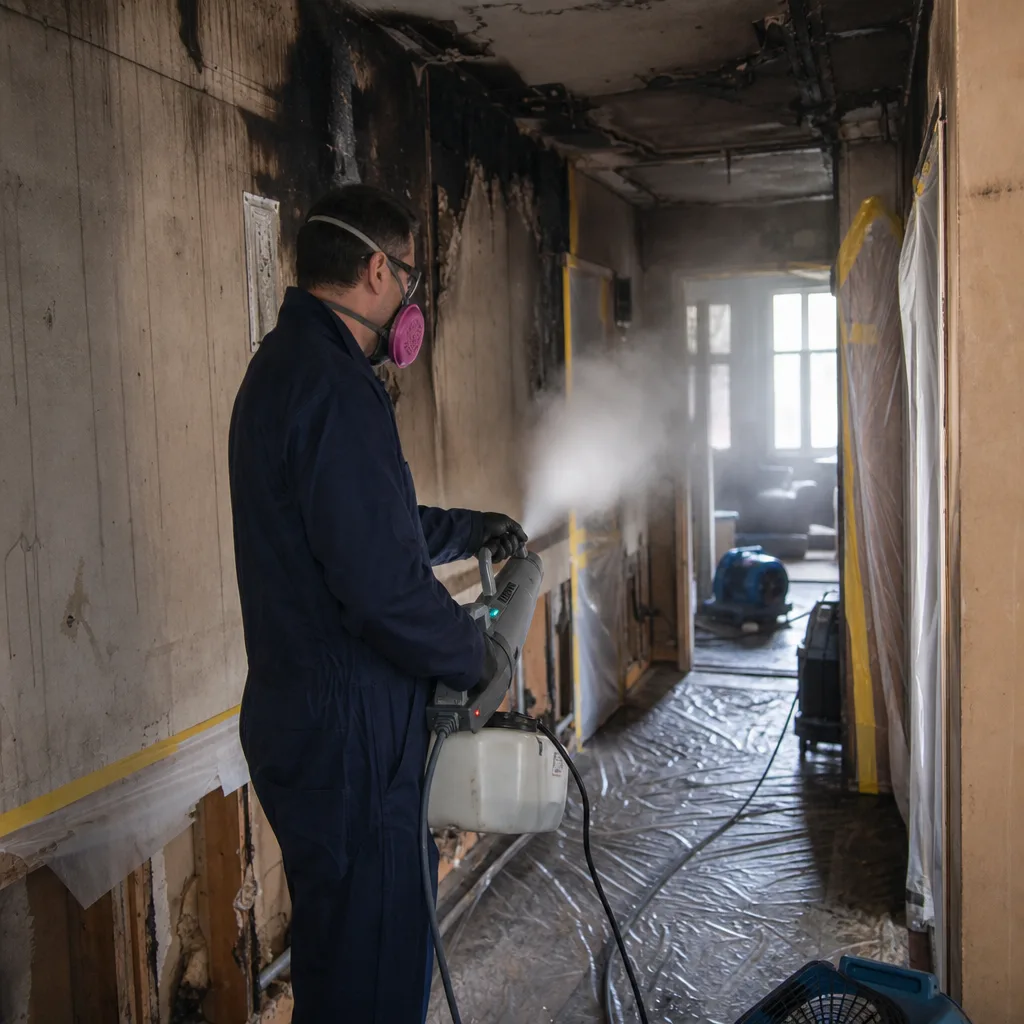
What happens when you call
- 1
A real person answersNo phone trees - you reach a local pro.
- 2
You get an upfront price rangeHonest numbers before anyone is dispatched.
- 3
A background-checked tech heads outLicensed & insured, dispatched right away.
- 4
You approve before work beginsNothing starts until you say go.
Water Damage Restoration Costs in West New York, NJ
What you pay for water damage restoration in West New York depends on how far the water traveled and what it touched. A single-room Category 1 extraction with drying equipment typically runs $1,200 to $2,800. A multi-floor event in a brick walk-up, where crews are extracting from three units, running containment, and logging daily moisture readings, usually lands between $6,000 and $18,000. Basement flood cleanup with Category 3 contamination from a storm-surge event near River Road can run $8,000 to $25,000 or more, depending on how much of the finished space must be removed and rebuilt. Structural drying in plaster-and-lath buildings takes longer and costs more than in modern construction, because the walls are thicker, the cavities are hidden, and the drying equipment runs for days, not hours. Most homeowner policies cover sudden-and-accidental events like burst pipes and appliance overflows; gradual seepage and maintenance-related failures often fall to the owner. The starting point is always a free visual inspection, after which we give you a written scope with firm numbers - before any work begins. Call (518) 314-5660 to schedule one.
We Also Serve Cities Near West New York
Our crews cover the entire Hudson County waterfront. In addition to West New York, we respond daily to water damage calls in Weehawken, Hoboken, Union City, and North Bergen - same live dispatch, same 45-minute response commitment, same certified crews.
West New York Water Damage Restoration Questions, Answered
My upstairs neighbor’s pipe burst and flooded my West New York apartment. Who handles the restoration - me, the neighbor, or the landlord?
In almost every case, the source unit’s insurance policy covers the damage to your unit, and the source unit’s owner or landlord is responsible for initiating that claim. Your own policy may cover your personal contents and temporary relocation. We handle all of it: we document the damage in your unit, coordinate with the adjuster for the unit above, and keep you out of the finger-pointing entirely. Call (518) 314-5660 and we’ll start the documentation today.
Why does water damage in old West New York brick buildings take longer to dry?
Plaster-and-lath walls in 1920s to 1960s brick buildings absorb and hold far more water than modern drywall, and the wall cavities are deeper and less ventilated. Shared plumbing chases create vertical channels that wick water between floors. This means drying takes days, sometimes a week or more, with daily moisture readings to confirm progress. Attempting to rush this in a pre-war building is how hidden mold colonies start.
If my basement floods during a nor’easter or Sandy-type surge near River Road, is it safe to pump out myself?
No. Storm surge from the Hudson River is Category 3 water - it carries sewage, salt, chemical runoff, and biological contamination. Pumping it out without proper protective gear and containment spreads that contamination through your home and into the air you breathe. Our crews wear full PPE, contain the affected area, and treat the space with antimicrobial agents before drying begins. Leave the water where it is and call us at (518) 314-5660.
A pipe burst in my top-floor unit and soaked the two apartments below. Can one restoration crew handle all three floors?
Yes, and that’s exactly the situation our team is built for. We treat the entire water path as one job, document each unit separately for each landlord’s insurance carrier, and run one coordinated drying plan across all three floors. No handoff, no separate companies, no moisture log gaps between units.
My ceiling water stain came from a roof leak on a flat-roofed apartment building. How do you know if it’s dry enough to repair?
We don’t rely on the stain disappearing. We take moisture readings with probes and thermal imaging, compare them against established dry standards for your building’s construction type, and keep logging until the numbers prove the cavity is dry. Only then do we sign off on the repair. You get a copy of that moisture log for your records and your carrier.
How fast can you actually get to West New York?
Our response commitment is 45 minutes from your call to a crew at your door, anywhere in West New York from Boulevard East down to River Road. Live dispatch runs 24 hours a day, and because we’re serving this area continuously, our crews are often closer than that. The phone number is (518) 314-5660.
Are you certified and insured for water damage restoration?
Our technicians are certified to IICRC standards, including WRT (Water Restoration Technician) and ASD (Applied Structural Drying), and trained to RIA and IFA standards. The company is fully licensed, insured, and bonded. Curt Bowman’s name is on the work, and the 90-Day Done Right Promise is in writing on every job.
What should I do in the first 30 minutes after discovering water damage?
First, shut off the water source if you can safely reach it. Then call us. Don’t try to extract standing water from a multi-unit building yourself, especially if the water may have come through a shared plumbing stack or from outside storm surge. Take photos of the visible damage if it’s safe to do so. Then stay out of standing water - there may be electrical hazards you can’t see. Call (518) 314-5660 and we’ll walk you through the next five minutes while the crew is en route.
Serving West New York, NJ - Our Local Coverage Area
We’re based in the West New York area and know this community well. Use the map below to see our service coverage - if you’re nearby, we can almost certainly help.
Contact Floodline Restoration Co. in West New York
Water damage in a stacked brick building doesn’t wait, and neither should you. Whether it’s a burst pipe soaking three floors, a nor’easter pushing the Hudson into your basement, or a slow roof leak that finally showed up on the ceiling, our team is ready now. Call (518) 314-5660 for a free visual inspection and a written scope - no obligation, no pressure, just a clear plan from a crew that knows West New York’s buildings inside and out.
Written by Curt Bowman, Owner at Floodline Restoration Co., serving West New York, NJ.