
Free visual inspection and a written scope of work before any mitigation begins - photos, moisture readings, and drying logs go in your claim file
The scope we write is the scope we bill. Anything new gets shown to you, in writing, before we touch it.
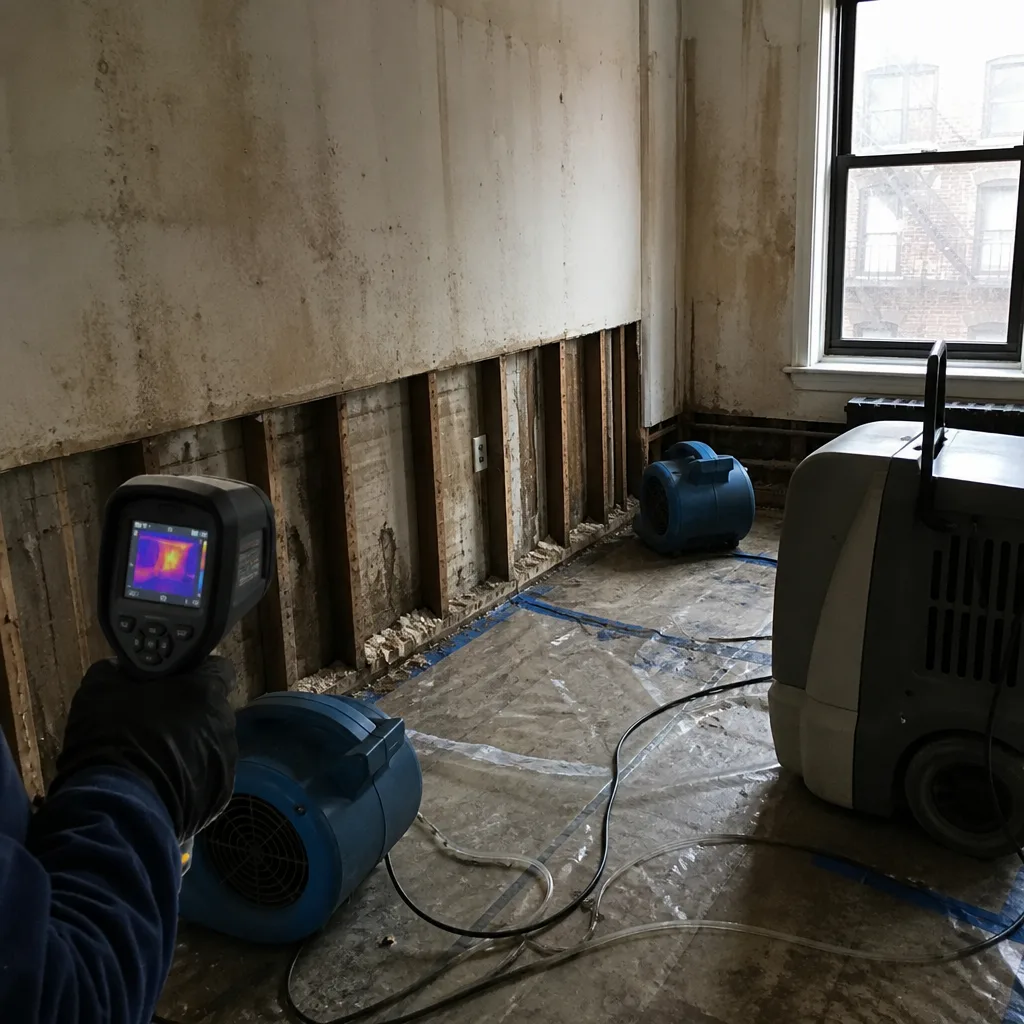 Before
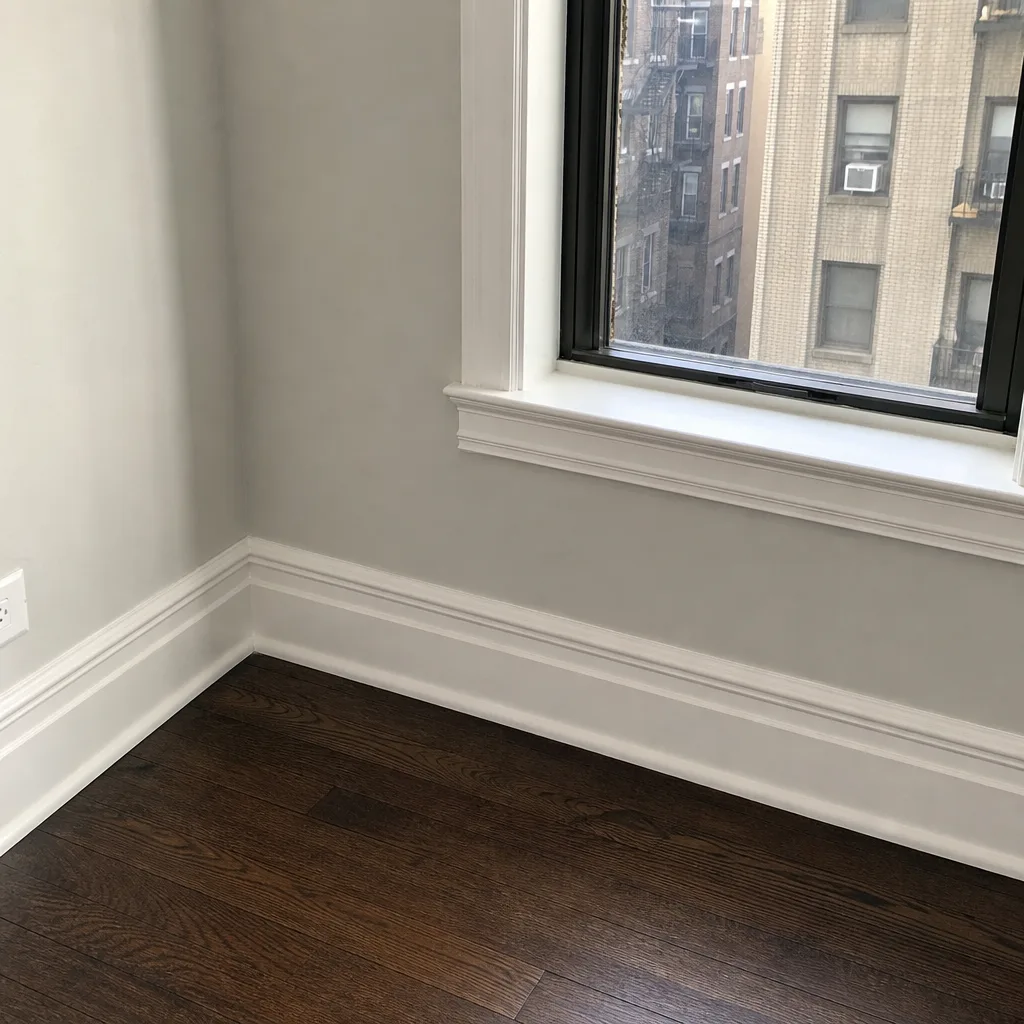 After
After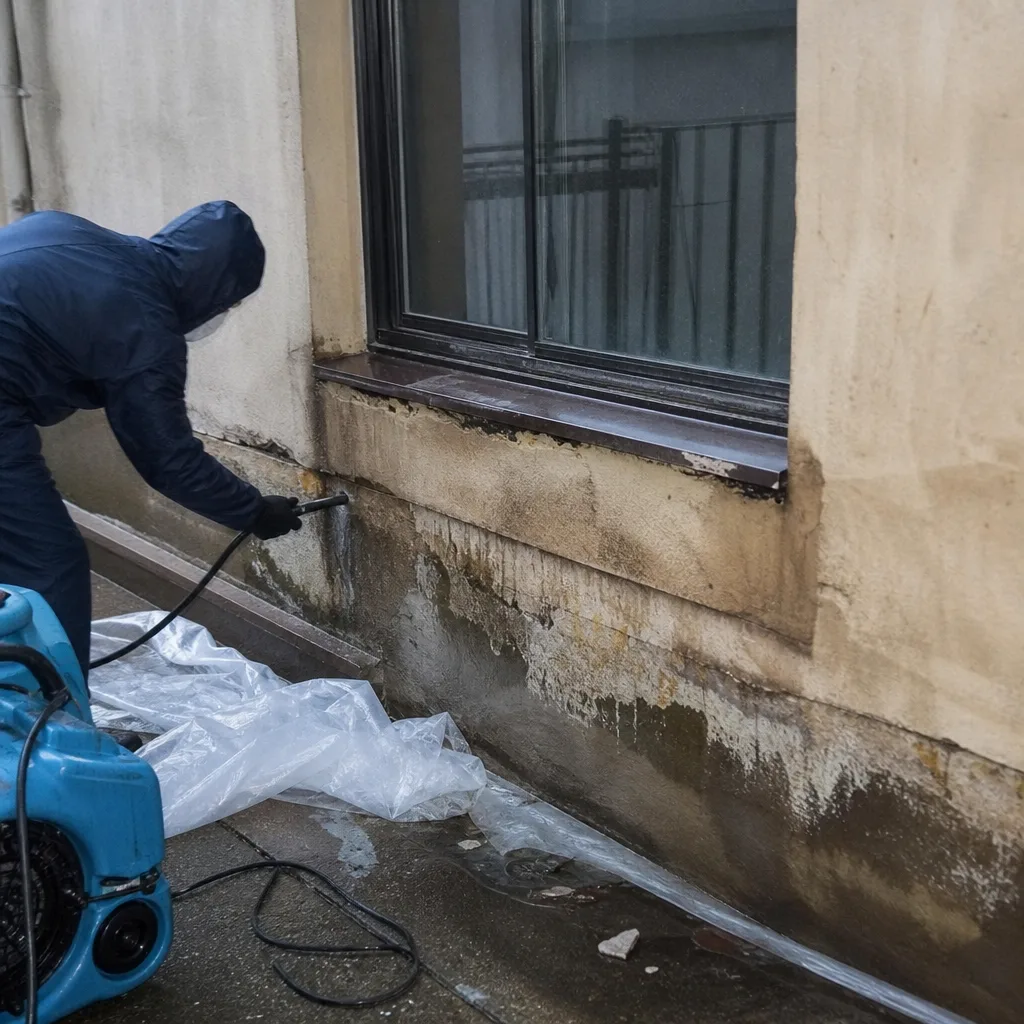 Before
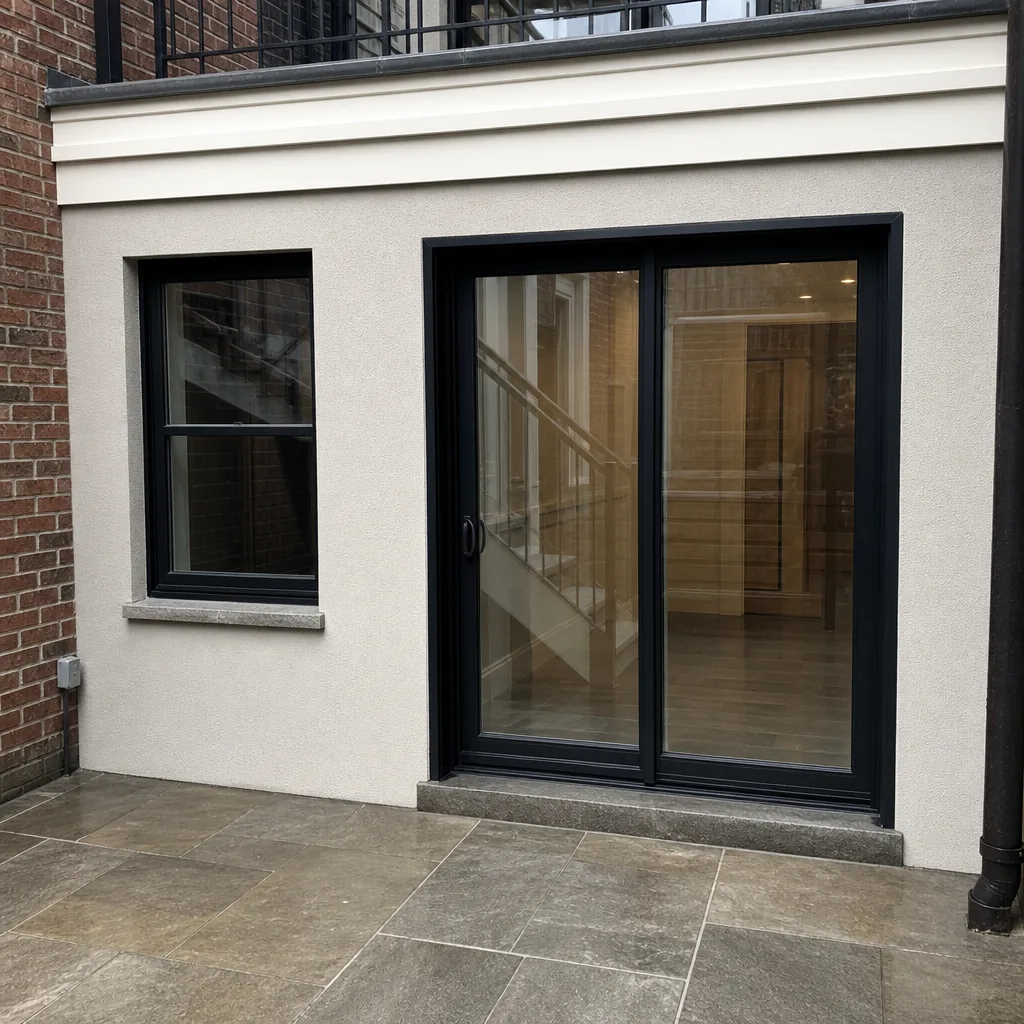 After
After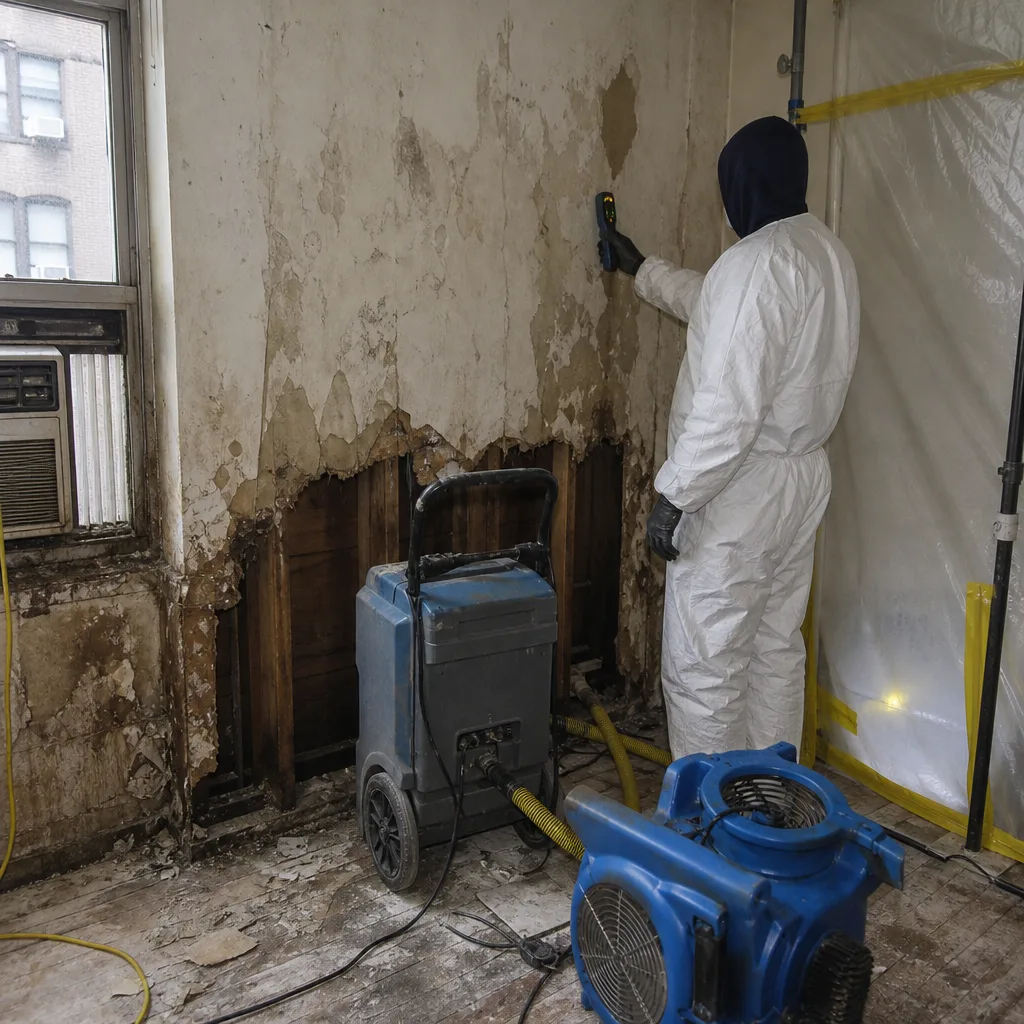 Before
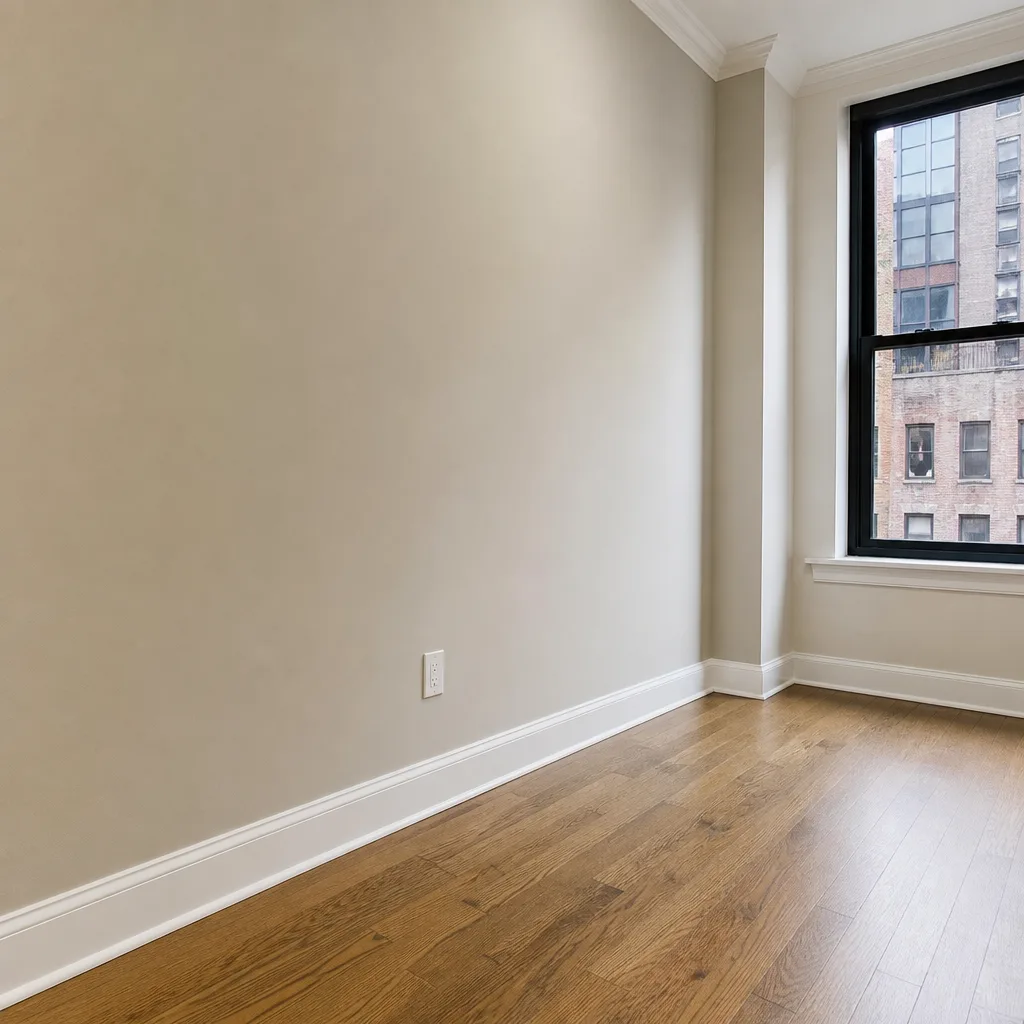 After
After24/7 Emergency Water Damage Restoration in Washington Square
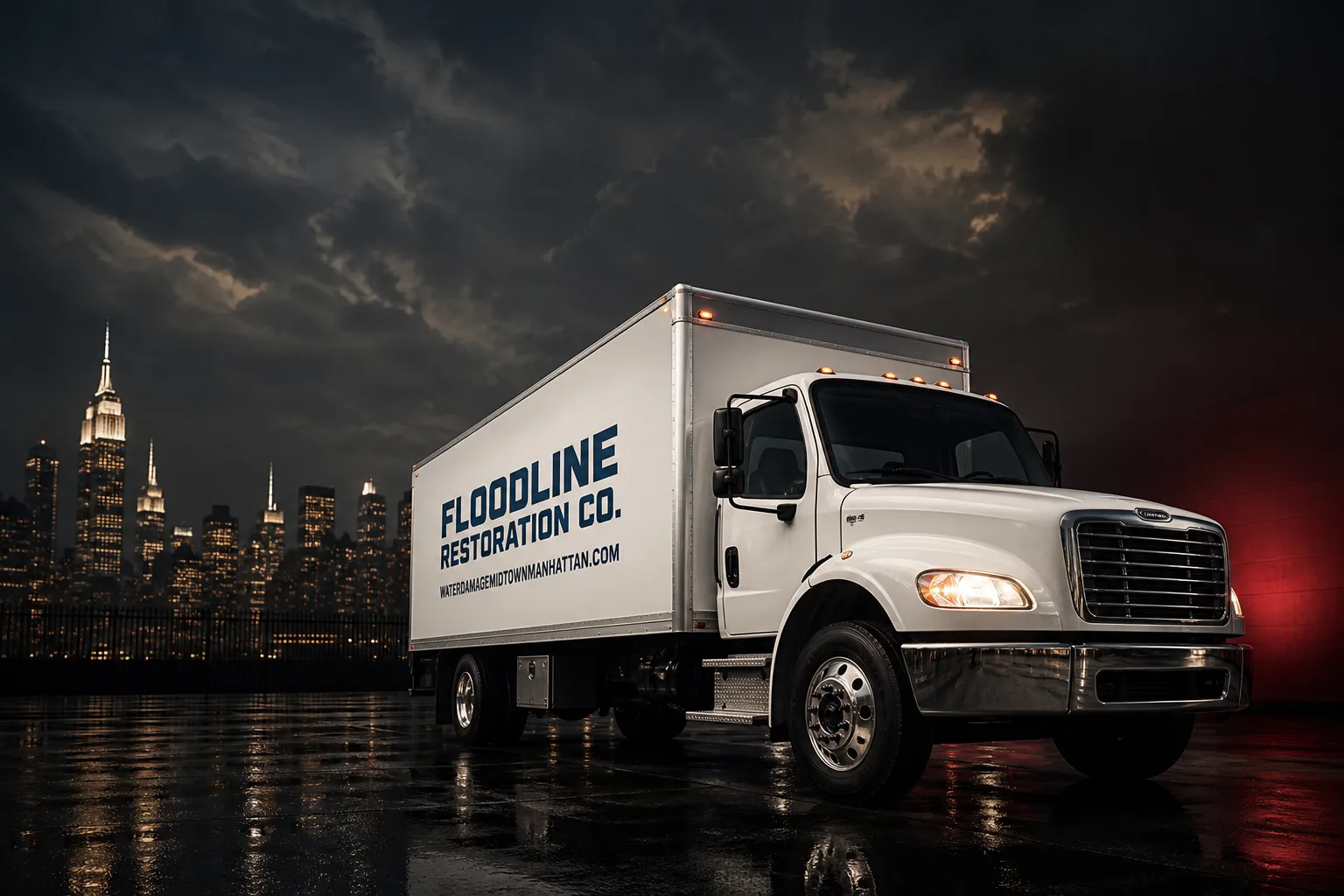
Water damage restoration in Washington Square, NY typically runs $1,800-$6,400 for a basement flood and $2,200-$8,700 when structural drying of historic plaster and framing is required, and the first crew can generally reach you within 45 minutes of your call. When a supply line lets go in a pre-Civil War row house on Washington Square North or the Minetta Brook makes itself known through your cellar slab, you need extraction running that same visit, not a callback from a sales desk. Call (518) 314-5660 and a live dispatcher answers at any hour. We dispatch crews from our New York City office directly into Washington Square, and every job starts with a free visual inspection so you know exactly what you’re dealing with.
The first hour matters more here than in almost any other part of Manhattan. Exposed horsehair plaster soaks up water like a wick, and with the LPC’s 48-hour mold window always looming, delay is measured in remediation cost, not convenience.
Understanding Water Damage Restoration Severity in Washington Square Properties
Washington Square’s building stock doesn’t behave like modern construction. The 1830s-1840s Greek Revival row houses, the converted carriage houses on MacDougal, the NYU-acquired buildings that shifted from residential to institutional use over decades: all of them share original materials that respond to water differently than sheetrock and plywood. We classify water by category, and the category dictates the entire job. Category 1 water comes from a clean source, a supply line or a fixture feed. Category 2 carries significant contamination, and that’s what we most often see when the Minetta Brook’s hydrostatic pressure forces groundwater up through cast-iron supply pipes in a Washington Square cellar. Category 3 is grossly contaminated, sewage or outside floodwater, and it requires full containment and antimicrobial treatment.
Severity in this neighborhood is also about path, not just source. Shared party walls between row houses on Washington Square North and Washington Mews let water and damp air travel horizontally, so a leak in one house shows up as efflorescence in the one next door. Moisture mapping with thermal imaging and in-wall probes tells us where the water actually went. Structural drying isn’t about making the floor dry to the touch, it’s about returning materials to their pre-loss moisture content, and that means daily readings logged until the dry standard holds for multiple consecutive days.
Why Washington Square Property Owners Choose Floodline Restoration Co.
- 45-minute response commitment. When you call about water in a Washington Square basement, we commit to having a crew rolling toward you within 45 minutes, not “sometime tomorrow.”
- A live person answers, 24/7. At 2 a.m. you get a dispatcher, not a recording. That’s been true every single day since Curt Bowman founded this company in 2010 around a dispatch board, not a sales desk.
- IICRC-certified technicians. Our crews are trained to IICRC WRT, FSRT, and AMRT standards, background-checked, uniformed, and they carry professional-grade Phoenix, XPOWER, and Injectidry equipment.
- Free visual inspection. Before any work starts, you get eyes on the problem and a straight explanation of what we found. No charge, no obligation.
- Direct insurance billing. We bill your carrier directly and coordinate with your adjuster, so you never play messenger between us and the insurance company.
- One team from extraction to reconstruction. The same certified crew that reads the moisture map on day one handles daily readings, hands the log to you and your carrier, and rebuilds what needs rebuilding. No mid-job handoff to a stranger.
Our Water Damage Restoration Process
Inspection & Assessment
We map every affected surface with moisture meters and thermal imaging, identify the water category, and check LPC jurisdiction before touching anything. If the building is a designated landmark or inside the Greenwich Village Historic District, we document existing conditions first because the Landmarks Commission will want to see them.
Extraction & Stabilization
Standing water comes out first using truck-mounted and portable extraction units. We also stabilize anything that’s about to fail, and on a landmarked facade that may mean temporary shoring approved by the LPC before it goes in.
Drying & Dehumidification
Phoenix axial air movers and Dri-Eaz dehumidifiers are placed according to a drying plan based on the moisture map, not scattered by guesswork. In Washington Square row houses we contain the drying chamber so moist air doesn’t push through shared party walls into your neighbor’s unit.
Cleaning & Sanitization
Affected surfaces are cleaned and treated according to water category. Category 2 and 3 jobs get antimicrobial treatment and HEPA air scrubbing. Historic plaster that can be saved is treated in place, not ripped out by default.
Specialty Treatment for Washington Square Properties
This is where local knowledge pays for itself. We treat cast-iron supply pipe corrosion hidden inside original walls, address hydrostatic pressure at the slab level when the Minetta Brook is involved, and coordinate pack-outs of water-damaged casework under a Landmarks-approved scope of work when required.
Repairs & Restoration
Reconstruction follows the same documentation standards as mitigation. Line-item scope, written pricing, and the 90-Day Done Right Promise in your hands before we finish. We leave the place the way it should have been, and we stand behind it in writing.
Need Emergency Water Damage Restoration in Washington Square Now?
Crews minutes away, answering live 24 hours a day. The sooner we start, the less it costs.
Working With Your Insurance Company
In a landmarked row house, your insurer needs more than a few phone photos and a contractor’s assurance. We document the loss from the first hour, in the format adjusters expect. Daily moisture readings become a drying log. Every affected room gets photographed before, during, and after. The scope of work is line-itemed and priced to industry standards, not padded and not vague. Then we coordinate with your adjuster directly. You don’t relay messages between us and the carrier, and you don’t wonder whether someone forgot to mention the LPC’s required review of plaster repair on a landmarked facade. It’s a square deal: no surprises on the bill, and your claim moves because the paperwork is right the first time.
What We Provide Your Insurer
- Thorough documentation of the loss
- Photos of all damage, room by room
- Moisture readings and drying logs
- A detailed, line-item scope of work
- Direct coordination with your carrier
Built for Washington Square’s Loss Calendar
Washington Square’s water damage calendar is shaped by three forces, and none of them are on a generic restoration company’s radar. January and February are the pipe-burst months when deep freezes crack cast-iron supply lines inside uninsulated pre-war walls. Spring and summer belong to the Minetta Brook. The buried colonial stream that flows beneath Greenwich Village rises with the water table during heavy rain events, and hydrostatic pressure pushes groundwater into basements that sit in its old watershed: Washington Square proper, the blocks off Fifth Avenue, the lower sections around Waverly Place. Basements here flood measurably more than surrounding neighborhoods on higher ground, compounded by combined sewer infrastructure that backs up during intense summer convective storms. Fall brings nor’easters and the slower, soaking rains that expose roof and parapet failures on slate-roofed row houses. Every season has a signature, and we’ve learned them by working this ground.
Water Damage Restoration Across Washington Square’s Neighborhoods
Washington Square North’s “The Row,” built 1832-1833, is the most LPC-sensitive stretch we work. Landmarks review applies to nearly everything we do there, including temporary shoring placement and plaster treatment. The side streets off Fifth Avenue, Washington Mews and the blocks around University Place, hold converted carriage houses with ground-level entries that invite surface water after a heavy downpour. MacDougal Street south of the Square mixes old residential stock with food-service properties, and those commercial basement kitchens put a particular demand on grease-laden Category 2 water cleanup. The NYU-acquired buildings east of the Square, some of which have shifted from residential to institutional use, often contain undocumented pipe runs and dead-leg plumbing that complicate burst pipe restoration. Knowing the difference between a landmarked brownstone and a modified institutional building changes where you drill test holes, where you run drying equipment, and whether you need LPC sign-off before you even park the truck.
Specialized Water Damage Restoration Services We Offer in Washington Square
Emergency Water Extraction
Standing water in a Washington Square brownstone basement has to come out before anything else can happen. We run truck-mounted and portable extraction units the same visit, and we bring enough horsepower to handle cellars that hold hundreds of gallons. Speed here isn’t about convenience, it’s about preventing the water from wicking up into original baseboards and lath.
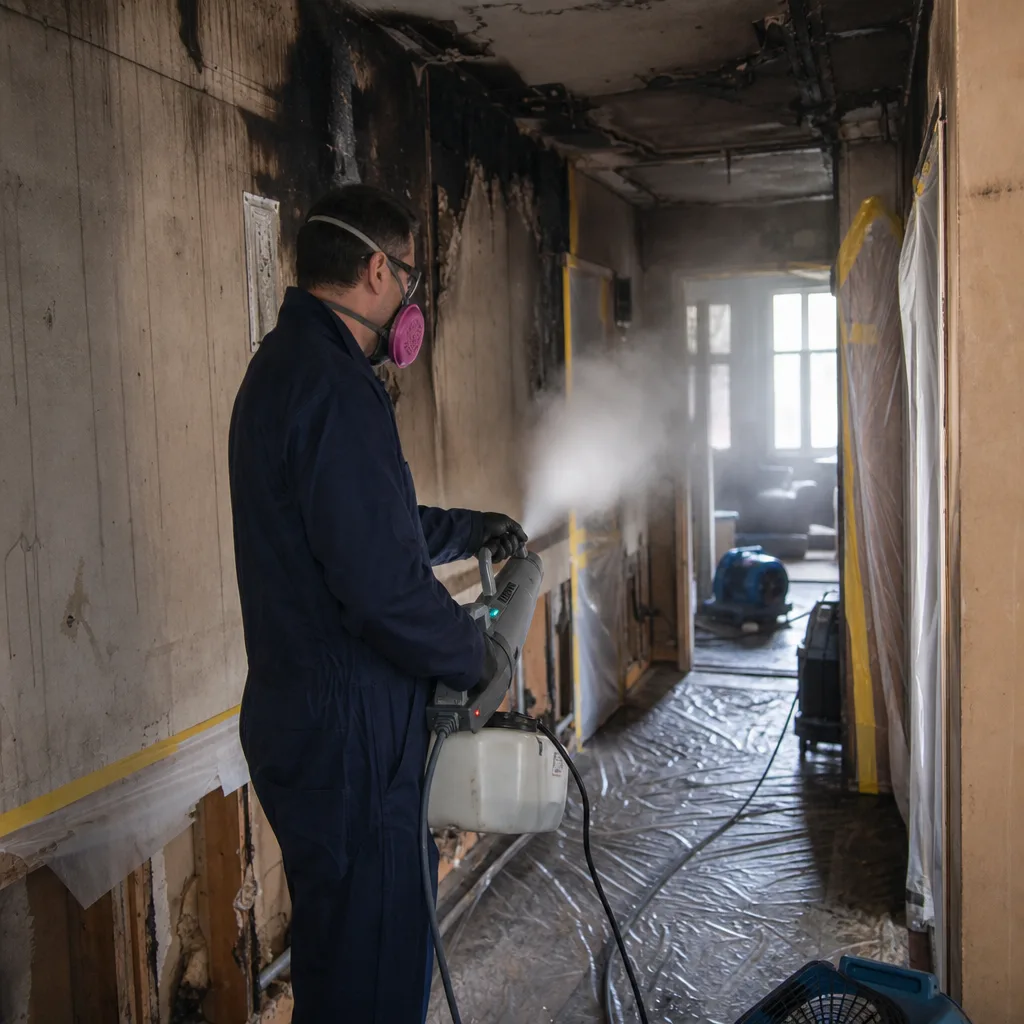
Structural Drying & Dehumidification
Drying a pre-Civil War row house is a different discipline than drying a sheetrock box. Horsehair plaster holds moisture differently than gypsum board, and shared party walls mean moist air can migrate into your neighbor’s unit if the drying chamber isn’t contained. We moisture-map, we contain, we run Dri-Eaz dehumidifiers and Phoenix air movers on a plan, and we log readings daily until the dry standard holds.
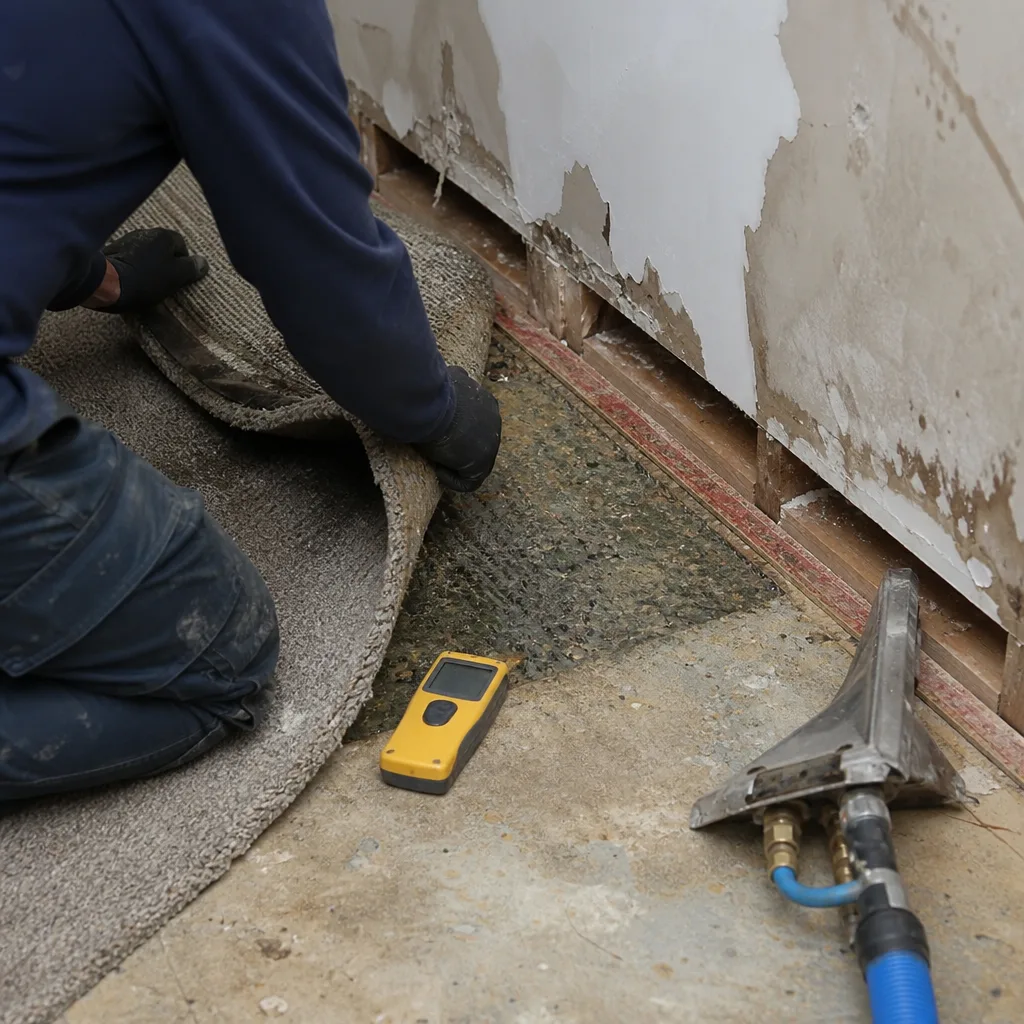
Flood Cleanup
When the Minetta Brook rises during a heavy rain event or the combined sewers back up east of the Square, the water isn’t clean. We treat it as Category 2 or 3 depending on source, run containment and HEPA scrubbing, and clean the space back to a condition you can live with.
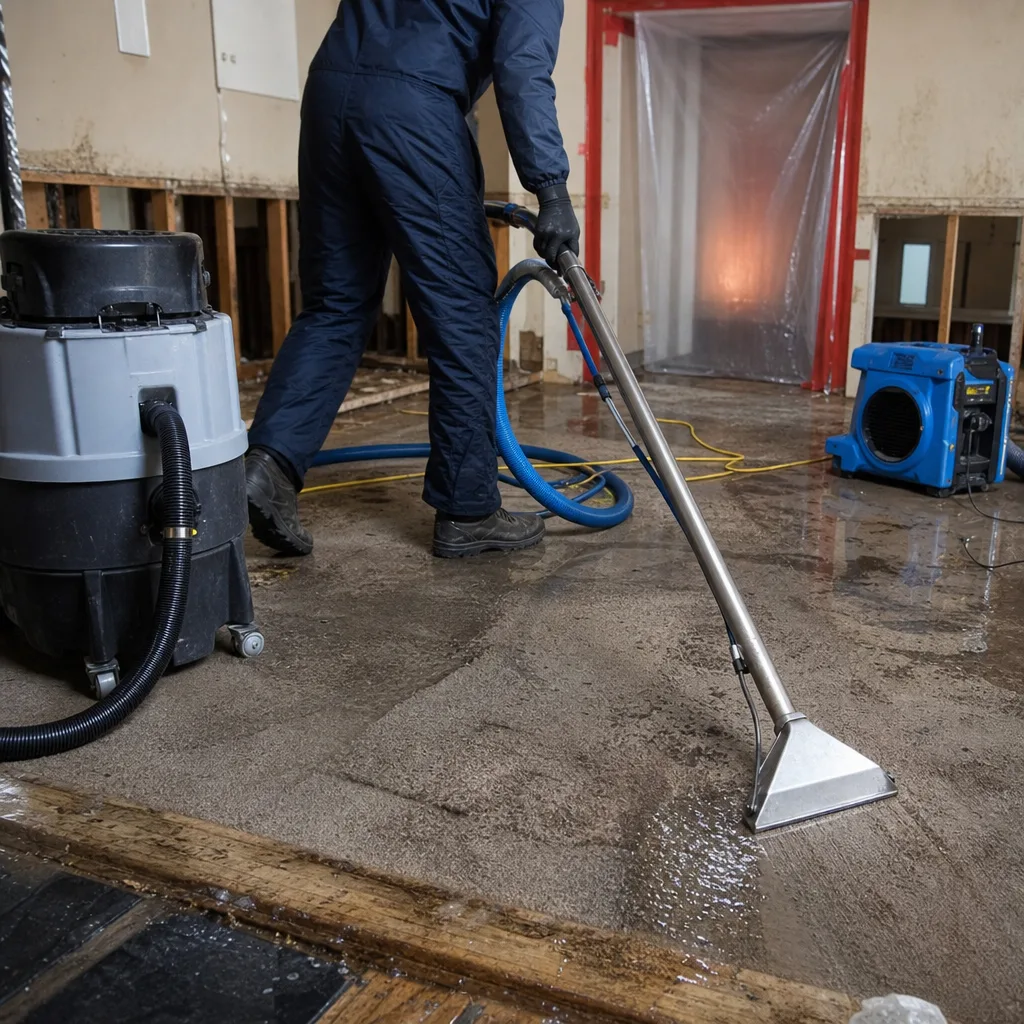
Burst Pipe Restoration
Cast-iron supply pipes inside 180-year-old walls fail in spectacular ways. We trace the leak path, extract, dry, and then coordinate repairs with your insurer so the damaged section gets replaced properly and the wall gets closed back to match the original construction.
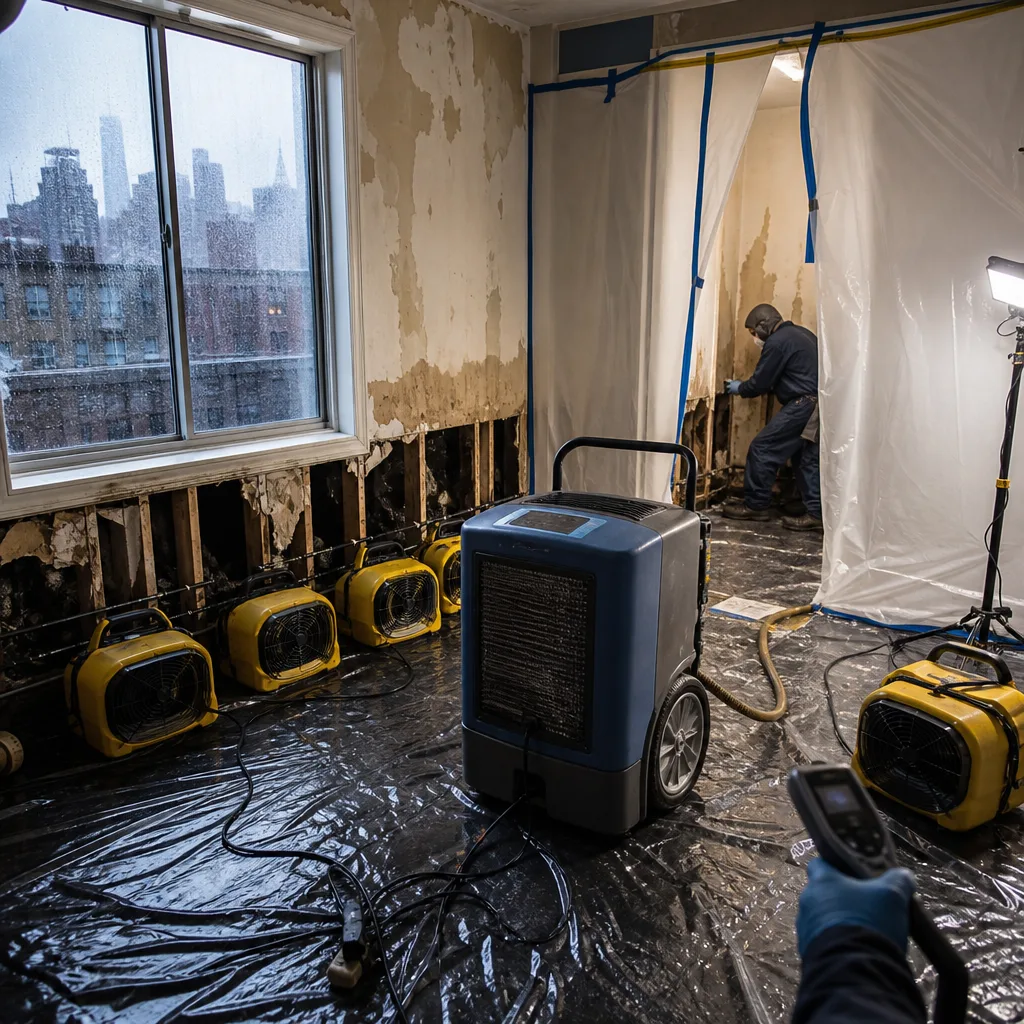
Basement Water Removal
Groundwater intrusion from the buried Minetta Brook is a recurring fight in this neighborhood. We remove the water, dry the space, and tell you honestly what’s needed to keep it from happening again: a sump upgrade, crack injection, or in some cases, an engineered drainage solution designed around the water table you’re actually sitting on.
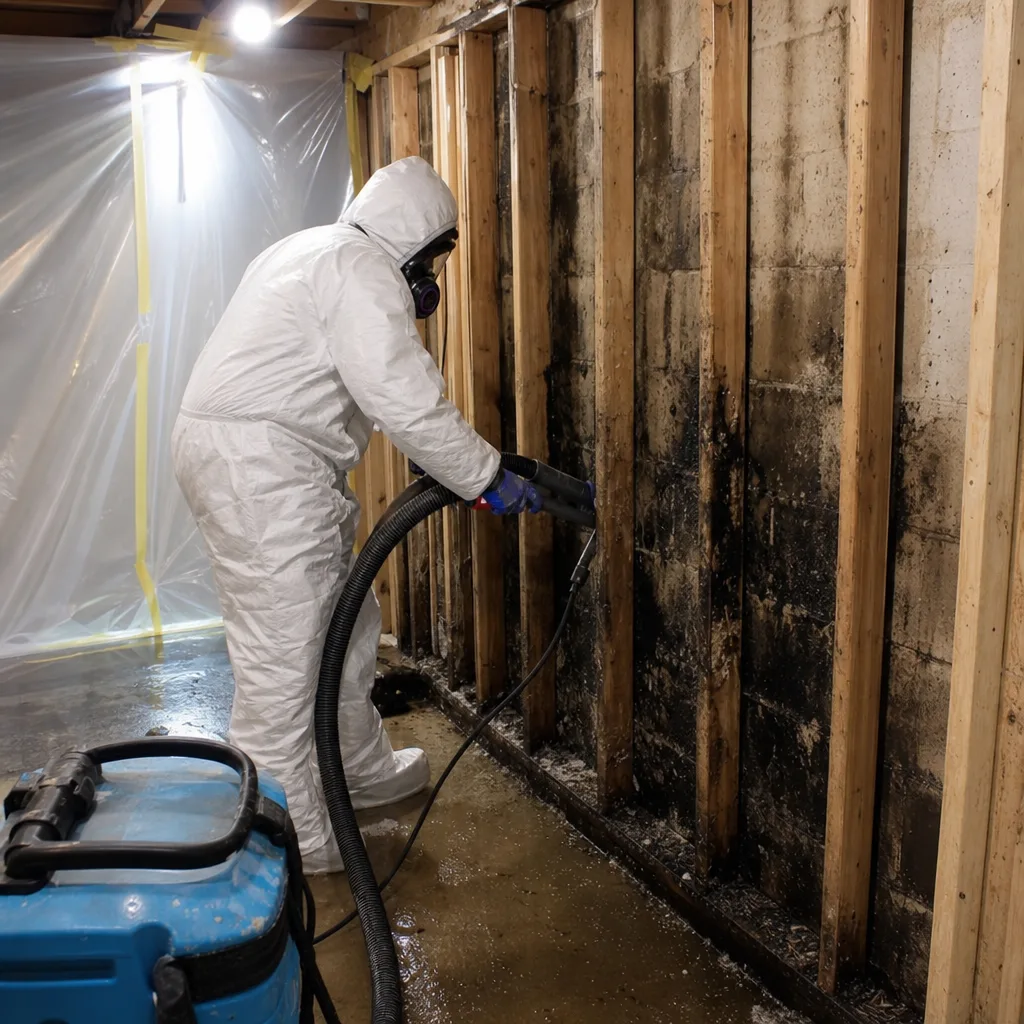
Ceiling & Roof Leak Water Damage
Slate roofing on the old row houses leaks slowly, often for years before anyone notices the stain on a parlor ceiling. We extract what’s soaked through, dry the cavity, document the roof-level source for your carrier, and restore the plaster below. On a landmarked building, the LPC expects original cornice and plaster details preserved whenever possible, and we plan for that from the first day.
What happens when you call
- 1
A real person answersNo phone trees - you reach a local pro.
- 2
You get an upfront price rangeHonest numbers before anyone is dispatched.
- 3
A background-checked tech heads outLicensed & insured, dispatched right away.
- 4
You approve before work beginsNothing starts until you say go.
Water Damage Restoration Costs in Washington Square, NY
Straight numbers for this market. Basement water removal in Washington Square typically runs $1,400-$3,200. Adding structural drying of plaster walls and framing pushes the job to $2,200-$6,000. A full burst pipe restoration with historic plaster repair and LPC coordination can run $6,000-$14,000, and flood cleanup involving Category 3 water and full containment generally lands between $4,500 and $12,000. What moves the price here is historic material: horsehair plaster costs more to dry in place or match than sheetrock, and LPC-required scope adjustments add coordination time. Insurance covers most of these jobs when the cause is sudden and accidental. The free visual inspection is the path to a firm written scope with no surprises. Call (518) 314-5660 and we’ll tell you exactly what you’re looking at.
We Also Serve Cities Near Washington Square
Our crews respond throughout lower Manhattan, and we regularly handle water damage restoration in Midtown Manhattan, Midtown West, Murray Hill, and Upper Manhattan. If your property sits just outside Washington Square, we’ll be there just as fast.
Serving Washington Square, NY - Our Local Coverage Area
We’re based in the Washington Square area and know this community well. Use the map below to see our service coverage - if you’re nearby, we can almost certainly help.
Washington Square Water Damage Restoration Questions, Answered
Does water damage restoration in a Washington Square landmark building require NYC Landmarks Preservation Commission approval?
Yes, in most cases. If the building is an Individual Landmark or sits inside the Greenwich Village Historic District, any work that affects protected fabric, including temporary shoring on a landmarked facade, plaster removal, or casework pack-out, requires LPC review before it proceeds. Contractors who skip this step get stop-work orders mid-mitigation, and that leaves wet materials exposed while mold takes hold. We check LPC jurisdiction before touching anything and coordinate the approved scope so drying continues without interruption.
How does the buried Minetta Brook affect basement flooding in Washington Square compared to nearby blocks?
The Minetta Brook still flows beneath Greenwich Village, and the hydrostatic pressure it creates pushes groundwater into basements throughout its old watershed in Washington Square during heavy rain events and periods of high water table. Blocks just minutes away on higher ground don’t experience this at the same intensity. That’s why basements here flood measurably more than surrounding neighborhoods, and why surface-level drying alone fails: the water comes back weeks later if you never addressed the groundwater condition.
What category of water is typical in a Washington Square row house pipe leak, and how does that change the restoration approach?
Most pipe leaks in Washington Square row houses start as Category 1 clean water from a supply line, but by the time it has run through a 180-year-old wall cavity and pooled against old cast iron and masonry, it’s Category 2: significantly contaminated. That means extraction, antimicrobial treatment, and careful drying of materials rather than surface mop-up. If the Minetta Brook backflows through a floor drain or sewage line is involved, it’s Category 3, and the job requires full containment and more aggressive sanitization.
Can water damage spread between Washington Square townhouses through shared party walls?
Yes, and it regularly does. The pre-Civil War row houses on Washington Square North and Washington Mews share party walls, and water or damp air from one unit can migrate through the masonry and plaster into the adjacent home. That’s why we contain the drying chamber before running air movers in these buildings. If damp air is pushed into a neighbor’s wall cavity, you’ve now got damage on both sides of the wall and two insurance claims to sort out instead of one.
What is the 24-to-48 hour rule for water damage in a Washington Square brownstone?
The clock is real, and in a brownstone it runs faster than in a modern building. Mold can begin colonizing wet organic materials, including horsehair plaster and old lath, within 24 to 48 hours of a water event. In Washington Square’s older buildings, where original plaster holds moisture for longer, the window is tighter. The sooner extraction starts, the less likely you are to need mold remediation. Call (518) 314-5660 as soon as you see water.
How quickly can a crew actually reach Washington Square?
We commit to having a crew rolling toward you within 45 minutes of your call, day or night. Our dispatch office is in New York City, so we’re not routing a truck across the river. A live person answers the phone at 2 a.m., and that person can tell you exactly when the crew will arrive.
Will my insurance cover water damage restoration in Washington Square?
Most sudden and accidental losses are covered by a standard homeowner’s policy, including burst pipes, supply line failures, and storm-related flooding from inside sources. Groundwater intrusion from the Minetta Brook may fall under different coverage rules depending on your policy, which is why we document the source carefully and coordinate directly with your adjuster. We bill the carrier directly and hand you the documentation they need without you playing messenger.
Do I really need full restoration, or can I just dry it out with fans?
Fans move air, but they don’t drive moisture out of plaster walls, subflooring, or wall cavities. In a Washington Square row house, surface drying alone leaves hidden moisture behind shared party walls and inside original lath, and the Minetta Brook’s groundwater problem can undo half a job within weeks. A proper moisture map tells you exactly what’s wet and what it will take to get it dry. The visual inspection is free, and then you’ll know.
Written by Curt Bowman, Owner at Floodline Restoration Co., serving Washington Square with a live dispatch desk and crews that understand what’s under this ground.