
Free visual inspection and a written scope of work before any mitigation begins - photos, moisture readings, and drying logs go in your claim file
The scope we write is the scope we bill. Anything new gets shown to you, in writing, before we touch it.
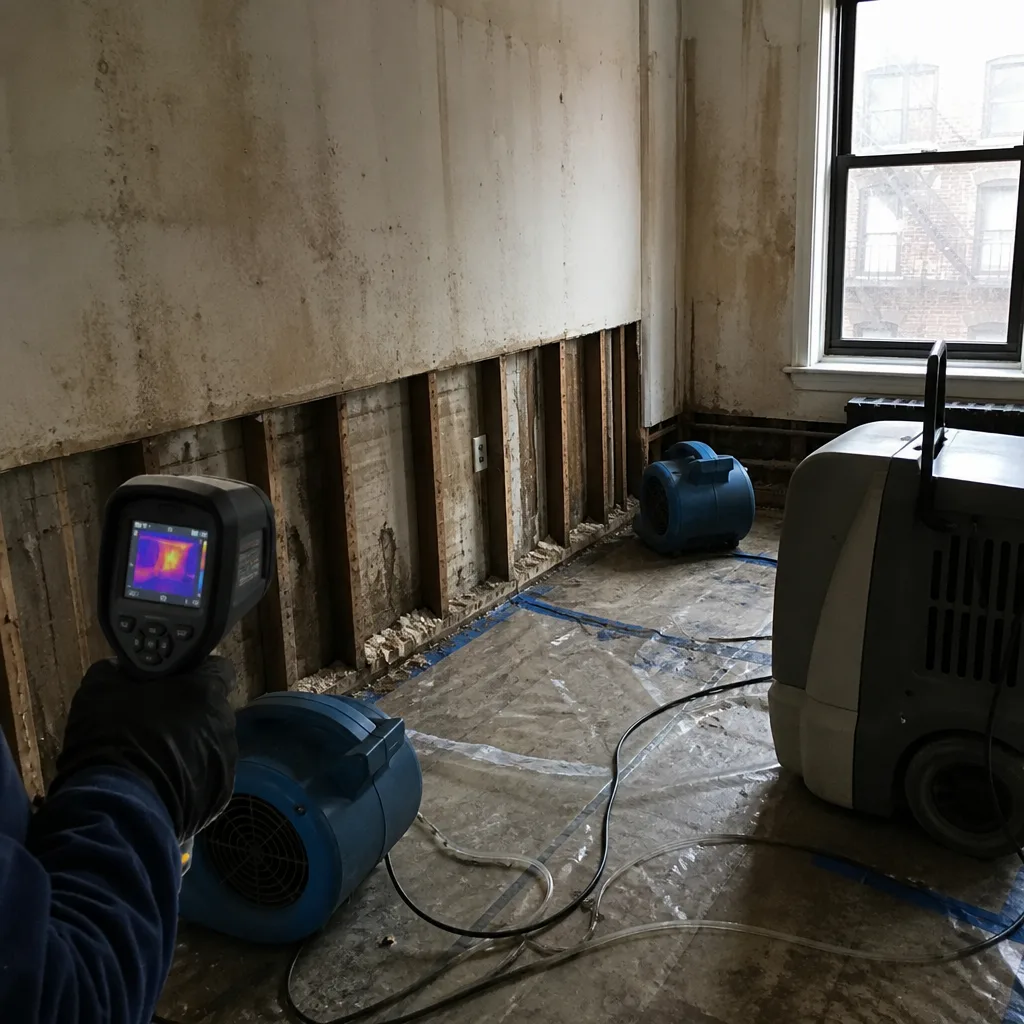 Before
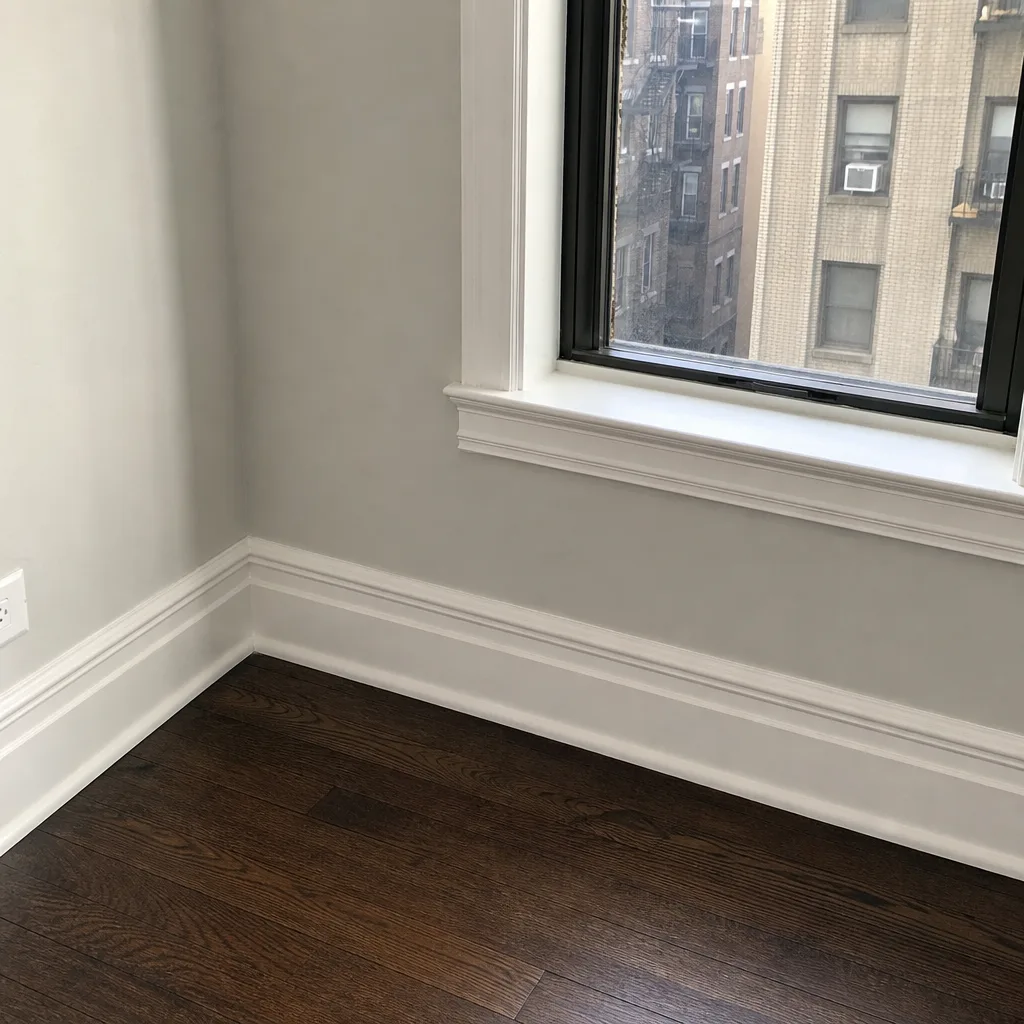 After
After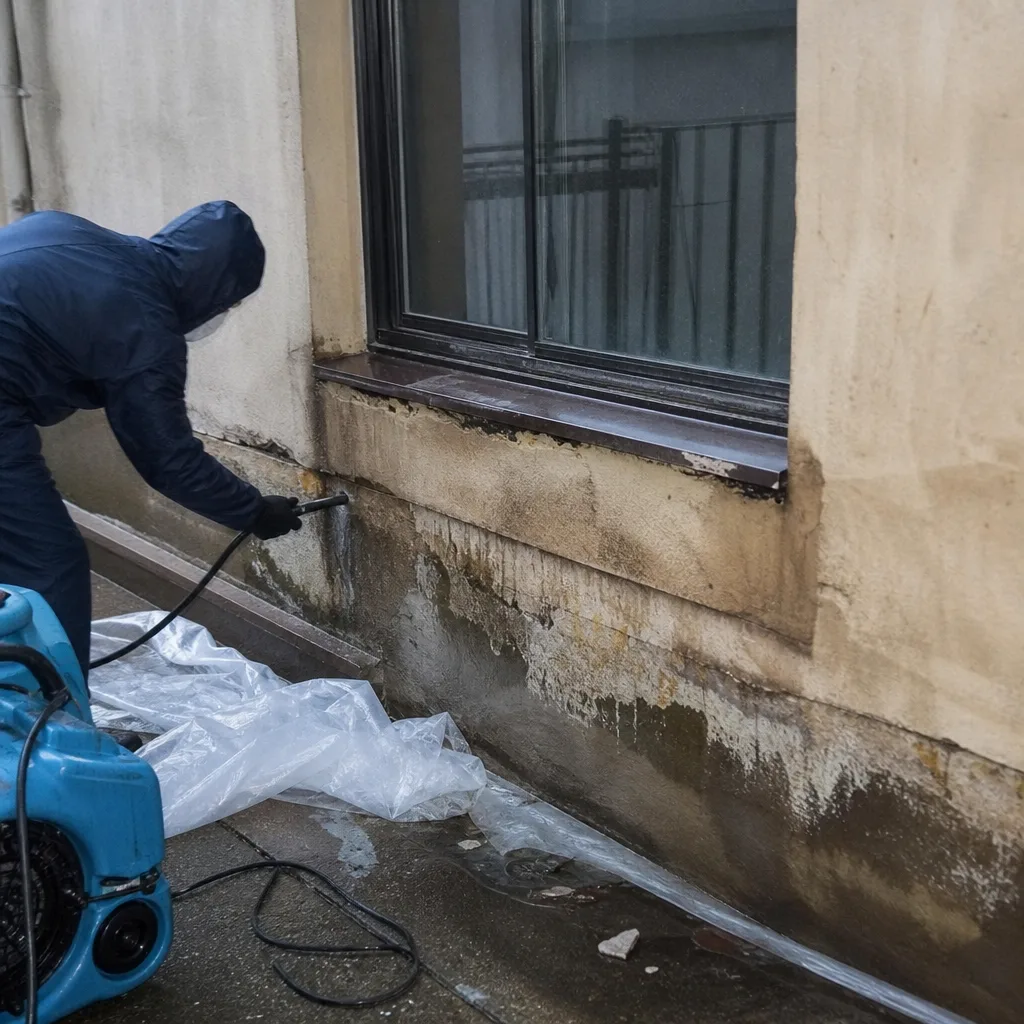 Before
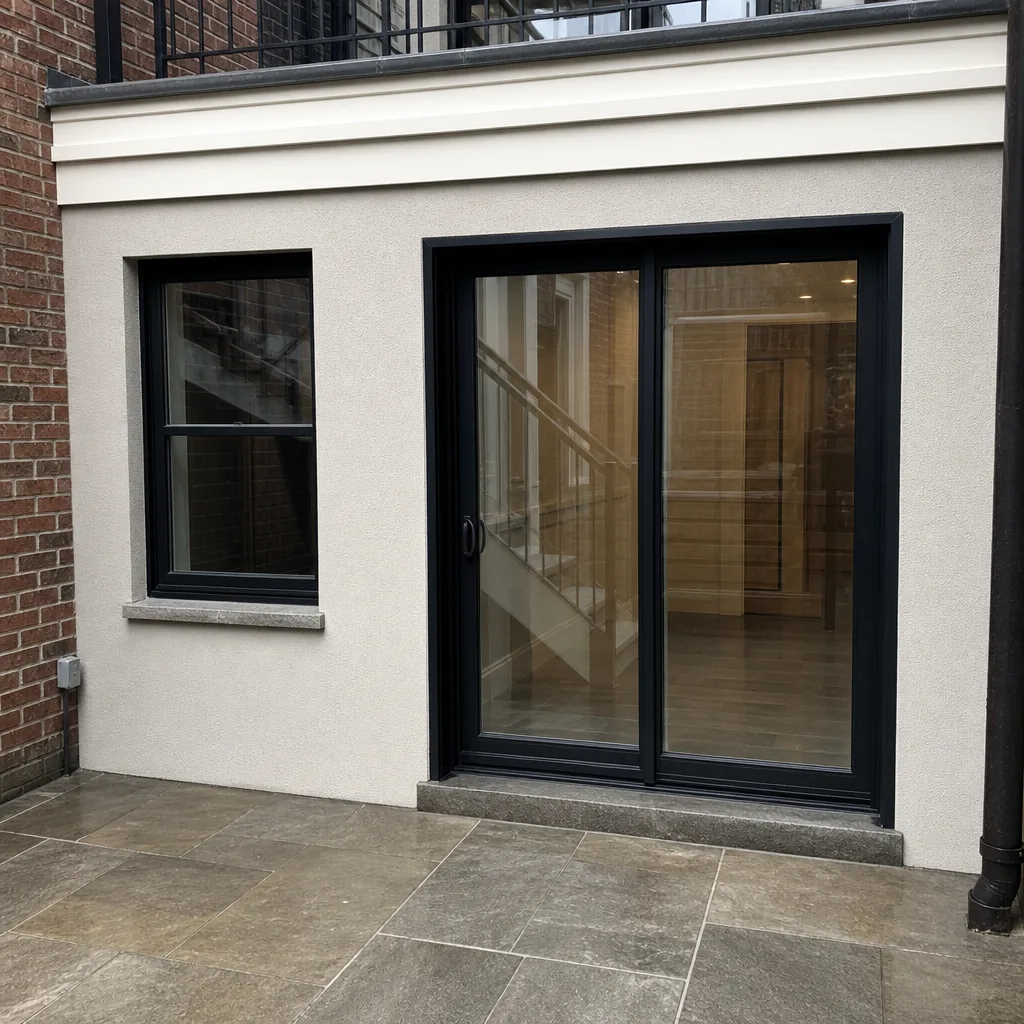 After
After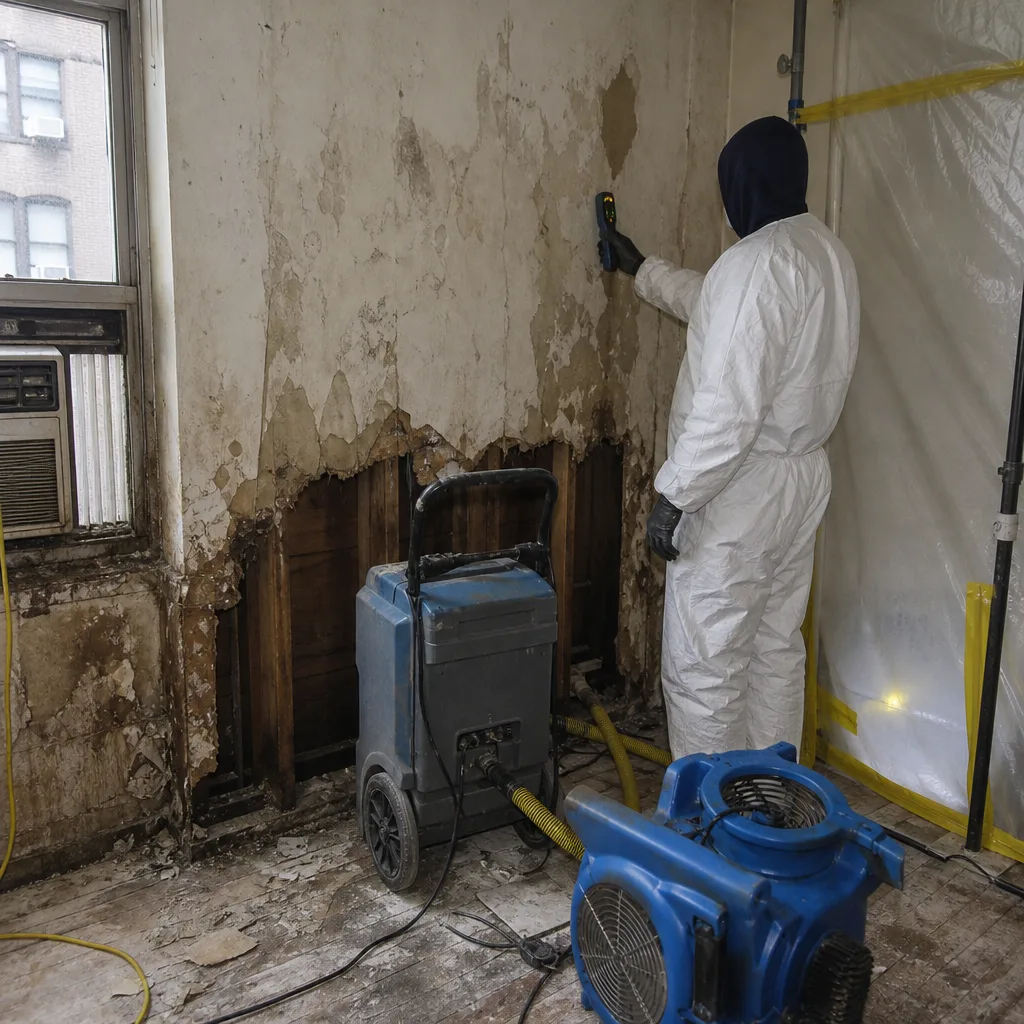 Before
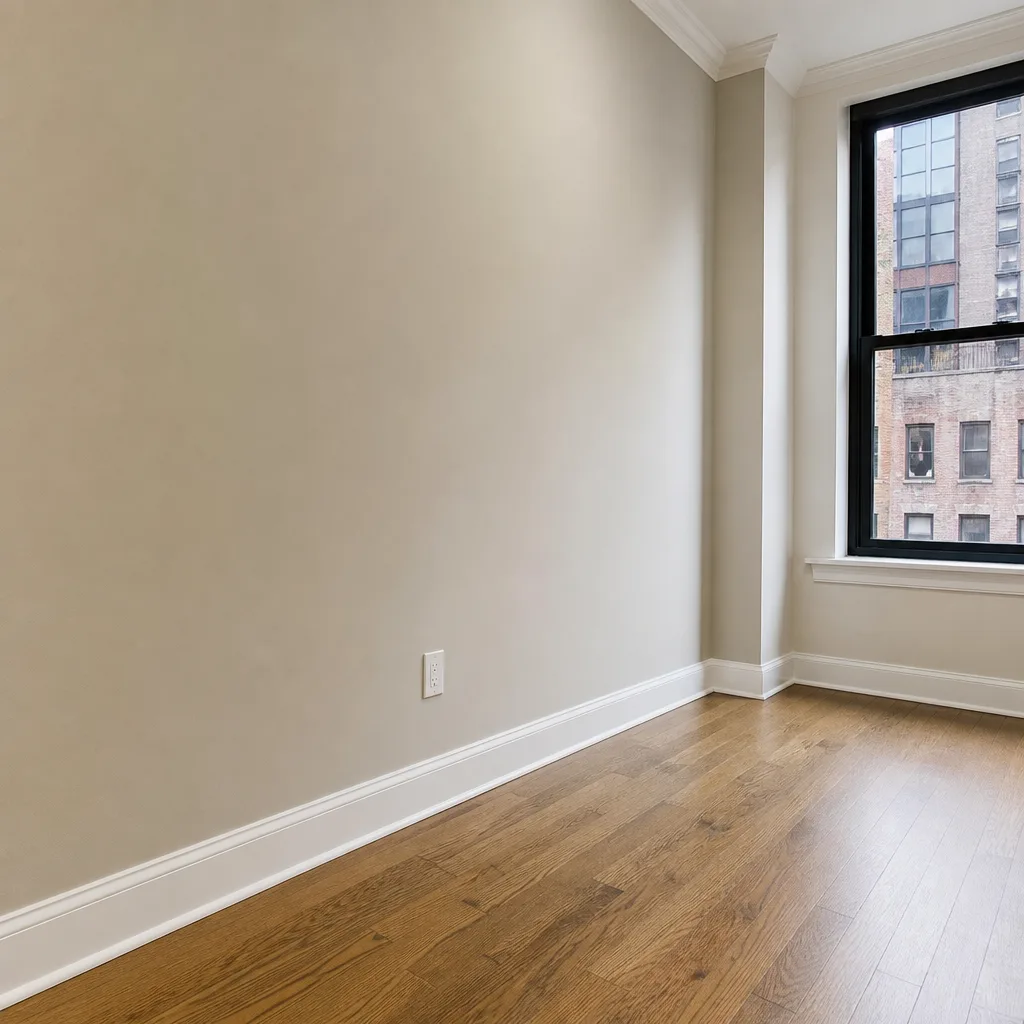 After
After24/7 Emergency Water Damage Restoration in Midtown West
Water damage in Midtown West moves fast, and so do we. A burst supply line in a Hell’s Kitchen walk-up or a failed roof drain atop a Hudson Yards tower doesn’t wait for business hours. Neither do our crews. When water is spreading through your apartment or commercial space, call (518) 314-5660 and a live person answers, day or night. We dispatch crews inside the Midtown West area immediately, and our first hour on site includes a free visual inspection of the full loss. The longer category 2 or 3 water sits in plaster walls, hardwood flooring, or commercial carpet, the more it migrates. In Midtown West’s older buildings, that often means water crossing into the unit next door or the floor below. Starting extraction the same visit is the difference between a contained claim and a multi-unit catastrophe.
Understanding Water Damage Restoration Severity in Midtown West Properties
Water losses fall into three categories, and Midtown West’s building stock produces all three regularly. Category 1 is clean water from a supply line or radiator. Category 2 carries contaminants from appliances, sump failures, or clean-water leaks that have sat long enough to grow bacteria. Category 3 includes sewage backups, Hudson River floodwater, and any water that passed through building waste lines. The distinction matters because a category 1 loss in a Hudson Yards high-rise requires aggressive structural drying and dehumidification, but a category 3 loss in a Hell’s Kitchen tenement on West 49th Street requires containment, negative air pressure, removal of contaminated drywall and insulation, and sanitization before drying equipment can be placed. Moisture mapping from day one tells us exactly where water traveled behind horsehair plaster or above commercial drop ceilings. In Midtown West, where one vertical plumbing chase can carry water across ten floors, that map is not a formality. It is how we keep your claim from becoming your neighbor’s.
Why Midtown West Property Owners Choose Floodline Restoration Co.
- 45-minute response commitment: We give you a firm arrival window when you call, and our Midtown West crews hit it. Water does not wait, and neither do we.
- Live answer, 24/7: Call at 2 a.m. and Curt Bowman’s dispatch team answers with a person, not a recording. We are built around a dispatch board, not a sales desk.
- IICRC-certified crews: Our technicians hold WRT, FSRT, and AMRT certifications. They are background-checked and uniformed before they walk into your building.
- Free visual inspection: The first hour includes a full assessment of the loss with no obligation and no pressure. We tell you what you are facing, in plain English.
- Direct insurance billing: We bill your carrier directly and communicate with your adjuster, so you are not the messenger between two parties on a multi-floor claim.
- One team, start to finish: Extraction, drying, and reconstruction are handled by the same certified crew. No mid-job handoff to a sub you never met.
Our Water Damage Restoration Process
Inspection & Assessment
We arrive, trace the water’s path, and document everything. Thermal imaging and moisture meters map what is wet behind walls, under floors, and above ceilings. In Midtown West pre-war buildings, we check shared plumbing chases immediately, because the visible puddle is rarely the whole loss.
Extraction / Stabilization
Standing water comes out fast with truck-mounted and portable extraction units. We remove saturated carpet, pad, and unsalvageable drywall the same visit. For category 3 water, containment goes up before tear-out starts, and negative air keeps contaminants out of your living space.
Drying & Dehumidification
Dri-Eaz, Phoenix, and XPOWER air movers and dehumidifiers get placed according to a moisture map, not guesswork. Daily readings are logged until we hit the dry standard. We hand that log to you and your carrier at the end of the job.
Cleaning & Sanitization
Affected surfaces get cleaned with professional-grade antimicrobials appropriate for the water category. HEPA air scrubbers run where needed. In basement units near the Hudson, we treat for bacteria and odor that groundwater and sewer surcharge leave behind.
Asbestos & DOB Compliance
Before drying equipment runs in a Hell’s Kitchen walk-up, we coordinate with any required asbestos abatement and DOB permitting per Local Law 76. This step surprises building supers and owners. It does not surprise us, because we work these blocks every week.
Repairs & Restoration
Once the affected area is dry, we rebuild what was removed: drywall, flooring, trim, paint. The same crew that ran the drying is the crew that finishes the job, backed by the 90-Day Done Right Promise in writing.
Need Emergency Water Damage Restoration in Midtown West Now?
Crews minutes away, answering live 24 hours a day. The sooner we start, the less it costs.
Working With Your Insurance Company
In Midtown West, a water loss rarely stays in one apartment. A burst cast-iron stack on the 8th floor of a Hell’s Kitchen tenement becomes a claim for the tenant on 7, the co-op board, and the commercial lessee on the ground floor. That is why our documentation starts in the first hour and never stops. We photograph every affected room before, during, and after work. We log every moisture reading. We write a line-item scope that your adjuster can read without a translator. Then we talk to the carrier directly, so you are not chasing paperwork while your walls are open. For Manhattan co-op and condo losses, boards frequently require this level of documentation before they will even sign off on the claim. We make that part simple.
What We Provide Your Insurer
- Thorough documentation of the loss
- Photos of all damage, room by room
- Moisture readings and drying logs
- A detailed, line-item scope of work
- Direct coordination with your carrier
Built for Midtown West’s Loss Calendar
Water damage in Midtown West follows a calendar, and after years of working these blocks, we know it by heart. January and February deep freezes burst supply lines in uninsulated exterior walls of 1920s walk-ups along Tenth and Eleventh Avenues. March and April thaw brings groundwater seepage into basement units near the Hudson, where shallow bedrock and fill push water up through foundation cracks and floor drains. July and August convective storms dump rain faster than NYC’s combined sewer system can handle, surcharging sewage into ground-floor commercial spaces and cellar apartments on the West 30s and 40s. Nor’easters in the fall and early winter overwhelm roof drains on flat-roofed mid-rise buildings, sending water down through ceilings and into top-floor units from West 34th to West 57th. Knowing which failure mode is likely in which season, and in which building type, is how we arrive prepared instead of learning on your dime. That is the standard we hold ourselves to.
Water Damage Restoration Across Midtown West’s Neighborhoods
Midtown West is not one neighborhood. It is a dense patchwork of Hell’s Kitchen tenements, Garment District loft buildings, Hudson Yards towers, and the clusters of pre-war co-ops around Columbus Circle. Each one responds to water differently and each one has different access constraints.
In Hell’s Kitchen, between West 40th and West 57th off Ninth and Tenth Avenues, we service walk-up buildings with narrow stairwells, horsehair plaster walls, and cast-iron waste stacks that have outlived their original warranty by sixty years. Equipment has to go up four or five flights of stairs, sometimes through a fire escape window. Our crews have done it hundreds of times. In the Garment District, older commercial lofts on West 38th and 39th streets hide water behind freight elevator shafts and old sprinkler risers. Chelsea-adjacent blocks along West 30s and the High Line see a steady pattern of slab leaks in converted warehouse buildings. Up near Columbus Circle and the West 50s, co-op towers built in the 1960s and 70s have their own failure profile: aged riser pipes, failing roof drains, and vertical chases that carry water from a top-floor leak down into the lobby. We know the buildings because we have worked in most of them.
Hudson Yards is a different world entirely. Brand-new Class-A curtain-wall buildings have sophisticated building management systems and strict loading dock protocols. Water losses there tend to come from mechanical failures, sprinkler activations, or construction defects. Access requires coordination with property management, security desks, and freight elevators. Our team handles that coordination as part of the job. The same crew that navigates a Hell’s Kitchen stairwell can navigate a Hudson Yards dock schedule. In Midtown West, both skills are necessary on the same dispatch board, sometimes on the same day.
Specialized Water Damage Restoration Services We Offer in Midtown West
Emergency Water Extraction
Standing water in a Midtown West apartment or commercial space has to come out now, not after a callback. Our extraction crews arrive with truck-mounted and portable units, remove the water, and map the migration path behind walls and under floors before it reaches the next unit. In multi-floor buildings along Ninth Avenue, the first hour of extraction is often the difference between a single-unit claim and a four-unit claim.
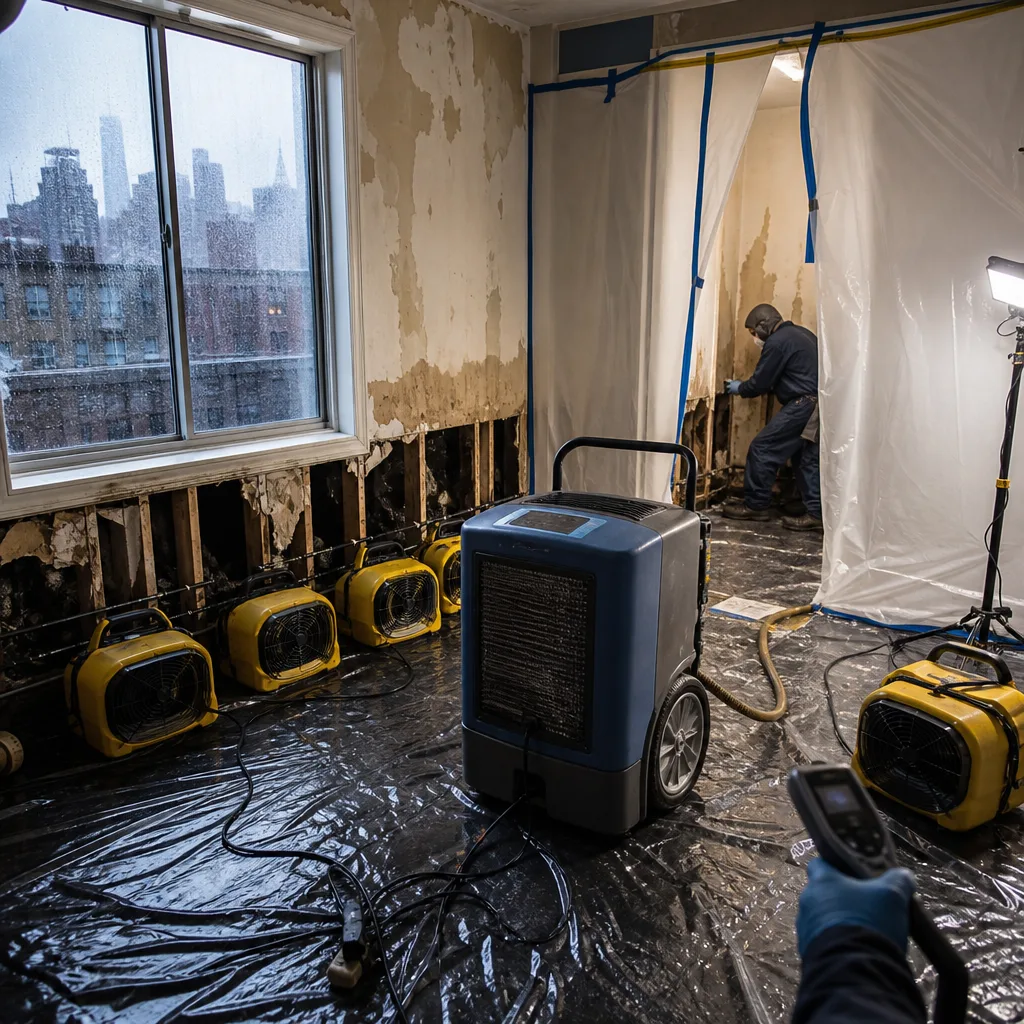
Burst Pipe Restoration
Burst supply lines and failed cast-iron drain stacks are the most common emergency we handle in Midtown West, and the most damaging. In pre-war buildings, a single broken pipe in a vertical chase can flood five or more units in an afternoon. We shut down the source, extract the water, contain the damaged area, and coordinate with building management and any required abatement contractor before drying equipment goes in. Our Water Damage Restoration team has handled dozens of these multi-floor losses.
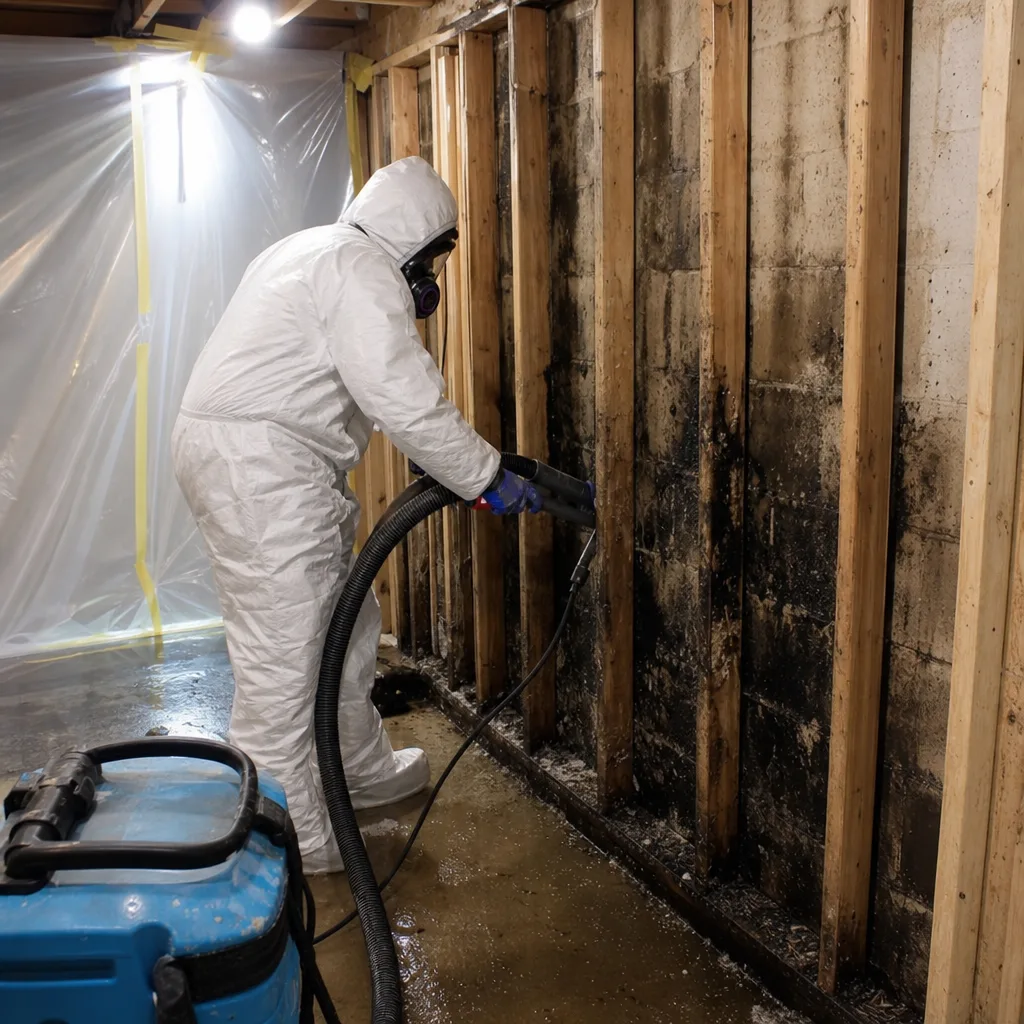
Ceiling & Roof Leak Water Damage
Flat-roof buildings across Midtown West, from older mid-rises in the Garment District to newer towers near Hudson Yards, leak during heavy rain and nor’easters. Water travels laterally from the roof penetration, shows up as a ceiling stain two floors below the actual leak, and by then it has soaked insulation, drywall, and sometimes electrical runs. We find the real source, not just the stain, and dry the full travel path.
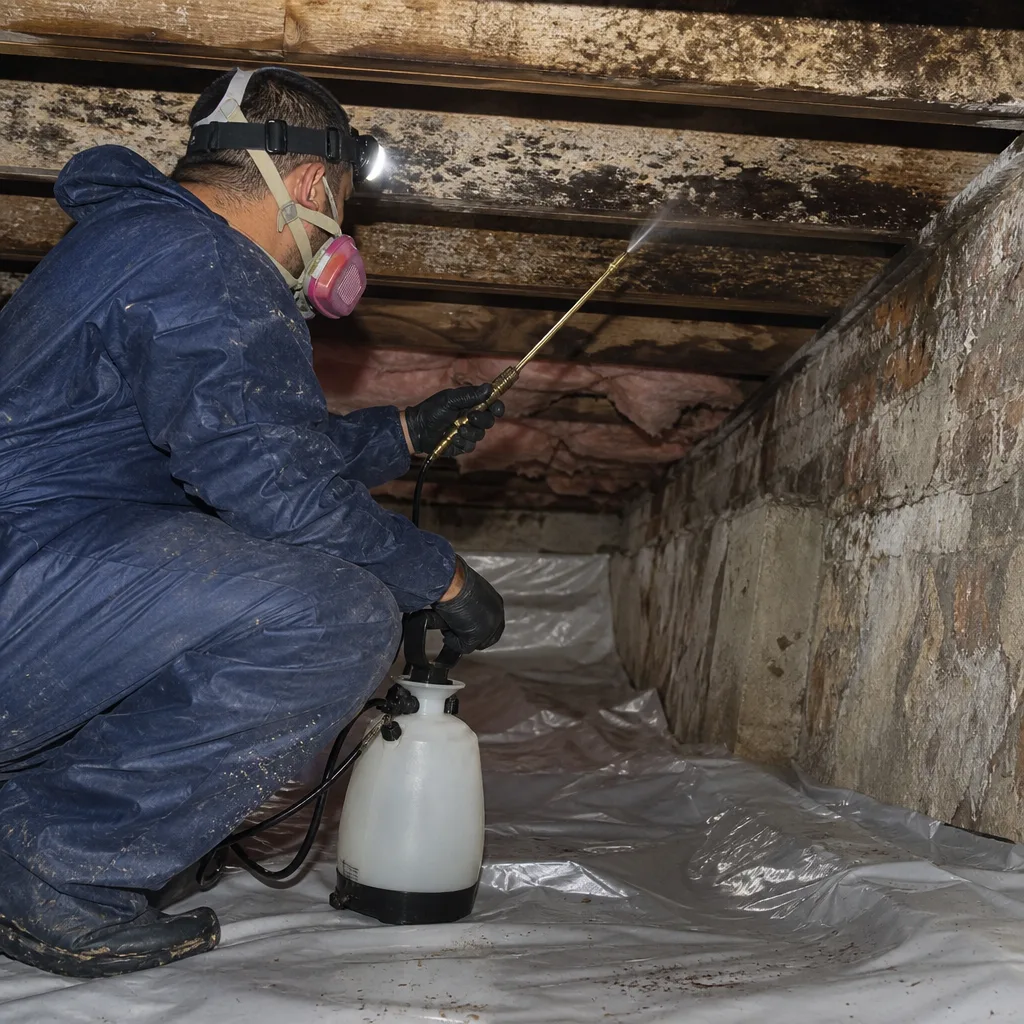
Flood Cleanup
When the combined sewer system surcharges during a summer storm, ground-floor and basement spaces in Midtown West take in contaminated water fast. This is category 3 water. It requires containment, removal of affected materials, sanitization, and drying with professional-grade equipment. We do not dry contaminated drywall in place. We remove it, treat the framing, and rebuild. The 90-Day Done Right Promise covers the finished result in writing.
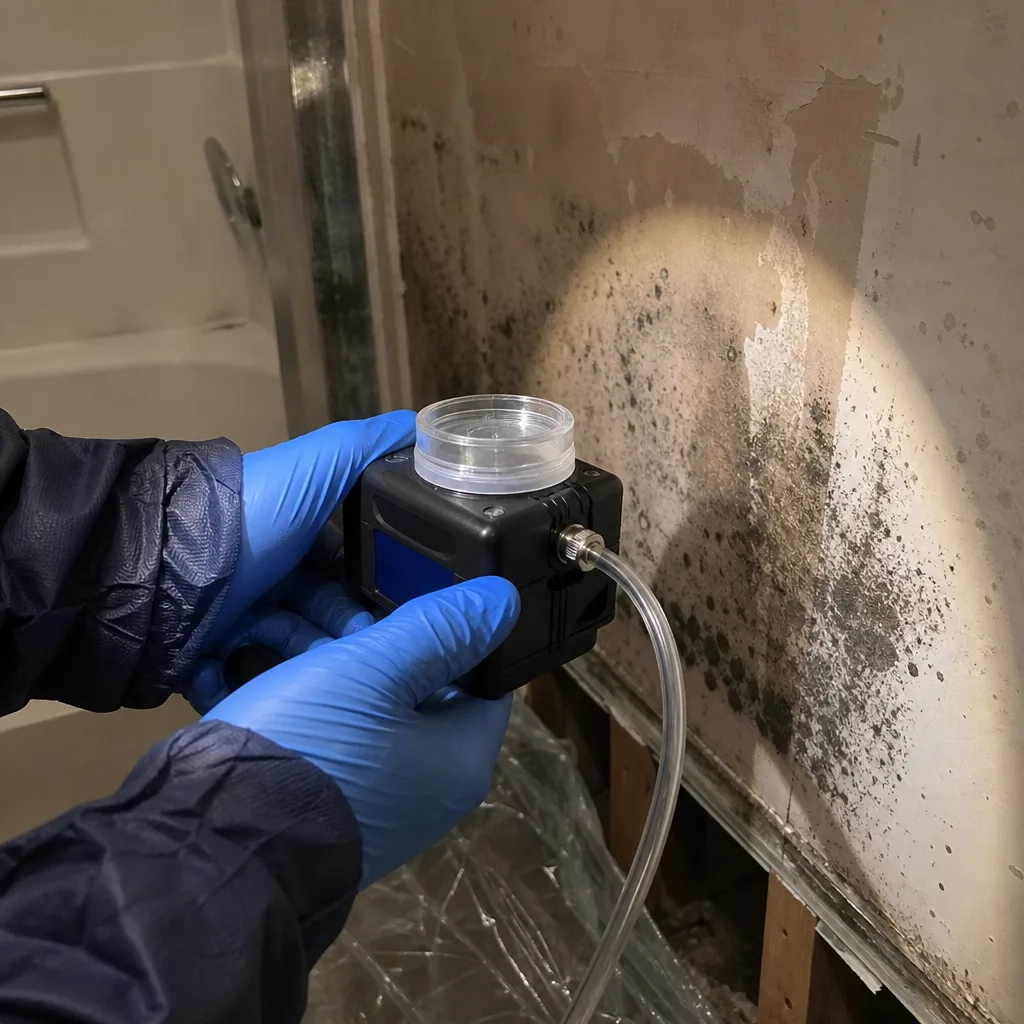
Basement Water Removal
Below-grade spaces in Midtown West sit near the Hudson’s shallow groundwater table, and many pre-war buildings have poured concrete foundations that were never waterproofed. Basement seepage after heavy rain or a sewer backup is common, especially in buildings between Tenth Avenue and the West Side Highway. We extract, dry, and address the moisture intrusion so the same puddle does not return with the next storm.
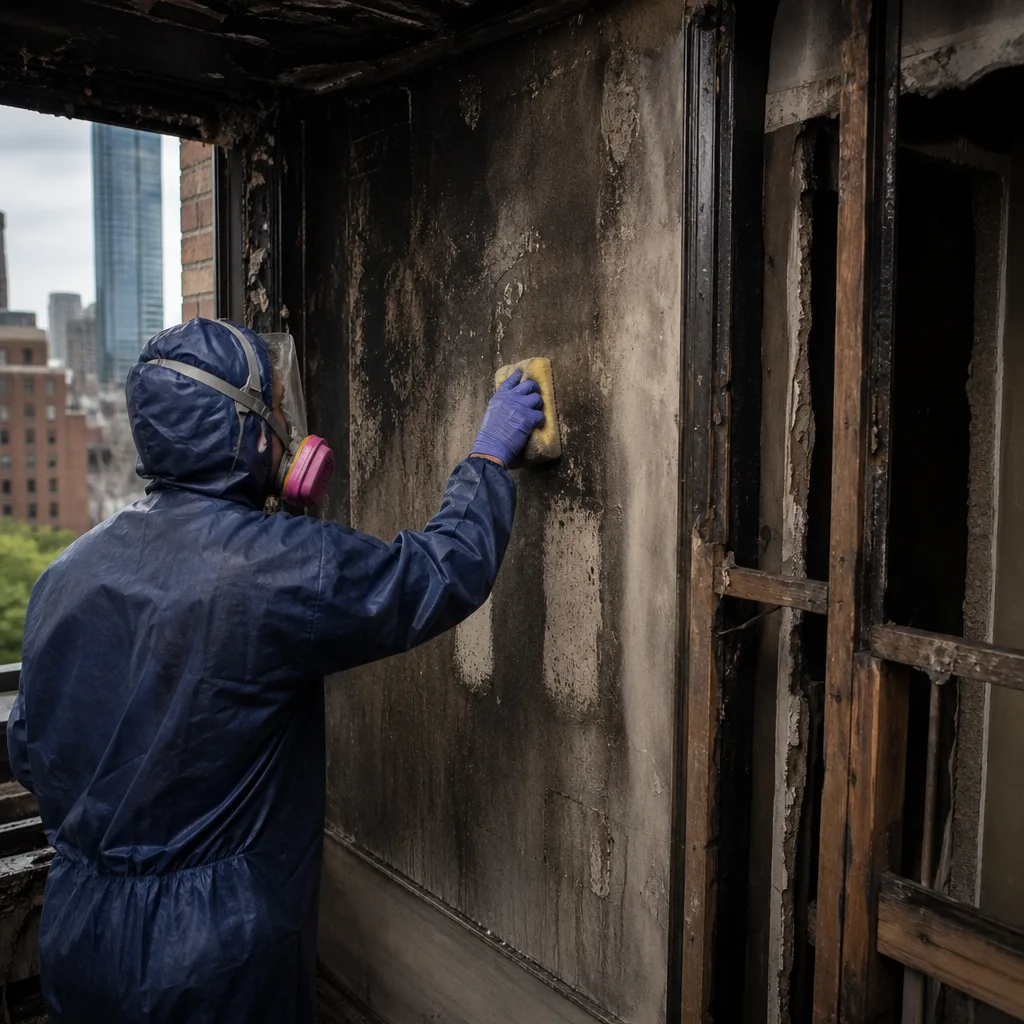
What happens when you call
- 1
A real person answersNo phone trees - you reach a local pro.
- 2
You get an upfront price rangeHonest numbers before anyone is dispatched.
- 3
A background-checked tech heads outLicensed & insured, dispatched right away.
- 4
You approve before work beginsNothing starts until you say go.
Water Damage Restoration Costs in Midtown West, NY
No honest contractor can quote a water loss over the phone without seeing it, but Midtown West’s market has real price ranges we can share up front. Emergency water extraction in a single apartment or small commercial space typically runs $500 to $2,900, depending on how far the water traveled and how many rooms are affected. Structural drying for a moderate category 1 or 2 loss in a pre-war walk-up usually falls between $1,800 and $4,600, including equipment placement, daily monitoring, and the drying log. Full burst pipe restoration across multiple units in a Hell’s Kitchen chase can range from $8,000 to $35,000 or more, driven by demolition, abatement coordination, drying, and rebuild. A basement sewage cleanup from a combined sewer surcharge event typically lands between $3,500 and $12,000 because of containment, contaminated material removal, and sanitization.
What moves these numbers: category of water, square footage affected, number of floors involved, whether asbestos abatement is required before work starts, and whether reconstruction is needed after drying. The free visual inspection is how we move from a rough range to a firm, written scope before any work begins. Call (518) 314-5660 and we will walk you through exactly what applies to your building.
We Also Serve Cities Near Midtown West
Floodline Restoration Co. runs full-cycle water damage restoration in Midtown Manhattan, Murray Hill, Washington Square, and Upper Manhattan. If your building sits near the Midtown West border, call us and we will confirm coverage for your block. Our dispatch serves the wider Manhattan area with the same live-answer standard. For more about our Midtown West coverage, see Water Damage Restoration in Midtown West.
Serving Midtown West, NY - Our Local Coverage Area
We’re based in the Midtown West area and know this community well. Use the map below to see our service coverage - if you’re nearby, we can almost certainly help.
Midtown West Water Damage Restoration Questions, Answered
Why does water damage in Midtown West often involve more than one apartment or commercial unit?
In Midtown West, pre-war Hell’s Kitchen tenements and many mid-rise buildings share vertical plumbing chases, which are the open or semi-open cavities that carry waste and supply lines from the roof to the basement. When a pipe fails inside that chase, water follows gravity and the path of least resistance, which means it drops through the chase and spreads into units below, often several floors away from the original break. A single burst cast-iron stack on West 49th Street can put category 3 water into four or five units in one vertical line. That triggers multiple insurance claims at once: the tenant whose unit was damaged, the co-op or condo board that owns the common infrastructure, and any commercial lessee on the ground floor. We document each affected unit separately, coordinate with each party’s adjuster, and give the board the full drying log they need to close the claim.
Do I need an asbestos survey before water damage restoration in a Hell’s Kitchen walk-up?
In most Hell’s Kitchen walk-ups built before 1980, yes. Pipe insulation, floor-tile mastic, and textured plaster in these buildings routinely test positive for asbestos. Under NYC Local Law 76 and EPA NESHAP rules, a licensed abatement contractor must inspect and clear the affected area, and a DOB permit must be pulled, before any drying equipment can be placed where asbestos-containing materials were disturbed. This regulatory sequence adds two to four days to what owners expect to be a straightforward water-loss response. We coordinate with the building’s abatement contractor and the DOB so the schedule moves as fast as the rules allow, and we stage our equipment so drying starts the same day clearance comes through.
How fast can mold start growing after a water leak in a Midtown West apartment?
Mold can begin forming within 24 to 48 hours on wet drywall, insulation, and organic building materials, especially in Midtown West’s humid summer months when exterior air is already saturated. In a pre-war apartment with horsehair plaster and old lath, the clock starts the moment the wall gets wet, not when the visible stain appears. By the time you see discoloration, the colony is already established behind the surface. That is why we treat the first 48 hours as the critical drying window and why our crews start extraction and air movement the same visit whenever possible. A faster start means less tear-out, lower cost, and a smaller claim.
What happens when a sewer backup floods a basement in Midtown West during a heavy storm?
When NYC’s combined sewer system surcharges during an intense summer storm or nor’easter, raw sewage pushes up through floor drains, toilets, and sump pits into basement units and ground-floor commercial spaces across Midtown West. That water is category 3 and requires a completely different response than a clean supply-line break. We set containment and run negative air pressure to keep contaminants from moving through the building, remove all affected porous materials like drywall, carpet, and insulation, sanitize non-porous surfaces, and then dry the structure to standard before rebuilding. We bill your carrier directly for this work and provide photo documentation and moisture logs throughout. If you have a sewer backup in a Midtown West basement, call us immediately and do not enter the affected area without protection.
Can your crew work in buildings with tight alley-load or townhome door clearances in Midtown West?
We work these buildings every week. Many Midtown West properties, particularly older Hell’s Kitchen and Garment District structures, have narrow stairwells, small freight elevators, or no elevator at all. Our crews carry equipment that breaks down into manageable loads, and we have moved Dri-Eaz dehumidifiers and XPOWER air movers up five flights of stairs in walk-ups on West 45th, 49th, and 53rd streets. We plan for access before we arrive, including any freight elevator reservations or dock scheduling a building requires. Tight clearances do not slow us down, but they do require planning, and that planning is part of our standard process.
Will my insurance cover water damage restoration in Midtown West, and who deals with the adjuster?
Most homeowners and co-op/condo policies cover sudden and accidental water damage, like a burst pipe or an appliance failure, but coverage often excludes gradual leaks and some flood events that are not covered under a separate flood policy. In Midtown West’s multi-unit buildings, the question of whose policy pays depends on where the pipe failed and whether the damage is in a unit owner’s space or the building’s common infrastructure. We document the loss from the first hour, write the scope in the format carriers expect, and communicate directly with your adjuster. You never have to translate trade language into insurance language. We handle that conversation, and we bill the carrier directly when coverage applies.
For a contained category 1 loss in a single unit, structural drying typically takes three to five days from the first placement of equipment to the final moisture reading. A category 3 loss in a pre-war building, especially one requiring asbestos abatement coordination, can take seven to fourteen days before rebuild starts, and full restoration may run several weeks depending on the scope. In multi-floor Hell’s Kitchen losses, the timeline is driven by the number of affected units, the category of water, and the regulatory sequence, not by any single apartment’s condition. We give you a written scope and schedule after the free visual inspection, and we update it honestly as conditions change. Call (518) 314-5660 and we’ll tell you what applies to your building.
What should I do in the first 30 minutes after discovering water damage in Midtown West?
Call us first at (518) 314-5660. While the crew is on the way, turn off the water supply if you can locate the shutoff valve safely, move undamaged belongings out of the affected area if it is safe to do so, and do not enter standing water in any basement or commercial space where electrical outlets or appliances may be submerged. Do not attempt to remove soaked drywall, especially in a pre-war building where asbestos may be present. Do not dry category 3 water yourself. Let our crew assess the scene, start extraction, and begin documentation. The first 30 minutes sets the direction of the whole claim, and doing the right things in the right order saves money and complications down the line.
Written by Curt Bowman, Owner at Floodline Restoration Co., serving Midtown West since our founding in 2010.