
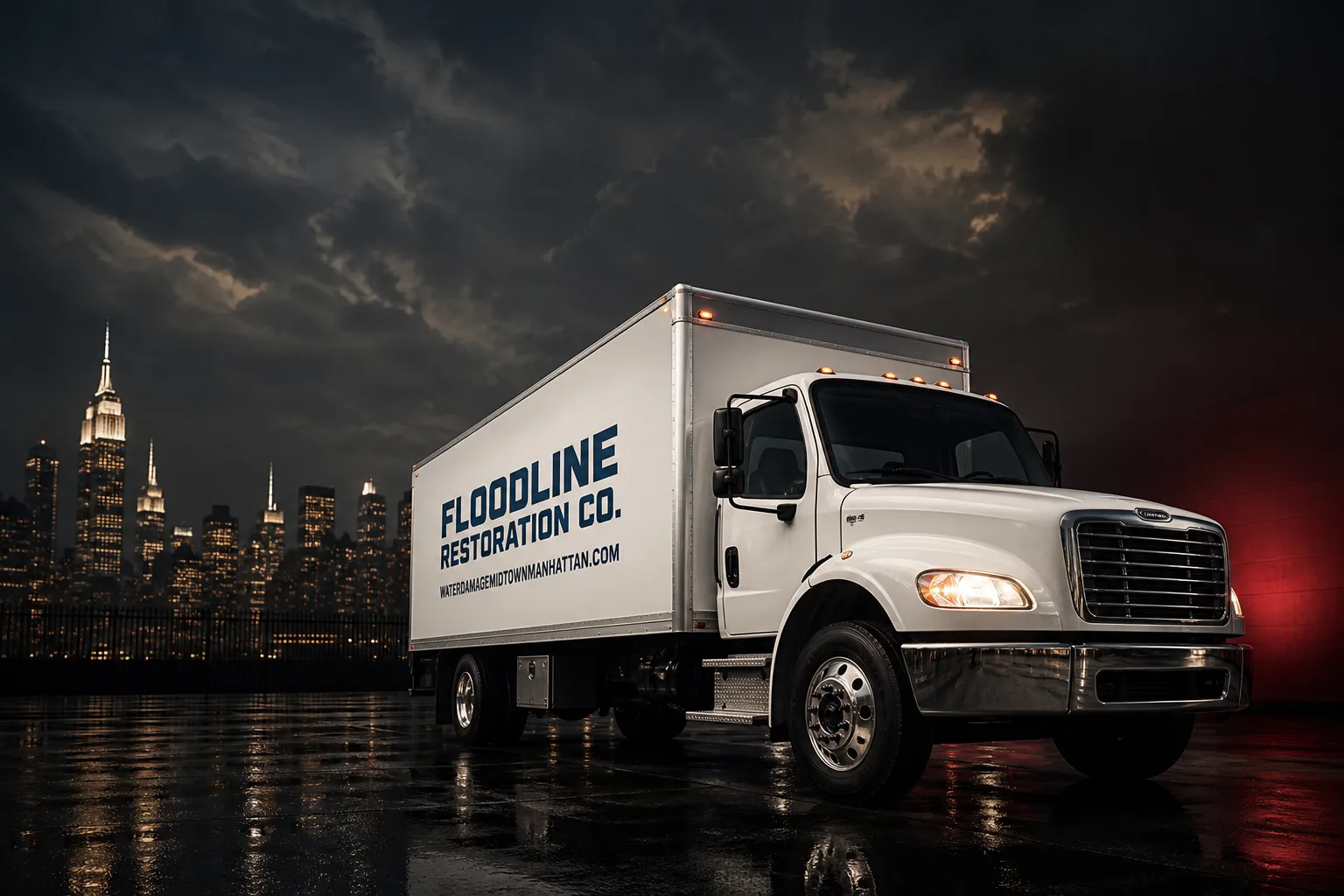
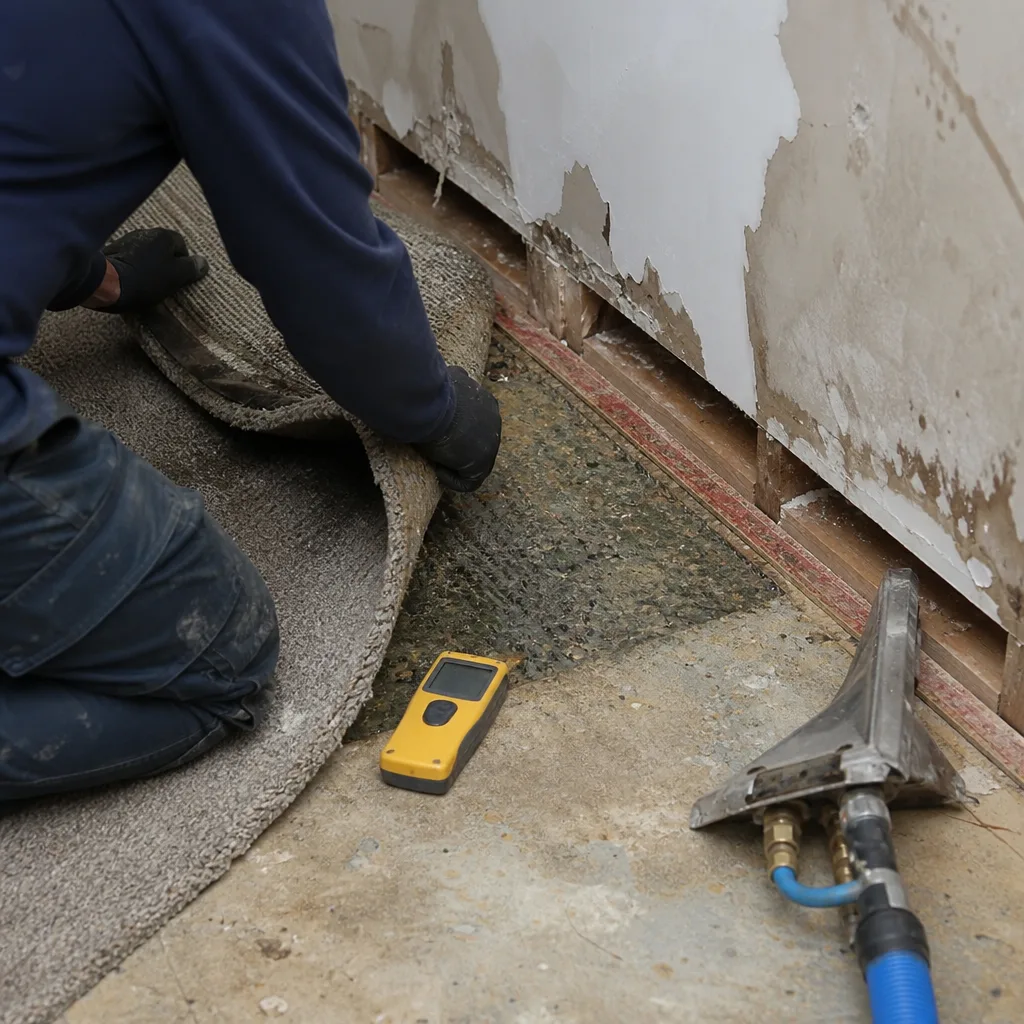
Free visual inspection and a written scope of work before any mitigation begins - photos, moisture readings, and drying logs go in your claim file
The scope we write is the scope we bill. Anything new gets shown to you, in writing, before we touch it.
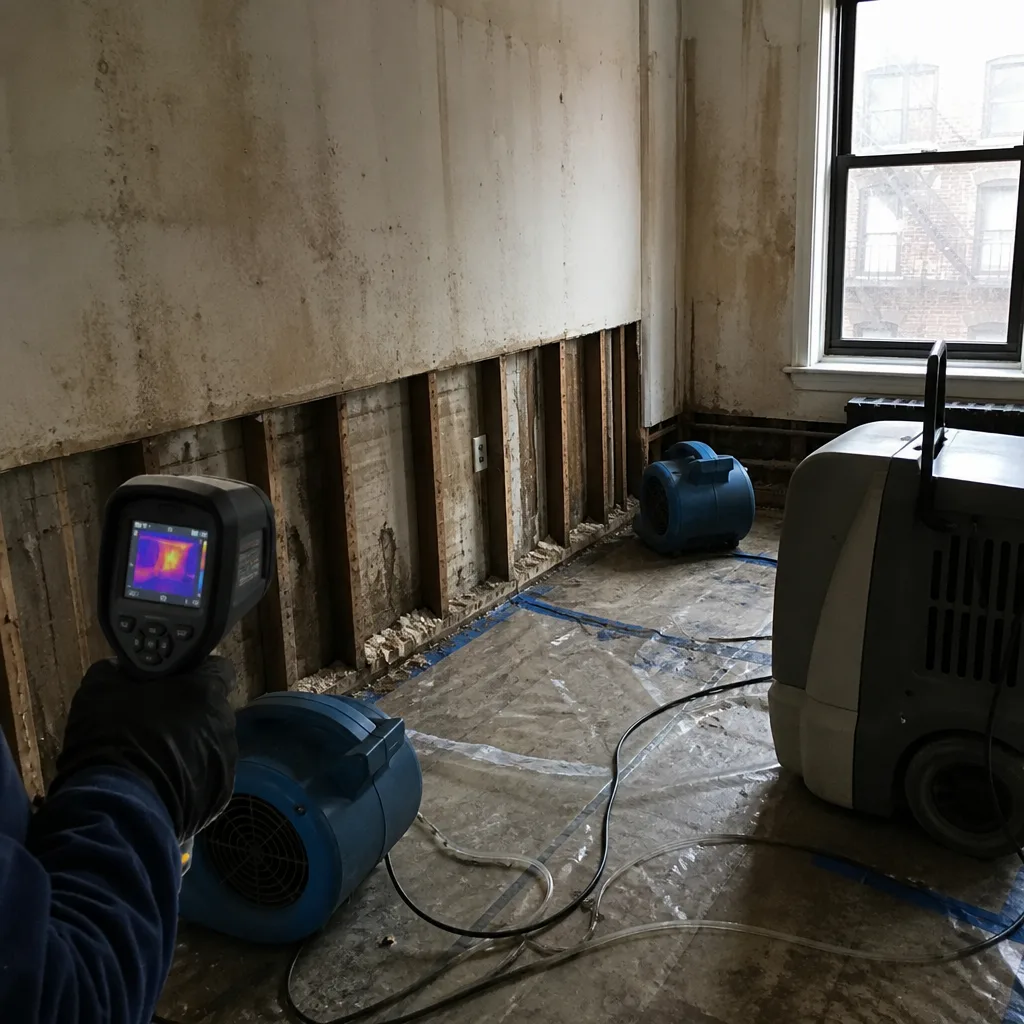 Before
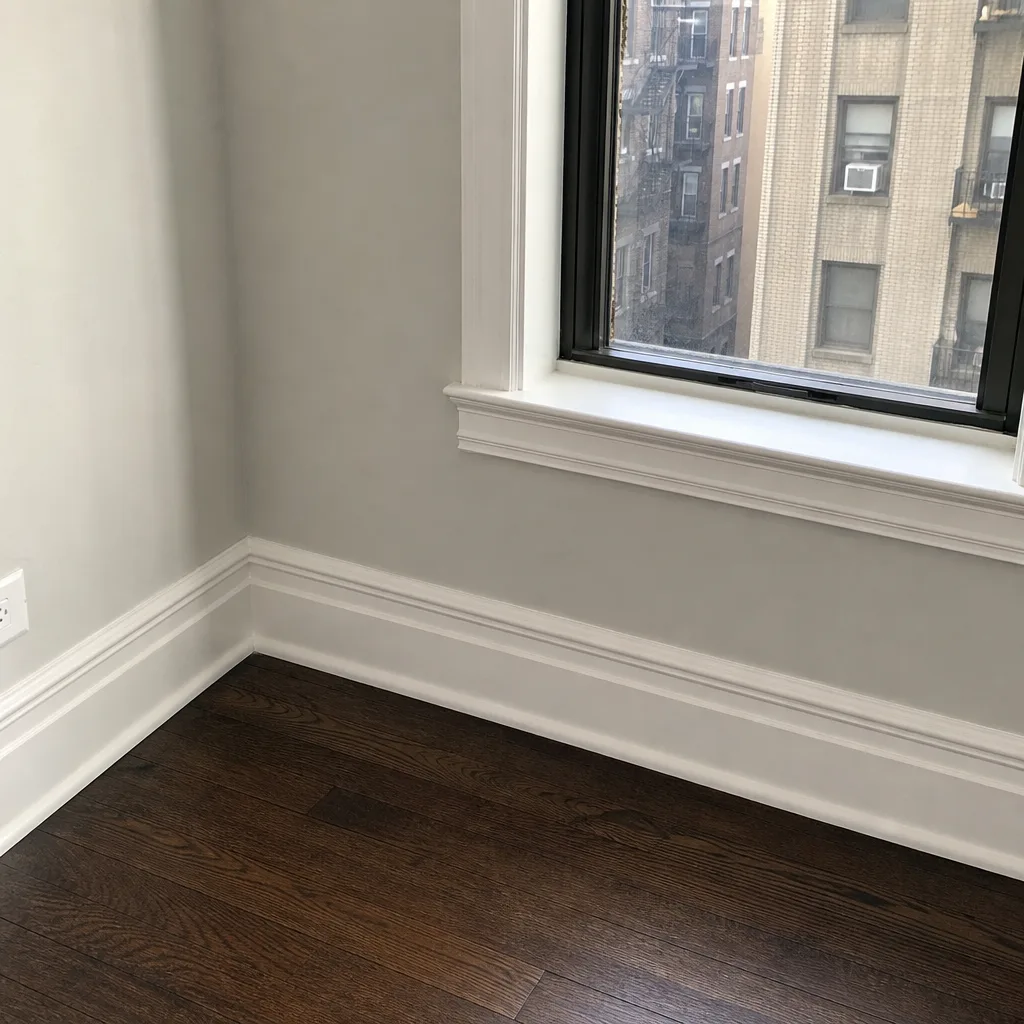 After
After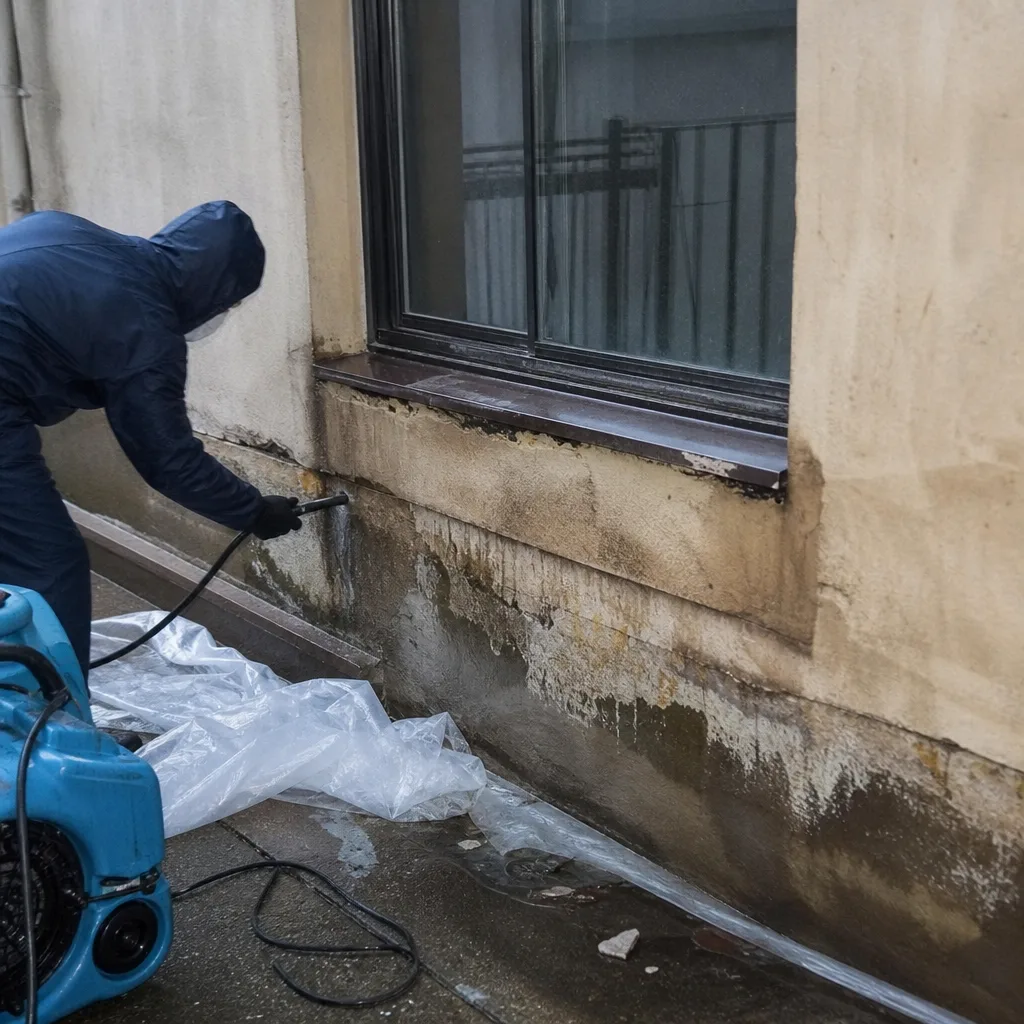 Before
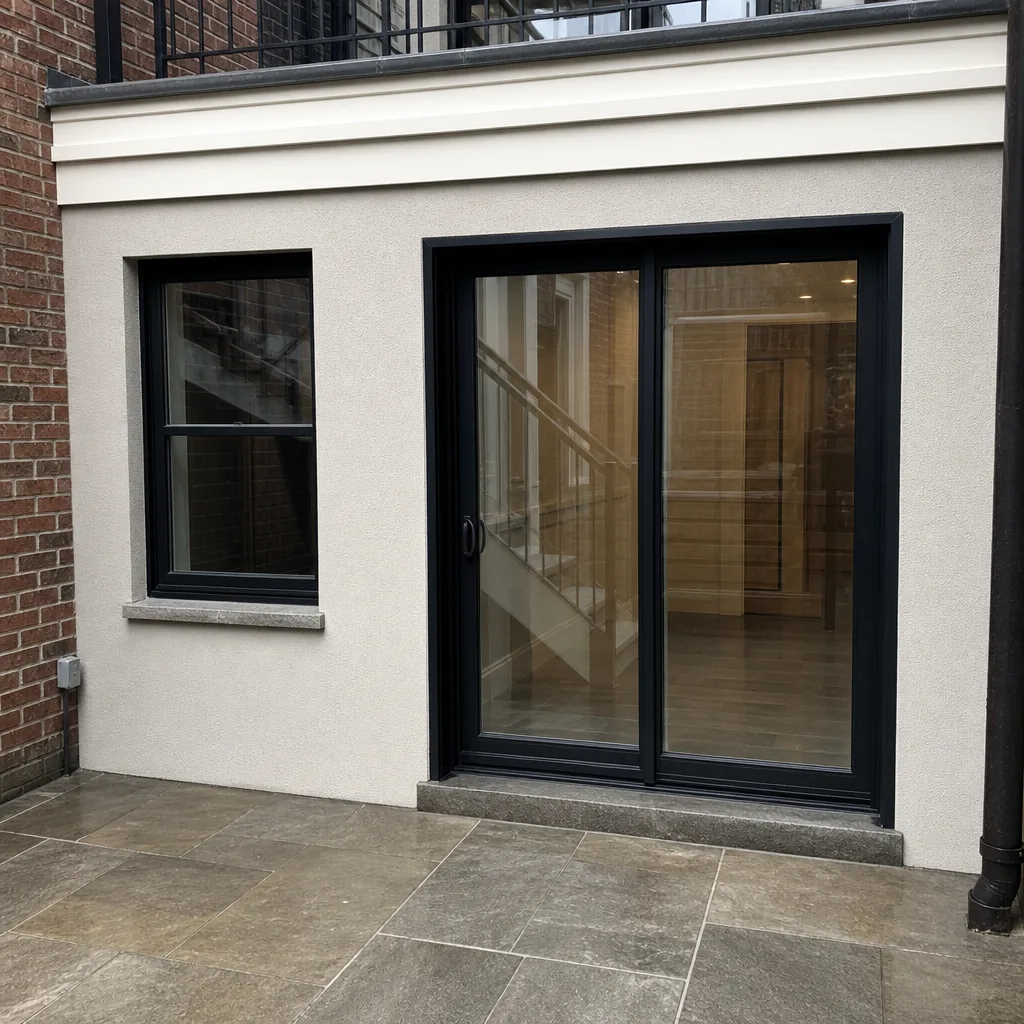 After
After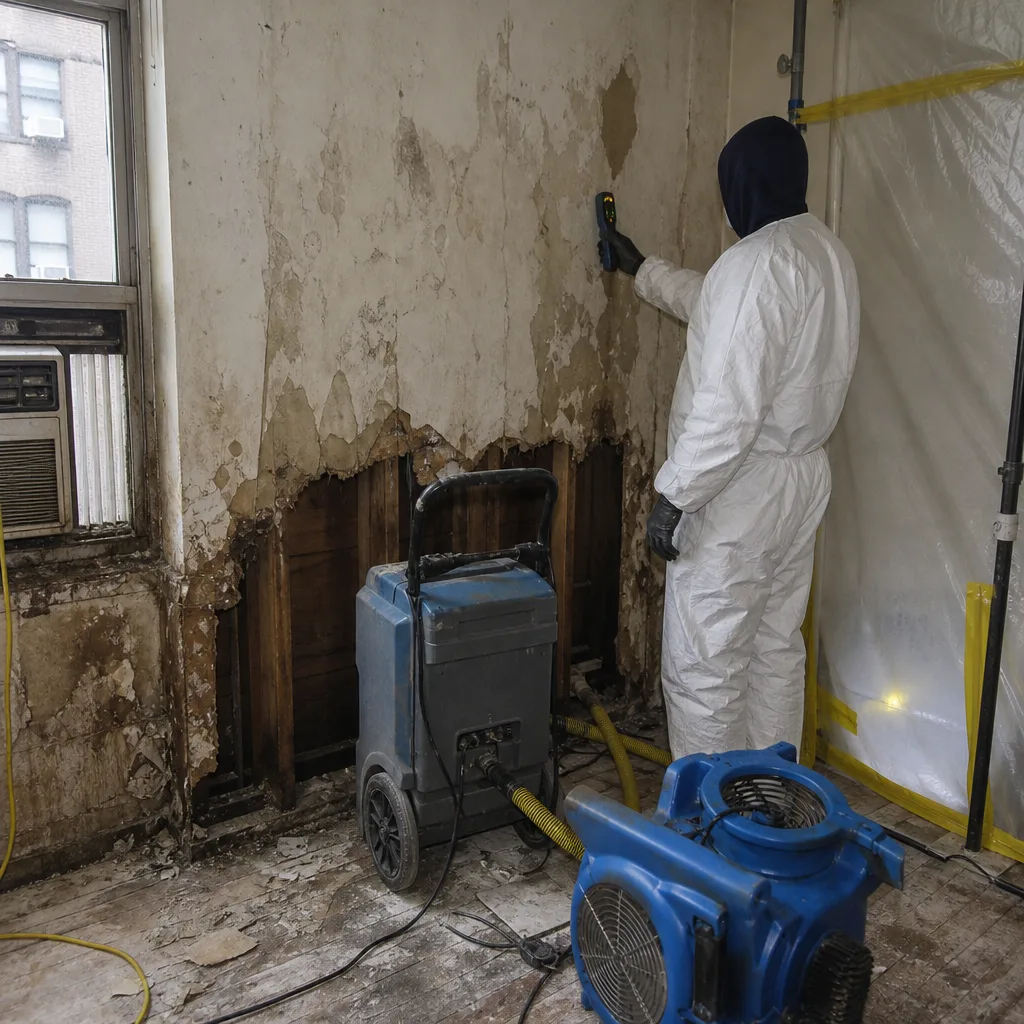 Before
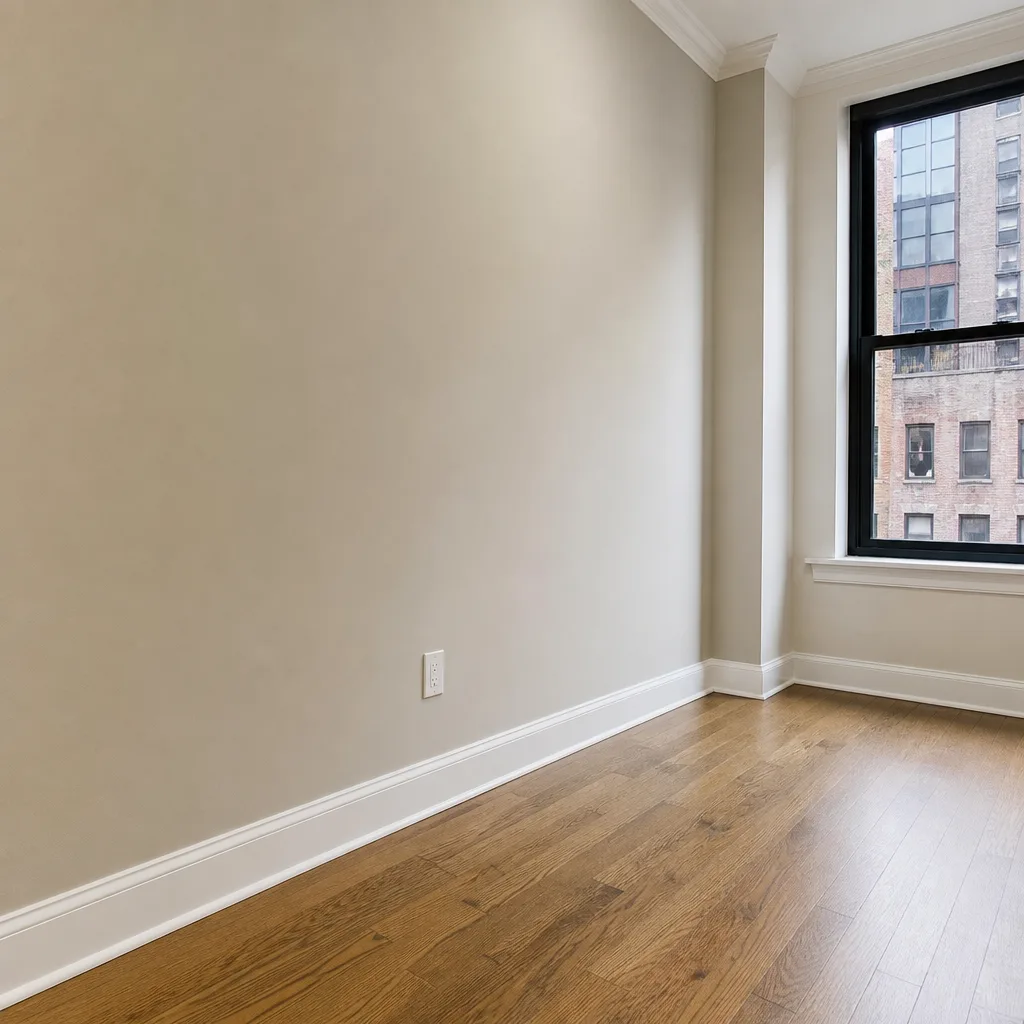 After
After24/7 Emergency Storm & Disaster Restoration in West New York
Storm and disaster restoration in West New York demands an immediate response, and that’s exactly what we provide. When wind-driven rain breaches a flat roof on a 1950s walk-up or a noreaster sends debris through a window on Bergenline Avenue, our crews are dispatched to West New York within 45 minutes and arrive with extraction equipment running the same visit. Call (518) 314-5660 any hour, any day. A live dispatcher answers at 2 a.m., not a recording. The first hour after storm damage determines whether you’re drying a ceiling or gutting three floors of plaster-and-lath. We start with a free visual inspection, document everything for your carrier, and get to work before the water migrates further through shared plumbing chases and cast-iron drains.
Understanding Storm & Disaster Restoration Severity in West New York Properties
West New York’s housing stock changes the math on every storm loss. Those 4-to-8-story brick walk-ups built between the 1920s and 1960s carry original plaster-and-lath assemblies that hold water like a sponge. When a roof membrane fails during a noreaster, Category 2 water doesn’t just wet the top-floor ceiling. It saturates through unreinforced plaster, follows gravity down shared plumbing chases, and emerges as ceiling staining in the unit two floors below. Moisture mapping behind those thick walls requires thermal imaging and penetrating probes, not surface meters. We classify the water correctly before we touch it: Category 1 from a broken supply line, Category 2 from roof intrusion carrying silt and asphalt particulates, Category 3 from storm surge along River Road where Hudson River water carries sewage and hydrocarbons. The severity classification determines whether we dry in place, remove plaster, or set full containment with HEPA air scrubbers. In West New York’s dense tenements, containment isn’t optional. It’s how we keep a four-unit building from becoming a four-unit displacement.
Why West New York Property Owners Choose Floodline Restoration Co.
- 45-minute response commitment: Our crews stage locally and reach any West New York address, from the Bergenline corridor to Boulevard East, within 45 minutes of your call.
- A live person answers, always: No phone trees, no answering service. A dispatcher who knows West New York’s building stock picks up at any hour and starts the process.
- IICRC-certified crews: Our technicians carry WRT, FSRT, and AMRT certifications. They know the difference between drying original lath and replacing it, and they document everything in a daily log.
- Free visual inspection: Before any work begins, we walk the damage with you and give you an honest read on what’s wet, what’s damaged, and what actually needs replacement.
- Direct insurance billing: We bill your carrier directly so you aren’t financing a storm loss out of pocket while an adjuster takes three weeks to review photographs.
- One team, start to finish: The same certified crew that extracts the water handles the drying, the rebuild, and the final walk-through. No mid-job handoff to a subcontractor you’ve never met.
Our Storm & Disaster Restoration Process
Inspection & Assessment
We arrive fast, walk every affected floor, and identify the damage source. Thermal imaging finds water behind plaster that looks dry, and moisture probes map how far migration has traveled through lath and brick.
Extraction & Stabilization
We remove standing water immediately and stabilize anything threatening the structure: buckled drywall, sagging plaster ceilings, cracked window frames. Emergency board-up and roof tarping happen in the same visit.
Drying & Dehumidification
Our Dri-Eaz dehumidifiers and XPOWER air movers are sized to the cubic footage of the affected unit, not the square footage of one room. We run daily moisture readings on plaster, subfloor, and structural framing until those surfaces hit dry standard.
Cleaning & Sanitization
Storm water carries silt, asphalt granules, and worse. We clean affected surfaces, apply antimicrobial treatment where needed, and run HEPA air scrubbers to return indoor air quality to pre-loss conditions.
Specialty Treatment for Storm Damage
Wind-driven rain and floodwater demand specific protocols: containment for Category 3 water, corrosion control on cast-iron drain runs exposed to standing water, and structural evaluation where roof timber has been saturated beyond 72 hours.
Repairs & Restoration
We rebuild what we removed. Plaster repair, drywall replacement, paint matching, flooring, trim, door replacement. The same crew that dried the building finishes it, and the 90-Day Done Right Promise covers our work in writing.
Need Emergency Storm & Disaster Restoration in West New York Now?
Crews minutes away, answering live 24 hours a day. The sooner we start, the less it costs.
Working With Your Insurance Company
We’ve spent over 42 years learning how to speak claims language, and we put that to work for West New York property owners from the first hour. The adjuster never sees the building the way we do, so we build a complete record: initial photographs of every affected room, moisture readings taken at the same points daily, containment logs, and a line-item scope that matches how West New York’s pre-war construction actually behaves. You don’t chase the carrier. We provide the documentation, speak with the adjuster directly, and bill your claim. The goal is simple: a settlement that reflects the actual repair scope, not the cheapest possible patch-and-paint.
What We Provide Your Insurer
- Thorough documentation of the loss
- Photos of all damage, room by room
- Moisture readings and drying logs
- A detailed, line-item scope of work
- Direct coordination with your carrier
Built for West New York’s Loss Calendar
Storm & disaster restoration in West New York follows a rhythm the rest of Hudson County feels differently. January deep freezes split galvanized supply lines in unheated stairwells and burst radiators on upper floors, sending water down through four units before anyone notices the ceiling bulging. Spring thaw saturates the ground around aging foundation walls and finds every crack in the cellar floors of converted rowhouses off Kennedy Boulevard. Summer thunderstorms drop two inches of rain in an hour onto flat roofs that pool water behind old parapet walls, and the runoff overwhelms the combined storm-sewer drains along the Palisades slope. Noreasters are the biggest wildcard: sustained wind-driven rain against the exposed western faces of walk-ups peels back roof membrane and pushes water through original wood window sashes. Our Storm & Disaster Restoration team plans for every one of these seasons, because they’re all just weeks apart in West New York.
Storm & Disaster Restoration Across West New York’s Neighborhoods
Response routes in West New York follow the density. Along Bergenline Avenue and its tight side streets, the work is fast-paced: commercial storefronts below residential apartments, rear-yard access through narrow passageways, and water cascading from a third-floor unit through unreinforced plaster ceilings into two more below. Boulevard East runs along the Palisades crest and catches the worst of the wind load, where older high-rise units with original windows need emergency board-up and wind damage repair after every serious blow. The blocks between 49th Street and 60th Street are dominated by mid-century brick walk-ups where flat roofs and original cast-iron drains fail together, and a roof tarp has to be secured against parapet walls with real mechanical anchors, not loose bricks. Along River Road at the base of the escarpment, ground-floor units and basement storage rooms sit in the Hudson River storm-surge footprint we saw during Sandy. That’s flood damage restoration, not just drying: Category 3 water, contamination protocols, and full content evaluation. Each of these areas needs a different response, and our crews know the difference before they park the truck.
Specialized Storm & Disaster Restoration Services We Offer in West New York
Emergency Board-Up
When wind takes out a window on a 1950s walk-up off Bergenline, the hole doesn’t wait for a permit. We board up with properly anchored plywood that won’t become windborne debris in the next gust. Pre-war window openings are irregular sizes, so we measure and cut on site, then secure to masonry with anchors that hold under negative pressure.
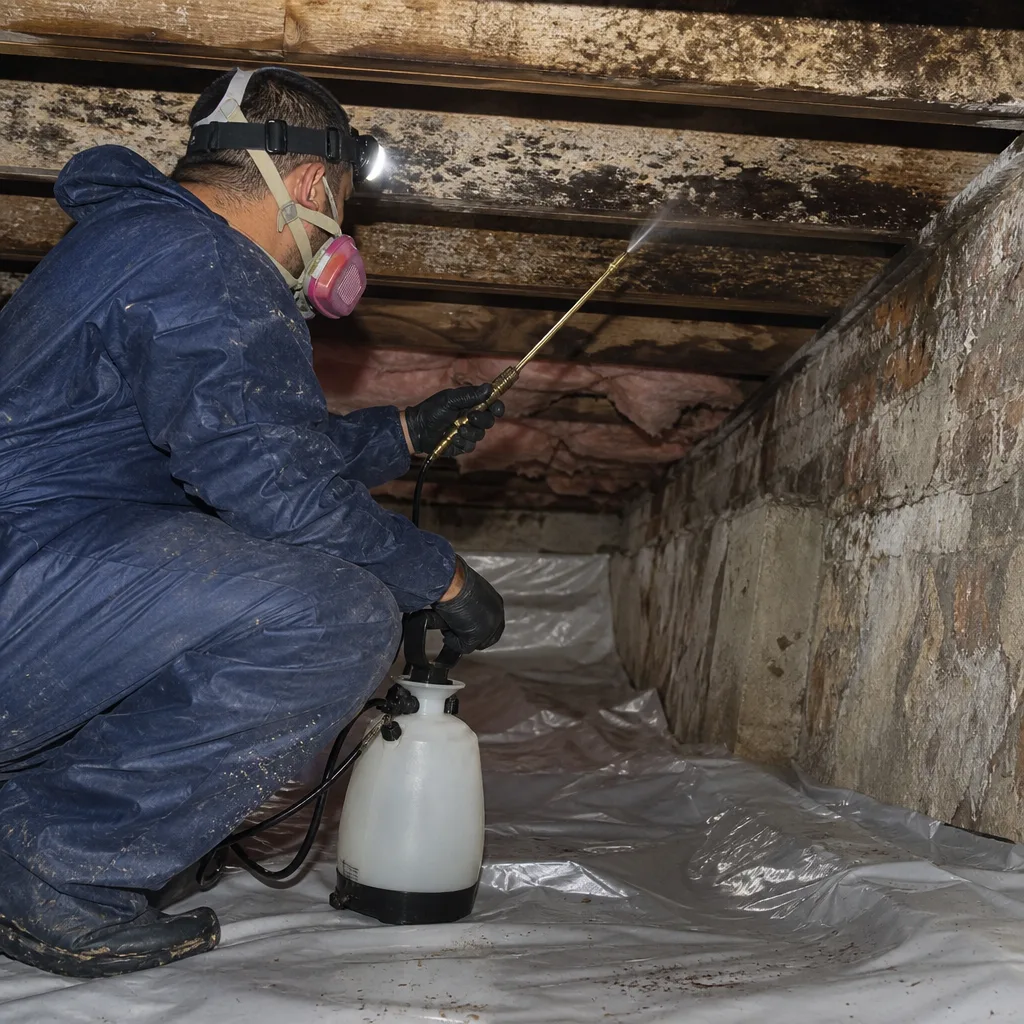
Roof Tarping
Flat roofs on West New York’s older buildings pool water and fail at membrane seams. When a noreaster tears a section open, we tarp it the same day. The tarp gets mechanically anchored along the parapet and weighted properly so the next rain event doesn’t turn a $2,000 patch into a three-floor gut.
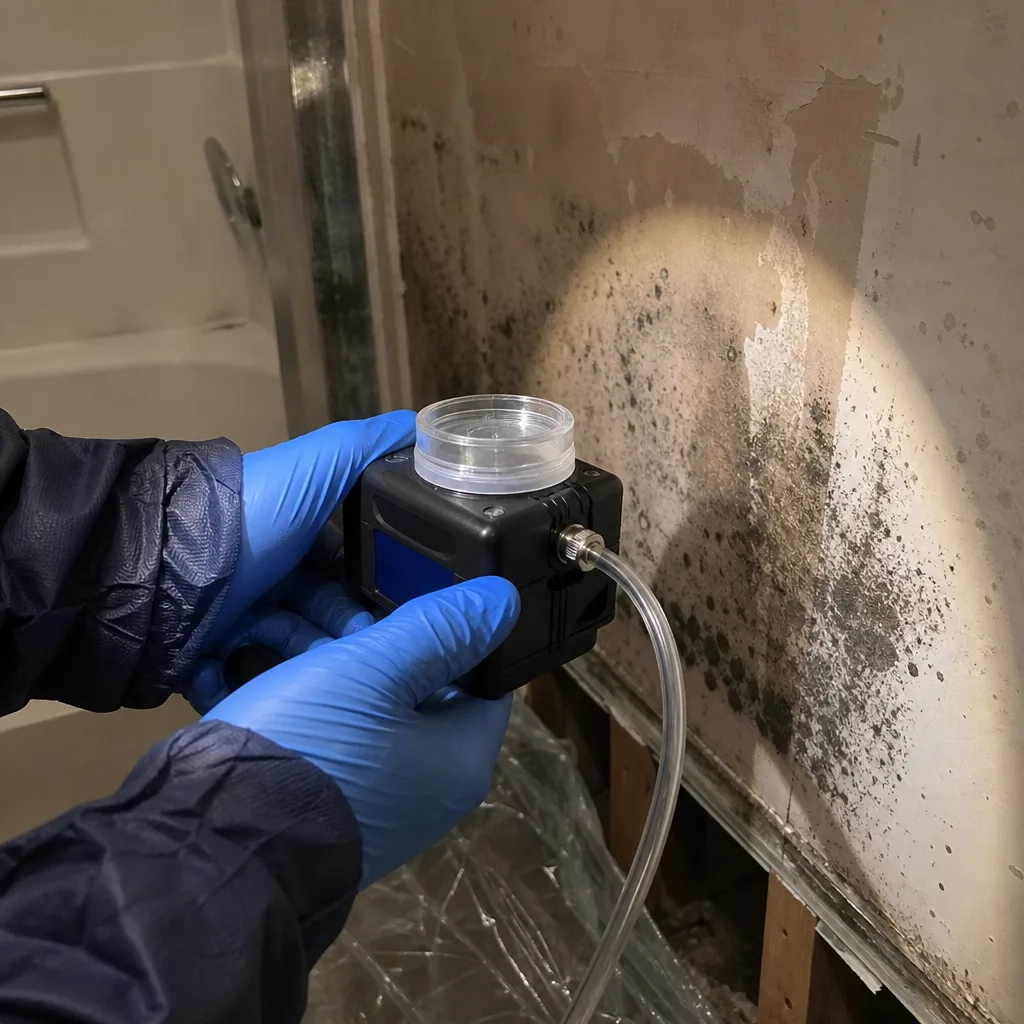
Wind Damage Repair
Wind-rated door and window reinforcement matters more in West New York than almost anywhere in the metro area. We repair track damage, replace blown-out sidelights, and reinforce apartment entry doors that fail under negative pressure. If your door opens and closes fine but flexes when the wind gusts hard, that’s a failure waiting for the first hurricane-force blow.
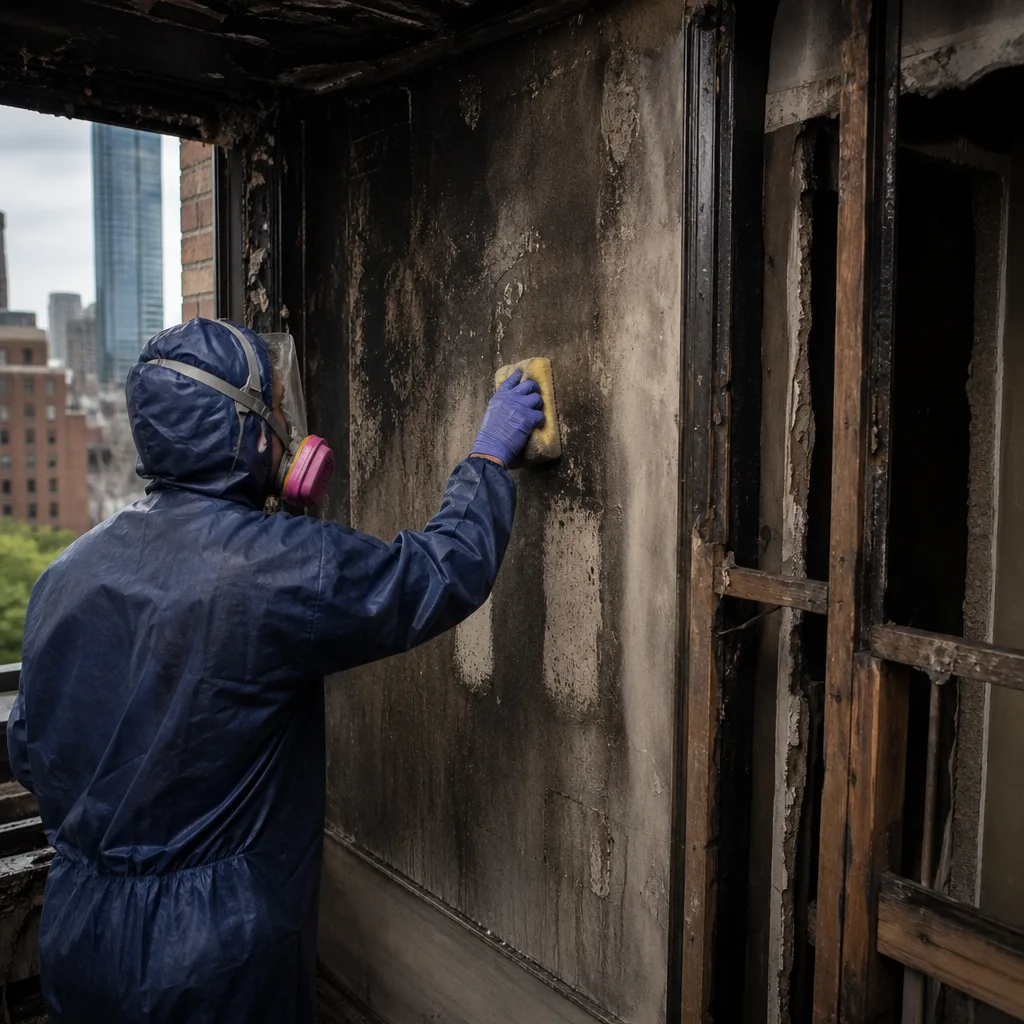
Storm Damage Cleanup
Debris, downed branches, broken glass, and water-damaged contents. We remove it safely, sort salvageable from destroyed, and document everything for your claim. In a dense building, debris removal has to respect hallways, stairwells, and the neighbors below, and we handle that coordination.
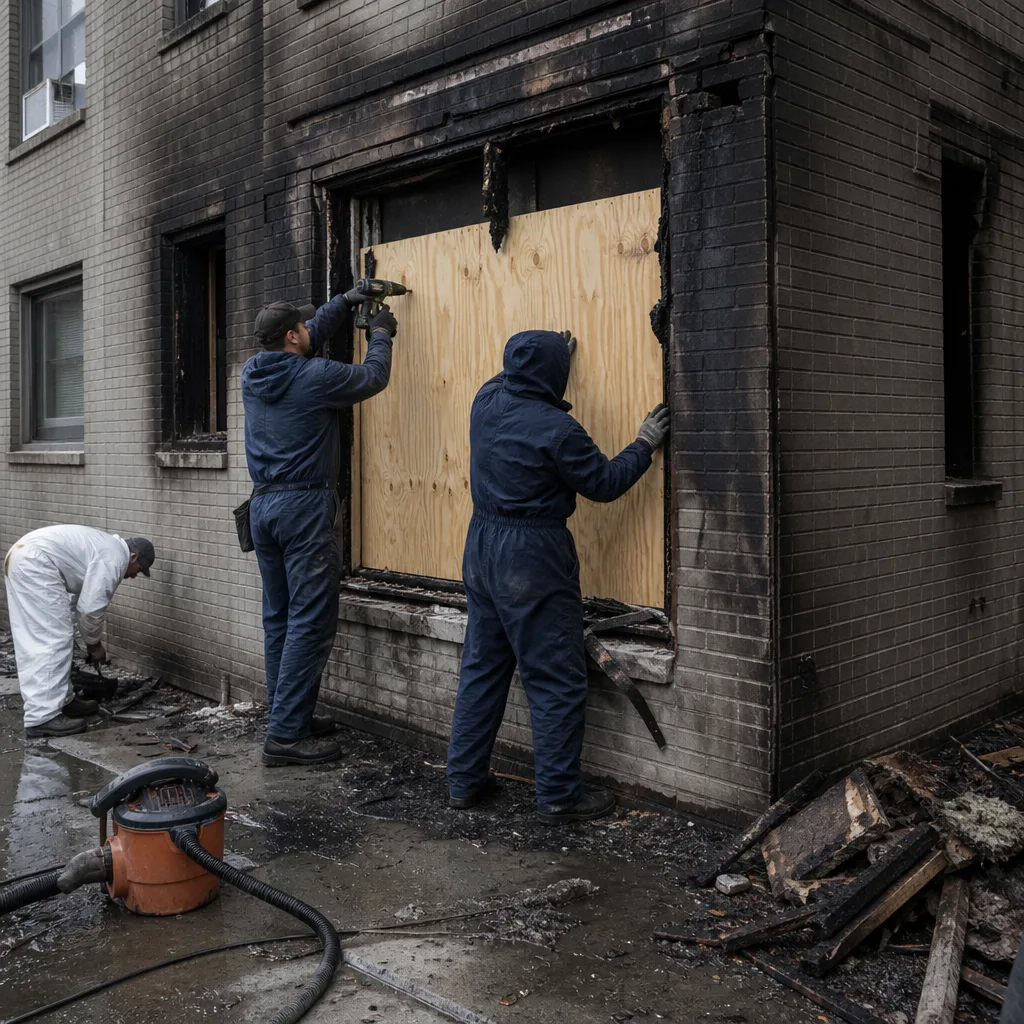
Flood Damage Restoration
River Road ground-floor units and basement storage spaces see the worst of it. We extract, dry, sanitize, and restore using Category 3 protocols where storm surge is involved. The drying timeline runs longer in a 1920s tenement with original plaster walls, and we set expectations honestly from the first reading.
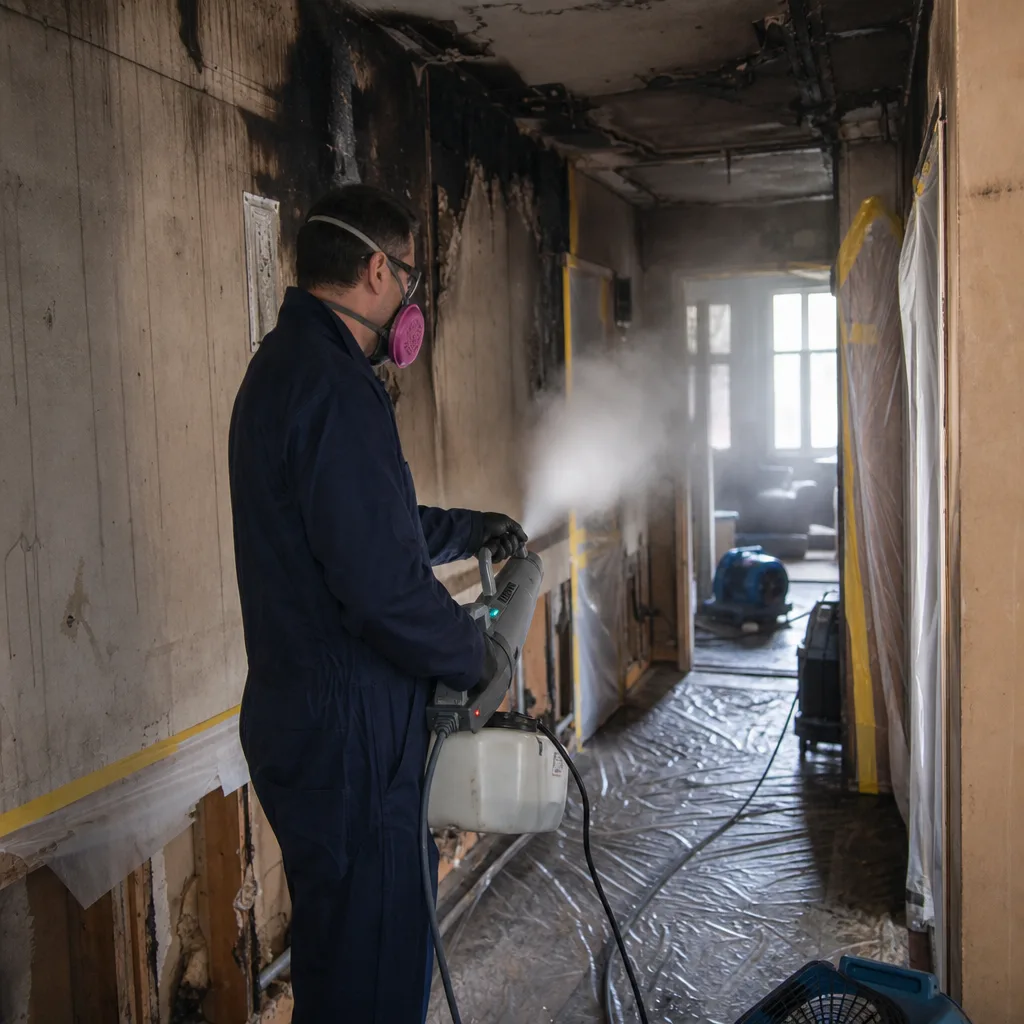
Debris Removal
Storm debris in West New York clogs areaways, stairwells, and rear courtyards. We clear it, dispose of it properly, and document the pre-existing condition so your claim reflects storm damage, not long-term neglect.
What happens when you call
- 1
A real person answersNo phone trees - you reach a local pro.
- 2
You get an upfront price rangeHonest numbers before anyone is dispatched.
- 3
A background-checked tech heads outLicensed & insured, dispatched right away.
- 4
You approve before work beginsNothing starts until you say go.
Storm & Disaster Restoration Costs in West New York, NJ
Storm restoration pricing in West New York reflects the building stock. Here are the numbers we’ve seen across hundreds of jobs in this town. Emergency board-up for one window runs $250 to $600. Roof tarping on a flat-membrane walk-up runs $800 to $2,200 depending on access and parapet configuration. Water extraction with structural drying in a single plaster-and-lath unit runs $1,800 to $4,500. Full flood damage restoration on a River Road ground-floor unit, with Category 3 protocols, runs $6,000 to $18,000. Wind damage repair on a commercial storefront system runs $1,200 to $5,000. What moves the price: how many floors the water traveled, whether plaster can be saved or must be removed, asbestos and lead-paint abatement on pre-1960s buildings, and whether carpet, subfloor, and kitchen cabinetry are involved. Insurance covers most storm losses under standard policies, with flood coverage handled separately through NFIP. The free inspection gives you a firm written scope before any work begins, and we bill your carrier directly.
We Also Serve Cities Near West New York
Our crews respond throughout Hudson County and the surrounding area. We handle storm and disaster restoration in West New York, and we serve Weehawken, Hoboken, Union City, and North Bergen with the same 45-minute response and the same written guarantee on every job.
West New York Storm & Disaster Restoration Questions, Answered
Do I need a permit to replace an exterior door on a West New York walk-up with a wind-rated one?
Yes, and it is worth doing right. West New York’s building code requires permits for exterior door replacement on multi-family buildings, and a wind-rated door must meet the structural load requirements for the building’s exposure zone. We handle the permit application as part of the scope and schedule inspection with the town. Call (518) 314-5660 and we’ll walk you through it.
What does a failing apartment door look like before a hurricane-force gust hits?
You’ll see daylight around the weatherstripping, hear rattling when the wind gusts, or feel the door flex inward when a strong breeze hits the exterior wall. A door that moves under negative pressure will fail dramatically when sustained winds exceed 60 mph. The hinges pull, the sidelight blows out, or the frame separates from the masonry. By then, you’re doing emergency board-up in the middle of a storm. Better to reinforce a suspicious door before the watch is issued.
How does water extraction work on a fourth-floor unit when the building has no elevator and the stairwells are narrow?
It requires patience and different equipment. We use portable extraction units carried upstairs in stages, smaller containment chambers that fit through standard doorways, and desiccant dehumidifiers that work efficiently without the massive footprint. The process takes longer than a ground-floor job, but the drying standard is the same. We’ve done dozens of fourth-floor extractions in West New York’s walk-ups, and we know which stairwells make the carry hardest.
Is my River Road ground-floor unit still in the storm-surge zone after Sandy?
Yes. River Road at the base of the Palisades remains inside the Hudson River storm-surge footprint, and FEMA flood maps still classify those blocks as high-risk. If your unit took water during Sandy, it will take water during the next serious coastal storm. Flood insurance through NFIP is the right call, and our flood damage restoration protocols assume Category 3 contamination from the start. Call (518) 314-5660 for a free evaluation of your unit’s vulnerabilities.
How does moisture mapping behind original plaster walls change the drying timeline in a 1920s tenement?
Original plaster over lath holds far more water than modern drywall, and it releases it slowly. Surface readings will lie to you, so we use penetrating probes and thermal imaging to find the true wet boundary behind the wall. A 1920s tenement unit with saturated plaster typically needs five to seven days of structural drying under negative pressure, sometimes nine if the lath itself is soaked. Rushing that timeline means trapped moisture, and trapped moisture becomes mold a year later.
How fast can you actually get to my West New York building?
We commit to 45 minutes from dispatch to arrival anywhere in West New York. Our crews stage in Hudson County, and our dispatchers know the streets, the parking realities, and the building access patterns. In a storm event when calls spike, response times extend, but a live person still answers and tells you honestly when we’ll be there.
Will my insurance cover storm damage to a rental unit I own in West New York?
Most landlord policies cover the building damage from wind, hail, and water intrusion from the roof. Tenant contents are covered under the tenant’s renters policy. Flood damage from storm surge requires NFIP flood insurance, which is separate. We provide the documentation your carrier needs, including daily moisture logs and a line-item scope that reflects the actual repair requirement for a pre-war building.
What should I do in the first 30 minutes after storm damage?
Call us at (518) 314-5660. Then, if it is safe, shut off power to the affected area, move contents away from active water, and photograph everything. Do not enter a flooded basement or stand under a sagging plaster ceiling. Do not use a shop vac on a flooded floor. The first 30 minutes determine whether drying is possible or whether you’re looking at full removal. We’ll tell you exactly what to do while we’re on the way.
How Wind-Rated Reinforcement Keeps One Storm From Becoming a Four-Unit Claim
West New York is one of the most densely populated square miles in the United States, packed with mid-20th-century brick walk-ups whose flat roofs and original plaster-and-lath assemblies make every wind-driven rain event a multi-floor, multi-tenant restoration job. A single roof membrane failure on a 1960s building off Bergenline Avenue doesn’t stay on the top floor. Water follows gravity through the shared chases and cast-iron drains, emerging as ceiling damage in the unit two floors below, then staining the walls of the unit below that. Three separate lease agreements, two landlords, and one insurance claim that could have been avoided with a $2,000 membrane patch. The same logic applies to doors and windows. A 1950s apartment entry door with no wind rating will flex under negative pressure during a serious blow. When it fails, the pressure differential blows out the sidelight and litters the hallway with broken glass, turning a door replacement into an emergency board-up with sheetrock damage. Wind-rated doors, properly anchored masonry openings, and roof tarping done before the membrane fails are how landlords in West New York keep a storm from becoming a four-unit, three-lease restoration claim. That’s the work we do, and we stand behind it in writing.
After a noreaster peeled back a section of membrane on a 1960s walk-up off Bergenline Avenue, our crew arrived to find water already migrating through the plaster ceilings of three units below. We set containment on the third floor, mapped moisture with thermal imaging and took moisture readings behind the original lath, then ran structural drying with Dri-Eaz dehumidifiers and XPOWER air movers for five days. Because the building had shared plumbing stacks and cast-iron drains, we coordinated a pack-out of the top-floor unit and documented every drying log entry so the landlord and two separate tenants could file claims without dispute. That’s the job in West New York. It’s not a single unit. It’s a building, and every floor has a different policy, a different tenant, and a different standard of “dry.”
Serving West New York, NJ - Our Local Coverage Area
We’re based in the West New York area and know this community well. Use the map below to see our service coverage - if you’re nearby, we can almost certainly help.
Call Floodline Restoration Co. for Storm & Disaster Restoration in West New York
If your West New York building has storm damage, roof intrusion, or wind-damaged doors and windows, call us now. A live dispatcher answers. A certified crew arrives within 45 minutes. And the work is covered by the 90-Day Done Right Promise, in writing. We’re the team that starts at the floodline and doesn’t leave until extraction, drying, and rebuild are finished by the same certified crew. Call (518) 314-5660 for a free estimate. We’ll be there when we say.
Written by Curt Bowman, Owner at Floodline Restoration Co., serving West New York with storm, flood, and disaster restoration since 2010.