
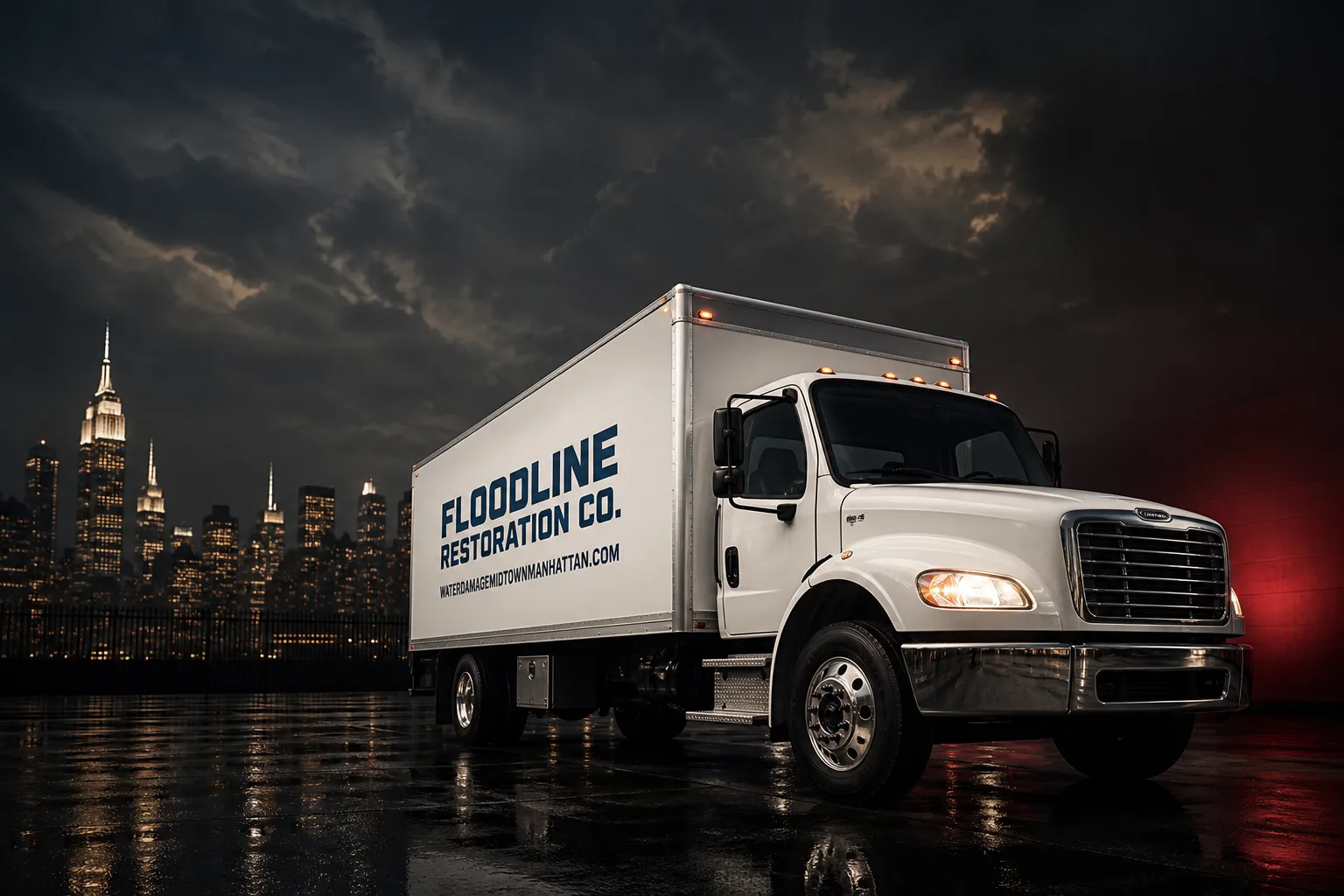
Free visual inspection and a written scope of work before any mitigation begins - photos, moisture readings, and drying logs go in your claim file
The scope we write is the scope we bill. Anything new gets shown to you, in writing, before we touch it.
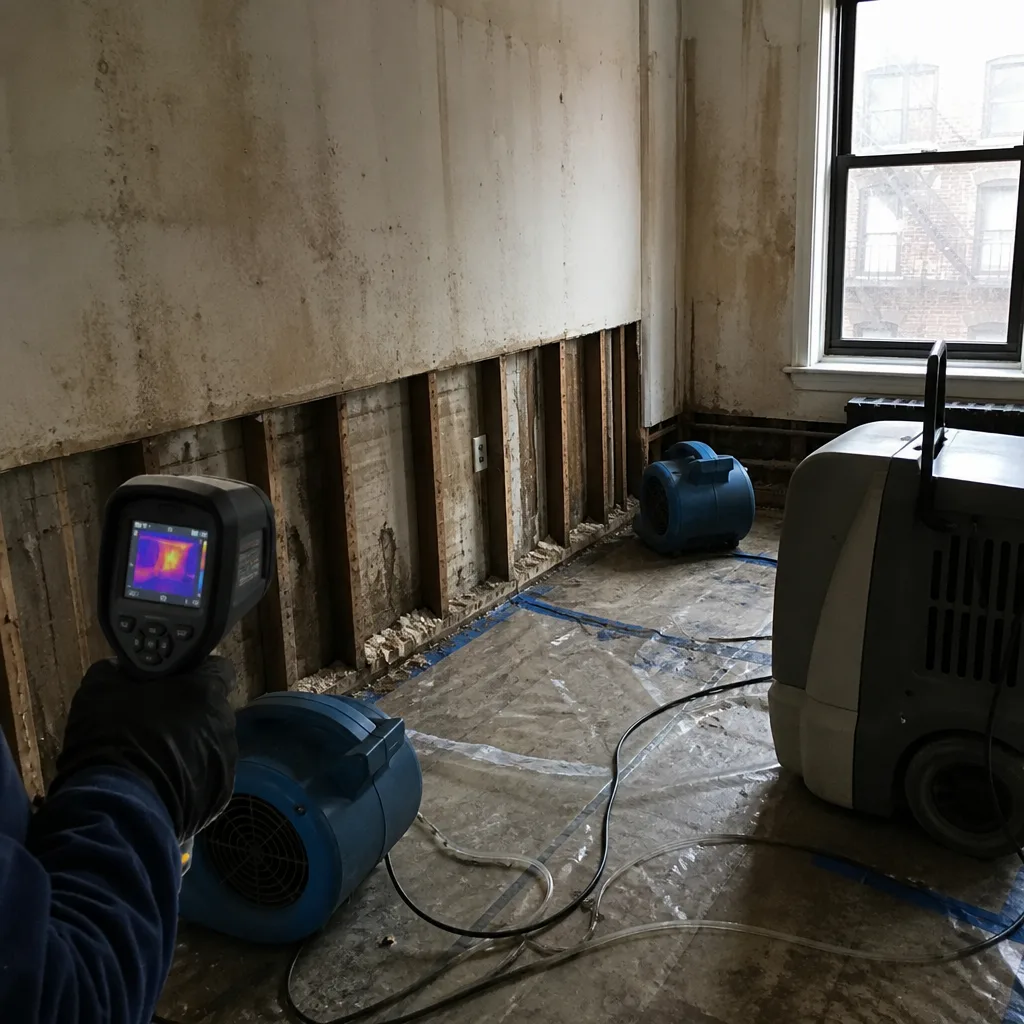 Before
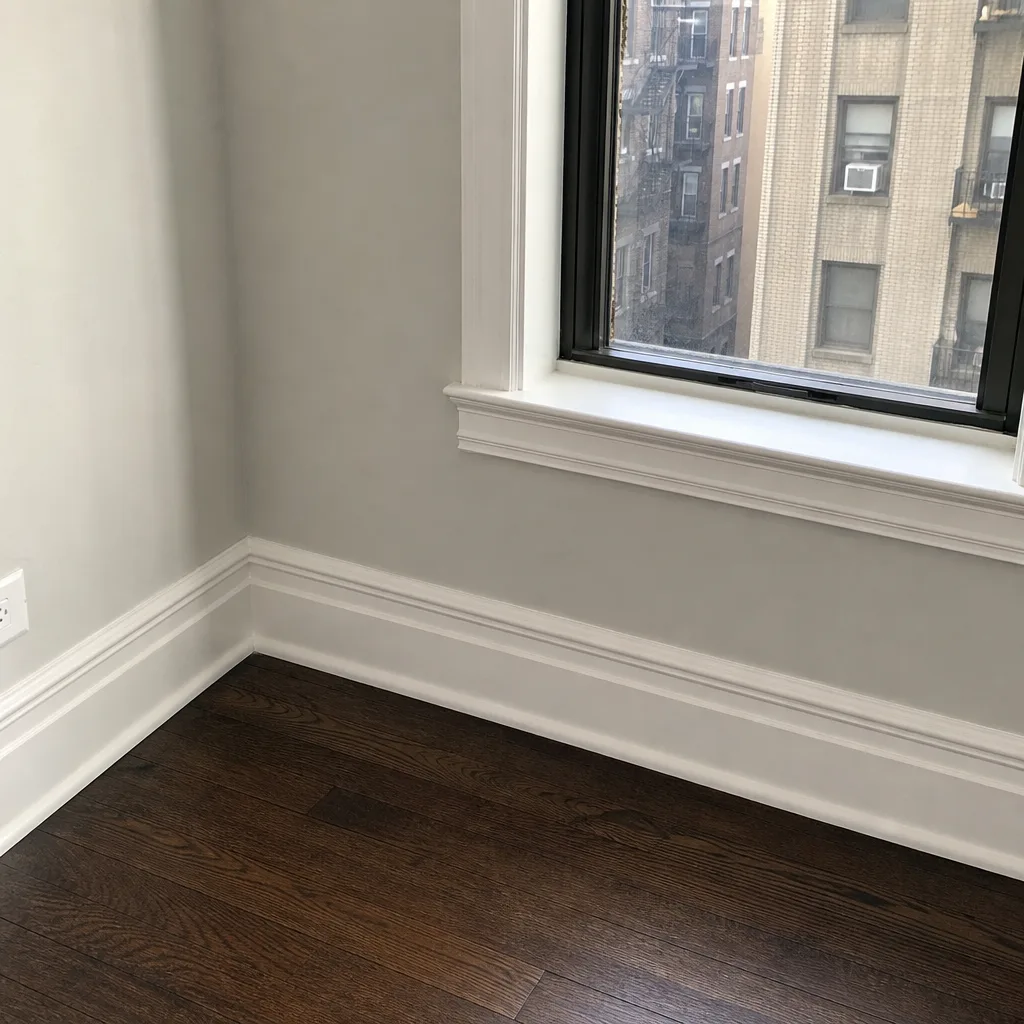 After
After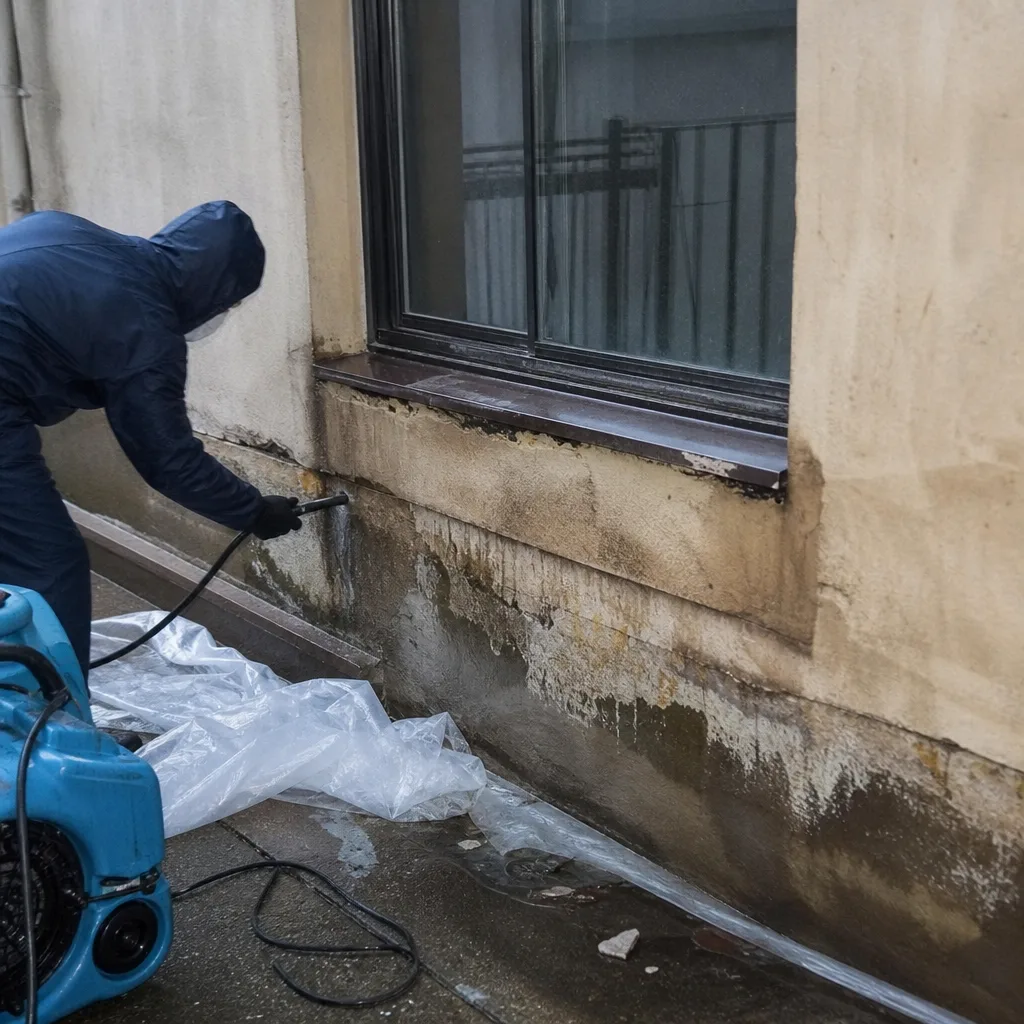 Before
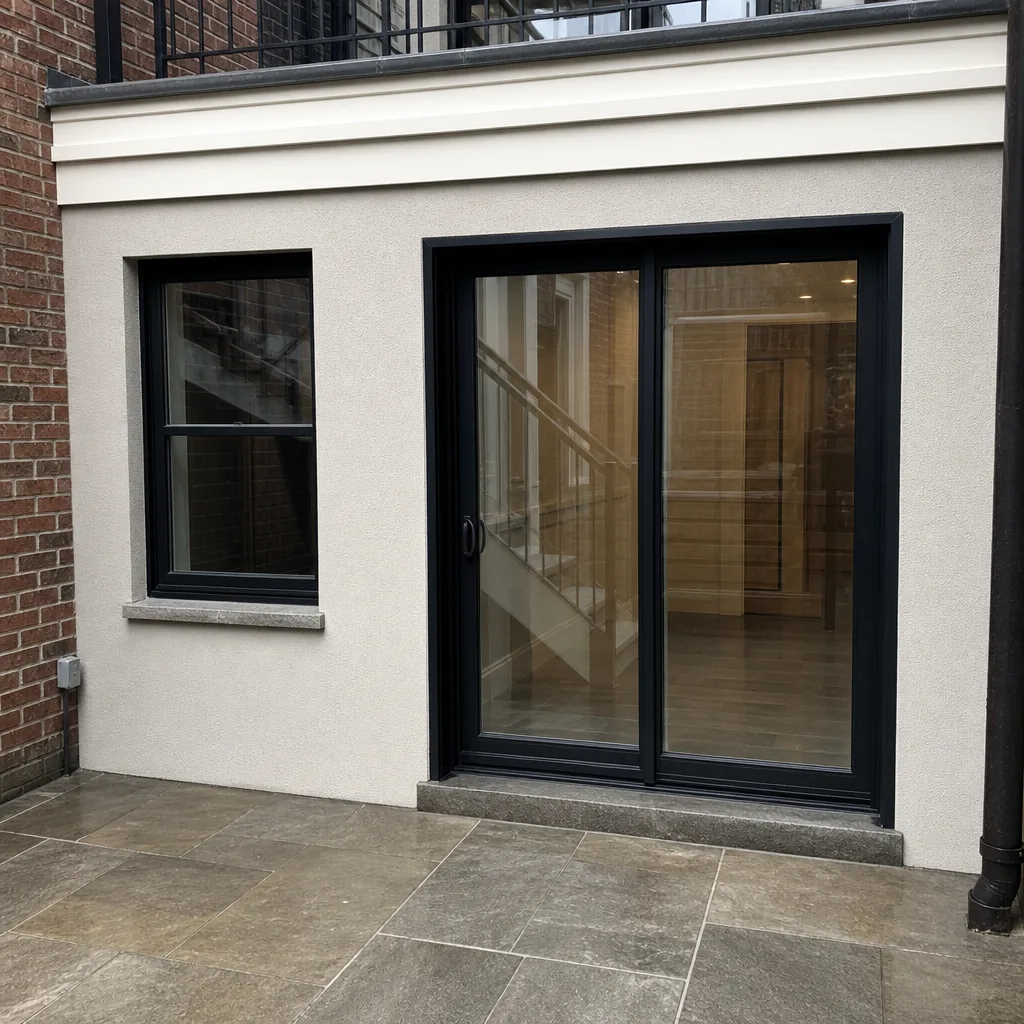 After
After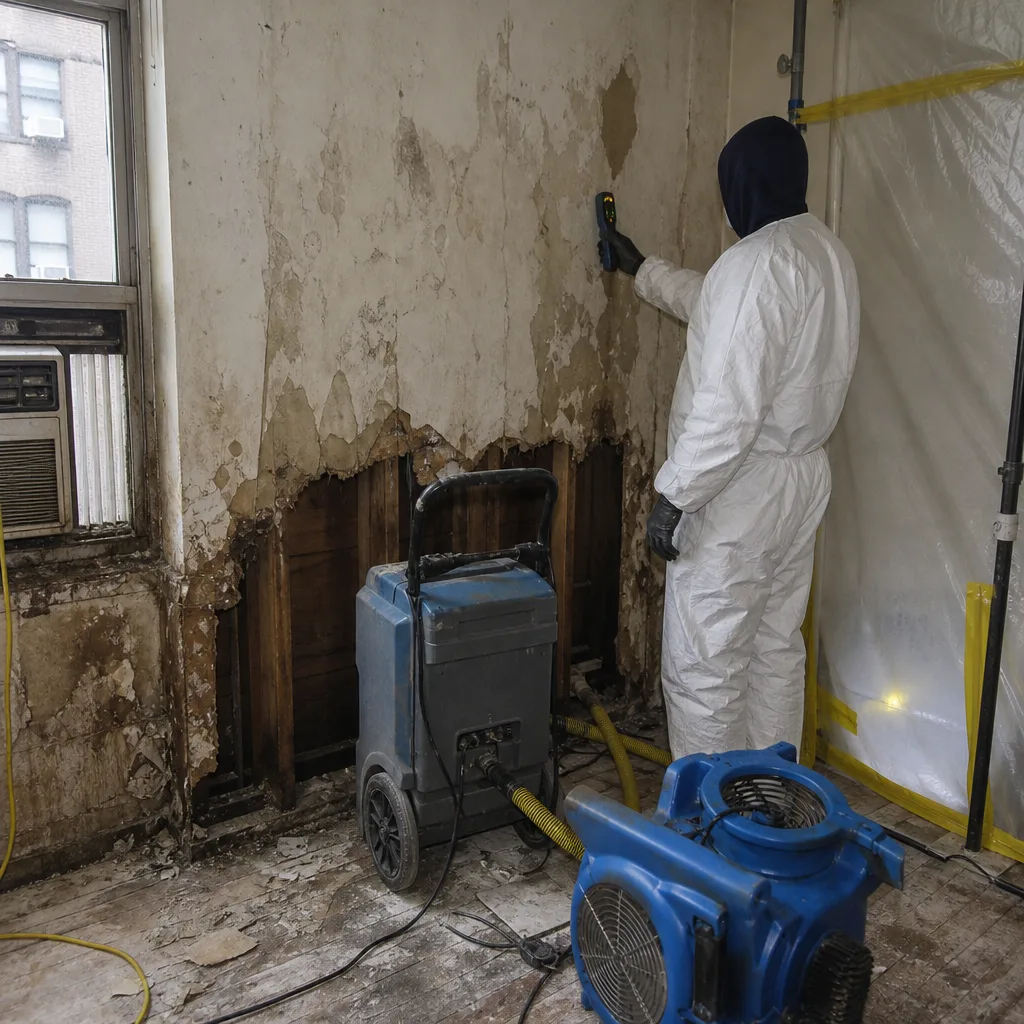 Before
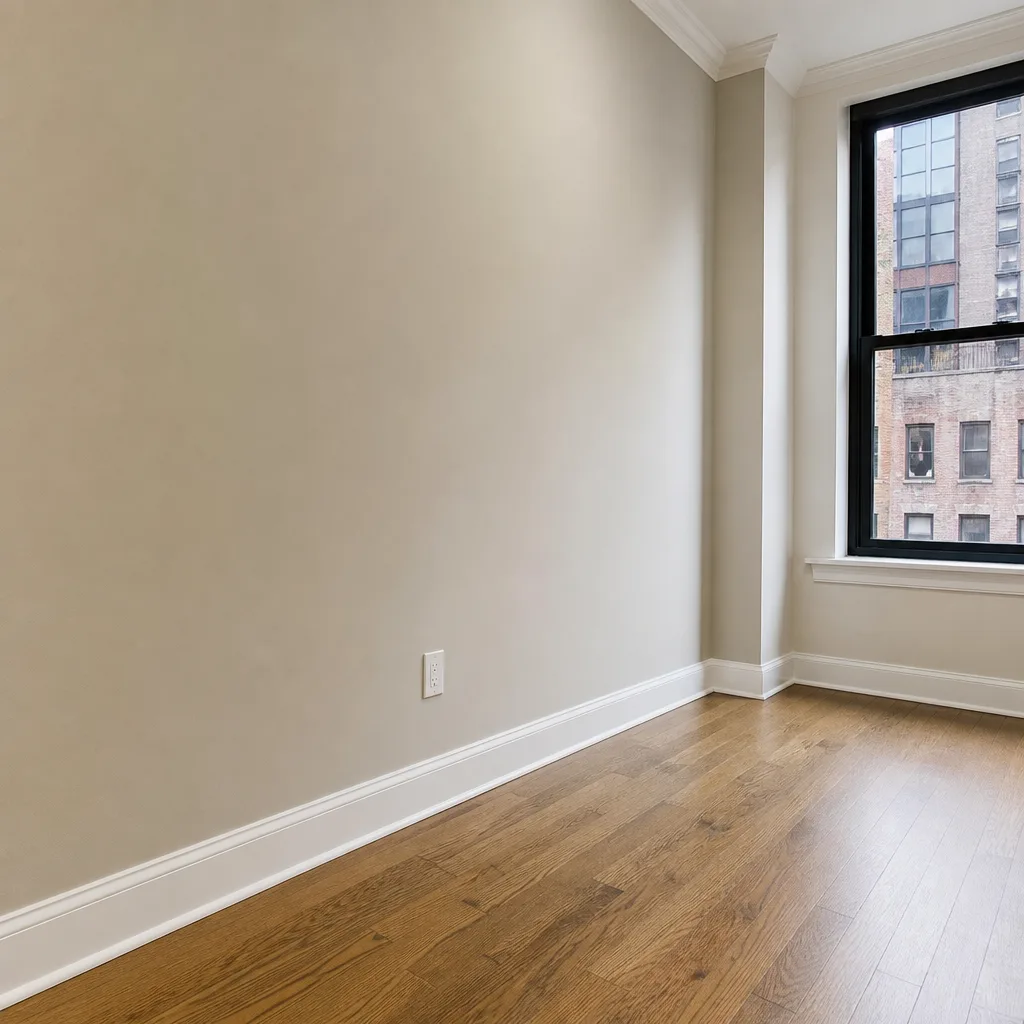 After
After24/7 Emergency Storm & Disaster Restoration in Union City
Storm damage in Union City moves fast, and so do we. Call (518) 314-5660 any hour, any day, and a live dispatcher answers, not a recording. Our crews reach Union City properties within 45 minutes of your call, ready to tarp a torn roof, board a broken window, and stop wind-driven water before it reaches the third unit down. The first hour after a storm decides whether you’re looking at drying or a full gut-and-rebuild. We start the assessment the moment we arrive, with a free visual inspection and a straight answer about what you’re facing.
Understanding Storm & Disaster Restoration Severity in Union City Properties
Storm damage in Union City rarely stays where it starts. The building stock here is dominated by 1890s to 1940s four-to-six-story tenements and attached row houses with original plaster-and-lath walls, horsehair insulation, and shared party walls. When a nor’easter peels roofing off a five-story walk-up near Palisade Avenue, water doesn’t just wet the top floor. It wicks through original plaster, follows the lath, and travels down through cast-iron drain chases and around failing roof flashing into two or three units below before anyone sees a stain. By the time you notice a ceiling bubble on the fourth floor, Category 2 water has often been moving through the building envelope for hours. Wind damage compounds this. A failed window or door on the windward side pressurizes the entire building, pulling rain into wall cavities and forcing water through mortar joints that were already open. That’s why we treat every storm call as a potential multi-floor event, with thermal imaging and moisture mapping run beyond the visible damage, not just under it.
Why Union City Property Owners Choose Floodline Restoration Co.
- 45-minute response commitment to Union City. We dispatch from our metro office and route crews directly to your block, whether you’re near Bergenline Avenue or up on the Palisades ridge.
- A live person answers, 24/7. Not a phone tree. At two in the morning during a storm, you’ll speak to a dispatcher who can send a crew immediately.
- IICRC-certified crews. Our techs hold WRT and FSRT certifications and follow IICRC S500 and S520 standards for water and mold. No apprentices learning on your loss.
- Free visual inspection. We look before we recommend. You’ll get a written scope and a square number before any drying equipment goes in.
- Direct insurance billing. We coordinate with your carrier, handle the adjuster conversation, and bill them directly. You never play messenger.
- One team, start to finish. Same background-checked, uniformed crew handles extraction, drying, and the rebuild. No handoff to a subcontractor you’ve never met.
Our Storm & Disaster Restoration Process
Inspection & Assessment
We walk the building from top to bottom, checking roof, flashings, party walls, and every unit below the visible damage. Thermal imaging and moisture meters map the full water path, not just the stain you saw.
Extraction & Stabilization
Roof tarping, board-up, and water extraction happen first. On a Union City row house, that means sealing the building envelope so wind-driven rain can’t keep feeding the loss.
Drying & Dehumidification
Dri-Eaz dehumidifiers and XPOWER air movers are placed based on the moisture map. Daily readings are logged until the dry standard is met, and the log goes to you and your carrier.
Cleaning & Sanitization
Affected surfaces are cleaned and treated. If water reached plaster with suspect material, testing and abatement protocols run alongside drying so we don’t spread asbestos or lead dust through the building.
Wind Damage Repair
Roof sections, flashings, and broken windows or doors are repaired or replaced to storm code. We’re specifically careful with impact-rated door and window reinforcement on windward exposures.
Repairs & Restoration
Plaster, lath, trim, and finishes go back. The same Floodline crew that pulled the water out handles the reconstruction, and the work is covered by the 90-Day Done Right Promise.
Need Emergency Storm & Disaster Restoration in Union City Now?
Crews minutes away, answering live 24 hours a day. The sooner we start, the less it costs.
Working With Your Insurance Company
Storm and wind damage claims in Union City move smoother when documentation starts in the first hour. Our team photographs every affected room, logs moisture readings from the initial assessment through final dry-down, and writes a line-item scope that your adjuster can actually read. We’ve handled plenty of multi-unit claims in buildings where each tenant carries a separate policy, and we know how to keep those files straight. The result is direct billing and cleaner approvals. Floodline Restoration Co. has stood behind its work for over 42 years, and we handle the carrier conversation so you can stop juggling phone calls.
What We Provide Your Insurer
- Thorough documentation of the loss
- Photos of all damage, room by room
- Moisture readings and drying logs
- A detailed, line-item scope of work
- Direct coordination with your carrier
Built for Union City’s Loss Calendar
Union City sits on top of the Hudson Palisades, which changes the storm damage picture compared to Hoboken or Jersey City at river grade. We don’t get the same surge flooding, but we get the full force of wind coming off the Hudson with nothing to slow it down. January deep freezes split aging galvanized supply lines in century-old buildings. March nor’easters peel torch-down roofing and drive rain through party walls. Summer thunderstorms drop sudden inches that sheet down the steep bluff, overwhelming foundation drains in row houses and sending water into below-grade units. Come autumn, wind blows leaves and debris into aging gutters, and the cycle repeats. The buildings are the same ones Union City has had for a hundred years. The failure modes are predictable if you know the town. We do.
Storm & Disaster Restoration Across Union City’s Neighborhoods
Response routing matters in a town this dense. Up along Palisade Avenue, the windward exposure is real, and we see more roof edge and flashing damage after nor’easters than anywhere else in the city. The Bergenline Avenue corridor is the commercial spine, with mixed-use buildings where a third-floor apartment leak quickly becomes a storefront ceiling problem below. Down toward Kennedy Boulevard and the western blocks, attached row houses share roof framing and party walls, so a storm that damages one roof often affects the neighbor’s ceiling within days. In the residential blocks between Summit Avenue and Park Avenue, the pre-war walk-ups have original drainage that was never designed for the runoff the ridge throws at them when storms hit hard. Our crews know the access constraints: narrow streets, double-parked cars, fire escapes that block ladders, and buildings where the only roof access is through a tenant’s apartment. We plan for it before we arrive.
Specialized Storm & Disaster Restoration Services We Offer in Union City
Wind Damage Repair
Union City gets the full brunt of Hudson River wind, and a failed window or door on the windward side is a pressurization problem, not just a hole. Wind-driven rain gets forced into wall cavities and travels through original plaster-and-lath far from the point of entry. We repair and reinforce damaged openings, matching wind-rated and impact-rated standards appropriate for the Palisades exposure. From a broken fourth-floor window on Palisade Avenue to a blown-out storefront on Bergenline, the repair has to hold against the next storm, not just dry out from the last one.
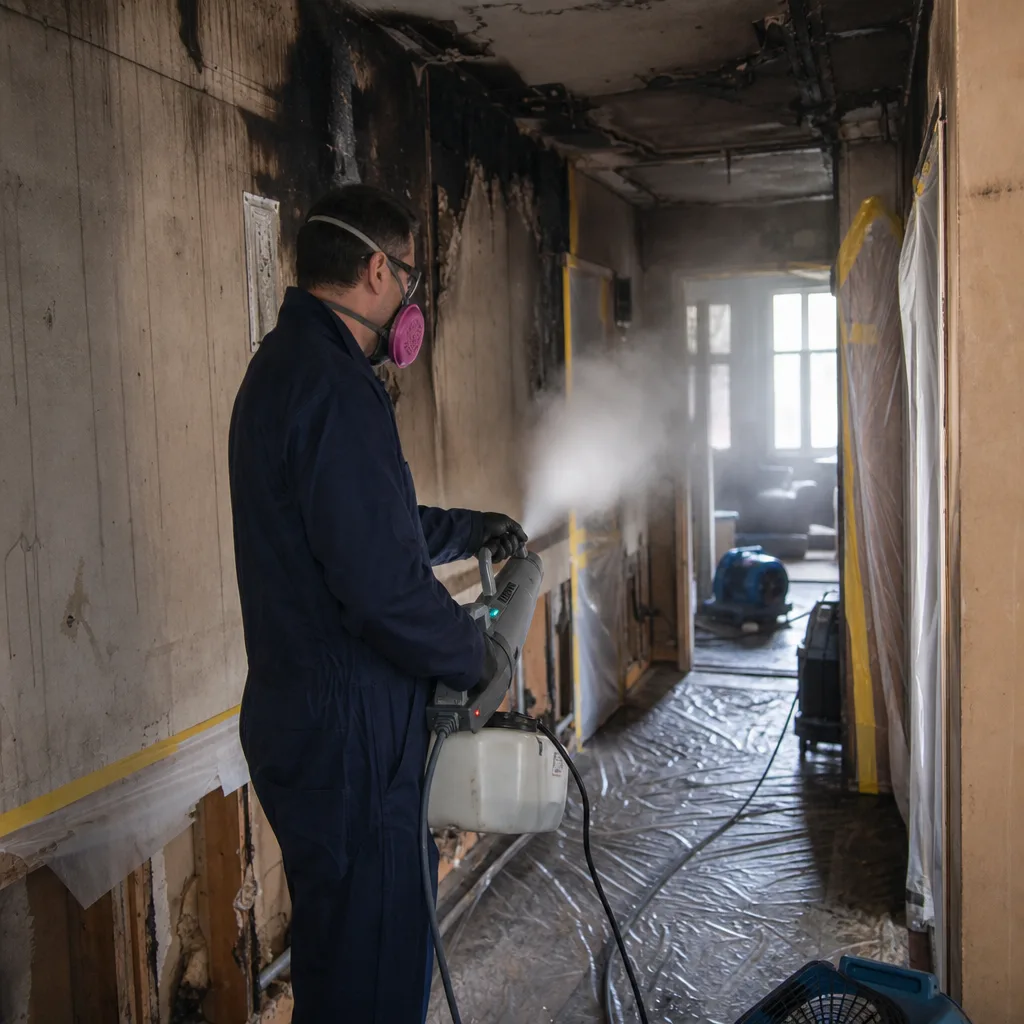
Roof Tarping
Emergency tarping buys you time and stops the loss from growing. On Union City row houses and walk-ups, the roof often spans multiple units, so a single torn section needs coverage that protects everyone below. We tarp and seal before the next rain arrives, because on a sloped Palisades ridge property, runoff channels into aging foundation drains within hours and basement water intrusion follows fast. Temporary tarping is not a repair, but it’s the difference between a controlled scope and a three-unit rebuild.
Storm Damage Cleanup
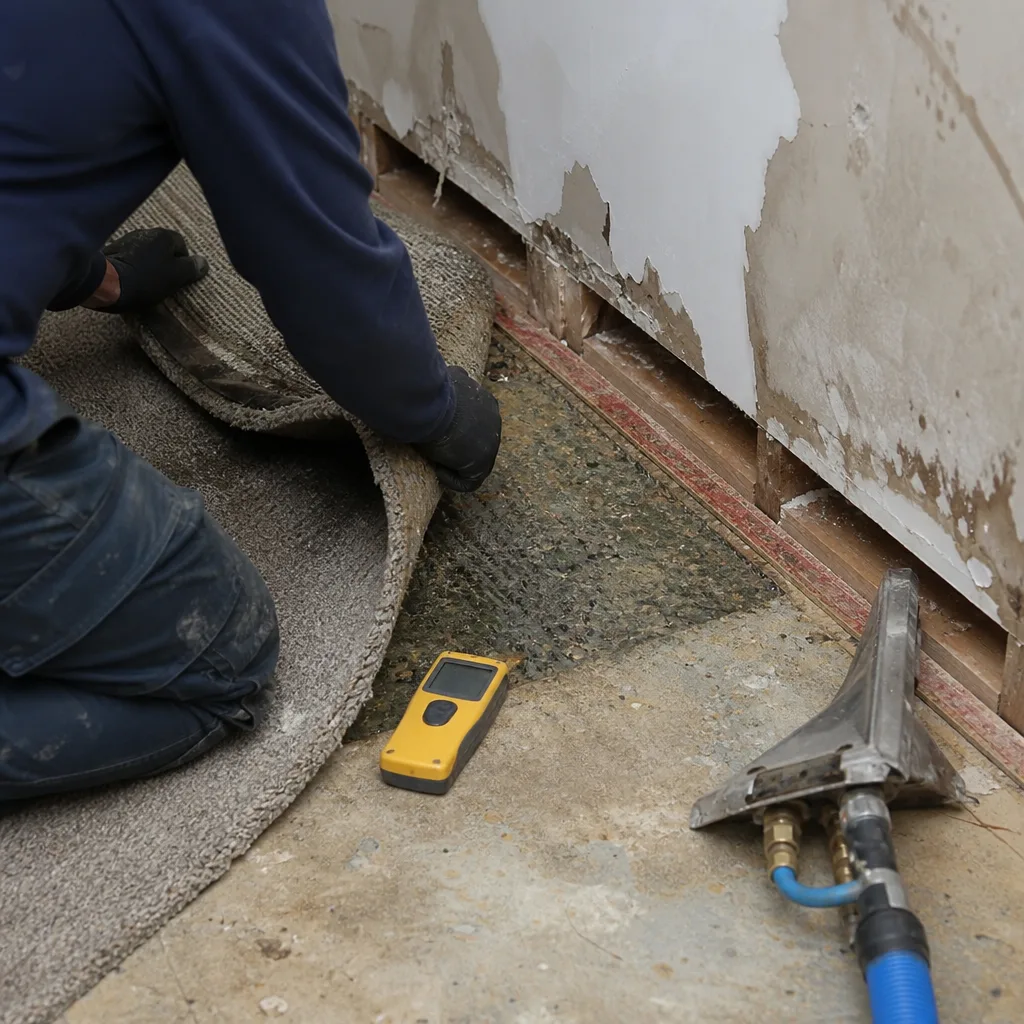
Debris, broken glass, water-soaked plaster, and wind-blown insulation all have to come out before drying can start. In a pre-war Union City building, that cleanup has to happen with an eye on what’s inside the walls. Original horsehair insulation and cement plaster often test positive for asbestos, and paint from before 1978 can carry lead. We run cleanup with containment and certified abatement protocols so a storm loss doesn’t become a contamination event that spreads through the building.
Flood Damage Restoration
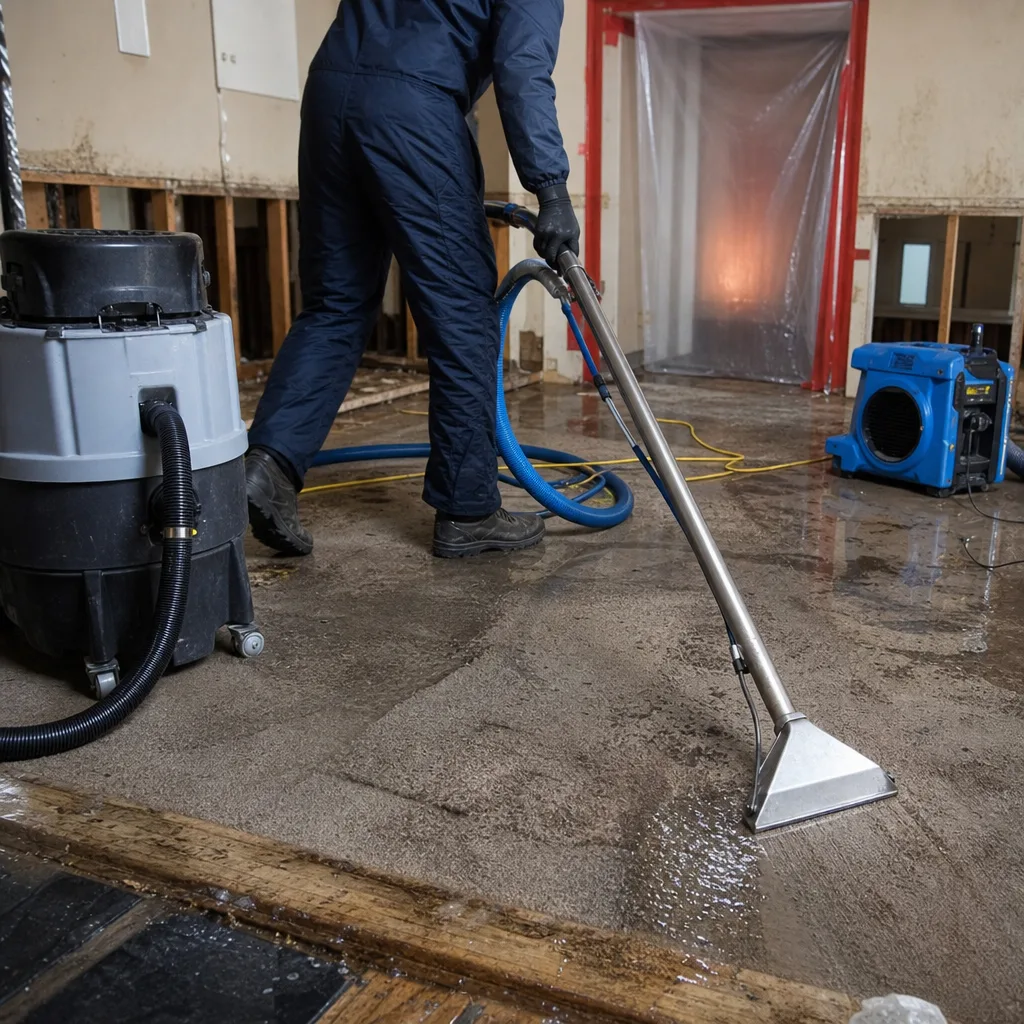
When the Palisades topography sends stormwater downhill into aging foundation drains and basement floors, the water that comes up is rarely clean. We extract, sanitize, and dry below-grade spaces where century-old drain stacks and settled foundations create real drying challenges. Category 2 and Category 3 water demands more than a fan and a mop. We run proper structural drying with Phoenix dehumidifiers and B-Air air movers, logged daily until the standard is met.
Emergency Board-Up
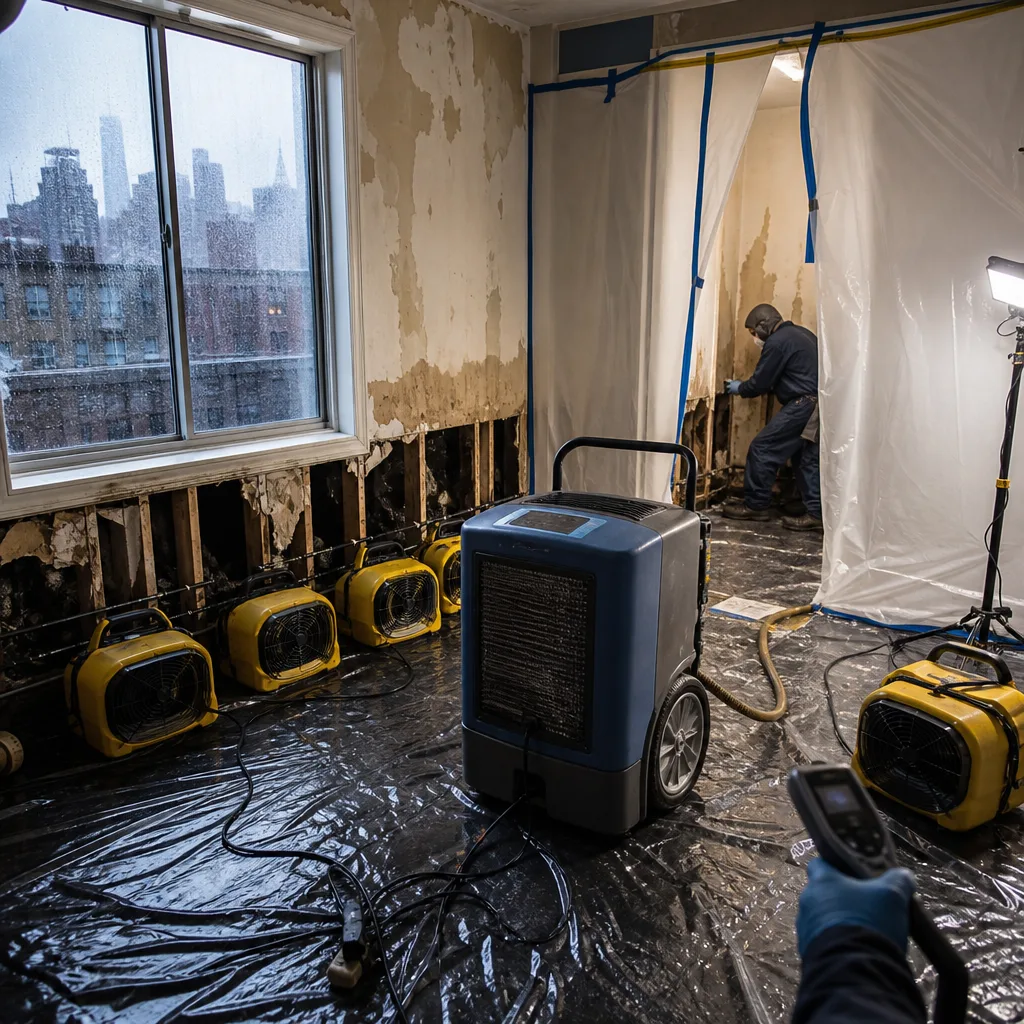
A storm that breaks a window or door on the first floor of a Union City building opens the whole property to weather, trespass, and further damage. We board up immediately with materials that actually secure the opening, not just cover it. On a dense block where the building abuts the sidewalk, proper board-up also protects passersby from falling glass and loose framing. It’s a safety step and a preservation step in one.
Debris Removal
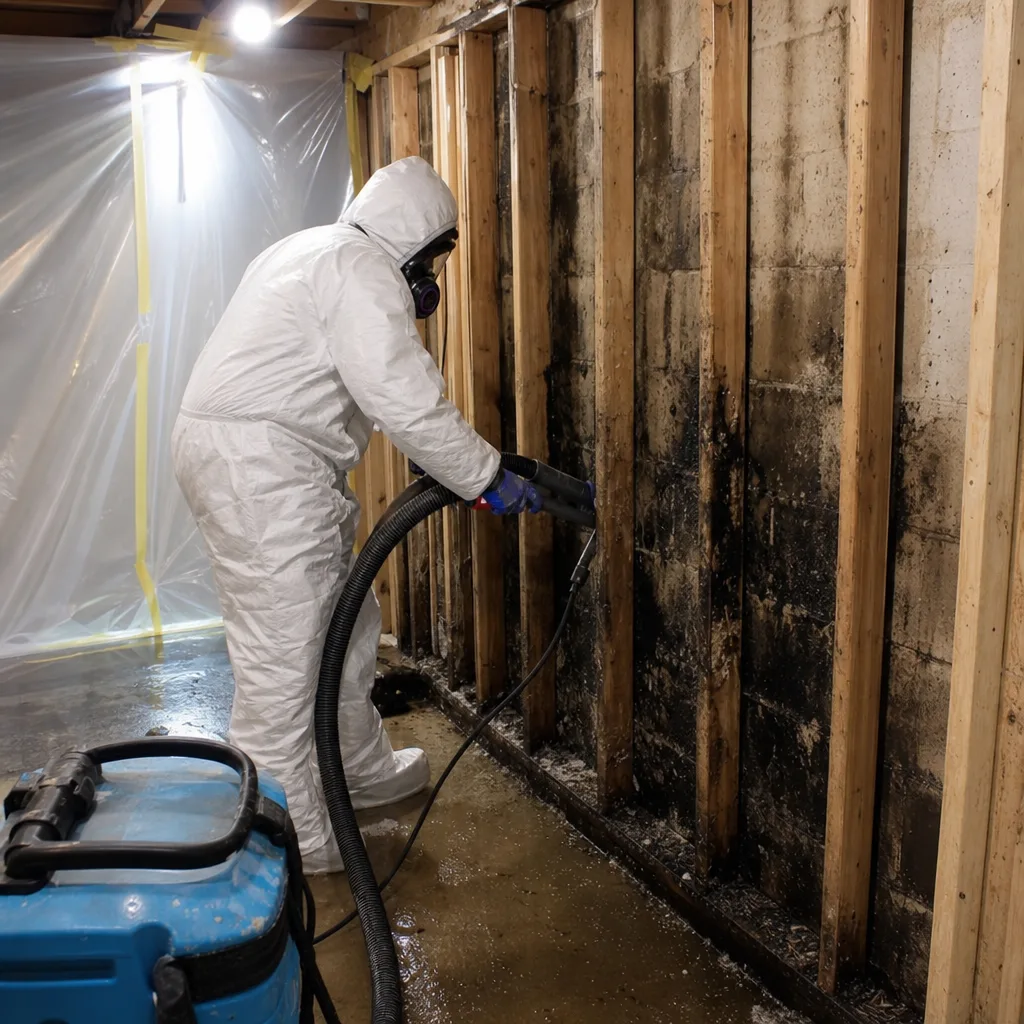
Storm debris in Union City is a street-level problem. Narrow blocks and dense sidewalks mean a downed branch or wind-blown material blocks access and creates liability within minutes. We clear it, haul it, and document everything for your insurer. In the alleyways between attached row houses, debris often channels water into foundation walls, so cleanup is also mitigation.
What happens when you call
- 1
A real person answersNo phone trees - you reach a local pro.
- 2
You get an upfront price rangeHonest numbers before anyone is dispatched.
- 3
A background-checked tech heads outLicensed & insured, dispatched right away.
- 4
You approve before work beginsNothing starts until you say go.
Storm & Disaster Restoration Costs in Union City, NJ
What you’ll pay depends on how far the water traveled before anyone saw it. A single-unit storm cleanup with roof tarping and spot drying on a Union City row house typically runs $1,400 to $3,800. A multi-floor wind damage restoration across stacked units in a pre-war tenement commonly lands between $8,000 and $30,000, depending on whether asbestos or lead abatement has to run alongside the drying. Roof tarping alone, done same-day as a temporary measure, is usually $650 to $1,500 depending on roof access and pitch. Wind damage repair to a fourth-floor window with reinforcement runs $900 to $3,200 per opening. These are Union City numbers, not national averages. The free visual inspection gives you a firm, written scope before anything gets signed, and we bill your carrier directly. Call (518) 314-5660 and you’ll know the number before the drying equipment goes in.
We Also Serve Cities Near Union City
Our Storm & Disaster Restoration crews cover the entire Hudson County ridge and riverfront. In addition to Union City, we handle storm and wind damage calls in Weehawken, Hoboken, and North Bergen, with the same 45-minute response commitment and the same live dispatcher on the line, day or night.
Union City Storm & Disaster Restoration Questions, Answered
How quickly can Floodline Restoration Co. get a roof tarp on a Union City row house after a windstorm?
We aim for same-visit tarping on any Union City storm call. Crews reach the address within 45 minutes of your call, and if roof access allows, the tarp is secured before we leave. On steep Palisades ridge properties with rooftop access through tenant units, we coordinate that access on arrival. Call (518) 314-5660 and ask for emergency tarping.
Does wind damage restoration in Union City require special permits for impact-rated door and window reinforcement?
Union City follows New Jersey’s adopted building code, which includes wind-load requirements for door and window replacements on exposed facades. In practice, any replacement of a failed window or door on a windward elevation should meet current impact-rated standards, and many of the pre-war frames we replace were installed to no standard at all. We pull permits where the scope requires and coordinate inspections as part of the restoration. A fix that fails the next storm is not a fix.
Why does a small storm leak on the top floor of a Union City tenement turn into a multi-unit restoration job?
Because the building is one connected structure, not separate boxes. Original plaster-and-lath construction, shared roof framing, and open wall cavities mean water from a top-floor leak travels down through the building nearly unimpeded. We regularly find water that entered through a fifth-floor roof and wicked through horsehair insulation into ceiling cavities two floors below before the first visible stain appeared. That’s why we moisture-map beyond the visible damage on every storm call.
Can Floodline Restoration Co. coordinate access to multiple tenant units in a Union City building for storm damage drying?
Yes. We handle multi-tenant coordination constantly, including buildings where tenants speak different languages or rent through different landlords. We coordinate access for drying equipment placement, daily readings, and final clearance, and we document everything separately for each insurance policy involved. The drying plan accounts for who lives where and when we can get in, and we keep the work moving anyway. Call (518) 314-5660 and we’ll start on the first unit today.
What is the storm wind-load standard that a failing door in Union City should have met?
New Jersey adopts the International Building Code, which assigns wind-load requirements based on exposure category. Union City’s Palisades ridge position puts many buildings in a higher exposure category than river-grade neighbors, meaning windward doors and windows face higher design pressure ratings. A door that blows open or lets rain through was either never rated for this exposure or has failed over time. We repair and reinforce to current code, and we document it for your insurer.
Who deals with my adjuster on a Union City storm damage claim?
We do. Our team photographs the loss from the first hour, logs moisture readings daily, and writes a scope your carrier can process without back-and-forth. On multi-unit claims with several policies involved, we keep each file separate and clear. You’re not the messenger, and you don’t need to negotiate. That’s part of a square deal, and it’s been how we work since Curt Bowman founded the company in 2010.
Do I really need full restoration, or can I just clean up and paint over it?
If water reached the plaster and lath in a Union City pre-war building, painting over it traps moisture inside the wall. That’s how hidden mold colonies form in original horsehair insulation and open cavities, and how a small storm leak becomes a building-wide problem months later. The honest answer is: if the moisture meter says wet, it has to dry. If you only see a stain, let us check before you paint. The visual inspection is free.
Can we stay in our home during storm damage restoration?
Usually yes, unless the damage involves structural compromise or safety hazards like exposed wiring or asbestos disturbance. Drying equipment runs continuously and makes noise, but it doesn’t require you to leave. If access to the affected unit or floor is needed, we work around your schedule. For multi-unit buildings, we coordinate so each tenant knows what’s happening and when. You’ll get a straight answer on day one.
Storm Damage in Union City: Why Density Changes Everything
Union City is one of the most densely populated municipalities in the entire United States. That’s not a fun fact for a restoration company. It means a storm that damages a single row-house roof or wall rarely stays a one-unit job. Wind-driven water intrusion through one failing party wall travels through original plaster-and-lath construction into multiple tenant units in hours, and the restoration scope has to be coordinated across several leases, several languages, and several separate insurance policies before drying equipment can even be placed against the first affected wall. After a March nor’easter peeled back a section of torch-down roofing on a 1910s five-story walk-up near Palisade Avenue, we set up containment and ran structural drying with Dri-Eaz dehumidifiers and XPOWER air movers across three stacked units. Our moisture mapping showed Category 2 water had wicked through original plaster and horsehair insulation into the ceiling below, so we coordinated a pack-out for two tenant households and completed the wind damage repair and roof tarping before a second rain event. That’s what storm restoration looks like in Union City. It is categorically more complex than anything across the river in suburban Hudson County, and it’s the work we do every week.
What We See Go Wrong in Union City Storm Restoration
Three failure modes repeat here more than anywhere else we work. First, a contractor treats a wind-damaged fourth-floor ceiling as an isolated leak. In Union City’s dense pre-war party walls and shared roof framing, water has almost always traveled into adjacent units before the first moisture reading is taken. Treating the visible stain means the hidden damage keeps spreading. Second, someone starts drying without licensed asbestos and lead-paint abatement protocols on 1890s to 1940s plaster-and-lath. That turns a water mitigation into a cross-contamination event across multiple floors, and it’s a health risk to every tenant in the building. Third, emergency roof tarping gets delayed on a sloped Palisades ridge property where runoff channels into aging foundation drains. Within hours of the next storm, the below-grade units are taking water through walls that were dry the day before. We fix all three problems by moving fast and doing it right the first time. The 90-Day Done Right Promise is in writing for every job, no arguing, and if it’s not right, we make it right. That’s the Keystone Standard, and it’s how Floodline Restoration Co. has worked since day one.
Serving Union City, NJ - Our Local Coverage Area
We’re based in the Union City area and know this community well. Use the map below to see our service coverage - if you’re nearby, we can almost certainly help.
Call Floodline Restoration Co. for Storm & Disaster Restoration in Union City
When the storm passes and you see what’s left, call (518) 314-5660. A live dispatcher answers, day or night, and a uniformed, background-checked crew heads your way. The visual inspection is free. The scope is written before work starts. Your insurer is billed directly. And the job is done right, with the 90-Day Done Right Promise in your hands. Union City residents also receive a Senior & Veteran 5% Discount on every storm restoration scope. We’ll be there when we say.
Written by Curt Bowman, Owner at Floodline Restoration Co., serving Union City with storm and disaster restoration.