
Free visual inspection and a written scope of work before any mitigation begins - photos, moisture readings, and drying logs go in your claim file
The scope we write is the scope we bill. Anything new gets shown to you, in writing, before we touch it.
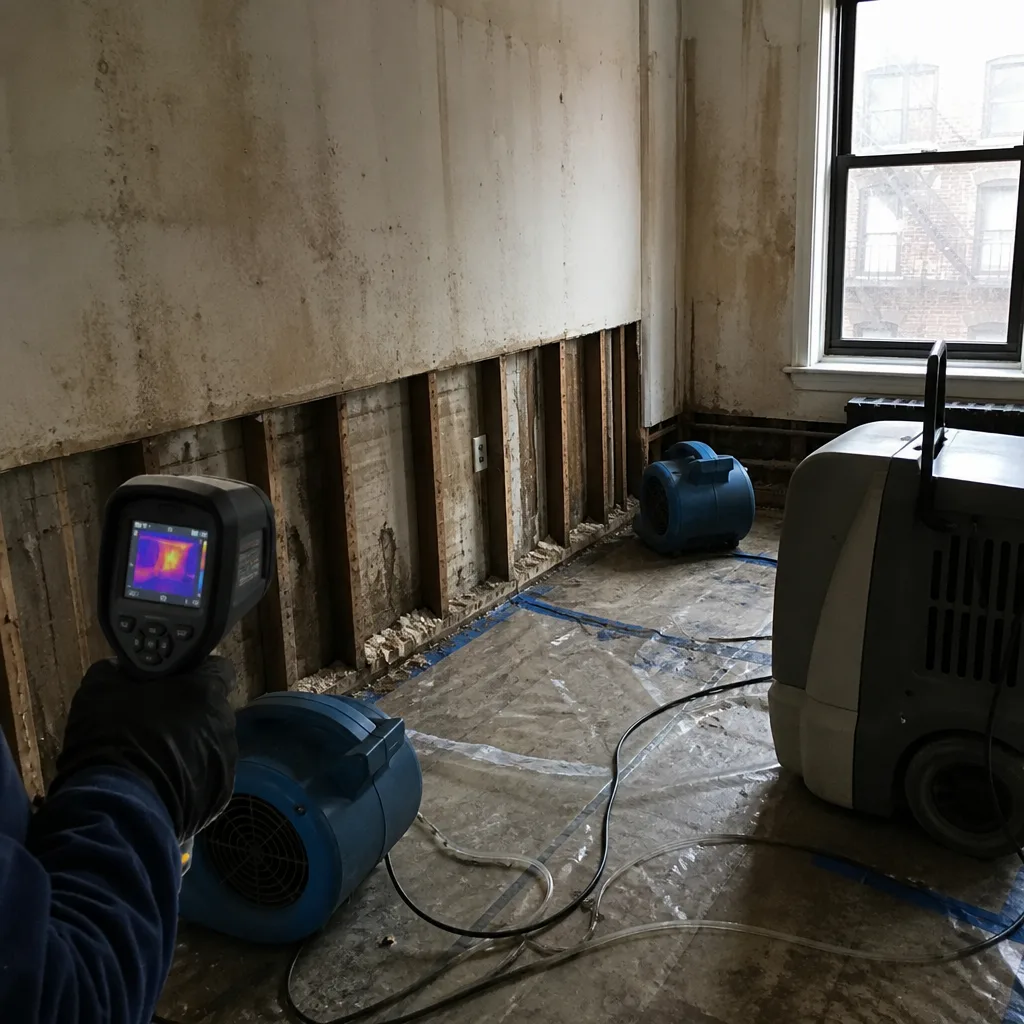 Before
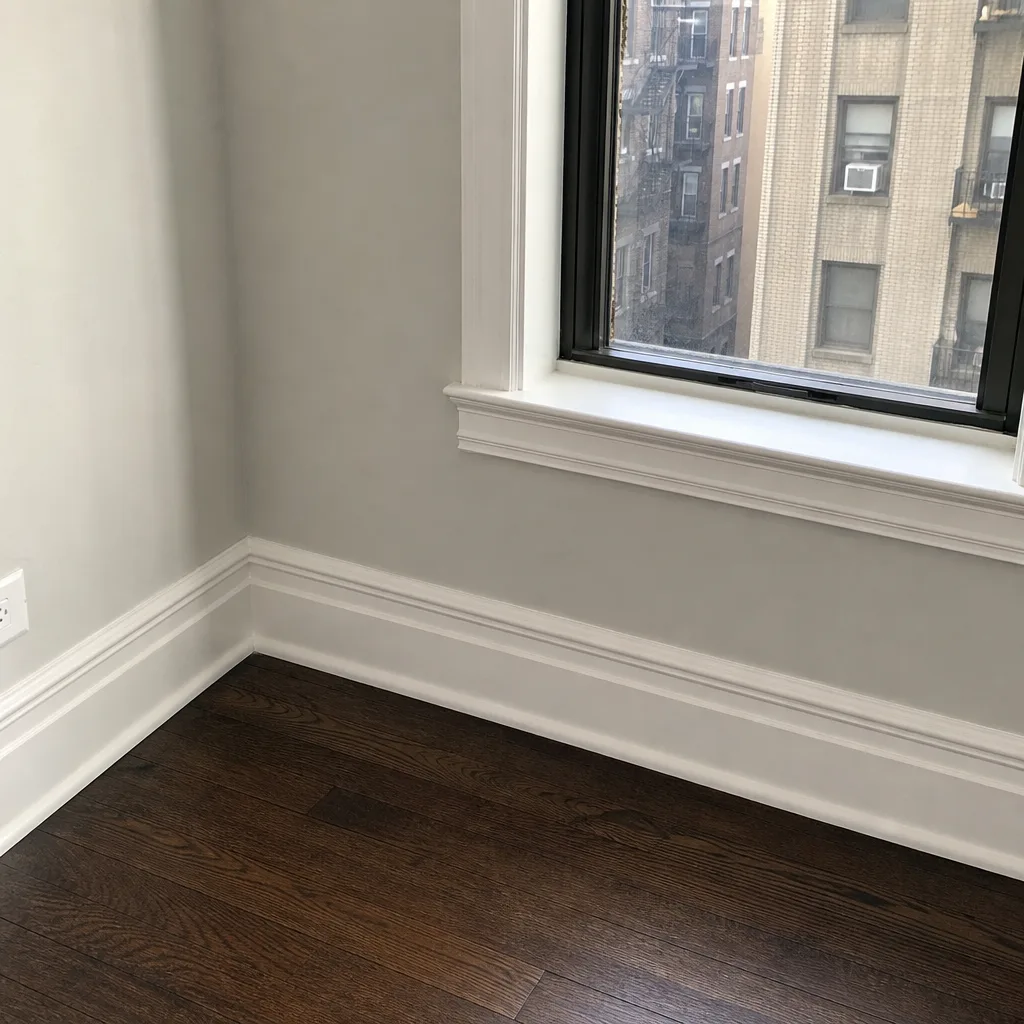 After
After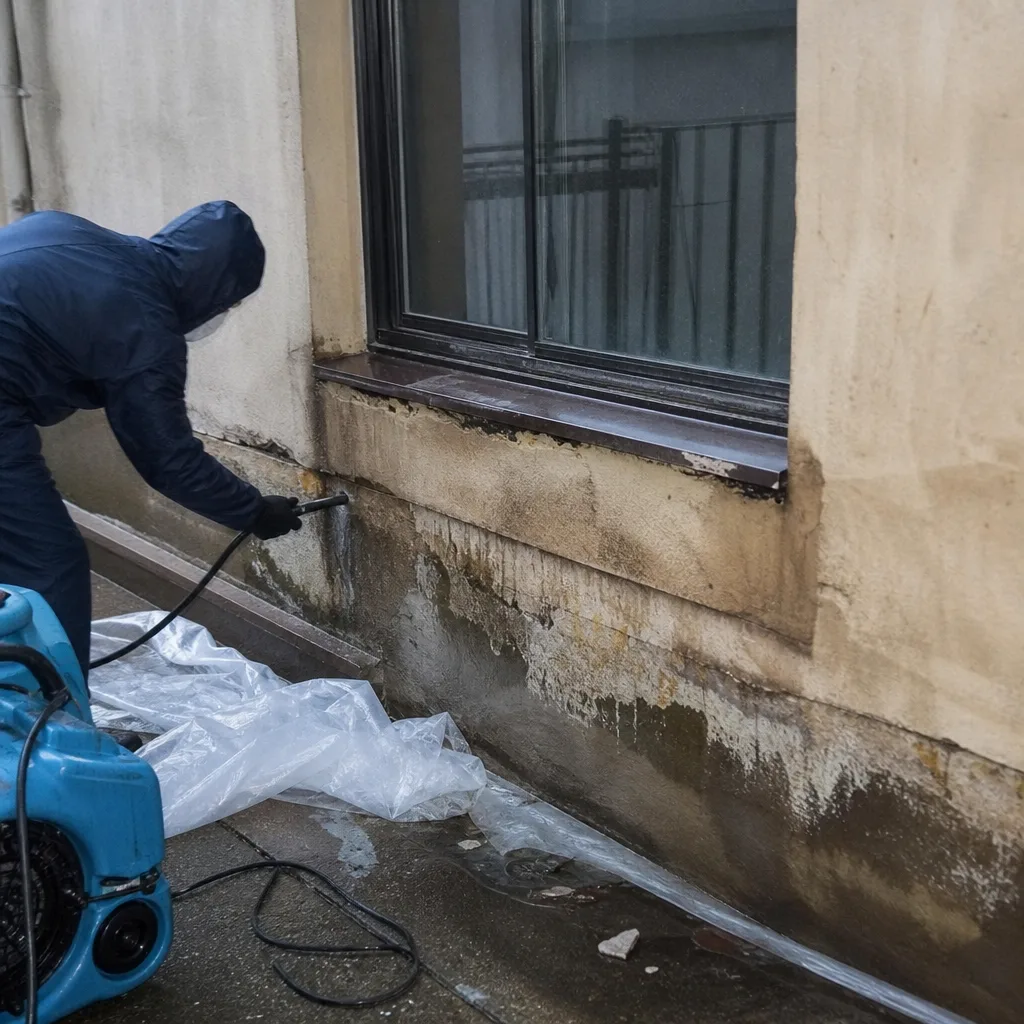 Before
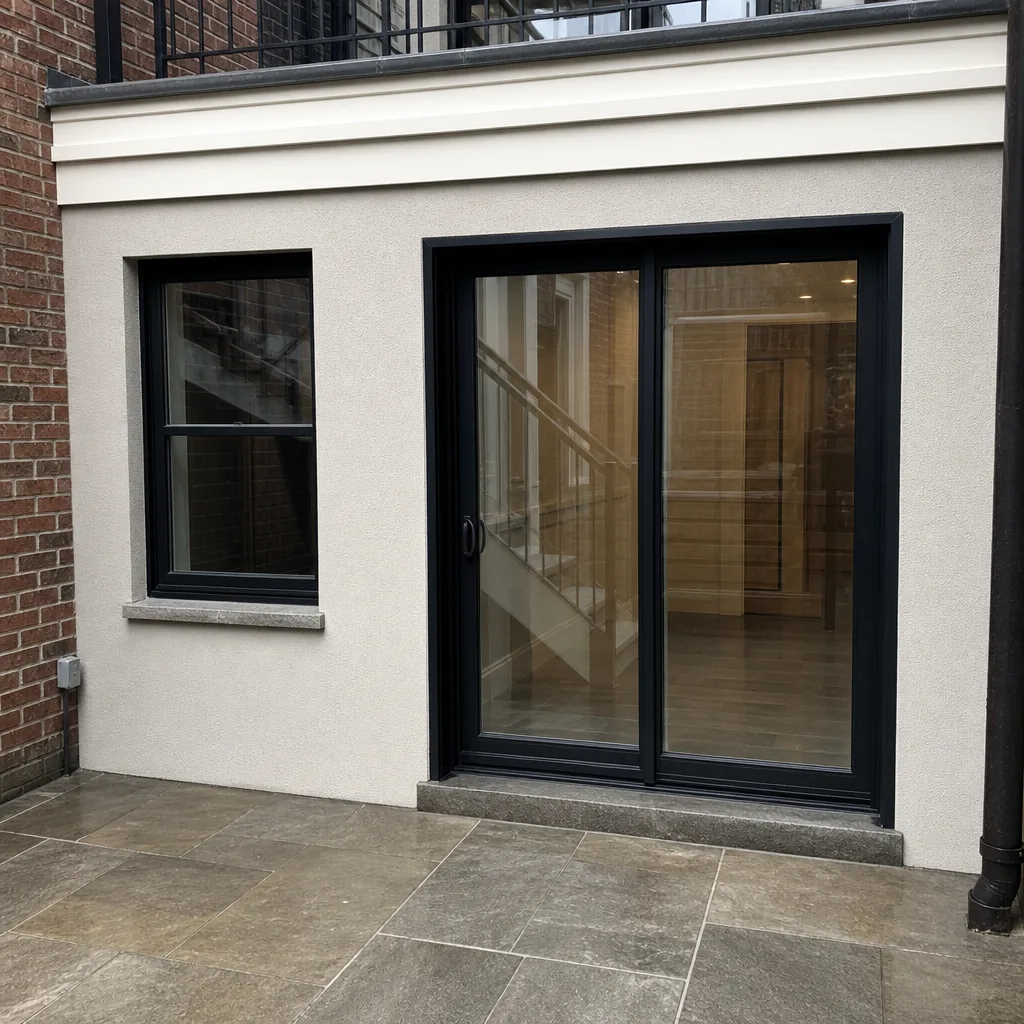 After
After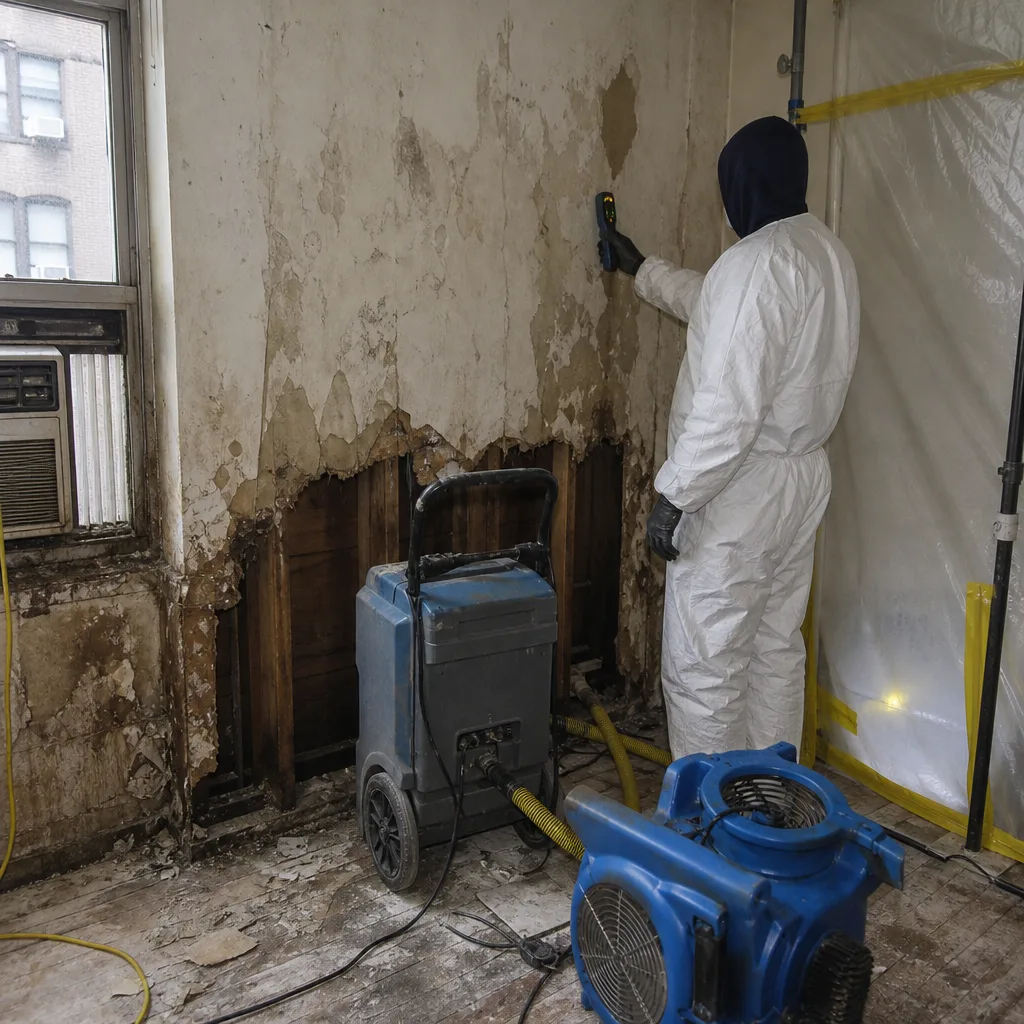 Before
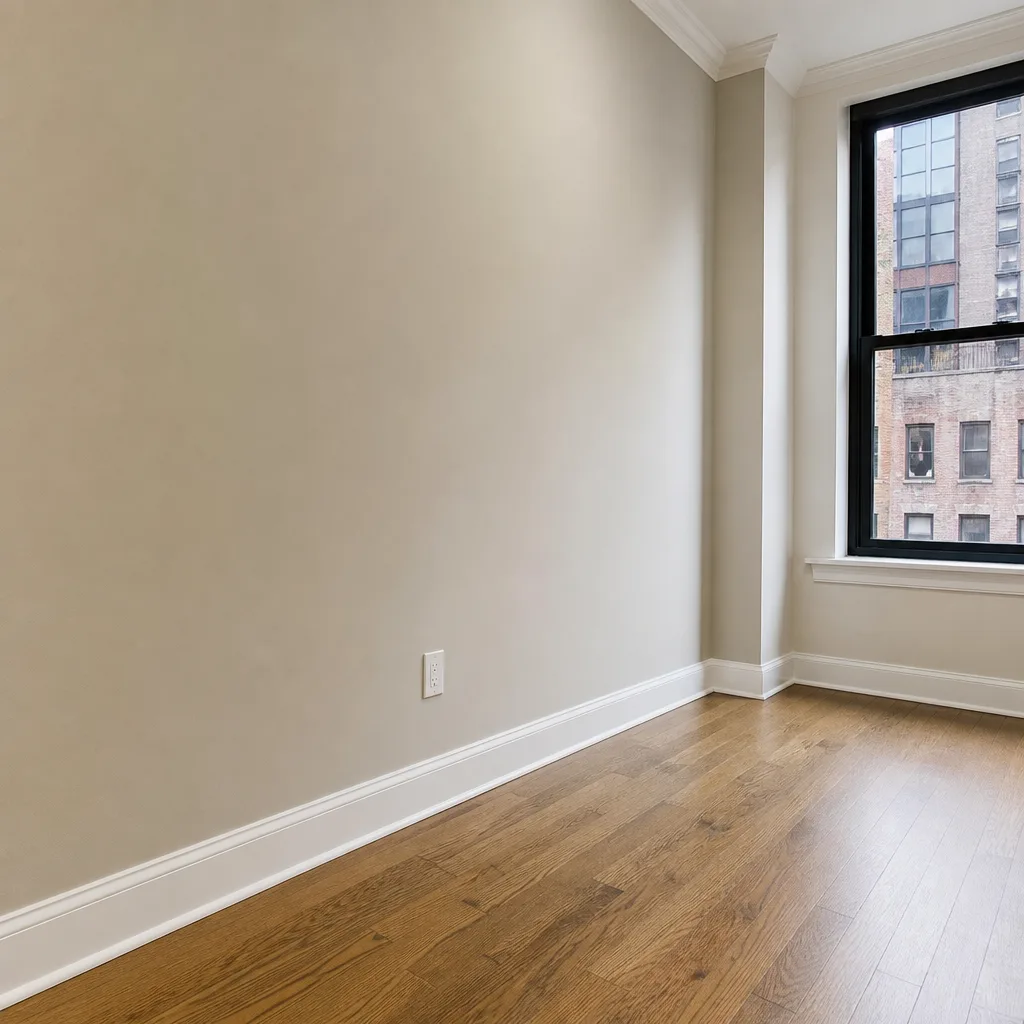 After
After24/7 Emergency Sewage Cleanup in Long Island City
When sewage backs up into a Long Island City building, the first hour sets the price and the outcome. Call (518) 314-5660 and a live dispatcher answers, not a recording. We dispatch crews into Long Island City immediately, any hour, any day. A sewage backup here is rarely just a clog. In the waterfront sections of ZIP 11101, storm surge pushes river water backward through floor drains into basements and ground-level spaces. That is category 3 water, the most dangerous kind.
The problem compounds fast. Sewage standing on a concrete slab wicks upward into drywall, baseboards, and framing before you see it. Free visual inspections are part of how we start. One call gets a trained crew rolling toward Long Island City with extraction equipment, containment materials, and moisture mapping tools already loaded. The faster we extract and stabilize, the less gets torn out and replaced.
Understanding Sewage Cleanup Severity in Long Island City Properties
Sewage cleanup in Long Island City runs on a different severity curve than inland Queens neighborhoods. The East River waterfront position, the near-sea-level elevation, and the bifurcated building stock create three distinct contamination profiles. The first is a standard sanitary backup: a toilet overflow or a clogged branch line that releases category 3 water into a bathroom or laundry area. The second is pipe-scale failure in pre-war industrial conversions. Cast-iron sewer lines exposed to decades of salt air corrode from the outside in. The pipe wall thins until it collapses under its own weight, and sewage releases behind walls or beneath slabs where you cannot see it for days.
The third profile is the one that separates Long Island City from most of Queens. During nor’easters and tropical systems, combined sewer outflows along the East River get overwhelmed. Storm surge pushes river water backward through floor drains and basement plumbing. The result is black water intrusion, a mix of sanitary sewer overflow and raw river water. This is why Sewage Cleanup in the Hunters Point and Court Square corridors frequently requires full category 3 protocol: containment, HEPA air scrubbing, full PPE, and aggressive structural drying rather than a simple extraction and mop-up.
Why Long Island City Property Owners Choose Floodline Restoration Co.
- 45-minute response commitment for Long Island City calls. We dispatch from the metro office with crews assigned to the LIC area. The truck is loaded before the call ends.
- 24/7 live answer. A real person picks up at 2 a.m. Not a recording. Not a call center script. Someone who knows sewage cleanup and can start the dispatch immediately.
- IICRC-certified crews with WRT and ASD certifications as the baseline. Biohazard and sewage work involves AMRT protocols for antimicrobial treatment and containment.
- Free visual inspection. Before any work gets scoped, we walk the loss site and explain what we are seeing. You get a written plan, not a hard sell.
- Direct insurance billing. We document from the first hour and bill your carrier directly. You are not the messenger between Floodline and the adjuster.
- One team from extraction to reconstruction. The crew that extracts the sewage is the same crew that handles drying and rebuild. No mid-job handoff to a subcontractor in Long Island City.
Our Sewage Cleanup Process
Inspection & Assessment
We start with a full visual walkthrough and moisture mapping of the affected area. In Long Island City loft buildings, this includes checking whether the concrete slab is wicking moisture upward. We identify the sewage category, the source, and the contamination boundary before touching anything.
Extraction & Stabilization
Truck-mounted extraction removes standing black water fast. We establish containment with plastic sheeting and negative air pressure so sewage contaminants do not move into clean rooms. The space gets stabilized so damage stops spreading.
Structural Drying & Dehumidification
The East River side of Long Island City has groundwater so close to the surface that slab-on-grade concrete holds moisture stubbornly. We run Phoenix and Dri-Eaz dehumidifiers with air movers until daily moisture readings hit the dry standard. On slabs without vapor barriers, drying timelines often run longer than the building’s plans suggest.
Cleaning & Sanitization
Category 3 water requires antimicrobial treatment, not just cleaning. We apply EPA-registered antimicrobials to contaminated surfaces, remove porous materials that cannot be salvaged, and HEPA-vacuum non-porous surfaces before clearance.
Slab and Sub-Surface Treatment
In LIC’s converted factory buildings, sewage moisture migrates through concrete slabs with no vapor barrier. We run extended structural drying and moisture monitoring deep into the slab. Some jobs need slab-side negative pressure or subsurface drying mats before clearance readings are acceptable.
Repairs & Restoration
Once moisture readings clear and antimicrobial treatment is logged, we rebuild what was removed. Drywall, flooring, trim, and cabinetry. The same Floodline crew that extracted the sewage handles our Reconstruction & Cleanup in Long Island City, so the job never changes hands mid-stream.
Need Emergency Sewage Cleanup in Long Island City Now?
Crews minutes away, answering live 24 hours a day. The sooner we start, the less it costs.
Working With Your Insurance Company
Sewage backups and storm-surge intrusion are covered losses under most Long Island City homeowners and condo policies, but the claim lives or dies on documentation. We start documenting in the first hour. Photos before extraction. Water source identified. Moisture readings on an hourly log. A line-item scope that matches the carrier’s estimating format. When an adjuster calls, we talk to them directly with the evidence in hand. That is how claims get paid in full instead of negotiated down. Curt Bowman built Floodline around the principle that the homeowner should never play messenger between contractor and carrier. We handle the adjuster communication and direct billing, and you get a copy of every document we send.
What We Provide Your Insurer
- Thorough documentation of the loss
- Photos of all damage, room by room
- Moisture readings and drying logs
- A detailed, line-item scope of work
- Direct coordination with your carrier
Built for Long Island City’s Loss Calendar
Long Island City’s sewage season tracks the waterfront. January and February deep freezes stress aging cast-iron waste lines in pre-war loft buildings until a section lets go. March and April bring nor’easters, and that is when the East River becomes the problem. Storm surge pushes into combined sewer outflows, and basement floor drains in ZIP 11101 reverse flow. Black water rises through drains that have never backed up before. Summer brings thunderstorms. Flash flooding overwhelms street-level drains, and the flat terrain near the river means water has nowhere to go. By October, the next nor’easter cycle begins. Homeowners in the converted factory buildings around Court Square and Hunters Point learn the pattern early: the first backup is a warning, and the slab that holds moisture for days afterward becomes the recurring problem. The towers have a different failure pattern. Curtain-wall construction defects let rainwater into mechanical spaces, where it can mix with sanitary lines and create sewage-adjacent contamination on upper floors. Same category 3 protocols, different entry point.
Sewage Cleanup Across Long Island City’s Neighborhoods
Hunters Point runs along the East River from roughly 44th Drive up to Newtown Creek. The building stock there splits between pre-war industrial conversions and post-2010 residential towers. The conversions have slab-on-grade foundations, which is why sewage jobs there almost always include extended structural drying and moisture monitoring deep into the concrete. The towers bring a different complication: stack piping in high-rises means a toilet overflow on the 20th floor travels downward through multiple units before hitting a containment point. When we serve Long Island City high-rises, we coordinate with building management and the neighbors below the source unit from the first visit. Court Square is the densest cluster of converted factory buildings in the neighborhood. Many date to the early 1900s. Original cast-iron waste lines, transite panels, 9-inch vinyl floor tile, asbestos pipe insulation. Before we cut into a wall or pull a floor, we flag the need for asbestos testing. The NYC DEP protocol is non-negotiable in these buildings. Dutch Kills, north of Queens Plaza, has a mix of older frame structures and newer construction. Sewage failures there are more often standard clogs and branch-line overflows, though the groundwater table near the creek keeps basements damp year-round. Queens Plaza and the area along Northern Boulevard get heavy construction traffic. Sewer lines under major corridors get jostled and cracked by heavy equipment, and backup calls there tend to spike during active construction seasons.
Specialized Sewage Cleanup Services We Offer in Long Island City
Black Water Extraction
Storm-surge sewage in Long Island City is not the same as a toilet overflow in a house in Queens Village. When river water backs through a floor drain near the East River, the contamination load is higher and the water volume is often larger. We run truck-mounted extraction with containment already set. The goal is removal at the source before the contamination boundary spreads.
Sanitization & Disinfection
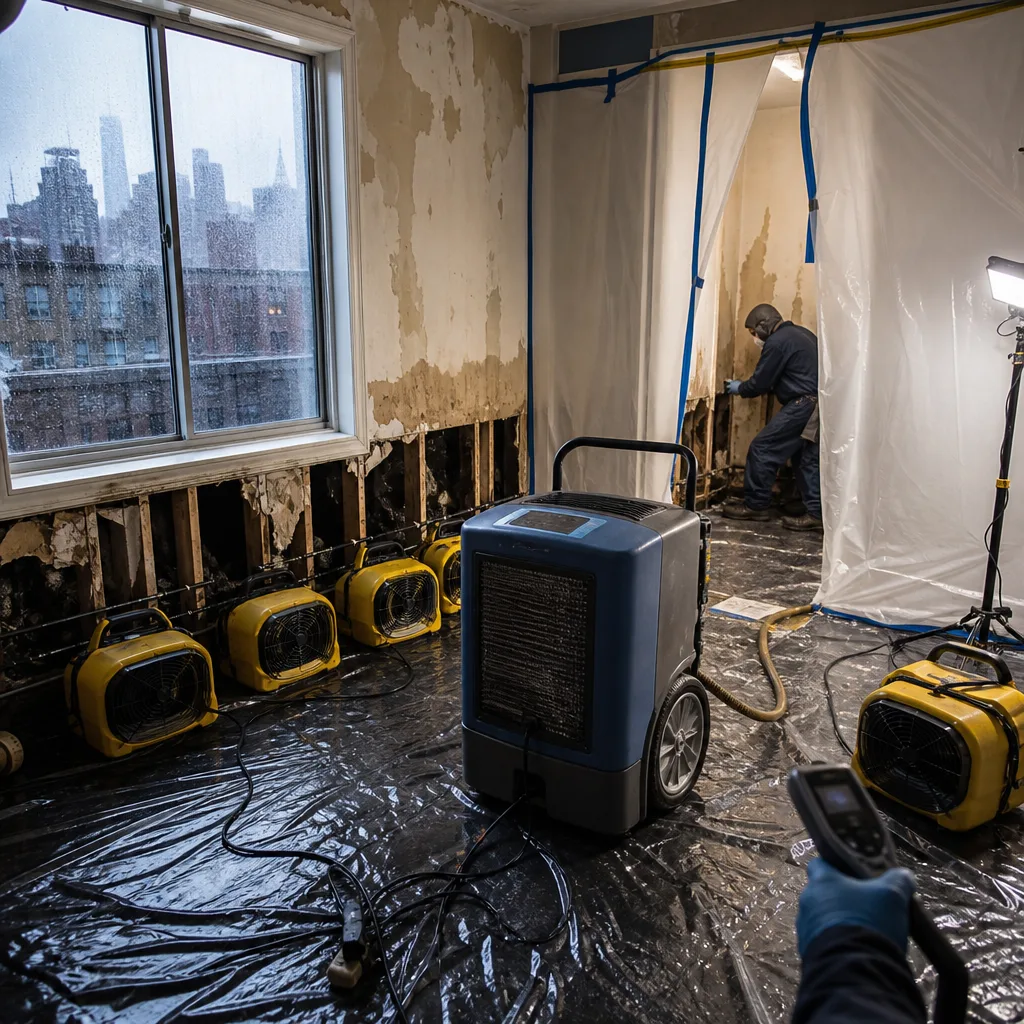
Category 3 water carries pathogens that cannot be cleaned with ordinary household disinfectants. We use EPA-registered antimicrobials applied after extraction, drying, and Sanitization Services in Long Island City, with proper dwell times. Porous surfaces that cannot be salvaged get removed. Non-porous surfaces get cleaned, treated, and tested before clearance.
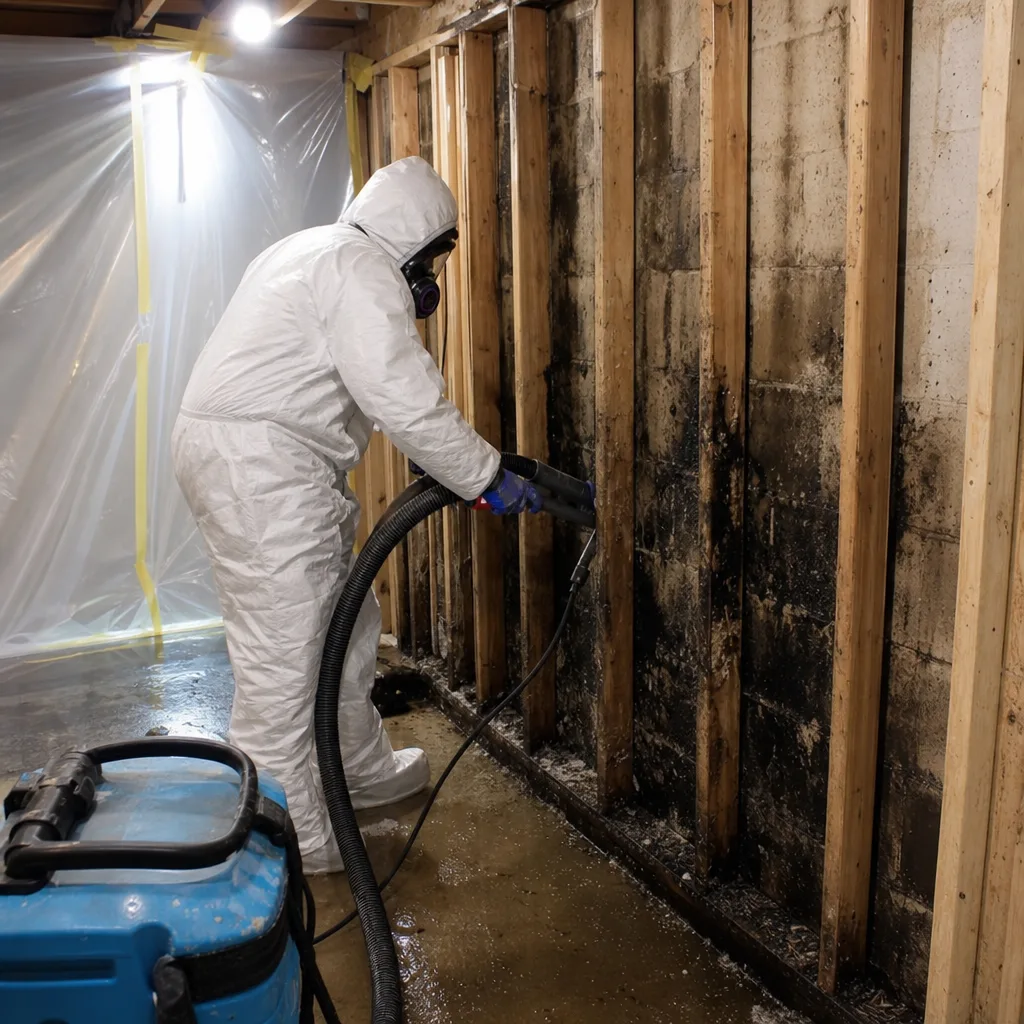
Crawl Space Sewage Removal
Older Long Island City buildings with crawl spaces face a specific problem: a sewage backup in the crawl space can go undetected for days or weeks. The smell travels slowly. By the time anyone notices, contaminated moisture has spread into floor joists and subflooring. We access the crawl space, extract, treat, and run drying equipment until the framing hits the dry standard. Then we document the whole sequence for your carrier.
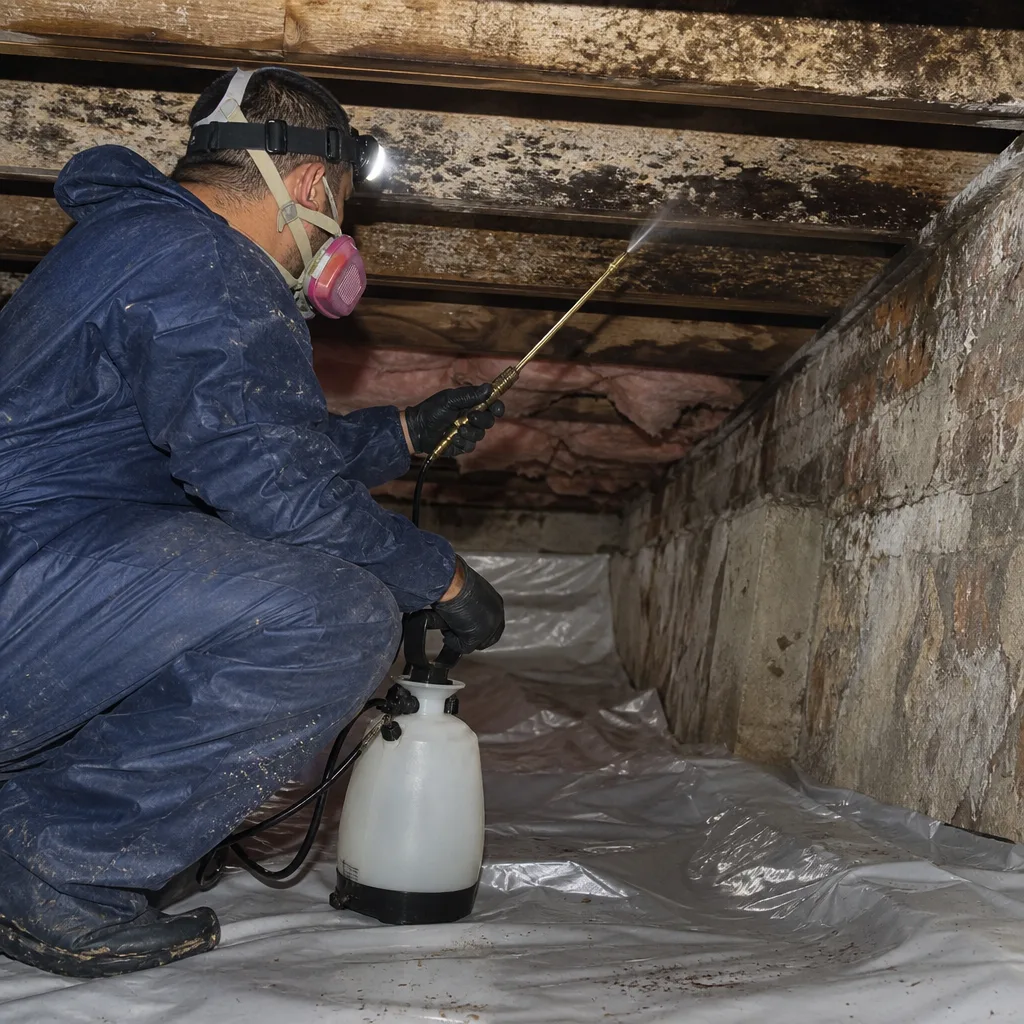
Sewage Backup Cleanup
Whether it is a collapsed cast-iron line in a Court Square loft or a branch-line blockage in a Hunters Point tower, the first step is the same: stop the source, contain the contamination, extract the standing water. Then we trace the failure point. If the pipe needs repair or replacement, our Long Island City Commercial Restoration team handles that directly.
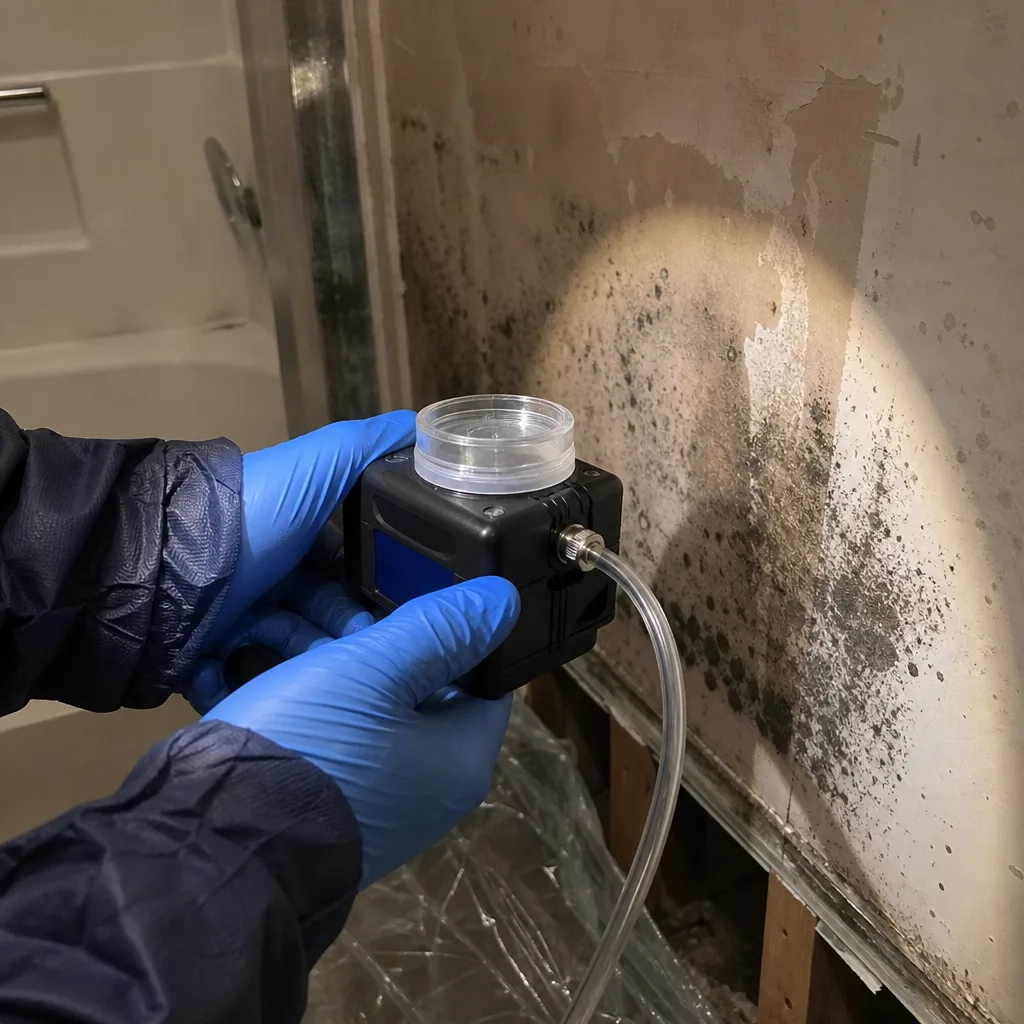
Toilet Overflow Cleanup
A toilet overflow in a Long Island City high-rise can affect multiple units below. We handle unit-to-unit coordination with building management and document contamination paths across affected floor plates. In converted lofts, the bigger concern is the concrete slab: sewage from a toilet overflow can seep into unsealed slab cracks and migrate outward.
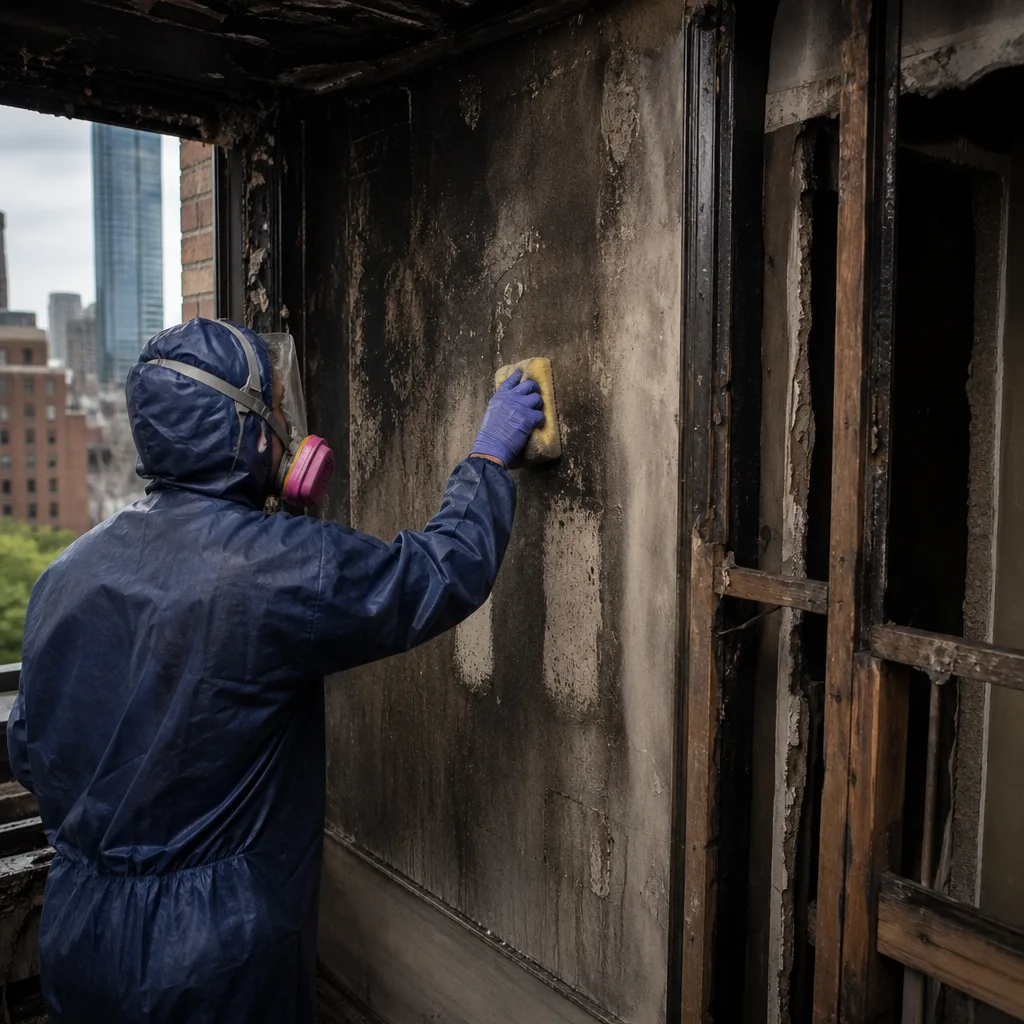
What happens when you call
- 1
A real person answersNo phone trees - you reach a local pro.
- 2
You get an upfront price rangeHonest numbers before anyone is dispatched.
- 3
A background-checked tech heads outLicensed & insured, dispatched right away.
- 4
You approve before work beginsNothing starts until you say go.
Sewage Cleanup Costs in Long Island City, NY
Sewage cleanup costs in Long Island City run higher than inland Queens because of the category 3 contamination protocols, asbestos considerations in older buildings, and the extended drying that slab-on-grade construction demands. A straightforward toilet overflow cleanup in a single unit typically runs $1,800-$3,400 with extraction, antimicrobial treatment, and drying. A slab-involved sewage backup in a converted factory building, where moisture has wicked upward through concrete and into walls, usually lands between $4,500-$11,000. Storm-surge black water intrusion in a waterfront Hunters Point building can exceed $15,000 when containment, multiple extraction days, and full rebuild are involved. If your policy covers sewage backup and storm-surge water, your out-of-pocket is often just the deductible. The free visual inspection includes a written scope so you know the number before any work gets authorized. Call (518) 314-5660 and we will put an estimator in front of you within the response window, no charge.
We Also Serve Cities Near Long Island City
Floodline Restoration Co. serves sewage cleanup calls across Long Island City and the surrounding area. If you are across the Newtown Creek line, we also handle sewage cleanup in Astoria. Same 24/7 live dispatch, same direct insurance billing, same written guarantee.
Serving Long Island City, NY - Our Local Coverage Area
We’re based in the Long Island City area and know this community well. Use the map below to see our service coverage - if you’re nearby, we can almost certainly help.
Long Island City Sewage Cleanup Questions, Answered
How does living in a FEMA flood zone in Long Island City change sewage cleanup from a standard backup?
In a FEMA AE or VE flood zone, sewage backup is often storm-surge driven, which means the water is a mix of river water and sanitary sewer overflow, a more dangerous contamination profile than a standard toilet overflow. Cleanup requires category 3 protocols: containment, full PPE, HEPA air scrubbing, antimicrobial treatment, and extended structural drying. A standard backup in a non-flood-zone building might only need extraction and surface sanitization.
Why do contractors need asbestos testing before sewage cleanup in older Long Island City loft buildings?
Many Court Square and Hunters Point factory conversions retain asbestos materials: pipe insulation, transite panels, 9-inch vinyl floor tile. Cutting into a wall or pulling a floor during sewage cleanup can disturb those materials and trigger NYC DEP abatement requirements. Testing before demolition keeps the job legal and safe. Floodline flags this on every pre-1974 building we enter.
Can sewage contamination travel through the concrete slab in a Long Island City loft building?
Yes. Original slabs in converted factory buildings were often poured directly on grade with no vapor barrier. When sewage contacts the slab, contaminated moisture wicks upward and sideways through the concrete. Even after surface extraction, moisture readings deep in the slab can stay elevated for days. That is why we run extended structural drying and monitor slab moisture until the dry standard is met.
What’s the first step after a toilet overflow in a high-rise tower near Hunters Point?
Stop the source if you can, then call a sewage cleanup crew. Do not run fans. Do not use a shop vac. The overflow travels downward through the stack, which means the unit below you may already be contaminated. We coordinate with building management and inspect affected adjacent units as part of the initial assessment. Call (518) 314-5660 immediately.
Does salt air from the East River make sewage pipes fail faster in Long Island City?
Yes. Salt air accelerates corrosion on cast-iron waste lines, especially in pre-war industrial conversions near the waterfront. The pipe thins from the outside while still looking intact from the inside. Failures often happen without warning. If your building has original cast-iron waste lines, a corrosion inspection is a cheap insurance policy against a surprise sewage release behind a wall.
How fast can you actually get to a Long Island City sewage emergency?
Our response commitment is 45 minutes for Long Island City calls, day or night. The dispatcher answering your call starts the dispatch while you are still on the phone. A live person, not a recording, every time.
Will my insurance cover sewage cleanup in Long Island City?
Most homeowners and condo policies cover sewage backup, though the coverage limit varies by policy. Storm-surge intrusion may fall under flood coverage depending on the policy language. Floodline documents from the first hour and bills your carrier directly, so the claim has the evidence it needs from day one. We will also talk to your adjuster directly.
Can I stay in my home during sewage cleanup?
That depends on the extent of contamination. A contained bathroom overflow in a tower unit may allow you to stay in other rooms. A slab-involved backup or storm-surge intrusion usually requires evacuation of the affected floor until containment, extraction, and antimicrobial treatment are complete, typically 2 to 5 days. We give you a straight answer during the inspection, not after the work starts.
Written by Curt Bowman, Owner at Floodline Restoration Co., serving New York City with the 90-Day Done Right Promise in writing.