
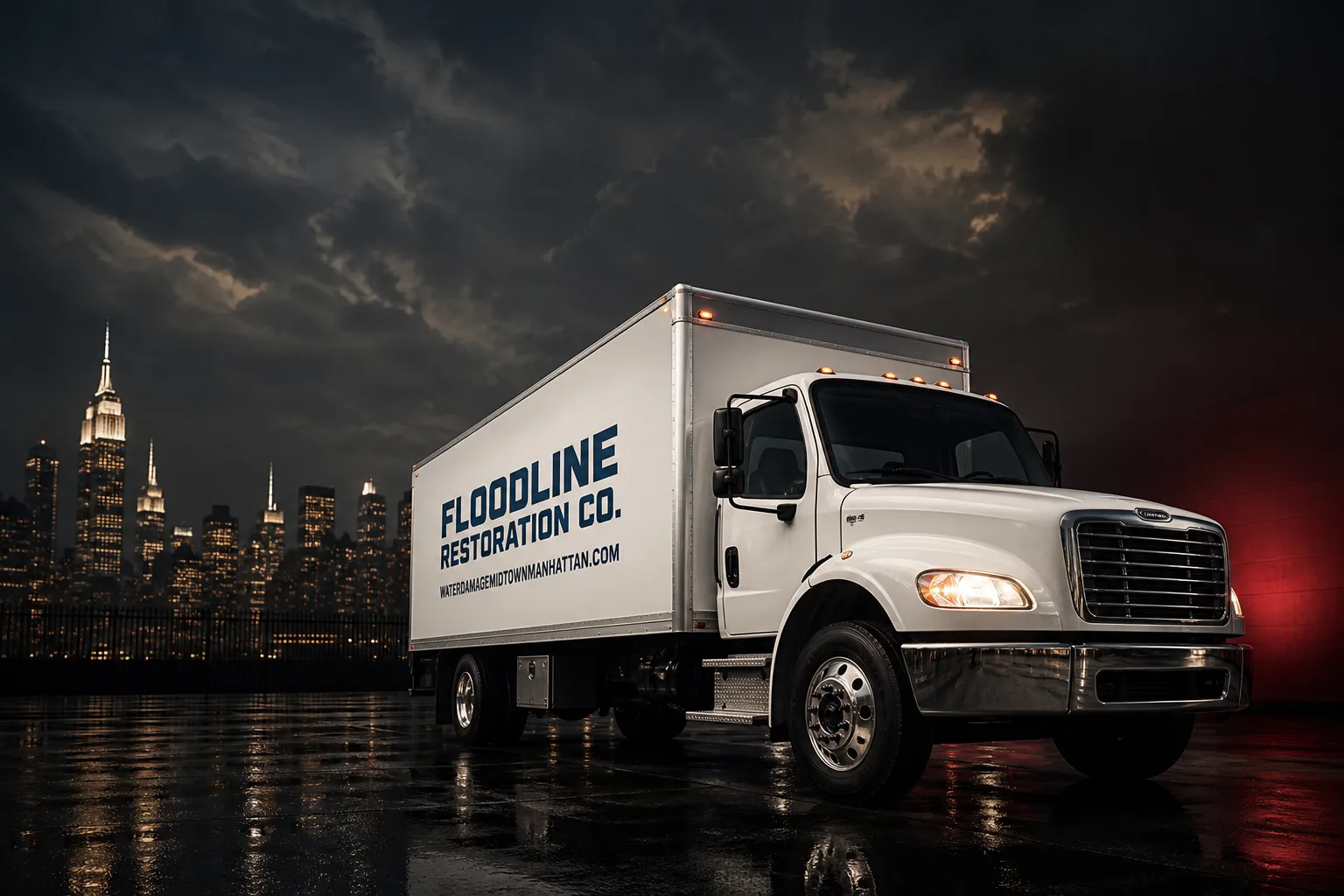
Free visual inspection and a written scope of work before any mitigation begins - photos, moisture readings, and drying logs go in your claim file
The scope we write is the scope we bill. Anything new gets shown to you, in writing, before we touch it.
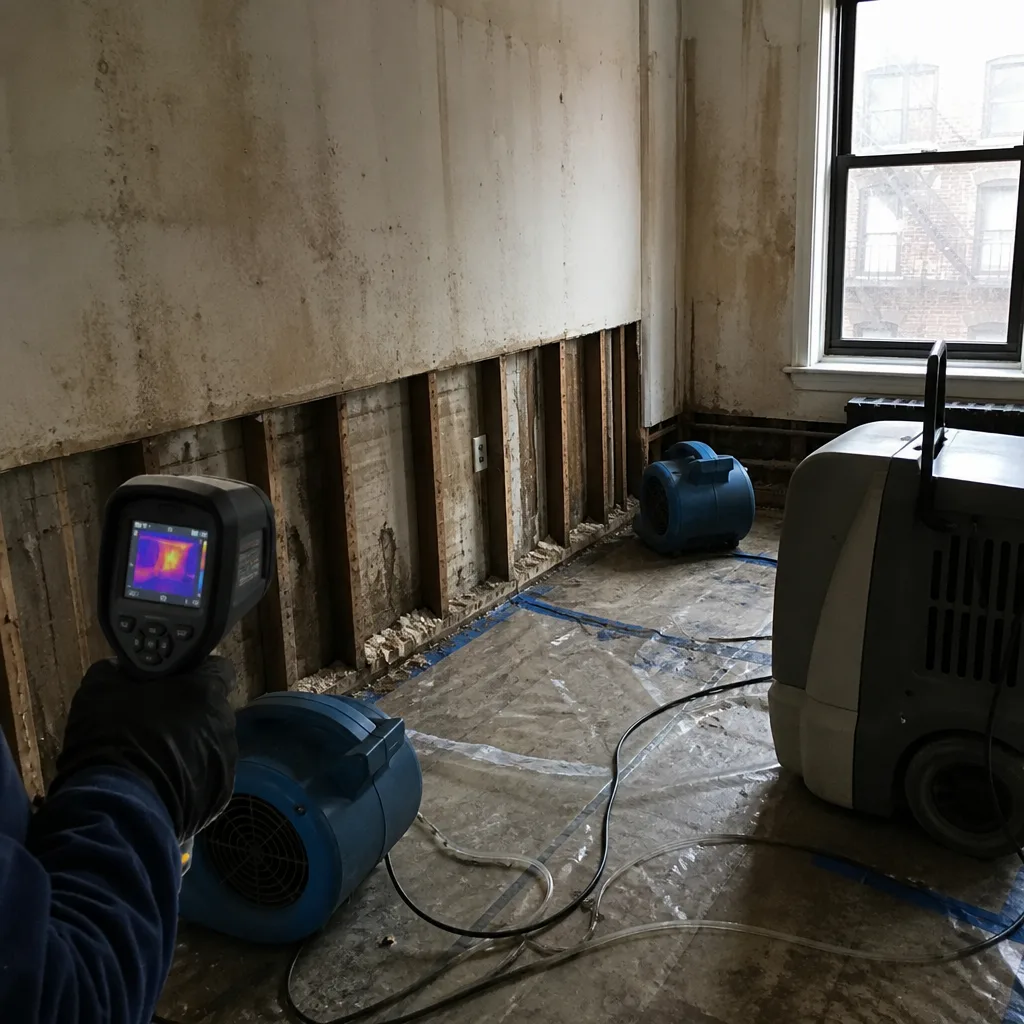 Before
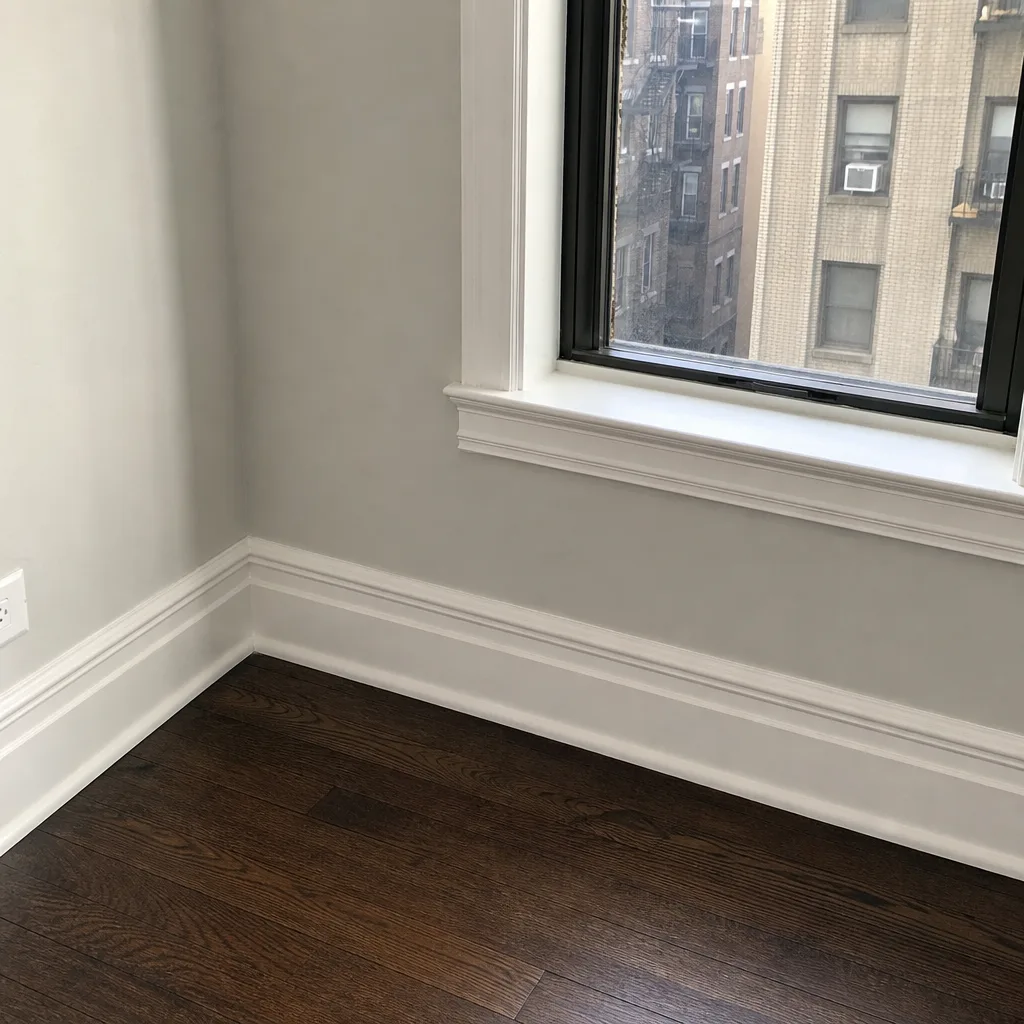 After
After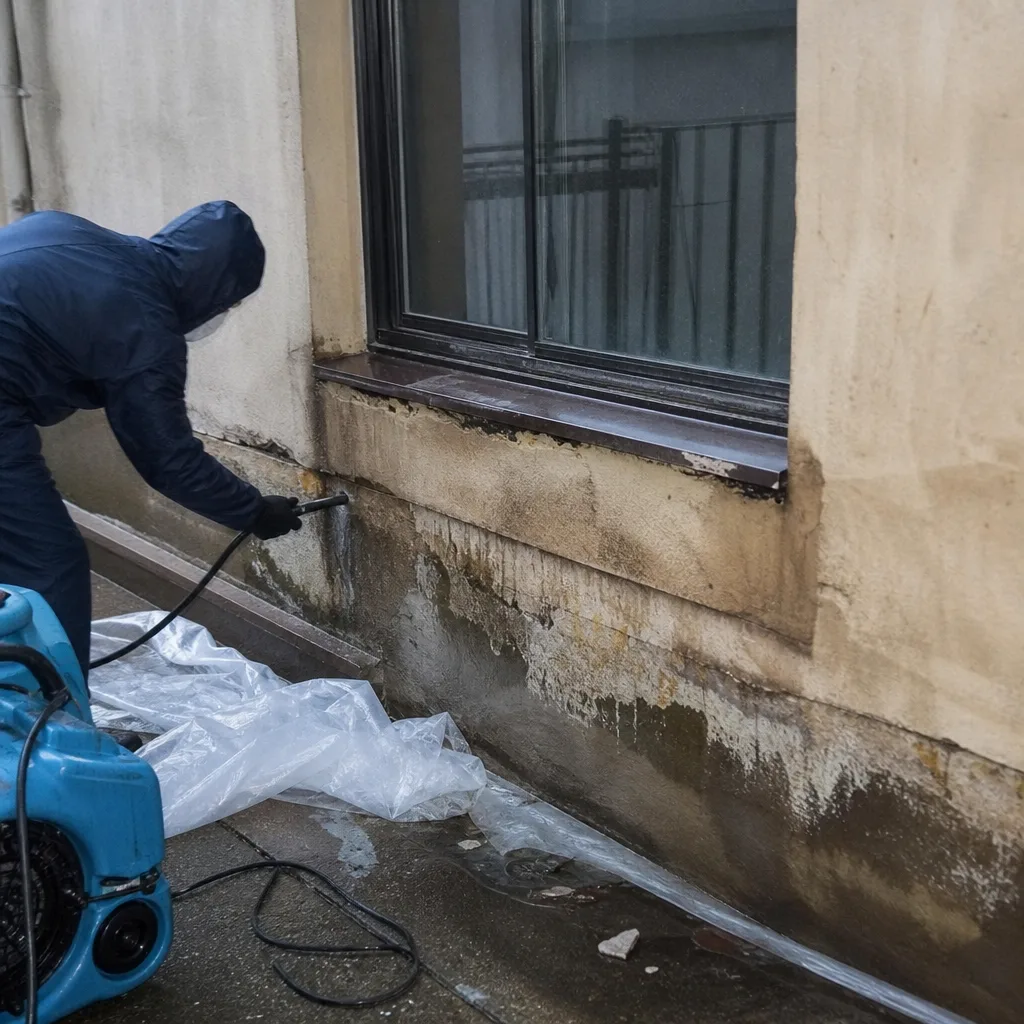 Before
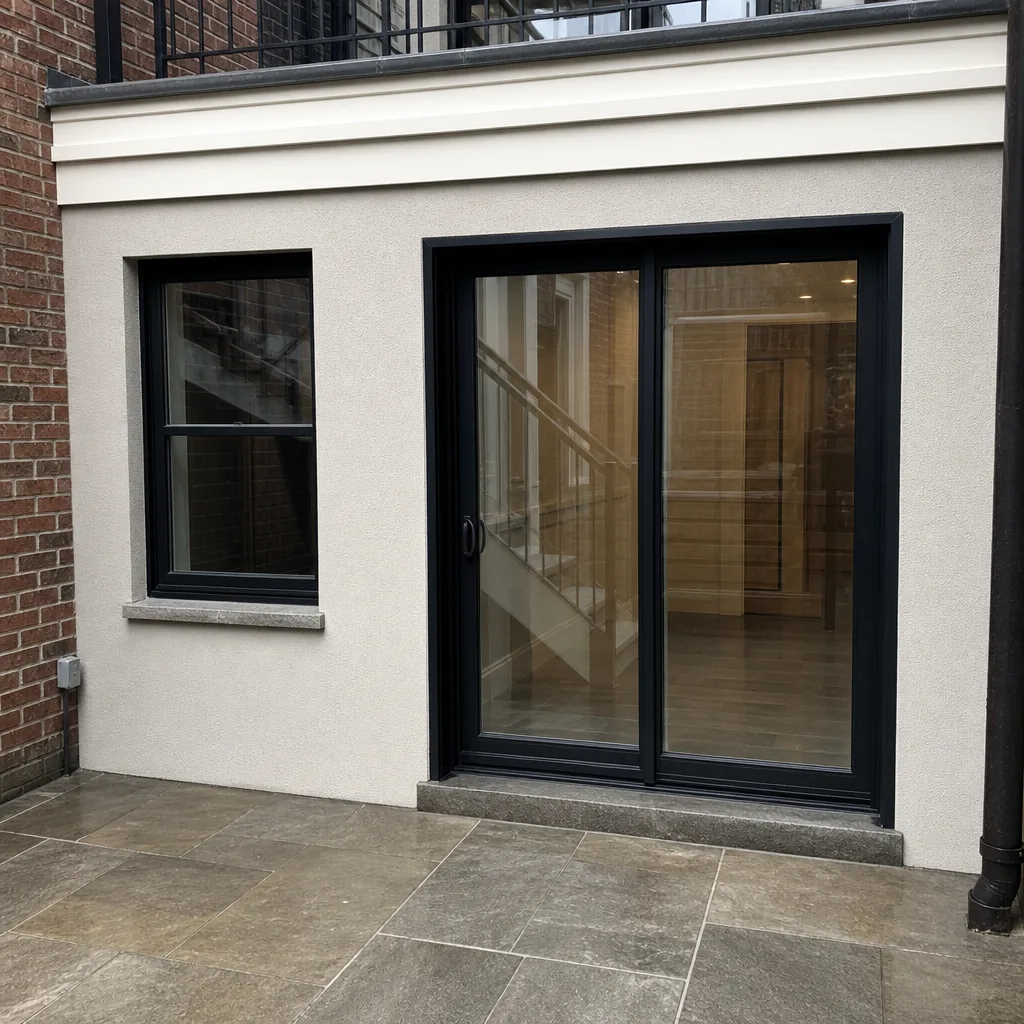 After
After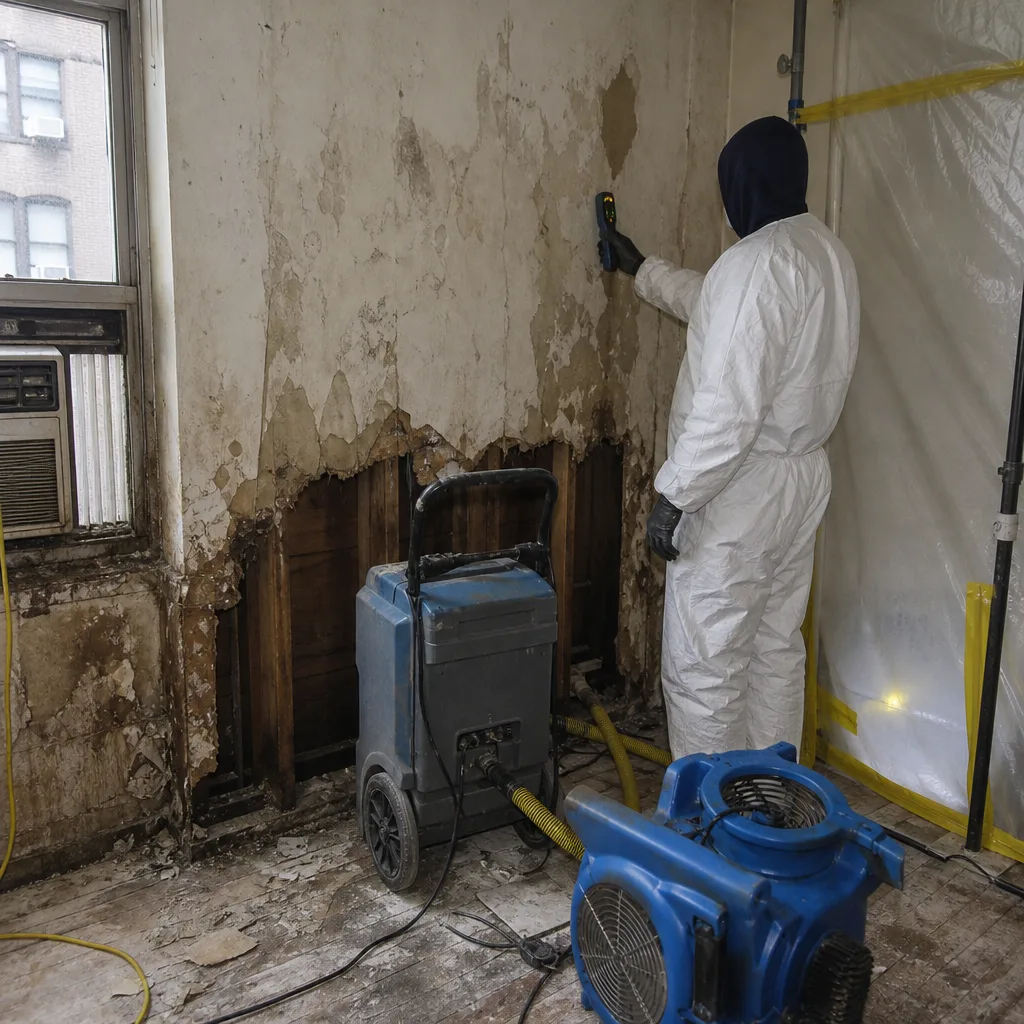 Before
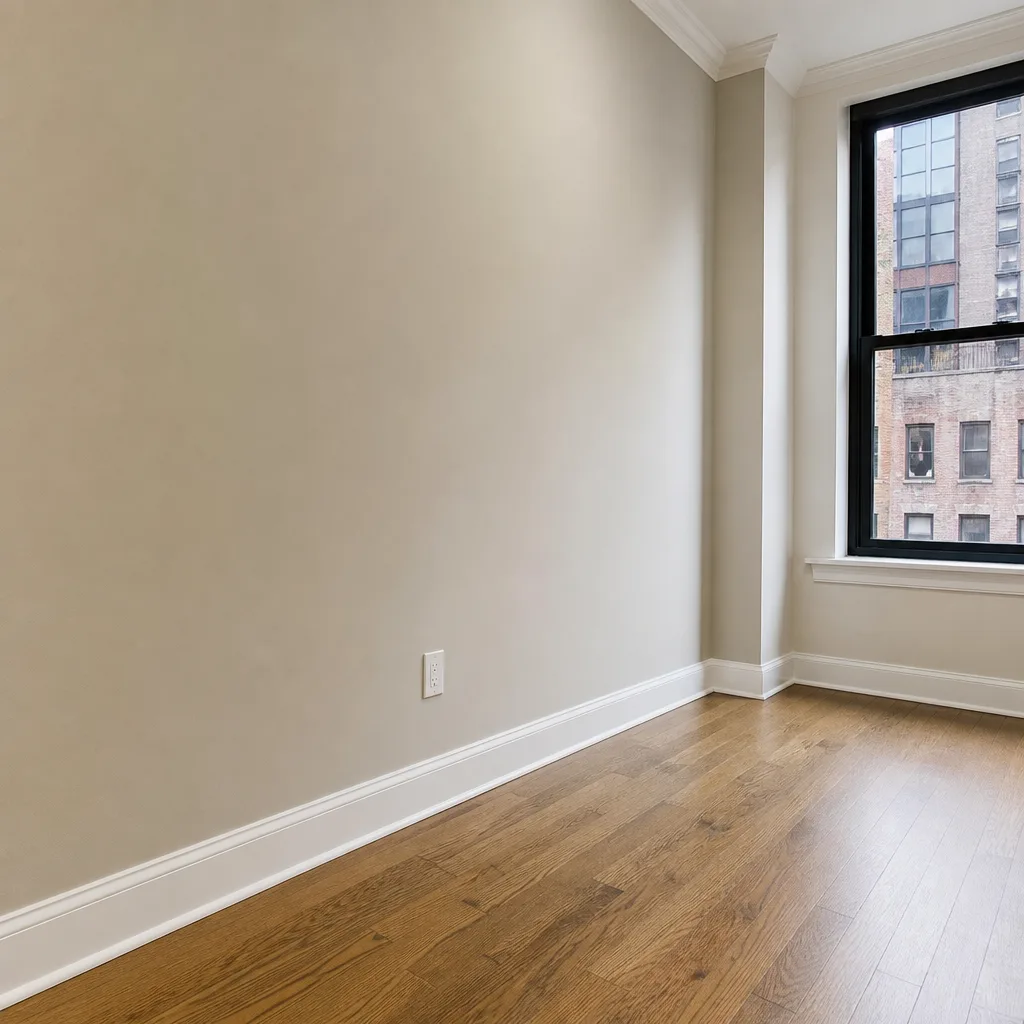 After
After24/7 Emergency Reconstruction & Cleanup in Central Harlem
Reconstruction and cleanup after a flood, fire, or sewage backup in Central Harlem is not a single trade, it’s a sequence: extract, dry, document, rebuild. We handle all of it with one crew, one moisture log, and one written guarantee. If water is moving through your brownstone right now, call (518) 314-5660 and a live dispatcher answers, day or night. A certified crew reaches Central Harlem within 45 minutes, and extraction starts on that first visit.
The first hour matters because water does not wait. In a pre-war attached brownstone, moisture that starts in a fourth-floor steam leak migrates down through plaster-and-lath ceilings and into party walls, reaching the neighbor’s unit before you finish reading this sentence. We scope the full path of the water, not just the visible stain. Every job ends with the 90-Day Done Right Promise in writing. Done right, and backed in writing.
Understanding Reconstruction & Cleanup Severity in Central Harlem Properties
Central Harlem’s building stock is overwhelmingly attached 4-6 story brownstone rowhouses and Old/New Law tenements erected during the 1885-1915 speculative real estate boom. They share party walls, and they’re topped with flat built-up tar roofs that pond water. That means recurring water intrusion through failed roof membranes and shared masonry is the defining damage pattern here, not a rare event. When a roof drain fails above a top-floor apartment, water tracks horizontally between the joists, through the party wall, and into the building next door.
We classify water damage by category before we touch anything. Category 1 is clean supply-line water. Category 2 carries soap, sediment, or radiator condensate. Category 3 is sewage, street water, or standing floodwater carrying pathogens. A steam-condensate flood from a burst riser is Category 2 or 3, never Category 1, and that distinction drives every drying and demolition decision. We also check for lead paint on original plaster-and-lath surfaces, which triggers RRP containment and HPD compliance before any rebuild. Moisture mapping with thermal imaging tells us where the water went, not just where it pooled. Structural drying in a pre-war brownstone takes longer than in modern drywall construction because thick plaster holds water and hides migration paths.
Why Central Harlem Property Owners Choose Floodline Restoration Co.
- 45-minute response commitment - a certified crew reaches Central Harlem within 45 minutes of your call, every hour of every day.
- 24/7 live answer - a real person picks up the phone at 2 a.m., not a recording. Two in the morning is when steam risers fail and roof drains give way.
- IICRC-certified crews - our technicians hold WRT and FSRT certifications and are trained to RIA and IFA standards, with background checks and uniforms on every job.
- Free visual inspection - we assess the loss at no cost, then hand you a written scope before any work starts. No open-ended authorizations.
- Direct insurance billing - we bill your carrier directly and coordinate with the adjuster. You never play messenger between us and the insurance company.
- One team from extraction to rebuild - the same crew that reads the moisture map on day one handles daily readings, dries the structure, and rebuilds what needs rebuilding. No mid-job handoff.
Our Reconstruction & Cleanup Process
Inspection & Assessment
We arrive, map the moisture with thermal imaging and hygrometers, and identify the water category. In Central Harlem brownstones, we also inspect party walls in adjoining units, because water that starts in one building rarely stays there.
Extraction & Stabilization
We remove standing water with truck-mounted extraction units, cut out saturated drywall and plaster only where needed, and stabilize the structure. If lead paint is present, containment goes up before any demolition begins.
Drying & Dehumidification
We set Dri-Eaz dehumidifiers and XPOWER air movers, take daily moisture readings, and log everything. In plaster-and-lath construction we monitor behind walls and under floors, because hidden cavities hold water for weeks.
Cleaning & Sanitization
We clean and sanitize affected surfaces, run HEPA air scrubbers, and treat Category 3 areas with antimicrobials applied to IICRC standards. The moisture log goes to you and your carrier as we go.
Specialty Reconstruction Prep
We scope what stays and what goes: original parquet can often be salvaged if drying started fast; warped and delaminated boards get documented for claim support. Cast-iron drain stacks and steam lines get inspected before any finish work covers them back up.
Repairs & Restoration
We rebuild ceilings, walls, and floors to pre-loss condition, matching original trim and plaster profiles where possible. The job is not done until the rebuild is complete, the moisture log is closed, and the 90-Day Done Right Promise is in your hands.
Need Emergency Reconstruction & Cleanup in Central Harlem Now?
Crews minutes away, answering live 24 hours a day. The sooner we start, the less it costs.
Working With Your Insurance Company
Insurance carriers want documentation, and they want it from the first hour. We photograph every room before we move anything, log moisture readings daily, and write a line-item scope that matches industry-standard estimating software. When an HPD violation order is in play, the documentation also becomes your legal record. We coordinate directly with your adjuster, send photos and logs as the job progresses, and bill the carrier directly. That means you are not fronting money and chasing reimbursement.
What We Provide Your Insurer
- Thorough documentation of the loss
- Photos of all damage, room by room
- Moisture readings and drying logs
- A detailed, line-item scope of work
- Direct coordination with your carrier
Built for Central Harlem’s Loss Calendar
Central Harlem’s damage calendar runs on the city’s freeze-thaw cycle. New York City winters drive repeated freezing and thawing through flat roof membranes and brick mortar joints, and by late winter the top-floor apartments start leaking. Ice damming on flat built-up tar roofs releases weeks of accumulated moisture when the thaw finally comes, and it comes through the ceiling all at once. Steam heating systems are standard in virtually every pre-war Harlem tenement, and a failed supply line or radiator valve releases scalding water that saturates plaster, warps original hardwood, and creates mold conditions within 24 to 48 hours.
Spring brings basement seepage through aging foundation walls and cast-iron drain stacks that have been in the ground since the Taft administration. Summer thunderstorms overwhelm the combined sewer system, pushing street water back up through floor drains in garden-level units. Nor’easters in the fall test every roof membrane and flashing joint in the neighborhood. None of us can change the calendar, but we can be ready for it. We stock the equipment, keep the dispatch board staffed, and answer the phone when the water wins.
Reconstruction & Cleanup Across Central Harlem’s Neighborhoods
We work the length and breadth of Central Harlem, and each corridor has its own rhythm. Around the Strivers’ Row brownstones on West 138th and West 139th Streets, we’re often called for water that started in one attic and tracked through the party wall to the next house before anyone noticed. Those homes were built with shared roof framing and common masonry, and a failed roof drain on one house is a four-house problem.
West of Lenox Avenue, the walk-ups between 125th and 135th Streets carry original plaster-and-lath over cast-iron risers, and we regularly open walls to find water that has been migrating for weeks behind the plaster, fed by a slow steam leak. East of Lenox toward Fifth Avenue, the larger co-op buildings present a different set of issues: HPD violation orders, building superintendents coordinating access, and insurance claims that involve the board. Along Frederick Douglass Boulevard, we see the post-2000 renovation wave layered over old infrastructure, which means we sometimes uncover compounded water damage and compromised framing far older than the presenting loss. The Adam Clayton Powell Jr. State Office Building area adds its own layer: mixed-use buildings where a water event in a residential unit above a storefront triggers commercial interruption concerns. We scope the whole building, not just the unit with the stain.
Specialized Reconstruction & Cleanup Services We Offer in Central Harlem
Our Reconstruction & Cleanup team handles the full sequence, and within that sequence there are pieces Central Harlem property owners ask about most often. Here is what each one actually involves in this neighborhood’s buildings.
Full-Service Reconstruction
When water or fire has destroyed ceilings, walls, or floors, we rebuild to pre-loss condition. In Central Harlem pre-war buildings, that means matching original plaster profiles, restoring or replacing oak parquet, and respecting the architectural character that makes these brownstones worth protecting. We never cover up a problem behind new drywall just to make the job look finished. The framing gets inspected, the leaks get fixed, and only then does the finish work start. This is the Reconstruction & Cleanup in Central Harlem we are known for: full-cycle, from first extraction to final coat of paint, by the same certified crew.
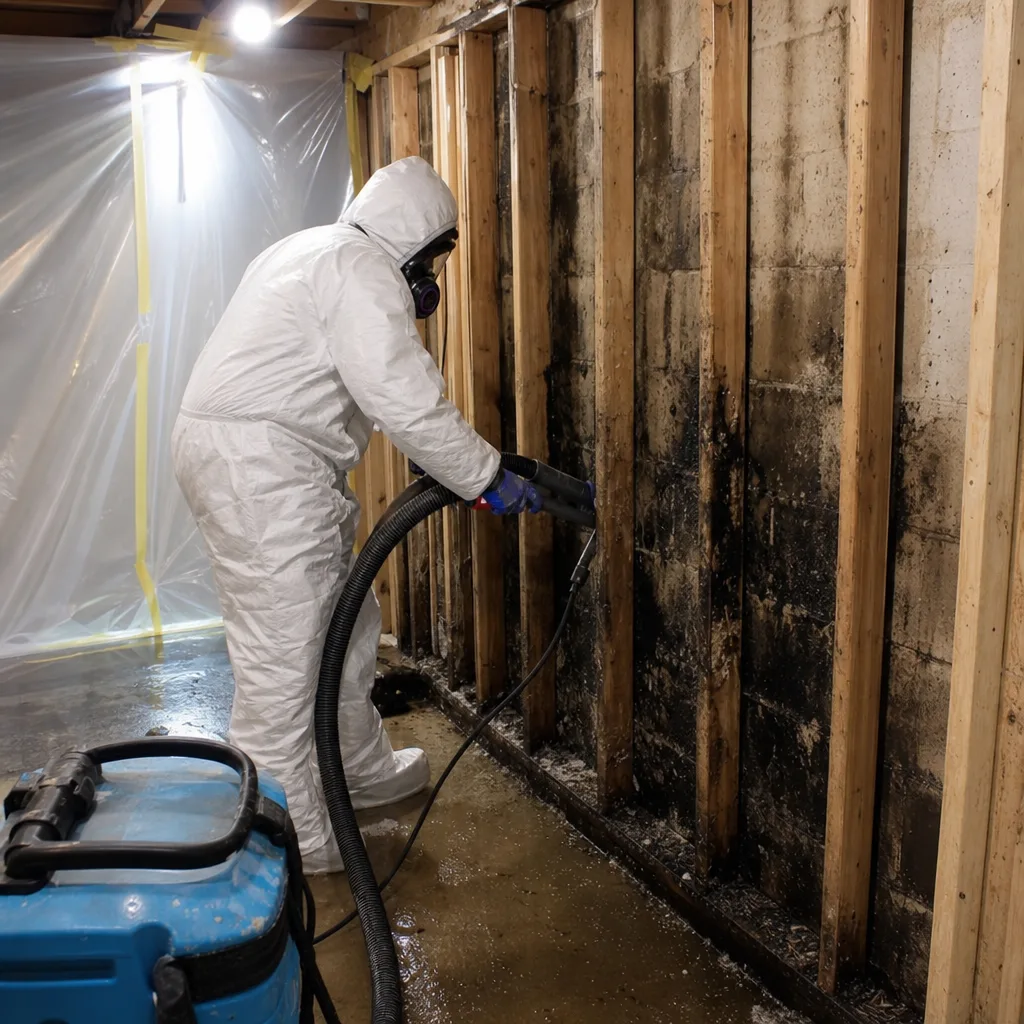
Drywall & Flooring Repair
Water-soaked drywall and plaster usually have to come out; there is no reliable way to dry thick plaster-and-lath that has been saturated. We cut straight lines, contain the dust, and rebuild flush with the original surface. For flooring, we assess original hardwood before we do anything else. Oak parquet that has been wet for days can often be dried and refinished if we get there fast; boards that have delaminated get documented for the insurance claim and replaced with matching material. Lead-paint abatement on pre-war plaster is part of the job, not an afterthought.
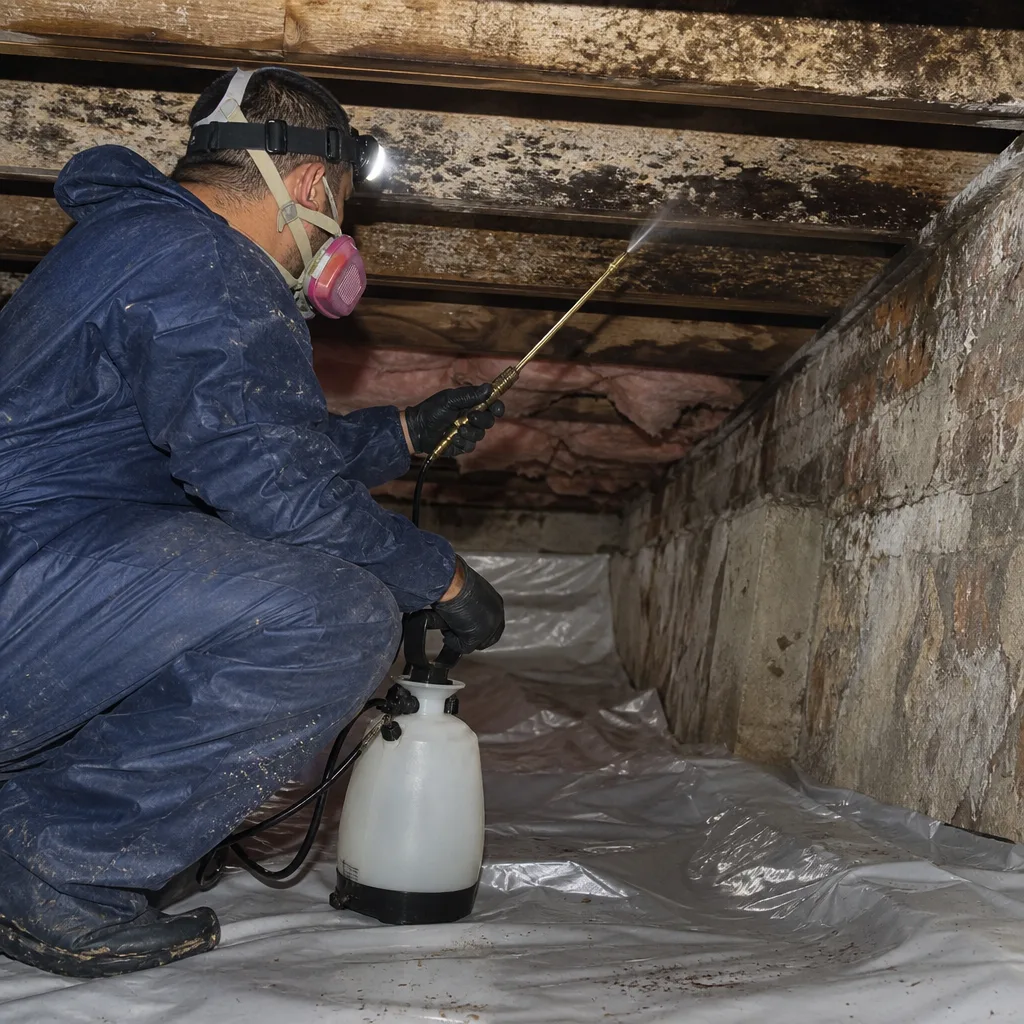
Contents Restoration & Pack-Out
When a room is torn down to the studs, the contents need somewhere safe to go. We pack out, inventory, clean, and store belongings, then bring them back when the rebuild is done. For rent-stabilized tenants in Central Harlem, this matters: your right to remain in the unit depends on the work being done properly and on schedule, and your belongings being handled with care is part of that. We document every item. The inventory goes to your carrier with photograph evidence.
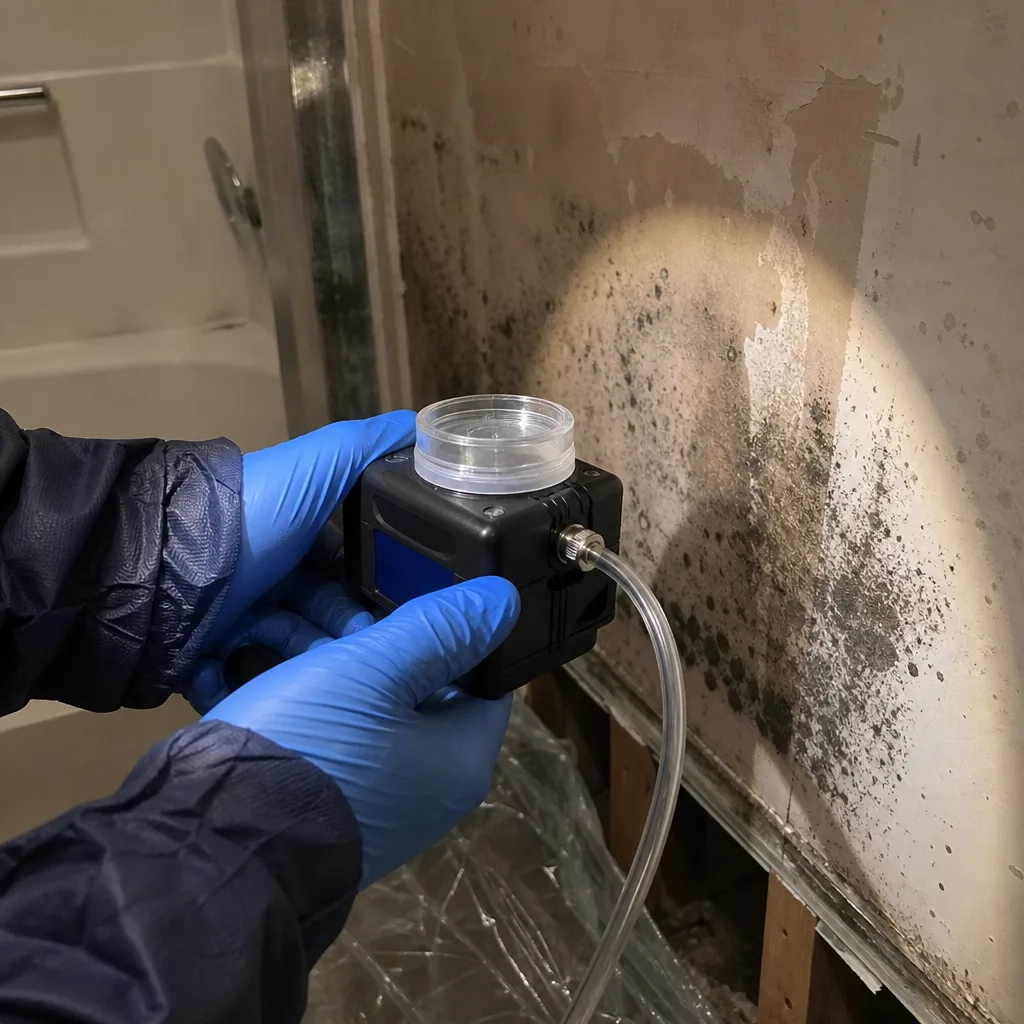
Carpet & Upholstery Cleaning
Not every water event requires demolition. Category 1 water from a clean supply line can sometimes be extracted from carpet and upholstery, then dried in place with professional-grade equipment. We use Dri-Eaz and XPOWER extraction and drying gear, and we test for moisture before we declare anything dry. If the pad is saturated or the water is Category 2 or 3, we say so plainly and recommend replacement. A square deal means telling you what the job actually needs, not what is easiest for us.
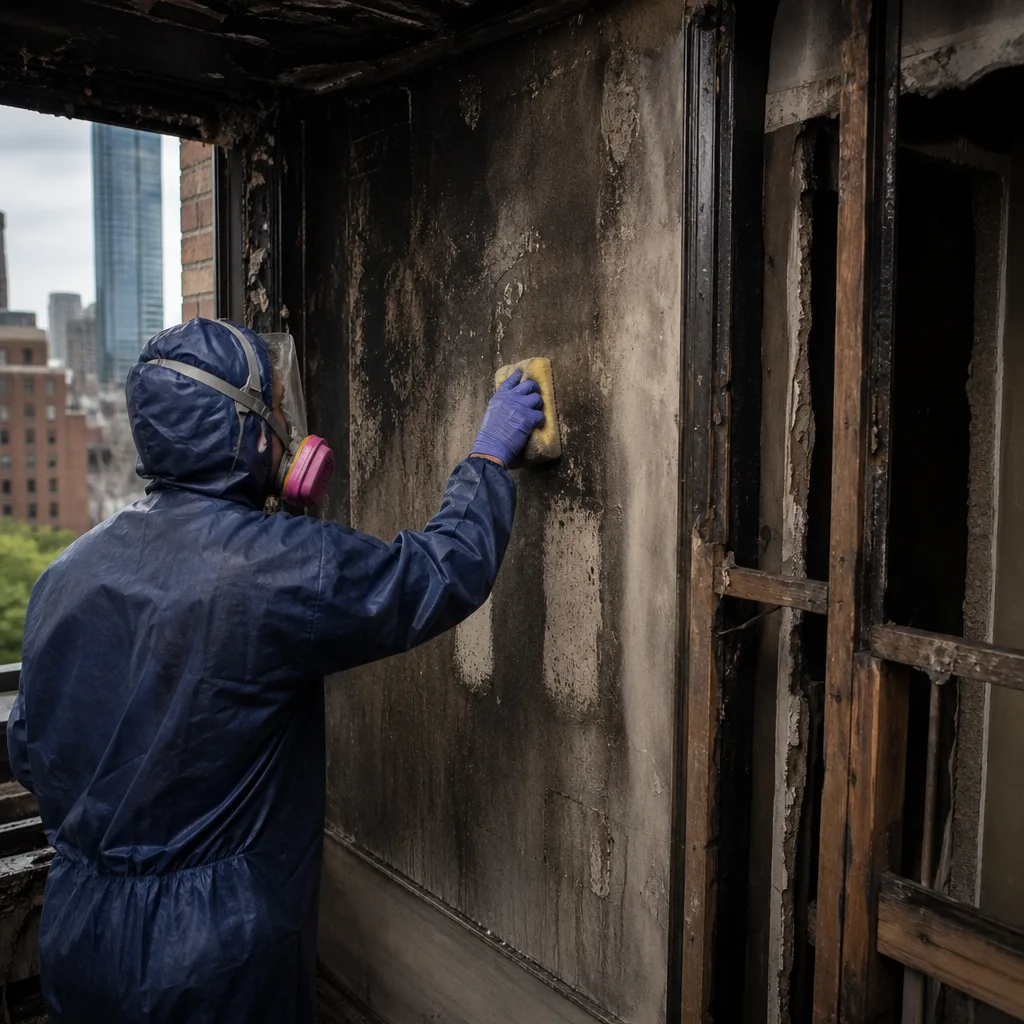
Post-Construction Cleanup
After the rebuild is finished, the last thing you want is a layer of drywall dust over everything you own. We do a full post-construction clean: HEPA-vacuuming, surface wiping, air scrubbing, and final detail work that leaves the space livable. This is part of the same job, not a separate contract. The same crew that hung the drywall cleans up after itself.
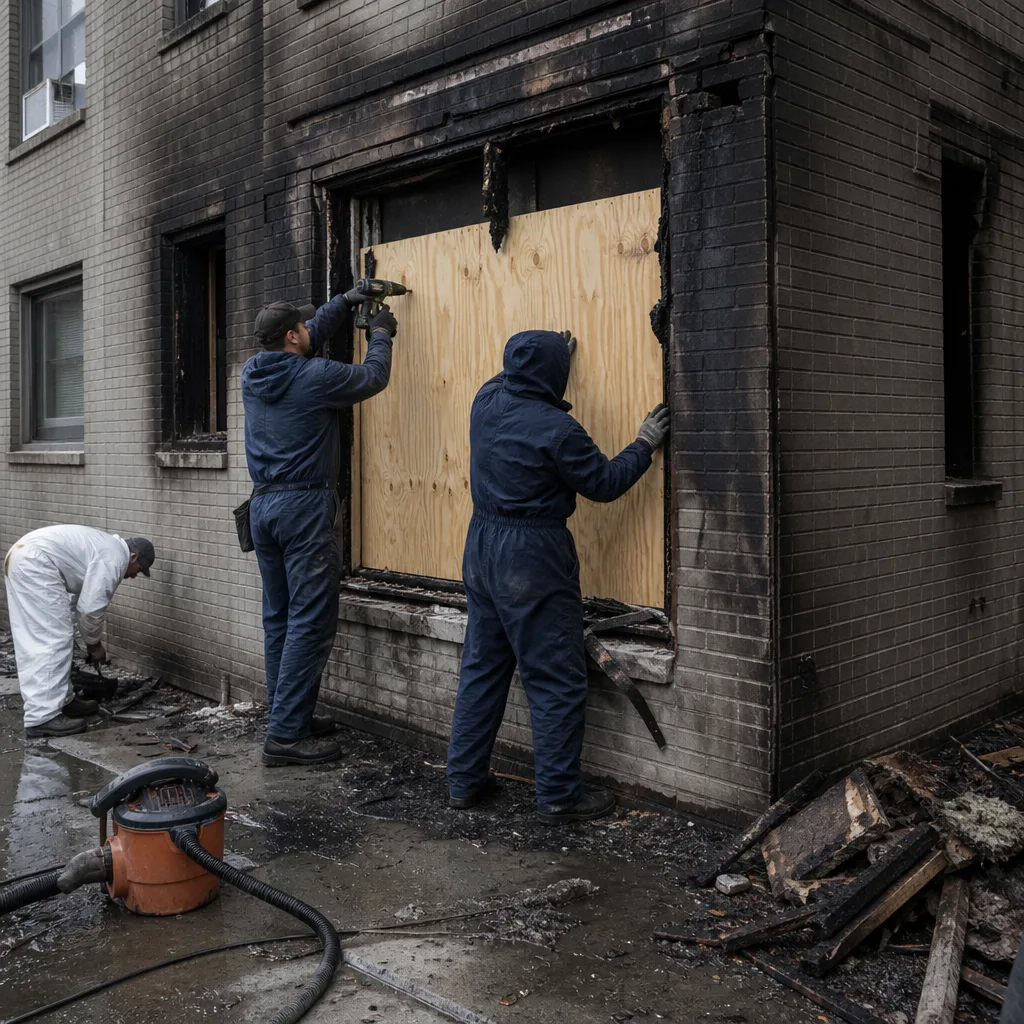
What happens when you call
- 1
A real person answersNo phone trees - you reach a local pro.
- 2
You get an upfront price rangeHonest numbers before anyone is dispatched.
- 3
A background-checked tech heads outLicensed & insured, dispatched right away.
- 4
You approve before work beginsNothing starts until you say go.
Reconstruction & Cleanup Costs in Central Harlem, NY
Reconstruction and cleanup pricing in Central Harlem runs higher than in low-rise outer-borough markets, and for good reason: attached pre-war construction, lead-paint containment, HPD compliance, and the logistics of working in occupied buildings with multiple stakeholders. A straightforward water extraction and drying job with no rebuild might run $1,800 to $4,500. A partial rebuild after a steam-condensate flood in a walk-up, including plaster removal, containment, drying, and re-plastering, typically lands between $6,000 and $15,000. Full-scope reconstruction after a Category 3 event with flooring, drywall, lead abatement, and finish work ranges from $20,000 to $75,000 or more, depending on square footage and the age of what was lost. The free visual inspection is how you get a firm number for your specific loss. Insurance coverage turns on the cause, the policy language, and the documentation. We write the scope so the adjuster can approve it quickly.
We Also Serve Cities Near Central Harlem
Our crews cover Central Harlem and surrounding neighborhoods, and we know the building types and loss patterns in each. We regularly work in Midtown Manhattan, Midtown West, Murray Hill, and Washington Square. The same live dispatch, the same 45-minute response, the same 90-Day Done Right Promise. Call (518) 314-5660 no matter which side of the park you are on.
Central Harlem Reconstruction & Cleanup Questions, Answered
How do you handle Reconstruction & Cleanup when water from one Central Harlem brownstone seeps into my neighbor’s building?
We scope the water’s full path through the party wall, document the migration with moisture readings, photograph everything, and coordinate with both owners’ insurance carriers. The key move is early containment on both sides of the wall: we set drying equipment in the adjoining unit even if the damage there looks minor, because water hiding in a shared masonry party wall will keep feeding mold into both buildings for weeks. Each owner gets their own documentation file, and we make sure neither claim is compromised by a shared scope of work that muddies the cause-and-origin picture.
Does your Reconstruction & Cleanup team remove lead paint before rebuilding damaged plaster in pre-war Harlem walk-ups?
Yes. Any time we disturb pre-1978 painted surfaces, we run lead-paint testing first and follow RRP containment protocols if lead is present. That means plastic sheeting, HEPA air scrubbing, and sealed waste disposal. We do not cut corners on this. A contractor who skips lead abatement in a Central Harlem brownstone is risking an HPD stop-work order, a heavy fine, and a worksite that is unsafe for everyone in the building. We handle it right the first time, which is exactly what the 90-Day Done Right Promise is built on.
What’s the fastest safe timeline for drying a Category 3 steam-condensate flood in a Central Harlem tenement with original hardwood?
Three days is the fastest safe timeline we will commit to, and only with aggressive equipment: XPOWER air movers and Phoenix dehumidifiers running continuously, moisture readings logged twice daily, and the affected area properly contained. Here’s the honest trade-off: original hardwood that has been through Category 3 water can sometimes be dried in place if we start within hours, but saturated oak parquet that has swelled and delaminated will need refinishing or replacement regardless of how fast we dry it. We will not promise a three-day dry if the framing beneath the floor is still wet. We measure, we log, and we report what the numbers say.
Can you document my Reconstruction & Cleanup scope for an HPD violation defense or rent-stabilized tenant complaint in Central Harlem?
Yes. We write a line-item scope of work with dates, photos, moisture readings, and drying logs that can be submitted to HPD or used in housing court. If an HPD violation order is active, we put the timeline and the compliance path in writing before work starts. Many Central Harlem landlords and property managers use our documentation to demonstrate good-faith compliance and to keep rent-stabilized tenants from exercising a rent-withholding claim during a repair cycle. The documentation is the same package we send your insurance carrier, so nothing extra is required. Call (518) 314-5660 and we will scope it.
Why do Central Harlem brownstones get so many late-winter water-intrusion calls that require full reconstruction?
The short answer is flat roofs and freeze-thaw cycling. New York City’s winters beat on the built-up tar roofs and brick mortar joints on every pre-war Harlem brownstone, and when ice damming finally breaks loose in late February or March, the accumulated water comes through the roof membrane all at once. It saturates top-floor plaster, runs down through the party walls, and often takes weeks to show up as a visible stain. By the time you see it, the structural framing has been wet for a while. That is why a small ceiling stain in a Central Harlem brownstone so often turns into a full reconstruction job once we open the wall. It is also why we say the line the water left is where we start.
How fast can a reconstruction crew actually get to my Central Harlem apartment?
Within 45 minutes of your call, around the clock. Our dispatch is run by a live person, not a phone tree, and the crews are staged in and around Manhattan so Central Harlem response times stay tight. For active water or sewage events, we start extraction on the first visit. For scheduled reconstruction work, we give you a written start date and we hit it. We’ll be there when we say.
Will insurance cover a steam-condensate flood and the reconstruction that follows?
Most homeowner and co-op policies cover water damage from a failed steam line or radiator valve as a sudden-and-accidental loss, provided the damage was not caused by long-term neglect. The reconstruction portion is covered if it is required to restore the property to pre-loss condition. What usually determines whether the claim goes smoothly is the documentation: the cause-and-origin determination, the moisture log, the photos, and a line-item scope that matches industry-standard estimating. That is what we deliver to your carrier, and we coordinate with the adjuster directly so you do not have to arm-wrestle the insurance desk. Call (518) 314-5660 and we will walk you through it.
Do I need full reconstruction or just a cleaning after a minor water spill in my Central Harlem walk-up?
It depends on the water category, the volume, and how long it sat. A small Category 1 spill from a supply line that you caught within a few hours can often be dried in place with air movers and dehumidifiers, no demolition needed. A Category 2 or 3 event, or any water that has been sitting for more than 24 hours, is a different story: water migrates through plaster, under floors, and into party walls, and what looks like a cleaning job is often a hidden mold and framing problem. We tell you plainly which one you have after the free visual inspection. We will not sell you a rebuild you do not need, and we will not clean over damage that needs to be opened up. A square deal, no surprises on the bill.
Serving Central Harlem, NY - Our Local Coverage Area
We’re based in the Central Harlem area and know this community well. Use the map below to see our service coverage - if you’re nearby, we can almost certainly help.
Call Floodline Restoration Co. for Central Harlem Reconstruction & Cleanup
If you are looking at a water stain spreading across a ceiling, a buckled floor, or a wall that is soft to the touch, do not wait for Monday. Call (518) 314-5660 now and a live dispatcher answers, day or night, weekends and holidays. We will send a certified crew to Central Harlem within 45 minutes, do a free visual inspection, and hand you a written scope before any work starts. One team from first extraction to final rebuild. The 90-Day Done Right Promise in writing. And if you are a senior or veteran, ask about the 5% discount. That is the deal, and we stand behind it.
Written by Curt Bowman, Owner at Floodline Restoration Co., serving Central Harlem and the greater New York City area since 2010.