
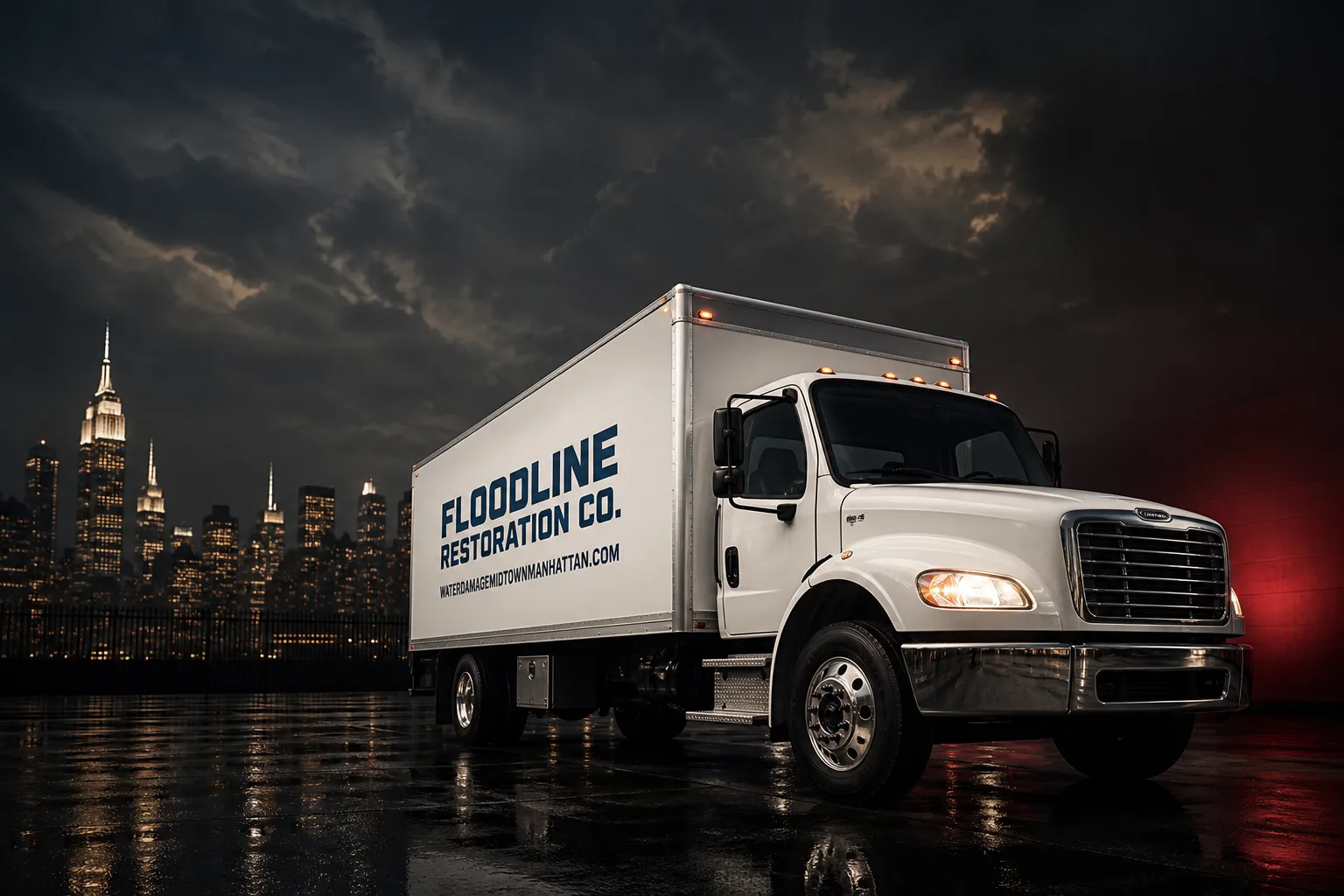
Free visual inspection and a written scope of work before any mitigation begins - photos, moisture readings, and drying logs go in your claim file
The scope we write is the scope we bill. Anything new gets shown to you, in writing, before we touch it.
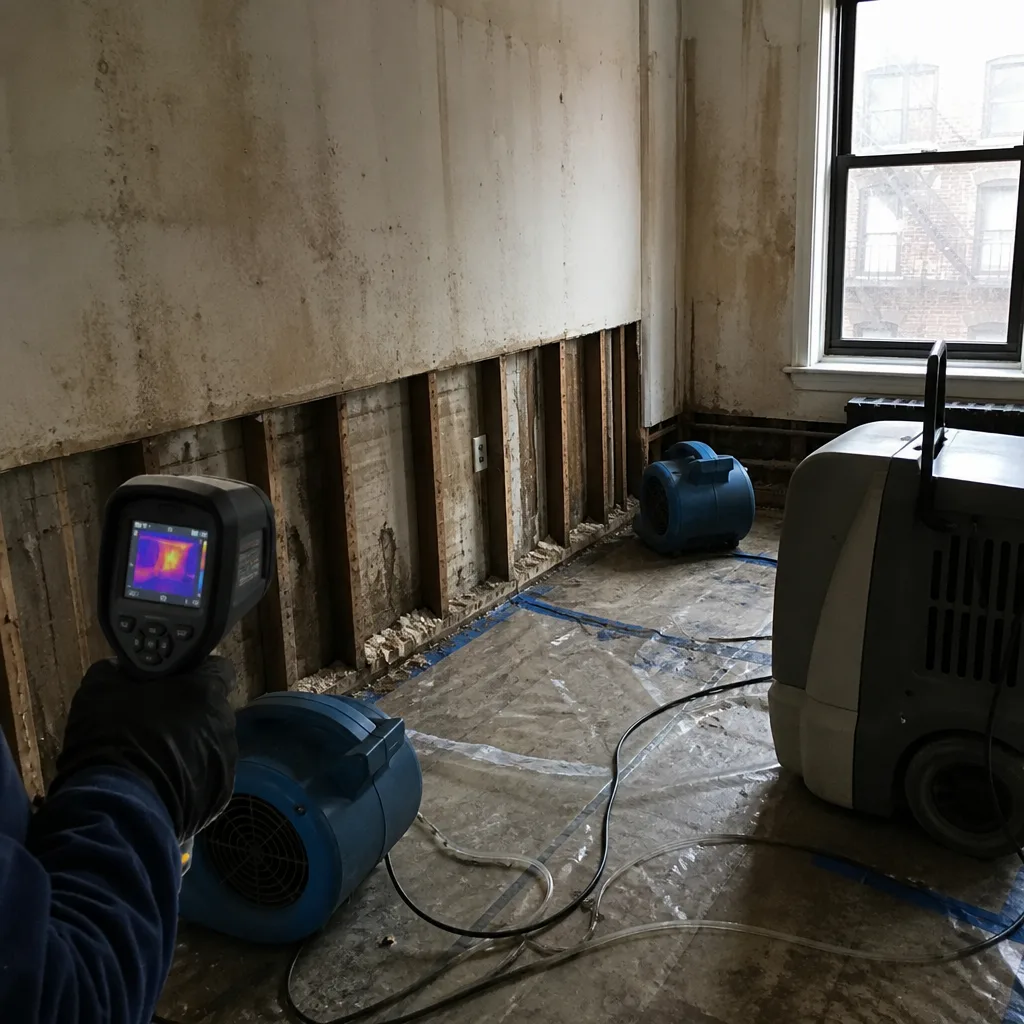 Before
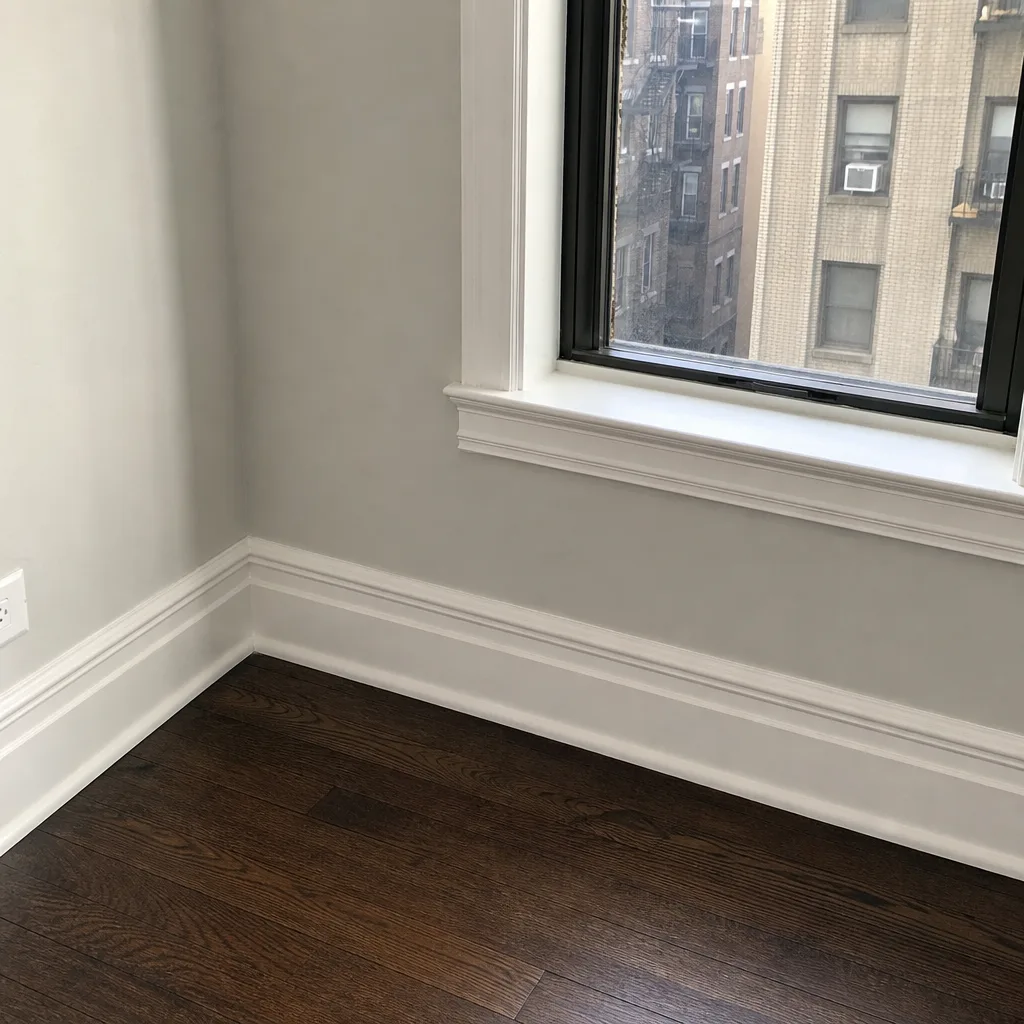 After
After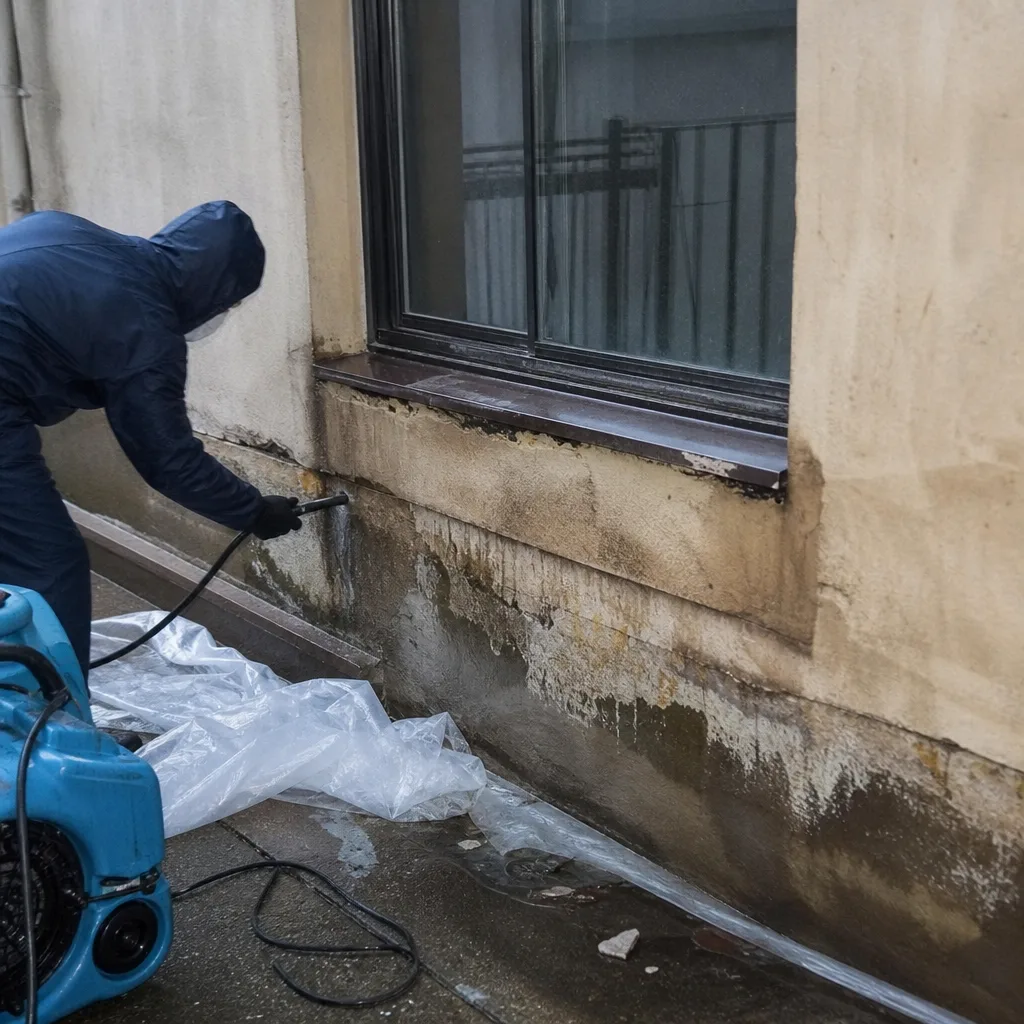 Before
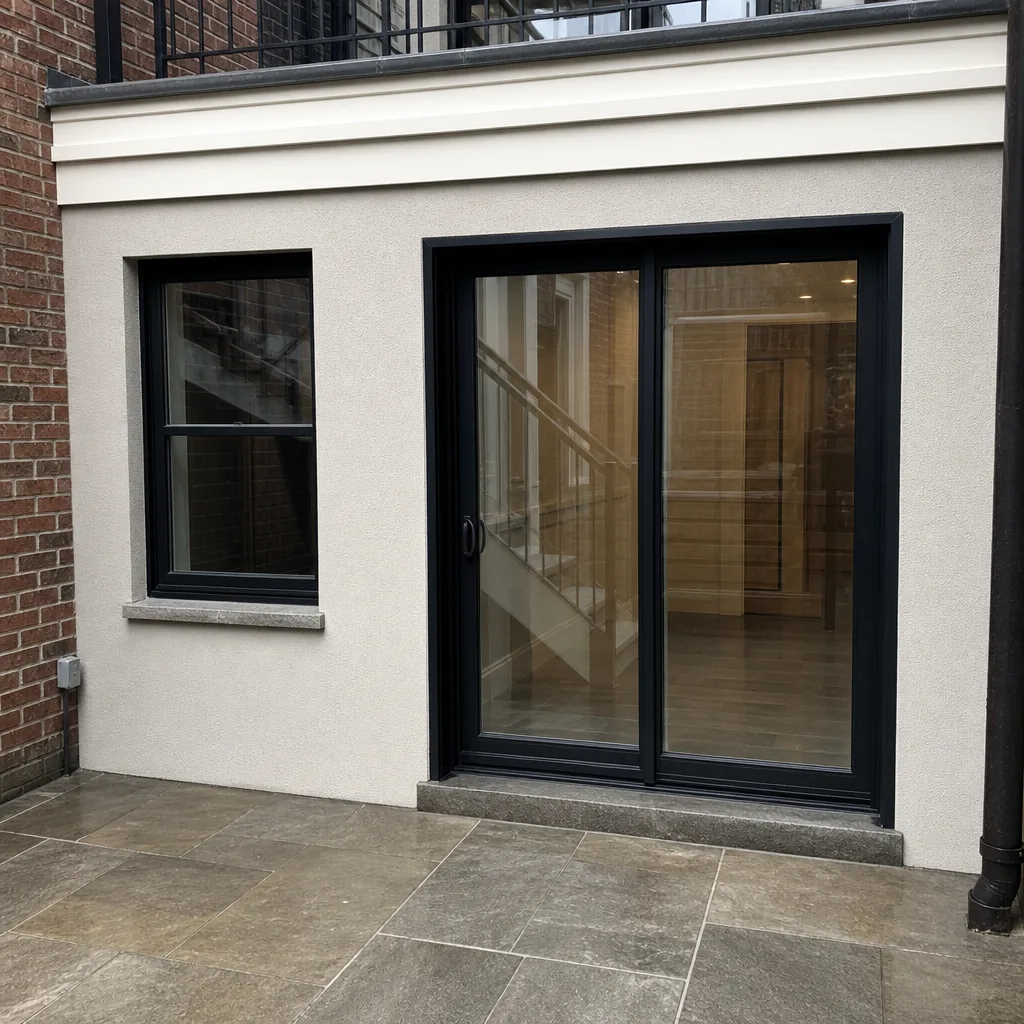 After
After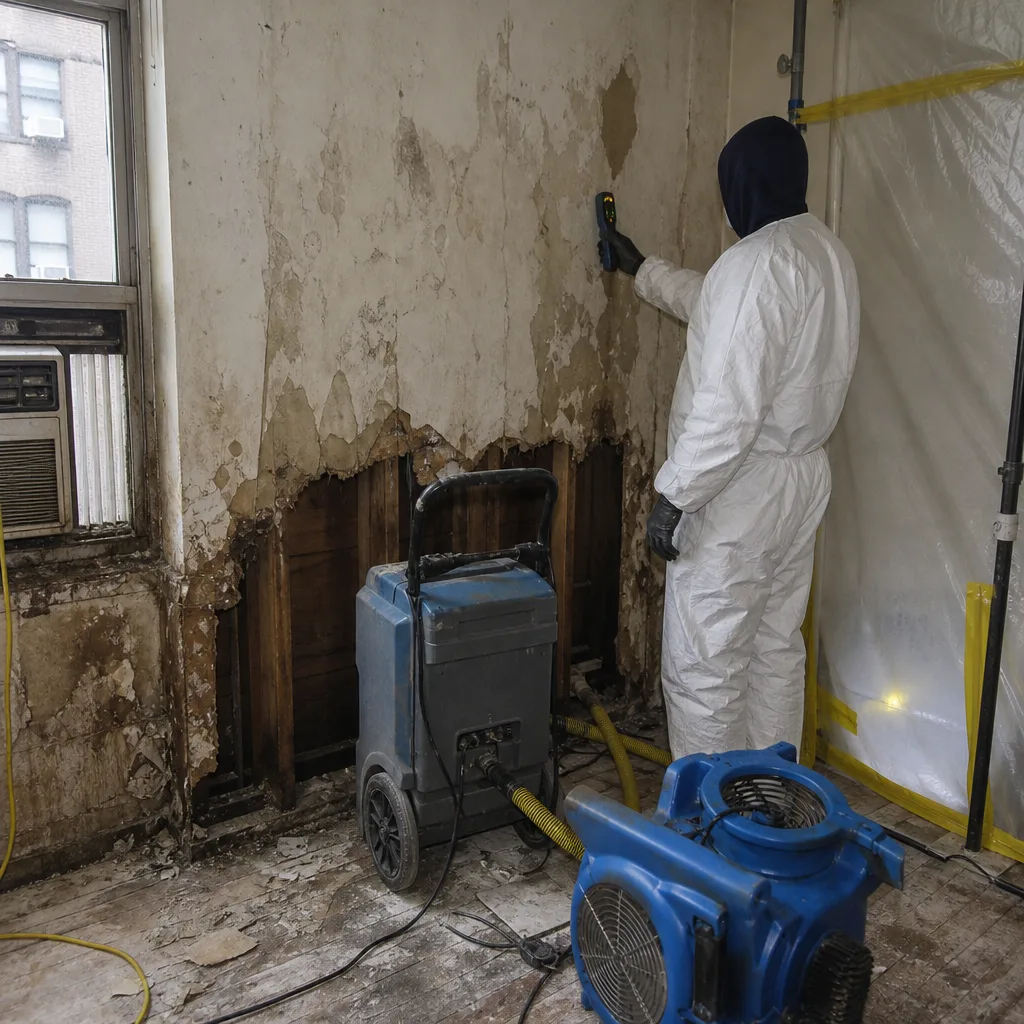 Before
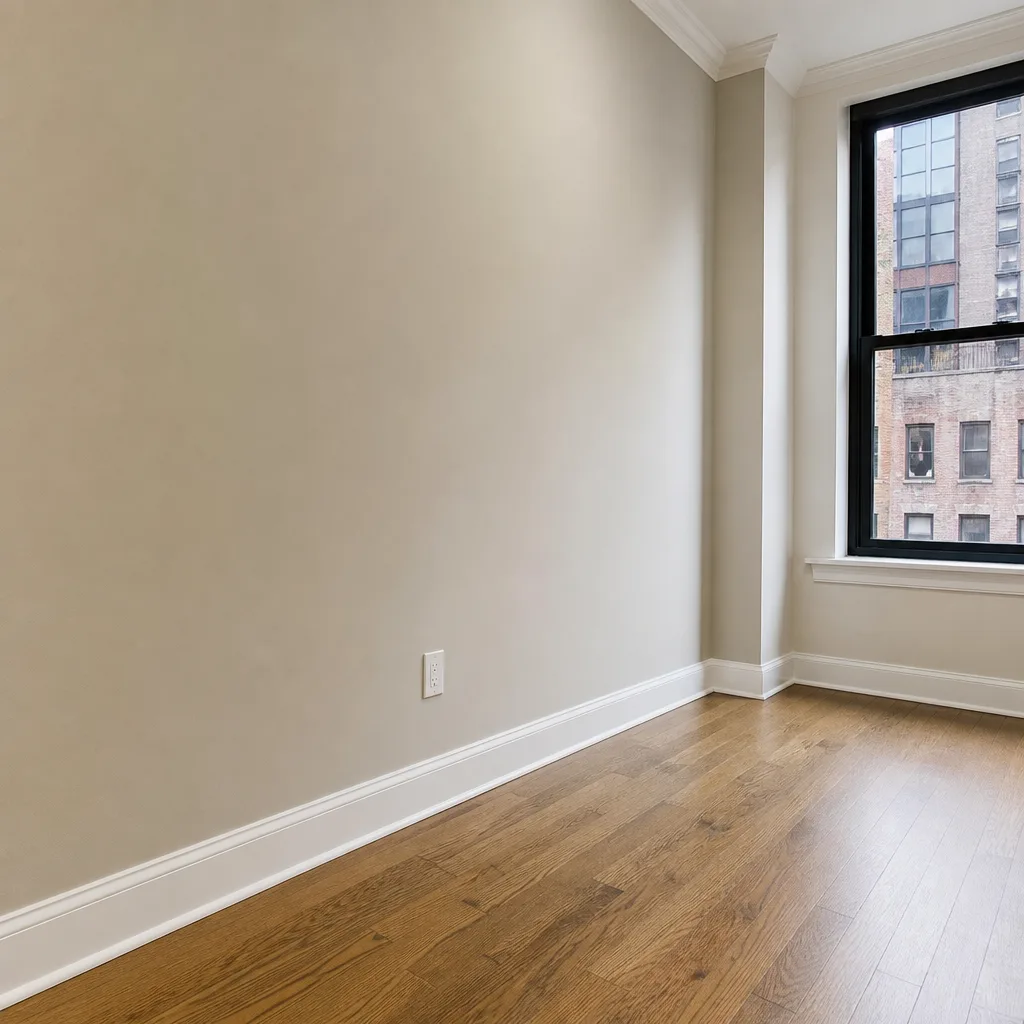 After
After24/7 Emergency Water Damage Restoration in Central Harlem
Water damage in a Central Harlem brownstone or tenement needs a crew that answers the phone at 2 a.m. and gets extraction running the same visit. Floodline Restoration Co. dispatches certified technicians into Central Harlem around the clock, every day of the year. A live dispatcher picks up at (518) 314-5660, not a recording, so you’ll know exactly when we’re coming. The first hour matters most: water migrating through original plaster-and-lath walls, behind baseboards, and into party walls does its worst damage before you can see it. We arrive, assess the full scope with moisture meters and thermal imaging, and start pulling water out immediately. The line the water left is where we start.
Understanding Water Damage Restoration Severity in Central Harlem Properties
Water damage in Central Harlem’s pre-war housing stock behaves differently than in newer construction, and severity depends on the water category. Category 1 water comes from a clean supply line, like a burst pipe under a kitchen sink. Category 2 water carries contaminants, which is what we see when a steam radiator line fails and pushes grey water through original cast-iron risers. Category 3 water is grossly contaminated: sewage backups, street flooding pushing through cellar doors, or standing rainwater that sat for days in a flat-roofed walk-up. In brownstones built between 1885 and 1915, the real danger is hidden moisture migration. Original plaster-and-lath walls hold water deep inside the cavity, far past what a surface reading shows. That’s why we moisture-map every affected room, take daily readings with hygrometers, and don’t call a job dry until the numbers prove it. A surface that feels dry can still be at 60% moisture content inside the wall, feeding mold growth within 48 hours. Central Harlem’s attached rowhouses raise the stakes: what starts in one unit rarely stays there.
Why Central Harlem Property Owners Choose Floodline Restoration Co.
- 45-minute response commitment – when you call with standing water, we tell you when the crew will arrive and we keep that time. No open-ended windows.
- 24/7 live answer, always a person – a real dispatcher picks up at any hour. You’ll never navigate a phone tree while water spreads through your floors.
- IICRC-certified crews – our technicians hold WRT and ASD certifications and train to RIA and IFA standards, so the moisture map on day one is read by someone who understands pre-war construction.
- Free visual inspection – we assess the damage, explain what we found, and give you a written scope before any work begins. No pressure, no surprises.
- Direct insurance billing – we bill your carrier directly and handle adjuster communication. You never play messenger.
- One team from extraction to reconstruction – the same certified crew that pulls the water dries the walls, treats the mold, and rebuilds what needs rebuilding. No mid-job handoff to a subcontractor you’ve never met.
Our Water Damage Restoration Process
Inspection & Assessment
We arrive, walk every affected room, and use thermal imaging and moisture meters to find water you can’t see yet. In Central Harlem attached brownstones, this means checking party walls, ceiling cavities, and the floor system below the visible damage. We document everything photographically from the first hour for your insurance carrier.
Extraction & Stabilization
We pull standing water with truck-mounted and portable extraction units, then stabilize the structure. In pre-war buildings, that means shoring up waterlogged plaster ceilings before they collapse and protecting original oak floors from further warping. We remove saturated materials that can’t be saved, so drying can actually reach the structure behind them.
Drying & Dehumidification
This is where Central Harlem’s thick plaster-and-lath walls demand patience and precision. We run professional-grade Dri-Eaz dehumidifiers and XPOWER air movers, placed according to a moisture map, not guesswork. Our techs log readings twice daily until every affected material reaches its dry standard. We hand you the log, and we send a copy to your carrier.
Cleaning & Sanitization
Every Category 2 and Category 3 loss gets antimicrobial treatment and HEPA air scrubbing. This is not optional in our book. Contaminated water from a burst steam riser or a sewage backup leaves bacteria behind that surface cleaning alone won’t touch.
Specialty Treatment for Pre-War Interiors
Original plaster, hardwood, and moldings in Harlem’s brownstones need handling that drywall-era crews never learned. We treat plaster with controlled drying to preserve it where possible, use Injectidry systems for hardwood floors and wall cavities, and follow lead-paint abatement protocols where original finishes are involved. We’d rather save a 1910 oak floor than tear it out.
Repairs & Restoration
The same Floodline crew that extracted the water rebuilds the walls, floors, and ceilings. That means the people who know exactly what was wet are the ones putting it back together, and the 90-Day Done Right Promise covers the finished work in writing. If it’s not done right, we make it right. No arguing.
Need Emergency Water Damage Restoration in Central Harlem Now?
Crews minutes away, answering live 24 hours a day. The sooner we start, the less it costs.
Working With Your Insurance Company
Most water damage in Central Harlem is covered by homeowner’s or landlord insurance, but the claim only pays what gets documented. We photograph the loss room by room before we move a single piece of material. We log moisture readings daily and send those logs directly to your adjuster. We write a line-item scope of work using industry-standard estimating software that carriers recognize, and we communicate with your adjuster directly so you don’t spend your days on hold. When HPD violation orders are in play, we document compliance work the same day it’s done, because the city’s deadline is not negotiable. Curt Bowman built Floodline Restoration Co. around a dispatch board, not a sales desk, and direct insurance billing is part of that square deal.
What We Provide Your Insurer
- Thorough documentation of the loss
- Photos of all damage, room by room
- Moisture readings and drying logs
- A detailed, line-item scope of work
- Direct coordination with your carrier
Built for Central Harlem’s Loss Calendar
Central Harlem’s water damage calls follow the weather and the building stock, and we keep both in mind all year. January and February bring deep freezes that split supply lines in uninsulated riser closets and burst radiator valves on pre-war steam systems, sending scalding Category 2 water through original plaster walls. Late winter and early spring are when flat built-up tar roofs fail: freeze-thaw cycling splits membranes and ice damming releases weeks of accumulated snowmelt into top-floor apartments in a single afternoon. Summer thunderstorms overwhelm cellar drains in brownstones on Lenox Avenue and Adam Clayton Powell Jr. Boulevard, pushing Category 3 street water into basements. Nor’easters and heavy rain events test every flat roof and parapet wall in the neighborhood. We schedule accordingly, but we’re always ready for the call that doesn’t fit the calendar.
Water Damage Restoration Across Central Harlem’s Neighborhoods
Central Harlem stretches from Central Park North up to 155th Street, and the building stock shifts block by block. Around Strivers’ Row on West 138th and 139th Streets, the limestone and brick rowhouses are among the finest in the city, with original mahogany and oak interiors that deserve careful drying, not demolition. East of Lenox Avenue, the tenement walk-ups along Fifth Avenue and Madison Avenue corridors are older law buildings with cast-iron risers and shared party walls, where one burst pipe can migrate into three neighboring units before anyone notices. The blocks around Marcus Garvey Park see a mix of brownstones and mid-century infill, and the flat roofs there take a beating from winter ice and summer downpours equally. West of St. Nicholas Avenue, the rowhouses slope with the topography, which means basement water in the lower units when storm drains back up on the cross streets like 125th and 135th. Each block has its own loss pattern, and our crews know the difference.
Specialized Water Damage Restoration Services We Offer in Central Harlem
Emergency Water Extraction
Standing water in a Central Harlem parlor floor or garden-level unit needs extraction within hours, not days. We run truck-mounted and portable extraction units to pull water from hardwood, carpet, and subfloor before warping becomes permanent. In attached brownstones, fast extraction also protects your neighbors’ party walls from secondary damage.
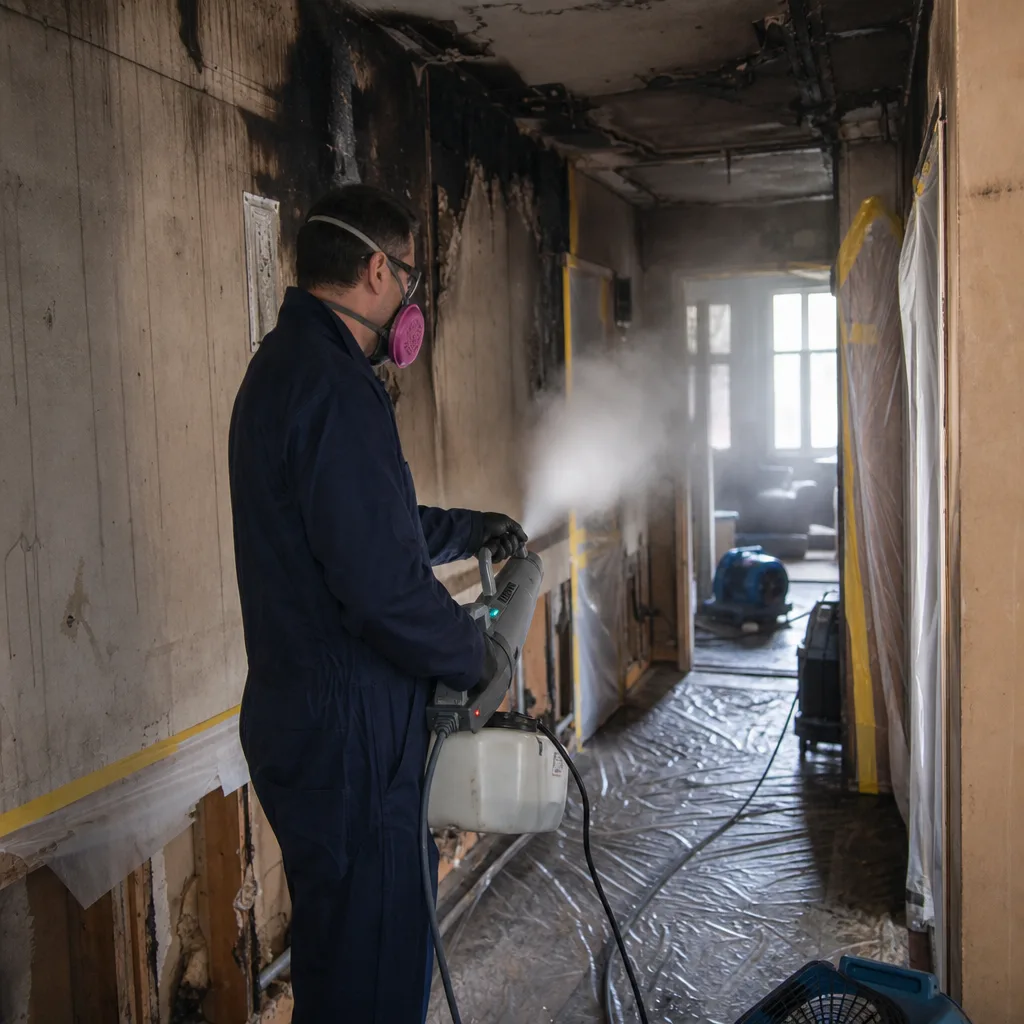
Structural Drying & Dehumidification
Drying pre-war construction is slower and more deliberate than drying a Sheetrock condo. Original plaster, lath, and dimensional lumber hold moisture differently, and we set Dri-Eaz dehumidifiers and XPOWER air movers according to a moisture map that accounts for wall cavity depth and plaster thickness. We log readings twice daily until every material hits its dry standard, then hand you the log.
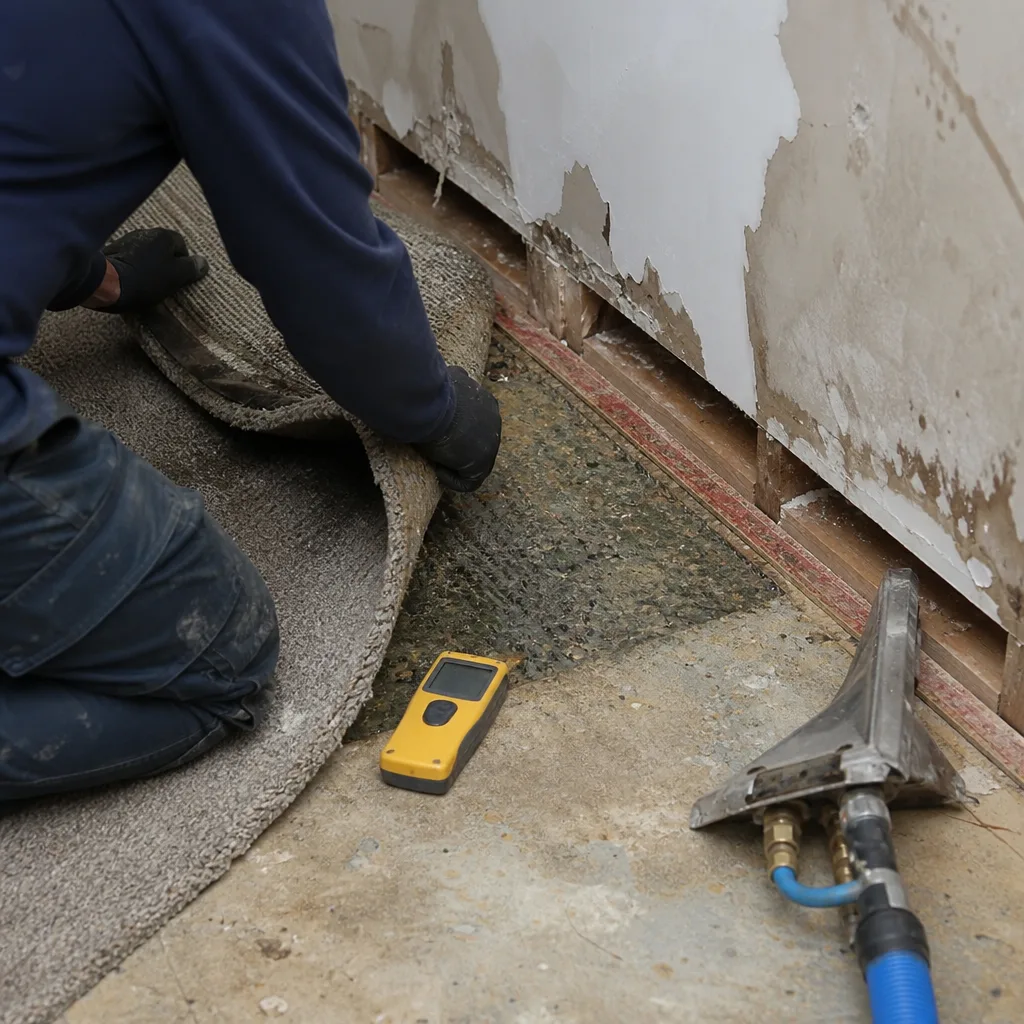
Flood Cleanup
Street flooding that pushes Category 3 water through a cellar door or a window well calls for containment, antimicrobial treatment, and HEPA air scrubbing, not just mopping. We treat flood cleanup as a contamination event, because that’s what New York City stormwater is. We also document the loss for your carrier from the first hour.
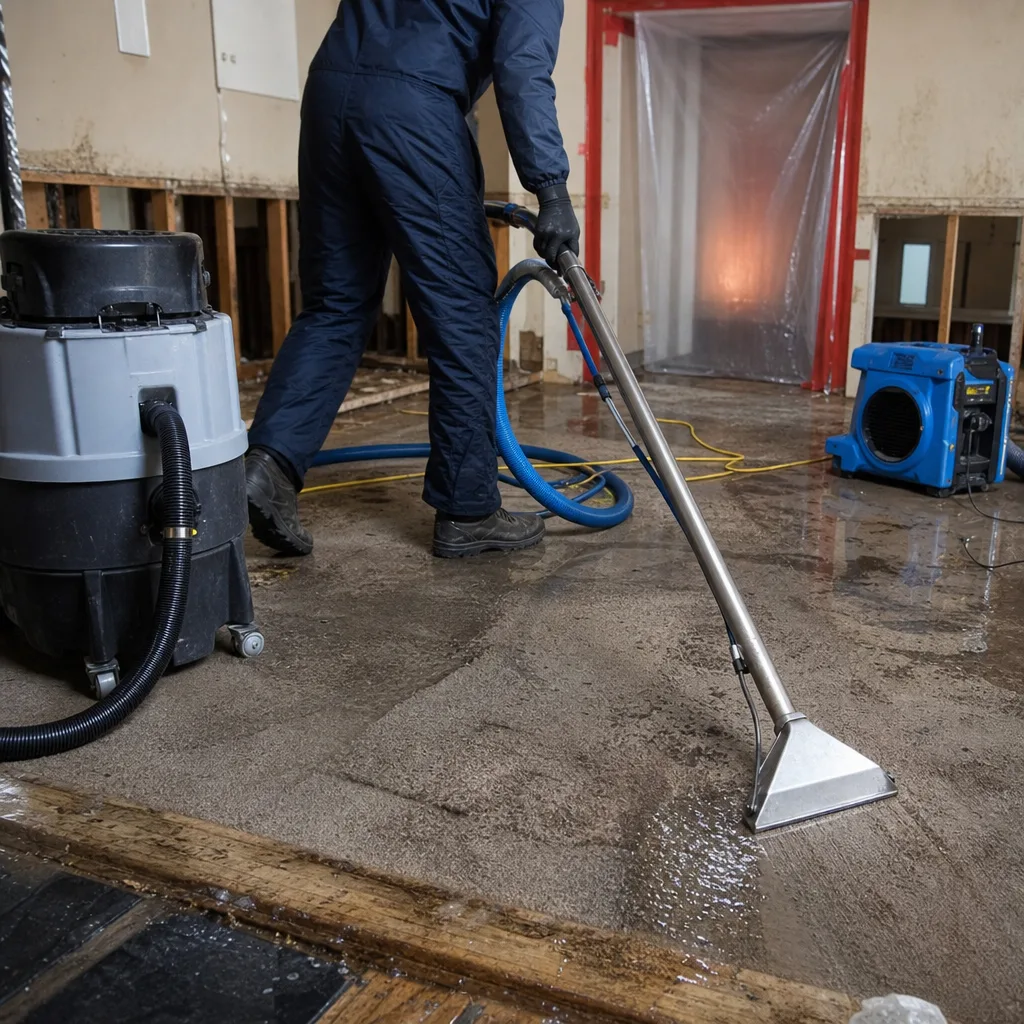
Burst Pipe Restoration
A burst supply line behind a kitchen cabinet in a West 142nd Street brownstone can saturate the plaster above and the joists below in minutes. We shut the water, extract, map the moisture, and dry the structure, then repair the pipe and rebuild the walls and floors. One team handles the whole job, so nobody gets handed off between the plumber and the restoration crew.
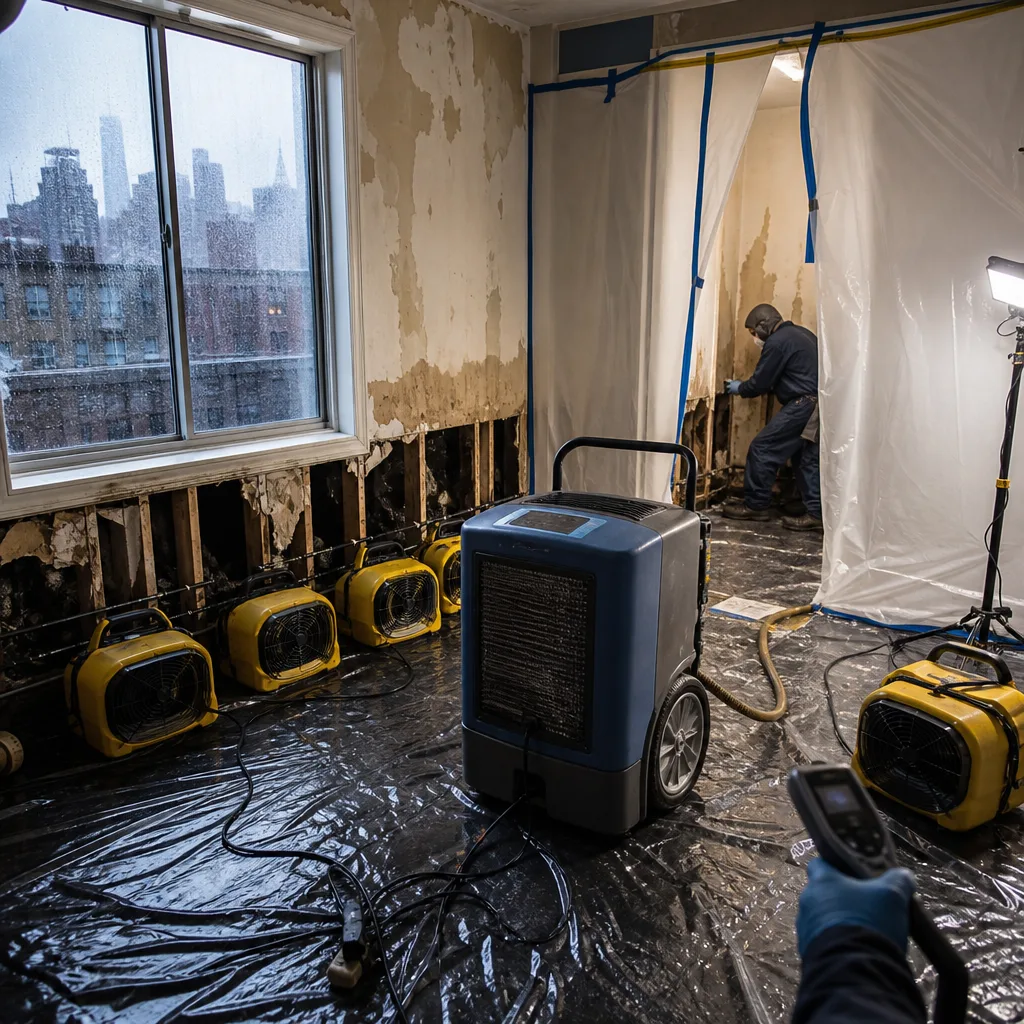
Basement Water Removal
Garden-level and cellar units across Central Harlem take water from failed sump pumps, backed-up storm drains, and foundation seepage during heavy rain. We pump out the water, dry the structure, and assess what can be saved. In older rowhouses, that often means addressing poor grading or a failed drain line as part of the repair, not just drying what got wet.
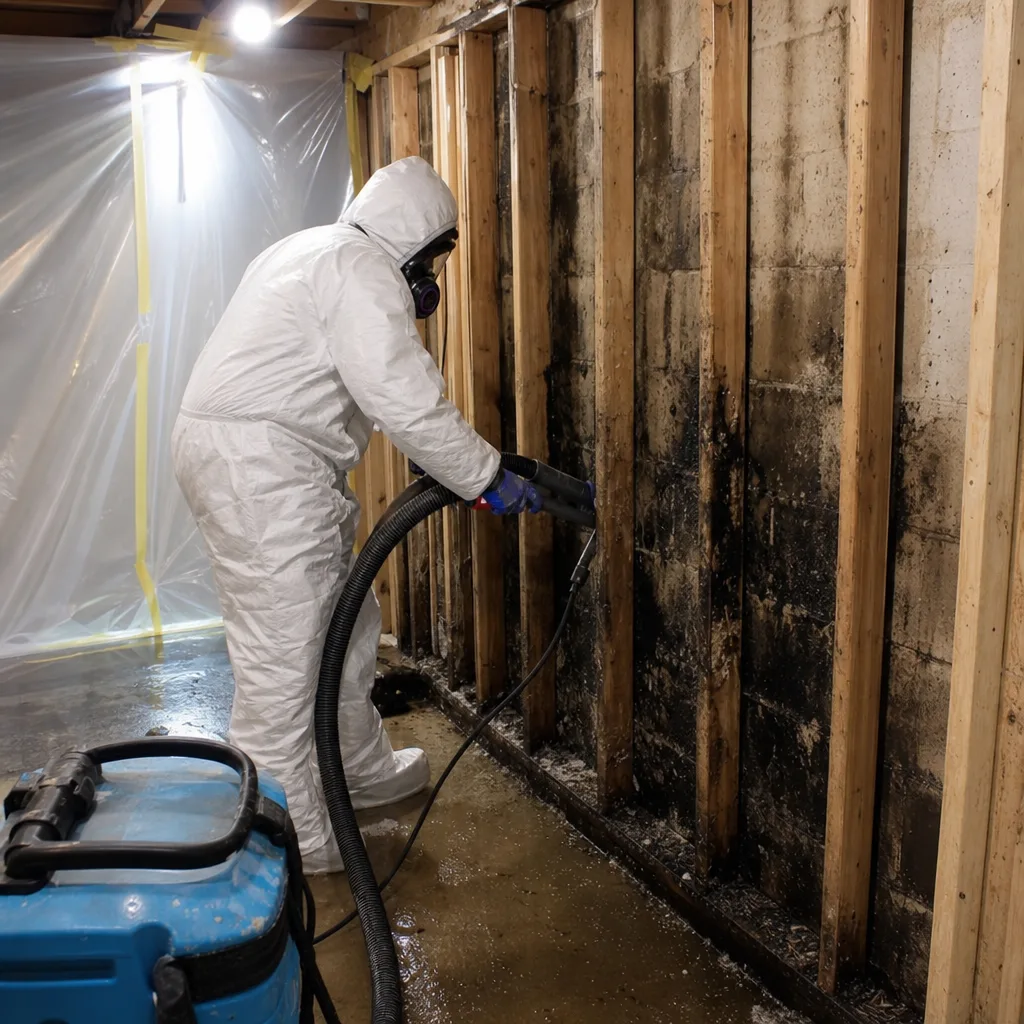
What happens when you call
- 1
A real person answersNo phone trees - you reach a local pro.
- 2
You get an upfront price rangeHonest numbers before anyone is dispatched.
- 3
A background-checked tech heads outLicensed & insured, dispatched right away.
- 4
You approve before work beginsNothing starts until you say go.
Water Damage Restoration Costs in Central Harlem, NY
Water damage restoration in Central Harlem runs on a wide range because every loss is different, but here’s what we see in the field. A small Category 1 supply-line leak with contained drying typically runs $1,800 to $3,500. A burst steam riser that floods an apartment with Category 2 water usually runs $4,000 to $12,000, depending on how many rooms are affected and whether original plaster walls need controlled drying or replacement. A full basement flood with Category 3 water, antimicrobial treatment, and structural drying can run $8,000 to $20,000 or more, especially when HPD violation compliance and multi-unit coordination are involved. What moves the price: the water category, how long it sat before extraction started, how many rooms are affected, and whether we’re preserving original materials or replacing them. Insurance covers most of these losses. Call (518) 314-5660 for a free visual inspection, and we’ll give you a written scope before any work begins.
We Also Serve Cities Near Central Harlem
Floodline Restoration Co. runs crews into Midtown Manhattan, Midtown West, Murray Hill, and Washington Square with the same 24/7 live dispatch and the same written guarantee. If your building is near Central Harlem but right across 110th Street, ask the dispatcher which nearest crew is rolling to your block.
Central Harlem Water Damage Restoration Questions, Answered
What happens if water damage in my Central Harlem brownstone goes unreported for a week?
Unreported water damage in a pre-war brownstone almost always means mold has begun to bloom inside the wall cavities. Plaster-and-lath walls hold moisture deep inside, and mold can establish within 48 to 72 hours of a sustained leak. After a week, you’re typically looking at structural drying plus mold remediation, not just drying. The repair scope doubles, and the insurance claim gets more complicated because the carrier may question the delay. Call (518) 314-5660 the day you see any stain or smell any dampness, even if it seems minor.
Can water from a burst steam riser in one Harlem tenement affect the building next door?
Yes, and we see it regularly. In attached brownstones and tenements, the party wall between buildings is shared masonry, and water migrating through one building can show up as dampness or discoloration on the other side. A burst riser on West 138th Street can send moisture through the party wall into the adjacent building’s top-floor apartment before anyone in that building notices. We scope the visible loss and check the shared walls on both sides, because drying only one unit leaves the neighbor’s problem unaddressed and can trigger an HPD complaint later.
Are landlords in Central Harlem legally required to fix water damage faster than elsewhere?
Yes. Because most Central Harlem units are rent-stabilized, HPD can issue violation orders that carry legally enforceable deadlines for the landlord to remediate water damage and mold. Those orders can also allow tenants to withhold rent or file an HP action in housing court. That regulatory pressure creates timelines that don’t exist in market-rate buildings elsewhere. If you’re an owner facing an HPD order, we document all mitigation work the same day it’s completed and send that documentation to your file, because the city’s clock keeps running.
Can you dry original hardwood floors after a steam radiator flood in a pre-war Harlem apartment?
Often, yes. Original oak and mahogany floors in Central Harlem brownstones can frequently be saved with controlled drying using Injectidry systems that pull moisture out through the boards and the subfloor. The key is speed: within 48 hours, we can usually dry and save original floors. After a week of standing water, the boards cup, the subfloor delaminates, and replacement becomes the only option. If you have original floors, call (518) 314-5660 immediately and don’t let a day pass.
Why does flat-roof water damage spike in Harlem every late winter?
Central Harlem’s pre-war brownstones and tenements are topped with flat built-up tar-and-gravel or modified-bitumen roofs that pond water by design. Every winter, New York City’s freeze-thaw cycling expands and contracts the membrane and the brick parapet joints around it. By late February and March, the membranes have split and the mortar joints have opened, so the first thaw or rain event releases weeks of accumulated ice and snowmelt straight through the roof into top-floor apartments. We schedule extra crews for flat-roof season every March for exactly this reason.
How fast can a crew actually get to my Central Harlem building?
We commit to a 45-minute response time for emergency water extraction in Central Harlem. A live dispatcher answers at (518) 314-5660, confirms the address, and tells you which crew is rolling and when they’ll arrive. For standing water or a burst pipe, we treat every call as a priority, because in pre-war construction the water is migrating through materials and party walls from the first minute.
Will my insurance cover water damage restoration in Central Harlem?
Most homeowner’s and landlord policies cover sudden and accidental water damage, including burst pipes and steam riser failures. They’re less likely to cover long-term seepage or gradual deterioration, which is why fast documentation matters. We photograph everything from the first hour, write a line-item scope in industry-standard format, and bill your carrier directly. You talk to the adjuster once if you want to. We handle the rest.
What should I do in the first 30 minutes after I find water damage in Central Harlem?
Shut off the water or steam supply if you can reach the valve safely. Move valuables and furniture out of the wet area if you can do so without risking injury. Call (518) 314-5660 and tell the dispatcher where the water is coming from and how long it’s been running. Don’t use electrical outlets on wet walls. Don’t try to open up plaster walls yourself, especially in pre-war buildings where lead paint may be present. Let our certified techs handle the opening and the drying.
Serving Central Harlem, NY - Our Local Coverage Area
We’re based in the Central Harlem area and know this community well. Use the map below to see our service coverage - if you’re nearby, we can almost certainly help.
Call Floodline Restoration Co. for Water Damage Restoration in Central Harlem
If you have water in your Central Harlem brownstone, tenement, or rowhouse right now, call (518) 314-5660. A live dispatcher answers, and a certified crew from our Water Damage Restoration team is dispatched into Central Harlem within minutes. We handle the extraction, the drying, the documentation, and the rebuild, and we back it all with the 90-Day Done Right Promise in writing. Water Damage Restoration in Central Harlem is what we do, and we’ll be there when we say.
Written by Curt Bowman, Owner at Floodline Restoration Co., serving Central Harlem with live dispatch, certified crews, and the 90-Day Done Right Promise.