
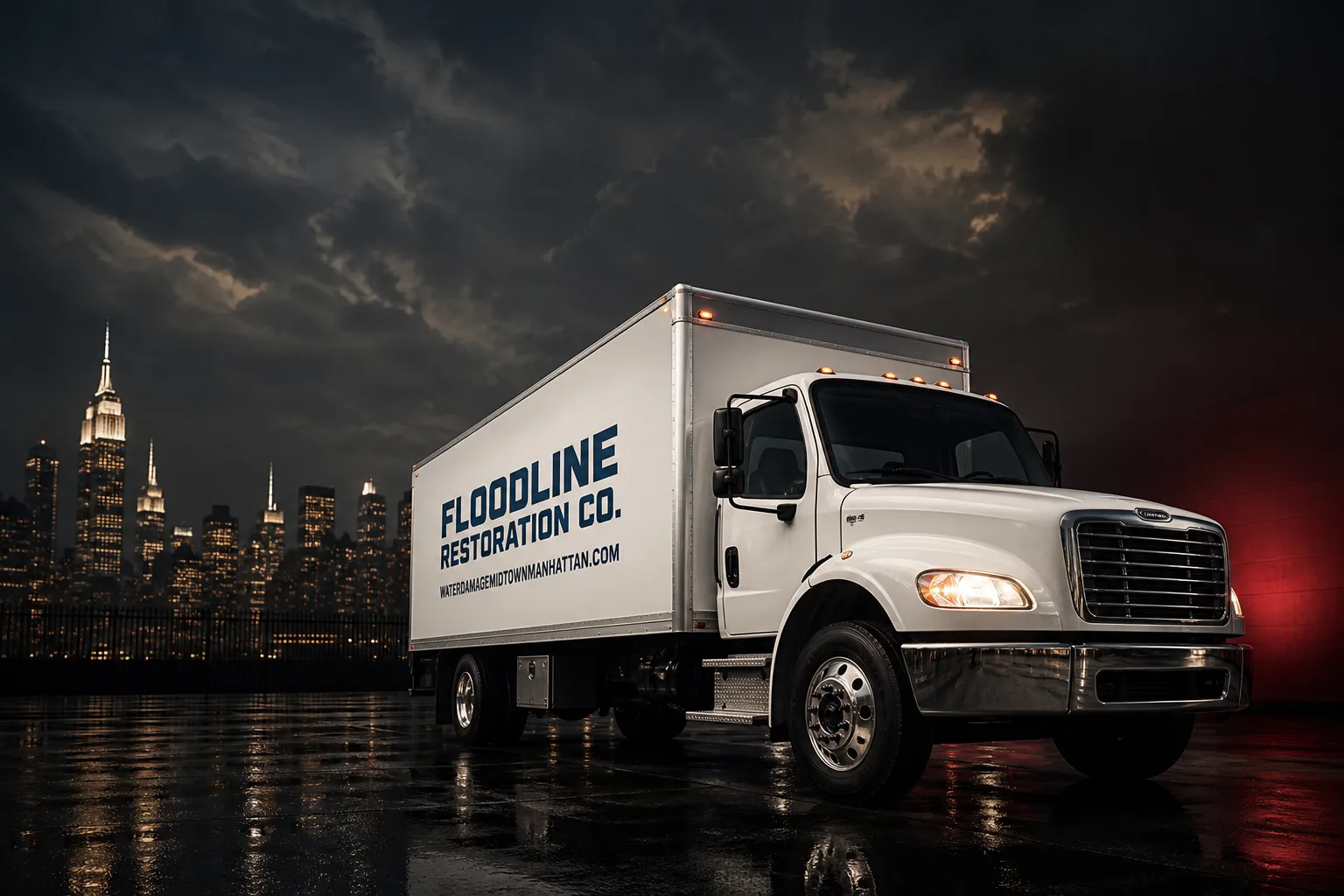
Free visual inspection and a written scope of work before any mitigation begins - photos, moisture readings, and drying logs go in your claim file
The scope we write is the scope we bill. Anything new gets shown to you, in writing, before we touch it.
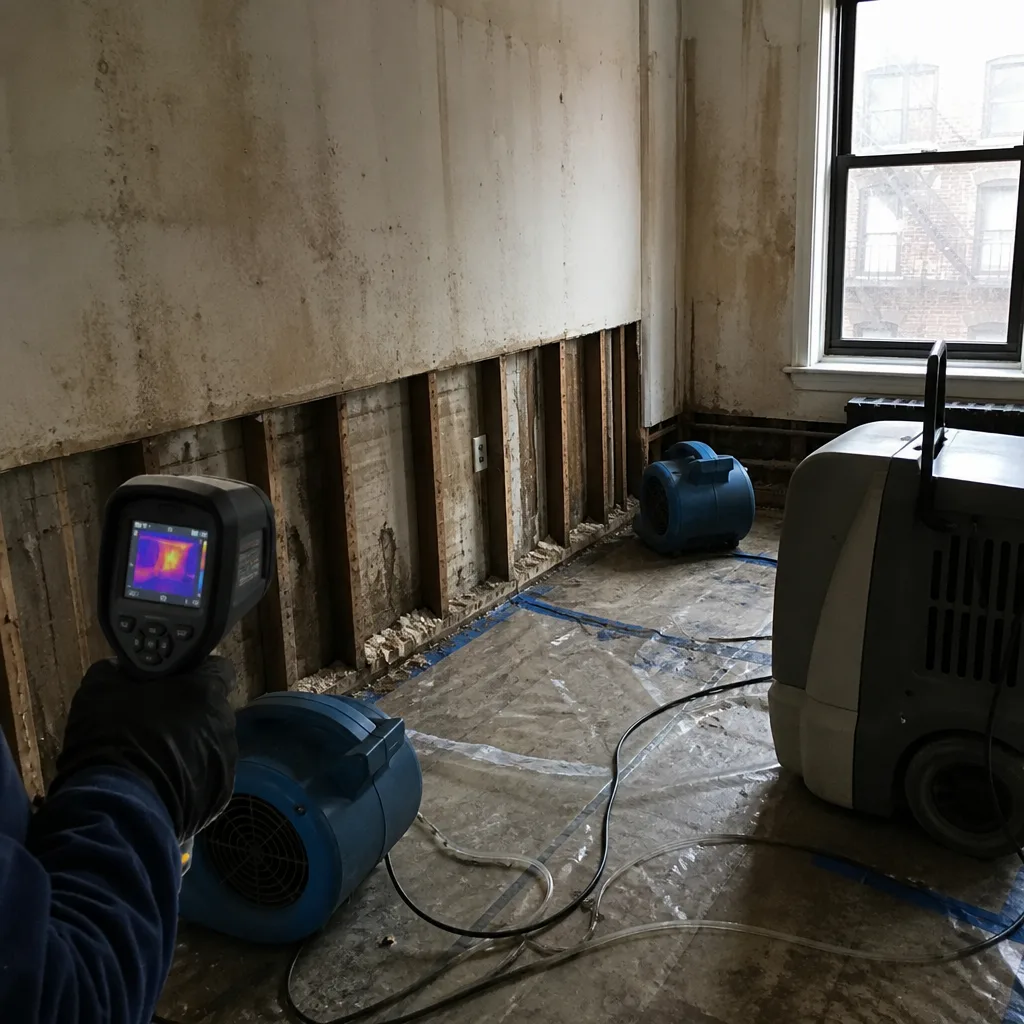 Before
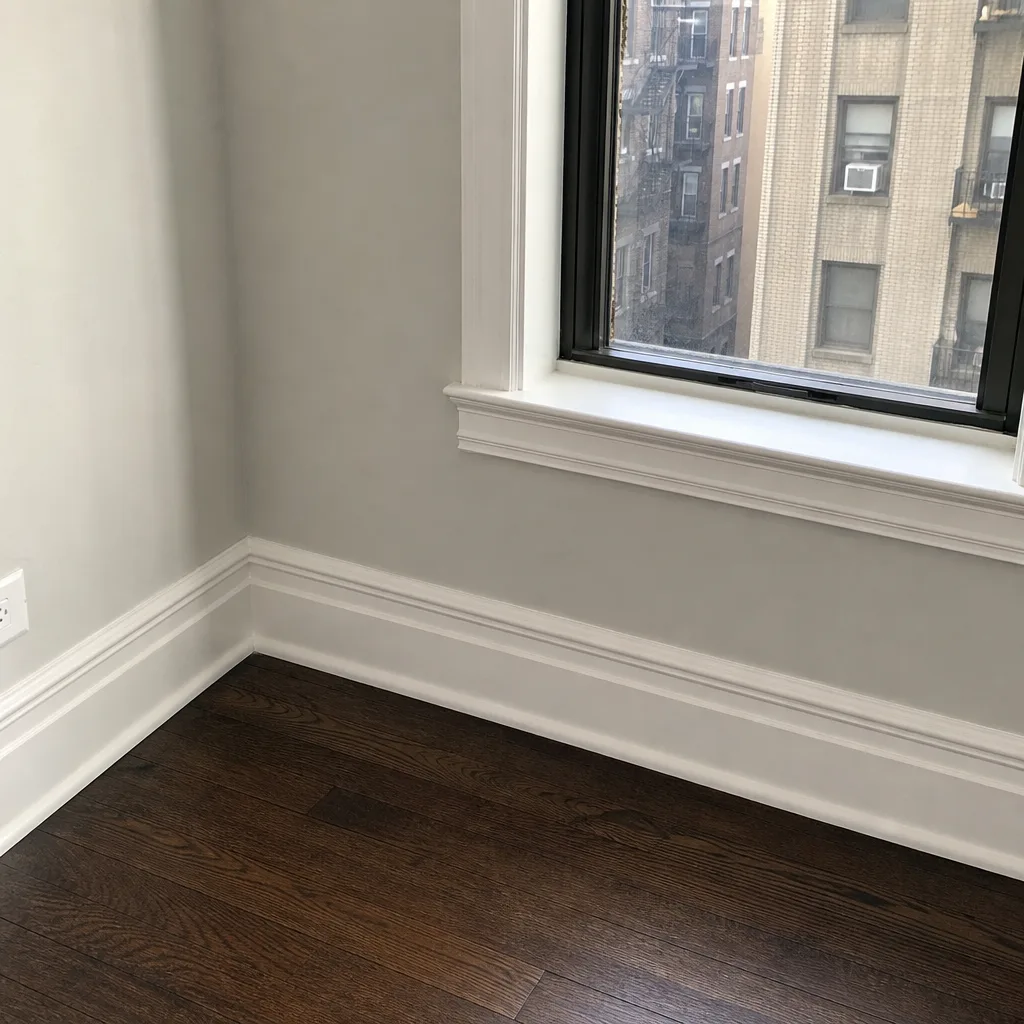 After
After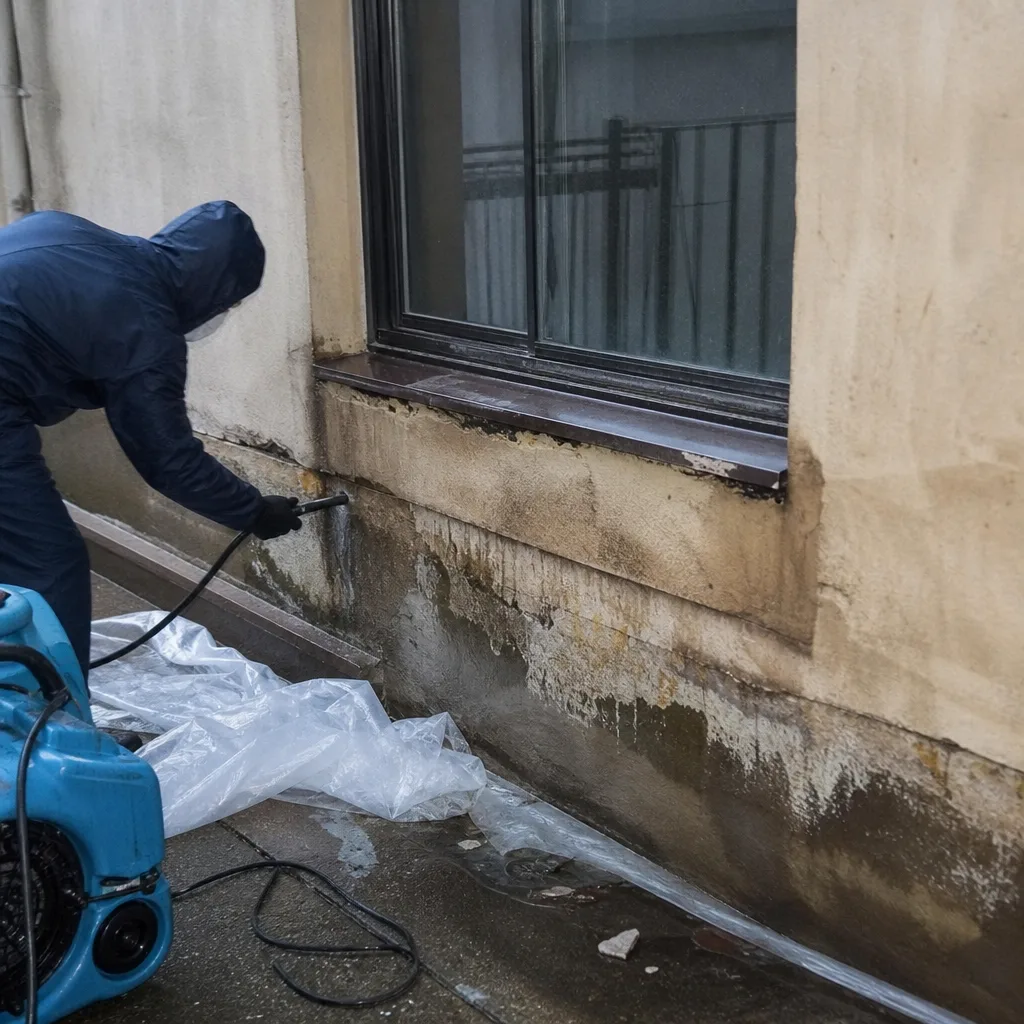 Before
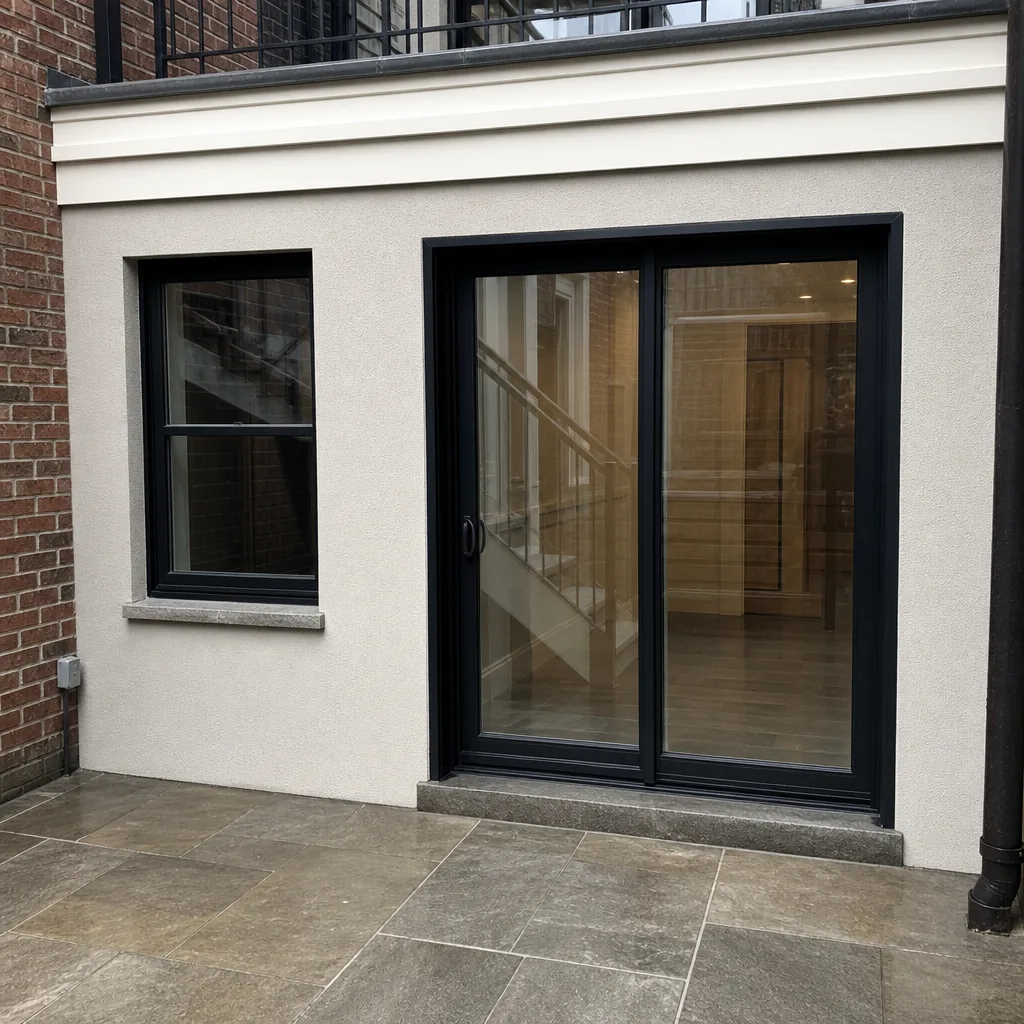 After
After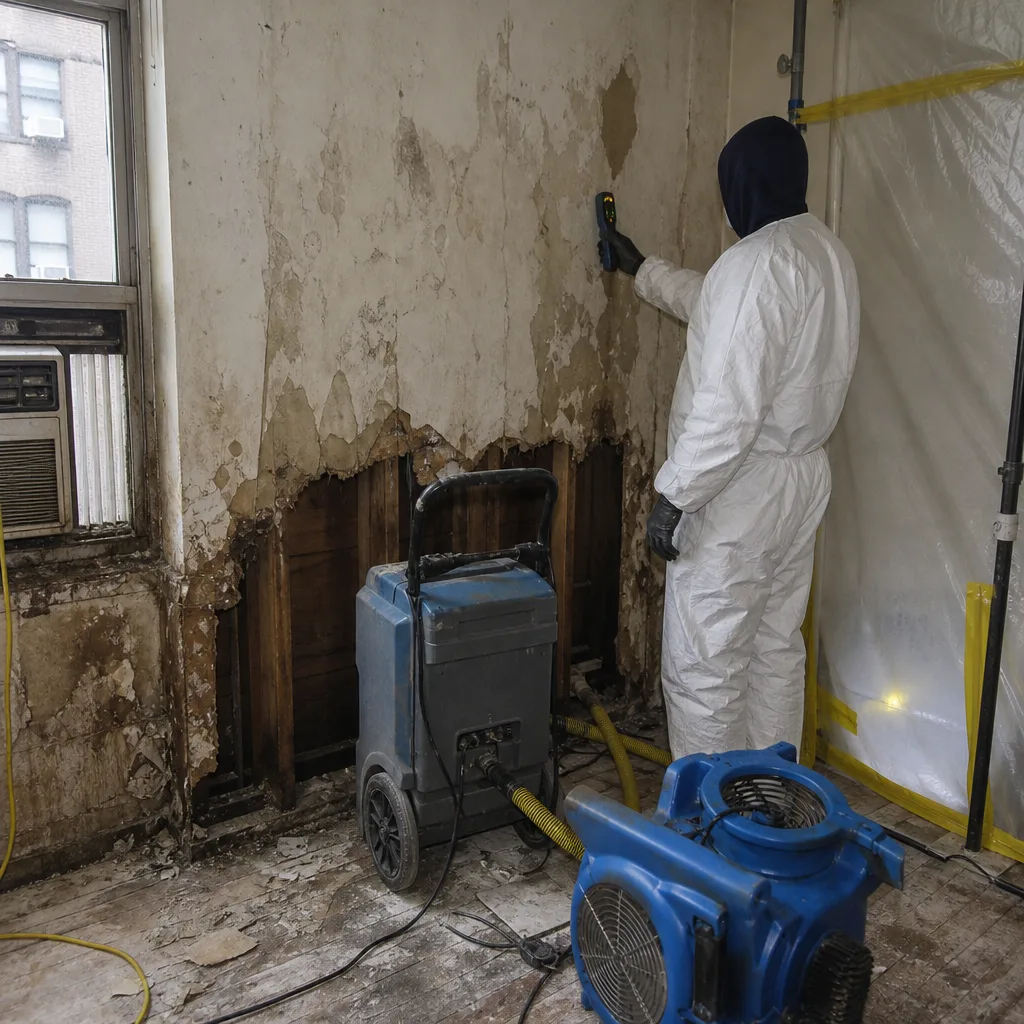 Before
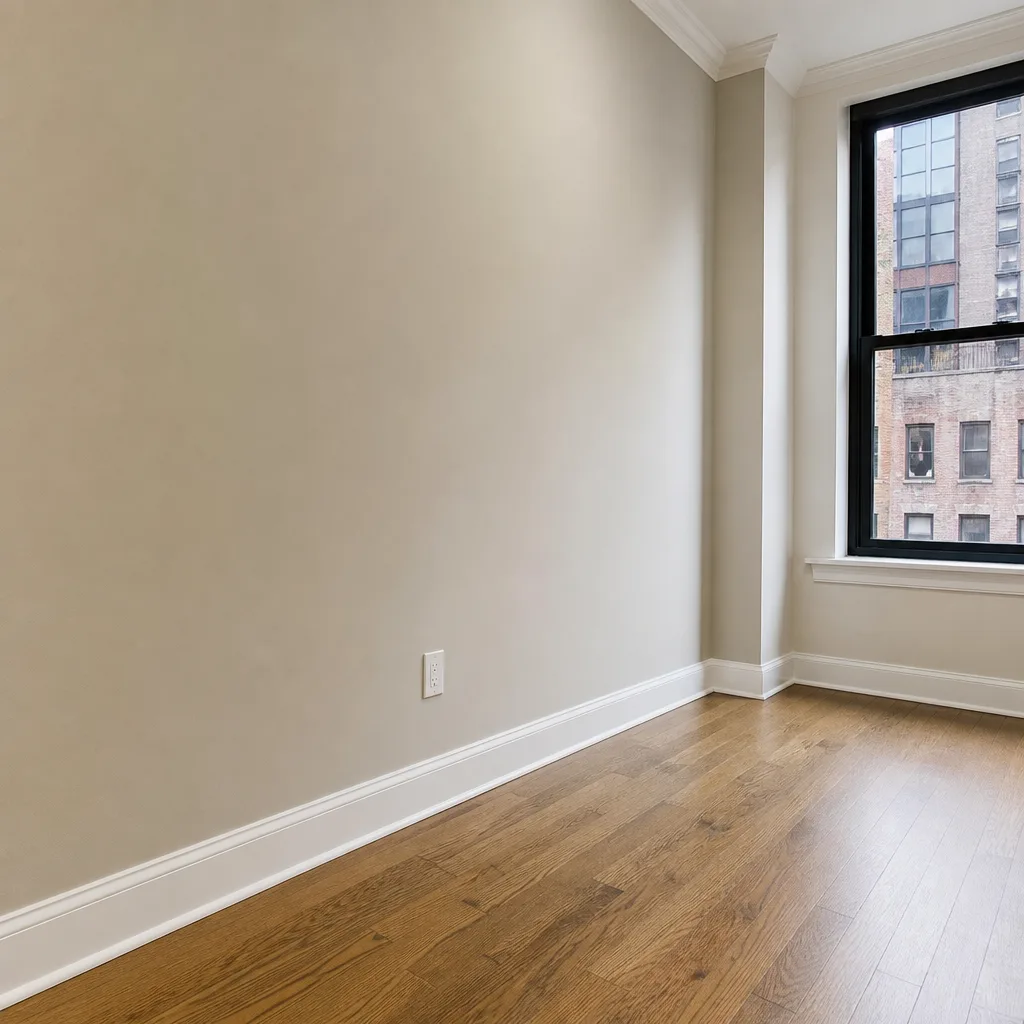 After
After24/7 Emergency Commercial Restoration in Central Harlem
Commercial water, fire, or storm damage in Central Harlem needs a crew on site fast, before water trapped behind original plaster and lath spreads through shared party walls into the neighboring storefront. Floodline Restoration Co. answers live 24 hours a day at (518) 314-5660, and a real dispatcher picks up, not a recording. Our teams stage from the New York City office and reach Central Harlem addresses from Adam Clayton Powell Jr. Boulevard to Lenox Avenue quickly, usually within 45 minutes of your call. The first hour matters because water from a split flat-roof membrane or a blown steam riser migrates downward through pre-war construction, soaking stock, buckling original hardwood, and creating conditions where mold can establish within 24 to 48 hours. We start with a free visual inspection, scope the full extent of the damage, and put extraction equipment running the same visit.
Understanding Commercial Restoration Severity in Central Harlem Properties
Not every water loss in Central Harlem is the same, and the restoration approach should reflect the category of water involved. Category 1 water comes from a clean supply line, like a failed radiator feed or a split sink riser. Category 2 carries contaminants, which is what you get when a cast-iron steam condensate line lets go and pushes grey water through plaster ceilings. Category 3 water is grossly contaminated, typical of a backed-up sewer line or a broken cast-iron drain stack in a pre-1920 tenement. The category dictates whether antimicrobial treatment on shared party walls is required before drying begins, and in attached Harlem buildings, that answer is almost always yes. Moisture mapping with thermal imaging and penetrating meters tells us how far water has traveled behind thick original plaster, which usually hides far more than what stains the ceiling. Structural drying in a brownstone storefront is slower than in a modern drywall fit-out because plaster and lath hold water deeply, and low-grain refrigerant dehumidifiers are often necessary to pull the humidity load down to a dry standard without warping the wood behind the finish.
Why Central Harlem Property Owners Choose Floodline Restoration Co.
- 45-minute response commitment in Central Harlem. We stage crews to reach Harlem addresses fast, so extraction is running the same visit.
- A live person answers, 24 hours a day, every day. At 2 a.m. in a January freeze, you get a dispatcher, not a menu tree.
- IICRC-certified technicians, trained to WRT and ASD standards. Uniformed and background-checked, with the certifications to back the work.
- Free visual inspection, with a written scope before work starts. You decide with the numbers in front of you. No one starts tearing out walls on a verbal.
- Direct insurance billing. We coordinate with your adjuster, provide photo documentation and line-item estimates, and bill the carrier directly so you never play messenger.
- One crew from extraction to reconstruction. The same team that maps the moisture handles the rebuild, so there is no mid-job handoff or inherited crew.
Our Commercial Restoration Process
Inspection & Assessment
We arrive, walk the full loss site, and document everything before touching a wall. Thermal imaging and penetrating moisture meters map how far water has traveled behind plaster, through party walls, and into adjoining tenant spaces that may not even show visible damage yet.
Extraction & Stabilization
We remove standing water with truck-mounted and portable extraction units, then stabilize the structure. That includes shutting down affected steam risers, tarping split roof membranes, and setting up containment where category 2 or 3 water is present before any drying begins.
Drying & Dehumidification
Phoenix low-grain refrigerant dehumidifiers, XPOWER air movers, and Injectidry systems push dry air into dense plaster-and-lath wall cavities. We take daily moisture readings and log them until the structure hits dry standard, then hand that log to you and your carrier.
Cleaning & Sanitization
HEPA air scrubbers run continuously to capture airborne particulates, and all affected surfaces receive antimicrobial treatment where water category requires it. On pre-war Harlem buildings, we treat shared party walls even when the visible loss stops at the demising line.
Specialty Commercial Restoration
That includes document and inventory recovery, sopping stock triage, and business interruption minimization. For retail and restaurant spaces, we prioritize keeping you operational in the parts of the building that are safe while containment isolates the damaged area.
Repairs & Restoration
The same crew reconstructs what was torn out: plaster repair, hardwood floor refinishing, storefront door replacement, and roof membrane patching. Every job closes with the 90-Day Done Right Promise in writing, so if it is not right, we make it right.
Need Emergency Commercial Restoration in Central Harlem Now?
Crews minutes away, answering live 24 hours a day. The sooner we start, the less it costs.
Working With Your Insurance Company
Most Central Harlem commercial property claims involve a carrier, and the adjuster’s job is to verify that the scope matches the loss. We build the file from the first hour: photos room by room before demolition, moisture readings, drying logs, and a line-item scope with the exact equipment and labor hours. We communicate directly with your adjuster and carrier, so you are not stuck explaining a drying log you did not generate. This is where the 42 years of combined experience behind Floodline shows: we know what carriers accept and what they push back on, and we document accordingly. The goal is a claim that closes cleanly and a space that is actually dry and rebuilt.
What We Provide Your Insurer
- Thorough documentation of the loss
- Photos of all damage, room by room
- Moisture readings and drying logs
- A detailed, line-item scope of work
- Direct coordination with your carrier
Built for Central Harlem’s Loss Calendar
Central Harlem’s commercial losses follow the weather and the building stock, and the pattern is predictable. January deep freezes burst supply lines and steam radiator valves in pre-war tenements, sending scalding water through plaster onto retail stock below. Late winter and early spring bring the freeze-thaw surge: flat modified-bitumen roofs crack along seams, ice damming splits membranes, and weeks of accumulated moisture releases into top-floor spaces and drains down through multiple storefronts. Summer brings thunderstorm flash flooding that overwhelms flat roof drains over loaded retail spaces, and autumn nor’easters stress aging brick parapets and old storefront doors. Add in the constant background failures of cast-iron drain stacks and steam risers in 1885-1915 brownstone rowhouses, and the loss calendar here is an infrastructure clock, not a weather report. Our dispatch board in the New York City office sees these patterns every year, and crews are staged accordingly.
Commercial Restoration Across Central Harlem’s Neighborhoods
Central Harlem is not one building type, and response routes matter. Along Adam Clayton Powell Jr. Boulevard and Frederick Douglass Boulevard, you find mixed-use brownstones with ground-floor retail and restaurants under residential units, where a top-floor radiator failure can cascade through three floors of tenant space into a storefront. Lenox Avenue carries heavier traffic and older storefronts, many with original cast-iron columns and single-pane display windows that fail under wind load and let rain drive behind the front wall. The blocks around Marcus Garvey Park, including Mount Morris Park’s landmarked brownstone rows, have thicker party walls and more facade restrictions, which changes how we sequence repairs. The Strivers’ Row houses on West 138th and 139th Streets are architecturally protected, and restoration work there often requires Landmarks Preservation Commission sign-off before facade or storefront work proceeds. Around the 125th Street corridor, heavy commercial foot traffic and older tenement walk-ups above retail mean a single broken drain stack can affect a storefront, a stockroom, and a neighbor’s ceiling all in one call. We know these routes because we run them weekly.
Specialized Commercial Restoration Services We Offer in Central Harlem
Office & Retail Restoration
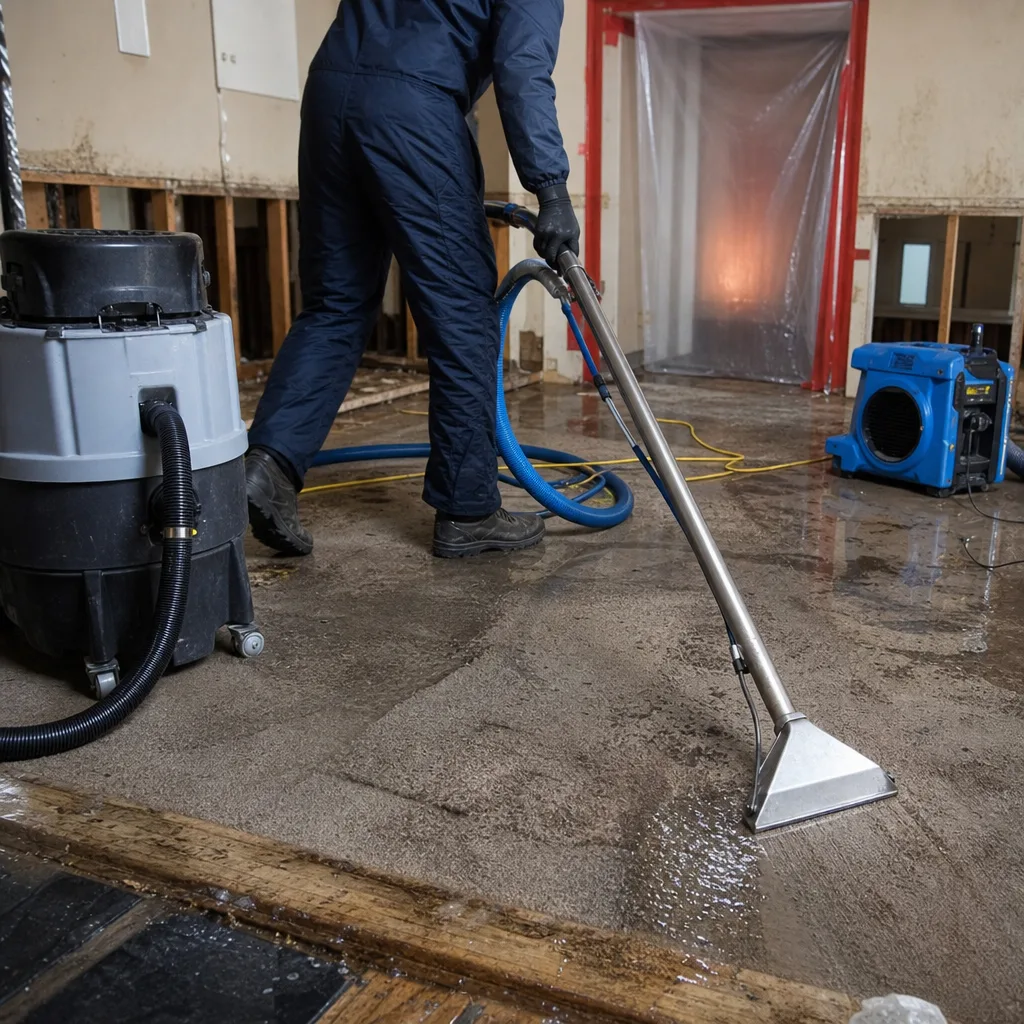
A flooded storefront on Lenox Avenue or a water-damaged office above 125th Street needs drying that accounts for original plaster, hardwood, and stock. We extract, dry, and clean in place where possible, and rebuild where not. Retail spaces get priority triage so your front-of-house reopens while we contain the back-of-house loss.
Multi-Unit & HOA Restoration
In Central Harlem’s attached brownstones and tenements, one roof drain failure becomes four landlords’ problem. We coordinate across property lines, log moisture readings for each affected unit, and handle the HPD violation paperwork that often drives the timeline. HOAs get one point of contact and one written scope covering all affected spaces.
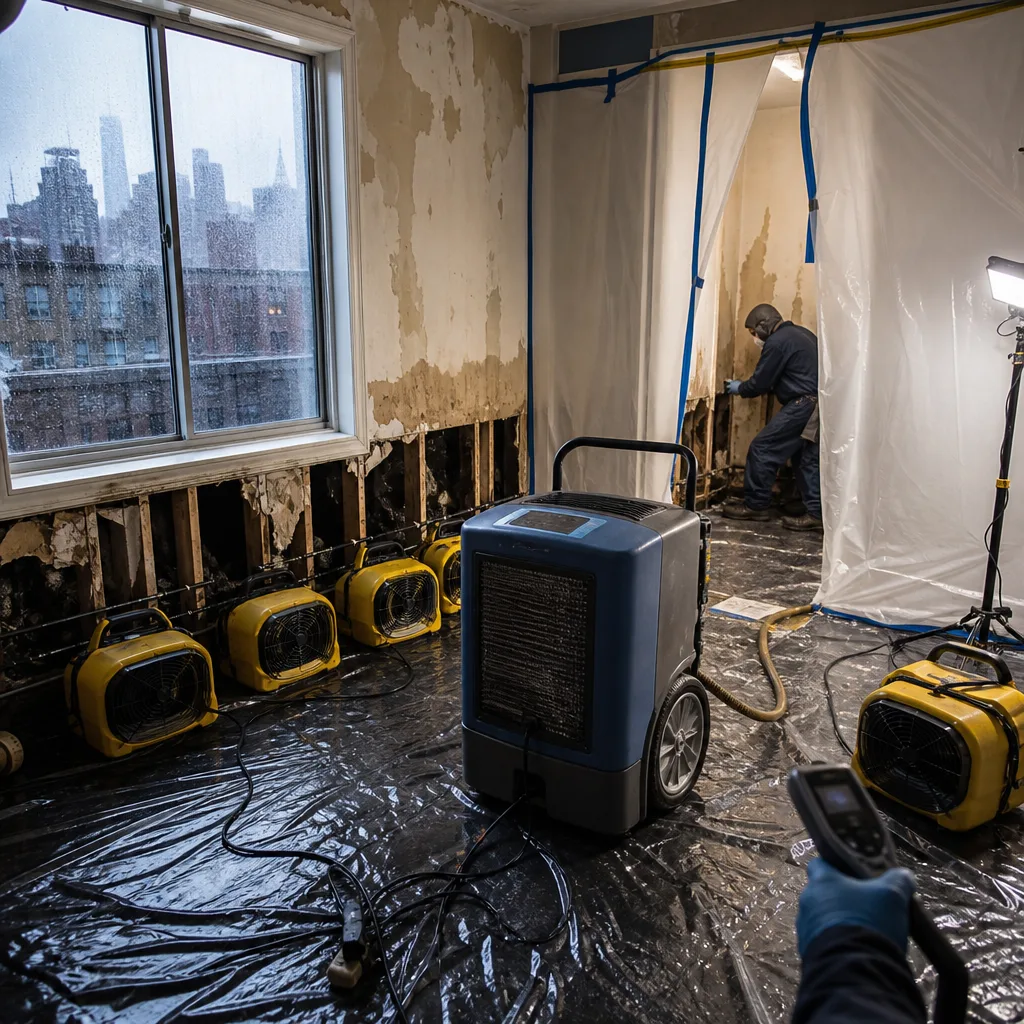
Industrial Facility Cleanup
Warehouse and light industrial spaces in the neighborhood need high-capacity drying and aggressive containment. We bring low-grain refrigerant dehumidifiers and HEPA air scrubbers sized to open square footage, and we treat concrete and masonry surfaces that dry slower than drywall.
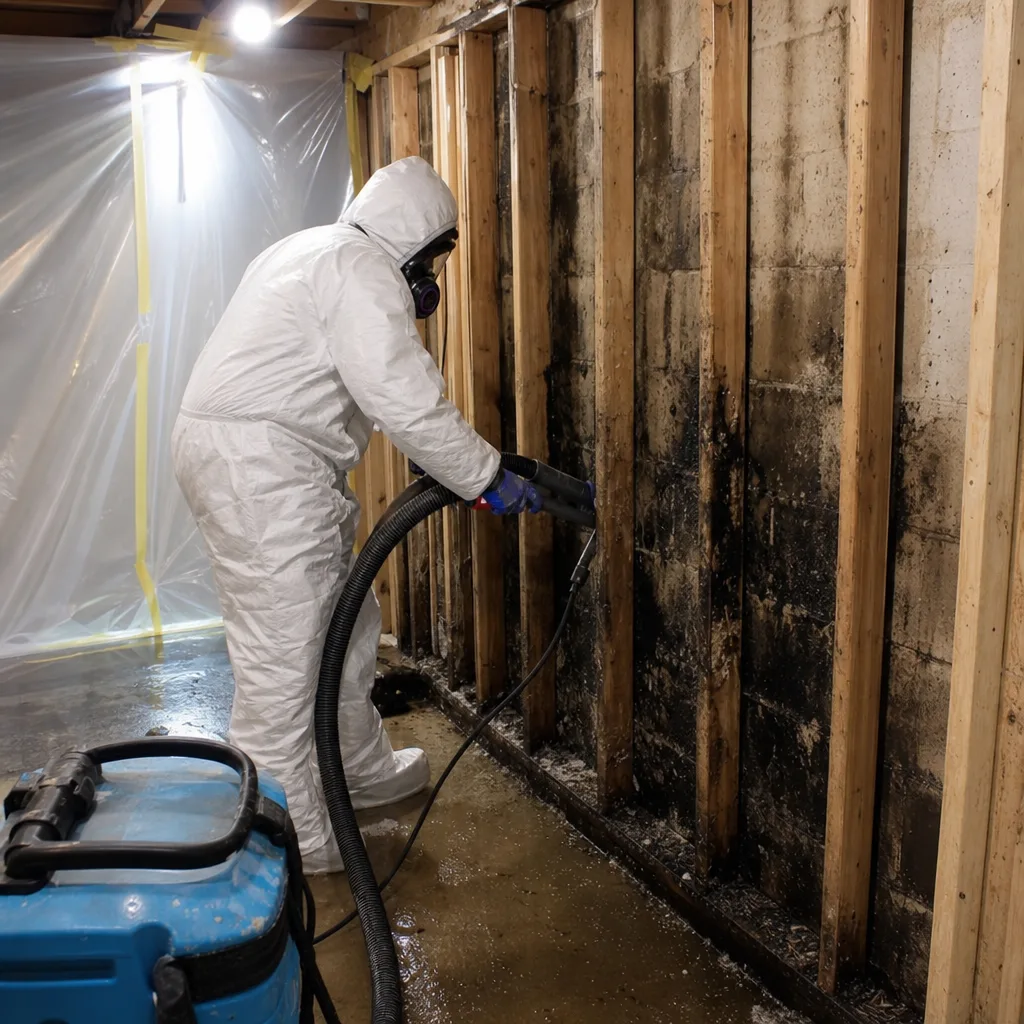
Large-Loss Response
When a steam riser bursts at 6 a.m. and floods four storefronts before the morning shift, that is a large-loss call. We dispatch multiple crews, set up command-and-control communication with every affected tenant and owner, and start extraction in every impacted space the same day.
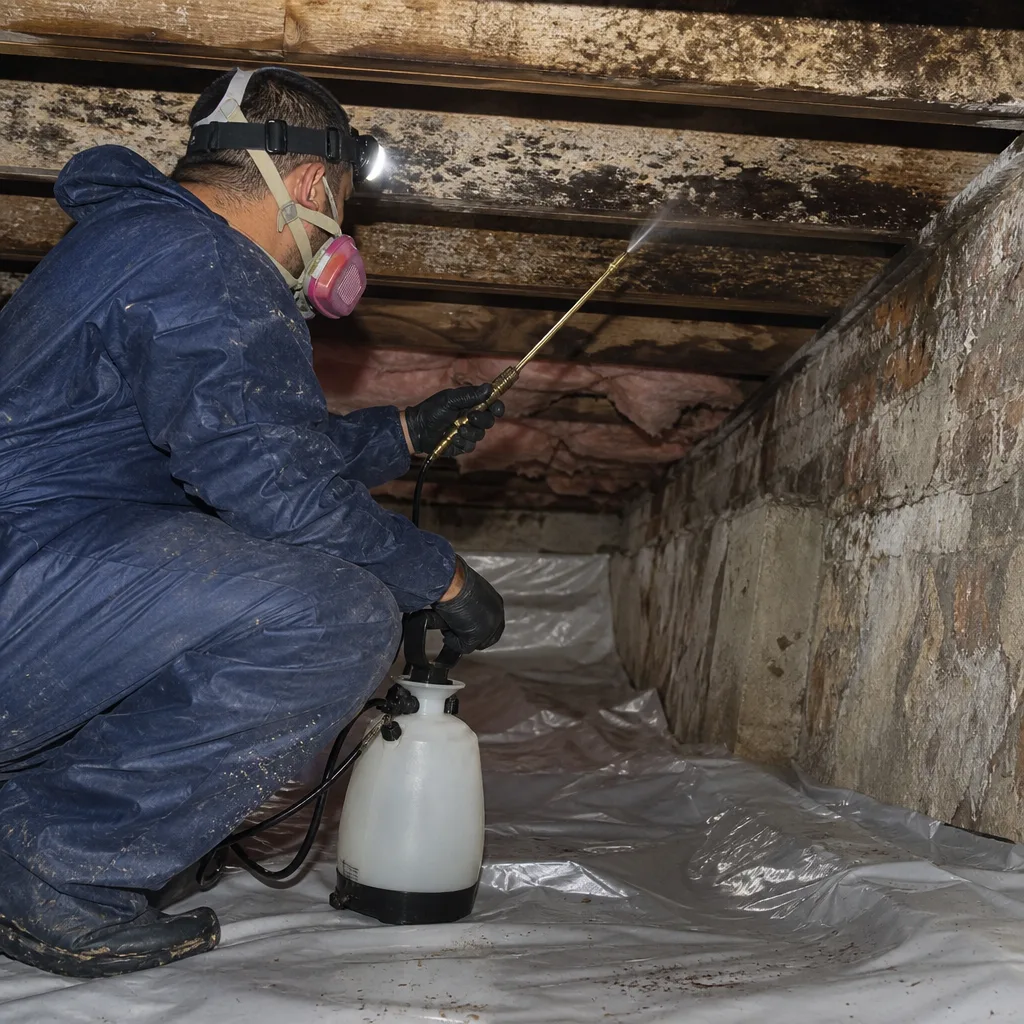
Business Interruption Minimization
Every hour a Harlem storefront is closed is revenue lost. We work nights and weekends where needed, contain the loss so unaffected portions stay open, and sequence repairs to get you back to business fastest. That is not marketing; it is the dispatch board priority on commercial jobs.
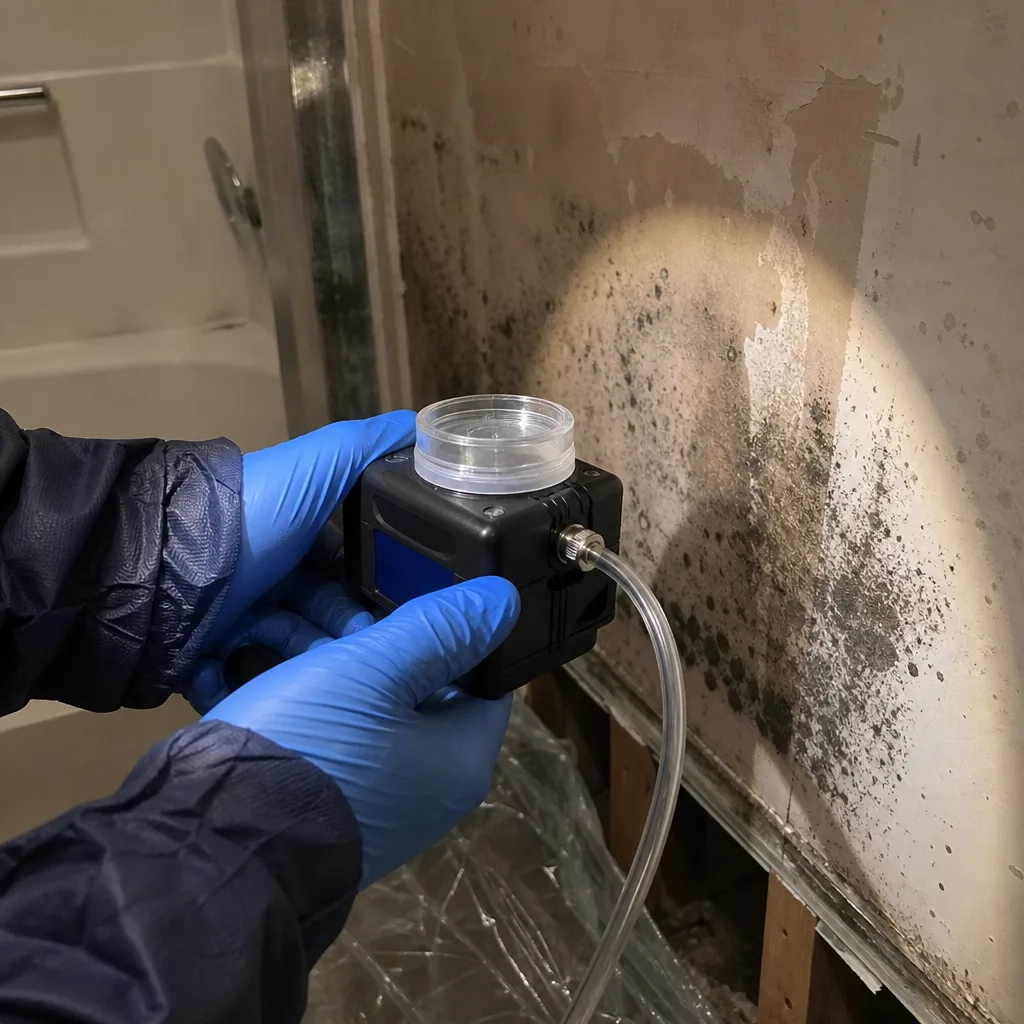
What happens when you call
- 1
A real person answersNo phone trees - you reach a local pro.
- 2
You get an upfront price rangeHonest numbers before anyone is dispatched.
- 3
A background-checked tech heads outLicensed & insured, dispatched right away.
- 4
You approve before work beginsNothing starts until you say go.
Commercial Restoration Costs in Central Harlem, NY
Commercial restoration pricing in Central Harlem depends on square footage, water category, and how far water has migrated through old building assemblies. A small retail water extraction with drying in a single storefront usually runs $2,500 to $6,500. A multi-floor loss through multiple tenant spaces with category 2 water and antimicrobial treatment on party walls typically lands between $15,000 and $45,000. Large-loss response across several attached storefronts with full reconstruction often exceeds $75,000. The variables are real: whether the building has original plaster, whether lead paint abatement is triggered, whether cast-iron stacks need replacement, and whether HPD violation orders compress the timeline. Insurance covers most of these costs on covered perils, and we bill your carrier directly. The free visual inspection produces a written scope with line-item pricing, so you see the real number before any work begins.
We Also Serve Cities Near Central Harlem
Floodline Restoration Co. runs commercial restoration crews throughout the immediate area, including Midtown Manhattan, Midtown West, Murray Hill, and Washington Square. Same live dispatch, same IICRC-certified crews, same 90-Day Done Right Promise, wherever the building is.
Serving Central Harlem, NY - Our Local Coverage Area
We’re based in the Central Harlem area and know this community well. Use the map below to see our service coverage - if you’re nearby, we can almost certainly help.
Central Harlem Commercial Restoration Questions, Answered
How do wind-load failures on old Central Harlem storefront doors lead to interior water damage?
Wind-load failure on an older Central Harlem storefront door means the gaskets, hinges, or framing give way under storm pressure, letting driven rain push behind the door assembly and into the front wall cavity. In pre-war brownstones, that water then works into the original plaster and lath behind the storefront, where it stays hidden until the wood swells or mold starts shooting through. We reinforce and reseal or replace the door assembly and dry the wall cavity behind it.
Does HPD require landlords to fix water damage in Central Harlem commercial spaces faster than elsewhere?
Yes. NYC HPD violation orders can legally compel remediation on an accelerated timeline, especially in rent-stabilized buildings, and Central Harlem has a high concentration of those. A landlord facing an open HPD violation cannot wait weeks; the city sets the clock. That regulatory urgency is part of why our commercial teams here run on tight sequences with daily moisture logs ready for inspection.
Can a roof drain failure on one Harlem brownstone flood a storefront in the next building?
It happens regularly. Central Harlem’s brownstones share party walls, and a failed flat-roof drain on one building lets water pool and run down through the membrane, then migrate laterally through masonry and plaster into the adjoining building’s ceiling and wall cavities. We regularly arrive to scope one unit and end up coordinating with four landlords before the first moisture log is complete.
What does category 2 water from a cast-iron steam riser mean for my Harlem retail stock?
Category 2 water carries contamination, and when it comes from a burst steam riser it is also hot enough to warp original hardwood and delaminate finishes if not extracted fast. Stock that absorbed contaminated water needs professional cleaning and often inventory triage to separate salvageable goods. We photograph everything for your carrier and provide a written salvage versus loss recommendation.
How long does structural drying take in a Central Harlem tenement storefront after a heavy storm?
Plan on three to five days for plaster-and-lath walls with low-grain refrigerant dehumidifiers running, longer if water migrated into multiple wall cavities or through party walls. We take daily moisture readings and hand you the drying log, so you see it hit the dry standard in real time, not on a promise.
How fast can someone actually get to Central Harlem?
Typically within 45 minutes, day or night. Our live dispatcher takes the call and stages the nearest crew from our New York City office. On large-loss calls on Adam Clayton Powell Jr. Boulevard or 125th Street, we often have multiple crews rolling within the hour.
Will insurance cover commercial water damage from a failed roof drain or steam riser?
Most commercial policies cover sudden and accidental water damage from a burst riser or storm-driven roof membrane failure, subject to your deductible and exclusions. Gradual long-term seepage is often excluded, which is why documentation matters from the first hour. We photograph, log, and coordinate directly with your adjuster to support a clean claim.
What should I do in the first 30 minutes after a commercial water loss in Central Harlem?
Call (518) 314-5660, then shut off the water supply if it is safe to do so and you can reach the valve without risk. Move stock off wet floors where possible. Do not run standard fans or shop vacs; they spread moisture into the air and deeper into the plaster. We will be there fast, and the extraction equipment starts running the same visit.
If you own or manage a commercial property in Central Harlem and water is where it should not be, call Floodline Restoration Co. at (518) 314-5660. You will get a live person, a fast crew, and a written scope before work starts. Floodline Restoration Co. handles the full cycle of Commercial Restoration, from first extraction to final rebuild, and our crews know Central Harlem building stock better than any out-of-town franchise ever will. Done right, and backed in writing.
Written by Curt Bowman, Owner at Floodline Restoration Co.