
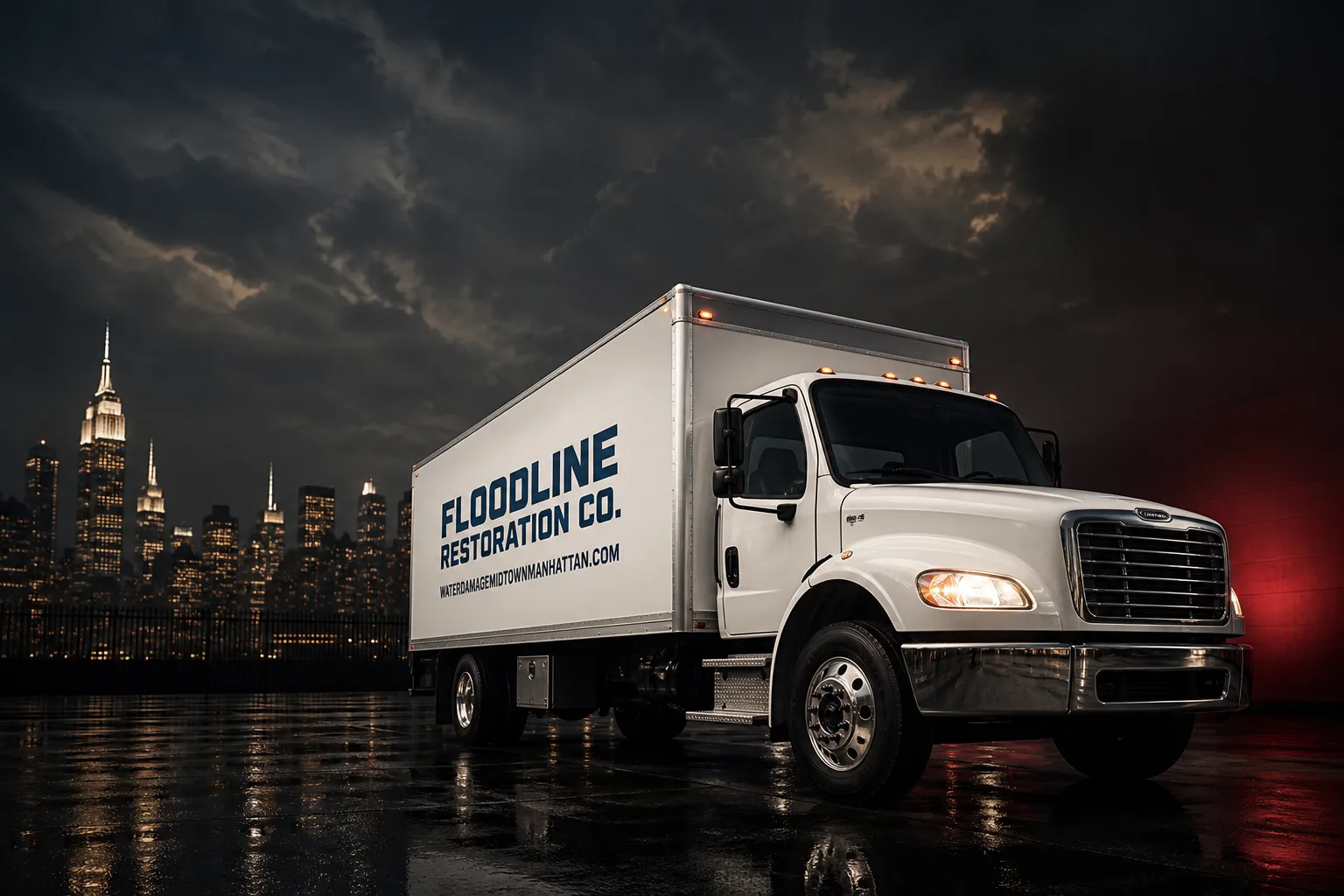
Free visual inspection and a written scope of work before any mitigation begins - photos, moisture readings, and drying logs go in your claim file
The scope we write is the scope we bill. Anything new gets shown to you, in writing, before we touch it.
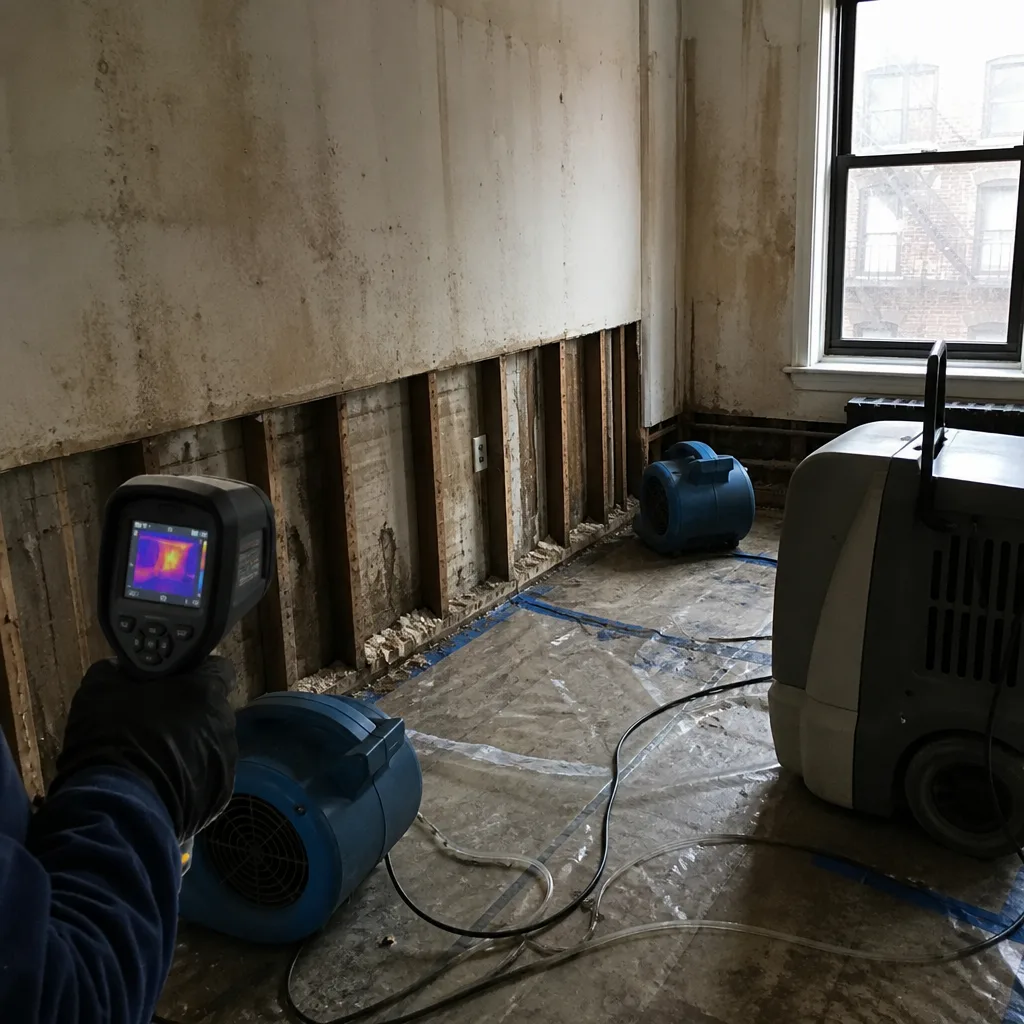 Before
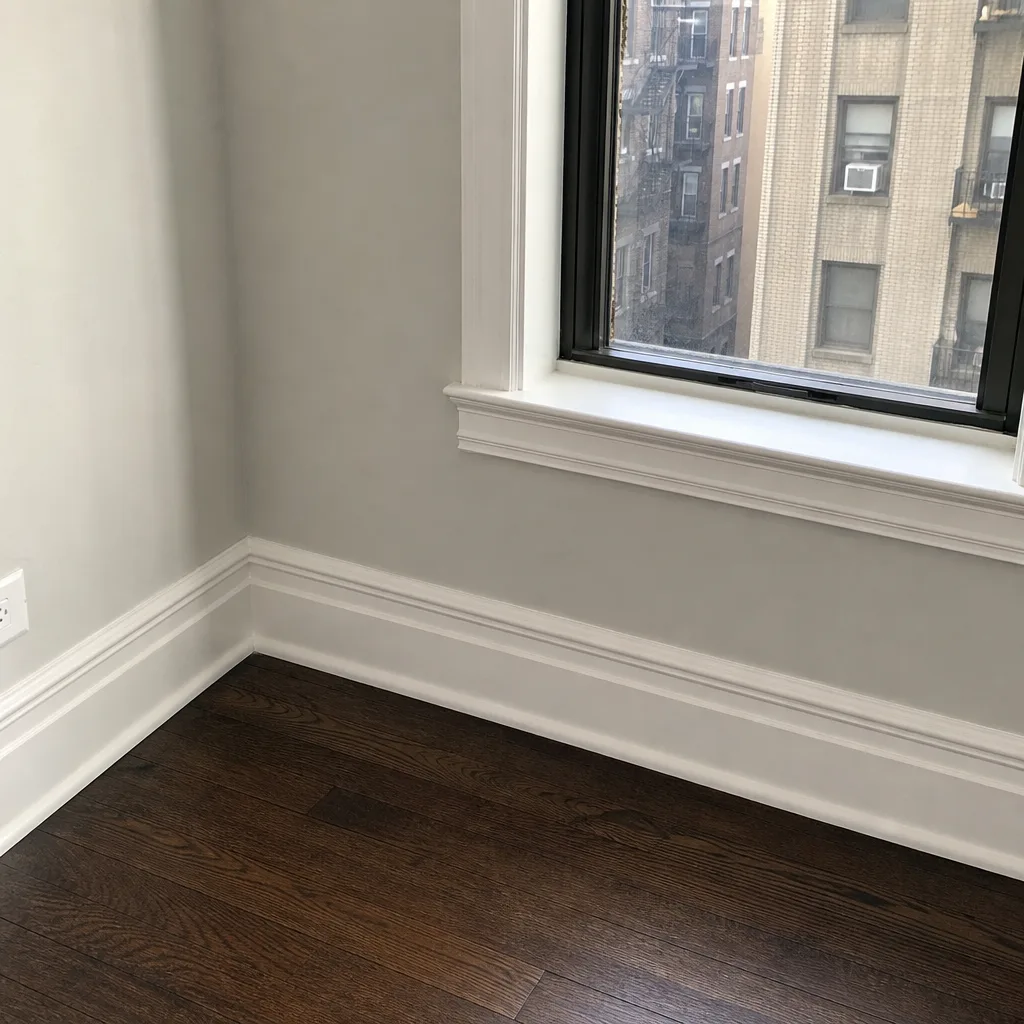 After
After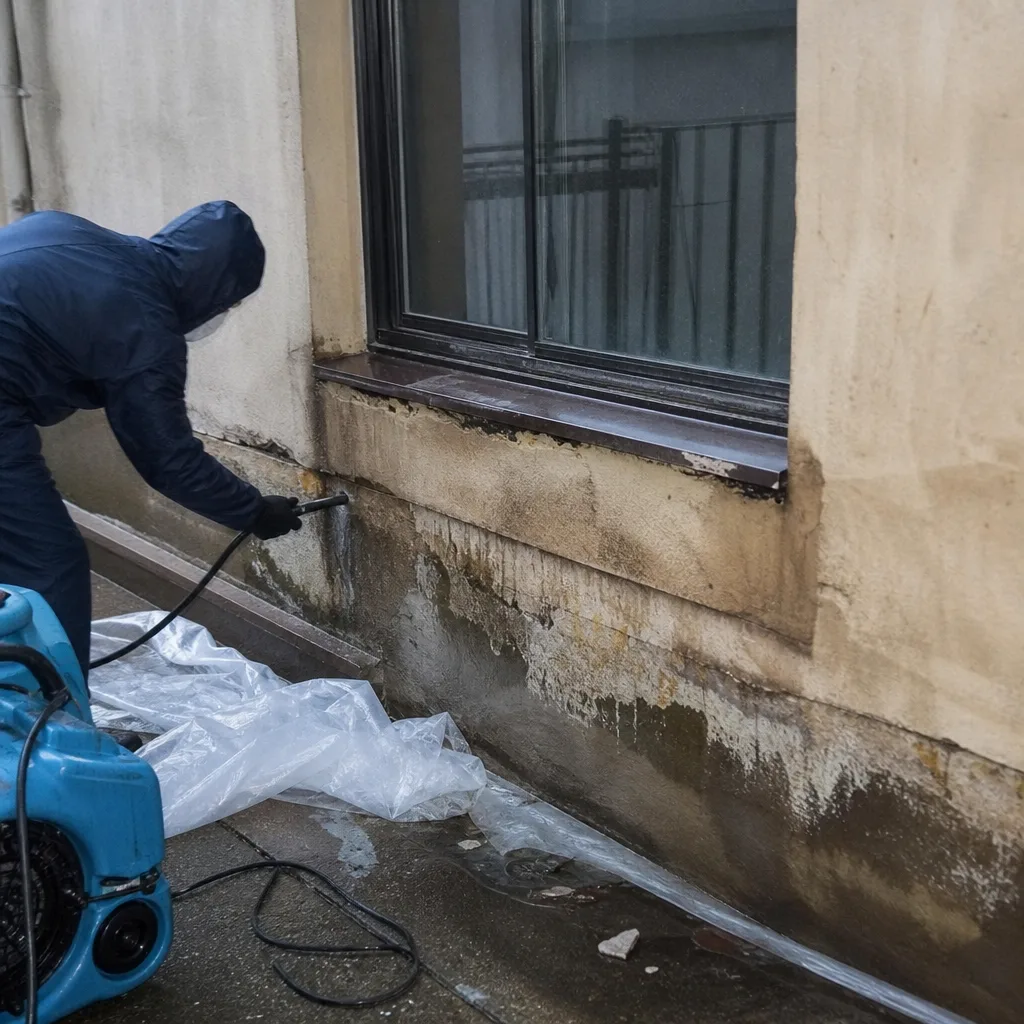 Before
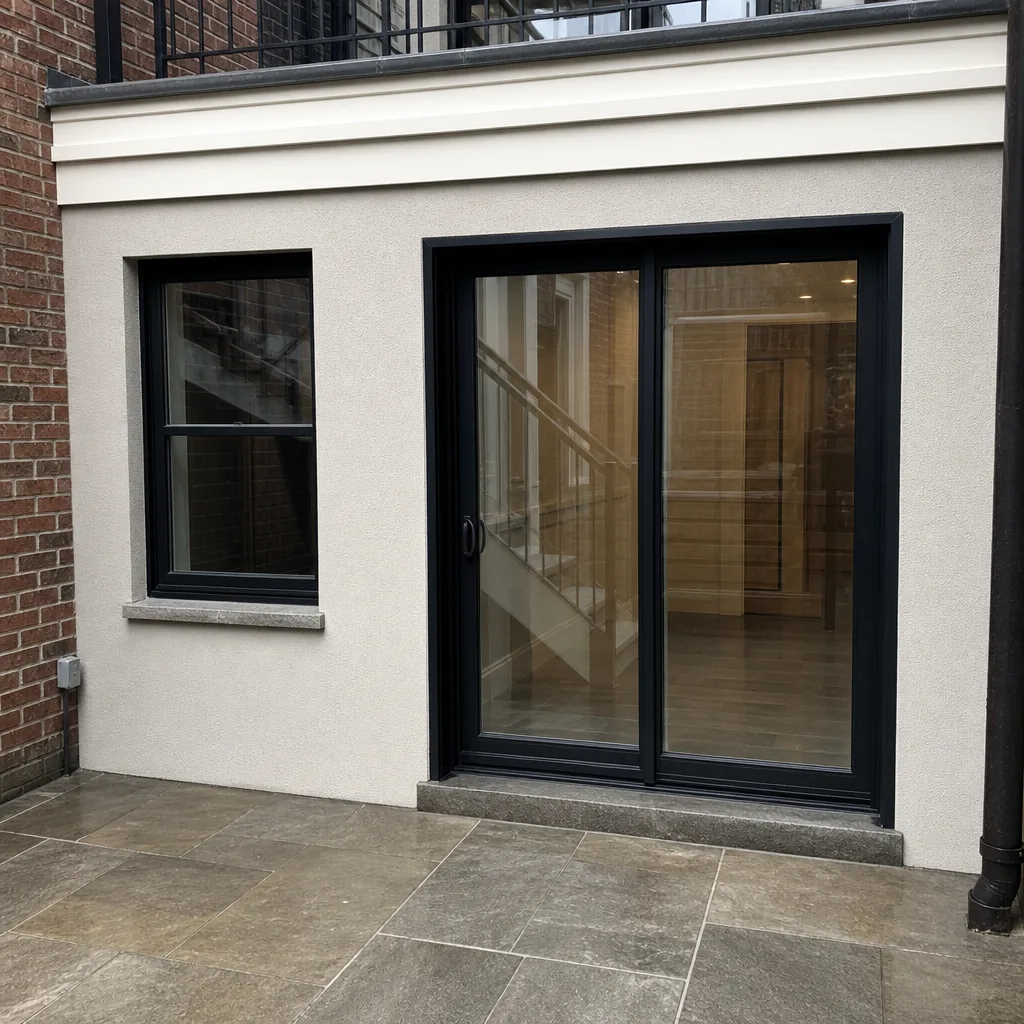 After
After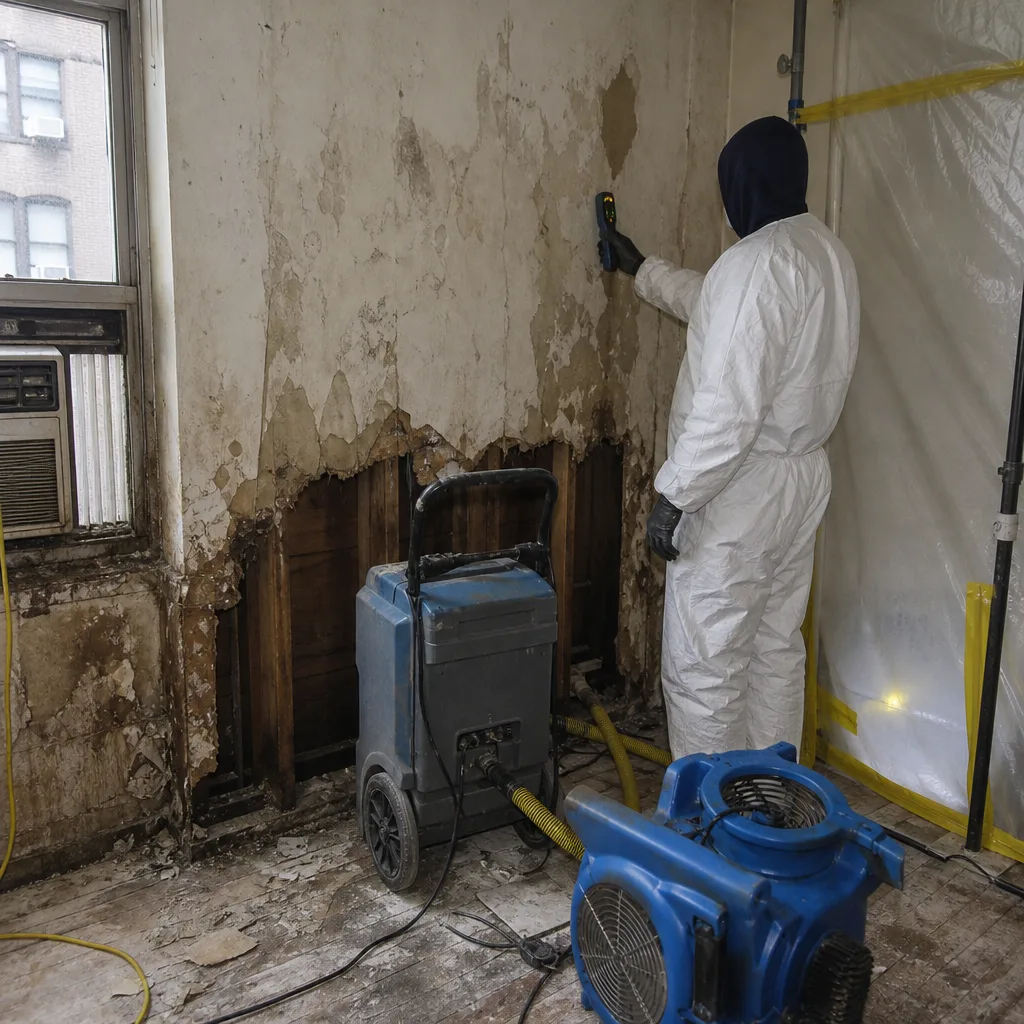 Before
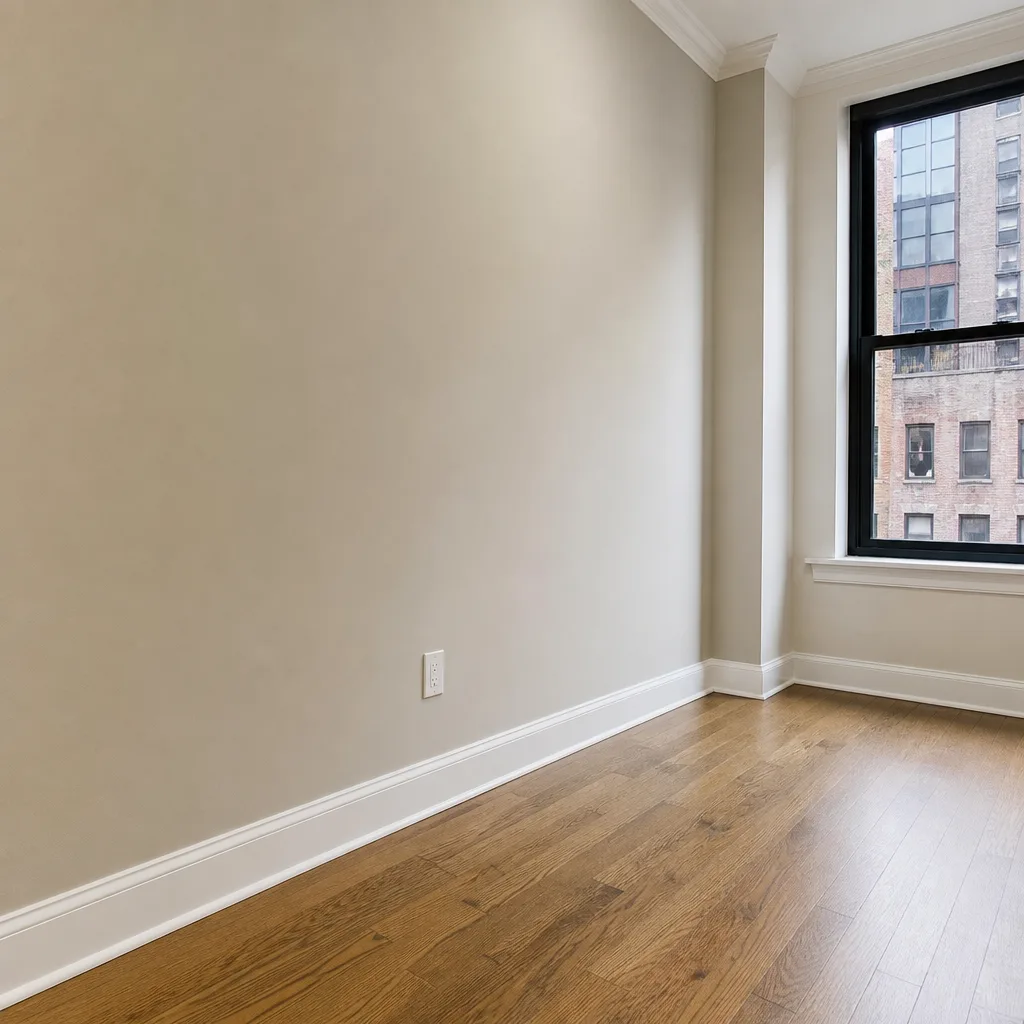 After
After24/7 Emergency Mold Remediation in Upper West Side
Mold remediation in Upper West Side typically costs between $1,800 and $6,500 for a contained pre-war co-op unit, with whole-stack multi-floor events running $12,000 to $45,000 depending on how many units are involved and whether asbestos abatement enters the picture. We answer the phone with a live person at 2 a.m., not a recording, and we can have a certified crew at your building inside of 45 minutes. Call (518) 314-5660 the moment you see discoloration on plaster, smell that musty odor in the walls, or get a call from your downstairs neighbor about water. The first hour matters because mold in a pre-war chase wall doesn’t wait, and neither do we.
Floodline Restoration Co. has worked the Upper West Side’s co-op towers and limestone rowhouses long enough to know that a mold problem here is almost never a one-unit problem. Curt Bowman founded this company around a dispatch board, not a sales desk, and that matters when a riser diagram shows six floors of hidden colonization. We’re licensed, insured, and every technician is background-checked and uniformed.
Understanding Mold Remediation Severity in Upper West Side Properties
Mold doesn’t spread the same way in a 1927 Central Park West co-op as it does in a sheetrock suburban house, and anyone who treats it the same is guessing. Pre-war plaster-and-lath walls wick moisture deep into the substrate, so the surface can feel bone-dry while the cavity behind it is saturated. That’s why we don’t do a visual once-over and call it good. We pull the Mold Remediation protocol and start with moisture mapping, thermal imaging, and relative humidity readings inside every wall cavity that shares a pipe chase.
Severity breaks down into three practical levels. Localized surface mold, the kind you see on a bathroom ceiling or behind a radiator, usually means containment, HEPA air scrubbing, and antimicrobial treatment in one visit. Cavity mold, hidden in plaster and lath or behind original wainscoting, requires opening walls and running negative air pressure with Dri-Eaz air scrubbers until clearance testing comes back clean. Whole-stack mold, fed by a burst supply valve or failed waste line in a shared chase, means multi-floor containment, co-op board coordination, and possibly NYC DEP-compliant asbestos abatement before restoration even begins. Each level has a different scope, and we write that scope down before we cut a single hole.
Key Takeaways
- Mold in Upper West Side pre-war apartments hides in plaster cavities that feel dry to the touch.
- A riser diagram is non-negotiable before any demo starts in a co-op building.
- Surface mold and cavity mold require different containment, different equipment, different cost.
- We bill your carrier directly and document everything from hour one.
Why Upper West Side Property Owners Choose Floodline Restoration Co.
- The 90-Day Done Right Promise: If the mold comes back or the work isn’t right, we make it right. In writing. No arguing, no paperwork battle.
- Live answer, 24/7: A dispatcher picks up at any hour. Not a machine. Not a callback queue. A person who can route a crew to Riverside Drive or Broadway immediately.
- IICRC-certified crews: Our technicians hold AMRT and WRT certifications and train against the standards, not guesswork. They show up in uniform and they show ID.
- Free visual inspection: We’ll tell you honestly whether you have a mold problem or a moisture problem, and we’ll show you readings, not just opinions.
- Direct insurance billing: We talk to your adjuster, we bill your carrier, and you don’t play messenger between us.
- One team, start to finish: The same crew that sets containment also handles daily moisture readings, clearance testing, and the rebuild. No handoff, no inherited strangers.
Our Mold Remediation Process
Inspection & Assessment
We start by requesting the building’s riser diagram from the super, then map moisture across the visible damage and the cavities behind it. Infrared cameras and invasive probe readings tell us where the mold actually is, not just where it’s showing.
Containment & Stabilization
We seal each affected floor with 6-mil polyethylene and run HEPA-filtered negative air machines to prevent spores from migrating through the building’s shared ventilation. If asbestos-containing pipe wrap or joint compound is present, we stop and coordinate NYC DEP-compliant abatement first.
Drying & Dehumidification
Dri-Eaz dehumidifiers and Phoenix air movers pull moisture from the plaster and lath substrate, with daily hygrometer readings logged until we hit the dry standard for pre-war construction. Saturated plaster dries slowly, and we don’t rush it.
Cleaning & Sanitization
We remove colonized materials, HEPA-vacuum every surface inside containment, and apply EPA-registered antimicrobials to the dried cavities. Air scrubbers run throughout, and we test, not assume.
Moisture & Humidity Control
Before we close any wall, we address the source of moisture. In UWS co-ops that usually means radiator valve replacement, waste line repair, or envelope air-sealing where river-driven humidity is intruding. Treating mold without fixing moisture is just scheduling your next mold problem.
Repairs & Restoration
We rebuild the walls, match the plaster or drywall to the building’s original character, and repaint. Then we hand you the drying log, the clearance test results, and the written 90-Day Done Right Promise.
Need Emergency Mold Remediation in Upper West Side Now?
Crews minutes away, answering live 24 hours a day. The sooner we start, the less it costs.
Working With Your Insurance Company
Mold claims in co-op buildings are messier than most homeowners realize, because the board’s policy, your unit policy, and each neighbor’s policy can all point at each other. We’ve handled enough Upper West Side claims to know how to document a loss so the carrier can’t dodge it. From the first hour, we photograph everything, log every moisture reading, and write a line-item scope in the format adjusters expect. We deal with your adjuster directly, and we bill your carrier directly.
What We Provide Your Insurer
- Thorough documentation of the loss, starting before demo begins
- Photos of all damage, room by room, floor by floor
- Moisture readings and drying logs through the dry standard
- A detailed, line-item scope of work with no vague line items
- Direct coordination with your carrier and the board’s carrier
Built for Upper West Side’s Loss Calendar
Mold in Upper West Side follows the building’s plumbing calendar, not the weather. January deep freezes snap aging galvanized supply lines in unheated service closets and exterior wall cavities, dumping water into plaster before anyone notices the pressure drop. Spring brings thaw and drainage backups in the old combined sewer laterals along Broadway and Amsterdam. Summer thunderstorms overwhelm roof drains on 20-story towers, and the water finds the path of least resistance, which is usually the pipe chase behind someone’s kitchen wall. Nor’easters drive rain horizontally against Riverside Drive façades, forcing moisture through aging limestone and brick that hasn’t been repointed in decades. Every one of those events leaves saturated plaster behind, and saturated plaster in an 1890s rowhouse or 1920s tower grows mold inside of 48 hours. We schedule around that reality, and we dispatch crews who know the service elevator situation in these buildings.
Mold Remediation Across Upper West Side’s Neighborhoods
The response route matters as much as the remediation itself on the Upper West Side. In the Central Park West corridor, where towers run high and staffed lobbies run formal, our crews coordinate arrival times with the front desk and use service entrances so residents don’t wait in the lobby with a HEPA scrubber on a dolly. Along West End Avenue and Riverside Drive, we deal with narrower elevator cabs and tighter service corridors, which means staging equipment in waves rather than hauling everything at once, and we know which buildings require union porters for freight elevator access. The limestone rowhouses on the side streets between Broadway and Amsterdam present a different problem entirely: original cast-iron waste stacks that have been patched for decades, shared party walls, and basements that were converted to garden apartments without proper ventilation. And in the Morningside Heights border blocks near 110th Street and Broadway, we see older pre-war rentals with steam heat risers that have been sweating into wall cavities every winter for eighty years. Each of these areas has a different building DNA, and our containment plans respect that.
Specialized Mold Remediation Services We Offer in Upper West Side
Mold Inspection & Testing
Before we recommend any remediation, we inspect with instruments, not assumptions. We pull air samples inside and outside the unit to establish baseline spore counts, we take surface swabs to identify the mold species, and we run infrared over every wall that shares a pipe chase. In a pre-war co-op, a “clean” visual inspection without invasive readings is a guess. In the land between the Hudson River and Central Park, ambient spore counts are already elevated, so we always compare indoor and outdoor readings before we tell you whether you have a problem.
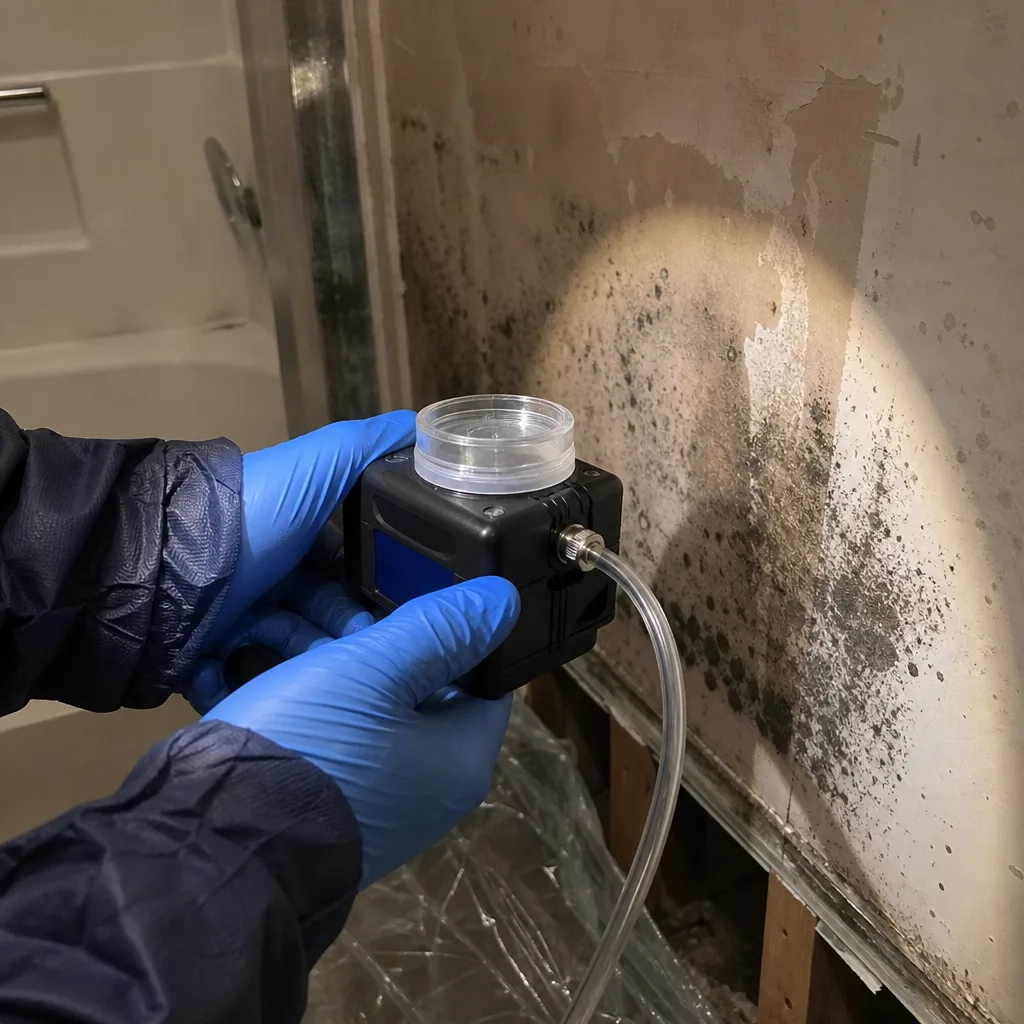
Mold Removal
We remove colonized plaster, lath, drywall, trim, and insulation inside full containment, running HEPA air scrubbers to keep spores from spreading through the building’s common ventilation. In UWS co-ops, containment has to account for the fact that the hallway outside your door is shared space. We run negative air pressure, not just plastic sheeting, and we schedule demo around the building’s quiet hours when the board requires it.
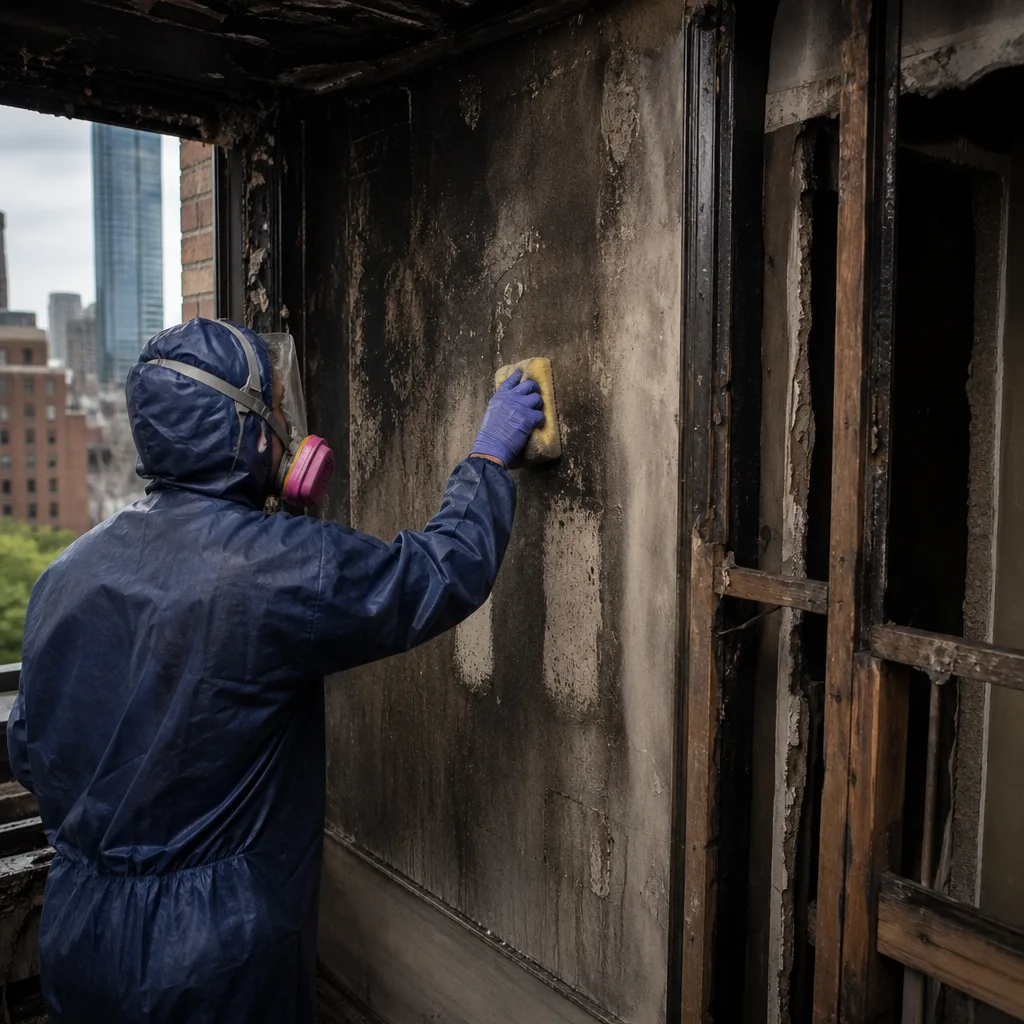
Black Mold Remediation
Stachybotrys, the “black mold” people worry about, is common in UWS buildings because it feeds on cellulose in wet plaster and original wood lath. The color matters less than the moisture history, but we treat it seriously regardless: full containment, forced air exchange with HEPA filtration, and post-remediation clearance testing from an independent lab. We don’t paint over it and we don’t “spray and pray.”
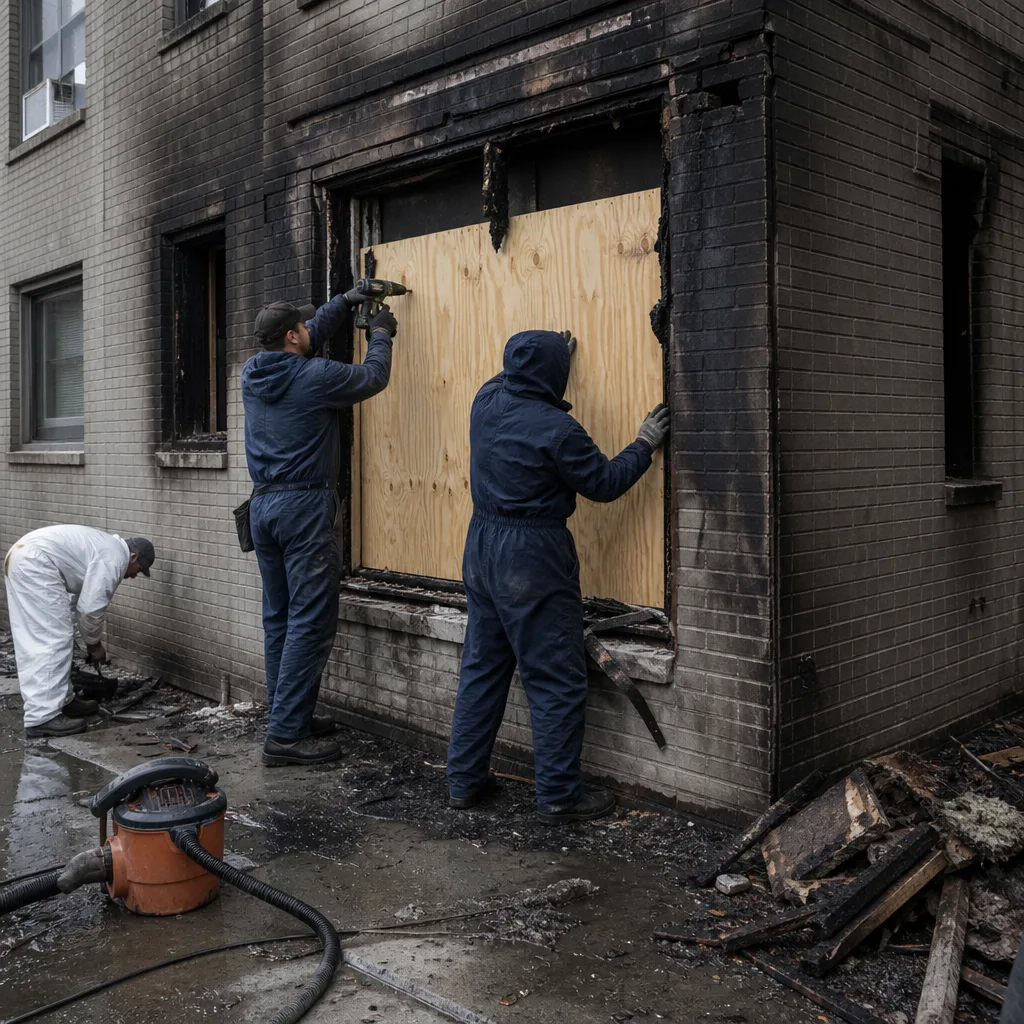
Air Quality Restoration
Living between the Hudson and Central Park means your apartment’s air already carries elevated moisture and organic particulates. After a mold event, spore counts can stay high inside even after visible mold is gone. We run HEPA air scrubbers, replace HVAC filters, and in severe cases install dehumidification to bring indoor humidity down to the 45-50% range that inhibits regrowth. For UWS apartments, we also inspect the PTAC units and through-wall sleeves that so many older buildings use, because those are mold reservoirs nobody thinks to clean.
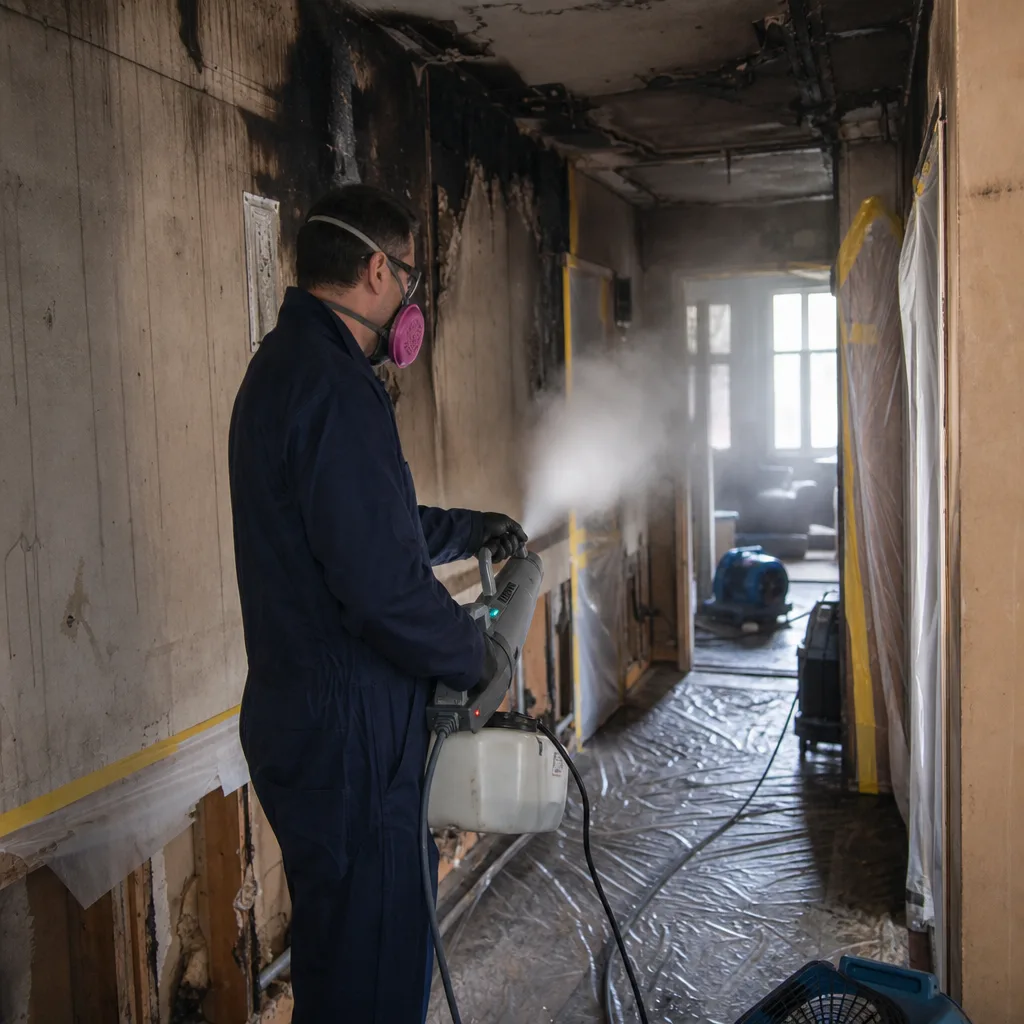
Crawl Space Treatment
The garden-level and cellar apartments on the side streets of the Upper West Side have crawl spaces and low-clearance areas that other companies won’t touch. We do. We treat the framing, install vapor barriers where the original floors sit on dirt, and run dehumidifiers sized for the space. In buildings where the cellar still has the original coal chute and dirt floor, that means air-sealing and moisture control, not just fungicide.
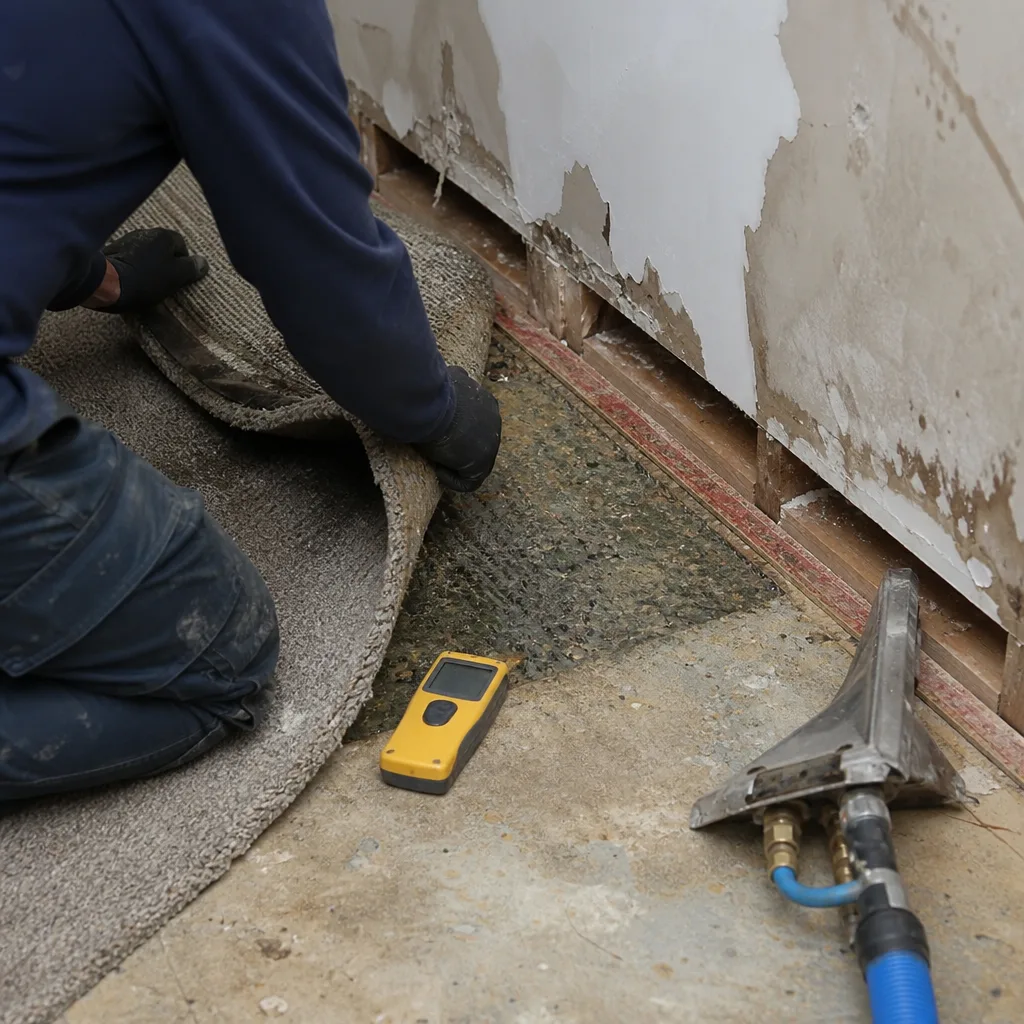
What happens when you call
- 1
A real person answersNo phone trees - you reach a local pro.
- 2
You get an upfront price rangeHonest numbers before anyone is dispatched.
- 3
A background-checked tech heads outLicensed & insured, dispatched right away.
- 4
You approve before work beginsNothing starts until you say go.
Mold Remediation Costs in Upper West Side, NY
Here are honest numbers for the Upper West Side market. A single-bathroom mold removal with containment and air scrubbing runs $1,800 to $4,200. A full apartment, say a two-bedroom with mold in the kitchen and bath, lands between $4,500 and $11,000 depending on how much wall has to come open. A whole-stack event, where a chase fed mold into five or fifteen units, runs $12,000 to $45,000 or more, especially when asbestos siding or pipe wrap is involved and requires DEP-compliant abatement. What moves the price: the number of floors affected, whether the building requires licensed abatement contractors for asbestos, whether we can access the chase from one unit or have to open multiple apartments, and whether your building has a working freight elevator or we’re hauling HEPA equipment up six flights. Insurance covers a lot of this when the mold grew from a covered water event, and that’s where direct carrier billing takes the weight off you. The free visual inspection is the starting point. We tell you what we found, what it costs to fix it, and what your carrier is likely to cover, all before you sign anything.
We Also Serve Cities Near Upper West Side
Our crews cover Upper West Side and the surrounding neighborhoods, including Midtown Manhattan, Midtown West, Murray Hill, and Washington Square. If your building sits near a boundary, call and we’ll confirm coverage and arrival time.
Upper West Side Mold Remediation Questions, Answered
Does mold remediation in an Upper West Side pre-war co-op require board approval before we start?
Yes, in nearly every co-op building on the Upper West Side, you need board or managing agent approval before we open any wall inside your unit or in common areas. We handle that for you. We submit a written scope, we speak with the management office, and we coordinate access so work doesn’t stall mid-job. The board’s main concerns are liability, asbestos, and disruption to neighbors, and our documentation answers all three. Call (518) 314-5660 and we’ll start the approval process for you.
Why is mold in old plaster walls on the UWS more dangerous than in modern drywall?
Plaster-and-lath walls wick and hold moisture deep inside the substrate while the surface can feel dry to the touch. That means mold grows hidden in the cavity for weeks or months before you see staining. In modern drywall, the paper facing shows water damage quickly. In a pre-war UWS apartment, the wall can lie to you. We use infrared and invasive probe readings to find what’s hiding. Call us and we’ll check your walls properly.
Can you tell which floor a mold problem started on in a Riverside Drive building?
Yes, usually. We pull the building’s riser diagram from the super and moisture-map the entire vertical stack. In a 1920s co-op with original cast-iron pipe chases, the visible mold on your floor is often fed by a slow leak three floors above. The riser diagram shows us the path, and the moisture readings show us the source. That’s the difference between remediating once and remediating twice. Call (518) 314-5660 to schedule a stack inspection.
What does Category 3 water mean for mold remediation in an Upper West Side apartment?
Category 3 water is grossly contaminated, typically from sewage or a waste line backup. In a UWS co-op, that usually means the building’s shared waste stack backed up into multiple units. Remediation after Category 3 water requires full containment, antimicrobial treatment, removal of saturated materials, and clearance testing. We were called to a 1920s co-op on West End Avenue after a Category 3 backup soaked the plaster walls of three stacked apartments. We requested the riser diagram, set containment floor by floor, and traced wicking into the plaster two floors below the visible damage. We coordinated with the board and each unit owner’s insurance, ran Dri-Eaz dehumidifiers and air movers, and documented every step so the building could prove NYC DEP compliance on the asbestos pipe wrap we had to encapsulate. That’s the kind of job we do routinely here.
How does living between the Hudson River and Central Park make mold worse in my UWS apartment?
The Upper West Side sits between two massive moisture sources, the Hudson River to the west and Central Park’s vegetation to the east. That keeps ambient humidity elevated, which slows the drying of wet building materials and speeds up mold colonization. Add in wind-driven rain pushing into aging Riverside Drive façades, and you get chronic envelope intrusion that feeds mold in wall cavities even without a plumbing leak. We account for that baseline moisture when we design a drying plan for your building. If your apartment feels damp even when it’s dry outside, call (518) 314-5660 and we’ll take readings and show you what’s happening.
How fast can someone actually get to my Upper West Side building?
A certified crew can be at your building inside of 45 minutes for emergency mold and water events. Our dispatchers answer live around the clock, and our crews are stationed to serve Upper West Side directly. For non-emergency inspections, we typically schedule within 24 to 48 hours. Call (518) 314-5660 now and we’ll give you a real arrival time, not a window.
Can I stay in my apartment during mold remediation?
It depends on the size of the affected area and whether spores have spread into your living space. For a contained bathroom job, you can usually stay while we work behind plastic and run air scrubbers. For a multi-room or whole-stack event, we typically recommend relocating for a few days while negative air pressure and HEPA filtration do their work. We’ll tell you straight before we start, and we’ll give you a timeline you can plan around.
What should I do in the first 30 minutes after I discover mold or water damage?
Shut off the water source if you can do so safely, move furniture and valuables out of the affected area, and call (518) 314-5660. Don’t disturb the mold, don’t run fans, and don’t try to clean it yourself. Disturbing mold sends spores airborne and spreads the problem through your unit and into the building’s common ventilation. Take photos for your records, then let us handle the rest. The call takes two minutes, and it costs you nothing to have us look.
Serving Upper West Side, NY - Our Local Coverage Area
We’re based in the Upper West Side area and know this community well. Use the map below to see our service coverage - if you’re nearby, we can almost certainly help.
Call Floodline Restoration Co. for Mold Remediation in Upper West Side
If you’ve got a mold problem in an Upper West Side co-op or rowhouse, don’t let it sit. Every day of waiting means more damage in the plaster cavities, more spores in the air, and more units in the stack affected. We’re a local team that knows these buildings, pulls the riser diagrams, works with the boards, and bills your carrier directly. We stand behind our work with the 90-Day Done Right Promise, in writing, no arguing. Call (518) 314-5660 for a free visual inspection and a straight answer. Upfront pricing, no surprises on the bill, and a live person on the line whenever you’re ready.
Written by Curt Bowman, Owner at Floodline Restoration Co., serving Upper West Side and greater New York City.