
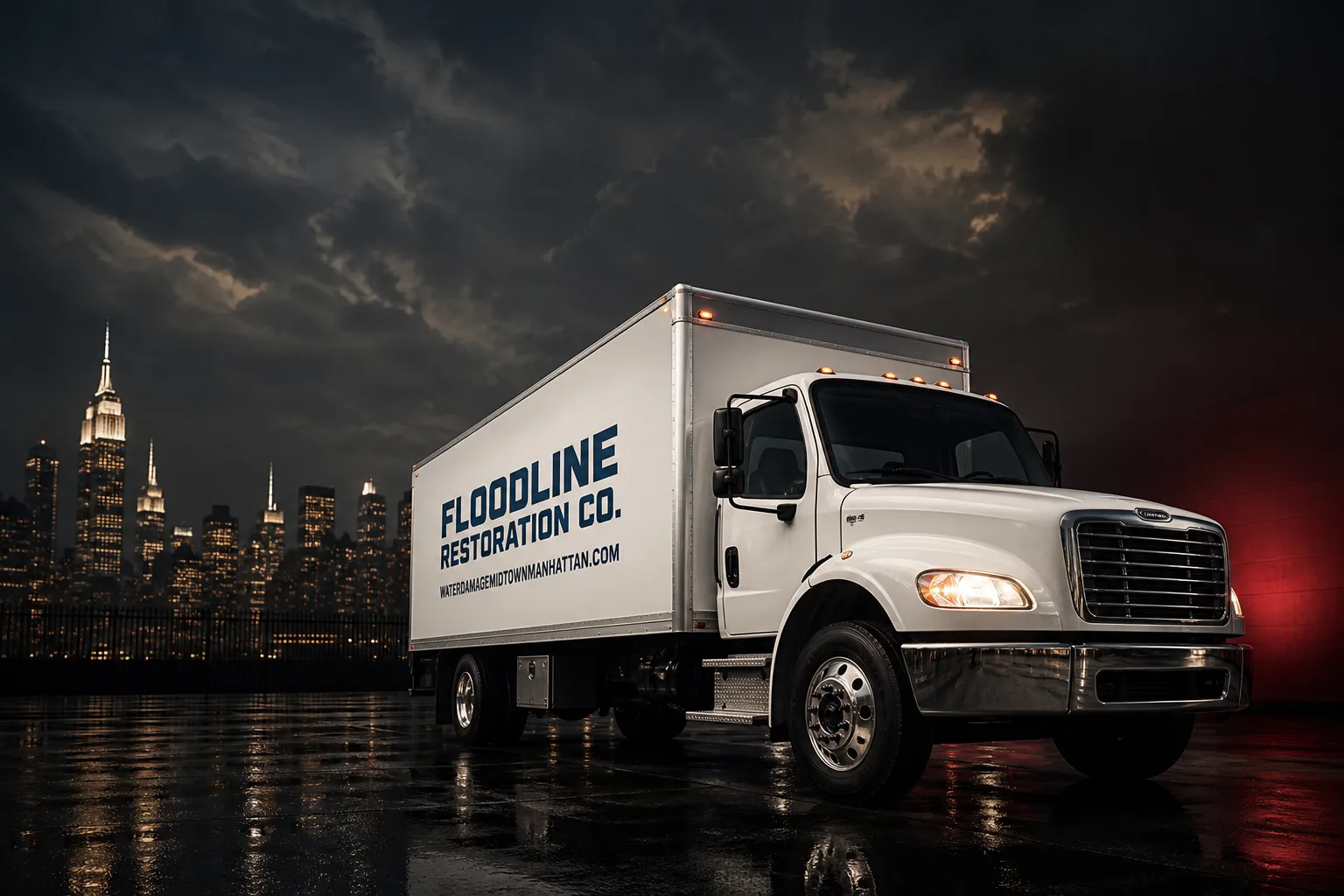
Free visual inspection and a written scope of work before any mitigation begins - photos, moisture readings, and drying logs go in your claim file
The scope we write is the scope we bill. Anything new gets shown to you, in writing, before we touch it.
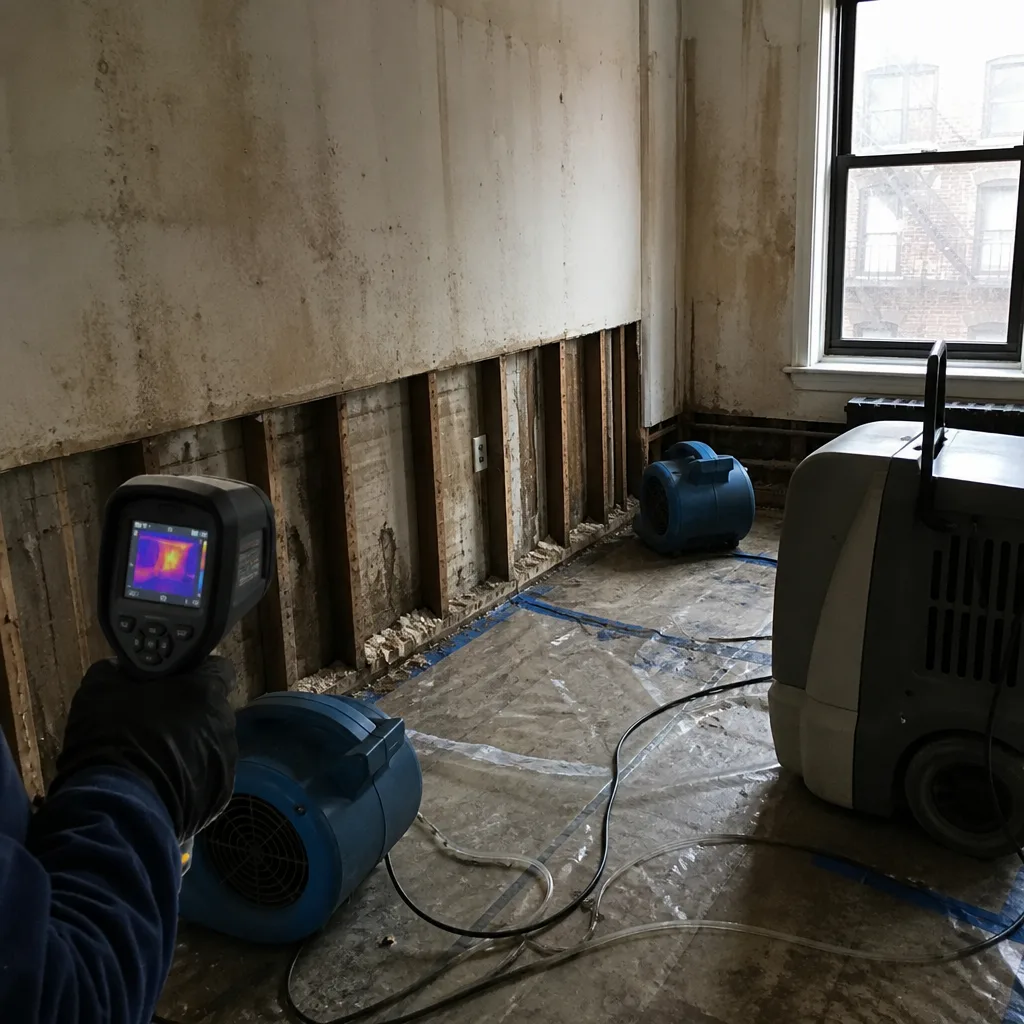 Before
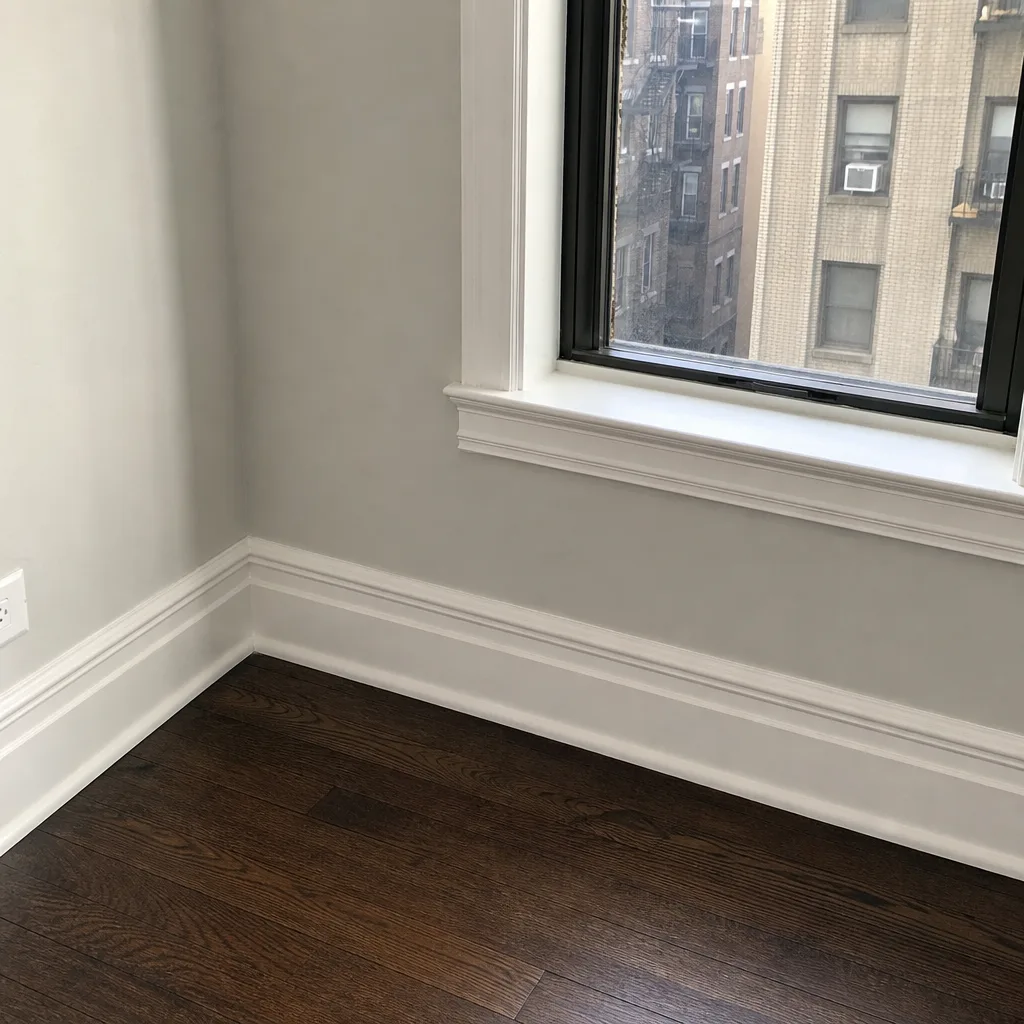 After
After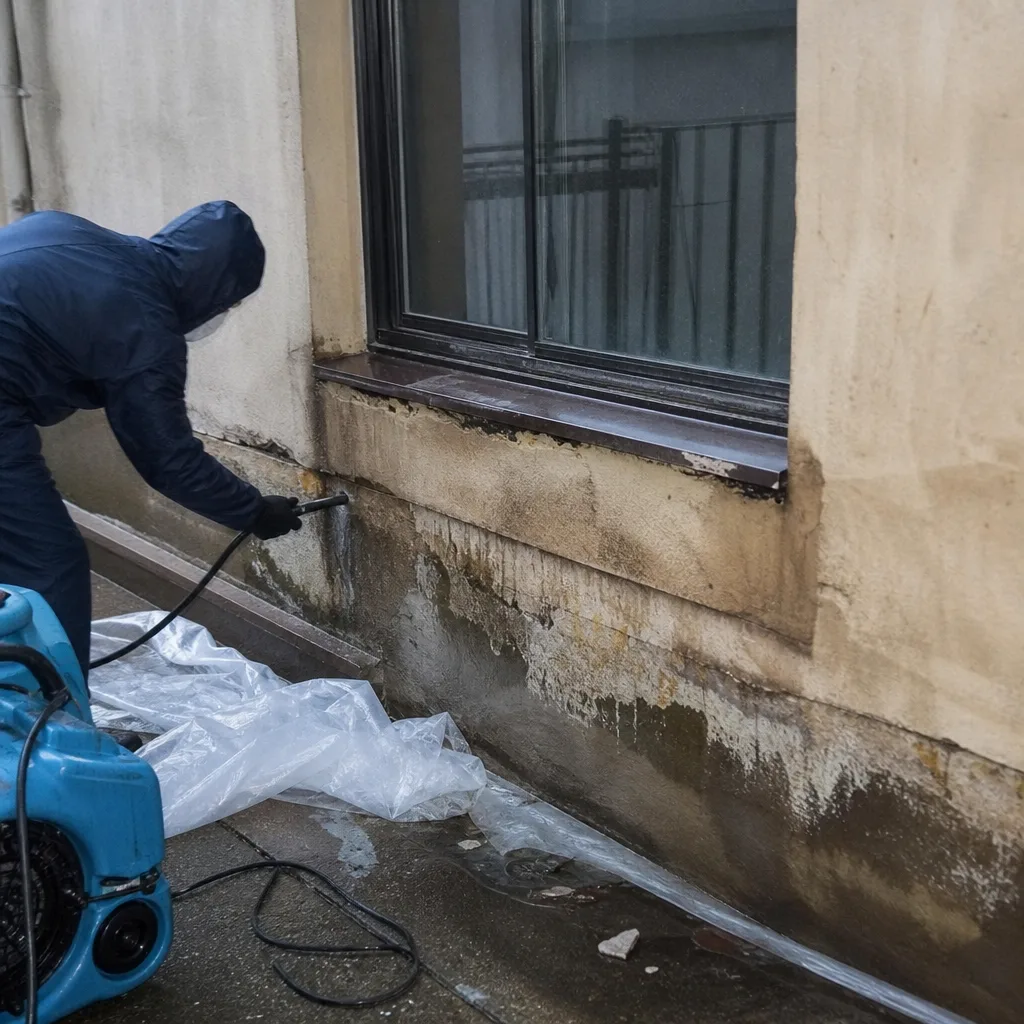 Before
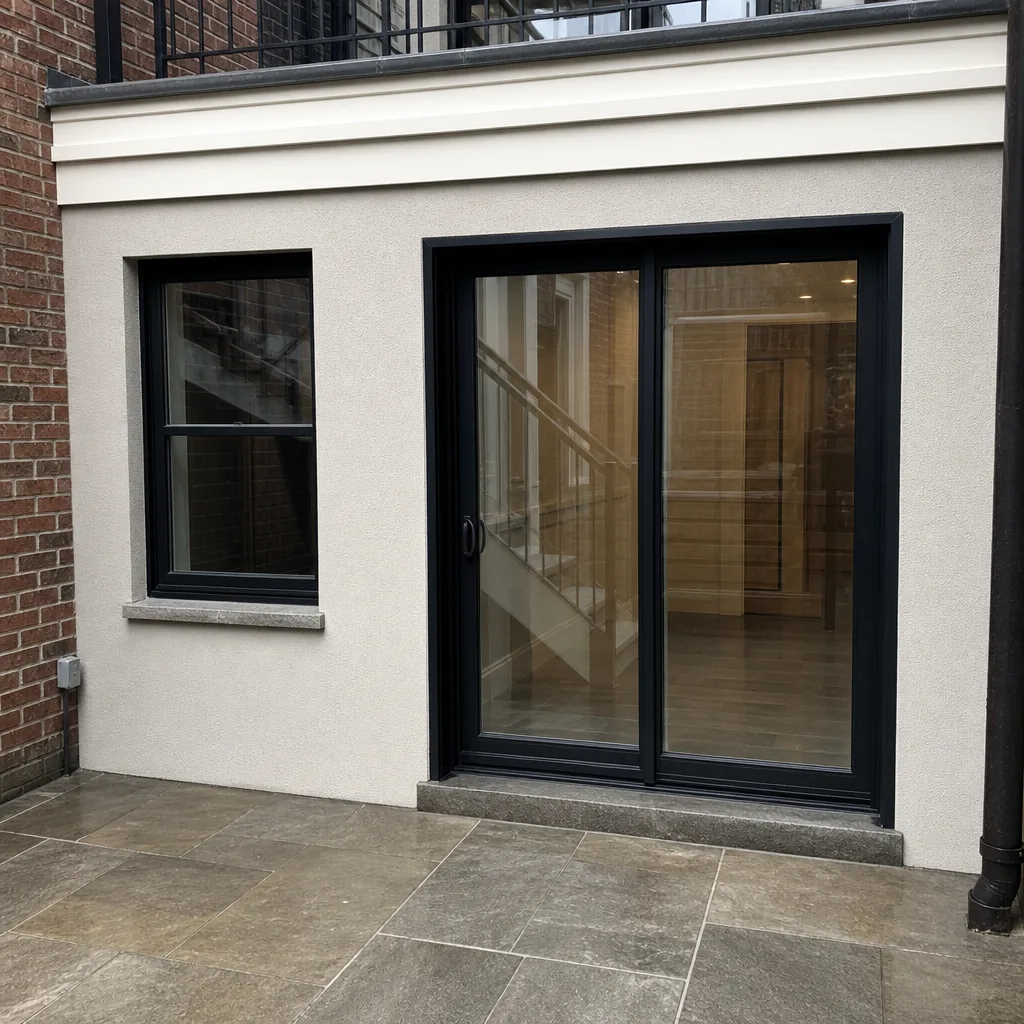 After
After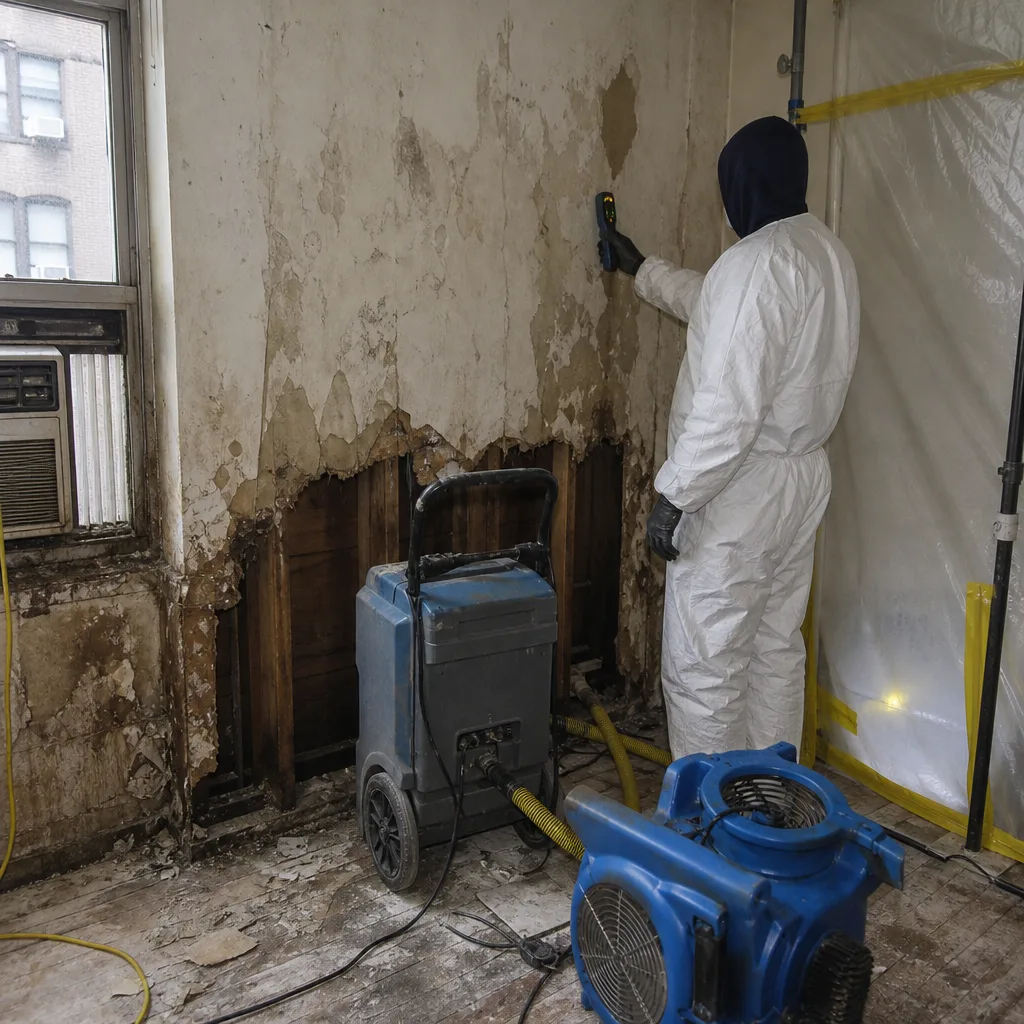 Before
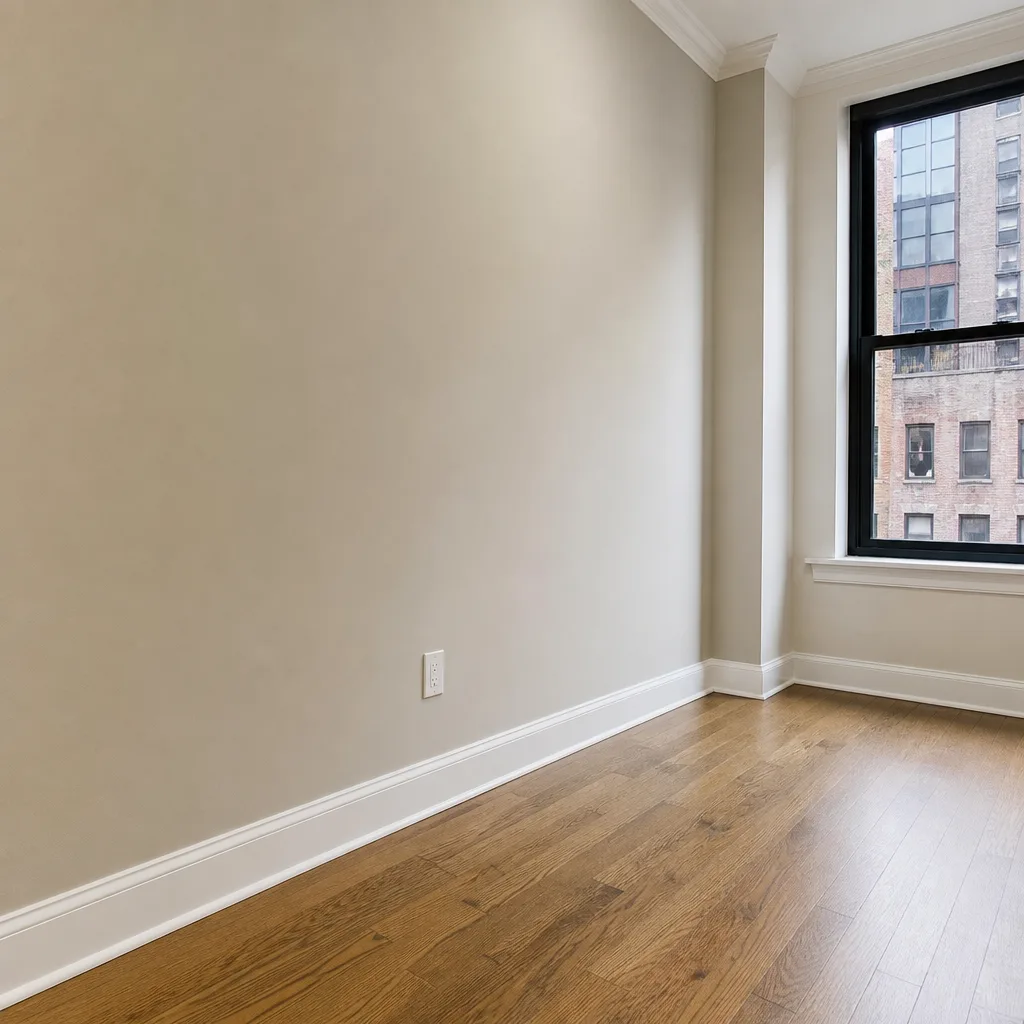 After
After24/7 Emergency Storm & Disaster Restoration in Upper West Side
Storm and flood damage inside a pre-war Upper West Side co-op moves fast, and it rarely stays in one apartment. A burst supply line on the 12th floor can be dripping through the ceiling of the 8th floor within the hour. That’s why our dispatchers answer live around the clock, every day of the year. Call (518) 314-5660 and you’ll reach a person, not a recording, who can have a certified crew rolling toward the Upper West Side within 45 minutes. The first hour decides whether you’re drying plaster or replacing it. We do a free visual inspection on every call, so you get a straight answer about what you’re actually facing before any money changes hands.
Understanding Storm & Disaster Restoration Severity in Upper West Side Properties
Upper West Side buildings are their own animal. Most of the housing stock went up between the 1890s and the 1940s: six-story limestone rowhouse conversions on the side streets, 20-story co-op towers along Central Park West and Riverside Drive. The walls are plaster and lath, not drywall. The supply lines are cast iron and galvanized steel, many of them original. When water moves through these buildings, it behaves differently. Saturated plaster wicks moisture deep into the substrate and can feel bone dry on the surface while holding 30% moisture content an inch in. That’s why we classify the water (Category 1 clean, Category 2 contaminated, Category 3 sewage or floodwater), run thermal imaging, and take moisture readings from inside wall cavities, not just off the face. In a 1920s co-op with a wet stack, skipping the cavity readings is how you get mold blooming behind a painted wall three weeks after the tenant thinks the job is done.
Why Upper West Side Property Owners Choose Floodline Restoration Co.
- 45-minute response commitment. When water is cascading through a pipe chase, every minute counts. Our crews dispatch from inside the Upper West Side service area and aim to be on site within 45 minutes of your call.
- A live person answers, 24/7. Two in the morning, a holiday, a nor’easter piling rain against the windows: a Floodline dispatcher picks up. No phone tree, no “leave a message.”
- IICRC-certified technicians, trained to WRT and ASD standards. Water damage restoration and applied structural drying are our core credentials. We carry the same certifications on every job, big or small.
- Free visual inspection. We walk the loss, read the moisture, and tell you what you’re looking at. No charge, no obligation, and no pressure to sign anything on the spot.
- Direct insurance billing. We bill your carrier directly and handle the adjuster communication. You never play messenger between us and the insurance company.
- One team from first extraction to finished rebuild. The crew that pulls the water out is the crew that reinstalls the baseboard. No mid-job handoff to a subcontractor you’ve never met.
Our Storm & Disaster Restoration Process
Inspection & Assessment
We start by requesting the riser diagram from your super or building management. Then we trace the water path, take thermal images and moisture readings from wall cavities, and determine the true source. In a pre-war co-op, the wet apartment is often not the source apartment.
Extraction & Stabilization
We pull standing water with truck-mounted and portable extraction units, then stabilize the area with containment and negative air where needed. If walls have to be opened, we coordinate with the board and management first. In buildings with legacy asbestos, we pause at containment until abatement protocols are confirmed.
Drying & Dehumidification
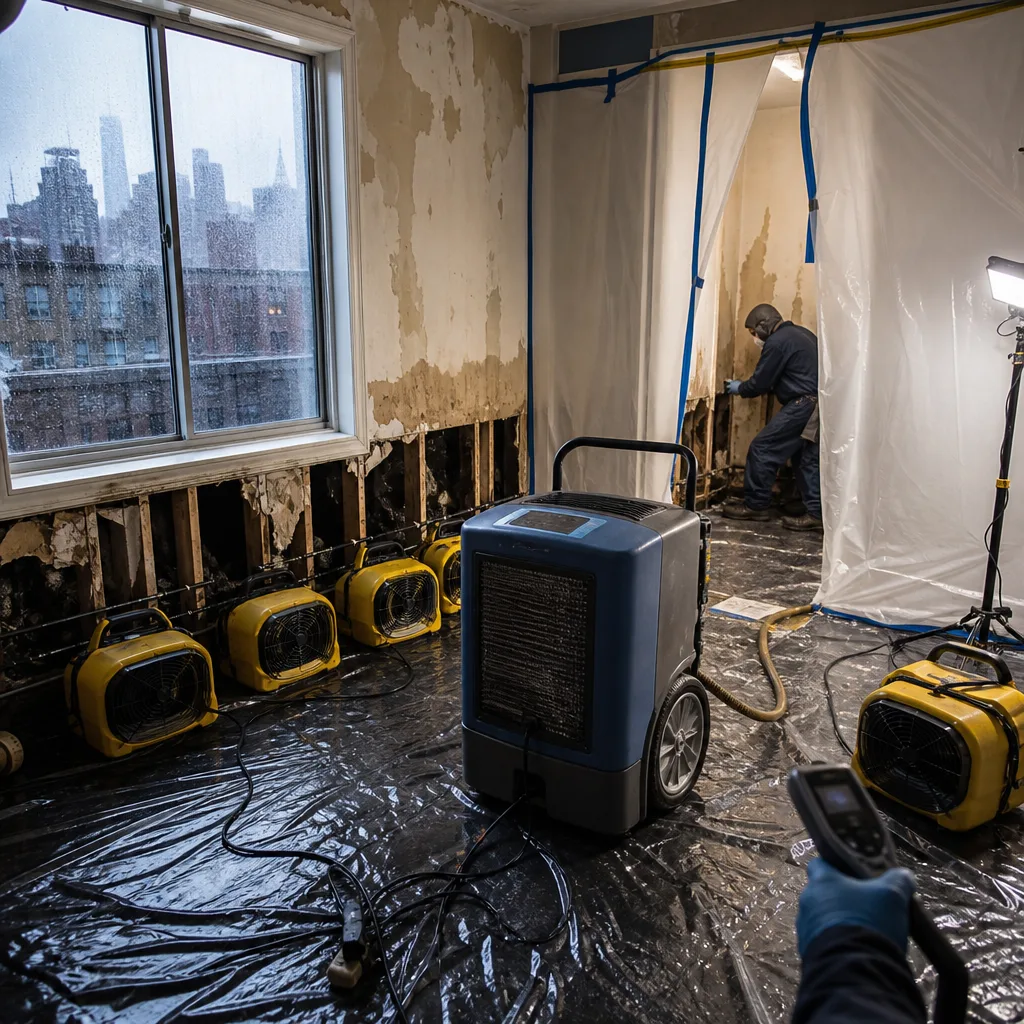
We set professional-grade air movers and dehumidifiers (including Phoenix, XPOWER, and Dri-Eaz units) and take daily moisture readings until the dry standard is met. You get a written moisture log for your records and your insurer. Plaster-and-lath walls get cavity drying, not just surface drying.
Cleaning & Sanitization
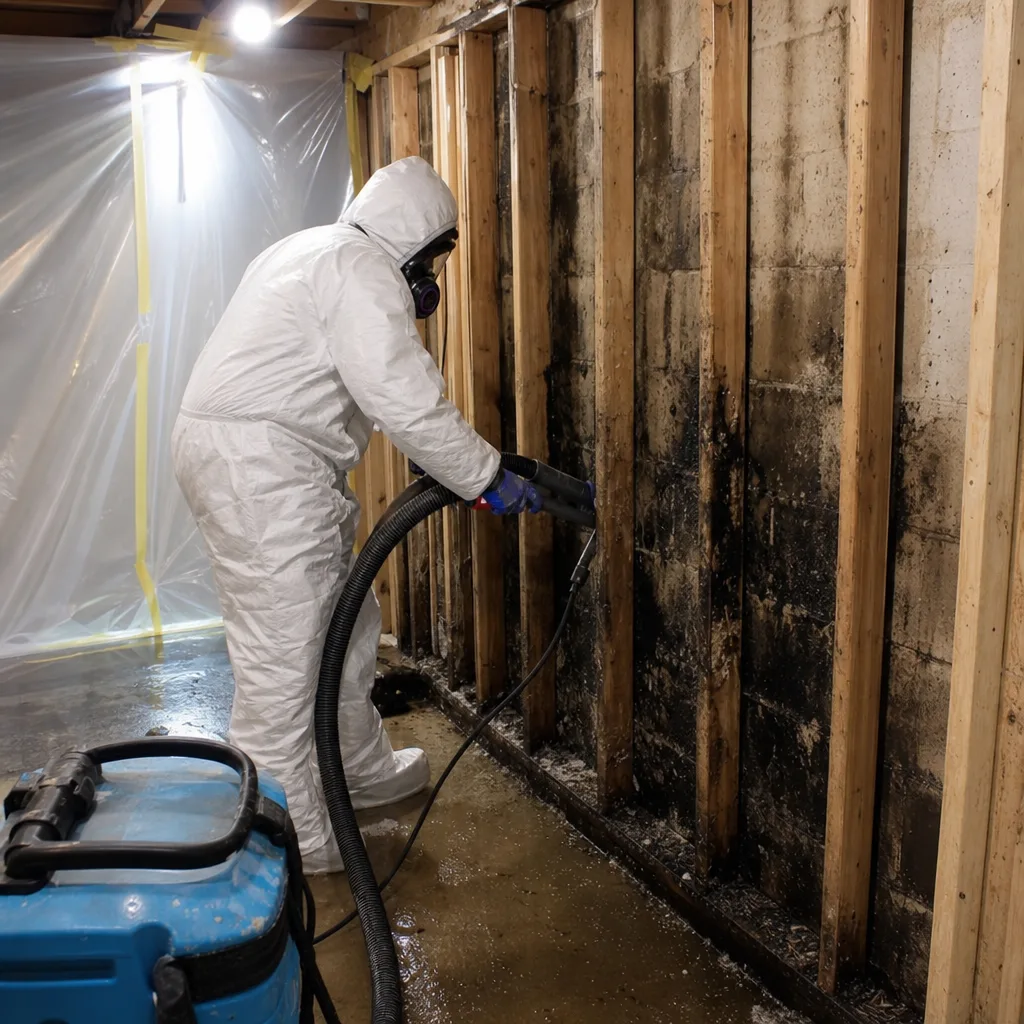
Once dry, we clean and sanitize affected surfaces. Where floodwater or sewage was involved, we use antimicrobial treatments and HEPA air scrubbing to keep airborne spores from spreading to unaffected units on the same floor or stack.
Specialty Treatment for Storm & Disaster Restoration
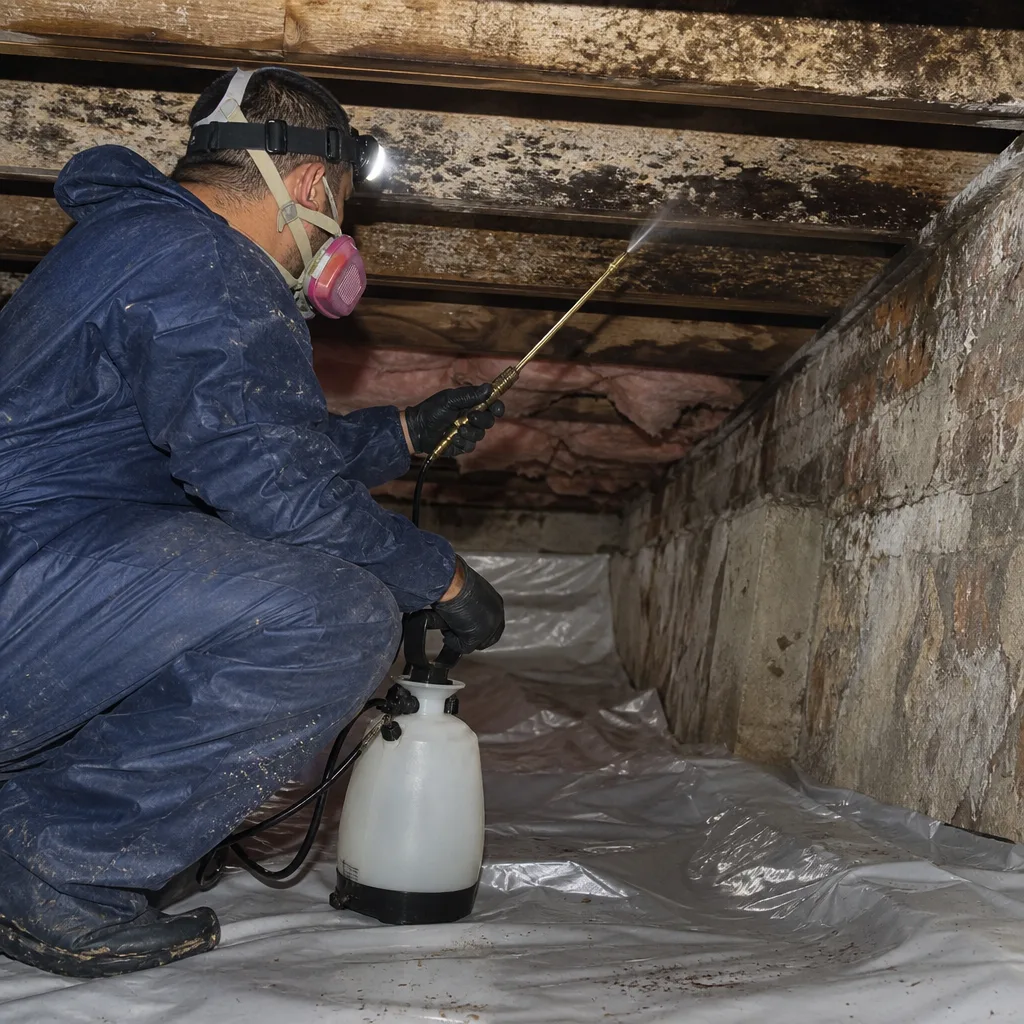
Storm and flood losses in the Upper West Side often bring wind-driven water through façades, saturated plaster, and hidden mold in wall cavities. We address envelope intrusion, treat affected cavities, and document everything for the carrier.
Repairs & Restoration
Rebuild happens with the same crew that dried the space. Plaster repair, trim, flooring, painting: it’s all in our wheelhouse, and it’s all backed by the 90-Day Done Right Promise in writing.
Need Emergency Storm & Disaster Restoration in Upper West Side Now?
Crews minutes away, answering live 24 hours a day. The sooner we start, the less it costs.
Working With Your Insurance Company
Insurance adjusters know the Upper West Side. They’ve seen the wet stack claims, the co-op bylaw complications, the abatement line items. What speeds your claim is documentation from hour one. We photograph every affected area before we touch anything, log moisture readings daily, and build a line-item scope that the carrier can process without back-and-forth. We also communicate directly with your adjuster so you’re not translating construction terms over the phone. If your co-op’s master policy covers part of the loss and your individual HO-6 policy covers the rest, we coordinate both. Our goal is a claim that closes without you chasing anyone.
What We Provide Your Insurer
- Thorough documentation of the loss
- Photos of all damage, room by room
- Moisture readings and drying logs
- A detailed, line-item scope of work
- Direct coordination with your carrier
Built for Upper West Side’s Loss Calendar
Storm and disaster losses in the Upper West Side follow the seasons. January and February bring deep freezes that burst radiator supply lines and freeze uninsulated risers in exterior walls. March and April thaw brings seepage into basement storage rooms and saturated foundation walls on the brownstone blocks off West End Avenue. Summer brings thunderstorm flash flooding: the stretch along Riverside Drive takes wind-driven rain straight off the Hudson, and aging limestone façades let it in through mortar joints that haven’t been repointed in decades. Fall nor’easters push water through roof membranes on the taller co-op towers and overwhelm aging roof drains, sending water down interior walls. In every season, the pre-war plumbing is the wild card. A 95-year-old cast-iron riser doesn’t need a storm to fail: it just needs a heavy rain and one more pressure cycle.
Storm & Disaster Restoration Across Upper West Side’s Neighborhoods
Response routes matter when you’re moving extraction equipment through Manhattan at 3 a.m. We know the loading docks on Central Park West and the service entrances on West End Avenue. The 20-story co-op towers along Riverside Drive, between West 72nd and West 96th, are where we see the most wind-driven façade intrusion and upper-floor wet stacks. The brownstone and limestone rowhouse blocks off Amsterdam and Columbus, especially in the West 80s, bring basement seepage after heavy rain and aging terra cotta roof drains that back up in nor’easters. Morningside Heights to the north has its own mix of converted pre-wars and newer high-rises, each with different window flashing details and parapet conditions. The blocks around the American Museum of Natural History run heavy on large apartment buildings with original steam risers: one failed valve above the 10th floor and we’re tracing water through a dozen units by lunchtime. Being local means we know which buildings have freight elevators, which supers require COI filings before we can park a truck, and which co-op boards need a board packet before any wall gets opened.
Specialized Storm & Disaster Restoration Services We Offer in Upper West Side
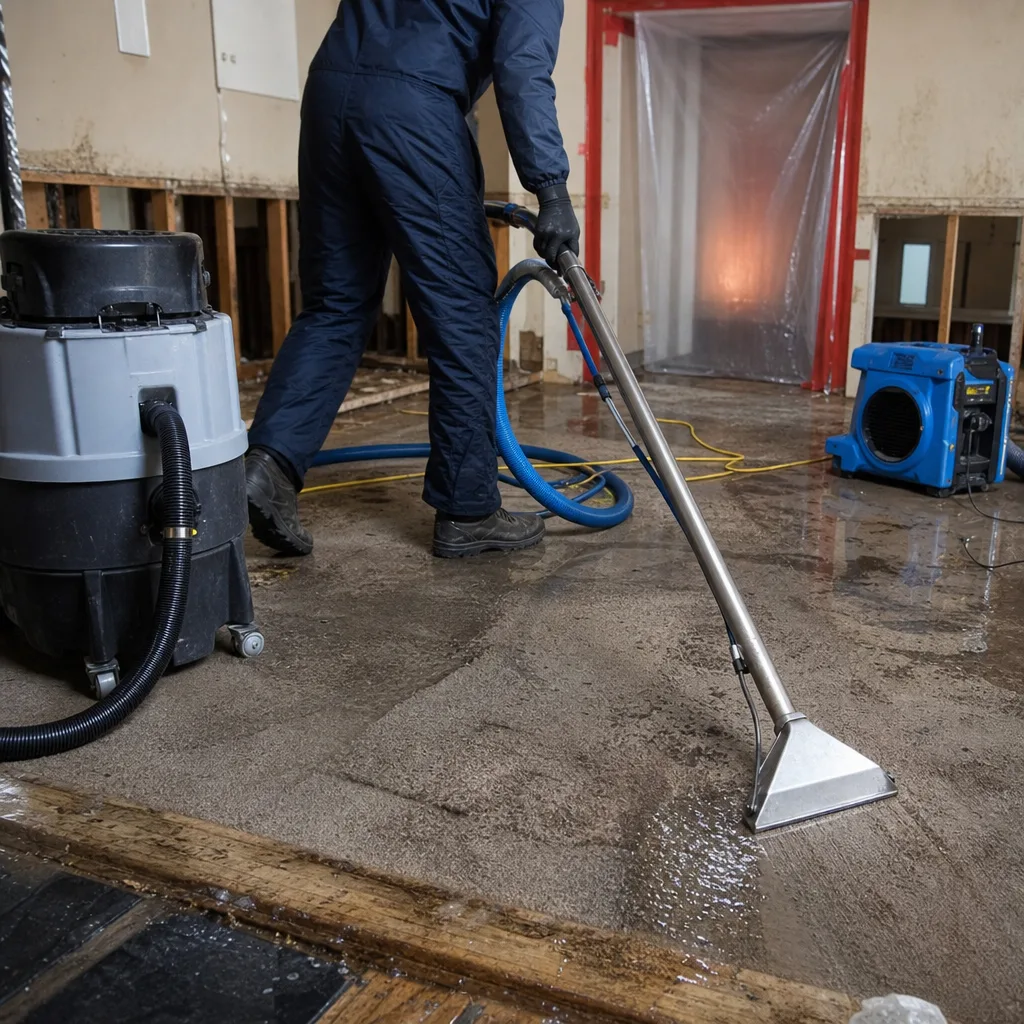
Storm Damage Cleanup
Debris, broken glass, water intrusion, fallen tree limbs against windows: after a bad storm, the Upper West Side needs fast cleanup that doesn’t wait for the adjuster to return a call. We secure the area, remove storm debris, and document the damage for your claim before mitigation begins.
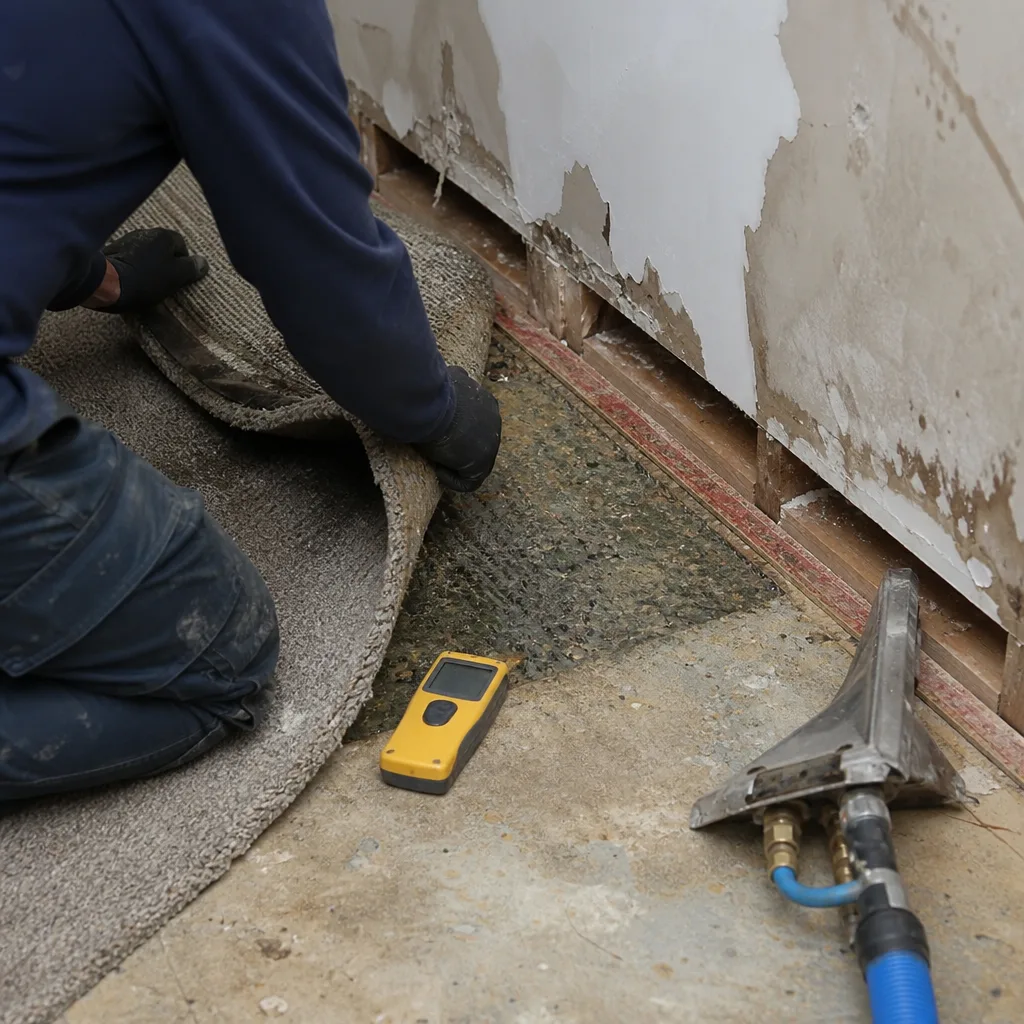
Flood Damage Restoration
Inside pre-war co-ops, flood water doesn’t just sit on the floor. It finds the pipe chases, the lath cavities, the space between the subfloor and the ceiling below. Our flood restoration starts with the riser diagram and ends with a dry standard confirmed by cavity readings, not surface checks. We handle Category 2 and Category 3 water with full containment when required.
Emergency Board-Up
Broken windows from wind-blown debris, a blown-out skylight, or a damaged entry door leave a building open to weather and theft. We board up and secure openings fast, then document everything for the carrier. On the Upper West Side, we also coordinate with building management so board-up meets co-op security requirements while permanent repairs are scheduled.
Roof Tarping
Nor’easters tear at the flat and low-slope roofs common on Upper West Side rowhouses and towers. A temporary tarp stops water from pouring into top-floor units and the walls below while a permanent roof repair is scoped. We tarp within hours, not days, because every storm cycle that passes through an open roof sends water further down the stack.
Debris Removal
After a storm, debris in stairwells, courtyards, and sidewalks becomes a hazard and a liability. We haul it, clean the space, and separate what the insurer needs to see from what can go. In co-op buildings, we work with the super on staging areas and disposal so building operations continue without disruption.
What happens when you call
- 1
A real person answersNo phone trees - you reach a local pro.
- 2
You get an upfront price rangeHonest numbers before anyone is dispatched.
- 3
A background-checked tech heads outLicensed & insured, dispatched right away.
- 4
You approve before work beginsNothing starts until you say go.
Storm & Disaster Restoration Costs in Upper West Side, NY
Restoration pricing in the Upper West Side runs higher than the outer boroughs, mostly because of access and coordination costs. A simple water extraction and drying for a single apartment with no asbestos and no board complications typically runs $2,800 to $6,500. A multi-floor wet stack with wall demolition, containment, drying, abatement, and rebuild runs $15,000 to $75,000 or more, depending on how many units are involved and what the riser mapping reveals. Emergency board-up runs $300 to $900 per opening, roof tarping $500 to $1,500 depending on roof height and access. Every job starts with a free visual inspection and a written scope before any work begins. The 90-Day Done Right Promise is part of every scope we write: if it’s not done right, we make it right.
We Also Serve Cities Near Upper West Side
Our crews also cover Upper West Side and the surrounding Manhattan neighborhoods: Midtown Manhattan, Midtown West, Murray Hill, and Washington Square. If you’re in one of those areas and water is moving through your building, call us. We’ll be there when we say.
Upper West Side Storm & Disaster Restoration Questions, Answered
Why does a water leak in one Upper West Side co-op unit often damage apartments several floors below?
Water follows the cast-iron pipe chases that run vertically through the building. A failed valve on an upper floor sends water down the riser stack, and it surfaces wherever the chase opens into a wall cavity, a bathroom ceiling, or a closet. The apartment with visible water is often three floors below the actual source. That’s why we request the riser diagram before opening any wall.
Do I need co-op board approval before starting water extraction and drying in my Upper West Side apartment?
Extraction and emergency drying can usually start immediately because they don’t involve structural changes. But if walls, floors, or ceilings need to be opened, or if asbestos-containing materials are present, board approval and management coordination are required before demolition begins. We handle that coordination for you.
What is the biggest hidden risk when drying plaster-and-lath walls in a 1920s UWS building?
The plaster face can feel dry while the lath and cavity behind it still hold 25 to 35 percent moisture. That hidden moisture feeds mold and rots the lath over the following weeks. We take cavity moisture readings, not just surface readings, and we don’t sign off until the dry standard is met inside the wall, not just on it.
How do you handle asbestos during storm or flood damage restoration in a pre-war Upper West Side co-op?
Pre-war buildings in the Upper West Side commonly contain asbestos in pipe insulation, floor tile mastic, and plaster joint compound. When our inspection identifies suspect materials, we stop and coordinate abatement through a licensed NYC DEP-compliant firm before cutting or demolition proceeds. This protects residents, our crew, and your liability.
Why do you need the riser diagram before scoping a water loss in an Upper West Side co-op?
The original cast-iron riser stacks don’t always run in a straight line. The riser diagram shows which fixtures connect to which vertical chase, and where offsets occur. Without it, you can dry the symptom floor and miss the source floor, and two weeks later the original leak re-wets everything below. Requesting the diagram from the super is the first thing we do on any multi-floor co-op loss.
How fast can you actually get to an Upper West Side address?
Our dispatch is local to the Upper West Side area, and we commit to a 45-minute response window for emergency calls. On West 86th Street and the surrounding blocks, we’re often there faster. A real person answers the phone at any hour, and the crew rolls as soon as you confirm the address.
Will my insurance cover a storm or flood damage loss in a co-op?
Coverage depends on your HO-6 policy and the co-op’s master policy. Typically, the master policy covers the building’s structure and common elements, while your HO-6 covers the interior of your unit, your personal property, and any betterments you’ve made. We document every layer of the loss and bill the appropriate carrier directly, so the claim doesn’t stall over who pays what.
What should I do in the first 30 minutes after a storm or burst pipe in my apartment?
Shut off the water at the supply valve if you can do so safely. Move valuables off the floor. Don’t run ceiling fans or HVAC if you suspect the water is contaminated. Call us at (518) 314-5660 and we’ll walk you through the next steps while a crew is dispatched. Photograph everything as it was before anything is moved, if you can do so without entering unsafe areas.
Serving Upper West Side, NY - Our Local Coverage Area
We’re based in the Upper West Side area and know this community well. Use the map below to see our service coverage - if you’re nearby, we can almost certainly help.
Contact Floodline Restoration Co. in Upper West Side
If you have water moving through your co-op, storm damage at a pre-war rowhouse, or a wet stack that’s affecting multiple floors, call (518) 314-5660 now. You’ll speak with a live dispatcher, get a straight answer, and have a certified crew on the way. The line the water left is where we start, and we don’t hand the job off until it’s done right and backed in writing.
Written by Curt Bowman, Owner at Floodline Restoration Co., serving the Upper West Side with a full-cycle restoration team since 2010.