
Free visual inspection and a written scope of work before any mitigation begins - photos, moisture readings, and drying logs go in your claim file
The scope we write is the scope we bill. Anything new gets shown to you, in writing, before we touch it.
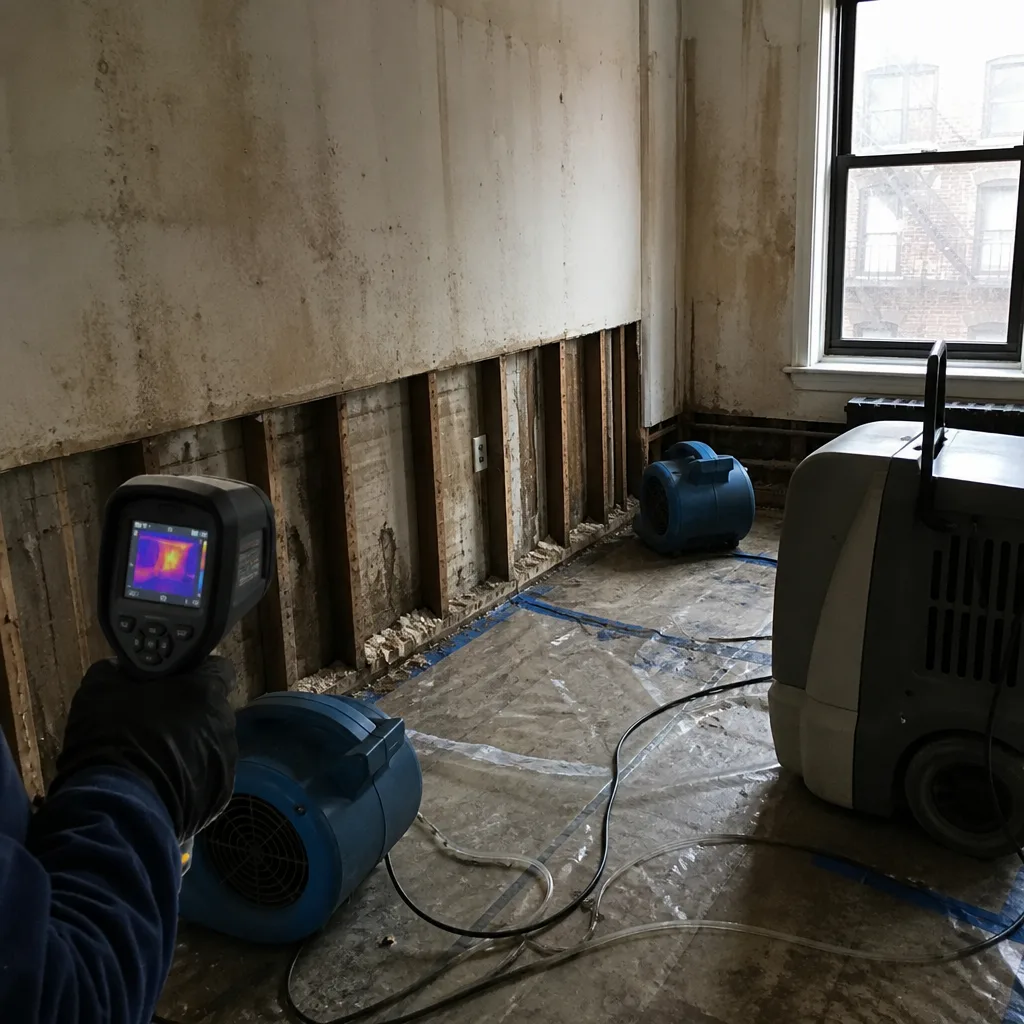 Before
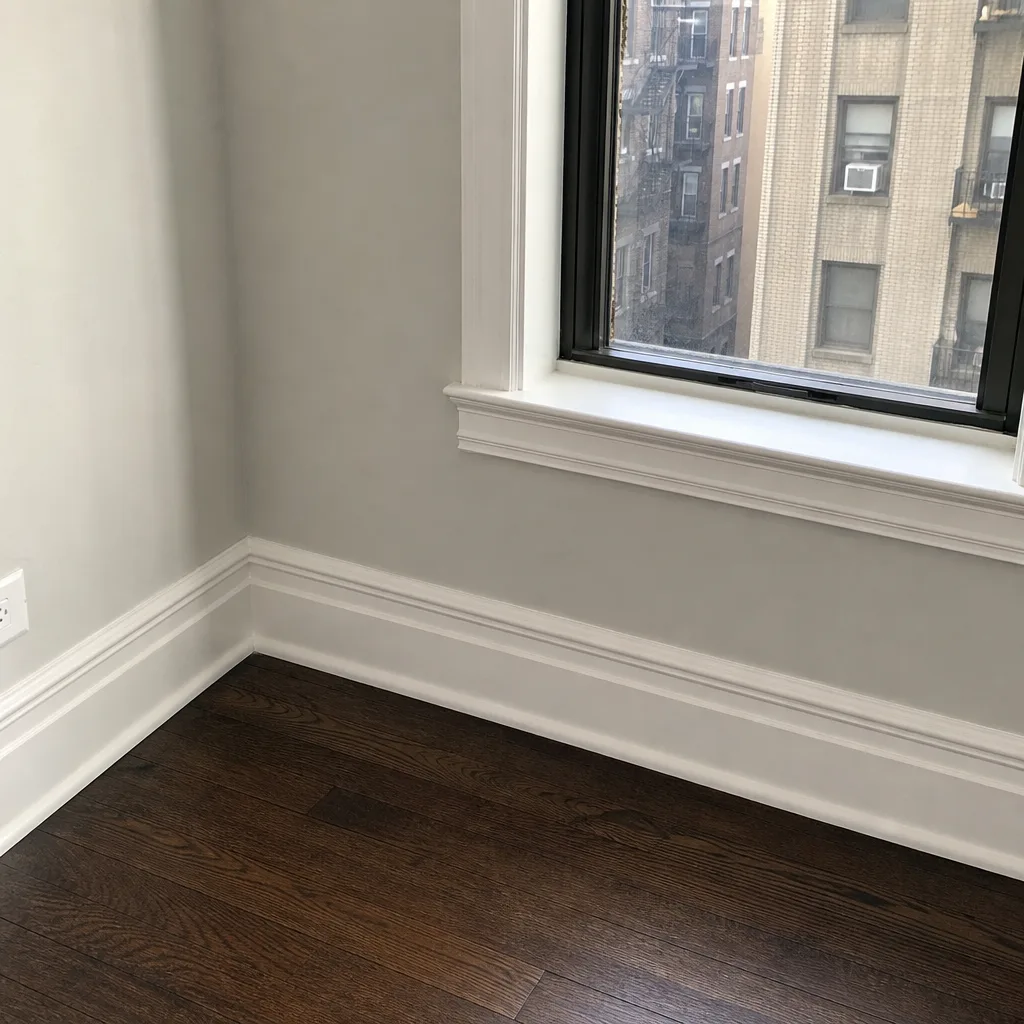 After
After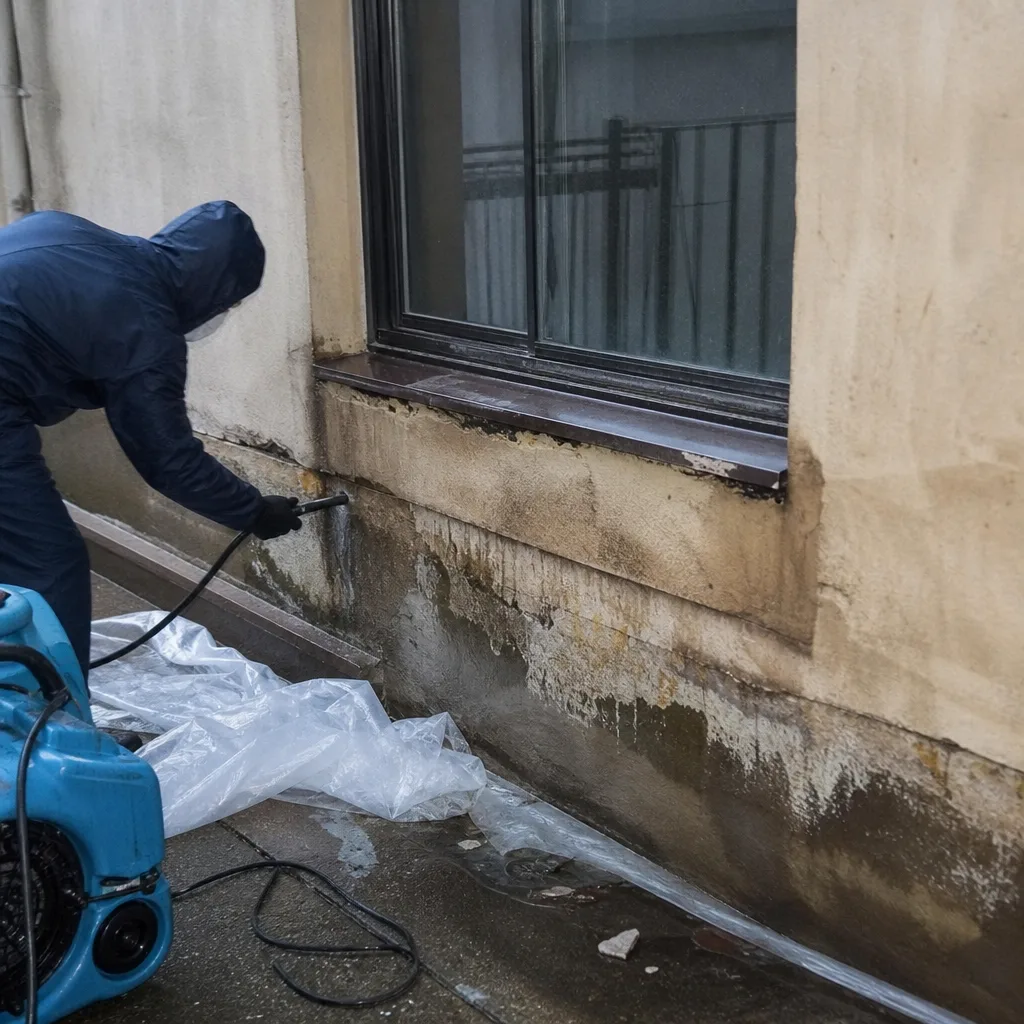 Before
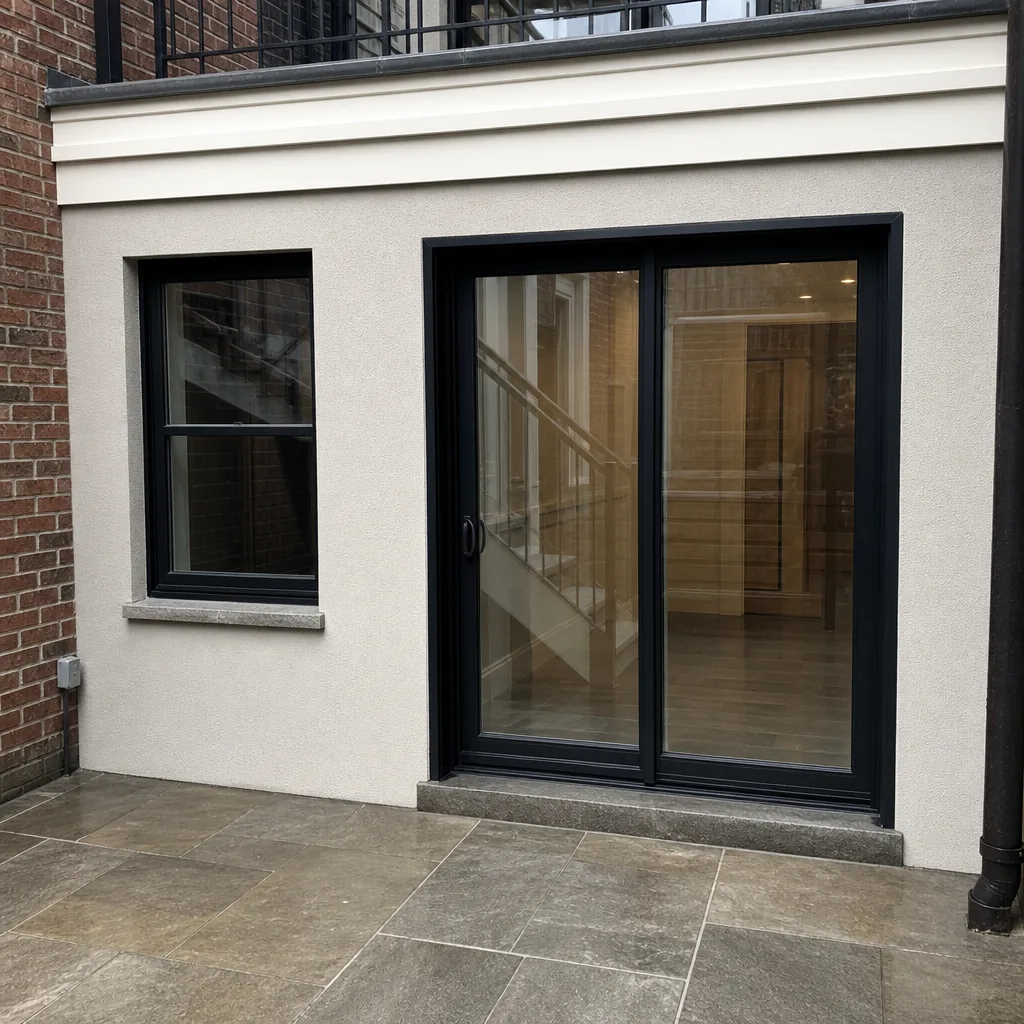 After
After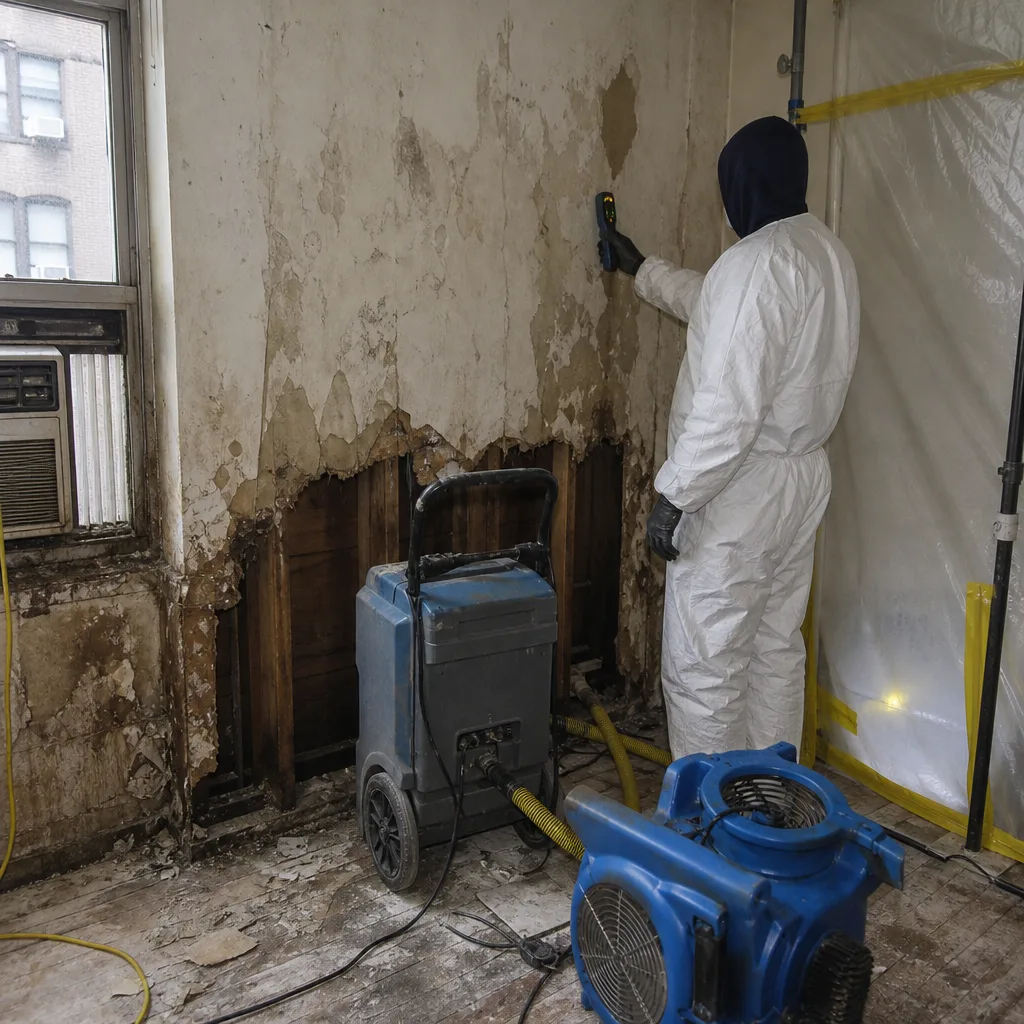 Before
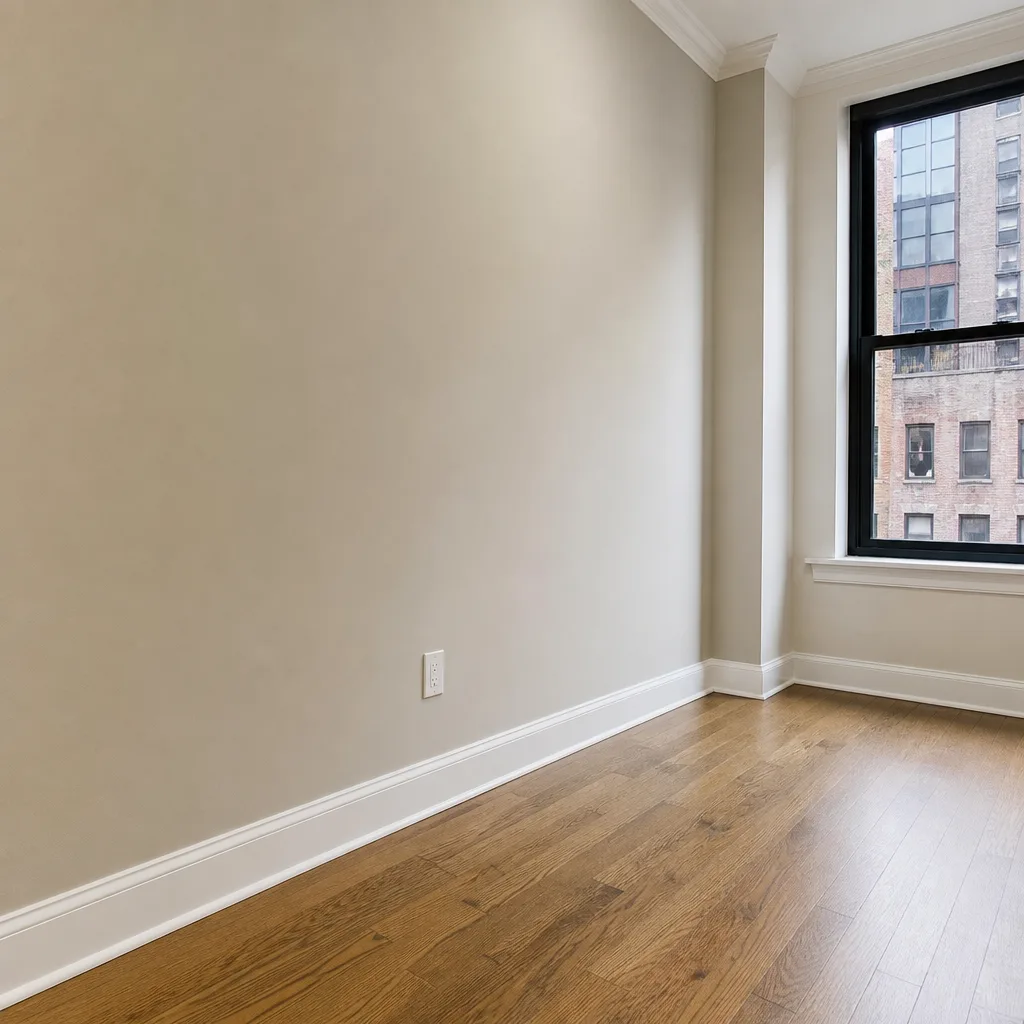 After
After24/7 Emergency Commercial Restoration in Upper Manhattan
Commercial water, fire, or storm damage in Upper Manhattan moves fast, and so do we. Our crews respond inside the hour, any hour, with a live dispatcher answering at (518) 314-5660. We know the difference between a garden-level retail space, a sixth-floor co-op, and a tenement basement. We will walk the damage with you, map the moisture, and give you a free visual inspection before any walls come open. That first hour determines whether a Category 2 pipe burst becomes a five-floor mold problem or stops at the door.
Understanding Commercial Restoration Severity in Upper Manhattan Properties
Not all water is the same. Clean water from a supply line is Category 1. Gray water from a washing machine overflow or a failed roof membrane is Category 2. Sewer backup, which we see in low-lying blocks near the Harlem River in East Harlem and Inwood, is Category 3, carrying bacteria and requiring full containment and disinfection. Severity climbs fast in Upper Manhattan because most of the stock was built between 1890 and 1945. Six-story tenements share cast-iron plumbing stacks that corrode after a century of pressure. When one fails, water travels down interior air shafts, through plaster ceilings, and into apartments that touch the source only by framing. Moisture mapping is not a formality here. It is the difference between drying two rooms and gutting eleven. In pre-war buildings, or what we call the wash-down stage, meaning every surface in the affected zone is treated. That gets us to dry standard.
Why Upper Manhattan Property Owners Choose Floodline Restoration Co.
- Live answer, every call: A real person picks up at 2 a.m. No recordings. No call center scripts. We dispatch from our New York City office straight to Upper Manhattan.
- IICRC-certified crews: Our technicians carry WRT and AMRT certifications, and they know pre-war construction. That matters more here than anywhere in the city.
- Free visual inspection: We scope the loss before we cut anything. You get a written scope of work before you commit.
- Direct insurance billing: We bill the carrier, talk to the adjuster directly, and hand you documentation from hour one.
- One team, start to finish: The same crew that reads the moisture map on day one rebuilds what needs rebuilding. No hand-offs, no inherited strangers.
- 90-Day Done Right Promise: In writing. The Keystone Standard. If it is not done right, we make it right, no paperwork battles.
Our Commercial Restoration Process
1. Inspection & Assessment
Thermal imaging and hygrometers show us what the eye cannot: trapped moisture in plaster, water in air-shaft voids, and the true perimeter of a smoke migration path. We document everything photographically before we touch a wall.
2. Extraction & Stabilization
Submersible pumps and truck-mounted extraction pull standing water out. For storm-damaged storefronts, we board up and tarp immediately to stop new water from entering while we work.
3. Drying & Dehumidification
Low-grain refrigerant dehumidifiers from Dri-Eaz and Phoenix, plus Injectidry systems for wall cavities and plaster, run on a moisture map that gets updated daily until the dry standard is met.
4. Cleaning & Sanitization
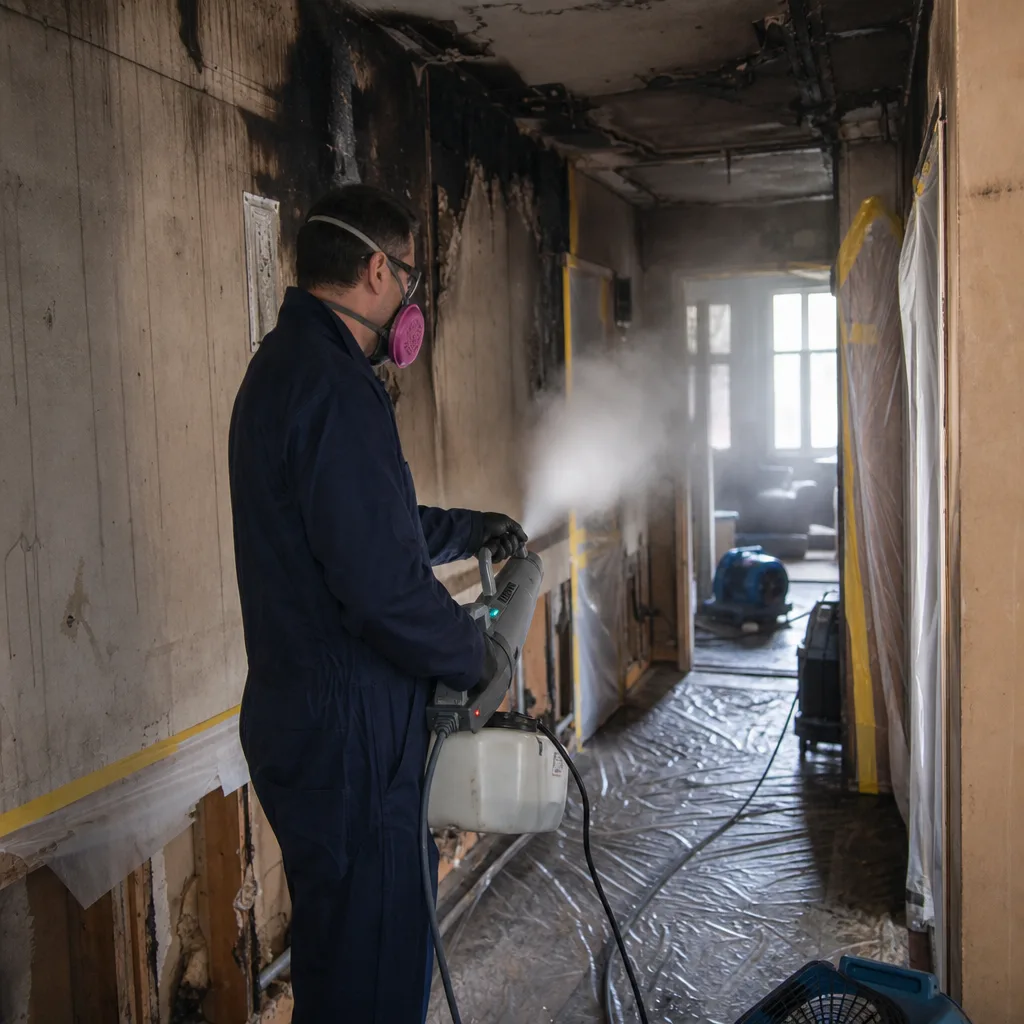
HEPA air scrubbers run continuously during cleaning. Category 3 water events get full antimicrobial treatment and clearance testing before we move to repair.
5. Air-Shaft & Structural Drying
In Upper Manhattan’s pre-war buildings, two of every three water losses we see have migrated through a shared air shaft. We set containment on every affected floor and dry the void itself, not just the unit of origin.
6. Repairs & Restoration
The same crew reconstructs. Plaster, trim, flooring, storefront framing. We pull permits where NYC DOB requires, and we do not call the job done until you walk the space with us.
Need Emergency Commercial Restoration in Upper Manhattan Now?
Crews minutes away, answering live 24 hours a day. The sooner we start, the less it costs.
Working With Your Insurance Company
We carry the adjuster communication from the first hour. Most Upper Manhattan commercial policies cover sudden and accidental water damage, including pipe failures and storm intrusion. What they dispute is delay. Unreported water that sat for three days turns into a coverage fight about long-term seepage. Our photo log time-stamps the loss from arrival, our moisture readings show the dry standard before anyone asks, and our line-item scope is written in Xactimate format your carrier recognizes. We document room by room, floor by floor. When the tenant downstairs claims your leak damaged their unit, we hand both carriers the same measured facts.
What We Provide Your Insurer
- Thorough documentation of the loss
- Photos of all damage, room by room
- Moisture readings and drying logs
- A detailed, line-item scope of work
- Direct coordination with your carrier
Built for Upper Manhattan’s Loss Calendar
Upper Manhattan gets hit differently by the season than Midtown or the outer boroughs. January deep freezes burst supply lines in unheated walk-up hallways and garden-level commercial spaces. We see frozen copper in boiler rooms behind Harlem storefronts and in Inwood’s pre-war retail cellars. Spring thaw pushes groundwater into sub-grade foundations, working through the porous brick and fieldstone of buildings put up before modern waterproofing existed. Summer convective storms are the worst in East Harlem and blocks near the Harlem River, where combined sewer capacity backs up into basement spaces with predictable regularity. September’s Ida event was a reminder the neighborhood did not need. And nor’easter seasons bring wind-driven rain that finds every compromised roof membrane over Washington Heights and Inwood. Commercial landlords who keep a response plan do not get surprised by these cycles. Business interruption costs spike when response waits. We show up inside the hour because the calendar says we will be needed.
Commercial Restoration Across Upper Manhattan’s Neighborhoods
We work the full span from 110th Street to the tip of Inwood, and each corridor has its own failure signature. In Central Harlem, around 125th Street and Lenox Avenue, the commercial ground floors of six-story tenements sit below aging residential plumbing stacks. We see ceiling collapses in retail spaces from a twelfth-floor kitchen supply line that failed overnight. On the blocks of East Harlem near 116th Street, NYCHA towers and older walk-ups sit close to the Harlem River, where sewer backups during summer storms flood basement businesses. In Washington Heights, the sharp grade change between Broadway’s ridge and the valley blocks near the river means a building one block west can have an entirely different water table. And in Inwood, the 1920s- and 30s-era brick co-ops with interior air shafts are among the trickiest restoration jobs in the city. When a sixth-floor roof membrane failed above an Inwood pre-war co-op during a February nor’easter, our crew traced category 2 water migration down the shared interior air shaft using moisture mapping before opening any walls. We set containment on five floors, ran low-grain dehumidifiers and air movers in each affected unit, and coordinated a pack-out of tenant belongings while NYC DOB permits were expedited for the roof repair. Eleven apartments restored to pre-loss condition before mold could bloom.
Specialized Commercial Restoration Services We Offer in Upper Manhattan
Multi-Unit & HOA Restoration
The densest concentration of our commercial work in Upper Manhattan is in multi-unit buildings: co-ops, condos, rental tenements, and HOA-managed properties. A water loss on the fourth floor of a Washington Heights elevator building is never a one-unit job. We scope the units sharing air shafts, stairwells, and plumbing stacks, then give the board or managing agent one written scope, not five.
Large-Loss Response
When a whole floor, a whole building, or a whole block gets hit, the response is different. We mobilize multiple crews, set a command schedule for equipment monitoring, and keep daily logs the insurance carrier can audit. For large losses in Upper Manhattan, the margin between a $40,000 job and a $400,000 job is often the first 72 hours of drying.
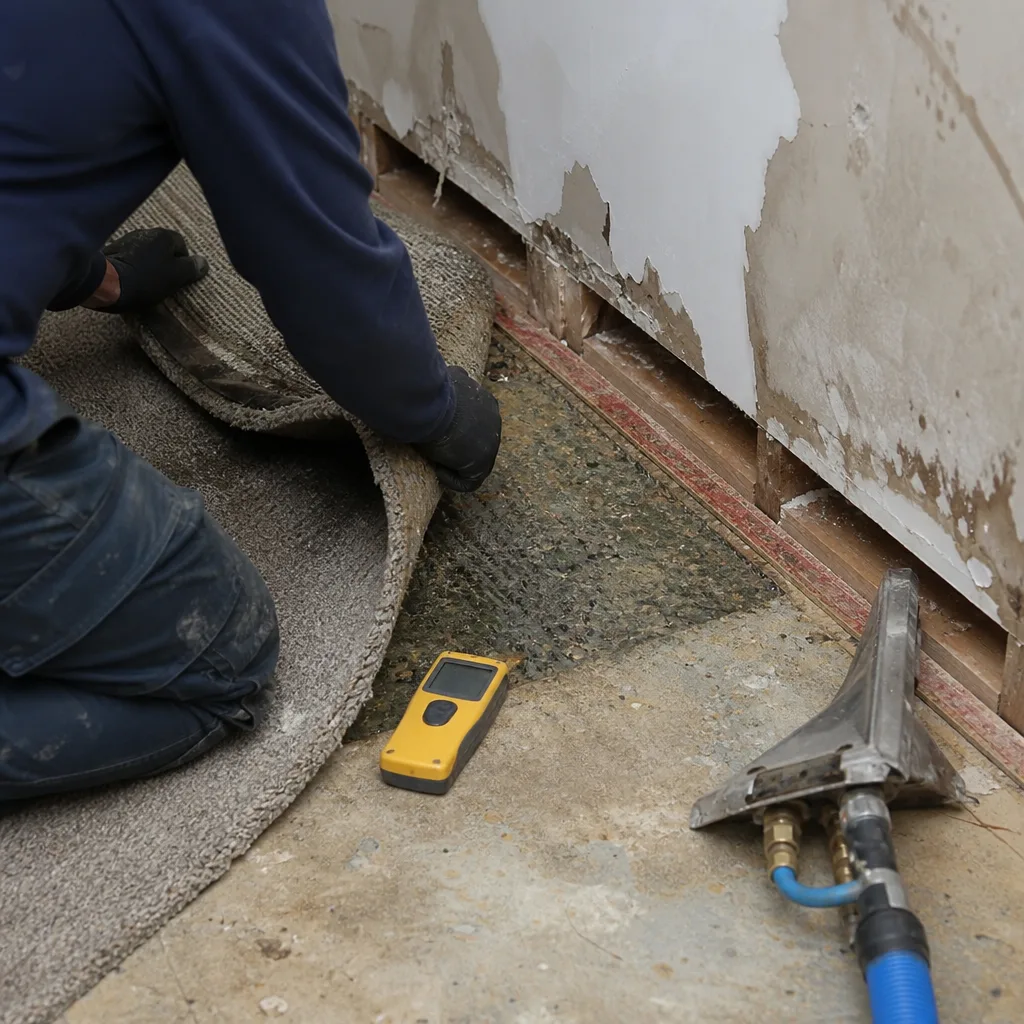
Business Interruption Minimization
Every day a storefront on Dyckman Street or 125th Street stays closed is revenue that will not come back. We prioritize these jobs: extraction and drying run concurrently with cleaning, and we keep the front-of-house secure so the business can reopen in phases if needed. We document the interruption timeline for your carrier, which is half the proof a Business Interruption claim depends on.
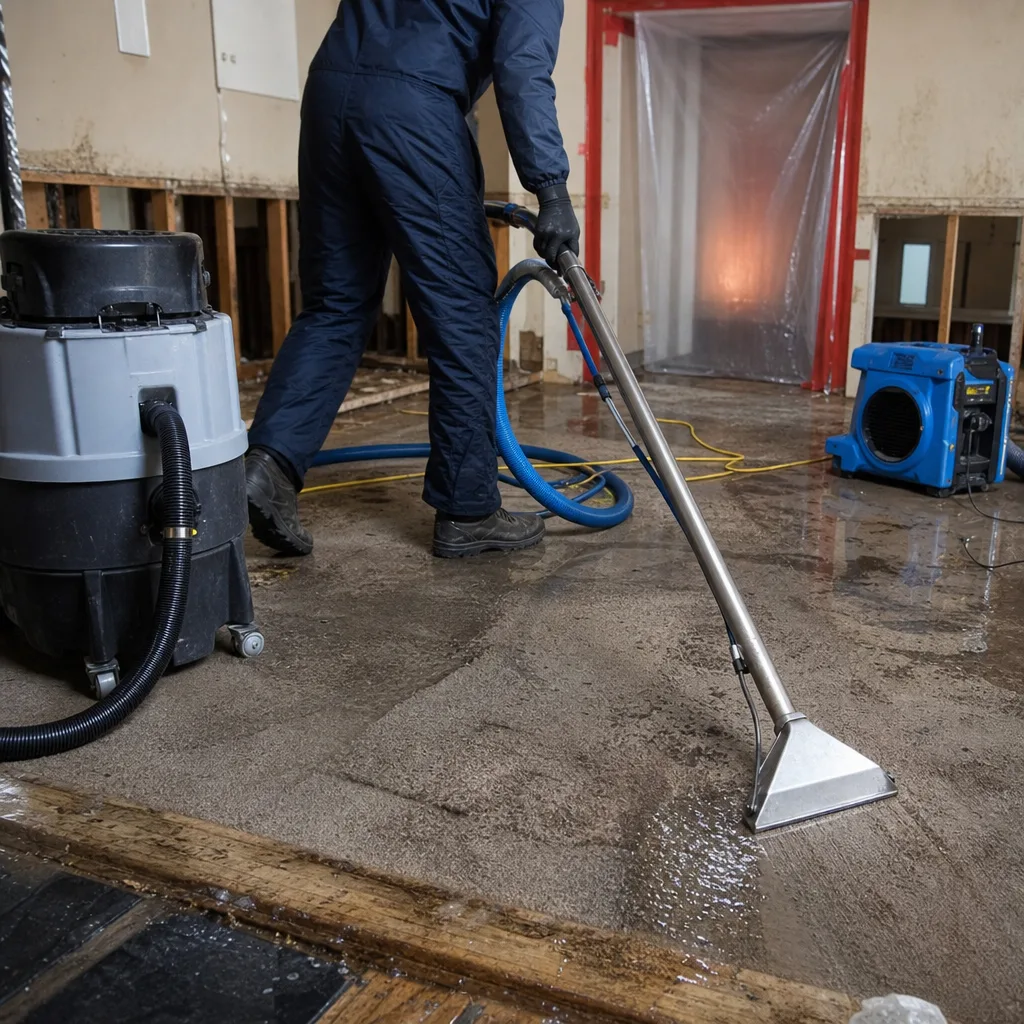
Office & Retail Restoration
Offices above ground-floor retail in Upper Manhattan walk-ups get water from the units above, most often through bathroom overflows and corroded stacks in century-old walls. We dry in place where possible, which means less tenant displacement and fewer lease-abandonment disputes.
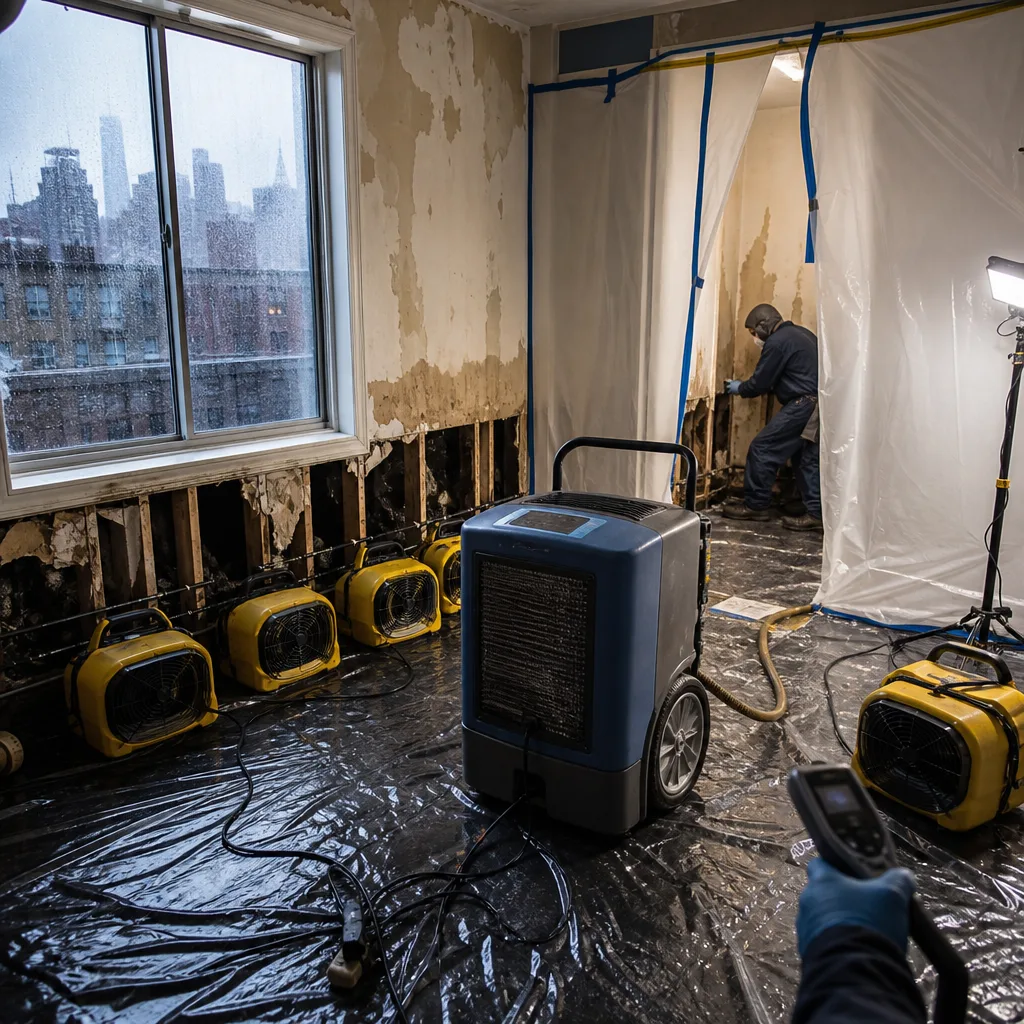
Industrial Facility Cleanup
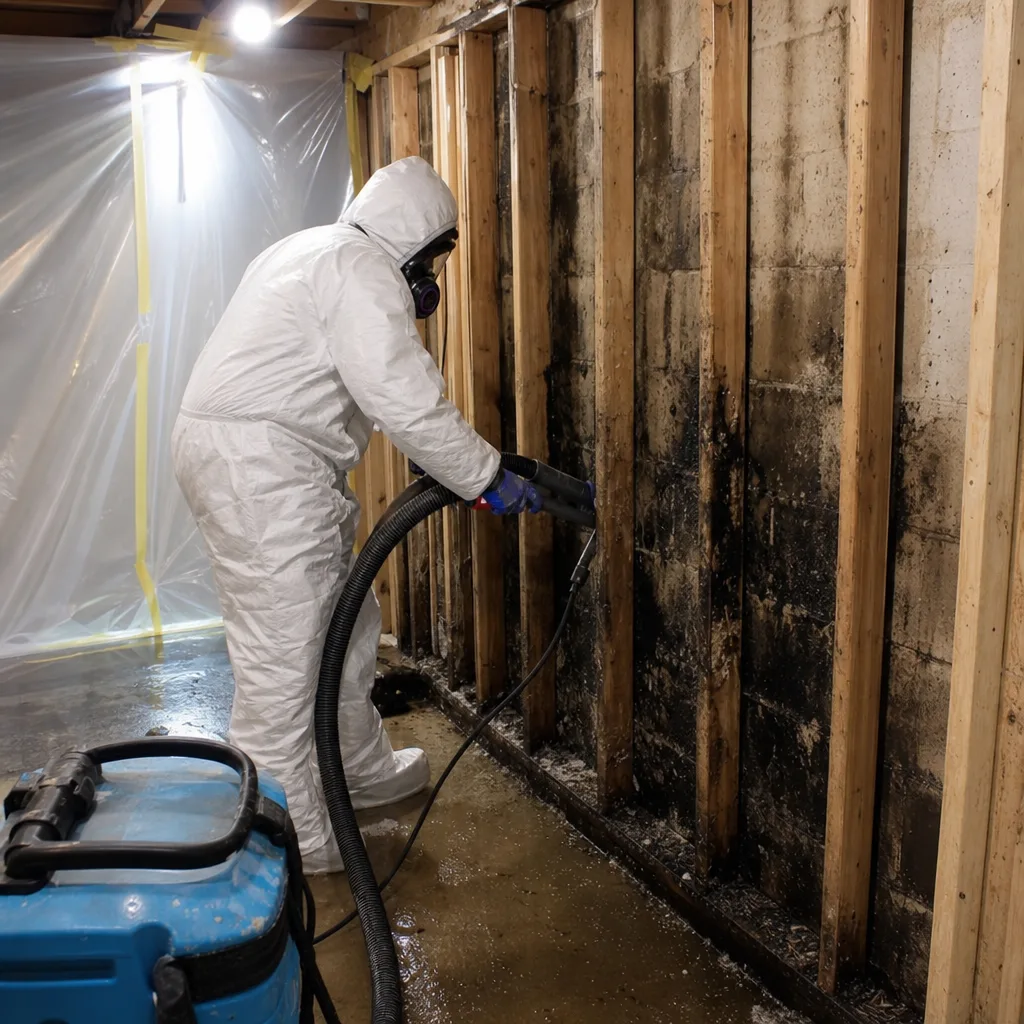
Warehouse and light-industrial spaces near the Harlem River and the rail cut get stormwater and sewer intrusion. We handle Category 3 water with full containment, shoveling out contaminated debris, pressure washing exposed slabs, and running air scrubbers until the clearance test passes.
What happens when you call
- 1
A real person answersNo phone trees - you reach a local pro.
- 2
You get an upfront price rangeHonest numbers before anyone is dispatched.
- 3
A background-checked tech heads outLicensed & insured, dispatched right away.
- 4
You approve before work beginsNothing starts until you say go.
Commercial Restoration Costs in Upper Manhattan, NY
We will be direct about money. A small commercial water loss in Upper Manhattan, something contained to one storefront or office with Category 1 or 2 water, typically runs $3,500 to $9,000. A multi-floor air-shaft loss in a pre-war walk-up, the kind that requires containment on three or more floors, generally lands between $18,000 and $60,000 depending on how many units are involved and what finishes need rebuild. Sewage or Category 3 losses run higher, often $12,000 to $45,000, because containment, antimicrobial treatment, and clearance testing are mandatory. Every one of those numbers gets cheaper when we start inside the first hour. The free visual inspection we offer converts to a line-item scope in writing before you commit. You know the number before any work starts. Senior and veteran commercial occupiers also carry the 5% standing discount, and any repair over $250 qualifies for the $50 standing offer.
We Also Serve Cities Near Upper Manhattan
Our crews respond throughout the surrounding area. We also serve commercial clients in Midtown Manhattan, Midtown West, Murray Hill, and Washington Square. If your damage is nearby, call the same live dispatcher at (518) 314-5660.
Serving Upper Manhattan, NY - Our Local Coverage Area
We’re based in the Upper Manhattan area and know this community well. Use the map below to see our service coverage - if you’re nearby, we can almost certainly help.
Upper Manhattan Commercial Restoration Questions, Answered
How do interior air shafts in Washington Heights pre-war buildings affect commercial restoration scope?
Interior air shafts in pre-war buildings act as vertical flues for water, smoke, and mold. A loss on the sixth floor often stains walls and spreads odor in every unit sharing the shaft. We scope the shaft itself, not just the unit of origin. This is the single biggest reason out-of-neighborhood contractors call back with odor complaints weeks later.
What NYC DOB permits are needed for wind-rated door reinforcement in Upper Manhattan commercial buildings?
Wind-rated or impact-rated door installation on commercial buildings typically falls under ALT2 or ALT3 filing with the NYC Department of Buildings, depending on the scope and structural connections. Existing storefront doors with damage may be repaired as a minor alteration. We coordinate the permitting so the repair does not become a DOB violation.
How do you handle a commercial basement flood from a Harlem River sewer backup during a summer storm?
Sewer backup is Category 3 water and is treated as contaminated. We begin with extraction, then full containment, antimicrobial application, and clearance testing. We document the event for your carrier with photos of the standing water and the source. In East Harlem and Inwood, this is a recurring summer pattern, and speed determines whether the space reopens in days or weeks.
Why do restoration jobs in rent-stabilized Upper Manhattan buildings often require multi-party claim coordination?
Rent-stabilized buildings concentrate the number of tenants, policies, and responsible parties. A single water loss can touch five or six contiguous units, each with its own tenant belongings, each with a landlord policy and possibly a renter’s policy. We provide the same measured, documented findings to every carrier involved, which protects the landlord from being caught between conflicting estimates.
What should a commercial landlord do immediately after a storm damages an exterior door in Inwood?
Call a restoration company before you call a general contractor. The immediate priority is to board and tarp the opening to stop new water and unauthorized entry, then photograph everything. Insurance carriers expect this. After stabilization, a wind-rated door reinforcement can be scoped and permitted. A few hours of exposure in Inwood’s storm season can turn a door repair into a full storefront water loss.
How fast can you actually reach Upper Manhattan?
We commit to 45 minutes from dispatch for most Upper Manhattan addresses. The live dispatcher confirms the crew while you are still on the phone, and extraction equipment is rolling before the call ends. Early arrival is how we hold a small loss to a small bill.
Will my commercial insurance cover restoration in Upper Manhattan?
Most policies cover sudden and accidental water damage, fire, and storm intrusion. What they deny is long-term seepage and unreported delay. We bill the carrier directly and give them the documentation they need from the first hour, including moisture logs and a line-item scope. Call (518) 314-5660 for an honest read before you file, not after.
Do I need full remediation or just a cleaning?
If water touched porous materials for more than 48 hours, or if the water contains any sewage, full remediation is required. In pre-war buildings, the question is almost never just cleaning. A free visual inspection with moisture readings gives you a straight answer instead of a guess.
Written by Curt Bowman, Owner at Floodline Restoration Co., serving Upper Manhattan with the 90-Day Done Right Promise. Call (518) 314-5660 for a free, no-pressure estimate.