
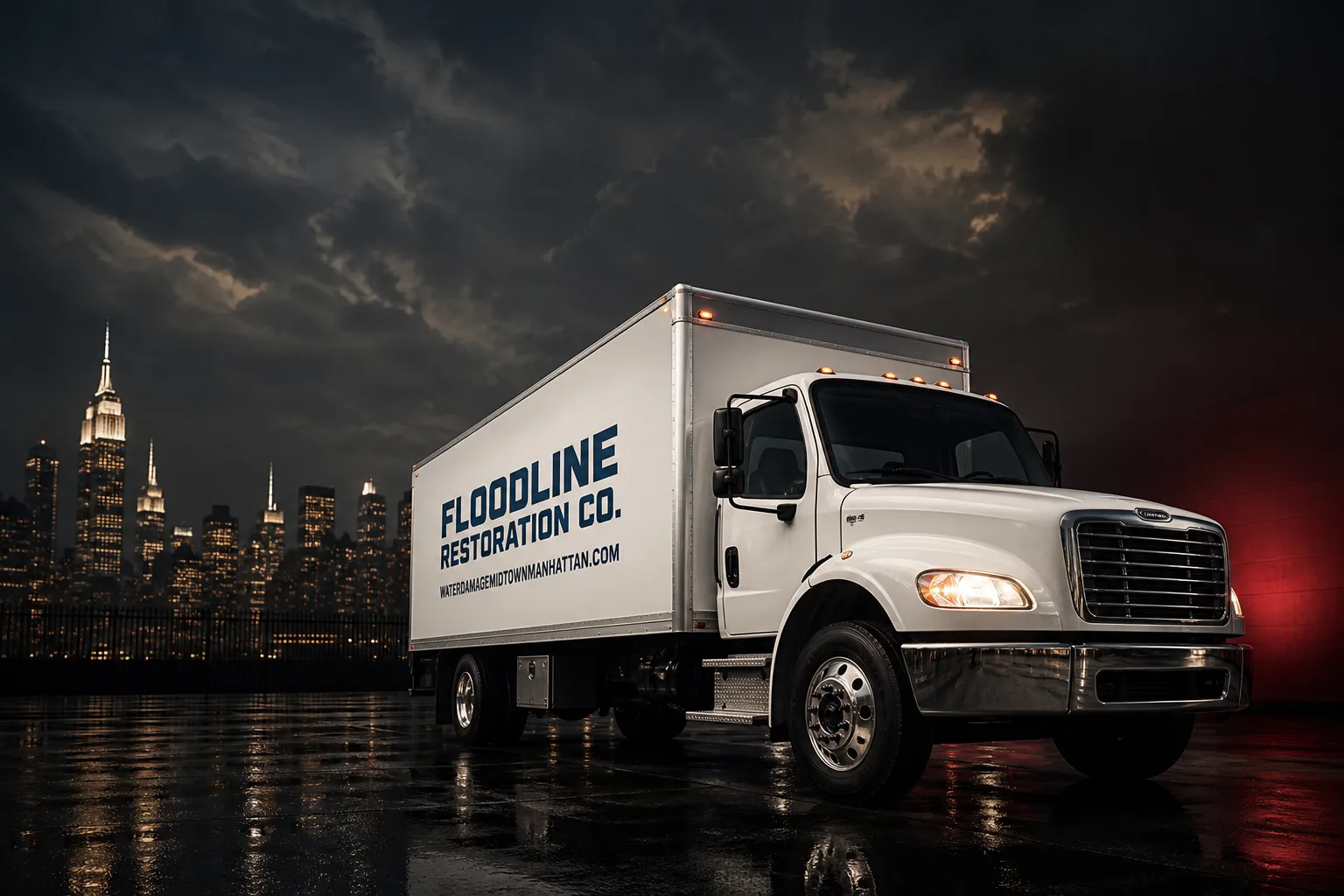
Free visual inspection and a written scope of work before any mitigation begins - photos, moisture readings, and drying logs go in your claim file
The scope we write is the scope we bill. Anything new gets shown to you, in writing, before we touch it.
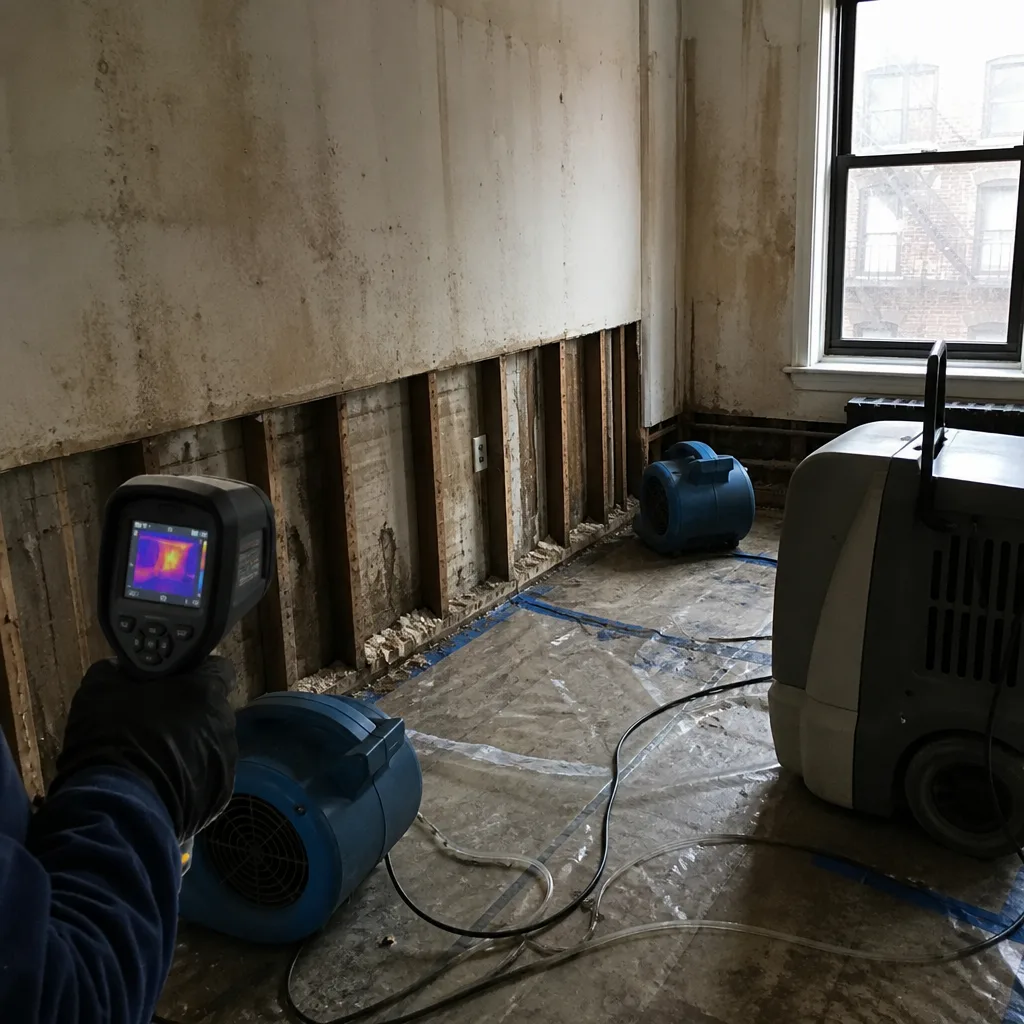 Before
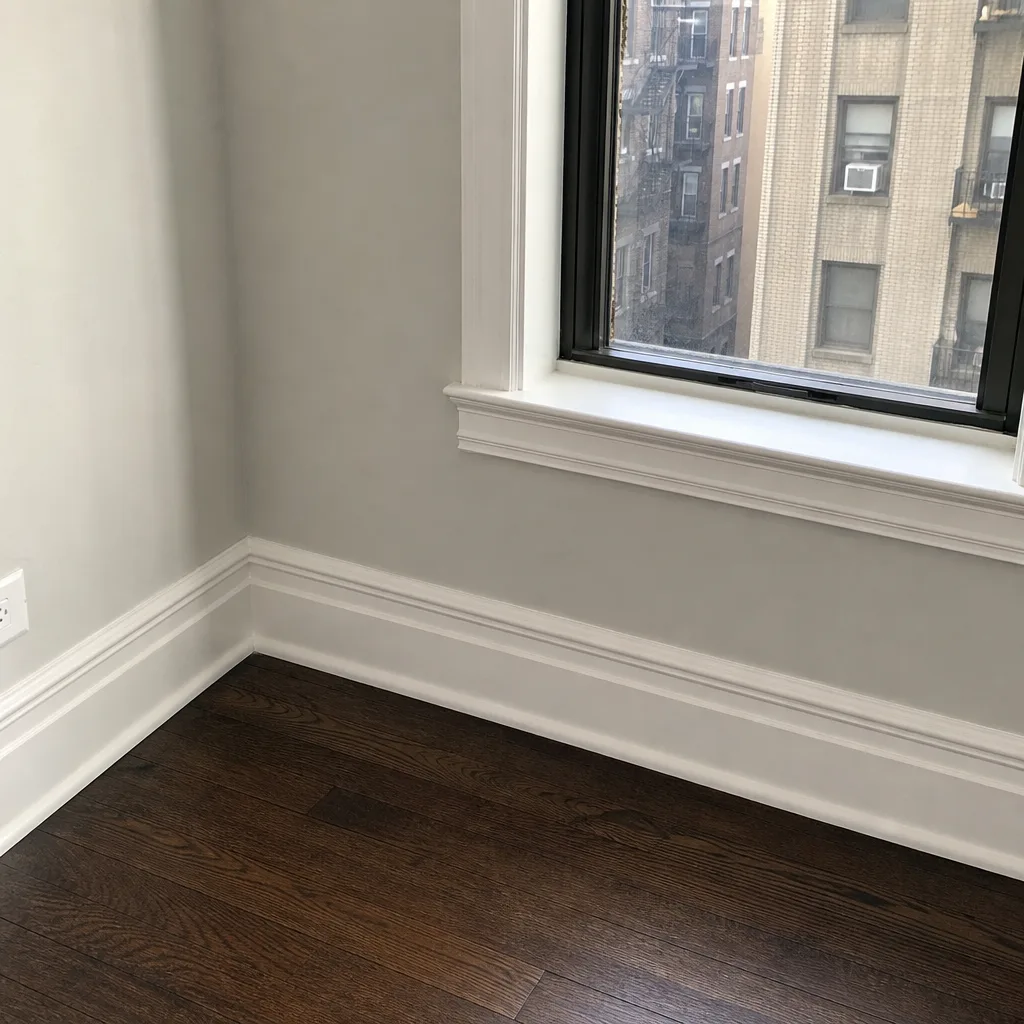 After
After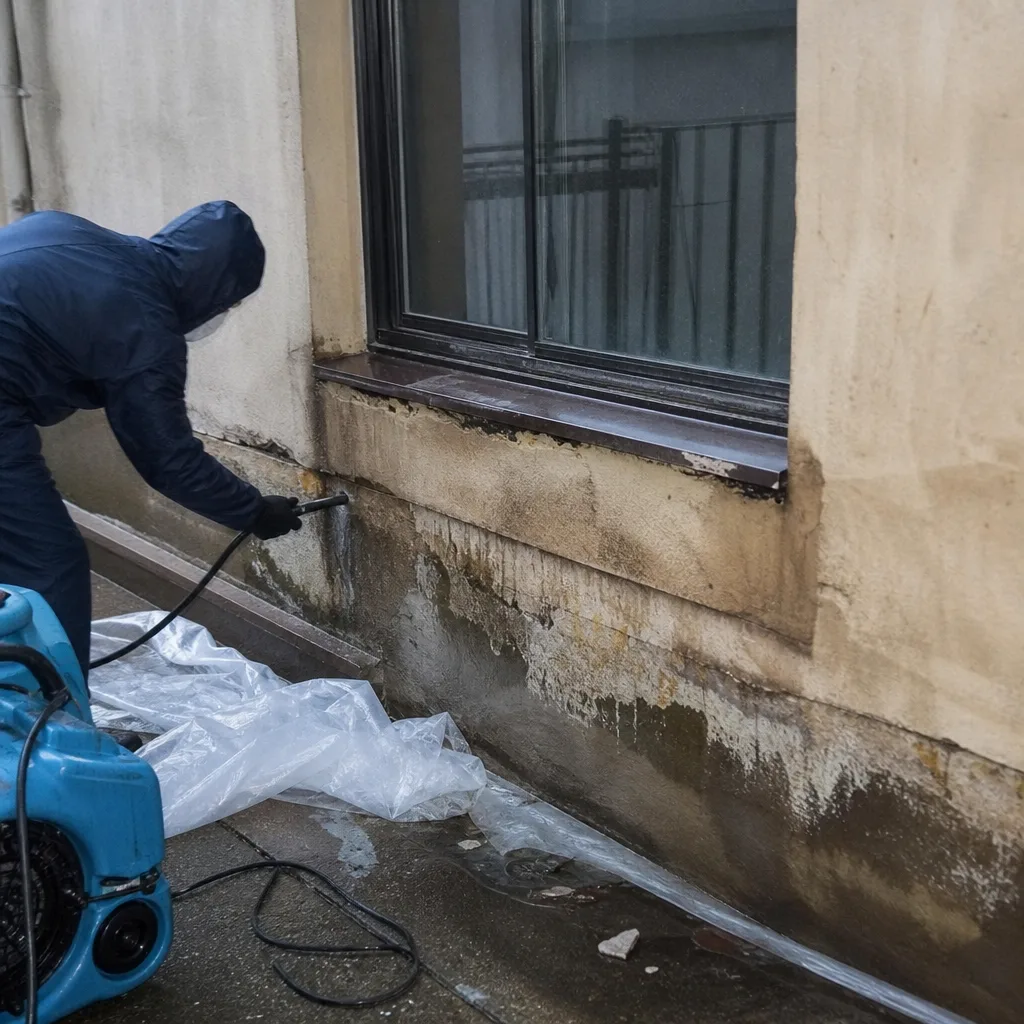 Before
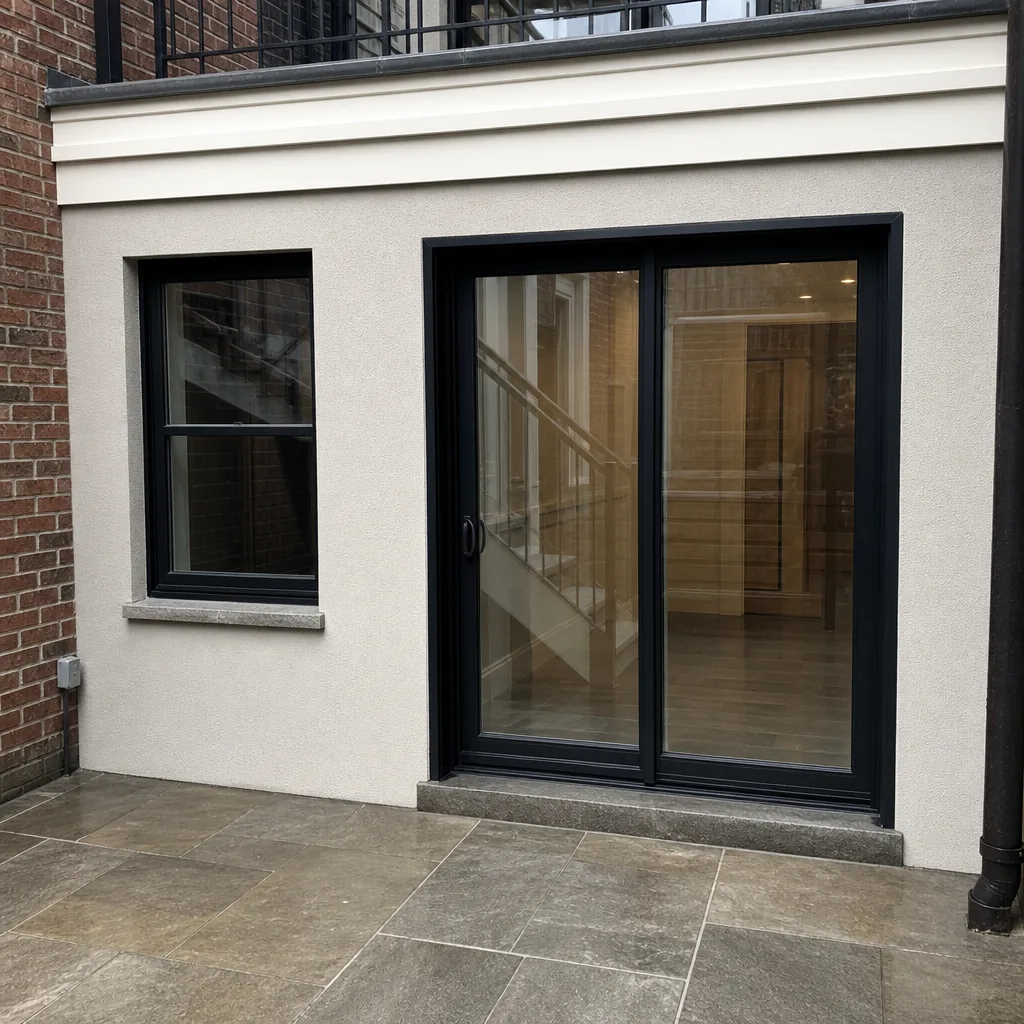 After
After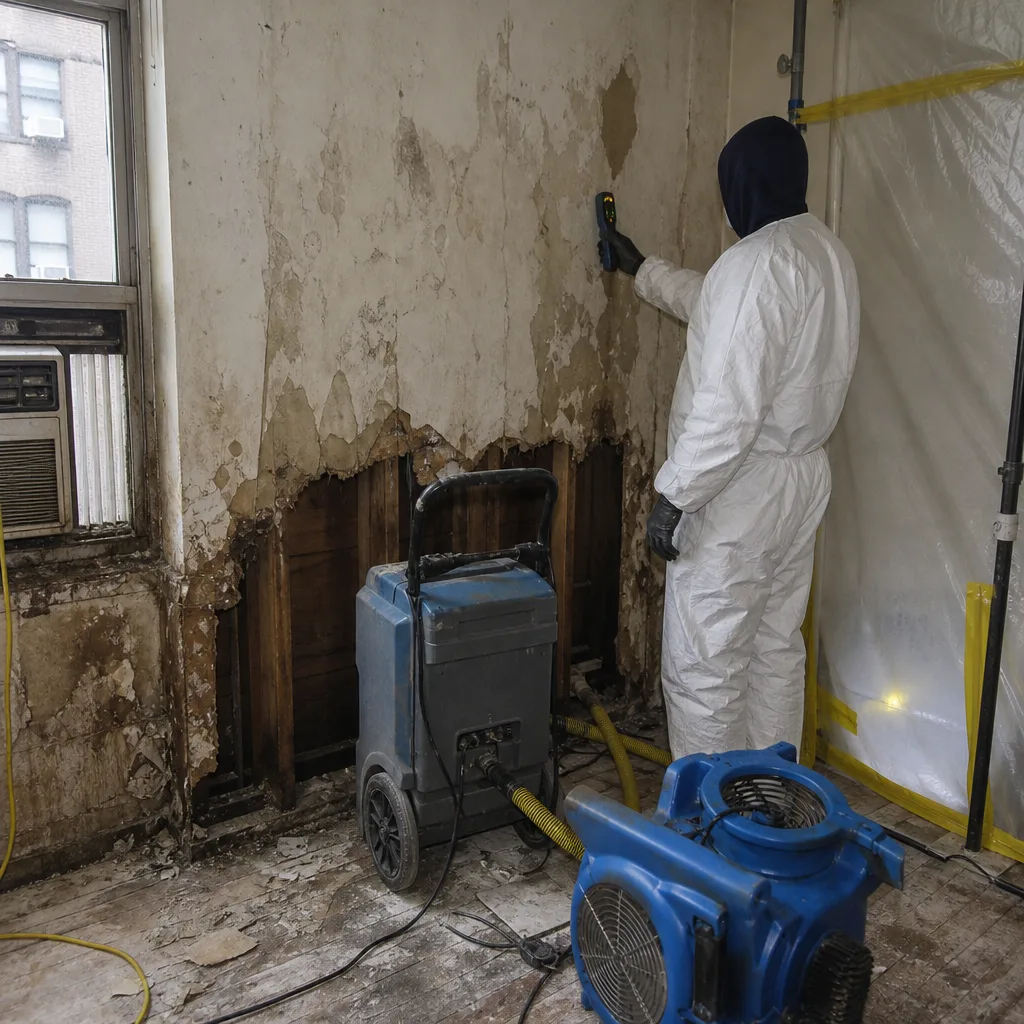 Before
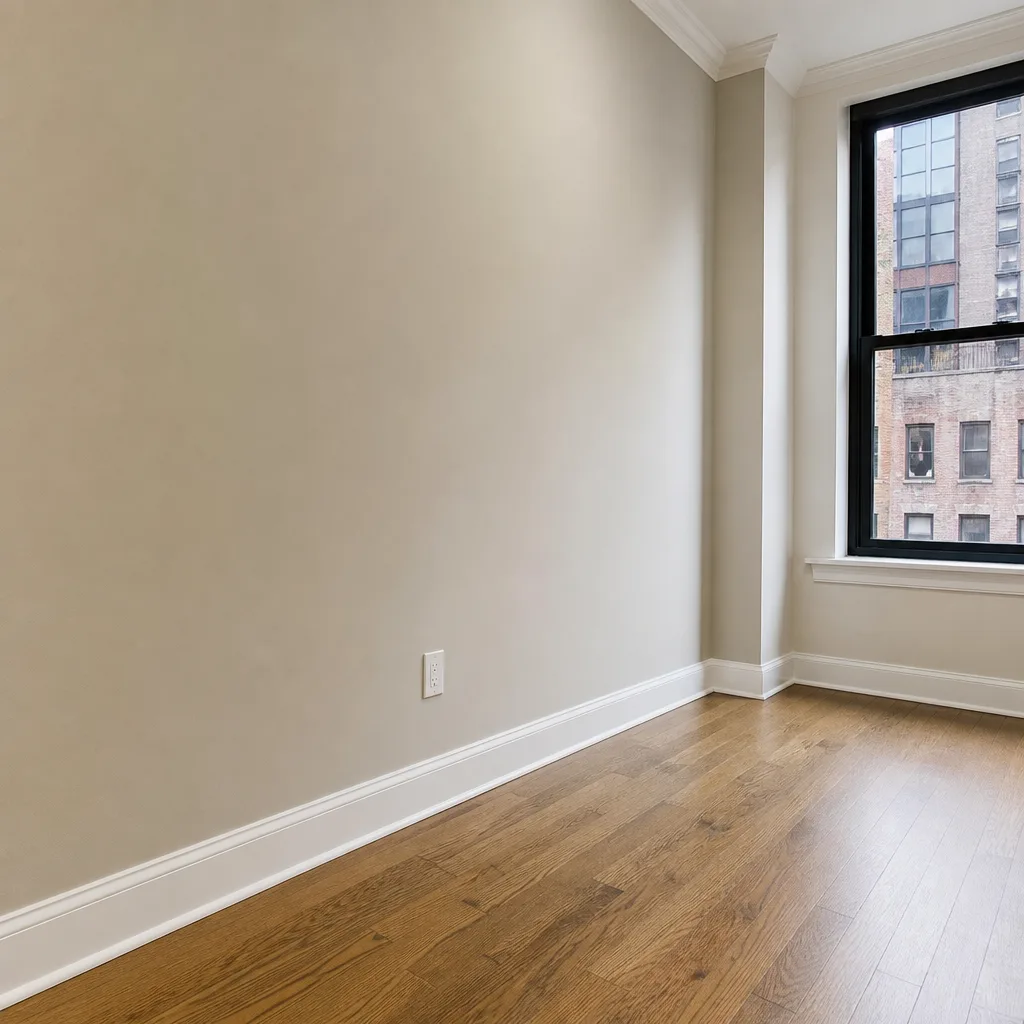 After
After24/7 Emergency Water Damage Restoration in Murray Hill
Water damage restoration in Murray Hill typically runs $900-$4,500 for a standard single-unit mitigation, and the crew that arrives first is the one that saves your floors, your walls, and your neighbor’s ceiling below. Floodline Restoration Co. answers live at (518) 314-5660 every hour of every day, and our crews reach Murray Hill addresses within 45 minutes on emergency calls. A burst steam radiator valve or failed cast-iron waste stack in a pre-war co-op does not wait for business hours, and neither do we. The first hour determines how much of your home we can dry in place versus tear out. Call now and a background-checked, IICRC-certified tech is at your door with moisture meters running the same visit.
Understanding Water Damage Restoration Severity in Murray Hill Properties
Not all water is the same, and the difference matters more in Murray Hill than almost anywhere in Manhattan. Category 1 water comes from a clean supply line, a failed radiator valve, or an overflowing tub. Category 2 carries contaminants, think washing machine discharge or a condensate line that has sat too long. Category 3 is sewage, storm surge, or anything that has passed through a cast-iron waste stack, and in a pre-war co-op, that water travels through multiple occupied floors before anyone catches it. Most Murray Hill buildings we serve date from 1910 to 1940, with lath-and-plaster walls, two-pipe steam systems, and galvanized supply lines that have been in service since before the Second World War. Moisture mapping matters here because water hides behind plaster keys and inside old joist bays. We use thermal imaging and penetrating moisture meters to find what you cannot see, then log daily readings until the structure meets IICRC dry standard. In a limestone or brick mid-rise, trapped humidity between the Hudson and East River slows cavity drying measurably, so our drying plans account for Manhattan’s ambient moisture from day one.
Why Murray Hill Property Owners Choose Floodline Restoration Co.
- 45-minute response commitment. Our dispatch board tracks crews serving Murray Hill minute by minute. When you call, a live person confirms your address at 34th Street or 3rd Avenue and a truck rolls immediately, not after a call-back.
- 24/7 live answer, always a person. At 2 a.m. on a Sunday, you reach a dispatcher who knows Murray Hill’s co-op access rules, not a voicemail tree. That matters when water is crossing floor plates.
- IICRC-certified crews, WRT and ASD codes. Our techs hold Water Restoration Technician and Applied Structural Drying certifications. They arrive in uniform, background-checked, with Dri-Eaz and XPOWER equipment on the truck.
- Free visual inspection before any work begins. We assess category of water, extent of migration, and board-approval status before a single panel is cut. You receive a written scope, not a verbal estimate.
- Direct billing to your insurance carrier. We photograph everything, document moisture readings, and send the claim package to your adjuster. You never play messenger.
- One team from extraction to reconstruction. The same crew that pulls water at midnight is the crew that dries, sanitizes, and rebuilds the wall. No mid-job handoff, no inherited subcontractors.
Our Water Damage Restoration Process
Inspection & Assessment
We arrive with thermal imaging cameras and penetrating moisture meters, map the water migration path, and classify the water category. In Murray Hill pre-war buildings, we also sequence the board-approval and permit reality into the plan from this first visit, so drying never stalls waiting on paperwork later.
Extraction / Stabilization
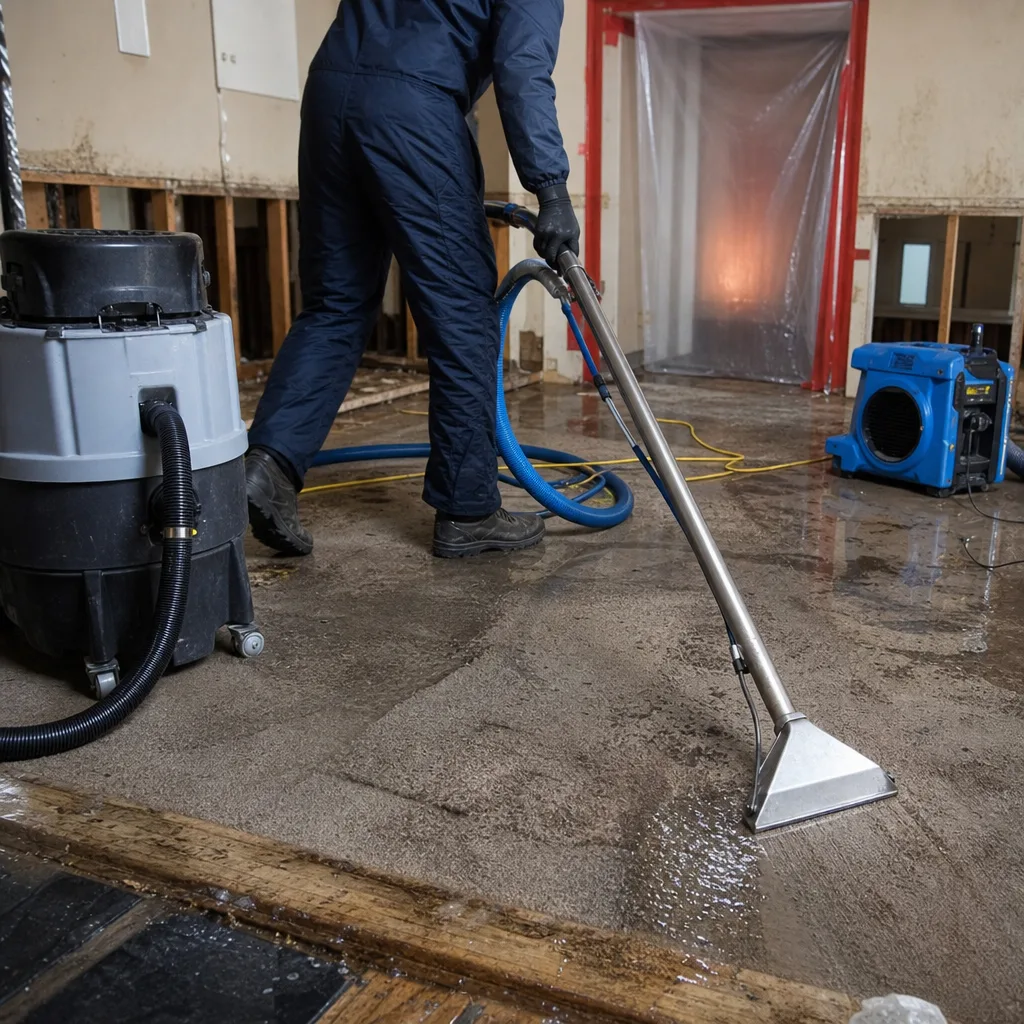
Submersible pumps and truck-mounted extractors pull standing water from floors, then we lift saturated carpet pads and remove baseboards to expose the wet envelope. In a co-op, we stabilize within hours of approval so water stops reaching the unit below.
Drying & Dehumidification
We deploy Dri-Eaz dehumidifiers, XPOWER air movers, and Injectidry drying mats positioned to force air into wall cavities and under hardwood. Daily hygrometer readings log the dry standard, and you and your board get the log, not just a promise.
Cleaning & Sanitization
All affected surfaces are cleaned with antimicrobial treatments appropriate to the water category. Category 2 and 3 losses get full containment with HEPA air scrubbing, and we do not release the area until clearance passes.
Specialty Treatment for Pre-War Materials
Lath-and-plaster, plaster crown molding, and original wood floors need different drying curves than drywall and carpet. We adjust airflow, temperature, and humidity targets to protect original materials rather than defaulting to demolition.
Repairs & Restoration
After the structure reaches dry standard, the same Floodline crew rebuilds what cannot be saved, plaster, woodwork, paint, flooring. You are handed a finished space and a written 90-Day Done Right Promise, not a punch list for another contractor.
Need Emergency Water Damage Restoration in Murray Hill Now?
Crews minutes away, answering live 24 hours a day. The sooner we start, the less it costs.
Working With Your Insurance Company
Murray Hill co-op and condo claims get complicated fast because the board’s master policy, your individual policy, and the neighbor’s unit below all intersect. We handle that paperwork from the first hour. Our techs photograph every affected surface before demolition, log moisture readings daily, and build the line-item scope your adjuster actually accepts. If the carrier pushes back, we talk to them directly. You have already handled enough. The 90-Day Done Right Promise is in writing, and our billing is transparent enough that the carrier sees exactly what every dollar bought. Homeowners in Murray Hill call us because they want one company dealing with the water, the board, and the insurance desk, not three.
What We Provide Your Insurer
- Thorough documentation of the loss
- Photos of all damage, room by room
- Moisture readings and drying logs
- A detailed, line-item scope of work
- Direct coordination with your carrier
Built for Murray Hill’s Loss Calendar
January brings the deep freeze, and in Murray Hill that means supply lines in uninsulated exterior chases burst behind lath-and-plaster walls, often in a co-op unit on an upper floor, with water finding the building’s original plumbing openings and running down. Late winter freeze-thaw cycles attack the aging brick parapets and deteriorated roof flashings common on our 1910s and 1920s buildings, and a slow masonry leak migrates unpredictably through multiple floors before staining a ceiling. Spring thaw and heavy rain reveal basement seepage in the brownstone rowhouses east of Third Avenue, where old foundation drains and sump pumps fail under load. Summer thunderstorms dump flash runoff that overwhelms roof drains on flat-roof mid-rises, sending water into top-floor units. Nor’easters in fall and winter push wind-driven rain into spalled brick and failing windows. Every one of these failures follows the same rule: water moves down and sideways through the oldest structural openings it can find, and only moisture mapping shows the full path.
Water Damage Restoration Across Murray Hill’s Neighborhoods
East of Lexington Avenue, the brownstone rowhouses along East 35th through East 39th Streets run on original cast-iron waste stacks and two-pipe steam systems, and a radiator valve failure on the top floor usually means water in the parlor below within an hour. Around Park Avenue South and Madison Avenue, the 1920s co-ops have thicker plaster walls and long chase lines, where a stack leak can go unnoticed for days until it stains a lobby ceiling. West of Madison, the rental towers from the 1930s and 1940s hide supply lines in concrete floor slabs, which changes how we dry ceiling cavities and what we tell the board about access. Around the 34th Street corridor near the East River, buildings sit closer to the water table, and basement water removal calls come in clusters after a storm. In the co-ops off Beekman Place, board management companies often require their own insurance adjuster on-site before we cut drywall, which we build into the schedule from the first call. These neighborhoods sit minutes apart but dry differently, and a company that treats them the same is guessing.
Specialized Water Damage Restoration Services We Offer in Murray Hill
Emergency Water Extraction
Standing water in a Murray Hill co-op moves through original oak flooring and lath-and-plaster walls fast. We run truck-mounted extractors and submersible pumps within hours of your call, pulling the water before it reaches the unit below. Extraction is the difference between drying a floor and replacing it.
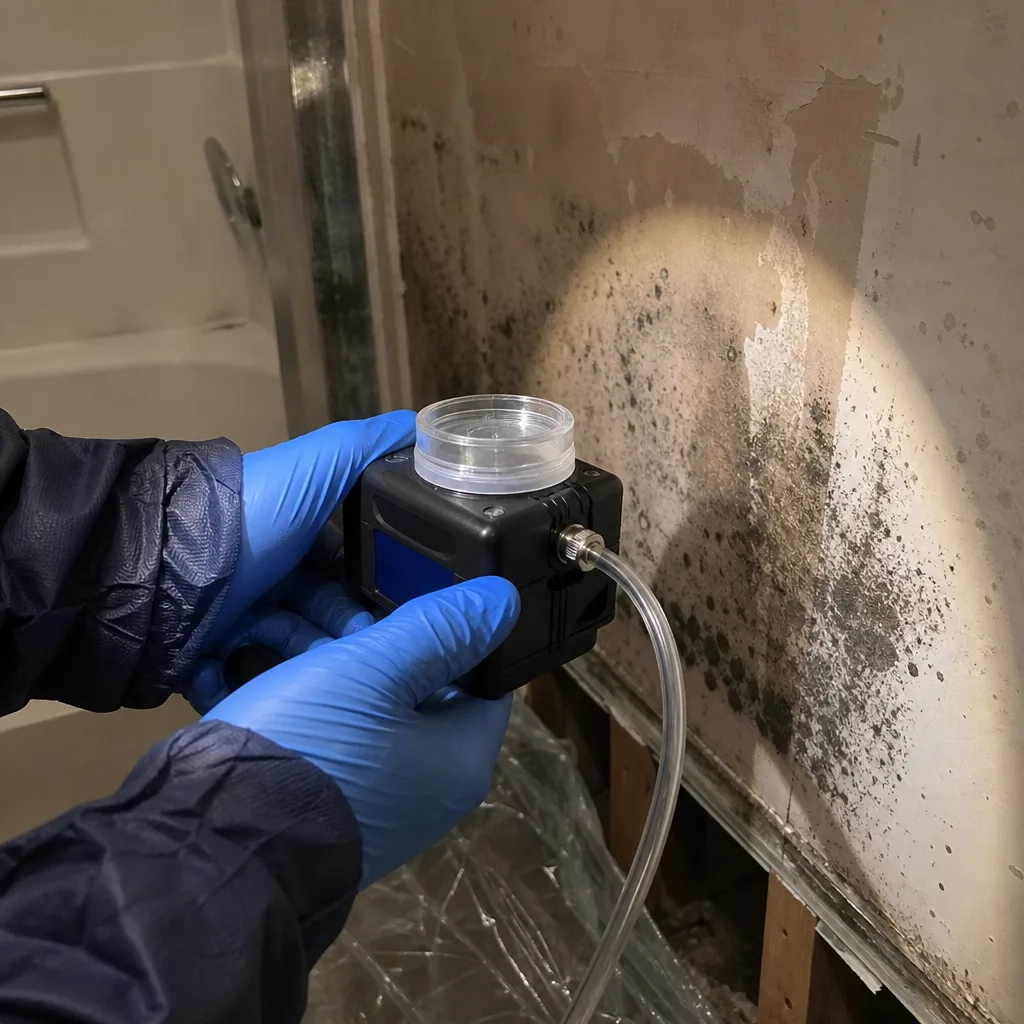
Structural Drying & Dehumidification
Manhattan’s humidity, bracketed by the Hudson and East River, means wall cavities dry slower here than in drier boroughs. We run Dri-Eaz dehumidifiers and XPOWER air movers on a moisture-mapped plan, with daily logs you and your board can see. In Murray Hill’s pre-war buildings, drying in place preserves original plaster and wood that demolition would destroy.
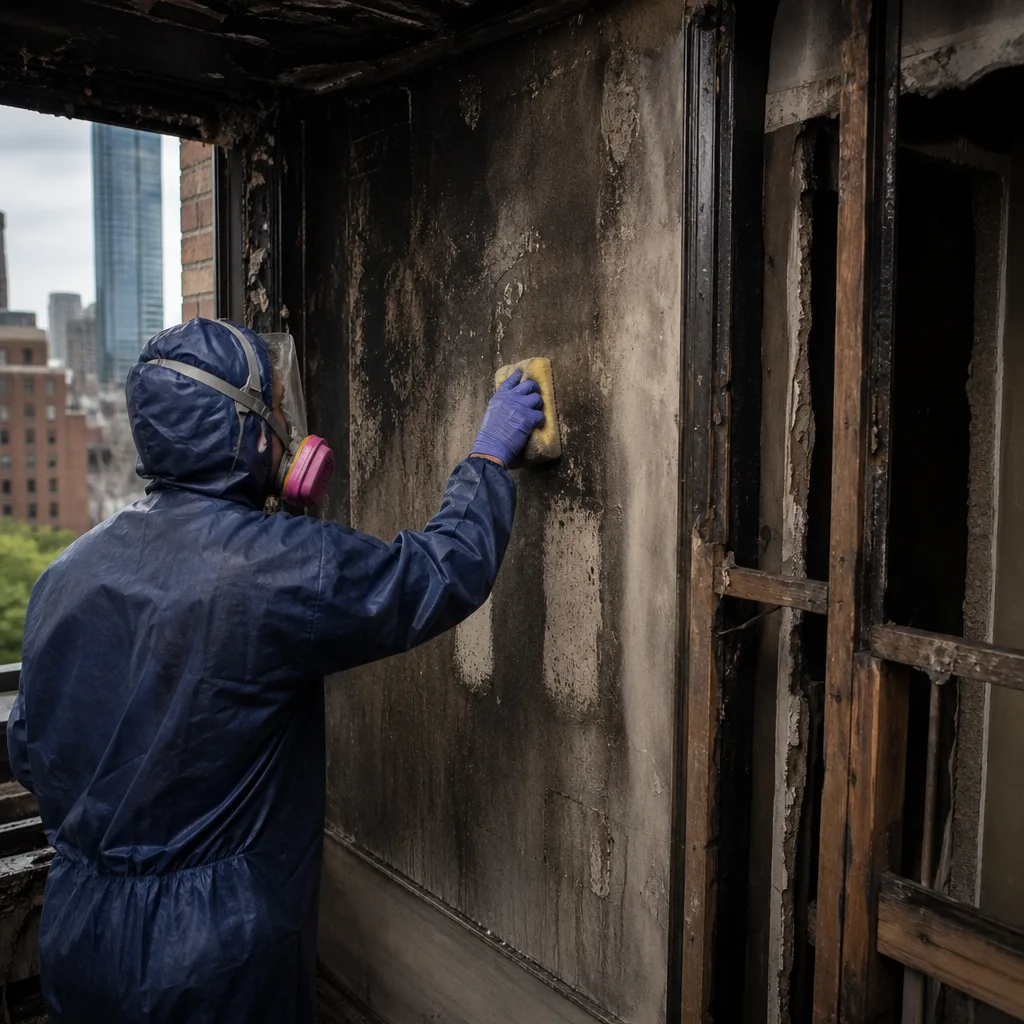
Flood Cleanup
Flash flooding from summer storms overwhelms roof drains, basement sumps, and old foundation walls. We remove contaminated floodwater, sanitize affected surfaces, and dry the structure completely. Category 3 floodwater in a Murray Hill basement requires full containment and HEPA air scrubbing, which we run as standard.
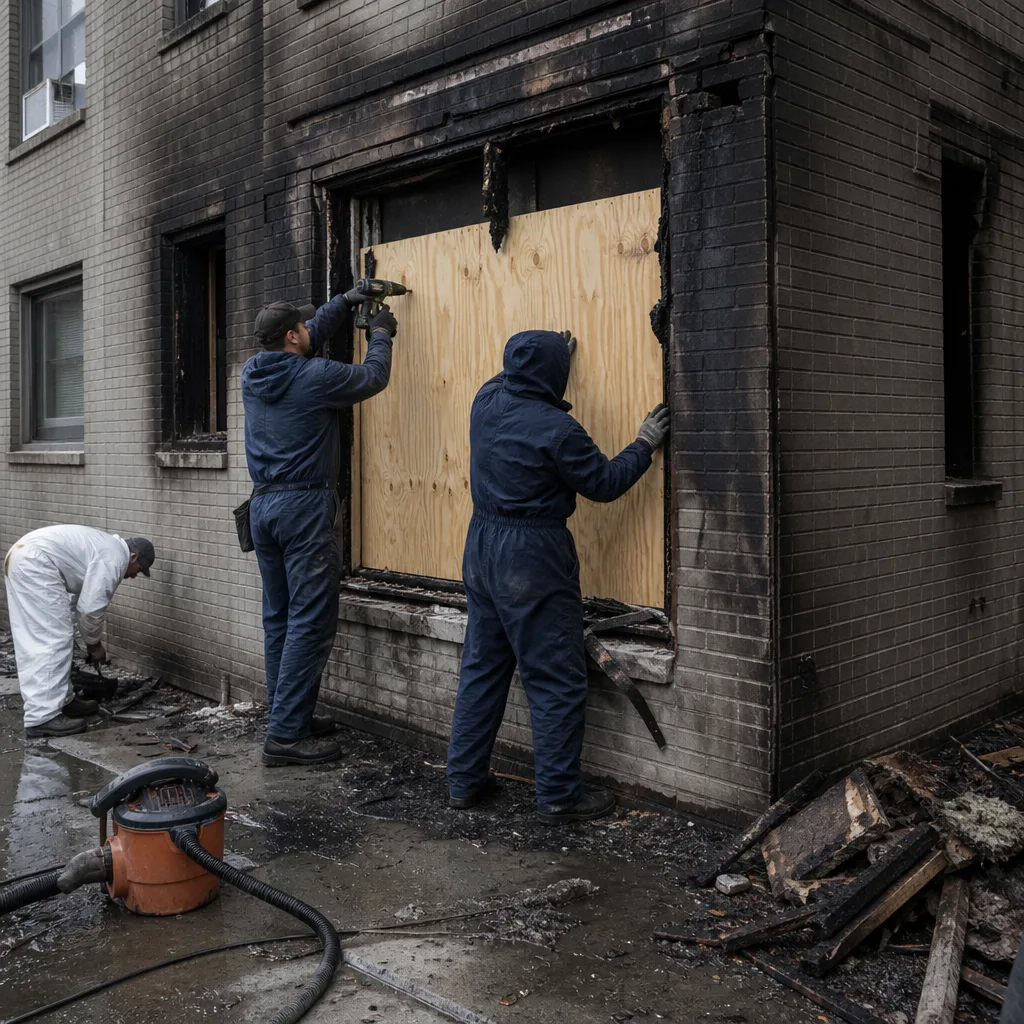
Burst Pipe Restoration
A frozen supply line or failed galvanized pipe in a 1920s co-op can release hundreds of gallons before the super finds the shutoff. We stop the source, extract the water, and dry the affected chase and floor assemblies. We also document the pipe condition for your board’s plumber and the insurance file.
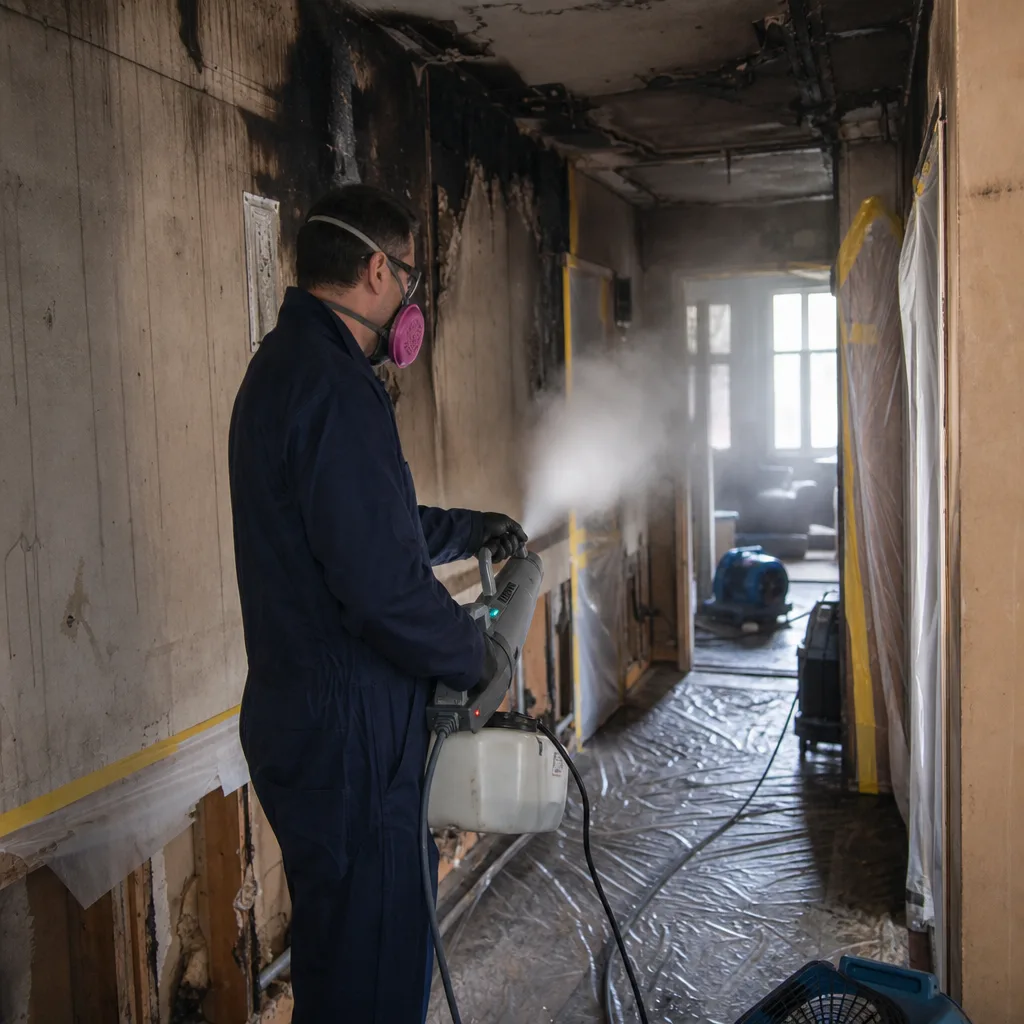
Basement Water Removal
Brownstone basements east of Third Avenue sit close to the water table and take on groundwater every storm season. We pump, dry, and sanitize, then advise on the foundation-drain and sump issues your super or board should address so the next storm does not repeat the loss.
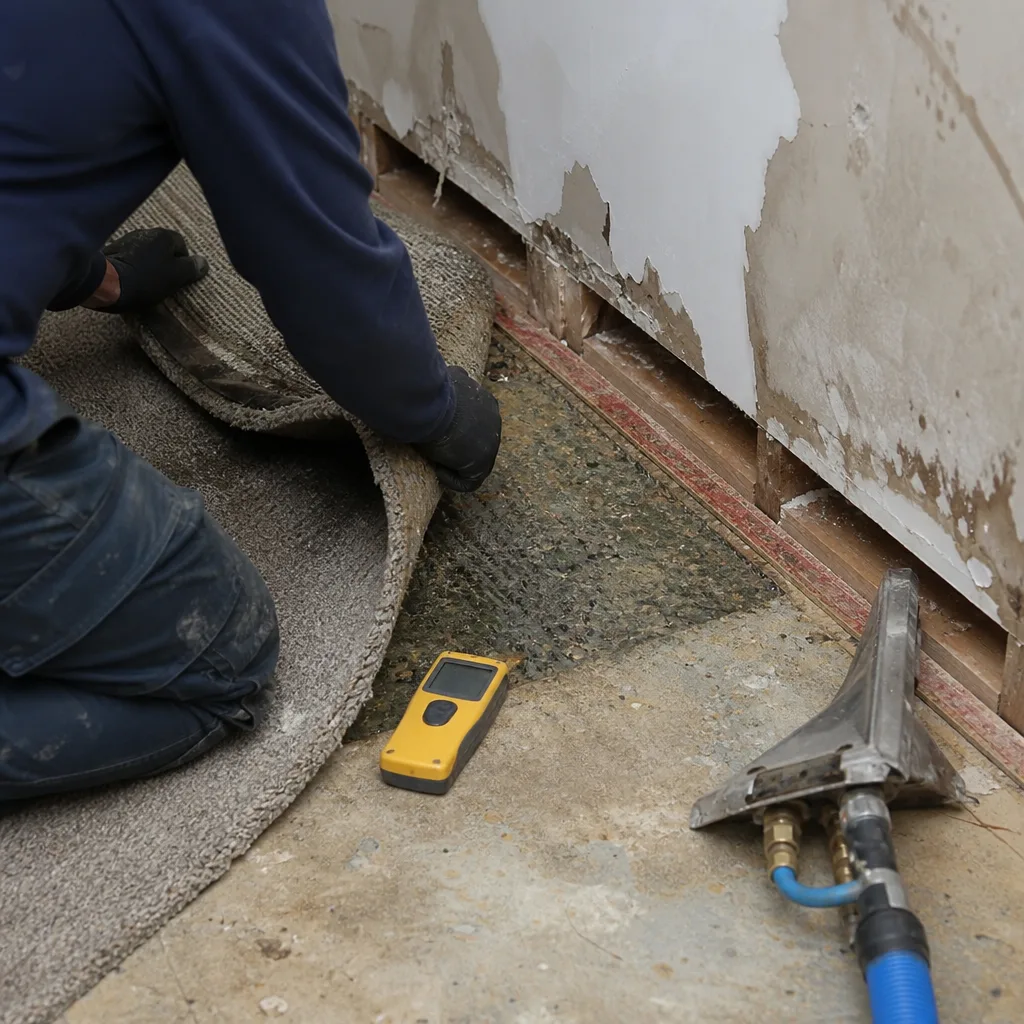
Ceiling & Roof Leak Water Damage
In Murray Hill’s 8-to-16-story pre-war buildings, a ceiling stain is rarely just a ceiling stain. It is often a parapet leak, a failed roof flashing, or a cracked waste stack three floors up. We trace the source with thermal imaging, dry the affected cavities, and rebuild the plaster so the repair matches the original room.
What happens when you call
- 1
A real person answersNo phone trees - you reach a local pro.
- 2
You get an upfront price rangeHonest numbers before anyone is dispatched.
- 3
A background-checked tech heads outLicensed & insured, dispatched right away.
- 4
You approve before work beginsNothing starts until you say go.
Water Damage Restoration Costs in Murray Hill, NY
What does water damage restoration actually cost in Murray Hill? A straightforward Category 1 extraction and structural drying in a single co-op room runs $900-$1,800. A burst pipe affecting two to three rooms typically lands between $2,500 and $4,500. A Category 3 sewage or storm loss requiring full containment, sanitizing, and partial build-back runs $6,000-$12,000. What moves the price is board-approval wait time, asbestos and lead-paint assessment on pre-1945 walls, the number of floors the water crossed, and whether original plaster can be dried in place or must be removed. Insurance-covered losses follow the same scopes, and most Murray Hill policies cover extraction, drying, and repair minus your deductible. The free visual inspection we offer gives you a firm written scope, not a phone estimate, and direct billing means we carry the paperwork. Call (518) 314-5660 and we will walk the loss with you and give real numbers before anything gets signed.
We Also Serve Cities Near Murray Hill
Floodline Restoration Co. serves Water Damage Restoration in Murray Hill and the surrounding communities, including Midtown Manhattan, Midtown West, Washington Square, and Upper Manhattan. Our crews know each neighborhood’s building stock, board culture, and response routes, and we answer live around the clock at (518) 314-5660.
Serving Murray Hill, NY - Our Local Coverage Area
We’re based in the Murray Hill area and know this community well. Use the map below to see our service coverage - if you’re nearby, we can almost certainly help.
Murray Hill Water Damage Restoration Questions, Answered
Why do co-op board approvals delay Murray Hill water damage restoration even when I have an emergency leak?
In Murray Hill, co-op and condo boards in pre-war buildings routinely require a formal vote or written sign-off before a restoration crew can open a single damaged wall, and many management companies also require their own adjuster on-site first. Combined with NYC DOB permits and mandatory asbestos and lead-paint assessments on pre-1945 construction, this sequencing can idle a drying crew for two to four weeks. We build the board-approval timeline into every estimate so you know the real schedule before work starts, not after.
What’s different about drying out a 1920s lath-and-plaster wall in Murray Hill compared to drywall?
Lath-and-plaster holds water differently than drywall. The plaster keys grip the lath in a way that traps moisture in the cavity, and old plaster often contains asbestos in the base coats and lead in the finish layers. We dry plaster more slowly with controlled humidity drops, skip demolition where drying in place is possible, and sequence any asbestos or lead assessment before we cut. Drywall gets removed and replaced in days. Original Murray Hill plaster can often be saved, which preserves the room’s original character and usually saves money.
Should I repair or replace a steam radiator valve that caused multi-floor water damage in my Murray Hill co-op?
If the valve failed because of age and mineral buildup, replacing it is almost always the right call. Repairing a 70-year-old brass valve may buy a season, but a second failure means another multi-floor loss. Your co-op board shares the liability when water crosses into the unit below, so most boards in Murray Hill now require replacement rather than repair after a major discharge. We document the valve condition in our moisture report, and our restoration scope includes isolating and replacing the valve before drying begins.
When is a slow ceiling stain in a Murray Hill apartment actually a roof or parapet leak instead of a plumbing leak?
If the stain expands after rain rather than after a radiator valve discharge or tub overflow, the source is almost certainly the building envelope. In Murray Hill, that means a failed parapet flashing, a deteriorated brick sill, or a roof drain that has backed up. Water from these leaks travels through masonry and hidden chases for weeks before showing as a ceiling stain, often two or more floors below the entry point. We trace the source with thermal imaging, not by cutting at the stain first, because the stain is rarely where the water enters.
How does the category of water affect what can be saved in a Murray Hill pre-war building?
Category 1 water, from a clean supply line or radiator, lets us dry and save most original materials: wood floors, plaster walls, built-in millwork. Category 2 water, from washing machines or condensate lines, requires cleaning and antimicrobial treatment, and some porous materials may go. Category 3 water, sewage or storm water, contaminates any material it touches, and in a pre-war building that usually means removing plaster and flooring down to the structural assembly. The category decision drives everything downstream, and we classify it in writing during the free inspection.
How fast can you actually get to a Murray Hill address for emergency water damage restoration?
We commit to 45 minutes for emergency calls in Murray Hill, and our dispatch board tracks crews against that commitment. A live person answers at (518) 314-5660, confirms your building access requirements, and rolls a truck immediately. In a co-op, your super or doorman usually clears access while our crew is en route, and extraction starts the same visit.
Will my insurance cover water damage restoration in my Murray Hill co-op or condo?
Most Murray Hill unit-owner policies cover water damage restoration from sudden and accidental discharges, like a burst pipe or failed radiator valve. Coverage for slow leaks, seepage, or roof leaks depends on your policy and often on whether the board’s master policy responds first. We photograph everything, log daily moisture readings, and bill your carrier directly, and when the adjuster has questions we answer them ourselves. You get the 90-Day Done Right Promise and a written scope, and we handle the claim paperwork.
Do you handle water damage restoration in Murray Hill with the board, the super, and the management company?
We have handled hundreds of Murray Hill co-op and condo losses, and we know the board-approval, DOB permit, and asbestos and lead-paint sequencing by heart. We coordinate with your super for access, with the management company for board sign-off, and with the board’s adjuster when one is required. You do not argue with your board or your carrier, we do, and we keep the drying schedule moving while the paperwork catches up.
Written by Curt Bowman, Owner at Floodline Restoration Co., serving Murray Hill from our New York City office. If your walls are wet, call (518) 314-5660 for a free inspection and a written scope. Done right, and backed in writing.