
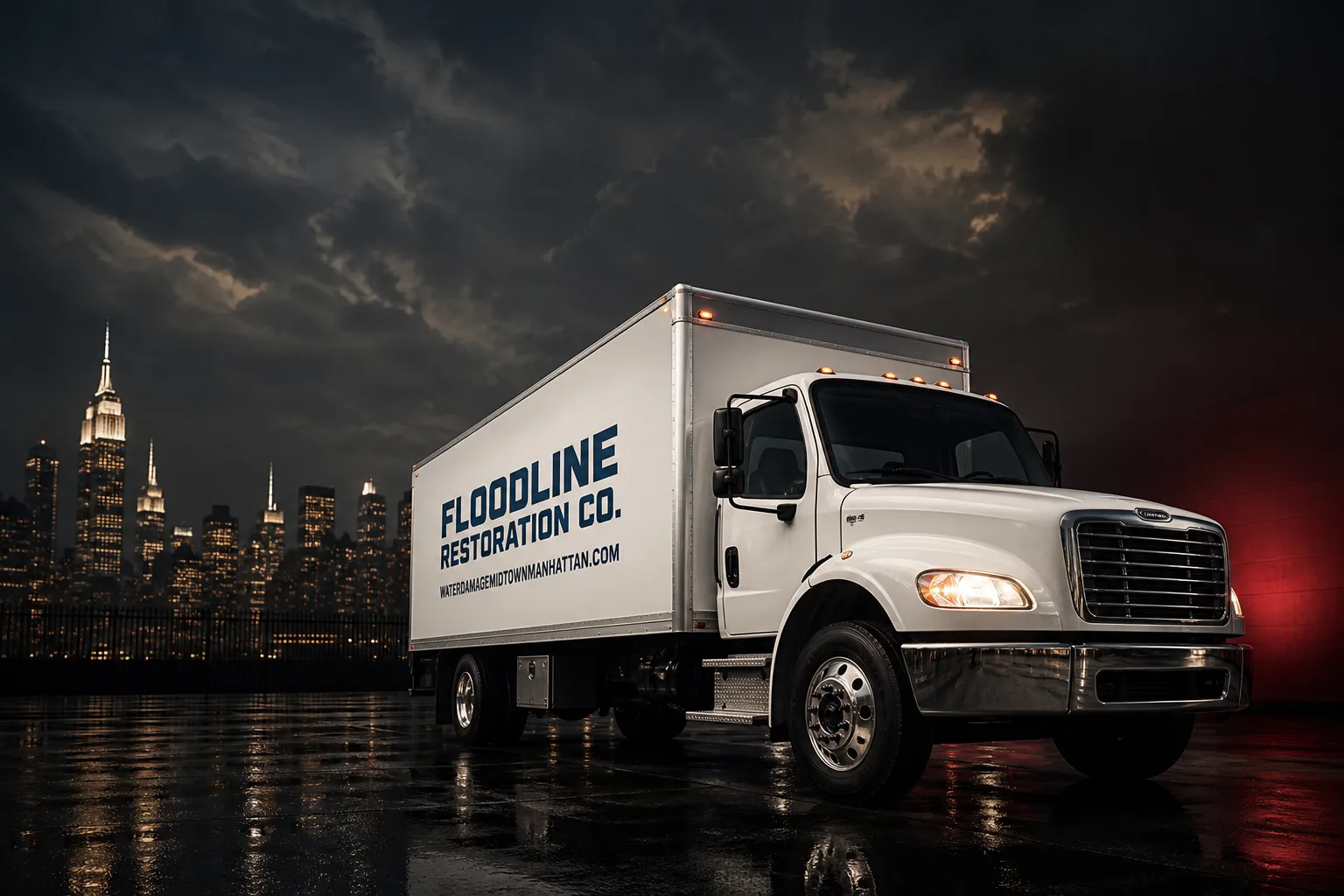
Free visual inspection and a written scope of work before any mitigation begins - photos, moisture readings, and drying logs go in your claim file
The scope we write is the scope we bill. Anything new gets shown to you, in writing, before we touch it.
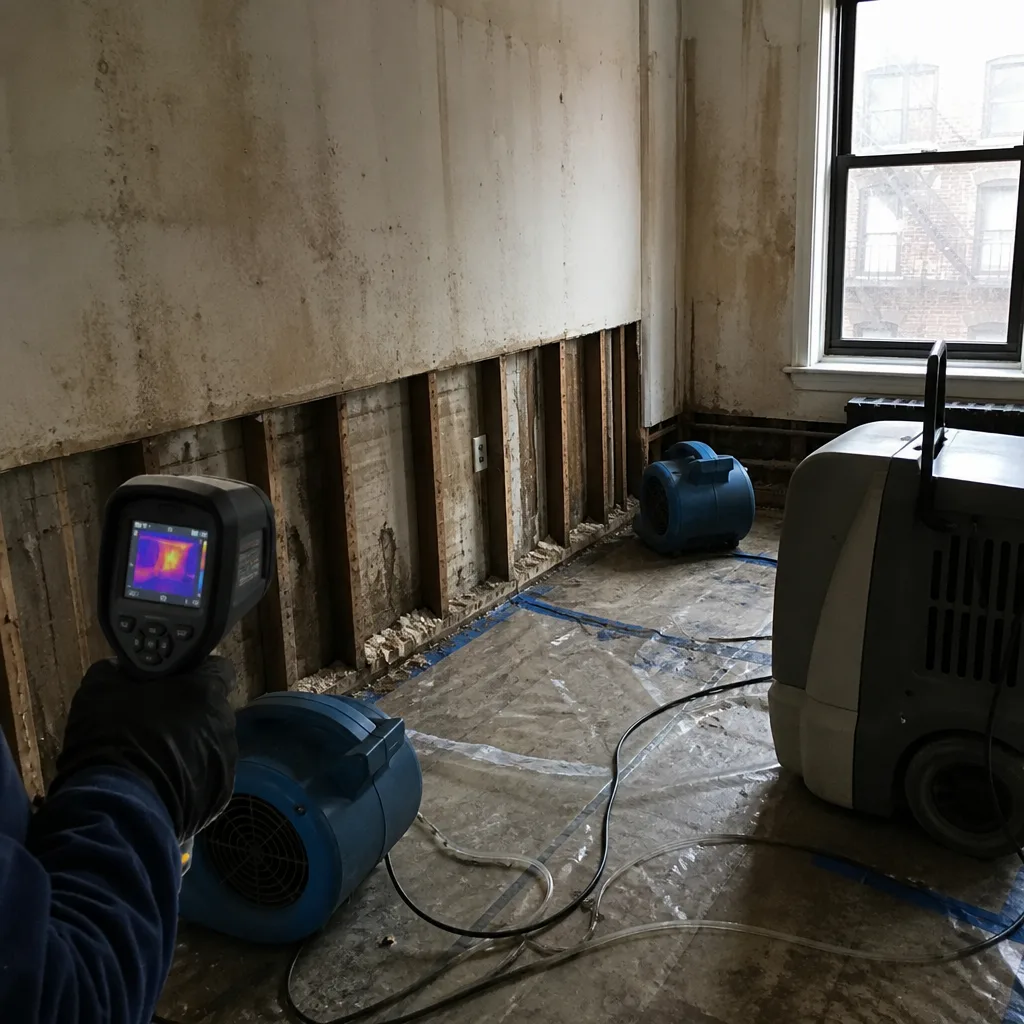 Before
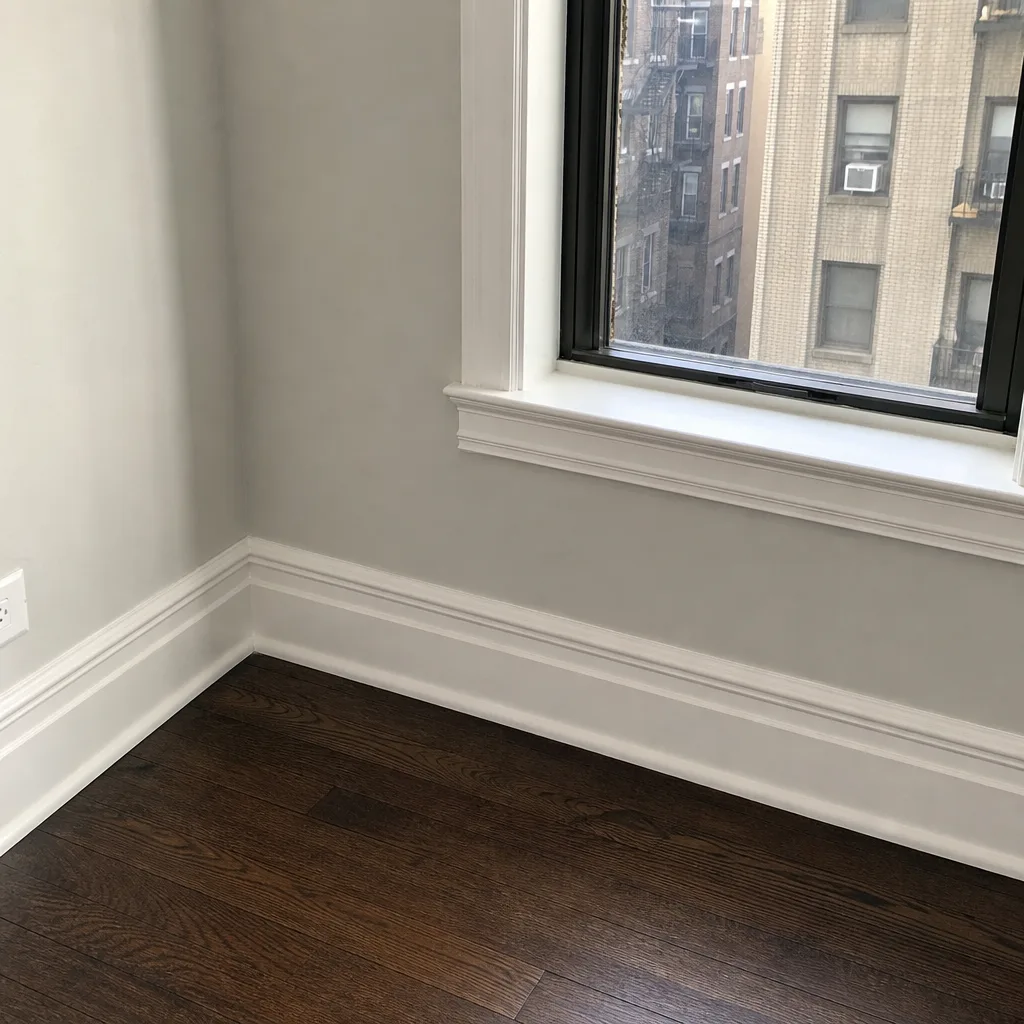 After
After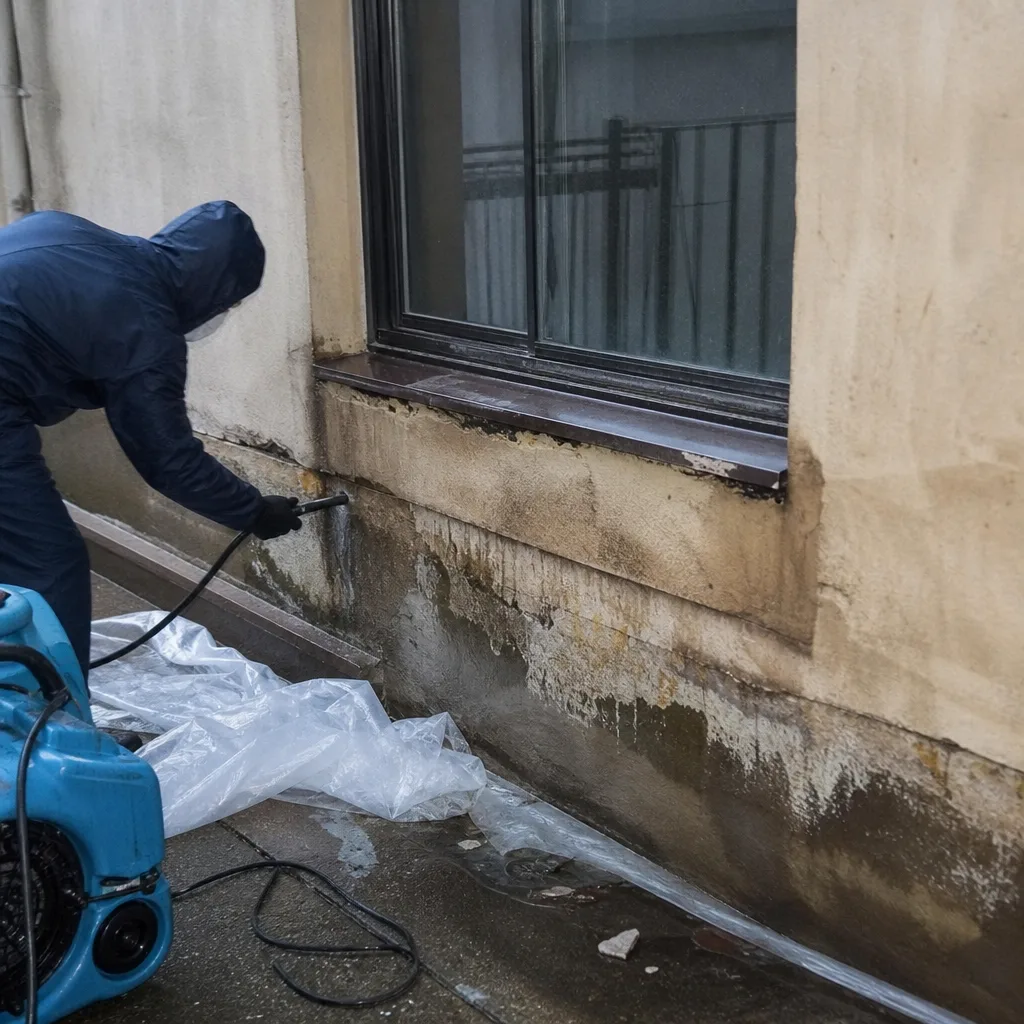 Before
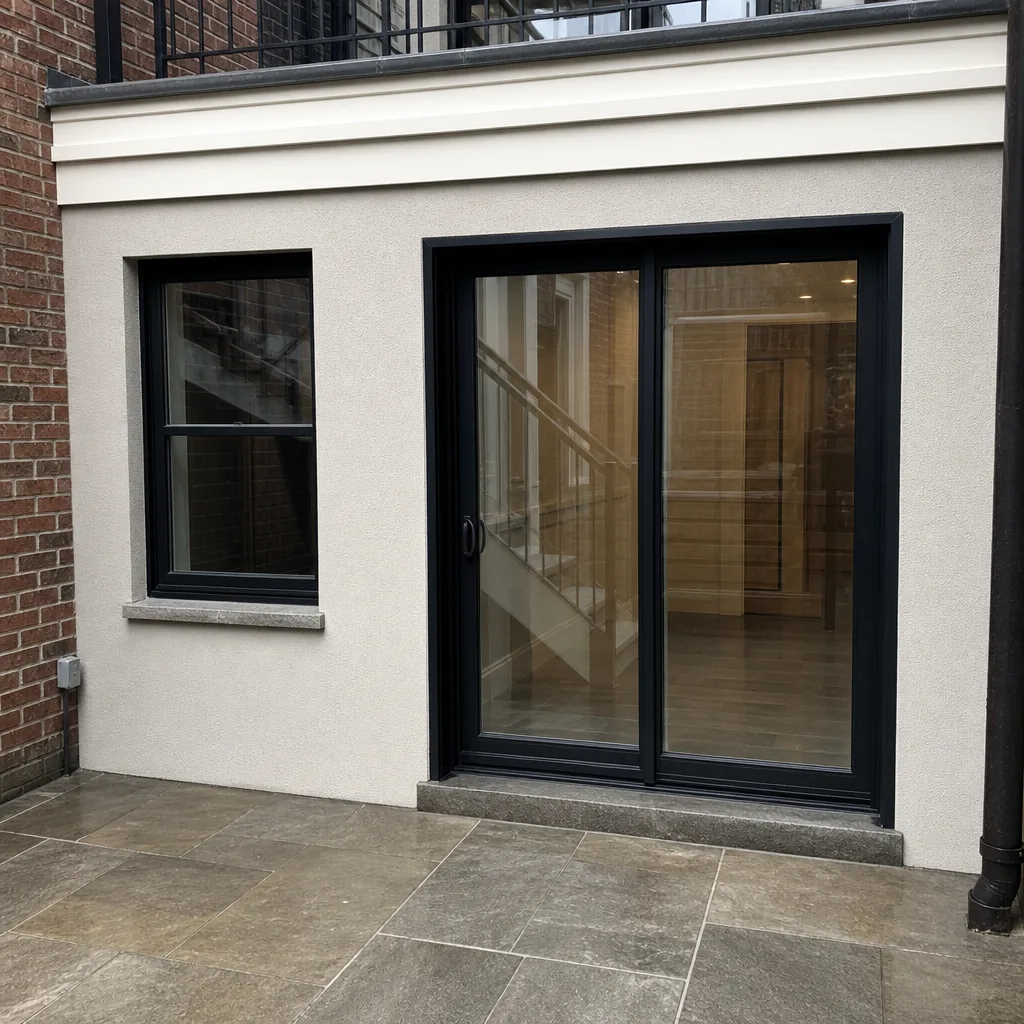 After
After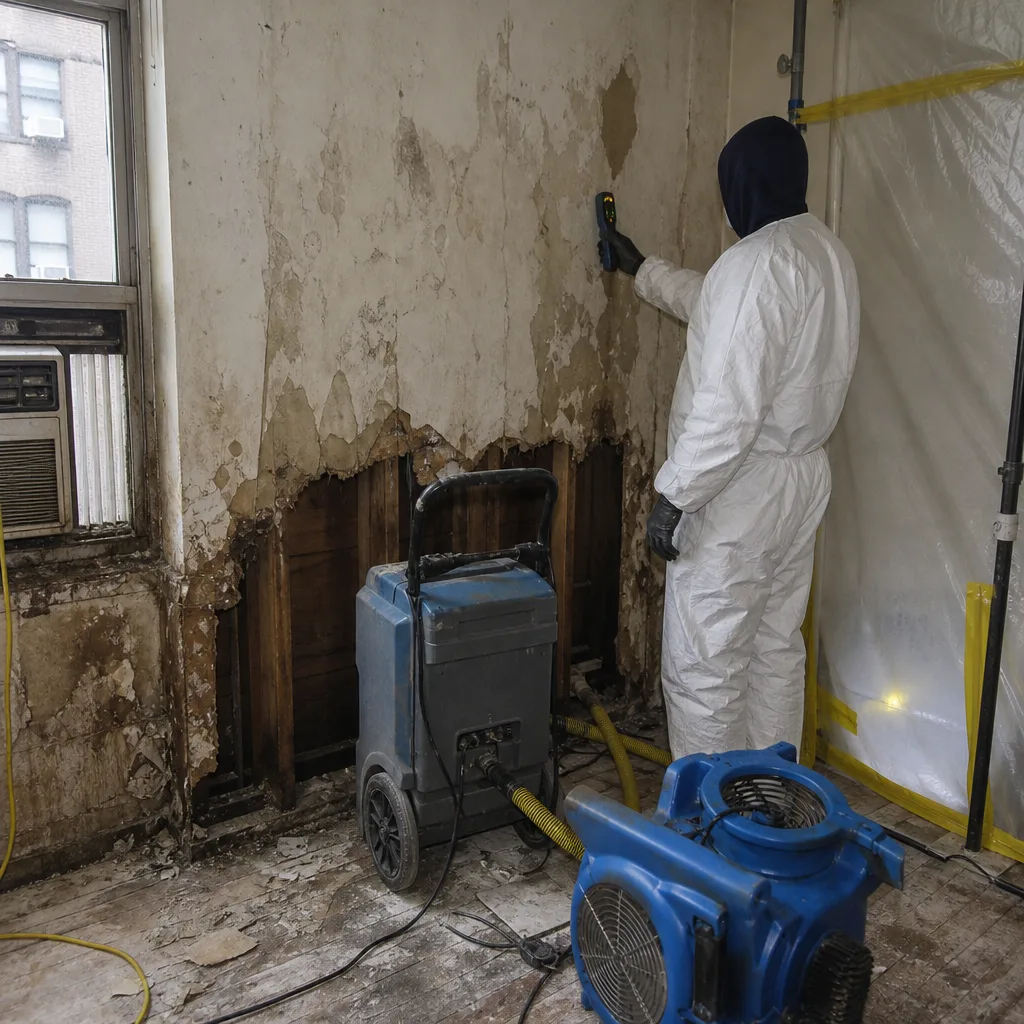 Before
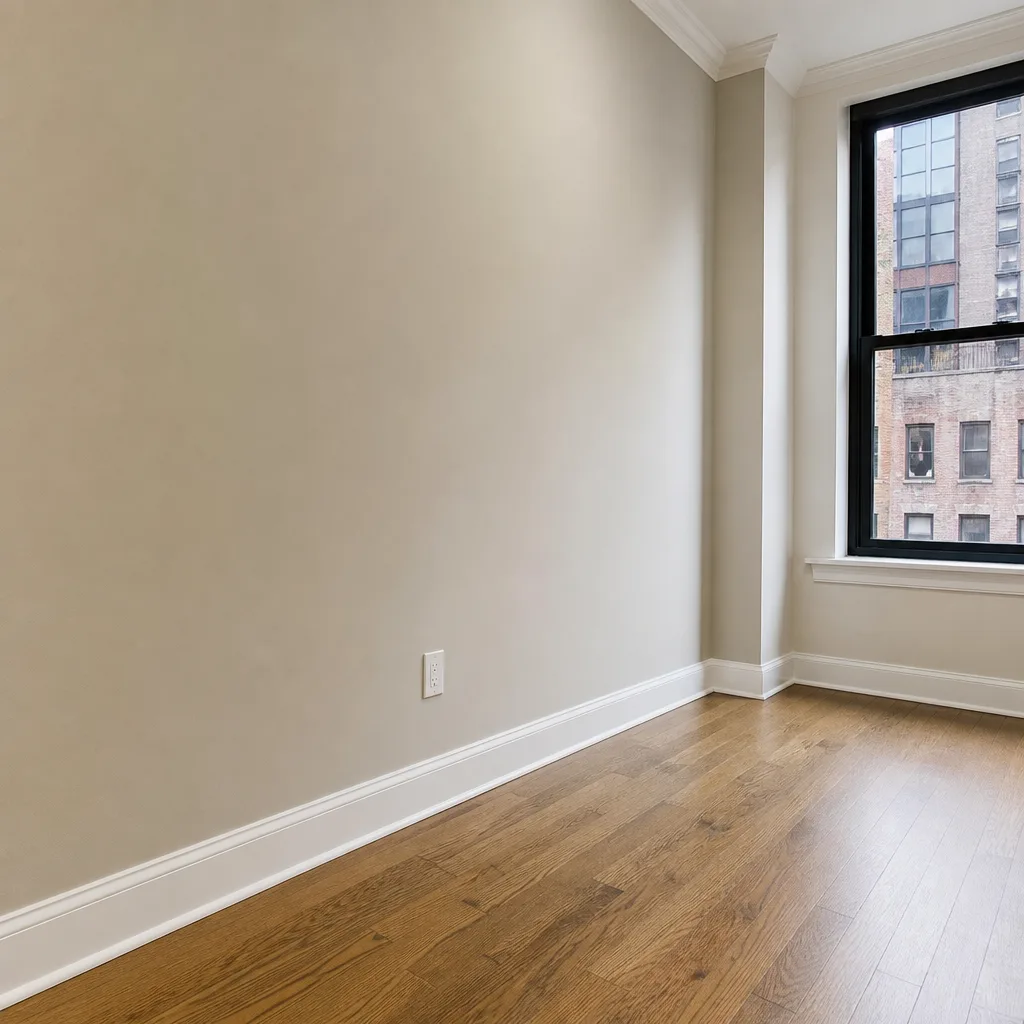 After
After24/7 Emergency Sanitization Services in Upper Manhattan
We answer the phone at 2 a.m. with a live dispatcher, and we can have a certified crew at your Upper Manhattan building within 45 minutes. If you’re dealing with a sewage backup, post-illness contamination, or odor spreading through an interior air shaft, the first call is the one that protects your family and your neighbors. Call (518) 314-5660 now for a free visual inspection, and we’ll tell you over the phone what you’re looking at before we ever set foot in the building.
Most of the sanitization work we do in Upper Manhattan starts with a phone call from someone who can smell something wrong but can’t see it yet. That’s not paranoia. In pre-war buildings, what you smell is usually moving through spaces you can’t access without a scope and a moisture meter. The sooner we read the building, the sooner we can tell you whether this is a single-unit cleanup or a stack-wide problem.
What happens when you call
- 1
A real person answersNo phone trees - you reach a local pro.
- 2
You get an upfront price rangeHonest numbers before anyone is dispatched.
- 3
A background-checked tech heads outLicensed & insured, dispatched right away.
- 4
You approve before work beginsNothing starts until you say go.
Understanding Sanitization Services Severity in Upper Manhattan Properties
Sanitization in Upper Manhattan is rarely a one-room conversation. The housing stock here, built mostly between 1900 and 1945, was assembled from materials that hold contamination differently than modern construction. Pre-war plaster and lath are porous. Original hardwood floors sit directly on joists with no subfloor barrier. Interior air shafts, common in Washington Heights and Inwood walk-ups, create vertical channels that carry moisture, pathogens, and odor between floors. A Category 3 water event, the classification for sewage and other grossly contaminated water, in a garden-level apartment on Edgecombe Avenue won’t stay in that apartment. Bacteria load travels on humidity into the shaft, and from the shaft into adjacent units within 48 to 72 hours.
We classify every sanitization job by source, not just by surface area. A Category 1 clean-water spill requires drying and surface disinfection. Category 2 brings significant contamination from laundry overflows or sump failures. Category 3, sewage, is a different animal entirely. It means containment, full decontamination of porous materials, and often selective demolition of plaster, flooring, or drywall that no amount of spraying will make safe. In an Upper Manhattan pre-war building, Category 3 in one unit is a Category 3 event for every apartment sharing the air shaft. We scope accordingly, because undershooting this is how buildings get recontaminated a week after the “cleanup” is done.
Why Upper Manhattan Property Owners Choose Floodline Restoration Co.
- 45-minute response in Upper Manhattan. We dispatch from the New York City office and our crews know the streets, the buildings, and the superintendents. We arrive when we say we’ll arrive.
- A live person answers, always. Every call to (518) 314-5660 reaches a dispatcher who knows this work. No automated system, no callback queue, no voicemail at midnight.
- IICRC-certified crews. Our technicians hold WRT (Water Damage Restoration Technician), FSRT (Fire & Smoke Restoration Technician), and AMRT (Applied Microbial Remediation Technician) certifications, trained to IICRC, RIA, and IFA standards.
- Free visual inspection with a written scope. You’ll know what we found, what we recommend, and what it costs before any work begins. No surprise line items later.
- Direct insurance billing. We document everything, submit directly to your carrier, and you never play messenger between us and the adjuster.
- One crew from start to finish. The same Floodline team that sets containment is the team that finishes cleanup and any reconstruction. No mid-job handoff, no inherited subcontractor.
Our Sanitization Services Process
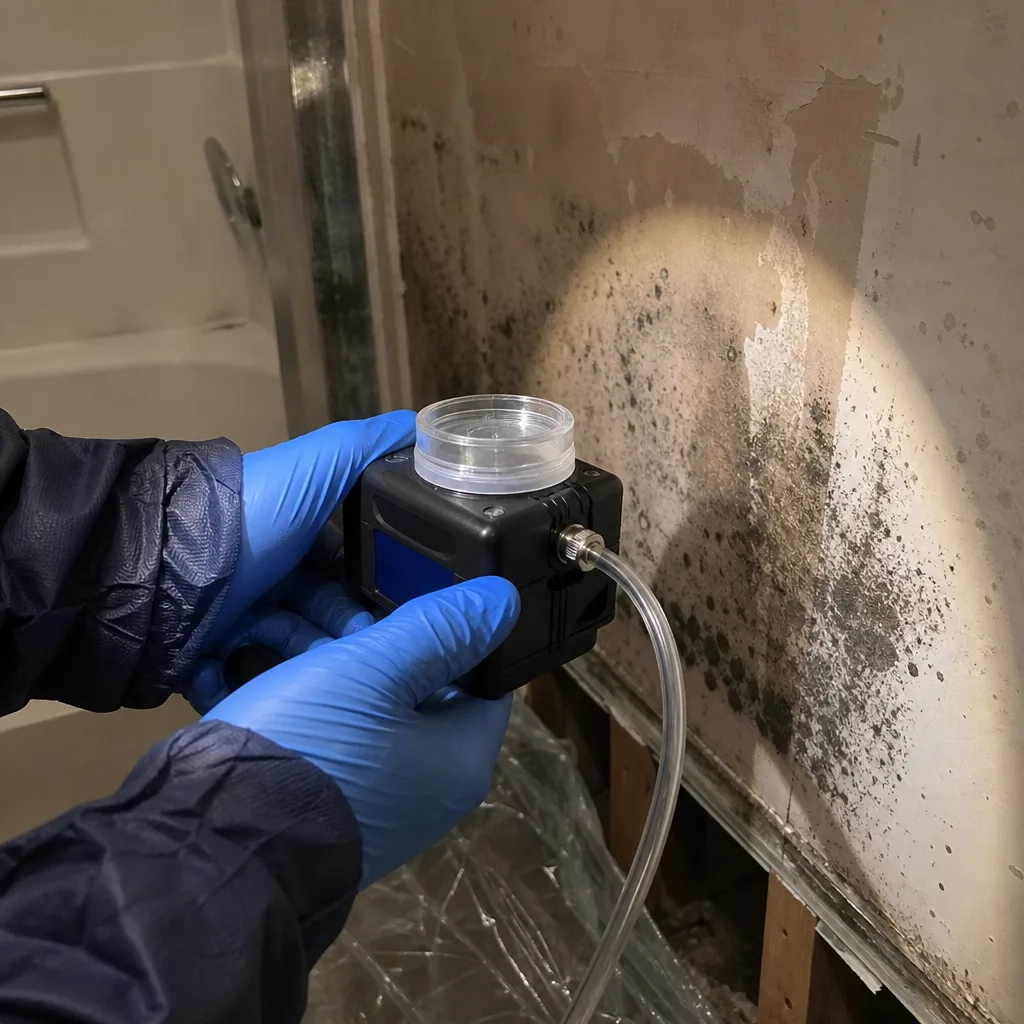
Inspection & Assessment
We start with thermal imaging and moisture mapping, not guesswork. In Upper Manhattan buildings we also inspect the air shaft and adjacent units for humidity migration, even when the visible damage is confined to one apartment.
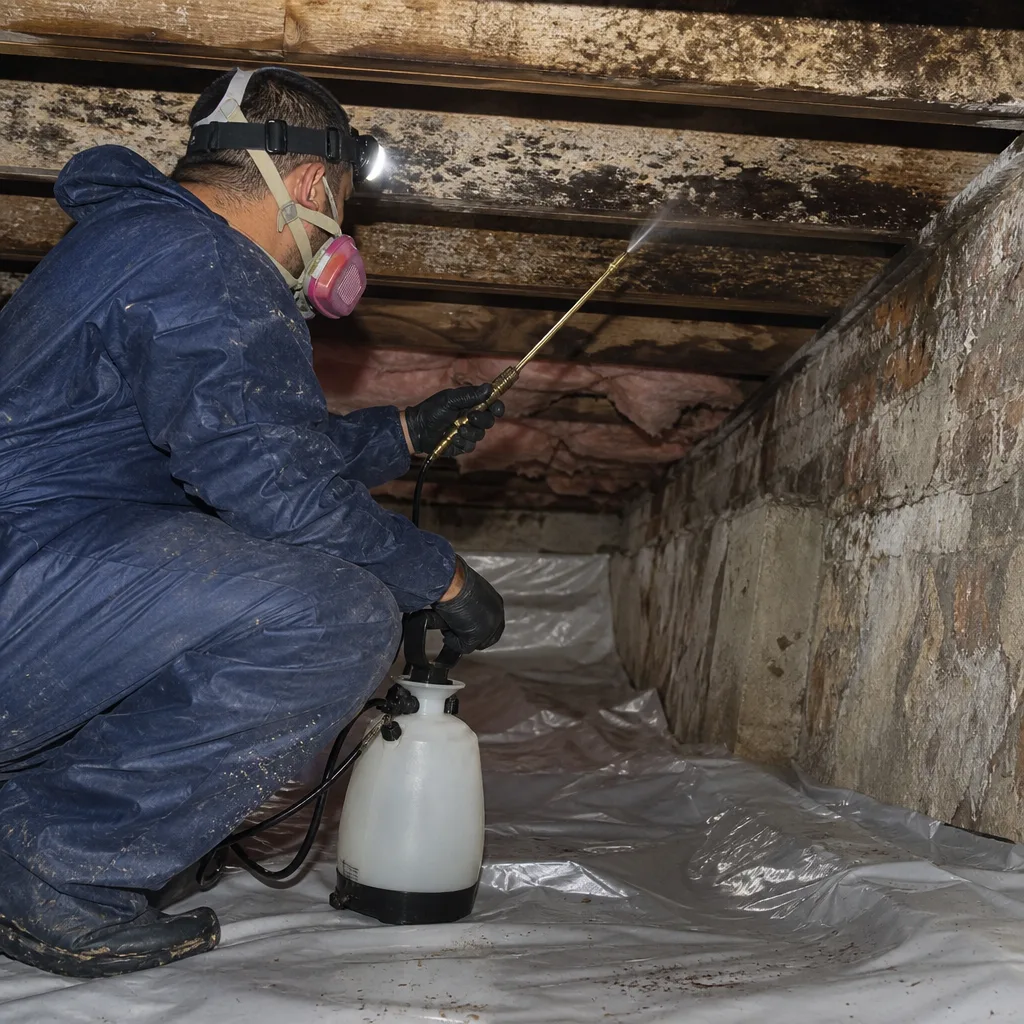
Containment & Source Control
We isolate the affected area with 6-mil polyethylene and set up negative air pressure before any fogging or demolition begins. This stops pathogens from riding air currents into hallways and neighboring units.
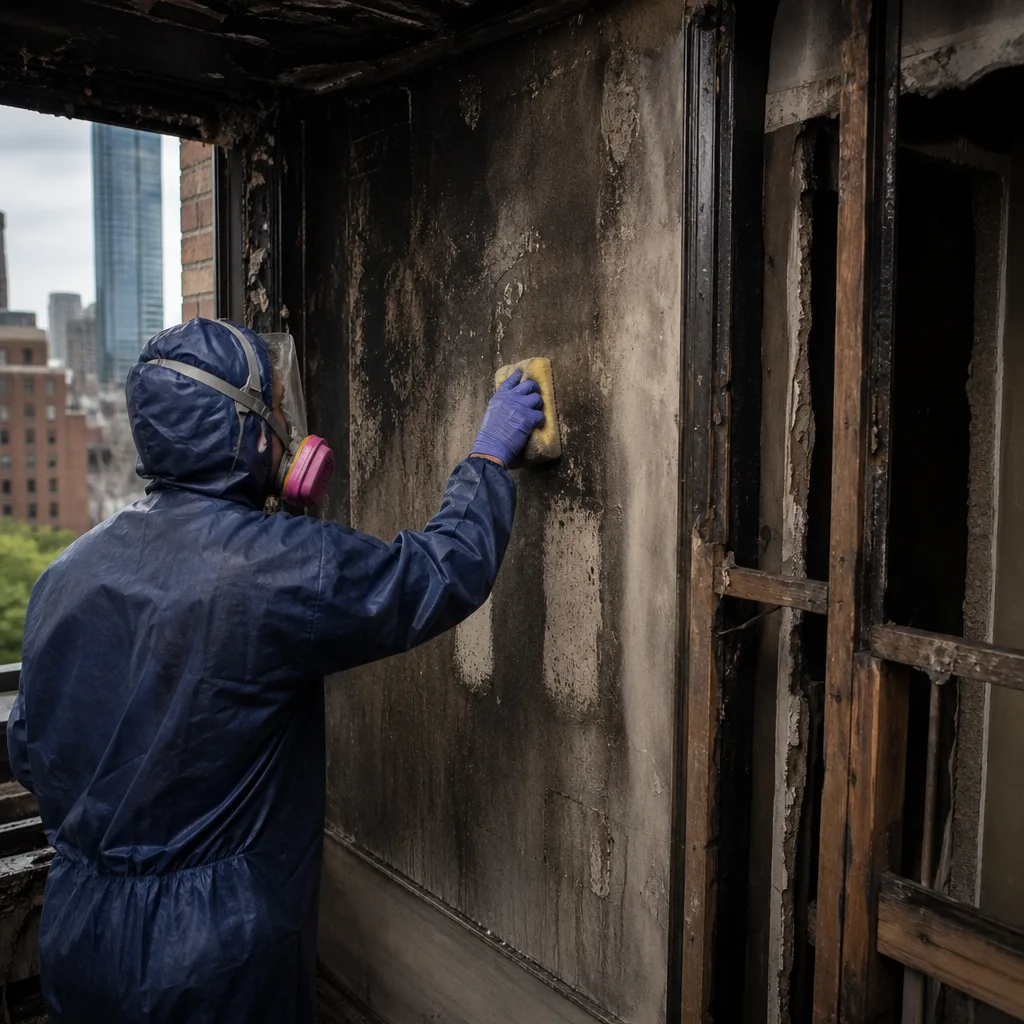
Deep Disinfection
We apply EPA-registered disinfectants to all hard surfaces and use HEPA air scrubbers to capture airborne bacteria and viruses. In pre-war buildings, this includes treating the interior air shaft itself, not just the unit where the event started.
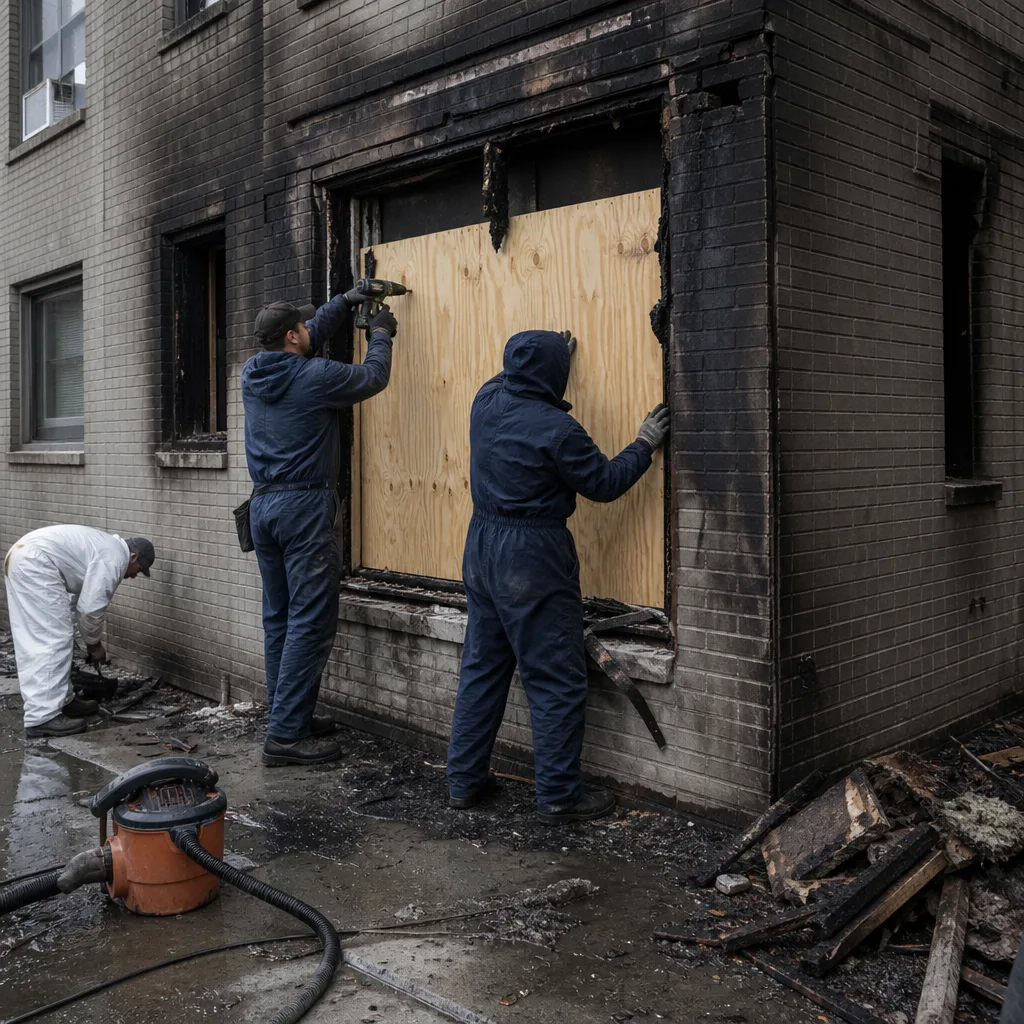
Commercial-Grade Fogging
We run Ultra Low Volume (ULV) fogging machines, including XPOWER units, to deliver disinfectant into voids, wall cavities, and the air shaft spaces that a spray bottle cannot reach. This step is standard for us in Upper Manhattan, not an add-on.
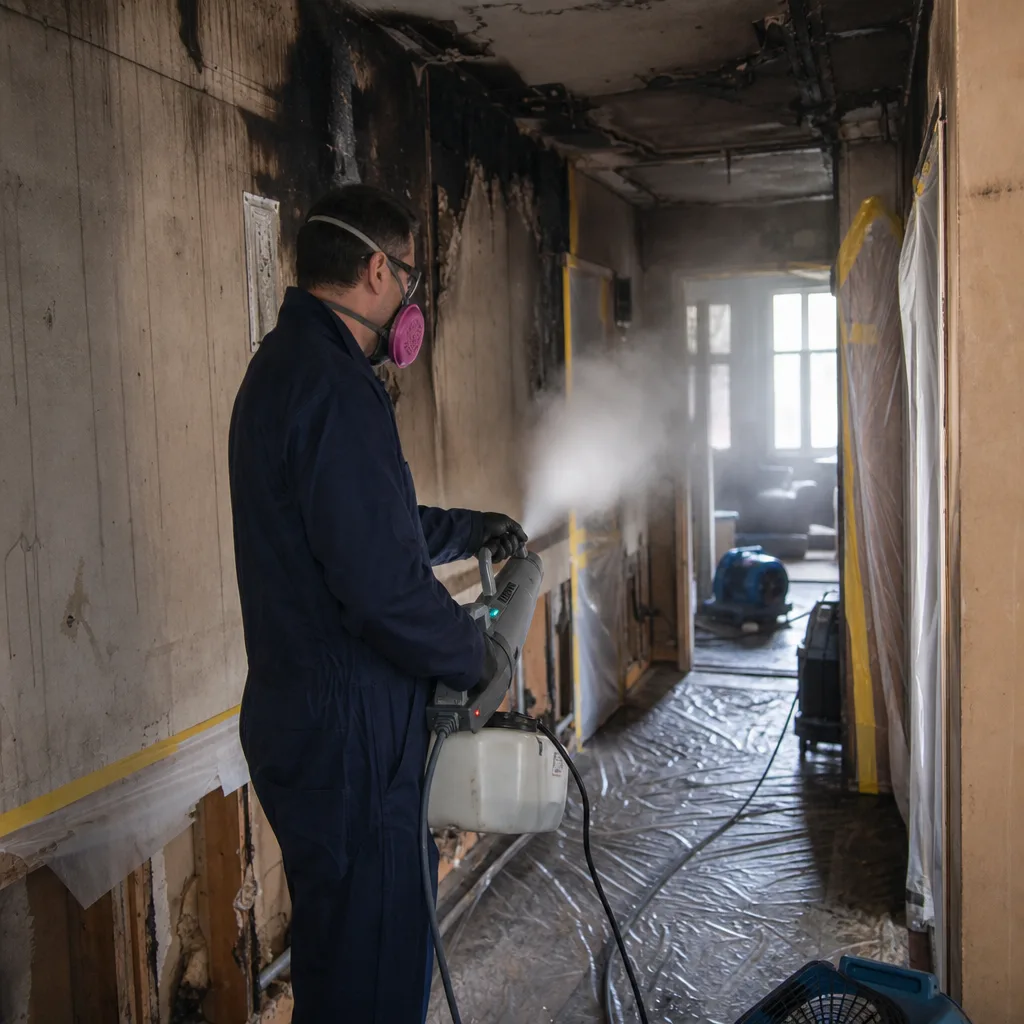
Odor Neutralization
We don’t mask odor. We remove the source, then use hydroxyl generators and B-Air air scrubbers to break down the remaining volatile organic compounds. When we leave, the smell is gone because the contamination is gone.
Clearance Verification
We run final air and surface samples to verify the sanitization met the dry standard and clearance criteria. You receive the documentation for your records and your insurance file.
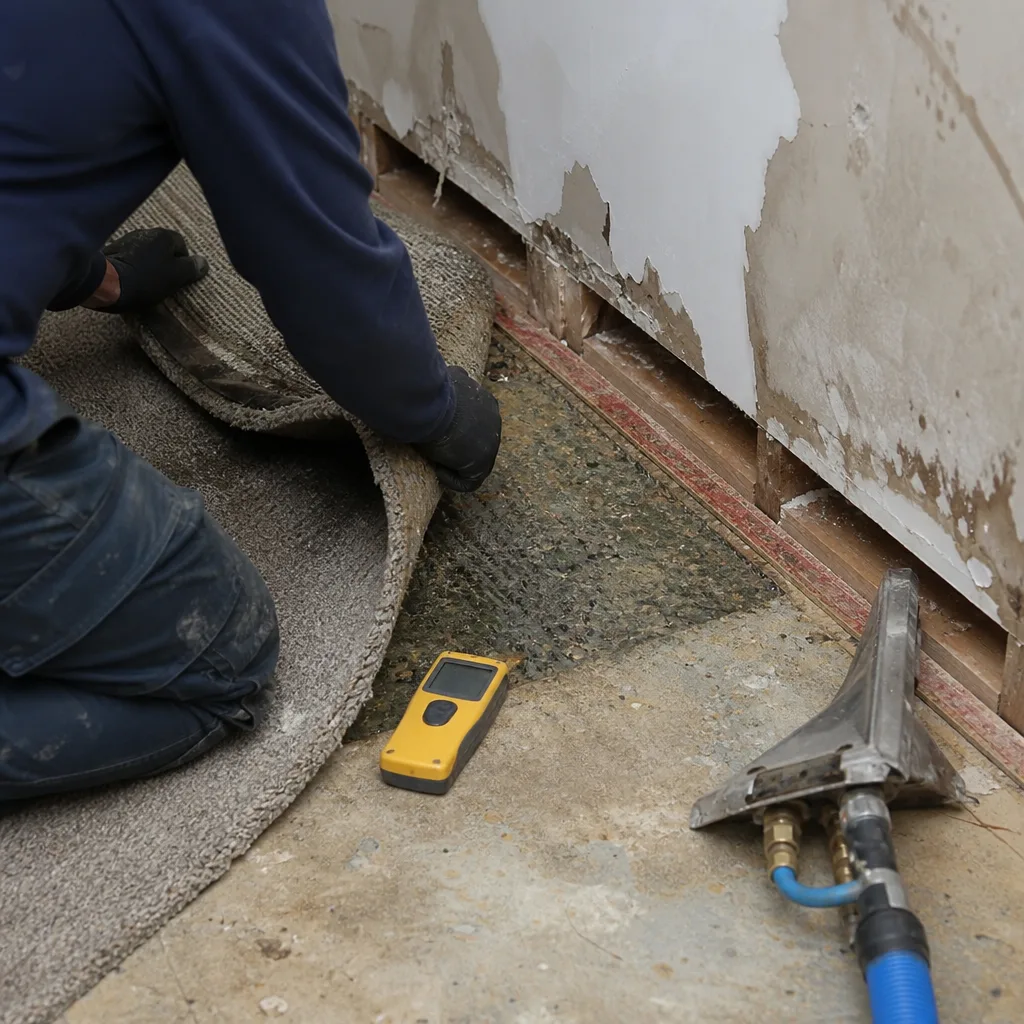
Need Emergency Sanitization Services in Upper Manhattan Now?
Crews minutes away, answering live 24 hours a day. The sooner we start, the less it costs.
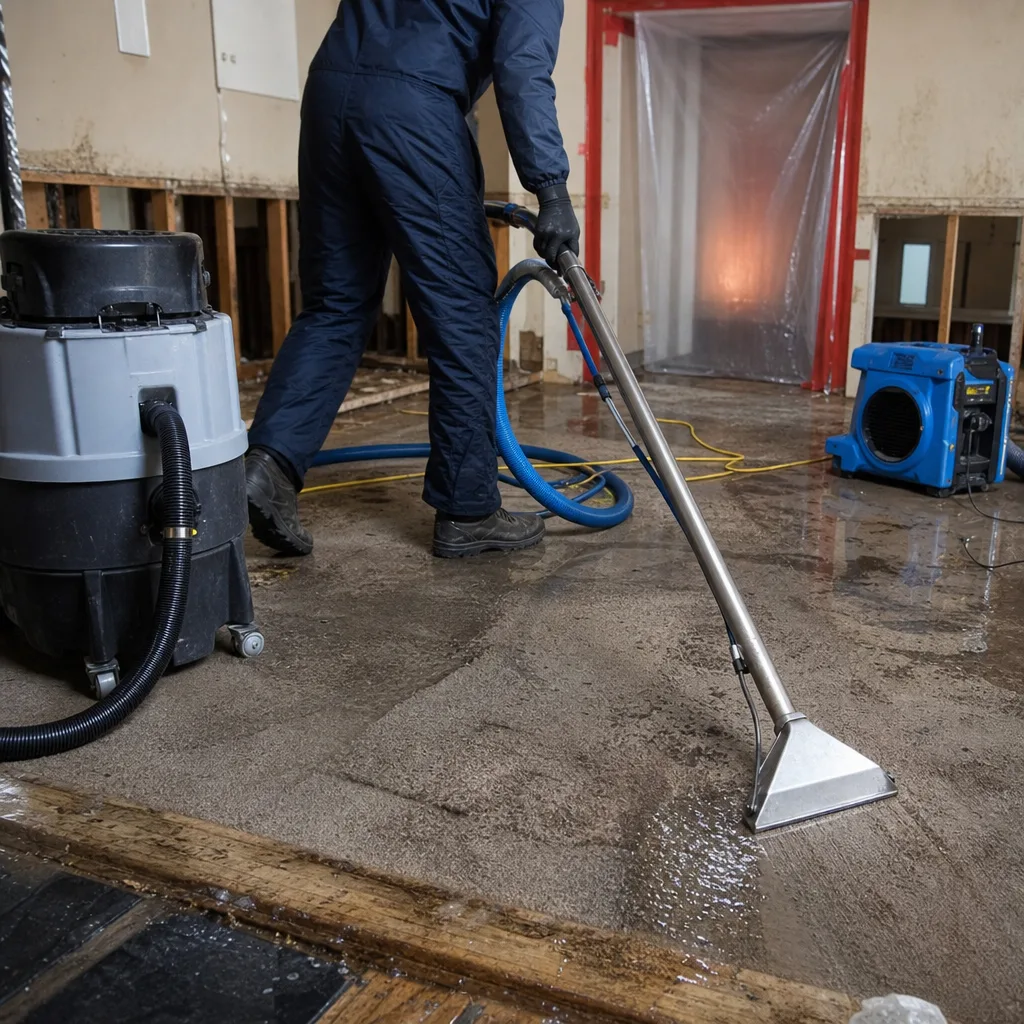
Working With Your Insurance Company
Sanitization claims in Upper Manhattan are rarely simple. Sewage backups, Category 3 events, and post-remediation verification all require documentation that holds up to adjuster scrutiny. We’ve been dealing with insurance carriers on behalf of building owners and individual apartment residents for years, and we know what they need to see.
We photograph everything from the first hour. Moisture readings get logged daily. Containment setup, fogging runs, air scrubber hours, and clearance samples all go into a documentation packet your adjuster can review without a phone call. When you work with us, you get a written scope before work starts, and we bill your carrier directly. You are not the messenger.
What We Provide Your Insurer
- Thorough documentation of the loss, with time-stamped photos from the first visit
- Room-by-room photographic evidence of all damage and contamination
- Moisture readings, humidity logs, and drying records with daily updates
- A detailed, line-item scope of work with material and labor breakdowns
- Direct coordination with your adjuster, including site visits
Built for Upper Manhattan’s Loss Calendar
Upper Manhattan has a sanitization rhythm tied directly to its geography and building stock. The corridor between the Hudson and Harlem Rivers floods when intense summer convective storms overwhelm the storm drain system, as Hurricane Ida showed in September 2021 when basement and garden-level units across East Harlem and Inwood took on several feet of Category 3 water. Corroded cast-iron and galvanized-steel plumbing stacks in pre-war tenements fail throughout the winter freeze-thaw cycle, sending sewage into ground-level apartments. And the density of NYCHA towers in East Harlem and Central Harlem means a single pipe failure can affect dozens of units in a single building.
Post-illness sanitization has its own season here. Flu and norovirus season, roughly November through March, drives steady demand from rent-stabilized buildings where tenants cannot easily relocate during a cleanup. Managing sanitization in an occupied pre-war building, with original plumbing and limited ventilation, requires planning that out-of-neighborhood companies simply do not have. We do this work year-round, and we know when the call volume is going to spike and what supplies and crew availability we need to maintain our 45-minute response.
Sanitization Services Across Upper Manhattan’s Neighborhoods
Washington Heights and Inwood present the most complex sanitization jobs we see in Upper Manhattan, because the 1920s and 30s brick apartment buildings there almost universally contain interior air shafts. These narrow vertical voids run the full height of the building and function as hidden conduits for pathogens and odor. A sewer backup in a garden-level unit on Fort Washington Avenue will push contaminated humidity up the shaft, and within days apartments on the fourth and fifth floors will report that same odor. We treat the shaft, not just the unit.
Harlem, particularly Central Harlem and East Harlem, has a higher concentration of NYCHA housing and pre-war tenements with cast-iron stacks that have been in service for eighty or ninety years. Sanitization work here often involves coordinating with building management and multiple apartment residents at once, because a stack failure affects the entire vertical line of units. Sugar Hill, with its larger pre-war co-ops along Edgecombe Avenue and St. Nicholas Avenue, brings a different set of expectations: those buildings are often politically organized, and the board wants documentation at a different level than a single landlord-managed building. We know the difference, and we work with both.
Hamilton Heights and Manhattanville, along the 125th Street corridor and south toward 110th Street, sit at a lower elevation relative to the rocky ridge that runs through Washington Heights. The blocks near the Harlem River are more flood-prone during cloudburst storms, which means more Category 3 sewage backups and more sanitization calls during the summer convective season. When we dispatch to Amsterdam Avenue or Broadway in this stretch, our crews arrive prepared for basement-level flooding and stack-water migration, not just a single-unit cleanup.
Specialized Sanitization Services Services We Offer in Upper Manhattan
Commercial-Grade Fogging
Standard spray-and-wipe disinfection cannot reach the interior of a pre-war plaster wall or the void behind a built-in cabinet. Commercial-grade fogging, using ULV machines that atomize EPA-registered disinfectants into a true mist, gets into those spaces. In Upper Manhattan buildings with interior air shafts, fogging is standard practice because it treats the vertical conduit that connects every unit sharing the shaft. We run XPOWER foggers and ULV units as part of our core sanitization protocol, not as an upsell.
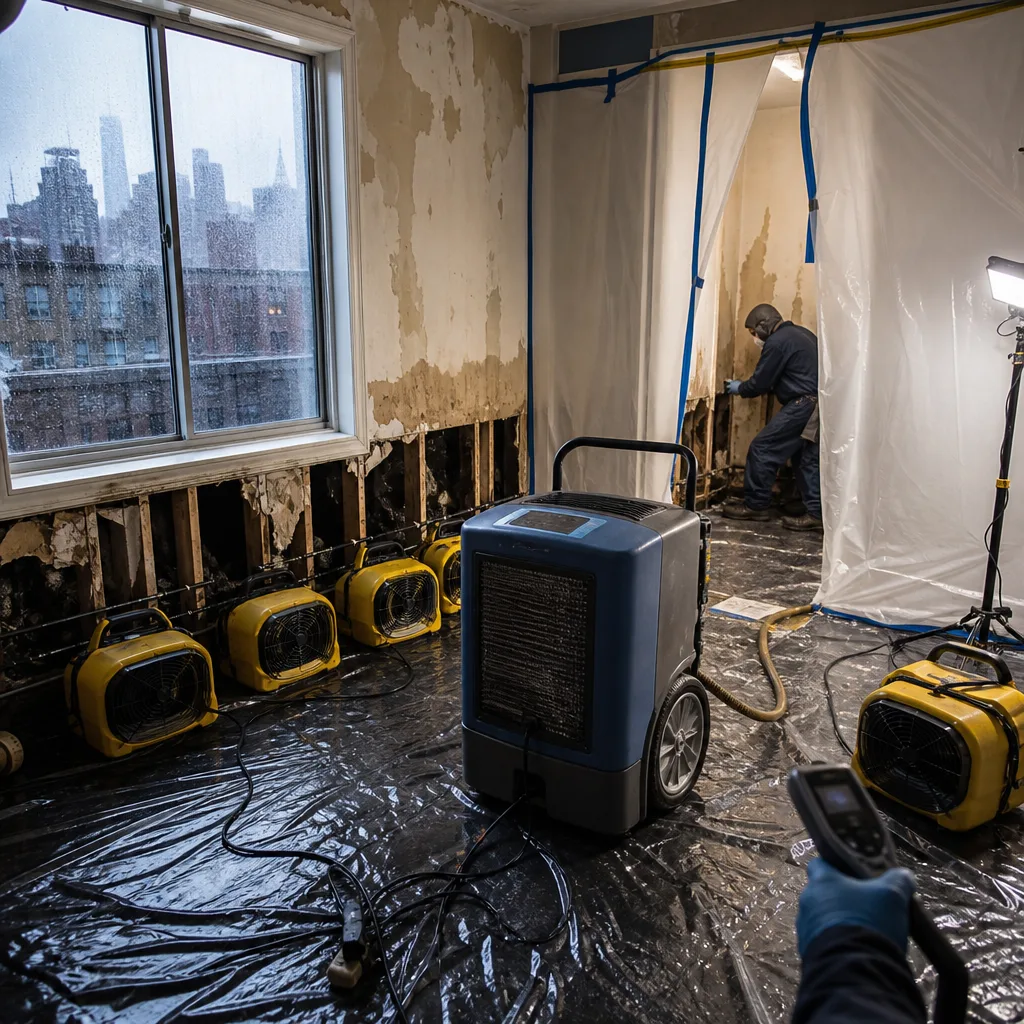
Deep Disinfection
Deep disinfection means treating every surface in the affected space, including floors, walls, ceilings, door hardware, and the air itself, with products that are effective against the specific contaminant present. After a norovirus outbreak in an occupied rent-stabilized building, for example, deep disinfection means more than wiping down kitchen counters. It means treating the air shaft, sanitizing common areas and stairwells, and documenting everything for the property owner’s records.
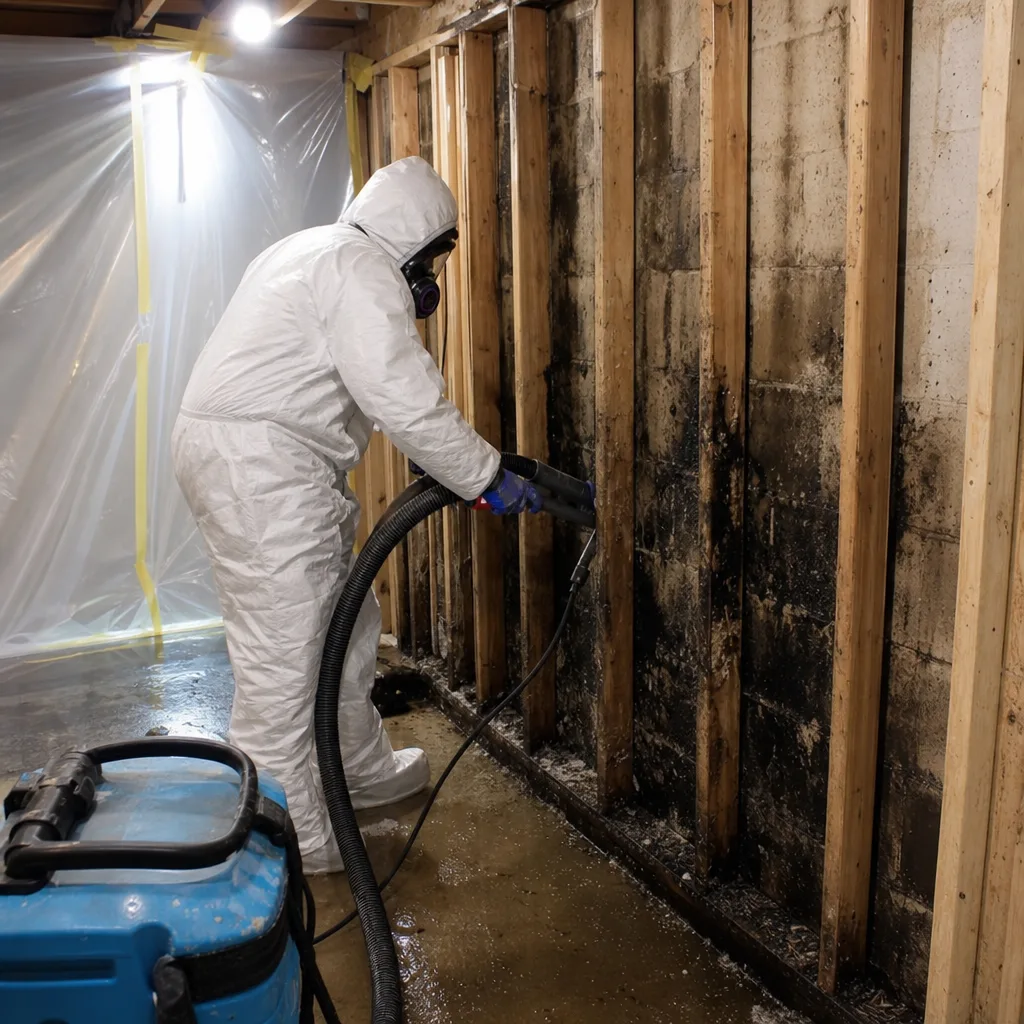
Odor Neutralization
Odor in a pre-war building is usually a symptom of contamination traveling through the air shaft. We identify and remove the source first, then run hydroxyl generators and B-Air air scrubbers to break down the remaining odor-causing compounds. If a smoker lived in a Washington Heights apartment for twenty years before vacating, the nicotine and tar residue is in the plaster, the floors, and the air shaft. We treat all three, because treating just the visible surfaces is how you get a callback two weeks later.
Virus & Bacteria Decontamination
After an illness outbreak in a multi-unit building, whether flu, norovirus, or COVID-19, the decontamination protocol depends on the building’s ventilation. Pre-war buildings with air shafts need air-shaft treatment and common-area decontamination, because the pathogen traveled through shared air before anyone started cleaning. We coordinate with building management to schedule work so occupied units are not exposed to disinfectant unnecessarily.
Air Duct Sanitization
Many Upper Manhattan pre-war buildings have original or decades-old ductwork that has never been sanitized. When tenants report persistent odor or respiratory irritation, we inspect the ducts and associated air shafts. Sanitizing ductwork in these buildings requires more than a brush-and-vacuum pass; we treat the interior surfaces with EPA-registered antimicrobials, and when the building layout calls for it, we run fogging through the duct system itself.
Post-Illness Cleanup
Post-illness cleanup in a rent-stabilized building is not the same as cleaning a single-family home. The occupancy is denser, the ventilation is shared, and the tenants cannot always leave during treatment. We’ve developed protocols that allow us to sanitize an occupied building without exposing residents to unnecessary chemical load, and we provide the property owner with written verification that the work was completed to a defensible standard. The 90-Day Done Right Promise applies here just as it does on a Category 3 sewage cleanup. If it’s not done right, we make it right, in writing.
Sanitization Services Costs in Upper Manhattan, NY
Sanitization pricing in Upper Manhattan reflects the building stock. A straightforward single-unit post-illness disinfection in a newer building typically runs $450 to $800. Deep disinfection with commercial-grade fogging in a pre-war walk-up, including air shaft treatment, starts around $900 and can reach $2,500 depending on square footage and the number of rooms requiring containment. A Category 3 sewage sanitization with selective demolition, the kind of job we handled on Edgecombe Avenue in Washington Heights, commonly runs $3,500 to $8,000 for a garden-level apartment, and more when adjacent units and the air shaft require treatment.
What moves the price most is whether the building’s configuration requires treating spaces beyond the unit of origin. A six-story walk-up with a single interior air shaft costs more to sanitize correctly than a post-2000 building with independent HVAC. Pre-war plaster absorbs and releases moisture differently than drywall, which can extend drying and treatment time. The free visual inspection is how we give you a firm written scope, not an estimate range. Most sanitization work is at least partially covered by insurance when the event is sudden and accidental, and we bill your carrier directly. Call (518) 314-5660 for an exact quote.
We Also Serve Cities Near Upper Manhattan
Our crews regularly work in Midtown Manhattan, Midtown West, Murray Hill, and Washington Square. If your building is adjacent to Upper Manhattan and you need Sanitization Services, call us and we’ll tell you honestly whether we can have a crew to you in under an hour. Most of the time we can.
Serving Upper Manhattan, NY - Our Local Coverage Area
We’re based in the Upper Manhattan area and know this community well. Use the map below to see our service coverage - if you’re nearby, we can almost certainly help.
Upper Manhattan Sanitization Services Questions, Answered
How does the interior air shaft in my Washington Heights building affect sanitization after a sewer backup?
The air shaft acts as a vertical chimney that carries contaminated humidity from lower floors to every unit sharing that shaft. After a sewer backup, we treat the shaft itself with commercial-grade fogging and run HEPA air scrubbers at the shaft openings, not just in the unit where the water surfaced. Skipping the shaft is how a building gets recontaminated within days.
Do you need to sanitize neighboring apartments if only one unit had a Category 3 water event?
Yes, if those apartments share an air shaft or a common wall with the affected unit. We moisture-map the adjacent units before making that call. In a pre-war Upper Manhattan building, elevated humidity in a neighboring unit is the first sign that contamination is already migrating. The written scope will tell you exactly what needs treatment and what does not.
What makes sanitizing a pre-war Harlem walk-up different from a newer building?
Pre-war plaster and lath are far more porous than modern drywall, so they absorb contaminated moisture deeply and release it slowly. Original hardwood sits directly on joists with no subfloor barrier. Original plumbing stacks are often corroded cast iron. And the interior air shaft means the building shares air vertically in a way newer construction does not. All of that changes the sanitization protocol.
Can you sanitize after a sewage backup without removing all the original flooring?
Sometimes. If the flooring is hardwood and the water was Category 3, the wood itself can sometimes be dried, disinfected, and refinished, but any original flooring with a fibrous backing or subfloor that absorbed sewage will typically need removal. We will not tell you to tear out original flooring that can be saved, and we will not tell you to save flooring that is holding bacteria. The moisture readings make the call, not a sales target.
How soon can you start post-illness sanitization in an occupied rent-stabilized building?
If you call (518) 314-5660, we can be on-site within 45 minutes to inspect, and sanitization typically starts the same day or next morning. For occupied units, we coordinate with you on timing so residents are not exposed to disinfectant unnecessarily. We also coordinate with building management so we’re not surprising tenants in a hallway with fogging equipment.
How fast can you actually get to Upper Manhattan?
Our 45-minute response commitment is real, and it covers Upper Manhattan. We dispatch from the New York City office, and our crews know the streets and the buildings. A live dispatcher answers at any hour, including weekends and holidays.
Who deals with my insurance adjuster?
We do. You give us the claim number, and our team handles adjuster communication, documentation, and direct billing. You’re copied on everything. You never have to translate between us and the carrier.
What should I do in the first 30 minutes after I discover the contamination?
Call us at (518) 314-5660. Do not run fans, do not try to mop Category 3 water, and do not open the air shaft door. Take photos of what you can see from a safe distance. Keep children and pets out of the affected area and out of common hallways near it. The first call is the one that keeps the damage from spreading through the shaft.
If you’re a building owner or resident in Upper Manhattan dealing with contamination, odor, or a Category 3 event, call Floodline Restoration Co. at (518) 314-5660. We’ll answer live, tell you honestly what you’re facing, and give you a written scope before any work begins. Done right, and backed in writing.
Written by Curt Bowman, Owner at Floodline Restoration Co., serving Upper Manhattan and the surrounding area since 2010.
Why Upper Manhattan Chooses Floodline Restoration Co.
We set the standard for sanitization services in Upper Manhattan.
Documented for Your Claim
Every job is photographed before, during and after, with moisture logs where they apply. We hand the full file to your adjuster and bill your insurance directly - you are never the one relaying it.
Licensed & Insured
Fully certified technicians who meet all local and state licensing requirements.
Upfront Pricing
No hidden fees, no surprises. You approve the price before any work begins.
Guaranteed Work
Every repair and installation is backed by our workmanship warranty and satisfaction guarantee.
How It Works in Upper Manhattan
Getting your sanitization services handled is simple and fast.
Call or Request a Free Estimate
Tell us about your sanitization services needs and we provide an upfront, transparent quote - no obligation, no hidden fees.
Licensed Technician Dispatched
A background-checked, certified technician arrives in Upper Manhattan - typically within 30-60 minutes, with parts stocked on the truck.
Problem Solved, Guaranteed
We complete the job to your full satisfaction, backed by our warranty and 100% satisfaction guarantee.
What happens when you call
- 1A real person answersNo phone trees - talk to a local sanitization services pro.
- 2You get an upfront price rangeHonest numbers before anyone is dispatched. No surprises.
- 3We come out and measureLicensed & insured, at a time that suits you - the visit and the quote are both free.
- 4You get the price in writingLine-itemed, yours to keep, and nothing starts until you say go.
What Upper Manhattan Customers Say
Trusted by homeowners across Upper Manhattan and surrounding areas.
"We had a musty smell in the hall closet for months. He tested first, found the leak inside the wall, sealed the area off with plastic before opening anything, and put the whole scope in writing before asking for a signature."
"Sewage backed up into the downstairs bathroom on a holiday weekend. The crew arrived in full protective gear, took out everything porous, bagged it, and sanitized the space twice. They treated a disgusting job like it was routine, which for them I suppose it is."
"Washing machine hose let go while we were at work and the ceiling below was sagging by the time I got home. They had extraction running within the hour and fans placed before dinner. The tech took moisture readings every day and showed me the numbers coming down until they hit dry."
Our Work in Upper Manhattan
A look at recent damage restoration projects across Upper Manhattan and surrounding areas.
Ready for Sanitization Services in Upper Manhattan?
Call now for a free estimate - or request one below. Licensed, insured, and here with fast after-hours help in Upper Manhattan.
(518) 314-5660Request a Free Estimate in Upper Manhattan
Tell us about your sanitization services needs - we'll respond within the hour.