
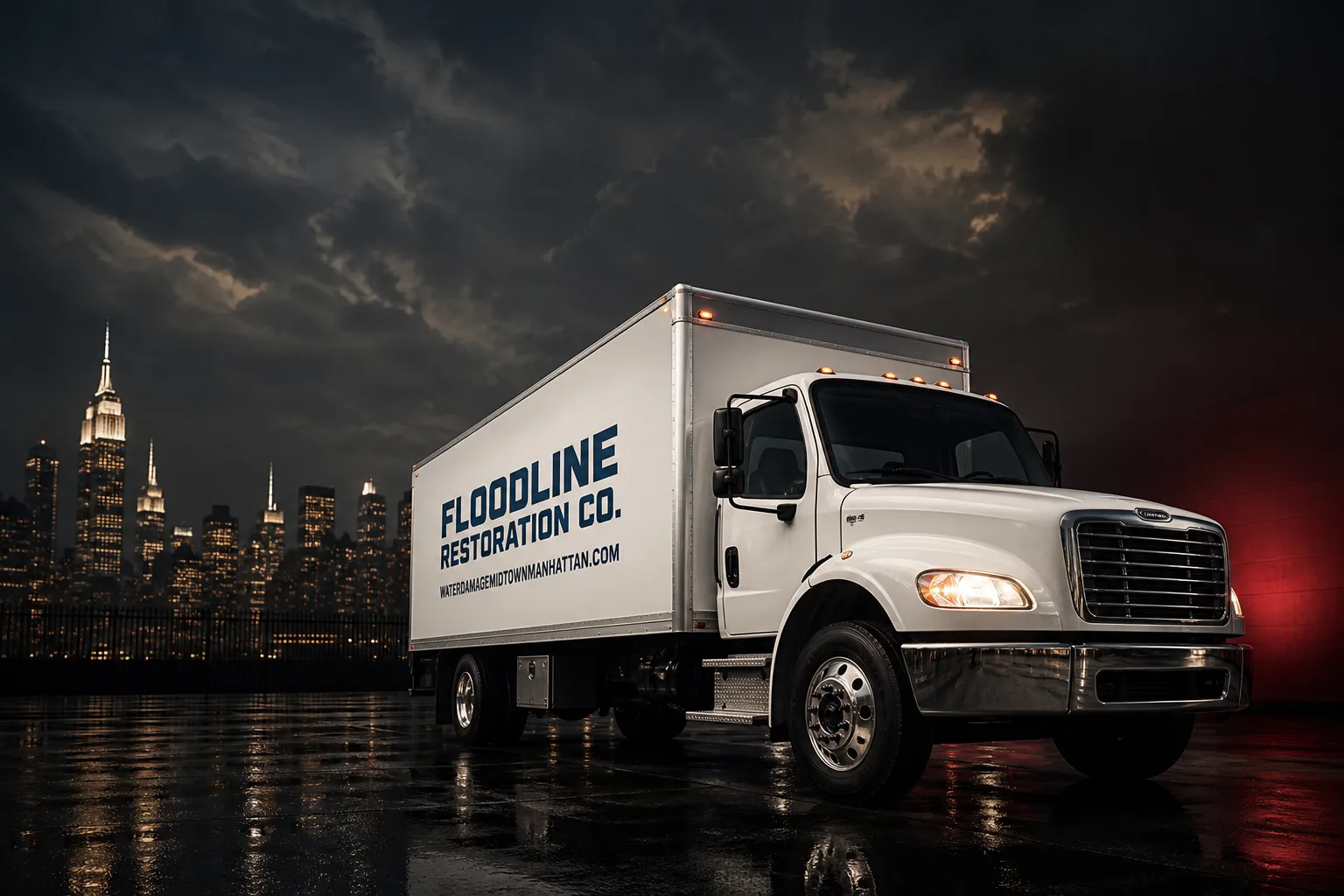
Free visual inspection and a written scope of work before any mitigation begins - photos, moisture readings, and drying logs go in your claim file
The scope we write is the scope we bill. Anything new gets shown to you, in writing, before we touch it.
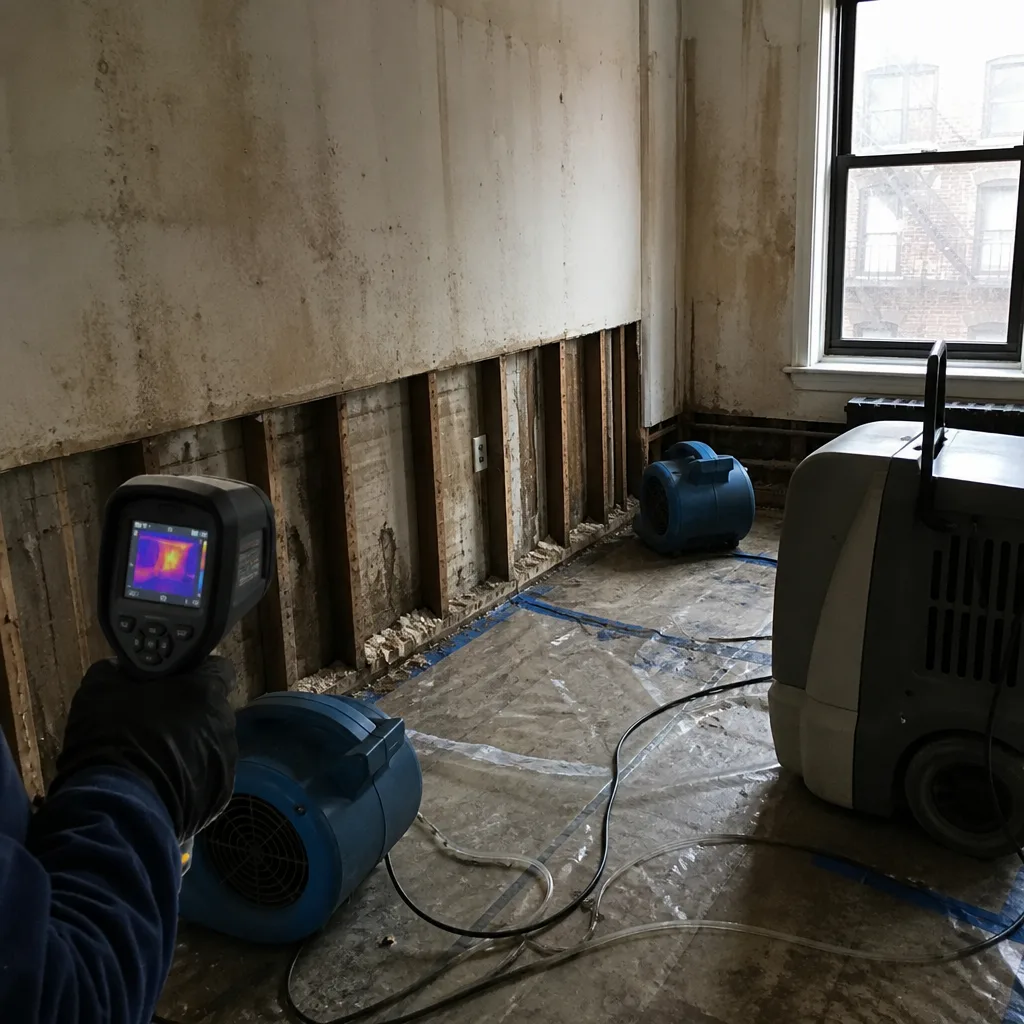 Before
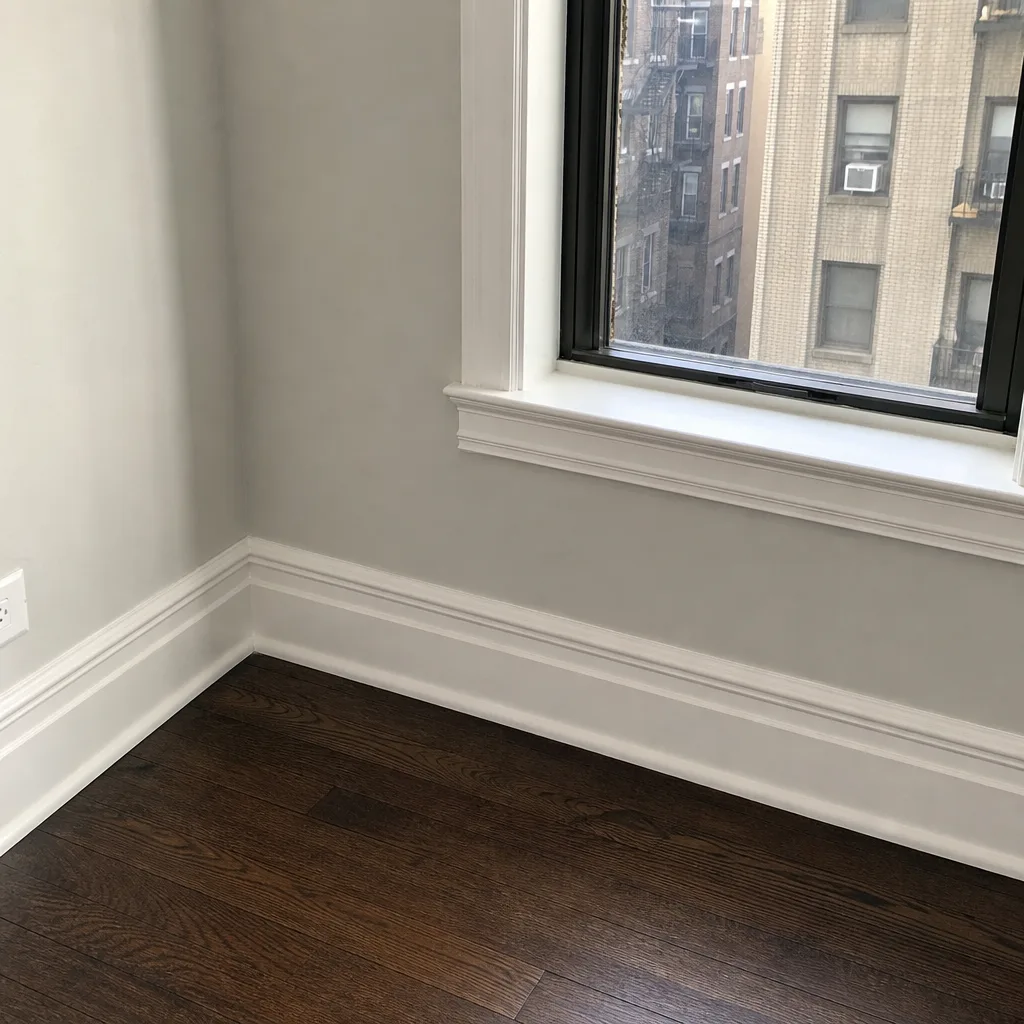 After
After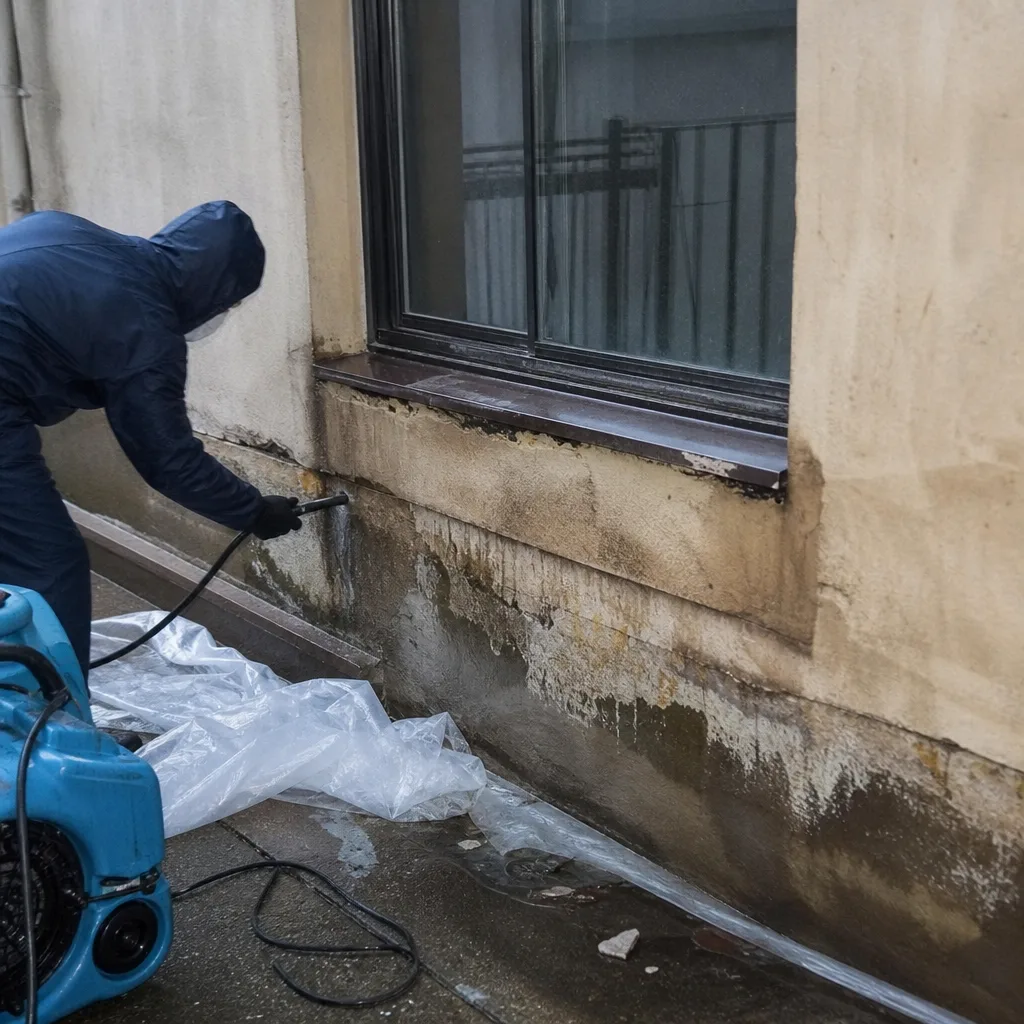 Before
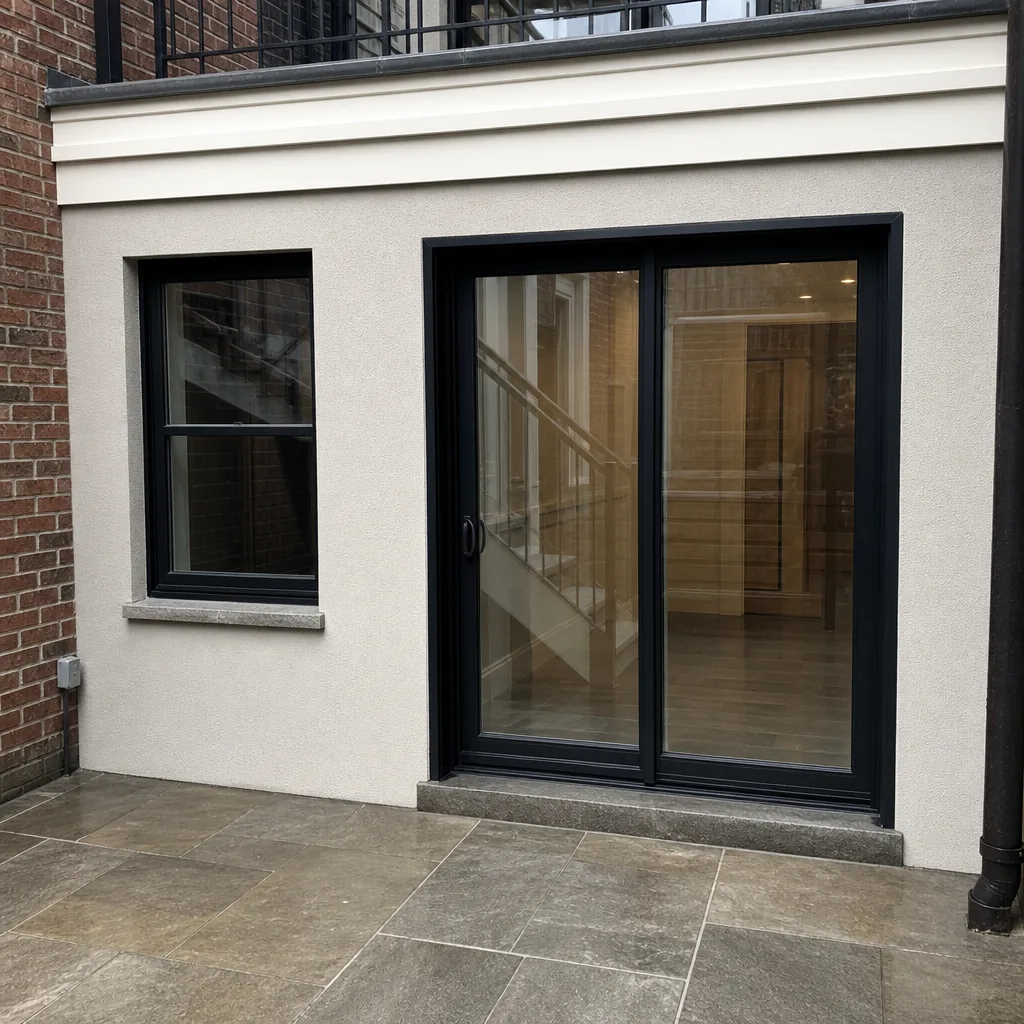 After
After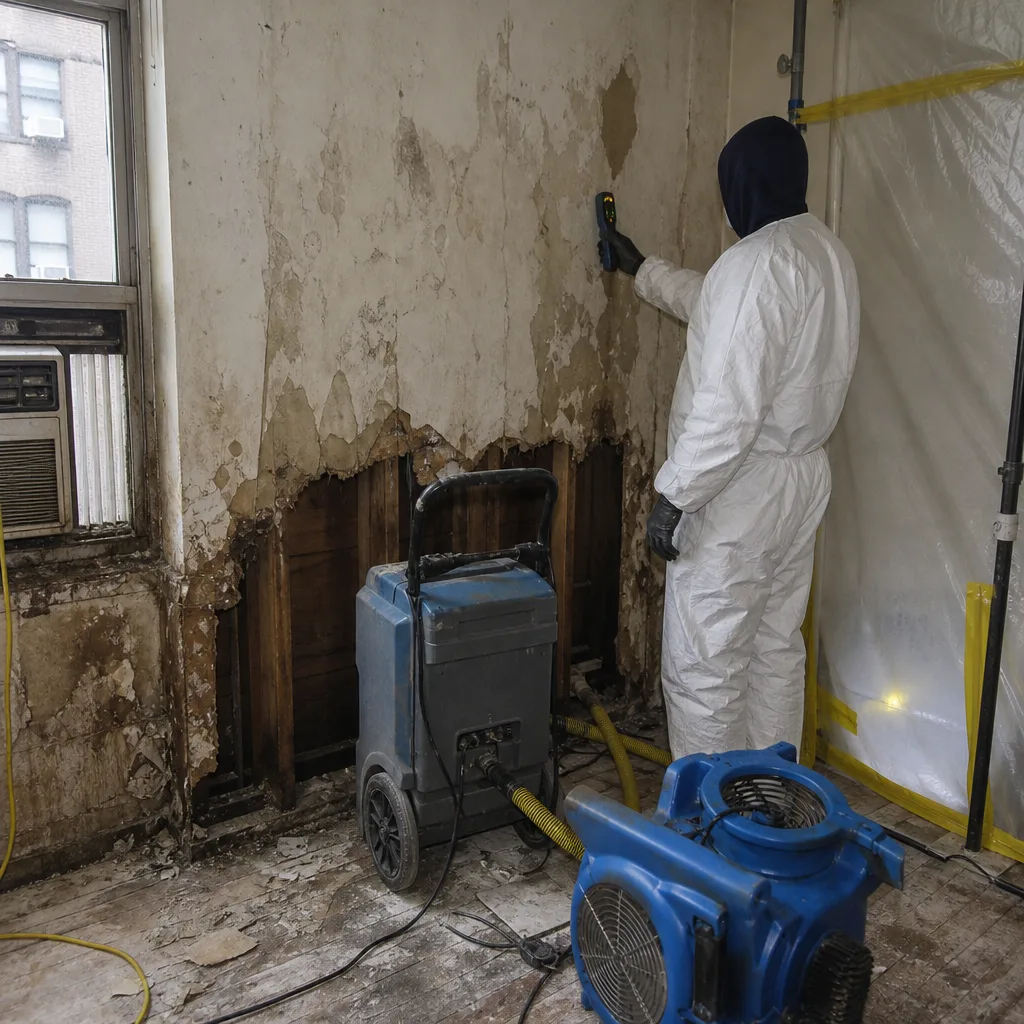 Before
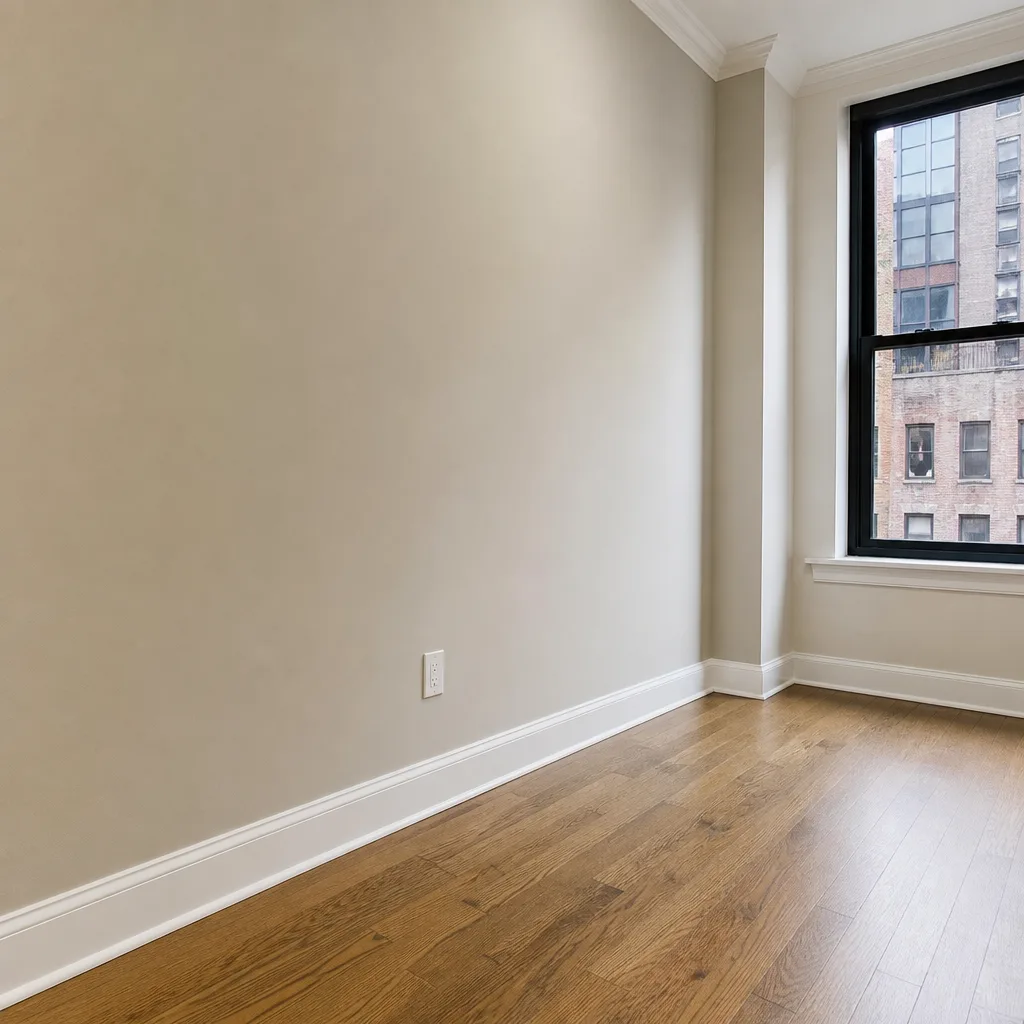 After
After24/7 Emergency Biohazard & Crime Scene Cleanup in Midtown Manhattan
Biohazard and crime scene cleanup in Midtown Manhattan usually costs between $3,500 and $10,000 for a contained single-unit incident. Larger multi-floor events involving vertical chases or elevator shafts commonly reach $25,000 to $75,000 once structural drying and abatement coordination are added to the price. Every emergency call to Floodline Restoration Co. at (518) 314-5660 is answered by a live dispatcher, any hour of the day or night. We stage crews from our New York City office and we do not put a recording between you and a technician when there’s blood, decomposition fluid, or a contagion inside your building. The first hour matters because pathogens move vertically through pre-war plumbing chases and elevator shafts faster than most property managers realize. A single trauma scene on the 18th floor above Grand Central can contaminate the riser spaces from the basement steam vault to the penthouse ventilation intakes before the building engineer has even shut the riser down.
Understanding Biohazard & Crime Scene Cleanup Severity in Midtown Manhattan Properties
Biohazard severity in Midtown Manhattan is not measured simply by how much blood is visible on the floor. It is measured by how far the contamination has traveled through the building’s vertical anatomy. In a pre-war tower built between 1900 and 1945, cast-iron supply lines and original steam-heat risers run through wall cavities lined with asbestos pipe lagging. Decomposition fluids from an unattended death on the 31st floor of the Chanin Building can empty into those chases and travel ten floors down through the same void space that carries the building’s steam condensate. Our technicians classify every biohazard loss the same way we classify Category 3 water: by how much is contained, how much is migrating, and what surfaces it is touching. Blood on a sealed marble floor in a post-war curtain-wall unit on Sixth Avenue is a contained event. Blood on original oak strip flooring over a pre-war subfloor in the Garment District is almost always a penetration event that demands floor removal, subfloor treatment, and air clearance testing in the unit below. The building’s age dictates the protocol. Original finishes containing asbestos mean we cannot begin aggressive demolition or even mechanical scrubbing until a DEP-certified asbestos surveyor signs off on the affected surfaces.
Why Midtown Manhattan Property Owners Choose Floodline Restoration Co.
- Live answer, not a queue: The phone at (518) 314-5660 rings to a dispatcher who knows Midtown’s pre-war building stock. Not a call center reading from a script written for a flooded basement in Ohio.
- Fast but honest response: We commit to a technician being on-site within hours, not minutes, when the job is in a tower with freight-elevator access controlled by building management. We tell you exactly what the timeline will be before we arrive, then we meet it.
- IICRC-certified biohazard and trauma cleanup: Every crew leader carries current certifications in biohazard remediation and structural drying. Background-checked, uniformed, and trained to IICRC, RIA, and IFA standards. No trainees learning on your co-op.
- Free visual inspection, then a firm written scope: We look before we quote. You get a line-item scope in writing before a single containment wall goes up. No open-ended discovery billing on the back end.
- Direct insurance billing, direct adjuster calls: Floodline Restoration Co. communicates with the carrier, not through you. You get the claim number updated, not a game of broker telephone.
- One team from containment to finish: The same certified crew that sets the containment and runs the HEPA scrubbers is the crew that finishes the drywall and paint. No handoff to a subcontractor you never met. We stand behind it with the 90-Day Done Right Promise, in writing.
Our Biohazard & Crime Scene Cleanup Process
Inspection & Assessment
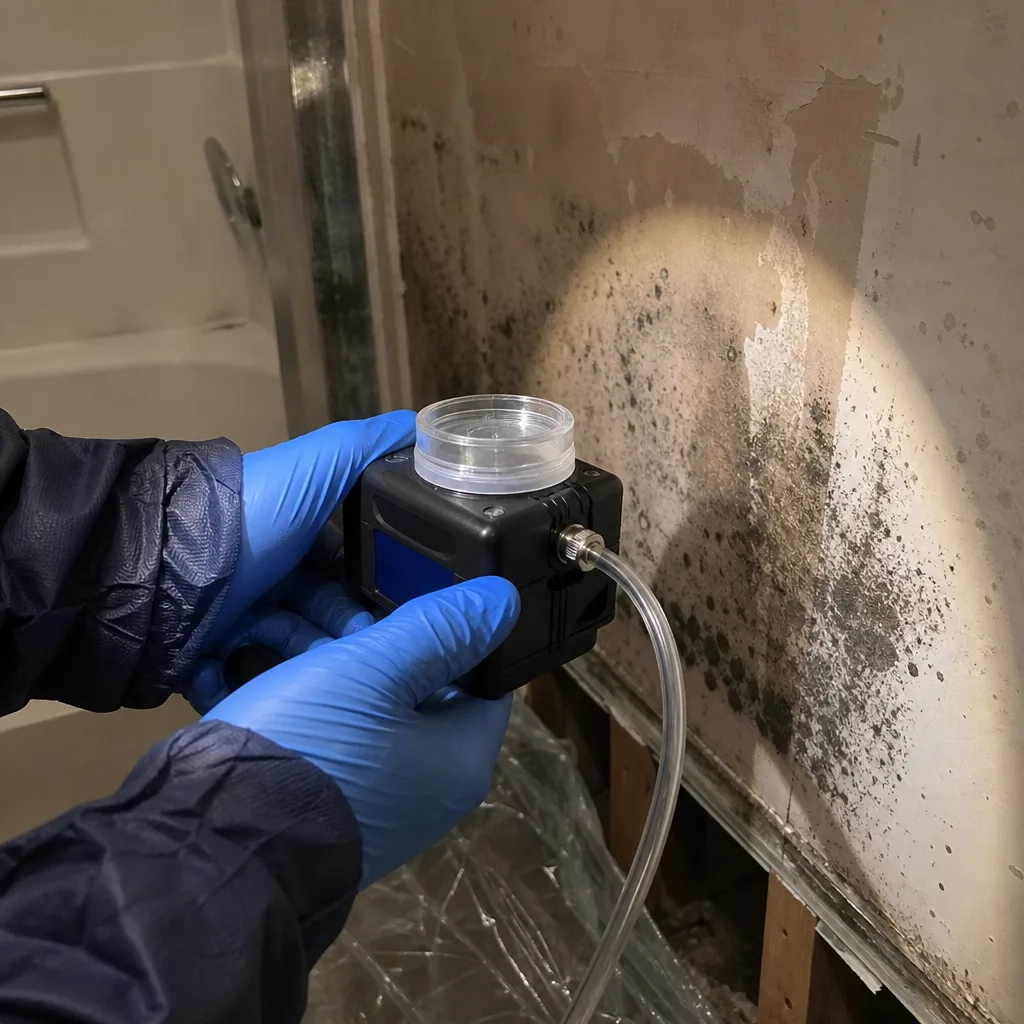
We arrive, we assess, and we walk the unit with you or your property manager. We use thermal imaging to identify moisture migration behind walls, a moisture meter to check structural saturation, and we visually identify every surface class and material type before any containment is planned. In a pre-war building, this step includes identifying asbestos-suspect materials early so nothing gets disturbed improperly. The inspection is free and takes about an hour for a typical unit.
Containment & Source Control
Before extraction or cleaning begins, we build negative-air containment zones with HEPA-filtered air scrubbers to keep airborne pathogens from migrating into occupied hallways, neighboring units, or common areas. In vertical chases and elevator shafts, we seal off the affected riser and coordinate riser shutdown with the building engineer. This is the step that prevents a contained unit loss from becoming a building-wide exposure event.
Extraction & Material Removal
Standing liquids are extracted with professional-grade pumps. Contaminated porous materials, such as saturated carpet, padding, upholstered furniture, and compromised drywall, are cut out for regulated medical waste disposal. In pre-war buildings, any demolition or removal that disturbs original plaster, pipe lagging, or floor tile waits until asbestos testing clears the material. We do not guess on this step. Every removal is documented and photographed for the carrier.
Drying & Dehumidification
We position high-efficiency dehumidifiers and air movers from Dri-Eaz, Phoenix, and XPOWER to bring the structure to the dry standard, not just to the touch. Daily moisture readings are logged on a written chart. In a Midtown high-rise, we run hose runs off building risers and mind the electrical load so we never trip a panel that serves eight other units. When the moisture map says dry, we say dry.
Cleaning, Sanitization & Odor Control
All affected non-porous surfaces are mechanically cleaned, then treated with an EPA-registered antimicrobial. We run HEPA air scrubbers continuously during active work. For decomposition odor that has penetrated wall cavities, we use thermal fogging and hydroxyl generators. The goal is not to mask odor, it is to eliminate the source. Air clearance testing is available when the carrier or building management requires it.
Repairs & Restoration
Once the unit is clean, dry, and cleared, the same crew that handled the biohazard side rebuilds what was removed. Flooring, drywall, paint, trim. We work with pre-war building finishes in mind: matching original door profiles, respecting baseboard heights, and coordinating with your building’s alteration agreement. The job ends with the 90-Day Done Right Promise in writing. If it is not done right, we make it right. No arguing.
Need Emergency Biohazard & Crime Scene Cleanup in Midtown Manhattan Now?
Crews on call, answering live 24 hours a day. The first hour decides how far the contamination spreads.
Working With Your Insurance Company
Most biohazard and trauma cleanup claims in Midtown Manhattan are covered under standard property policies when the loss is sudden and accidental. Unattended death, crime scene residue, and infectious disease contamination are not excluded by default, but they are scrutinized more closely than a broken pipe. The carrier wants proof: that the source is contained, that the contamination traveled where we say it traveled, and that the scope matches the actual loss. We build that file from the first hour. Photos before anything moves, moisture readings at intake, a line-item scope with material quantities, and daily drying logs signed and dated. Our team coordinates with your adjuster directly, and when the building’s engineer or a DEP-certified asbestos surveyor is involved, we make sure their reports reach the carrier in the same package. You should never have to carry your own claim file through this.
What We Provide Your Insurer
- Thorough documentation of the loss
- Photos of all damage, room by room
- Moisture readings and drying logs
- A detailed, line-item scope of work
- Direct coordination with your carrier
Built for Midtown Manhattan’s Loss Calendar
Biohazard work in Midtown Manhattan does not follow a clean seasonal calendar the way water restoration does. But there are patterns. Winter heating season brings radiator overpressure events in pre-war steam systems, and when a unit sits empty with a leaking radiator over a long holiday, decomposition begins before anyone notices the water stain on the ceiling below. Summer heat in un-air-conditioned pre-war apartments accelerates decomposition faster than many property managers expect, turning a short-term absence into a significant biohazard event within days. Nor’easter wind-driven rain pushes water behind failed curtain-wall gaskets in post-war towers, and when that moisture sits behind drywall, the mold that follows becomes a biohazard requiring containment and air scrubbing before occupancy can resume. January deep freezes are the most dangerous stretch for pipe bursts in Midtown’s cast-iron supply lines, and frozen pipes in vacant units routinely become the reason we are called for sewage cleanup rather than water extraction. The calendar does not cause crime scenes. But the same building conditions that make Midtown a water-loss market make it a more complicated biohazard market, because water drives contamination through vertical spaces that are hard to contain.
Biohazard & Crime Scene Cleanup Across Midtown Manhattan’s Neighborhoods
Midtown Manhattan is not one building type. The response changes block by block. In the Garment District between Seventh and Ninth Avenues, we work inside pre-war loft buildings with freight elevators, cutting-room floors converted to residential units, and original cast-iron waste lines that do not handle heavy use well. Blood and bodily fluid cleanup in those buildings almost always involves floor penetration into the commercial tenant below. Around Grand Central and the DePew Place corridor, the office towers above grade are modern, but the sub-basements tie into Con Edison’s district steam network. A trauma scene in one of those towers means coordinating freight-elevator access, security desk clearance, and in some buildings, DEP air-monitoring before our crew can even set foot in the affected mechanical chase. In Midtown West near the Port Authority, the post-war slab buildings present different constraints: thinner floor decks, less soffit space for hiding pipe routing, and more elevator traffic during business hours. On the Upper East side of Midtown along Park Avenue, co-op alteration agreements govern every square foot we disturb, and board approvals can slow a rebuild by days. Near Columbus Circle on West 58th Street, high-floor units with original steam risers require riser shutdown coordination with the building engineer before any flooring comes up. Each of these neighborhoods shares one condition: when contamination enters a vertical chase, it is no longer a one-apartment cleanup. It is a building event.
Specialized Biohazard & Crime Scene Cleanup Services We Offer in Midtown Manhattan
Crime Scene Cleanup
After the NYPD completes its investigation, the property owner is responsible for the scene. We arrive after law enforcement clears the unit and we remove blood, tissue, and other biological material from floors, walls, fixtures, and sub-surfaces. In Midtown’s pre-war housing stock, blood on original hardwood or tile over wood subfloor generally requires flooring removal, not surface wiping. We coordinate with building management to stage biohazard waste containers where they do not alarm tenants or block sidewalks on Fifth Avenue or Lexington.
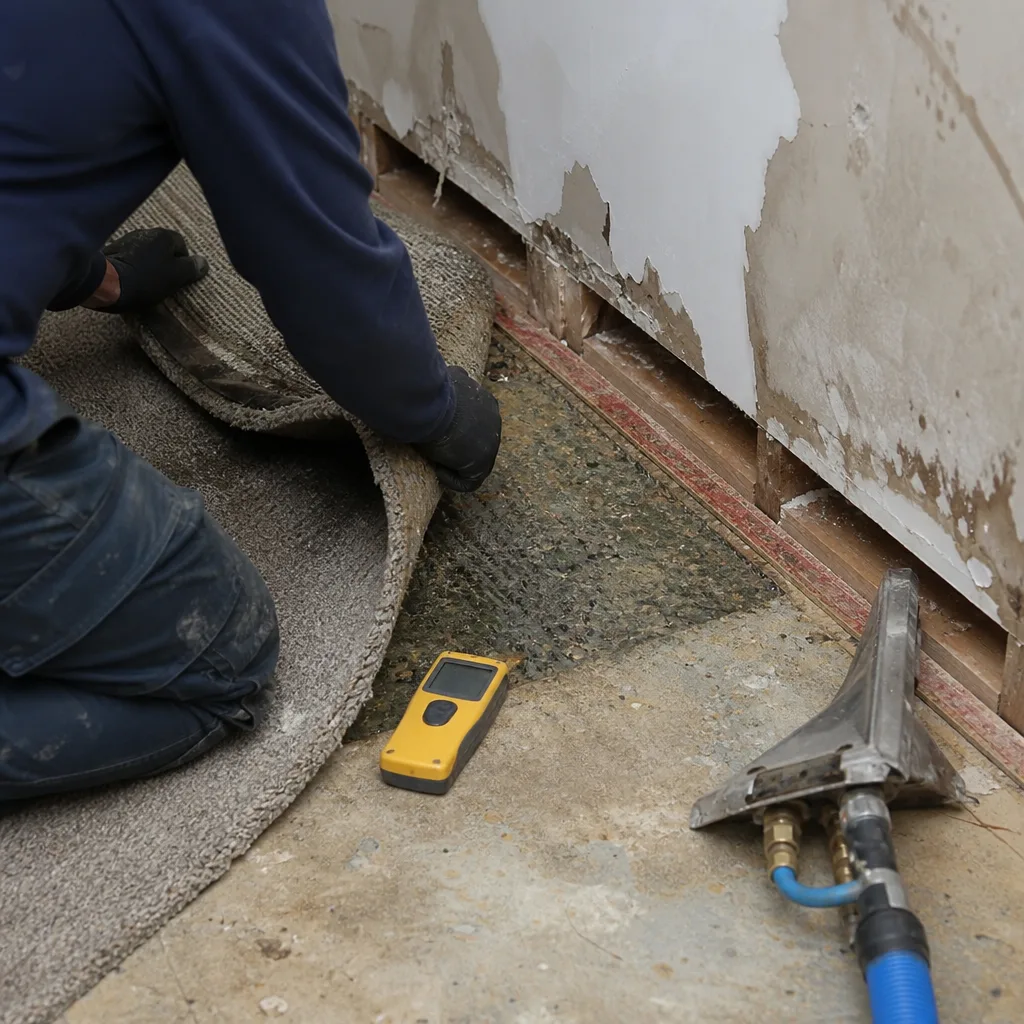
Trauma & Unattended Death Cleanup
Unattended death cleanup in a Midtown high-rise is the most complicated biohazard category we handle, because decomposition fluids travel. A body that remains undiscovered for a week in a steam-heated apartment on the 12th floor near Bryant Park will saturate flooring, wick into baseboards, and drip into the chase space below. We remove all affected porous materials, treat the subfloor, fog the cavity, and run drying logs until the unit is both dry and odor-free. If original asbestos-containing floor tile or pipe lagging is in the affected area, that material gets tested and abated before we touch it.
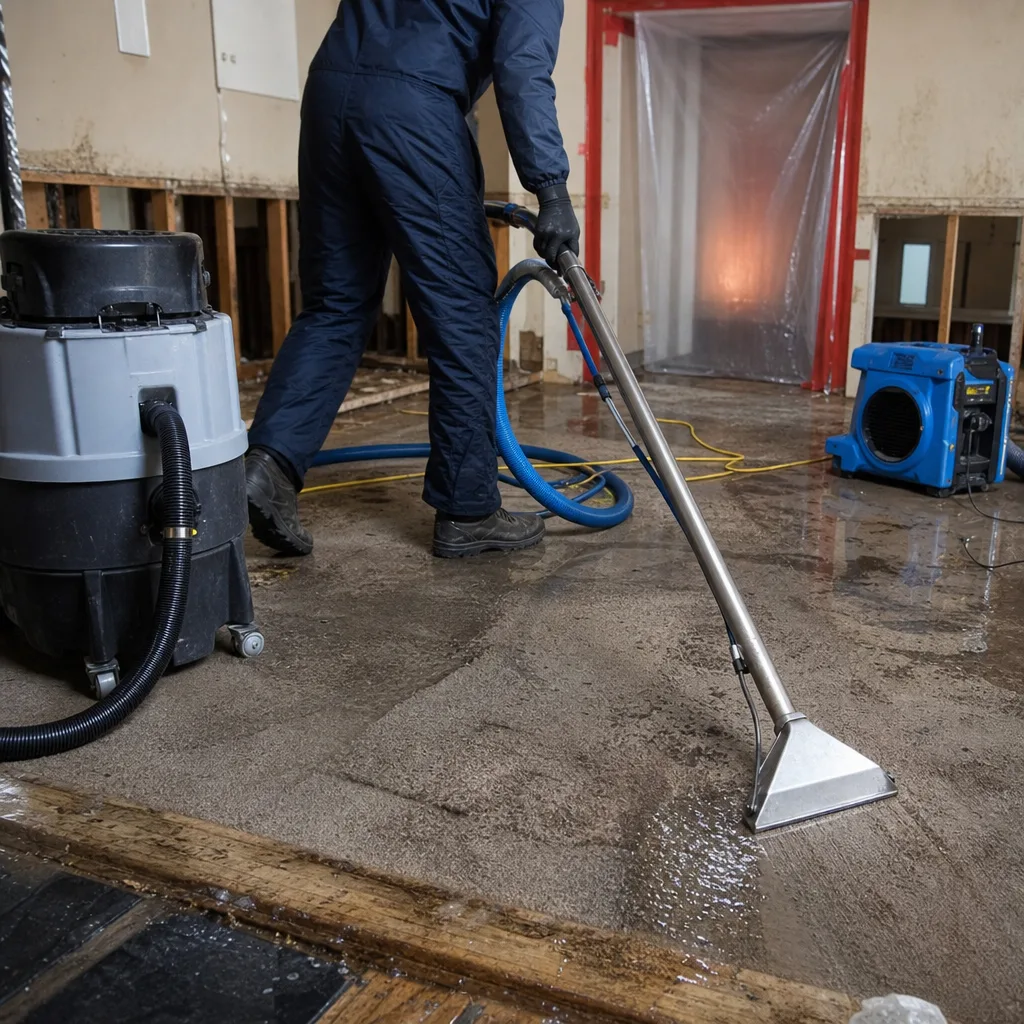
Hoarding Cleanup
Hoarding cleanup in a Midtown co-op is a tenants’-rights and building-safety issue as much as a cleaning job. We work with the shareholder, the board, and often a third-party social worker or family member. The physical work is a pack-out: removing accumulated material, cataloging valuables and financial documents as we go, and separating garbage from salvageable belongings. We set HEPA air scrubbers in the hallway outside the unit so neighbors in the Turtle Bay co-op next door never smell the contents. This work can take two days or two weeks, and we give a written schedule before we start.
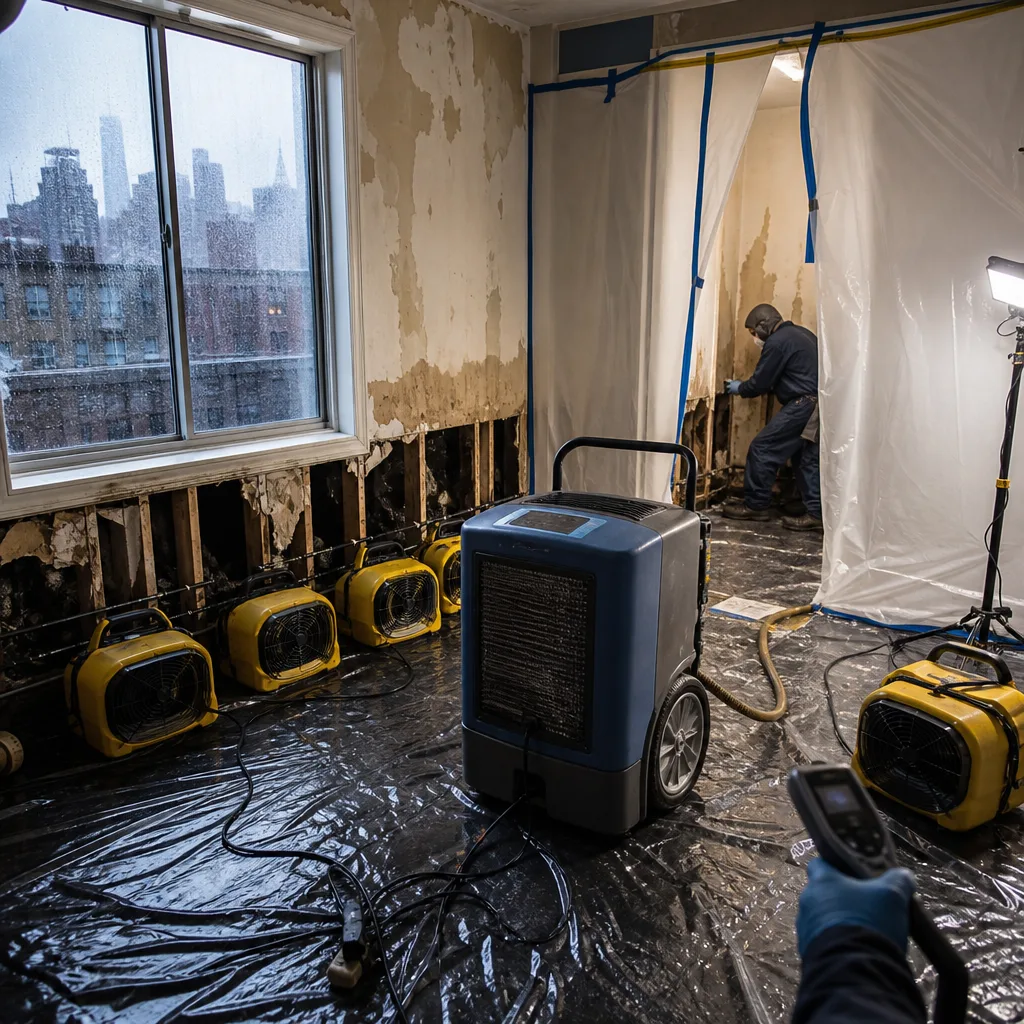
Blood & Bodily Fluid Cleanup
Blood cleanup is not just about the visible stain. Blood soaks through carpet, pad, subfloor, and into the cavity below faster than most people think. In a post-war curtain-wall building on Sixth Avenue where the unit below the loss has a finished ceiling, that means cutting out a section of ceiling drywall on the floor below to access the saturated joist bay. In a pre-war building, it means removing original hardwood planks and treating the subfloor with an antimicrobial before the flooring contractor comes back. Every unit is tested with luminol where the carrier or building management requests it, so we know we removed all of it, not just the part visible under room light.
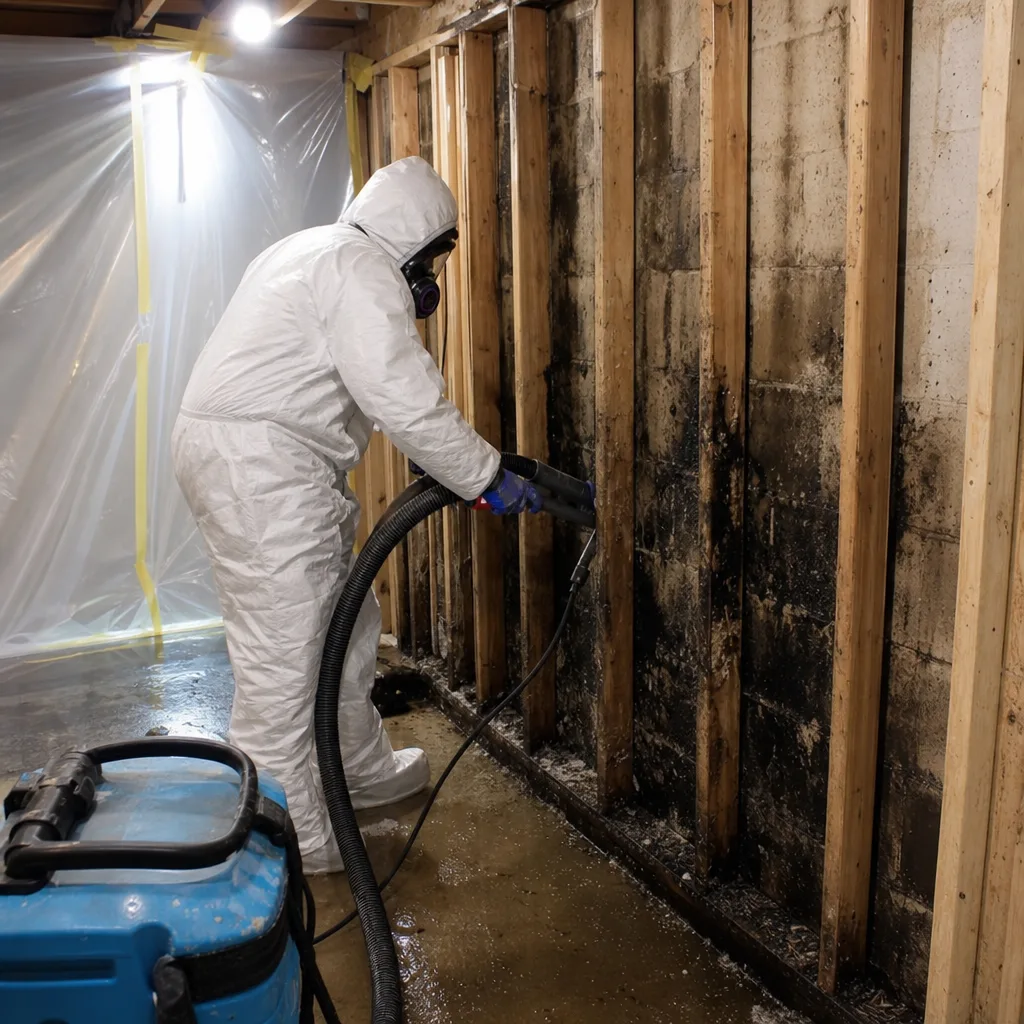
Infectious Disease Disinfection
When a tenant in a Midtown tower is diagnosed with a communicable disease, the building’s first question is whether the unit needs full disinfection or simply a thorough cleaning. We work with the health department protocol to determine the required level. Full disinfection involves HEPA-vacuuming soft surfaces, mechanical wiping of hard surfaces with EPA-registered antimicrobial products, and fogging for airborne pathogens. We also provide post-disinfection surface swab testing when the building wants verified clearance before the unit is re-occupied. In buildings on the Con Edison steam loop, we take special care with HVAC components: any air handler or fan coil unit serving the affected space gets cleaned because steam heat does not filter airborne pathogens out of the loop, it recirculates them through the riser.
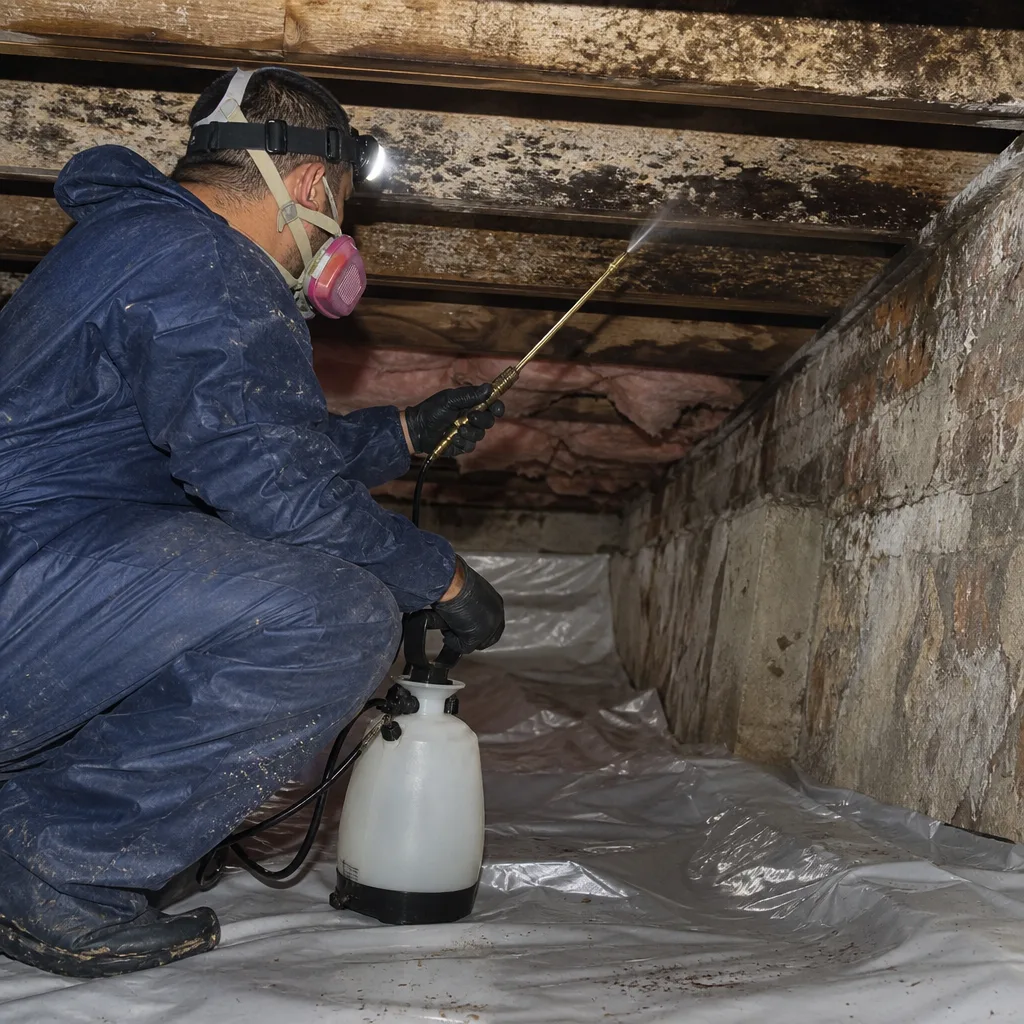
Tear Gas & Chemical Cleanup
When tear gas is deployed in a Midtown residential or commercial space, the chemical residue clings to every soft surface and keeps off-gassing for days. Windows do not solve it. We remove and dispose of affected porous materials, mechanically wipe non-porous surfaces with pH-neutral cleaners, and run carbon filtration scrubbers to pull the remaining chemical vapors from the air. In a pre-war building with steam radiators, powder can collect inside radiator fins and re-aerosolize every time the radiator heats up, so we vacuum and wipe each fin individually. This is tedious work, and it is the only way to get the unit habitable again.
What happens when you call
- 1
A real person answersNo phone trees - you reach a local pro.
- 2
You get an upfront price rangeHonest numbers before anyone is dispatched.
- 3
A background-checked tech heads outLicensed & insured, dispatched right away.
- 4
You approve before work beginsNothing starts until you say go.
Biohazard & Crime Scene Cleanup Costs in Midtown Manhattan, NY
Contained biohazard cleanup in a single Midtown Manhattan unit, such as a one-bedroom co-op with no vertical migration, typically runs $3,500 to $10,000. That covers full containment, removal of affected materials, antimicrobial treatment, deodorization, and basic surface restoration. If decomposition fluids have reached the subfloor or entered a vertical chase, expect $15,000 to $35,000 for the added structural drying, chase cleaning, and coordination with building engineers. Full trauma cleanup in a pre-war tower where asbestos-containing materials are disturbed can run $50,000 and higher, because DEP-certified abatement, air monitoring, and clearance testing are mandatory, and none of that is optional or cheap. Hoarding pack-outs in a one-bedroom Midtown apartment typically run $8,000 to $25,000 depending on volume and category of contents. Infectious disease disinfection for a single apartment is usually $2,000 to $6,000. Every quote starts with a free visual inspection. We write the scope, you approve it, and the price does not move unless the actual conditions found after containment materially change the job. Call (518) 314-5660 and we will walk you through an honest range before we even send a crew.
We Also Serve Cities Near Midtown Manhattan
Our crews routinely respond to biohazard and trauma scenes in the neighborhoods and districts immediately surrounding Midtown: Midtown West, Murray Hill, Washington Square, and Upper Manhattan. Same dispatch line, same live answer, same written scope. The building stock changes, the protocol does not.
Midtown Manhattan Biohazard & Crime Scene Cleanup Questions, Answered
How do you handle an unattended death in a Midtown tower when original asbestos is present?
We treat every pre-war Midtown building as asbestos-presumed until a DEP-certified surveyor says otherwise. Before we remove any flooring, cut into any wall, or disturb original pipe lagging, we have a third-party surveyor test the suspect material. If it comes back positive, the abatement contractor handles the asbestos removal under containment, and our biohazard work starts after clearance is passed. This adds days to the timeline, but it is the law and it protects every occupant in the building. Call (518) 314-5660 and we will explain how the sequencing works for your specific building.
Why does a crime scene cleanup in a Midtown high-rise often involve more than just the unit?
Because blood and decomposition fluid do not respect floor plates. In a pre-war tower, the same vertical chase that carries steam risers also carries a gap between the flooring and the wall assembly. Contamination migrates down that gap. In a post-war slab building, blood on tile over concrete can still travel to the floor below through plumbing penetrations or electrical conduit openings. We inspect the unit below and the common corridor outside the affected unit as standard practice in Midtown. The contamination is almost never limited to the room where the event occurred.
Can you do biohazard cleanup in a building that runs on Con Edison district steam?
Yes. Buildings on the Con Edison steam loop present a specific set of coordination hurdles, but our crews work in them regularly. We coordinate with the building engineer on riser shutdowns, we avoid any work that could damage steam piping, and we check with the building on whether any air monitoring or DEP notification is required before we start. We have done this work in the blocks around Grand Central and Penn Station, and we know what the building’s steam contract does and does not allow.
What is the difference in biohazard protocol between a pre-war walk-up and a post-war curtain-wall tower in Midtown?
The pre-war building almost always involves asbestos testing before demolition can begin, and the floor construction is wood on wood joists, so contamination penetrates downward quickly. The post-war curtain-wall tower usually sits on concrete floor slabs, so contamination spreads laterally across the slab surface rather than downward, but the curtain-wall gasket system means water intrusion from wind-driven rain brings Category 3 water into the mix during rainy stretches. The protocols are fundamentally different in terms of material removal, containment location, and coordination. We adapt the scope to the building type, and we explain that to you in writing before we start.
How do you handle hoarding cleanup in a Midtown co-op without disturbing neighbors?
We stage all removal through the unit’s service entrance or freight elevator whenever the building has one, never through the main lobby during business hours. We set a HEPA air scrubber in the unit’s doorway before we open the door. We bag all material inside the unit before it moves to the building’s refuse area, so nothing is carried through a common corridor in an open container. If the building requires a board notification or alteration agreement for heavy removal, we handle that too. Neighbors on the floor should not know we are there, except for the absence of the smell.
How fast can you actually get to a Midtown Manhattan biohazard call?
Our New York City office dispatches crews around the clock, and for acute contamination events we can typically have a technician on-site within one to three hours, depending on building access and freight-elevator availability. High-rise buildings with controlled freight access during off-hours may add time, and we coordinate that with your doorman or building engineer directly. For non-emergency hoarding or infectious disease disinfection work, we schedule within one to two days. Call (518) 314-5660 and a live dispatcher will give you a real arrival window, not a promise we cannot keep.
Will my insurance cover biohazard or crime scene cleanup in my Midtown apartment?
In most cases, yes. Standard condo and co-op policies include coverage for sudden accidental losses, and biohazard contamination from a crime scene, unattended death, or infectious disease generally falls under the cleanup and remediation provisions. The carrier will want documentation: photos, moisture readings, a line-item scope, and proof that the contamination is fully contained. We provide all of it and we communicate with the adjuster directly. If you are a shareholder in a co-op, the building’s master policy may also come into play depending on where the damage occurred. We will help sort out which policy applies before any work begins.
Can we stay in our Midtown apartment during biohazard cleanup?
No. During active containment, demolition, and antimicrobial treatment, the affected unit and often the immediately adjacent common areas are not safe to occupy. We recommend you arrange temporary accommodation during the active cleanup phase, typically two to five days for a single-unit event. Your insurance policy may cover loss-of-use expenses during that period. Once air clearance testing is passed and the unit is dry, we will tell you exactly when it is safe to return, and we will coordinate that timing with your building management and your adjuster.
Serving Midtown Manhattan, NY - Our Local Coverage Area
We’re based in the Midtown Manhattan area and know this community well. Use the map below to see our service coverage - if you’re nearby, we can almost certainly help.
Call Floodline Restoration Co. for Biohazard & Crime Scene Cleanup in Midtown Manhattan
When you call (518) 314-5660, you reach a live dispatcher who knows Midtown Manhattan’s building stock, its steam-loop buildings, and its pre-war asbestos rules. We answer at two in the morning. We show up in uniform with a written scope and a moisture meter, not a sales pitch. We do the work, we document the work, and we stand behind the work with the 90-Day Done Right Promise. If it is not done right, we make it right. That is the Keystone Standard, and it is in writing every time.
Written by Curt Bowman, Owner at Floodline Restoration Co., serving Midtown Manhattan and New York City since 2010.