
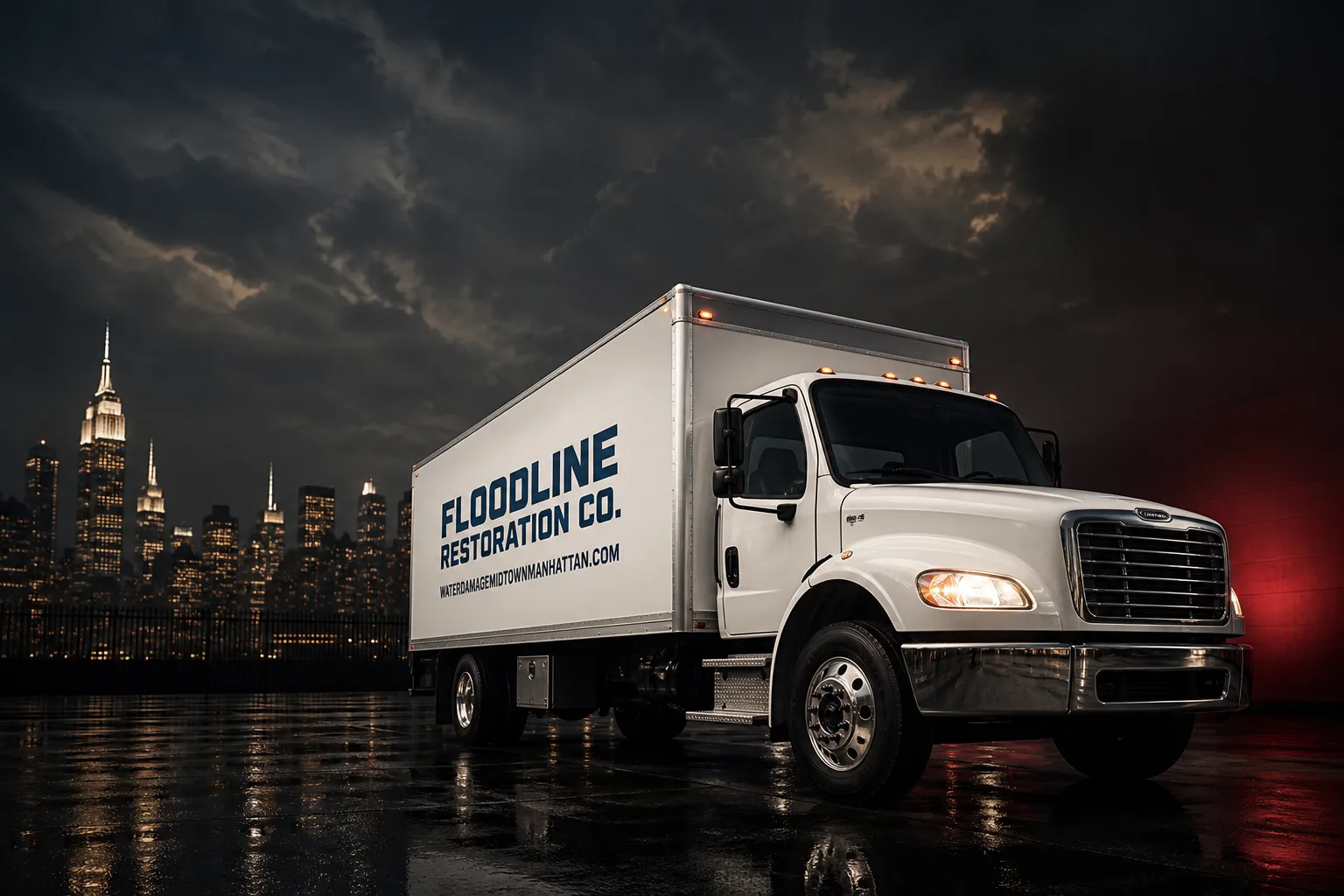
Free visual inspection and a written scope of work before any mitigation begins - photos, moisture readings, and drying logs go in your claim file
The scope we write is the scope we bill. Anything new gets shown to you, in writing, before we touch it.
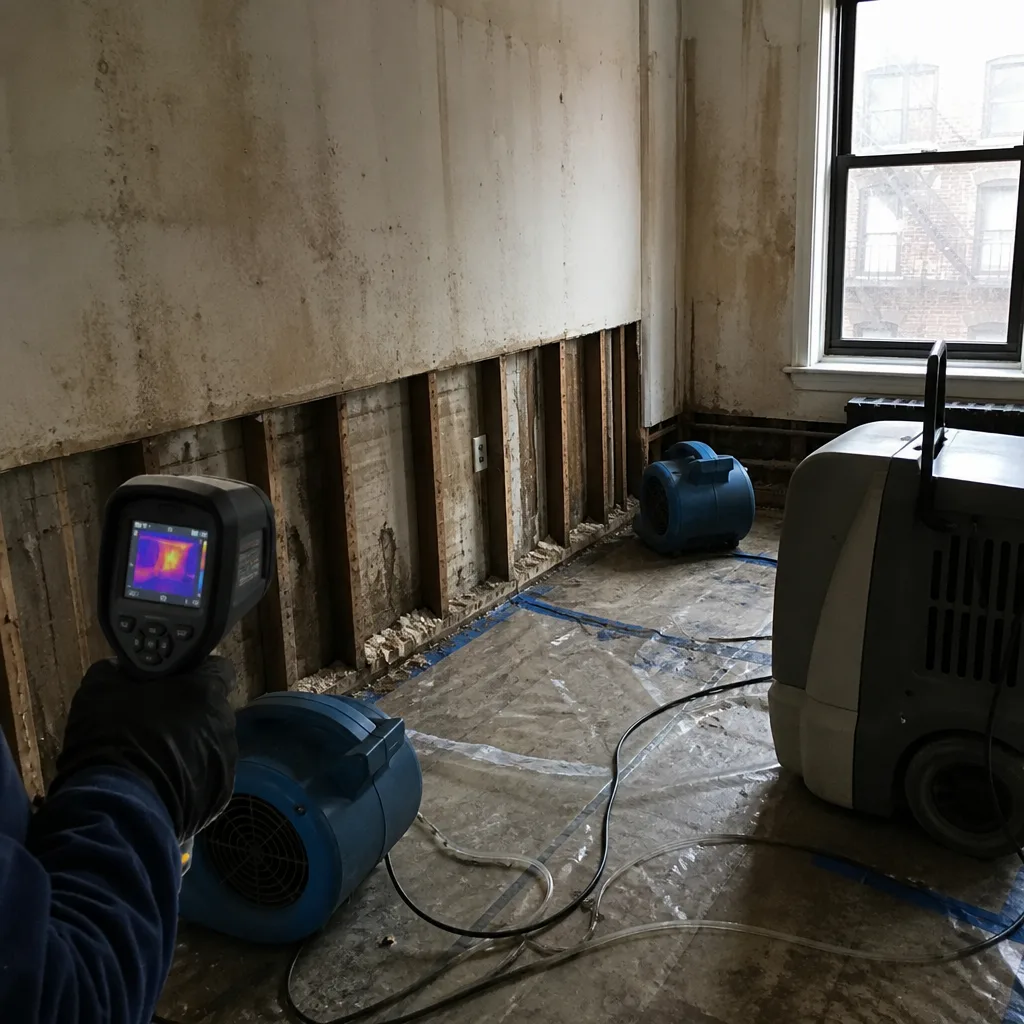 Before
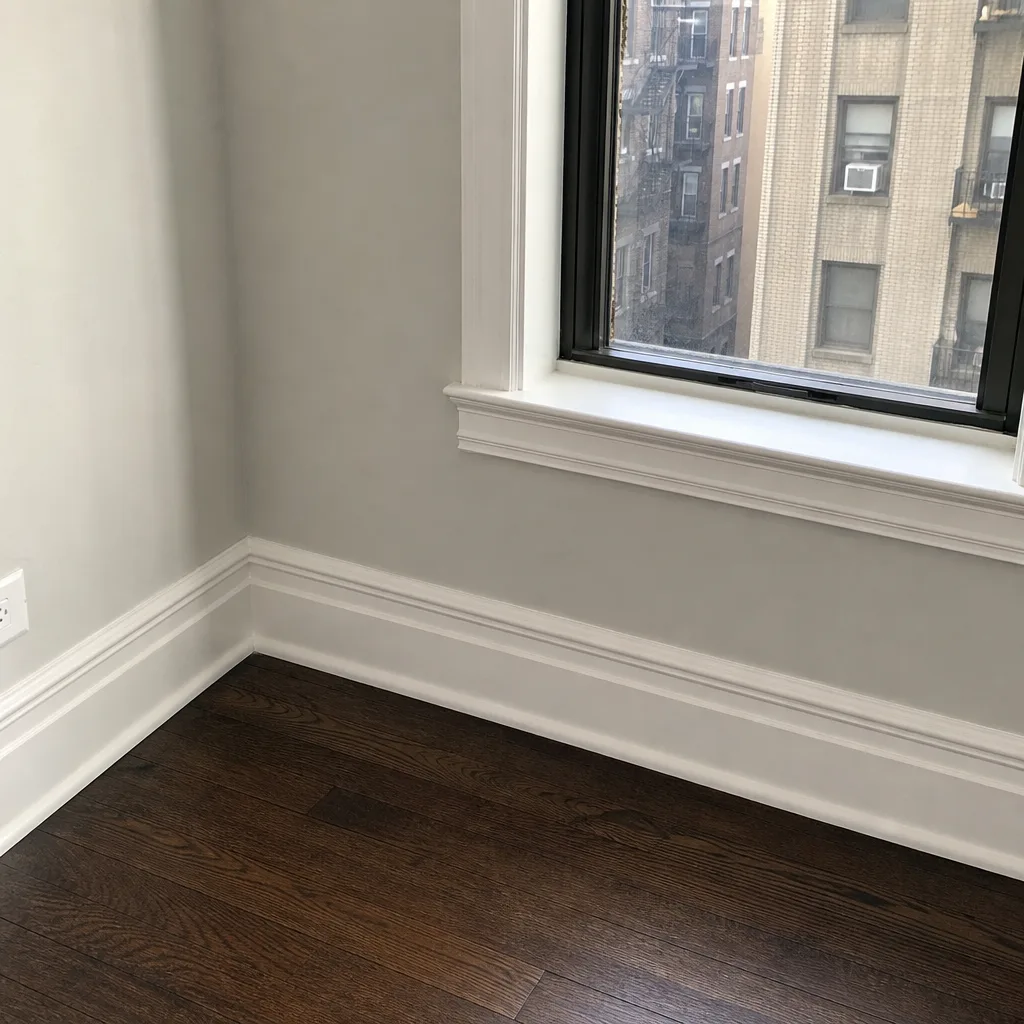 After
After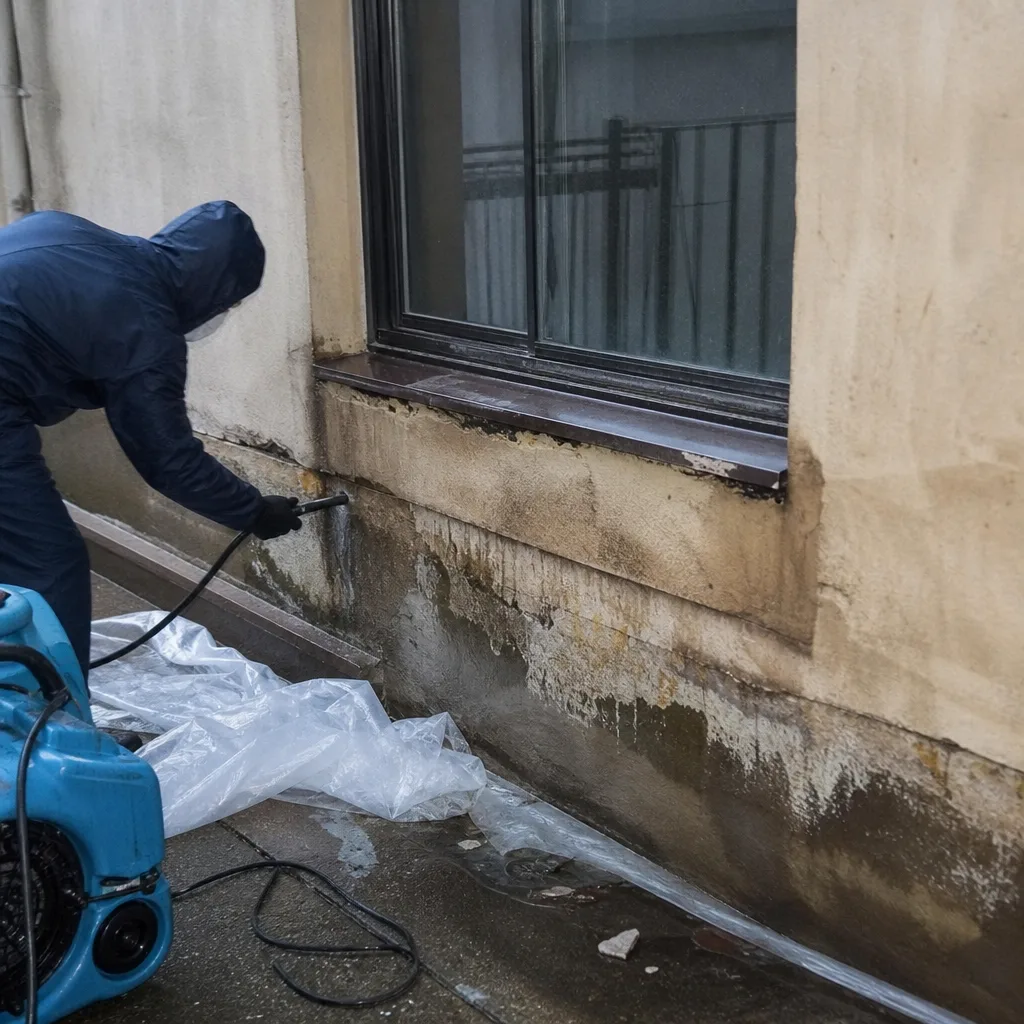 Before
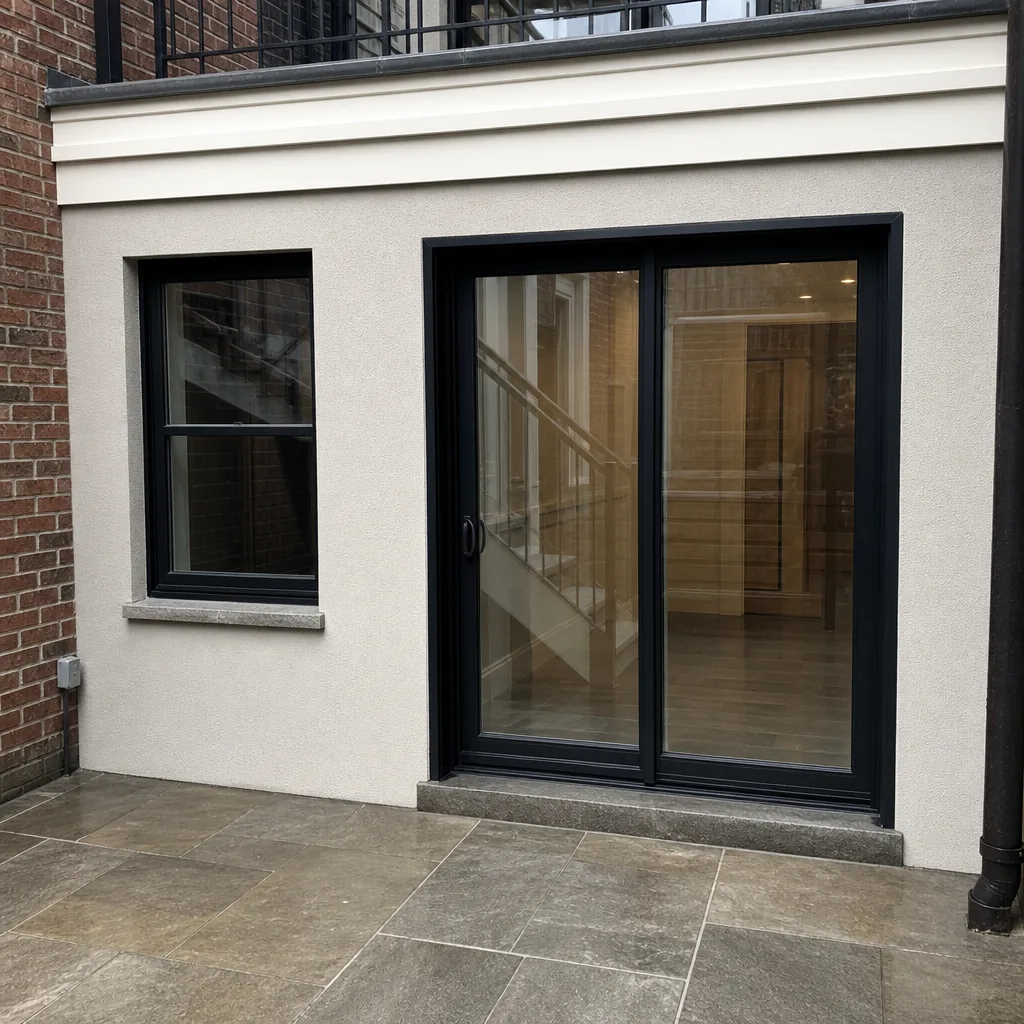 After
After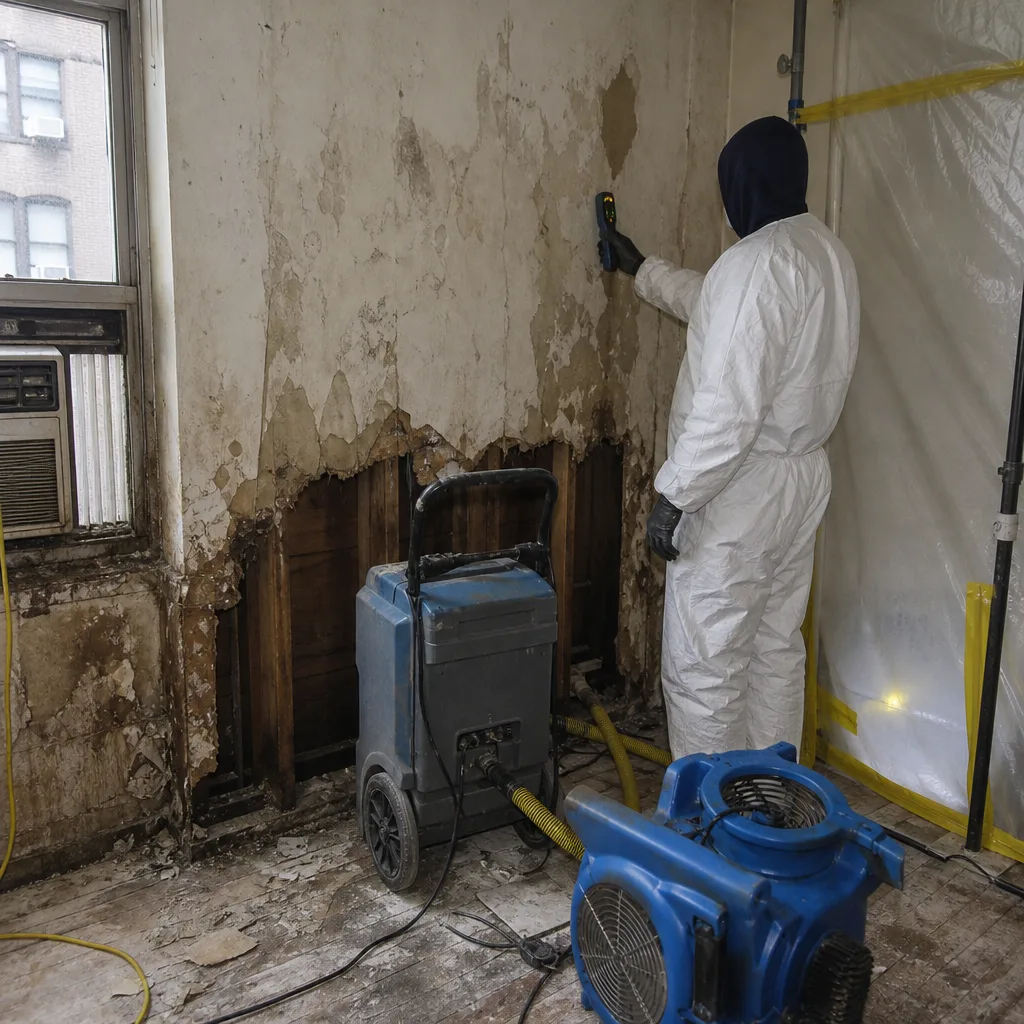 Before
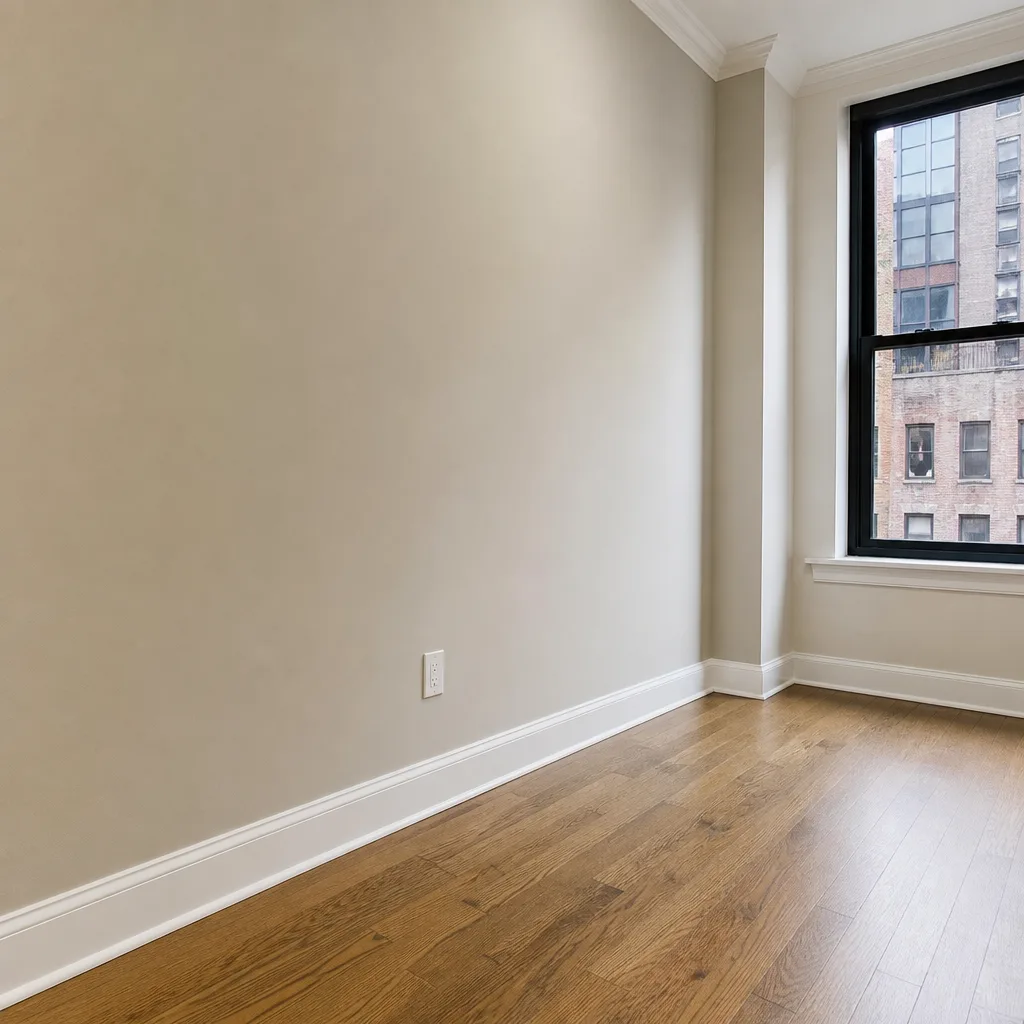 After
After24/7 Emergency Water Damage Restoration in Long Island City
Water damage in Long Island City moves fast, and so do we. A burst pipe, a backed-up drain, or storm surge coming off the East River can soak through drywall, wick into concrete, and start growing mold within 24 to 48 hours. That’s why Floodline Restoration Co. answers the phone with a live person at any hour, every day. Call (518) 314-5660 and a certified crew reaches most Long Island City properties within 45 minutes. We start with a free visual inspection, a moisture map of the affected area, and a straight answer about what we’re dealing with. The first hour sets the cost and the outcome. Waiting lets category 2 water become category 3, and a dried-in-place job becomes a tear-out-and-rebuild.
Understanding Water Damage Restoration Severity in Long Island City Properties
Water damage gets classified by contamination level, and Long Island City’s housing stock doesn’t make that classification simple. Category 1 water comes from a clean source like a burst supply line or an overflowing tub. Category 2 water carries significant contamination, think washing machine discharge or sump pump failure. Category 3 water is grossly contaminated, from sewage backups or East River storm surge, and requires full containment, antimicrobial treatment, and disposal of affected porous materials. Here’s where LIC gets tricky. In a pre-war factory conversion near Court Square, original concrete slabs were often poured directly on grade with no vapor barrier. Water penetrates that slab and lingers. In a glass tower along the Hunters Point waterfront, a curtain-wall leak behind the drywall can go unnoticed for weeks while moisture levels climb inside the wall cavity. Both scenarios demand moisture mapping before anyone decides what’s salvageable. Severity in Long Island City isn’t just about the water source. It’s about what the building was made of, and when.
Why Long Island City Property Owners Choose Floodline Restoration Co.
- 45-minute response commitment – our live dispatcher sends a crew from our New York City office toward your block the moment you hang up, not after a callback.
- 24/7 live answer, always a person – at 2 a.m. on a Sunday, you get a dispatcher who knows water damage, not a recording that tells you to leave a message.
- IICRC-certified crews – our technicians hold WRT and ASD certifications and train to IICRC, RIA, and IFA standards, so moisture mapping and structural drying are done to a written standard.
- Free visual inspection with no obligation – we assess the loss, explain what we see, and give you a written scope before any work begins.
- Direct insurance billing – we document from the first hour, communicate with your adjuster, and bill your carrier directly. You’re not the messenger.
- One crew from extraction to reconstruction – Floodline Restoration Co. is a full-cycle Water Damage Restoration company. The same team that pulls the water rebuilds what it ruined. No mid-job handoff, no inherited crew.
Our Water Damage Restoration Process
1. Inspection & Assessment
We walk the full affected area with thermal imaging and moisture meters, mapping exactly where water traveled, including inside wall cavities and beneath slab-on-grade concrete. You get a written scope and a straight price before work starts.
2. Extraction & Stabilization
We run professional-grade extraction pumps and truck-mounted units to remove standing water fast. In Long Island City basement and sub-grade spaces, this often means pumping against groundwater pressure, not just surface pooling.
3. Drying & Dehumidification
Dri-Eaz and Phoenix dehumidifiers paired with XPOWER air movers create engineered airflow that pulls moisture from drywall, framing, and concrete. Daily moisture readings are logged until the structure meets dry standard.
4. Cleaning & Sanitization
For category 2 and 3 water, we set up containment, run HEPA air scrubbers, and apply EPA-registered antimicrobials to affected materials. Porous materials that can’t be cleaned are removed for safe disposal.
5. Specialty Treatment for LIC Building Types
In converted lofts, we test and monitor deep-slab moisture before closing any job. In curtain-wall high-rises, we trace the leak source and coordinate with building management on the envelope repair so the problem doesn’t recur.
6. Repairs & Restoration
Once the structure is dry and the dry standard is met, we rebuild. Drywall, flooring, paint, trim, whatever came out goes back. One crew, one invoice, one company responsible from the floodline to the finish.
Need Emergency Water Damage Restoration in Long Island City Now?
Crews minutes away, answering live 24 hours a day. The sooner we start, the less it costs.
Working With Your Insurance Company
Water damage claims get denied or underpaid when documentation is thin. We treat your claim as part of the job, not an afterthought. From the first hour, our technicians photograph every affected room, log moisture readings by location and date, and build a line-item scope that speaks your adjuster’s language. When your carrier calls, they get a restoration professional who can answer technical questions about drying standards and material salvageability, not a homeowner repeating what they were told. For Long Island City properties in FEMA flood zones, documentation matters even more because flood coverage rules differ from standard homeowner policies. We coordinate directly with your carrier and bill them directly so you’re never left chasing paperwork. All work is covered by our 90-Day Done Right Promise, the Keystone Standard, in writing. If it’s not done right, we make it right. No arguing.
What We Provide Your Insurer
- Thorough documentation of the loss
- Photos of all damage, room by room
- Moisture readings and drying logs
- A detailed, line-item scope of work
- Direct coordination with your carrier
Built for Long Island City’s Loss Calendar
Water damage in Long Island City follows a rhythm. January and February bring deep freezes that burst supply lines in older masonry buildings, especially along Jackson Avenue where unheated riser closets sit against exterior walls. Spring thaw saturates the ground, and because so much of ZIP 11101 sits at or slightly above sea level, groundwater pressure against basement slabs rises. We get calls for sub-grade moisture intrusion every March and April. Summer brings sudden thunderstorms that overwhelm roof drains on flat-roofed industrial conversions, sending water down through ceiling cavities before anyone notices. Nor’easter season, September through November, is when fire and smoke damage risks also spike alongside East River storm surge that most often tests the flood protections along the Hunters Point waterfront. And year-round, construction-defect leaks in post-2010 curtain-wall towers send water behind drywall in units that look dry from the inside. Living in Long Island City means understanding that water finds a way, and the building’s age usually determines which way that is.
Water Damage Restoration Across Long Island City’s Neighborhoods
Hunters Point and Court Square are where we see the converted loft pattern most often. Buildings there, many built as factories between 1900 and 1940, sit on slab-on-grade concrete with no vapor barrier. A flood in one of those buildings means water in the slab, and slab water doesn’t dry on a Standard timeline. Queens Plaza and the blocks around the 11101 corridor have the highest concentration of newer high-rise construction. Curtain-wall leak calls there typically come from upper-floor units where wind-driven rain has been seeping behind the glass for months. Along Vernon Boulevard and the East River waterfront, we respond to storm-related flooding where category 3 water pushes into basement and ground-floor spaces from the outside. Dutch Kills, the mostly residential pocket east of the 7 train, has older frame and masonry rowhouses where burst pipes and failed water heaters are the usual calls, but groundwater intrusion still shows up in basements after heavy rain. Every neighborhood has a pattern. We know them because we work them.
Specialized Water Damage Restoration Services We Offer in Long Island City
Emergency Water Extraction
Standing water in any Long Island City building is a clock. We run truck-mounted and portable extraction units to pull water fast, including from sub-grade spaces where groundwater is pushing back in. The goal is simple: get water out before it migrates into concrete, drywall, and framing.
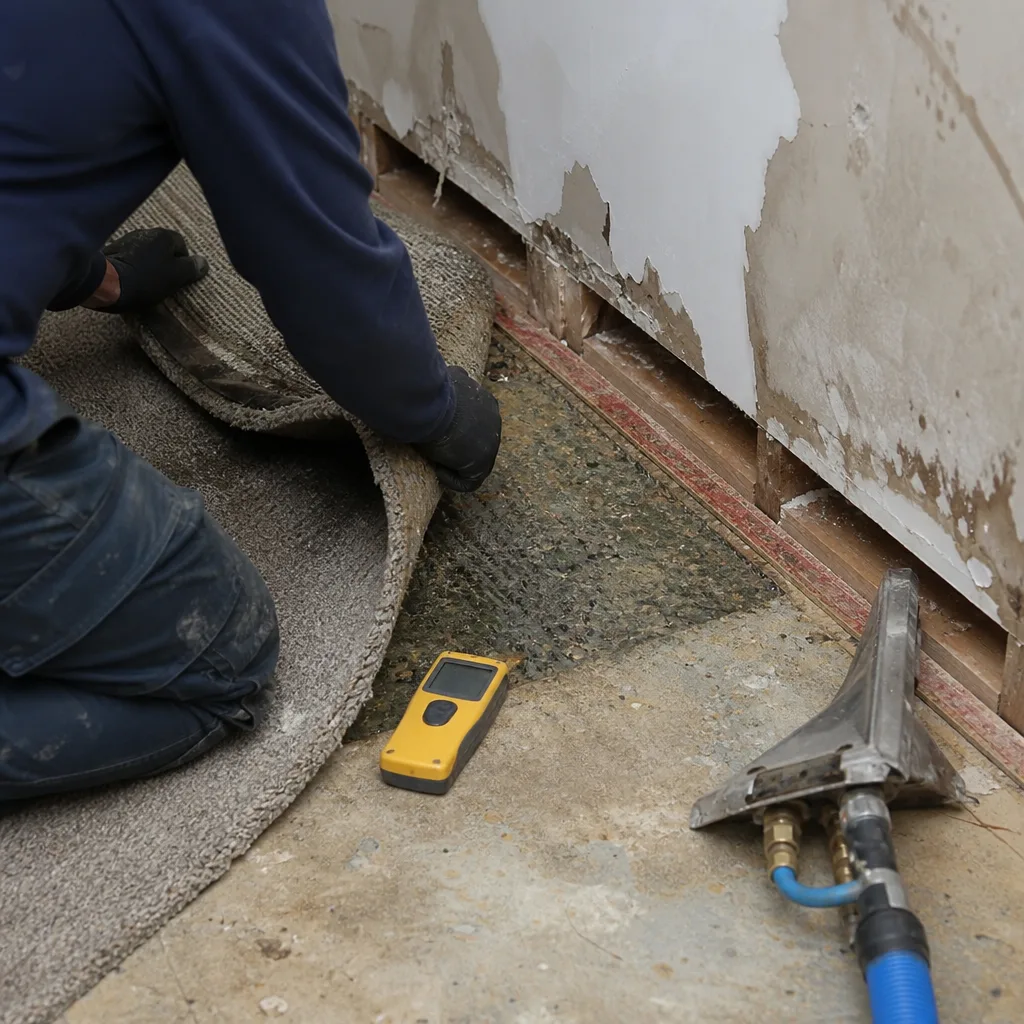
Structural Drying & Dehumidification
This is where our IICRC-certified drying science matters most. Dri-Eaz and Phoenix dehumidifiers paired with XPOWER air movers push dry air across wet surfaces and pull moisture-laden air out. In slab-on-grade lofts around Court Square, this phase runs longer than it would in a typical Queens house, and we log daily readings to prove the structure is dry before we close the job.
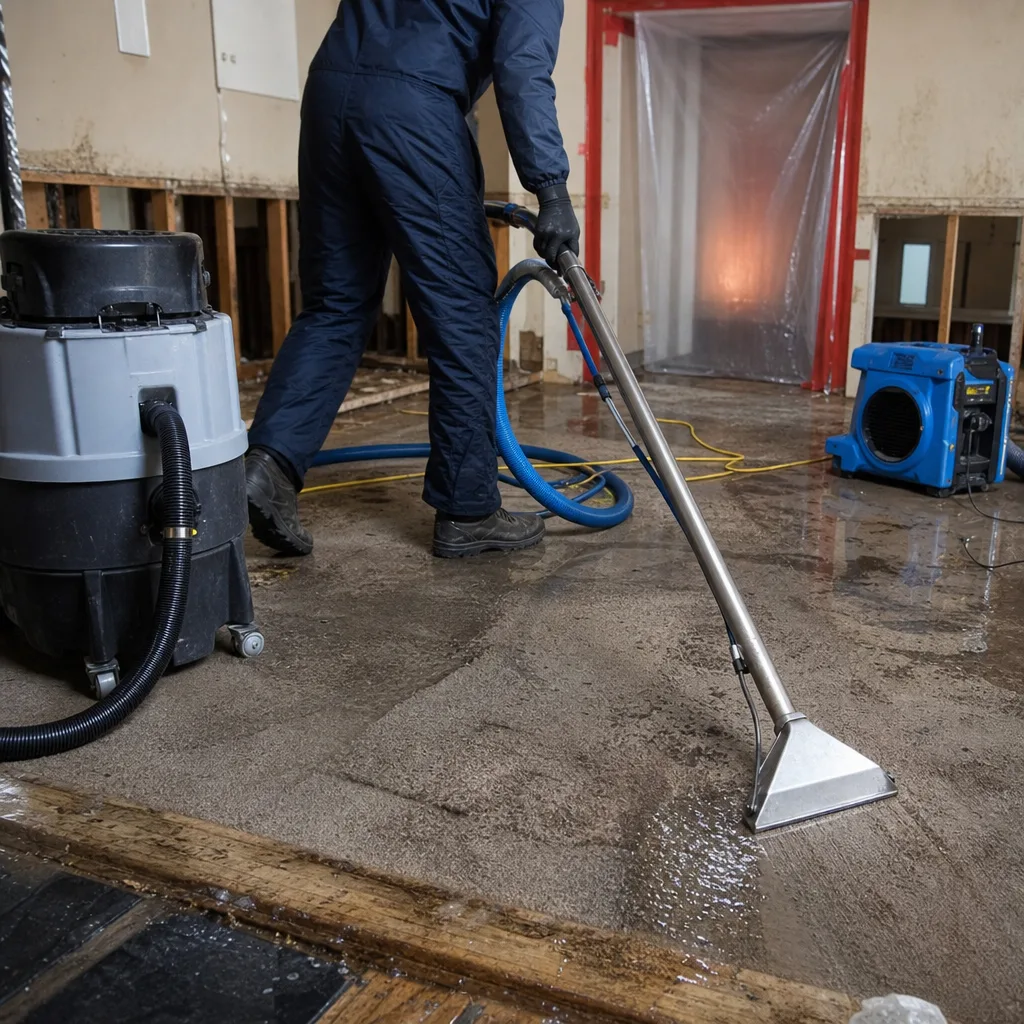
Flood Cleanup
When East River storm surge or a nor’easter pushes contaminated water into your property, you’re dealing with category 3 water. We set up containment, remove and dispose of saturated porous materials, apply antimicrobial treatment, and get the drying process running. Long Island City’s FEMA AE and VE zones make this a recurring reality, not a rare event.
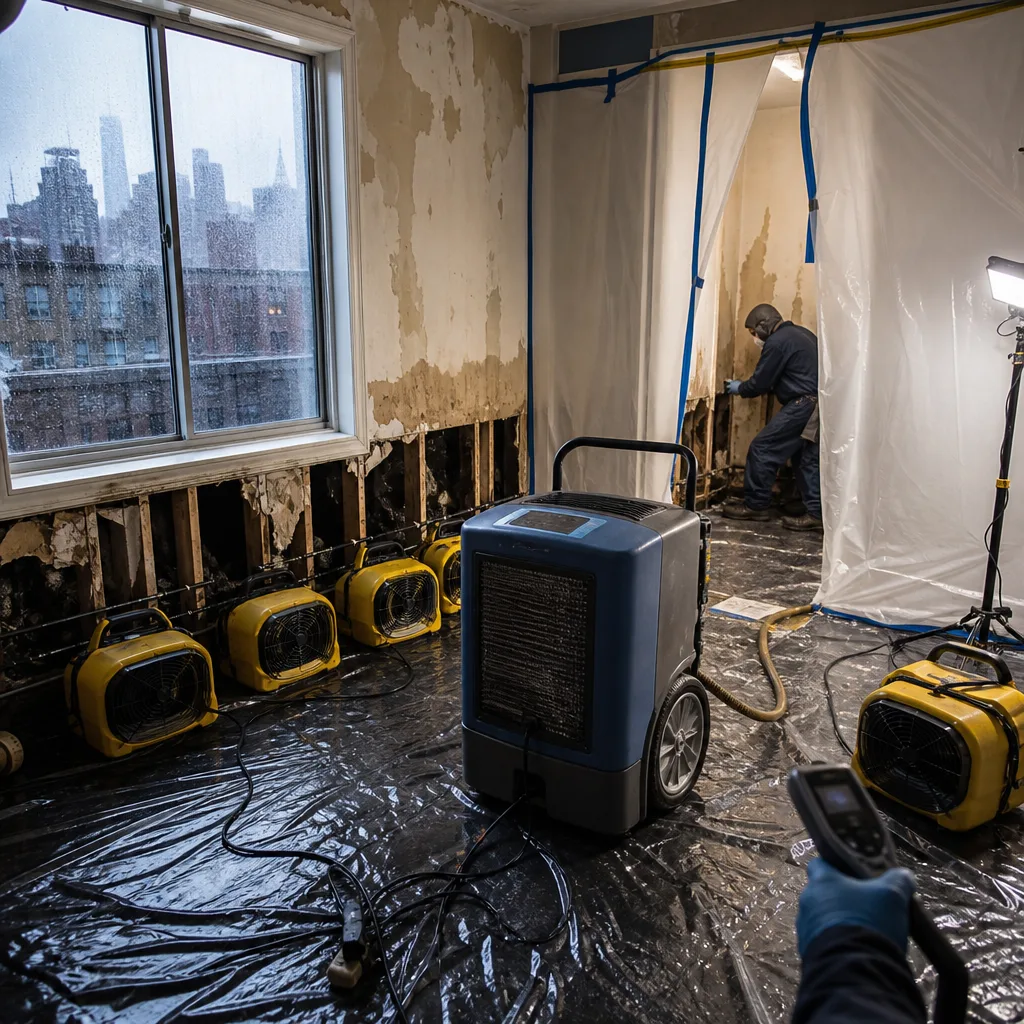
Burst Pipe Restoration
Supply line bursts are usually category 1 water, but in a converted loft, that clean water still saturates the slab and wicks upward through stored boxes and drywall. We extract, dry, and restore, and we check for what the water hid, because a burst line in an unoccupied unit often runs for hours before anyone notices.
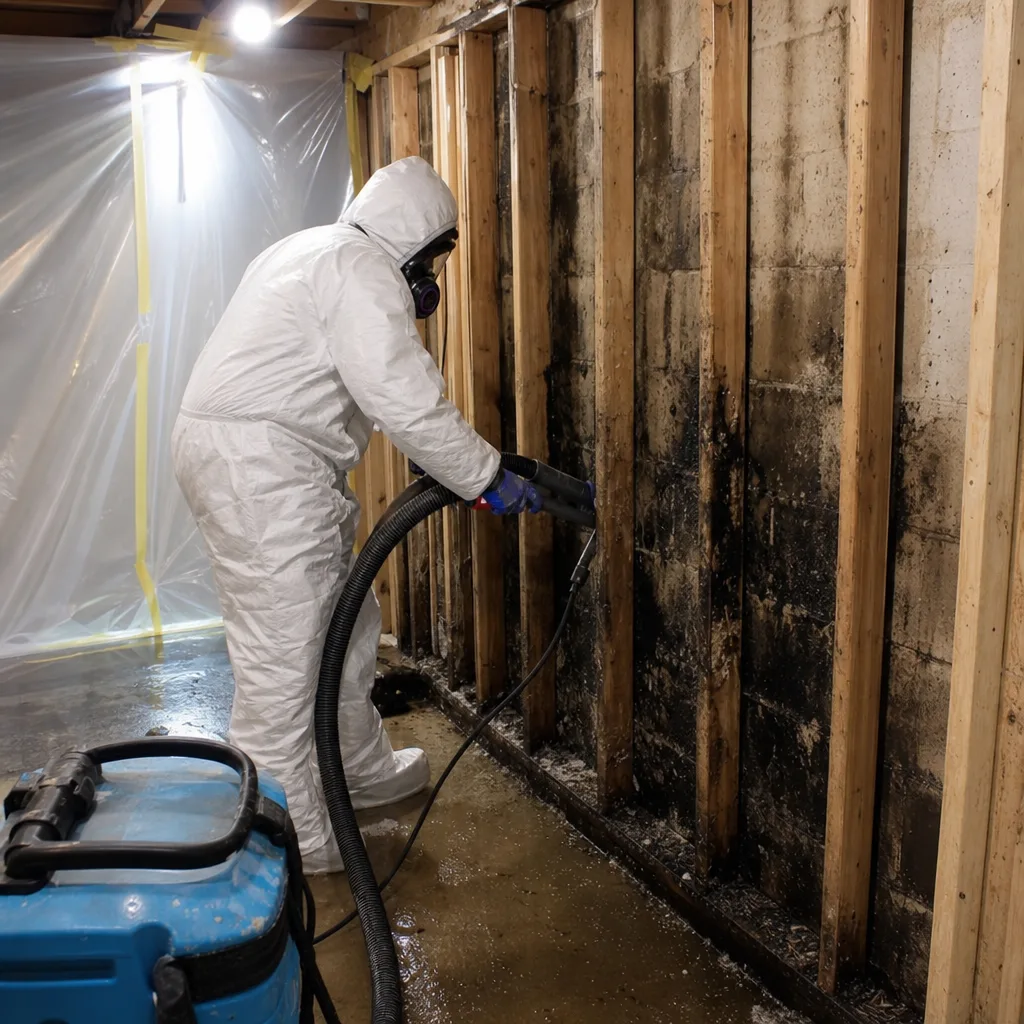
Basement Water Removal
Long Island City basements deal with two pressures at once: water coming in from above and groundwater pushing up from below. We remove the standing water, run dehumidification until the space meets dry standard, and tell you plainly whether the problem was a one-time event or a drainage issue that needs a permanent fix.
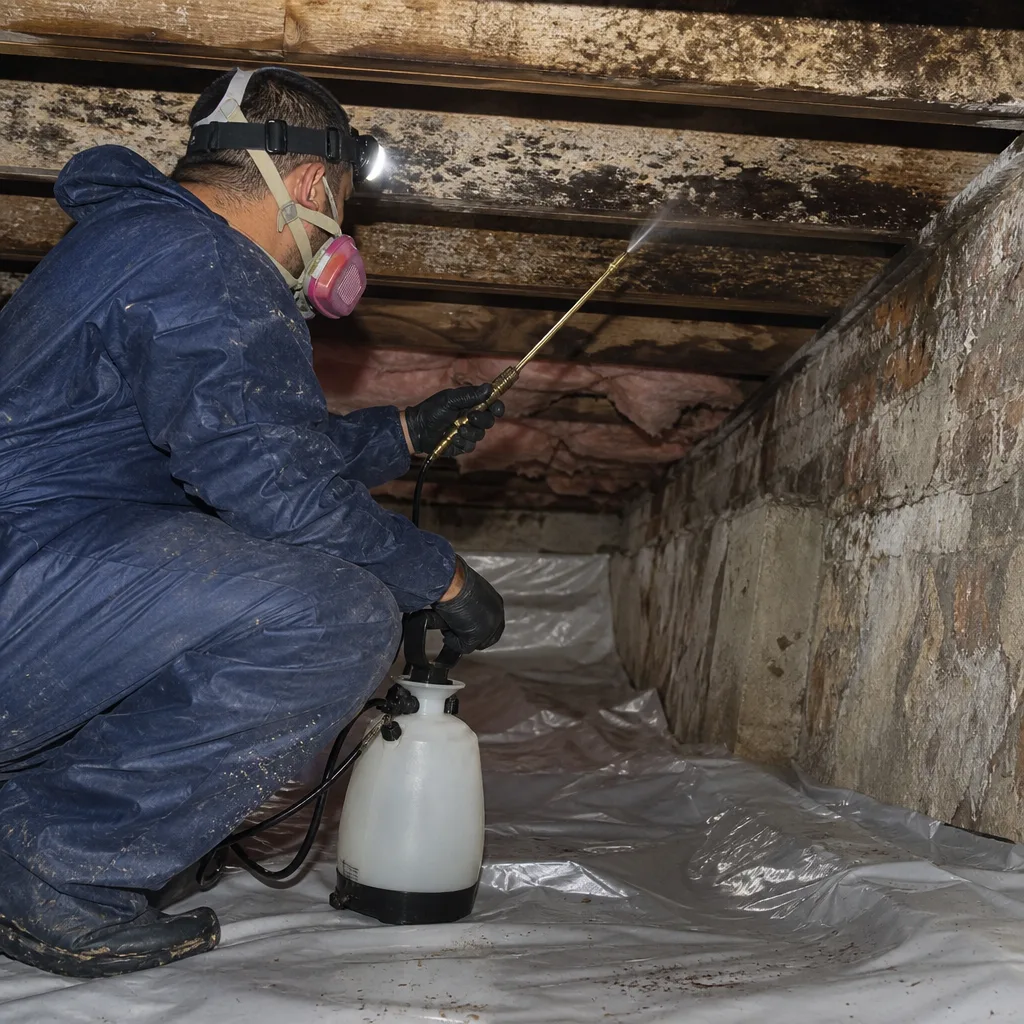
Ceiling & Roof Leak Water Damage
Flat-roofed industrial conversions leak from the top down. Water travels through the roof membrane, pools in the ceiling cavity, and drips through light fixtures or soffits. We dry the ceiling, trace the leak source, and rebuild what the water ruined, coordinating with roofers when the membrane itself needs repair.
What happens when you call
- 1
A real person answersNo phone trees - you reach a local pro.
- 2
You get an upfront price rangeHonest numbers before anyone is dispatched.
- 3
A background-checked tech heads outLicensed & insured, dispatched right away.
- 4
You approve before work beginsNothing starts until you say go.
Water Damage Restoration Costs in Long Island City, NY
Straight numbers, because you should know what to expect in this market:
- Emergency water extraction: $400 to $1,200 for a single room; $1,500 to $4,000 for a full basement or larger flooded area.
- Structural drying and dehumidification: $800 to $2,500 depending on square footage and equipment days. Slab-on-grade drying in converted lofts adds $300 to $700 per affected area because of the extended timeline.
- Basement water removal with groundwater issues: $1,000 to $3,500 when dehumidification and concrete drying are required.
- Full flood cleanup with category 3 water: $3,000 to $12,000+ for containment, disposal, antimicrobial treatment, drying, and rebuild in a typical one or two-level Long Island City space.
What moves the price: the water category, how long it sat, what building type it hit, and whether NYC asbestos abatement is triggered in a pre-1974 building. Insurance covers most sudden and accidental losses. We give you a free visual inspection and a written scope before anything is signed, no surprises on the bill. If you’re a senior or a veteran, the 5% discount always applies. The $50 off any repair over $250 and the $89 seasonal tune-up are standing offers too.
We Also Serve Cities Near Long Island City
Our service area reaches Astoria, where rowhouse basements and pre-war masonry need the same careful drying discipline we bring to Long Island City’s loft conversions and high-rises. If you’re nearby and water showed up where it shouldn’t, call us.
Long Island City Water Damage Restoration Questions, Answered
Why does water damage in Long Island City loft conversions take twice as long to dry as in a typical Queens home?
Because the original concrete slabs in those converted factory buildings were poured directly on grade with no vapor barrier. Water wicks upward through the slab indefinitely, and standard drying timelines don’t account for that. We hold the job open until deep-slab moisture readings confirm pre-loss condition, which routinely adds four to seven days compared to a framed wood-floor home. Call (518) 314-5660 for a moisture assessment if you’re dealing with water in a loft.
Do I need asbestos abatement before water damage restoration in an old LIC factory building?
If your building was constructed before 1974 and the water damaged materials that contain asbestos, like pipe insulation, transite panels, or 9-inch vinyl floor tiles, the answer is yes. NYC DEP requires asbestos abatement by a licensed contractor before restoration work touches those materials. We identify suspect materials during inspection and coordinate the abatement so your drying timeline is as short as possible. The delay is real; ignoring the requirement is illegal and unsafe.
How does living in a FEMA AE or VE flood zone in ZIP 11101 affect basement water removal?
It means your basement sits close to or below the level where East River storm surge and heavy rain can push water in from outside. Groundwater pressure raises basement humidity so high that structural drying without simultaneous dehumidification fails, and moisture readings never drop to acceptable levels. We run dehumidification alongside extraction every time in flood zone properties. That’s not an option here; it’s the only way the space actually dries.
Can you dry out a water-damaged ceiling in a modern glass tower without tearing it down?
Sometimes, yes, if we get there before the drywall has sagged or molded. We use thermal imaging to find the wet area, then drill small drying ports and run targeted airflow through the cavity. If the leak is a recurring curtain-wall defect, though, drying alone won’t solve it. We trace the leak source, coordinate with building management on the envelope repair, and only then close out the drying. Call us and we’ll tell you which situation you’re in after a free inspection.
What is the difference between category 1, 2, and 3 water in a Long Island City flood?
Category 1 is clean water from a supply line or tub overflow. Category 2 carries significant contamination, like washing machine discharge or sump pump failure. Category 3 is grossly contaminated, from sewage backups or East River storm surge. Categories 2 and 3 require containment, antimicrobial treatment, and disposal of affected porous materials. Storm surge in Long Island City is always category 3, no exceptions.
How fast can a crew actually get to my Long Island City property?
Most calls get a certified crew on site within 45 minutes. Our live dispatcher coordinates from our New York City office, and crews serving Long Island City are stationed locally. Call (518) 314-5660 and you’ll speak to a person, not a recording, and we’ll tell you exactly when we’ll be there.
Does insurance cover water damage restoration in Long Island City?
Most sudden and accidental water damage from a burst pipe or appliance failure is covered under a standard homeowner policy. Flood damage from East River storm surge typically requires a separate FEMA flood policy. We document from the first hour, provide photos and drying logs to your carrier, and bill directly so you don’t chase paperwork. The claim path is different for flood zone properties. We’ll walk you through it.
What should I do in the first 30 minutes after discovering water damage?
Shut off the water source if you can do so safely. Do not enter standing water in a basement if there’s any chance it’s contact with electrical outlets or appliances. Move valuables up off the floor. Then call (518) 314-5660. Do not run a standard household fan, do not open walls, and do not wait to see if it dries on its own. Concrete and drywall hold water far longer than they look like they do. The first call is the cheapest part of the whole job.
Serving Long Island City, NY - Our Local Coverage Area
We’re based in the Long Island City area and know this community well. Use the map below to see our service coverage - if you’re nearby, we can almost certainly help.
Coastal Air, Old Concrete, and the Way Water Really Moves in Long Island City
Here’s the thing most restoration companies won’t tell you about Long Island City. The neighborhood sits at near-sea-level elevation directly on the East River waterfront, a position that made it one of the hardest-hit Queens neighborhoods during Hurricane Sandy’s 2012 storm surge. That same waterfront geography puts significant portions of ZIP 11101 inside FEMA-designated AE and VE flood zones. Nor’easters and tropical systems push water inland here in a way inland Queens neighborhoods never see. And groundwater sits extremely close to the surface, so basements and sub-grade spaces take on moisture even without a storm event. In the converted loft buildings clustered around Court Square and Hunters Point, the original concrete slabs were poured directly on grade with no vapor barrier. When floodwater or a burst pipe saturates that slab, moisture wicks upward indefinitely. Standard drying timelines nearly double compared to a framed wood-floor building, and the job can’t be closed until we’ve taken moisture readings deep into the slab. We saw this exact pattern on a water damage call in a Hunters Point converted loft. A burst supply line flooded a sub-grade storage area. Our crew ran category 1 water extraction with Dri-Eaz pumps, then set up containment and air movers. The real challenge was that original slab-on-grade concrete: moisture mapping showed saturation 4 inches deep. We kept dehumidification and structural drying running for nine days, taking moisture readings every 24 hours and logging them until the slab met pre-loss condition. That’s not an outlier on the Long Island City waterfront. That’s the standard problem. Floodline Restoration Co. was founded in 2010 by Curt Bowman, and we’ve built this company around the same principle every day since: the line the water left is where we start, and we don’t hand the job off until the drying log and the rebuild are both done right.
Written by Curt Bowman, Owner at Floodline Restoration Co., serving Long Island City since 2010. If you’re standing in water or looking at a wet ceiling right now, call (518) 314-5660 and talk to a person who knows what to do next.