
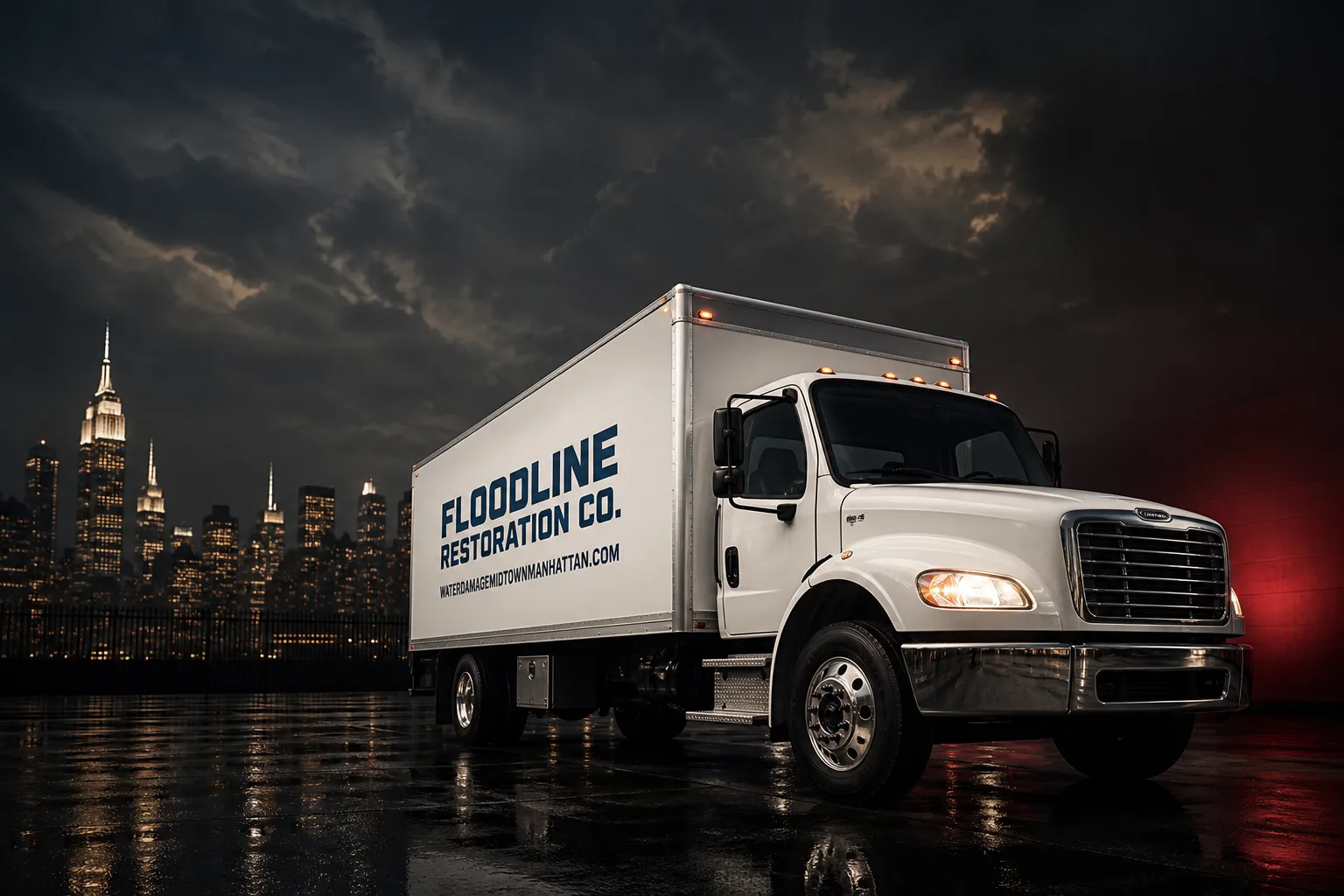
Free visual inspection and a written scope of work before any mitigation begins - photos, moisture readings, and drying logs go in your claim file
The scope we write is the scope we bill. Anything new gets shown to you, in writing, before we touch it.
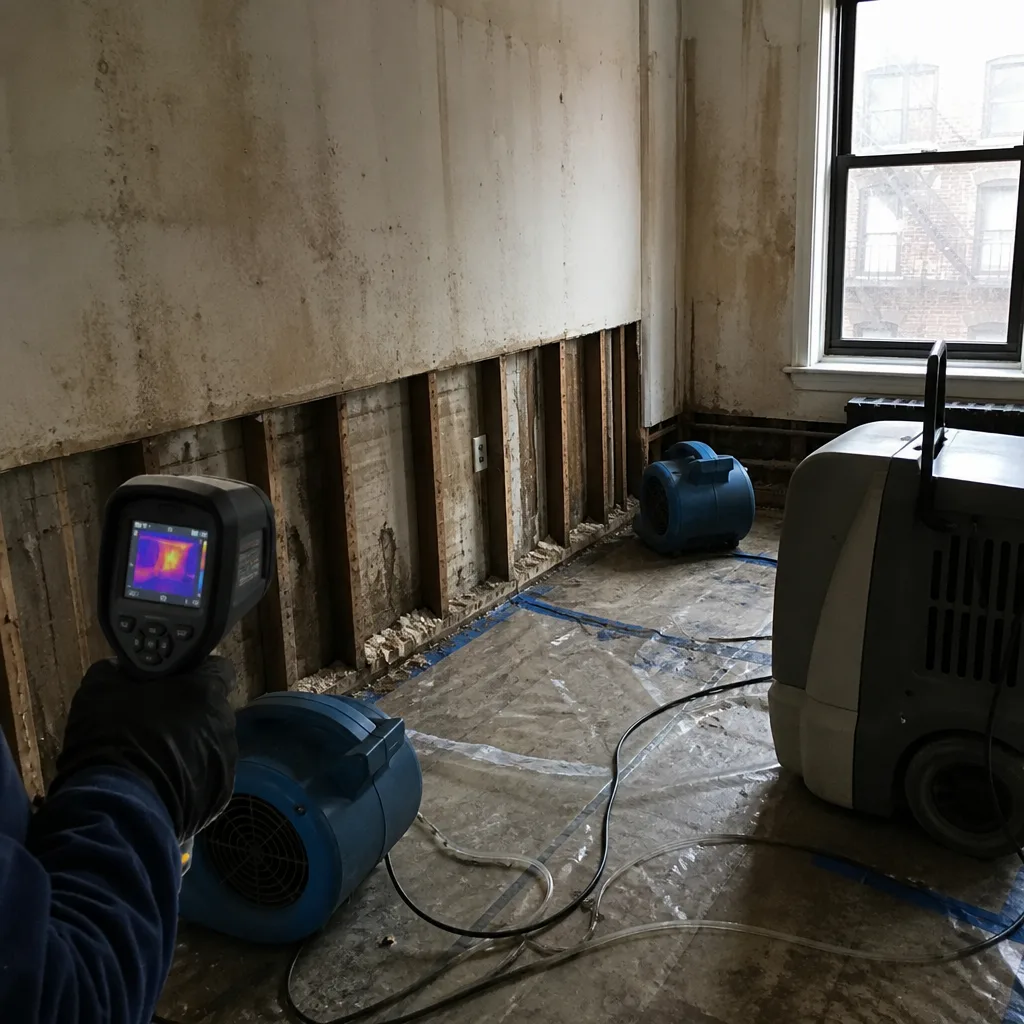 Before
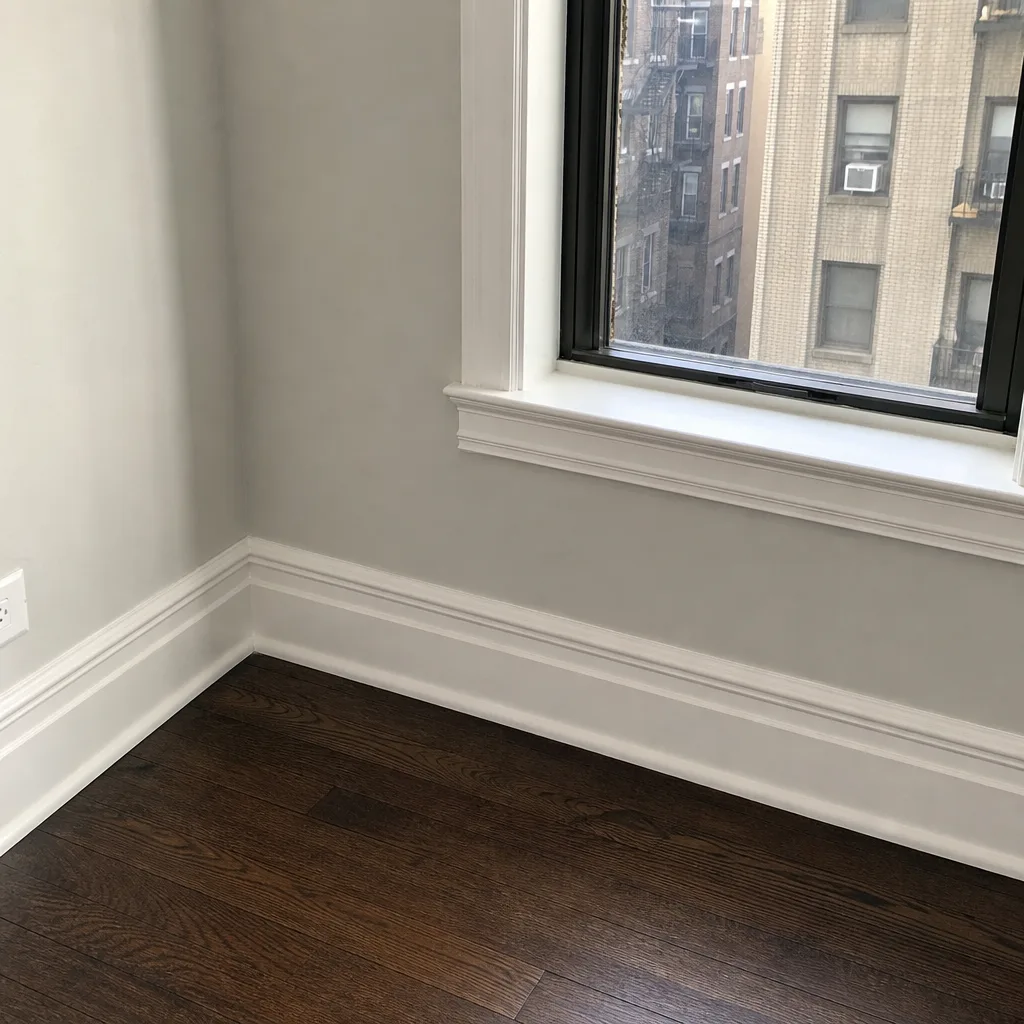 After
After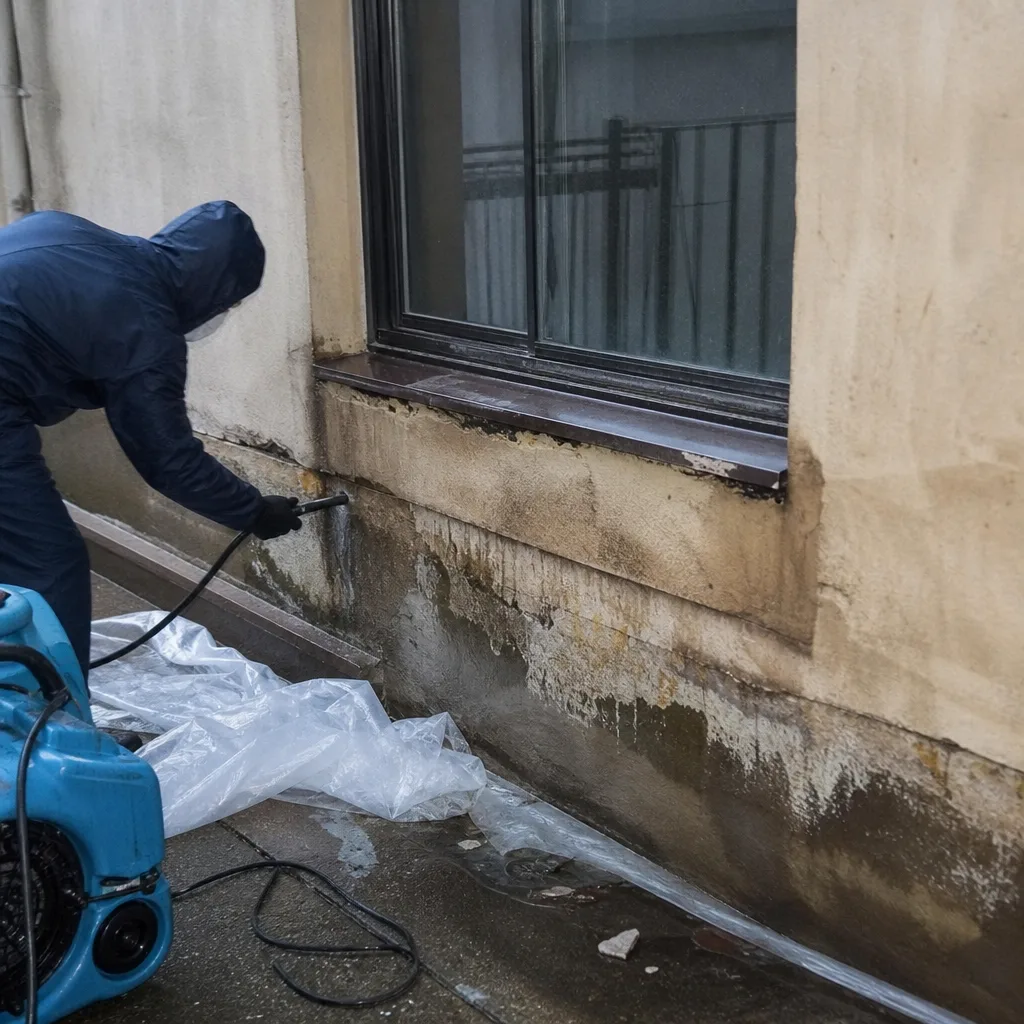 Before
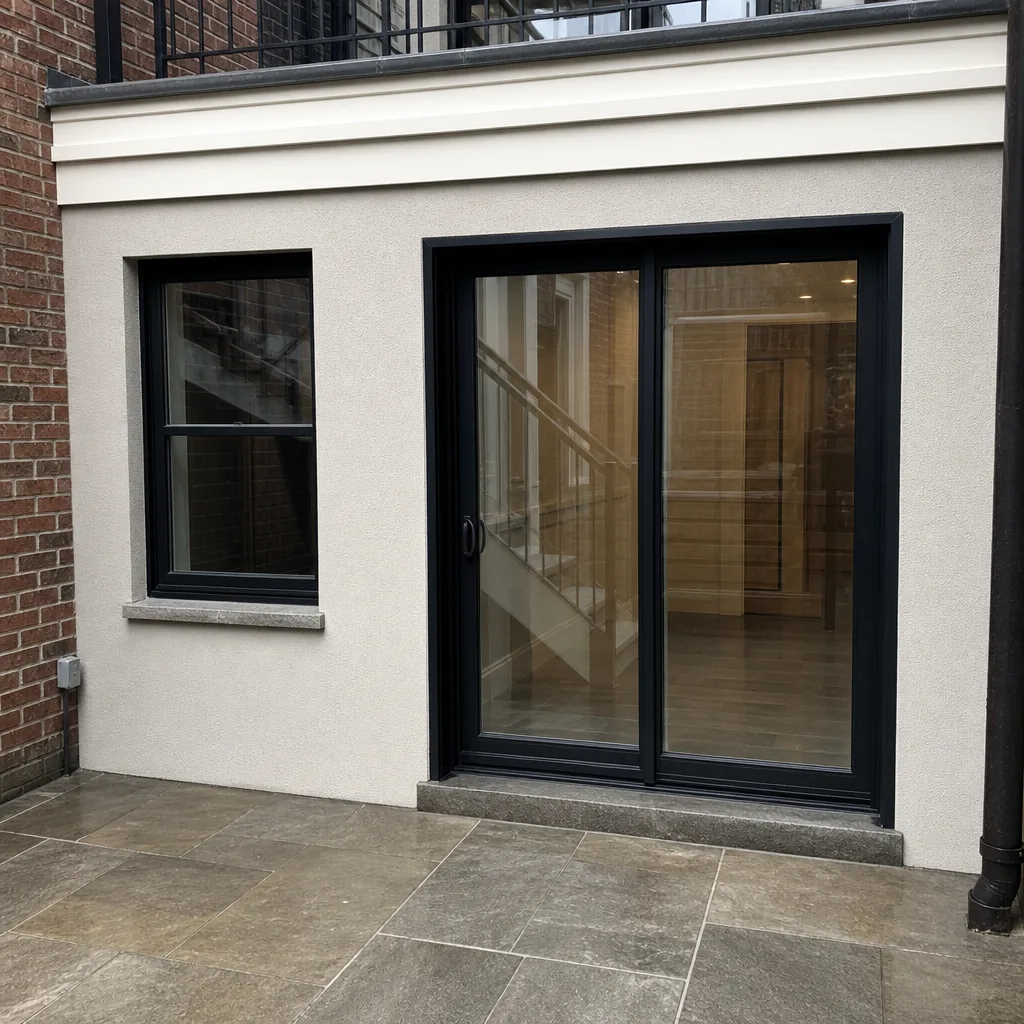 After
After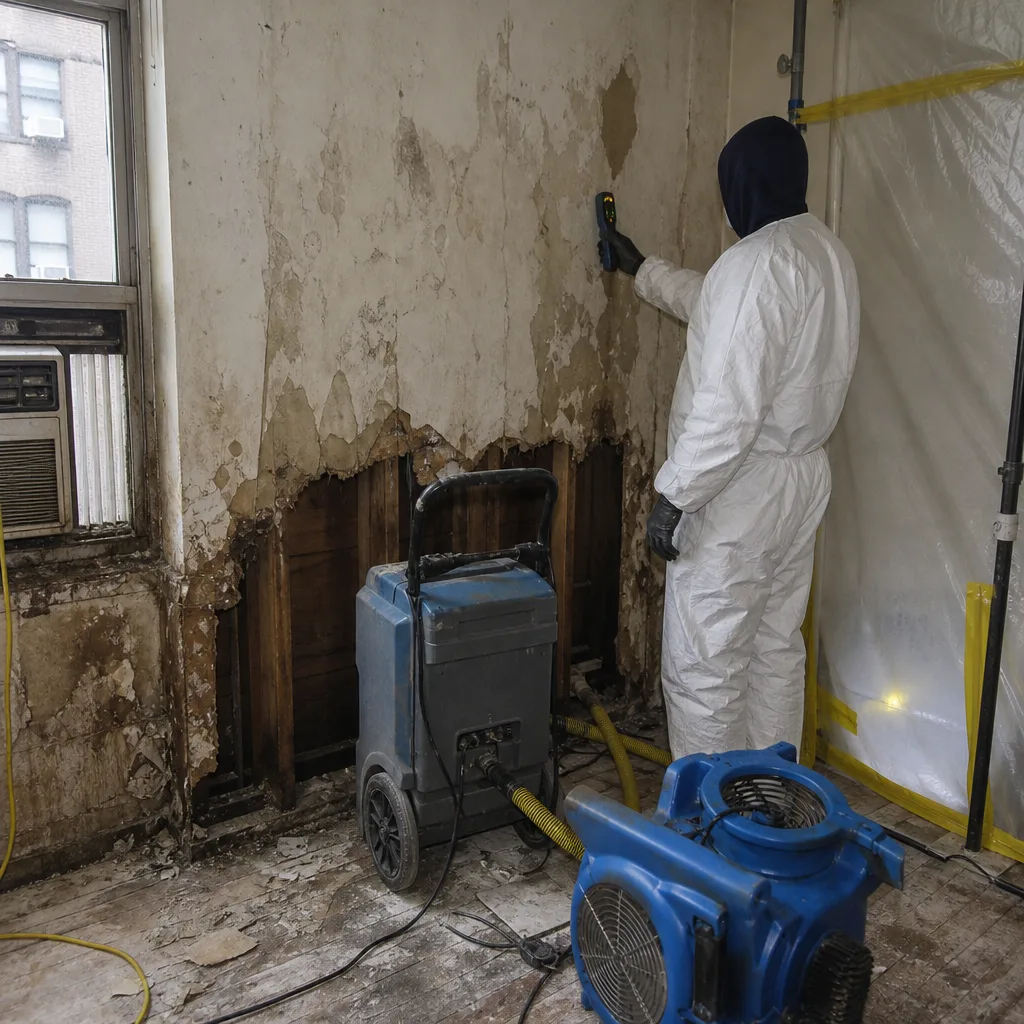 Before
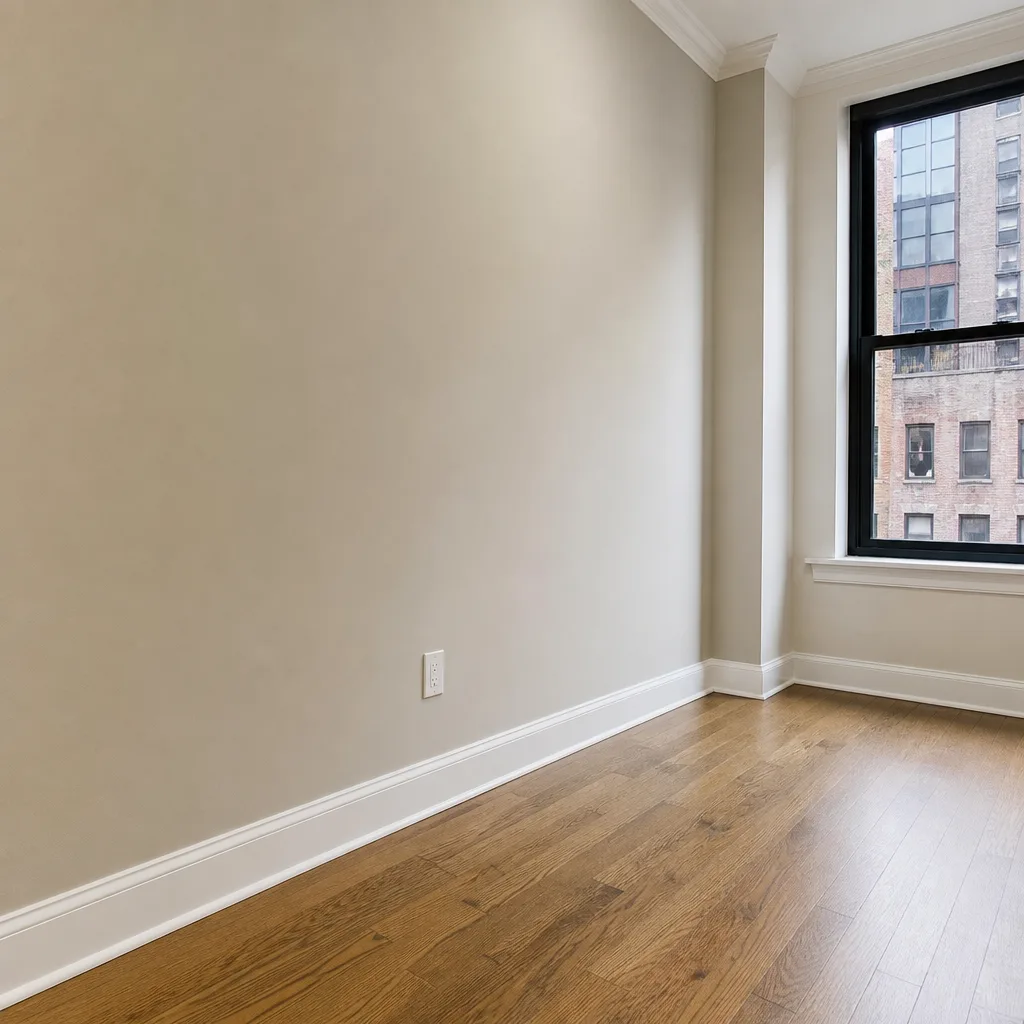 After
After24/7 Emergency Water Damage Restoration in Financial District
Water damage restoration in Financial District typically costs $850-$4,200 depending on the water category and how far moisture has traveled through your building. We answer live at (518) 314-5660 around the clock, and a certified crew can reach most FiDi addresses within 45 minutes. When a pipe lets go at 2 a.m. inside a converted 1920s tower, the first hour decides whether you’re drying drywall or replacing it.
Floodline Restoration Co. dispatches background-checked, uniformed technicians from our New York City office directly into the Financial District. We run thermal imaging on the first visit, start extraction the same visit, and hand you a written scope before any rebuild work begins. You’ll never leave a message with an answering service. A live person picks up, every time, even during a nor’easter when half the district is calling about flooded basements.
Understanding Water Damage Restoration Severity in Financial District Properties
Water damage is classified by contamination level. Category 1 is clean water from a supply line or burst pipe. Category 2 carries detergents or soil. Category 3, what we call black water, includes seawater, sewage, and groundwater that has picked up whatever sits in a 100-year-old sub-grade vault. In the Financial District, the distinction matters more than in most of Manhattan because the boundary between Category 1 and Category 3 can shift fast when tidal water or a post-Sandy sump array is involved.
Moisture mapping tells us where water actually went, not just where it pooled. In pre-WWII steel-frame conversions, water follows commercial-grade mechanical chases and oversized concrete utility cores. A visible stain on the 14th floor does not mean the damage started on the 14th floor. It may have entered two floors up, traveled through a legacy freight elevator pit, and wicked through the shared utility tunnel before showing itself in your unit. Structural drying in FiDi means treating concealed cavities most restoration crews never open, because the concrete cores hold moisture for weeks if you don’t.
Why Financial District Property Owners Choose Floodline Restoration Co.
- 45-minute response commitment: Once you call (518) 314-5660, a certified crew is dispatched to your Financial District address. We respect the clock because every hour of standing water pushes a Category 1 loss toward mold.
- A live person answers, 24 hours a day: No automated system, no “press 1 for emergencies.” A dispatcher picks up at 2 a.m. and starts coordinating your crew, not your callback.
- IICRC-certified technicians: Our crews hold WRT (Water Restoration Technician) and ASD (Applied Structural Drying) certifications. They’re trained to IICRC, RIA, and IFA standards, and they arrive in uniform with ID.
- Free visual inspection: We assess the loss, run moisture readings, and explain what needs to happen. You get a written scope before any repair work starts, so there are no surprises on the bill.
- Direct insurance billing: We deal with your adjuster, submit the documentation, and bill the carrier directly. You never play messenger between us and the insurance company.
- One team, start to finish: From first extraction to final rebuild, the same certified crew handles every phase. No mid-job handoff, no inherited subcontractors who don’t know your building’s history.
Our Water Damage Restoration Process
Inspection & Assessment
We start with thermal imaging and moisture meters to map every wet surface, including concealed cavities behind walls, inside utility chases, and below finished floors. In FiDi buildings with shared tunnels, we trace moisture beyond your unit lines. You get a clear explanation of what’s wet, what category the water is, and what needs to go.
Extraction & Stabilization
Standing water comes out first. We use truck-mounted and portable extraction units, then set containment at every penetration point where moisture could spread, including tunnel accesses and freight elevator pits. Stabilization stops the loss from growing while we dry.
Drying & Dehumidification
We run Dri-Eaz and Phoenix air movers, plus desiccant dehumidifiers sized for your building’s concrete mass. Sub-grade spaces in the Financial District sit near the shallow water table, so standard refrigerant dehus often can’t reach the dry standard. Desiccants can. We log daily moisture readings until the structure hits pre-loss condition.
Cleaning & Sanitization
Category 3 water means removal of affected materials, not just surface cleaning. We HEPA-vacuum, apply EPA-registered antimicrobials where appropriate, and scrub the air with HEPA air scrubbers while work is underway. Your unit is not just dry; it’s safe to occupy.
Structural Drying Verification
Before we call it done, we re-map every affected surface with moisture meters and compare against the dry standard for your specific materials. We hand the drying log to you and your carrier. If readings haven’t hit target, we keep drying. No shortcuts.
Repairs & Restoration
Once the structure is dry, our same crew handles repairs: drywall, flooring, trim, paint, and any post-Sandy retrofits that failed. We rebuild what needs rebuilding, and the 90-Day Done Right Promise applies to every bit of it. If it’s not done right, we make it right.
Need Emergency Water Damage Restoration in Financial District Now?
Crews minutes away, answering live 24 hours a day. The sooner we start, the less it costs.
Working With Your Insurance Company
Most Financial District water losses involve a condo association, a commercial landlord, and at least one insurance adjuster. We’ve handled hundreds of claims in converted towers, and we know what carriers require: documentation from the first hour, not a summary written two weeks later. We photograph every affected room before and during extraction, run moisture readings at each stage, and submit a line-item scope with industry-standard pricing. Our team communicates directly with your adjuster so you don’t have to translate restoration jargon into claim language.
When the loss involves post-Sandy retrofits like deployable flood barriers or sump arrays that failed, we document the failure mode and the resulting damage separately. That distinction often determines whether your claim covers the restoration, the retrofit repair, or both. We bill the carrier directly whenever your policy allows.
What We Provide Your Insurer
- Thorough documentation of the loss
- Photos of all damage, room by room
- Moisture readings and drying logs
- A detailed, line-item scope of work
- Direct coordination with your carrier
Built for Financial District’s Loss Calendar
January and February bring the deep freezes that burst supply lines in older FiDi towers, especially in converted commercial spaces where plumbing was retrofitted into floors never intended for residential use. Spring nor’easters push storm surge into basement mechanical rooms and underground parking. King Tides, which arrive with the full and new moons in the fall and spring, back up the storm drains along Water Street and Pearl Street and force groundwater into sub-grade vaults. Summer thunderstorms overwhelm the district’s combined sewer system and send Category 3 water into low-lying lobbies and freight entrances.
Every one of these events hits buildings that already carry Sandy-era retrofits: submersible sump arrays, perimeter flood barriers, elevated switchgear. When those systems work, they save the building. When they don’t, the water enters through paths no standard restoration playbook covers. We’ve built our extraction and drying protocols around that reality, because the Financial District’s loss calendar is unlike anywhere else in the city.
Water Damage Restoration Across Financial District’s Neighborhoods
Response routes here are defined by the old street grid and the new flood-mitigation systems layered on top of it. Around Wall Street and Broad Street, we commonly see water traveling through shared utility tunnels between adjacent towers, which means containment gets set at points the average crew never looks. The converted office buildings near Exchange Place and Hanover Square have sub-grade vaults that collect water during even moderate tidal events, and our crews often find moisture wicking up through legacy freight elevator pits weeks after the surface looks dry.
Over by the Seaport and South Street, nor’easter surge pushes seawater into former loading-dock corridors and below-grade parking. Buildings along Water Street and Pearl Street sit close enough to the East River that King Tide events put water into mechanical rooms designed to stay dry. Up toward Fulton Street and the Broadway corridor, the high-rise residential conversions carry commercial plumbing cores that rust out from decades of deferred maintenance, and a pinhole leak on the 20th floor can present as a ceiling stain on the 18th. Each pattern requires a different drying strategy, but they all demand the same thing: crews who understand how these particular buildings move water.
Specialized Water Damage Restoration Services We Offer in Financial District
Emergency Water Extraction
We arrive with truck-mounted extraction units and portable wands sized for high-rise access. In FiDi buildings with freight elevator restrictions, our technicians carry equipment up service stairwells and set up without waiting for building management. Extraction starts the same visit, because standing water in a converted tower does not wait for Monday.
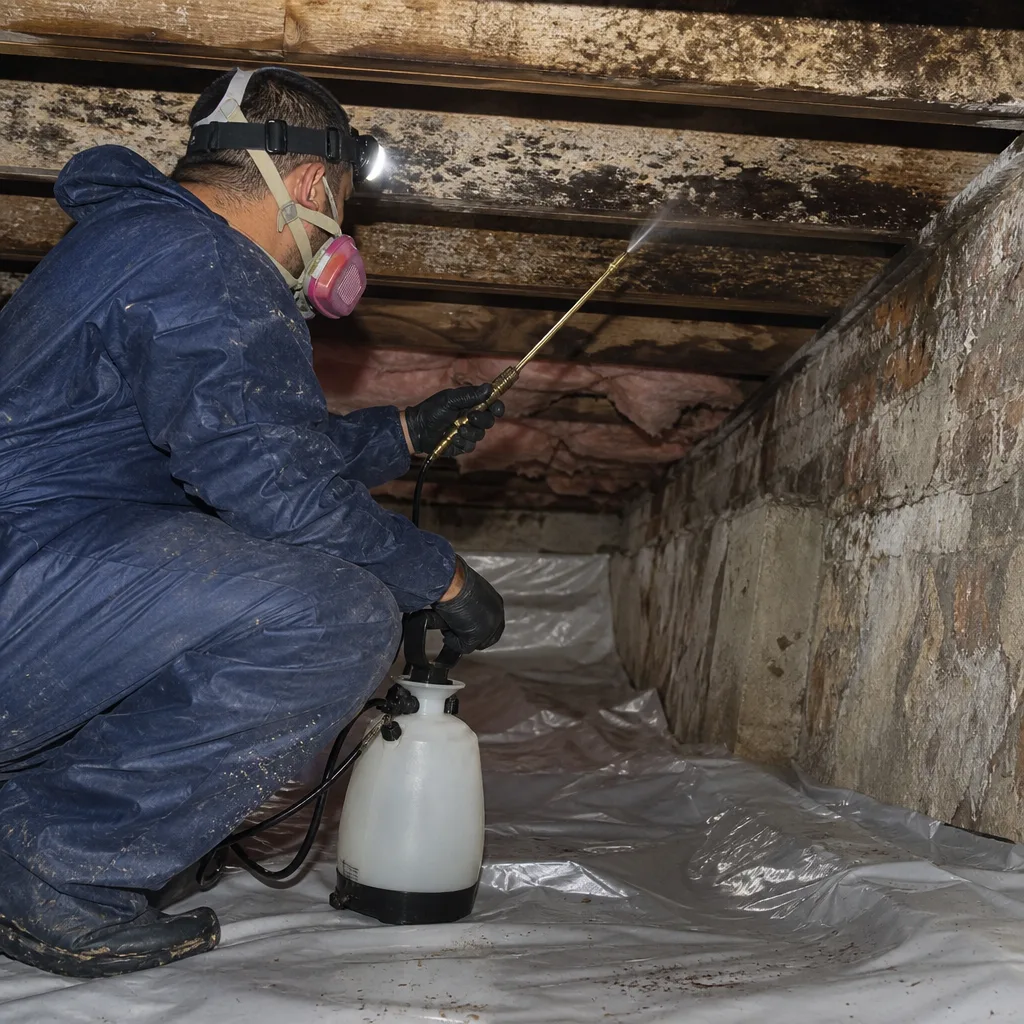
Flood Cleanup
When the East River meets the Financial District, we’re cleaning seawater, sewer backflow, and whatever the sub-grade vaults have been holding onto for a century. We remove Category 3 saturated materials, set negative-air containment, and sanitize every surface before drying begins. Full flood cleanup here means treating the building, not just your unit.
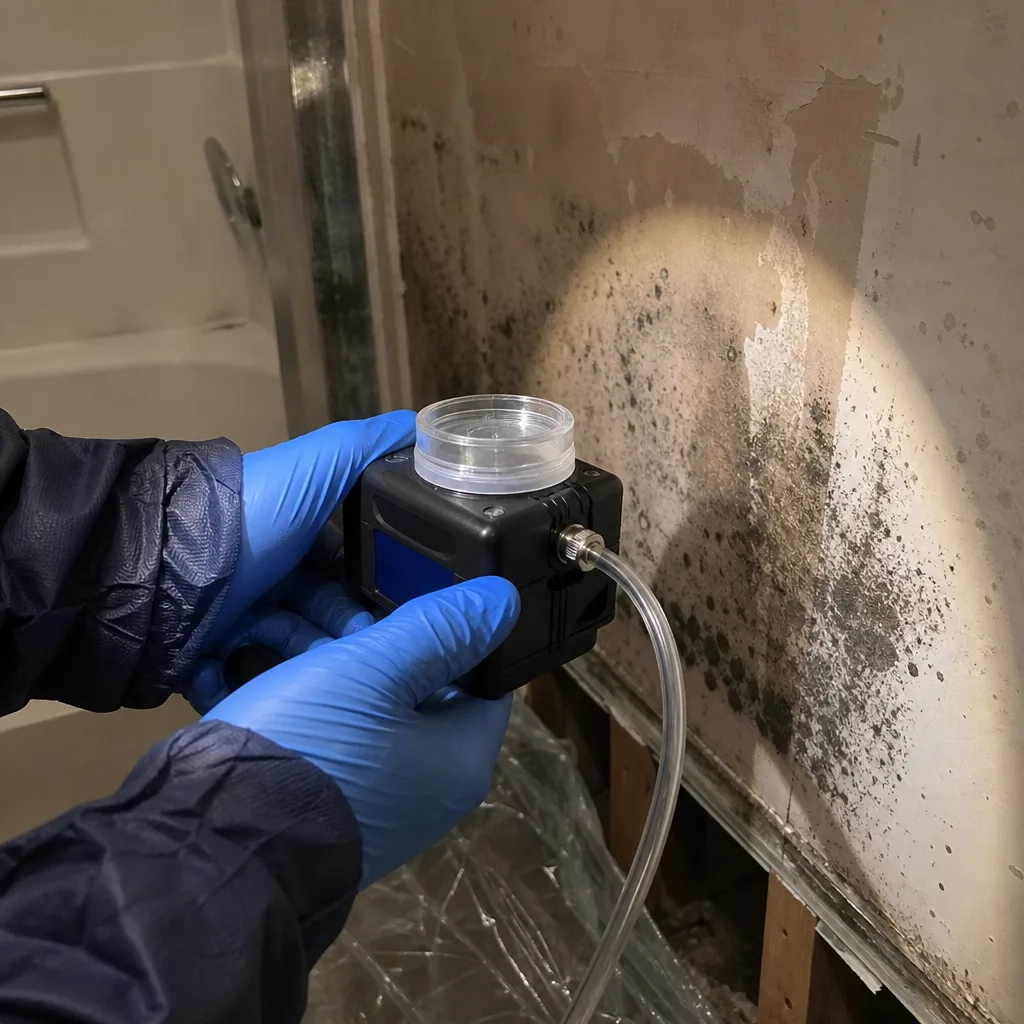
Structural Drying & Dehumidification
Concrete cores, masonry walls, and sub-grade vaults hold moisture long after visible surfaces look dry. We run Dri-Eaz and Phoenix air movers plus desiccant dehumidifiers until moisture meters confirm the structure has hit its dry standard. Daily readings are logged and shared with you and your carrier. No guessing, just documentation.
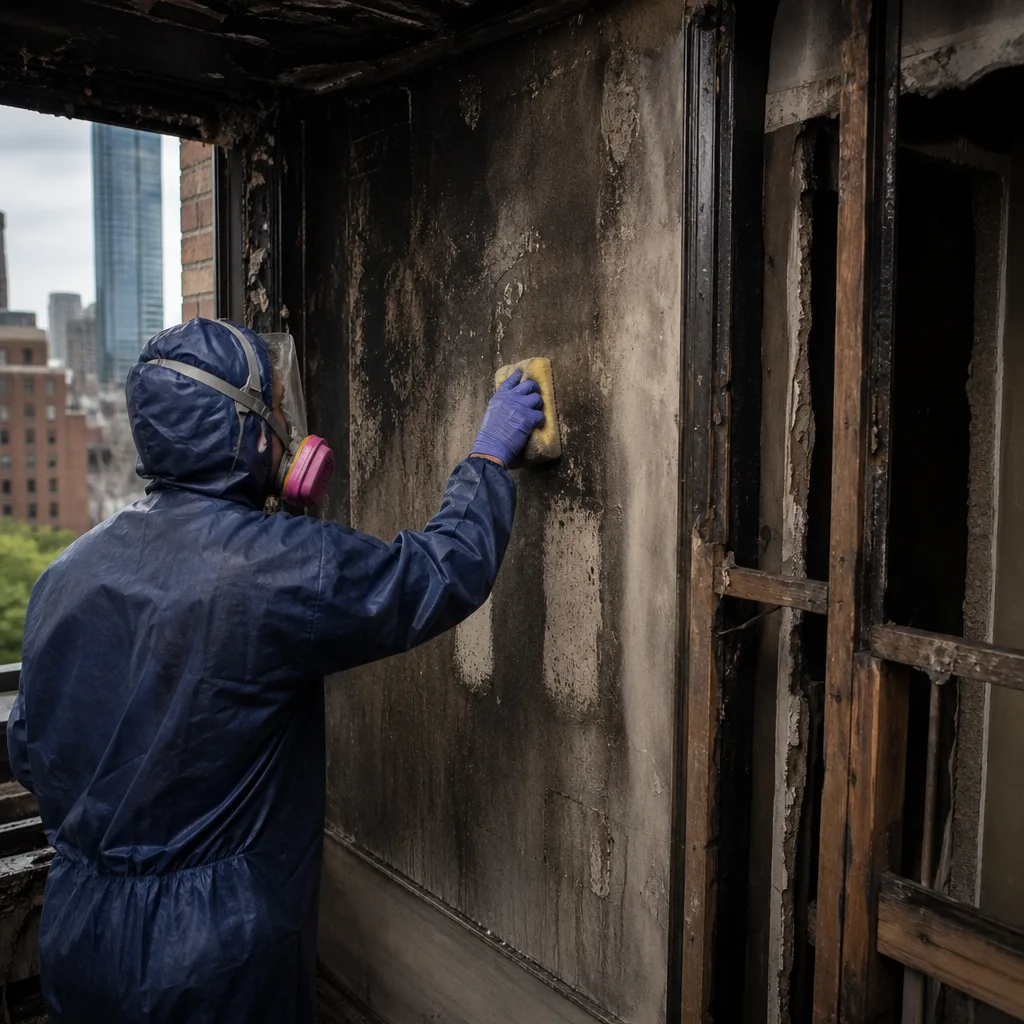
Burst Pipe Restoration
A burst supply line in a converted 1920s tower sends water down commercial chases and across structural steel. We trace the migration with thermal imaging, open only what must be opened, and dry what can be saved. The goal is restoring your unit and your neighbors’, not just patching the visible spot.
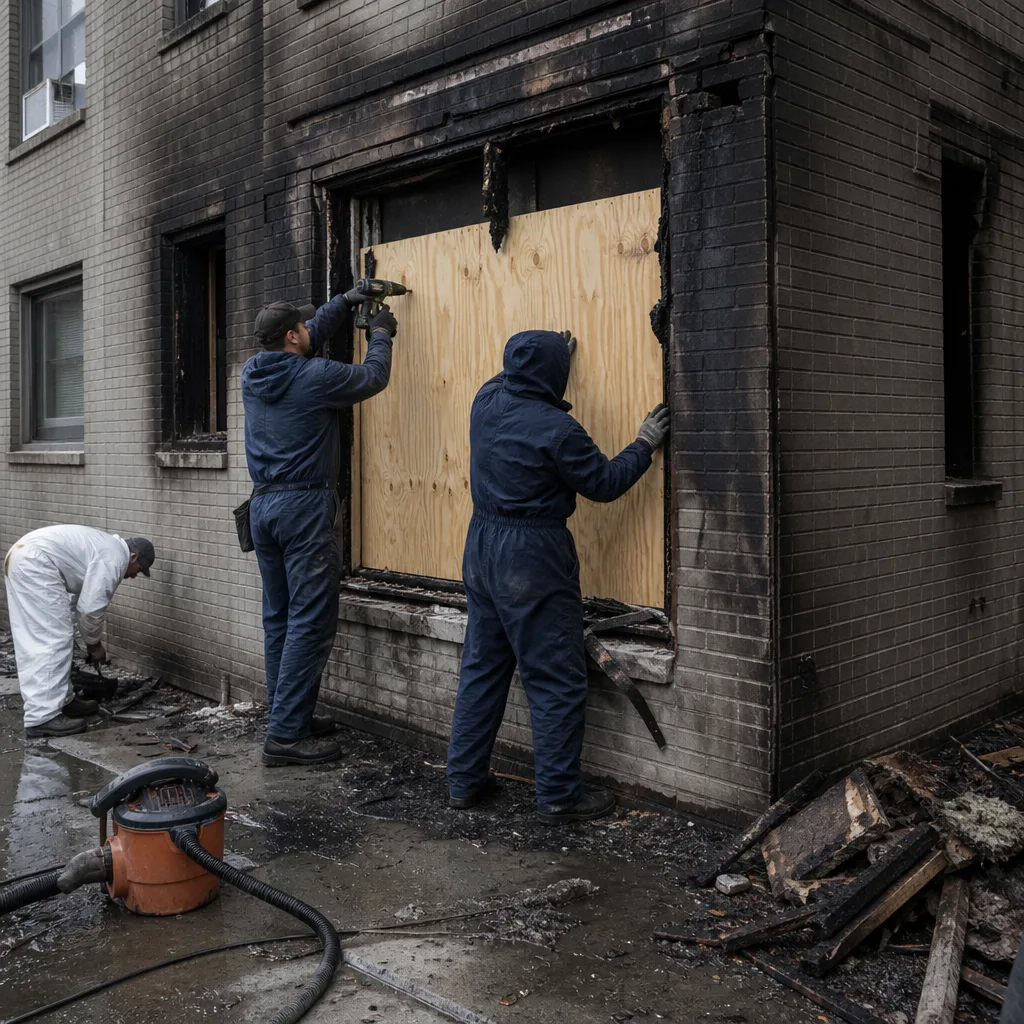
Basement Water Removal
Sub-grade spaces here sit near the shallow water table, so standing water is often groundwater intrusion, not just a one-time leak. We extract, set desiccant dehumidification, and monitor concrete floors and legacy elevator pits for weeks if needed. A basement that dries on the surface but stays wet underneath will bloom mold by spring.
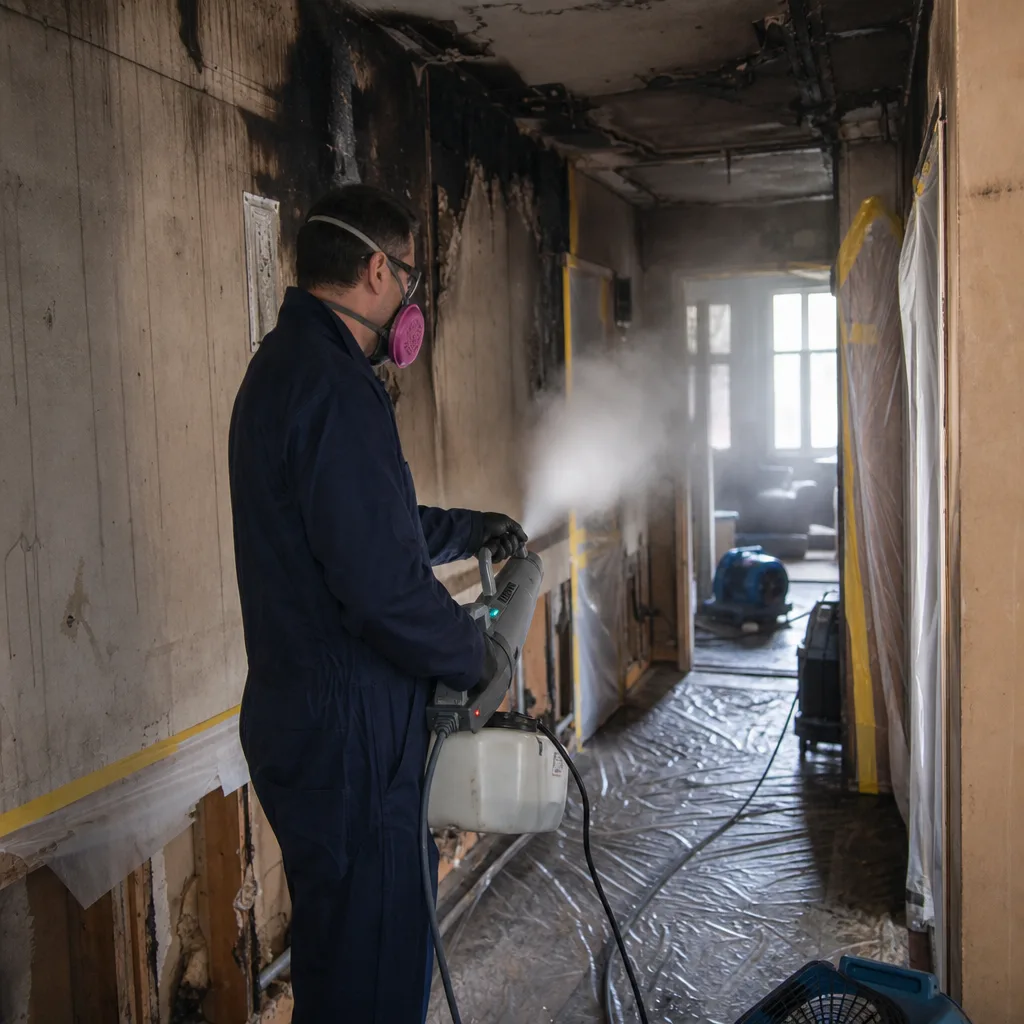
What happens when you call
- 1
A real person answersNo phone trees - you reach a local pro.
- 2
You get an upfront price rangeHonest numbers before anyone is dispatched.
- 3
A background-checked tech heads outLicensed & insured, dispatched right away.
- 4
You approve before work beginsNothing starts until you say go.
Water Damage Restoration Costs in Financial District, NY
A straightforward Category 1 pipe leak in a single unit typically runs $850-$1,800 for extraction and structural drying. When water crosses into shared utility tunnels or requires containment across multiple ownership boundaries, the range shifts to $2,500-$4,200 or higher, depending on the square footage of affected materials and how many access points we have to seal. Category 3 flood events from nor’easters or failed sump arrays usually start around $3,000 and climb based on how much saturated drywall, insulation, and subfloor must be removed.
What moves the price is access, not greed. A 22nd-floor unit with a working freight elevator dries faster than a sub-grade vault with no ventilation and a shallow water table. We give you a written scope after the free visual inspection, so you know the number before we start. Call (518) 314-5660 for an exact quote. Estimates are free, and they’re based on what we actually find in your building, not a national average.
We Also Serve Cities Near Financial District
Our crews regularly respond throughout Lower Manhattan and beyond. We serve property owners in Financial District, plus Midtown Manhattan, Midtown West, Murray Hill, and Washington Square. If you’re in any of these neighborhoods and water is moving through your building, call us. We’ll get there.
Financial District Water Damage Restoration Questions, Answered
How does water intrusion in the Financial District differ from a typical high-rise pipe burst?
In the Financial District, water from a single pipe burst often migrates through shared utility tunnels, legacy freight elevator pits, or former loading-dock corridors into adjacent buildings. A typical high-rise loss stays within one unit or one floor. Here, moisture mapping has to trace across ownership boundaries, or you’ll leave wet zones that bloom mold within 48 hours.
What is the correct water category for a flooded basement in a post-Sandy Financial District building?
If the water came from a failed sump array, storm surge, or King Tide, it’s Category 3 black water, period. Treating it as Category 1 means trying to dry materials that must be removed, which creates infection risk in residential spaces. We test, document the source, and handle the loss accordingly.
Why do we need containment in a Financial District high-rise when drying a single wet unit?
Because air moves through commercial chase ways, elevator shafts, and shared corridors. Without containment at every penetration point, wet air and mold spores migrate into neighboring units and building common areas. Containment isolates your loss while we dry it. It also protects the rest of the building from what’s in your walls.
How fast does mold start in a wet Financial District basement after a King Tide or nor’easter?
Mold colonization begins in 24 to 48 hours on saturated drywall, insulation, and organic debris. In sub-grade spaces near the shallow water table, where humidity stays high, it can start faster. That’s why we send crews immediately after a tidal event, not the next business day.
Can a post-Sandy flood barrier failure be restored without tearing out the whole basement finish?
Often, yes. We assess where water entered and how saturated each material is. If the concrete subfloor and lower drywall are wet beyond the dry standard, those pieces get removed and replaced. The rest stays. We rebuild only what must go, and we document it all for your carrier.
How long does structural drying take in a Financial District high-rise?
Most single-unit losses dry in 3 to 5 days with proper equipment. Sub-grade spaces, concrete cores, and buildings with legacy freight elevator pits can take 10 to 14 days or longer. We log daily readings and keep drying until the structure hits its dry standard, not until the calendar says it’s been long enough.
Can we stay in our unit while you dry it?
For Category 1 and most Category 2 losses, yes, though you’ll hear air movers running and the space will feel dry and warm. Category 3 losses usually require temporary relocation while we remove contaminated materials and sanitize. We tell you which situation you’re in during the free inspection, so no one has to guess.
What should we do in the first 30 minutes after discovering water damage?
Call (518) 314-5660. Shut off the water at the source if you can do so safely. Do not walk through standing water if electrical panels or outlets are nearby. Move small valuables off wet floors. Then stay put and wait for our crew. The faster extraction starts, the less gets torn out.
Serving Financial District, NY - Our Local Coverage Area
We’re based in the Financial District area and know this community well. Use the map below to see our service coverage - if you’re nearby, we can almost certainly help.
Floodline Restoration Co. in Financial District: The Honest Line
The Financial District sits almost entirely inside FEMA Flood Zone AE, built on 17th-through-19th-century landfill and surrounded on three sides by tidal water. That fact shapes every water damage call we answer here. Our Water Damage Restoration team has pulled seawater out of sub-grade vaults, dried concrete cores behind post-Sandy retrofits, and traced moisture through shared utility tunnels that cross property lines. We know this district’s buildings the way a mechanic knows a particular engine: by the sound it makes when something’s wrong.
We’re a full-cycle restoration company, not a franchise that hands your claim off after the water is gone. Curt Bowman built Floodline Restoration Co. around a dispatch board, not a sales desk, and that’s still how it runs. Call (518) 314-5660. A live person answers. We’ll be there when we say, and the work stands behind the 90-Day Done Right Promise. Done right, and backed in writing.
Written by Curt Bowman, Owner at Floodline Restoration Co., serving the Financial District with certified restoration crews and live 24/7 dispatch.