
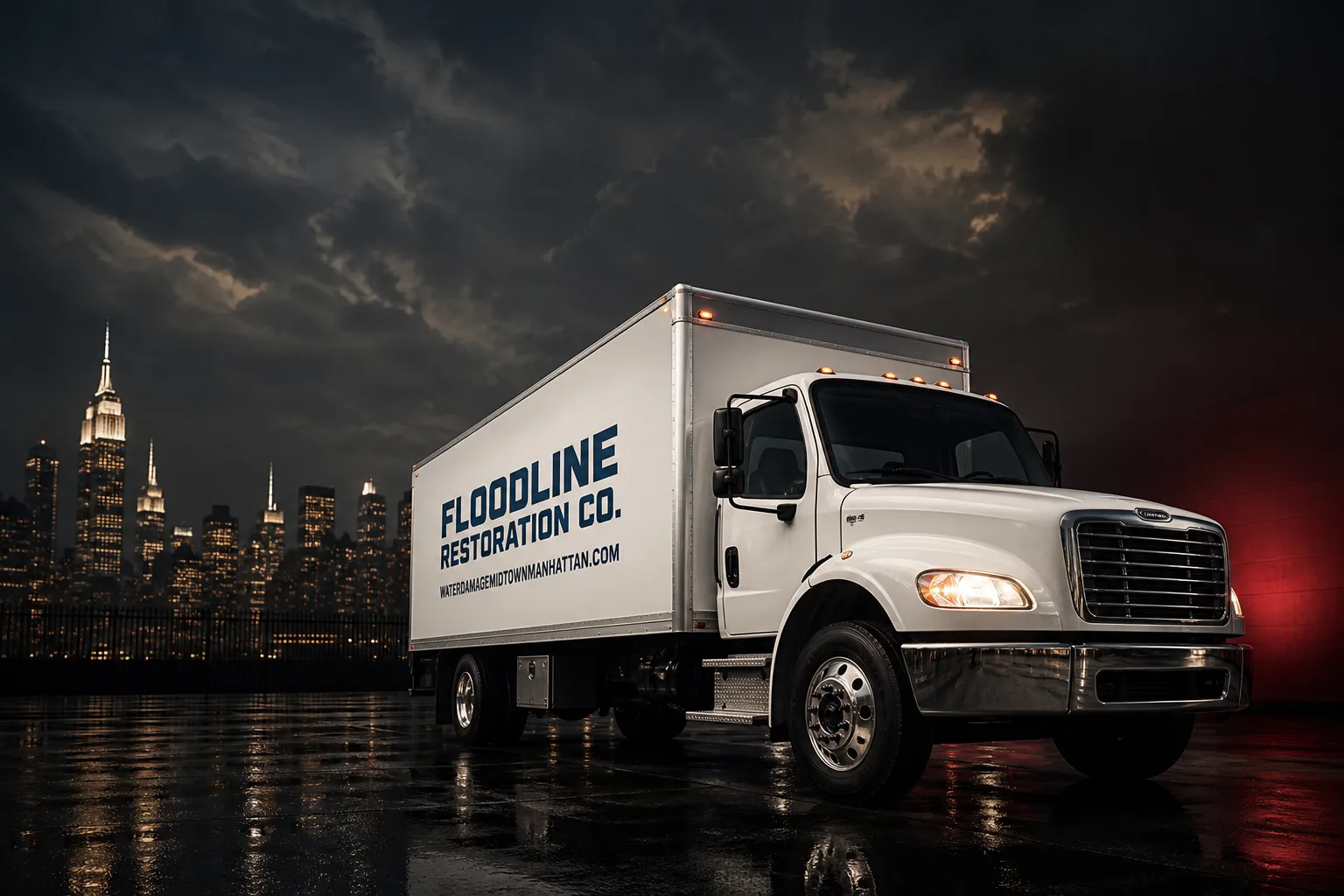
Free visual inspection and a written scope of work before any mitigation begins - photos, moisture readings, and drying logs go in your claim file
The scope we write is the scope we bill. Anything new gets shown to you, in writing, before we touch it.
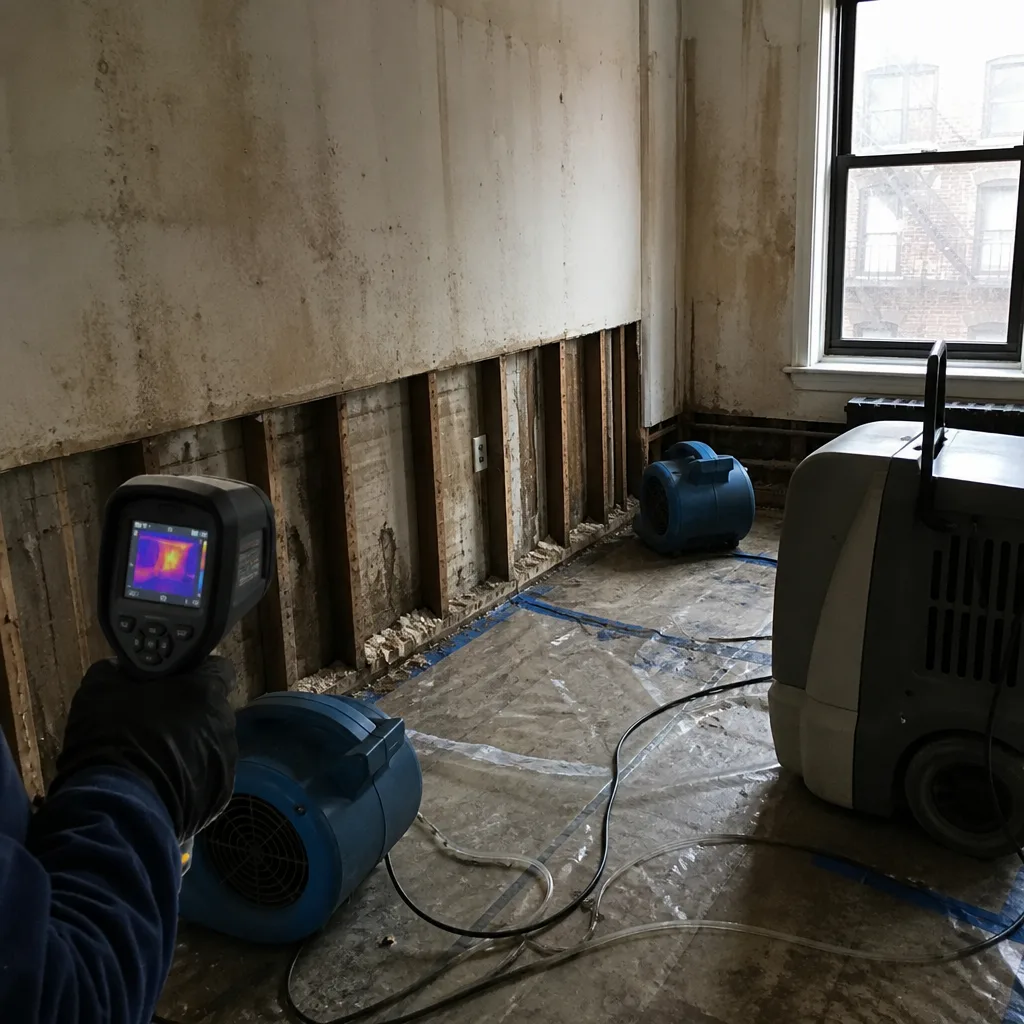 Before
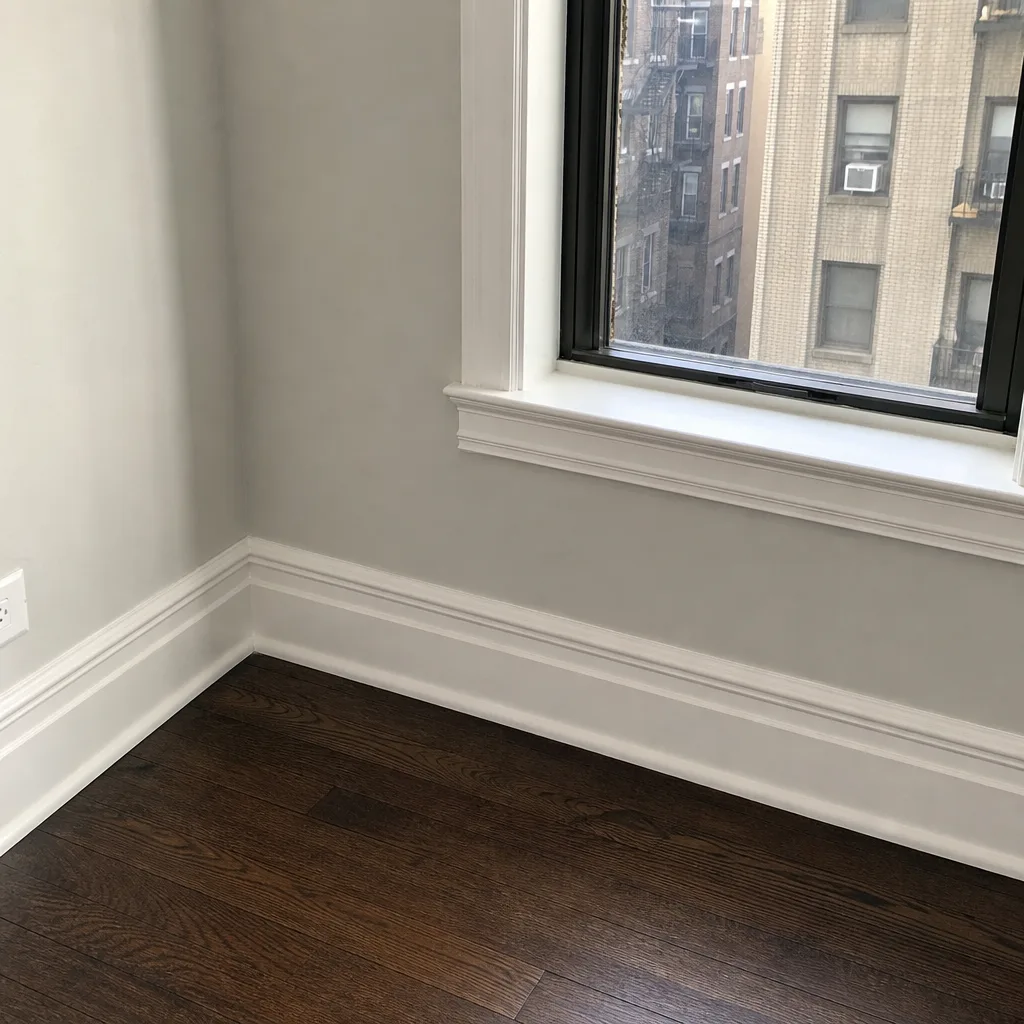 After
After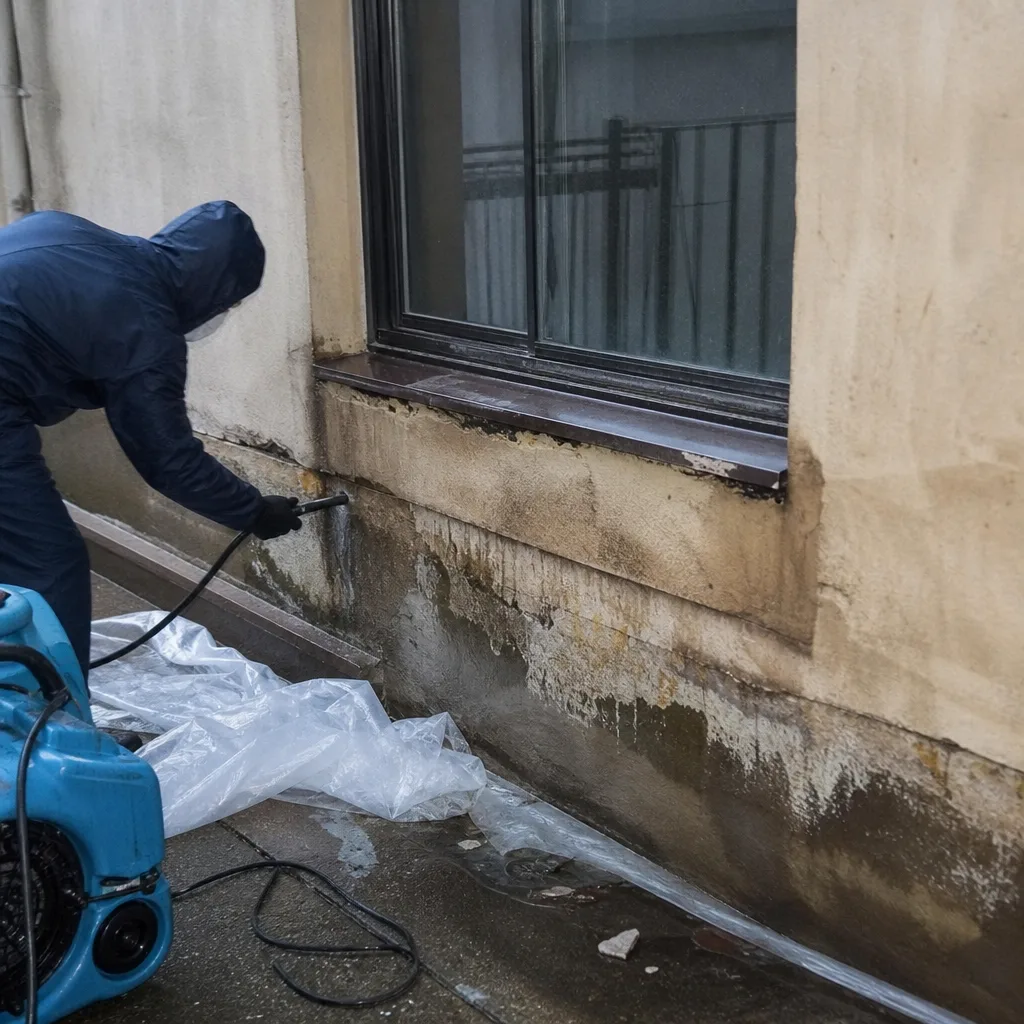 Before
 After
After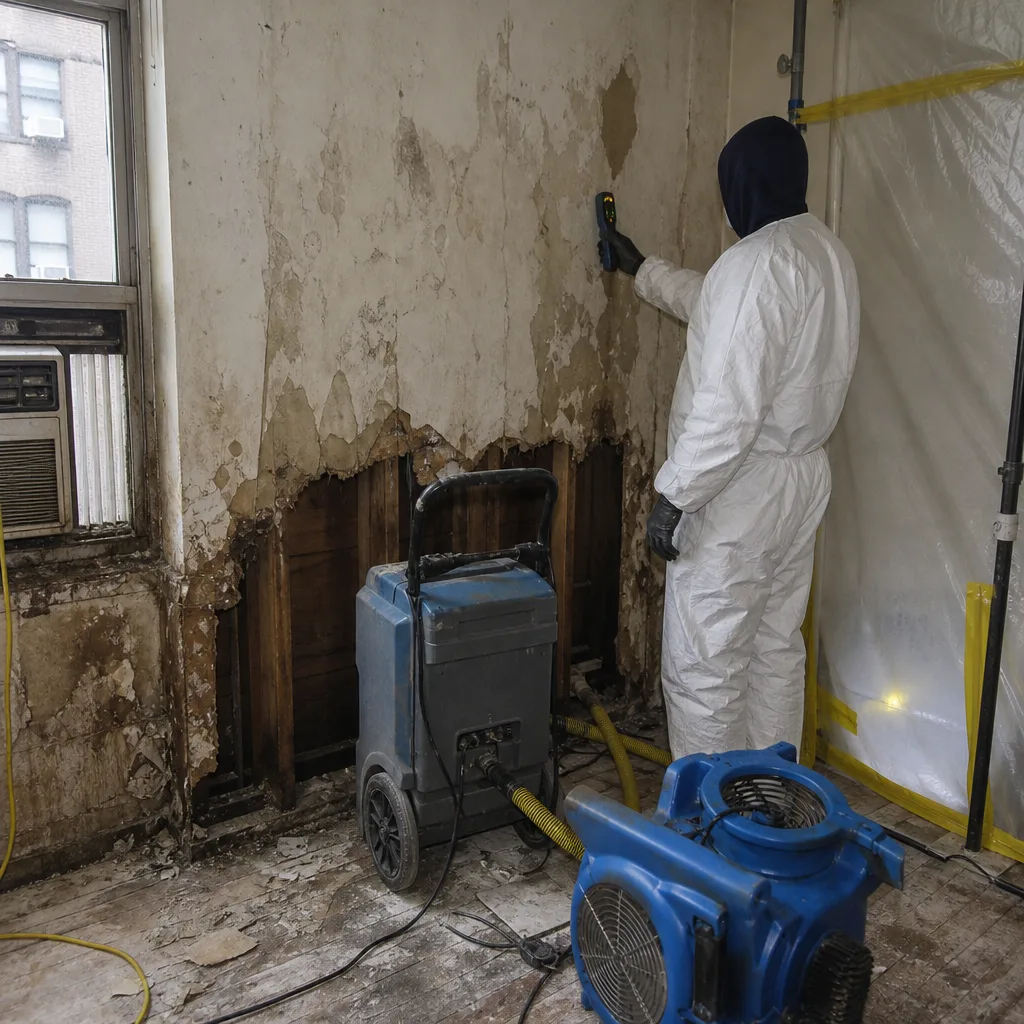 Before
 After
After24/7 Emergency Storm & Disaster Restoration in Weehawken
Storm damage in Weehawken moves fast, and so do we. A live dispatcher answers at (518) 314-5660 any hour, any day, and a certified crew from our Storm & Disaster Restoration team is on the way within 45 minutes of your call. The first hour after a tree limb punches through a roof or floodwater crosses your threshold is when the real cost gets decided. Water that sits migrates into framing, wicks up drywall, and starts mold clocks you cannot pause. We know the streets, the escarpment, and the waterfront. Call now for a free visual inspection. We will be there when we say.
Understanding Storm & Disaster Restoration Severity in Weehawken Properties
Not all storm water behaves the same way, and Weehawken’s split geology makes that brutally clear. On the upper plateau, most damage is Category 1 or 2 water: rain-driven, groundwater-fed, or municipal-backup. It soaks plaster-and-lath walls in 1910s to 1950s brick row houses and travels laterally through shared party walls into adjacent units. Moisture mapping on those jobs means checking both sides of a wall, not just the wet room. On the Port Imperial waterfront, storm surge from the Hudson pushes brackish water inland. That is Category 3 water, contaminated, saline, and corrosive. It demands containment, disinfection, and documentation that specifically separates saltwater intrusion from the more routine groundwater seepage an insurer would otherwise assume. Two different playbooks, often within the same job, and less than a mile apart. That is the Weehawken reality our crews plan for before the truck rolls.
Why Weehawken Property Owners Choose Floodline Restoration Co.
- 45-minute response commitment. We dispatch locally and we commit in writing to a response window. Not “soon.” Not “this afternoon.” A number you can hold us to.
- A live person answers, 24/7. Not a phone tree, not a voicemail at 2 a.m. A dispatcher picks up and starts the process. Floodline Restoration Co. was built around a dispatch board, not a sales desk.
- IICRC-certified crews. Our technicians carry WRT, FSRT, and AMRT certifications and show up in uniform, background-checked, with the training to match the damage class in front of them.
- Free visual inspection. Before anything is signed, we walk the property, take moisture readings, and tell you what you are actually dealing with. No obligation, no scare tactics.
- Direct insurance billing. We bill your carrier directly and communicate with your adjuster throughout. You never play messenger between us and the insurance company.
- One team, start to finish. Extraction, drying, mitigation, and rebuild. The same certified crew that reads the moisture map on day one rebuilds what needs rebuilding. No mid-job handoff to strangers.
Our Storm & Disaster Restoration Process
Inspection & Assessment
We arrive, walk the full property, and take thermal imaging and hygrometer readings. For Weehawken waterfront properties, that includes separating brackish surge from freshwater seepage on the scope. For upper-town row houses, we map party walls to catch lateral migration early. You get a written assessment before any work begins.
Stabilization & Extraction
Emergency board-up and roof tarping come first to stop new water from entering. Then we extract standing water with truck-mounted and portable extraction units. On Port Imperial jobs, we isolate elevator pits and mechanical rooms with containment early, because brackish water attacks electrical infrastructure on an accelerated schedule.
Drying & Dehumidification
We set Dri-Eaz and Phoenix air movers, Ecor dehumidifiers, and Injectidry systems where needed, including inside wall cavities. Daily moisture readings get logged until the dry standard is met. On escarpment-adjacent basements, we monitor longer because the hillside keeps feeding groundwater into the slab perimeter.
Cleaning & Sanitization
After drying, every affected surface is cleaned and treated. Category 3 brackish water from Hudson surge means antimicrobial application and controlled demolition of saturated porous materials like drywall and insulation. We treat this differently from a Category 2 basement seepage job, and your insurer sees the distinction in writing.
Specialty Treatment for Storm & Disaster Restoration
Salt corrodes. On waterfront flood jobs, we document and map the exact exposure level so your insurer can authorize rebar treatment, electrical inspection, and corrosion remediation. In attached brick row houses, we address party-wall cavities with HEPA-filtered air scrubbing before rebuilding, so mold does not bloom behind fresh finishes.
Repairs & Restoration
We rebuild what needs rebuilding: drywall, flooring, trim, electrical, and structural framing. The same crew that did the extraction handles the full reconstruction. Before we hand back the keys, you get a moisture log, photo documentation, and our 90-Day Done Right Promise in writing.
Need Emergency Storm & Disaster Restoration in Weehawken Now?
Crews minutes away, answering live 24 hours a day. The sooner we start, the less it costs.
Working With Your Insurance Company
Storm and flood claims in Weehawken carry a unique documentation burden. Our team handles it from the first hour. We photograph every damaged room before anything moves, log moisture readings daily, and write a line-item scope of work that uses the exact water category language your adjuster needs. When saltwater intrusion is involved, we document it separately from groundwater seepage and mark the distinction throughout the scope. We coordinate directly with your carrier, answer adjuster questions, and keep the claim moving. Our 42 years of storm restoration work has taught us one thing: documentation is not paperwork. It is the difference between a denied claim and a fully paid restoration.
What We Provide Your Insurer
- Thorough documentation of the loss
- Photos of all damage, room by room
- Moisture readings and drying logs
- A detailed, line-item scope of work
- Direct coordination with your carrier
Built for Weehawken’s Loss Calendar
Weehawken’s storm season does not start in June and end in September. It runs the length of the calendar, and each chapter hits our two tiers of housing differently. January freezes burst supply lines in the upper plateau’s aging row houses, unleashing water that runs through plaster ceilings and travels through shared walls before anyone notices. March thaw pushes groundwater into the basements of homes built against the Palisades escarpment, keeping sump pumps running around the clock. Summer’s thunderstorms dump enough rainfall in an hour that the cliff face funnels runoff into the narrow transition zone directly above the escarpment, saturating foundations from behind. Nor’easters, the big ones, slam the Port Imperial waterfront with brackish surge that fills underground garages and elevator pits. Every one of those events requires a different playbook. Our crews carry all of them.
Storm & Disaster Restoration Across Weehawken’s Neighborhoods
The buildings change look and character as you move through Weehawken, and so does the failure pattern. In the Heights, the dense grid of 1910s to 1930s brick row houses shares party walls and original cast-iron drainage. A storm drain backing up on one property sends water sideways through the wall assembly into the unit next door. Around the Kings Bluff area and the upper edge of the Palisades, runoff concentrations from the cliff face mean basements see water even when the storm itself was miles offshore. Down along Boulevard East, the multifamily buildings from the 1940s and 1950s have aged drainage systems and original plaster-and-lath interiors that hold moisture longer than modern drywall. At the Port Imperial waterfront, the glass-and-concrete towers with below-grade parking are a different animal entirely. A surge event there is a commercial-scale loss involving elevator pits, mechanical rooms, and rebar corrosion. Our crews know which roads to take, which staging areas work, and what each property type is going to need before we walk the door.
Specialized Storm & Disaster Restoration Services We Offer in Weehawken
Flood Damage Restoration
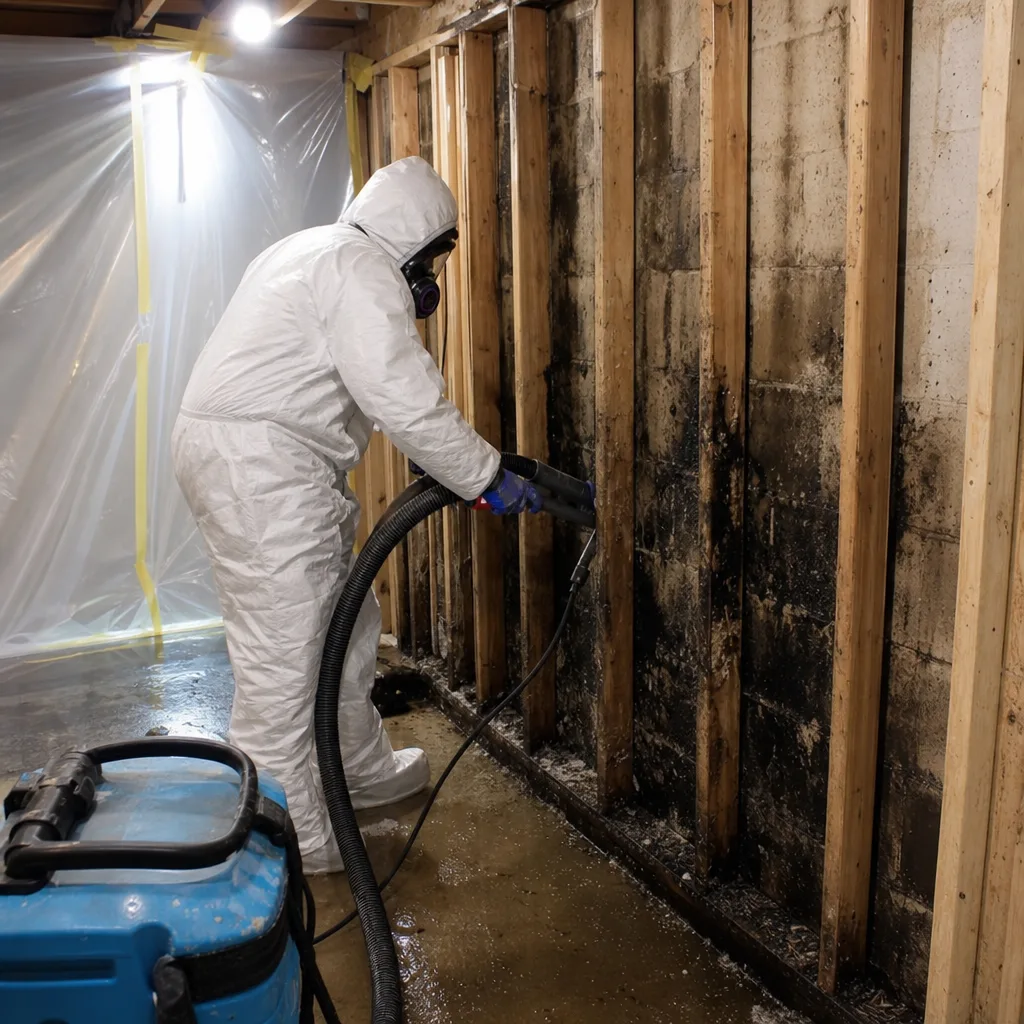
Hudson River surge is not the same as rain-driven seepage. We treat Port Imperial brackish intrusion as Category 3 water: full containment, disinfection, controlled demolition of saturated porous materials, and salt-specific corrosion documentation for structural elements. Upper-town basement floods from escarpment runoff get a different protocol, focused on drainage correction and ongoing dehumidification so the problem does not return with the next heavy rain.
Storm Damage Cleanup
When a nor’easter tears through Weehawken, the damage comes fast: downed limbs, shingle loss, water pushing through window flashing. We start with a free visual inspection, then move to extraction and structural drying. On attached row houses, we check neighboring units for water migration. On waterfront towers, we check below-grade levels for surge entry. One visit, full assessment.
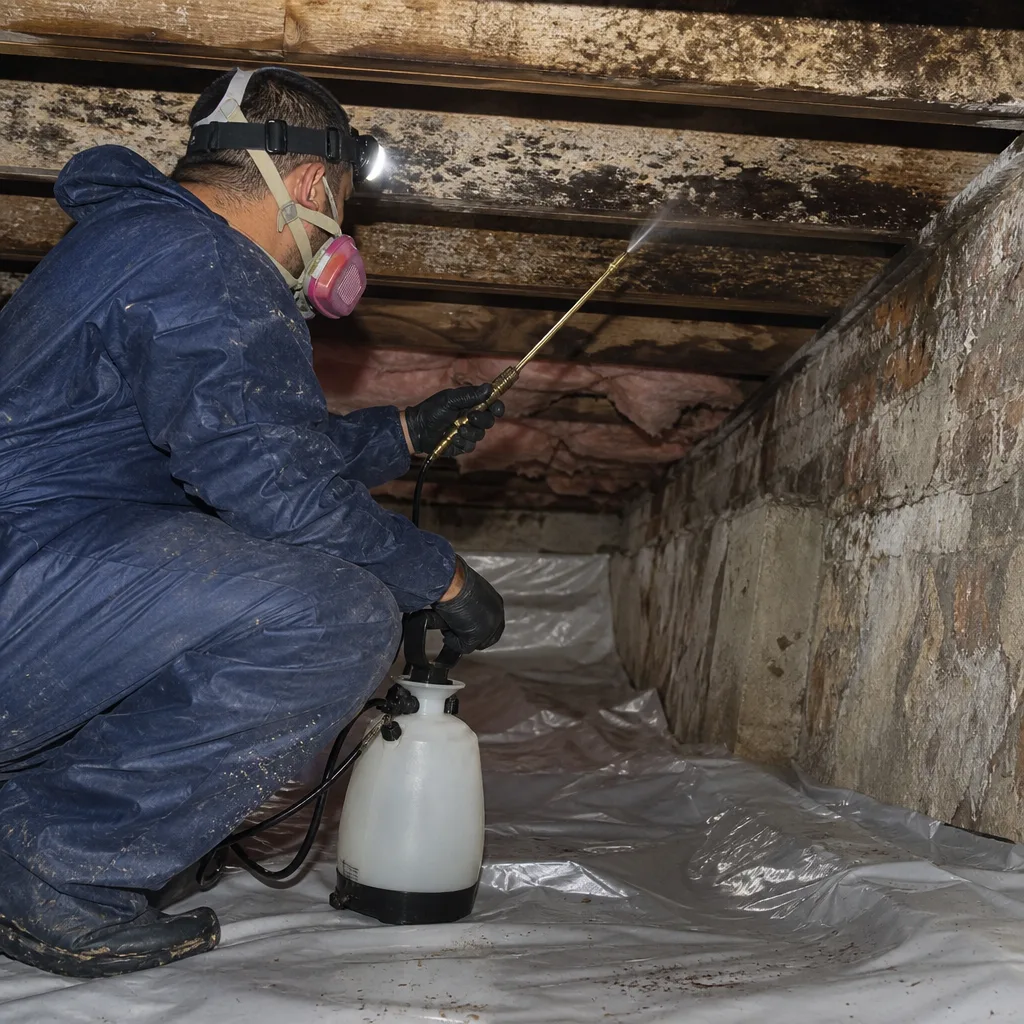
Emergency Board-Up
A broken window or missing door on Boulevard East or in the Heights is an invitation. We board up with care, including on Port Imperial high-rise units with custom glass and concrete finishes. Our crews know how to secure openings without damaging window frames or facade materials. Board-up stabilizes the property, keeps what is left dry, and gives the claim process time to work.
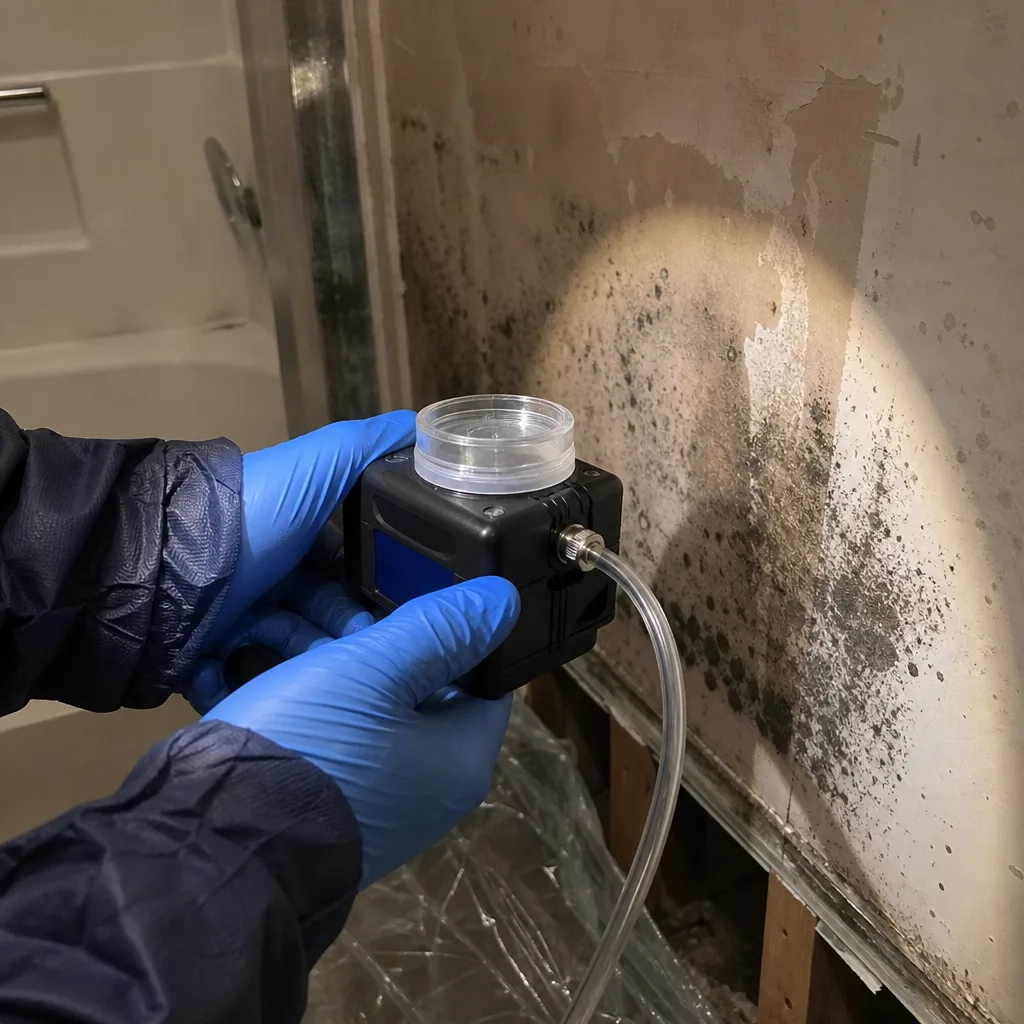
Roof Tarping
Roof damage after a storm keeps working against you until it is tarped. We respond to Weehawken roof failures with waterproof tarping, secured to hold against Hudson River winds, not just calm weather. Whether the building is a 1920s brick row house in the Heights or a newer Port Imperial building with membrane roofing, we stabilize the envelope so interior restoration can actually start.
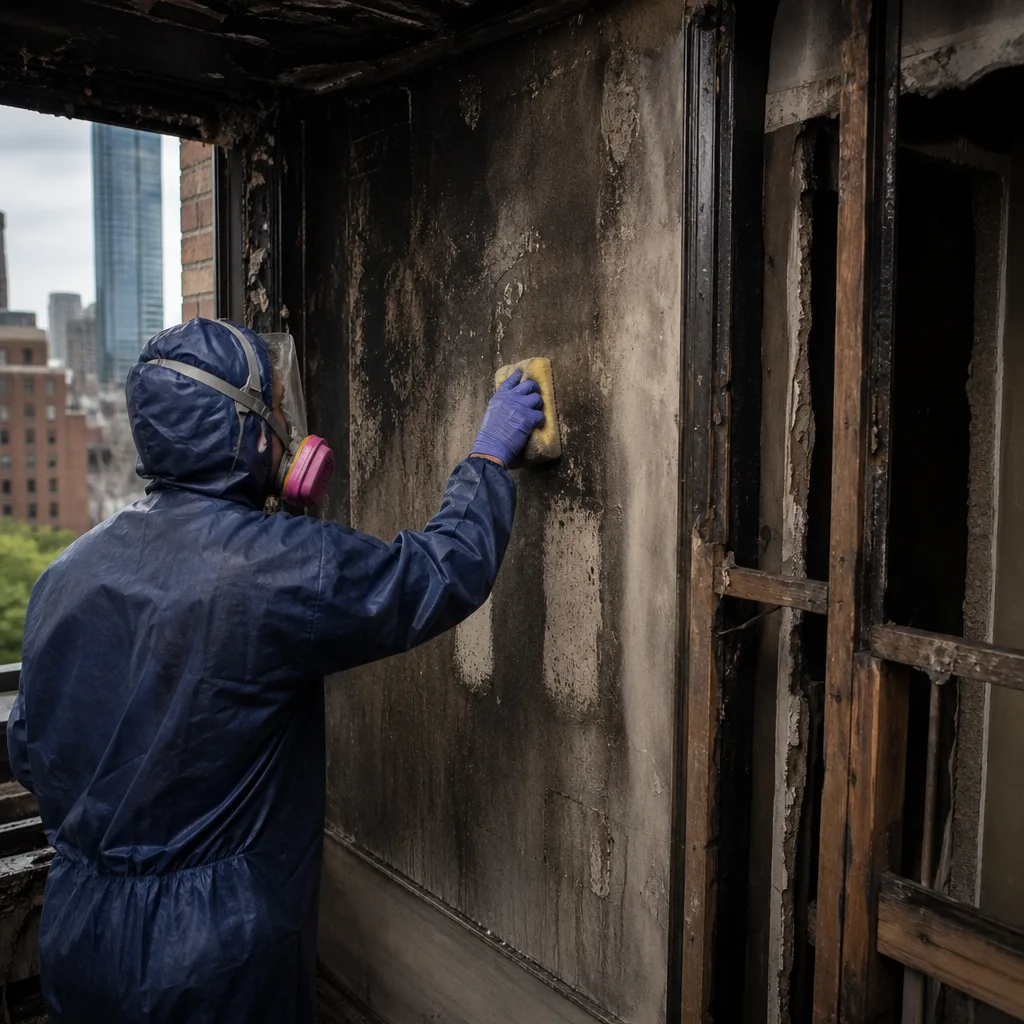
Debris Removal
Storm debris is not just trash; it is often contaminated. Floodwater-soaked materials carry Category 3 bacteria. Winds bring down branches that hide structural damage. We remove debris safely, document what was removed and why, and keep the property clear so drying and repair work can proceed. Your insurer sees it all in the scope.
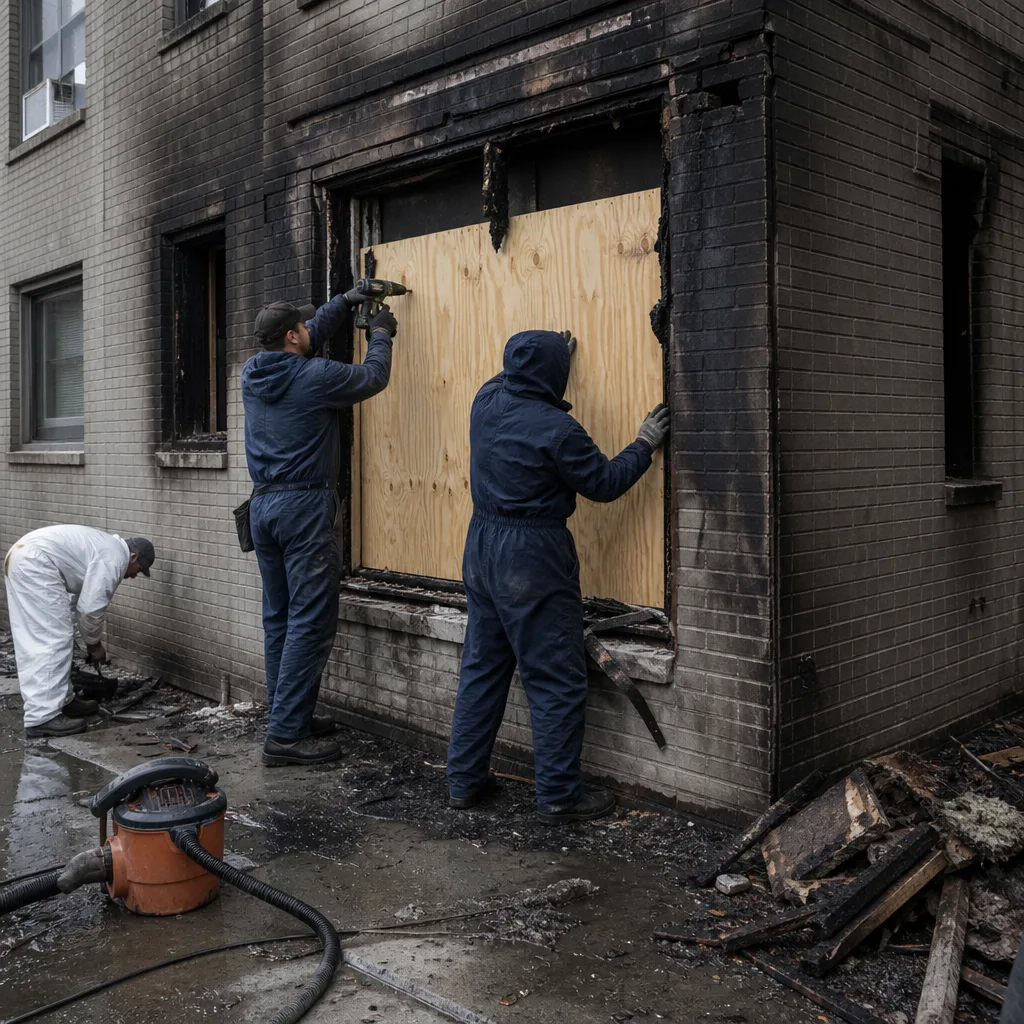
What happens when you call
- 1
A real person answersNo phone trees - you reach a local pro.
- 2
You get an upfront price rangeHonest numbers before anyone is dispatched.
- 3
A background-checked tech heads outLicensed & insured, dispatched right away.
- 4
You approve before work beginsNothing starts until you say go.
Storm & Disaster Restoration Costs in Weehawken, NJ
Storm restoration pricing in Weehawken depends on which tier of the township you are in and what the water touched. A straightforward upper-town basement pump-out with drying and sanitization typically runs $3,500 to $7,500. Full flood cuts, where drywall and insulation are removed, treated, and rebuilt, range from $8,000 to $18,000 in a standard row house. Port Imperial surge events are larger by nature. When a below-grade parking garage and elevator pit are involved, costs routinely exceed $25,000 and can reach six figures depending on structural exposure. Emergency board-up runs $400 to $1,200, roof tarping $500 to $1,800. The free visual inspection is the fastest way to get a firm number. Most storm damage is covered by insurance, and we bill your carrier directly. Call (518) 314-5660 and we will walk it with you.
We Also Serve Cities Near Weehawken
Our Storm & Disaster Restoration crews serve Weehawken and the surrounding Hudson County communities. That includes Union City, where dense multifamily housing shares the same party-wall dynamics; Hoboken, with its own flood-zone challenges; and North Bergen, where escarpment runoff and aging drainage systems keep our moisture meters busy. If you are in any of those towns and the water is rising, call us. We know the roads.
Weehawken Storm & Disaster Restoration Questions, Answered
How does brackish Hudson River surge during a nor’easter change the restoration approach in Port Imperial compared to a freshwater basement flood uptown?
Brackish surge is Category 3 water, contaminated and corrosive. It requires full containment, antimicrobial treatment, and controlled demolition of saturated materials. Freshwater basement seepage in upper-town row houses is usually Category 2, which can often be dried in place without demolition. The salt in surge water also attacks rebar, electrical conduits, and elevator components, so we document it separately in the scope of work for your insurer.
Why do upper-town Weehawken row houses get chronic basement water even when it’s not raining directly on them?
The Palisades escarpment funnels stormwater runoff down the cliff face and concentrates it in a narrow zone directly above the upper plateau. When heavy rain hits, that runoff saturates the hillside and pushes groundwater into basements from behind the foundation. It can keep weeping for days after the storm passes. We address this with ongoing dehumidification, drainage correction where feasible, and moisture mapping that shows the source, not just the symptom.
Do we need to document saltwater separately from other water categories when filing an insurance claim for a Port Imperial garage flood?
Yes. Insurers distinguish between Category 2 groundwater seepage and Category 3 brackish surge, and the difference determines what structural drying and corrosion remediation they will authorize. Saltwater intrusion corrodes rebar and electrical infrastructure on an accelerated schedule, and the scope of loss must say so explicitly. Our crews document saltwater separately in every moisture reading and scope line item, which means the claim is handled correctly the first time. Call (518) 314-5660 and we will show you what that looks like.
What’s the realistic timeline for restoring a Weehawken upper-town basement after a storm when the party wall is involved?
Figure three to seven days for extraction and structural drying, then another one to two weeks for rebuild if the party wall required opening. Party walls are the wild card. Water travels laterally through shared wall assemblies, and if the adjacent unit is also wet, both sides must be dried together or the moisture just comes back. We moisture-map both sides of the wall and keep daily readings until the dry standard is met on both. The 90-Day Done Right Promise applies to the whole job.
Can you board up a Port Imperial high-rise unit with custom glass and concrete finishes without damaging the frame?
Yes. Our board-up crews are trained to secure openings without drilling into custom window frames or concrete facade materials. We use pressure-fit and anchor-free methods where the building materials require it. Board-up on a luxury high-rise is not the same as boarding a rowhouse window, and we treat it that way. The goal is to stop water and keep the unit secure without adding restoration costs.
How fast can a certified crew actually get to my Weehawken property?
We commit to a 45-minute response window for storm and flood emergencies in Weehawken. Our dispatch is local and live around the clock. When you call, a person answers, a crew is assigned, and the truck rolls. For Port Imperial towers and upper-town row houses alike, extraction can be running the same visit. Call (518) 314-5660 and watch the clock.
What certifications do your Weehawken storm restoration crews hold?
Our technicians are background-checked, uniformed, and certified to IICRC, RIA, and IFA standards, with WRT certifications for water damage, FSRT for fire and smoke, and AMRT for microbial remediation. They are trained on professional-grade equipment from Dri-Eaz, Phoenix, XPOWER, B-Air, and Injectidry. The person reading your moisture map on day one is the same person logging readings on day five and rebuilding on day ten.
What should I do in the first 30 minutes after storm water enters my Weehawken home or building?
Call us at (518) 314-5660. Then, if it is safe, shut off electricity to affected areas and move valuables higher. Do not walk through standing water if there is any chance it came from the Hudson River; brackish surge carries contamination. Do not try to dry the space with a household fan. The first 30 minutes is when you decide whether this is a $4,000 mitigation or a $20,000 rebuild. A live dispatcher will talk you through it and have a crew on the way.
Serving Weehawken, NJ - Our Local Coverage Area
We’re based in the Weehawken area and know this community well. Use the map below to see our service coverage - if you’re nearby, we can almost certainly help.
One Township, Two Flood Risk Profiles
There is no other municipality in Hudson County like Weehawken. The Palisades escarpment splits the township into two fundamentally different storm damage realities within a single square mile. Down at Port Imperial, streets like River Road and the waterfront side of town sit in FEMA-designated Hudson River flood zones. Hurricane Sandy put brackish surge into underground parking garages, elevator pits, and mechanical rooms in the modern glass-and-concrete towers. That water does not behave like rainwater; it corrodes rebar, attacks electrical systems, and feeds mold on an accelerated schedule. Up on the plateau, past the curve of Park Avenue and up toward the Heights, the 1910s to 1950s brick row houses have a different enemy: stormwater sheeting down the cliff face, concentrating runoff, and pushing groundwater through basements from behind the foundation line. When our crew walked a Port Imperial garage that Sandy had filled with brackish Hudson water, we documented saltwater intrusion in every moisture reading and scope line. We isolated the flooded elevator pit and mechanical rooms with containment, then set Dri-Eaz and Phoenix air movers running aggressive structural drying. The insurer required that exact saltwater distinction before authorizing full corrosion remediation on the rebar and electrical infrastructure. The board later told us no other bid had separated the Category 3 brackish damage from the Category 2 groundwater seepage that also entered the lower level. That is the Weehawken split, and it is why a company that works both tiers with two separate playbooks is the one you want answering the phone.
Written by Curt Bowman, Owner at Floodline Restoration Co., serving Weehawken with storm and disaster restoration since 2010.