
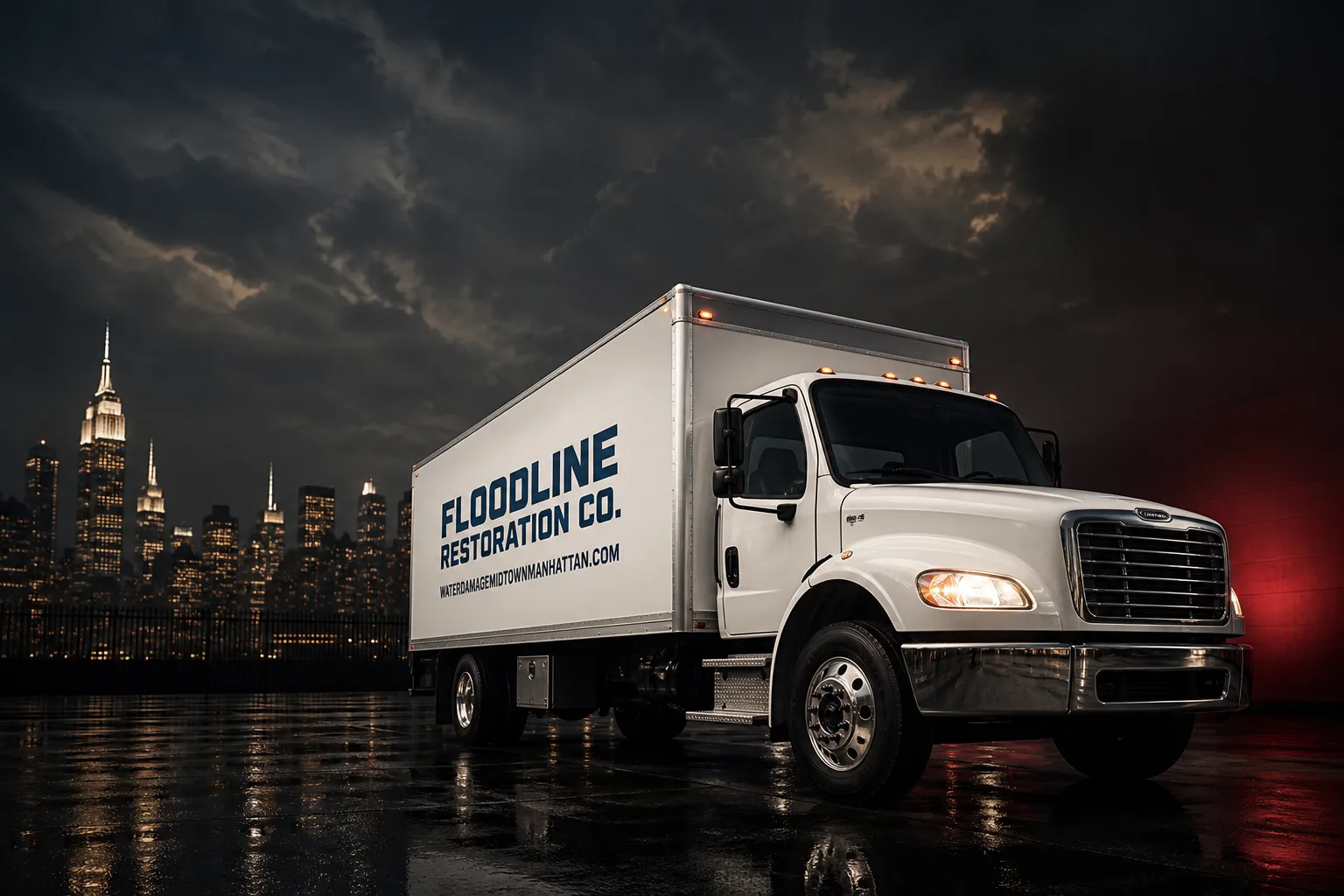
Free visual inspection and a written scope of work before any mitigation begins - photos, moisture readings, and drying logs go in your claim file
The scope we write is the scope we bill. Anything new gets shown to you, in writing, before we touch it.
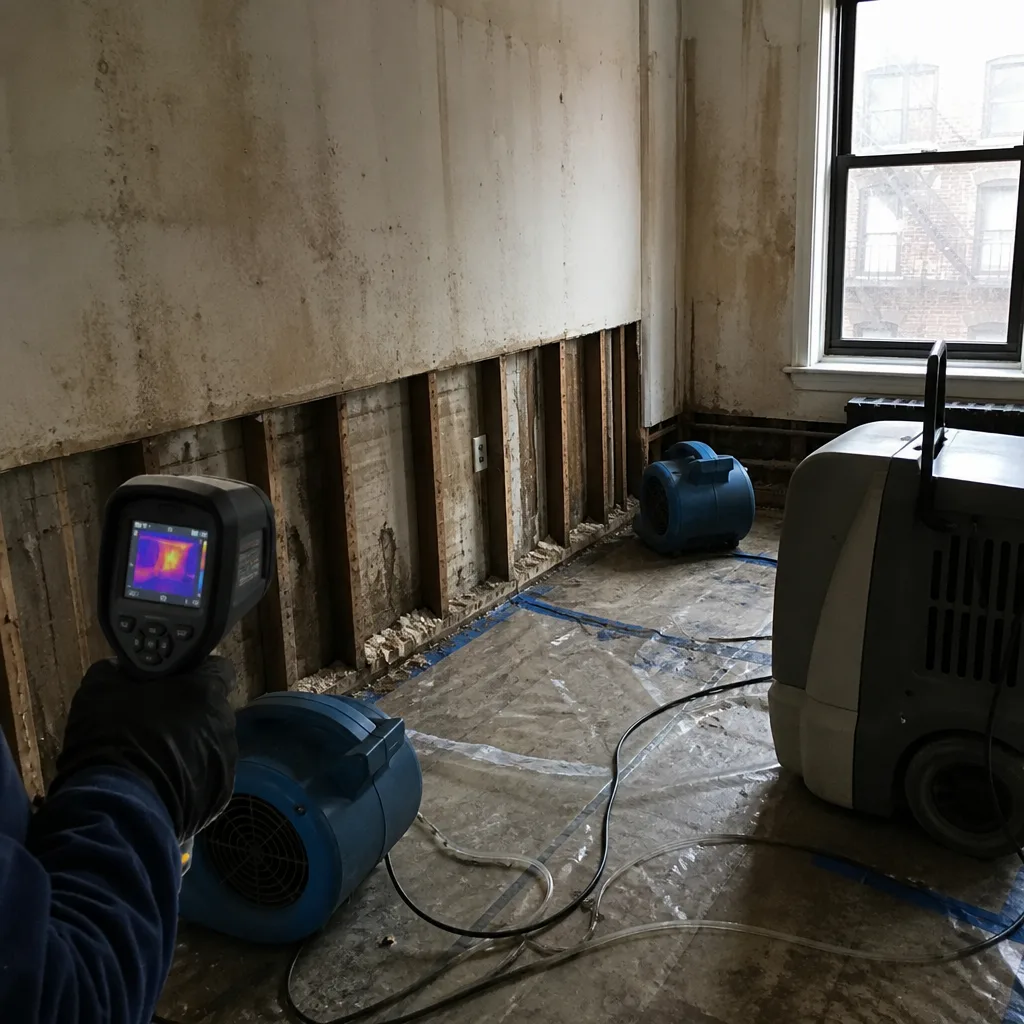 Before
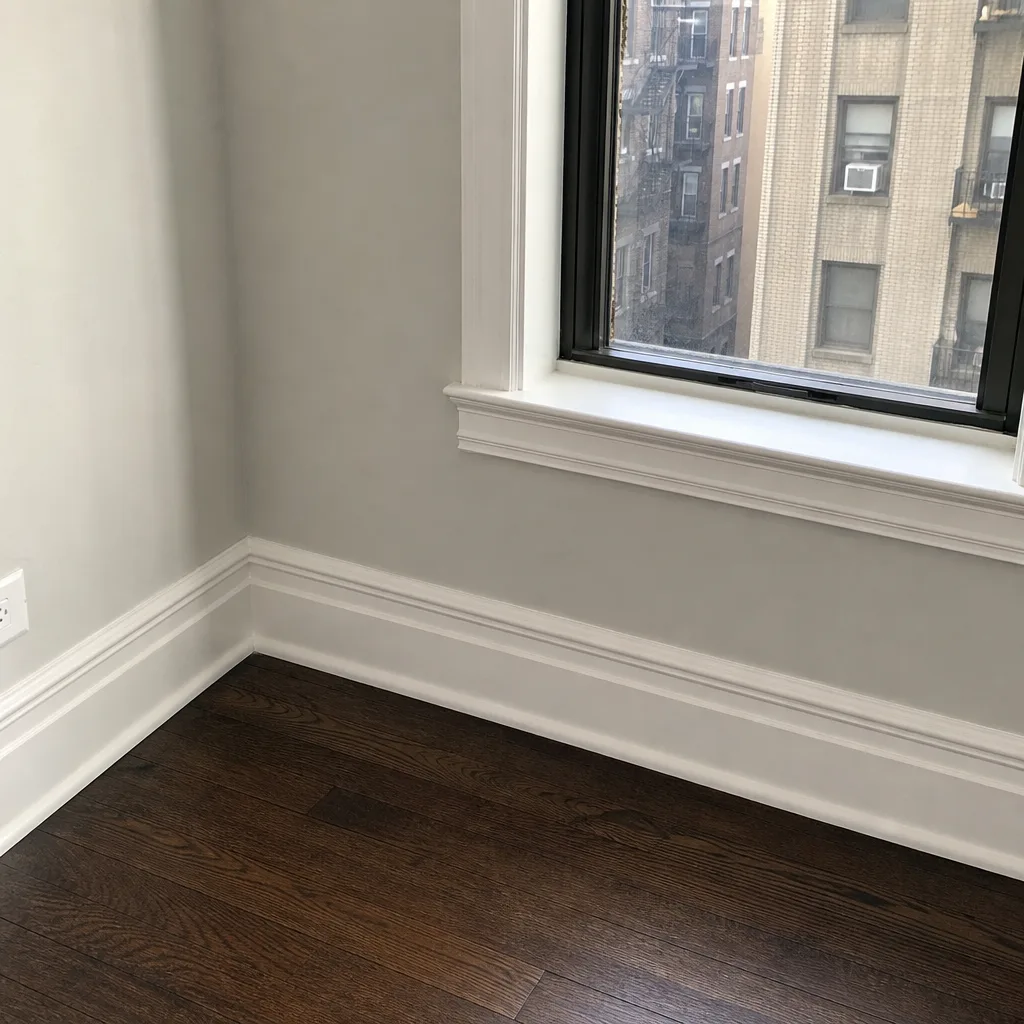 After
After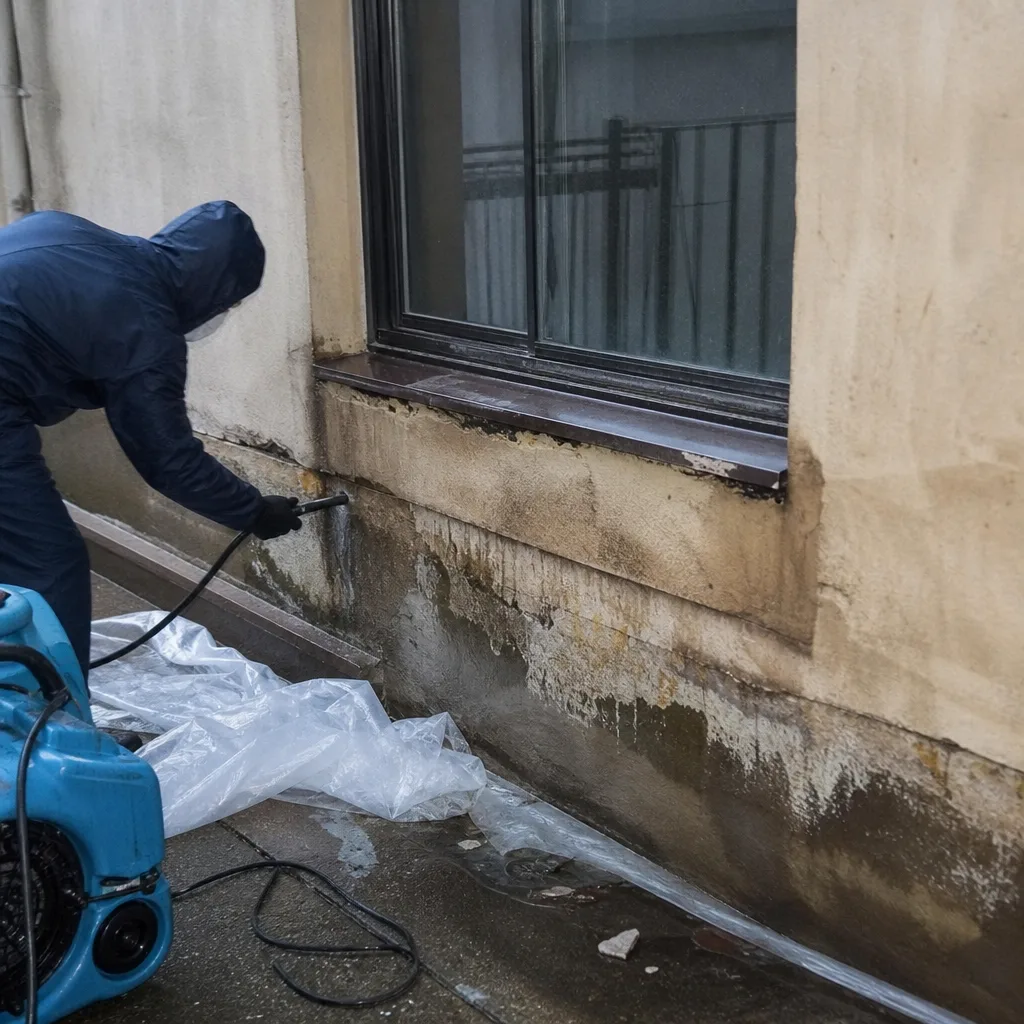 Before
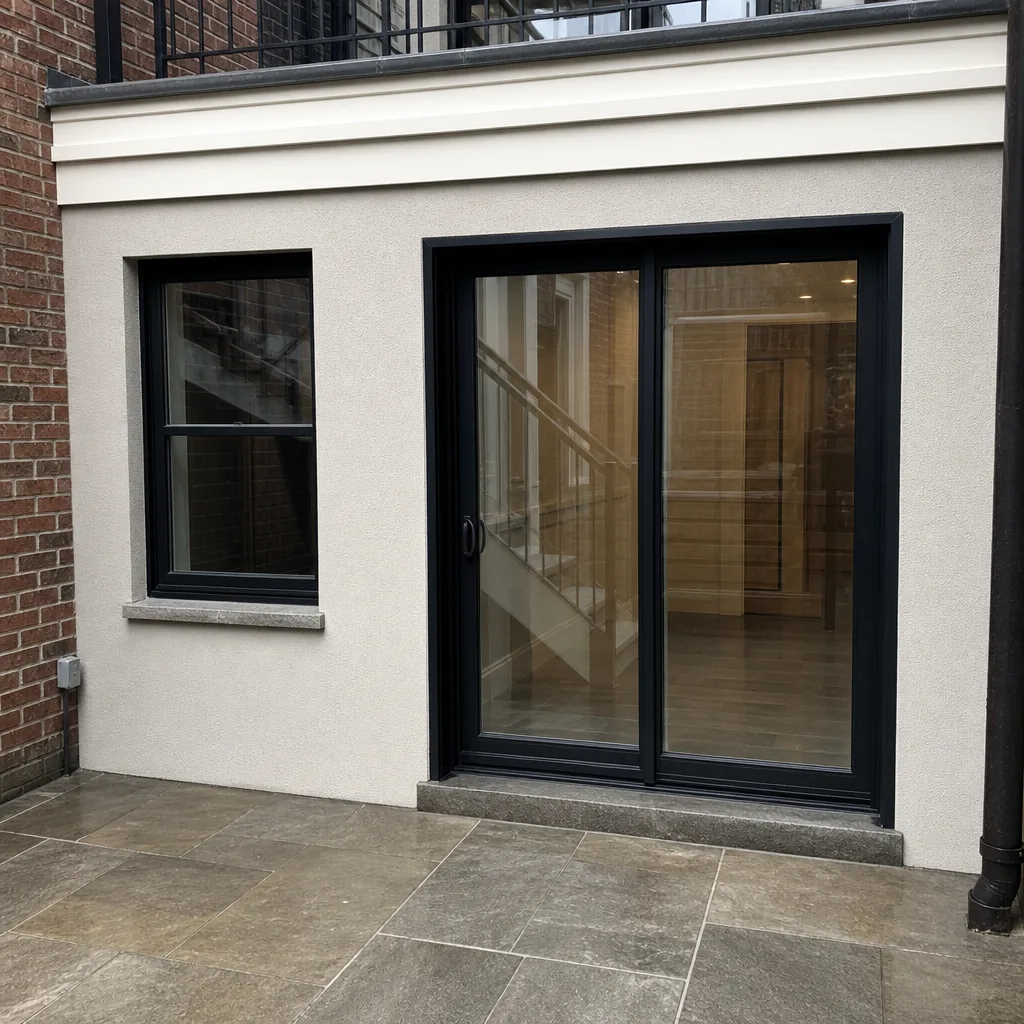 After
After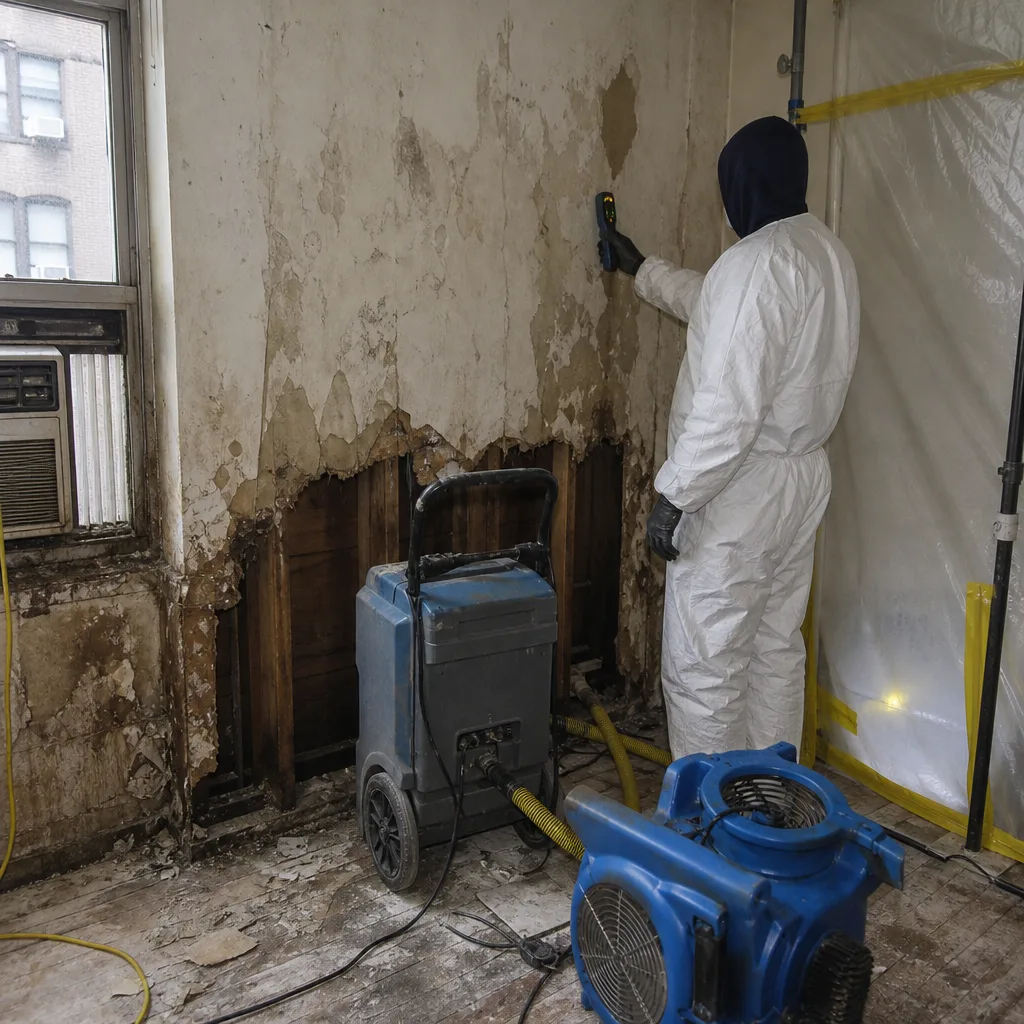 Before
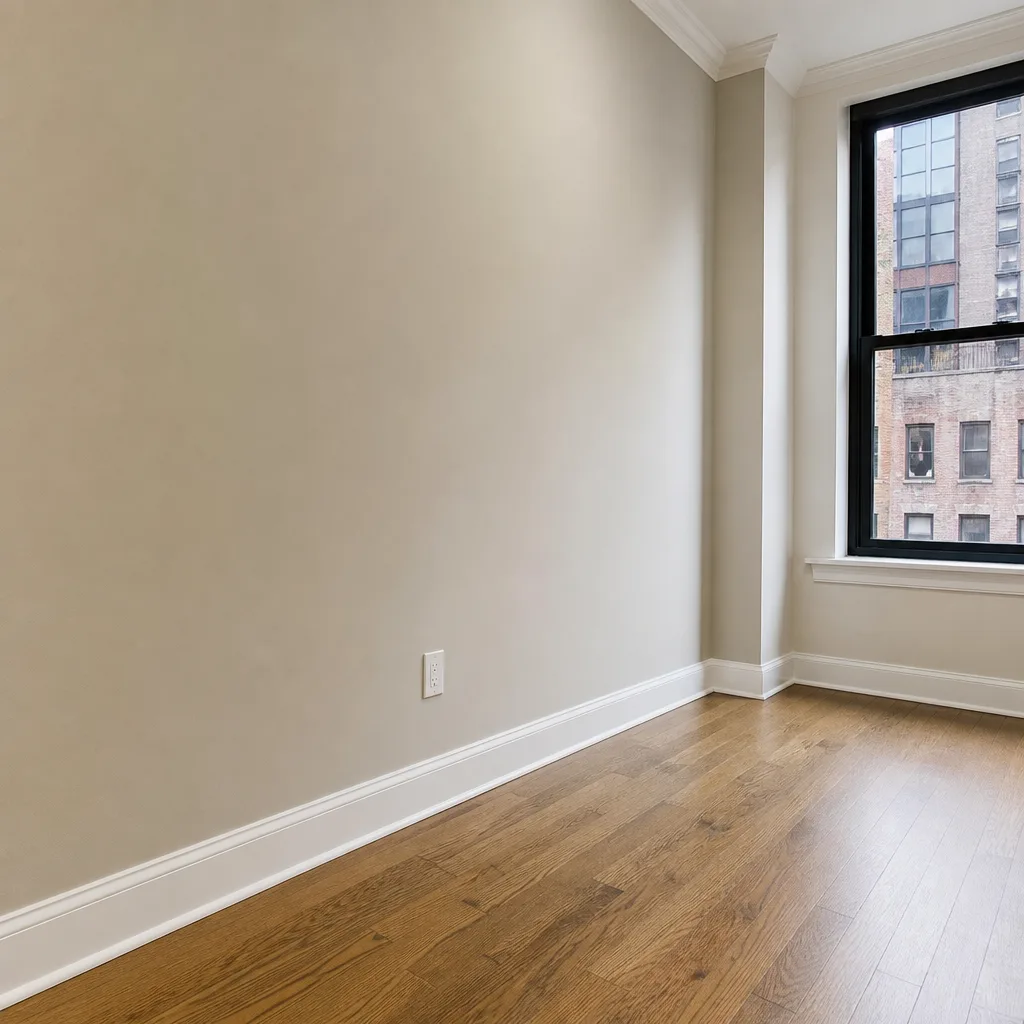 After
After24/7 Emergency Storm & Disaster Restoration in Upper Manhattan
Storm and disaster restoration in Upper Manhattan starts the moment you call (518) 314-5660. A live dispatcher answers, not a recording, and a certified crew gets dispatched toward your block whether it’s 2 a.m. in Inwood or the middle of a nor’easter rolling through Washington Heights. The first hour matters: water moving through interior air shafts in pre-war buildings spreads floor to floor faster than most owners realize, and every hour that passes means more plaster, flooring, and framing that has to come out. We send a crew the same visit, run extraction the same visit, and hand you a written scope before any repair work begins. If a storm just tore through Upper Manhattan, we’re already in the neighborhood.
Understanding Storm & Disaster Restoration Severity in Upper Manhattan Properties
Upper Manhattan’s housing stock is overwhelmingly pre-war: six-story tenements, walk-ups, and early elevator buildings built between roughly 1890 and 1945. That changes how storm damage behaves. A roof membrane failure in a 2005 mid-rise in Midtown behaves predictably: water stays on the top floor. In a 1927 Harlem walk-up, the same roof breach finds the building’s interior air shaft and carries water vertically through five or six floors before anyone notices a stain below the top unit. We classify water damage using the same Category 1, 2, and 3 framework every certified restoration company uses, but in Upper Manhattan the default assumption has to be that Category 1 storm water has already passed through Category 2 conditions by the time it crosses old plaster ceilings and fifty-year-old pipe chases. We map moisture with thermal imaging and hygrometers before we ever open a wall, because opening the wrong wall in a rent-stabilized building means delays, access disputes, and a job that grows while people argue. Wind damage works the same way: original casement windows from the 1930s fail at the frame, not the glass, and the wind-driven rain that follows moves through wall cavities and ceiling voids, invisible until the plaster sags or mold blooms. In Upper Manhattan, scoping the unit of origin without checking the roof, the shaft, and the neighboring apartments is how a $4,000 drying job becomes a $40,000 rebuild.
Why Upper Manhattan Property Owners Choose Floodline Restoration Co.
- 45-minute response commitment: A live dispatcher takes your call, crews are staged across Upper Manhattan, and we commit to having a certified technician on site within 45 minutes in storm conditions when it’s safe to travel.
- 24/7 live answer, every time: No automated system. A person answers at 2 a.m., asks where the water is coming from, and starts the dispatch. Floodline Restoration Co. has answered the phone this way since Curt Bowman founded the company in 2010.
- IICRC-certified crews: Our technicians hold WRT and FSRT certifications and train to RIA and IFA standards. They know Category 3 floodwater from Harlem River sewer backup needs antimicrobial treatment and containment, not just extraction.
- Free visual inspection: We look at the whole building, not just the wet room. In Upper Manhattan that means the roof, the air shaft, the hallway, and the units above and below.
- Direct insurance billing: We bill your carrier directly and handle adjuster communication, so you’re never playing messenger between your insurance company and the contractor.
- One team from extraction to rebuild: The same crew that reads the moisture map on day one handles daily readings, runs the logs, and rebuilds what needs rebuilding. No mid-job handoff to a “reconstruction partner” you’ve never met.
Our Storm & Disaster Restoration Process
Inspection & Assessment
We start at the roof and work down. In Upper Manhattan we check the roof membrane, the parapet flashing, the air shaft, and every unit sharing plumbing or vent stacks. Thermal imaging and moisture meters establish the full extent before we touch a wall.
Extraction/Stabilization
Standing water comes out first, using truck-mounted extraction where access allows and portable units in upper-floor apartments. We board up broken windows, tarp damaged roofing, and stop the water at its source before drying begins.
Drying & Dehumidification
We set containment per floor or per unit, place Dri-Eaz dehumidifiers and XPOWER air movers at each affected zone, and log moisture readings daily. Drying a six-story walk-up with air-shaft migration takes longer than a single-family basement flood, and we track it until the dry standard is met.
Cleaning & Sanitization
Storm water carrying soil, sewer backup, or wind-blown contaminants gets antimicrobial treatment. HEPA air scrubbers run during demolition and cleaning to keep plaster dust and mold spores from moving into unaffected units through shared hallways.
Specialty Treatment
For Category 3 water events, containment barriers and negative air pressure protect neighboring apartments. For wind damage, we assess framing, anchors, and latch failure before replacing doors and windows, matching the building’s architectural character where landmarks rules apply.
Repairs & Restoration
We rebuild what needs rebuilding: plaster repair, flooring replacement, electrical work, kitchen and bath restoration. The crew that did the drying does the rebuild, so the job has one accountable team from first extraction to final punch list.
Need Emergency Storm & Disaster Restoration in Upper Manhattan Now?
Crews minutes away, answering live 24 hours a day. The sooner we start, the less it costs.
Working With Your Insurance Company
Storm damage claims in Upper Manhattan get complicated fast: one event can touch five apartments, two landlords, three insurance carriers, and a NYC Department of Buildings permit queue. We handle the documentation from the first hour so nothing gets missed. We photograph every affected room, log moisture readings daily, and write a line-item scope that your adjuster can verify against industry-standard pricing. We speak directly with your carrier, attach drying logs to the claim, and push for coverage on the full scope, not just the visible damage. Direct insurance billing means the carrier pays us for covered work, and you see a clear scope before commitment. The 90-Day Done Right Promise stands behind every job we complete in Upper Manhattan.
What We Provide Your Insurer
- Thorough documentation of the loss
- Photos of all damage, room by room
- Moisture readings and drying logs
- A detailed, line-item scope of work
- Direct coordination with your carrier
Built for Upper Manhattan’s Loss Calendar
Upper Manhattan’s storm damage calendar follows a rhythm that local building owners already know. January deep freezes burst supply lines in unheated stairwells and basement storage rooms, sending water down through tenement floors before anyone finds it. Spring thaw complicates things: melting snow and heavy rain push groundwater into sub-grade foundations, and low-lying streets near the Harlem River in East Harlem see sump pump failures and sewer backup. Summer convective storms are the big one. Short, intense downpours overwhelm the combined sewer system, and basement and garden-level units across the neighborhood flood, a pattern Hurricane Ida made painfully clear in September 2021. Fall brings nor’easters with sustained winds that test aging roof membranes and original casement windows. The problem isn’t the calendar. It’s that Upper Manhattan’s building stock was built before modern drainage, modern roofing, and wind-rated fenestration existed. We plan our response around this calendar, and we scope every job assuming the water traveled further than it looks.
Storm & Disaster Restoration Across Upper Manhattan’s Neighborhoods
Washington Heights runs from 155th Street to around Dyckman, and much of its housing stock dates to the 1920s and 1930s. The interior air shaft problem is most acute here: six-story brick elevator buildings with narrow vertical voids that act as chimneys for water and wind-driven debris. Inwood’s pre-war walk-ups near Fort Tryon Park face similar air-shaft issues, compounded by steep topography and wind exposure along the ridge. Harlem’s brownstones and tenements bring a different set of problems: aging cast-iron plumbing stacks, flat-roof membranes, and garden-level apartments below street grade that flood during every major summer storm. East Harlem’s low-lying blocks near the Harlem River are the first to take sewer backup during convective storms, and NYCHA towers concentrated there present their own access and containment challenges. Along the commercial corridors, Amsterdam Avenue and Broadway storefronts with basement storage take water through old coal chutes and sidewalk vaults. We know these blocks, and we send crews with an understanding of what each building type is likely to hide behind its walls.
Specialized Storm & Disaster Restoration Services We Offer in Upper Manhattan
Storm Damage Cleanup
Wind-driven rain, roof failures, and debris impact leave behind soaked plaster, ruined flooring, and contaminated surfaces. We remove the wet material, contain the affected area, and dry the structure to standard. Our Storm & Disaster Restoration team handles everything from ceiling collapse to full-unit pack-out, always starting with the building’s exterior shell and working inward.
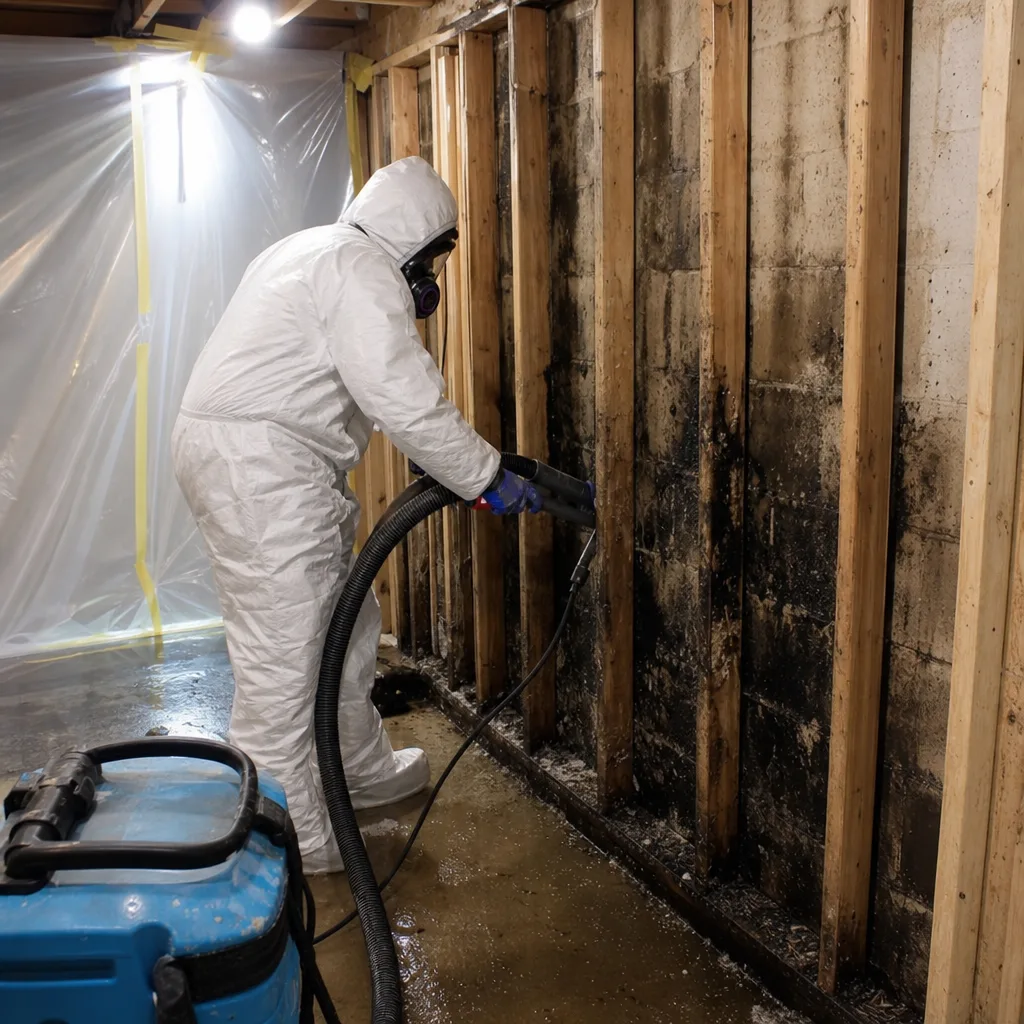
Flood Damage Restoration
Basement and garden-level flooding in East Harlem and low-lying blocks near the Harlem River brings Category 3 water into living spaces. That requires antimicrobial treatment, containment, and full drying, not just extraction. We carry the same crew through the whole sequence: extract, treat, dry, rebuild.
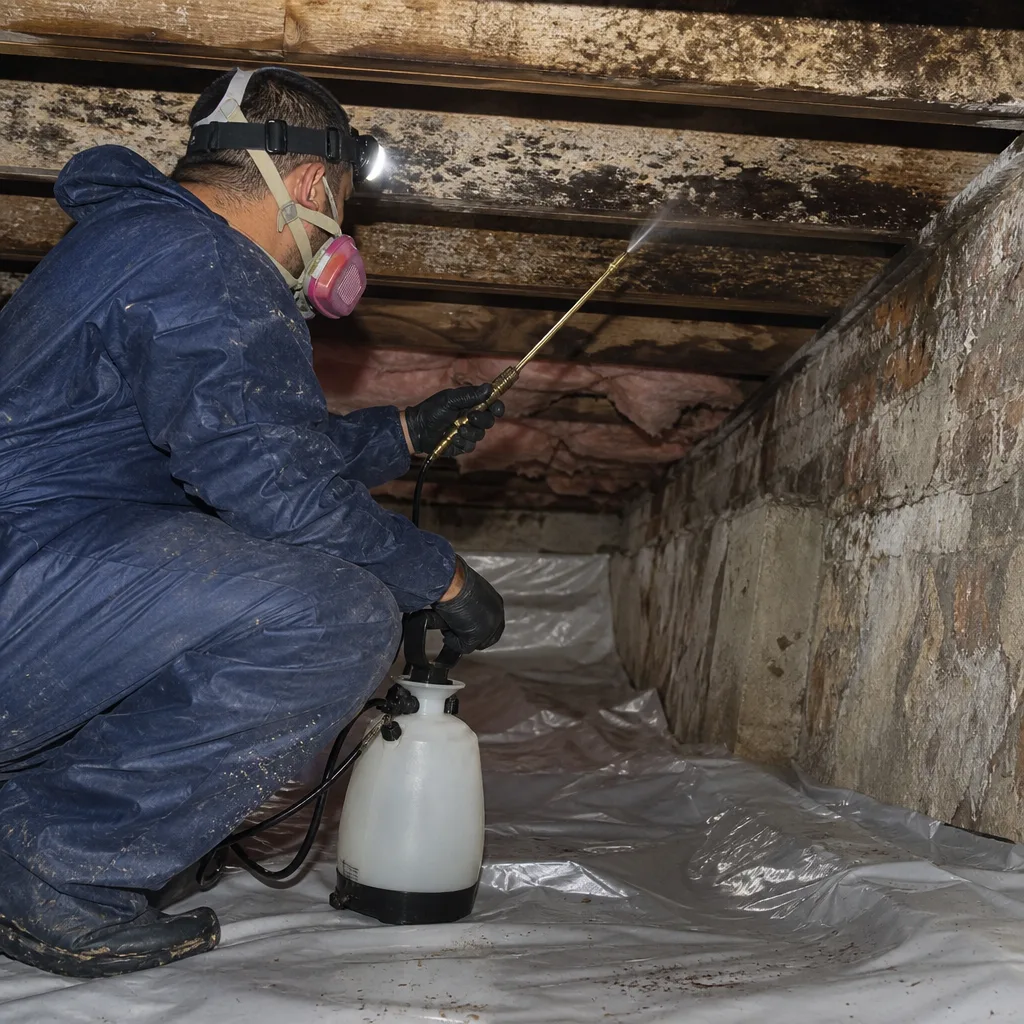
Emergency Board-Up
A blown-out window on the sixth floor of a Washington Heights walk-up is an invitation for rain, pests, and worse. We board and secure openings the same visit, using code-compliant materials that satisfy NYC Department of Buildings requirements for occupied buildings.
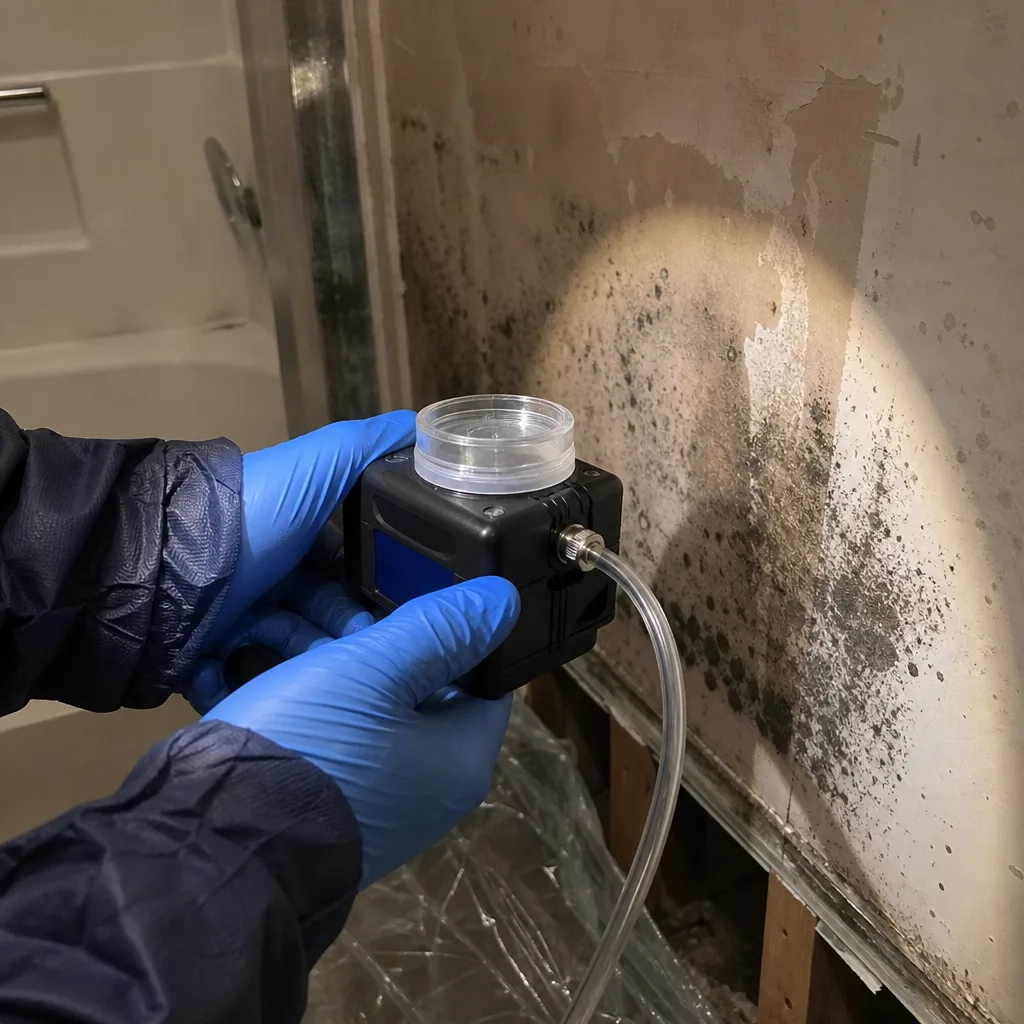
Roof Tarping
When wind rips a roof membrane on a pre-war building, the damage compounds every time it rains. We tarp and stabilize the roof before interior work begins, buying time for permanent repairs without letting more water into the air shaft below.
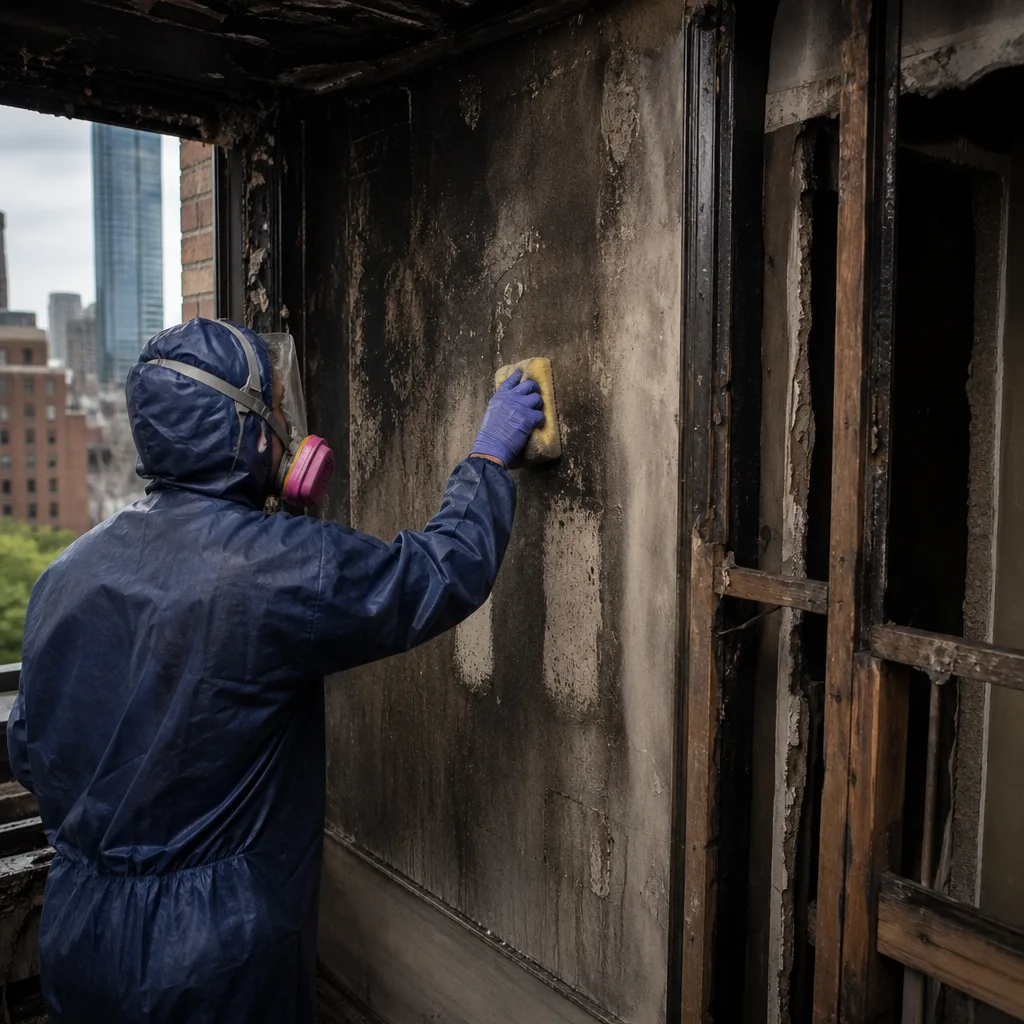
Debris Removal
Wind events put branches, glass, shingles, and worse in yards, on rooftops, and against entry doors. We clear debris, photograph the damage for your claim, and secure the site before it becomes a liability.
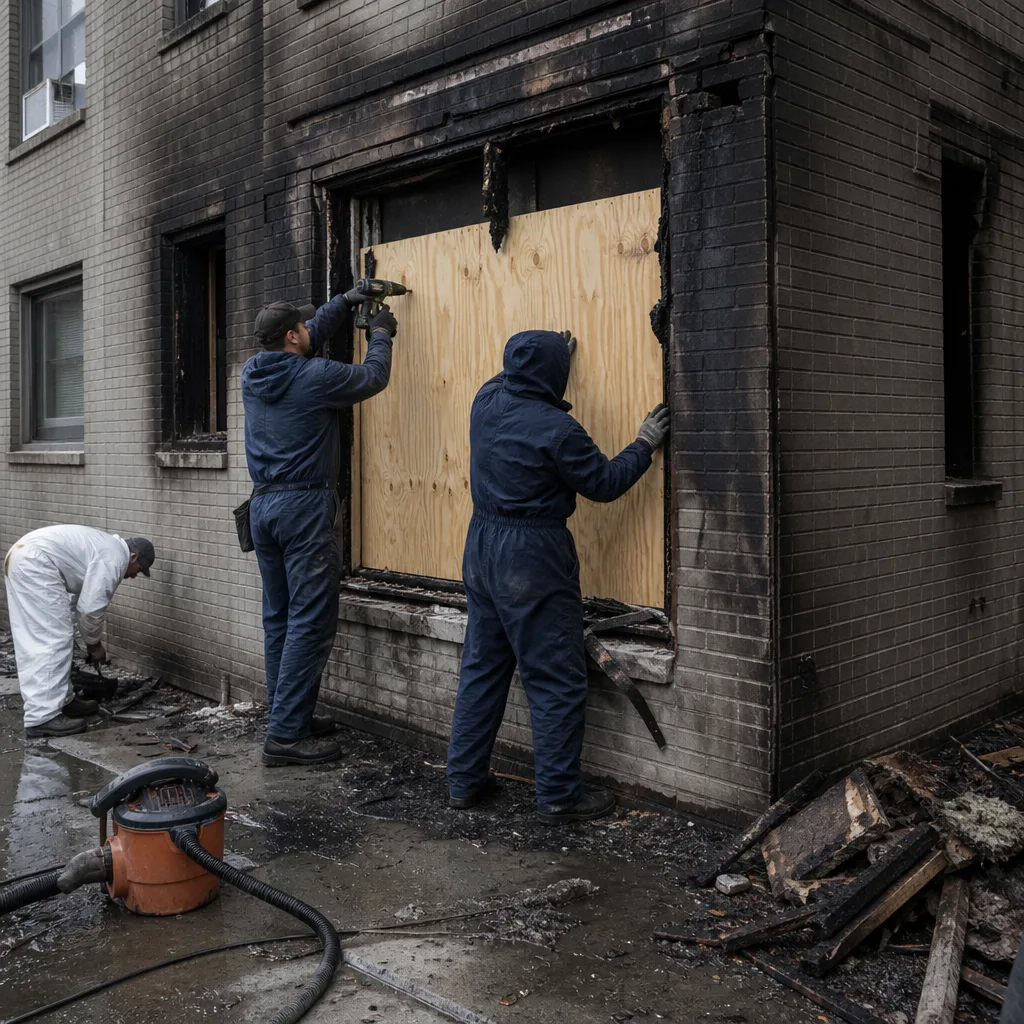
What happens when you call
- 1
A real person answersNo phone trees - you reach a local pro.
- 2
You get an upfront price rangeHonest numbers before anyone is dispatched.
- 3
A background-checked tech heads outLicensed & insured, dispatched right away.
- 4
You approve before work beginsNothing starts until you say go.
Storm & Disaster Restoration Costs in Upper Manhattan, NY
Upper Manhattan pricing has to account for what’s behind the walls. A simple single-room water extraction and dry-out in a wood-frame house on Long Island might run $1,500 to $2,500. In Upper Manhattan, the same apparent damage in a pre-war tenement typically runs $3,500 to $7,500 because the moisture has moved through plaster, lathe, and multiple stories. Roof tarping after a wind event runs $800 to $1,800 depending on access and parapet height. Emergency board-up runs $300 to $900 per opening. Interior air-shaft mitigation, where we open and dry each affected floor, regularly reaches $12,000 to $25,000 across a single shaft. Wind damage repair, including a new pre-hung door or replacement casement windows, starts around $1,200 per opening and climbs with historic district requirements and landmark review. Insurance typically covers the bulk of storm damage in Upper Manhattan, but coverage depends on the cause: sewer backup generally requires a specific endorsement, and flood damage from rising water is a separate FEMA policy. Call (518) 314-5660 for a free visual inspection and a written scope. No estimate, no commitment.
We Also Serve Cities Near Upper Manhattan
Our crews dispatch across the surrounding neighborhoods, including Midtown Manhattan, Midtown West, Murray Hill, and Washington Square. If your building sits just south of the Upper Manhattan boundary, we’ll be there the same day.
Upper Manhattan Storm & Disaster Restoration Questions, Answered
How do interior air shafts in Washington Heights tenements affect storm damage restoration scoping?
Interior air shafts in Washington Heights tenements act as vertical conduits, carrying wind-driven rain and water from a single roof breach into every unit sharing the shaft. Scoping has to start at the roof and trace the water path floor by floor, because the unit where damage first appears is rarely the only one affected. We bring ladders to the roof, check the parapet and flashing, and map moisture in hallways and adjacent units before touching the visible damage. If the shaft isn’t addressed, the job comes back as mold and plaster failure within a few months. Call (518) 314-5660 and we’ll scope it right the first time.
What are the NYC Department of Buildings permit triggers for wind-rated door and window replacement after a storm in Upper Manhattan?
Replacing a full door or window assembly in an Upper Manhattan building generally requires a NYC Department of Buildings permit, and work in designated historic districts or on landmarks may require Landmarks Preservation Commission review. Simple glass replacement and same-size in-kind repairs are often performed without a full permit, but any change to the opening size, structural anchoring, or fenestration rating triggers compliance review. We handle the permit paperwork and coordinate the inspections as part of the restoration scope, so the repair doesn’t stall waiting on a filing. Call (518) 314-5660 to get a written scope that includes permits.
Does Hurricane Ida-scale flooding in East Harlem basement apartments require different restoration protocols than a roof leak?
Yes, fundamentally different. Hurricane Ida-scale flooding in East Harlem brings Category 3 water: sewer backup, street runoff, and drainage that carries bacteria, chemicals, and waste. That water requires full containment, antimicrobial treatment, and removal of porous materials like drywall, carpet, and insulation that cannot be sanitized. A roof leak is usually Category 1 or 2 water and can often be dried in place without demolition. We don’t treat these the same way, and a contractor who does is cutting corners. Call (518) 314-5660 for a proper Category 3 response.
How do you handle simultaneous multi-apartment water damage in a rent-stabilized pre-war building during storm season?
We set containment per unit, not per building. Water moving through an air shaft or roof failure affects multiple apartments, and each has to be dried, documented, and coordinated separately with the tenant, the landlord, and the relevant insurance carriers. Our crews work floor by floor, log moisture readings per unit, and communicate with property management so tenants know the schedule. We’ve run jobs across five or six contiguous units in Upper Manhattan during storm season, and the key is treating each unit as its own loss while understanding the building as one interconnected system. Call (518) 314-5660 for a response that manages both.
What is the typical timeline for structural drying in a six-story Upper Manhattan walk-up after storm water enters through an air shaft?
Plan on five to ten days of active drying for a six-story walk-up after air-shaft water migration. Plaster and lathe hold moisture far longer than drywall, and each floor’s relative humidity has to come down before we declare the structure dry. We run Dri-Eaz dehumidifiers and XPOWER air movers on every affected landing, take daily moisture readings with a documented log, and won’t release the drying equipment until the dry standard is met. Rushing this timeline leads to mold and a much larger rebuild later. Call (518) 314-5660 to start the clock now.
How fast can you actually reach an Upper Manhattan address during a storm?
We commit to a 45-minute on-site response when conditions allow safe travel. Our crews stage equipment and personnel across Upper Manhattan specifically because storm events are the busiest times, and we’ve built our dispatch around a board, not a sales desk. When flooding closes streets near the Harlem River, we route around it. When the call comes at 2 a.m., a live person answers and starts the dispatch immediately. Call (518) 314-5660 and we’ll be there when we say.
Will my insurance cover storm and flood damage in Upper Manhattan?
Wind and storm damage, including roof failure, falling debris, and window blowouts, is generally covered under standard homeowners and building insurance policies. Flood damage from rising water, including Hurricane Ida-scale basement flooding, requires a separate FEMA flood policy, and sewer backup requires a specific endorsement on most policies. We bill your carrier directly, document the loss thoroughly from the first hour, and coordinate with your adjuster so the claim reflects the true scope. For Upper Manhattan buildings with multiple affected units, we coordinate across all the policies involved. Call (518) 314-5660 and we’ll help you sort the coverage picture before work begins.
What should I do in the first 30 minutes after a storm damages my Upper Manhattan apartment?
Shut off the water if you can safely reach the valve, move small valuables out of the wet area, and take photos with your phone before moving anything. Do not enter standing water in a basement or garden-level unit if there’s any chance it’s sewer backup. Do not open walls or lift carpet. Then call (518) 314-5660. A live person answers, asks where the water is coming from, and starts the response. What you do in the first 30 minutes determines how much of the building we can save, and waiting to “see if it dries” in a pre-war building is how small leaks become full-shaft remediation jobs.
Serving Upper Manhattan, NY - Our Local Coverage Area
We’re based in the Upper Manhattan area and know this community well. Use the map below to see our service coverage - if you’re nearby, we can almost certainly help.
One Call Starts the Response
Storm and disaster restoration in Upper Manhattan doesn’t wait for business hours, and neither do we. A live dispatcher answers (518) 314-5660 around the clock. We’ll get a crew moving toward your block, scope the building properly starting at the roof or the air shaft, and hand you a written plan before any repair commitment. The 90-Day Done Right Promise backs every job, the estimate is free, and we bill your carrier directly. If the storm hit tonight, call now. The line the water left is where we start.
Written by Curt Bowman, Owner at Floodline Restoration Co., serving Upper Manhattan with full-cycle storm and disaster restoration since 2010.