
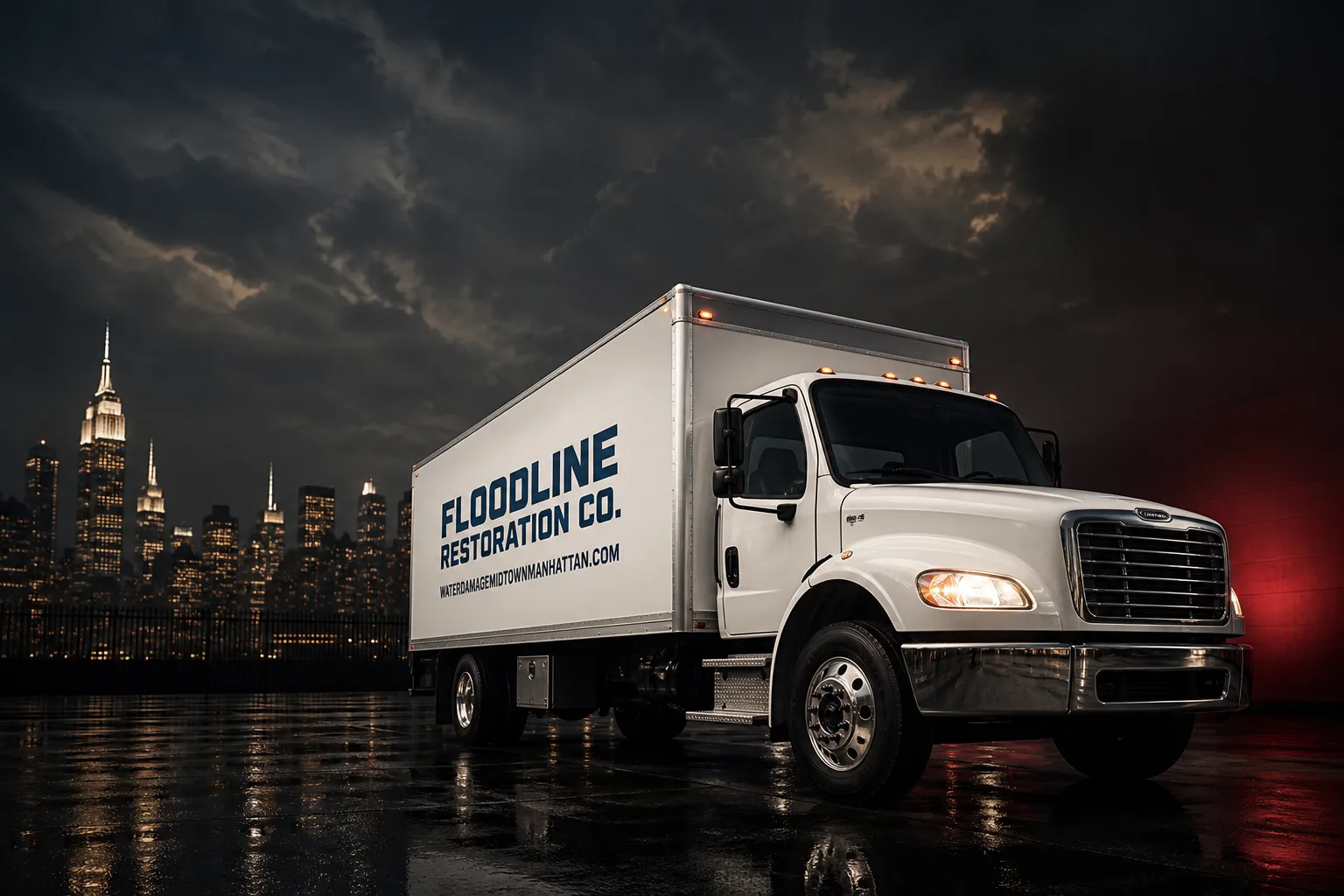
Free visual inspection and a written scope of work before any mitigation begins - photos, moisture readings, and drying logs go in your claim file
The scope we write is the scope we bill. Anything new gets shown to you, in writing, before we touch it.
 Before
 After
After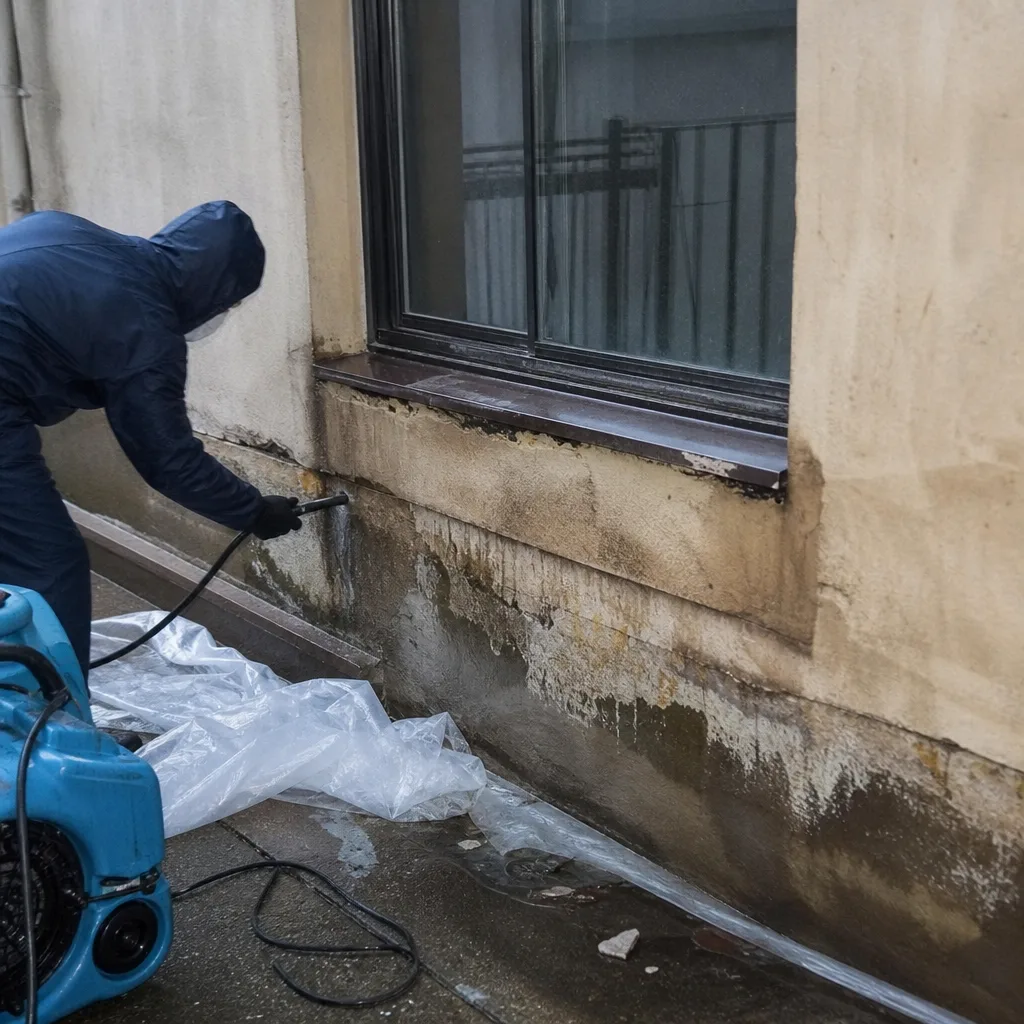 Before
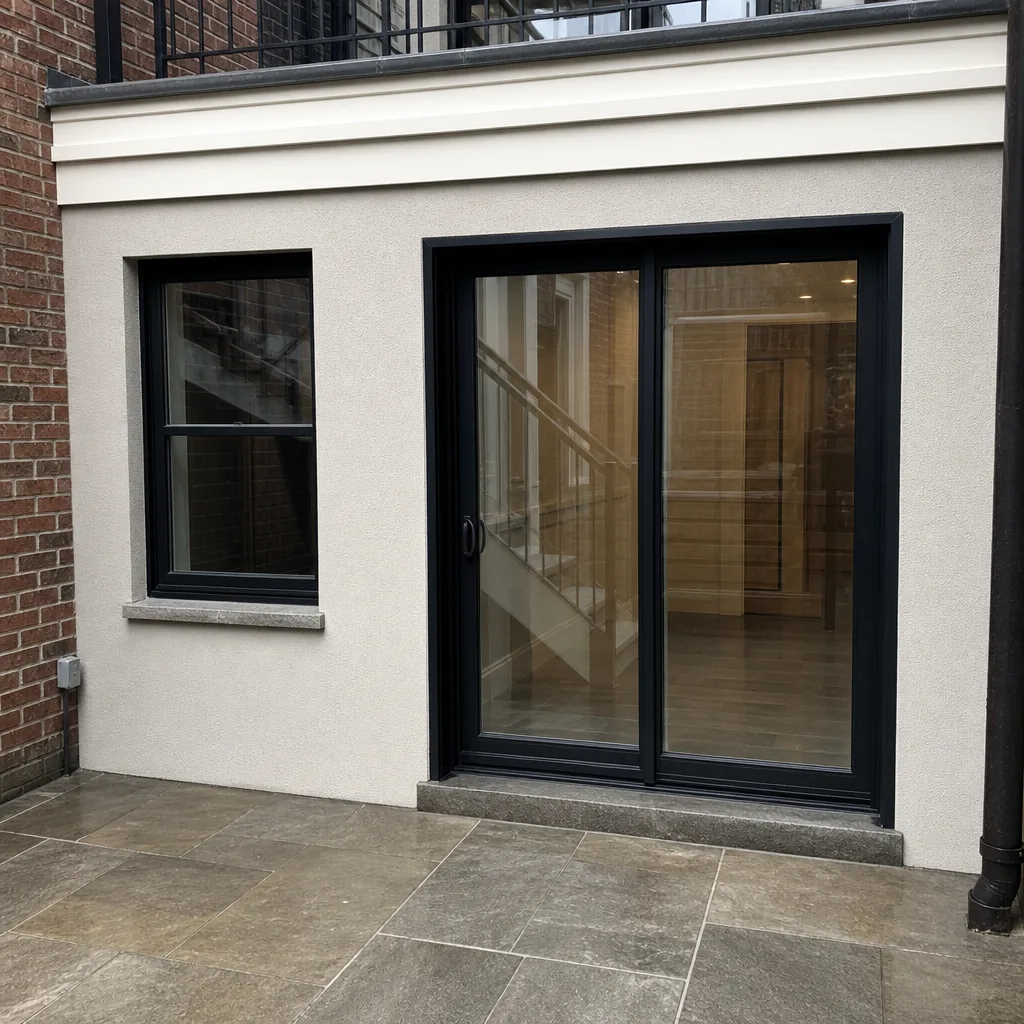 After
After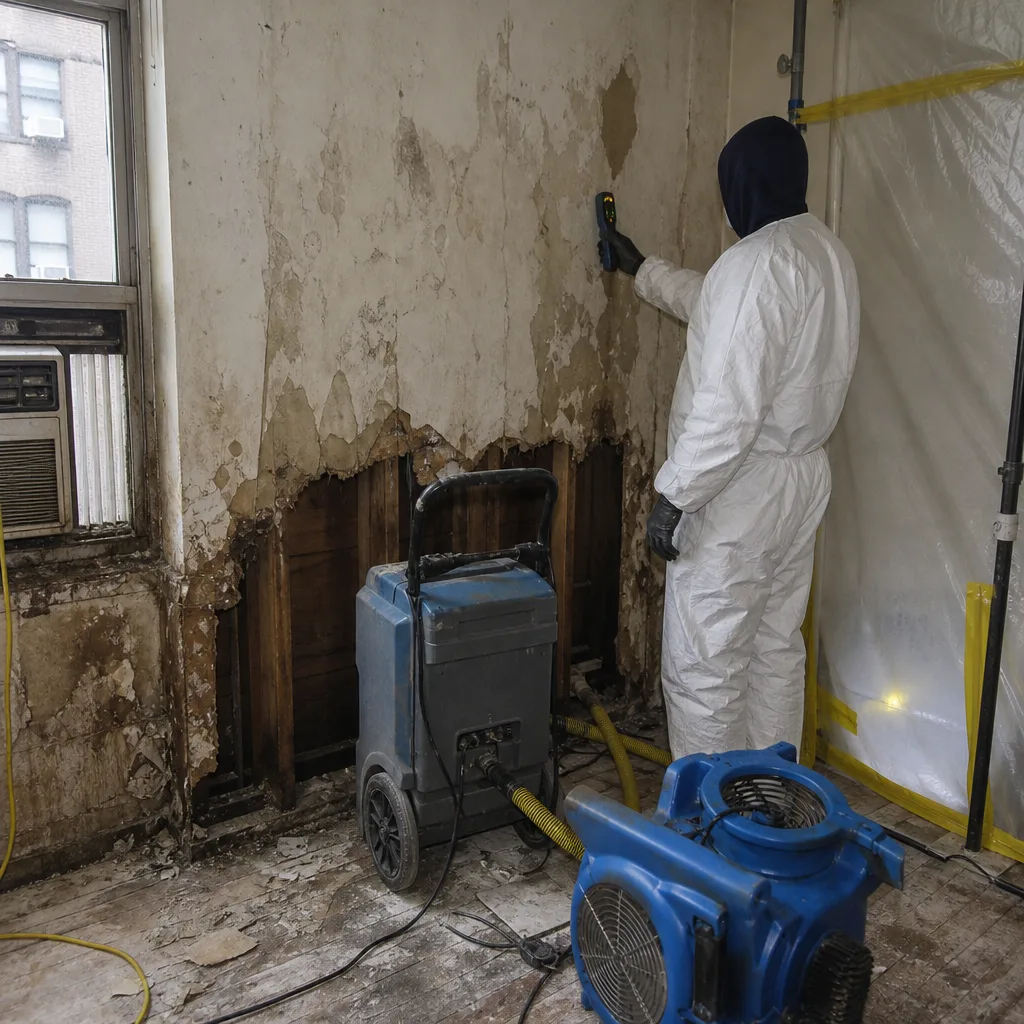 Before
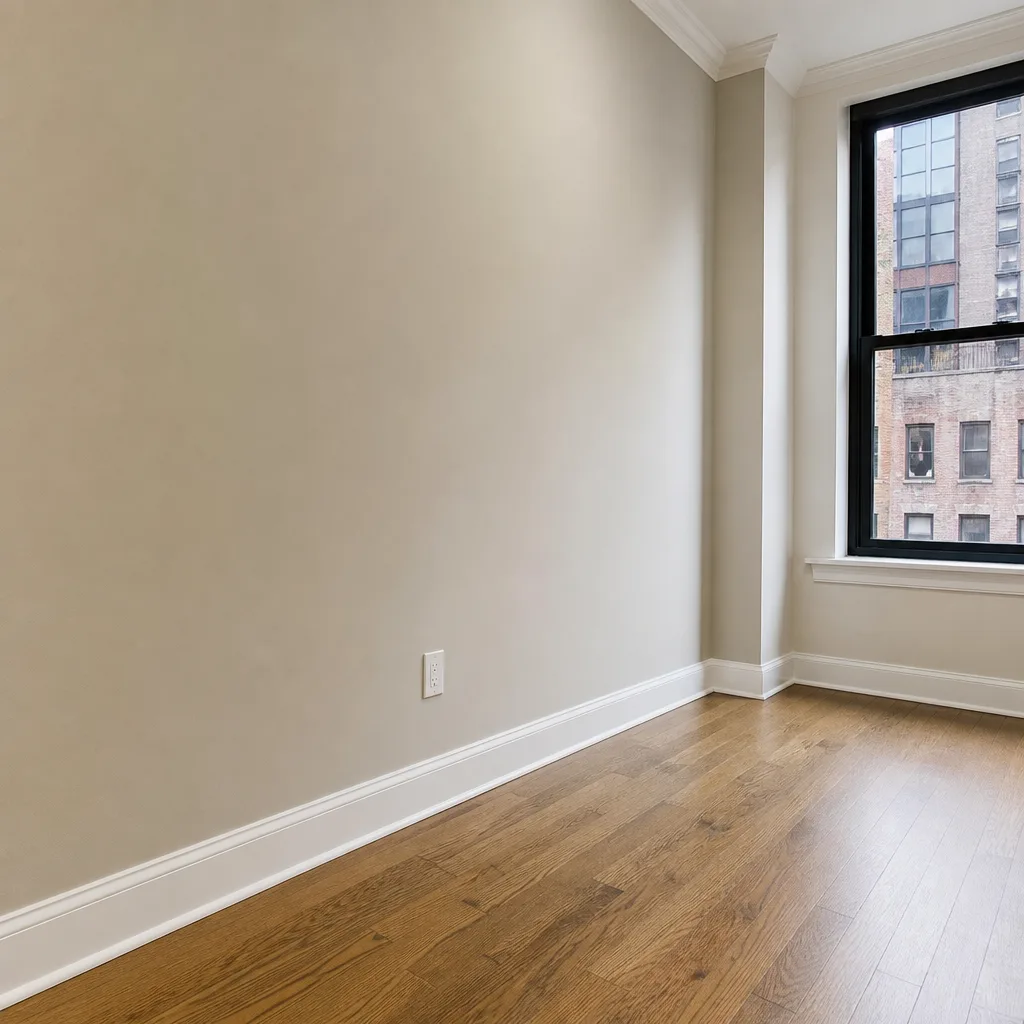 After
After24/7 Emergency Sewage Cleanup in Upper Manhattan
We answer the phone at 2 a.m. with a real person, not a recording, and we dispatch certified crews into Washington Heights, Inwood, Harlem, East Harlem, and every other corner of Upper Manhattan around the clock. Sewage cleanup in Upper Manhattan typically begins within 45 minutes of your call to (518) 314-5660, because Category 3 water doesn’t wait, and neither do we. The first hour determines whether you’re dealing with a contained cleanup or contamination that has wicked through walls, flooring, and the shared air shafts common in this borough’s pre-war buildings. Our team arrives with professional-grade extraction equipment and a moisture map from day one, so you’ll see exactly what we see, in writing, before any work begins.
Understanding Sewage Cleanup Severity in Upper Manhattan Properties
Sewage is classified by restoration professionals as Category 3 water: grossly contaminated, carrying bacteria, viruses, parasites, and whatever else the city’s combined sewer system pushed back through the drain. This is not a mop-and-bucket situation. In Upper Manhattan’s housing stock, the severity compounds fast. Six-story tenements in Harlem and Washington Heights, built between 1890 and 1945, share vertical waste stacks. One backup on the ground floor can push contaminated water up through floor drains and shower pans into apartments two or three levels above. Original cast-iron plumbing in these buildings has been corroding for close to a century, and when it fails, it fails under pressure. We classify water on arrival, contain the affected area before we touch anything, and run moisture mapping to determine how far the contamination has traveled. In buildings with interior air shafts, which are common in Inwood’s 1920s brick walk-ups, sewage odor and humidity move vertically through the shaft and stain walls in units that never saw standing water. You cannot scope a job like this from the unit of origin alone, and any restoration company that tries is leaving contamination behind.
Why Upper Manhattan Property Owners Choose Floodline Restoration Co.
- 45-minute response commitment to any address in Upper Manhattan, from Sherman Creek to Fort George, with live dispatch 24 hours a day.
- A live person answers every call, at every hour. You will never navigate a phone tree during a sewage emergency.
- Background-checked, uniformed technicians certified to IICRC WRT, FSRT, and AMRT standards for water, fire, and mold restoration.
- A free visual inspection with no obligation, so you get a clear write-up of what needs to happen before any work is approved.
- Direct insurance billing. We document everything, communicate with your adjuster, and you never play messenger between Floodline and the carrier.
- One crew from first extraction to finished reconstruction. We’re Sewage Cleanup specialists who also rebuild, so nobody hands your home off mid-job.
Our Sewage Cleanup Process
Inspection & Assessment
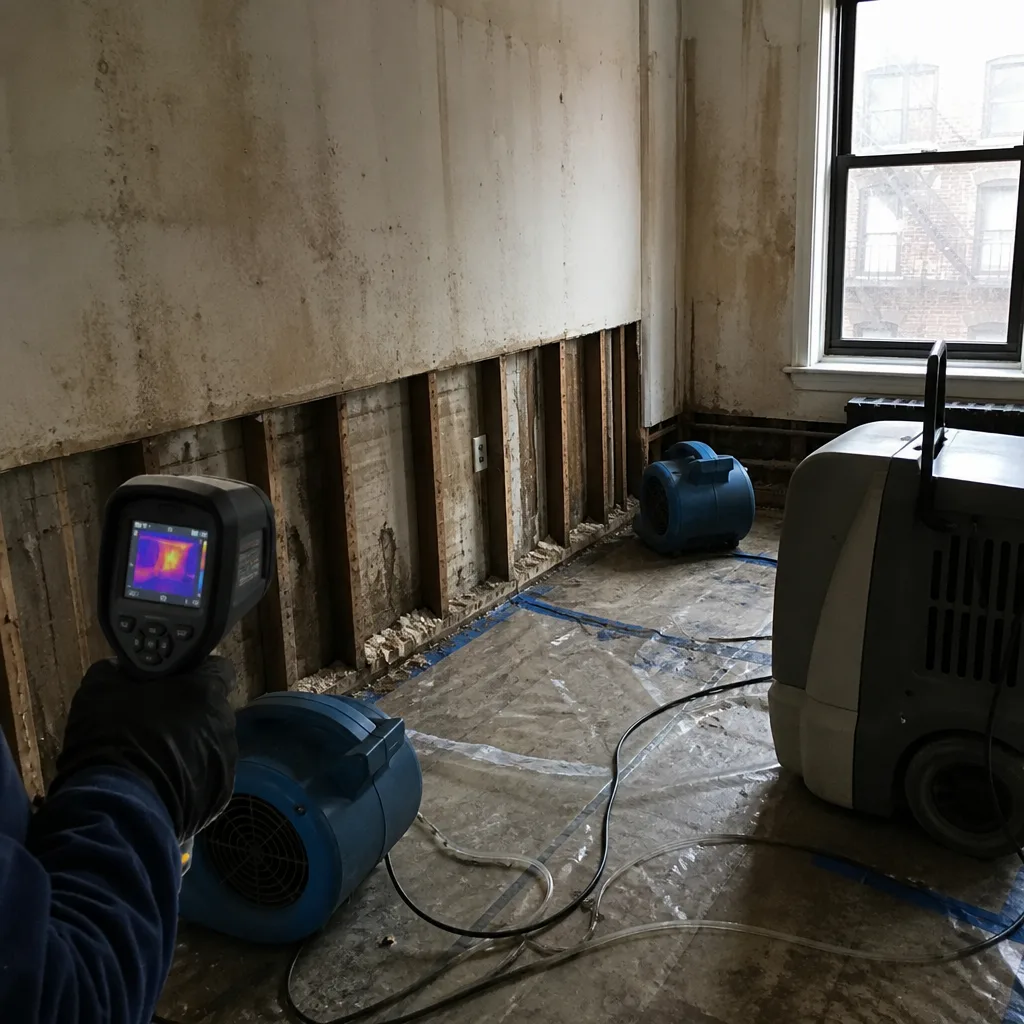
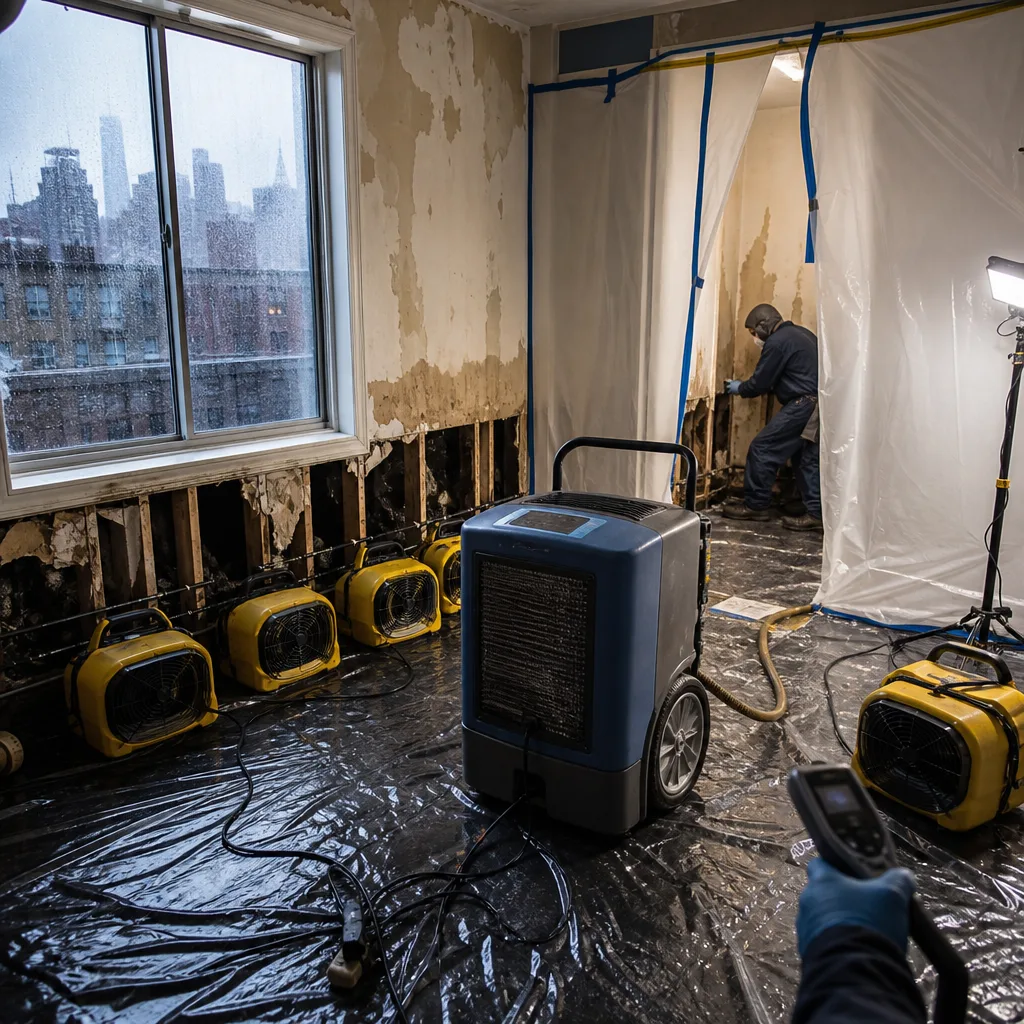
We arrive, identify the source, and classify the water. Thermal imaging shows us how far moisture has traveled behind walls and under flooring, even in apartment buildings where neighbors above and below are affected. We walk you through a written scope of work before anything else happens.
Extraction & Stabilization
Black water comes out first, using truck-mounted and portable extraction units. In garden-level and basement units near the Harlem River, this stage often means removing sewage-saturated debris and shutting off affected plumbing stacks.
Drying & Dehumidification
We stage Dri-Eaz and Phoenix dehumidifiers with XPOWER air movers to drive moisture out of building materials. Daily hygrometer readings are logged and shared with you and your carrier until the dry standard for your building type is met.
Cleaning & Sanitization
Antimicrobial treatment and HEPA air scrubbing follow extraction. In pre-war buildings with asbestos-containing pipe insulation, we coordinate with NYC DEP-licensed abatement specialists before any structural drying begins behind walls or ceilings.
Air Shaft & Cavity Treatment
For Inwood and Washington Heights buildings with interior air shafts, we inspect the shaft at each floor level, treat the shared cavity, and verify odor migration has stopped before sealing the work area.
Repairs & Restoration
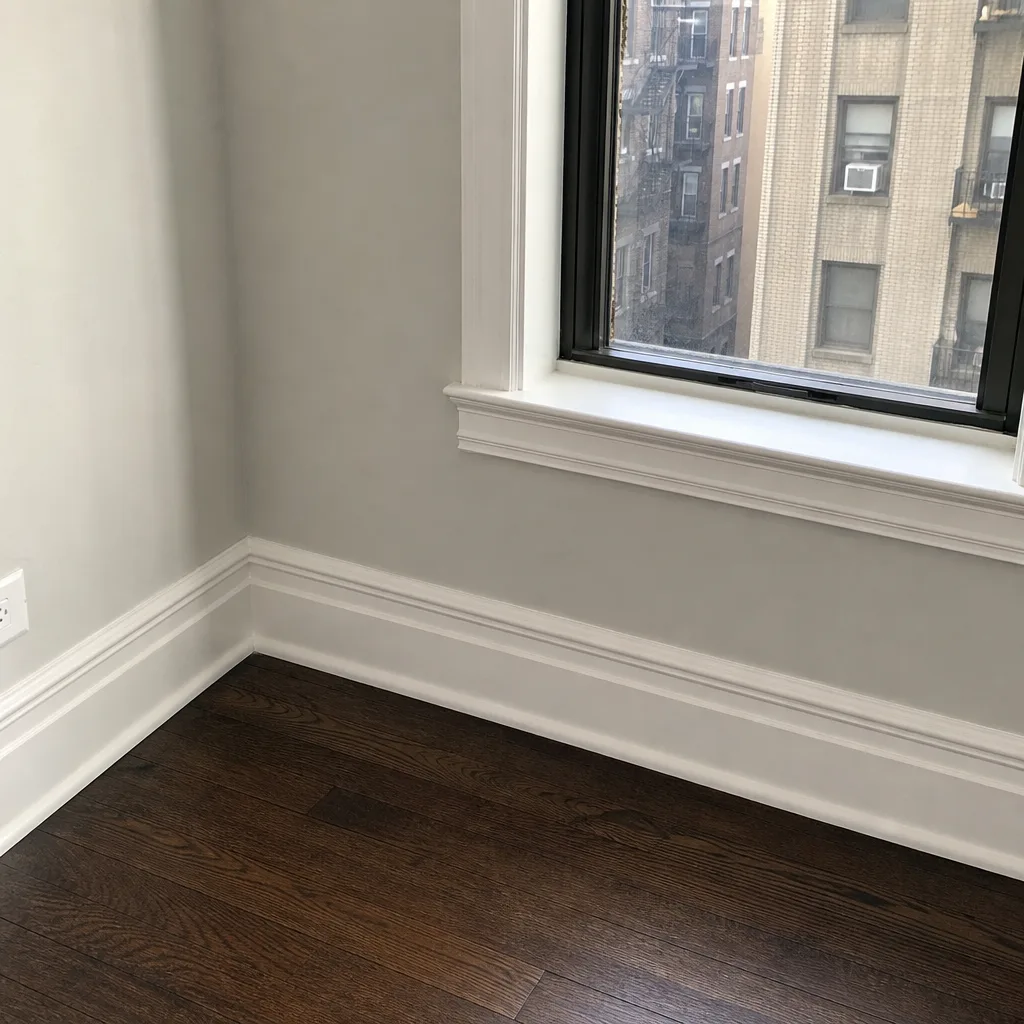
The same crew that extracted the sewage rebuilds drywall, flooring, and trim. You’re not handed off to a subcontractor who never saw the initial damage. Our 42-year reputation means the work is done right, and it’s backed in writing by the 90-Day Done Right Promise.
Need Emergency Sewage Cleanup in Upper Manhattan Now?
Crews minutes away, answering live 24 hours a day. The sooner we start, the less it costs.
Working With Your Insurance Company
Sewage backup claims in Upper Manhattan almost always involve more than one policy. The unit owner’s policy may cover contents and betterments, while the building’s master policy covers common infrastructure, and the landlord’s carrier covers the cavity between them. We’ve handled this exact situation on Audubon Avenue after a sewer main backup, coordinating with the managing agent and multiple carriers simultaneously. From the first hour, we document the loss exactly as your insurer needs to see it: photo by photo, room by room, with moisture readings dated and logged. Our line-item scope of work follows industry-standard estimating software, so your adjuster can review it without a fight. In rent-stabilized buildings, where multiple tenants and the owner all have standing, clear documentation protects everyone.
What We Provide Your Insurer
- Thorough documentation of the loss
- Photos of all damage, room by room
- Moisture readings and drying logs
- A detailed, line-item scope of work
- Direct coordination with your carrier
Built for Upper Manhattan’s Loss Calendar
Upper Manhattan’s sewage backup season runs hardest between June and September, when intense convective storms overwhelm the combined sewer system along the Harlem River. East Harlem’s low-lying blocks, and Inwood’s streets near the river, are the first to see basement and garden-level flooding during these events. Hurricane Ida in September 2021 turned dozens of basement apartments in this area into standing pools of Category 3 water in under an hour. But the calendar doesn’t stop there. January deep freezes snap aging cast-iron waste lines in unheated crawl spaces and exterior walls throughout Manhattanville and Hamilton Heights. Spring thaw releases snowmelt into sump pits and floor drains that may have been dormant all winter. And the sharp elevation change between Washington Heights’ ridge and the valley floor means two buildings on the same block can have completely different flood exposure profiles. We stage crews accordingly, and we answer the phone whether it’s a nor’easter at 3 a.m. or a thunderstorm at rush hour.
Sewage Cleanup Across Upper Manhattan’s Neighborhoods
Response routes matter in Upper Manhattan, where dense residential blocks, one-way streets, and bridge traffic off the Harlem River Drive can add twenty minutes to a dispatch. We know the grid. In Washington Heights, we’re on Fort Washington Avenue and Broadway inside half an hour, reaching five- and six-story pre-war walk-ups where sewage backups often start at the lowest floor drain and travel upward through the shared waste stack. In Inwood, so many buildings along Sherman Avenue and Seaman Avenue sit within blocks of the Harlem River that storm-driven sewer backups are a known June-to-September event, not a surprise. East Harlem’s NYCHA towers and older tenements around 116th Street present multi-party claim scenarios: the city owns the building, the state regulates the leases, and the resident needs a restoration crew that knows how to work with agency adjusters. Central Harlem’s brownstones and converted townhouses often conceal old trap lines and compromised cast-iron under the basement slab, which fail differently than the vertical stacks in larger buildings. Hamilton Heights and Manhattanville carry the same pre-war patterns, but with the added complication of steep grade changes: a backup on one block might flow downhill through party walls to the next street over. We route crews from Red Hook through Sugar Hill, so a call from 155th Street gets the same 45-minute response as one from Dyckman.
Specialized Sewage Cleanup Services We Offer in Upper Manhattan
Sewage Backup Cleanup
When the city’s combined sewer system backs up through floor drains in a Hamilton Heights basement, the water is Category 3 and the clock is running. We extract, contain, and decontaminate, but in Upper Manhattan we also map how far the sewage traveled through shared building cavities. A backup in the cellar often presents as a stain on the first-floor hallway of the same building, not the unit where it started.
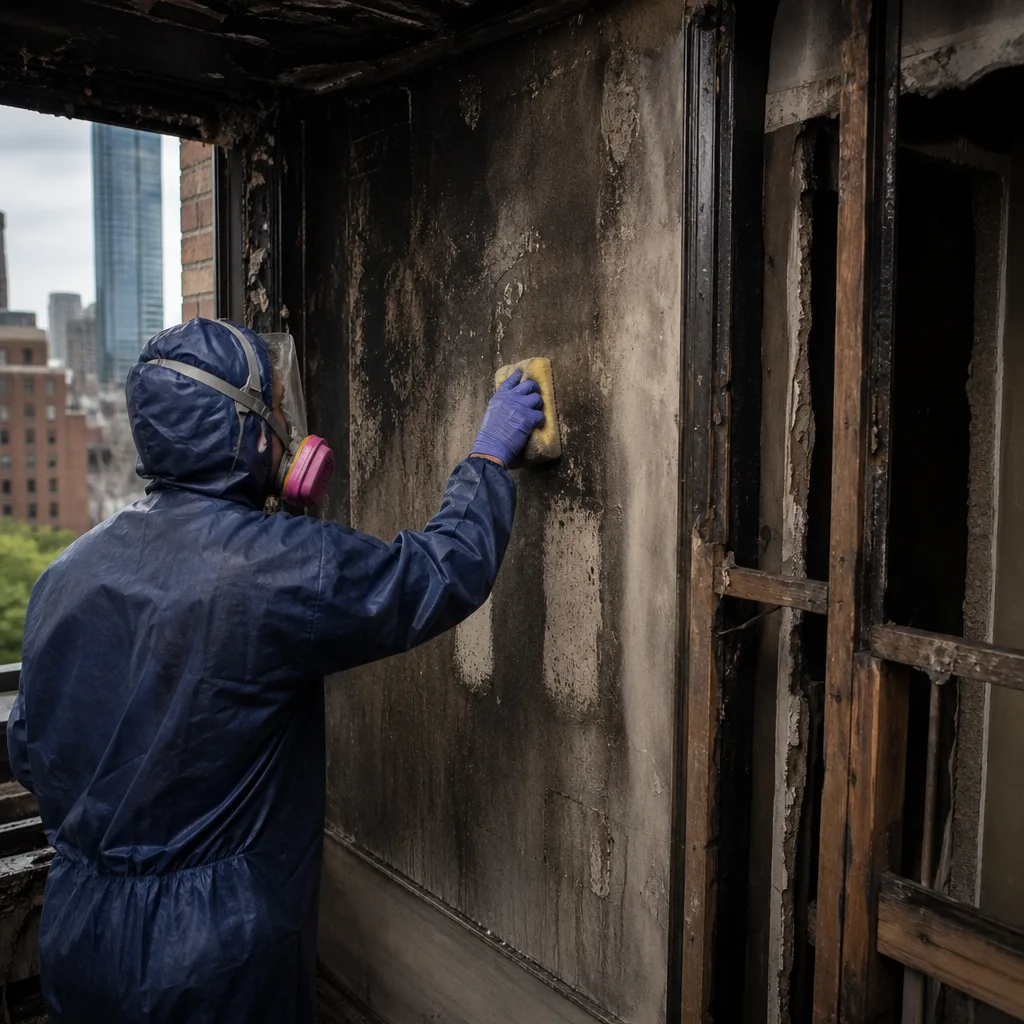
Toilet Overflow Cleanup
Toilet overflows in pre-war apartments frequently run behind the bowl, through the tile floor, and into the ceiling assembly of the apartment below. We handle the cleanup and the conversation with the neighbor downstairs, because delay turns a plumbing incident into a multi-unit claim. Fast extraction plus targeted drying in the joist cavities usually prevents a much larger tear-out later.
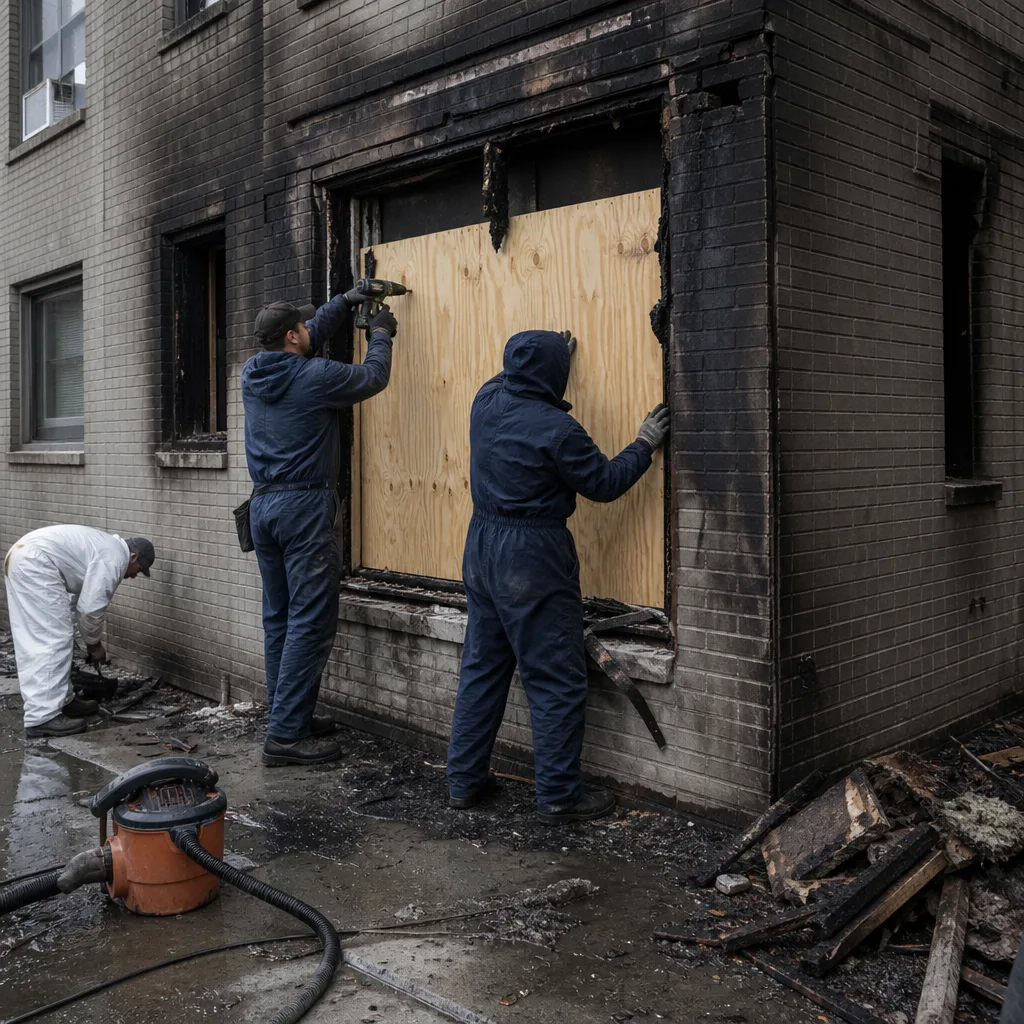
Black Water Extraction
Black water in Upper Manhattan is not just a flooded basement. It’s sewage that has run through wall cavities, wainscoting, and the narrow vertical drops inside interior air shafts. We bring truck-mounted extraction for large volume and portable units for fifth-floor walk-ups where there’s no elevator. Every square foot of affected material is either sanitized or removed per IICRC S500 standards.
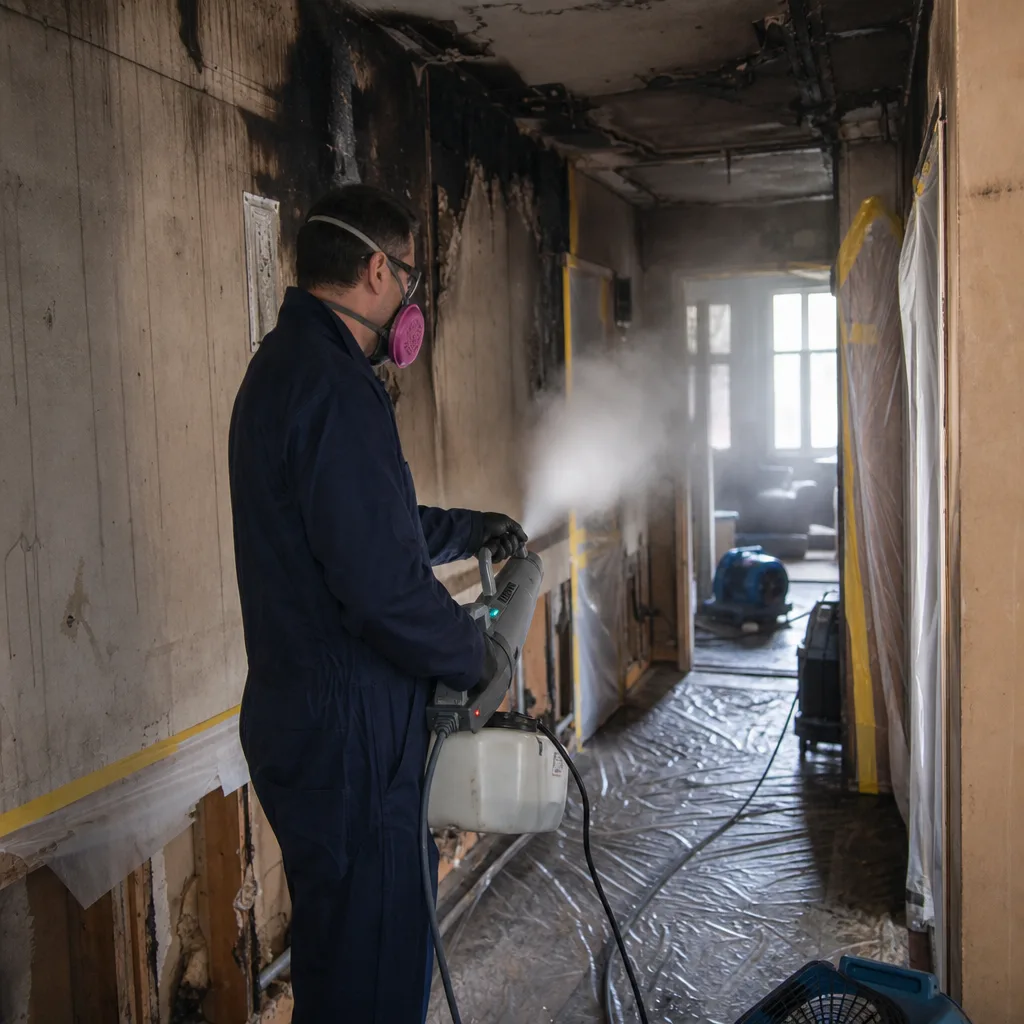
Crawl Space Sewage Removal
In Upper Manhattan’s older brownstones, especially in Central Harlem and parts of Sugar Hill, crawl spaces under the parlor floor collect sewage from broken waste lines long before anyone smells it. We enter confined spaces with proper gear and monitoring, remove contaminated soil and debris, treat the cavity, and leave a drying plan that works with your building’s ventilation, not against it.
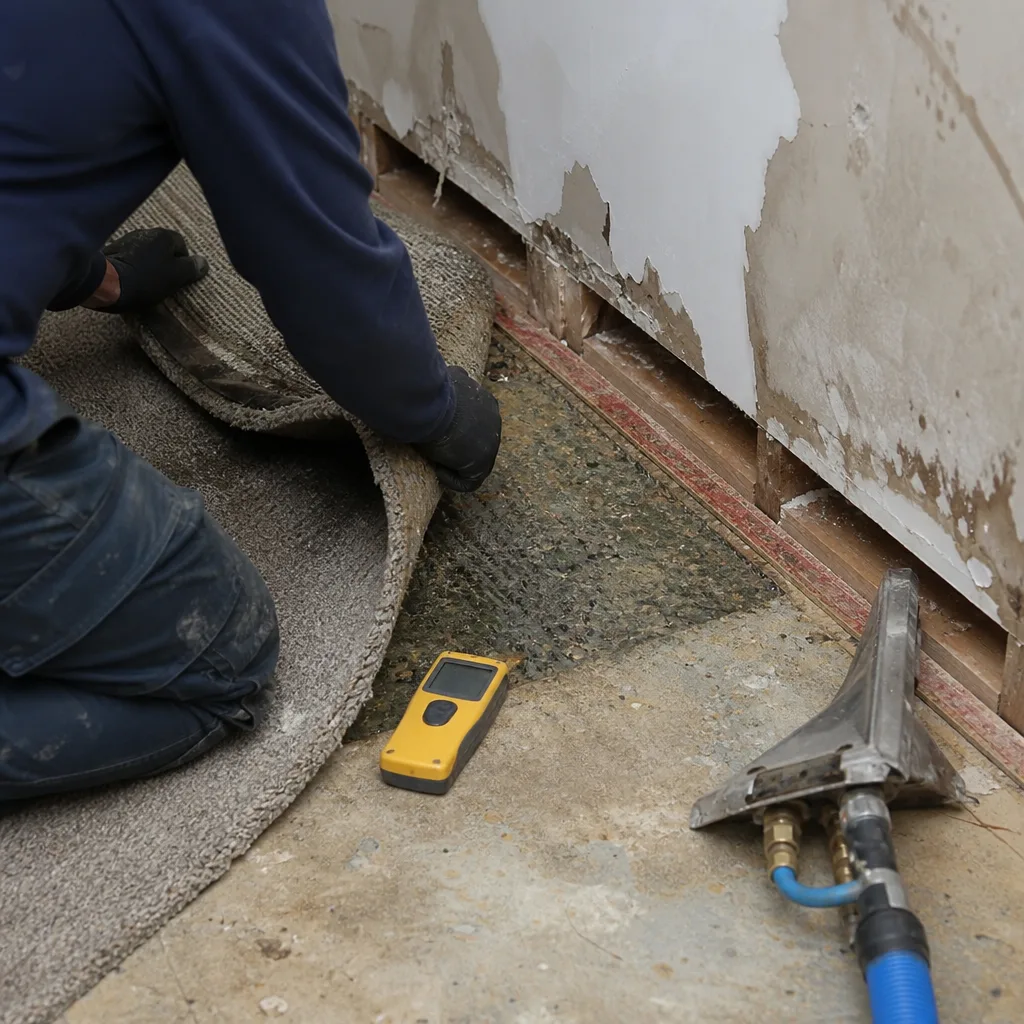
Septic Failure Cleanup
True septic systems are rare in Upper Manhattan, but the area’s older buildings sometimes have forgotten on-site waste systems from before the city sewer network was extended. When they fail, they fail quietly and thoroughly. We assess the system’s condition, coordinate with the DEP where required, and remediate the affected area as a Category 3 loss.
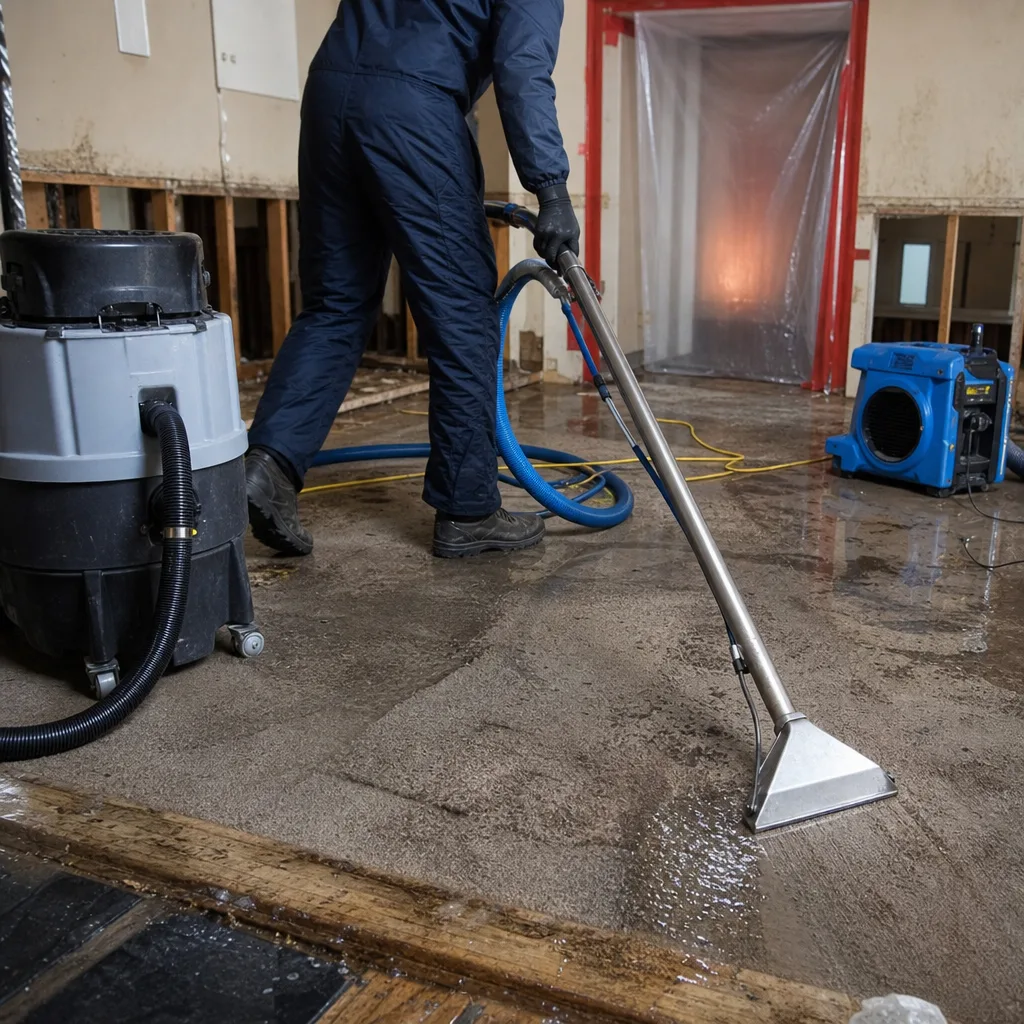
Sanitization & Disinfection
After black water extraction, surfaces that can be saved must be sanitized with antimicrobial agents appropriate for the material. In occupied apartment buildings, we schedule this work so residents can return as quickly as possible, and we document every treatment with photos and product labels for the managing agent and the insurance carrier.
What happens when you call
- 1
A real person answersNo phone trees - you reach a local pro.
- 2
You get an upfront price rangeHonest numbers before anyone is dispatched.
- 3
A background-checked tech heads outLicensed & insured, dispatched right away.
- 4
You approve before work beginsNothing starts until you say go.
Sewage Cleanup Costs in Upper Manhattan, NY
Sewage backup cleanup in Upper Manhattan runs between $2,800 and $7,500 for a contained single-unit event, and between $12,000 and $35,000 when contamination has spread through multiple apartments or shared building cavities. A toilet overflow that stays in one bathroom typically lands in the $1,200 to $3,500 range. Crawl space sewage removal under a brownstone in Central Harlem often falls between $4,000 and $9,000, depending on access and how much contaminated soil must be removed. Multi-unit events that require NYC DOB permit coordination and air shaft inspection routinely exceed $25,000. What moves the price: square footage affected, how far sewage traveled through the building, asbestos abatement if needed, and whether drying can be done in place or requires wall and floor removal. Insurance typically covers sudden and accidental sewage backup, subject to the policy’s water damage endorsement. The fastest way to a firm number is a free visual inspection. Call (518) 314-5660 and we’ll send someone out to look, write a scope, and put numbers to it.
We Also Serve Cities Near Upper Manhattan
Our crews respond daily throughout the borough and into the neighborhoods that border it. We handle sewage cleanup regularly in Midtown Manhattan, Midtown West, Murray Hill, and Washington Square. If you’re in any of these areas and dealing with a sewage backup, the same live dispatchers and certified crews are on call at (518) 314-5660.
Upper Manhattan Sewage Cleanup Questions, Answered
Why does a sewage backup in one Upper Manhattan apartment often affect units three floors above?
Because most of Upper Manhattan’s residential buildings share vertical waste stacks, and when the lowest floor drain backs up, contaminated water can rise through floor drains and shower pans in the same stack line. Six-story tenements with original cast-iron plumbing are especially prone to this. We scope the entire stack, not just the unit where the call originated, so no apartment is left with hidden contamination. Call (518) 314-5660 for an inspection.
How do NYC Department of Buildings permit requirements affect sewage cleanup in a pre-war tenement?
Any structural work behind walls, ceiling demolition, or opening of party walls in a pre-war building may require a DOB permit, and if the building contains asbestos pipe insulation, NYC DEP-licensed abatement must be performed before structural drying or demolition can proceed. We coordinate both, so the work moves legally and without stopping. Your insurance claim becomes smoother when permits and abatement records are in order.
What category of water is typical for an East Harlem basement sewage backup during a summer storm?
Category 3, without exception. When storm surge overwhelms the combined sewer system and sewage comes up through basement drains near the Harlem River, the water is grossly contaminated. It requires full extraction, sanitization, and often structural drying. Treating it as anything less risks the health of everyone in the building. Call (518) 314-5660 and we’ll start immediately.
Can you handle sewage cleanup in a NYCHA apartment, and who pays?
Yes. We work in NYCHA buildings throughout East Harlem and Central Harlem. Payment depends on the lease and the source of the event. NYCHA or its carrier may cover building-system failures, while the resident’s own carrier or personal funds may cover contents and betterments. We bill insurance directly where coverage applies and coordinate with the housing authority so the work stays on schedule.
How quickly can you start sewage extraction in an Upper Manhattan walk-up on a weekend?
Within 45 minutes of your call, any day of the year. We dispatch live from our New York City office at all hours. Our technicians are background-checked and uniformed, and they bring equipment sized for walk-up buildings, including portable extraction units that don’t require an elevator. Call (518) 314-5660 and a real person will answer.
Will insurance cover sewage cleanup, and do I have to pay up front?
Most homeowners and renters policies respond to sudden and accidental sewage backup, but coverage depends on the specific policy and the source of the event. We bill your carrier directly and provide the documentation they require, so you’re not out of pocket while the claim is processed. If your policy has no coverage, we present a written scope with fixed numbers before work begins.
Do I need full sewage remediation or just a cleaning and some bleach?
If the water came from a drain or toilet and is Category 3, bleach is not sufficient. Contamination penetrates porous materials like drywall, wood subflooring, and insulation. Those materials must be removed or professionally sanitized and dried to the standard your insurance carrier will accept. A free visual inspection tells you exactly where you stand. Call (518) 314-5660.
How long does sewage drying and remediation take in a typical Upper Manhattan apartment?
Most single-unit sewage losses in Upper Manhattan dry in three to five days once extraction is complete. Multi-unit events with air shaft contamination or shared wall cavities can run seven to ten days. We log daily moisture readings with hygrometers and give you and your carrier the drying log, so there’s no guessing about when the work is actually done.
Serving Upper Manhattan, NY - Our Local Coverage Area
We’re based in the Upper Manhattan area and know this community well. Use the map below to see our service coverage - if you’re nearby, we can almost certainly help.
Contact Floodline Restoration Co. in Upper Manhattan
We’re at the other end of (518) 314-5660, 24 hours a day, with a live person who can dispatch a crew to Upper Manhattan right now. Curt Bowman founded Floodline Restoration Co. in 2010, and our work in this borough reflects the same Keystone Standard he set on day one: Krafted right, Every time, Your home first, Standing behind it. The 90-Day Done Right Promise is in writing. Senior and veteran customers receive a 5% discount, always. Ask about $50 off any repair over $250. If you have sewage water in your home anywhere in Upper Manhattan, call now. We’ll be there when we say.
Written by Curt Bowman, Owner at Floodline Restoration Co., serving Upper Manhattan and greater New York City.