
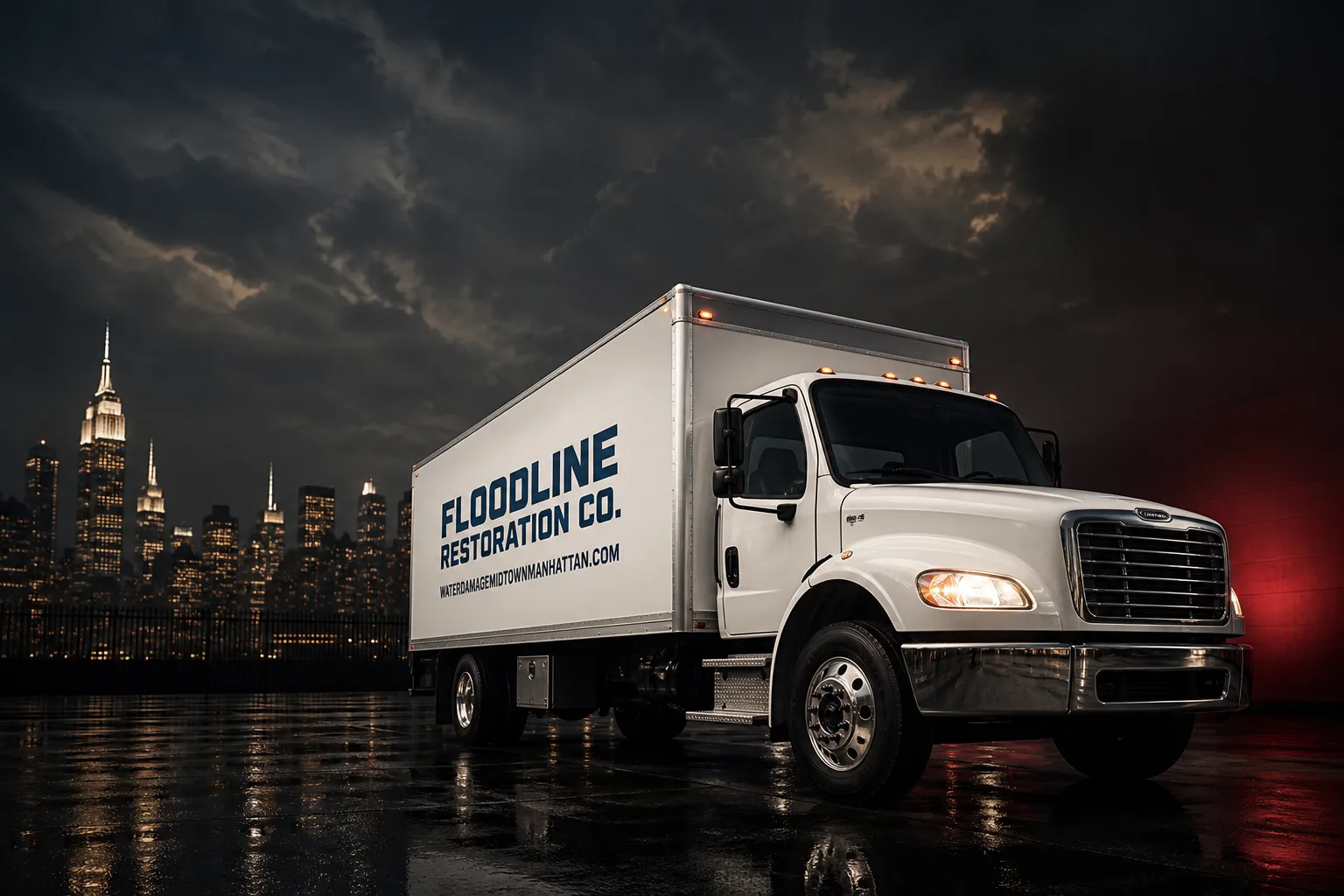
Free visual inspection and a written scope of work before any mitigation begins - photos, moisture readings, and drying logs go in your claim file
The scope we write is the scope we bill. Anything new gets shown to you, in writing, before we touch it.
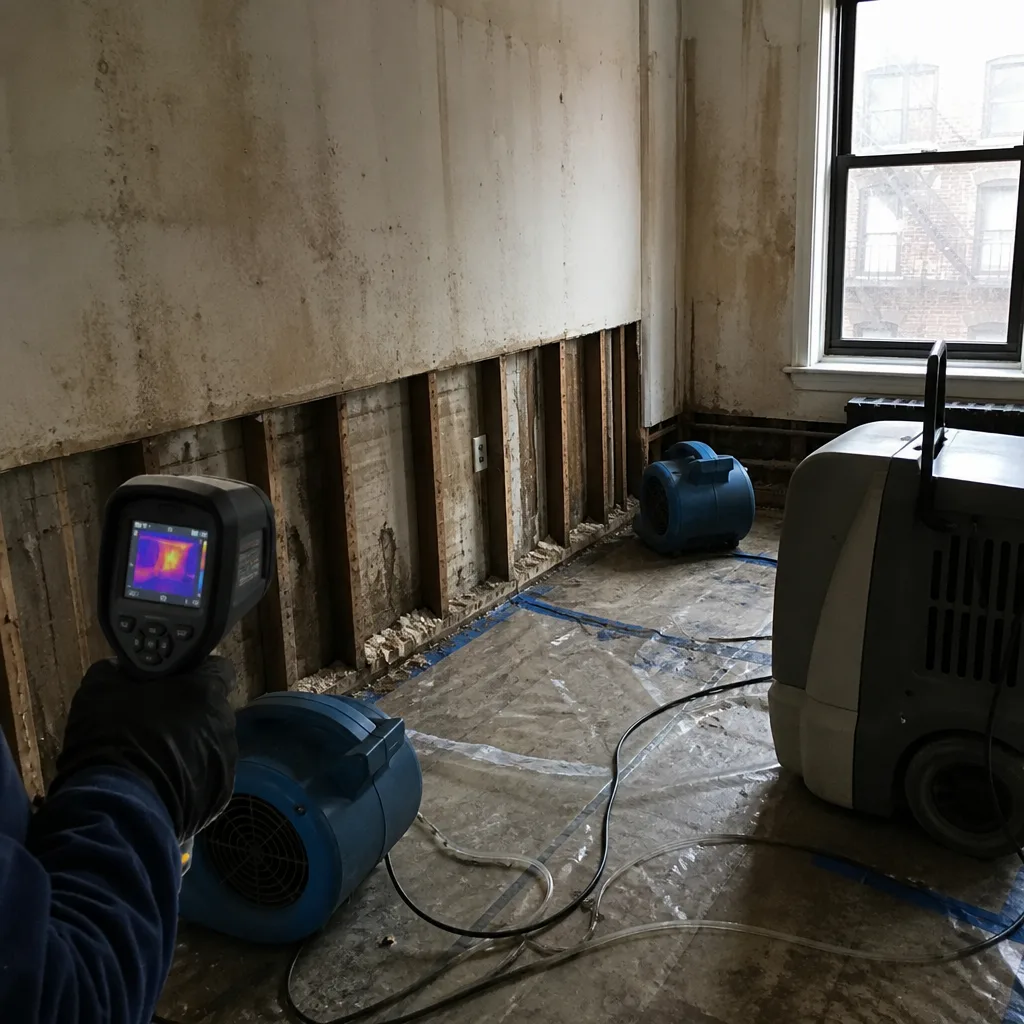 Before
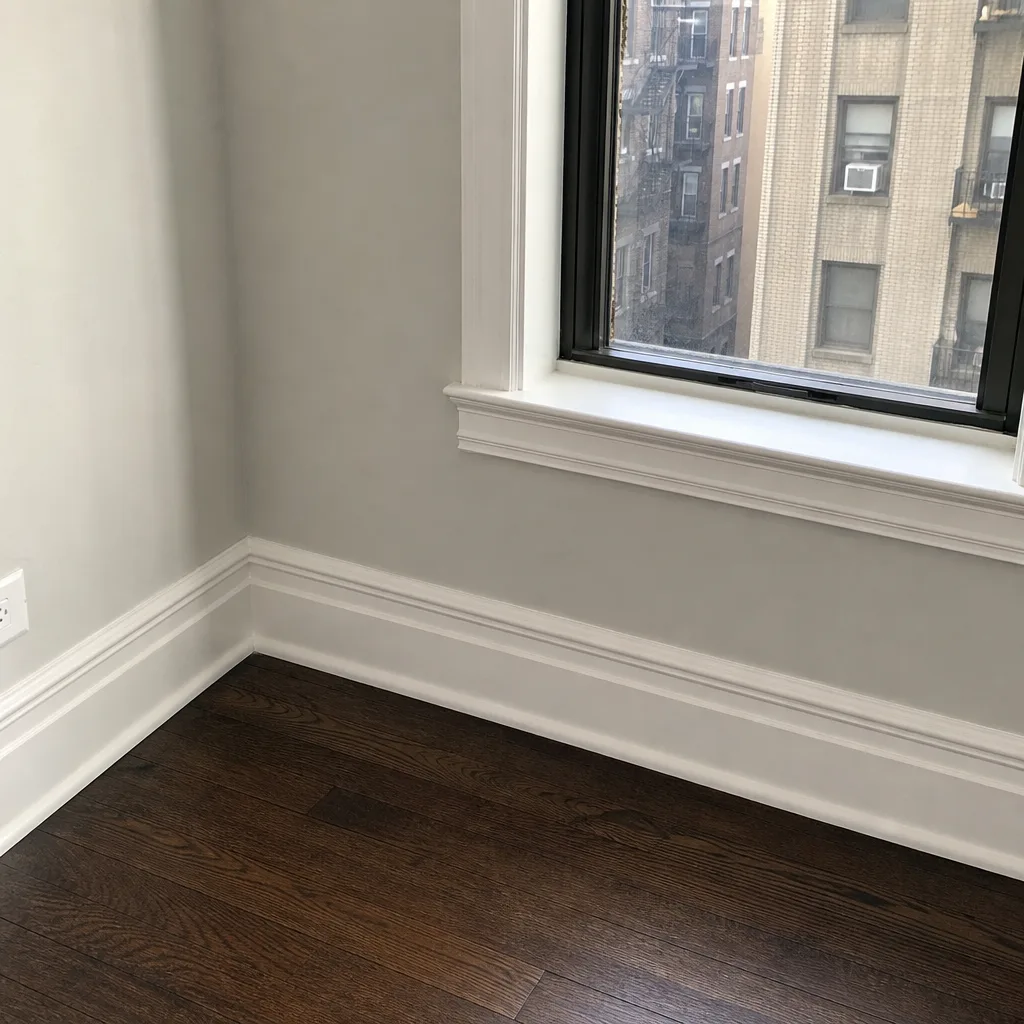 After
After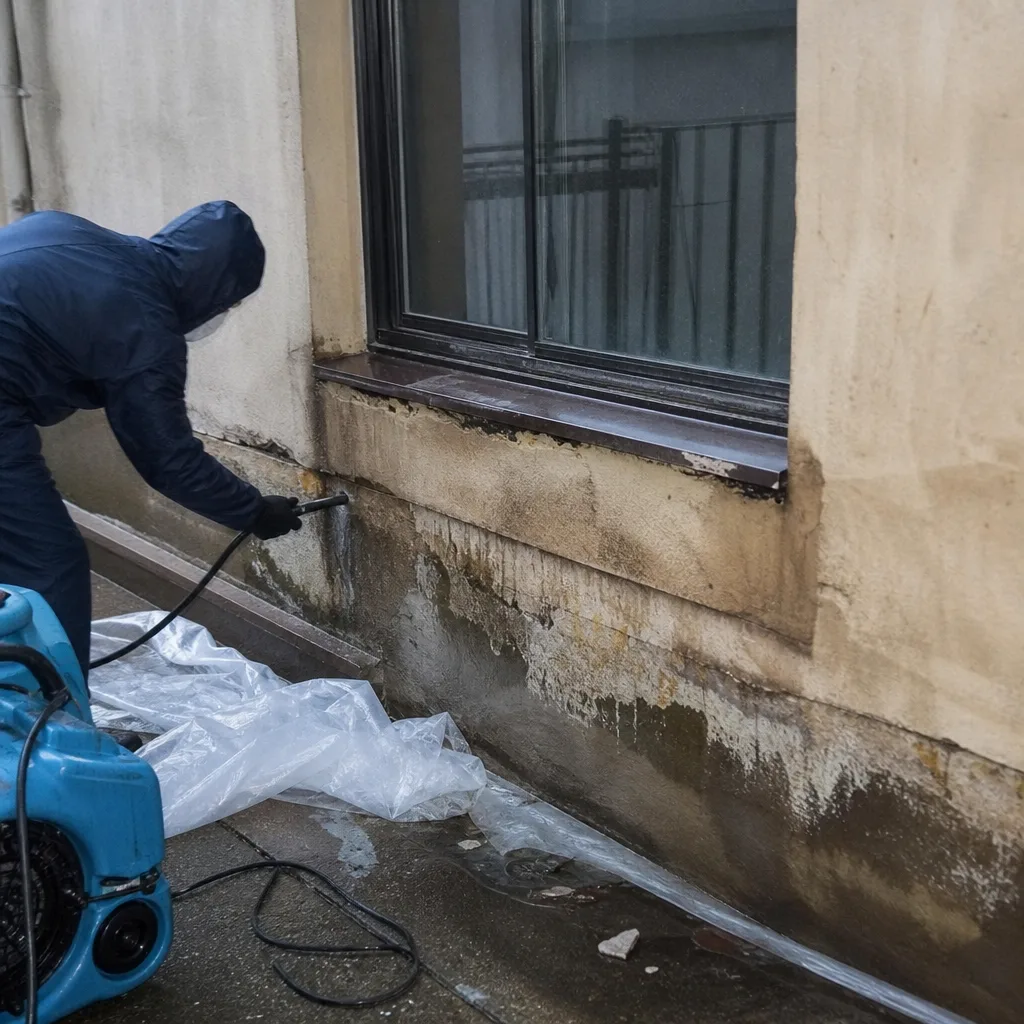 Before
 After
After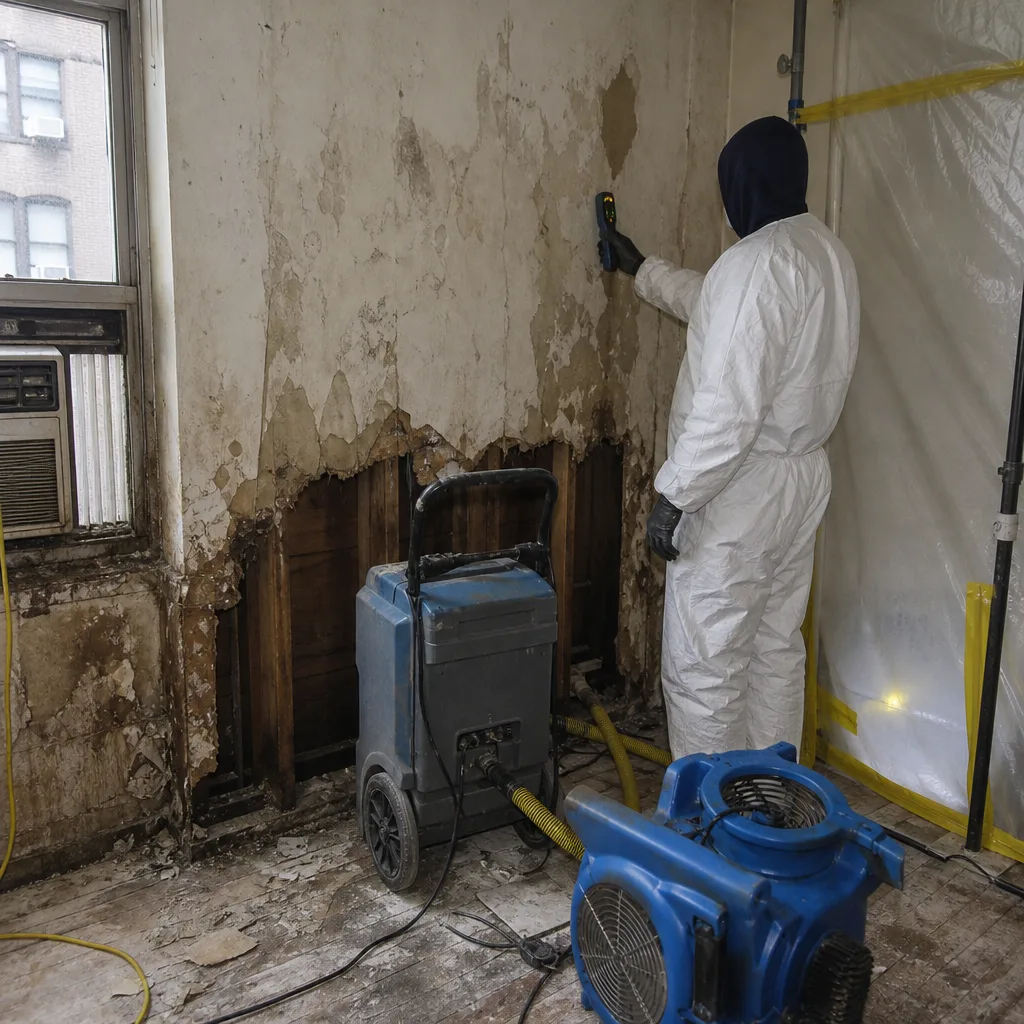 Before
 After
After24/7 Emergency Mold Remediation in Upper Manhattan
Mold remediation in Upper Manhattan usually costs between $1,800 and $6,400 depending on how far the growth has spread through pre-war walls and shared air shafts, and a crew can be on site the same day you call. We answer the phone live at (518) 314-5660, around the clock, and dispatch certified technicians into Harlem, Washington Heights, Inwood, and every block in between. If you’ve spotted black staining on a bathroom ceiling, smelled must in a basement apartment, or watched a pipe burst in a six-story walk-up, the first 48 hours decide whether this is a $2,000 cleanup or a $20,000 rebuild.
The honest mark mold leaves on a wall is where we start. We trace it back to the water that fed it, because treating visible mold without killing the moisture source just means you’ll be calling us again in six months. Upper Manhattan’s stacked pre-war apartments make this trickier than anywhere else in the city: a leak three floors above you can feed mold in your closet for weeks before you see a single spot.
Understanding Mold Remediation Severity in Upper Manhattan Properties
Mold grows where water sits, and in Upper Manhattan’s 1890-1945 tenements and elevator buildings, water sits everywhere it shouldn’t. We classify mold jobs by square footage of affected material and the moisture source feeding it. A small bathroom ceiling patch under 10 square feet is a containment-and-removal job, often finished in one visit. Anything over 30 square feet, or any growth in an air shaft, plumbing chase, or behind original plaster, becomes a full remediation project with negative-air containment, HEPA air scrubbing, and clearance testing before we call it done.
Severity in Upper Manhattan compounds because of the building stock itself. Original cast-iron plumbing stacks corrode after 80-120 years of high-density occupancy. When one fails in a Washington Heights walk-up, the water travels down through floor assemblies and along interior air shafts, feeding mold in apartments that never saw the original leak. That’s why we moisture-map every job: thermal imaging and hygrometer readings tell us where the water actually went, not just where the stain appeared. Any crew that skips this step in a pre-war building is guessing.
We also flag what’s inside the walls before opening them. Pre-war buildings in Upper Manhattan almost always contain asbestos pipe insulation, asbestos floor tiles, or lead paint. Opening a wall without DEP-licensed abatement clearance can stop your whole project and draw fines while tenants are displaced. This isn’t a suburban mold job. It’s a New York City mold job, and it’s handled differently.
Why Upper Manhattan Property Owners Choose Floodline Restoration Co.
- 45-minute response commitment. When you call with active water or visible mold, we commit to having a certified crew at your Upper Manhattan address in 45 minutes or less, because every hour the moisture sits, the scope grows.
- A live person answers, 24/7. No answering service, no “leave a message.” A real dispatcher picks up at 2 a.m. and starts routing a crew. That’s how Curt Bowman built this company in 2010, around a dispatch board, not a sales desk.
- IICRC-certified technicians. Our crews carry WRT, FSRT, and AMRT credentials and work to IICRC, RIA, and IFA standards. Uniformed, background-checked, and trained to handle what pre-war buildings throw at them.
- Free visual inspection. We’ll come look, tell you straight what you’re dealing with, and hand you a written scope before any work starts. No pressure, no overselling.
- Direct insurance billing. We bill your carrier and coordinate with your adjuster, so you never play messenger between us and the insurance company.
- One team from extraction to rebuild. The same certified crew that maps the moisture on day one handles daily readings, logs them for your carrier, and rebuilds what needs rebuilding. No mid-job handoff.
Our Mold Remediation Process
Inspection & Assessment
We start with a full visual inspection plus moisture mapping using thermal imaging and hygrometers. In a pre-war Upper Manhattan building, that means checking air shafts, plumbing chases, and the units above and below the visible stain. You get a written scope before we touch anything.
Containment & Stabilization
We seal the affected area with 6-mil polyethylene sheeting and set up negative air pressure with HEPA-filtered air scrubbers. This stops mold spores from spreading through hallways, air shafts, and to neighboring rent-stabilized apartments while we work.
Drying & Dehumidification
Dri-Eaz air movers and Phoenix dehumidifiers run continuously until the dry standard is met. We take daily moisture readings and log them for you and your carrier. In pre-war buildings with original plaster and lath, this phase is slower and we plan for it.
Cleaning & Sanitization
All affected materials get HEPA vacuuming and antimicrobial treatment. Salvageable contents are packed out and treated. Porous materials that can’t be cleaned - saturated drywall, old carpet, water-damaged plaster - are removed and disposed per NYC waste rules.
Source Correction
Mold comes back unless the water source is fixed. We identify and correct the moisture problem, whether that’s a plumbing stack repair, roof flashing, or a ventilation and humidity issue in a garden-level unit near the Harlem River.
Repairs & Restoration
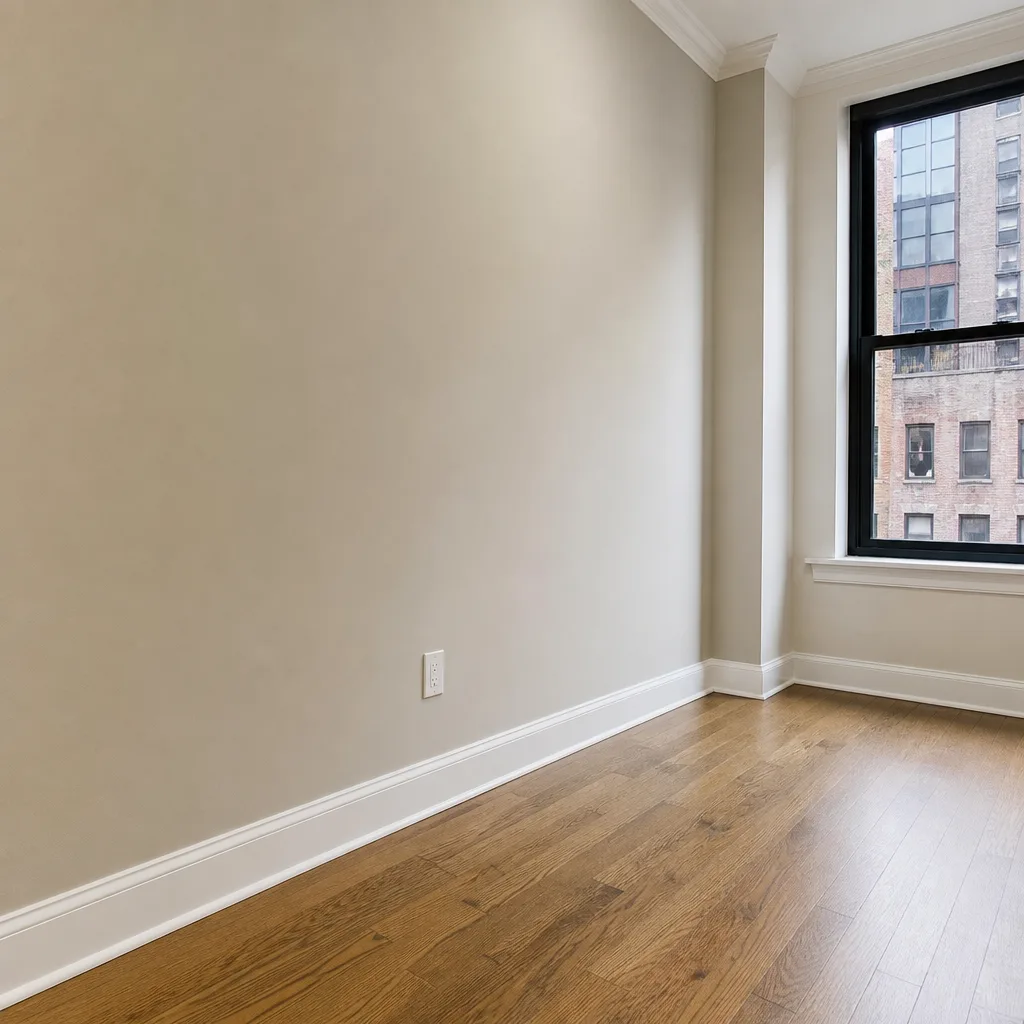
We rebuild what we removed: drywall, plaster, flooring, paint, and trim. The same crew stays on the job from start to finish. When we’re done, you get a clearance test and the 90-Day Done Right Promise in writing.
Need Emergency Mold Remediation in Upper Manhattan Now?
Crews minutes away, answering live 24 hours a day. The sooner we start, the less it costs.
Working With Your Insurance Company
Mold claims in Upper Manhattan rarely fail because of the mold itself. They fail because the documentation doesn’t connect the mold to a covered water event. We build that file from the first hour: photos of the original leak or pipe failure, moisture readings from day one through the final dry standard, and a line-item scope that ties every step back to the source. When your carrier asks questions, we answer them directly. When your adjuster wants a third reading on a drying log, we hand it over same day. You’re not the messenger. We are.
Curt Bowman started this company because he watched homeowners get stuck between restoration crews and insurance carriers, holding a stack of papers nobody would explain. That doesn’t happen here. We bill the carrier directly, argue the scope with them on your behalf, and stand behind the finished job with the 90-Day Done Right Promise.
What We Provide Your Insurer
- Thorough documentation of the loss
- Photos of all damage, room by room, including shared air shafts and adjacent units where applicable
- Moisture readings and drying logs from day one to clearance
- A detailed, line-item scope of work tied to the covered water event
- Direct coordination with your carrier and adjuster
Built for Upper Manhattan’s Loss Calendar
Upper Manhattan’s mold season doesn’t follow a simple calendar. January and February bring deep freezes that burst supply lines in unheated basement storage rooms and vacant apartments, feeding slow leaks into walls for weeks before anyone notices. Spring thaw saturates the soil around Harlem River lowlands and garden-level units, pushing groundwater through original brick foundations that were never waterproofed. July and August bring the convective thunderstorms that hit East Harlem and Inwood hard, with sewer backups flooding basement apartments. Then comes fall: nor’easters drive wind-driven rain into aging parapet walls and roof membranes, and water finds its way down through air shafts to stain ceilings four floors below the source.
None of these events are surprises to us. Our crews run this route every month. We know which buildings near the Harlem River flood first, which Washington Heights air shafts channel water straight down, and which Central Harlem NYCHA towers need moisture readings taken in multiple units before we can scope a single mold job honestly. That’s the difference between a crew that works here and a crew that shows up here.
Mold Remediation Across Upper Manhattan’s Neighborhoods
In Inwood, the 1920s brick apartment buildings along Broadway and Sherman Avenue share interior air shafts that act like chimneys for moisture. A sixth-floor roof leak stains walls and spreads odor in every unit on the shaft line, so we scope the whole stack, not just the apartment that called us. In Washington Heights, the sharp elevation drop from Fort Tryon Park down toward the Harlem River means two buildings a block apart have completely different flood profiles. Garden-level units on the eastern slope see groundwater and sewer backup that uphill buildings never do.
Harlem throws its own variables at us. The brownstones and early elevator buildings around Strivers’ Row and Mount Morris Park run on original cast-iron plumbing stacks. After 90 years of high-density use, those stacks pit and fail at the joints, sending Category 3 water through multiple stacked rent-stabilized apartments before the first tenant sees a stain. East Harlem’s NYCHA towers and 1900s tenements see pipe failures that cascade through five or six contiguous units on a single riser. Every one of those jobs requires NYC DOB permit awareness and multi-party access coordination. We’ve done it hundreds of times.
That’s why our Mold Remediation teams schedule by building type, not just by zip code. A Washington Heights six-story walk-up gets a different inspection plan than an Inwood garden apartment or a Central Harlem brownstone. The mold is the same. The building isn’t.
Specialized Mold Remediation Services We Offer in Upper Manhattan
Moisture & Humidity Control
Most recurring mold in Upper Manhattan isn’t from a dramatic flood. It’s from chronic humidity: poorly vented bathrooms in pre-war apartments, basement laundry rooms without exhaust, garden-level units that sit damp all summer. We correct the ventilation and humidity problem first, then treat the mold. Without source correction, every remediation is temporary.
Air Quality Restoration
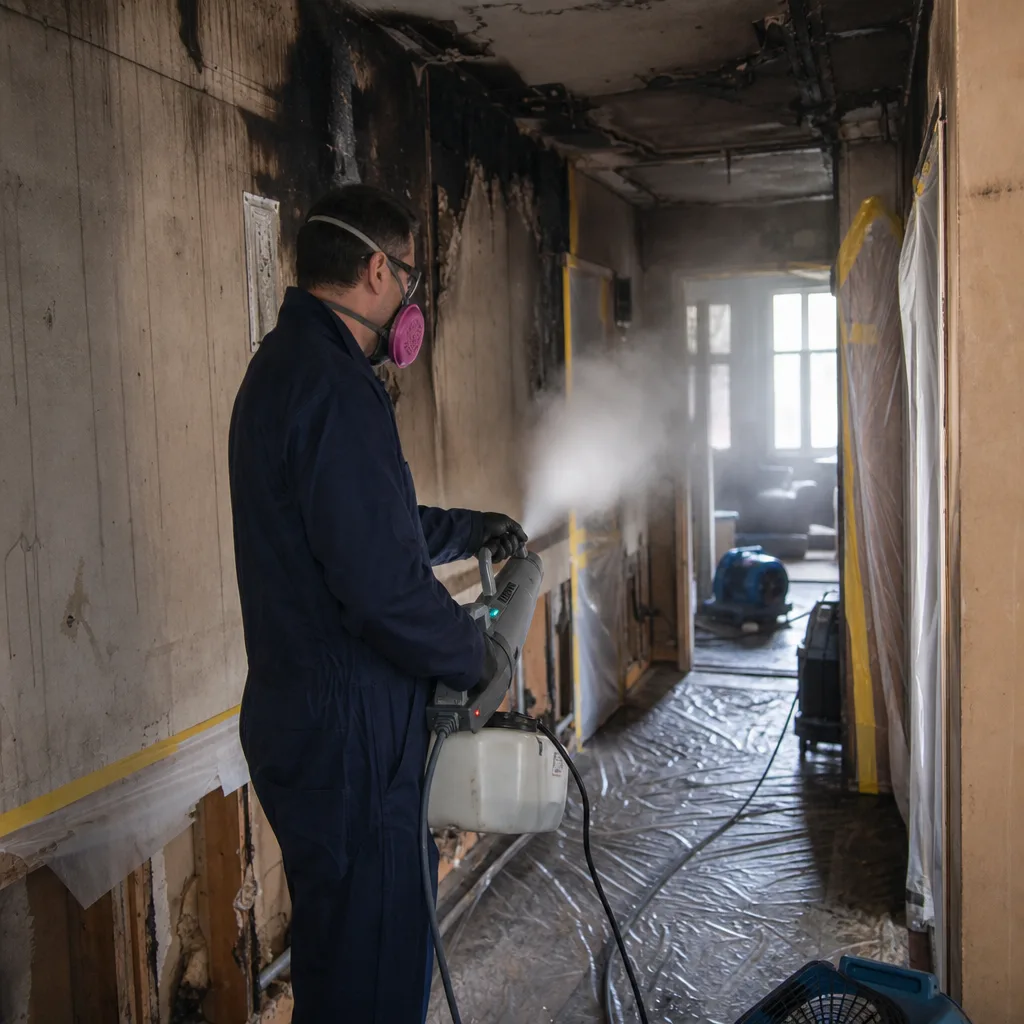
After we remove mold and dry the structure, we run HEPA air scrubbers until the air inside the affected unit tests clean. In buildings with shared air shafts, we test adjacent units too. If spores traveled through the shaft, the neighbor’s apartment needs air quality restoration even if they never saw visible mold. This is the step most crews skip. We don’t.
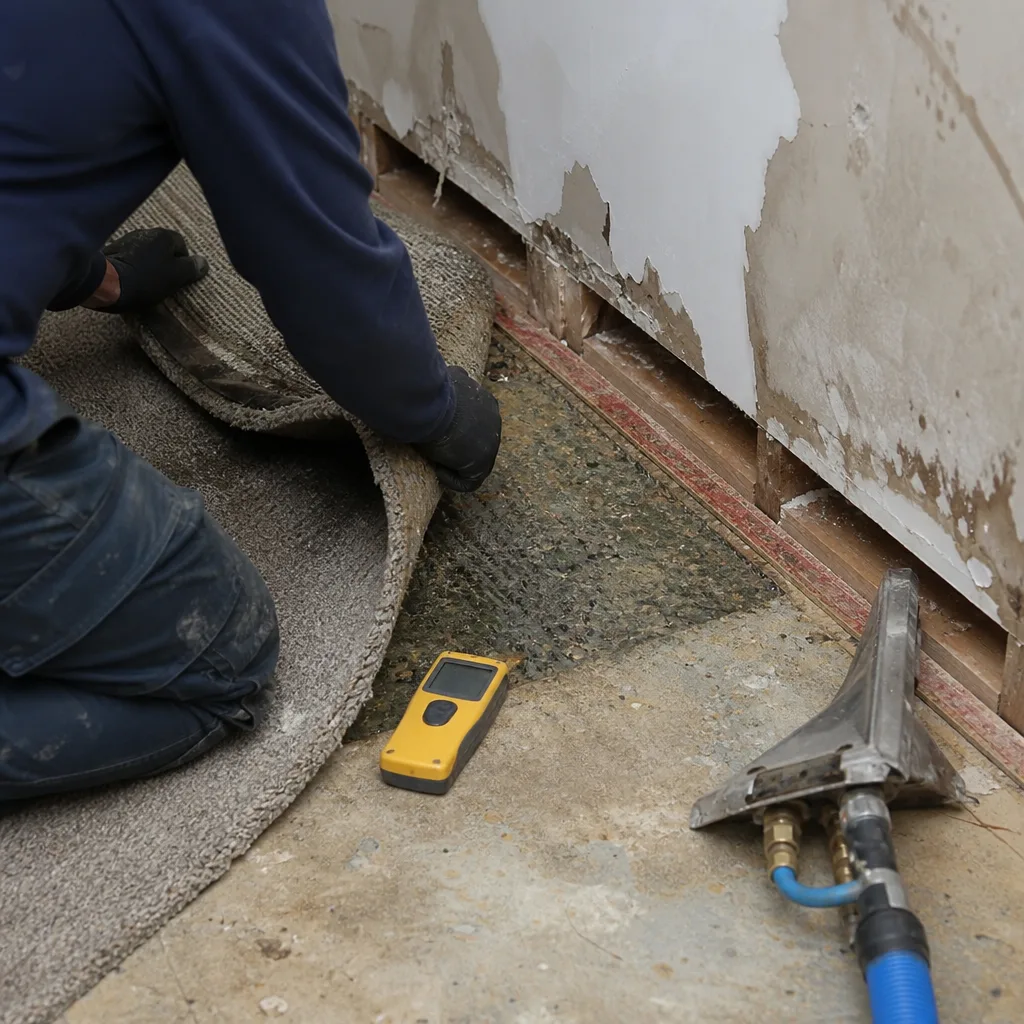
Mold Inspection & Testing
Not every stain is mold, and not every musty smell is a full remediation project. Our inspectors use thermal imaging, moisture meters, and air samples to tell you exactly what you’re dealing with. If it’s a small surface patch with a simple moisture source, we’ll say so and give you a $500 option instead of a $5,000 one. That’s a square deal.
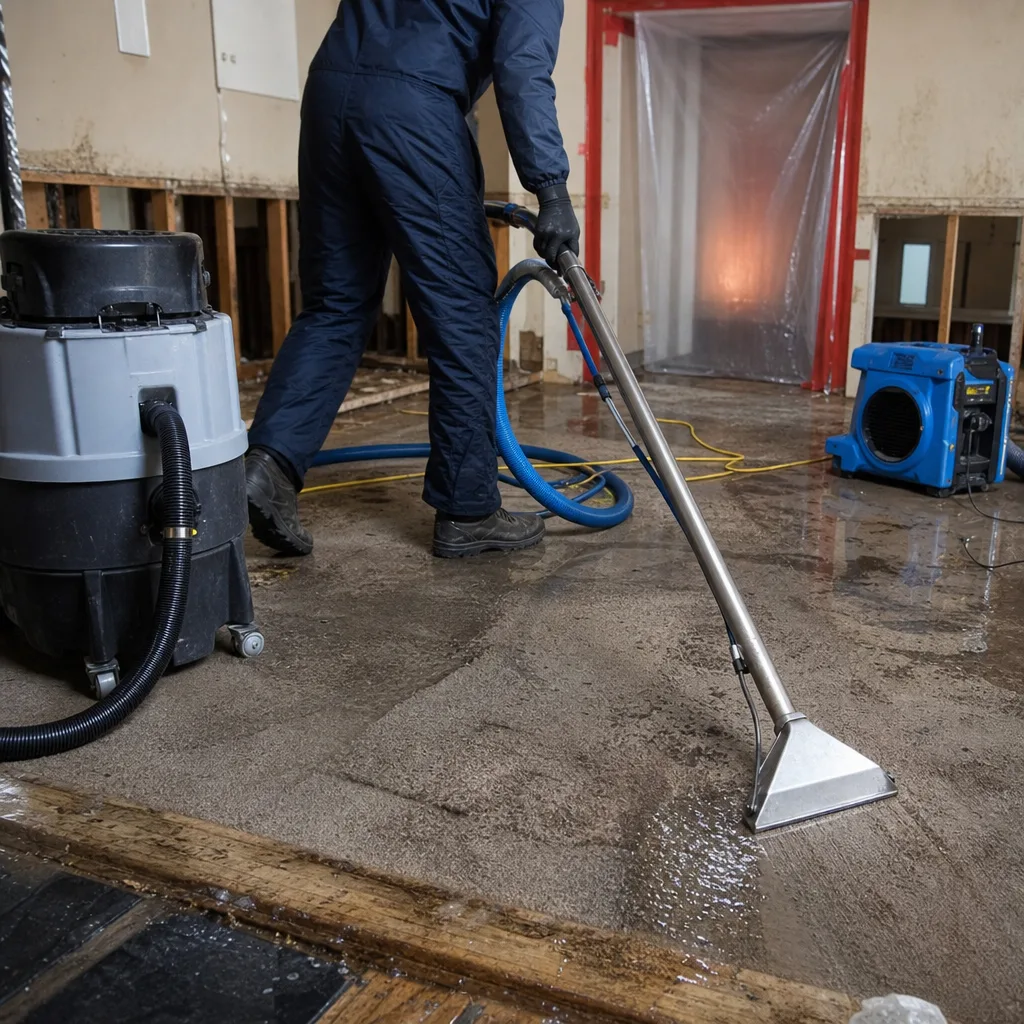
Mold Removal
Physical removal of affected materials, performed under containment with HEPA filtration. In pre-war buildings, this means coordinating DEP asbestos clearance before we open walls, and protecting the shared air shafts so we don’t send spores into your neighbors’ apartments while we work.
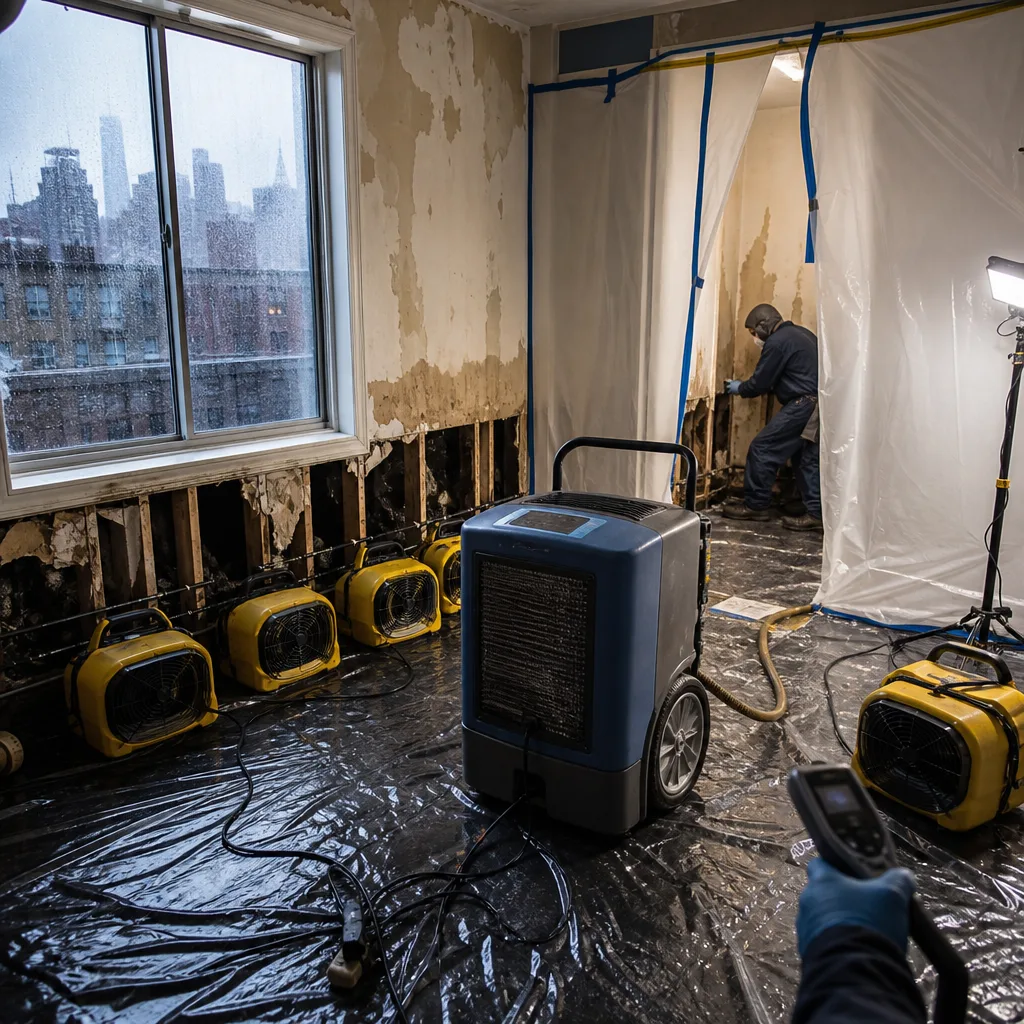
Black Mold Remediation
Stachybotrys - black mold - gets the headlines, and in a damp Upper Manhattan basement or a unit below a chronic leak, it shows up. It needs full containment, aggressive HEPA air scrubbing, and clearance testing. We treat it the same way we treat every mold: find the water, contain the area, remove the affected materials, verify the air is clean.
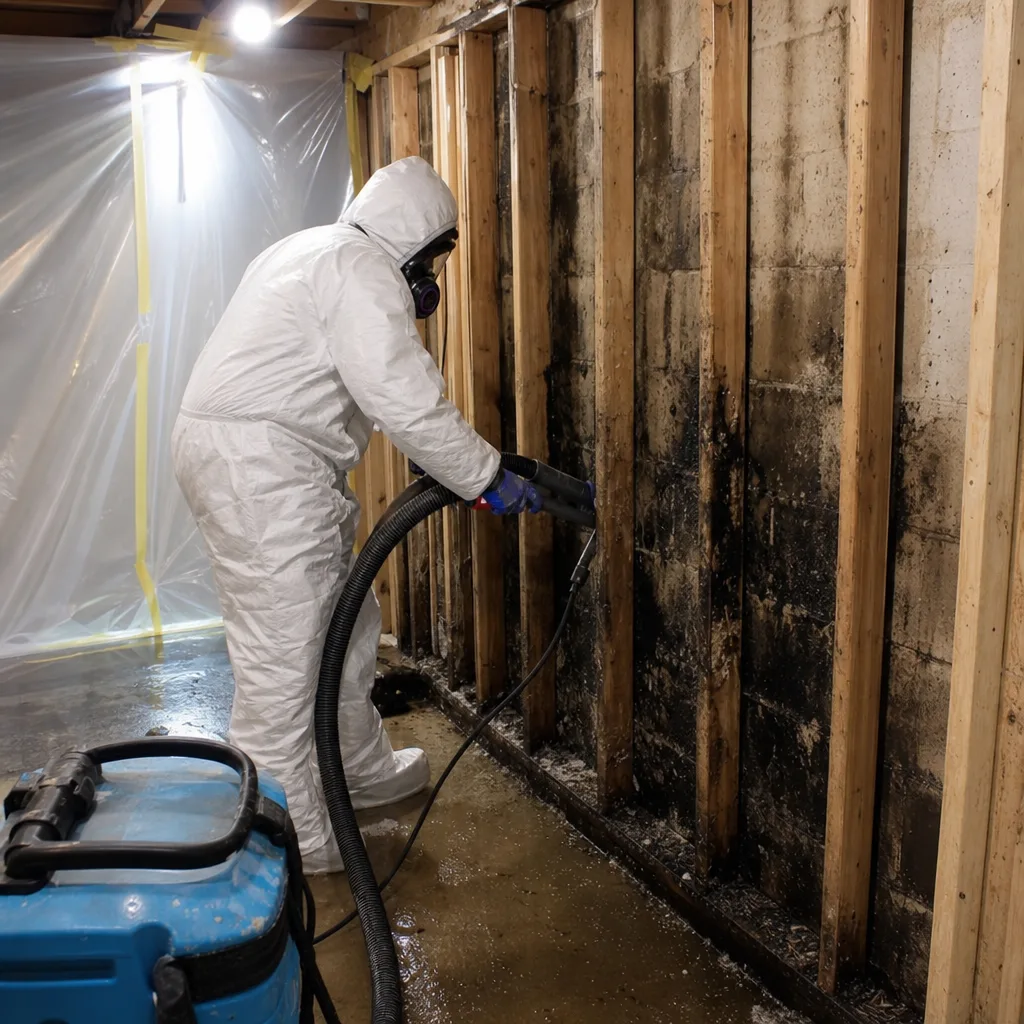
Crawl Space Treatment
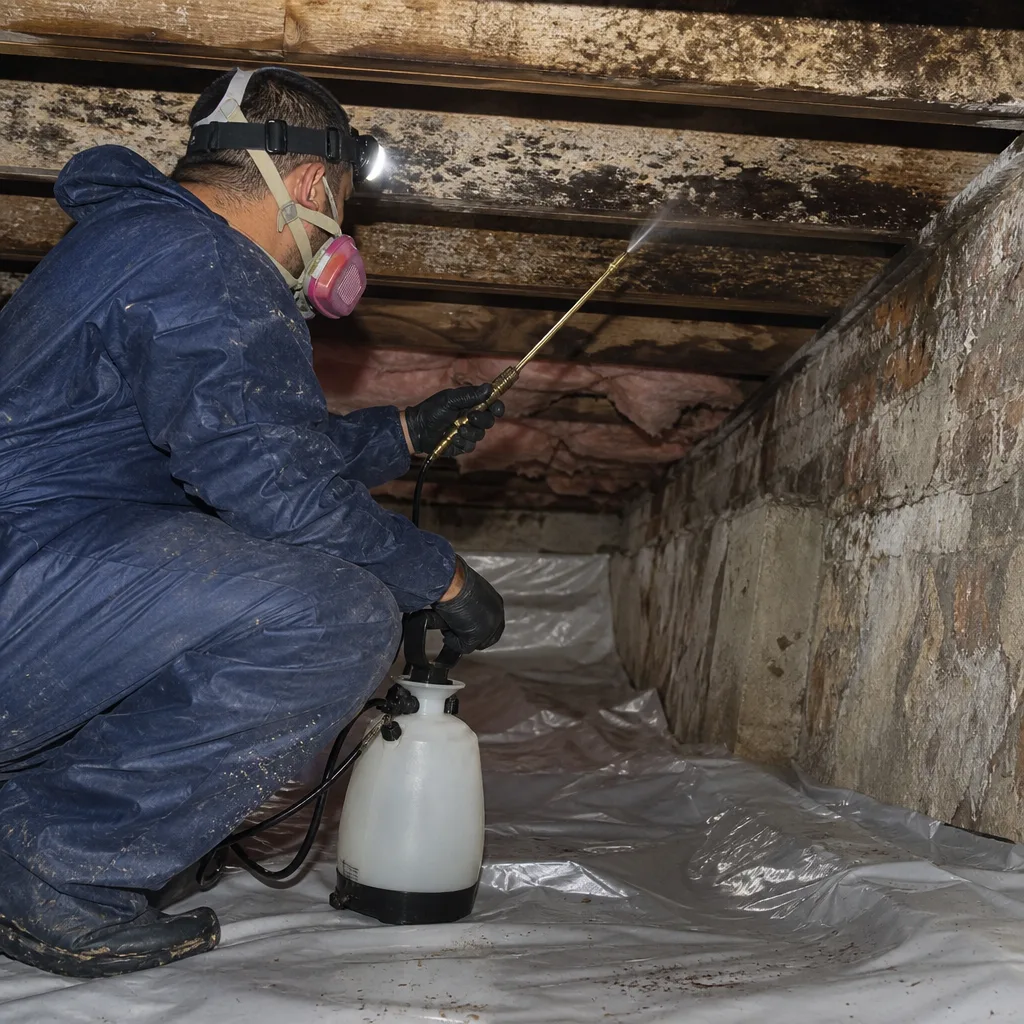
Parts of Inwood and the Harlem River lowlands have crawl spaces and shallow basements that hold moisture most of the year. We treat the framing, correct the ventilation, sometimes install vapor barriers, and give you a moisture log to prove the dry standard was met.
What happens when you call
- 1
A real person answersNo phone trees - you reach a local pro.
- 2
You get an upfront price rangeHonest numbers before anyone is dispatched.
- 3
A background-checked tech heads outLicensed & insured, dispatched right away.
- 4
You approve before work beginsNothing starts until you say go.
Mold Remediation Costs in Upper Manhattan, NY
Here’s what we actually see in this market. A small bathroom ceiling mold job in a Harlem brownstone, under 10 square feet, runs $1,800 to $3,200 with containment and air scrubbing. A typical apartment unit in a Washington Heights pre-war building with mold in two rooms and the shared air shaft runs $4,500 to $8,000. A full six-unit stack remediation after a plumbing riser failure in a rent-stabilized building runs $25,000 to $60,000 depending on how many apartments we treat. Crawl space treatment in Inwood runs $2,500 to $6,500. Air quality restoration as an add-on runs $800 to $1,800 per unit.
What moves the price: whether we’re treating one room or five, whether DEP asbestos clearance is required before we open walls, whether adjacent units need containment, and how long structural drying takes in original plaster. Insurance covers mold when it’s tied to a covered water event. We document that connection from the first hour. If you’d rather know the number before you commit, call us for a free inspection and we’ll hand you a written scope, no obligation, before any work starts. We stand behind the price.
We Also Serve Cities Near Upper Manhattan
Our crews regularly run through Midtown Manhattan, Midtown West, Murray Hill, and Washington Square for the same mold, water, and fire work. If you own or manage property a few blocks south of Central Park, the dispatch board covers you too.
Upper Manhattan Mold Remediation Questions, Answered
Do I need to worry about asbestos when you open walls for mold remediation in my Inwood pre-war apartment building?
Yes, and we handle it before we open anything. Pre-war buildings in Upper Manhattan commonly contain asbestos pipe insulation, floor tiles, and plaster. Opening a wall without NYC DEP-licensed abatement clearance can trigger fines and a stop-work order while tenants are displaced. Our process includes asbestos testing and clearance coordination before any structural work starts, so your project doesn’t stall.
My upstairs neighbor’s leak stained my ceiling but they refuse access - can you still treat my mold?
We can treat the mold in your unit, but we have to be honest with you: if we can’t fix the water source above you, the mold will return. In rent-stabilized buildings, access disputes are common, and we’ve navigated hundreds of them. We document everything, coordinate with the landlord or management company, and in many cases the carrier requires source correction before paying the full claim. Call us, and we’ll walk you through the exact steps for your building.
Why did a sixth-floor bathroom leak cause mold in my fourth-floor apartment in Washington Heights?
Interior air shafts. Many 1920s and 1930s brick apartment buildings in Washington Heights and Inwood have narrow vertical voids running the full height of the building. Water from a sixth-floor leak travels down the shaft, stains walls and spreads odor in every unit on that shaft line, and feeds mold two floors below the source. That’s why we scope by the stack, not just the unit that called us.
How fast do you need to start after a Harlem pipe burst before mold takes hold?
Mold starts colonizing within 24 to 48 hours on wet drywall, wood, and fabric. If you call us the day the pipe bursts, we’re on site in 45 minutes or less, extraction runs the same visit, and structural drying starts immediately. That usually keeps the job to a water damage claim instead of a full mold remediation. Call (518) 314-5660 the moment you see water.
Do I need a NYC Department of Buildings permit for mold remediation in a rent-stabilized apartment?
Mold remediation itself typically doesn’t require a DOB permit, but the repairs that follow often do, especially in rent-stabilized buildings where multiple units and shared systems are involved. We handle DOB permit requirements as part of the scope, including any needed filings for plumbing or structural work. You won’t be left to navigate the department alone.
How long does mold remediation take in a pre-war Upper Manhattan apartment?
A single-unit job under 100 square feet usually finishes in 2 to 4 days including drying. A multi-unit stack remediation with air shaft involvement and DEP clearance runs 1 to 3 weeks. We give you a written timeline with your scope, and we hold to it. The 90-Day Done Right Promise means if it’s not right, we make it right, in writing.
Can we stay in our apartment during remediation?
For small contained jobs, usually yes. For full containment with negative air pressure, or when we’re treating multiple stacked units, you’ll need to relocate temporarily. We tell you upfront, before work starts, so you can plan. No surprises.
What should I do in the first 30 minutes after finding mold in my Upper Manhattan apartment?
Don’t scrub it, don’t paint over it, and don’t run a fan - that spreads spores. Close the door to the room, turn off fans or central air if you can, and call us at (518) 314-5660. A free visual inspection tells you exactly what you’re dealing with, and the sooner we map the moisture, the smaller the job stays.
Serving Upper Manhattan, NY - Our Local Coverage Area
We’re based in the Upper Manhattan area and know this community well. Use the map below to see our service coverage - if you’re nearby, we can almost certainly help.
Mold Remediation in Upper Manhattan, Done Right
This is the page that tells you what the generic mold pages won’t: Upper Manhattan mold work runs on interior air shafts, rent-stabilized access disputes, and DEP asbestos rules. Any crew that doesn’t know all three is guessing in a building that won’t forgive guessing. Our crews know this neighborhood because we run it every day. We moisture-map every job, contain every affected floor, log every drying day for your carrier, and stand behind the finished work with the 90-Day Done Right Promise in writing. Call (518) 314-5660 for a free inspection. A live person will answer, and a certified crew will be on the way.
Written by Curt Bowman, Owner at Floodline Restoration Co., serving Upper Manhattan since 2010.