
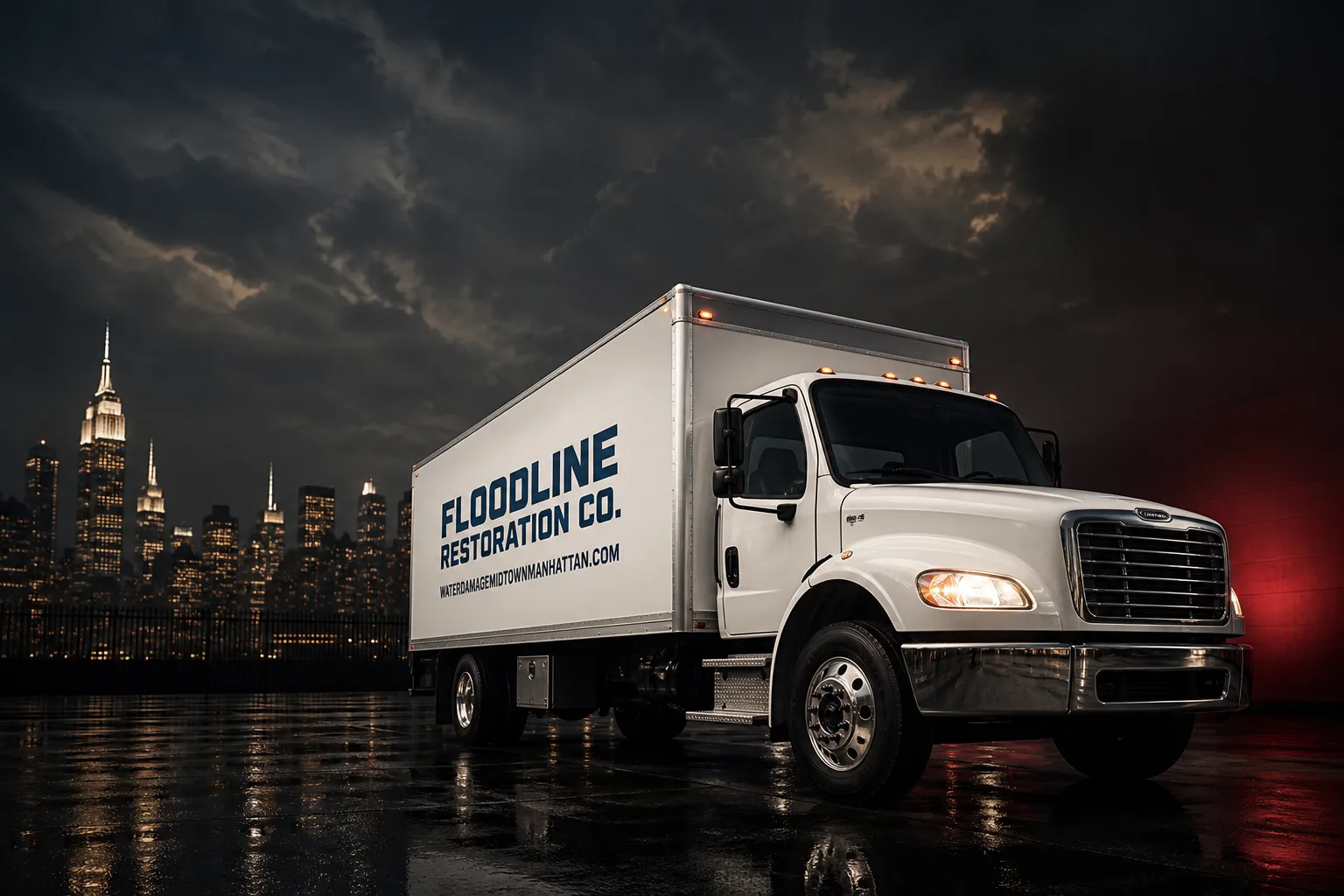
Free visual inspection and a written scope of work before any mitigation begins - photos, moisture readings, and drying logs go in your claim file
The scope we write is the scope we bill. Anything new gets shown to you, in writing, before we touch it.
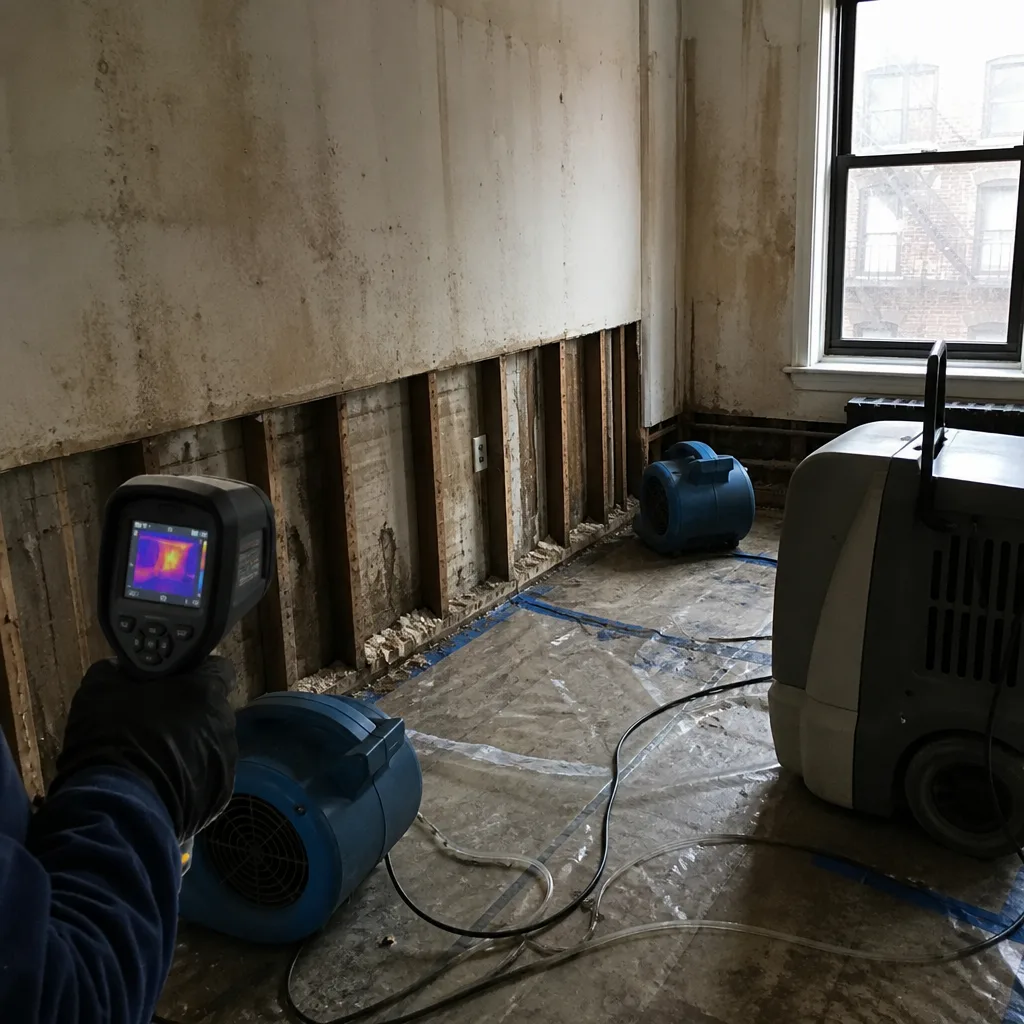 Before
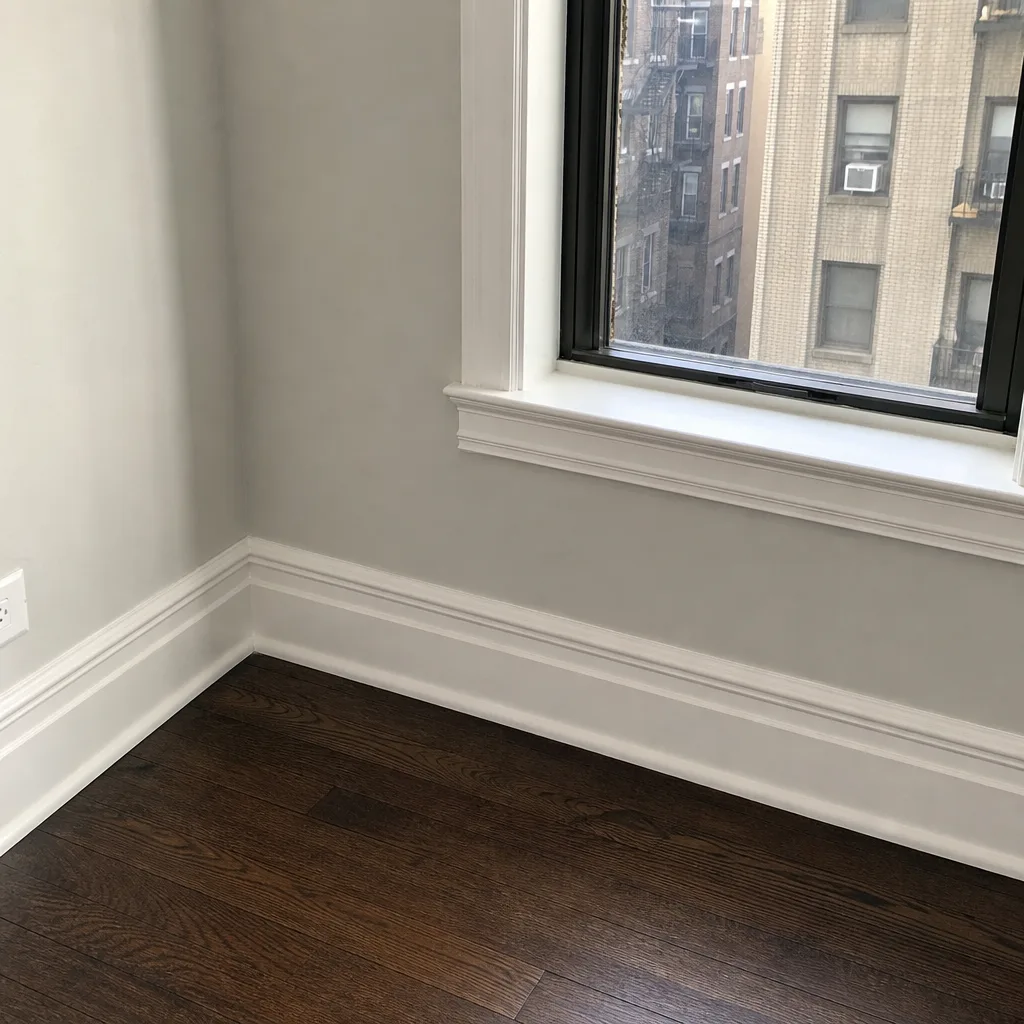 After
After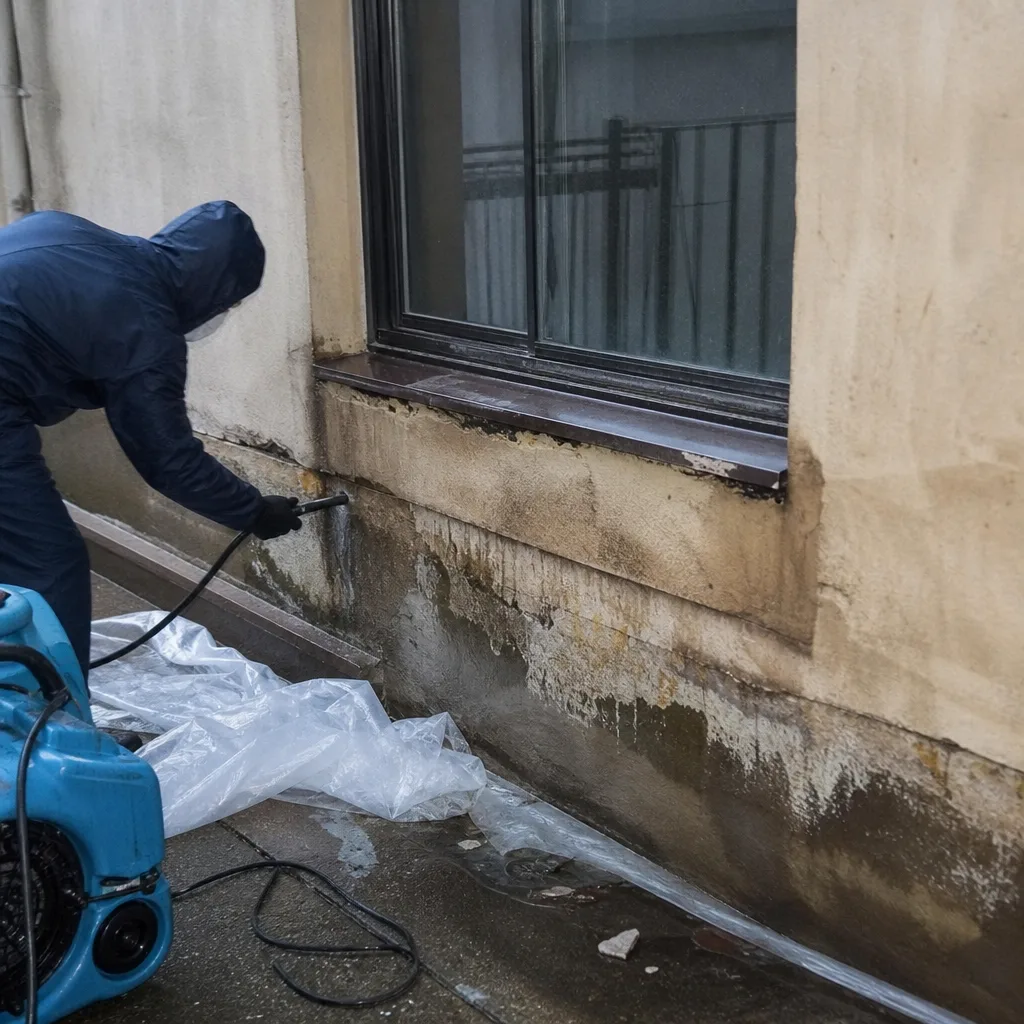 Before
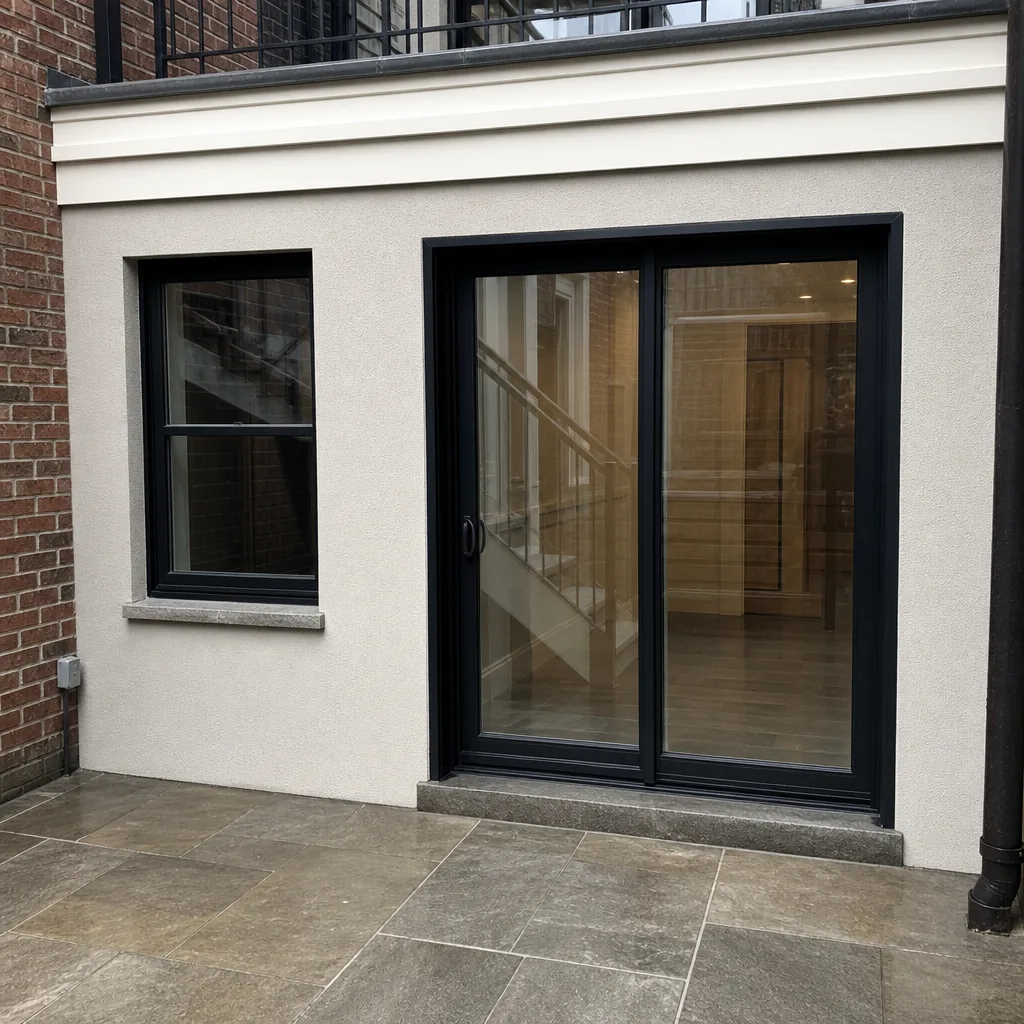 After
After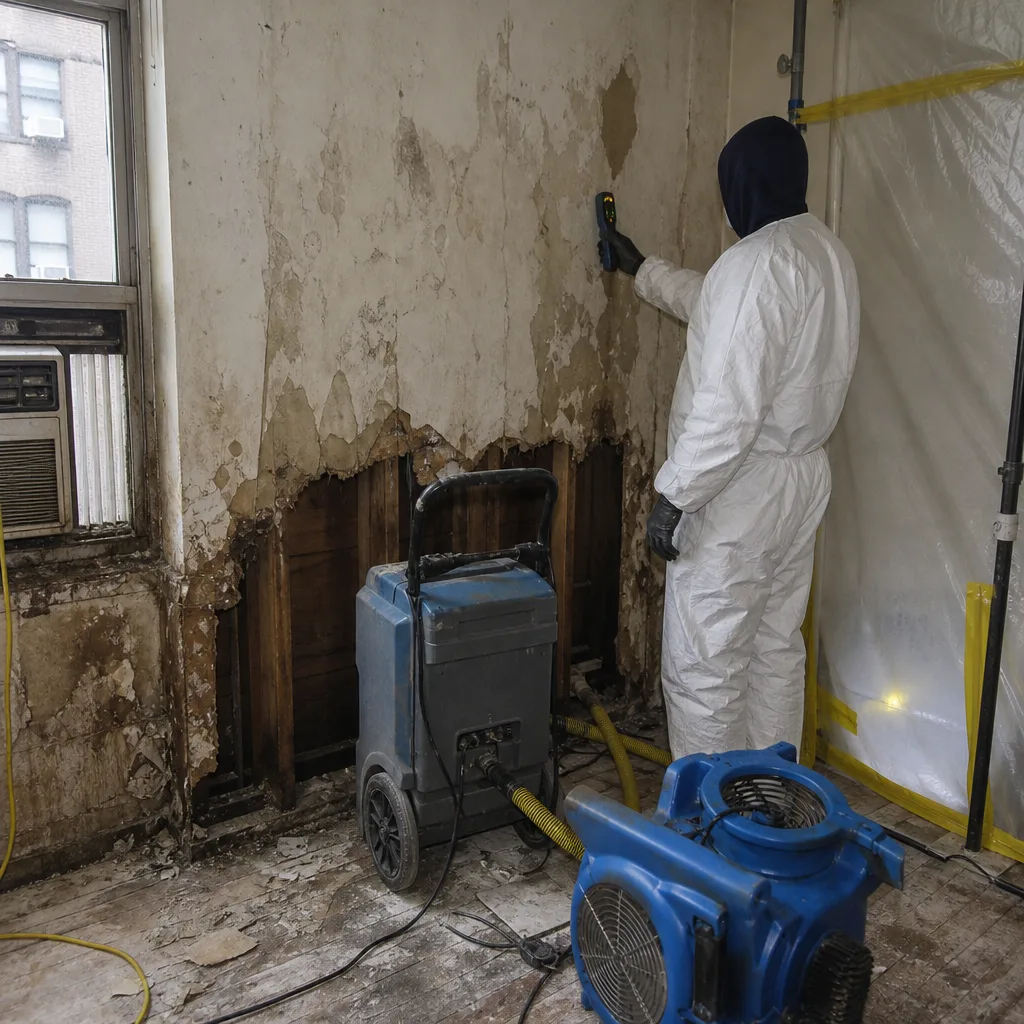 Before
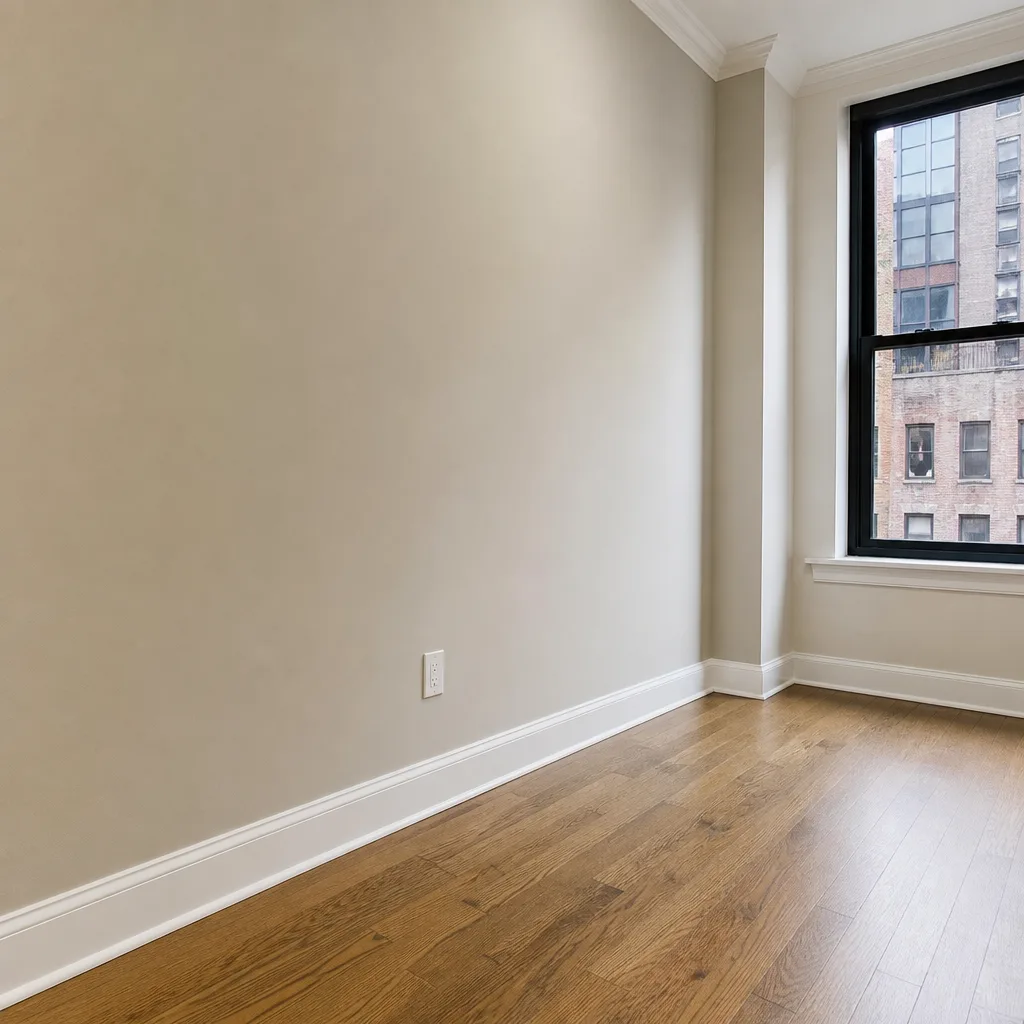 After
After24/7 Emergency Mold Remediation in Central Harlem
Mold remediation in Central Harlem typically costs $1,800-$4,200 for a contained, post-water-loss treatment in an average pre-war apartment, and most jobs we scope are underway within 24 hours of your call. If you’ve spotted black staining spreading across plaster, or you smell that damp, earthy odor behind a wall that won’t go away, call (518) 314-5660 right now. A live dispatcher answers at 2 a.m. the same way she answers at noon, and the sooner we get containment up and moisture readings logged, the less this job costs you. Mold doesn’t wait for business hours in a brownstone, and neither do we.
Central Harlem’s attached 4-6 story rowhouses and Old/New Law tenements share party walls, and that changes everything about how mold must be handled here. A bloom in your top-floor apartment may have started three buildings over, where a failed roof drain has been quietly feeding moisture through shared masonry for weeks. We scope the building, not just the unit, because that’s what these buildings demand. Every job starts with a free visual inspection and moisture mapping. From there, we give you a written scope before any work begins.
Understanding Mold Remediation Severity in Central Harlem Properties
Mold severity in Central Harlem brownstones and tenements falls into three practical tiers, and the building itself usually tells you which one you’re in before anyone lifts a tool. Tier one is surface colonization: microbial growth on finished walls, trim, or ceiling panels where humidity has been high, likely from a steam radiator, a roof drain backup, or condensation on uninsulated masonry. The fix is containment, HEPA air scrubbing, antimicrobial application, and addressing the moisture source. Most of these jobs are scoped and completed in one visit.
Tier two is hidden reservoir mold, the signature problem in pre-war Harlem housing. Original plaster-and-lath walls over brick party walls create wall cavities where moisture migrates unseen for weeks. We find this when a tenant says “I smell mold but I can’t see it.” That’s when we cut inspection ports behind baseboards or in closet corners, run a borescope, and map the moisture through the wall assembly with thermal imaging and penetrating hygrometers. The plaster usually has to come off back to the masonry, because anything less leaves the reservoir intact. This is the tier where most Central Harlem mold scopes land.
Tier three is cross-contamination: mold spores that have entered the HVAC or moved through wall cavities into adjoining rooms or neighboring apartments. In attached buildings, this is not rare. It requires full containment with negative air pressure, HEPA air scrubbers running throughout the job, clearance testing afterward, and coordination with adjacent landlords whose side of the party wall is also affected. That’s a conversation most contractors won’t have because it doubles the scope. We have it before we set up the first containment chamber.
Why Central Harlem Property Owners Choose Floodline Restoration Co.
- Live answer, every time. When you call (518) 314-5660, a person picks up. Not a prompt tree, not a recording. That dispatcher is in our New York City office and knows the Central Harlem map.
- 45-minute response commitment. Once we confirm your address, a crew is rolling toward Central Harlem with containment supplies, HEPA scrubbers, and moisture mapping equipment on the truck.
- IICRC-certified crews. Our mold work is led by technicians certified to IICRC AMRT (Applied Microbial Remediation Technician) and WRT (Water Restoration Technician) standards. Background-checked, uniformed, and trained to RIA and IFA standards as well.
- Free visual inspection and moisture mapping. We don’t charge to come see the problem. You get a written scope with line-item pricing before you approve anything.
- Direct insurance billing. We handle the adjuster, the photos, the drying logs, and the paperwork. You don’t play messenger between us and your carrier.
- One crew, start to finish. From the first moisture reading to the final coat of paint on rebuilt plaster, you’re dealing with the same Floodline team. No handoffs, no inherited subs.
Our Mold Remediation Process
Inspection & Moisture Mapping
We start with thermal imaging and penetrating moisture meters to find every wet area, including what’s hiding behind plaster and inside party-wall cavities. In Central Harlem, that means reading the neighboring wall assembly too, because the moisture source is often a shared roof drain or a failed riser in the next building over.
Containment Setup
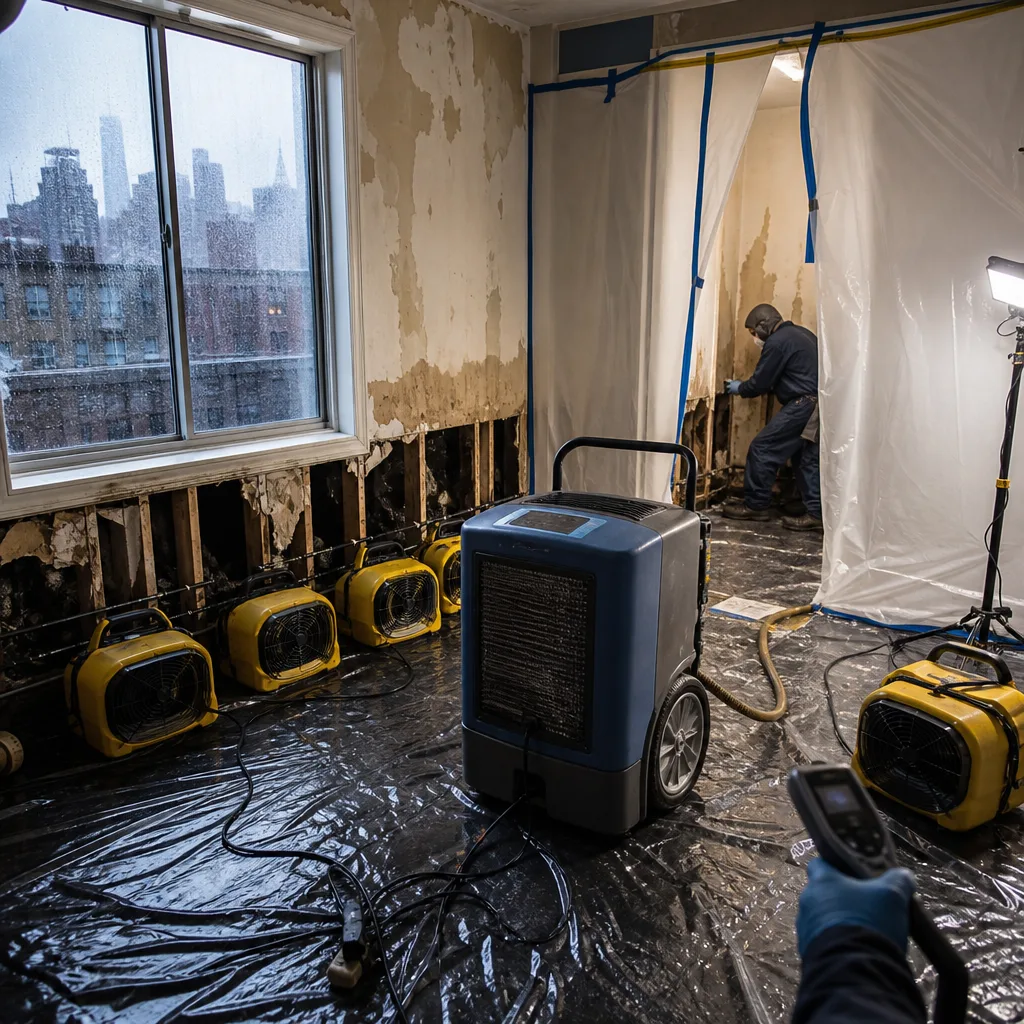
Before any mold is disturbed, we seal the work area with 6-mil poly sheeting and establish negative air pressure. HEPA air scrubbers run throughout the remediation so spores don’t spread to the rest of your apartment or into the building’s shared hallways.
Source Correction
Mold is a symptom. The cause might be a leaking cast-iron drain stack, a failed flat roof membrane, or a steam radiator valve that’s been weeping for months. We find it, then we stop it, because treating mold without correcting the source just means paying for this job twice.
Removal & Surface Preparation
Affected plaster, lath, and finishes are removed back to clean substrate, usually to the brick party wall in pre-war buildings. We bag and dispose of contaminated material through proper channels, following NYC disposal regulations for mold-contaminated debris.
Cleaning, Antimicrobial Treatment & Drying
Remaining structural surfaces are HEPA-vacuumed, wire-brushed where needed, and treated with a professional-grade antimicrobial. Then Dri-Eaz dehumidifiers and Phoenix air movers bring the masonry and framing to target moisture readings, verified daily and logged for you and your carrier.
Clearance Testing & Restoration
After remediation, we run post-remediation verification sampling if your scope includes it, and provide a written clearance report. Then we rebuild: new plaster, priming, paint, trim. The 90-Day Done Right Promise is in your hand before we leave.
Need Emergency Mold Remediation in Central Harlem Now?
Crews minutes away, answering live 24 hours a day. The sooner we start, the less it costs.
Working With Your Insurance Company
Mold claims in Central Harlem are different from most of the country because the policies covering rent-stabilized tenements and brownstones often carve out microbial growth unless it results directly from a covered water loss, like the steam riser that burst or the roof drain that backed up. When mold is covered, the carrier needs proof of the causal event, and that proof has to be documented from hour one. We provide it: photographs of the original water source, moisture readings before and during drying, a photo log of every affected room, and a line-item scope tied to IICRC standards. Then our team communicates directly with your adjuster, so you never have to translate between a remediation scope and an insurance claim.
What We Provide Your Insurer
- Thorough documentation of the loss
- Photos of all damage, room by room
- Moisture readings and drying logs
- A detailed, line-item scope of work
- Direct coordination with your carrier
Built for Central Harlem’s Loss Calendar
Central Harlem’s mold season does not follow a single calendar. It follows the building. January and February bring deep freezes that crack supply lines and split cast-iron radiator valves, and when a steam riser lets go in a top-floor unit, scalding water saturates plaster and original hardwood flooring within minutes. By the time the building super finds it, mold is already colonizing inside wall cavities. Late winter and early spring are the flat-roof failures: freeze-thaw cycling splits modified-bitumen membranes and opens seams on tar-and-gravel roofs, so weeks of accumulated snow and ice dump into top-floor apartments over the course of a few days. We call these the “thaw floods,” and they are the single biggest driver of top-floor mold calls in Central Harlem from February through April.
Summer brings the other pattern: humidity. Central Harlem’s tenements were built before central air, and many still run on window units and steam heat that’s off for the season. When July humidity sits at 70% for a week and a top-floor apartment has no mechanical dehumidification, condensation gathers on cold masonry walls and inside closets against uninsulated party walls. That’s a surface mold problem that becomes a cavity mold problem faster than most people expect. Fall is when we see the backlog: tenants return from summer, heat comes back on, the building settles, and smells that were dormant in August start announcing themselves by October.
Mold Remediation Across Central Harlem’s Neighborhoods
The buildings change block by block in Central Harlem, and so does the mold work. Along Strivers’ Row on West 138th and 139th Streets between Adam Clayton Powell Jr. Boulevard and Frederick Douglass Boulevard, those landmarked brownstones present a particular challenge: original plaster medallions, mahogany wainscoting, and historically protected woodwork that can’t simply be replaced. Our crews have done containment work in those homes that felt more like museum conservation than remediation, documenting every removed section and matching profiles before rebuild. Around Lenox Avenue and the 125th Street corridor, the housing shifts toward larger tenement walk-ups, many with commercial storefronts at grade, where a roof drain failure upstairs sends water down through multiple floors and into retail space. Those scopes require coordinating with two different insurance carriers, the building owner, and often the commercial lessee, all while keeping containment up so the upstairs units can stay occupied.
East of Fifth Avenue, toward the NYCHA complexes and pre-war walk-ups near Marcus Garvey Park, we see more steam heat failures, aging risers, and original pipe chases that have never been opened. The mold there hides behind radiators and inside closets on the bedroom side of the apartment, because that’s where the risers run. We know the stock well enough to look there first.
Specialized Mold Remediation Services We Offer in Central Harlem
Mold Inspection & Testing
In Central Harlem brownstones, a visual inspection is never enough. We run moisture meters across party walls, borescope behind baseboards, and check the pipe chase between your bathroom and the unit above. If you want independent confirmation, we collect air and surface samples and use a third-party lab for analysis, so the report does not come from the company doing the remediation. That matters when an HPD violation is in play or your landlord is contesting liability.
Mold Removal
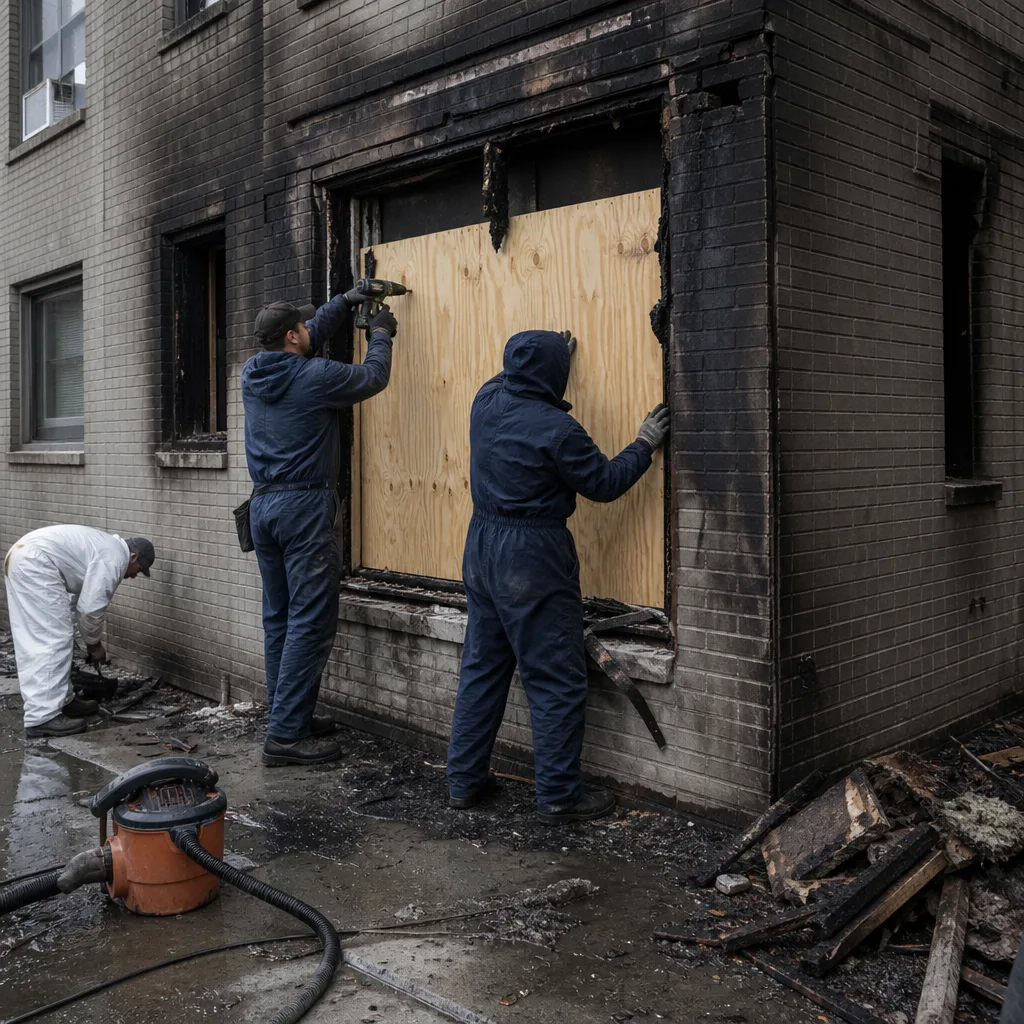
Removal is the physical work of getting colonized material out of your apartment. In pre-war brownstones, that usually means plaster back to brick, removal of contaminated lath, and disposal of any wood trim or flooring that failed moisture readings. We contain first, every time, so the rest of your apartment is not exposed to spores while we work.
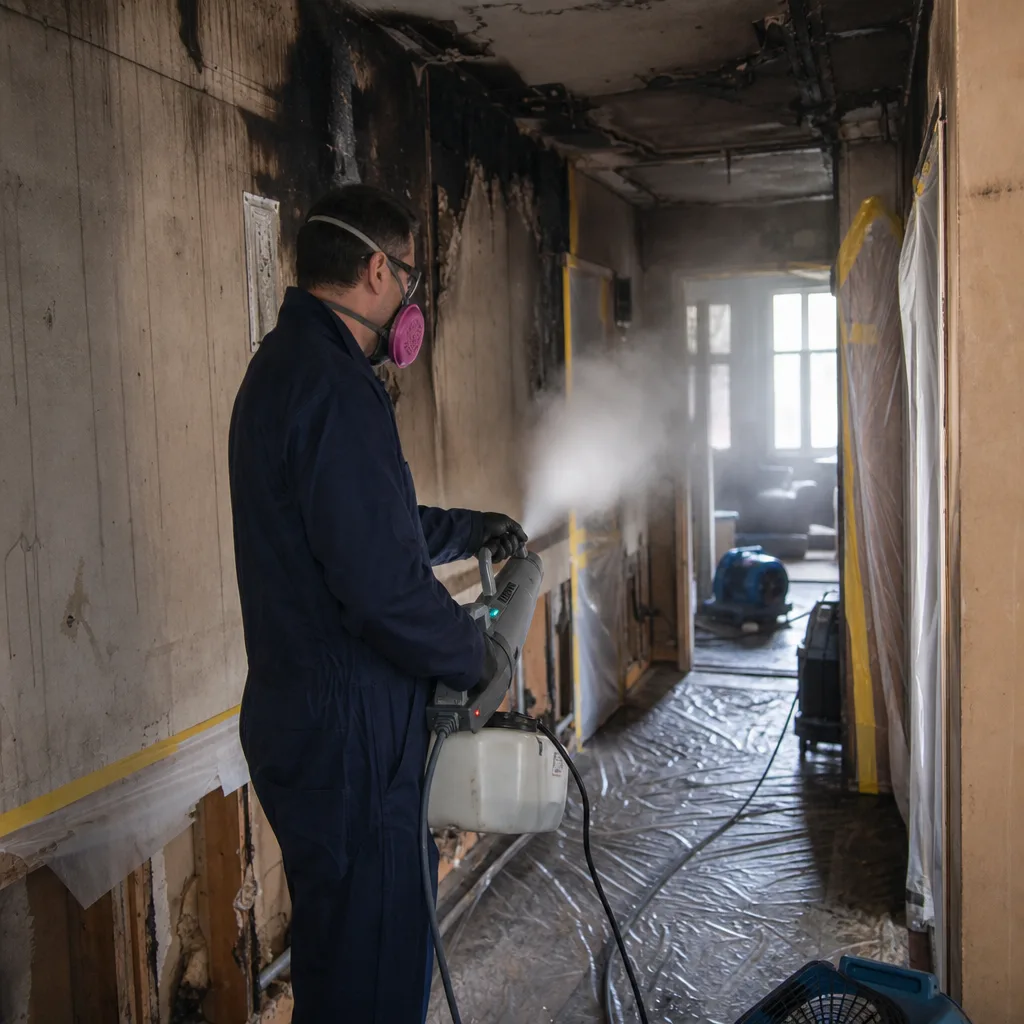
Black Mold Remediation
Stachybotrys, what people call “black mold,” gets attention because it’s the one everyone hears about. The truth is that any prolonged mold exposure in a living space is a problem, and the color does not determine the urgency. What matters is the reservoir: how much material is colonized and how long the moisture has been there. We treat stachybotrys with the same containment and removal standard as every other mold job, because the standard is what protects you.
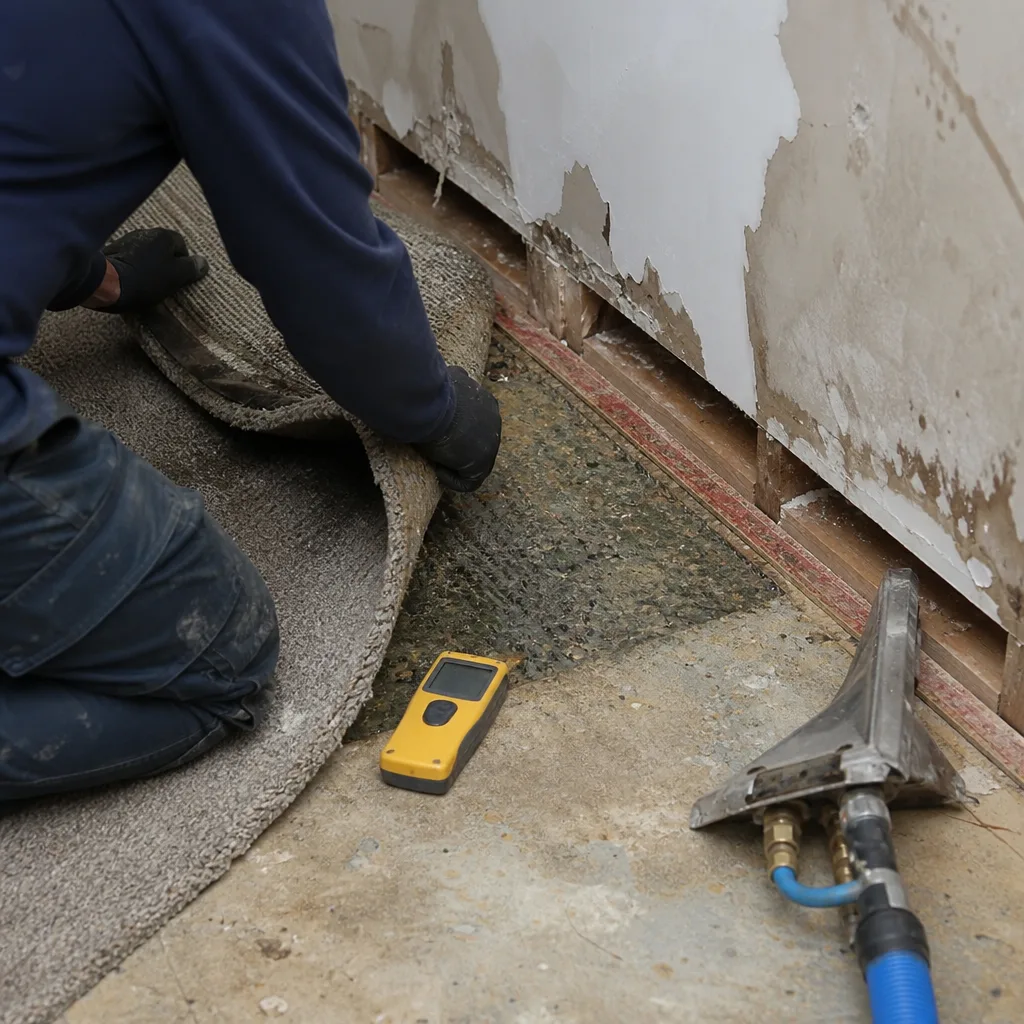
Air Quality Restoration
After mold removal, the air in the apartment needs to be cleaned, not just the walls. We run HEPA air scrubbers during the job and, where the HVAC carries spores, clean the duct runs and supply registers. If your building has a shared air shaft or vent riser, we check it, because spores can travel vertically through those chases the same way smoke does.
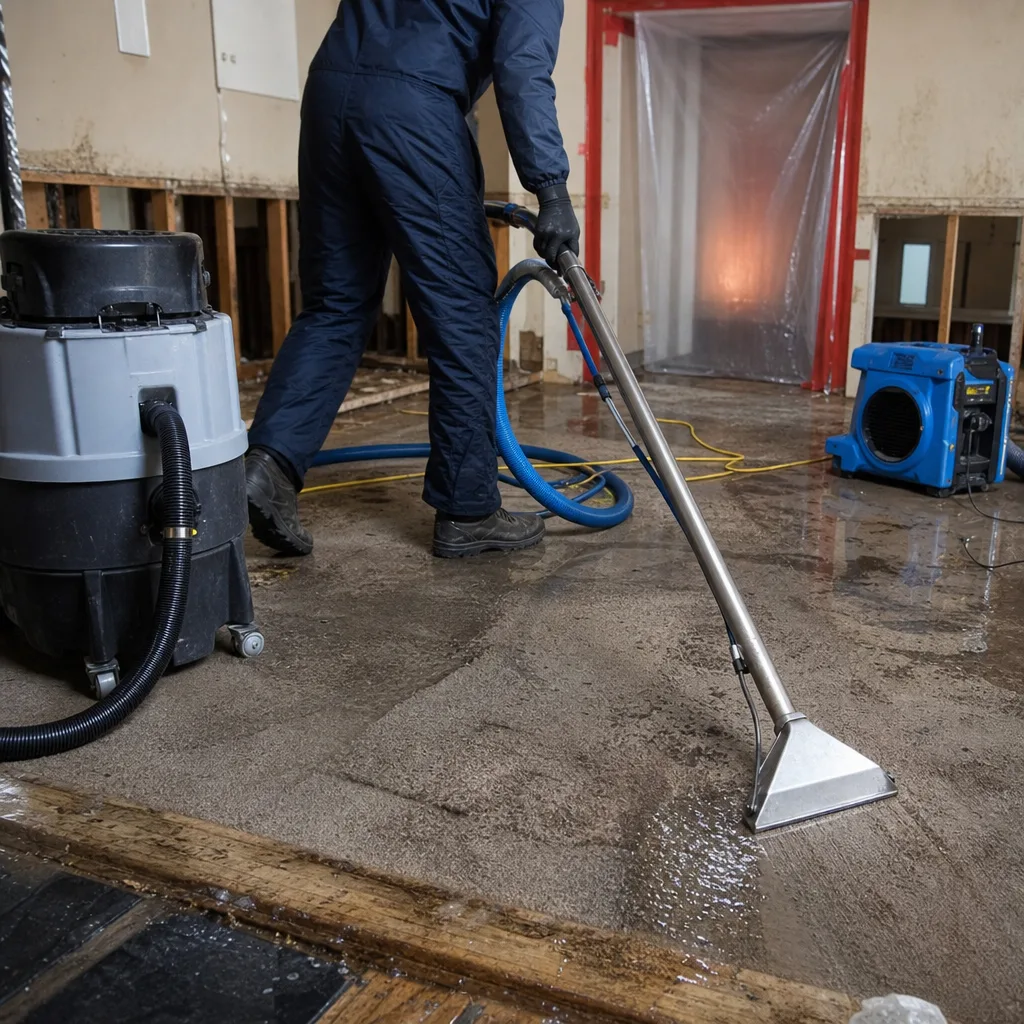
Crawl Space Treatment
Some of Central Harlem’s older brownstones have shallow crawl spaces or cellars with dirt floors, and those spaces are moisture engines. We treat the structural wood with antimicrobials, install vapor barriers where appropriate, and correct the moisture source, usually surface water from a failed drain or condensation from uninsulated pipes.
What happens when you call
- 1
A real person answersNo phone trees - you reach a local pro.
- 2
You get an upfront price rangeHonest numbers before anyone is dispatched.
- 3
A background-checked tech heads outLicensed & insured, dispatched right away.
- 4
You approve before work beginsNothing starts until you say go.
Mold Remediation Costs in Central Harlem, NY
Mold remediation in Central Harlem runs on a different scale than a suburban house, because the work is usually inside occupied pre-war apartments with contained access, shared walls, and finished plaster to protect. A surface treatment job with no hidden reservoir, say a closet wall behind a leaky radiator, typically runs $800-$1,800. A full contained remediation with plaster removal back to brick in a single room lands between $2,500 and $5,000. Multi-room or party-wall scopes, where we’re remediating on both sides of the masonry, run $6,000, and up to $15,000 or more when multiple units, a shared stair hall, or a commercial ground floor are involved. What moves the price is the size of the containment area, how much original material must be removed, whether lead paint abatement protocols kick in, and whether the roof or drain system that caused it needs repair. Insurance covered mold claims are more common here than most people realize when the mold results from a sudden steam-riser or roof-drain failure, but every carrier is different. The way to know is a free inspection and a written scope. Call (518) 314-5660 and we’ll map your moisture, show you where the mold is, and give you a firm number before anyone starts working.
We Also Serve Cities Near Central Harlem
Floodline Restoration Co. runs mold remediation and full restoration work throughout Manhattan. Our crews are regularly in Central Harlem and also serve Midtown Manhattan, Midtown West, Murray Hill, and Washington Square. If you’re a block outside our usual corridor, call anyway. We’d rather tell you we can get there than have you wait on someone who’s never worked in a pre-war tenement.
Serving Central Harlem, NY - Our Local Coverage Area
We’re based in the Central Harlem area and know this community well. Use the map below to see our service coverage - if you’re nearby, we can almost certainly help.
Central Harlem Mold Remediation Questions, Answered
Can mold spread between my apartment and my neighbor’s in a Central Harlem brownstone?
Yes. In attached brownstones, mold moves through party wall cavities, shared pipe chases, and floor joist bays that run between buildings. We’ve scoped top-floor mold in one building and found the moisture source was a failed roof drain on the neighboring building, three addresses over.
If I’m a rent-stabilized tenant and I find mold, does my landlord have to fix it?
In NYC, HPD can issue a violation for mold if it’s classified as a Class C condition, which includes visible mold above certain square footage in specific room types, and that violation compels the landlord to remediate. Local Law 55 of 2018 established these standards, and tenants whose landlords fail to fix the condition have legal remedies, including rent abatement through HP court. You don’t have to wait. Call us. We’ll document the condition, write the scope, and can coordinate directly with your landlord or managing agent.
My building has a flat tar roof. Why does mold keep coming back on the top floor?
Because the water keeps coming back. Flat built-up tar roofs and modified-bitumen membranes on Central Harlem brownstones fail at seams and flashings from freeze-thaw cycling every winter. If you treat the mold but don’t repair the membrane, every thaw re-wets the same top-floor plaster, and the mold returns. We corrected the roof or drain issue as part of every top-floor mold scope we write, or we tell you in writing that the roof needs a roofer before our guarantee holds.
Do I need to move out during mold remediation in a Central Harlem pre-war building?
Usually not for a single-room scope, but it depends on the size of the containment area, whether the HVAC serves the whole apartment, and your personal sensitivity. If we’re gutting plaster in multiple rooms with negative air running, most people prefer to stay elsewhere for a few days. Your insurer often covers alternative living expenses when the claim is approved. We’ll tell you straight, based on the scope, not based on what’s convenient for our schedule.
What should I do if I smell mold but can’t see it in my Central Harlem tenement?
Don’t open walls yourself. The mold is almost certainly behind plaster, in a wall cavity, or inside a pipe chase. Poking holes without containment just releases spores into your living space. Call (518) 314-5660. We’ll do a free visual inspection, run moisture readings along suspect walls, and if the readings justify it, we’ll cut small inspection ports with a HEPA vacuum running, then scope the cavity with a borescope.
How fast can you actually get to Central Harlem?
Our response commitment is 45 minutes from confirmed address in Central Harlem. Our New York City office dispatches locally, and crews are in the area throughout the week. If you call at 3 a.m. with a steam riser that just blew, extraction can begin the same visit.
How long does mold remediation take in a Central Harlem apartment?
A single-room contained remediation with plaster removal typically runs 3 to 5 days from setup to clearance testing. Multi-room or party-wall scopes run 1 to 3 weeks. The drying phase usually dictates the timeline, and pre-war masonry and thick plaster take longer to release moisture than modern drywall. We give you a written schedule as part of the scope.
Will my insurance cover mold remediation?
In most Central Harlem policies, mold remediation is covered only when it results from a sudden, covered water loss like a burst steam riser, a supply line failure, or sometimes a roof drain backup. Gradual leaks or long-standing humidity problems are usually excluded. We document the causal event in writing for your carrier, with photos and moisture logs, and we handle the claim communication directly, so you’re not left arguing coverage with an adjuster.
If you’ve got mold in a Central Harlem apartment, brownstone, or tenement, the clock is running. We’ll be there when we say, we’ll scope the building not just the unit, and we’ll stand behind the work in writing. Call (518) 314-5660 for a free inspection and a straight answer.
Written by Curt Bowman, Owner at Floodline Restoration Co., serving Central Harlem and greater New York City with mold remediation and full-cycle restoration since 2010.