
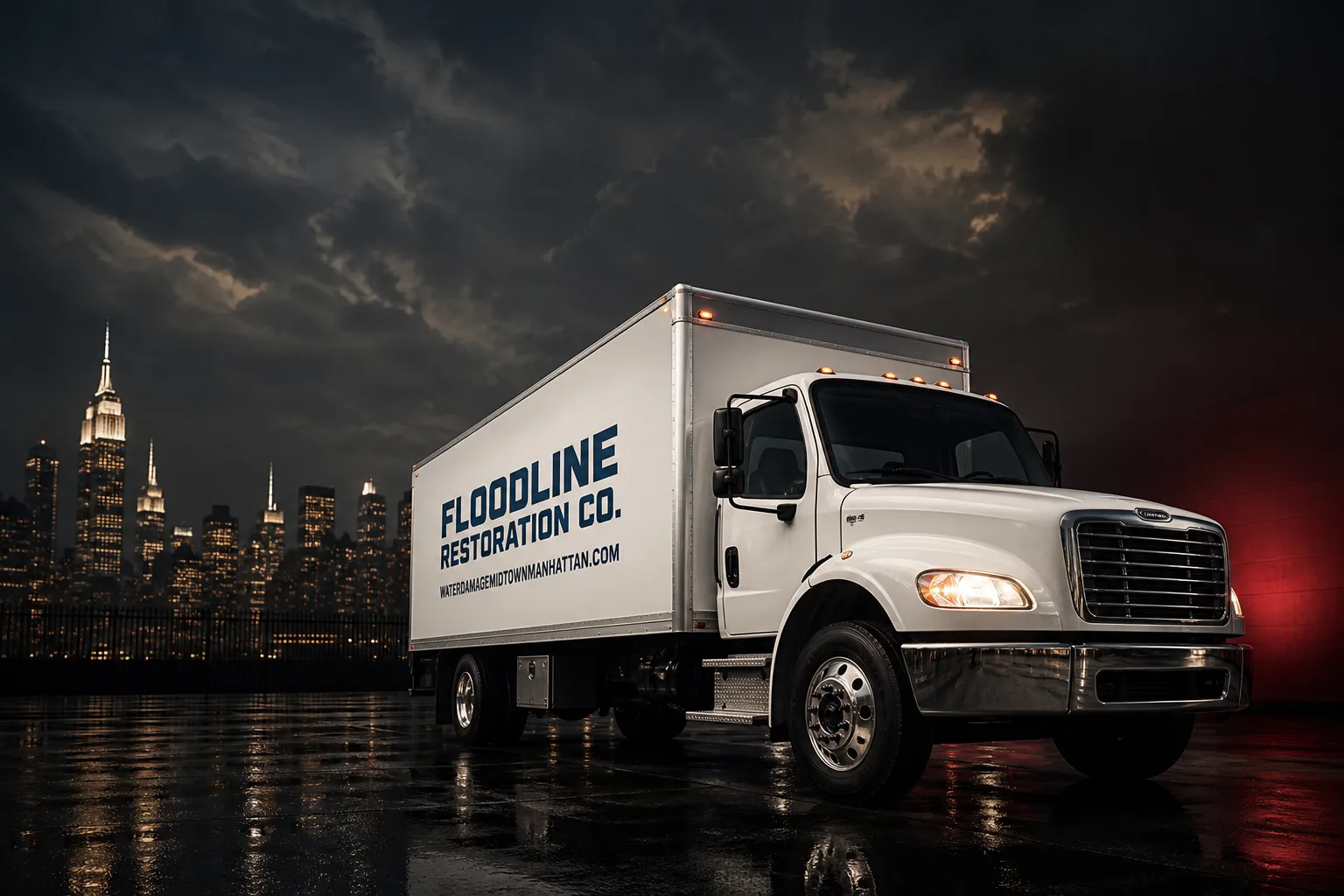
Free visual inspection and a written scope of work before any mitigation begins - photos, moisture readings, and drying logs go in your claim file
The scope we write is the scope we bill. Anything new gets shown to you, in writing, before we touch it.
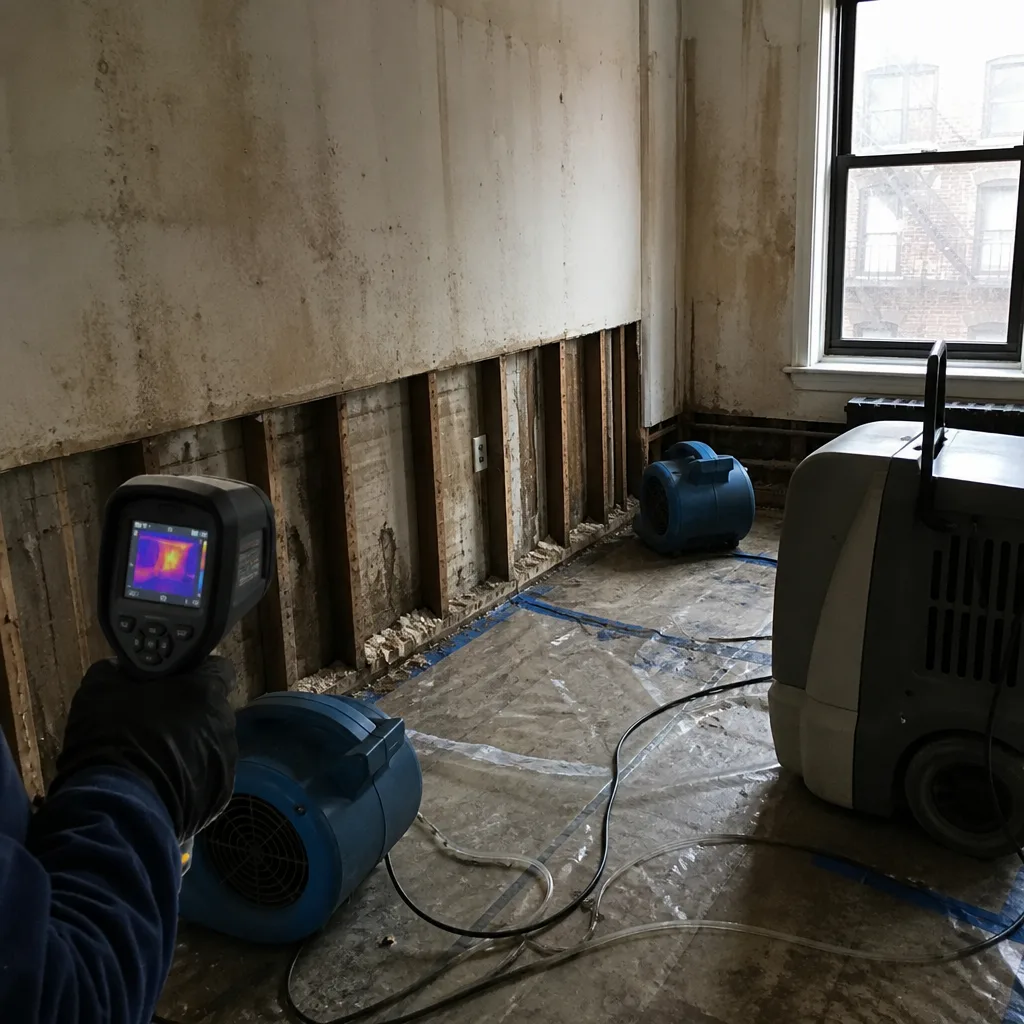 Before
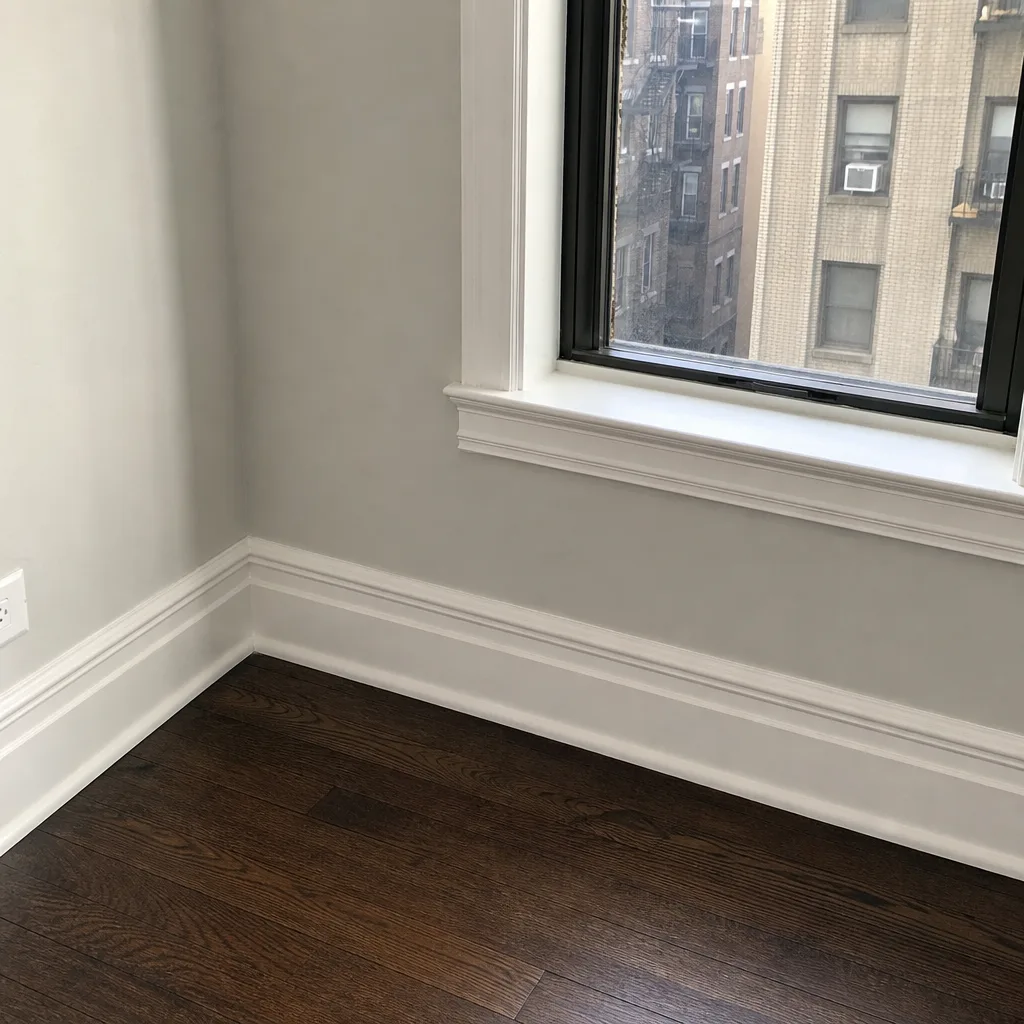 After
After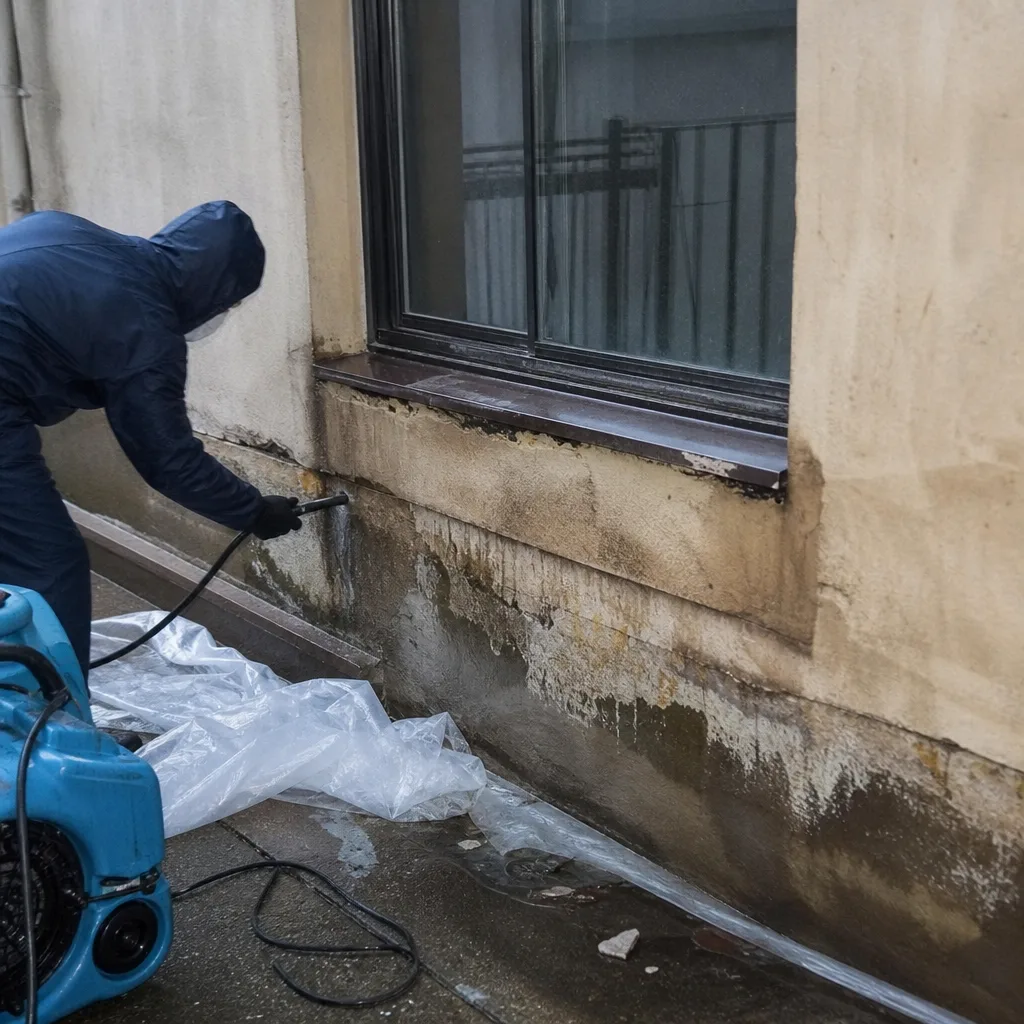 Before
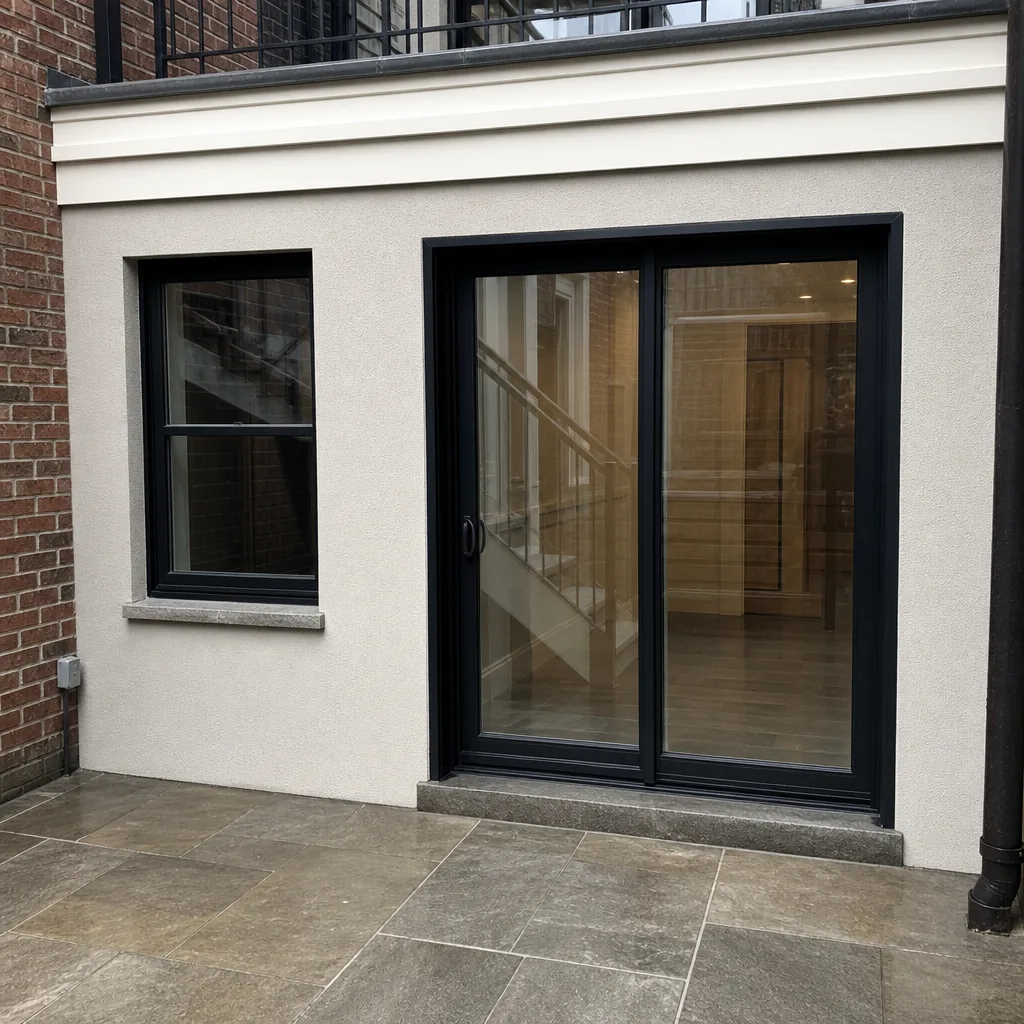 After
After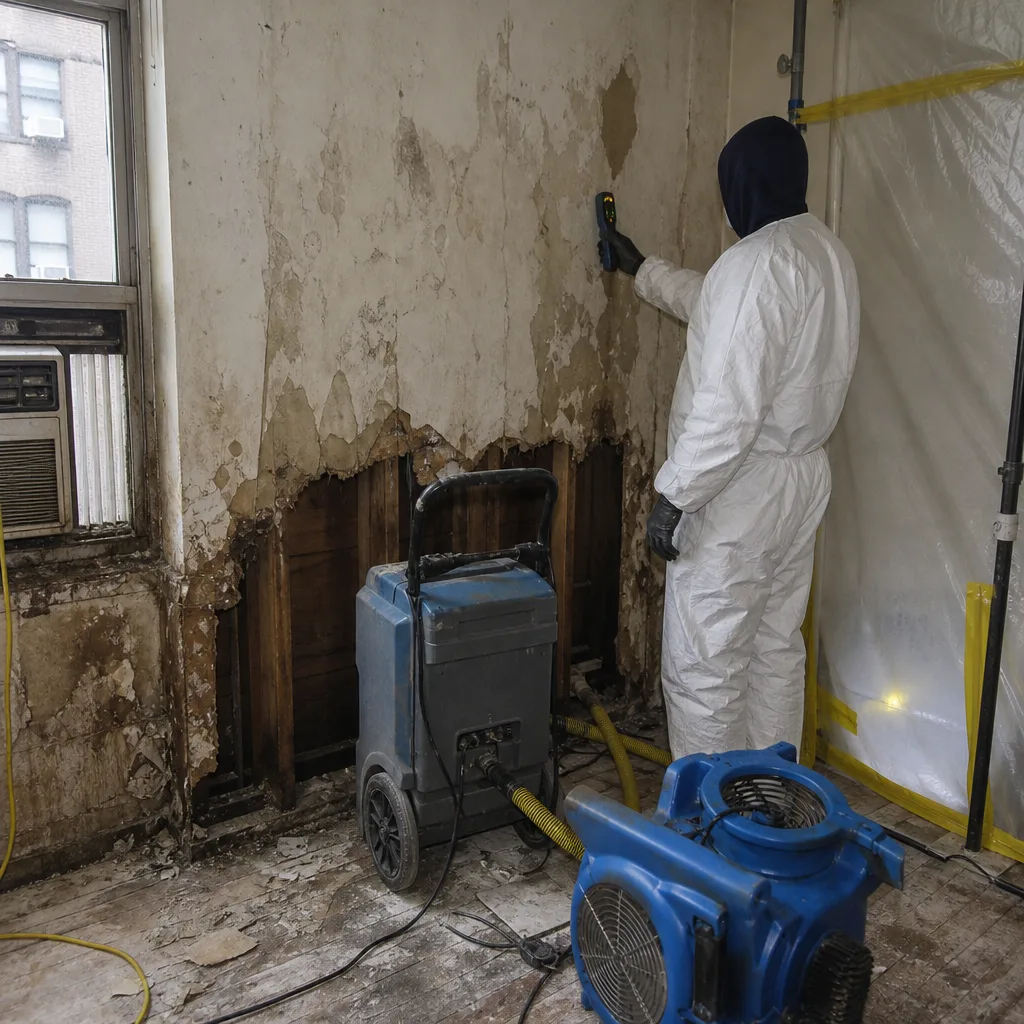 Before
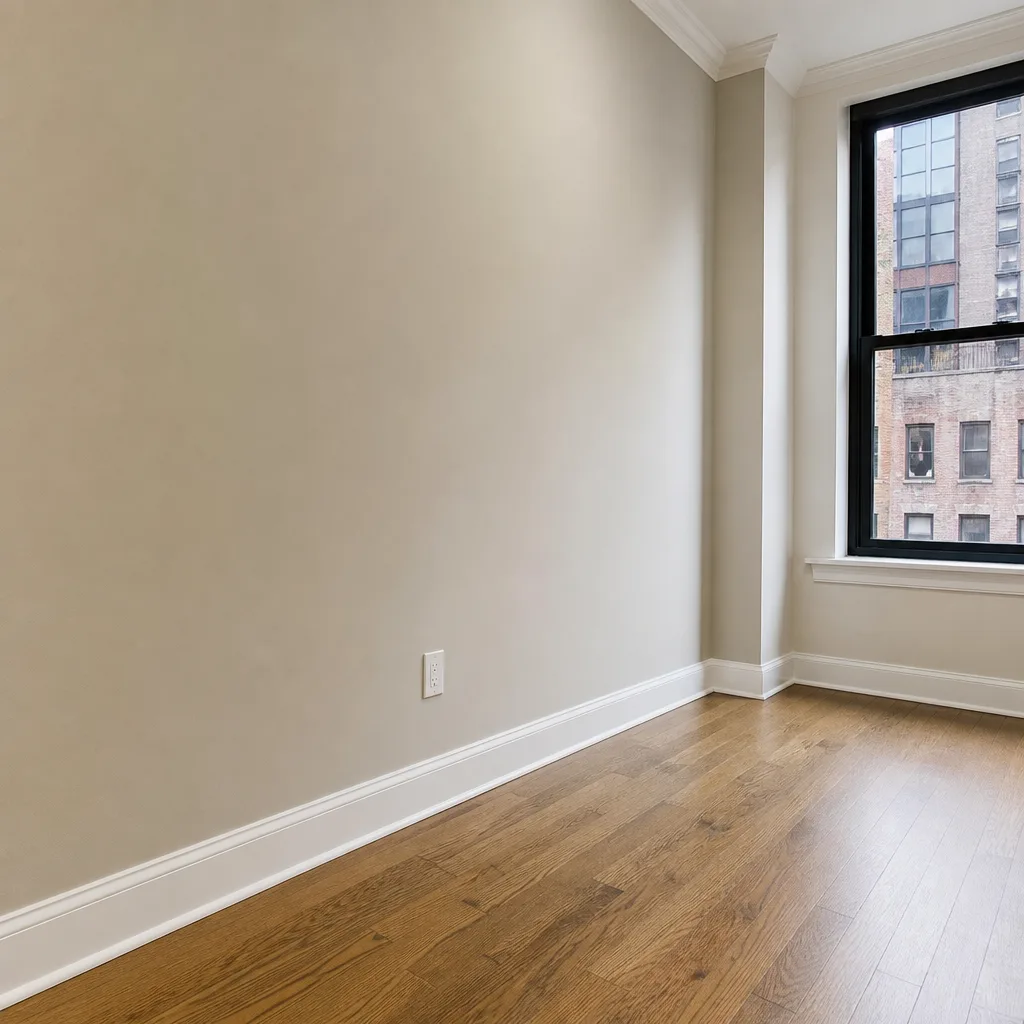 After
After24/7 Emergency Fire & Smoke Damage Restoration in Upper West Side
Fire and smoke damage in an Upper West Side co-op or rowhouse requires immediate response, not just to clean what burned but to stop what’s still spreading. Smoke drives into plaster, lath, and shared pipe chases within hours; water from fire suppression saturates the floors below. Call (518) 314-5660 now and a live dispatcher answers, day or night. We send a background-checked, uniformed crew into the Upper West Side right away, and the first visual inspection is free. The first hour decides how much of the damage can be cleaned versus demolished.
Understanding Fire & Smoke Damage Restoration Severity in Upper West Side Properties
Upper West Side fires produce different severity levels depending on the building’s age and construction. A grease fire in a contemporary kitchen on Columbus Avenue may leave light protein soot that cleans off sealed surfaces. But a stove fire in a 1910 limestone co-op on West End Avenue behaves differently. The original plaster-and-lath walls act as a wick, pulling smoke residue deep into the substrate while the surface feels dry. Soot types matter too: dry soot from high-oxygen fires brushes off relatively easily, while greasy, wet soot from smoldering synthetic materials bonds to painted plaster and original woodwork, requiring chemical sponges and aggressive HEPA scrubbing. Smoke migrates through baseboard gaps, electrical outlets, and the cast-iron pipe chases that run vertically through pre-war Upper West Side buildings. A fire contained to one apartment can deposit soot in units four floors above it without a single flame leaving the source room. Moisture from firefighting compounds the damage, saturating plaster that then releases humidity into cavities behind walls. That hidden moisture, combined with the Upper West Side’s riverside humidity, becomes a mold risk within 48 to 72 hours if untreated. Severity here is rarely about the room that burned. It’s about the building the fire happened in.
Why Upper West Side Property Owners Choose Floodline Restoration Co.
- 45-minute response commitment. When you call with a fire emergency in the Upper West Side, we commit to having a crew dispatched and moving toward you within 45 minutes, not tomorrow.
- A real person answers, always. No automated phone tree. A live dispatcher picks up at 2 a.m. and starts the process while you’re still on the line.
- IICRC-certified crews. Our technicians hold FSRT and AMRT certifications, which matter when soot cleanup intersects with the water damage from fire suppression.
- Free visual inspection. We look at the damage with you, explain what we see, and put a scope in writing before any work starts.
- Direct insurance billing. We document everything from the first hour and bill your carrier directly. You never play messenger between us and the adjuster.
- One team from first call to final coat. The same Floodline crew that secures the unit and extracts the water is the crew that rebuilds the wall and rehangs the door.
Our Fire & Smoke Damage Restoration Process
Inspection & Assessment
We arrive, walk the unit with you, and document everything. Thermal imaging and moisture meters map where water traveled and where smoke penetrated. For pre-war Upper West Side buildings, we request the riser diagram from the super before scoping any work.
Board-Up & Extraction
We secure windows and openings if fire damaged the envelope, then extract standing water from suppression efforts. Air movers and Dri-Eaz dehumidifiers begin pulling moisture from saturated plaster and flooring within the first visit.
Drying & Dehumidification
Deep-cavity structural drying reaches the water inside walls and under floors. Daily moisture readings get logged, and the log is shared with you and your insurer until the dry standard is met, not when the surface feels dry.
Cleaning & Sanitization
Soot is removed with the appropriate method for the residue type: dry sponge, HEPA vacuum, or chemical action. We treat both surfaces and the air, using HEPA air scrubbers to capture airborne particulates that settle back onto furniture.
Odor Removal & Deodorization
Smoke odor lives in porous materials. We deploy hydroxyl generators and thermal fogging where appropriate, targeting the odor source, not just masking it. Pre-war plaster and original woodwork respond differently than modern drywall, and we treat them accordingly.
Repairs & Restoration
We rebuild what needs rebuilding: plaster repair, refinishing of original moldings, repainting, and structural work. The goal is pre-loss condition, not a cover-up. Floodline carries the job to completion with the same crew and hands you the written 90-Day Done Right Promise when we finish.
Need Emergency Fire & Smoke Damage Restoration in Upper West Side Now?
Crews minutes away, answering live 24 hours a day. The sooner we start, the less it costs.
Working With Your Insurance Company
In Upper West Side co-ops, fire claims almost always involve multiple parties: the unit owner, the building’s master policy, and sometimes the neighbor whose fire started it. We document from the first hour so your carrier sees exactly what we saw. Photos are taken room by room before anything is moved. Moisture readings get logged daily. The scope of work is line-item specific, written for adjusters who understand pre-war construction. We coordinate directly with your adjuster and the building’s insurance representative. You don’t translate between us and the carrier, and you don’t chase paperwork. One claim, one clear record, no surprises on the bill.
What We Provide Your Insurer
- Thorough documentation of the loss
- Photos of all damage, room by room
- Moisture readings and drying logs
- A detailed, line-item scope of work
- Direct coordination with your carrier
Built for Upper West Side’s Loss Calendar
The Upper West Side doesn’t have one fire season. It has a pattern. January and February bring space heaters into pre-war apartments with original wiring, and electrical fires follow. February’s deep freezes have burst radiator supply lines all over the neighborhood, sending water through floors while the fire department is still on scene or long after. Spring and summer don’t mean fewer fires; they mean more cooking fires, balcony grills on Riverside Drive, and the occasional electrical overload as window AC units strain 1920s wiring. Nor’easters in the fall and winter drive wind-blown rain into aging limestone façades along Riverside Drive, where chronic envelope intrusion can short out wiring and start fires inside walls. None of this is theoretical. We see it every year on the Upper West Side, and our equipment and protocols are built around what actually happens here, not what a national manual says happens everywhere.
Fire & Smoke Damage Restoration Across Upper West Side’s Neighborhoods
Response time on the Upper West Side depends on where you are between Riverside Drive and Central Park West, and we plan routes accordingly. From Manhattan Valley in the north down to Lincoln Square, our crews navigate Broadway and Amsterdam Avenue to reach pre-war walk-ups where access means coordinating with a super and a service elevator. Along Central Park West, we deal with large co-op towers where fire and water move vertically through riser cores, and gaining access to the fire floor often requires board approval before we can even open a wall. On West End Avenue and Riverside Drive, the grand 1920s and 1930s buildings have original plaster moldings and custom woodwork that smoke stains deeply; restoration there means preservation, not just cleaning. The side streets, West 79th through West 96th, hold the brownstone and limestone conversions where a kitchen fire in one unit sends smoke through shared floor joists into the apartment above. Each of these Upper West Side pockets has its own building stock, its own restoration challenges, and its own route to our crews. We know them all.
Specialized Fire & Smoke Damage Restoration Services We Offer in Upper West Side
Fire Damage Cleanup
After the fire is out, we remove charred debris, damaged contents, and unsalvageable building materials. On the Upper West Side, this often means carefully separating original plaster and period moldings that can be saved from modern materials that can’t. We waste nothing that can be restored.
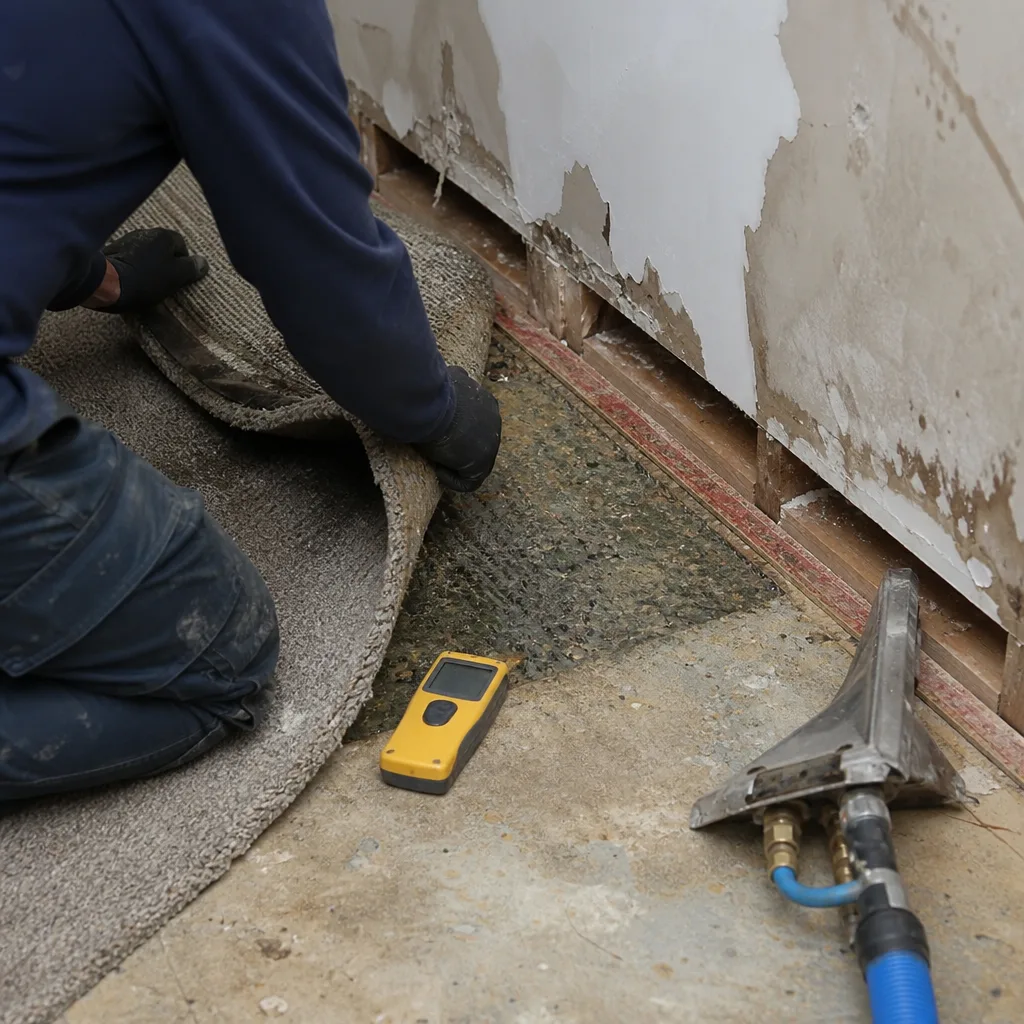
Smoke & Soot Removal
Smoke and soot don’t stop at the fire room. We treat every surface smoke touched, using the right method for the residue type and the surface beneath it. Soot on original Upper West Side crown moldings gets different treatment than soot on a painted renter’s wall.
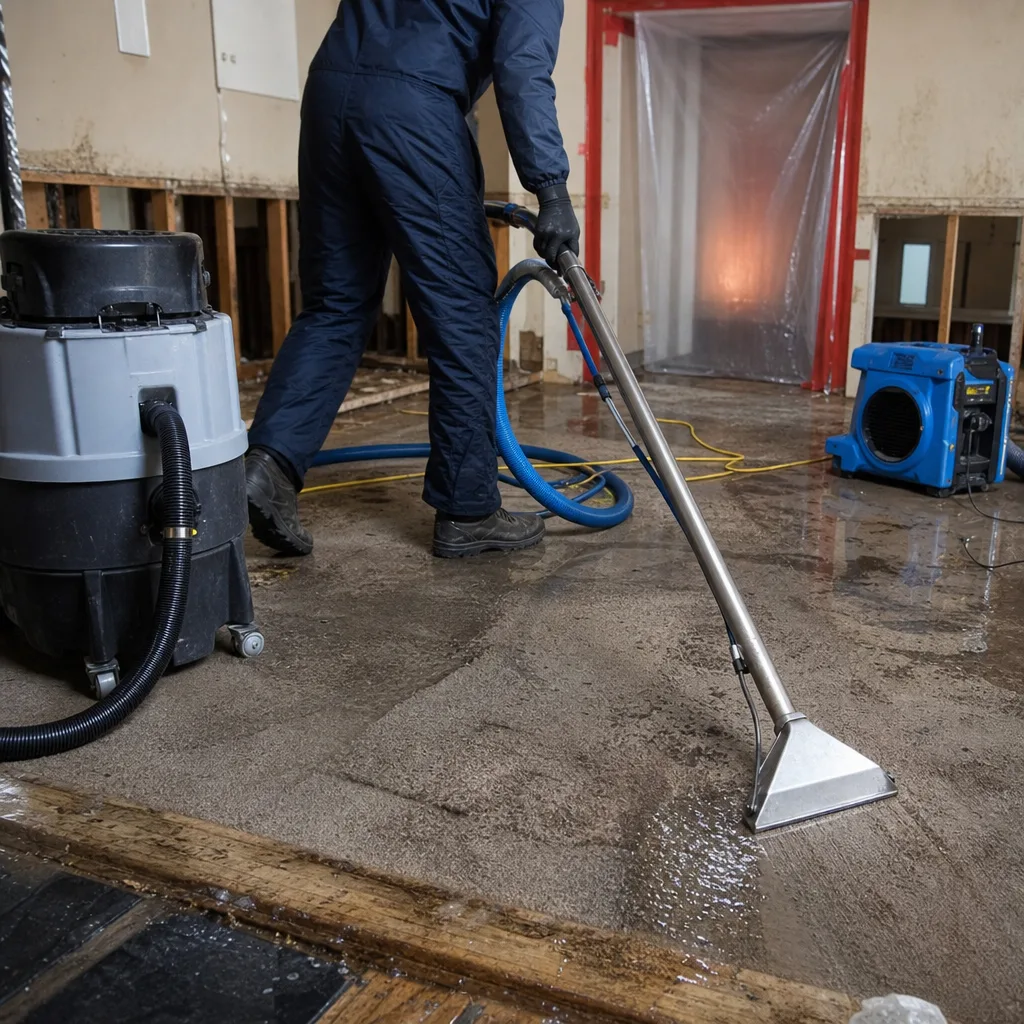
Odor Removal & Deodorization
Smoke odor lingers because it embeds in porous plaster, wood, fabric, and insulation. Thermal fogging and hydroxyl generators reach what surface cleaning can’t. In pre-war Upper West Side apartments, we target the cavities and chases where odor hides, not just the room where the fire burned.
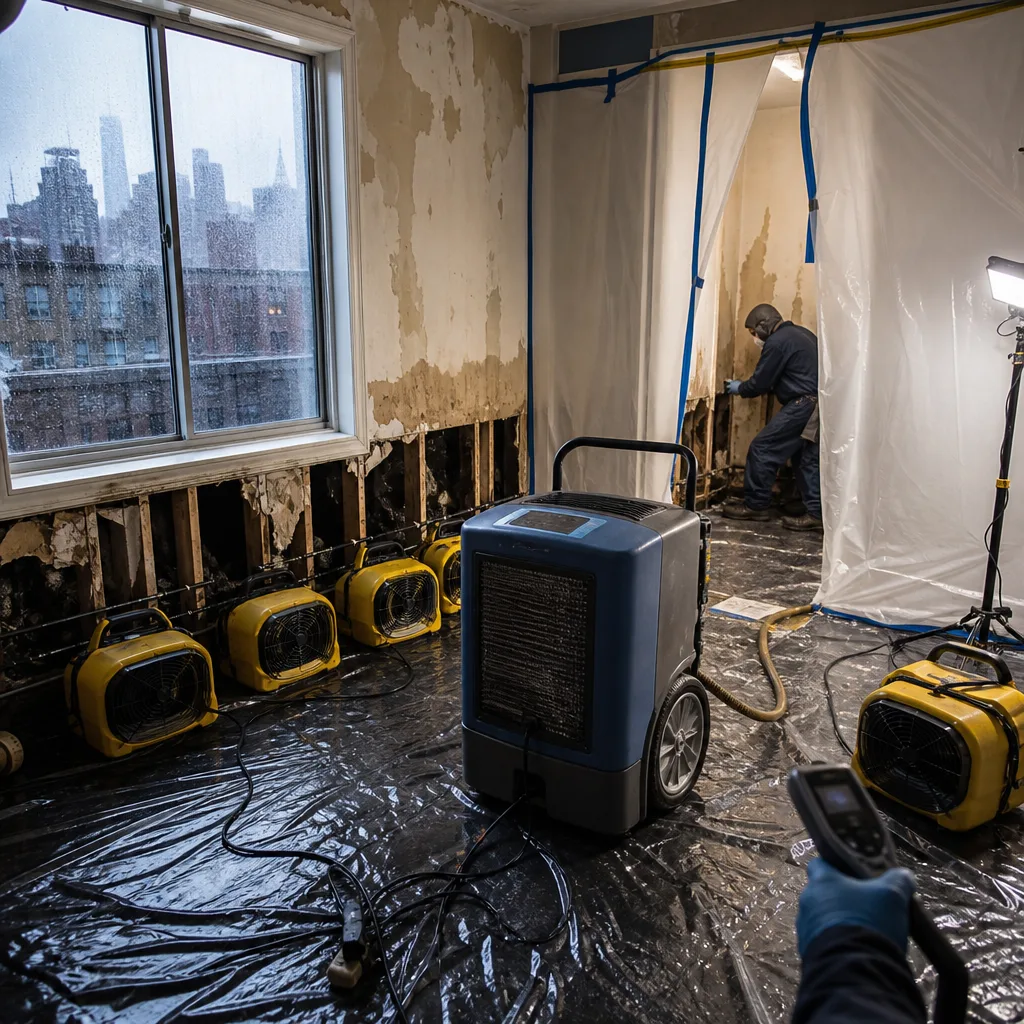
Contents Cleaning & Pack-Out
When contents can be cleaned off-site, we inventory, pack, and transport them to a secure facility. When they need to stay in the unit, we clean them in place under containment. Every item gets documented so nothing disappears in the shuffle.
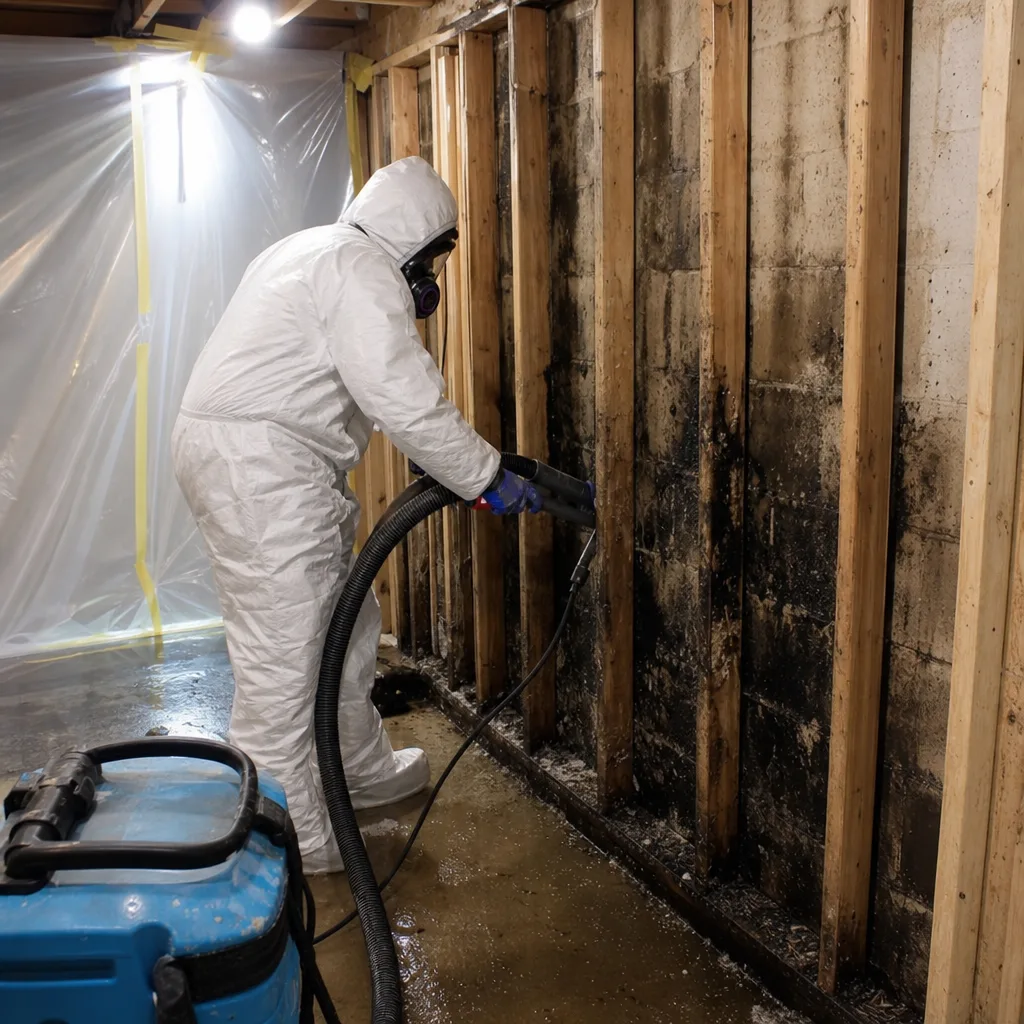
Emergency Board-Up & Tarping
Fire often breaks windows and compromises walls or roofing. We board up and tarp the same day, securing the unit against weather, intrusion, and further damage. On the Upper West Side, where a broken window on a high floor is a liability to the street below, this cannot wait.
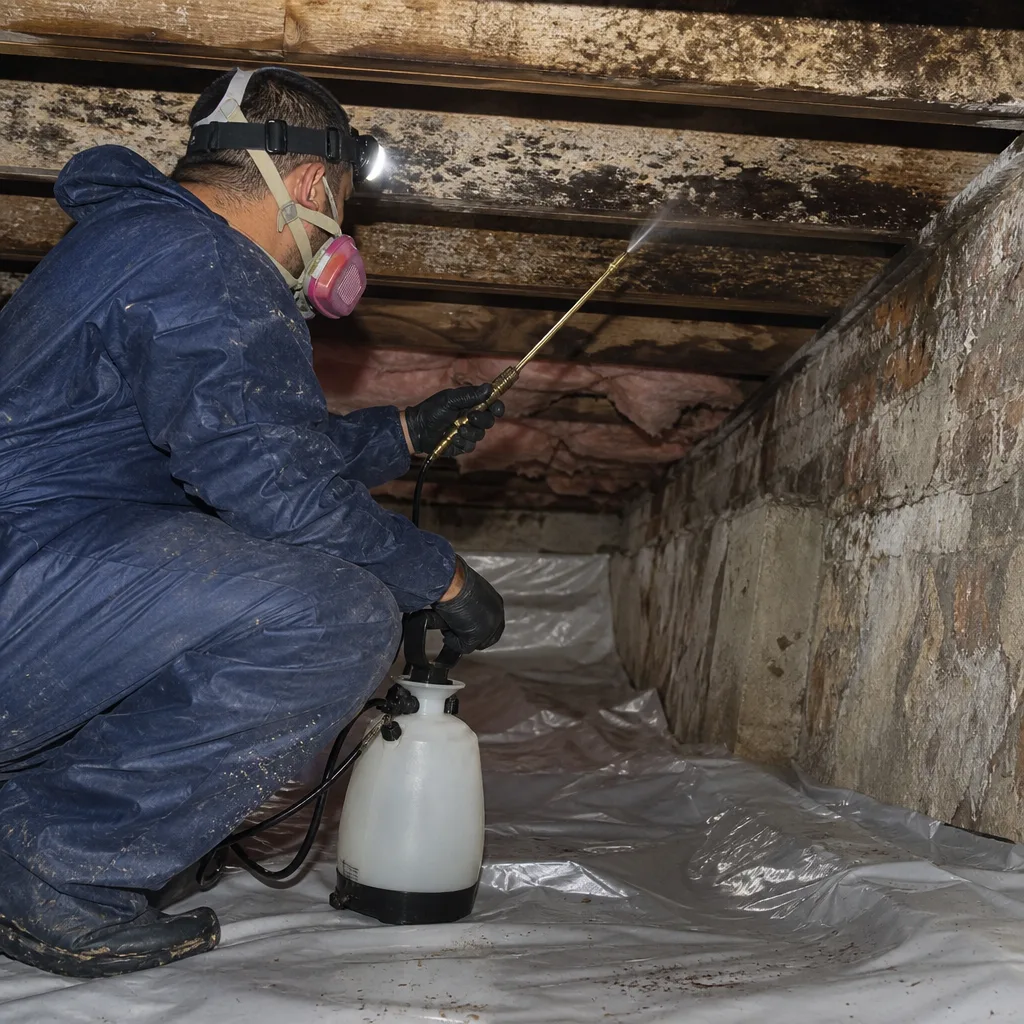
What happens when you call
- 1
A real person answersNo phone trees - you reach a local pro.
- 2
You get an upfront price rangeHonest numbers before anyone is dispatched.
- 3
A background-checked tech heads outLicensed & insured, dispatched right away.
- 4
You approve before work beginsNothing starts until you say go.
Fire & Smoke Damage Restoration Costs in Upper West Side, NY
Smoke and soot removal in an Upper West Side apartment typically runs $800 to $3,500, depending on how far the smoke traveled and whether original plaster and moldings need specialized treatment. Odor removal adds roughly $500 to $2,500 when hydroxyl or thermal fogging is required. Content cleaning and pack-out services run $1,000 to $5,000 depending on volume and whether off-site storage is involved. Structural fire repair is the wildcard: patching a plaster wall might run $2,000, while restoring a fire-damaged kitchen in a co-op with original woodwork can reach $40,000 or more. Most Upper West Side fire and smoke losses are covered by insurance, less your deductible. The free visual inspection is how we turn a guess into a written scope. Call (518) 314-5660 and we’ll walk you through what’s covered, what’s not, and what everything costs.
We Also Serve Cities Near Upper West Side
Our crews are on the ground daily in neighborhoods across Manhattan. If you’re just outside the Upper West Side, we cover Fire & Smoke Damage Restoration in Upper West Side and the surrounding area, including Midtown Manhattan, Midtown West, Murray Hill, and Washington Square.
Serving Upper West Side, NY - Our Local Coverage Area
We’re based in the Upper West Side area and know this community well. Use the map below to see our service coverage - if you’re nearby, we can almost certainly help.
Upper West Side Fire & Smoke Damage Restoration Questions, Answered
Do I need my co-op board’s approval before you open walls to inspect fire or smoke damage in my Upper West Side apartment?
Yes, and we handle that coordination for you. Upper West Side co-op proprietary leases and house rules almost always require board or managing agent approval before any invasive work begins. We contact the building management, request the riser diagram from the super, and secure the necessary sign-offs before a single wall is opened. This doesn’t slow the response; we can start non-invasive cleaning and extraction while approvals process.
How do you handle asbestos when repairing fire-damaged plaster walls in a 1920s Upper West Side co-op?
We never open a pre-war wall without first checking for asbestos in pipe insulation wrap, joint compound, and floor-tile mastic. If suspected materials are present, we bring in a licensed NYC DEP-compliant asbestos abatement contractor to test and, if necessary, remove materials before restoration proceeds. Skipping this step is illegal, dangerous, and can shut down an entire restoration job mid-stream. We treat it as a prerequisite, not an afterthought.
Why does smoke odor linger in my pre-war UWS apartment even after the visible soot is cleaned?
Because original plaster-and-lath walls absorb smoke far deeper than modern drywall, pulling odor molecules into the substrate where surface cleaning can’t reach. The odor also travels through baseboard gaps, electrical outlets, and shared pipe chases, depositing smoke residue in cavities behind walls and between floors. Removing it requires deep-cavity treatment with hydroxyl generators or thermal fogging, not just wiping down walls. The surface can look clean while the odor source remains active behind it.
What does ‘pre-loss condition’ mean for a co-op unit on Riverside Drive with original moldings stained by fire smoke?
Pre-loss condition means the apartment looks and functions the way it did before the fire, not just that the smoke smell is gone. For a Riverside Drive co-op with original crown moldings, baseboards, and woodwork, this means cleaning and refinishing those period elements rather than ripping them out and replacing them with modern trim. It also means matching historical paint colors and plaster textures where repair is needed. That standard costs more than a quick paint-over, which is exactly why we document and communicate it to the insurer from the start.
How do you prevent water from firefighter hoses in the unit above from re-wetting my already-dried apartment a week later?
We don’t just dry your unit; we map the vertical riser and check the units above and below for trapped water. Using the building’s riser diagram, we identify where water from fire suppression traveled through shared pipe chases and floor assemblies. If the unit above still holds water, we coordinate with that unit owner and their insurer to address it before it migrates down into your already-dried apartment. This is the missed step that turns a one-week job into a two-month mold claim.
How fast can you actually get to my Upper West Side apartment after a fire?
We commit to having a crew dispatched within 45 minutes of your call. Travel time depends on where you are between Riverside Drive and Central Park West and what time of day it is, but we run local crews who know the Upper West Side’s service elevators, loading docks, and street-access quirks. Call (518) 314-5660 and a live person starts dispatch immediately.
Will insurance cover fire and smoke damage in a co-op, or is it between me and the building?
It’s typically split. Your personal co-op insurance policy covers damage inside your unit, including walls, flooring, fixtures, and personal contents. The building’s master policy covers the building’s structure and common elements. When fire spreads to multiple units or water travels through shared risers, multiple policies come into play. We work with all of them, document the loss room by room, and bill directly so you don’t have to manage the coordination.
What should I do in the first 30 minutes after a fire in my Upper West Side apartment?
Call 911 if you haven’t already, then call us at (518) 314-5660. Don’t wipe or clean any soot yourself; that can grind residue into surfaces and make professional cleaning harder. Don’t turn on ceiling fans or HVAC systems, which spread soot through the unit and into shared building systems. If it’s safe, open windows to vent smoke. Take photos of everything as it is. Then stay out of the damage zone until we arrive.
Written by Curt Bowman, Owner at Floodline Restoration Co., serving Upper West Side since 2010.