
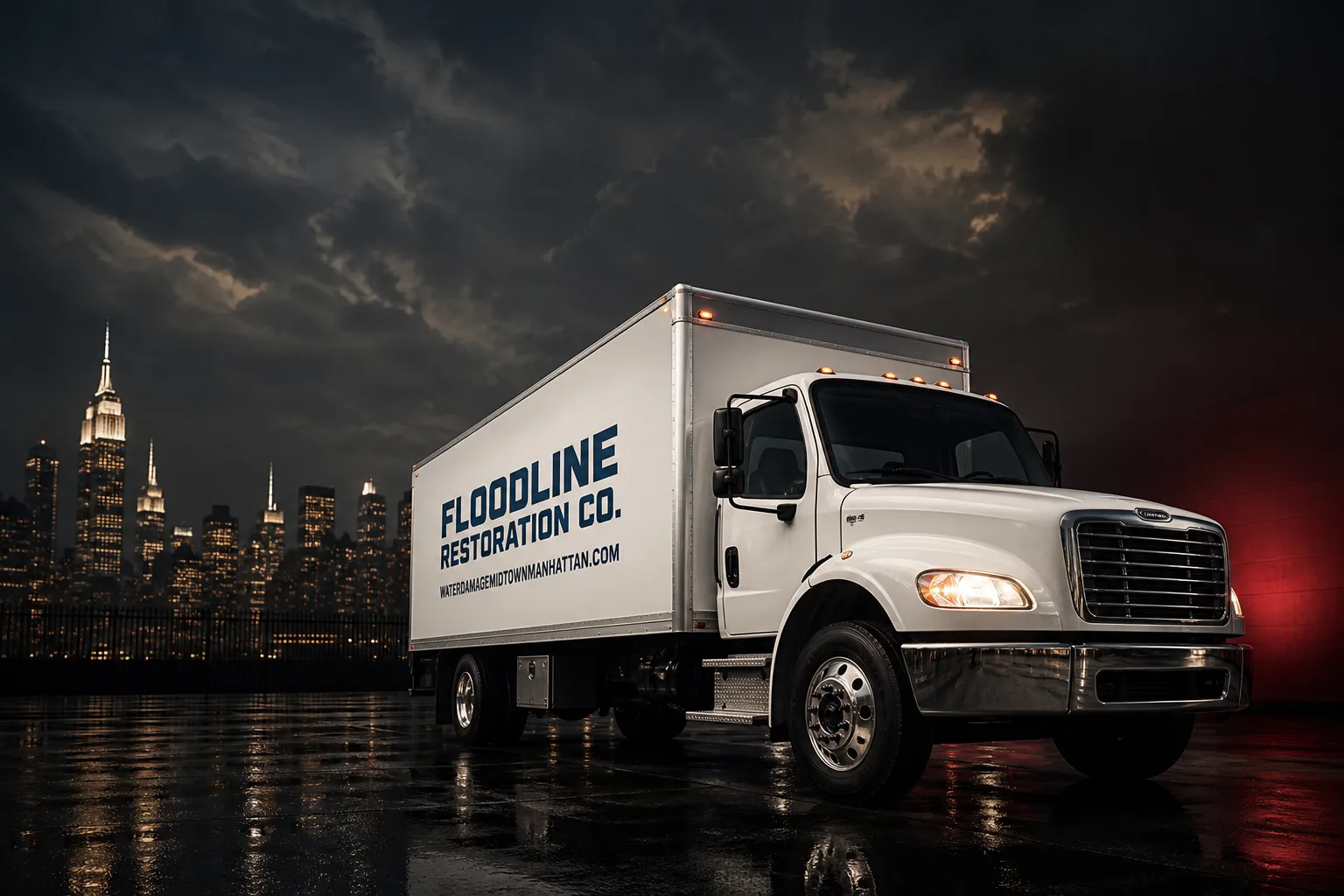
Free visual inspection and a written scope of work before any mitigation begins - photos, moisture readings, and drying logs go in your claim file
The scope we write is the scope we bill. Anything new gets shown to you, in writing, before we touch it.
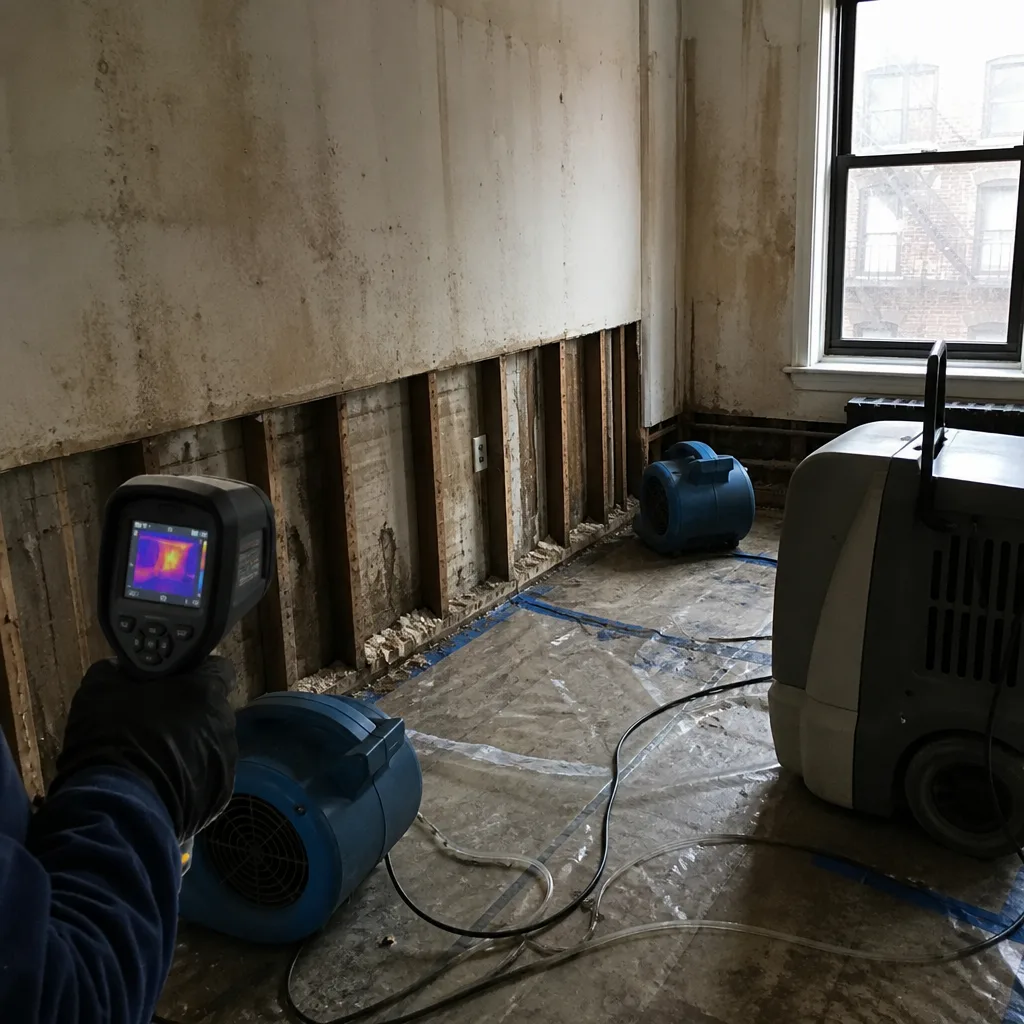 Before
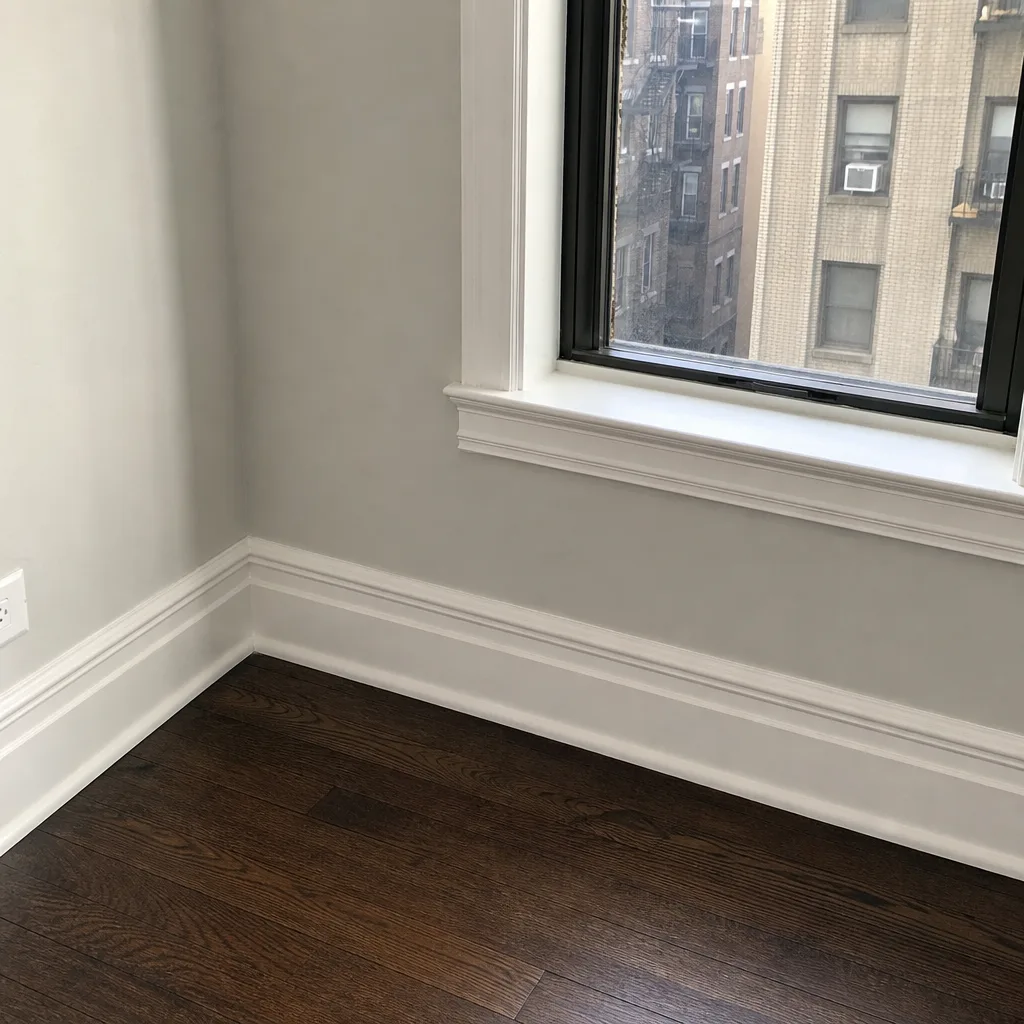 After
After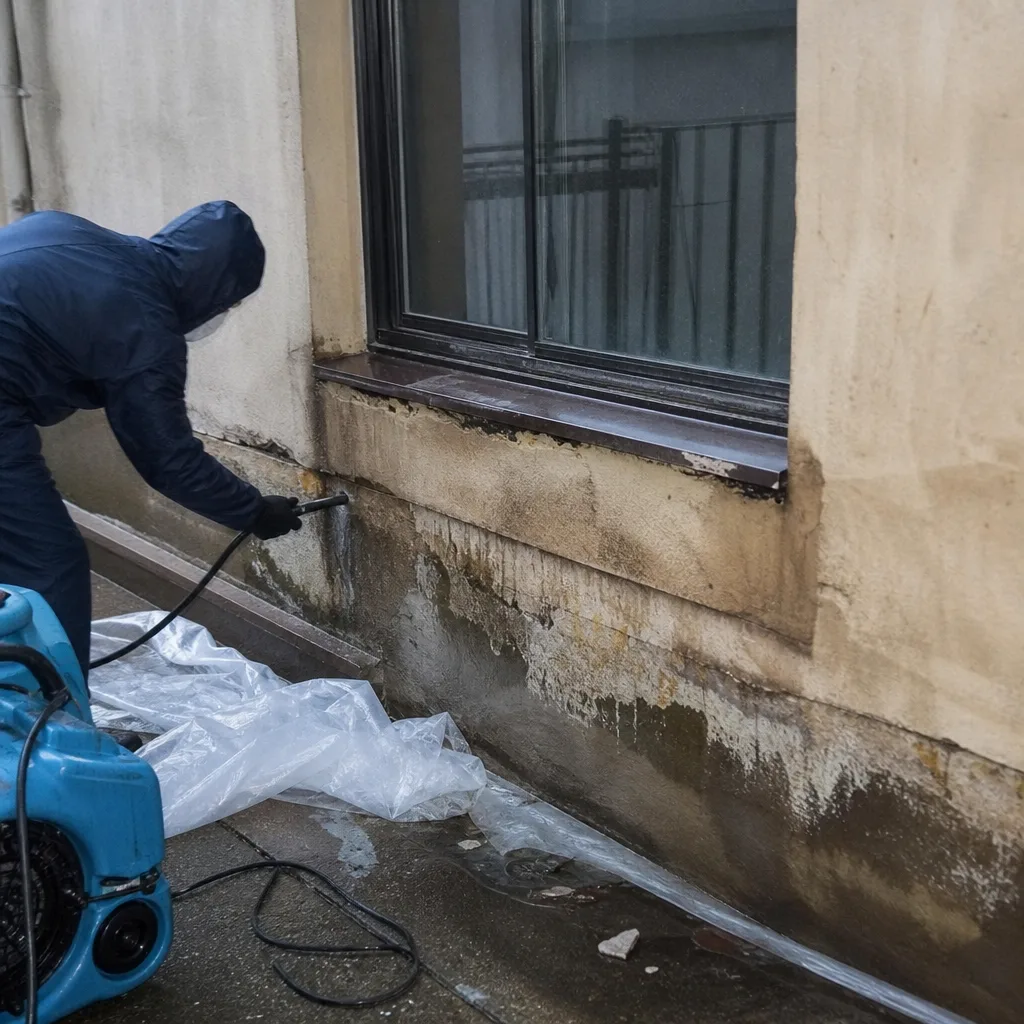 Before
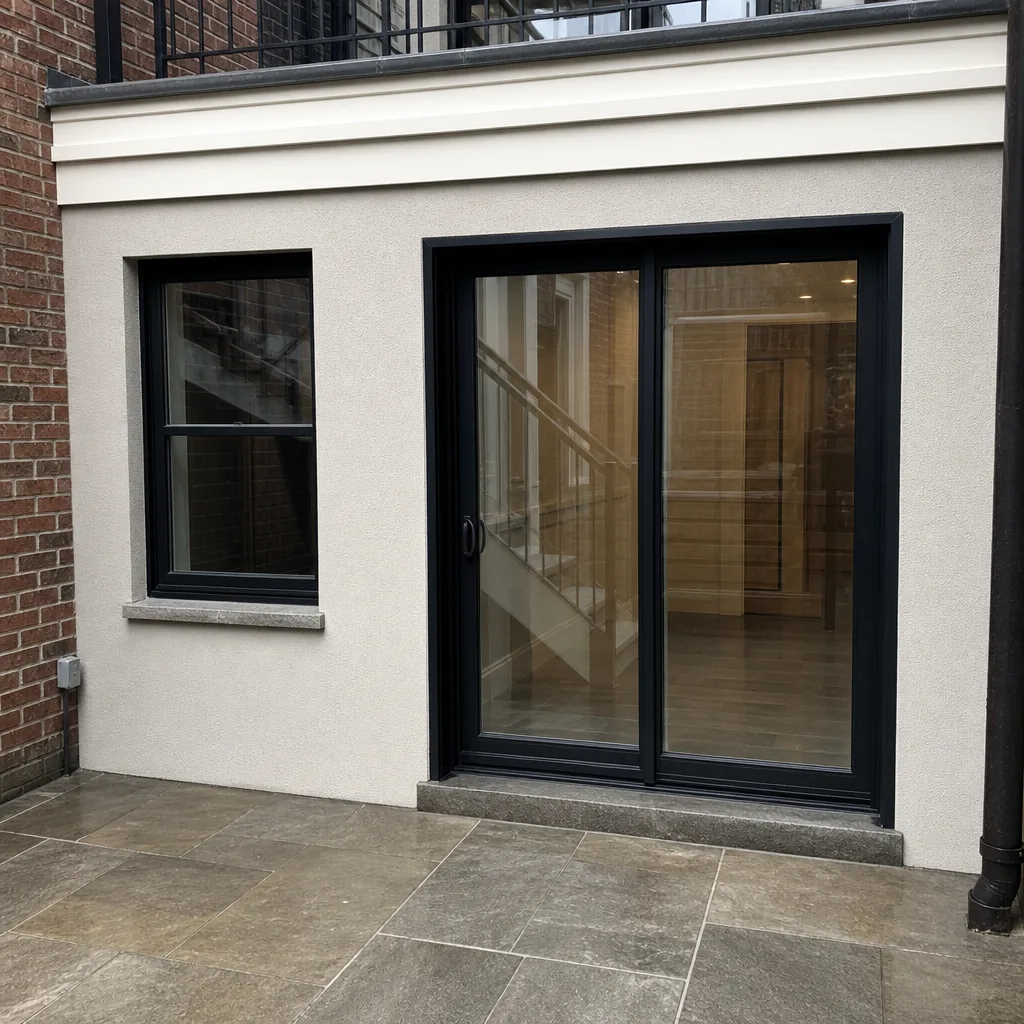 After
After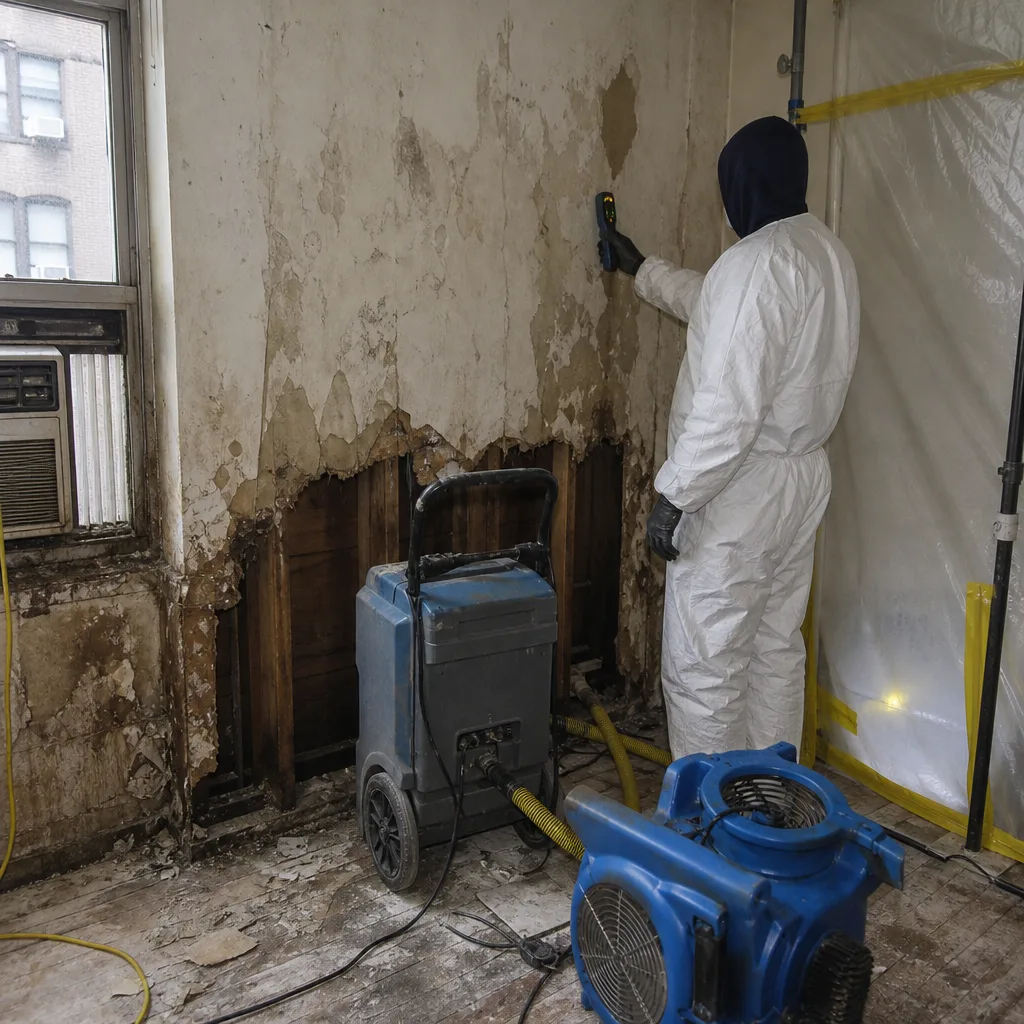 Before
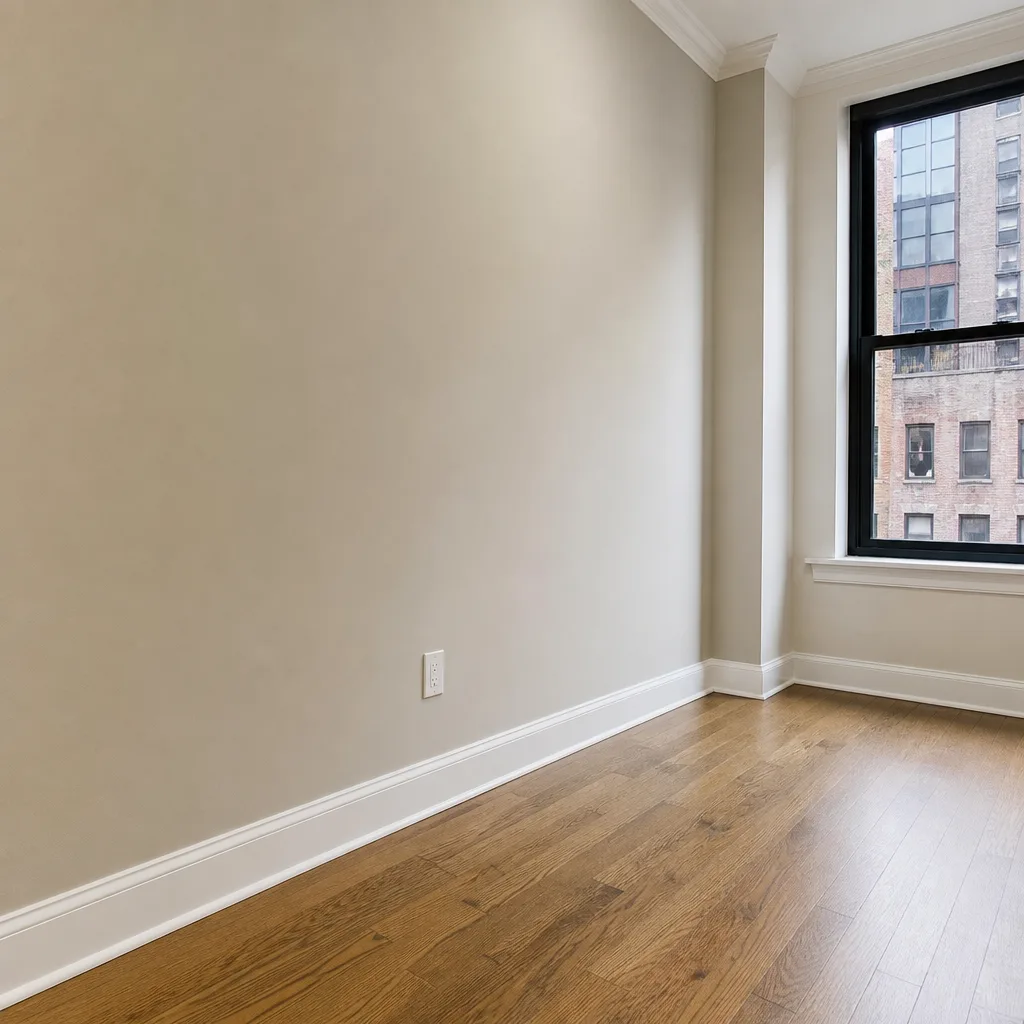 After
After24/7 Emergency Commercial Restoration in Long Island City
Commercial water, fire, or sewage damage in Long Island City needs a crew on site within hours, not days. Floodline Restoration Co. answers live around the clock at (518) 314-5660, and our certified technicians reach most LIC addresses inside 45 minutes. The first hour determines whether a Category 2 water loss stays Category 2 or degrades into Category 3 sewage contamination in the East River humidity. Free visual inspection comes with every call. One team starts extraction on the first visit and stays through rebuild, so nobody hands your job to a stranger.
Understanding Commercial Restoration Severity in Long Island City Properties
Long Island City throws two completely different building types at restoration crews, often on the same block. The pre-1974 loft conversions around Court Square and Hunters Point carry asbestos pipe insulation, transite panels, and 9-inch vinyl floor tiles. Disturb those materials without NYC DEP abatement and the city issues a stop-work order. The post-2010 glass towers rise under different rules: curtain-wall mullions leak behind the facade, tenants report ceiling stains, and the real source sits thirty floors up at the window frame. Severity assessment starts with building type, then water category. Category 1 is clean supply-line water. Category 2 carries detergents or biologicals. Category 3 comes from sewage, the East River storm surge, or standing water that has fermented for 48 hours. In LIC’s slab-on-grade lofts, even Category 1 water wicks through concrete with no vapor barrier and keeps moving for weeks unless moisture mapping finds every affected square foot.
Why Long Island City Property Owners Choose Floodline Restoration Co.
- 45-minute response commitment: live dispatch knows which LIC corridors move fastest at which hours, from Court Square to Hunters Point to Dutch Kills.
- 24/7 live answer: a real dispatcher picks up at 2 a.m. Not a recording, not a callback queue.
- IICRC-certified crews: WRT, FSRT, and AMRT certifications on every truck, trained to RIA and IFA standards as well.
- Free visual inspection: the first look costs nothing, and the scope of work comes in writing before equipment rolls in.
- Direct insurance billing: we talk to your adjuster, send the photos and drying logs, and you never play messenger.
- One team from extraction to reconstruction: the same crew that maps moisture on day one rebuilds the walls at the end.
Our Commercial Restoration Process
Inspection & Assessment
We walk the site with thermal imaging and hygrometers, mapping moisture across slabs, walls, and sub-grade spaces. Building age and materials determine the testing protocol, especially in pre-1974 loft conversions where asbestos sampling may be required before demolition.
Extraction & Stabilization
Standing water comes out with truck-mounted extractors and submersible pumps. We shut off sources, secure flooded electrical, and isolate the affected zone with containment where contamination is present.
Drying & Dehumidification
Phoenix LGR dehumidifiers and XPOWER air movers run around the clock, with daily moisture readings logged until the dry standard is met. For slab-on-grade lofts with no vapor barrier, we take deep-slab readings and may run Injectidry systems for days longer than a wood-frame building would require.
Cleaning & Sanitization
HEPA air scrubbers run during cleaning to capture particulate. We sanitize affected surfaces, treat for odor, and remove any contaminated porous material that cannot be dried to pre-loss condition.
Large-Loss & Specialty Treatment
For multi-unit buildings, industrial facilities, or Long Island City Fire & Smoke Damage Restoration and storm-surge losses, we deploy additional crews, run portable generators where power is compromised, and coordinate with building management and the carrier on business interruption documentation.
Repairs & Restoration
The same certified team rebuilds what was removed: drywall, flooring, cabinetry, paint. Every job closes with a written 90-Day Done Right Promise and a full moisture log.
Need Emergency Commercial Restoration in Long Island City Now?
Crews minutes away, answering live 24 hours a day. The sooner we start, the less it costs.
Working With Your Insurance Company
Insurance carriers in New York accept our documentation because it is complete from the first hour. We photograph every affected room before extraction starts, record initial moisture readings, and log daily drying progress with dated entries. The adjuster gets a line-item scope of work with supporting photos, not a vague summary. When a question comes back, we answer it directly. You should never spend your morning on hold with a carrier about your own building’s loss. That is our job, and we have done it this way for over a decade.
What We Provide Your Insurer
- Thorough documentation of the loss
- Photos of all damage, room by room
- Moisture readings and drying logs
- A detailed, line-item scope of work
- Direct coordination with your carrier
Built for Long Island City’s Loss Calendar
Long Island City’s damage calendar runs on the East River, not the thermometer. Nor’easters from November through March push storm surge into ZIP 11101 flood zones, and the water that comes in is Category 3: brackish, contaminated, corrosive. This is why Storm & Disaster Restoration - Long Island City crews treat every surge event as a large-loss scenario. January deep freezes burst supply lines in century-old loft buildings where original piping runs through uninsulated exterior walls. Spring thaw and heavy rains push groundwater up through slab-on-grade floors because the water table sits so close to the surface here. Summer thunderstorms overwhelm roof drains on flat-roofed industrial conversions faster than they can carry water away. Every season has a signature loss in this neighborhood, and we have seen them all repeat year after year.
Commercial Restoration Across Long Island City’s Neighborhoods
Court Square: the densest cluster of pre-war factory conversions, where asbestos and lead protocols drive the restoration timeline before any drying begins. We know which buildings have original transite and which were properly abated years ago.
Hunters Point: post-2010 residential towers along the waterfront where curtain-wall leaks at mullions and window frames mimic roof leaks, and repeated tenant complaints usually trace back to a building envelope problem, not a plumbing failure.
Dutch Kills: mixed industrial and automotive shop rows, where sewage backups from aging city mains and oil-water contamination from vehicle bays require specialized cleaning beyond standard water extraction.
Queens Plaza corridor: commercial office and hotel stock where a small supply-line leak on the 12th floor migrates through electrical chases and shows up three floors down, demanding thermal imaging work across multiple tenant spaces.
Ravenswood: NYCHA and co-op housing stock with vertical riser piping runs, where a single burst riser can flood twenty apartments and requires large-loss response and resident coordination with building management simultaneously.
Specialized Commercial Restoration Services We Offer in Long Island City
Large-Loss Response
When a nor’easter drives East River surge into a Court Square loft basement, or a burst main floods a 30-unit building, one truck is not enough. Our large-loss teams deploy additional equipment, portable power, and multiple certified technicians so extraction starts the same visit and keeps running until the water is gone. We have handled losses affecting entire floors and full building systems in Long Island City, and we document every hour for the carrier.
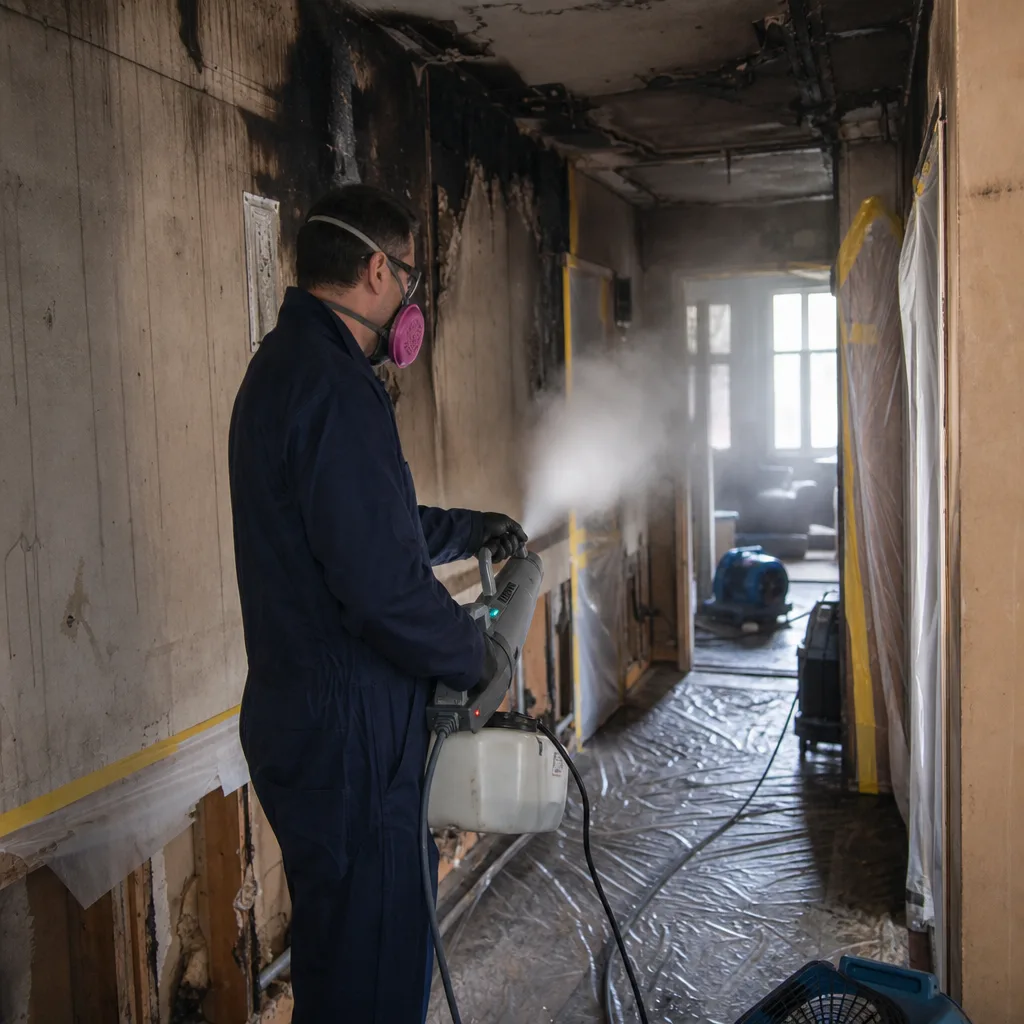
Industrial Facility Cleanup
Dutch Kills machine shops, Ravenswood warehouses, and the industrial row along 21st Street have exposures that residential buildings do not: oil and hydraulic fluid contamination, heavy debris, and Category 3 water mixed with industrial runoff. Our crews handle those scenes with proper containment and disposal protocols, not a mop and a fan.
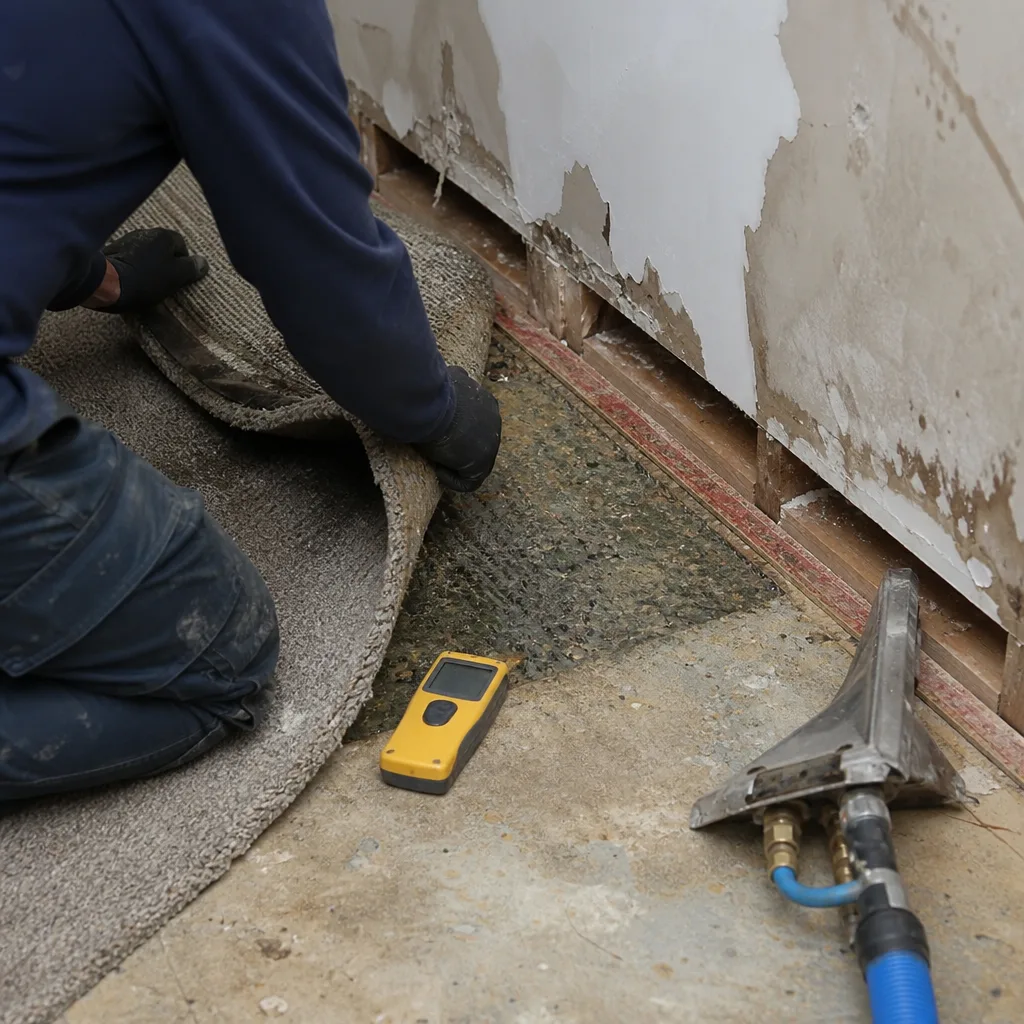
Multi-Unit & HOA Restoration
COAs and HOAs in LIC’s converted lofts and high-rise towers face a different problem than single-owner buildings: common-area damage that touches multiple units and multiple insurance policies. We coordinate directly with building management, produce unit-by-unit scopes, and keep the board informed with one point of contact who knows the building by name.
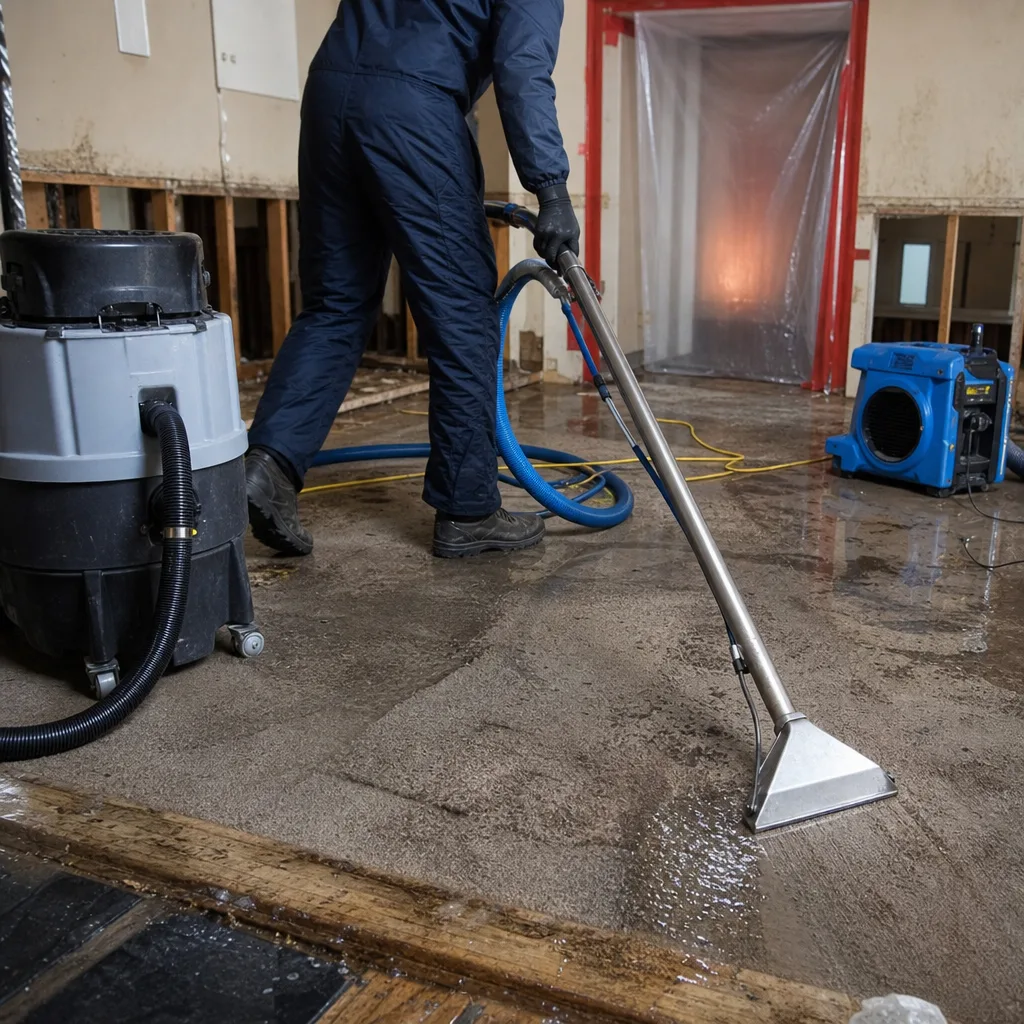
Office & Retail Restoration
A retail storefront on Vernon Boulevard or a professional office near Queens Plaza cannot stay dark for two weeks. We sequence work to get front-of-house areas operational first, use low-profile drying equipment where possible, and schedule noisy demolition outside business hours when the situation allows.
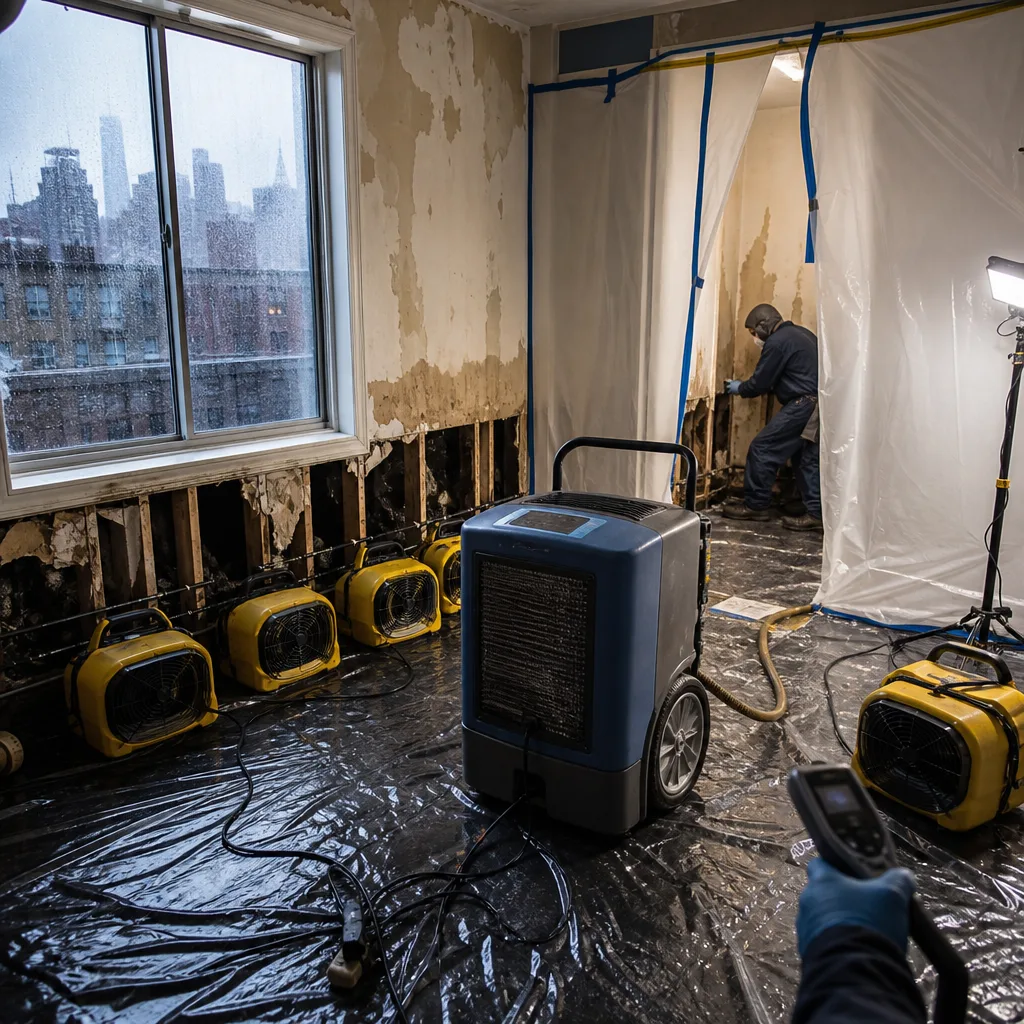
Business Interruption Minimization
Every day your Long Island City business stays closed costs real revenue. We document everything for the business interruption claim, move faster on the critical path, and give the carrier a clear timeline so your loss-of-use claim processes without delay.
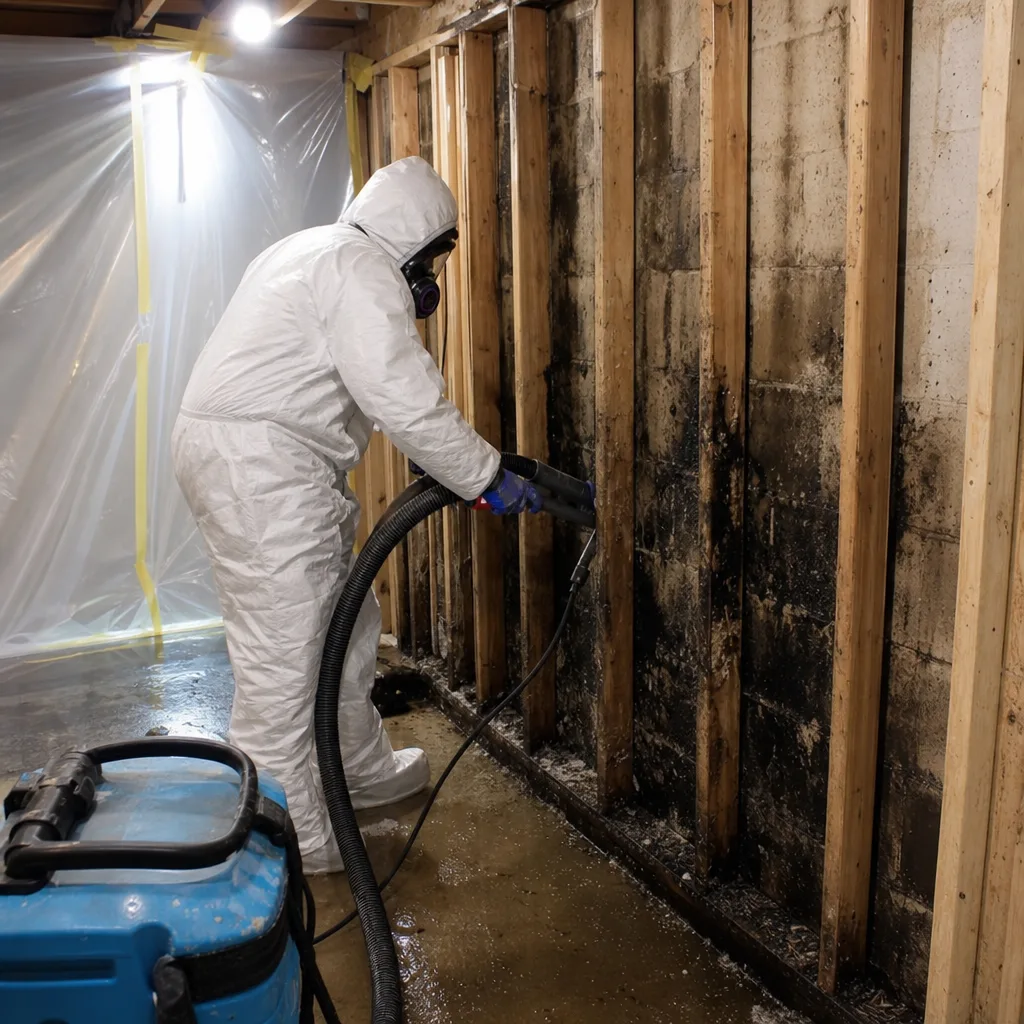
What happens when you call
- 1
A real person answersNo phone trees - you reach a local pro.
- 2
You get an upfront price rangeHonest numbers before anyone is dispatched.
- 3
A background-checked tech heads outLicensed & insured, dispatched right away.
- 4
You approve before work beginsNothing starts until you say go.
Commercial Restoration Costs in Long Island City, NY
Costs in Long Island City run higher than outer-borough averages because the building stock is harder to work in and the regulations are stricter. A small Category 1 clean-water leak in a modern office typically runs $3,500 to $8,500 for extraction, drying, and minor repairs. A Category 3 sewage or storm-surge loss in a pre-1974 loft with asbestos abatement requirements often lands between $15,000 and $45,000. Large-loss commercial events affecting multiple floors or units routinely exceed $75,000 and are driven by square footage, water category, and how long the water sat before extraction began. The free visual inspection tightens these ranges into a written scope of work before any equipment is turned on. Call (518) 314-5660 and we will put real numbers on your specific building.
We Also Serve Cities Near Long Island City
Our commercial restoration teams cover Long Island City and the surrounding Queens waterfront, including Long Island City‘s neighbor to the north, Astoria, where similar nor’easter exposure and aging pre-war building stock create the same restoration demands.
Serving Long Island City, NY - Our Local Coverage Area
We’re based in the Long Island City area and know this community well. Use the map below to see our service coverage - if you’re nearby, we can almost certainly help.
Long Island City Commercial Restoration Questions, Answered
How does the lack of a vapor barrier in LIC loft buildings change the drying timeline for commercial water damage?
Concrete slabs in pre-1974 Long Island City lofts were often poured directly on grade with no vapor barrier beneath them, so water wicks upward through the concrete indefinitely. Standard drying that takes four or five days in a wood-frame building can run nine to twelve days in these slabs, and we take deep-slab moisture readings before closing the job. Skipping those readings means hidden moisture stays behind and the problem returns months later.
What NYC asbestos and lead-abatement protocols apply before restoring a pre-1974 commercial loft in LIC?
Any restoration work that disturbs original pipe insulation, transite panels, or 9-inch vinyl floor tiles in a pre-1974 building triggers NYC DEP asbestos sampling and abatement requirements. Lead abatement rules apply to painted surfaces in pre-1978 buildings. We coordinate testing before demolition starts, and if abatement is required, we sequence it so the work continues without a stop-work order shutting the site down.
Why do commercial high-rise towers in LIC see water damage that inland Queens buildings don’t?
Post-2010 glass towers in Hunters Point and along the waterfront use curtain-wall systems where water penetrates at mullion joints, window frames, and sealant failures. Inland brick buildings rarely have this failure mode. The water travels behind the facade and can appear as ceiling stains several floors below the actual entry point, so we assess the building envelope, not just the visible stain.
How does storm surge flooding differ from a broken pipe in terms of water category and restoration?
East River storm surge is Category 3 water: it carries sewage, fuel, street debris, and salt. A broken supply line is Category 1, which is far simpler to dry and clean. Surge water requires full containment, antimicrobial treatment, and disposal of most porous materials, plus salt residue neutralization on concrete and steel. We treat the two completely differently.
What’s the biggest risk of delaying commercial water extraction in a LIC waterfront property?
Salt-laden humidity near the East River accelerates mold growth and corrosion. Standing water in a waterfront building starts growing mold within 48 to 72 hours, and the salt air attacks any exposed steel, electrical connections, and equipment faster than inland properties. Delaying extraction by even a day can convert a cleanup into a full Mold Remediation in Long Island City with structural corrosion review.
How fast can a Floodline crew actually get to my Long Island City building?
Our stated commitment is 45 minutes to most Long Island City addresses, and the live dispatcher can give you a real ETA based on current crew locations when you call (518) 314-5660. We serve Court Square, Hunters Point, Dutch Kills, Ravenswood, and Queens Plaza from our metro office, and we answer live at all hours.
Will my commercial insurance cover restoration in a LIC flood zone?
Most commercial policies cover water damage from burst pipes and sewage backups, but storm surge in FEMA AE and VE flood zones often requires a separate flood policy. We document the cause of loss precisely because the water category and the point of entry determine coverage. Our team works directly with your adjuster to make sure the claim cites the true source correctly from the first report.
Can my business stay open during commercial restoration?
In many cases, yes. We use containment barriers and low-profile drying equipment so occupied areas stay functional while the affected zone is isolated. For Category 3 losses or asbestos abatement, the affected area must be closed off, and we sequence the work to minimize disruption to ongoing operations. Call us for a candid answer on your specific site.
If your Long Island City commercial property has standing water, sewage backup, or fire damage, call (518) 314-5660 now. A live dispatcher answers, a certified Commercial Restoration crew reaches you fast, and your free visual inspection leads to a written scope of work before any equipment turns on. The 90-Day Done Right Promise stands behind every job we close in Long Island City.
Written by Curt Bowman, Owner at Floodline Restoration Co., serving Long Island City since 2010.