
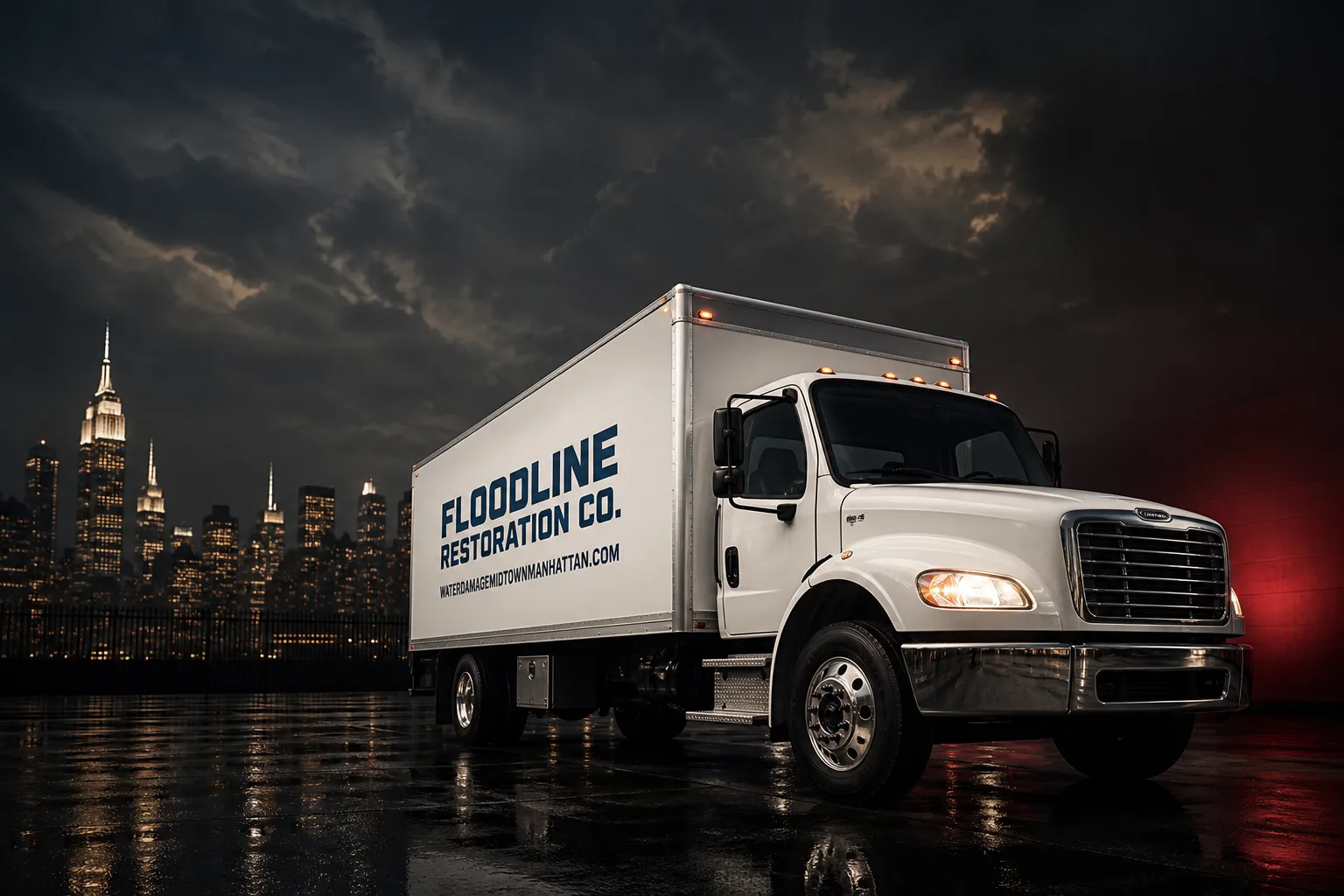
Free visual inspection and a written scope of work before any mitigation begins - photos, moisture readings, and drying logs go in your claim file
The scope we write is the scope we bill. Anything new gets shown to you, in writing, before we touch it.
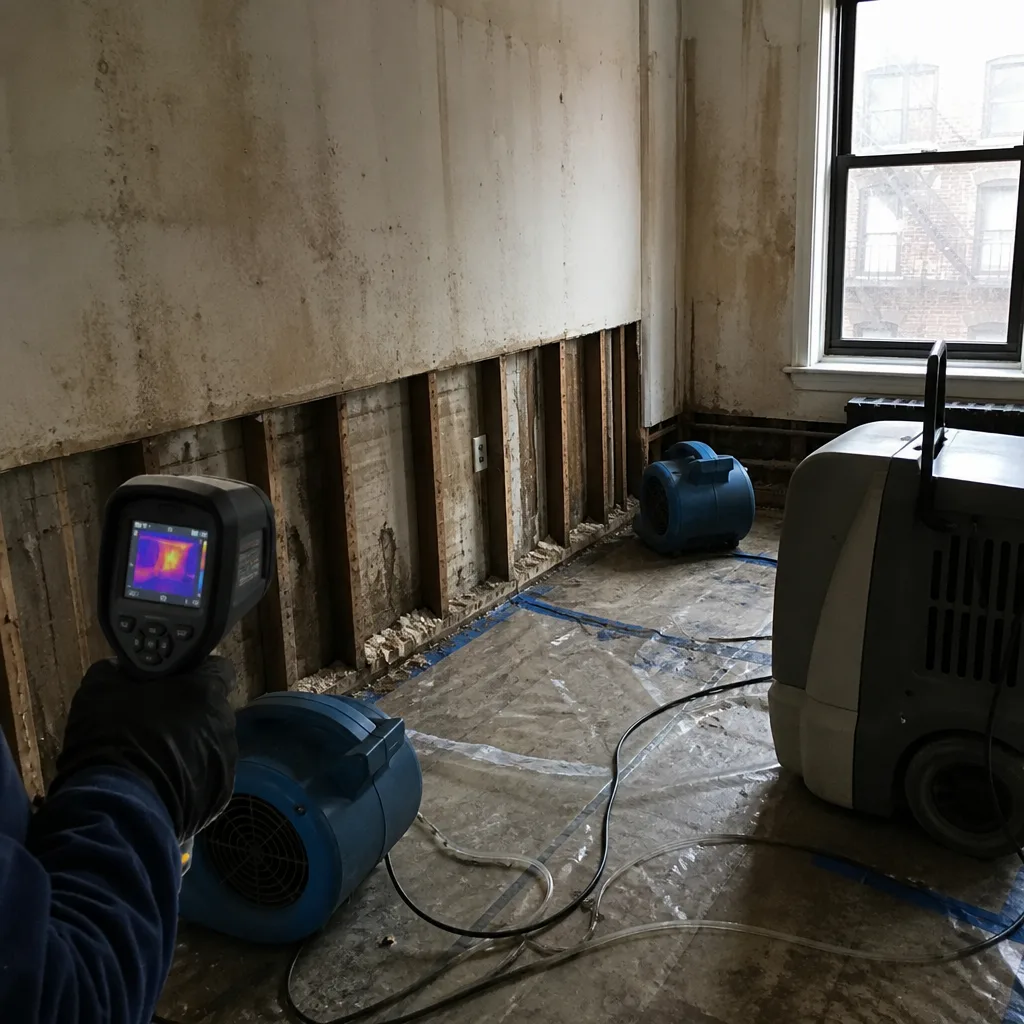 Before
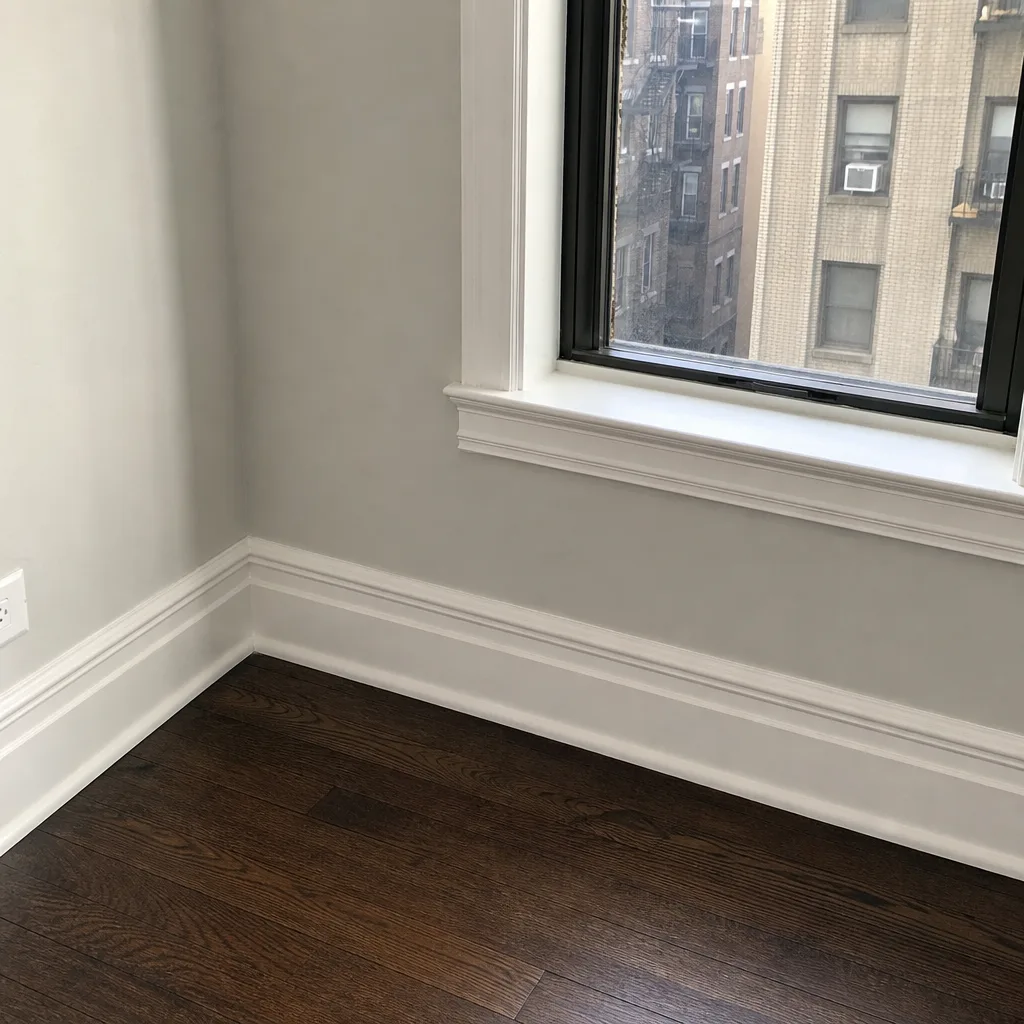 After
After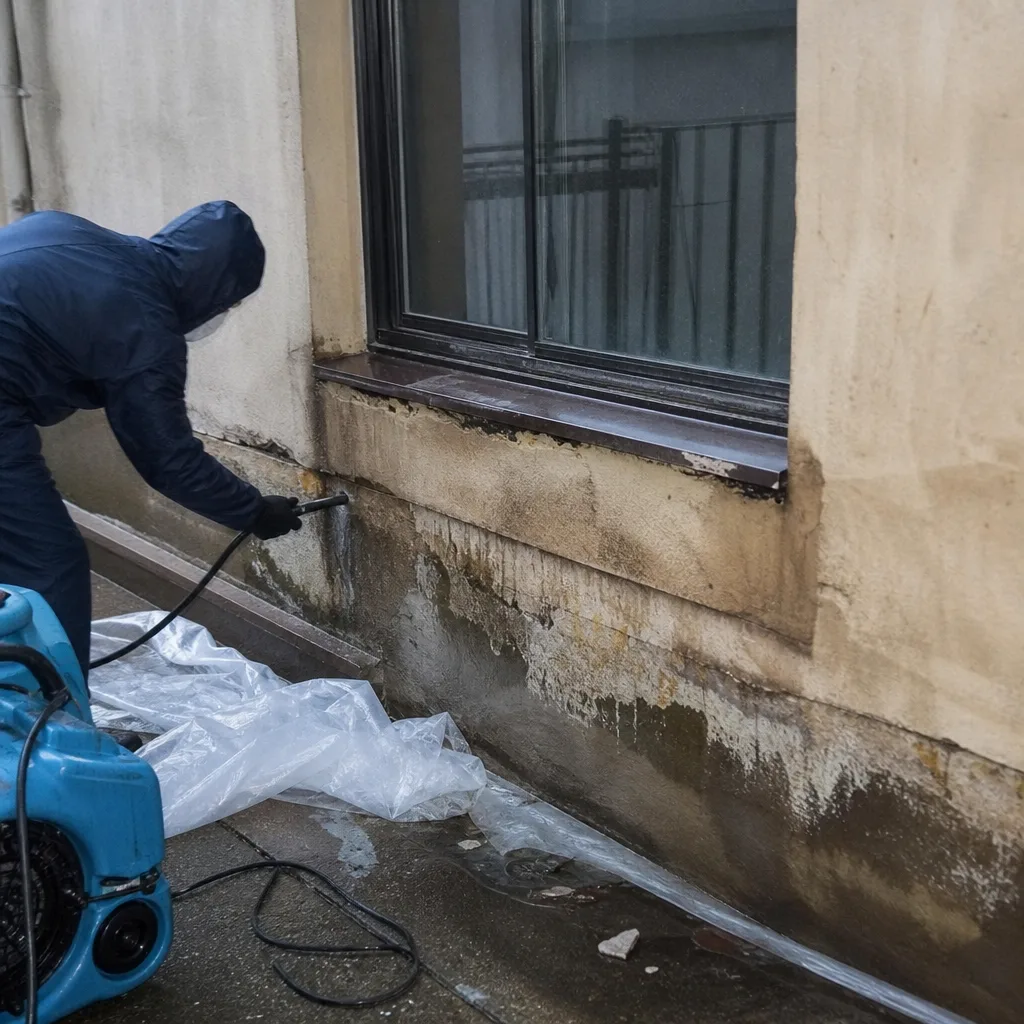 Before
 After
After Before
 After
After24/7 Emergency Biohazard & Crime Scene Cleanup in Upper Manhattan
When a biohazard event happens in an Upper Manhattan apartment building, every hour of delay means odor and contaminants migrating further through shared walls, plumbing chases, and those old interior air shafts. Floodline Restoration Co. answers live 24 hours a day at (518) 314-5660, and our certified crews are dispatched to Upper Manhattan neighborhoods including Washington Heights, Harlem, and Inwood within minutes of your call. We arrive same visit, assess the full scope, and begin containment immediately. The first hour matters because biohazardous material doesn’t stay put in pre-war construction. It moves through the building. We stop it.
Understanding Biohazard & Crime Scene Cleanup Severity in Upper Manhattan Properties
Biohazard work in Upper Manhattan carries a different set of challenges than in suburban single-family homes. The housing stock here is overwhelmingly pre-war: six-story tenements, early elevator buildings, and NYCHA towers built between roughly 1890 and 1945. These buildings share structural DNA that accelerates contamination. Blood, bodily fluids, and decomposition byproducts seep through hardwood flooring into the subfloor, where dried-out joists from a century of heating seasons absorb them like a wick. Odor travels vertically through interior air shafts, pipe chases, and electrical conduits, which means a trauma scene on the sixth floor can register in every apartment sharing that shaft below. Crime scene and unattended death cleanup require full containment, air scrubbing, and surface decontamination using EPA-registered disinfectants. Hoarding conditions add another layer: compressed debris loads, rodent and insect activity, and in many Upper Manhattan walk-ups, the structural reality that floor joists were never designed for decades of accumulated weight. We scope for what the building itself is doing, not just the visible scene.
Why Upper Manhattan Property Owners Choose Floodline Restoration Co.
- 45-minute response commitment. Our crews are staged in the Upper Manhattan area and reach most buildings between 125th Street and the Harlem River inside 45 minutes, day or night.
- 24/7 live answer. A real person picks up at 2 a.m., not a voicemail. You tell us what happened, we dispatch a certified crew. No call center scripts.
- IICRC-certified technicians. Our biohazard team holds IICRC certification specifically for biohazard and trauma scene cleanup, with RIA and IFA training backing the certification.
- Free visual inspection. We assess the scene before any work begins, so you know what you’re facing and what it costs. No pressure, no surprises.
- Direct insurance billing. We document everything, communicate directly with your adjuster, and bill the carrier. You don’t become the messenger.
- One team, start to finish. The same certified crew that sets containment handles decontamination, odor remediation, and any structural repair. No mid-job handoff.
Our Biohazard & Crime Scene Cleanup Process
Inspection & Assessment
We arrive, visually inspect the scene, and identify the full scope: affected surfaces, potential air shaft pathways, porous materials that absorbed fluid, and any structural compromise. In Upper Manhattan pre-war buildings, this always includes checking whether original asbestos-containing materials got wetted or disturbed.
Containment & Stabilization
We seal the affected unit and any connecting pathways, including interior air shafts and pipe chases where odor and particulates migrate. Negative air pressure with HEPA filtration prevents cross-contamination to adjacent rent-stabilized apartments. Stabilization includes securing the scene and removing immediate hazards.
Drying & Dehumidification
If fluids saturated flooring or wall cavities, we deploy professional-grade LGR dehumidifiers and air movers from Dri-Eaz and Phoenix, monitoring moisture readings with hygrometers and thermal imaging until surfaces reach dry standard. This prevents secondary mold growth behind baseboards and under flooring.
Cleaning & Sanitization
We remove contaminated materials, clean all affected surfaces, and apply EPA-registered disinfectants appropriate for the specific biohazard type. Bloodborne pathogen protocols follow OSHA standards. Every surface gets wiped, treated, and verified.
Odor Remediation & Air Scrubbing
Decomposition and trauma odors embed in porous building materials. We run HEPA air scrubbers and, where needed, hydroxyl or ozone treatment to neutralize odor at the molecular level. In pre-war buildings with shared air shafts, we treat the shaft-facing walls and vents as part of the job, because that’s where the odor travels.
Repairs & Restoration
After decontamination, we rebuild what was removed: drywall, flooring, trim, paint. If the job uncovered asbestos-containing materials requiring abatement, we coordinate with NYC DEP-licensed abatement contractors and sequence the work so restoration doesn’t begin until the space is certified clean. The same crew sees it through.
Need Emergency Biohazard & Crime Scene Cleanup in Upper Manhattan Now?
Crews minutes away, answering live 24 hours a day. The sooner we start, the less it costs.
Working With Your Insurance Company
Most Upper Manhattan biohazard and crime scene cleanup is covered under homeowners or building insurance, depending on the policy and the nature of the incident. We document from the first hour: photos of the scene before we touch anything, moisture and contamination readings, a line-item scope of work that matches industry-standard pricing. Our team communicates directly with your adjuster, so you’re not translating technical details between a remediation crew and an insurance carrier. For rent-stabilized tenants and building owners, we coordinate multi-party claims when contamination spreads beyond one unit. We’ve handled claims where three, four, five apartments were affected by a single event in a pre-war walk-up, and we know how to keep the paperwork straight.
What We Provide Your Insurer
- Thorough documentation of the loss
- Photos of all damage, room by room
- Moisture readings and drying logs
- A detailed, line-item scope of work
- Direct coordination with your carrier
Built for Upper Manhattan’s Loss Calendar
Upper Manhattan’s biohazard and crime scene calls don’t follow a single season, but certain patterns repeat. Summer convective storms between June and September hit low-lying blocks near the Harlem River in East Harlem and Inwood hardest, when storm sewer systems back up and push Category 3 water into basements and garden-level units. That contaminated water saturates drywall, carpet, and stored belongings, creating biohazard conditions that require full containment before drying can begin. Winter deep freezes burst supply lines in uninsulated pre-war exterior walls, and the resulting water damage can reveal long-standing hoarding conditions or advance a latent mold problem into an active biohazard. Spring thaw brings seepage into old foundations. And through it all, unattended deaths and trauma scenes happen without warning, in every season. The constant is that Upper Manhattan’s building stock complicates every single one of these events. We built our response around that reality.
Biohazard & Crime Scene Cleanup Across Upper Manhattan’s Neighborhoods
We serve every corner of Upper Manhattan, from the Harlem River up to Inwood Hill Park and west to the Hudson. In Washington Heights, the 1920s and 30s brick apartment buildings on Edgecombe Avenue and Fort Washington Avenue are dense with interior air shafts, and we route our containment strategy around those shafts on every job. In Harlem, NYCHA towers and pre-war tenements along Lenox Avenue and 125th Street put hundreds of residents behind narrow stairwells, which changes how we move equipment and maintain a clean corridor during remediation. In Inwood, garden-level apartments on streets like Sherman Avenue near the Harlem River flood more often than the sixth-floor units above, and sewage backups there are Category 3 events from the moment we arrive. In East Harlem, mixed-use buildings and older public housing create access and permit coordination challenges most restoration companies won’t touch. We know the buildings. We know the streets. We know the job.
Specialized Biohazard & Crime Scene Cleanup Services We Offer in Upper Manhattan
Crime Scene Cleanup
After law enforcement releases the scene, we handle blood and bodily fluid removal, surface decontamination, and odor remediation. In Upper Manhattan apartments where a scene occurred on an upper floor, we always check the air shaft and pipe chase pathways. Blood that saturated through flooring doesn’t stop at the subfloor. Our crews test, treat, and verify before anyone reoccupies the unit.
Trauma & Unattended Death Cleanup
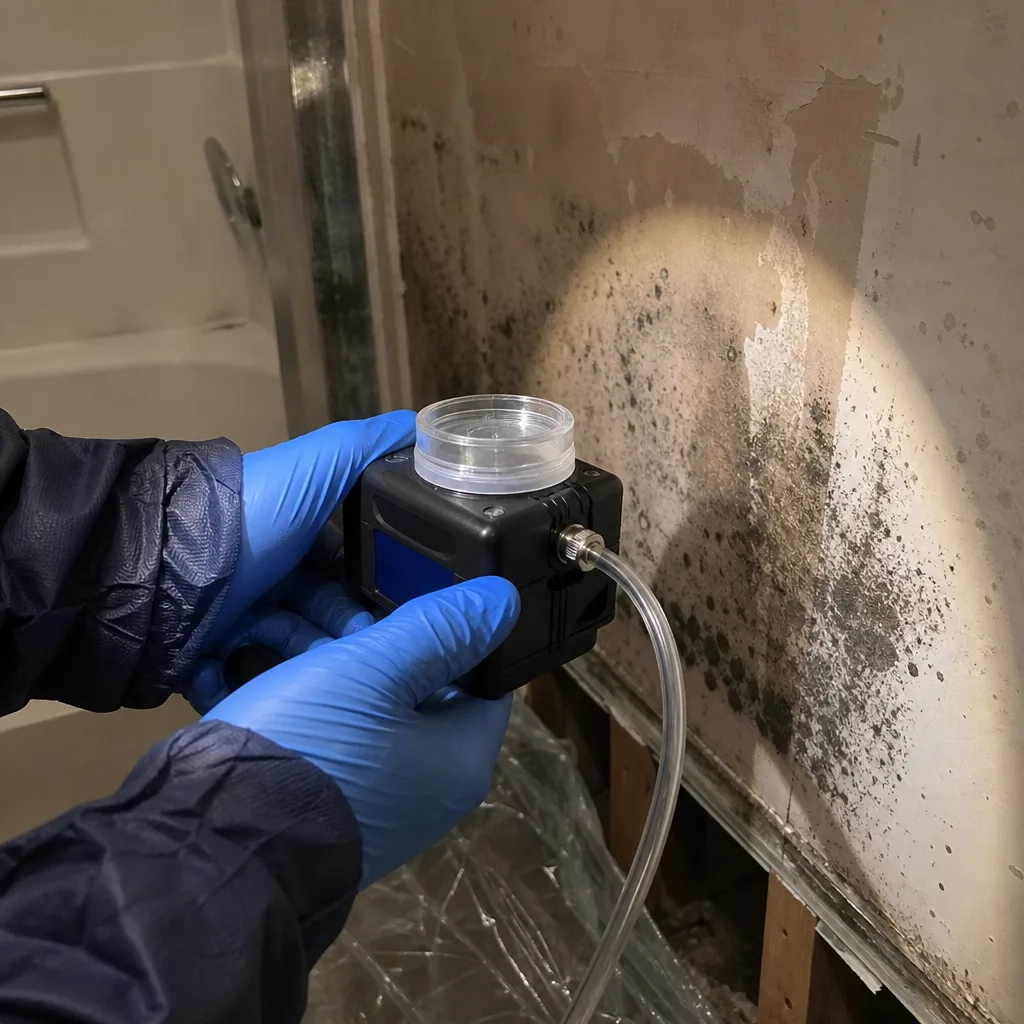
Unattended deaths in Upper Manhattan’s 1930s elevator buildings and walk-ups often go undiscovered for days, which means decomposition fluids have penetrated deep into porous materials. The work requires full containment, air scrubbing, and frequent removal of contaminated flooring, drywall, and personal effects. In buildings with shared shafts, odor migrates vertically, so we treat the shaft-facing walls and vents as part of the scope, not an afterthought.
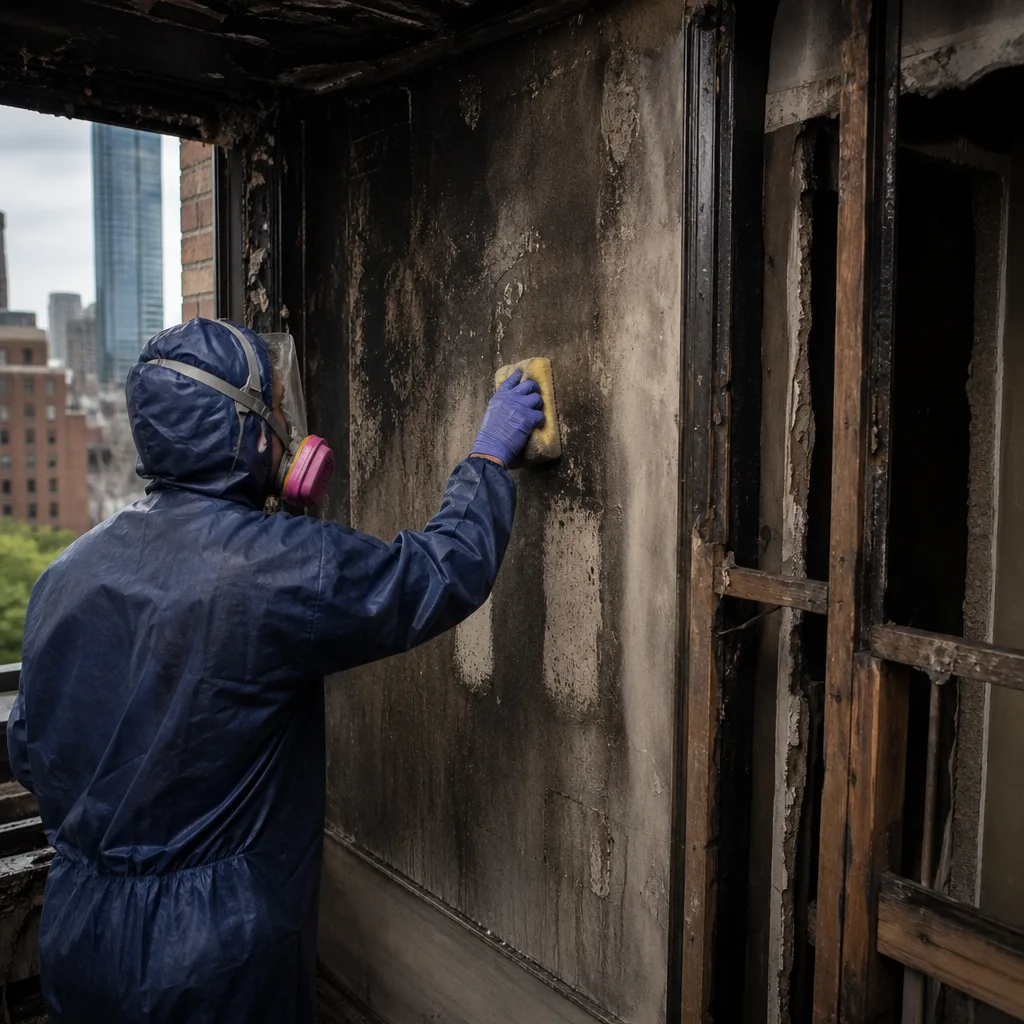
Hoarding Cleanup
Hoarding conditions in Upper Manhattan’s pre-war apartments raise two concerns: biohazard exposure from accumulated waste, rodent droppings, and mold, and structural load on floors never designed for that weight. Our team works compassionately and systematically, sorting salvageable items from debris, coordinating disposal with building rules, and restoring the unit to a safe, habitable condition. For NYCHA buildings, we handle the permit and notification requirements that go beyond standard remediation.
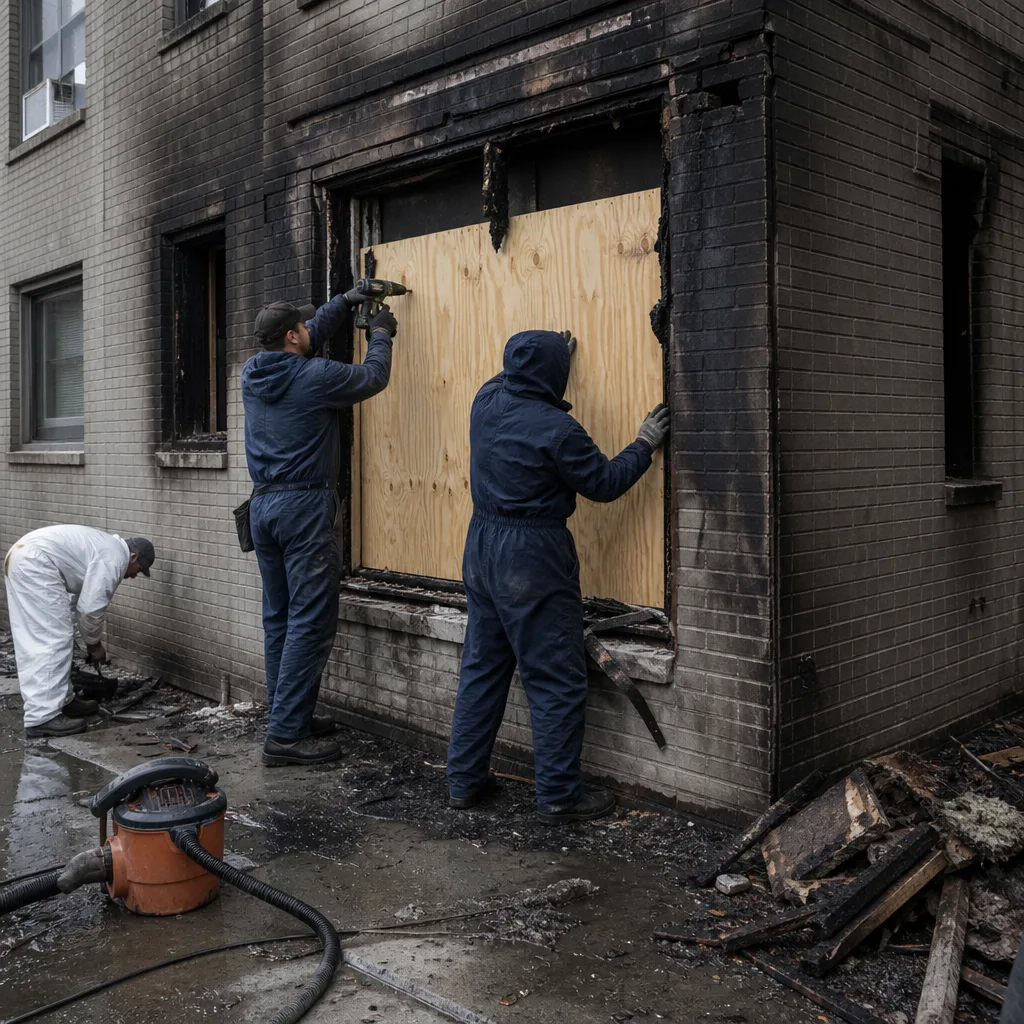
Blood & Bodily Fluid Cleanup
Bloodborne pathogen cleanup follows OSHA protocols and New York State regulations. We remove contaminated materials, disinfect all affected surfaces with EPA-registered agents, and dispose of regulated waste through licensed channels. In Upper Manhattan’s older buildings, this frequently includes sections of original hardwood flooring and the subfloor beneath it, because a century of seasonal expansion and contraction has opened gaps that fluids exploit.
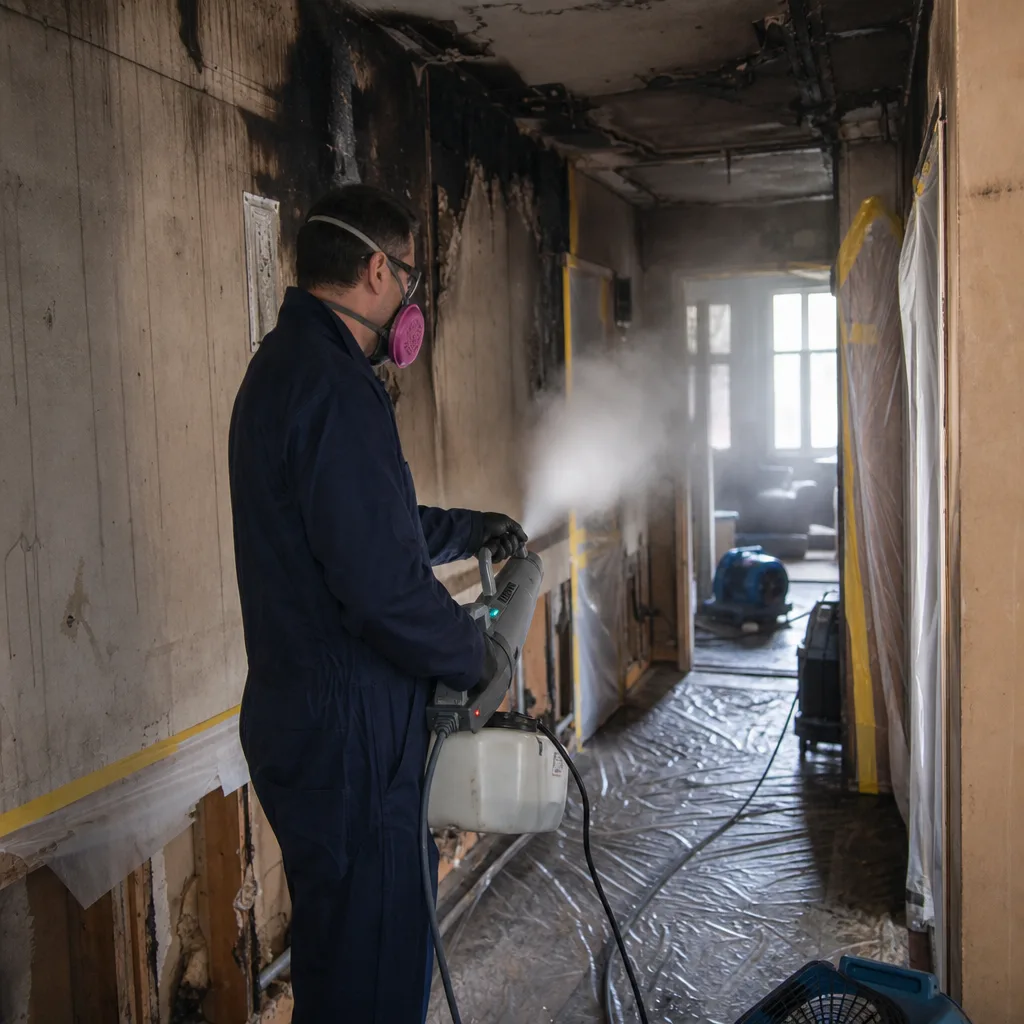
Infectious Disease Disinfection
When a tenant or resident has an infectious disease, the surrounding surfaces in a densely occupied pre-war building become a concern for everyone sharing the floor. We perform full-unit disinfection, including common areas where needed, using EPA-registered hospital-grade disinfectants and fogging where appropriate. Access and notification for neighbors in shared-stairwell buildings is part of the job. We handle it quietly and completely.
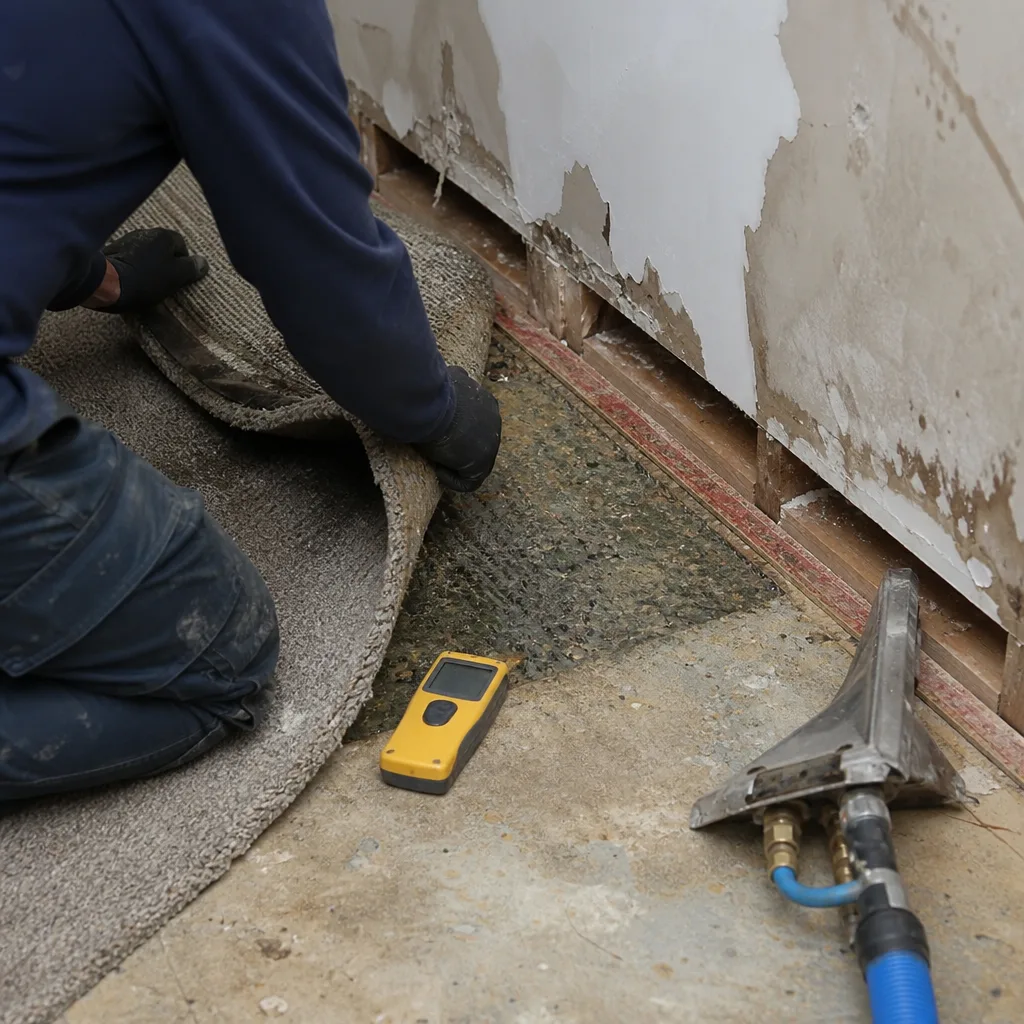
What happens when you call
- 1
A real person answersNo phone trees - you reach a local pro.
- 2
You get an upfront price rangeHonest numbers before anyone is dispatched.
- 3
A background-checked tech heads outLicensed & insured, dispatched right away.
- 4
You approve before work beginsNothing starts until you say go.
Biohazard & Crime Scene Cleanup Costs in Upper Manhattan, NY
Crime scene and trauma cleanup in Upper Manhattan typically runs $1,500 to $5,000 for a contained single-room scene, while full-unit unattended death remediation with significant decomposition often falls between $5,000 and $15,000 depending on how far fluids penetrated. Hoarding cleanups range from $3,000 for a lightly affected apartment to $20,000+ for severe conditions requiring structural reinforcement, pest remediation, and major debris removal from an upper floor. Blood and bodily fluid cleanup in a bathroom or hallway runs $800 to $3,000. Infectious disease disinfection for a full one-bedroom apartment generally sits between $1,200 and $4,000. What moves the price in Upper Manhattan specifically: whether original flooring has to come out, whether asbestos-containing materials got disturbed, whether odor migrated through an air shaft into adjacent units, and how many flights of walk-up stairs our crew has to navigate with equipment. Insurance covers most biohazard work. We offer a free visual inspection, a written scope, and direct insurance billing. Call (518) 314-5660 for a firm quote before any work begins.
We Also Serve Cities Near Upper Manhattan
Our biohazard and crime scene cleanup teams regularly respond to Upper Manhattan and surrounding neighborhoods, including Midtown Manhattan, Midtown West, Murray Hill, and Washington Square. If you’re outside the immediate area, call anyway. We’ll tell you honestly whether we’re the right crew for your building.
Serving Upper Manhattan, NY - Our Local Coverage Area
We’re based in the Upper Manhattan area and know this community well. Use the map below to see our service coverage - if you’re nearby, we can almost certainly help.
Upper Manhattan Biohazard & Crime Scene Cleanup Questions, Answered
How do you contain a biohazard in a Washington Heights apartment when the only access is a narrow interior stairwell shared by dozens of tenants?
We seal the affected unit first, then run negative air pressure with HEPA filtration at the doorway and any connecting openings. Our technicians lay protective sheeting on stairwell floors and wall corners along the route they’ll use, and we schedule debris removal at hours that minimize tenant traffic. For Washington Heights walk-ups with a single narrow stairwell, this often means coordinating with building management on timing. We’ve done it enough that it’s routine, not an obstacle. Call (518) 314-5660 for specifics on your building.
Does a hoarding cleanup in a Harlem NYCHA building need special permits or notifications beyond standard remediation?
Yes. NYCHA properties have their own access, notification, and waste disposal requirements, and the volume of debris from severe hoarding often triggers additional coordination with building management and sometimes NYC Department of Sanitation for bulk pickup. We handle the paperwork and notifications as part of the job. You shouldn’t have to figure out NYCHA’s process on your own.
Why do unattended death cleanups in Inwood’s 1930s apartment buildings take longer than in newer construction?
Because 1930s construction uses porous materials that absorb fluids and odor deeply: original hardwood with gaps, plaster walls, unsealed subflooring. Decomposition fluids work into those materials for days before anyone notices. Then the shared air shafts and pipe chases spread odor vertically, so we’re often treating multiple units, not just the one where the death occurred. Newer drywall-and-plywood construction contains contamination more effectively. Pre-war buildings don’t.
What is the difference between treating a basement sewage backup near the Harlem River versus a bathroom overflow in the same building?
The Harlem River backup is Category 3 water: sewage, pathogens, and whatever the storm sewer pushed in. We treat it as a biohazard from the start, with full containment, HEPA air scrubbing, and disposal of all porous materials that touched it. A bathroom overflow from a clean supply line is Category 1 water until testing says otherwise. We don’t dry Category 3 water in place. That spreads contamination behind baseboards and into wall cavities. Call (518) 314-5660 if you’re not sure which one you have.
If a crime scene cleanup reveals asbestos or lead paint in an Upper Manhattan pre-war building, who is responsible for abatement?
The building owner is generally responsible for asbestos and lead paint abatement under NYC DEP and HPD rules, not the tenant and not us. What we do is pause the affected area of work, notify you and the building, and coordinate with a NYC DEP-licensed abatement contractor before restoration continues. We’ve handled this sequence many times in Upper Manhattan. We don’t cut corners, and we don’t let anyone else cut them either.
How quickly can your crew actually reach an Upper Manhattan address on an emergency biohazard call?
Most addresses between 110th Street and Inwood get a crew on-site within 45 minutes. Night calls, weekends, holidays, same response. We keep technicians staged in the area specifically because Upper Manhattan’s building stock doesn’t give you the luxury of waiting until morning. Call (518) 314-5660 and a live dispatcher tells you exactly when to expect us.
Will insurance cover a biohazard or crime scene cleanup in my Upper Manhattan apartment?
In most cases, yes. Homeowners and building policies typically cover trauma and crime scene cleanup under the dwelling or personal property coverage, subject to your deductible. Renters insurance may cover cleanup in a tenant’s unit. We bill carriers directly, provide the documentation adjusters need, and coordinate multi-party claims when an event affects more than one apartment. The fastest way to know is a quick call to (518) 314-5660. We’ll walk you through what your policy likely covers before we even arrive.
Can I stay in my apartment during the cleanup, or do I need to leave?
During containment, decontamination, and air scrubbing, you should not be in the unit. For a contained single-room scene on the other side of the apartment, it depends on the scope, but we typically recommend vacating for 24 to 72 hours for trauma scene work and longer for hoarding or decomposition cleanup. Your safety comes first, and we’ll tell you straight whether it’s safe to stay. That’s the same advice we’d give our own families.
Written by Curt Bowman, Owner at Floodline Restoration Co., leading certified biohazard and crime scene cleanup crews across Upper Manhattan and greater New York City since 2010. Our team answers live 24 hours a day at (518) 314-5660.