
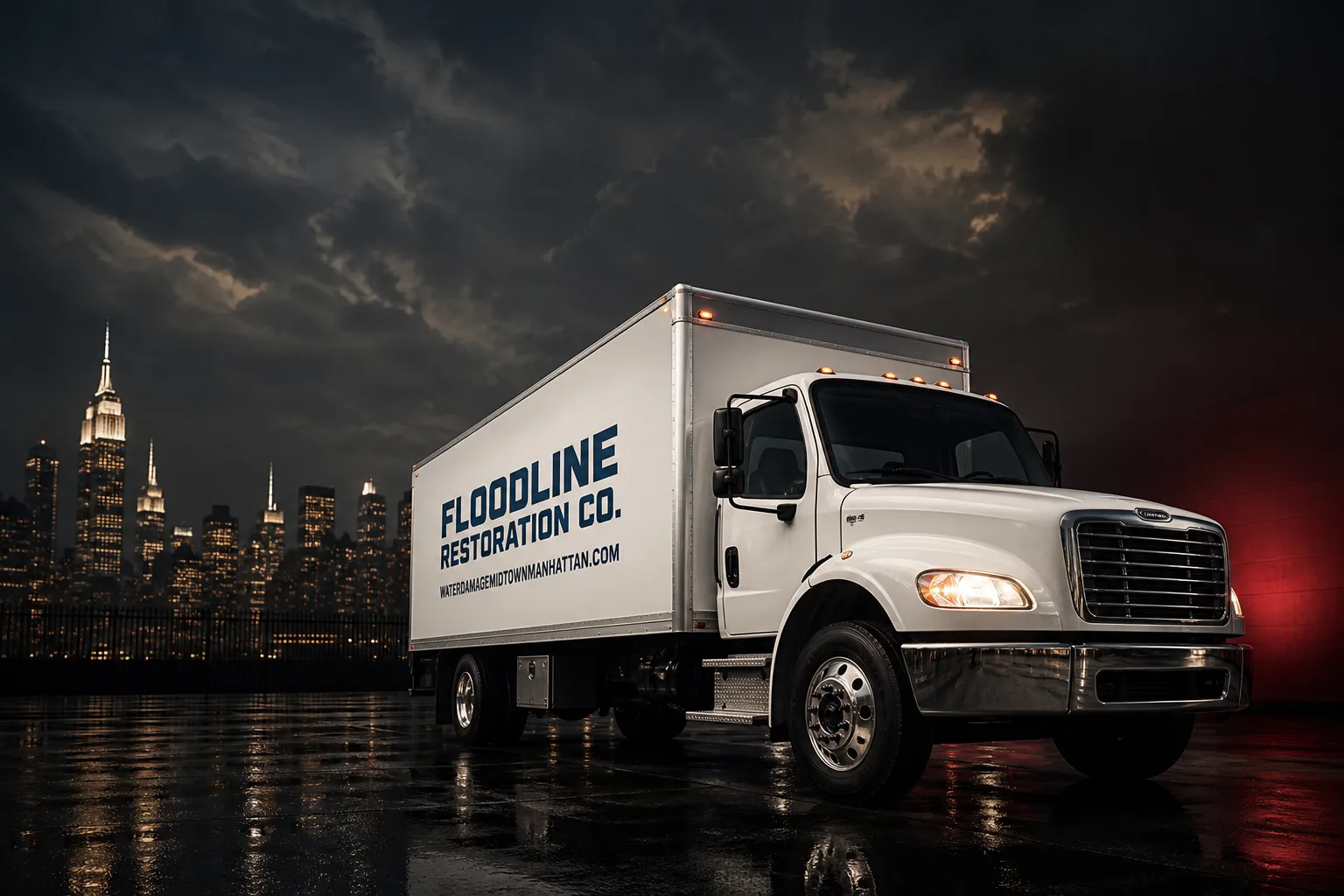
Free visual inspection and a written scope of work before any mitigation begins - photos, moisture readings, and drying logs go in your claim file
The scope we write is the scope we bill. Anything new gets shown to you, in writing, before we touch it.
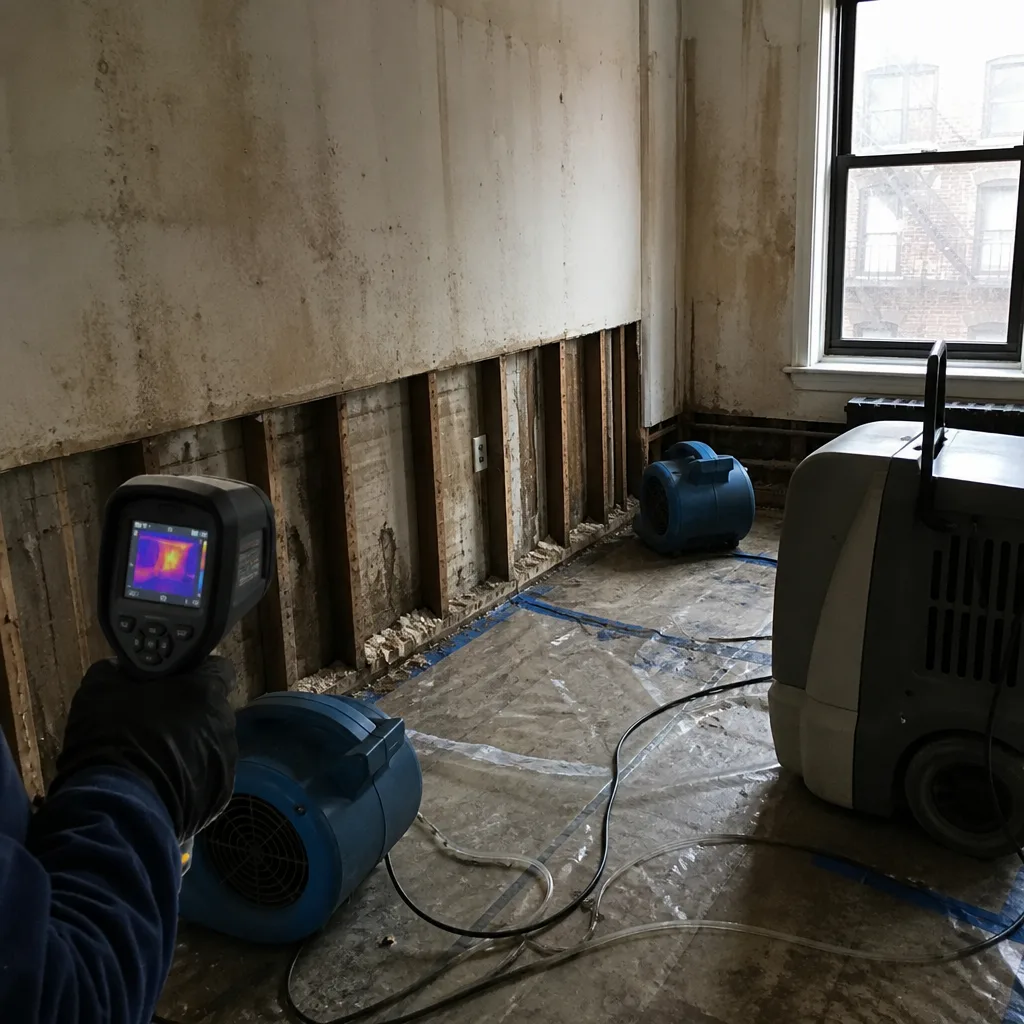 Before
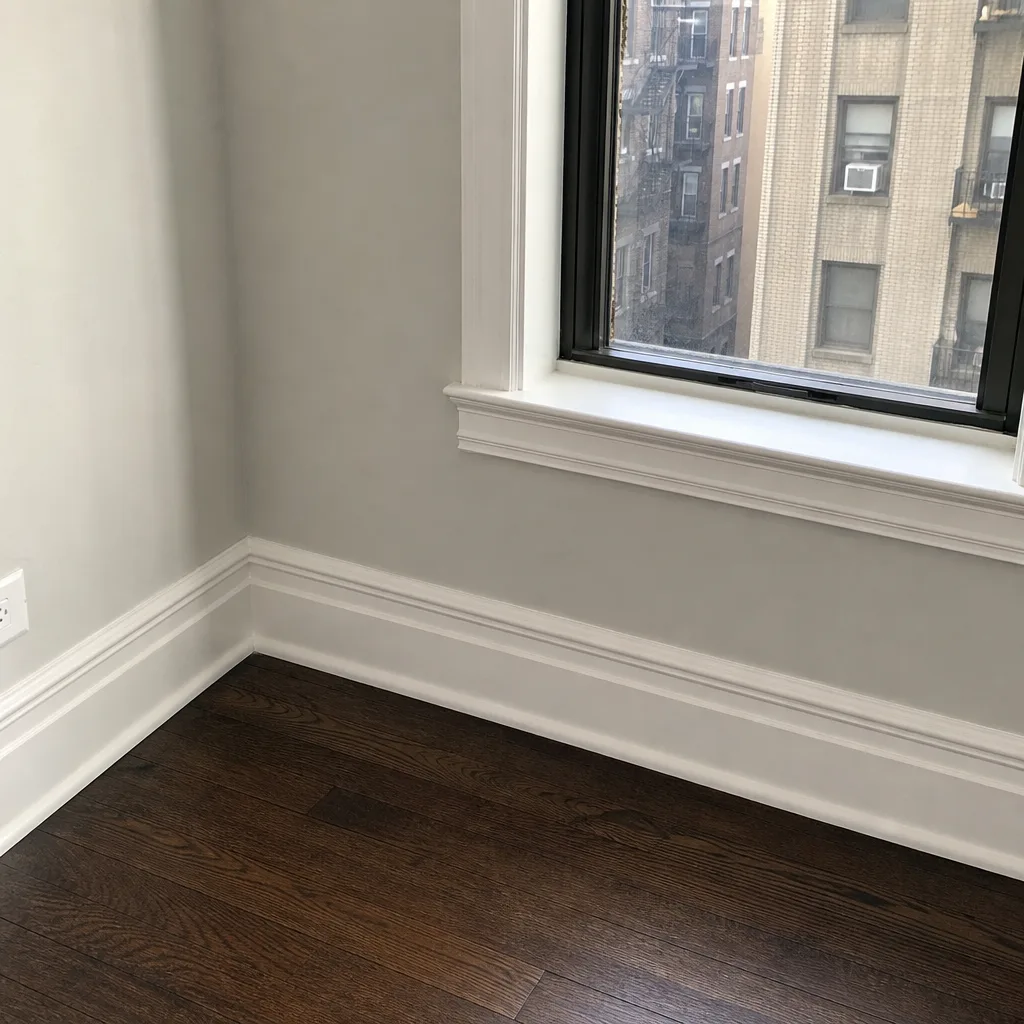 After
After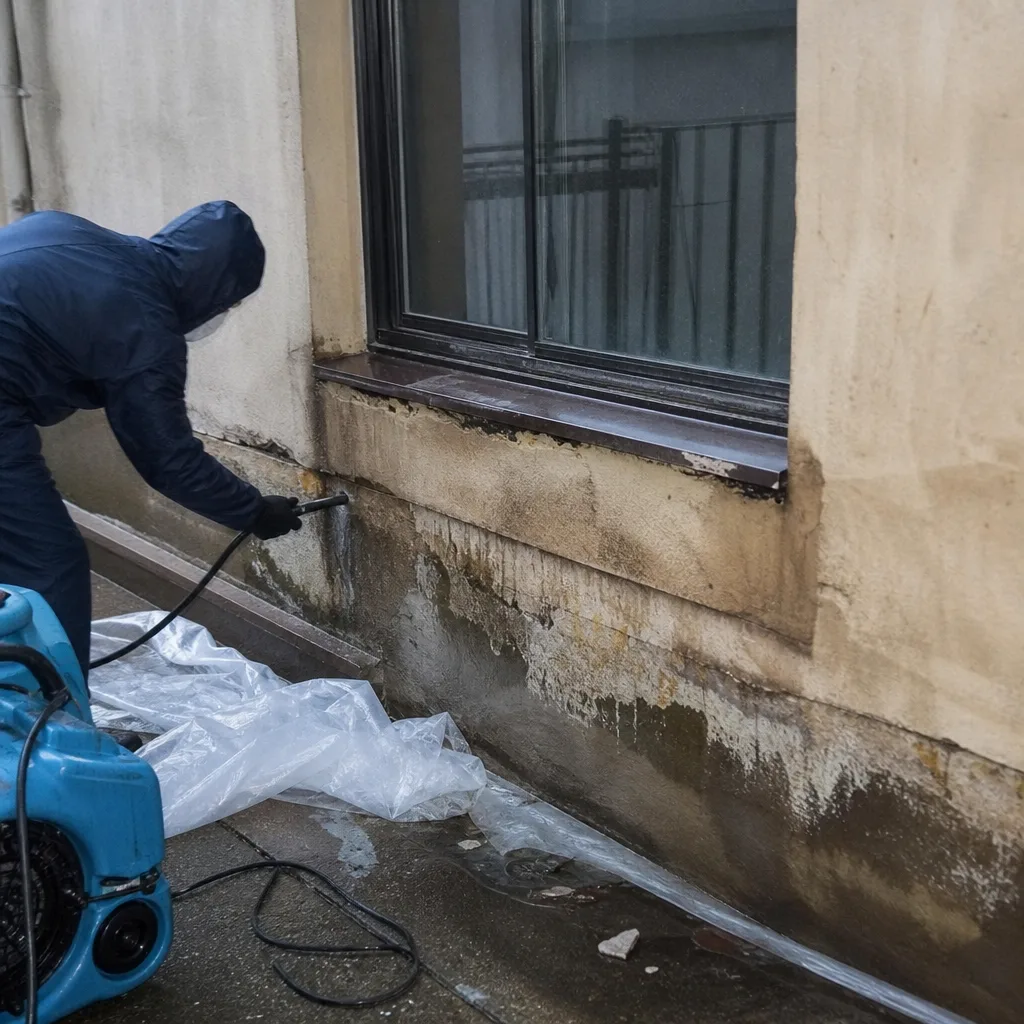 Before
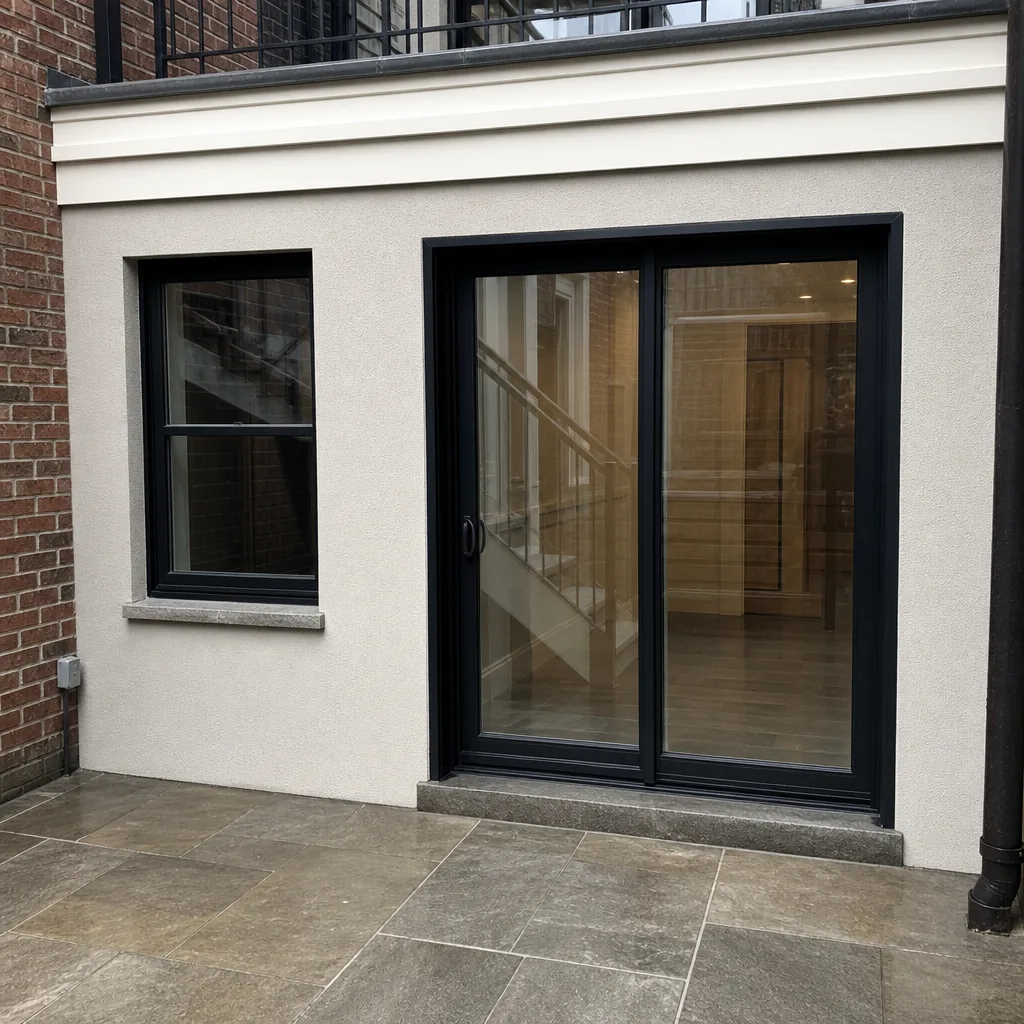 After
After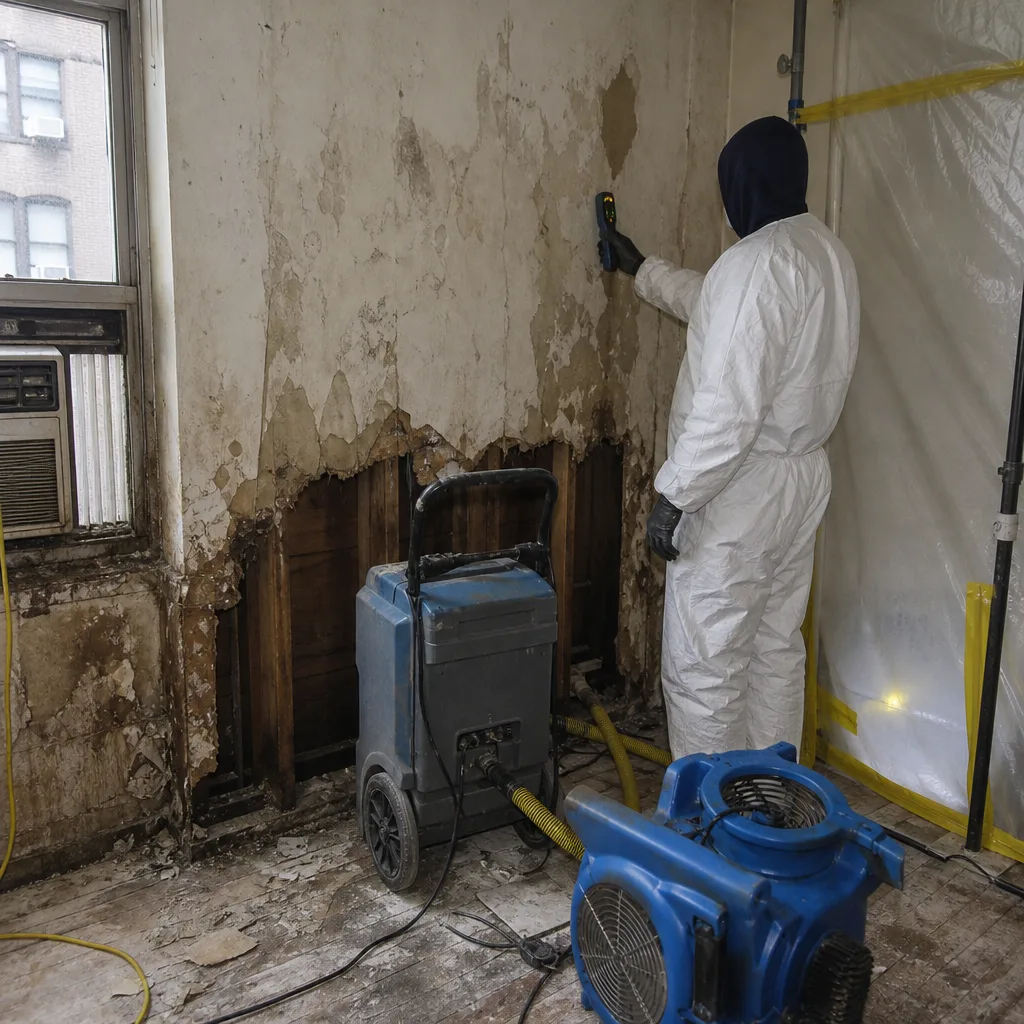 Before
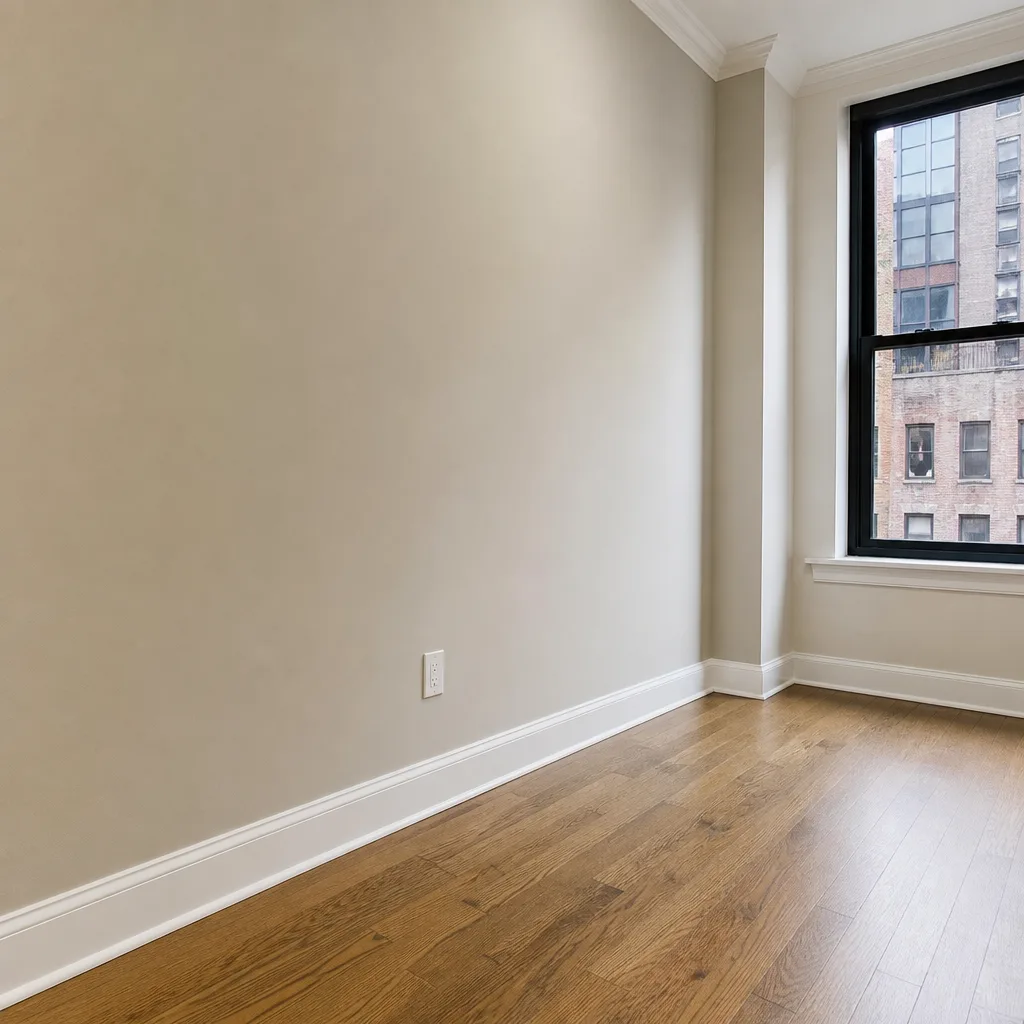 After
After24/7 Emergency Storm & Disaster Restoration in Midtown West
Storm damage in Midtown West moves fast, and so do we. When a nor’easter shears a cornice off a pre-war tenement or a summer cloudburst sends the Hudson River drainage back up through a basement drain on 10th Avenue, you need a crew that answers live and dispatches into Midtown West immediately. That’s exactly what we do. Our Floodline Restoration Co. team is on call around the clock, with a live dispatcher who picks up at 2 a.m. and a certified crew that reaches your building the same night. Call (518) 314-5660 and we’ll start with a free visual inspection, then get to work before the water climbs another floor or the wind opens another wall.
The first hour after storm damage is when the loss gets defined. Water that sits in a Hell’s Kitchen walk-up with horsehair plaster will wick upward through wall cavities and ruin ceilings two floors down. Debris that blocks a roof drain on a Hudson Yards tower will pond and eventually find its way inside. We know the building stock here, and we know what happens when response stalls. That’s why we keep a live crew staged for Midtown West at all hours, every day.
Understanding Storm & Disaster Restoration Severity in Midtown West Properties
Storm restoration in Midtown West isn’t one trade; it’s a sequence of decisions about water category, structural integrity, and building compliance. Water from a burst steam riser is Category 1, clean at the source but degrading to Category 2 within 48 hours as it picks up dust, plaster residue, and whatever’s been living in a century-old wall cavity. Storm-driven sewer backups are Category 3 from the first minute: the combined sewer under Ninth Avenue surcharges and pushes raw waste into ground-floor commercial spaces and below-grade units. The chemistry of the water dictates the drying protocol, the antimicrobial treatment, and whether porous materials get salvaged or cut out.
In Midtown West specifically, severity is compounded by construction age. A horsehair plaster ceiling that’s soaked through will hold moisture in its lath for weeks unless we open it, map the moisture with thermal imaging, and run surgical drying inside the cavities. A curtain-wall high-rise over by Hudson Yards leaks differently: sealant failures at the mullions, wind-driven rain at floor-to-ceiling glass, and water that travels down through conduit penetrations. We read each building for what it is. Moisture mapping starts with a hygrometer, then gets logged daily until we hit the dry standard, not a minute sooner and not a day late.
Why Midtown West Property Owners Choose Floodline Restoration Co.
- 45-minute response commitment. When you call with active water, we commit to having a crew en route to your Midtown West address within 45 minutes. Not a callback. A truck, rolling.
- A live person answers, always. No recordings, no “press 2 for emergencies.” A dispatcher picks up at 3 a.m. on a Sunday and starts the board immediately.
- IICRC-certified crews. Our technicians hold WRT, FSRT, and AMRT certifications, which means they’ve trained on water damage restoration, fire and smoke restoration, and applied microbial remediation. Not just read about it.
- Free visual inspection, before anything else. We look first, explain what we see in plain language, and give you a written scope before equipment ever comes off the truck.
- Direct insurance billing. We bill your carrier directly and handle the adjuster communication. You’re not the messenger between Floodline and the insurance desk.
- One team, start to finish. The same crew that extracts on day one runs the drying logs, handles the rebuild, and hands you the 90-Day Done Right Promise in writing.
Our Storm & Disaster Restoration Process
Inspection & Assessment
We arrive with thermal imaging cameras and moisture meters, read the water category, trace the migration paths, and document everything for your insurer. In Midtown West pre-war buildings, this step includes checking for asbestos-containing materials before any equipment gets staged.
Extraction & Stabilization
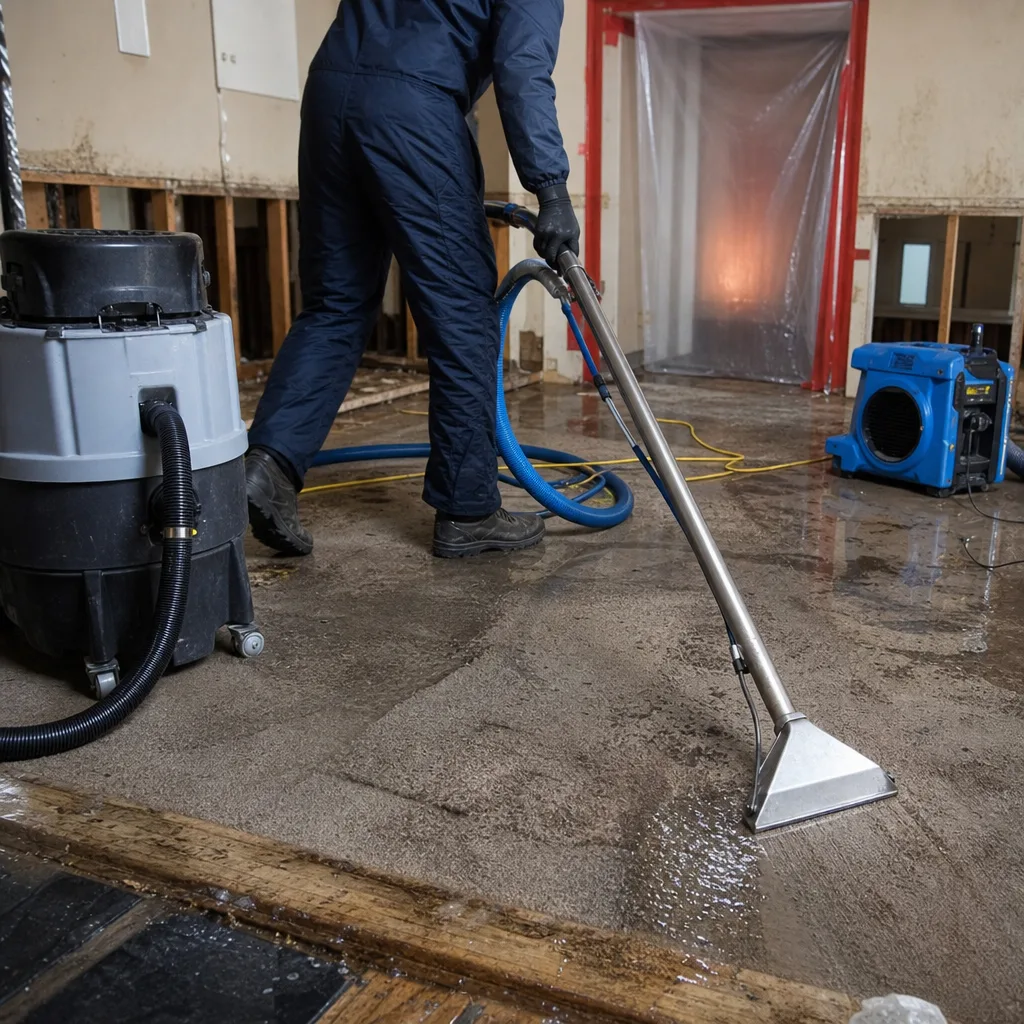
Standing water comes out first. We use truck-mounted and portable extraction units rated for tight access situations, then stabilize the area: board-up for broken windows, roof tarping for wind damage, containment barriers where contamination is present.
Drying & Dehumidification
Dri-Eaz LGR dehumidifiers and XPOWER air movers go in only after any required asbestos clearance. We map the affected areas daily with hygrometers and adjust equipment placement until the entire space reaches the dry standard.
Cleaning & Sanitization
Storm water leaves behind more than moisture: silt, sewage, and microbial growth. We clean with professional antimicrobial agents, HEPA-vacuum affected surfaces, and treat what can be salvaged properly.
Specialty Treatment
For Midtown West specifically, this phase can include asbestos abatement coordination under NYC Local Law 76, lead-safe work practices on older painted surfaces, and structural drying behind lath-and-plaster walls.
Repairs & Restoration
The same crew that dried the space rebuilds it. We replace what was cut out, match plaster and trim, repaint, and restore your unit to pre-loss condition. No mid-job handoff to an unfamiliar subcontractor.
Need Emergency Storm & Disaster Restoration in Midtown West Now?
Crews minutes away, answering live 24 hours a day. The sooner we start, the less it costs.
Working With Your Insurance Company
Storm claims in Midtown West almost always involve insurance, and often more than one policy: the unit owner’s, the co-op or condo board’s master policy, and sometimes a commercial tenant’s policy if a ground-floor restaurant flooded. We handle this every week. From the first hour, we’re building the documentation file your adjuster will need: photos of every affected room, moisture readings at each stage, a line-item scope of work, and drying logs updated daily. Our team communicates directly with your adjuster, so you’re not translating technical questions from the insurance desk at midnight.
What We Provide Your Insurer
- Thorough documentation of the loss
- Photos of all damage, room by room
- Moisture readings and drying logs
- A detailed, line-item scope of work
- Direct coordination with your carrier
Built for Midtown West’s Loss Calendar
Midtown West has a storm calendar that repeats every year, and we’ve built our response around it. January and February deep freezes burst steam supply lines and radiator risers in pre-war Hell’s Kitchen buildings, dumping Category 1 water through ceilings and down wall chases. March and April bring thaw and the first heavy rains, which overwhelm the combined sewer system and push groundwater into basement units near the Hudson River. June through August is thunderstorm season: intense convective storms drop two inches in an hour, flash-flooding Ninth Avenue and filling below-grade commercial spaces. September through November is nor’easter season, when wind-driven rain tests every old cornice, every roof membrane, and every window seal on the older building stock.
Each season demands a different response. A frozen riser crack needs controlled thawing and staged extraction. A sewage surcharge requires Category 3 containment and full decontamination before any drying starts. A nor’easter that peels back roofing membrane needs emergency tarping that same day, not a call-back next week. We know the pattern, and we keep the equipment for each one staged in vehicles ready for Midtown West dispatch.
Storm & Disaster Restoration Across Midtown West’s Neighborhoods
Hell’s Kitchen, between roughly West 34th and West 59th Streets from Eighth Avenue to the Hudson, is our most frequent call zone. These 1900s-to-1940s walk-ups have cast-iron drain stacks, horsehair plaster, and steam heat systems that fail on a regular schedule. When a riser cracks on the eighth floor, it floods eight floors. We’ve rebuilt units on West 47th, West 52nd, and along Tenth Avenue after exactly that scenario, and we know the building supers, the freight elevator schedules, and the loading dock restrictions that make the job possible without wasting billable hours.
Hudson Yards is a different world entirely. The towers from West 30th to West 34th near Eleventh Avenue are Class-A construction with security desks, freight elevator reservations, and strict contractor-hours policies. Storm damage here is usually wind-driven building envelope failure or mechanical room flooding, and the restoration work runs through building management protocols. We’re cleared and experienced with the property management firms that operate in Hudson Yards, and we can move equipment through security without holding up your drying timeline.
The blocks around Times Square and the Theatre District bring their own pressure: commercial marquees, signage damaged by wind, and water intrusion behind historic facades. Along the Ninth Avenue restaurant corridor, ground-floor kitchens take storm and sewer water during every major rainfall event, and the loss is measured in closed dining rooms and health code compliance. We work these streets regularly, and we know how to get containment up and drying running without shutting down a neighboring business.
Our Storm & Disaster Restoration team covers this entire map from the Hudson River east to Eighth Avenue, responding to calls from residential co-ops, condos, rental buildings, restaurants, offices, and ground-floor retail throughout Midtown West.
Specialized Storm & Disaster Restoration Services We Offer in Midtown West
Flood Damage Restoration
When a storm drain backs up into a Hell’s Kitchen basement apartment or a Hudson Yards mechanical room floods, we extract first, then map moisture, then dry to standard. Our flood restoration in Midtown West handles the full sequence: water removal, structural drying, antimicrobial treatment, and repairs. In pre-war buildings with two 120V circuits, we manage equipment loads carefully so drying runs without tripping breakers behind containment.
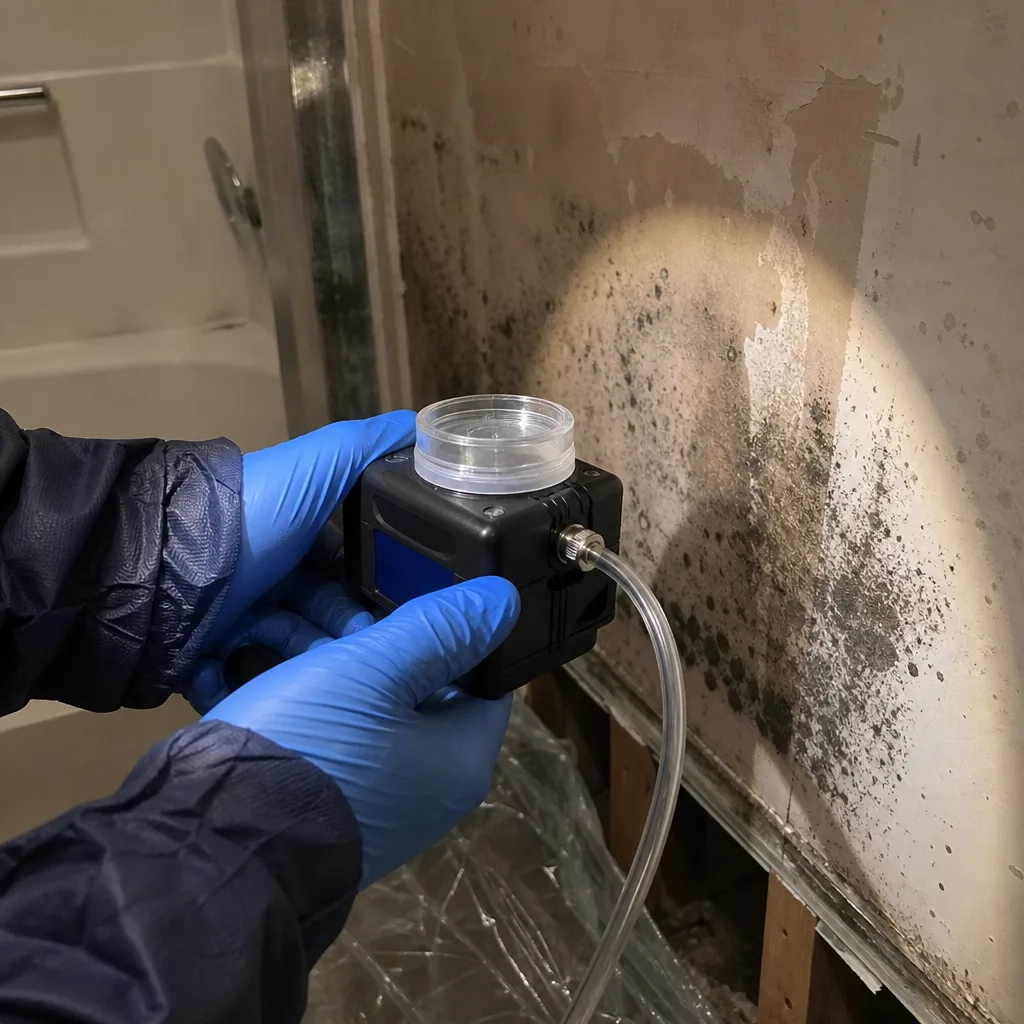
Storm Damage Cleanup
Wind-blown debris, broken glass, saturated drywall, and roof membrane failures all need fast, safe removal. We clear the damage, contain the area, and document the loss for your carrier. Storm cleanup in Midtown West typically means working in tight spaces: narrow stairwells, small freight elevators, and buildings where every piece of debris has to be bagged and removed through the loading dock on a schedule.
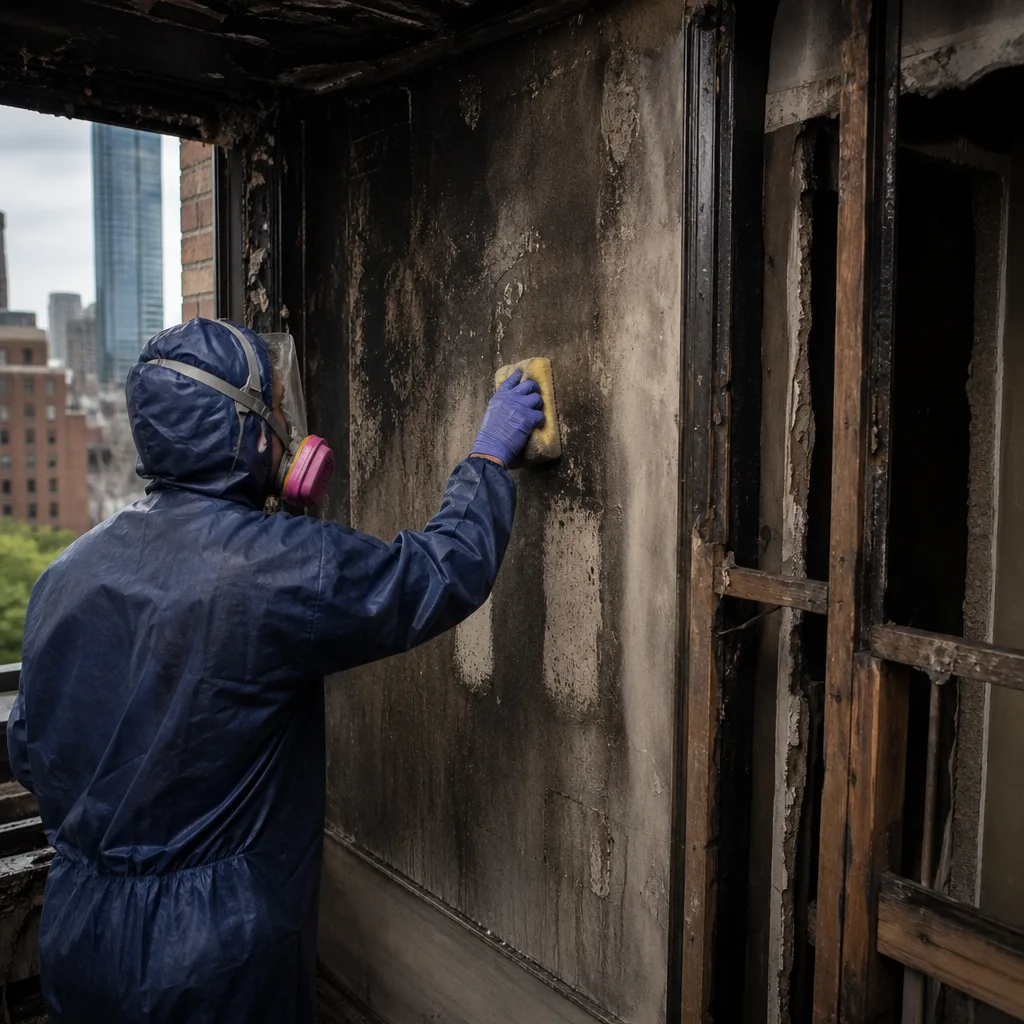
Emergency Board-Up
A blown-out window on a West 50s walk-up or a damaged storefront on Ninth Avenue can’t wait until morning. We board up openings with plywood and proper fastening the same call, securing your unit against weather, intrusion, and further damage. This is the emergency response that stops a bad night from becoming a worse week.
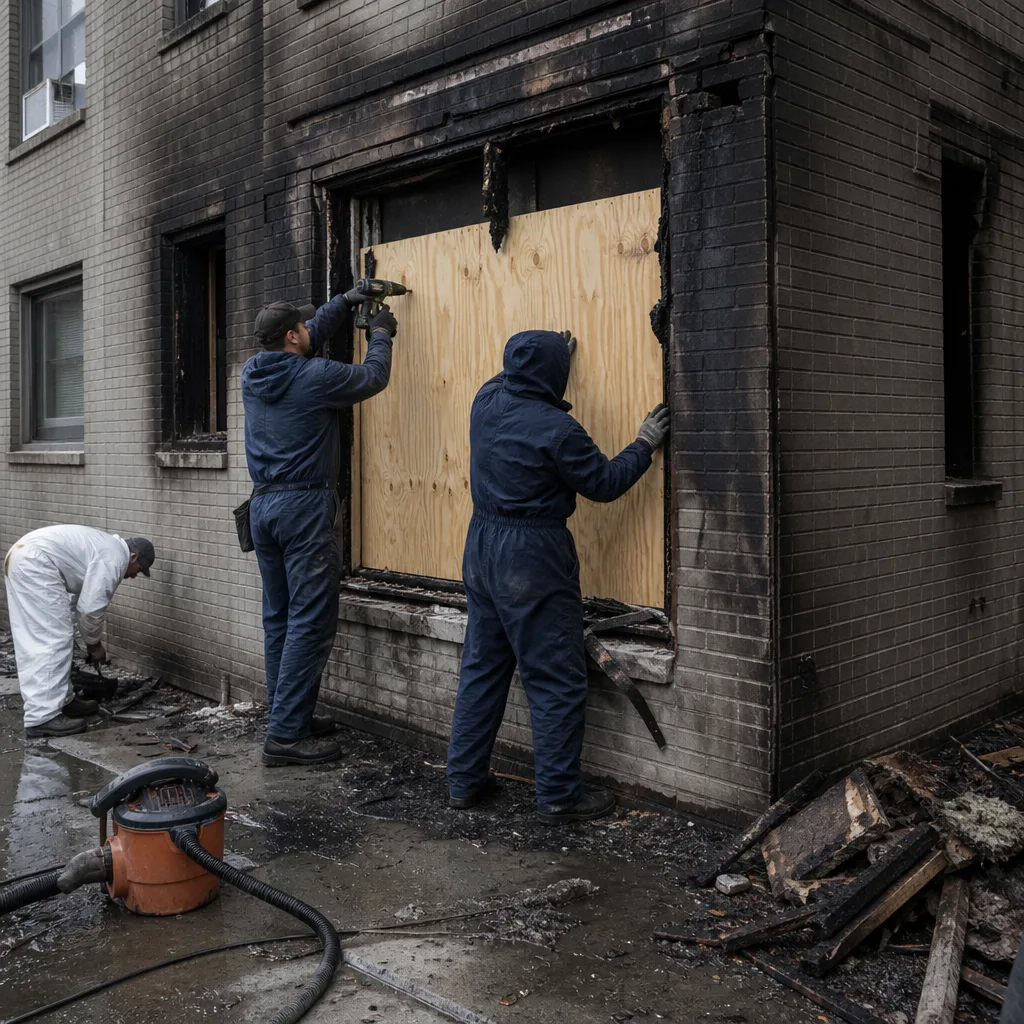
Roof Tarping
Nor’easters and summer wind events tear membrane roofing and peel flashing all over Midtown West. We tarp the damaged area with heavy-duty, properly anchored coverings designed to hold through the next storm cycle. It’s temporary, but it’s done right, and it buys the time to schedule a permanent repair instead of racing one.
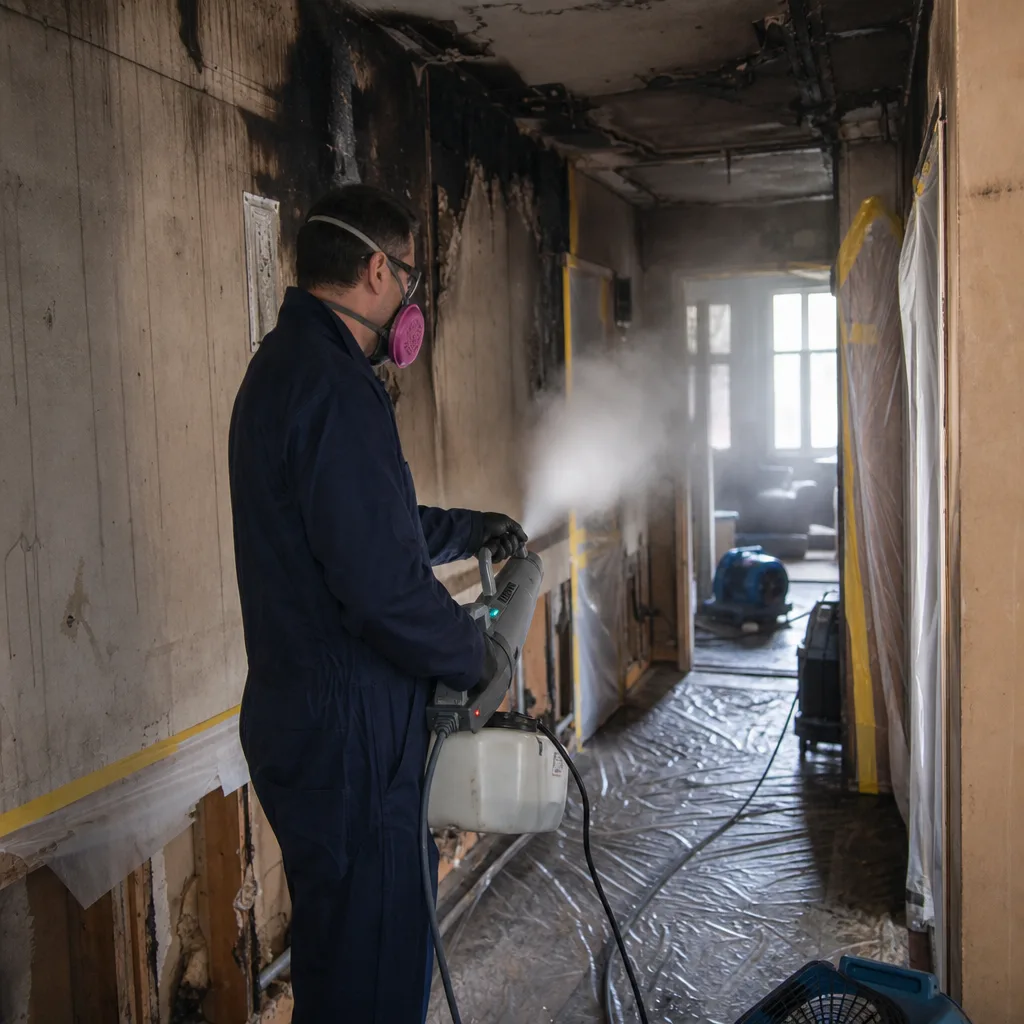
Debris Removal
Storm debris in Midtown West can mean downed signage, broken masonry, soaked insulation, and ruined carpeting hauled out in bags. We remove it, dispose of it properly, and keep the lane clear for your insurer’s documentation. Everything gets photographed before it leaves.
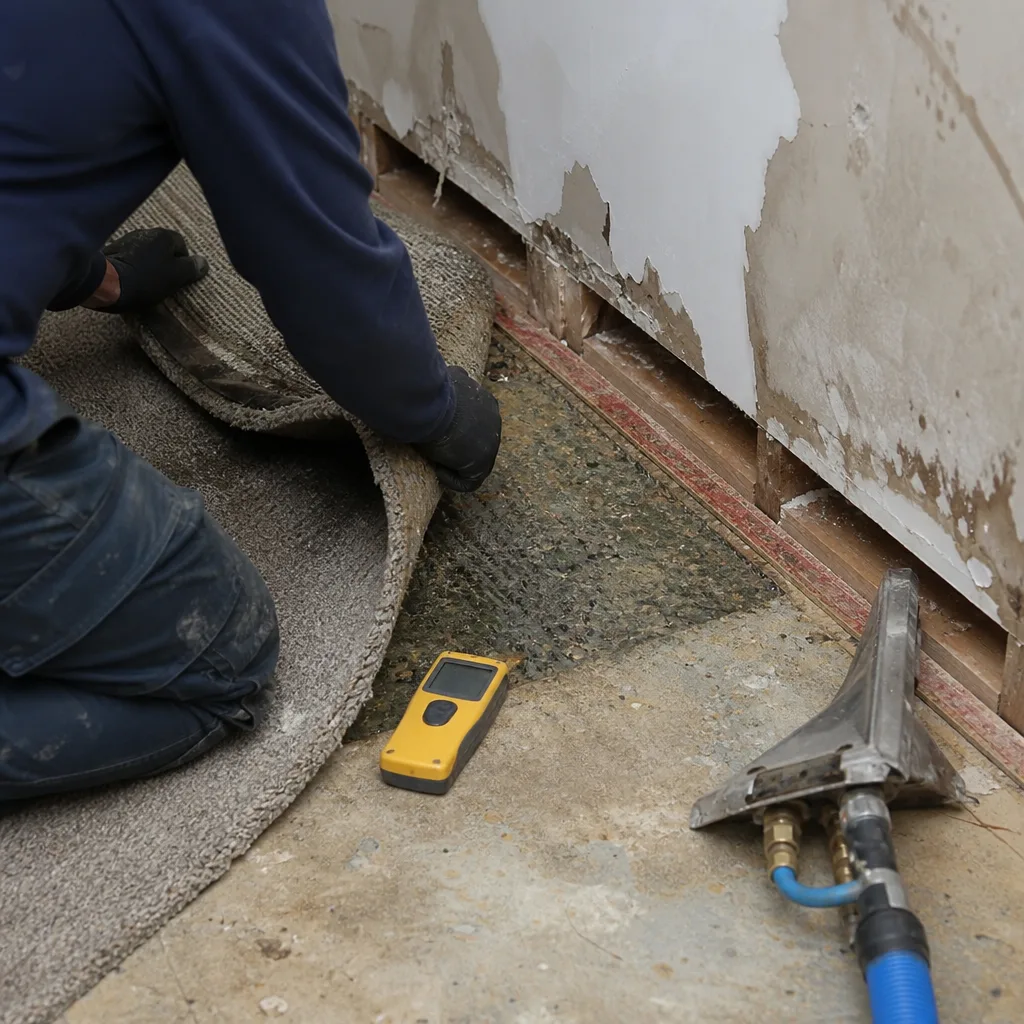
Wind Damage Repair
High wind on a curtain-wall tower cracks sealant at the mullions and forces rain through the envelope. We chase those leaks with moisture meters and thermal imaging, then repair the sealant and dry the interior. On older buildings, wind damage often means missing cornice pieces and loosened parapet flashing, which we address with tarping and structural repair as the restoration proceeds.
What happens when you call
- 1
A real person answersNo phone trees - you reach a local pro.
- 2
You get an upfront price rangeHonest numbers before anyone is dispatched.
- 3
A background-checked tech heads outLicensed & insured, dispatched right away.
- 4
You approve before work beginsNothing starts until you say go.
Storm & Disaster Restoration Costs in Midtown West, NY
Storm restoration in Midtown West generally runs between $1,800 and $7,500 for a typical single-unit flood or water event, with the range driven by water category, building age, and compliance requirements. A straightforward Category 1 extraction and drying job in a modern Hudson Yards unit might run $1,800 to $3,200. The same square footage in a pre-war Hell’s Kitchen walk-up with asbestos clearance, a DOB permit sequence, and plaster wall opening typically lands between $4,500 and $7,500. Sewage-related Category 3 events with full decontamination and material removal push higher, from $5,000 to $12,000 depending on finish level and affected square footage.
Emergency board-up runs $350 to $900 per opening in Midtown West. Roof tarping for a storm-damaged membrane starts around $750 and goes up by roof size and access difficulty. Debris removal is typically billed by volume and runs $300 to $1,500 for a standard apartment-scale loss. The best way to know your number is a free visual inspection; we’ll walk the space, give you a written scope, and put firm numbers on the same page your adjuster will see.
Call (518) 314-5660 for an exact quote. Estimates are free.
We Also Serve Cities Near Midtown West
Our crews run the full Midtown Manhattan grid, plus Murray Hill to the east, Washington Square down near NYU, and Upper Manhattan as far north as the storm tracks take us. Same live dispatch, same certified teams, same written guarantee.
Serving Midtown West, NY - Our Local Coverage Area
We’re based in the Midtown West area and know this community well. Use the map below to see our service coverage - if you’re nearby, we can almost certainly help.
Midtown West Storm & Disaster Restoration Questions, Answered
Why can’t you start drying our Hell’s Kitchen apartment the same day we call?
If your building’s surfaces test positive for asbestos, which is common in Hell’s Kitchen pre-war units with pipe insulation and floor-tile mastic, NYC Local Law 76 and EPA NESHAP rules require a licensed abatement contractor to clear the area and pull a DOB permit before we can legally place drying equipment. That sequence usually takes two to four days. Skipping it means a stop-work order that delays mitigation even longer, so we run the survey first, every time.
Can you use floor drying mats in a co-op with horsehair plaster ceilings?
Yes, but only after we confirm the plaster and lath can handle the weight and moisture load without becoming a liability. Horsehair plaster holds water differently than modern drywall, and forcing heat into it too fast can crack and delaminate the surface. We use Injectidry systems and low-grain dehumidifiers set to a schedule that dries the cavity without destroying the finish. It takes a few days longer than a modern unit, and that’s the right way to do it.
What happens when a sewer backup hits a ground-floor restaurant on 9th Avenue during a nor’easter?
That’s Category 3 water from the first minute. We contain the affected area, extract with dedicated sewage equipment, remove any porous materials that contacted the waste, clean and disinfect the remaining surfaces, and run drying. For a restaurant, we also coordinate with the health department’s expectations and document everything so the business interruption claim has a complete file. The equipment we use, often B-Air and Phoenix units, gets sanitized after the job, never cross-contaminated to another site.
How do you move drying equipment into a Hudson Yards high-rise with security restrictions?
We’re cleared with the property management firms that run Hudson Yards towers, and we book freight elevator slots and loading dock times in advance. Our technicians carry proper identification, work within the building’s contractor hours, and stage equipment in the service corridor before moving it into the unit. We plan access before we dispatch, so the crew isn’t standing in a lobby waiting for a security clearance while the water spreads.
Will my condo board’s insurance accept your drying logs?
Yes, and this is exactly what drying logs are for. We record hygrometer readings, temperature, and equipment placement daily, on a format that insurance adjusters recognize from carrier guidelines. We’ve produced these logs for co-op boards from West 34th to West 59th, and we send them directly to the adjuster with the moisture map and scope of work attached.
How fast can you actually get to a Midtown West address?
We commit to a 45-minute response window for active water and storm damage calls in Midtown West. Our dispatchers keep a live board, and our crews stage out of the New York City office with equipment pre-loaded. When you call (518) 314-5660, the truck is moving before the call ends in most cases.
Do we need full restoration or just a cleaning?
That depends on what the water touched and where it traveled. Category 1 clean water on tile flooring may need cleaning and drying only. Water that’s been through a wall cavity, a carpet pad, or a plaster ceiling in a pre-war building usually needs equipment-based drying plus selective material removal. We’ll tell you honestly during the free inspection whether a shop vac and a fan would actually finish the job, or whether you need professional drying. We’re not here to oversell a cleaning into a restoration.
What should I do in the first 30 minutes after storm water enters my Midtown West home or business?
Cut power to the affected area if you can do so safely from a dry location. Move what you can lift without risk, especially papers, electronics, and anything absorbent. Take photos of the water line and the source. Then call us at (518) 314-5660. Don’t use a shop vac on sewage, don’t open walls yourself in a pre-war building, and don’t wait to see if it “dries on its own.” It won’t. It’ll wick, and the bill will climb.
Written by Curt Bowman, Owner at Floodline Restoration Co., serving Midtown West properties from pre-war Hell’s Kitchen walk-ups to Hudson Yards towers.