
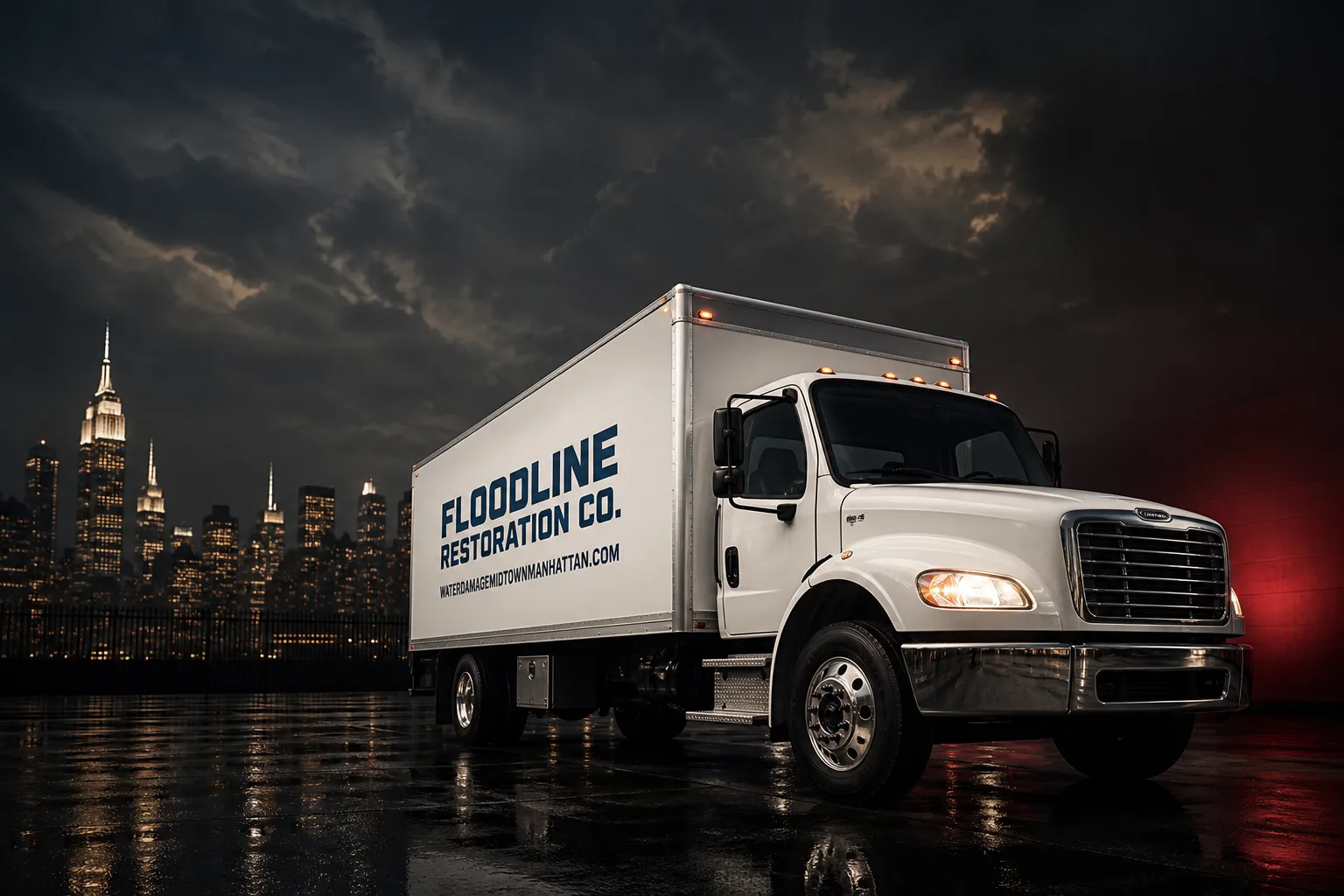
Free visual inspection and a written scope of work before any mitigation begins - photos, moisture readings, and drying logs go in your claim file
The scope we write is the scope we bill. Anything new gets shown to you, in writing, before we touch it.
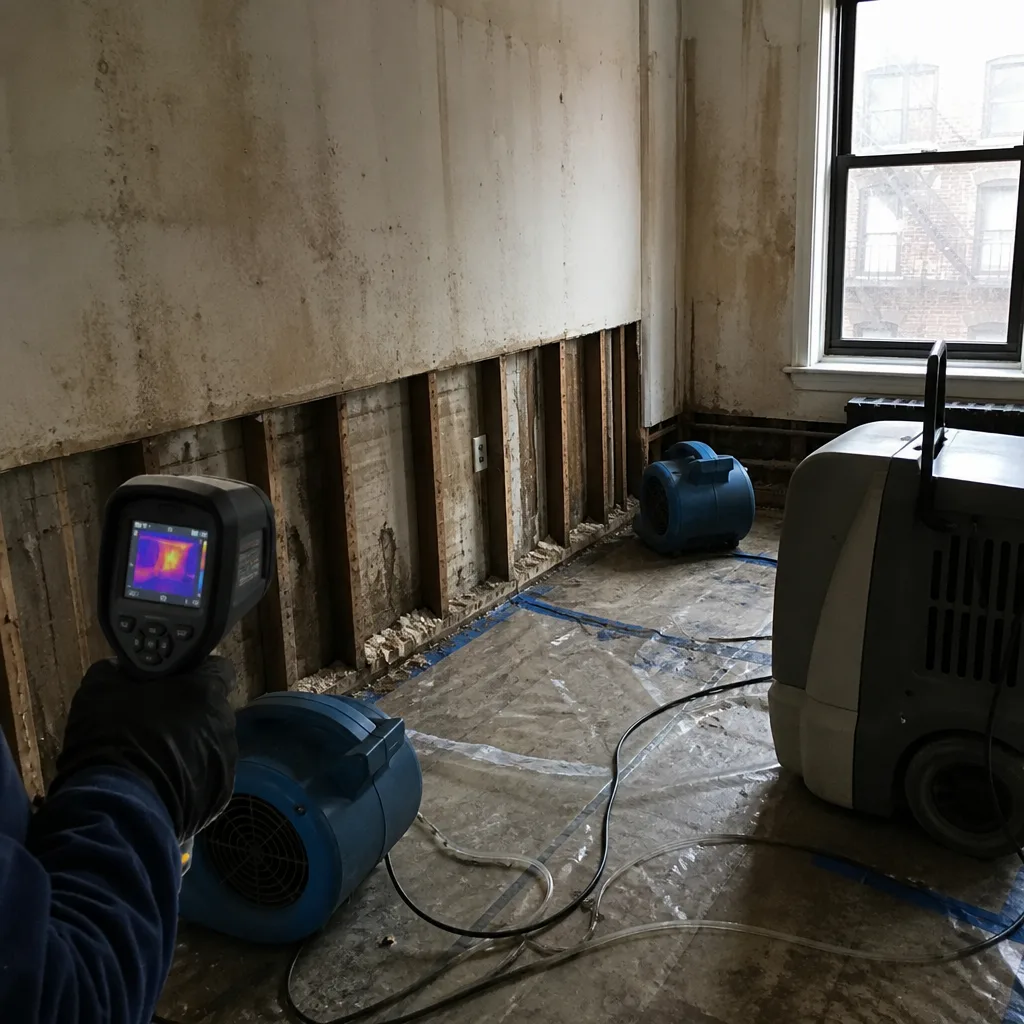 Before
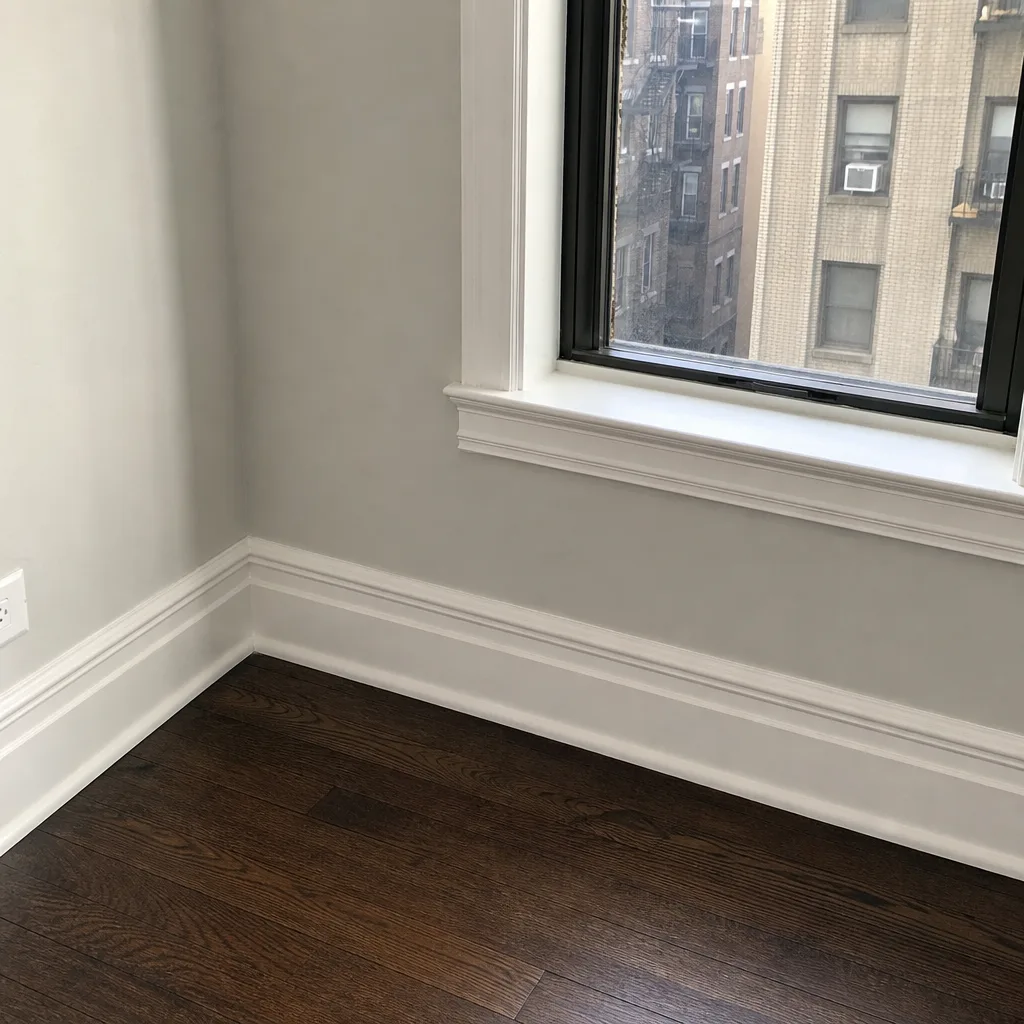 After
After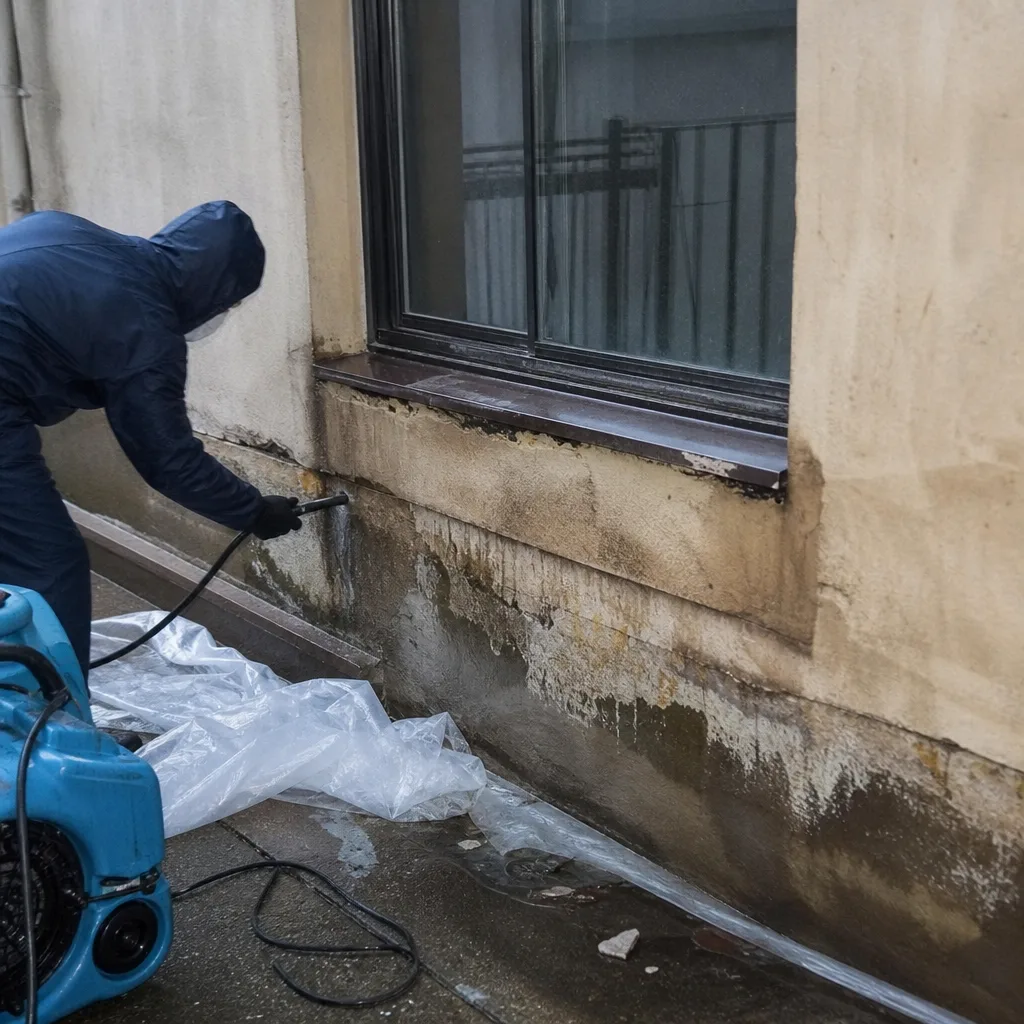 Before
 After
After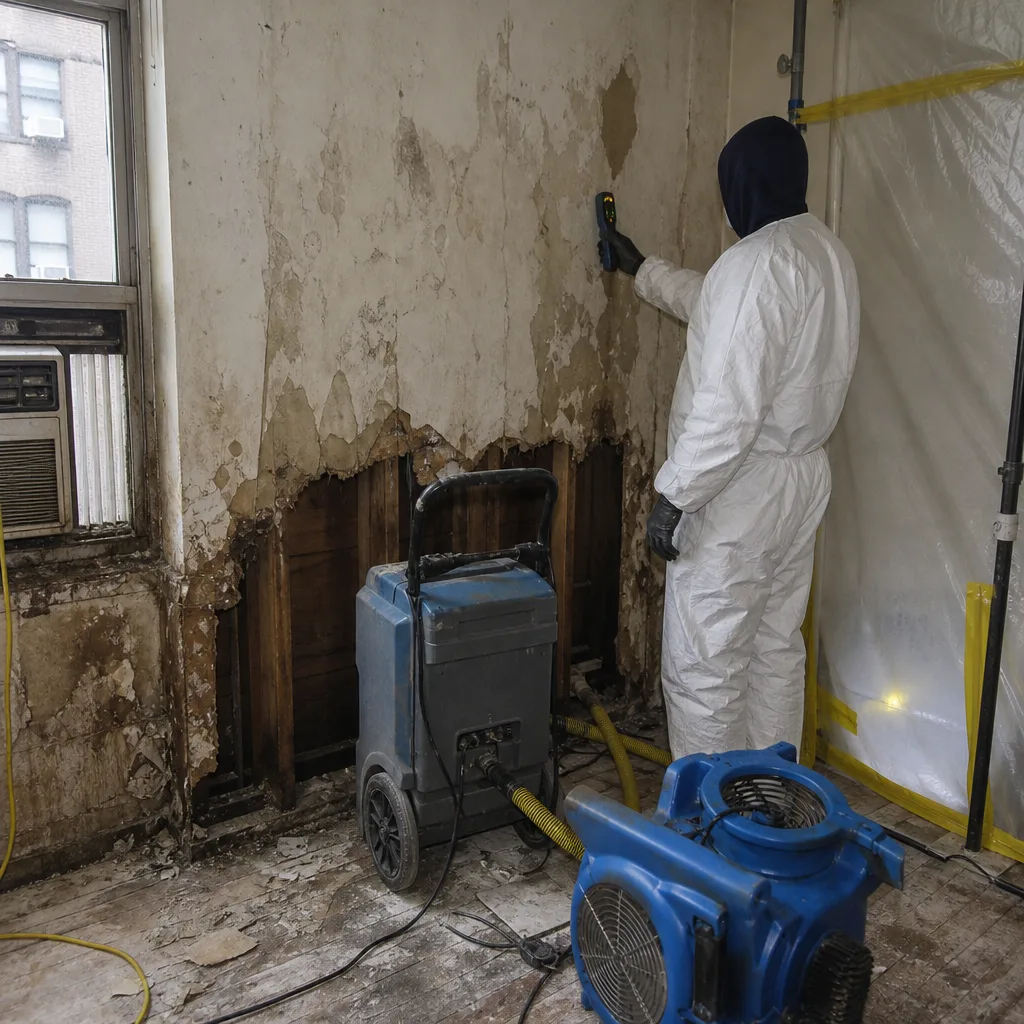 Before
 After
After24/7 Emergency Mold Remediation in Upper East Side
Mold remediation in Upper East Side co-ops and pre-war buildings typically runs $1,800-$6,500 depending on containment complexity and how far the colony has traveled through plaster walls and shared chases. Most UES jobs take 3 to 7 days of active work if caught before the board-approved access issue turns a contained problem into a hidden one. We answer live at (518) 314-5660 at any hour, and our certified crews reach Upper East Side buildings the same visit to begin containment before the colony spreads further into irreplaceable finishes.
The first hour matters more in this neighborhood than most places. In a pre-war co-op on Fifth Avenue or Park Avenue, a mold bloom behind a wall feeds on plaster and lath, old horsehair insulation, and the back side of hand-laid parquet. Every day of delay means another layer of original millwork or plaster-relief ceiling that gets harder, sometimes impossible, to save. That’s why we don’t schedule callbacks when you call about mold. We dispatch.
Understanding Mold Remediation Severity in Upper East Side Properties
Mold severity isn’t a guess. We read it with moisture meters, thermal imaging, and air sampling. In Upper East Side buildings from the 1910s through the 1950s, the most common driver isn’t a burst pipe. It’s slow, steady moisture: a pinhole in an original galvanized riser, a weeping cast-iron drain stack behind a kitchen wall that may require Sewage Cleanup in Upper East Side, condensation inside a cold exterior masonry wall on York Avenue. These leaks deliver the exact conditions mold needs, often for months before visible staining appears.
The severity level changes how we work. A surface colony on bathroom tile grout is one thing; that’s cleaning and treatment. A hidden colony feeding inside a plaster-and-lath wall cavity or a crawl space under a Carnegie Hill townhouse is another. That requires full containment: negative-air pressure, HEPA scrubbing, and clearance testing after removal. Co-op boards in this neighborhood frequently delay access to shared chases, which means what started as a 10-square-foot isolated bloom becomes a multi-apartment structural issue by the time walls can be legally opened. We document everything pre-access because that documentation matters later, both for the board and for insurance.
Why Upper East Side Property Owners Choose Floodline Restoration Co.
- 45-minute response commitment: When you call about suspected mold in an Upper East Side apartment or townhouse, our nearest certified crew heads over the same visit, not tomorrow.
- 24/7 live answer, always a person: No recorded menu, no answering service that takes a message. A live dispatcher picks up at 2 a.m. and starts the dispatch.
- IICRC-certified crews: Our technicians hold IICRC certifications including AMRT (Applied Microbial Remediation Technician) and WRT (Water Damage Restoration Technician), trained to handle pre-war plaster, parquet, and millwork.
- Free visual inspection: We’ll assess visible mold, take moisture readings, and tell you plainly whether you need full remediation or a targeted cleaning, no charge for the look.
- Direct insurance billing: We bill your carrier, we talk to your adjuster, and we hand over the photo log and moisture map. You don’t play messenger.
- One team from start to finish: Same Floodline crew handles containment, drying, remediation, and the rebuild of damaged plaster or flooring. No mid-job handoff to a sub you’ve never met.
Our Mold Remediation Process
Inspection & Assessment
We start with thermal imaging and moisture meters, not guesses. In Upper East Side co-ops, this means mapping the moisture path through walls, under floors, and into adjacent units before any wall is opened. We also identify what we can’t access yet, flagged for board approval.
Containment & Stabilization
Before any removal, we set up negative-air containment with HEPA filtration so spores don’t travel through your apartment. In UES buildings, this often means sealing off doorways, air returns, and even shared ventilation pathways to the hall.
Drying & Dehumidification
Mold stops growing when the moisture source stops. We use Dri-Eaz dehumidifiers and XPOWER air movers to pull moisture from plaster, subfloor, and structural framing, logging daily readings until the dry standard is met.
Cleaning & Sanitization
Affected surfaces get treated with antimicrobial agents appropriate for the material. We clean what’s savable: plaster, parquet, millwork. We remove what isn’t: saturated drywall, rotted lath, contaminated insulation.
Parquet & Plaster Specialty Treatment
This step is the difference on the Upper East Side. Hand-laid herringbone parquet that’s cupped from moisture can often be dried, sanded, and refinished rather than torn out. Plaster relief medallions and crown moldings get stabilized and restored, not replaced with modern substitutes. Our Injectidry system dries hardwood in place where possible.
Repairs & Restoration
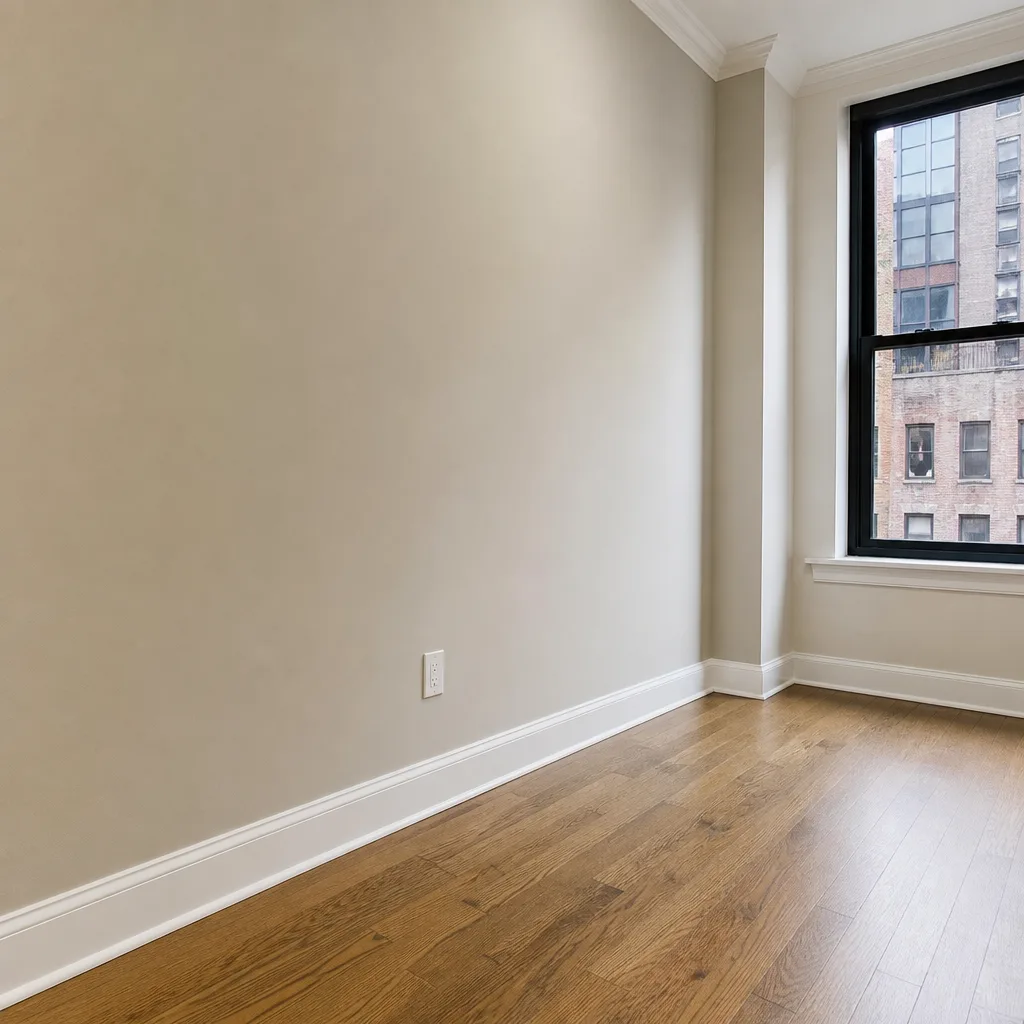
Once the microbial work is done, the same crew rebuilds: replastering, trim matching, floor refinishing. The goal is that you can’t tell we were there, except that the mold is gone and the parquet still looks like it did in 1932.
Need Emergency Mold Remediation in Upper East Side Now?
Crews minutes away, answering live 24 hours a day. The sooner we start, the less it costs.
Working With Your Insurance Company
Mold claims in Upper East Side buildings get examined closely, especially when the underlying cause is a slow leak rather than a sudden event. Your co-op’s master policy may cover the building systems, while your individual unit policy covers finishes and contents. The two policies don’t always agree. We’ve handled enough UES claims to know how to build the file: photos from the first visit, moisture readings before and after access, a line-item scope of work that separates water damage from mold remediation from restoration, and direct communication with your adjuster so you aren’t translating trade language over the phone at 9 p.m.
What We Provide Your Insurer
- Thorough documentation of the loss
- Photos of all damage, room by room
- Moisture readings and drying logs
- A detailed, line-item scope of work
- Direct coordination with your carrier
Built for Upper East Side’s Loss Calendar
The calendar here doesn’t bring mold season the way a damp basement in the suburbs does. Upper East Side mold problems spike in late winter and early spring. January deep-freeze events stress 90-year-old cast-iron risers and galvanized supply lines inside uninsulated exterior walls. A pinhole leak behind a bathroom wall on Park Avenue might run for six weeks before staining shows through the plaster. February and March, the freeze-thaw cycle works on masonry and roof drains alike. April brings the start of New York’s humid season, and by July and August, the air-conditioned interiors of pre-war apartments create a cold wall surface where condensation collects inside closets and behind furniture on East End Avenue, where the river keeps ambient humidity higher than the numbers read in the subway station. Then September arrives with the tail end of hurricane season, and Upper East Side Storm & Disaster Restoration needs rise as the low blocks between York Avenue and the FDR Drive remember what a storm surge can do to basement mechanical rooms and cellar storage. We plan our equipment staging around this calendar, and we’ve learned to expect the call from a managing agent on the third cold snap of January, not the first.
Mold Remediation Across Upper East Side’s Neighborhoods
Carnegie Hill townhouses between Fifth and Lexington are a different animal from the pre-war towers on Park. A five-story brownstone on East 92nd Street has basement-to-roof moisture pathways: a roof leak travels down through four floors of plaster before it pools in the cellar. We chase that path with moisture meters from the parapet down. In Yorkville, the older walk-up rentals and converted co-ops on the side streets east of Second Avenue tend to have shared vent stacks and smaller chases, which makes containment tighter and board-driven access delays even more consequential. Over on East End Avenue, buildings sit closest to the East River, where the 2012 surge flooded basement mechanical rooms and left a legacy of mold-prone storage spaces and service corridors. And in the Historic District pockets along Fifth and Park, Landmarks Preservation Commission review can touch any work that affects exterior walls or original interior features, which means our documentation has to be detailed enough to stand up at both the co-op board meeting and the LPC desk.
Specialized Mold Remediation Services We Offer in Upper East Side
Mold Inspection & Testing
In an Upper East Side co-op, testing isn’t just about finding mold. It’s about building the evidence file your board and insurer will accept. We take air samples, surface swabs, and moisture readings, and we document exactly where mold is, where moisture is, and what we need to access to fix both. That report is what gets walls opened.
Mold Removal
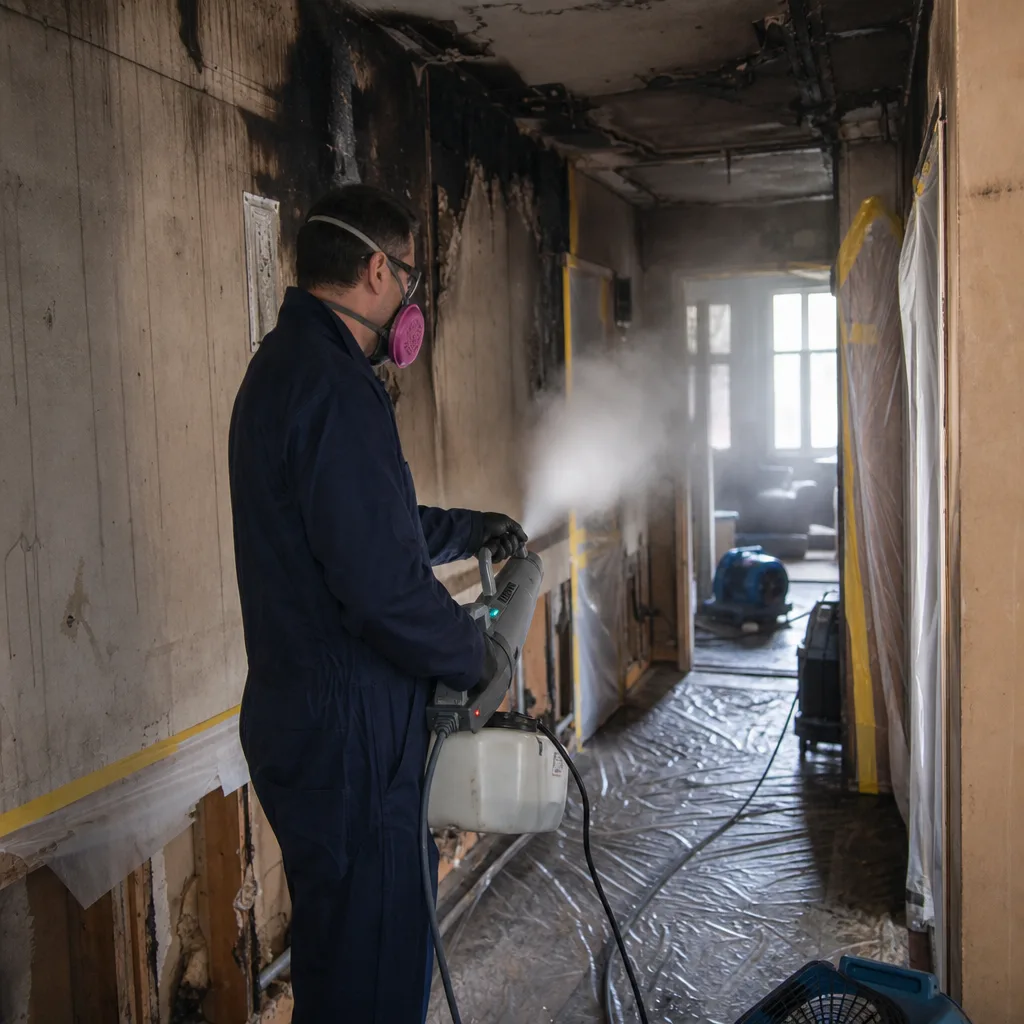
Removal in pre-war UES apartments means careful separation of what gets treated from what gets replaced. Plaster on lath with original crown molding gets HEPA-cleaned and treated where possible. Saturated modern drywall from a past renovation gets cut out. The line between them matters, and our crews draw it conservatively toward saving original fabric.
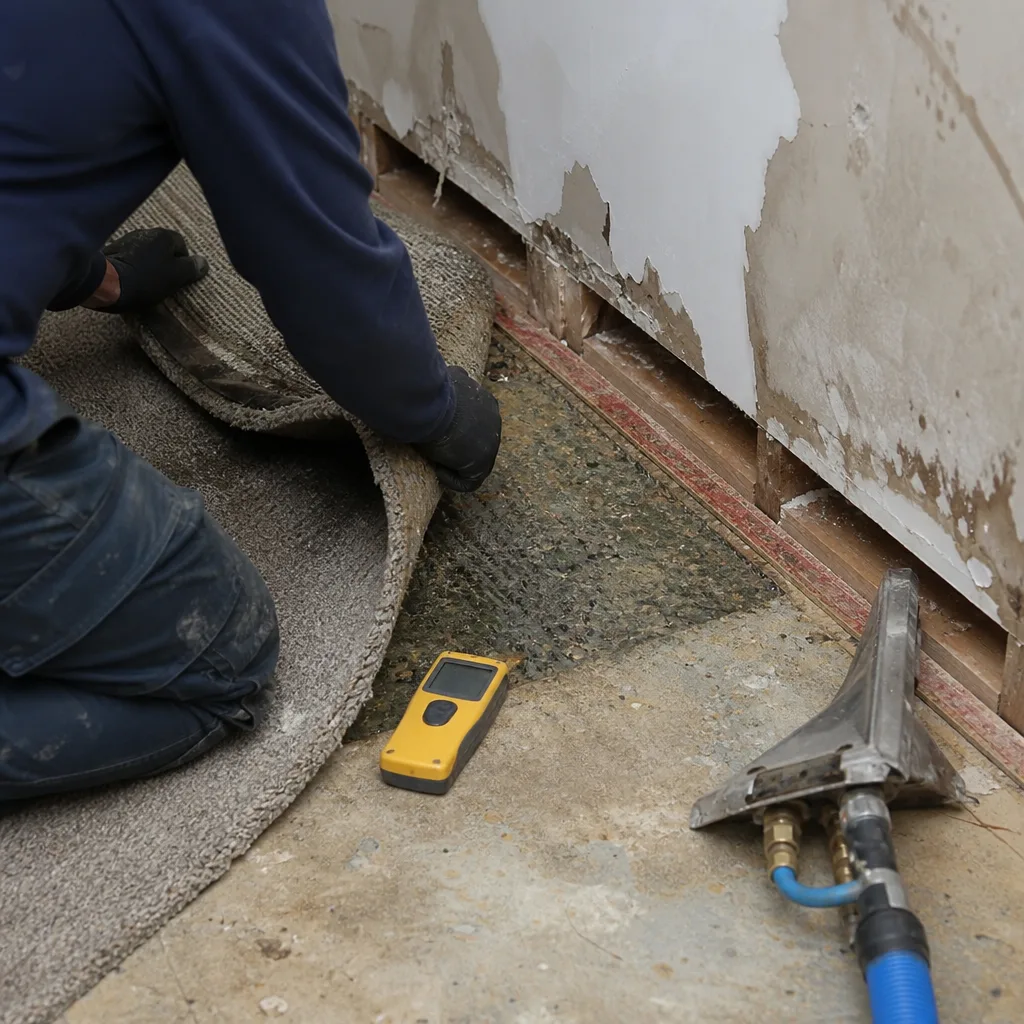
Black Mold Remediation
Black mold, stachybotrys, is the one that puts people on edge. It’s also the one that demands full containment and clearance testing. In UES apartments built before 1955, black mold often hides behind built-in millwork, under window seats, and inside cold exterior wall cavities. We contain first, remove second, and clear with post-remediation air sampling every time.
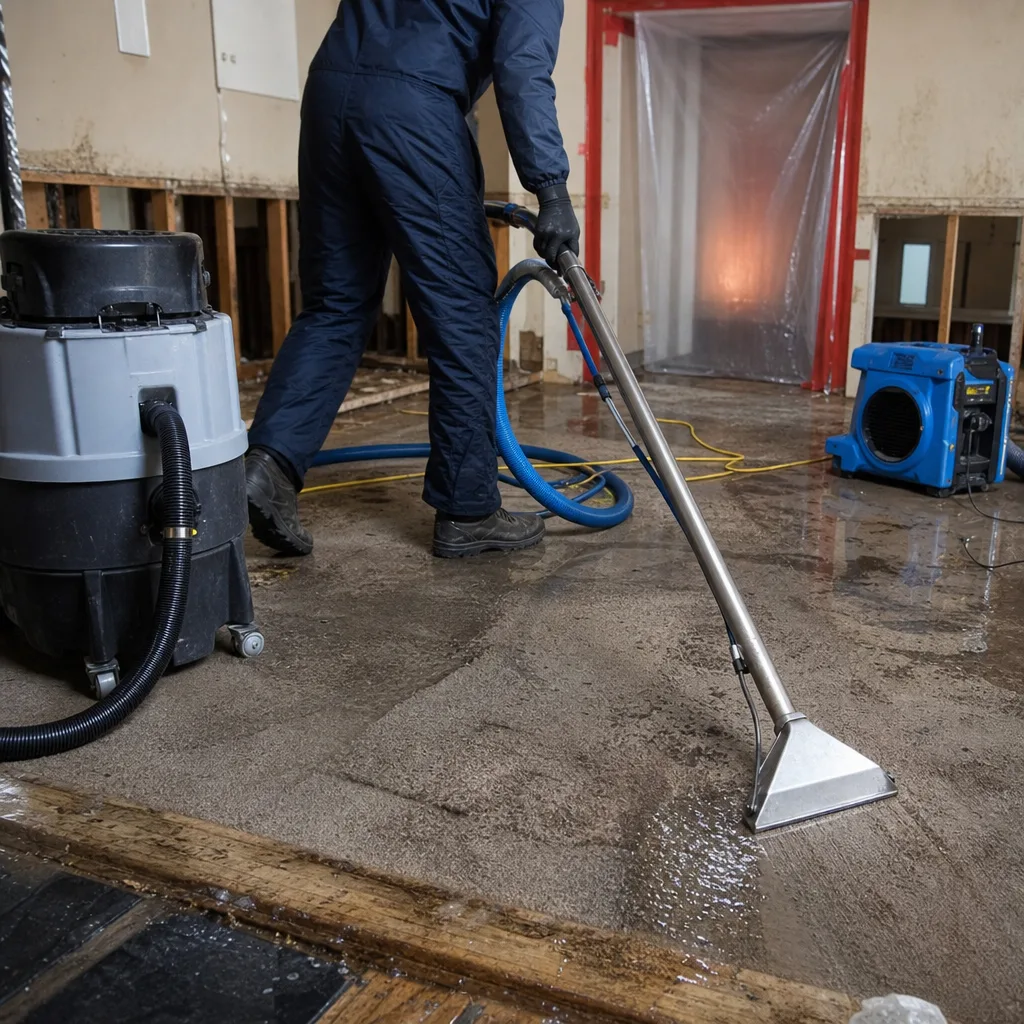
Air Quality Restoration
After any Upper East Side mold job, the air should test cleaner than the hallway outside. We run HEPA air scrubbers throughout remediation and finish with post-clearance air sampling. If you’re still smelling that musty note in the bedroom two weeks after a cleaning, the colony probably isn’t gone. That’s worth a call, not a candle.
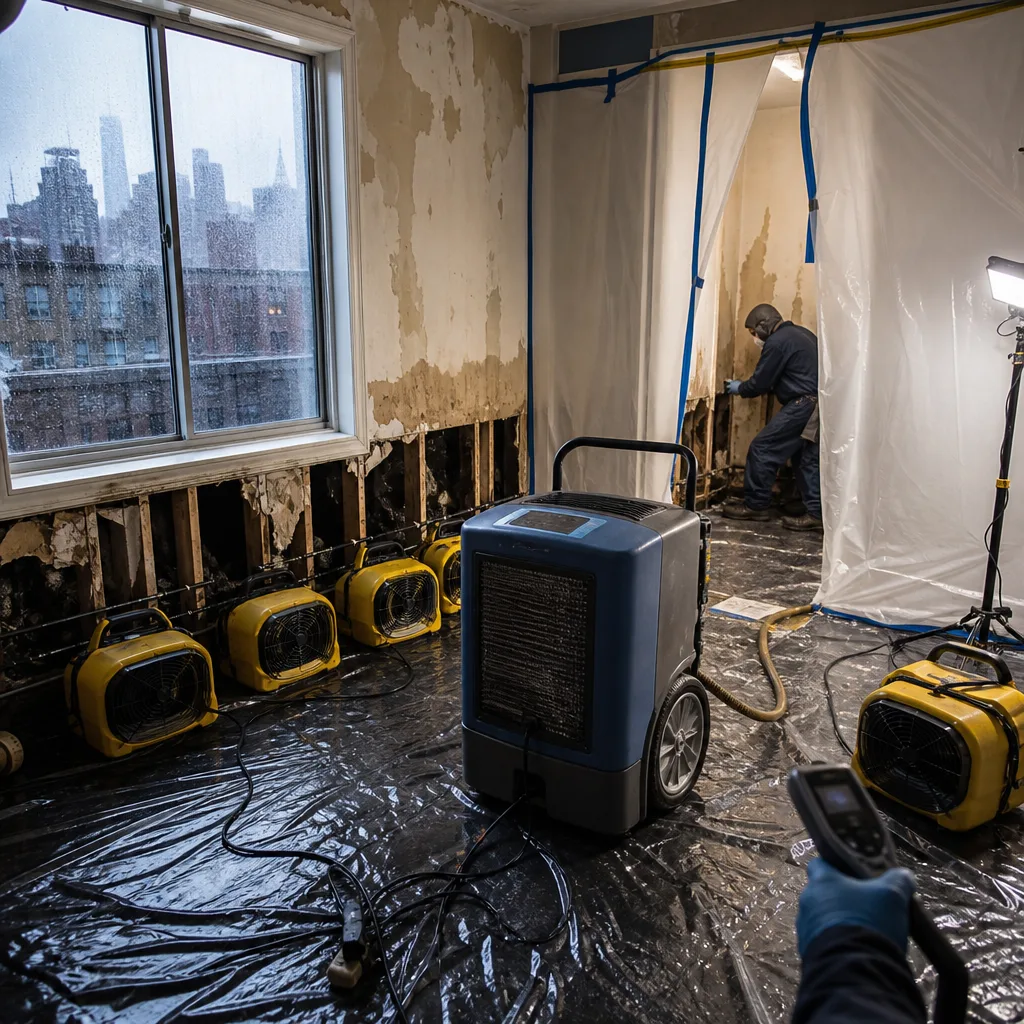
Crawl Space Treatment
Carnegie Hill and Yorkville brownstones with dirt-floor crawl spaces or damp cellars create the upward moisture drive that feeds mold in the parlor floor above. We treat the space itself, not just the symptom: drainage, encapsulation where appropriate, and dehumidification sized for the actual cubic footage, not a warehouse unit from the hardware store.
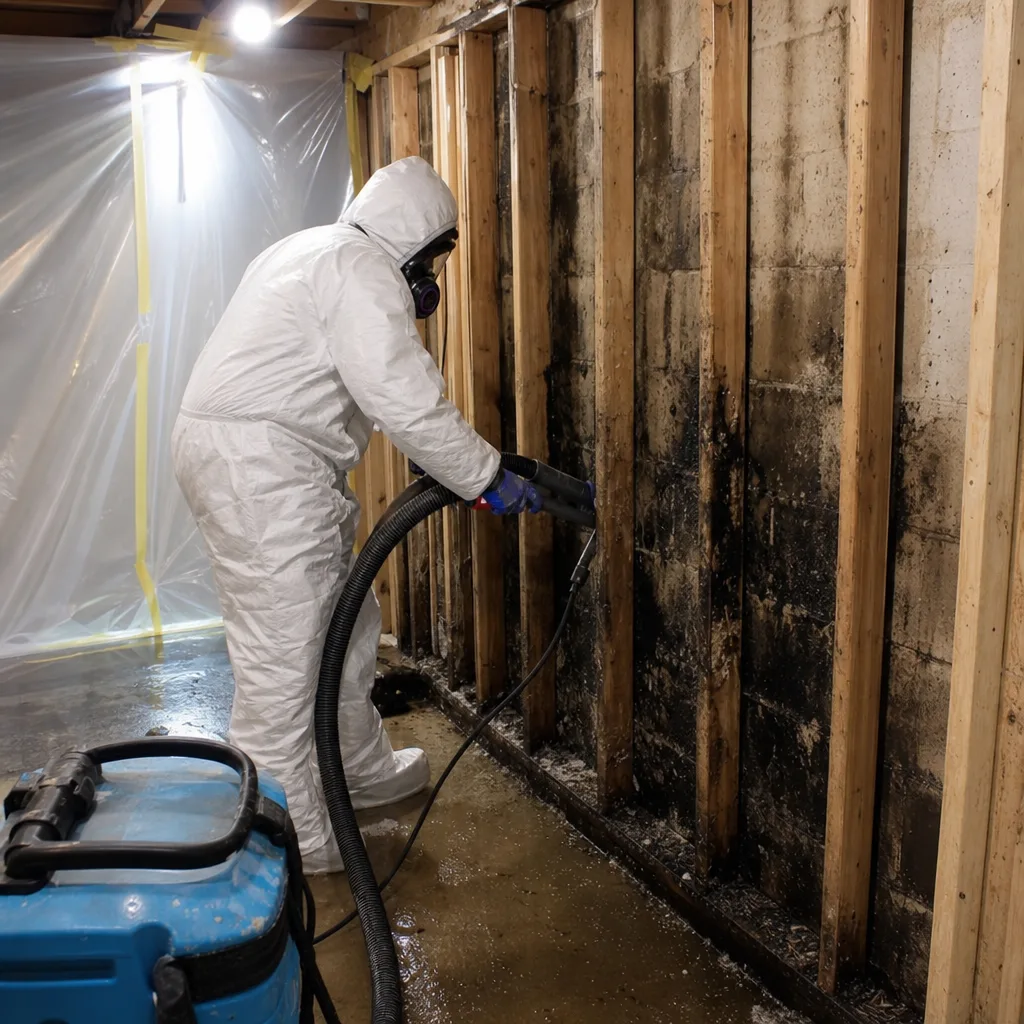
What happens when you call
- 1
A real person answersNo phone trees - you reach a local pro.
- 2
You get an upfront price rangeHonest numbers before anyone is dispatched.
- 3
A background-checked tech heads outLicensed & insured, dispatched right away.
- 4
You approve before work beginsNothing starts until you say go.
Mold Remediation Costs in Upper East Side, NY
Here’s honest pricing for this neighborhood. A contained bathroom or closet mold job in a UES co-op unit runs $1,800-$3,200. A full-room remediation with containment, HEPA scrubbing, and parquet restoration in a pre-war apartment typically lands between $3,500 and $6,500. A multi-unit riser leak with board involvement, shared-chase access, and restoration of original plaster and flooring in multiple apartments can exceed $15,000-$25,000 when you’re inside the Historic District and LPC review is required. What moves the price: access delays, which let mold spread; the presence of original herringbone parquet or plaster-relief ceilings worth saving; and whether the building requires third-party environmental testing before clearance. Much of this is insurance-covered when the underlying cause is sudden. Slow leaks are trickier, which is why our free inspection and written scope matter: you’ll know what’s covered before you sign. Call (518) 314-5660 for an exact quote on your Upper East Side apartment or townhouse.
We Also Serve Cities Near Upper East Side
Our certified mold remediation crews work throughout Manhattan. Beyond Mold Remediation in Upper East Side, we regularly serve Upper East Side neighbors in Midtown Manhattan, Midtown West, Murray Hill, and Washington Square, with the same 24/7 live dispatch and written scope of work.
Serving Upper East Side, NY - Our Local Coverage Area
We’re based in the Upper East Side area and know this community well. Use the map below to see our service coverage - if you’re nearby, we can almost certainly help.
Upper East Side Mold Remediation Questions, Answered
How do we handle mold remediation when the co-op board won’t approve wall access for days?
We document and contain. We photograph visible mold, take moisture readings through the plaster, and set up containment at the perimeter of accessible space. When the board finally approves opening, we have a dated record of exactly what we saw and when. That record protects you from a claim that the mold is new, and it shows the board we’ve been careful and professional. Call (518) 314-5660 and we’ll walk you through the pre-access protocol for your building.
Does the Upper East Side Historic District require special permits for mold remediation?
Interior mold remediation generally doesn’t require LPC permits. But if the moisture source is exterior, or if remediation-related repairs touch exterior walls, windows, or original interior features protected by Landmarks Preservation Commission rules, review can apply. In a pre-war Fifth Avenue co-op, we flag LPC exposure early and build documentation to support the permit application. Ignoring LPC rules can halt work and trigger fines.
Can you save original herringbone parquet and plaster moldings affected by mold after a riser leak?
In most cases, yes. Herringbone parquet that’s cupped from moisture can often be dried in place using Injectidry mat systems, then sanded and refinished. Plaster moldings respond to careful drying, cleaning, and stabilization. We’ve restored 1930s parquet and plaster medallions in Upper East Side apartments where other contractors recommended full demolition. Call (518) 314-5660 and we’ll tell you honestly what’s savable.
What’s different about mold remediation in a pre-war UES co-op versus a condo or rental?
The co-op board is the difference. In a pre-war Upper East Side co-op, shared chases and pipe spaces belong to the building, not the unit owner. Opening those walls often requires managing agent sign-off or a board vote, so remediation can sit stalled for days or weeks while the colony grows behind the plaster. Condos and rentals across the river in Queens or Brooklyn rarely face this level of governance. We plan around it with pre-access documentation and containment.
How long does mold remediation take in an Upper East Side apartment?
A contained bathroom or closet job runs 2 to 4 days. A full-room remediation with parquet restoration and plaster work runs 5 to 10 days, longer if board access delays push the start. We’ll give you a written timeline at the free inspection, with built-in buffer for the approval cycles common in UES co-ops.
How quickly can mold start after a Category 3 water event in an Upper East Side building?
Visible mold can appear within 48 to 72 hours after Category 3 water goes uncorrected, and hidden colonies can be active even faster in the warmth behind a pre-war plaster wall. We responded to a water extraction call in a pre-war co-op on East 79th Street where a failed cast-iron riser joint sent Category 3 water through eight stacked apartments. Our techs set up containment and took moisture readings before the board approved access to the chase, then used Dri-Eaz dehumidifiers and air movers to restore the herringbone parquet and plaster moldings to pre-loss condition. That’s the standard: contain fast, document everything, restore what’s original. Call (518) 314-5660 the same day you suspect a leak or see staining.
Will insurance cover mold remediation in my Upper East Side co-op?
It depends on the source. Sudden events like a burst riser or a failed supply line are typically covered by your co-op’s master policy for building systems, and your unit policy for finishes and contents. Slow leaks, especially ones that persisted for weeks, face more scrutiny. We bill directly and document from hour one with photos and moisture logs. Free inspection will give you a clear picture of what’s covered before work starts.
What should I do in the first 30 minutes after finding mold in an Upper East Side apartment?
Stop the moisture if you can safely reach a shutoff. Don’t disturb the mold; no scrubbing, no fans, no opening walls. Take photos with your phone. Call (518) 314-5660. In an Upper East Side pre-war building, the next call is often to your managing agent, but we can have a certified technician at your door before the board meeting gets scheduled.
Written by Curt Bowman, Owner at Floodline Restoration Co., serving Upper East Side and the wider New York metro with certified Mold Remediation since 2010.