
Last updated August 25, 2026
Free visual inspection and a written scope of work before any mitigation begins - photos, moisture readings, and drying logs go in your claim file
The scope we write is the scope we bill. Anything new gets shown to you, in writing, before we touch it.
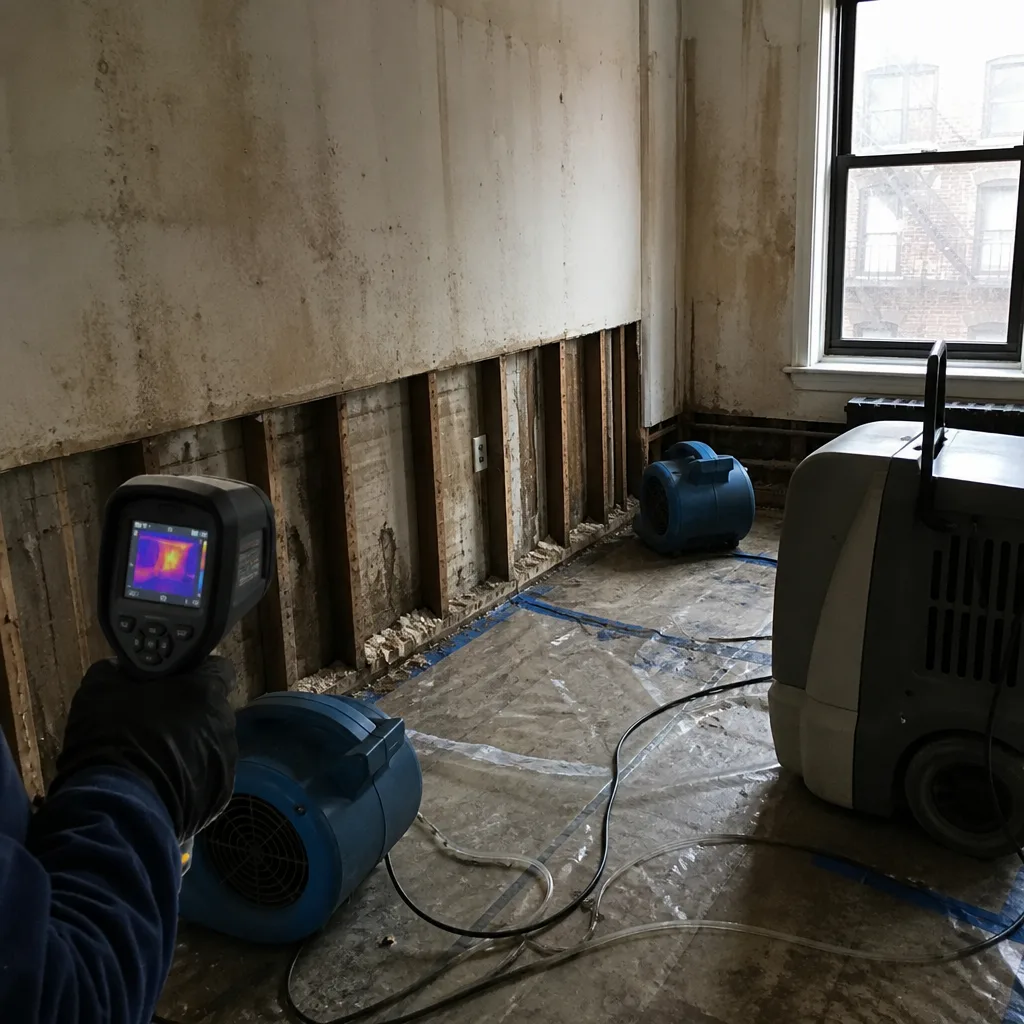 Before
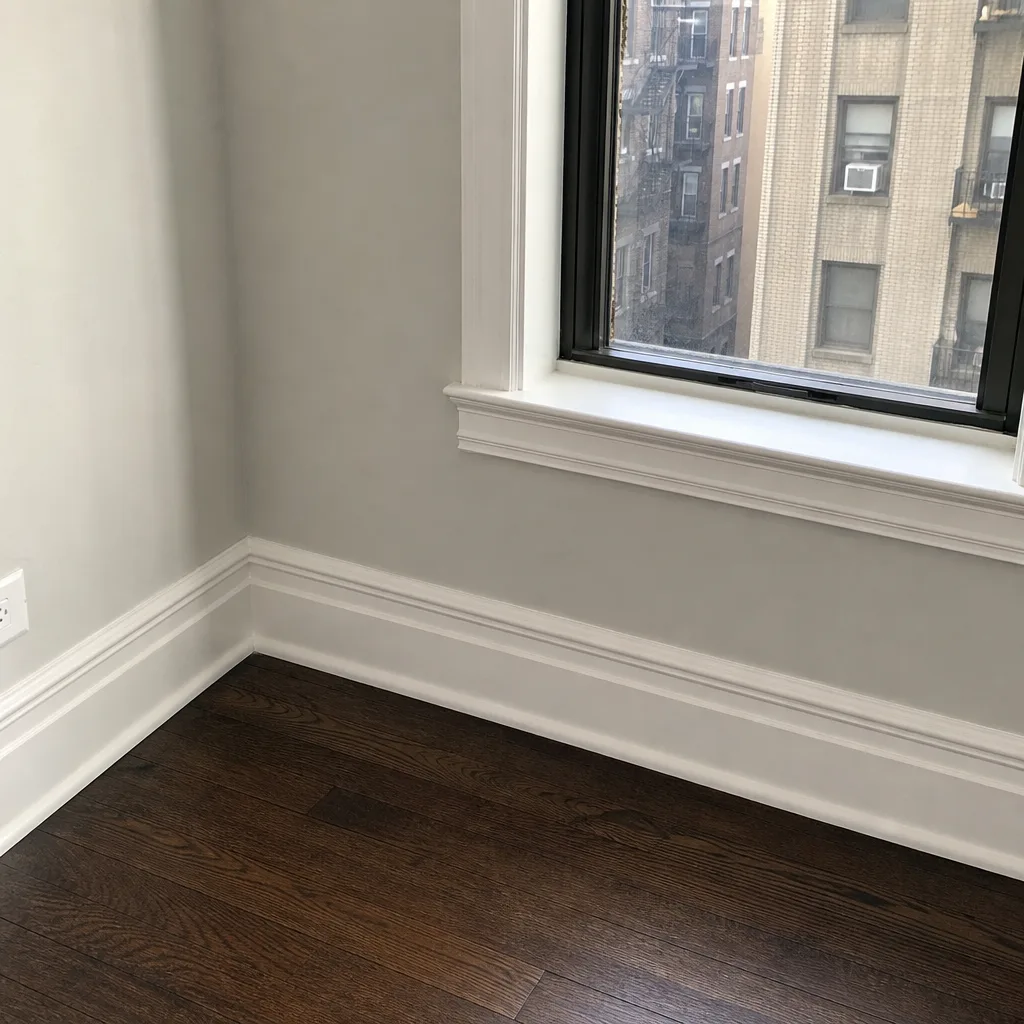 After
After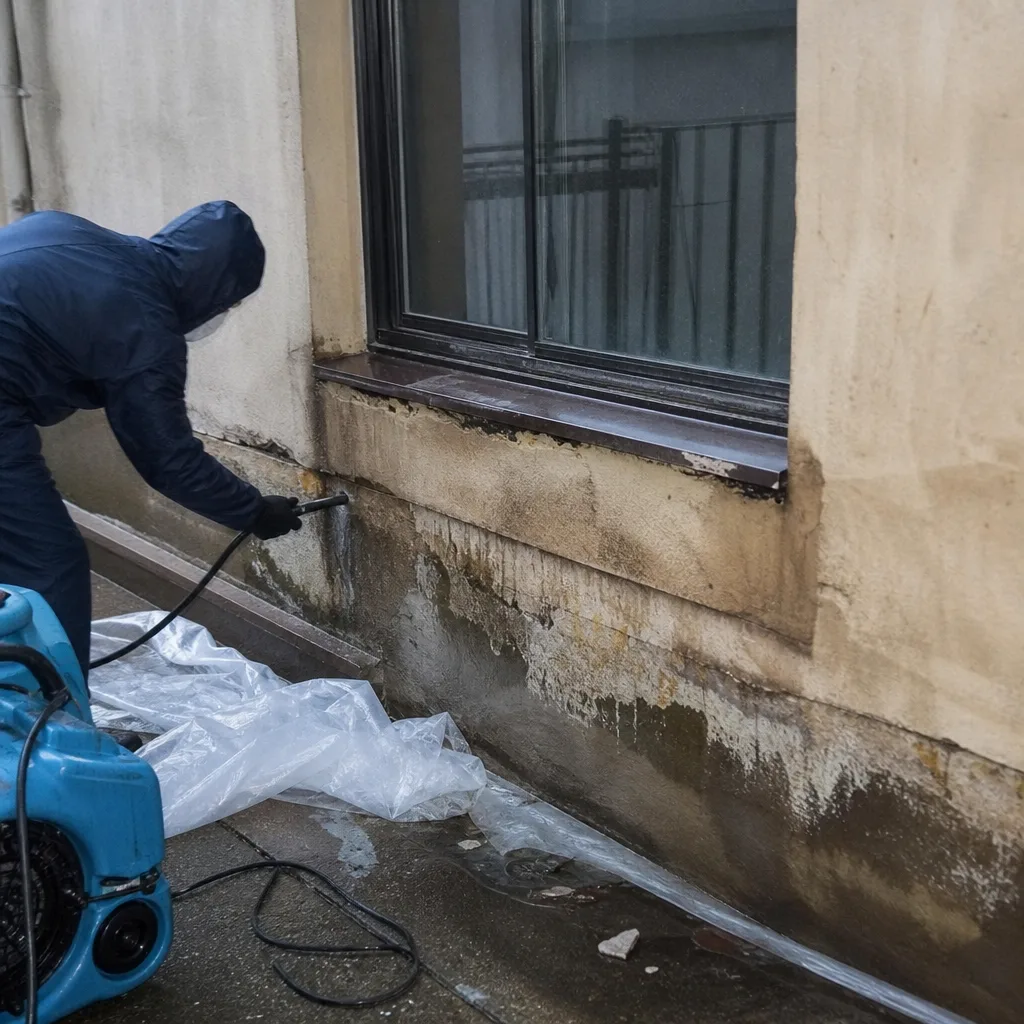 Before
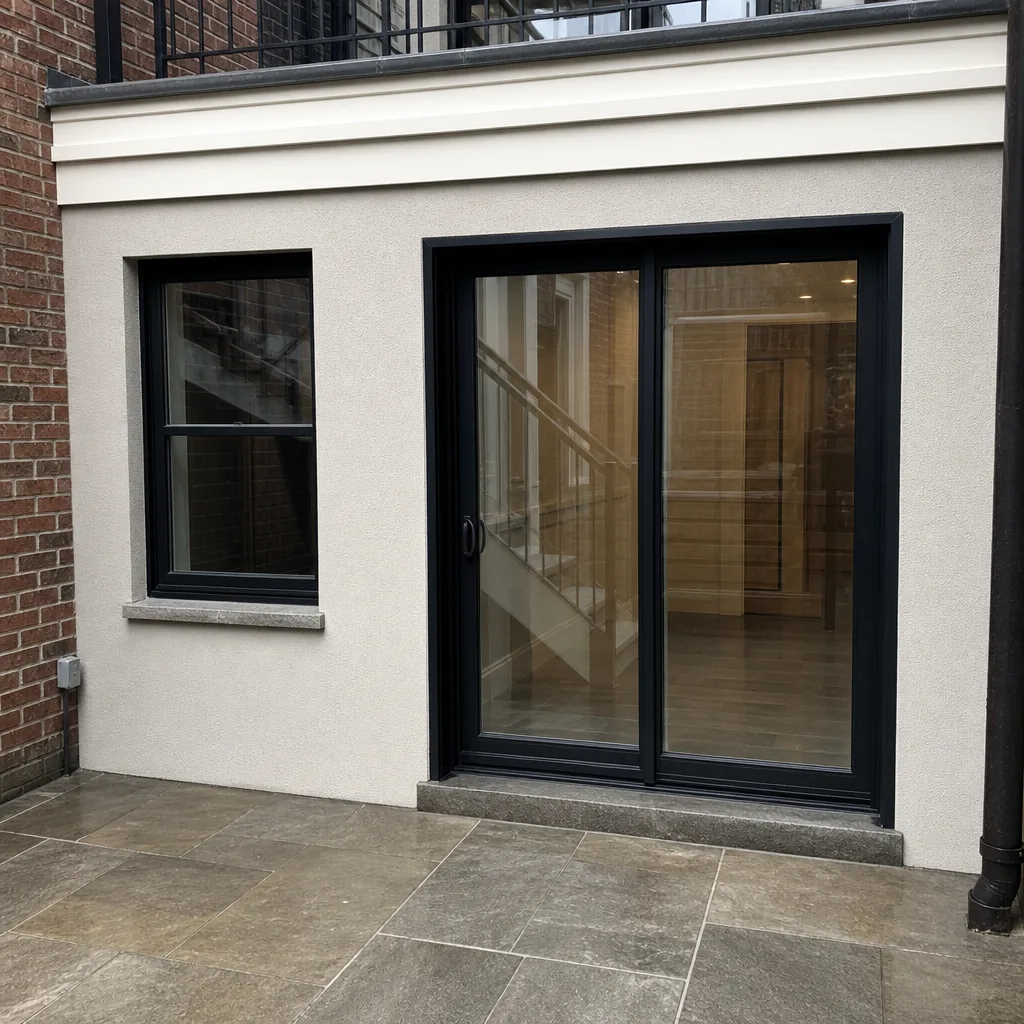 After
After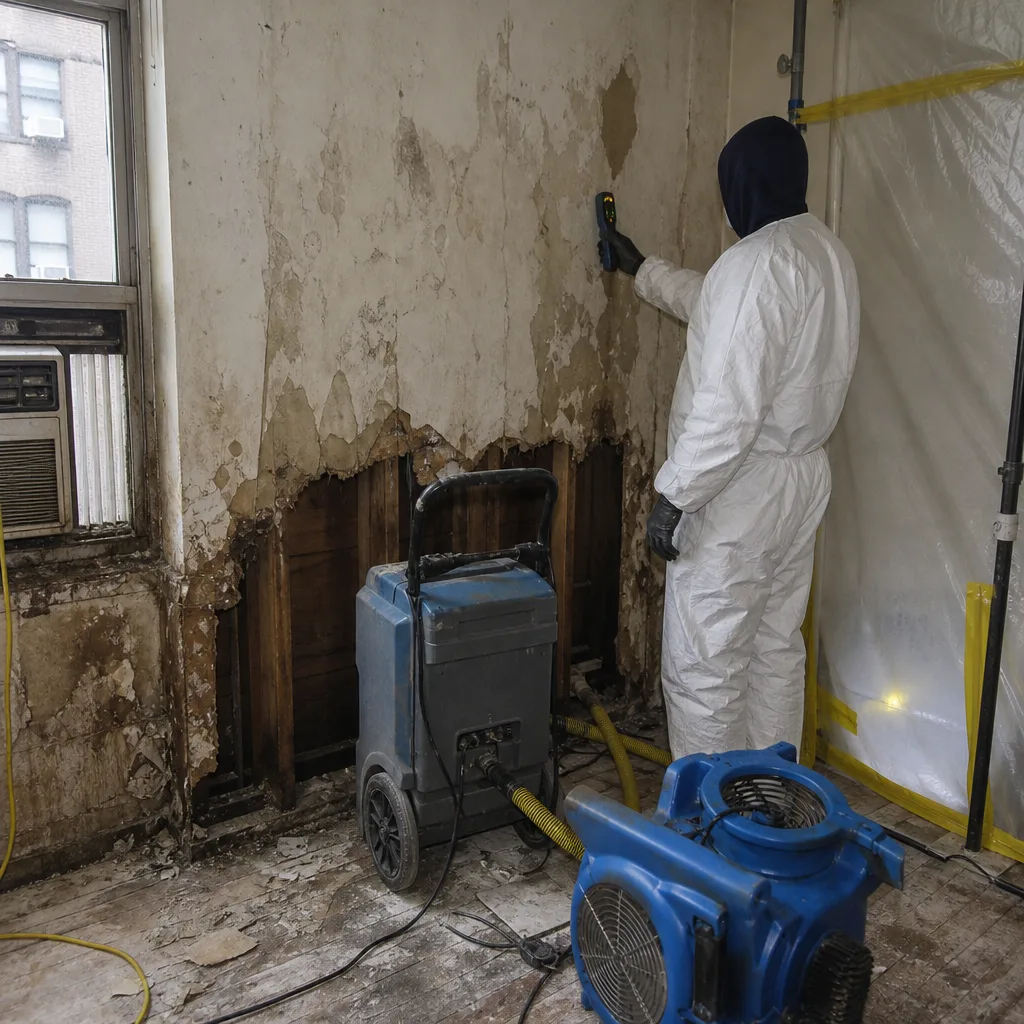 Before
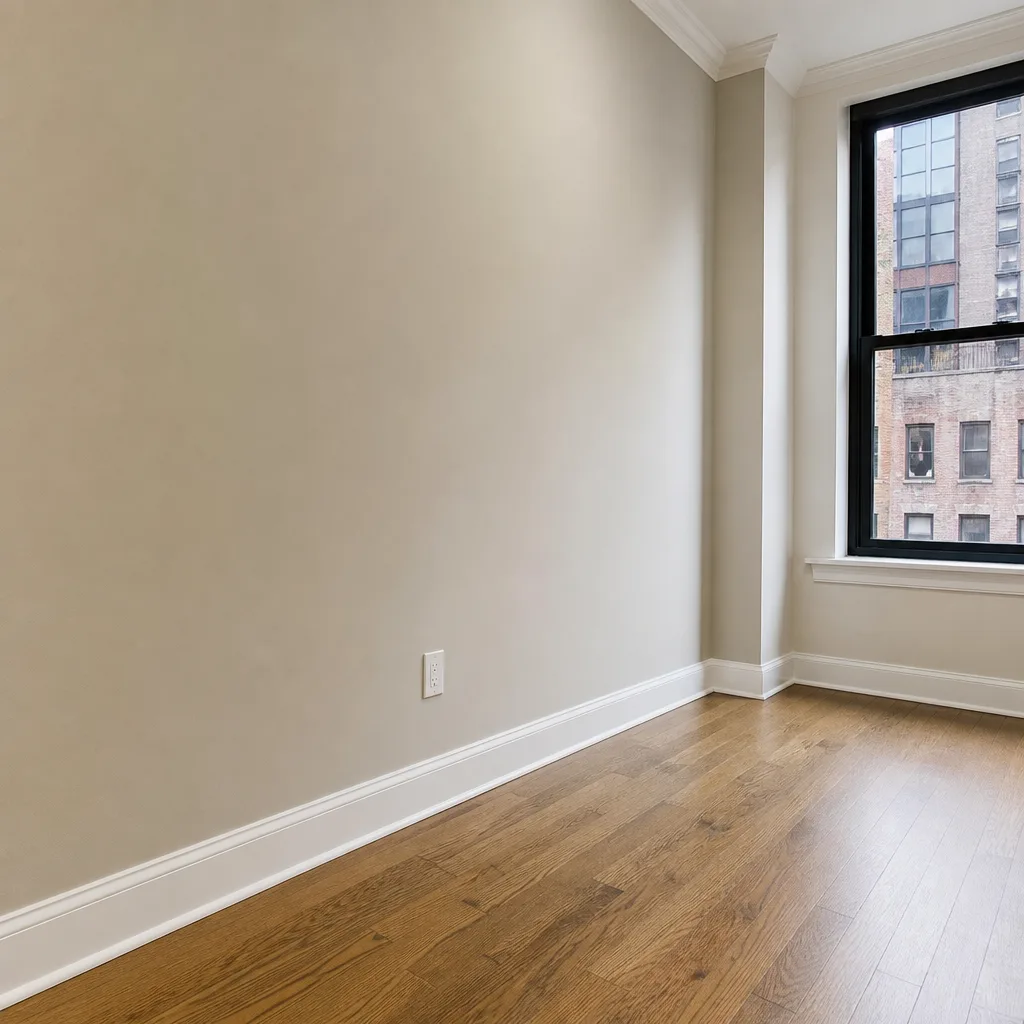 After
AfterWater Damage Restoration Maintenance Checklist for Midtown Manhattan Homeowners
Midtown Manhattan has 7,800 fire hydrants and 500 miles of water mains. A fair number of both are older than the homeowners they serve. That matters because the most common water damage call in Midtown isn’t a burst washing machine hose or a roof leak. It’s the slow, invisible seep from a corroded riser in a prewar building, or a supply line in a bathroom that has been quietly weeping behind a baseboard for months before the first stain shows on a neighbor’s ceiling. This guide is a maintenance checklist written for homeowners in Midtown Manhattan, not a generic national template. It covers the spots that fail most often in this borough, the seasonal rhythm of water damage here, and what you can actually do between inspections to avoid an unplanned five-figure restoration. If you own a unit in a co-op, condo, or townhouse in Midtown Manhattan, the next two thousand words belong to you.
Quick Answer
A water damage prevention checklist for Midtown Manhattan homeowners should be run every spring and fall, plus after every storm with sustained wind-driven rain. The highest-priority items are: test the main shutoff valve, inspect under-sink supply lines and toilet tank connectors, check your apartment door saddle and window gaskets after heavy rain, and verify that your sump pump or in-line leak detector is functional if your building has one. Water damage in Midtown Manhattan is rarely a sudden, dramatic event. It surfaces slowly, which means a consistent checklist catches it while the repair is still measured in hundreds of dollars instead of tens of thousands.
Table of Contents
- The Seasonal Rhythm of Water Damage in Midtown Manhattan
- The Best Quarterly Checklist for Inside the Apartment
- The One About Hall Closets and Bathroom Tile
- Why Salt and Concrete Are a Water Problem on the Upper Floors
- Equipment and Materials Worth Keeping on Hand
- What to Do After a Storm: The 24-Hour Sequence
- Insurance and Documentation: The Part You Hope Never to Need
- Common Mistakes to Avoid
- When to Call a Professional
- Frequently Asked Questions
The Seasonal Rhythm of Water Damage in Midtown Manhattan
Midtown Manhattan has a specific water damage calendar. August brings flash thunderstorms with wind-driven rain that finds every aging window gasket and every hairline crack in a parapet. January brings a different problem: pipes that freeze in perimeter closets and along the exposed north walls of prewar buildings. The two maintenance windows that matter most here are late September and late March. Run the full checklist then, and you will be ahead of the October nor’easter season and the late-winter deep freeze.
Here is what our technicians see again and again in Midtown Manhattan:
- Fall: Roof drains and internal downspouts clog with leaves from the few street trees that survive in Midtown, and the first hard rain backs water up under door saddles.
- Winter: Perimeter closets and kitchen sinks on exterior walls freeze during extended cold snaps, especially in buildings where the heat rises unevenly.
- Spring: Condensation forms on cold-water risers as the building warms up, which can look like a pipe leak and is often mistaken for one.
- Summer: Humidity from July and August thunderstorms drives up interior moisture, and window AC units get blamed for leaks that are actually failed caulking around the sleeve.
A homeowner who walks the checklist in late September and late March catches about 80% of what we repair. That is not a made-up number. It is what the dispatch board’s annual pattern shows. Our crews use Dri-Eaz and Phoenix equipment for drying, but the best use of that gear is the job that never happens.
The Best Quarterly Checklist for Inside the Apartment
This is the inside-quarterly checklist, meant to be run every three months, in about twenty minutes, with nothing more than a flashlight and a dry paper towel. It is the same checklist our technicians walk through before they ever check a moisture meter. We have been told more than once by a homeowner that a leak started “suddenly” and then found that the supply line under the kitchen sink was already rusted through in two places. Water damage in Midtown Manhattan apartment buildings rarely starts suddenly. It starts quietly. The checklist is how you hear it.
The twenty-minute inside-quarterly checklist
- Find your main shutoff valve and turn it once. In most Midtown Manhattan apartments, it is behind a metal panel in the hallway or in a closet near the front door. Turn it closed and open again. You are checking that it moves. A valve that has not moved in ten years will not move on the night you need it to.
- Check every under-sink cabinet with a flashlight. Look at the supply lines, the shutoff valves, the trap, and the bottom of the cabinet itself. Wipe the cabinet floor with a dry paper towel. If the paper towel comes away damp or stained, you have a leak that is slower than a drip but faster than a problem you want to ignore.
- Inspect toilet tank connectors and the base of every toilet. The tank connector is the braided or plastic line between the wall valve and the tank. The base is where the porcelain meets the tile. Wax ring failures are common in Midtown Manhattan apartments because of building movement. A damp ring or any toilet that rocks even slightly is a repair, not a quirk.
- Look at the ceilings directly below bathrooms and kitchens. If you live in a multi-level apartment or a townhouse, the ceiling below a bathroom is the first place a slow pipe leak declares itself. Discoloration, bubbling paint, or a faint smell of damp means water is pooling somewhere above the drywall.
- Check your apartment door and all exterior-facing windows. On a sunny day, light should not pass between the door bottom and the saddle, and the gaskets around window panes should be soft and full, not cracked or flattened.
- Run the exhaust fans in every bathroom and look up. A bathroom fan that vents into the ceiling cavity instead of outdoors is a mold event waiting to happen. In Midtown Manhattan, where many buildings are old enough to have been built before vented fans were code, this is one of the most common hidden conditions we find.
Quarterly is the right cadence for inside the apartment. Not monthly. Monthly is a homeowner’s ritual; quarterly is an owner’s discipline. Twenty minutes, four times a year, and you have covered the places in Midtown Manhattan where water damage most often begins.
The One About Hall Closets and Bathroom Tile
Midtown Manhattan has an unusually high stock of prewar buildings, which means two things that matter for water damage: perimeter hall closets and double-wythe brick exterior walls. Both are worth a few minutes of attention every spring and fall.
A hall closet that sits against an exterior wall with a water line running through it is the single most frequent freeze-burst location we repair in Midtown Manhattan. The heat does not reach the closet because the door stays closed, and the exterior brick draws cold all winter. If your apartment has a closet like this, do two things every October. First, leave the closet door open during the coldest nights, which lets the heat circulate. Second, run a bead of caulk where the floor meets the wall, which stops the cold air that seeps in between the floor and the exterior wall from reaching the pipe.
Bathroom tile is a different problem. In Midtown Manhattan apartment buildings, the grout between tile and bathtub rim was installed decades ago. Grout is porous and it fails over time. When it does, every shower becomes a slow leak into the wall cavity below. The practical rule: if the caulk bead between the tub and the tile has pulled away from either surface, or if the grout line is cracked, re-caulk it with a tub-and-tile caulk. Do not caulk over a wet surface. Do not caulk over a surface that is actively leaking. If water is already coming through to the room below, the caulk is not the issue. The wall cavity is.
The tile-to-tub joint is the best example of a maintenance habit that costs fifteen dollars and an afternoon, but pays back in avoiding the full cycle of water extraction, drying, and rebuild. In our experience, this one joint accounts for more bathroom-related water damage in Midtown Manhattan than any pipe failure.
Why Salt and Concrete Are a Water Problem on the Upper Floors
Midtown Manhattan is a concrete island with a winter salt habit. That explains a surprising number of water problems on the upper floors. Street salt rises. It settles on ledges, window sills, and balcony drains. Then the rain comes and carries the salt inward, where it eats the steel inside concrete lintels and the aluminum inside window frames. The rust expands. The frame cracks. The caulking fails. Rain finds the opening.
This is the water damage nobody sees coming, because there is no leak until there is a visible leak. Midtown Manhattan homeowners on upper floors should check their window sills and balcony drains every spring, specifically for a white crystalline residue or pitting in the aluminum. If the sill shows either, that window is not sealed anymore. The fix is not a tarp. It is a re-caulking and, if the frame is cracked through, a new window or a re-glazing.
Balcony drains are another one. A clogged drain on an upper-floor balcony in Midtown Manhattan turns the whole balcony into a shallow pool during the next storm. The water finds the membrane seam and heads for the unit below. Running a garden hose for ten seconds into the drain every spring, and reaming out the drain with a screwdriver or wire, is a maintenance habit that takes less time than the insurance call that follows its neglect.
Equipment and Materials Worth Keeping on Hand
The right materials to keep in a Midtown Manhattan apartment are specific. Not a full shop. Not a water restoration kit. Just a few items that cover the 90% cases. Our technicians arrive with Dri-Eaz and Phoenix drying equipment, but a homeowner does not need any of that. What helps is what stops water before we arrive, and what documents the event while the carrier needs detail.
- A clear plastic tub, 12-gallon or larger for the under-sink leak that drips but does not flood. Slide it under the leak and let it catch while you call us.
- A small roll of waterproof flashing tape for the emergency patch on a window seam or a door saddle that is letting rain in. It is not a permanent repair. It buys the night.
- A basic hygrometer, about ten dollars at any hardware store, to read the relative humidity in your apartment. A consistent reading above 60% in a Midtown Manhattan apartment is a signal that something is wet somewhere, even if you cannot see it.
- A digital camera or smartphone that you know how to use because insurance documentation is a real part of water damage in Midtown Manhattan, and the photos you take at hour one are worth more than anything taken at hour forty.
- One spare braided stainless supply line for the under-sink sink that is most likely to fail. Braided stainless is the standard. It is also the line we find rusted through most often in Midtown Manhattan, especially where the line rubs against the cabinet wall.
None of this is expensive. None of it is complicated. We have never met a homeowner who regretted having the supplies on the shelf before the water arrived. We have met many who regretted not having them.
What to Do After a Storm: The 24-Hour Sequence
This is the maintenance checklist for the day after a storm, the one that matters when water has not yet shown itself but may be finding its way through a roof drain backup, a failed door saddle, or a window frame that was already on its last caulking. Run it the morning after any storm that brings sustained wind-driven rain to Midtown Manhattan. Do not wait for a stain. By the time the stain appears, the water has been inside the wall or the floor assembly for days.
- Look at every window and door base. A damp line along the bottom edge of the drywall, or a faint white cloud in the paint, means water pushed through overnight.
- Look at the floor in front of exterior doors. A door saddle that is wet on the inside is the clearest sign that the threshold seal failed during the storm.
- Run your hand along the lowest six inches of every exterior wall. You are feeling for cold spots, not damp. A cold band at the floor line after a storm means water has penetrated the wall assembly and is evaporating inside it.
- Check the closets on the building’s wind-facing side. Midtown Manhattan buildings vary, but the wind side is usually the one that catches the storm. That wall is wet in a different way than the rain-facing wall, and the closet hides it.
- Look up at the corner where the ceiling meets the exterior wall. That is where a failed roof drain or a parapet crack enters the apartment. A faint shadow of a stain the size of a handprint is a real finding, not a cosmetic one.
If you find any of these, tag the spot with a piece of painter’s tape so you can see whether it grows over the next 48 hours. And document it with a photo. The sequence matters because damage in a Midtown Manhattan apartment is often unfolding across two or three floors at once, and the homeowner who documents hour one protects themselves from a dispute later.
Insurance and Documentation: The Part You Hope Never to Need
We have seen the claim that went smoothly and the claim that went sideways. The difference is almost never the policy. It is the documentation. In Midtown Manhattan, where a single leak can involve your unit, the unit below, and the building’s carrier, a clear photo log and a written timeline are the difference between a resolved claim and a three-way argument.
The habits worth developing before water ever appears:
- Photograph your apartment’s baseline condition once a year, especially the areas behind the toilets, under the sinks, and along exterior walls. That gives the adjuster a before, which is rare and valuable.
- Keep a simple logbook or a notes app with the date of every maintenance action on this checklist. Ten years of dates beats a vague sense of “I thought I checked that last fall.”
- Know where the building’s shutoff is and confirm with the super or the management office that you are authorized to access it. In many Midtown Manhattan buildings, the apartment-level shutoff is not behind your panel. It is behind a locked panel in the stairwell.
- Know your deductible and your building’s policy position. In a co-op or condo, the line between your wall and the building’s wall is a legal threshold. The documentation is what keeps a leak from becoming a legal question.
When a claim does open, Floodline Restoration Co. bills the carrier directly, documents the moisture readings daily, and hands the same written log to the homeowner and the adjuster. The homeowner never has to play messenger between us and the insurance company. That is how a water damage claim in Midtown Manhattan should work, and we have done it that way since 2010.
What a water damage maintenance log should include
A one-page log kept in the apartment, or a notes note on a phone, should record four things every time you run the checklist: the date, the items checked, anything you found, and anything you fixed. A homeowner who hands us a five-year log of dry checklists has handed us a map of what is normal in that apartment. That map shortens our diagnosis time and narrows the repair scope. It is the single most useful document a Midtown Manhattan homeowner can keep.
Common Mistakes to Avoid
- Ignoring a small ceiling stain until it grows. A ceiling stain in Midtown Manhattan is usually a roof drain, a supply line, or a drain line leak from above. It does not heal on its own. It expands.
- Caulking over an active leak. Caulk seals a seam. It does not stop water that is already moving. If water is coming through, find the source first and caulk last.
- Assuming a window AC unit is the leak source. In our experience, about half the window AC leaks we see in Midtown Manhattan are really failed sleeve caulking or a rusted lintel above the unit, not the AC itself.
- Skipping the quarterly check because everything was fine last time. Water damage here is cumulative. The lines and gaskets age whether you look at them or not.
- Using a shop vacuum for a significant wet area and thinking that dries the structure. A shop vacuum picks up standing water. It does not dry the drywall, the baseboard, or the floor assembly. The moisture stays in the materials.
- Not photographing damage before calling the carrier. Once the repair crew starts working, the evidence changes. The before photo is the only one that preserves the scene.
- Assuming the neighbor’s leak is someone else’s problem. In a Midtown Manhattan building, water travels through floors and walls. Your unit’s condition affects the unit below, and the building’s plumbing affects your unit.
When to Call a Professional
Some conditions are not maintenance items. They are calls. If the base of a toilet is damp, if the ceiling stain grows between morning and evening, if you can hear water moving when no fixture is running, if the floor feels soft or springy, or if you smell mildew in a room that has no visible water, stop DIY-ing and call. Floodline Restoration Co. offers free estimates in Midtown Manhattan. The call is answered by a live person, 24/7, because water does not keep business hours. Call (518) 314-5660 and a certified crew will be on the way. Extraction, drying, and rebuild are done by the same crew, with the same moisture log throughout, and a written 90-Day Done Right Promise when the job is finished.
Frequently Asked Questions
Run the full checklist every spring and fall, plus a shorter post-storm walkthrough after any sustained wind-driven rain. Twice a year covers the seasonal freeze risk and the storm season. The post-storm walkthrough catches the water that entered during the storm before it spreads.
The perimeter hall closet with a water line running through it is the most common hidden location we find in Midtown Manhattan. Heat does not circulate in a closed closet against a cold exterior wall, and the freeze risk there is high. Under-sink cabinets are the second.
Water damage restoration in Midtown Manhattan for a small, contained leak, such as a supply line or a toilet seal, typically runs from $1,200 to $3,800 when addressed early. A larger event involving multiple rooms, ceiling replacement, and structural drying can reach $8,000 to $25,000 depending on the scope. Every job is priced in writing before work starts, and Floodline Restoration Co. bills the carrier directly.
A small ceiling stain can sometimes be sealed and painted, but only after confirming the water source is stopped and the drywall inside the cavity is dry. If the cavity is still wet, painting over it traps moisture and feeds mold. In our experience, a stain that is still growing after 48 hours is never a paint-only fix.
It depends on the source and the building’s governing documents. Damage from a roof or a common-area pipe is often the building’s responsibility, while damage from your own fixture is typically yours. The best practice is to document the source photographically before cleanup starts and let your carrier and the building’s carrier determine coverage from the written scope. Floodline Restoration Co. coordinates directly with adjusters on your behalf.
A household fan moves air. It does not remove the moisture absorbed in drywall, baseboard, and subfloor. That moisture is what leads to mold, warped flooring, and the musty smell that lingers for months. Professional drying uses Dri-Eaz, Phoenix, and XPOWER air movers and dehumidifiers to pull moisture out of materials until a moisture meter confirms the dry standard. That is the difference between a dry floor and a dry structure. Call (518) 314-5660 for an exact quote. Estimates are free.
The Bottom Line
The water damage maintenance checklist for Midtown Manhattan homeowners is simple to describe and easy to skip. Run the full inside-quarterly routine in late September and late March. Walk the windows, door saddles, and perimeter closets after every driving storm. Keep a log. Keep a few specific supplies. Document everything. The work costs about forty minutes a season and a drawer of simple supplies. It protects against the slow, unseen water events that this building stock delivers. And when the line the water left appears despite all of it, the right call is the one answered by a live voice. Done right, and backed in writing.
Written by Curt Bowman, Owner at Floodline Restoration Co., serving Midtown Manhattan since 2010.