
Last updated August 25, 2026
Free visual inspection and a written scope of work before any mitigation begins - photos, moisture readings, and drying logs go in your claim file
The scope we write is the scope we bill. Anything new gets shown to you, in writing, before we touch it.
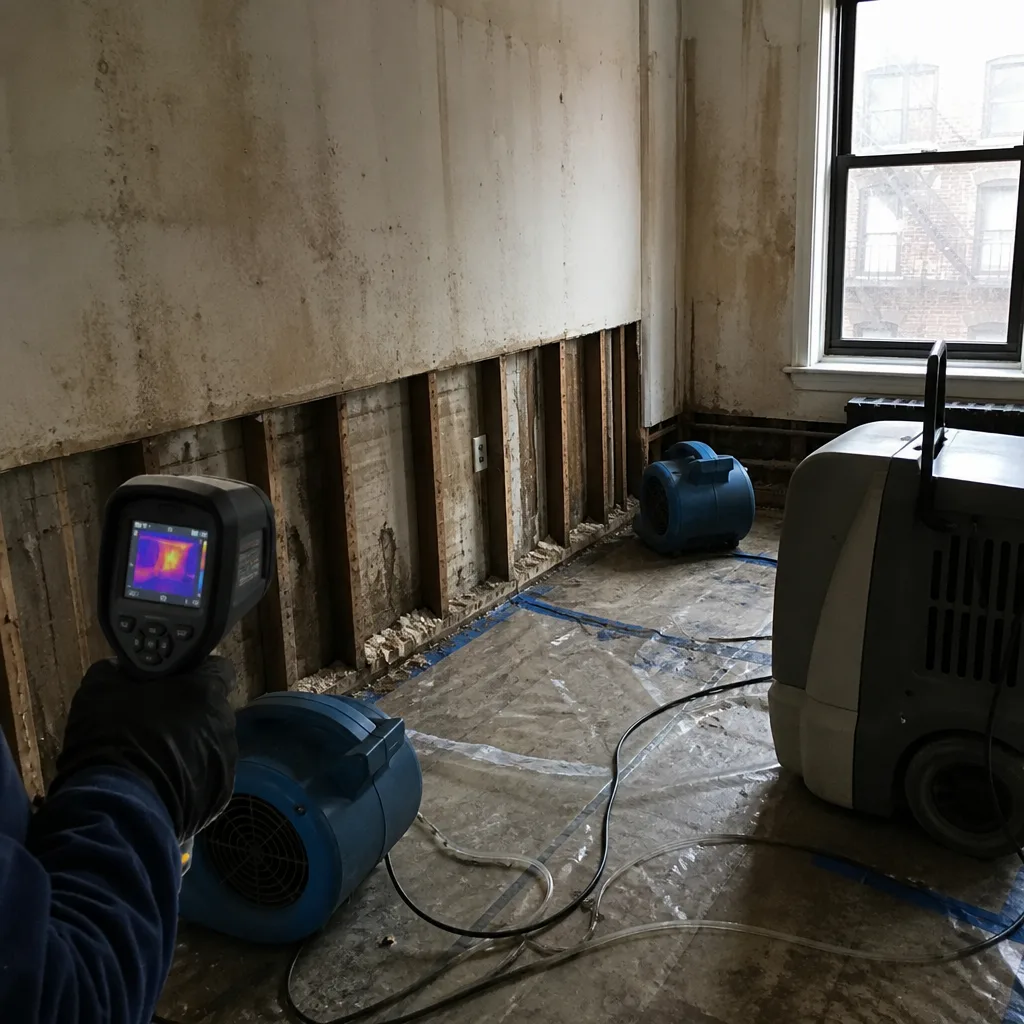 Before
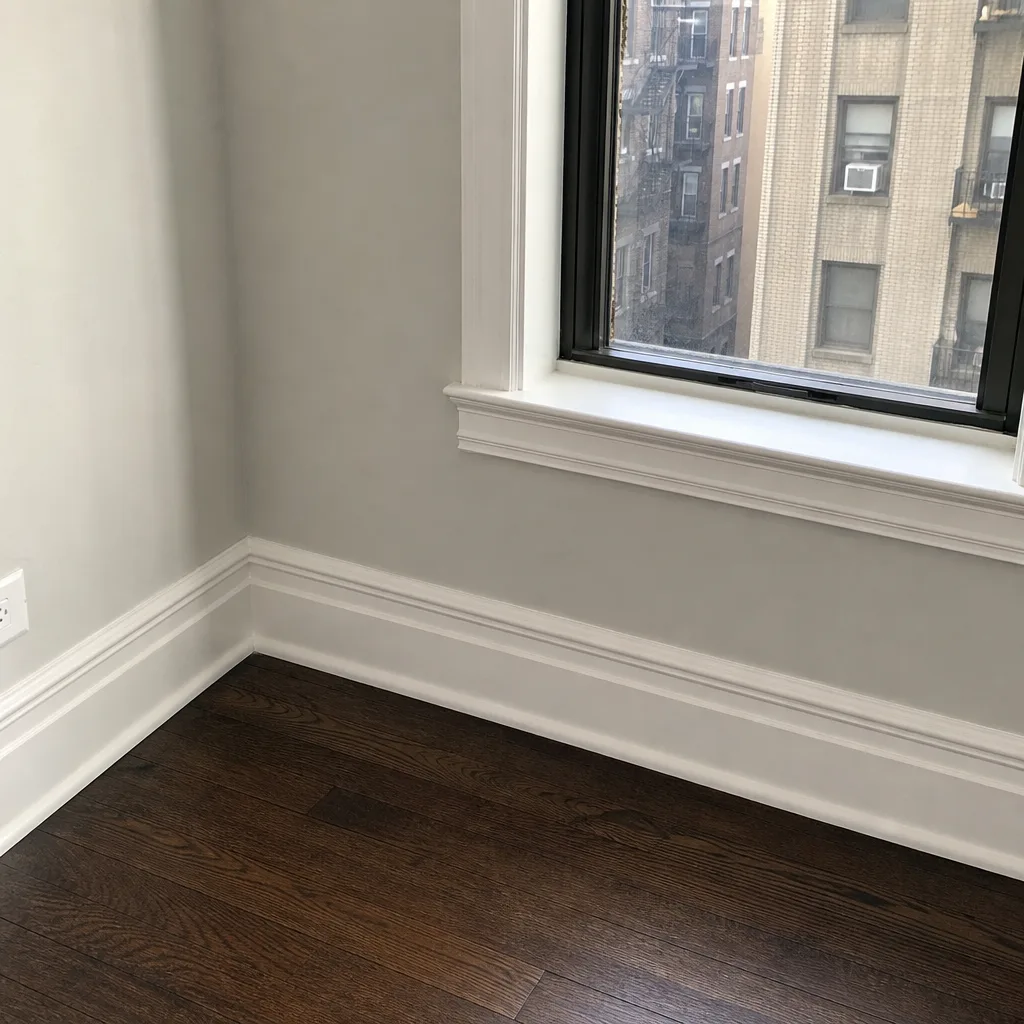 After
After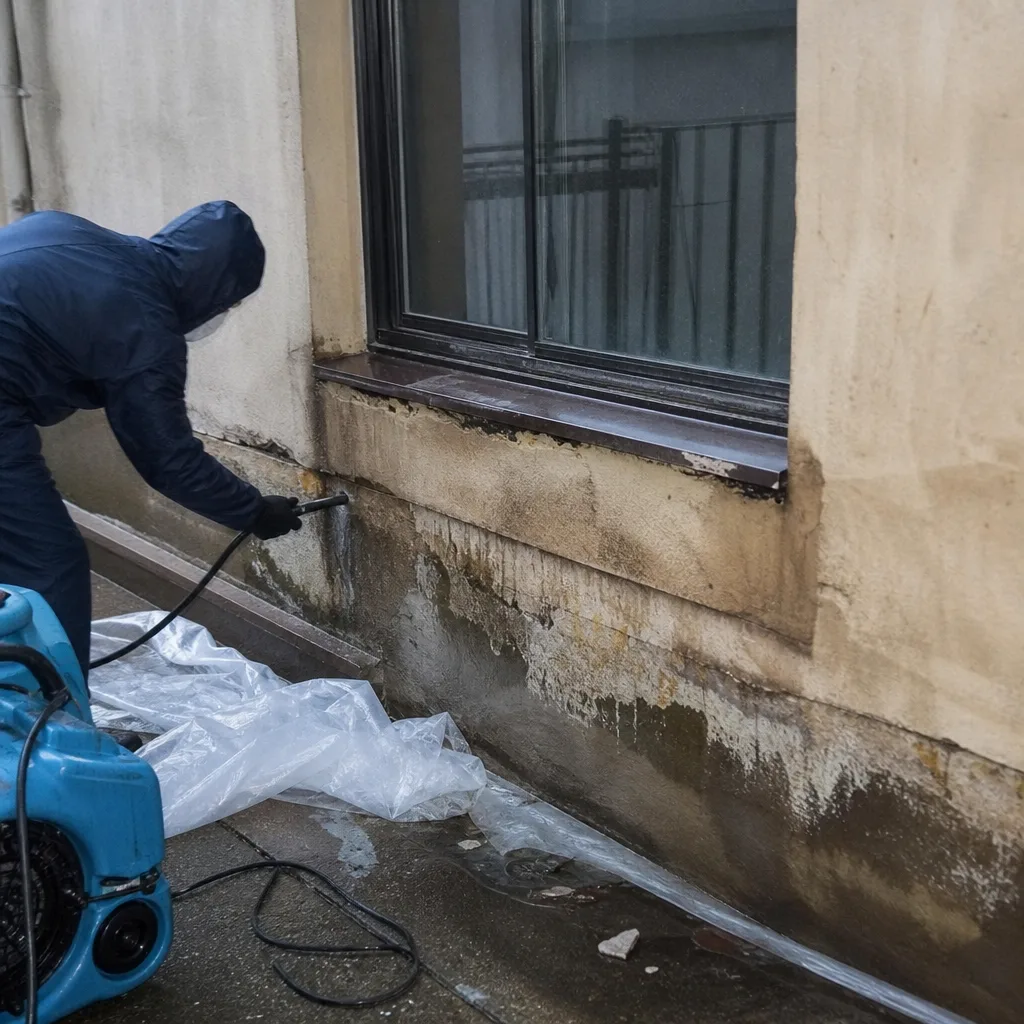 Before
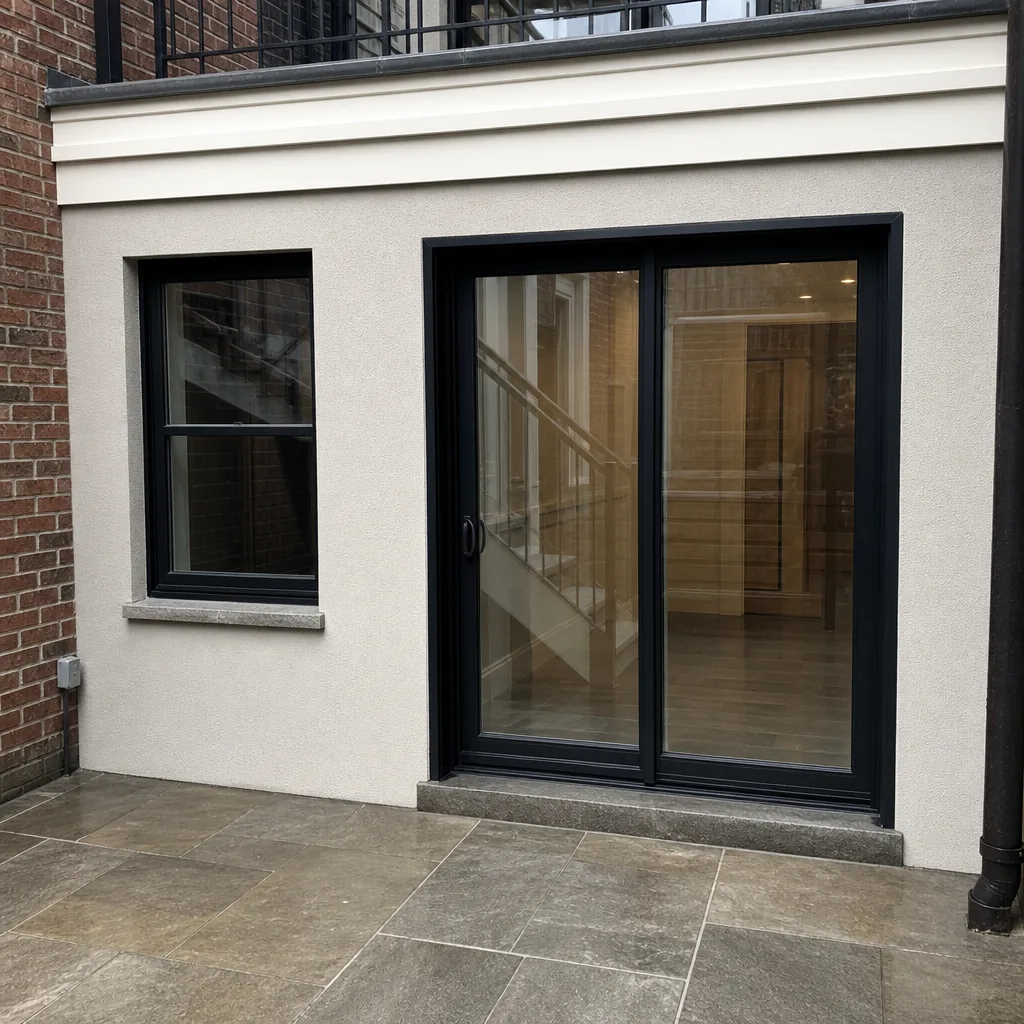 After
After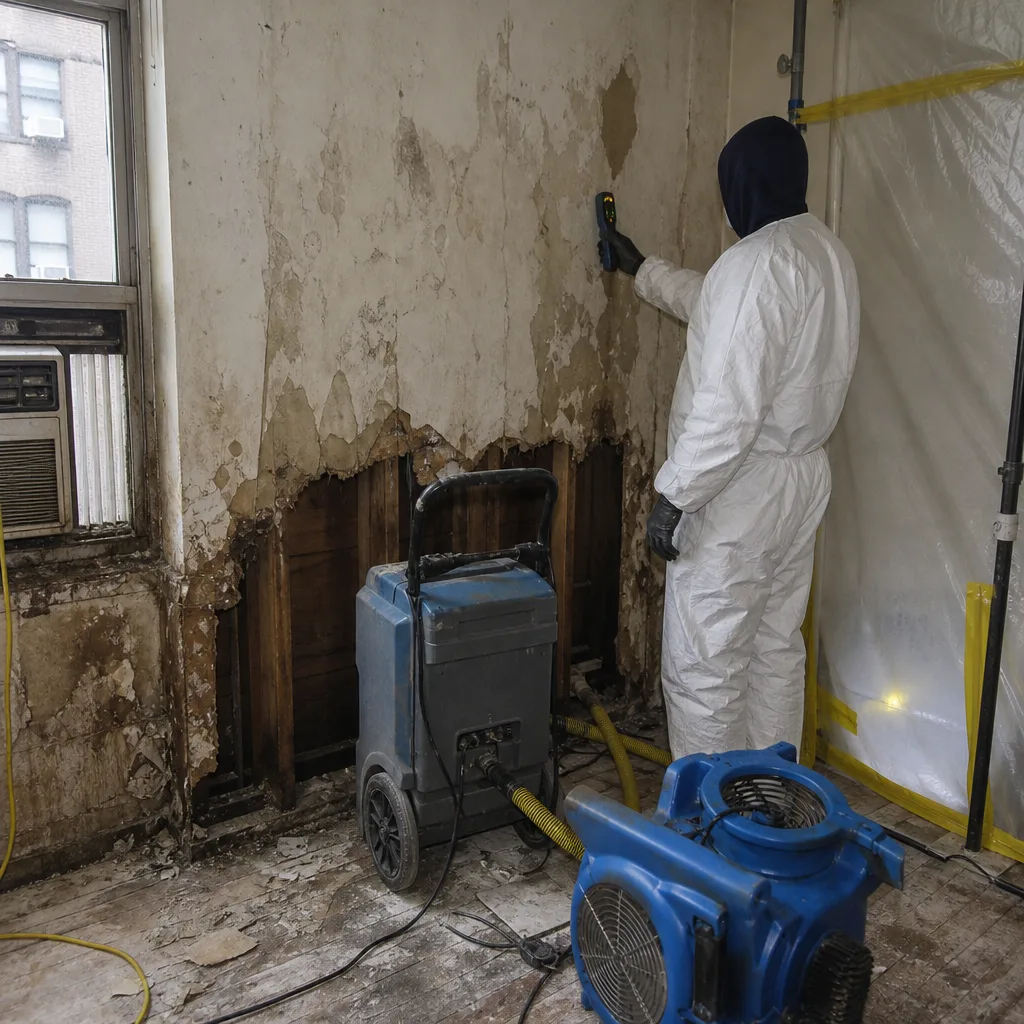 Before
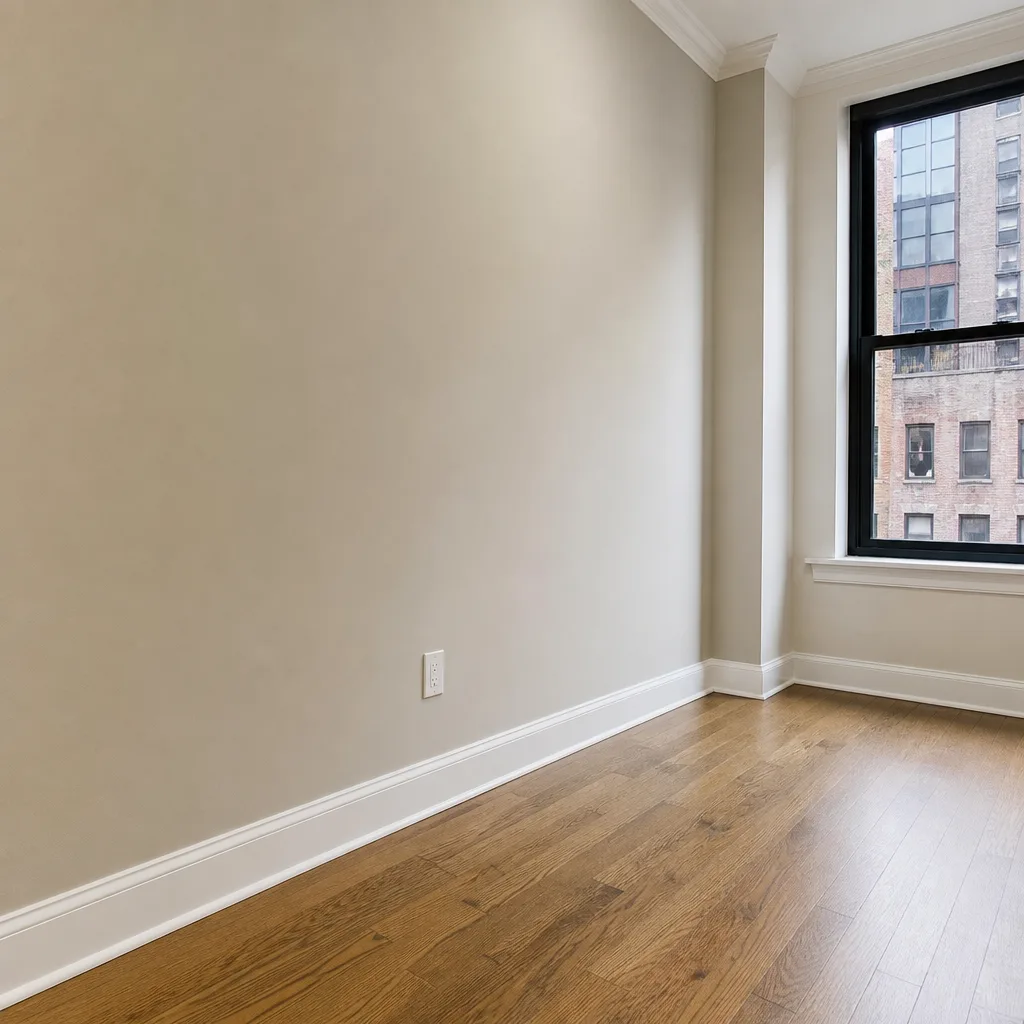 After
AfterDamage Restoration Warning Signs: A Midtown Manhattan Homeowner’s Reference Guide
Midtown Manhattan is not the first place most people think of when they picture water damage. But our crews have pulled saturated drywall out of prewar co-ops on Park Avenue, dried out flooded brownstone basements in the West 40s, and traced mold blooms through plaster walls in Turtle Bay. The truth is that high-rise living concentrates risk in ways a suburban house never does: one burst riser pipe on the 18th floor can soak ten apartments below it by morning. This guide covers the warning signs most homeowners miss until the damage has already spread into framing, subfloor, and the wall cavities where the real problems begin. By the time you finish reading, you’ll know what to look for, what to ignore, and when to pick up the phone.
Quick Answer
The earliest warning signs of hidden damage in a Midtown Manhattan home are water stains that grow or darken over 48 hours, a musty smell that returns after cleaning, paint or wallpaper that bubbles or peels without explanation, and baseboards or floors that warp despite no visible spill. Any one of these means moisture is present somewhere you cannot see. Caught early, most water damage is a one-day extraction and drying job. Ignored, it becomes a mold remediation, structural repair, and rebuild project that costs four to ten times more.
Table of Contents
- Water Stains: What They Actually Tell You
- The Smell Test: When “Musty” Means Mold
- Paint, Plaster, and Drywall: The Silent Indicators
- Flooring Warning Signs Specific to Manhattan Apartments
- Plumbing Red Flags in Prewar and Postwar Buildings
- Hidden Mold: The Damage You Cannot See
- After a Storm or Neighbor’s Leak: What to Check
- When a Moisture Meter Beats a Visual Inspection
Water Stains: What They Actually Tell You
Water stains are the most obvious warning sign and somehow still the most ignored. A brownish ring on a ceiling or upper wall is not a cosmetic issue. It is a moisture map, and it tells you exactly where water has been traveling. In Midtown Manhattan, ceiling stains usually mean one of three things: a leaking roof membrane on a penthouse or top-floor unit, a failed seal around a terrace or balcony, or a neighbor’s plumbing running through your ceiling cavity.
Here is what we look at when we assess a stain in a Midtown Manhattan apartment:
- Color. Fresh water stains are typically light tan or yellow. Dark brown or rust-colored rings mean the water has been passing through metal, wood, or plaster for weeks or months, picking up minerals and oxidation along the way. A dark stain is a chronic leak, not a one-time spill.
- Shape. A perfectly circular stain often points to a single drip point, like a pinhole in a copper supply line. A stain that spreads in a flat, even pattern usually means water is pooling above the ceiling and seeping through at the drywall’s weakest points.
- Texture. If the stain feels soft, spongy, or has begun to blister, the drywall or plaster has already absorbed enough water to lose structural integrity. That section needs to come out, not just be painted over.
- Growth. This is the test that matters most. Mark the edge of any stain with a pencil line. Check it in 48 hours. If the stain has moved past the line, water is still entering the space at that moment. That is not a repair-and-wait situation. That is an active leak.
We’ve responded to countless calls in the East 50s and West 30s where a homeowner painted over a ceiling stain twice in one year before calling us. By the time we opened the ceiling, the joist above had been soaking for eight months and the mold colony had spread across several bays. Paint never fixes a water stain. It just hides the evidence while the damage keeps compounding.
The Smell Test: When “Musty” Means Mold
A musty smell is your nose detecting microbial volatile organic compounds, the gases mold and bacteria release as they digest building material. That smell is not a vague warning. It is physical evidence that a colony is active and growing somewhere in your home. In Midtown Manhattan apartments, that somewhere is almost always a hidden cavity: behind a bathroom vanity, inside a wall where a riser pipe sweat, under a kitchen cabinet that has leaked slowly for years.
The problem with relying on smell alone is that human noses adapt. You walk into your apartment every day and the gradual change never registers. It is guests, neighbors, or a spouse returning from travel who notice it first. If someone says “it smells a little musty in here,” take that seriously, even if you cannot smell it yourself.
Three smell patterns to know:
- Musty, earthy, damp basement smell: Usually mold, often in wall cavities or under flooring. This is the most common hidden-damage indicator in Manhattan apartments.
- Sharp, ammonia-like, or rotten egg smell: Can indicate sewage or a blocked vent line. In a high-rise, this often traces to a neighboring unit’s plumbing or a shared stack issue.
- Sweet or fruity odor: Certain mold species, particularly those breaking down adhesives or vinyl, produce this. It is less common but just as serious.
Here is what most Midtown Manhattan homeowners do not know: your building’s ventilation risers and chase walls connect apartments in ways you cannot see. A mold source in the unit below can push spores into your space through pipe penetrations, electrical boxes, and even baseboard gaps. The smell might be originating from a neighbor’s long-ignored leak. Either way, the response is the same: find the moisture source, dry the space, and remediate what has already grown. If you can smell it, the colony is large enough to need professional attention, not a bottle of bleach and a fan.
Paint, Plaster, and Drywall: The Silent Indicators
Midtown Manhattan has a mix of construction eras: prewar plaster-and-lath buildings from the 1920s and 30s, postwar concrete-and-steel high-rises, and modern glass towers. Each responds differently to water, but all of them show warning signs through their wall finishes. The key is knowing what to look for before the damage becomes obvious.
In prewar buildings with plaster walls, water damage often presents as efflorescence, a white, chalky mineral deposit that forms when water passes through plaster and evaporates, leaving salts behind. It looks like a faint white stain or powder, and it is frequently mistaken for old paint or dust. In the brownstones and converted townhouses of the West 40s and 50s, efflorescence on an interior wall almost always means water is entering from an exterior masonry crack or a leaking parapet above.
In drywall construction, the warning signs are different:
- Bubbling paint that forms blisters, not just peeling edges. Water vapor is pushing the paint film off the surface.
- Nail pops or screw pops, where fasteners suddenly become visible as small bumps. The drywall is absorbing moisture and swelling, pushing fasteners outward.
- Tape joints cracking or lifting, especially along ceiling lines and corners. Water-soaked drywall tape loses its bond.
- Soft spots that give when pressed with light finger pressure. By this point, the drywall is structurally compromised and will need replacement.
One specific Midtown Manhattan pattern we see regularly: units with through-wall air conditioners. The sleeve penetrates the wall, and if the seal or condensate drain fails, water runs inside the wall cavity for months. The first visible sign is usually peeling paint or a soft spot below the AC unit, sometimes a full floor below where the leak actually is. By the time you see it, the cavity behind the wall is often fully saturated.
Flooring Warning Signs Specific to Manhattan Apartments
Manhattan flooring takes abuse from every direction: decades of foot traffic, seasonal humidity swings, and in older buildings, the natural movement of the structure itself. But water damage shows up in specific, identifiable ways, and catching them early can save you from a full floor replacement.
Hardwood is the most common flooring in Midtown Manhattan apartments. When it absorbs water, it expands. The most reliable warning sign on hardwood is cupping, where the edges of individual boards lift and curl upward, creating a washboard texture. Cupping means moisture is entering the wood from below or from the air. It is not just a seasonal humidity response if it appears in one localized area, especially near a bathroom, kitchen, radiator, or exterior wall. In our experience, cupping in one room only is almost always a hidden leak, not a building-wide humidity issue.
Parquet floors, common in postwar Midtown buildings from the 1950s and 60s, behave differently. The individual tiles are set in an adhesive bed, and water attacks the adhesive first. Warning signs include loose tiles that shift when stepped on, gaps between tile sections, or tiles that lift entirely. Since parquet is built on a thin veneer, damage spreads quickly once water reaches the adhesive layer.
Tile and stone floors hide water longer, but they telegraph it through grout. Discolored grout lines that remain dark or greenish after cleaning indicate persistent moisture behind or beneath the tile. Cracked grout in a continuous line often means the subfloor is swelling underneath. In bathrooms, we look for tile movement or hollow-sounding spots when tapped gently, both signs the mortar bed has begun to fail from water intrusion.
For all flooring types in Midtown Manhattan, one check applies: press firmly on any suspected area and listen. A soft, spongy feel or visible flex means the subfloor has absorbed water and is degrading. Subfloor replacement in a Manhattan apartment is one of the more disruptive repairs, involving removal of the finished floor above and often coordination with the building about load and materials. Catching the moisture before it reaches the subfloor is the difference between a drying job and a rebuild.
Plumbing Red Flags in Prewar and Postwar Buildings
Manhattan’s plumbing infrastructure runs the full range from century-old cast iron to modern PEX and copper. Each age of building has its own failure patterns, and knowing which one you live in helps you predict where problems will start before they turn into disasters.
Prewar buildings (roughly before 1940): The original supply lines and waste stacks are often still in service. Cast iron waste lines corrode from the inside out, getting thinner every decade. Warning signs include persistent sewer smells that come and go, slow drains that do not respond to plunging, and rust-colored water from hot taps after a vacation. If you see rust stains bleeding through a wall or ceiling in a prewar unit, the pipe behind it is likely already leaking.
Postwar buildings (1940s through 1980s): These frequently used copper supply lines with soldered joints. Copper pinhole leaks are the defining failure mode. We see them constantly in Midtown Manhattan buildings from this era, especially in units where the original piping has never been replaced. A pinhole leak is often invisible at first: it sprays a fine mist inside a wall cavity, soaks insulation, and drips downward. By the time water appears on a ceiling, the cavity has been wet for weeks or months.
Modern buildings (1990s to present): Newer construction is not immune. We find failed compression fittings, improperly seated gaskets, and condensation on uninsulated cold lines. The warning signs are similar: damp insulation in mechanical closets, water accumulation under sink cabinets, and unexplained puddles near the water heater or HVAC air handler.
One plumbing warning sign unique to high-rise living: water pressure changes. If your pressure drops suddenly and you have not notified the building about any work, it may mean a riser is compromised somewhere in the stack. This is a building-wide issue, but it often shows up first in individual units. Report it to your building management and have your own supply lines checked. A pressure drop followed by a return to normal is not a fix. It often means the leak is intermittent, and intermittent leaks still soak building material.
Hidden Mold: The Damage You Cannot See
Mold does not need light to grow. It needs moisture, a food source, and time. In a Midtown Manhattan apartment, all three are present in nearly every wall cavity, behind every kitchen cabinet, and under every bathroom floor. The building materials themselves, drywall paper, wood studs, plaster, and the dust that accumulates inside walls, are all food sources. The only missing ingredient is water, and leaks provide that in abundance.
Mold grows fastest in the first 24 to 72 hours after a material becomes wet. Within a week, colonies are established enough to release spores. Within two weeks, the damage is often widespread enough to require cutting out and replacing the affected material. This timeline is why speed matters on every water intrusion, and why we run extraction and drying equipment the same visit whenever possible.
Where hidden mold builds up in Manhattan apartments:
- Behind bathroom walls, especially around tub surrounds and shower valves, where failed grout or sealant lets water in slowly over years.
- Under kitchen sinks and behind dishwashers, where slow supply-line drips go unnoticed until the cabinet base starts to swell.
- Inside ceiling cavities below bathrooms and kitchens, particularly in prewar buildings where waste lines leak at the hub joints.
- Around window frames and AC sleeves, where condensation collects and never fully dries, especially on north-facing walls in Midtown Manhattan.
- Behind baseboards in rooms adjacent to bathrooms, which is where we frequently find mold growth even when the bathroom itself looks dry.
If you suspect hidden mold, do not open the wall yourself. Disturbing a mold colony without proper containment sends spores throughout your apartment and possibly into neighboring units through the building’s shared ventilation. Professional mold remediation follows a specific sequence: contain the area, establish negative air pressure, remove the affected material, clean the remaining structure, and verify the result with post-remediation air sampling. It is not a weekend project, and in a dense building like those in Midtown Manhattan, proper containment protects your neighbors as much as you.
After a Storm or Neighbor’s Leak: What to Check
Midtown Manhattan does not flood the way coastal neighborhoods do. What we get instead is wind-driven rain forcing water through aging windows, water pooling on flat roofs and terraces, and the cascade effect when an upstairs unit springs a leak. After any significant storm or a notice from your building about a plumbing issue, walk your apartment with a specific checklist.
- Check every ceiling, starting in corners. Water travels along joists and beams before it finds a low point to drip. Stains often appear in a room’s corner even when the leak is in the middle of the floor above.
- Inspect windowsills, frames, and the wall below each window. Wind-driven rain enters through failed glazing, worn weatherstripping, and micro-cracks in the masonry around the window opening. The first sign is bubbling paint or a water line on the sill.
- Feel the walls around radiators, pipes, and plumbing fixtures. A cold, damp wall in midsummer is a leak, not a temperature issue. Use the back of your hand; it detects moisture more sensitively than your palm.
- Look at your baseboards for swelling, separation, or paint that has cracked in a straight line. Water running down the inside of a wall collects at the baseboard and soaks upward.
- Listen. A hissing or dripping sound inside a wall, especially at night when the building is quiet, is often the first audible sign of a leak behind drywall.
- Check shared walls with adjacent units. In high-rises, water from a neighbor’s leak often appears on the shared wall between units, not just the ceiling. Look for paint discoloration, soft spots, or staining at floor level.
If a neighbor’s leak has reached your unit, document everything with photos before any cleanup begins. You will need a record for insurance and for coordination with the building. Once documented, call a restoration company the same day. The clock on mold growth starts when the water arrives, not when you discover it.
When a Moisture Meter Beats a Visual Inspection
Here is the limitation every homeowner runs into: your eyes can only see surface damage. A wall can look perfectly dry and still be 30% moisture inside. A floor can feel solid and still hold enough water in the subfloor to support mold growth. This is why professional restoration companies run Floodline Restoration Co. home crews with moisture meters and thermal imaging cameras on every job, not just the obvious ones.
A moisture meter reads the electrical resistance or capacitance of a material and converts it to a moisture percentage. Dry drywall typically reads below 8 to 10%. A reading of 15 to 20% means the material is wet enough to support mold. A reading above 25% means the material is saturated and will need replacement. These numbers matter because they remove guesswork from the process. You either know the wall is drying or you know it is not.
In Midtown Manhattan, we recommend a professional moisture assessment whenever:
- A stain has appeared and you cannot identify the source within 24 hours.
- A musty smell persists after cleaning and airing out the space.
- You have had any water event, even a small one, and the affected area is inside a wall, ceiling, or under flooring.
- You are buying or selling an apartment and need documentation of the unit’s moisture condition.
- Your building has reported a leak in an adjacent unit or a common riser.
The cost of a professional moisture assessment is a fraction of what you will spend if hidden water damage is allowed to spread. We have walked into Midtown Manhattan apartments where a homeowner spent months trying to eliminate a musty smell with air fresheners and dehumidifiers, only to find a slow leak behind a shower valve that had been soaking the wall cavity for the better part of a year. The meter found it in ten minutes.
Common Mistakes to Avoid
- Painting over water stains. Paint seals moisture in and hides the evidence while the damage continues underneath. The stain will return, and the repair will cost more each time.
- Assuming a small leak is a small problem. In a Manhattan high-rise, a pinhole leak in a supply line inside a wall can soak insulation, damage drywall, and support mold growth across multiple stud bays before you see a single drop.
- Running a dehumidifier and calling it done. A dehumidifier pulls moisture from the air, but it cannot reach water trapped inside wall cavities, under flooring, or behind cabinets. The surface may feel dry while the structure stays wet.
- Waiting to call until the damage is “bad enough” to report. Insurance policies cover sudden and accidental water damage, but many have exclusions for long-term seepage or gradual leaks. Faster reporting means better coverage. Delays can turn a covered loss into a denied claim.
- Opening the wall yourself to “let it breathe.” Cutting into a wet wall without containment releases mold spores into your living space. If you can see water staining, assume mold may be present and keep the area sealed until a professional can assess it.
- Ignoring the warning signs because you are in a rental or co-op. Even if the building is responsible for the pipes, the damage inside your unit affects your health, your belongings, and your insurance. Document everything and respond immediately, regardless of who ultimately pays.
- Trusting a visual “it looks dry” assessment. Without a moisture meter, you are guessing. Professional drying requires baseline readings, daily monitoring, and a final verification that the dry standard has been met. Guessing is how hidden mold gets a two-week head start.
When to Call a Professional
Call a professional restoration company the moment you see any of the warning signs above, a growing stain, a musty smell that will not clear, bubbling paint, cupping floors, or a soft wall. If you have had a water event of any kind and the water touched drywall, flooring, or anything with a cavity behind it, call the same day. The timeline for mold growth is short, and the cost difference between early intervention and full remediation is real. We see it every week: the $400 drying job that could have prevented the $14,000 rebuild. If you are in Midtown Manhattan and unsure whether what you are seeing is worth a call, call anyway. Floodline Restoration Co. offers free estimates in Midtown Manhattan – call (518) 314-5660 and a live person will answer, day or night.
Frequently Asked Questions
Mold can begin growing within 24 to 72 hours after building materials become wet, and established colonies typically form within one week. In Midtown Manhattan’s climate, where apartments stay warm year-round and ventilation is often limited, mold growth can occur even faster in enclosed wall cavities. Our crews use professional-grade Dri-Eaz and Phoenix drying equipment to hit the dry standard before mold has a chance to establish. Call (518) 314-5660 immediately after any water event – speed is the single biggest factor in preventing mold.
Most homeowners and co-op/condo policies cover sudden and accidental water damage, such as a burst pipe or an overflowing appliance, but exclude damage from gradual leaks or long-term seepage. Coverage also varies depending on whether the water originated in your unit or a neighbor’s. We document every job with photos and moisture readings and bill your carrier directly, so you never have to play messenger between Floodline Restoration Co. and the insurance company. Call (518) 314-5660 and we will help you understand your coverage before you commit to anything.
No. A fan and a dehumidifier can dry the surface of a wall and the air in the room, but they cannot remove water trapped inside wall cavities, under flooring, or behind cabinets. Professional drying requires moisture mapping to find the wet areas, commercial-grade air movers and dehumidifiers from brands like XPOWER and B-Air to create proper airflow, and daily moisture readings to confirm the structure is actually drying. We hand you the moisture log when the job is done, so you have documented proof the dry standard was met.
In prewar buildings with plaster walls, hidden water damage often appears first as efflorescence, a white chalky mineral deposit, or as paint that bubbles and separates from the plaster. Ceiling stains in prewar units frequently trace to leaking waste lines or roof membranes, and the damage behind the plaster is usually more extensive than the stain suggests. We have seen plaster walls that looked almost intact from the outside but crumbled on contact because the lath behind had been wet for months.
Water damage restoration in Midtown Manhattan typically ranges from $600 to $1,200 for a small, contained leak requiring extraction and a few days of drying, up to $8,000 to $25,000 or more for larger events involving multiple rooms, mold remediation, or structural repair. The final cost depends on how much water is present, what materials are affected, and how quickly the drying process begins. We provide upfront pricing before work starts, no surprises on the bill, and we bill your insurance carrier directly. Call (518) 314-5660 for a free estimate.
Yes, and you should act the same day you notice it. Water from an upstairs unit travels through the ceiling cavity, soaking insulation, drywall, and any wiring or ductwork in its path. Even if the visible stain is small, the affected area inside the ceiling is often much larger. We coordinate with building management and the neighbor’s insurance carrier as needed, and we document everything in writing so responsibility is clear. Call (518) 314-5660 and we will assess the full extent of the damage, not just the part you can see.
The Bottom Line
Water damage in Midtown Manhattan rarely announces itself. It shows up as a faint stain, a persistent smell, a warped floorboard, a bubble in the paint. Each of these signs means moisture is active somewhere behind the surface. The difference between a one-day drying job and a multi-week rebuild comes down to response time: the faster you act, the less water can spread, the less mold can grow, and the less of your home has to come apart. You do not need to diagnose the problem yourself. You need to recognize the warning signs and make the call. Floodline Restoration Co. has served Midtown Manhattan since 2010, with live phone dispatch 24/7, certified technicians, and the 90-Day Done Right Promise in writing. If you see any of the signs in this guide, call (518) 314-5660. We’ll be there when we say.
Written by Curt Bowman, Owner at Floodline Restoration Co., serving Midtown Manhattan since 2010.