
Last updated August 25, 2026
Free visual inspection and a written scope of work before any mitigation begins - photos, moisture readings, and drying logs go in your claim file
The scope we write is the scope we bill. Anything new gets shown to you, in writing, before we touch it.
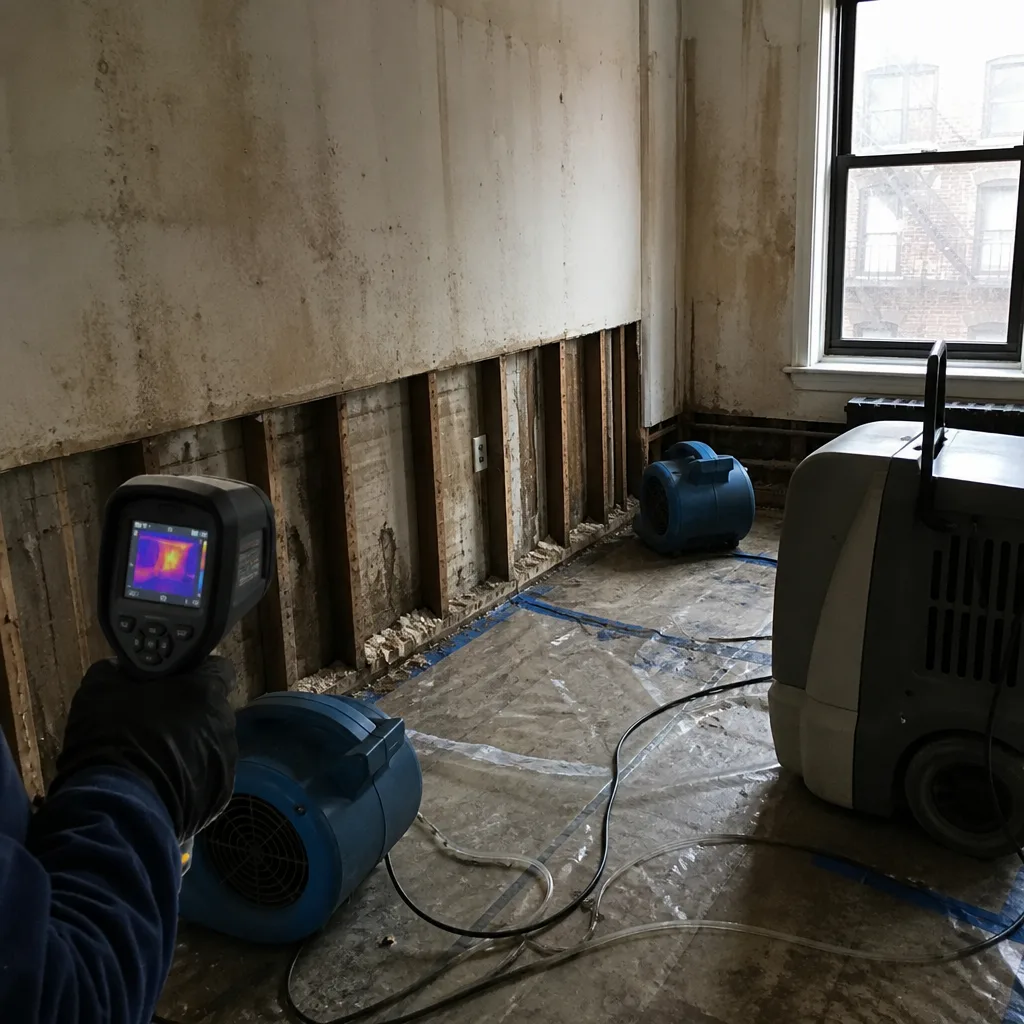 Before
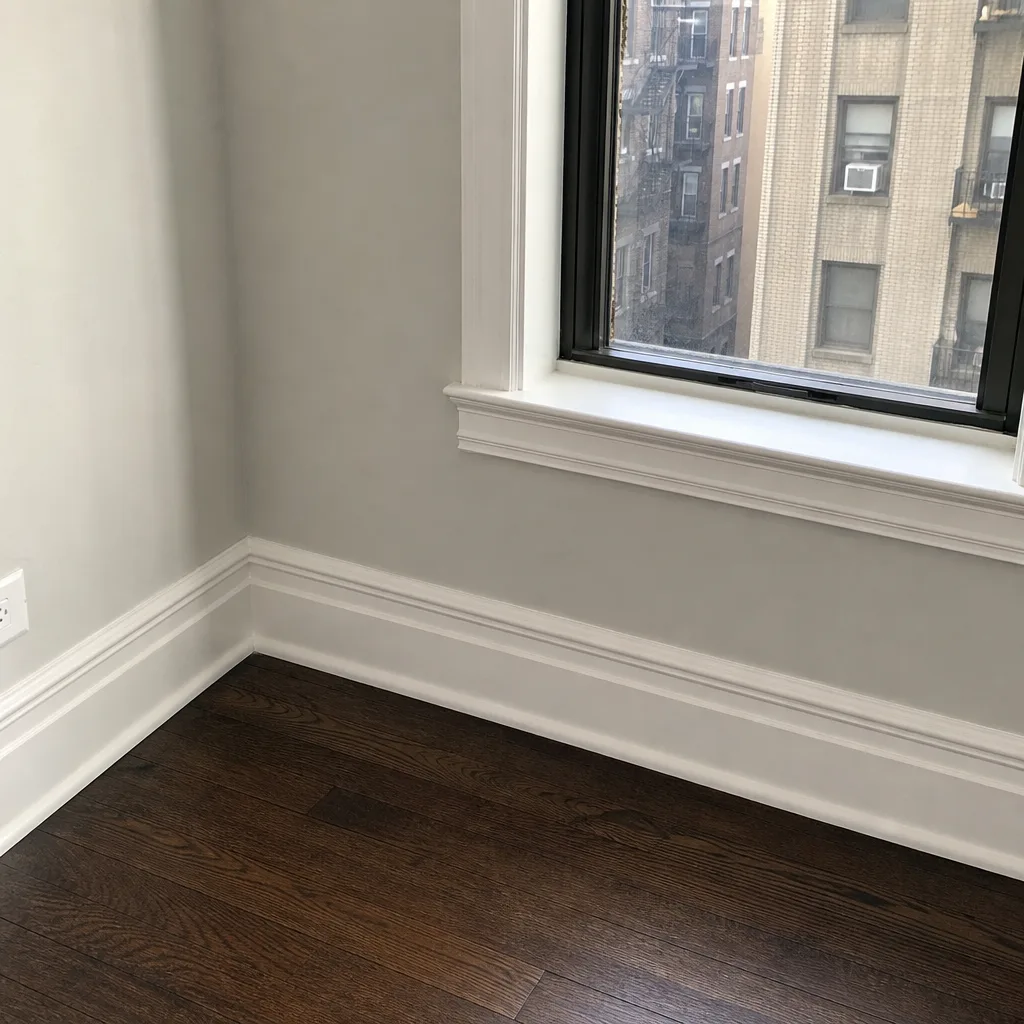 After
After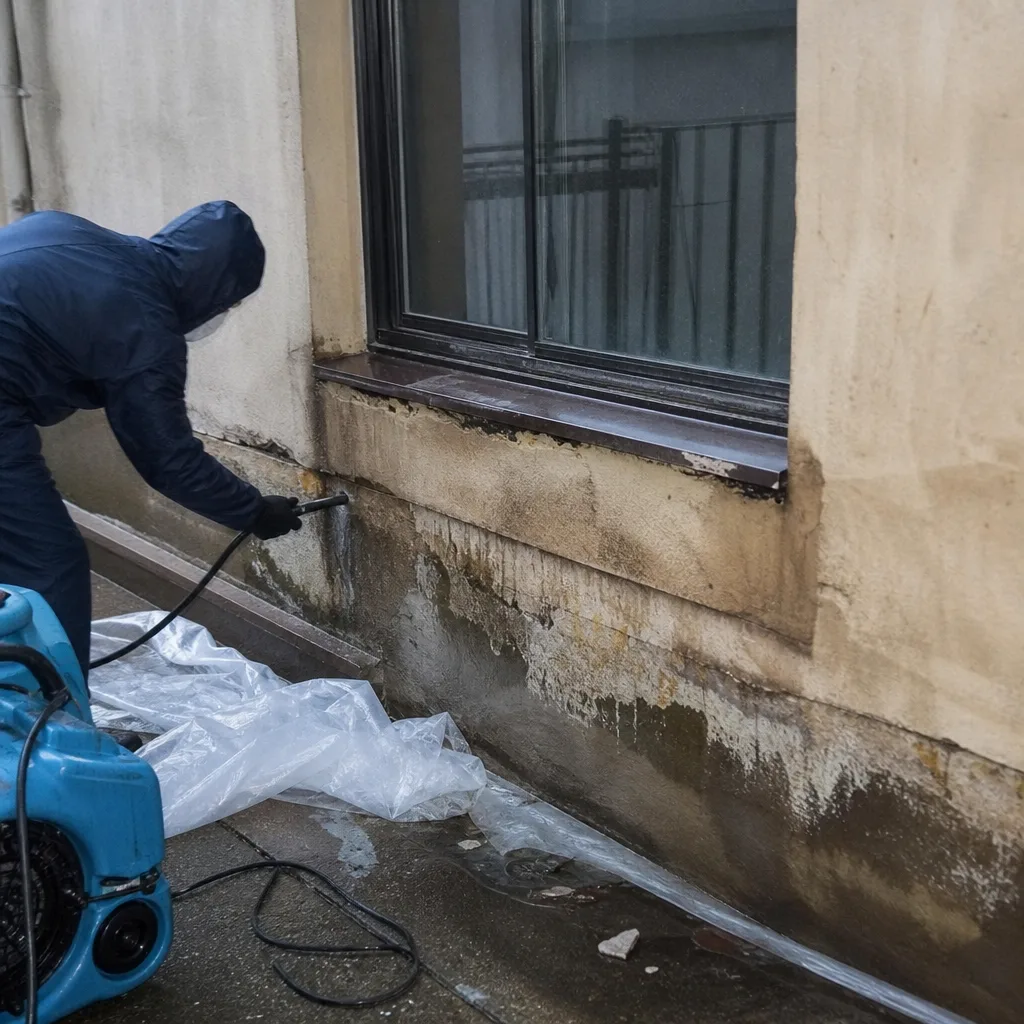 Before
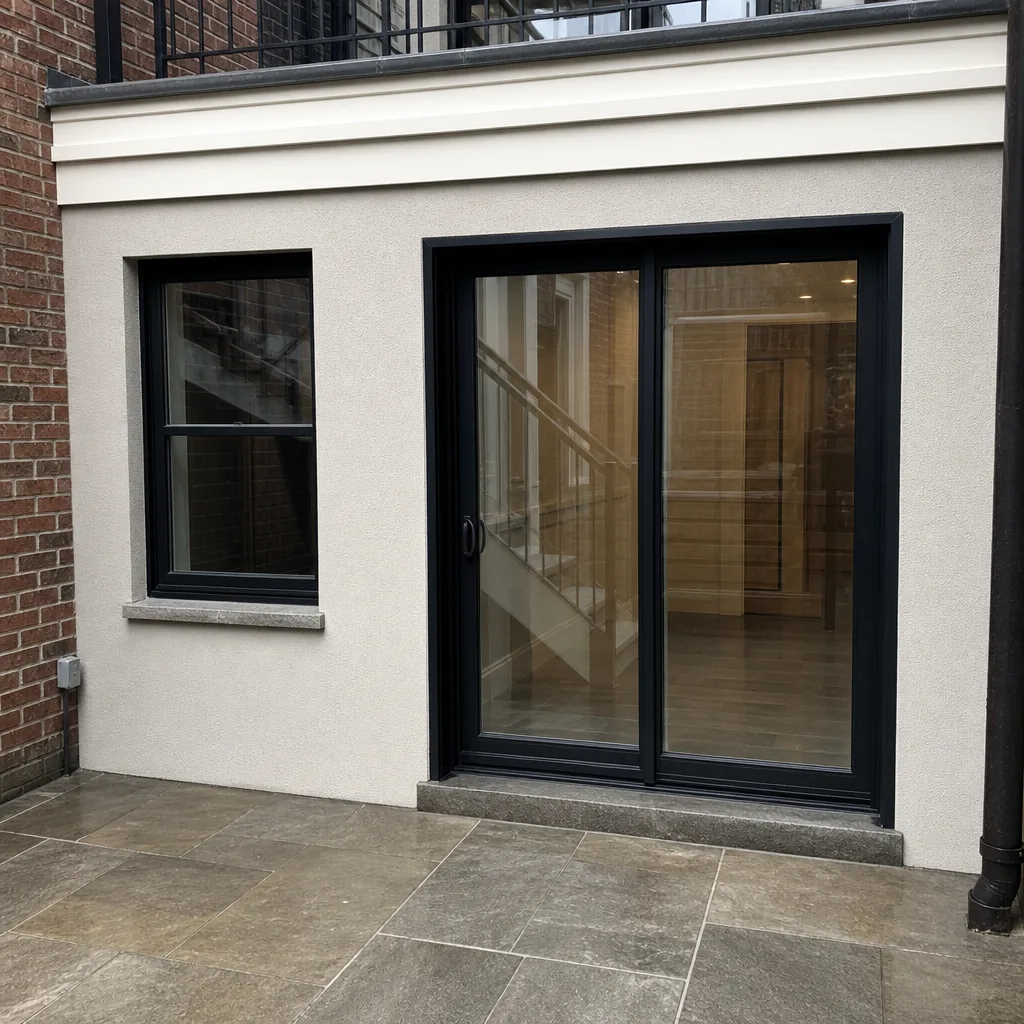 After
After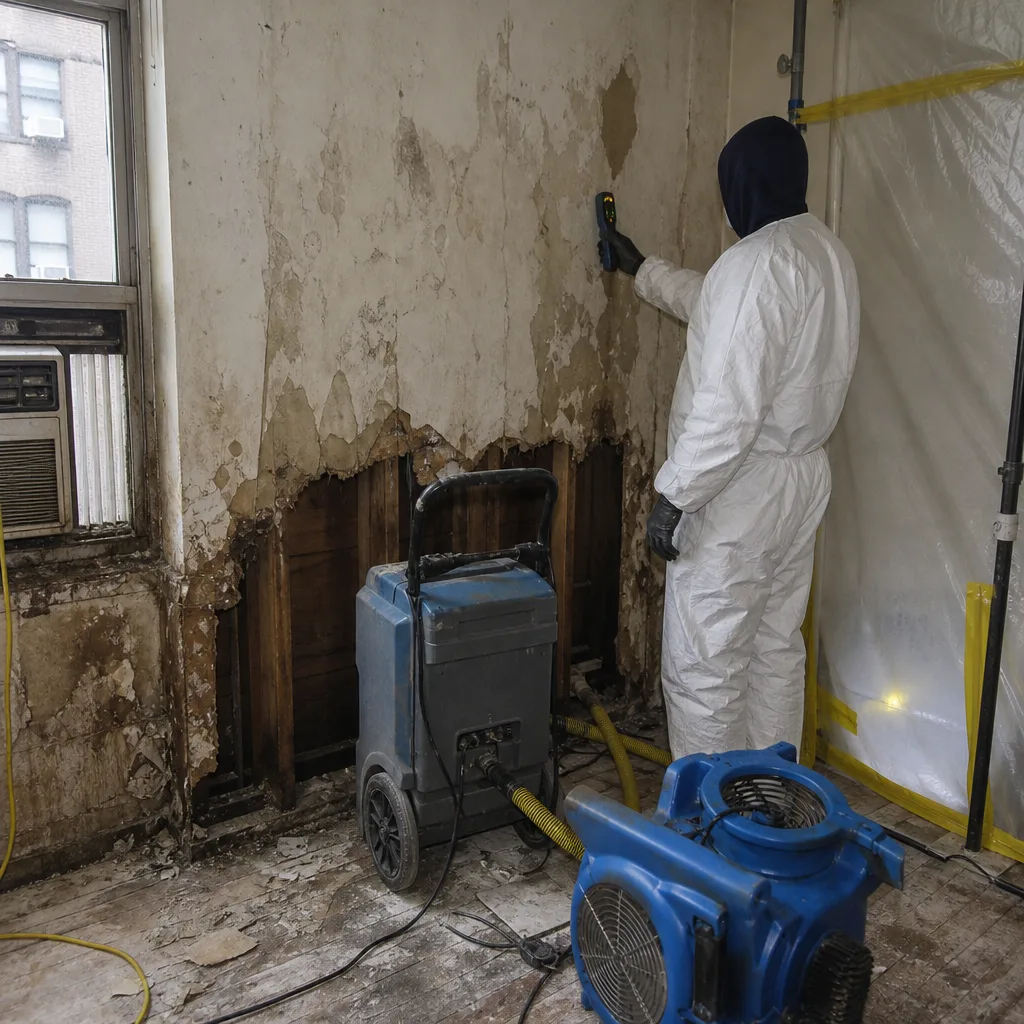 Before
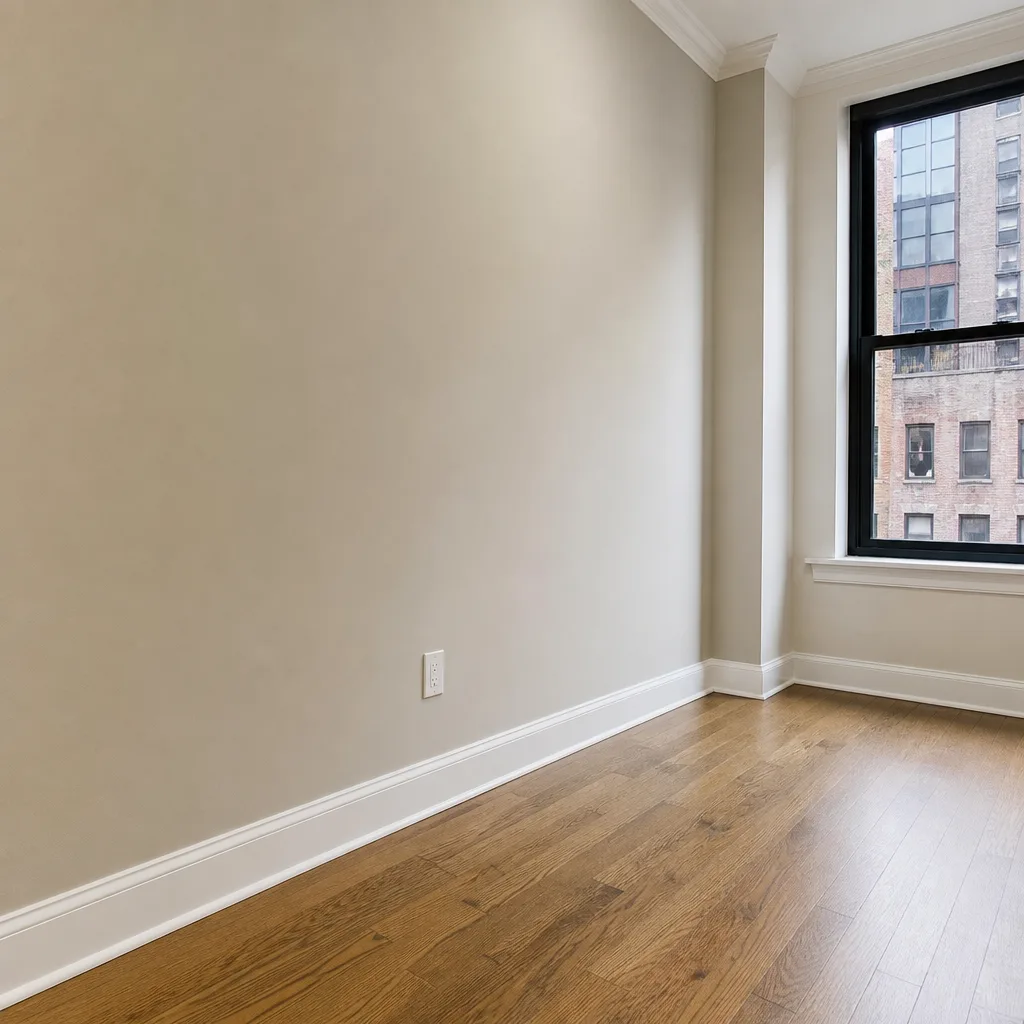 After
AfterDamage Restoration Permits, Codes & Inspections in NY: What You Need to Know
Most homeowners don’t discover they have a permit problem until the adjuster has already cut the check and the drywall is stacked in the hallway. New York’s permit requirements after a fire, flood, or mold event are layered, local, and frequently misunderstood, and the penalty for guessing wrong isn’t a fine so much as a stalled claim and a house you can’t legally sell. If you’re standing in a damaged home right now, this guide tells you what the state expects, what your town will ask for, when an inspection is mandatory, and how to avoid the single most expensive mistake we see in Midtown Manhattan and everywhere else we work. No fluff. Just the rules as they apply today, written for someone who wants the job done right and the paperwork clean.
Quick Answer
Most structural restoration work in New York requires a permit from the local building department, not the state, and the trigger is usually the scope of work: removing and replacing drywall, altering framing, or touching electrical, plumbing, or gas lines. Fire, water, and mold remediation that stops at extraction, drying, and surface cleaning typically does not require a permit. If your project involves reconstruction beyond cosmetic finishes, assume you need a permit, expect at least one inspection before the walls are closed, and keep a written record of every approval because your insurer will ask for it.
Table of Contents
- Who Issues Restoration Permits in New York
- When a Permit Is Required and When It Isn’t
- The Building Codes That Govern Restoration Work
- Electrical, Plumbing, and Gas: The High-Stakes Triggers
- Mold and Asbestos: The Environmental Rules
- The Inspection Process Step by Step
- How Permits and Inspections Affect Your Insurance Claim
- Common Mistakes to Avoid
- When to Call a Professional
- Frequently Asked Questions
- The Bottom Line
Who Issues Restoration Permits in New York
New York does not have a single statewide permit for residential restoration. The authority sits with your local building department, whether that’s the New York City Department of Buildings, which governs permits here in Midtown Manhattan, or the code enforcement office in a village upstate. The state’s role is to set the baseline through the Uniform Fire Prevention and Building Code, known as the Uniform Code, and to require that every municipality enforce it. Local jurisdictions can add requirements on top of that baseline. They cannot subtract from it.
That means the answer to “do I need a permit?” is always local. Your town clerk’s office or building department website will list permit applications, fee schedules, and the types of work that trigger a review. In Midtown Manhattan, where many buildings are co-ops, condos, or landmarks, there is often a second layer: the building’s own alteration agreement or the Landmarks Preservation Commission. We’ve seen straightforward kitchen fire restorations in Midtown Manhattan take an extra two weeks because the co-op board required its own architectural review before the DOB would even open the file. Plan for that.
The practical takeaway: call your local building department before you sign a restoration contract. Ask one specific question: “For water damage repair that includes drywall replacement and no structural changes, what do I need to file?” The person on the phone can usually answer in two minutes.
When a Permit Is Required and When It Isn’t
Here is the line that matters most, and it surprises people. Water extraction, drying, dehumidification, surface mold cleaning, and carpet removal are considered mitigation, not construction. Those do not require a permit anywhere in New York. The moment the work shifts to reconstruction, meaning opening walls, removing and replacing sheetrock, moving or repairing framing, or modifying any system, the permit question opens.
A permit is generally required when the project includes any of the following:
- Replacement of drywall or plaster on more than a small patch basis, defined by most New York jurisdictions as larger than 64 square feet.
- Any modification to load-bearing walls, beams, columns, or floor joists.
- Replacement or relocation of electrical wiring, outlets, panels, or fixtures.
- Repair or replacement of plumbing lines, supply pipes, drains, or water heaters.
- Repair or replacement of gas lines or gas-fired appliances.
- Changes to window or door openings, including frame replacement after fire damage.
- Roof sheathing or rafter replacement beyond a minor patch.
A permit is generally not required for:
- Water extraction and drying with professional-grade equipment.
- Removal of wet carpet, pad, and baseboards to expose the affected area.
- Surface mold cleaning on non-porous materials like tile or sealed concrete.
- Painting, trim work, and cosmetic floor covering installation after the repair is approved.
- Replacement of cabinet doors, hardware, and other non-structural finish items.
The square footage threshold varies. In New York City, the Administrative Code pulls most interior demolition and wall replacement into the permit system regardless of size when it’s part of a repair that touches systems. In smaller upstate municipalities, a repair under 64 square feet with no system changes often moves forward with just a field inspection. Do not guess. One call to the building department resolves it.
The Building Codes That Govern Restoration Work
New York uses the International Residential Code and International Building Code as the foundation of its Uniform Code, with state-specific amendments. Restoration work sits at the intersection of three sets of rules: the building code, the existing building code, and the energy code. The existing building code matters most, because it dictates what standard applies when you repair a damaged building rather than build a new one.
Here is what that means in plain terms. If a pipe bursts in a 1920s Midtown Manhattan co-op and we open the wall, the repair must bring only the affected area into compliance with current code where safety systems are involved. You are not required to rewire the entire apartment because one outlet got wet, but the replacement outlet must be arc-fault protected if the code calls for it in that location. The same logic applies to fire restoration: the rebuilt wall must meet current fire separation and insulation requirements, but the rest of the building is not penalized for its age.
The energy code also sneaks into restoration projects. When more than a certain percentage of a wall assembly is opened, many New York jurisdictions require the cavity to be insulated to current R-value minimums before it’s closed. This is a code requirement, not an upsell. A restoration contractor who knows the local amendments will flag it before the drywall goes up.
Electrical, Plumbing, and Gas: The High-Stakes Triggers
If there is one category that forces a permit more than any other, it’s electrical. Water and fire both damage wiring in ways that are not always visible. Once an electrician opens a circuit, National Electrical Code requirements apply, and nearly every New York jurisdiction requires an electrical permit for that work. The inspection happens before the wall is closed, and the inspector will look for proper wire sizing, junction box accessibility, and ground fault or arc fault protection on the affected circuits.
Plumbing repairs follow the same pattern. A supply line replacement, a new drain assembly, or a water heater swap all require a plumbing permit in most jurisdictions, and the work must be done by or under the supervision of a licensed master plumber. Gas work is even stricter. Any repair to a gas line or replacement of a gas appliance requires a permit and, in many cases, a pressure test witnessed by the inspector before the gas is turned back on.
Here is the safety reality that guides this rule. A bad drywall patch is an inconvenience. A bad gas connection or a reversed neutral is a life safety issue. The permit and inspection process exists to put a second set of trained eyes on work that can kill someone if it’s wrong. We never recommend cutting corners on system work, and in our experience, insurance carriers will deny related portions of a claim if unpermitted electrical or gas work contributed to the damage.
Mold and Asbestos: The Environmental Rules
New York State regulates mold assessment and remediation through Article 32 of the Labor Law, which requires that anyone performing mold assessment or remediation for compensation be licensed by the Department of Labor. The rule applies to projects over ten square feet of contiguous mold. Below that threshold, a homeowner may clean it themselves. Above it, the contractor must be a licensed mold remediation company, and the work must follow a specific protocol: containment, air filtration, removal, cleaning, and post-remediation verification.
The permit question for mold is different from the building permit question. Mold remediation itself does not require a building permit in most cases, because it is a cleaning activity. But if the mold damage requires removing and replacing drywall, that portion of the work triggers the building permit discussion. The two systems run in parallel. A licensed mold contractor handles the remediation. A building permit covers the reconstruction that follows.
Asbestos is a separate and older problem. In any New York building constructed before 1980, fire damage, flood damage, or demolition that disturbs building materials requires an asbestos survey before work begins. If asbestos is present, only a licensed asbestos abatement contractor can remove it, and the work requires notification to the New York State Department of Labor. This is not optional, and it is not cheap, but skipping it is far more expensive. In Midtown Manhattan, where pre-war buildings are the norm, we assume asbestos is present until the survey says otherwise.
The Inspection Process Step by Step
Here is the typical sequence when a Midtown Manhattan or New York State restoration project requires a permit:
- File the permit application. The contractor or homeowner submits drawings or a scope of work, a permit fee, and proof of insurance to the local building department. In New York City, this happens through the DOB’s online portal.
- Wait for approval. Simple permits may approve the same week. Projects involving structural changes, landmark review, or co-op board sign-off can take four to six weeks in Midtown Manhattan. Mitigation work can proceed during the wait as long as no building systems are being altered.
- Schedule the rough inspection. After demolition and before new drywall goes up, the inspector visits to check framing, electrical rough-in, plumbing rough-in, and any structural repairs. This is the inspection you cannot skip. If the work fails, corrections are noted and a re-inspection is scheduled.
- Complete the work. Once the rough inspection passes, insulation, drywall, and finishes go in. No systems may be concealed before approval.
- Schedule the final inspection. The inspector verifies that the finished work matches the approved scope and that all systems function. A certificate of compliance or completion is issued, and the permit is closed.
Keep every inspection report. Your insurance adjuster will ask for proof that the work was permitted and passed, especially on structural or system repairs. A closed permit is also what you’ll hand the buyer’s attorney when you eventually sell the house.
How Permits and Inspections Affect Your Insurance Claim
Insurance carriers in New York are not in the permit business, but they are in the documentation business. When you file a claim for water, fire, or mold damage, the adjuster writes a scope of loss that estimates what it costs to return the property to its pre-loss condition. If that scope includes work that requires a permit, the carrier will expect the permit to exist and the work to be done by licensed trades. Some policies include a line item for permit fees. Some do not.
The deeper issue is liability. If unpermitted work is later found to have contributed to a second loss, the carrier can and will deny the new claim. We have watched homeowners in older New York neighborhoods sign with the low bid, skip the permit, and then discover after a subsequent fire that their policy is effectively void for that portion of the house. The $400 permit fee is cheap insurance against a six-figure denial.
Here is the other side of the coin. A properly permitted, inspected, and documented restoration strengthens your position with the carrier. It proves the work was done to code, by licensed professionals, with a paper trail. When we handle reconstruction after a fire or flood, we photograph every stage, log every inspection, and hand the homeowner and the carrier a complete file. Direct insurance billing means the homeowner never has to translate between us and the adjuster. The paperwork moves. The claim closes. The house is right.
In Midtown Manhattan, where co-op and condo boards often add their own documentation requirements, this file matters even more. A board will ask for proof of permits, proof of insurance, and proof of completion. If you can’t produce it, you may face fines, forced re-work, or legal action from the building.
Common Mistakes to Avoid
- Skipping the permit because the damage is “small.” The threshold is not about how much damage you can see. It’s about what the repair touches. A two-foot drywall patch that opens an electrical box can trigger a permit in New York City. When in doubt, call the building department.
- Letting the insurance check drive the decision. Carriers estimate what they will pay, not what the code requires. If the code demands arc-fault breakers or full cavity insulation, that cost may need a supplement. A restoration contractor who knows New York codes can advocate for that supplement with the adjuster.
- Closing walls before the rough inspection. This is the most expensive mistake we see, and we see it again and again. Once drywall is up, the inspector can’t see the work. The options are opening the wall or operating under an unresolved permit, which will surface years later at resale.
- Assuming mold remediation means no building permit. Mold removal on its own may not need one, but the drywall replacement that follows almost always does. Treat the two phases separately and file for the reconstruction portion.
- Using an unlicensed contractor for system work. In New York, electrical, plumbing, and gas work requires licensed trades. A handyman who says “I can do that without pulling a permit” is handing you a liability that your insurer will not cover.
- Ignoring the asbestos survey in pre-1980 buildings. In much of New York City, including many Midtown Manhattan buildings, the survey is an automatic step before any demolition. Skipping it can stop a project cold and expose you to state fines.
- Throwing away inspection reports. Those sheets of paper are the proof your work was legal. Keep them with your closing documents. Your future buyer’s attorney will want them.
When to Call a Professional
Any restoration that requires a permit is, by definition, too complex for a weekend fix, but the clearest line is system work. If water or fire has touched your electrical, plumbing, gas, or structural framing, stop and call a licensed contractor. The same is true for mold over ten square feet, which New York law requires a licensed remediator to handle. If you’re in Midtown Manhattan, the timeline is longer because of DOB review, co-op board filings, and often landmark review, so earlier is always cheaper.
Floodline Restoration Co. offers free estimates in Midtown Manhattan and the surrounding area. Call (518) 314-5660 and a live dispatcher will answer, any hour of any day. We’ll walk the site, tell you what needs permitting, what doesn’t, and put it in writing. No pressure. Just a straight answer from a company that’s been doing this since 2010.
Frequently Asked Questions
The permit requirement depends on the scope of work. Water extraction, drying, and removal of damaged materials do not require a permit. Replacing drywall, electrical components, or plumbing does. Call your local building department with a one-sentence description of the repair and ask. In Midtown Manhattan, the DOB handles permits for most residential work, and many co-ops add their own approval layer.
Simple permits for non-structural repairs can approve within one to two weeks. Projects involving structural changes, co-op or condo board review, or landmark requirements commonly take four to six weeks in Midtown Manhattan. Filing early is the single best way to keep a restoration on schedule, and mitigation work can proceed while the permit is under review.
Either can file, but the licensed contractor who performs the work usually handles it. In New York City, the permit is issued to a licensed contractor or a registered design professional, not typically to the homeowner for system work. Whatever the arrangement, make sure the permit is in the file before the work starts, and ask for a copy when it’s approved.
Mold remediation itself does not require a building permit in most cases, but it does require a licensed mold remediation contractor for any project over ten square feet, per New York State Labor Law Article 32. If the remediation includes drywall removal and replacement, the reconstruction portion typically requires a building permit. The two requirements run on parallel tracks.
Most policies include permit fees as part of the covered repair cost, though the line item is sometimes overlooked by adjusters. Code upgrades required by local building codes, such as arc-fault breakers or additional insulation, may also be covered under “ordinance or law” coverage if your policy includes it. Ask your adjuster and your restoration contractor to review the scope together. Floodline Restoration Co. bills carriers directly and handles that conversation for you.
The consequences range from a stop-work order to fines and forced re-work, plus a cloud on the property title that surfaces when you sell. In the worst case, unpermitted system work that contributes to a later loss can void insurance coverage. The permit process exists to protect you, and the cost of compliance is a fraction of what non-compliance can cost.
The Bottom Line
New York’s permit system is not designed to punish homeowners. It’s designed to ensure that when a house is opened up after a fire, flood, or mold event, what goes back in is safe. The process is local, the triggers are mostly about systems and structure, and the cost of skipping it is always higher than the cost of compliance. If you’re in Midtown Manhattan or anywhere in New York, start by calling your building department, file early, keep every inspection report, and let a licensed contractor handle the work. Done right, with the paperwork in order, a restoration project closes cleanly. The house is safe. The claim is paid. The file is complete.
Floodline Restoration Co. is a full-cycle restoration company serving Midtown Manhattan and the surrounding area since 2010. We handle every phase, from the first extraction to the finished rebuild, with Floodline Restoration Co. home as your starting point for understanding how we work. Our crews are background-checked, uniformed, and certified to IICRC, RIA, and IFA standards, using Dri-Eaz, Phoenix, and XPOWER equipment to hit the dry standard and prove it with a daily moisture log. Every job is backed by the 90-Day Done Right Promise, the Keystone Standard, in writing with no arguing. Call (518) 314-5660 for a free estimate. A live person will answer, any hour of any day, and that’s not a promise we make lightly. We’ll be there when we say.
Written by Curt Bowman, Owner at Floodline Restoration Co., serving Midtown Manhattan since 2010.